The Person Behind The Punchlines
People laughed hard at Don Rickles, sometimes nervously. The sharpness wasn’t accidental. Underneath lived honesty and constant effort. His words reflect someone balancing confidence and doubt while choosing laughter as the safest place to land.
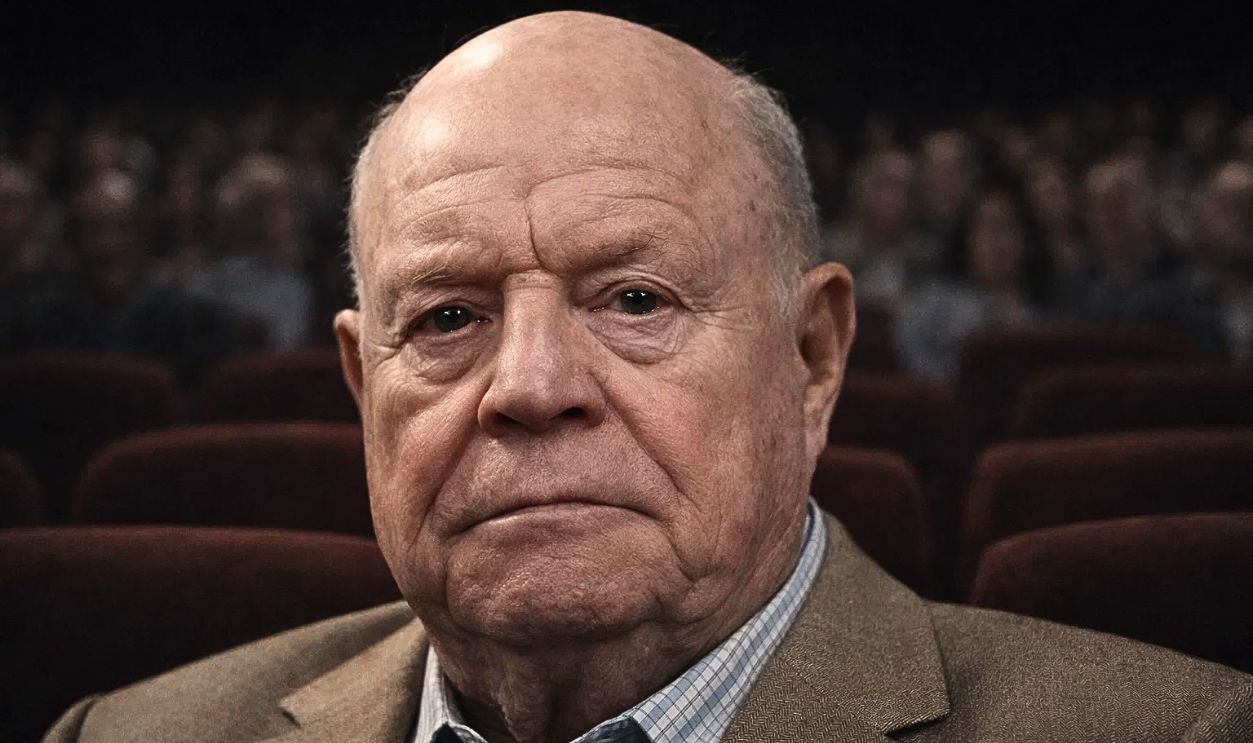
Who Was Don Rickles
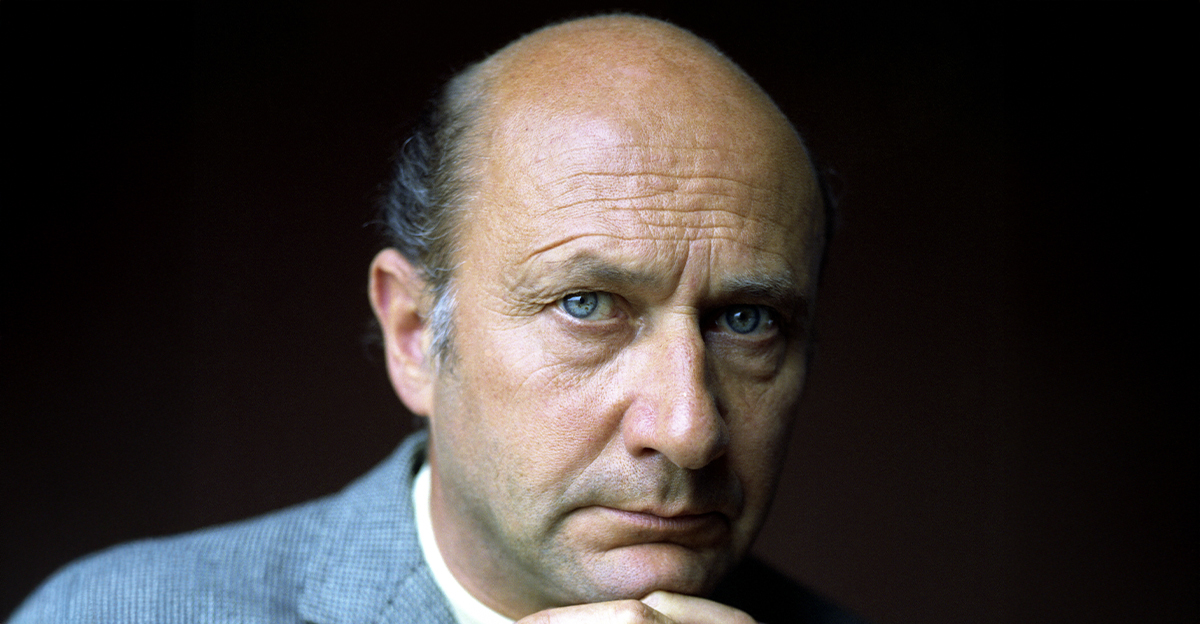
Don Rickles was a well-known stand-up comedian and actor, born in New York City in 1926. He became known for a bold style that involved teasing and mocking audiences. Despite the rough delivery, he was widely respected and remained popular for decades.
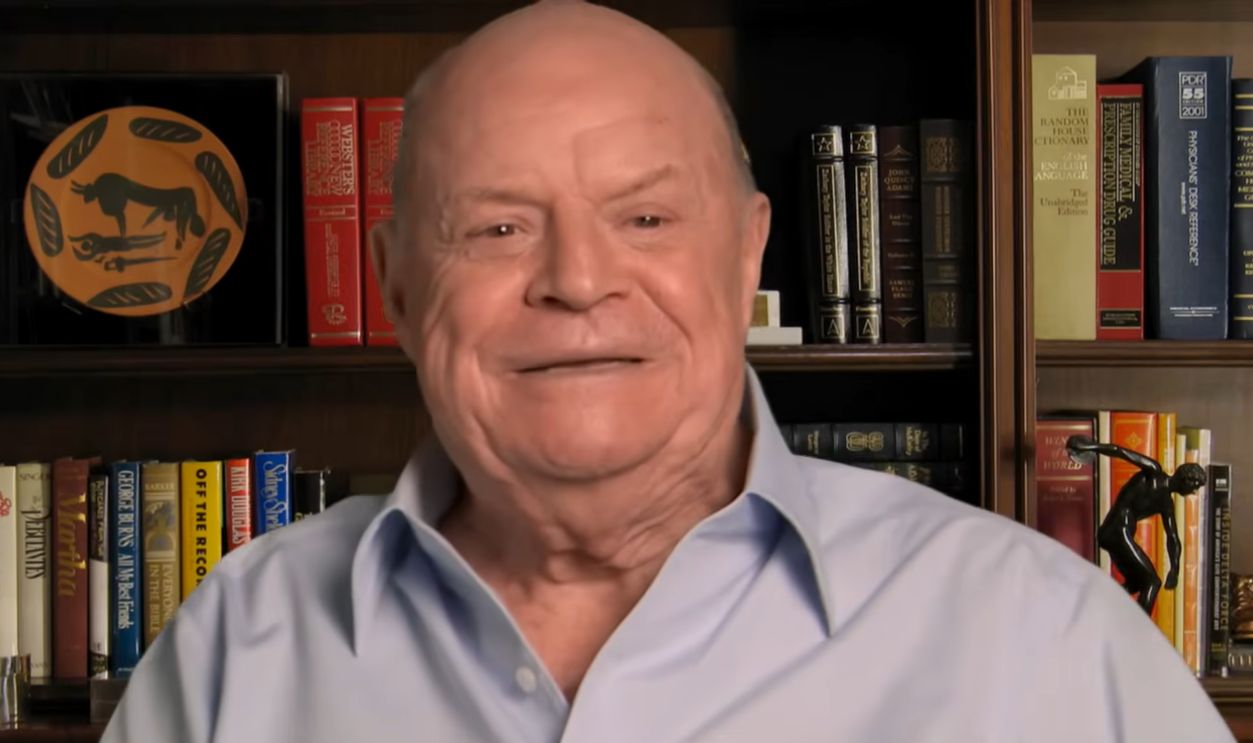 Screenshot from Mr. Warmth: The Don Rickles Project, HBO (2007)
Growing Up Tough Shaped How He Spoke
Rickles served in the US Navy in WWII and grew up during the Great Depression. These experiences shaped his blunt, no-frills personality. Humor became a way to cope and connect in a world that rarely offered softness.
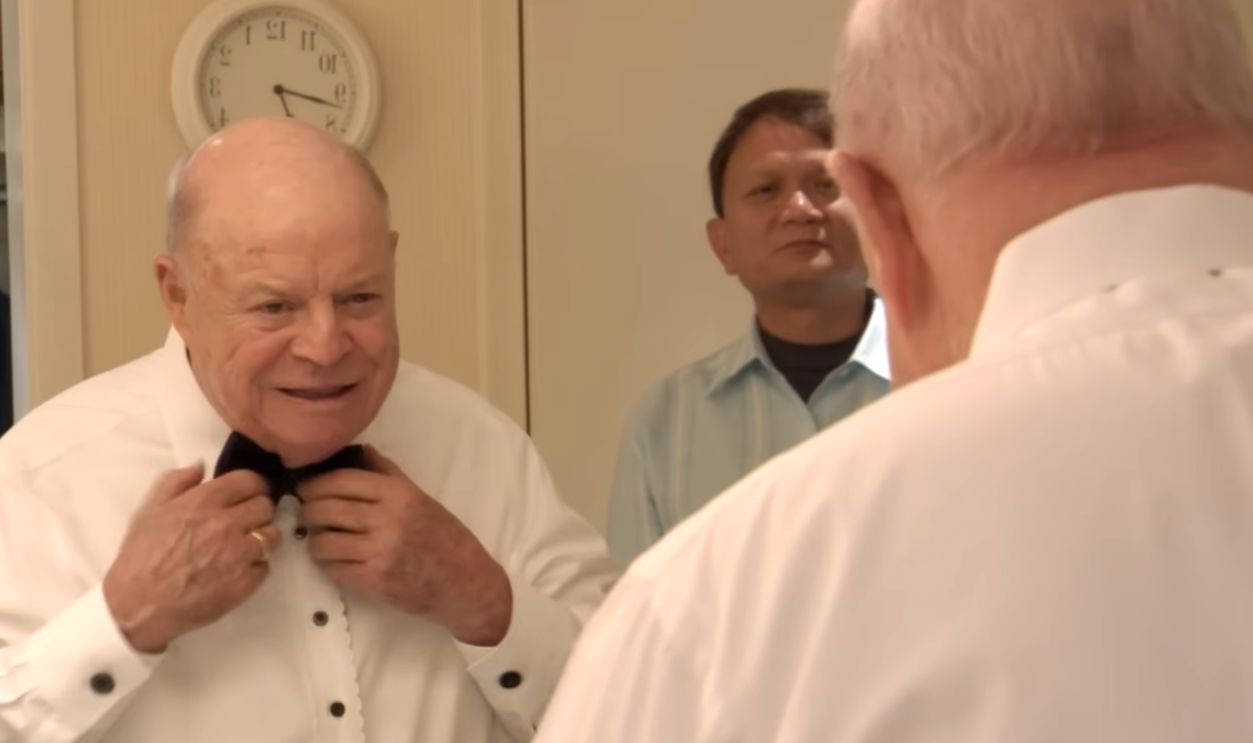 Screenshot from Mr. Warmth: The Don Rickles Project, HBO (2007)
How He Accidentally Found His Voice
He originally wanted to be a dramatic actor, but casting agents showed little interest. While performing in clubs, Don began joking with tough audiences to keep their attention. His improvised insults clicked, slowly forming the sharp style that made him famous.
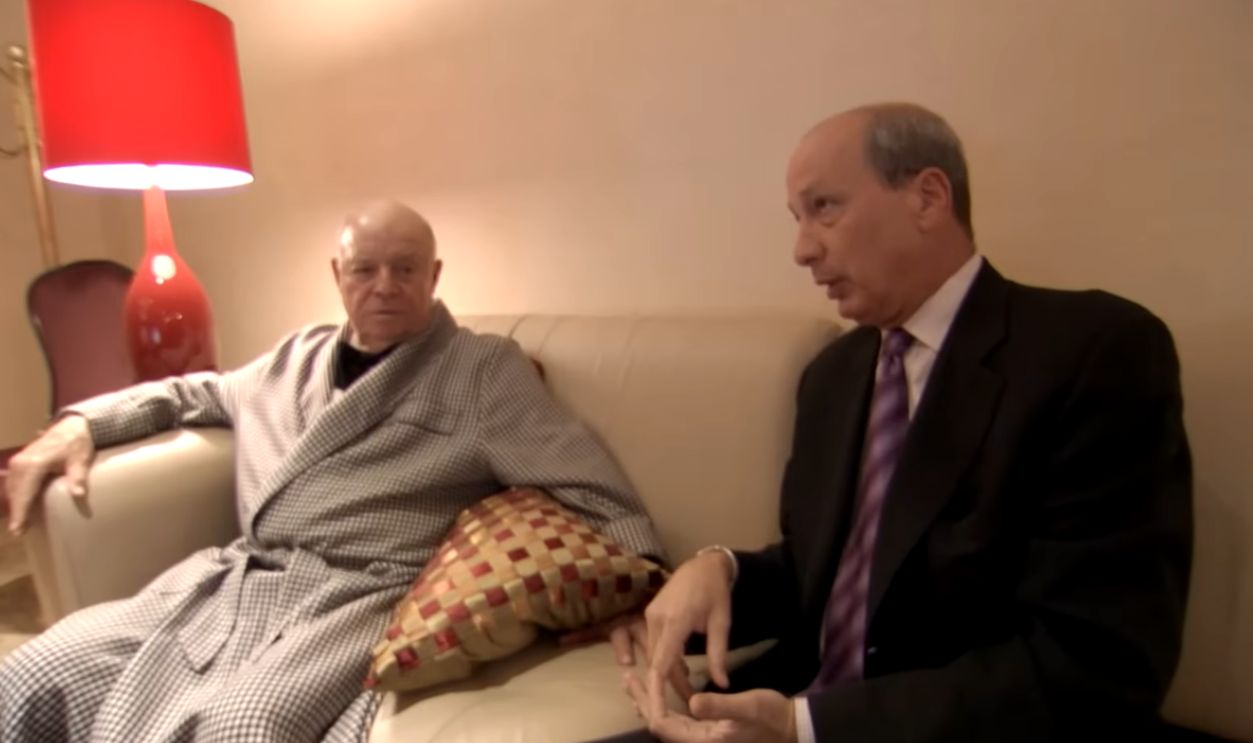 Screenshot from Mr. Warmth: The Don Rickles Project, HBO (2007)
Insults Were Never The Point
Although Rickles insulted people on stage, cruelty was never his goal. He believed laughter created connection, not division. His jokes worked because they included everyone. Don didn't even spare himself. This turned tension into shared amusement rather than genuine offense. Here are some of the lines the world remembers him by.
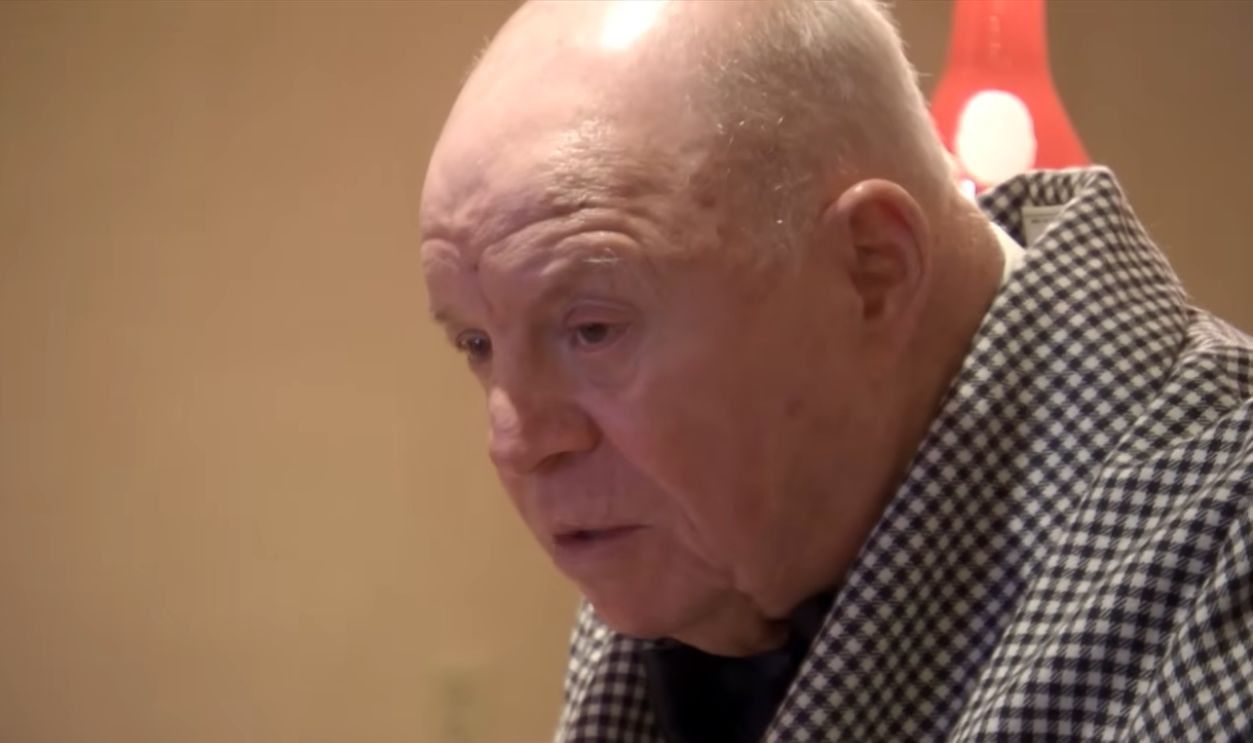 Screenshot from Mr. Warmth: The Don Rickles Project, HBO (2007)
“You Can’t Study Comedy; It’s Within You. It’s A Personality. My Humor Is An Attitude”
Comedy wasn’t a skill Rickles picked up later in life. It grew out of temperament and instinct. Humor functioned as posture and worldview, not technique. That belief explains why his style felt natural and deeply tied to who he was offstage.
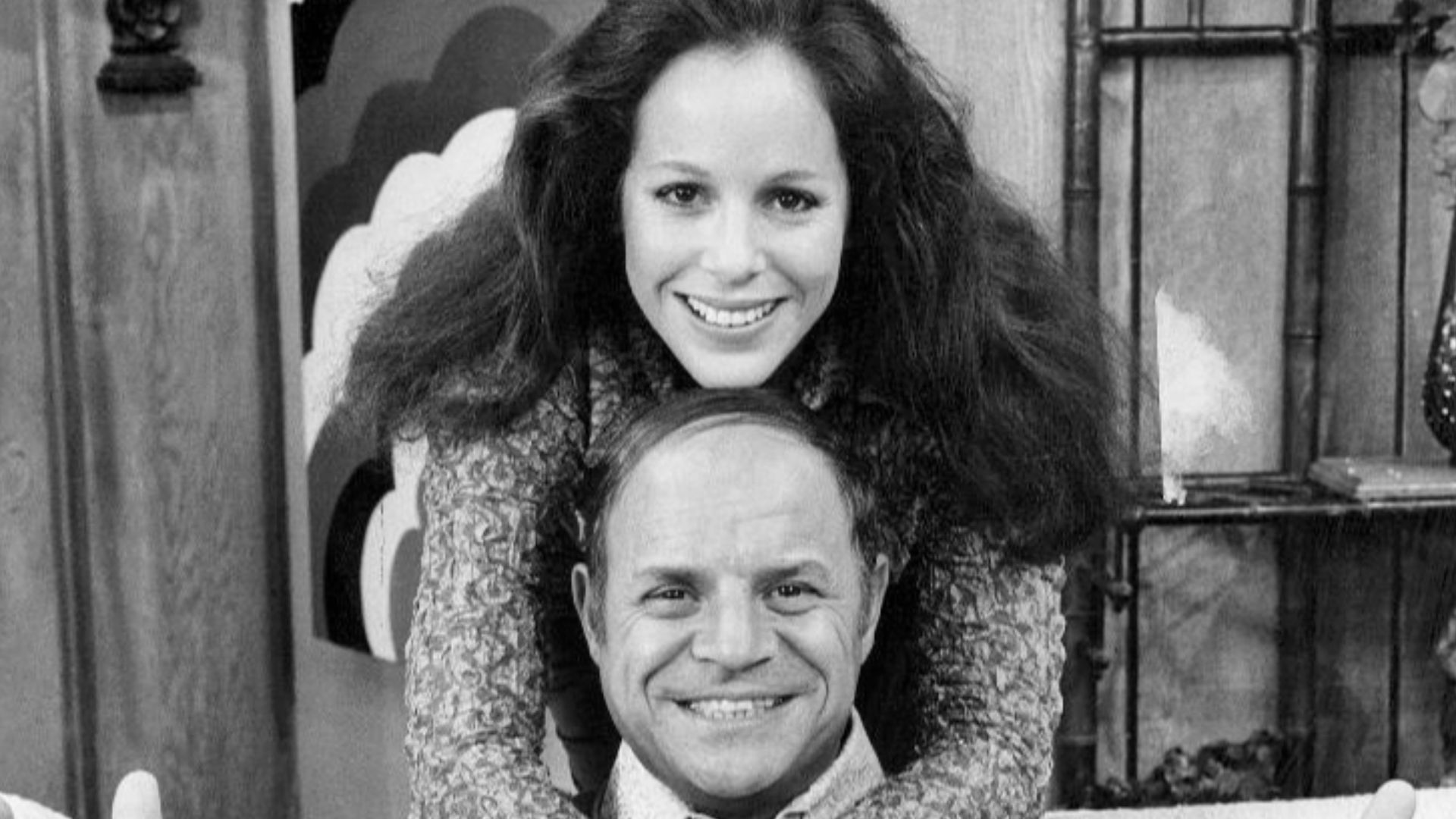 studio staff?, Wikimedia Commons
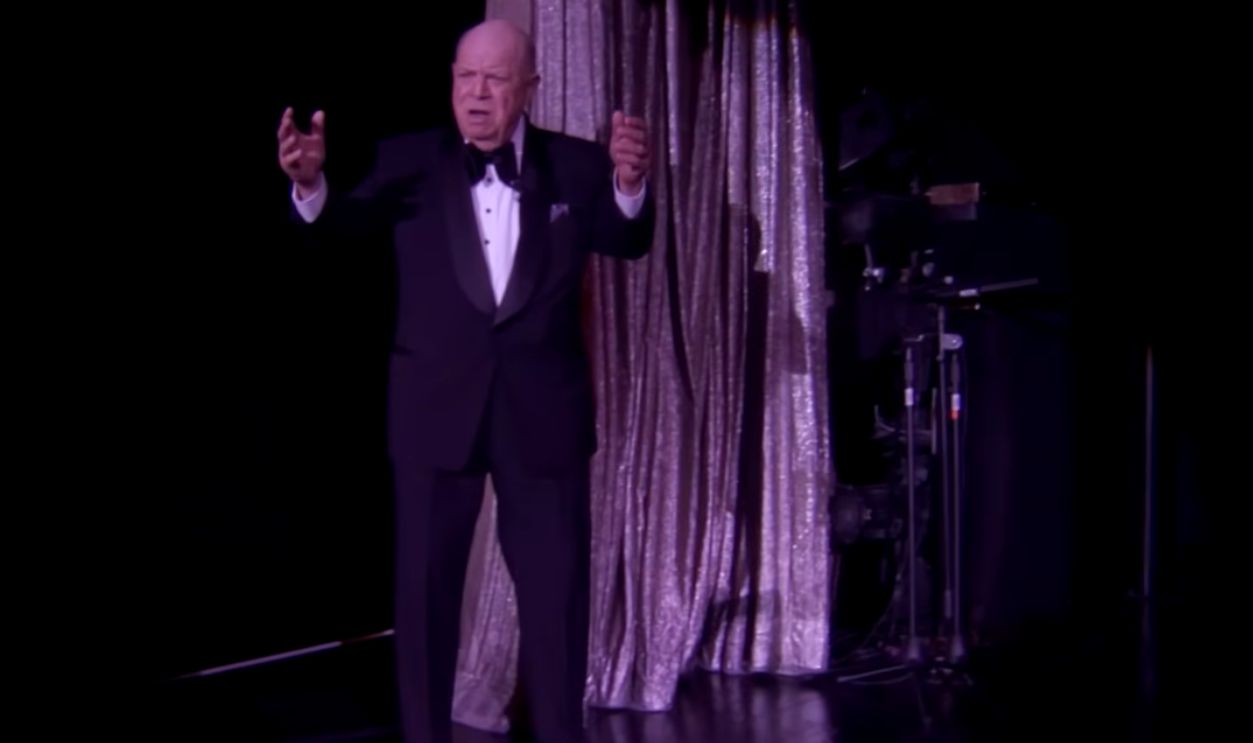
“If I Were To Insult People And Mean It, That Wouldn’t Be Funny”
Intent mattered more than language for this man. Don understood the emotional difference between aggression and play. Jokes worked because they carried exaggeration. Audiences sensed that separation, which allowed sharp words to land as performance instead of personal hostility.
 Screenshot from Mr. Warmth: The Don Rickles Project, HBO (2007)
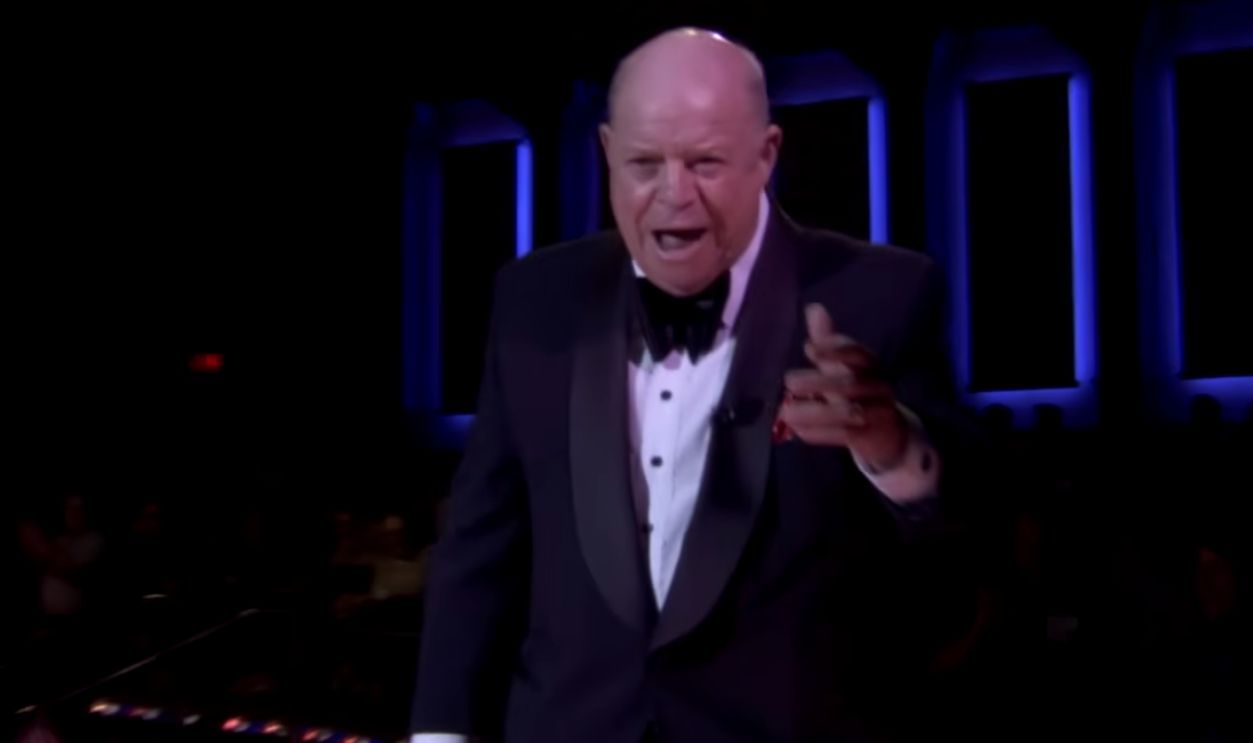
“When You Stand Alone And Sell Yourself, You Can’t Please Everyone”
He accepted early that universal approval was impossible. Standing apart came with resistance, but also longevity. That mindset supported independence and consistency. Rather than chasing acceptance, he leaned into individuality by trusting that commitment mattered more than consensus.
 Screenshot from Mr. Warmth: The Don Rickles Project, HBO (2007)
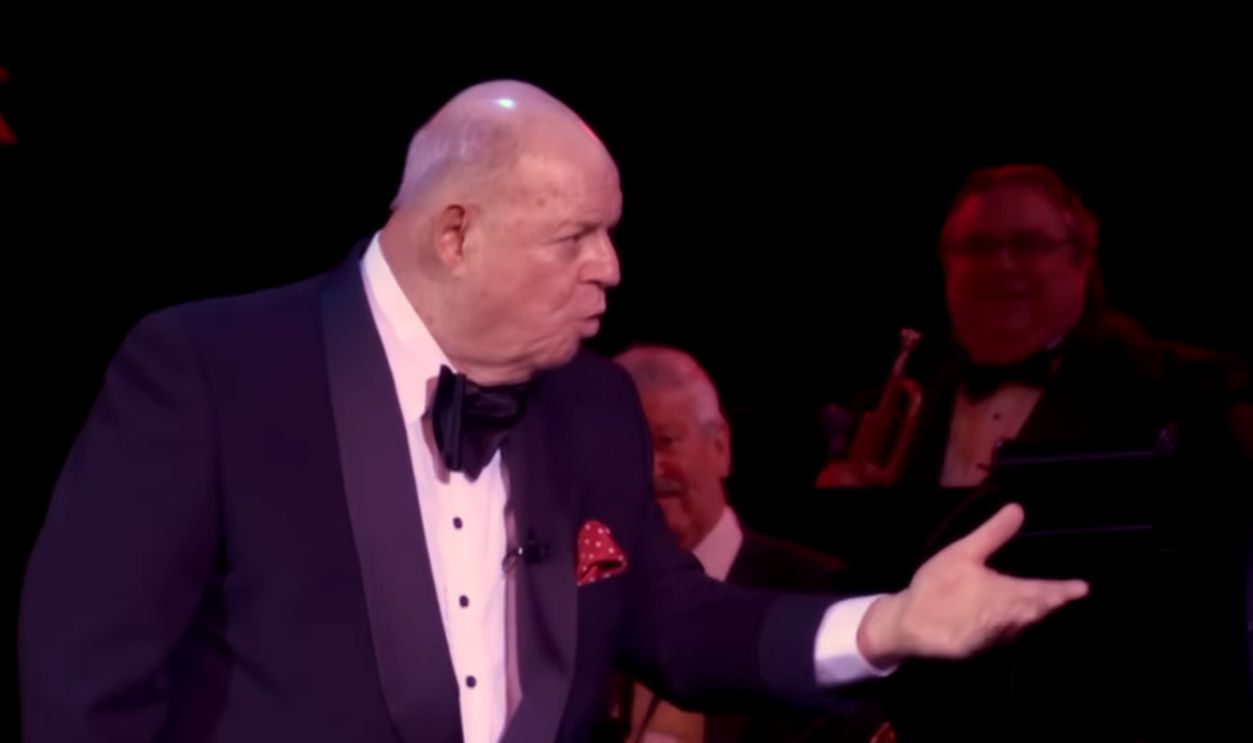
“Some People Say Funny Things, But I Say Things Funny”
Delivery mattered more than material. Rickles focused on timing, rhythm, and presence instead of just relying on clever wording. Humor lived in expression. Such an approach highlights attention to craft and awareness, which shows a performer is shaped by instinct and control.
 Screenshot from Mr. Warmth: The Don Rickles Project, HBO (2007)
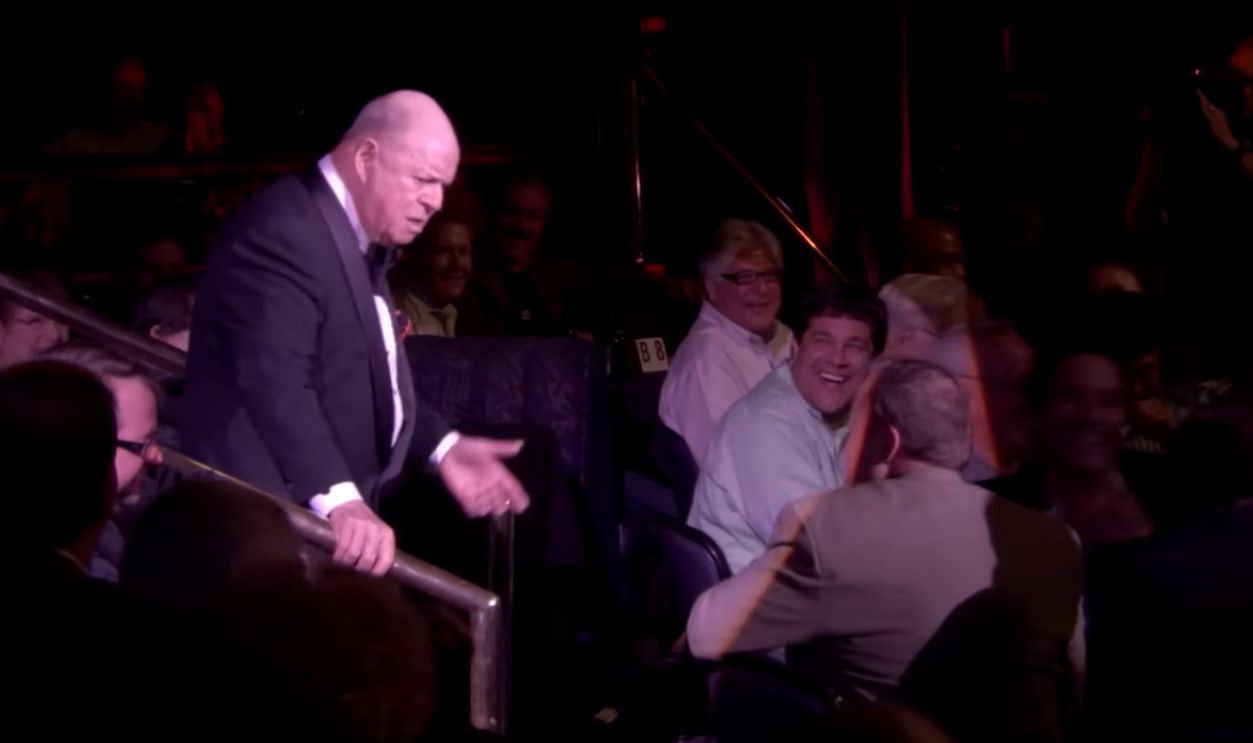
“Half The Battle Is That People Have To Like You Before You Say One Joke”
Connection came before confrontation for him. Rickles understood trust as the groundwork for laughter. Even sharp humor required goodwill first. This is why his insults landed without collapsing rooms. His rapport softened edges and allowed boldness without alienation.
 Screenshot from Mr. Warmth: The Don Rickles Project, HBO (2007)
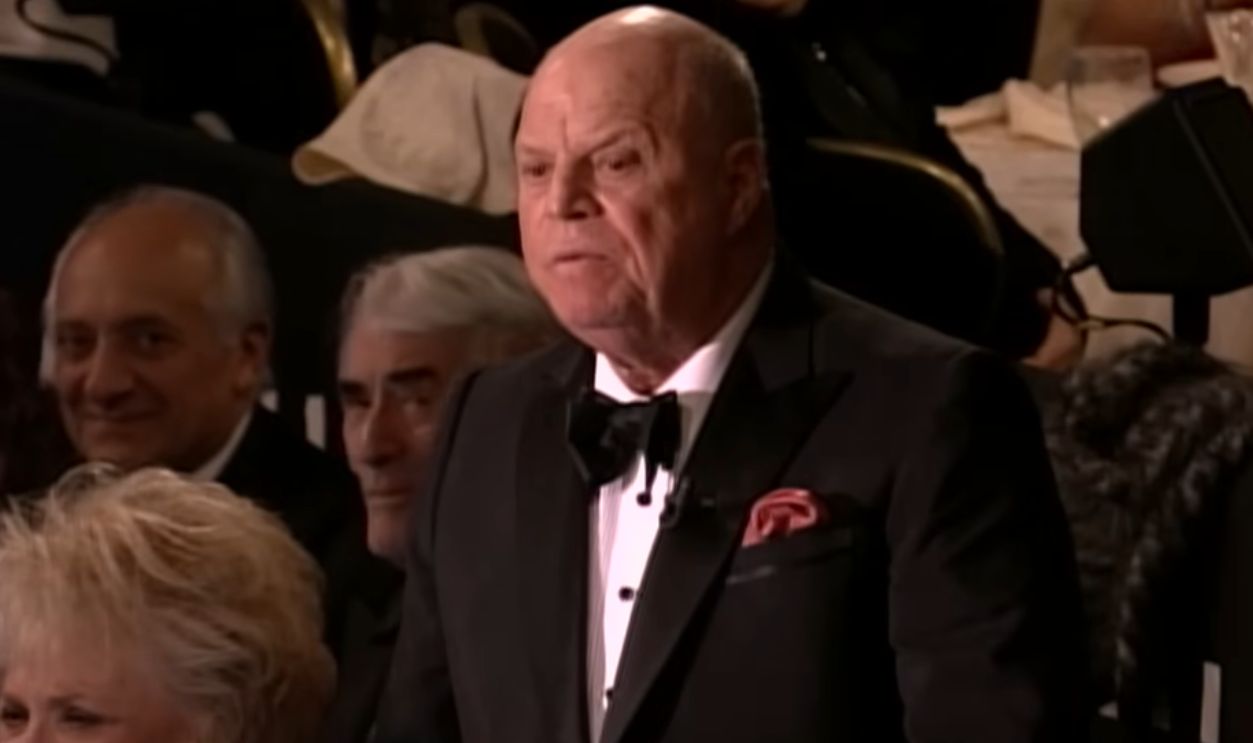
“When You Do Comedy, You Can’t Please The World”
Rickles never chased broad approval. Comedy required choosing a lane and staying there. Some laughs came easily; others didn’t come at all. He accepted that trade-off and kept going. He measures his success by response. The universal agreement of his audience wasn’t big.
 Screenshot from Mr. Warmth: The Don Rickles Project, HBO (2007)
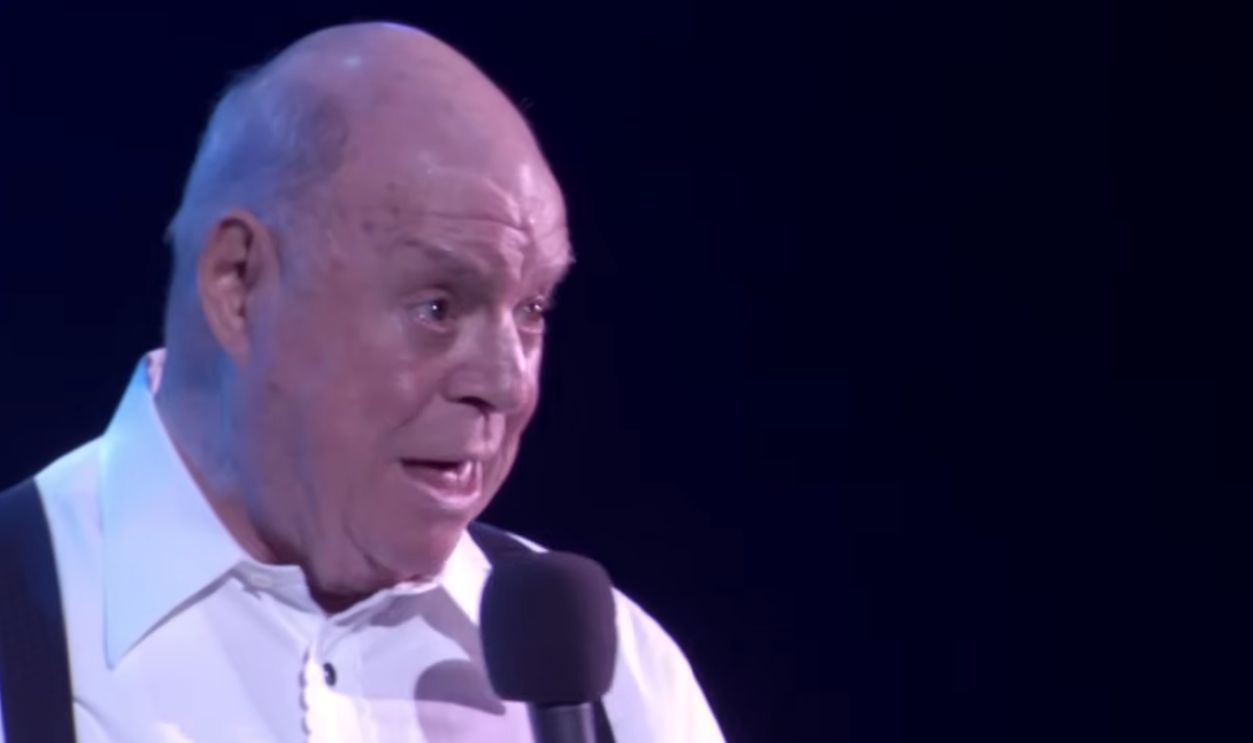
“I Don’t Practice Or Write Stuff Down—Everything I Do Onstage Was Just Made Up Before I Went On”
Preparation looked different for him. Instead of scripts, he trusted the instinct built over the years. Performances came together in the moment, shaped by the people and their reactions. That reliance on improvisation explains the energy that defined his act.
 Screenshot from Mr. Warmth: The Don Rickles Project, HBO (2007)
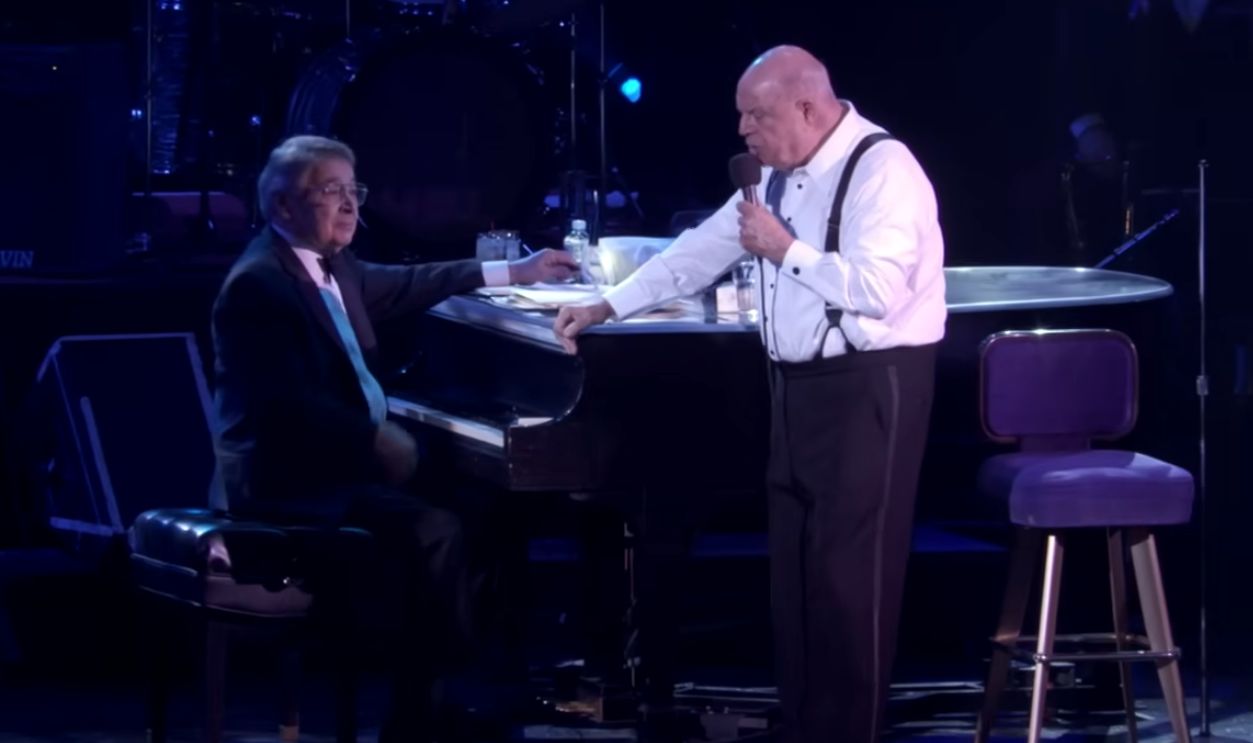
“It Takes Many Years To Be A Great Comedian”
Rickles never believed comedy happened overnight. Skill came from time spent in front of unforgiving crowds. His quote reflects patience and respect for the craft, earned through long nights. It was also a result of slow progress and constant adjustment.
 Screenshot from Mr. Warmth: The Don Rickles Project, HBO (2007)
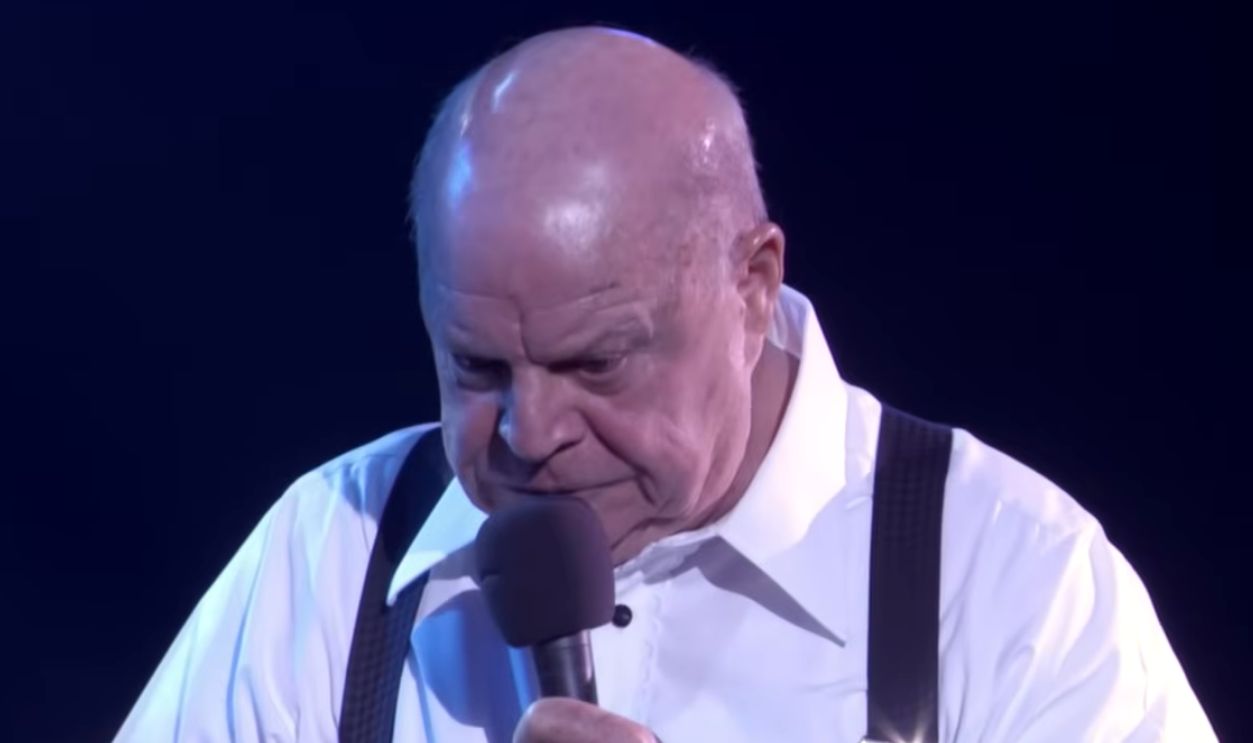
“I’ve Never Walked Off Stage And Said, ‘I Shouldn’t Have Done That’”
Commitment mattered more than second-guessing. Once a joke was said, Rickles stood by it. Such confidence kept performances fearless and direct. Regret didn’t guide his work. Trust in instinct carried him forward, even when reactions were unpredictable or mixed.
 Screenshot from Mr. Warmth: The Don Rickles Project, HBO (2007)
“Show Business Is My Life. When I Was A Kid, I Sold Insurance, But Nobody Laughed”
Comedy wasn’t a side path. It replaced ordinary work because laughter felt necessary. The joke hints at how deeply performance fits his identity. Making people laugh was the work that finally made sense to him after trying his hand elsewhere.
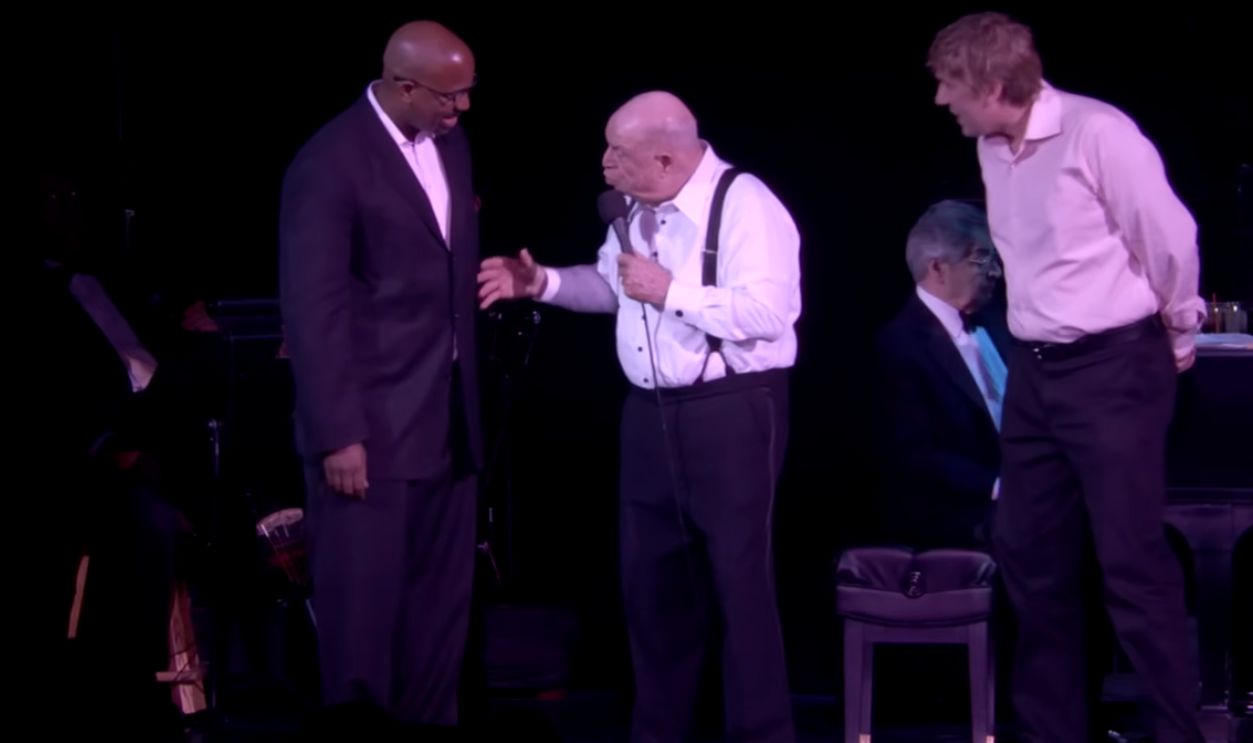 Screenshot from Mr. Warmth: The Don Rickles Project, HBO (2007)
“It’s Very Sweet To Have People Say Nice Things About You”
Praise wasn’t dismissed, even with a tough public image. Kind words still mattered. Behind the sharp delivery sat someone who noticed appreciation and carried it quietly. The line suggests a softer side that existed alongside the loud confidence on stage.
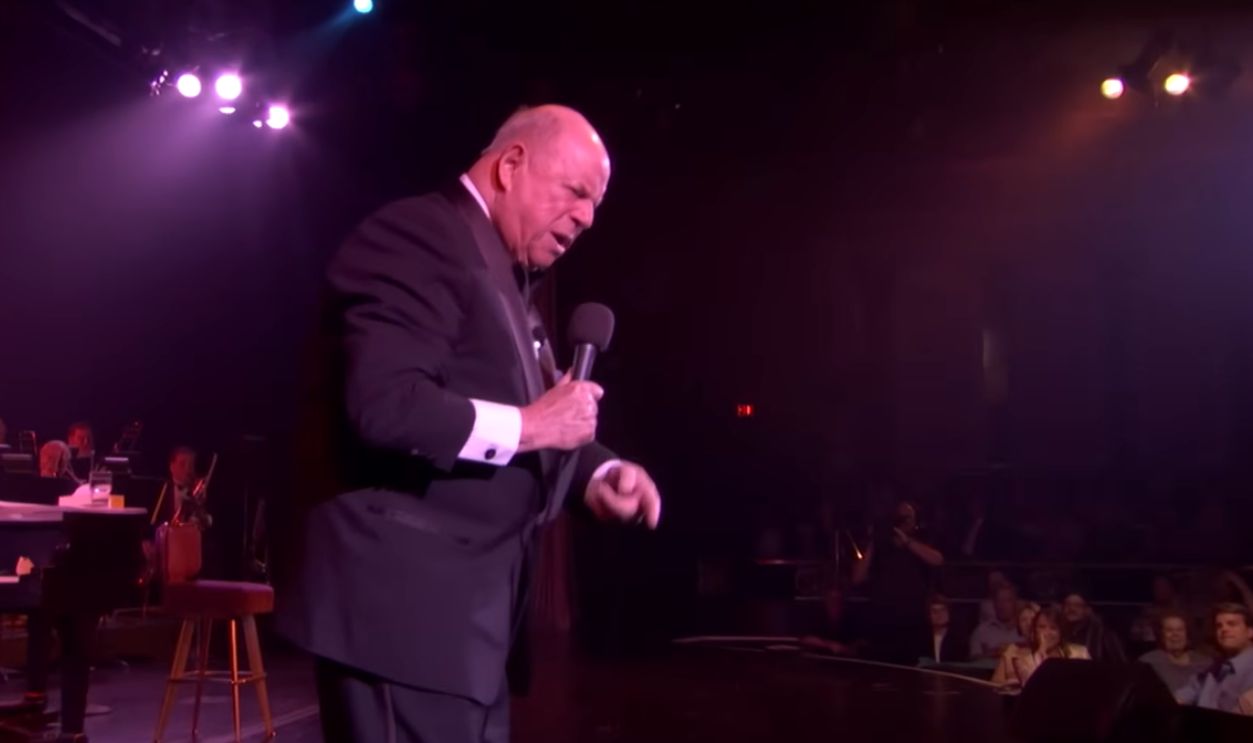 Screenshot from Mr. Warmth: The Don Rickles Project, HBO (2007)
“Nobody Else Can Do What I Do”
Rickles wasn’t bragging so much as stating a fact shaped by experience. His act depended on speed, nerve, and control that couldn’t be copied easily. This was his confidence earned through years onstage. He knew that his observation powers were beyond comparison.
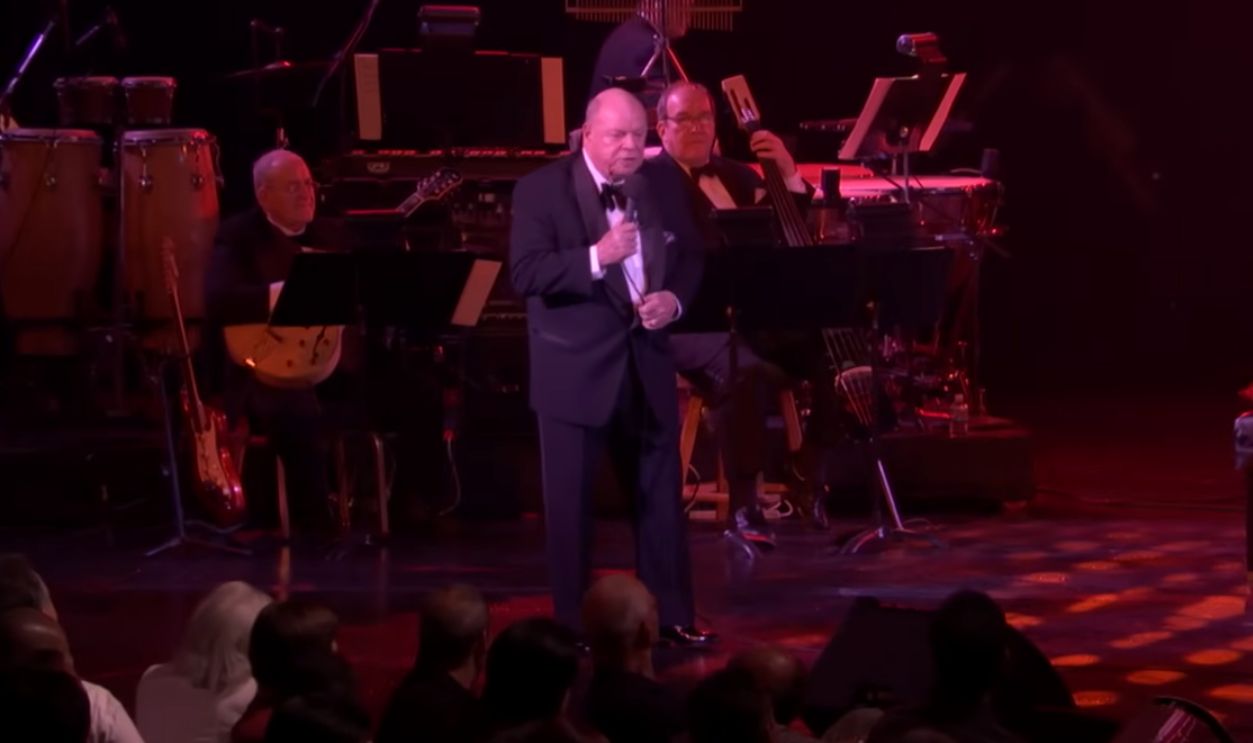 Screenshot from Mr. Warmth: The Don Rickles Project, HBO (2007)
“I Always Rib People, But Nobody Ever Gives Me A Hard Time”
Teasing worked because he understood boundaries. Rickles pushed, but never crossed into chaos. That balance kept reactions friendly instead of hostile. People sensed intention behind the jokes, which reduced backlash and allowed sharp humor to exist without turning personal.
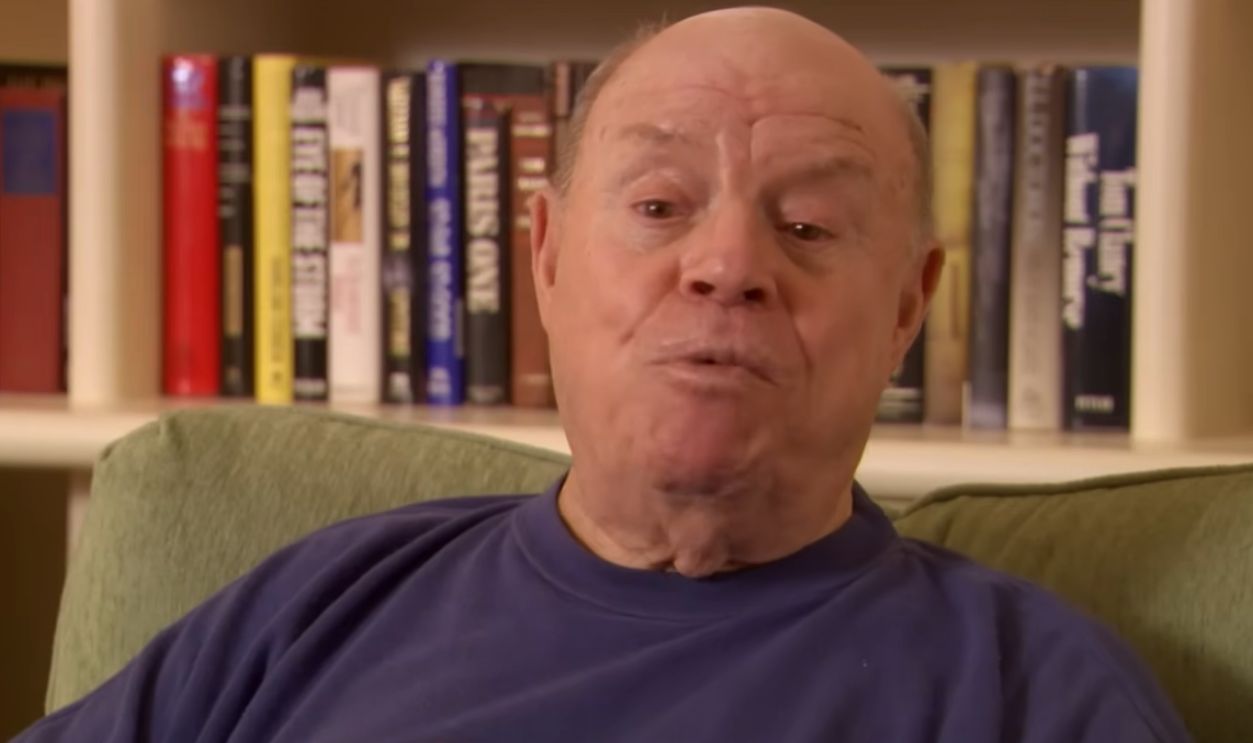 Screenshot from Mr. Warmth: The Don Rickles Project, HBO (2007)
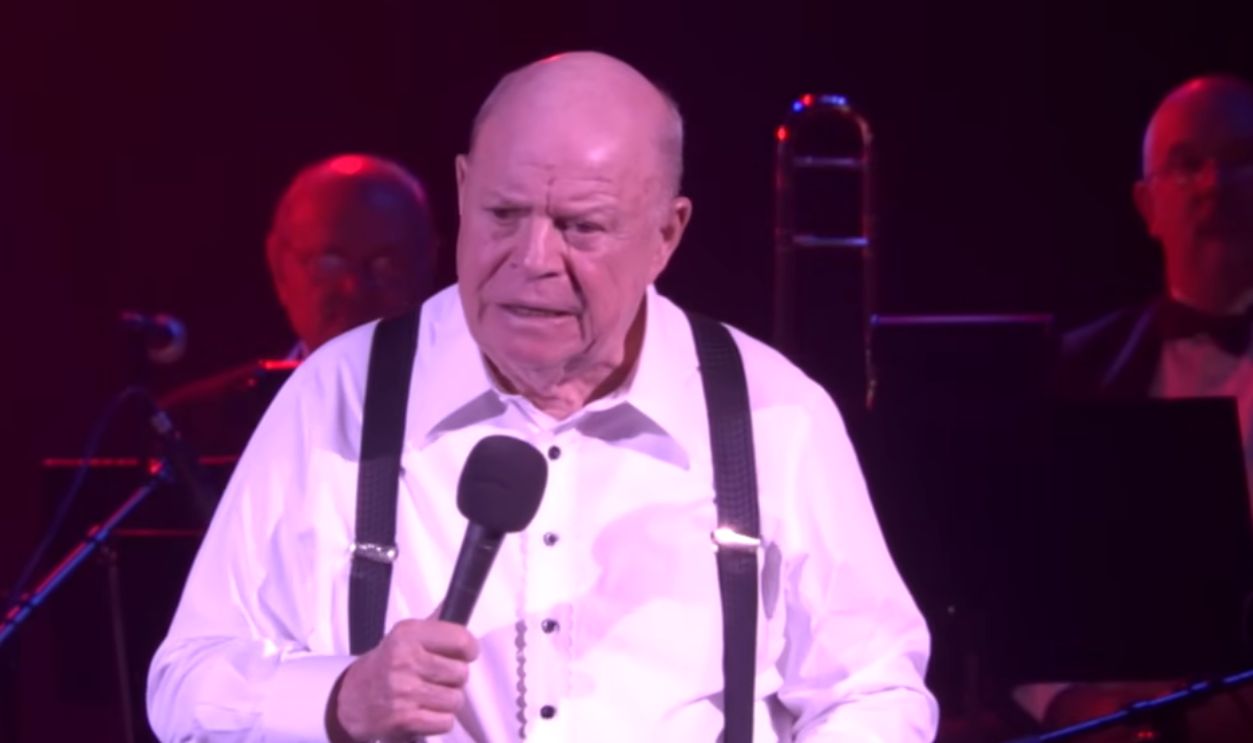
“When You’re Different, You Can Last”
Longevity mattered more than trends. Rickles stuck with his voice even when tastes shifted. Standing apart carried risk, but it also created staying power. His career was shaped by consistency and built on doing one thing fully instead of chasing approval.
 Screenshot from Mr. Warmth: The Don Rickles Project, HBO (2007)
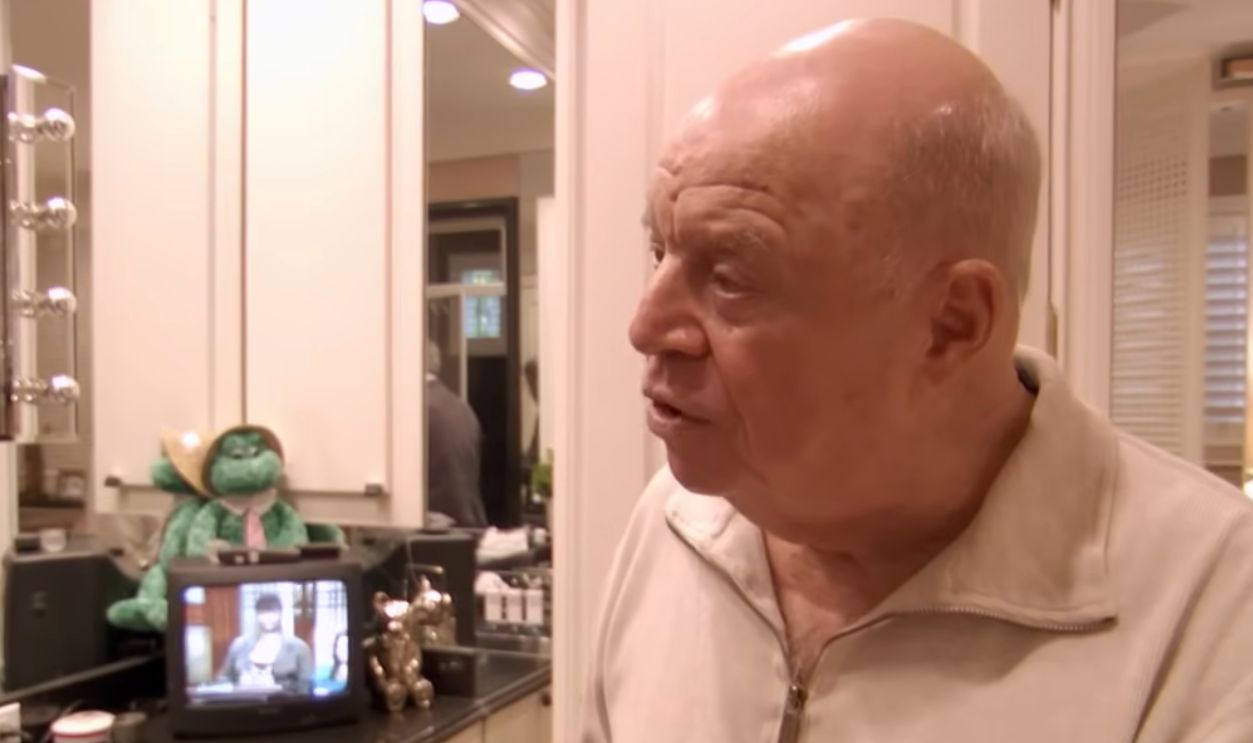
“Political Correctness? In My Humor, I Never Talk About Politics. I Was Never Much Into All That”
He steered comedy away from political debate and cultural caution. Punchlines came from everyday people and shared human quirks, never partisan issues. That choice kept humor broad, letting laughter connect rather than divide audiences across viewpoints.
 Screenshot from Mr. Warmth: The Don Rickles Project, HBO (2007)
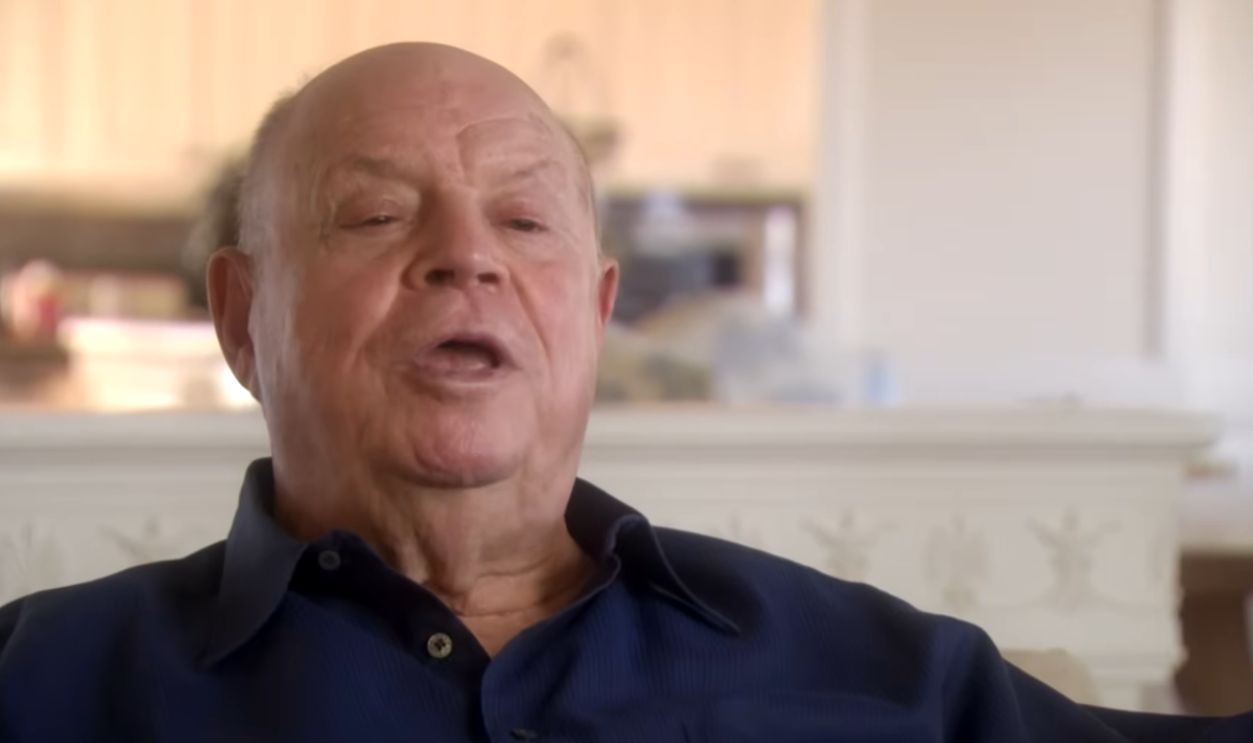
“I Rode A Recumbent Bike For Half An Hour Every Day”
Even late in life, routine mattered to him, and discipline was how he survived on stage. The line hints at structure behind the chaos audiences saw onstage. Consistency offstage supported the energy and stamina needed to keep performing year after year.
 Screenshot from Mr. Warmth: The Don Rickles Project, HBO (2007)
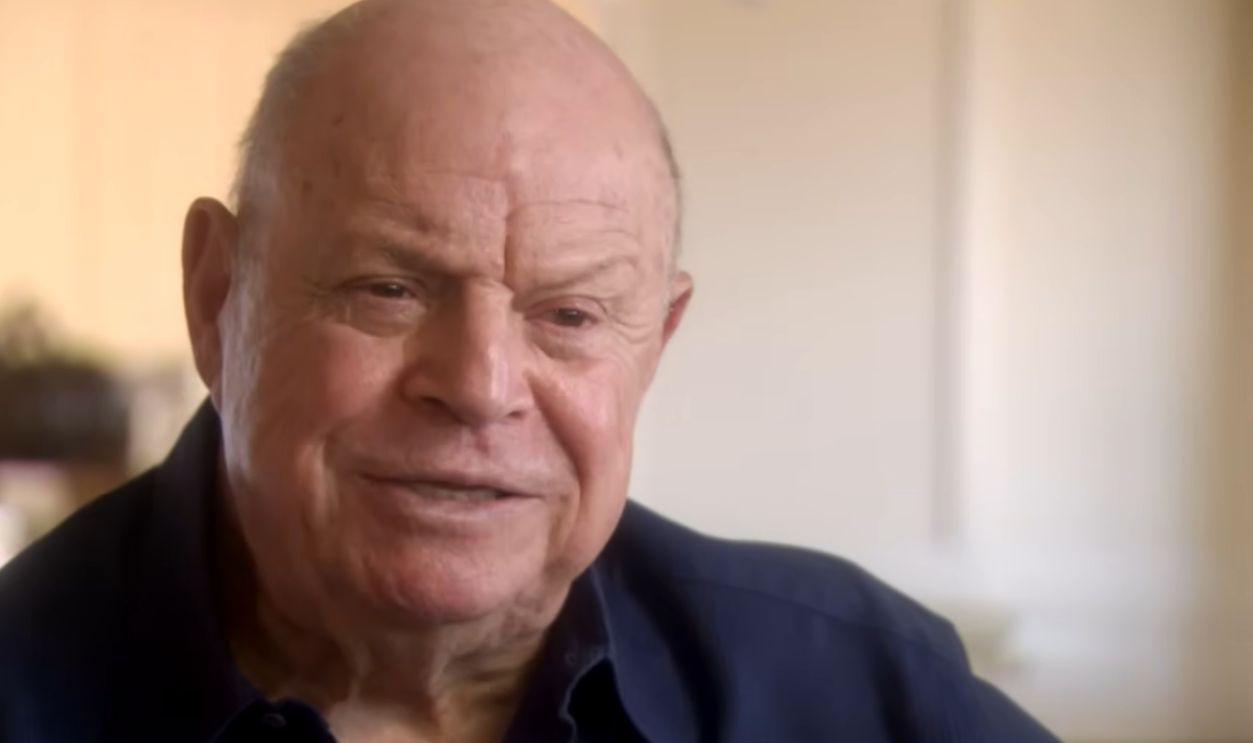
“Whatever You Do To Gain Success, You Have To Hang In There And Hope Good Things Happen. Always Think Positive”
This famous personality understood that the path was far from easy. Success for him came from persistence and a steady attitude. He didn’t wait on luck alone—he stayed committed even when it was tough, and believed that optimism helped him keep going.
 Screenshot from Mr. Warmth: The Don Rickles Project, HBO (2007)
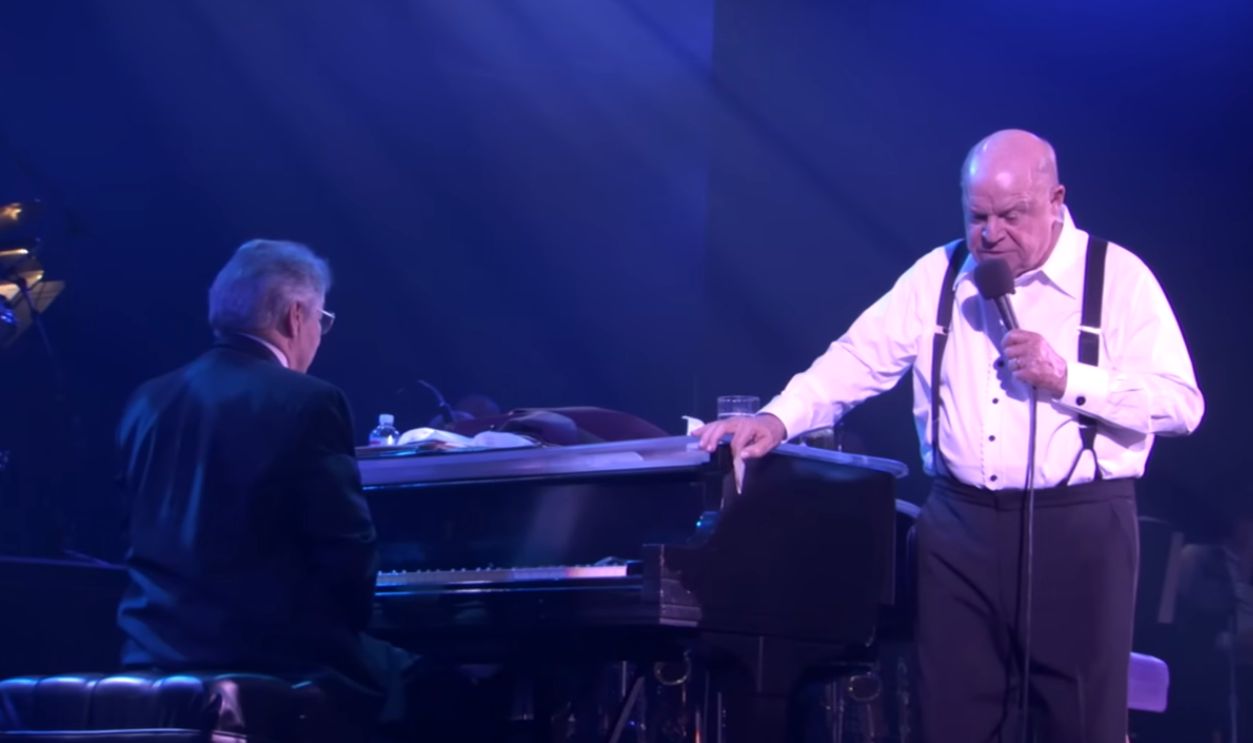
“I’m Very Shy, So I Became Very Outgoing To Protect My Shyness”
Outgoing behavior didn’t come naturally. Confidence was built as armor to hide his shyness. Humor created distance from vulnerability, which offered control in public spaces for Rickles. Loudness helped keep sensitivity hidden, which turned performance into protection rather than exposure.
 Screenshot from Mr. Warmth: The Don Rickles Project, HBO (2007)
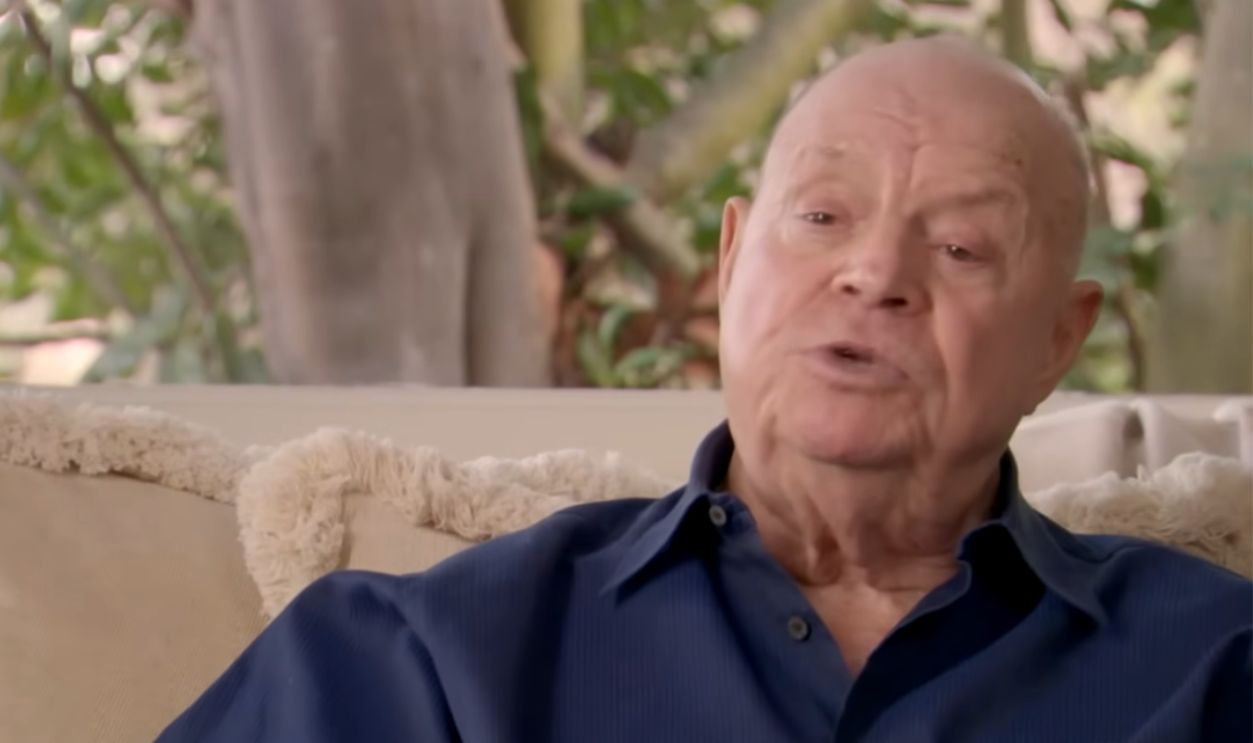
“Struggling Is Hard Because You Never Know What’s At The End Of The Tunnel”
Uncertainty weighed more heavily than effort. Long stretches of doubt offered no guarantees or clear rewards. He kept pushing forward without reassurance. The line points to persistence rooted in action to show a career built by continuing despite not knowing whether success awaited.
 Screenshot from Mr. Warmth: The Don Rickles Project, HBO (2007)
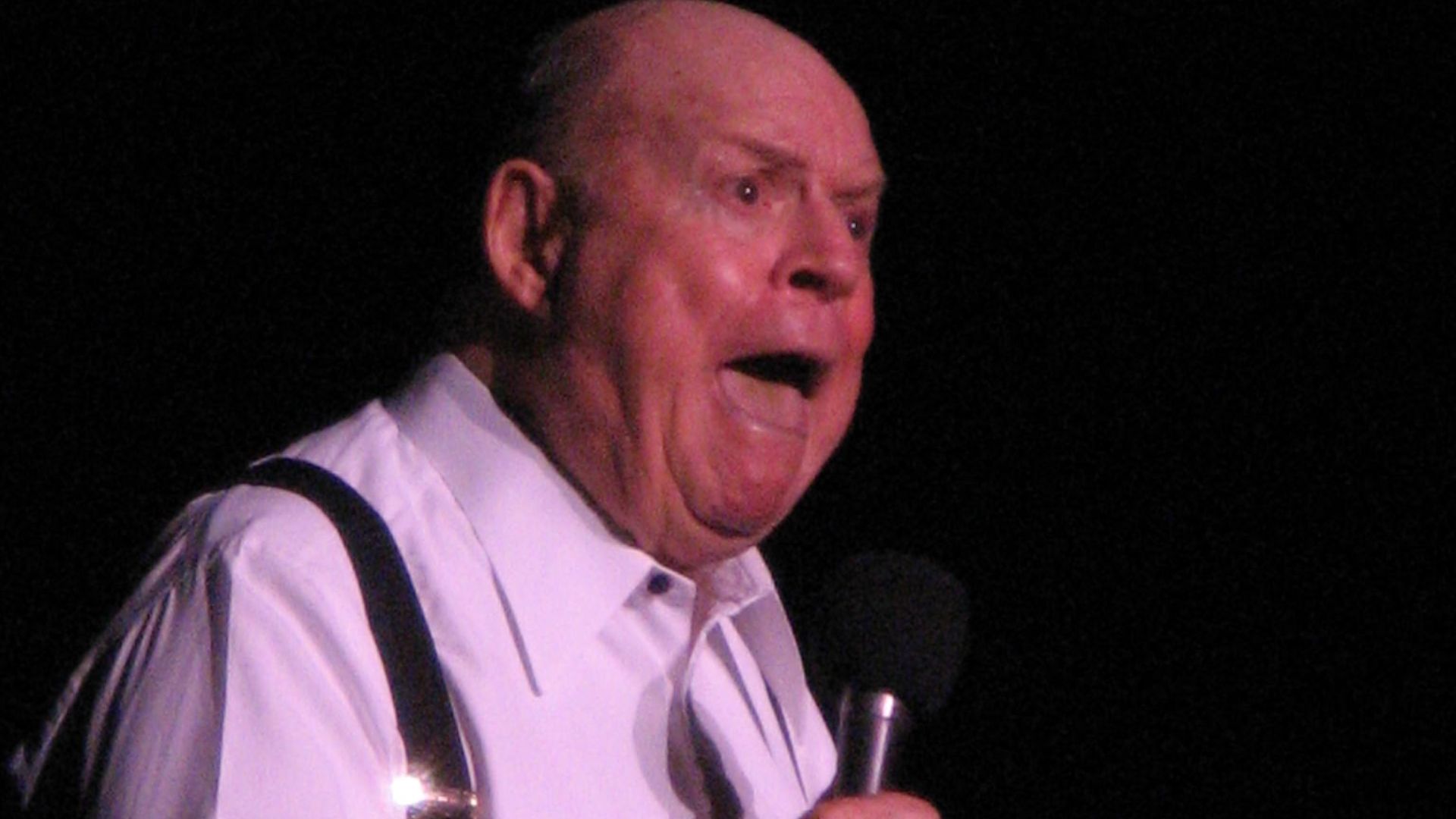
“Room Service Is Great If You Want To Pay $500 For A Club Sandwich”
Luxury never impressed him easily. Exaggeration mocked excess and status without sounding bitter. Humor targets everyday absurdities that people recognize instantly. The joke reflects a grounded outlook, showing comfort in poking fun at privilege while staying firmly rooted in ordinary experience.
 Gary Dunaier, Wikimedia Commons
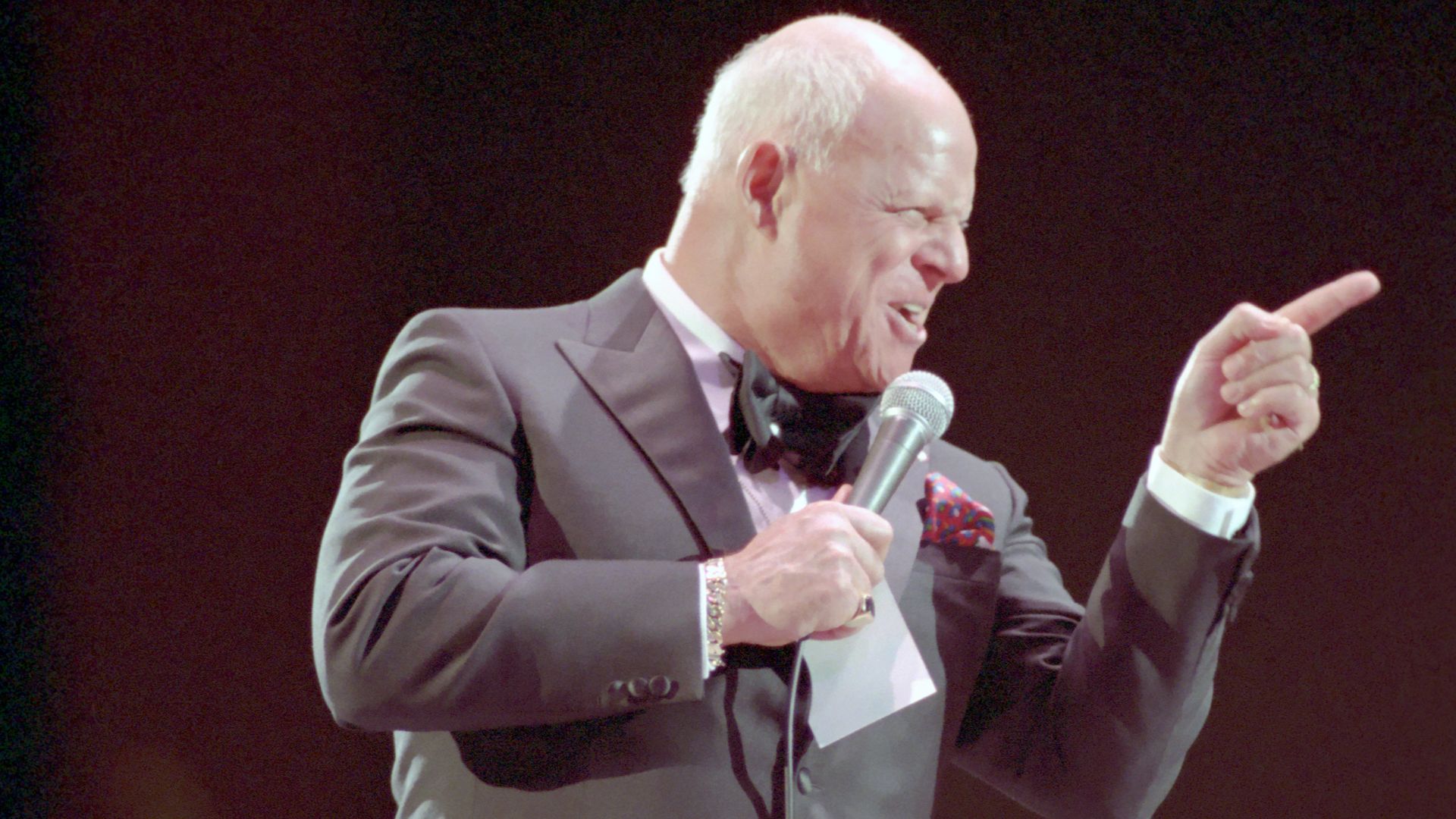
“You Throw Your Best Punch, Otherwise Don’t Do It”
Commitment mattered more than caution to Rickles. Half-effort ruined the moment. Every joke demanded full force or none at all. The line reflects a work ethic built on conviction, where showing up halfway felt worse than failing outright in front of a crowd.
 President (1981-1989 : Reagan). White House Photographic Office. 1981-1989, Wikimedia Commons