Bright Careers That Faded Fast
The path to stardom is full of twists, turns, and near misses. Some actors deliver roles that mesmerize and charm, yet their names never reach the iconic status their talent promised.
Emile Hirsch
Watching Into the Wild, it felt like Emile Hirsch might become Hollywood’s next intense leading man. His portrayal of Christopher McCandless drew strong praise and helped the film earn $56 million worldwide. However, big studio projects that followed, including Speed Racer, never found the same audience.
 David Shankbone, Wikimedia Commons
Eric Bana
Early on, Eric Bana seemed built for serious, muscular roles in Hollywood epics. Performances in Black Hawk Down and Troy reinforced that image. Although Hulk earned $245 million worldwide in 2003, mixed reactions prevented it from becoming a lasting star-making franchise.
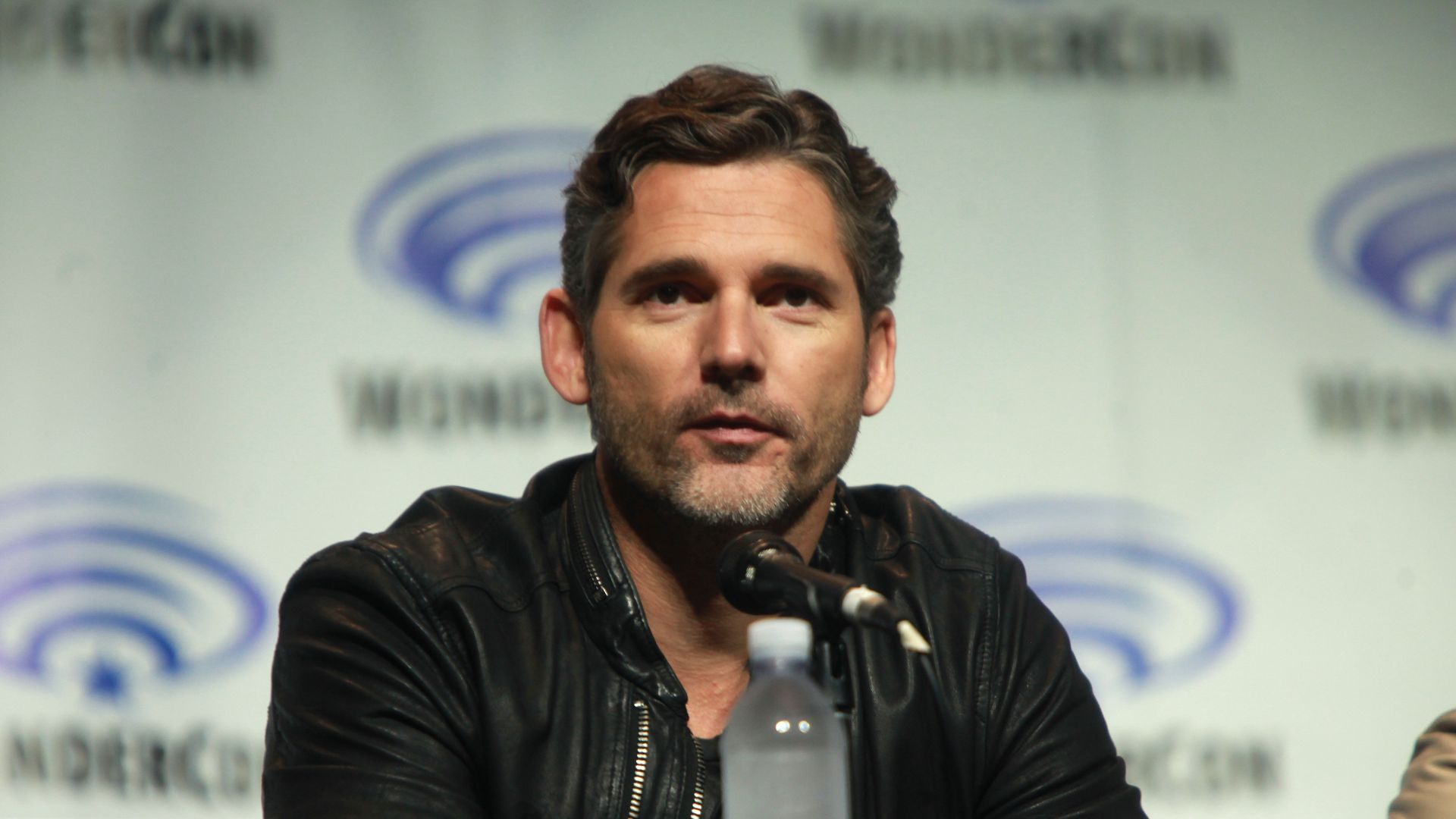 Gage Skidmore from Peoria, AZ, United States of America, Wikimedia Commons
Fairuza Balk
Long after The Craft left theaters, Fairuza Balk remained unforgettable to fans drawn to her dark, magnetic presence. Instead of chasing conventional stardom, she leaned into offbeat and independent projects. That choice kept her working steadily while limiting exposure to big studio blockbusters.

Garrett Hedlund
For a moment, it looked like Garrett Hedlund had landed his defining role in Tron: Legacy. The film’s striking visuals helped it earn over $400 million worldwide. But then, plans for a sequel stalled, and without that momentum, his rise to A-list leading man never materialized.
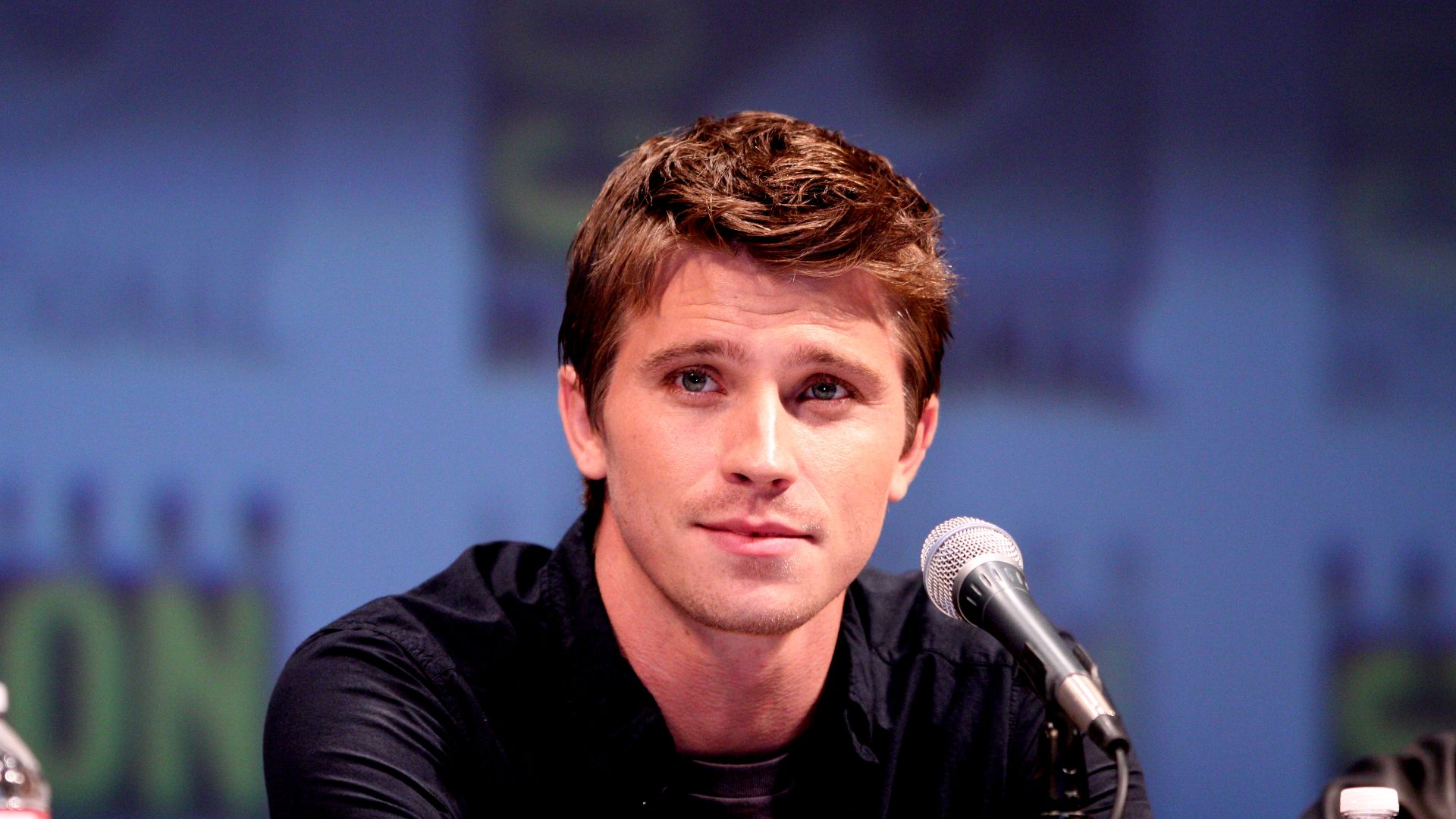 Gage Skidmore from Peoria, AZ, United States of America, Wikimedia Commons
Thora Birch
Critical acclaim arrived early, especially after American Beauty won five Academy Awards. Thora Birch’s performance was widely praised, yet long-term growth stalled soon after. Disputes over creative control and long gaps between projects shifted her career away from major studio films and toward smaller roles.
 Super Festivals from Ft. Lauderdale, USA, Wikimedia Commons
Taylor Lautner
At the height of Twilight mania, Taylor Lautner’s sudden fame was impossible to escape. His physical transformation became a pop-culture obsession almost overnight. When the franchise ended, films like Abduction disappointed at the box office, and major studio leads quietly stopped coming.
 Gage Skidmore from Peoria, AZ, United States of America, Wikimedia Commons
Sam Worthington
Being the face of the highest-grossing movie ever sounds like instant stardom. Sam Worthington led Avatar, which earned over $2.9 billion worldwide. Outside that franchise, however, films like Clash of the Titans failed to cement him as a consistent box-office draw.
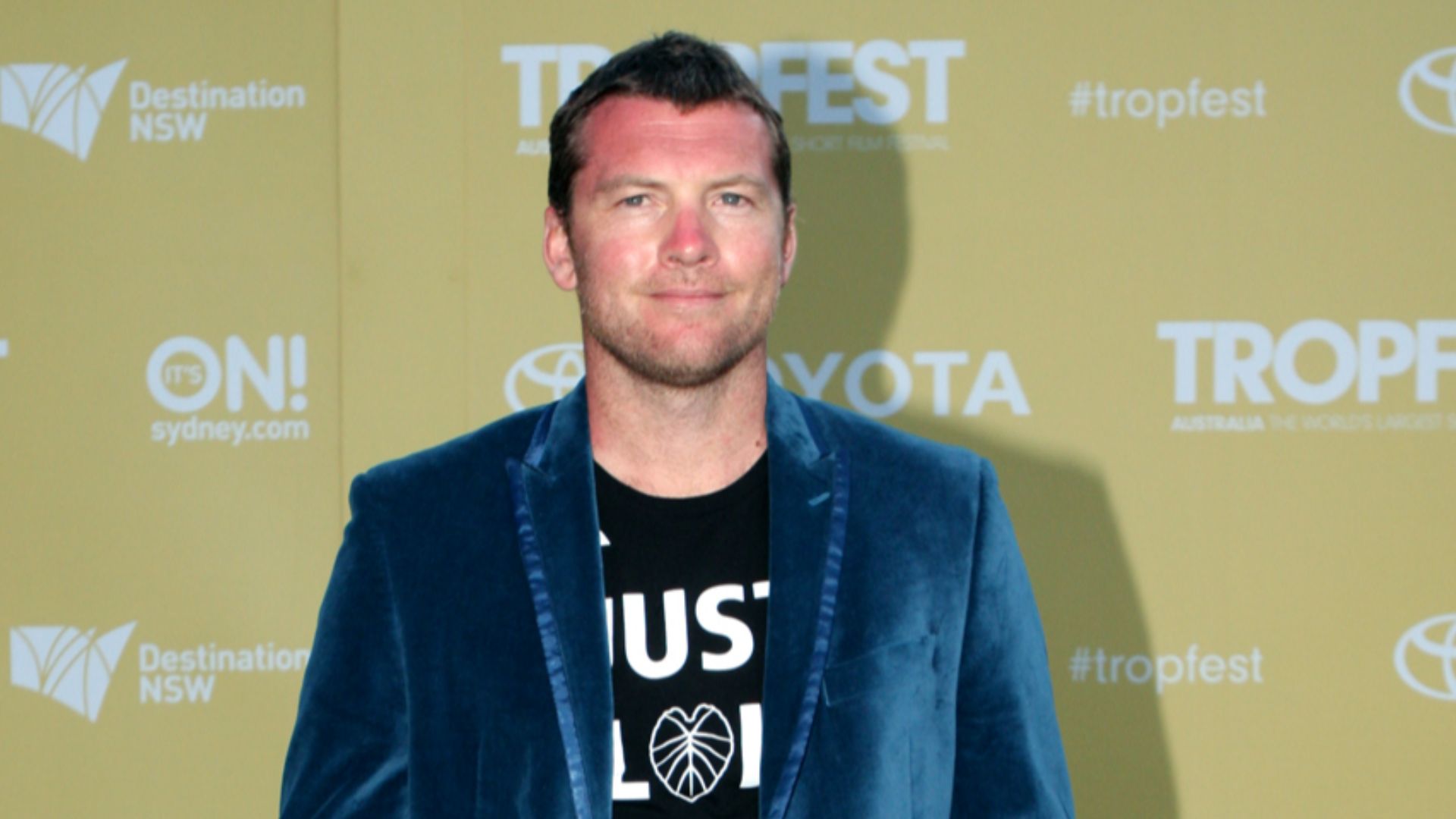 Eva Rinaldi, Wikimedia Commons
Mischa Barton
Television fame can be a double-edged sword, and The O.C. proved that quickly. Mischa Barton became a defining face of early-2000s pop culture. After leaving the series in 2006, film roles dwindled, and she never regained the same level of mainstream visibility.
 MTV International, Wikimedia Commons
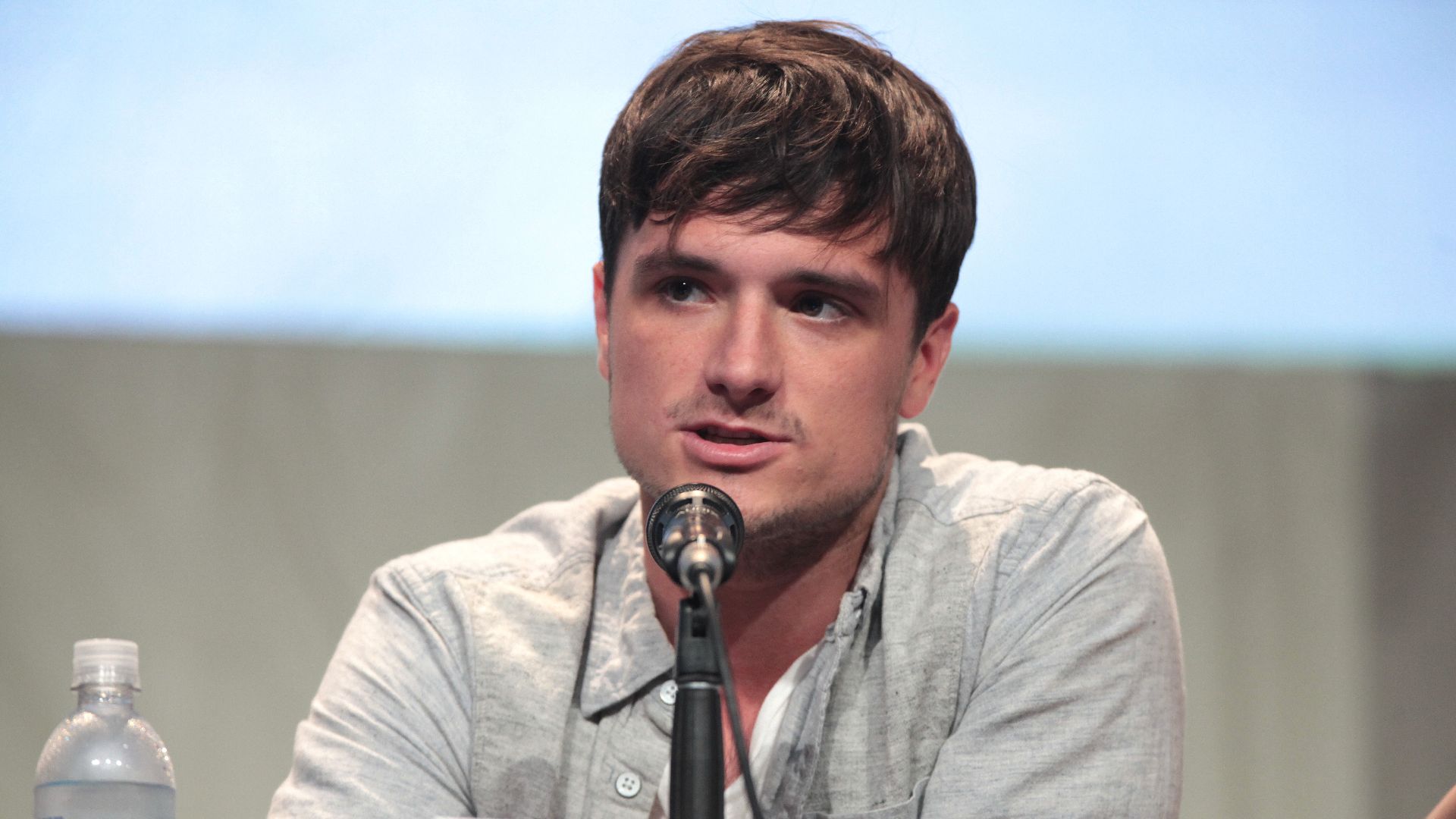
Josh Hutcherson
Franchise success came early through The Hunger Games, where Josh Hutcherson played Peeta Mellark across four blockbuster films. While the series earned nearly $3 billion worldwide, he chose smaller, darker projects afterward, though recent hits have sparked a career resurgence beyond typical post-franchise paths.
 Gage Skidmore from Peoria, AZ, United States of America, Wikimedia Commons
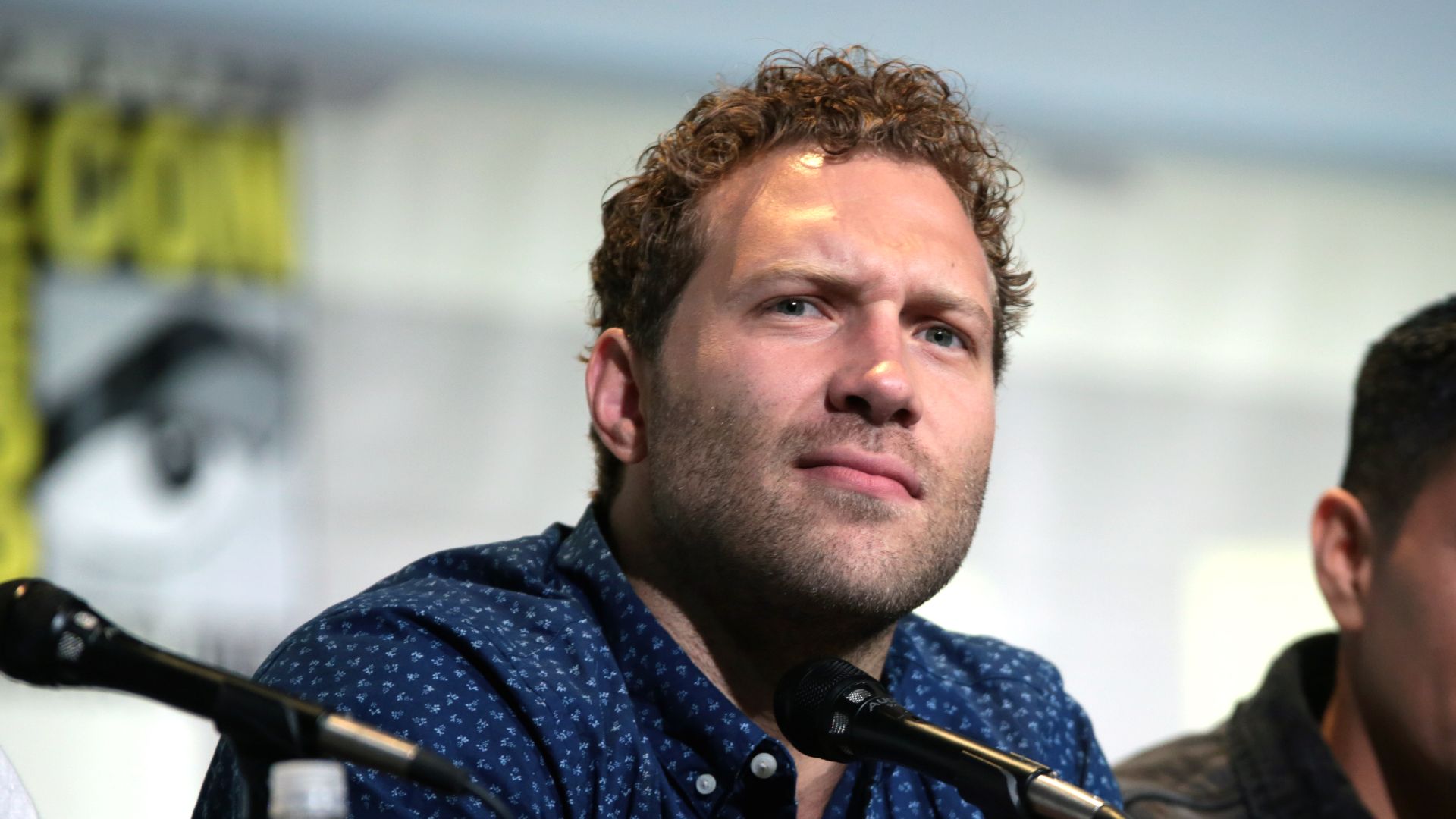
Jai Courtney
Hollywood kept placing Jai Courtney inside major franchises, from Terminator Genisys to Divergent. Despite constant exposure, none of those films elevated him to leading-man status. Repeated reboots and underperforming sequels stalled the momentum studios clearly hoped to build.
 Gage Skidmore from Peoria, AZ, United States of America, Wikimedia Commons
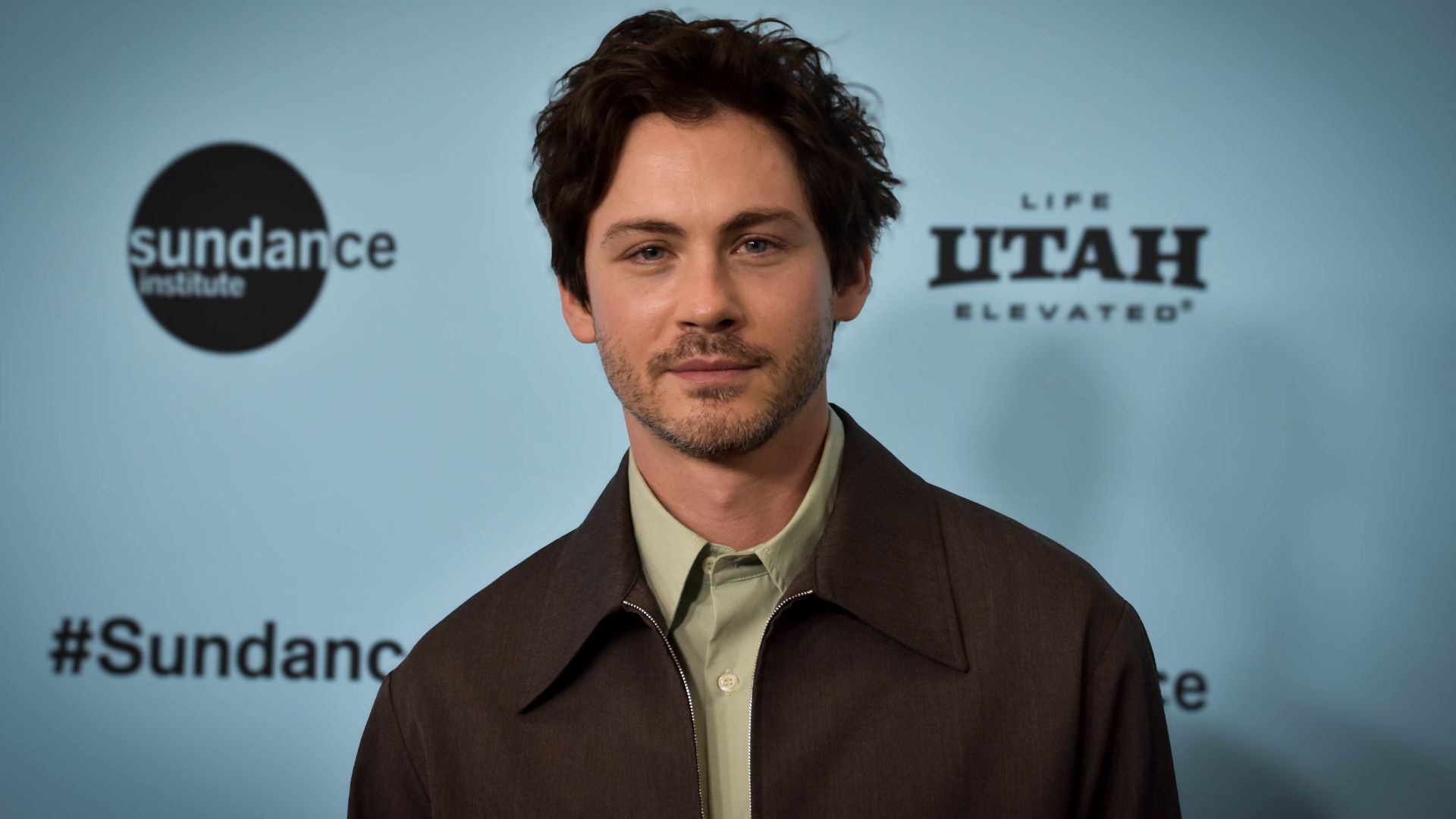
Logan Lerman
Strong dramatic instincts showed early, especially in The Perks of Being a Wallflower, which became a cultural touchstone for young audiences. Logan Lerman also headlined the Percy Jackson films, yet the franchise stalled after two entries, cutting short a potential long-term star launch.
 Arielaortizb, Wikimedia Commons
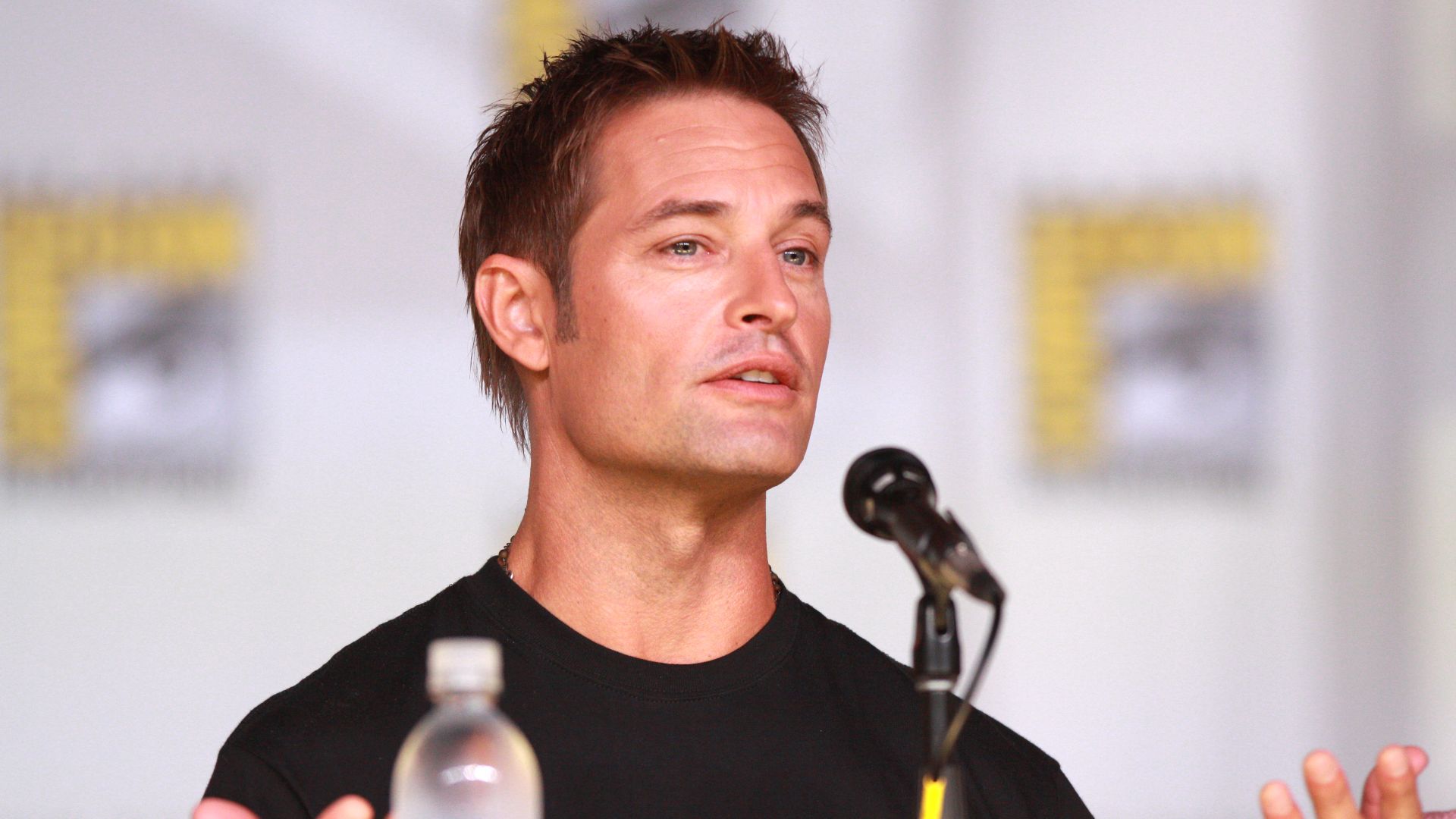
Josh Holloway
For many viewers, charisma arrived every time Josh Holloway appeared on Lost. The series ran six seasons and became a global phenomenon. When it ended in 2010, film roles failed to match that impact, and his career shifted toward television rather than blockbuster cinema.
 gageskidmore, Wikimedia Commons
Hayden Christensen
Global recognition followed the Star Wars prequel trilogy, where Hayden Christensen played Anakin Skywalker across three films. Though successful, the performances drew mixed reactions. After Revenge of the Sith in 2005, major leading film roles largely dried up, but he is reprising his Star Wars role in the recent series.

Timothy Olyphant
Effortless cool defined Timothy Olyphant’s screen presence long before prestige television embraced him. Films like Hitman and Live Free or Die Hard brought visibility, but inconsistent box office returns slowed career growth. His greatest acclaim later came from TV series such as Justified.
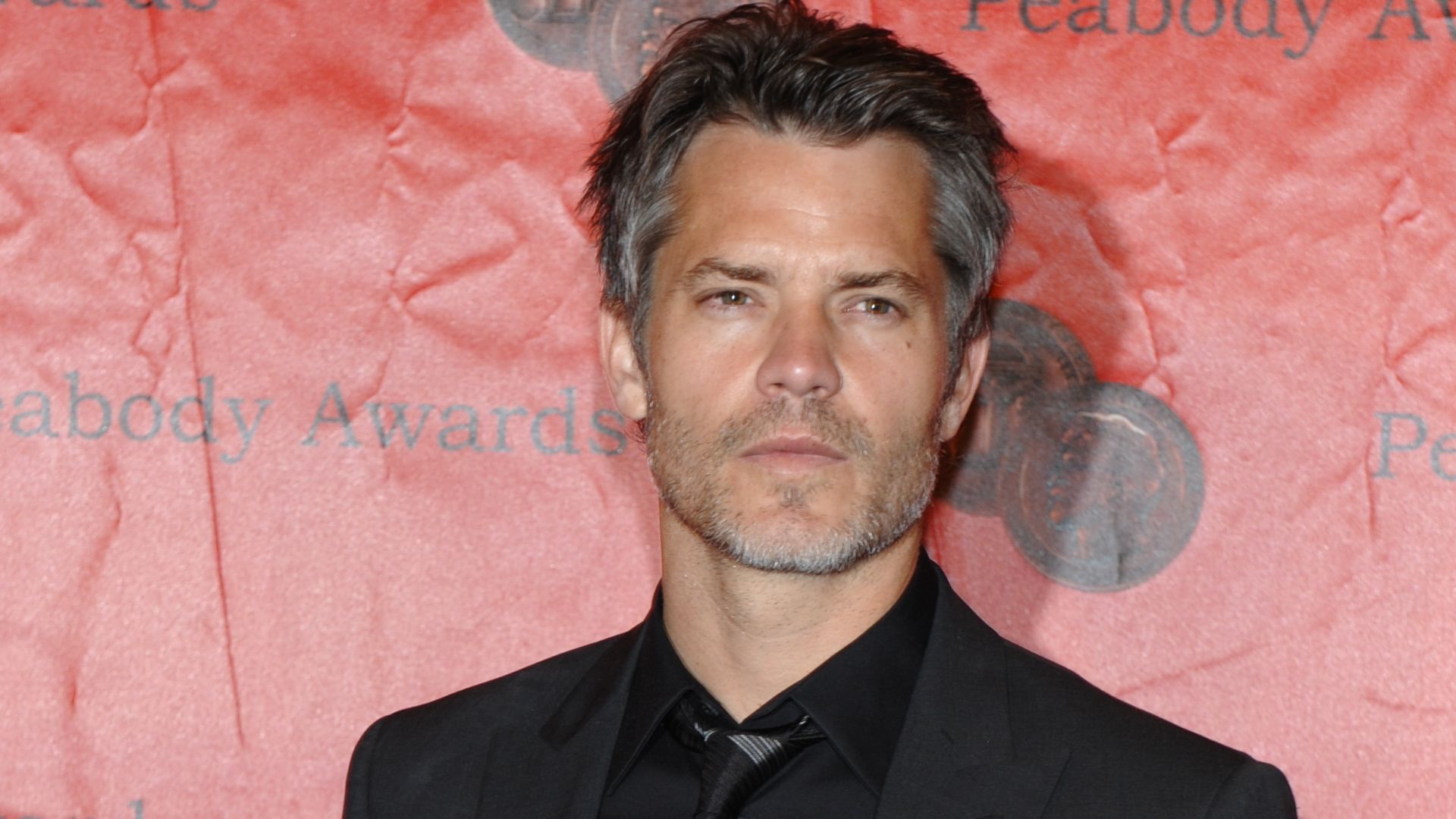 Peabody Awards, Wikimedia Commons
Scoot McNairy
Recognition came quietly through standout supporting roles in films like Argo and 12 Years a Slave. Scoot McNairy built a reputation for realism rather than stardom. Despite appearing in multiple Best Picture winners, he has rarely been positioned as a traditional leading man.
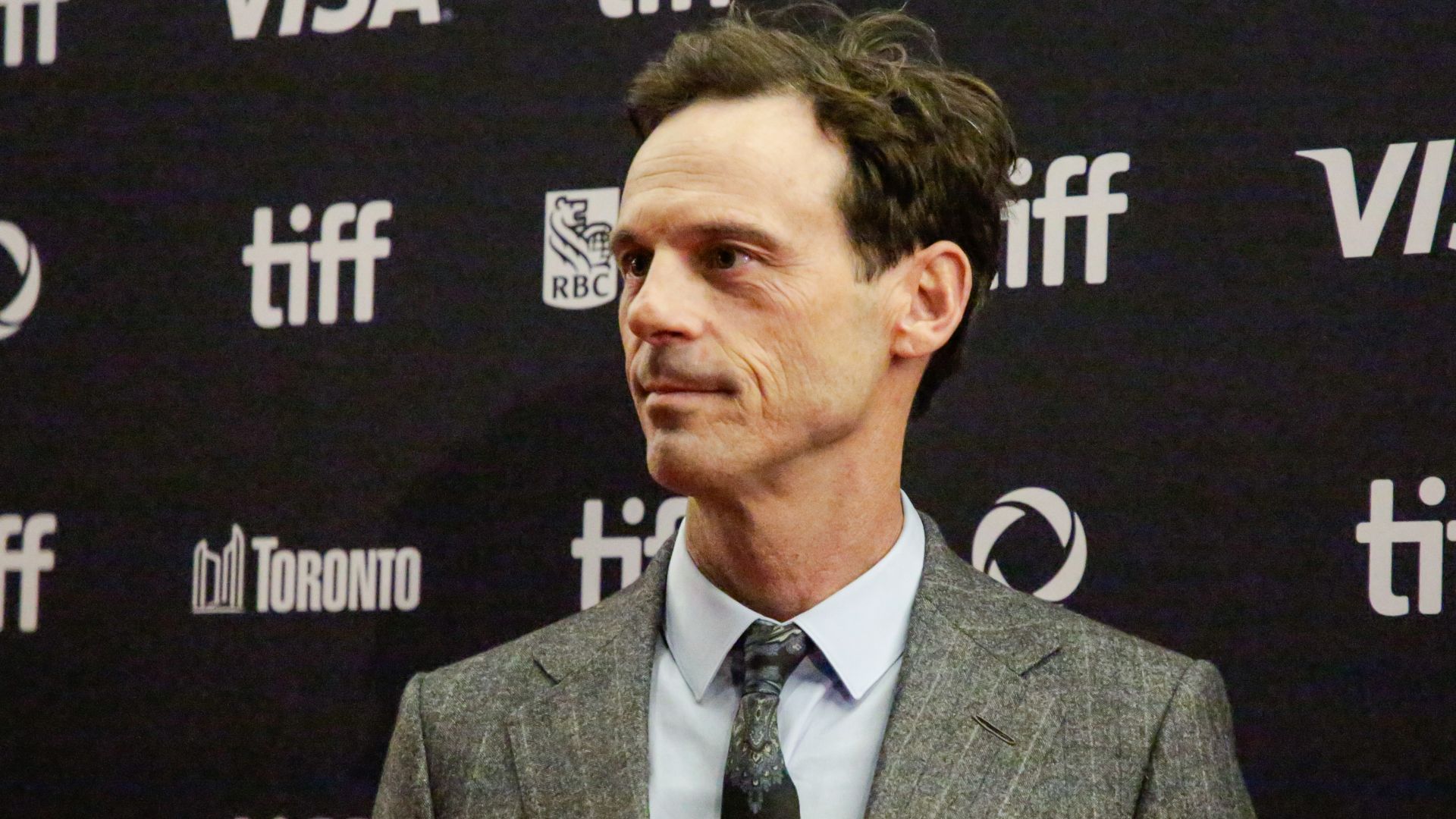 Sara Komatsu, Wikimedia Commons
Ansel Elgort
Momentum seemed unstoppable after The Fault in Our Stars and Baby Driver both became major hits. Ansel Elgort looked poised for long-term stardom, yet subsequent projects had mixed success, leading to a pivot toward series and diverse films after West Side Story in 2021.
 Mingle Media TV, Wikimedia Commons
Luke Wilson
Familiarity worked both for and against Luke Wilson throughout his career. He appeared in popular films like Old School and Legally Blonde, often stealing scenes. Despite decades of steady work, he rarely carried films alone, keeping him recognizable without ever becoming a true box-office draw.
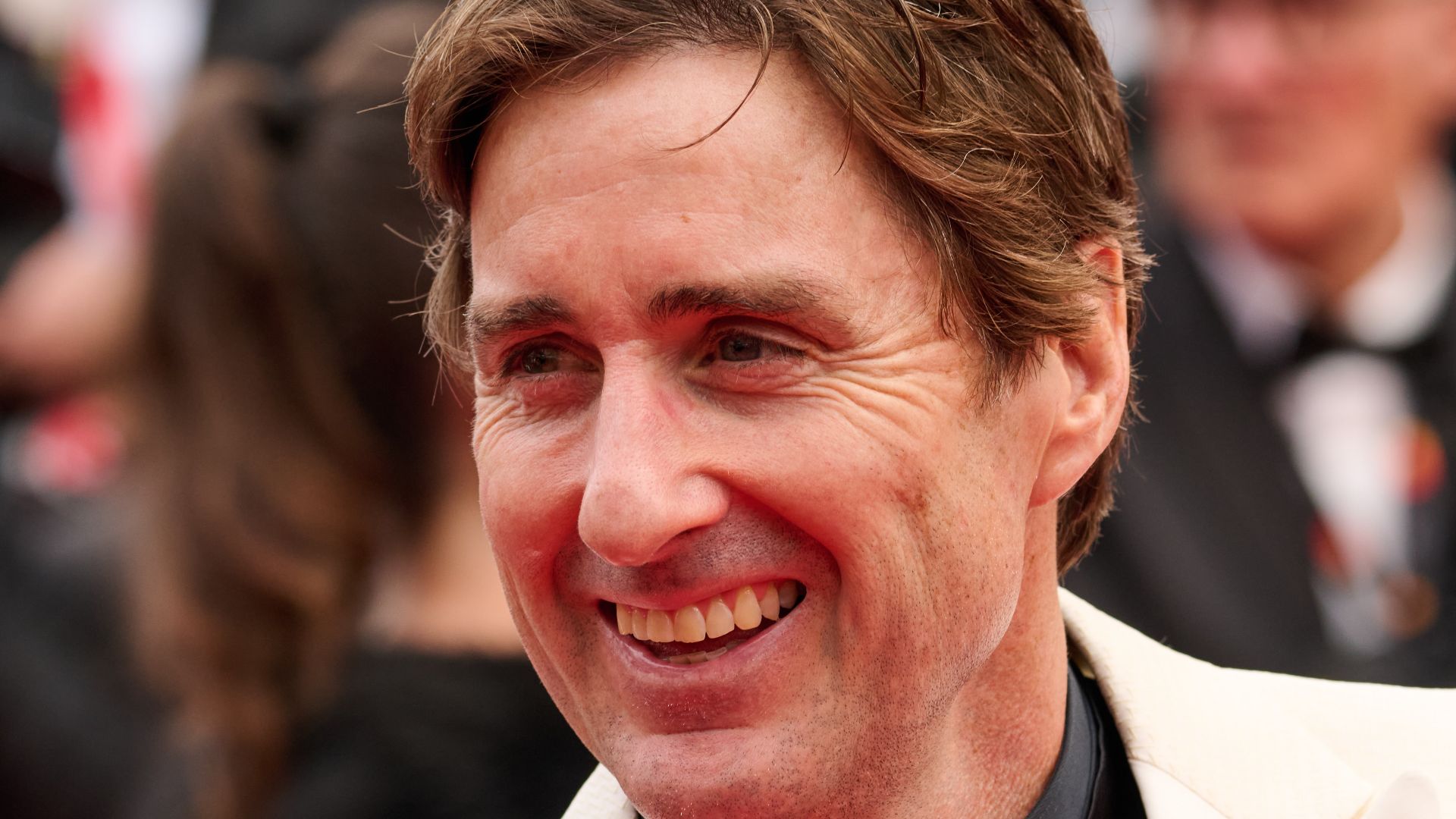 Gabriel Hutchinson Photography, Wikimedia Commons
William Fichtner
Audiences often recognize him instantly, even if they can’t place the name. William Fichtner has appeared in major films like The Dark Knight and Armageddon. His career thrived on memorable supporting roles, but studios never positioned him as a headline star.
 Vanessa Lua at https://www.flickr.com/photos/vanessalua/, Wikimedia Commons
David Duchovny
Pop culture dominance came with The X-Files, turning David Duchovny into a household name during the 1990s. Attempts to pivot into film met with limited success. Even after returning to television with Californication, movie stardom remained elusive.
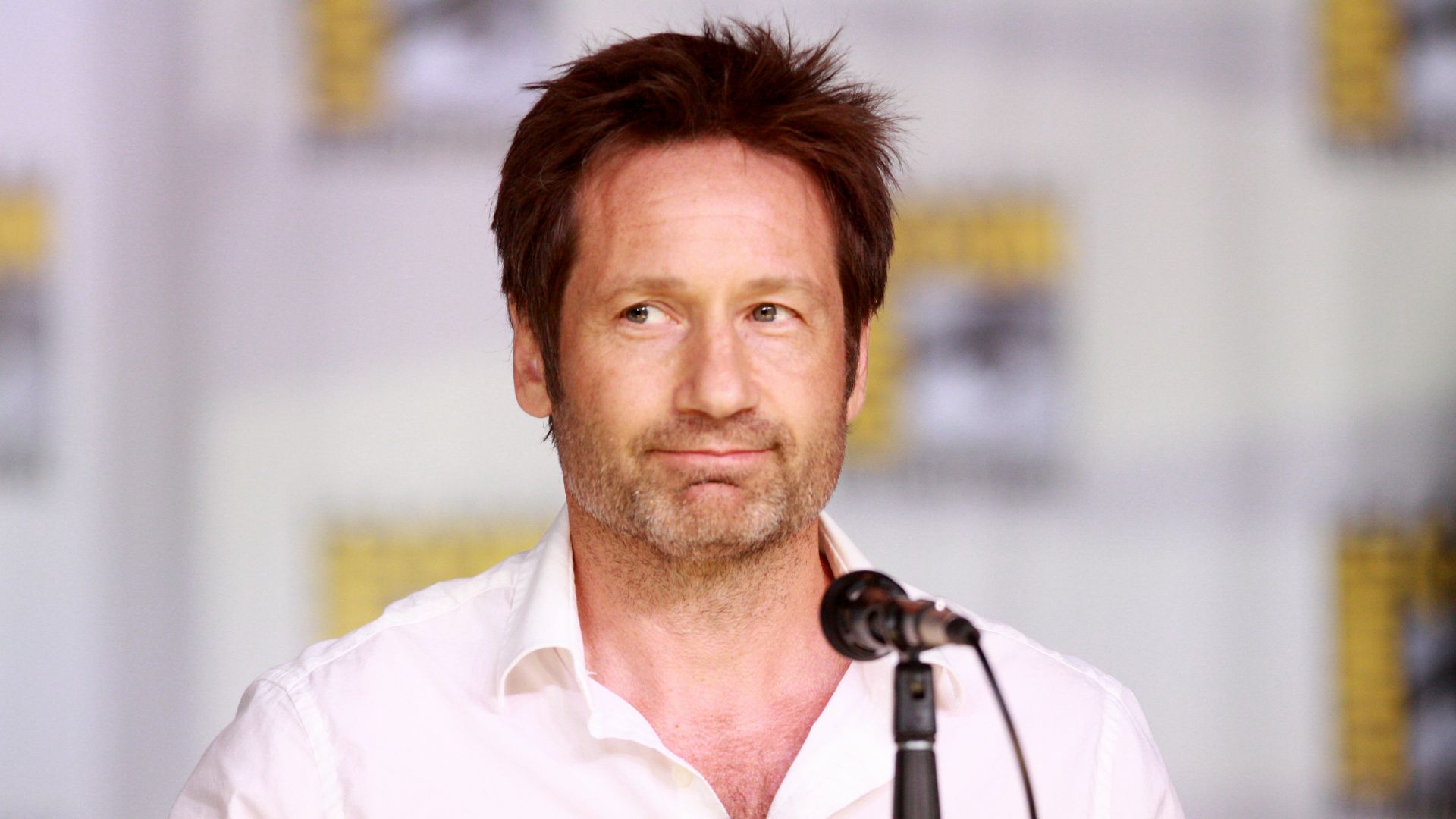 Gage Skidmore from Peoria, AZ, United States of America, Wikimedia Commons
Jon Hamm
Critical prestige arrived through Mad Men, where Jon Hamm’s Don Draper became an iconic television character. Hollywood took notice, yet film roles leaned comedic or supporting. Despite award recognition, including a Golden Globe win, sustained leading-man success in movies never followed.
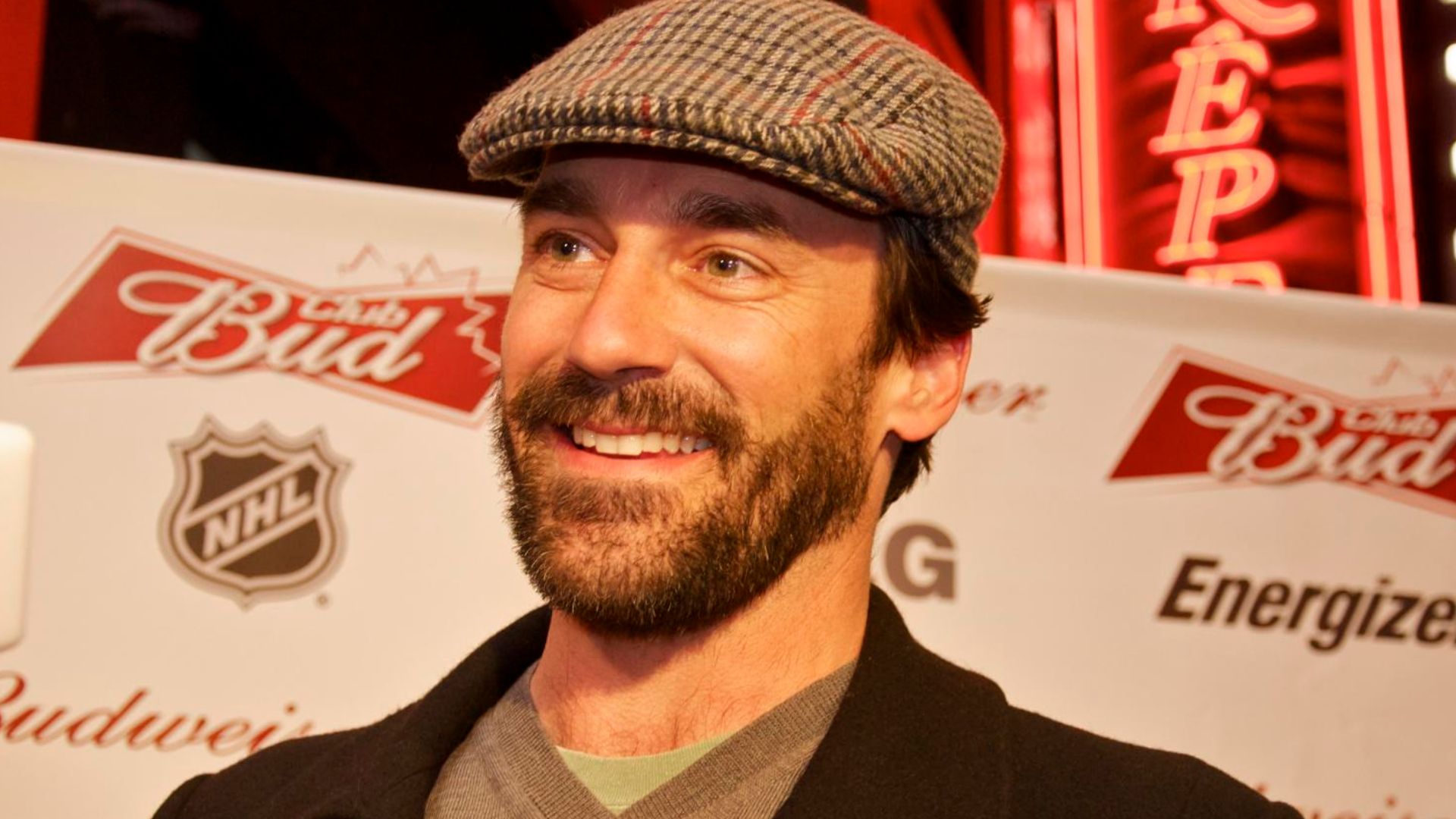 John Bollwitt from Vancouver, Canada, Wikimedia Commons
Brendan Fraser
For a stretch, Brendan Fraser headlined major studio films like The Mummy trilogy, which earned over $1.2 billion worldwide. Personal health issues and a series of box-office disappointments slowed his momentum for a time. However, he staged a notable comeback with acclaimed roles in recent years.
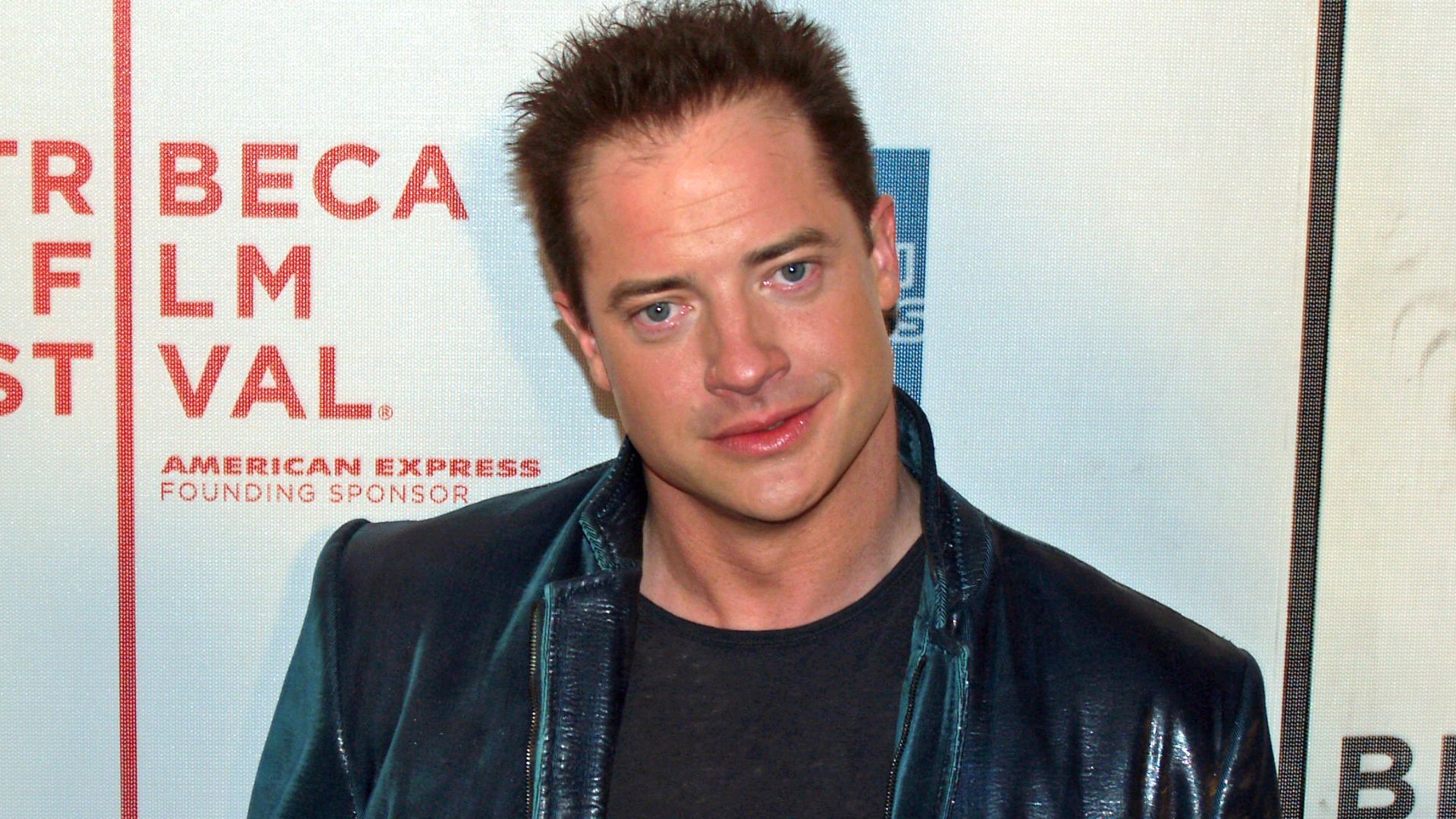 David Shankbone, Wikimedia Commons
Lisa Kudrow
Few television characters reached the cultural saturation of Phoebe Buffay on Friends. Lisa Kudrow earned critical praise and an Emmy, but movie roles remained limited. Outside of ensemble comedies, studios rarely built projects around her, keeping film stardom secondary to television success.

Rebecca Romijn
At the height of early-2000s superhero films, Mystique stood out in the original X-Men trilogy. Rebecca Romijn became instantly recognizable, yet few leading roles followed outside ensemble casts. Despite franchise visibility, she never transitioned into solo box-office vehicles.
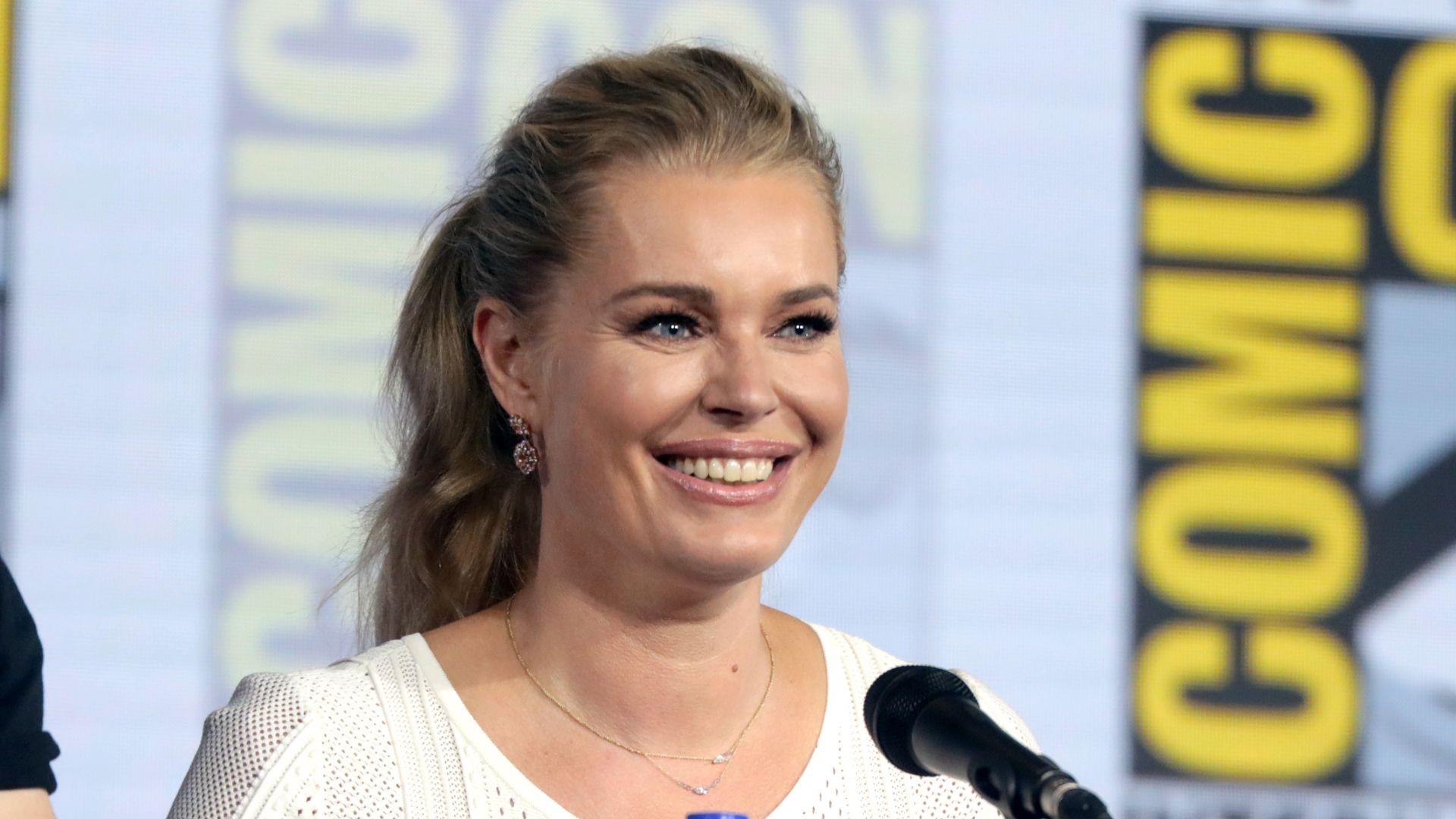 Gage Skidmore from Peoria, AZ, United States of America, Wikimedia Commons
Jon Lovitz
Comedy fans remember his sharp timing from Saturday Night Live and films like A League of Their Own. Jon Lovitz became a familiar supporting presence throughout the 1990s. However, leading roles never materialized, and his career settled into character parts and voice work.
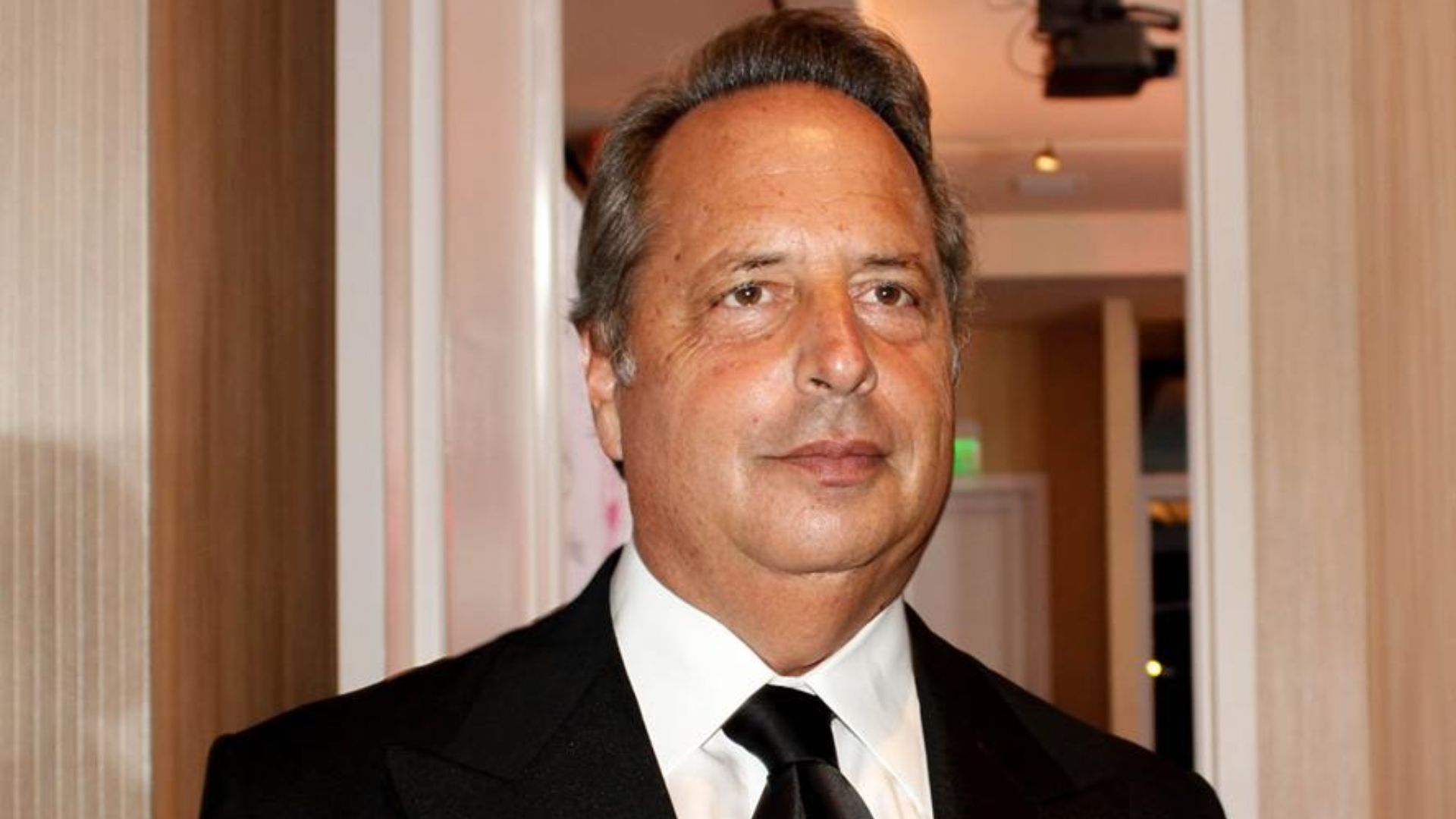
Peter Greene
An intense screen presence made Peter Greene hard to forget in films like Pulp Fiction and The Mask, where his volatile characters lingered long after the credits rolled. Substance abuse struggles in the 1990s repeatedly disrupted his career, limiting long-term opportunities despite frequent casting in high-profile projects.
 Rob DiCaterino from Clifton, NJ, USA, Wikimedia Commons