
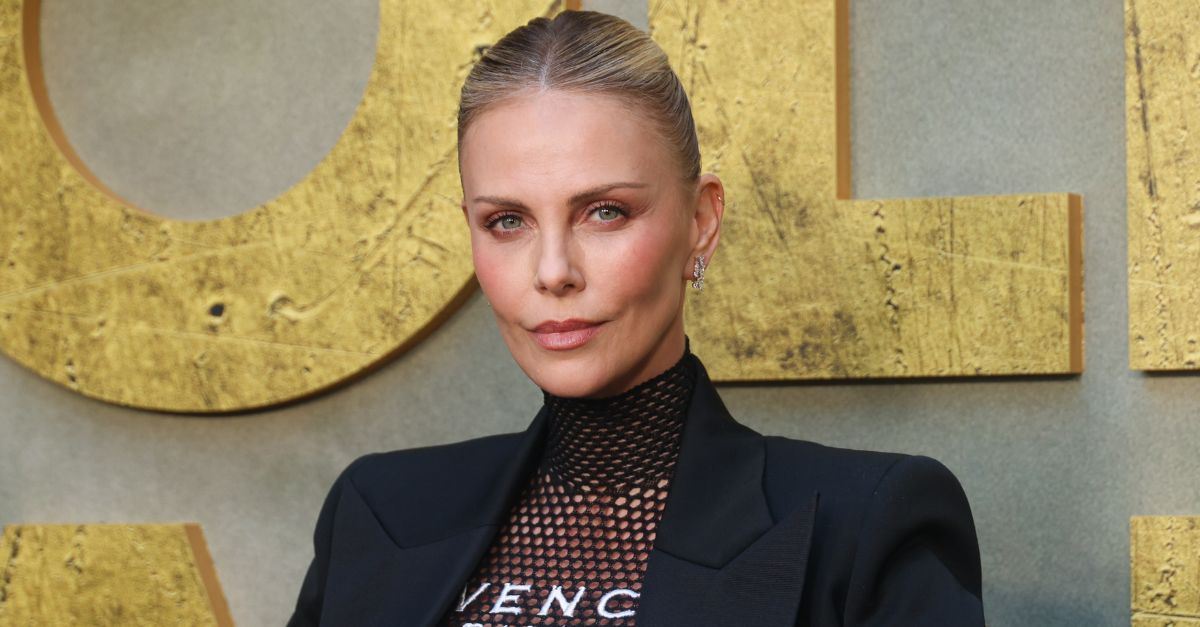
Success After Everyone Gave Up
They struggled to get noticed in a world that rarely gave second chances. Early roles went nowhere, and the buzz never came, but they stayed in the game long enough for everything to finally shift.
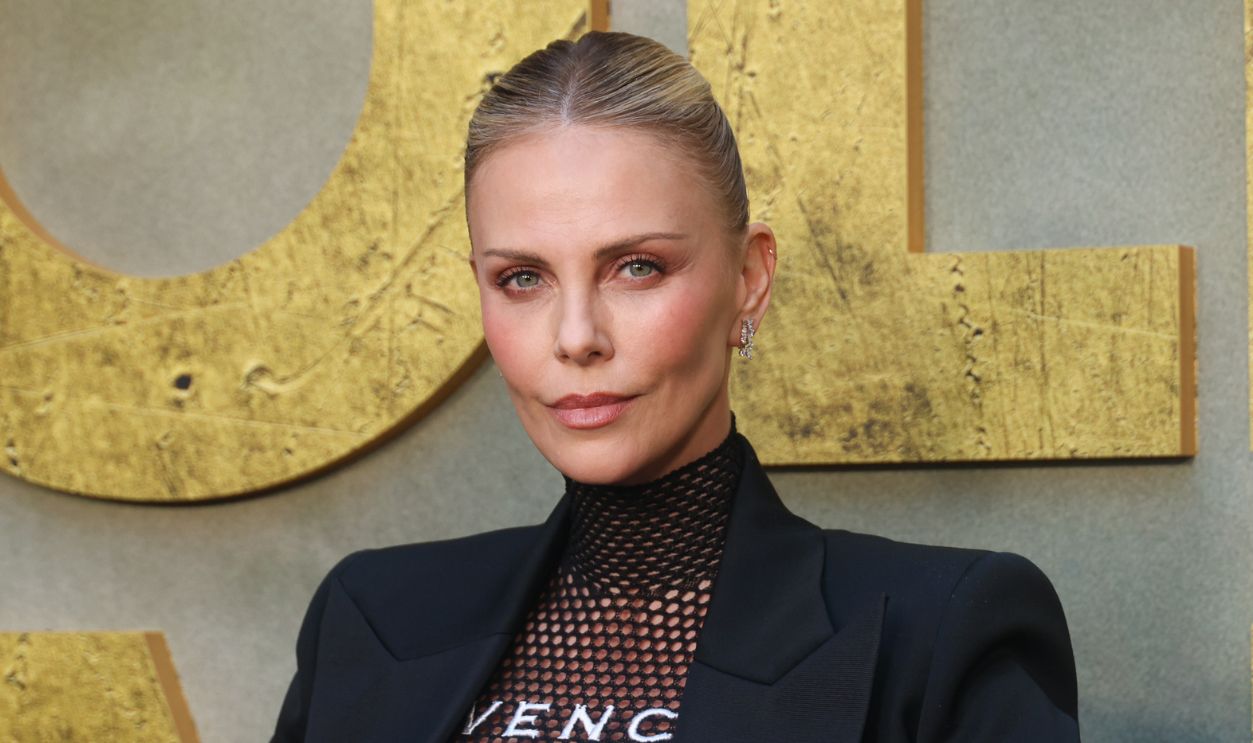
Bryan Cranston
Before Breaking Bad, Bryan Cranston got fired from a soap opera for not fitting in. He then took whatever work he could—loading trucks, guarding doors—and kept auditioning without results. Only later did small comedy roles shift his path toward something greater.
 Gage Skidmore from Peoria, AZ, United States of America, Wikimedia Commons
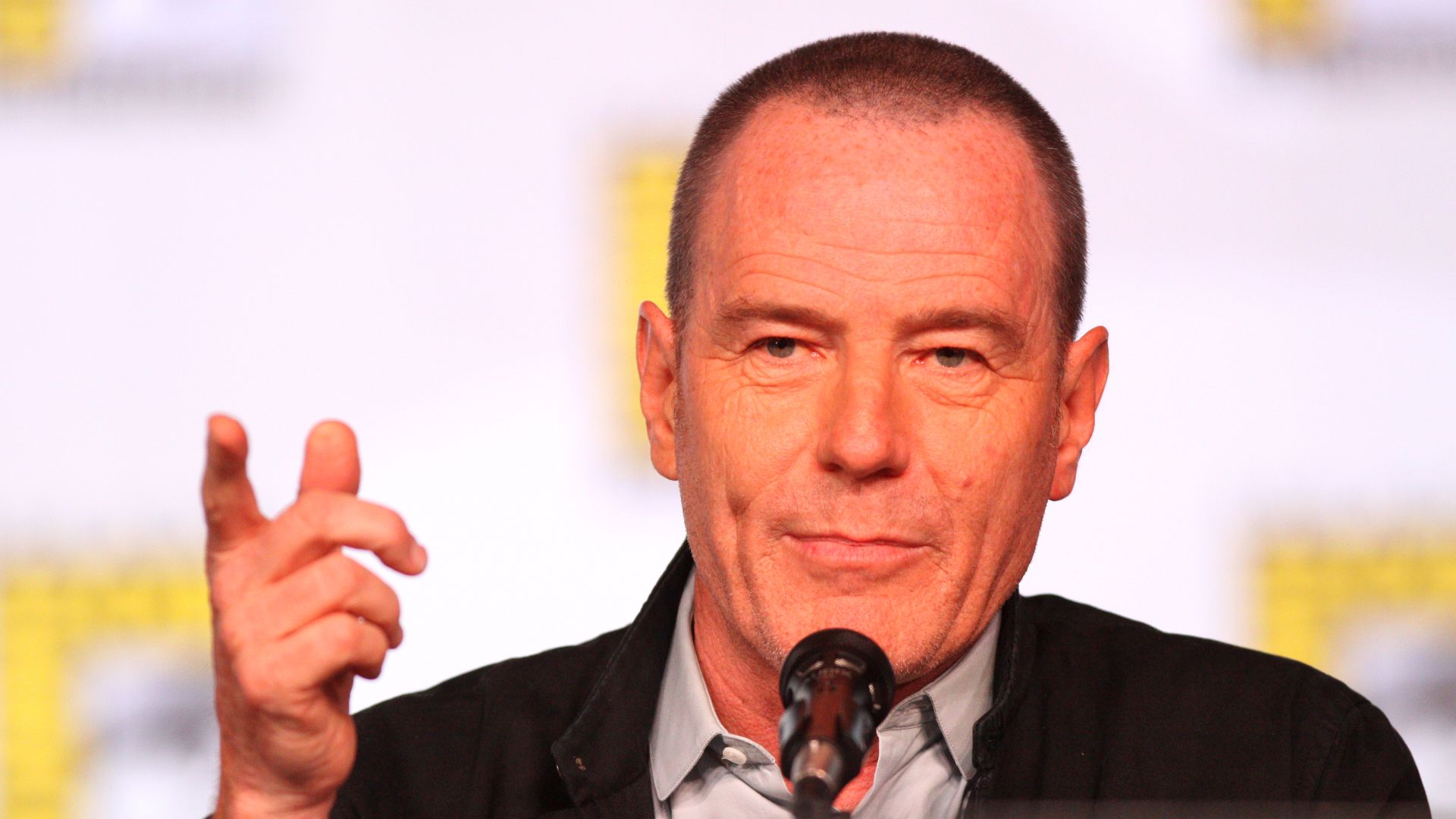
Charlize Theron
Casting directors told Charlize Theron she didn’t match the beauty standards they wanted. With barely any money, she moved to Hollywood, where rejections piled up across modeling and acting. Years later, Monster shut down every early doubt about her talent.
 Gage Skidmore from Peoria, AZ, United States of America, Wikimedia Commons
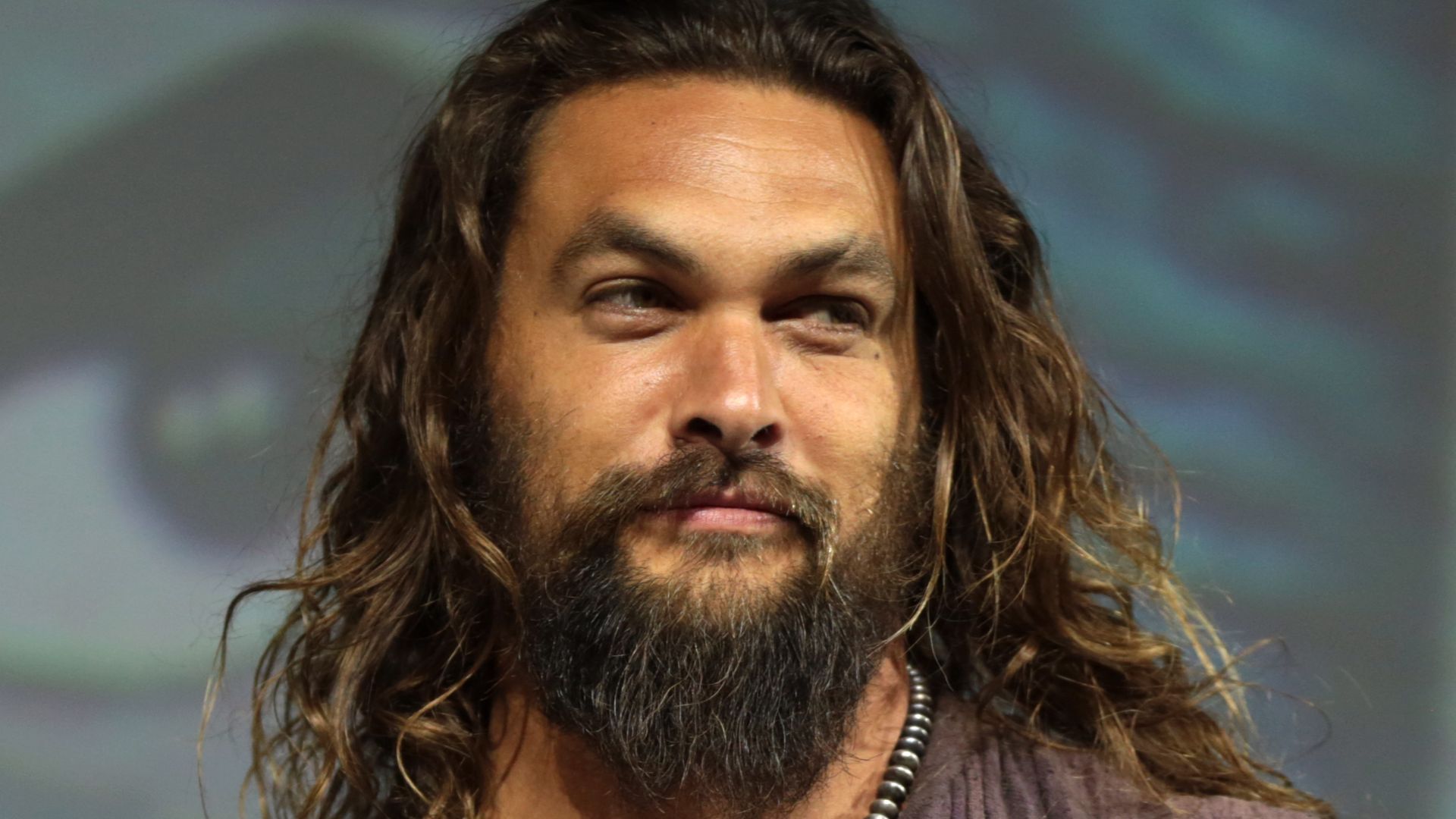
Jason Momoa
In his early auditions, Jason Momoa kept hearing he looked too ethnic or too large for leading roles. He picked up jobs in retail and lifeguarding just to stay afloat. Eventually, Aquaman turned those same traits into undeniable strengths.
 Gage Skidmore from Peoria, AZ, United States of America, Wikimedia Commons
Meryl Streep
When Meryl Streep auditioned for King Kong, producer Dino De Laurentiis called her too ugly for the role. Others echoed the same sentiment. Still, she pushed through every rejection and silenced it all with her performance in The Deer Hunter.
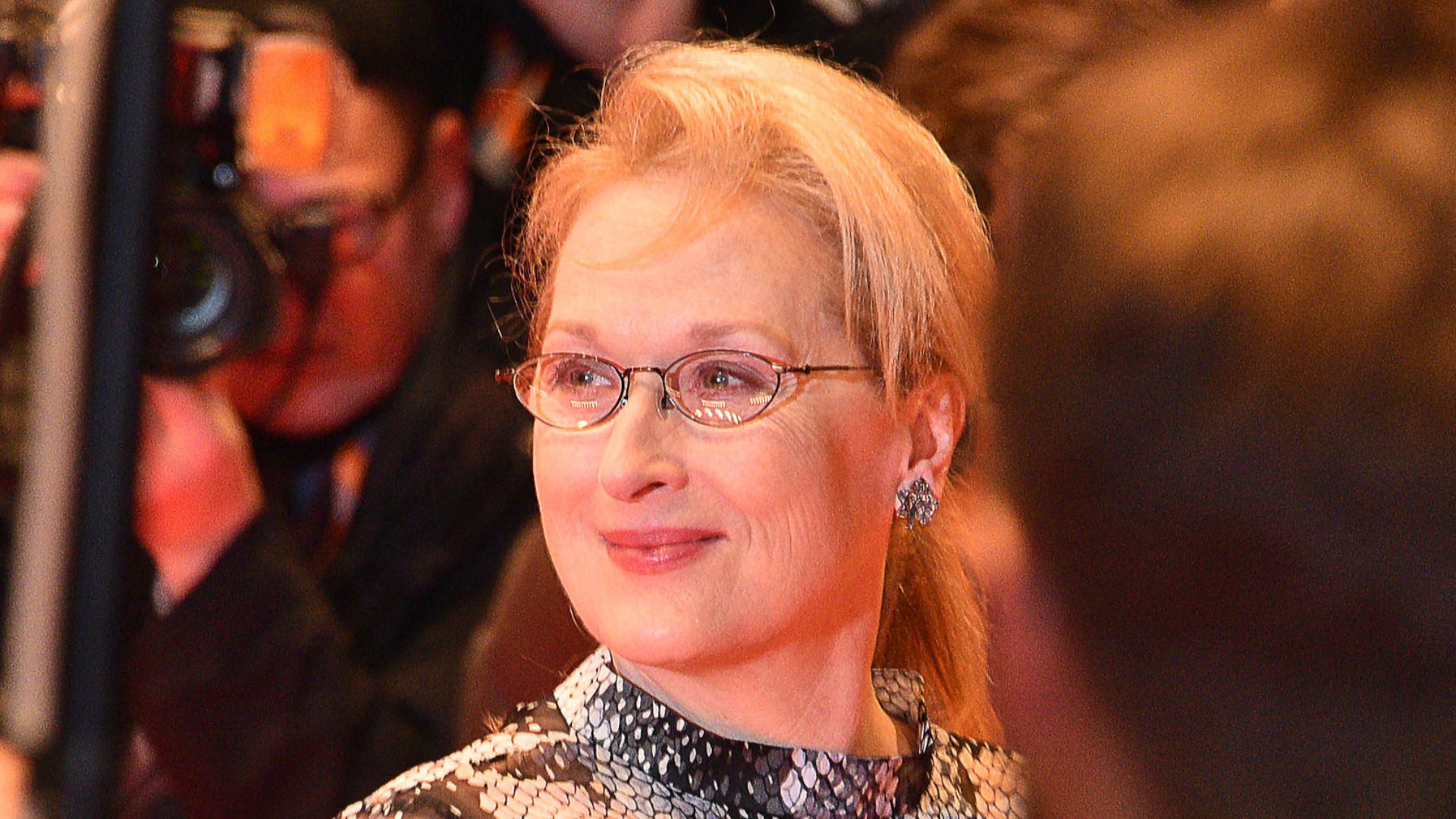 www.GlynLowe.com from Hamburg, Germany, Wikimedia Commons
Keanu Reeves
Early in his career, Keanu Reeves battled dyslexia that made script reading difficult. He took small parts, struggled financially, and faced endless rejections. His breakout in Bill & Ted changed things, and The Matrix later cemented his quiet climb to stardom.
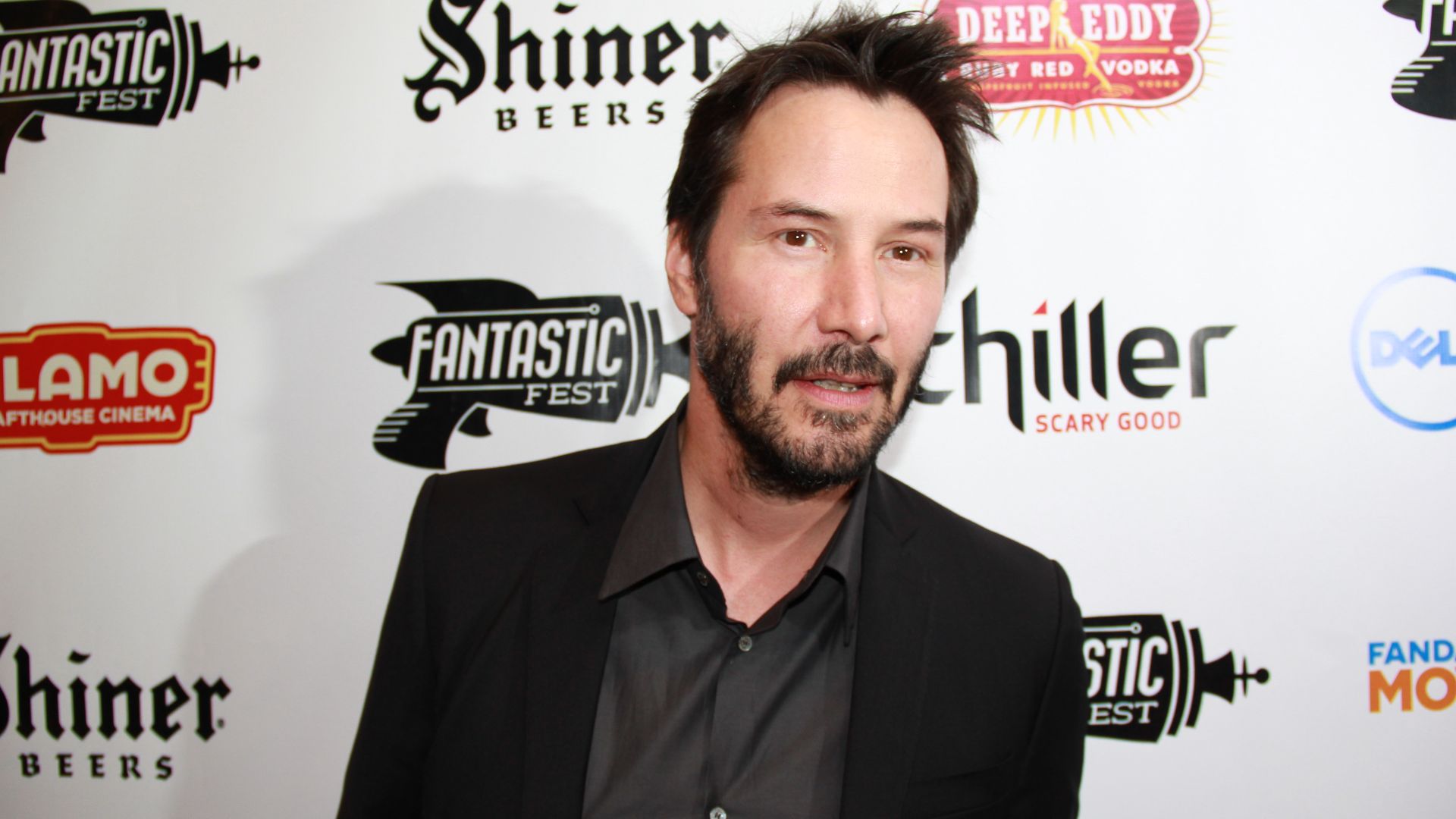 Daniel Benavides from Austin, TX, Wikimedia Commons
Melissa McCarthy
Despite constant pushback, Melissa McCarthy refused to change her body to fit someone else’s ideal, even though casting directors told her that her weight limited her options. She stuck to smaller parts until Bridesmaids exploded—proof that comedic talent doesn’t come with a size chart.
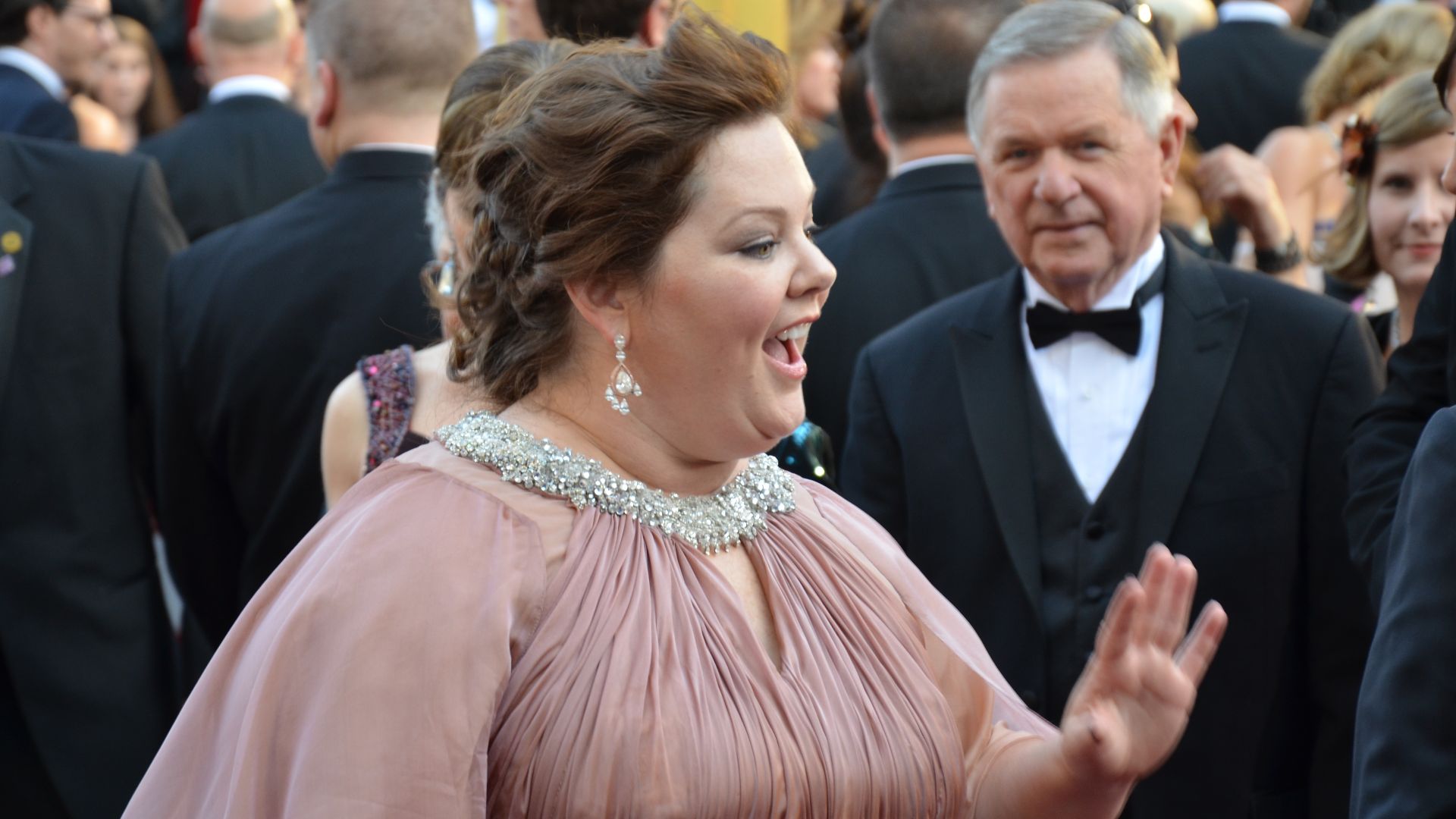 Mingle MediaTV, Wikimedia Commons
Humphrey Bogart
Typecast as a gangster and dismissed for romantic roles, Humphrey Bogart spent years stuck in one lane. He kept taking villain parts, waiting for something to shift. It finally did when Casablanca turned him into Hollywood’s most unlikely romantic lead.
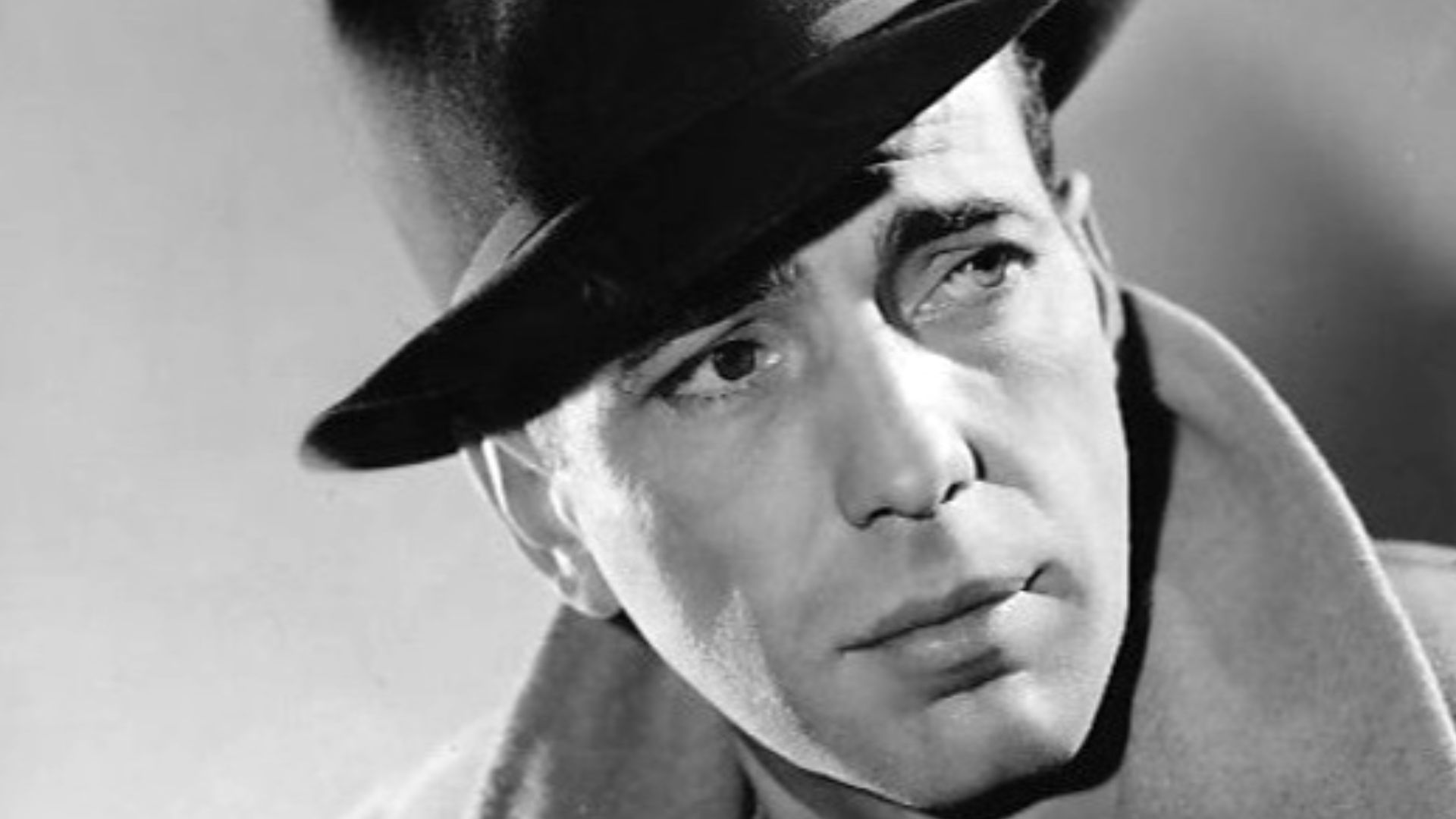 Published by The Minneapolis Tribune-photo from Warner Bros., Wikimedia Commons
Robert Downey Jr.
After addiction derailed his career, Robert Downey Jr. couldn’t land roles, even as he tried to rebuild. However, rock bottom didn’t break him; it reset him. Step by step, he clawed his way back until Iron Man turned recovery into reinvention.
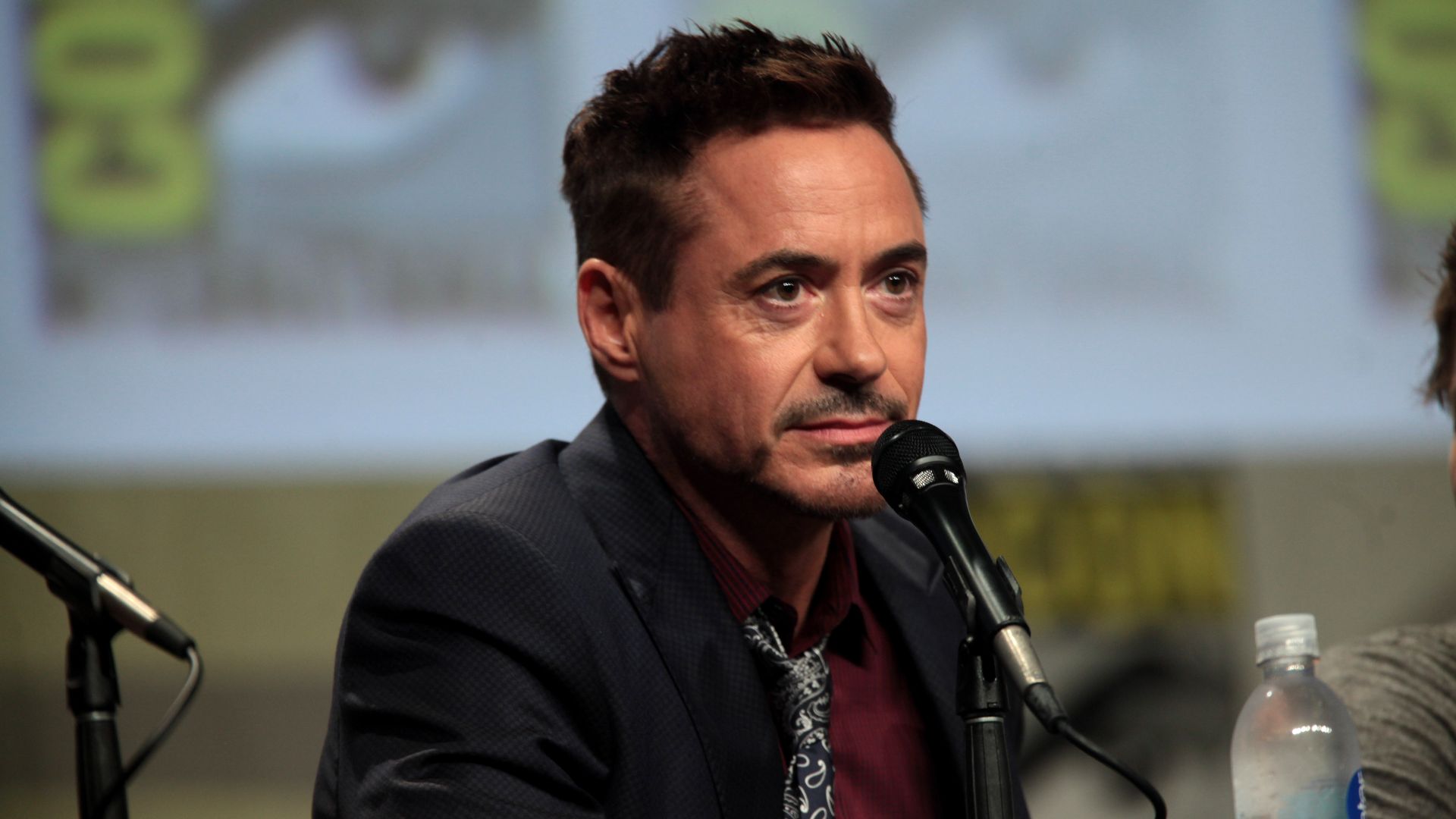 Gage Skidmore, Wikimedia Commons
Danny Trejo
Long before fame, Danny Trejo served time and carried the weight of his past into every audition. Rejections came fast, often tied to his tough appearance. Starting with villain roles, he grew into a cult action hero few could ignore.
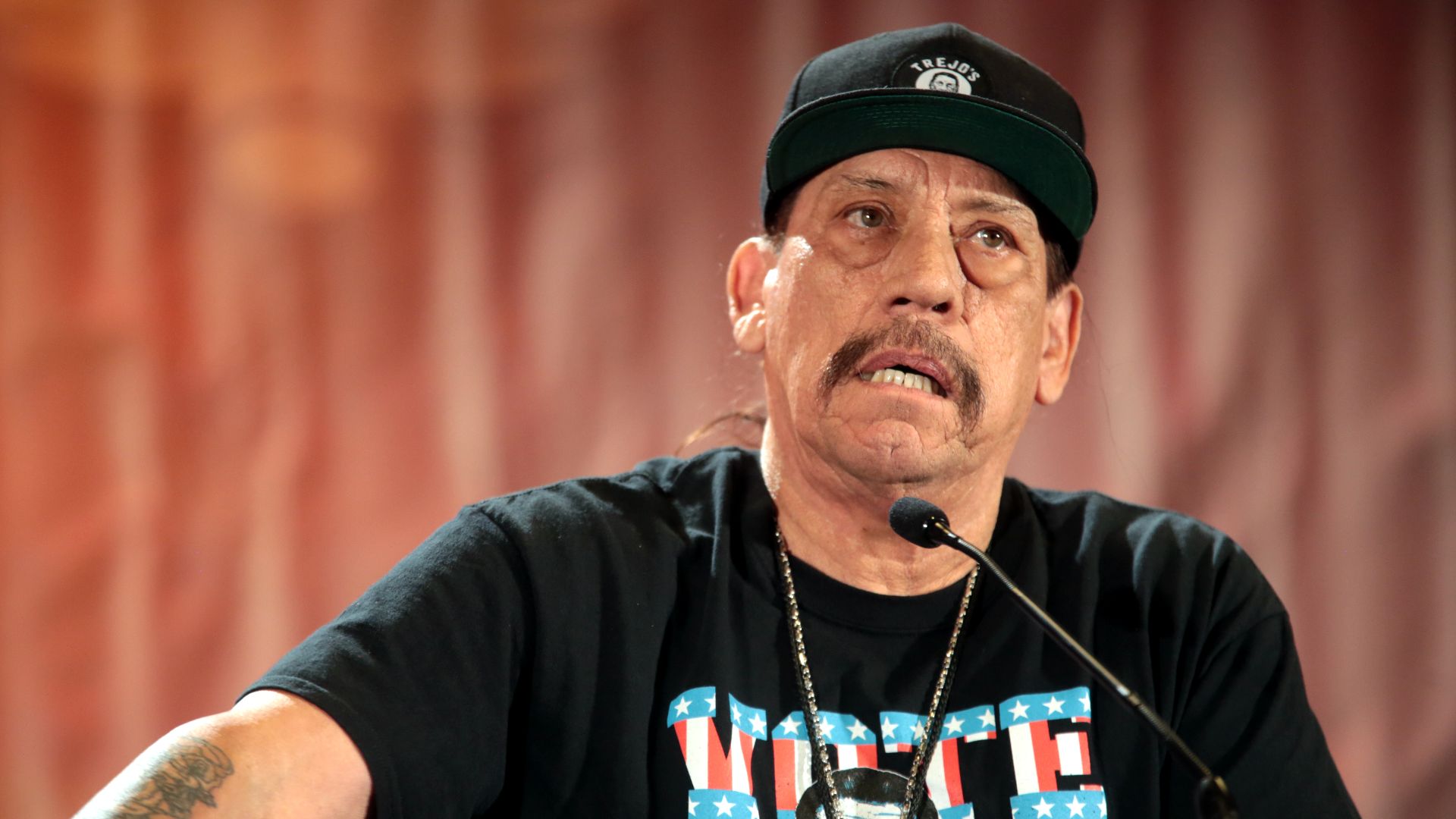 Gage Skidmore from Peoria, AZ, United States of America, Wikimedia Commons
Viola Davis
Leading roles rarely went to women who looked like Viola Davis. She found herself boxed into limited parts, especially early on. Though theater gave her space to thrive, film took longer. But her rise to EGOT status made the wait worth it.
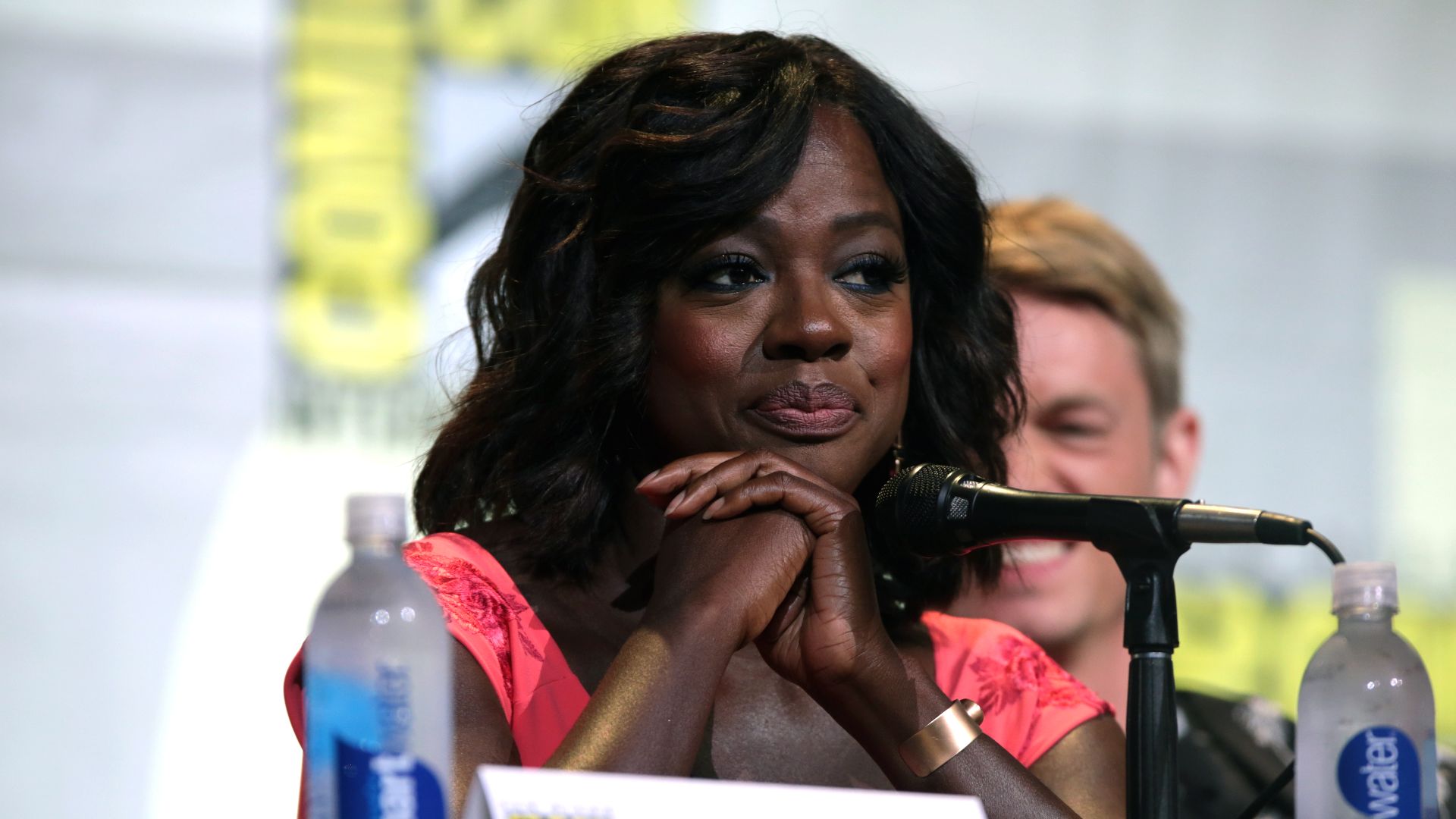 Gage Skidmore from Peoria, AZ, United States of America, Wikimedia Commons
Renee Zellweger
Critics mocked Renee Zellweger’s squinty eyes and cheeks, labeling her unconventionally pretty. Casting agents questioned her appeal, yet she kept moving forward. As soon as Bridget Jones’s Diary hit, her quirks didn’t hold her back—they made her unforgettable.
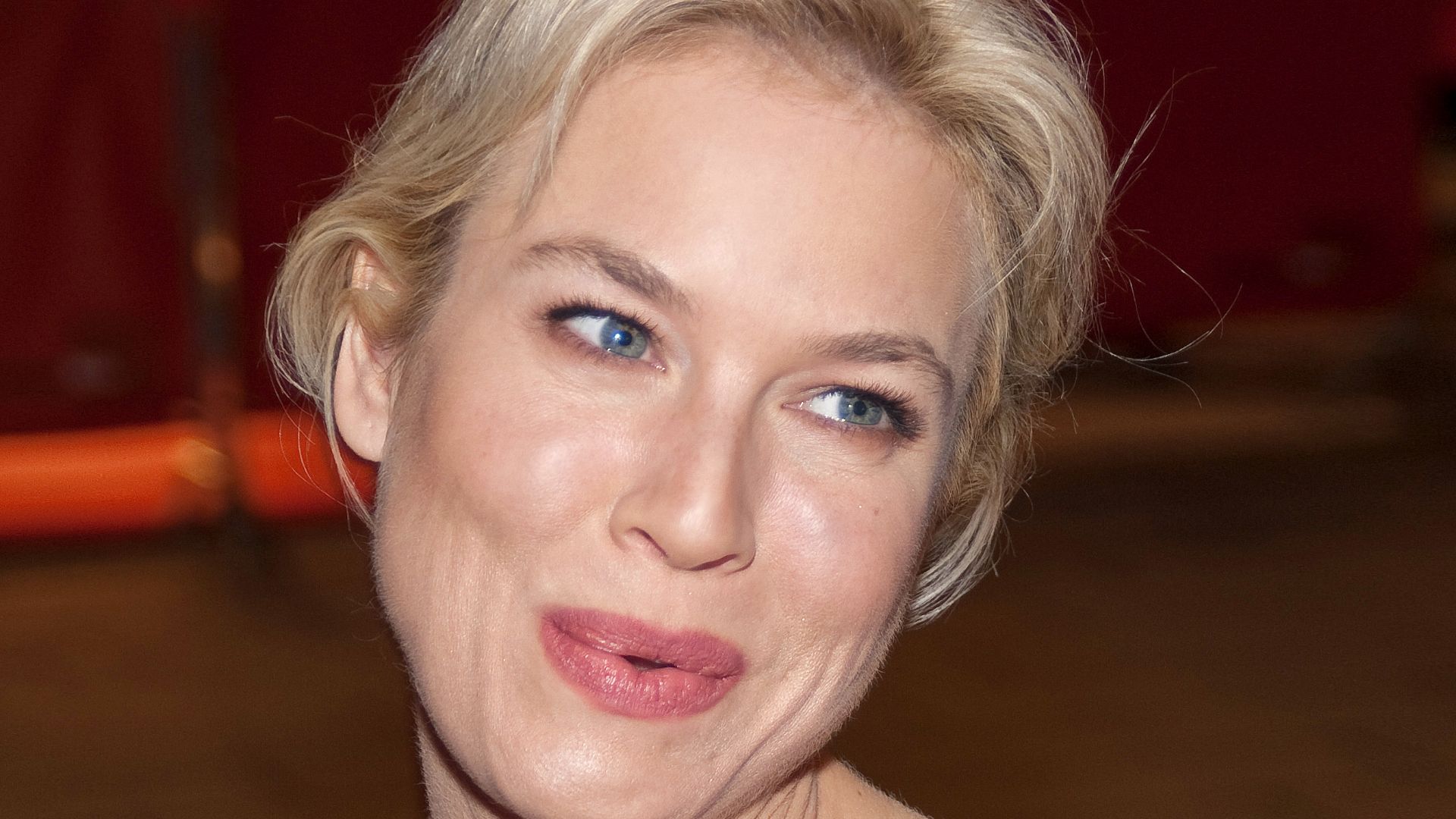
Jon Hamm
Before Mad Men, Jon Hamm waited tables and watched opportunities disappear. One agency dropped him, and repeated pilot auditions led nowhere. The overnight success people saw came only after years of rejection most others never witnessed.
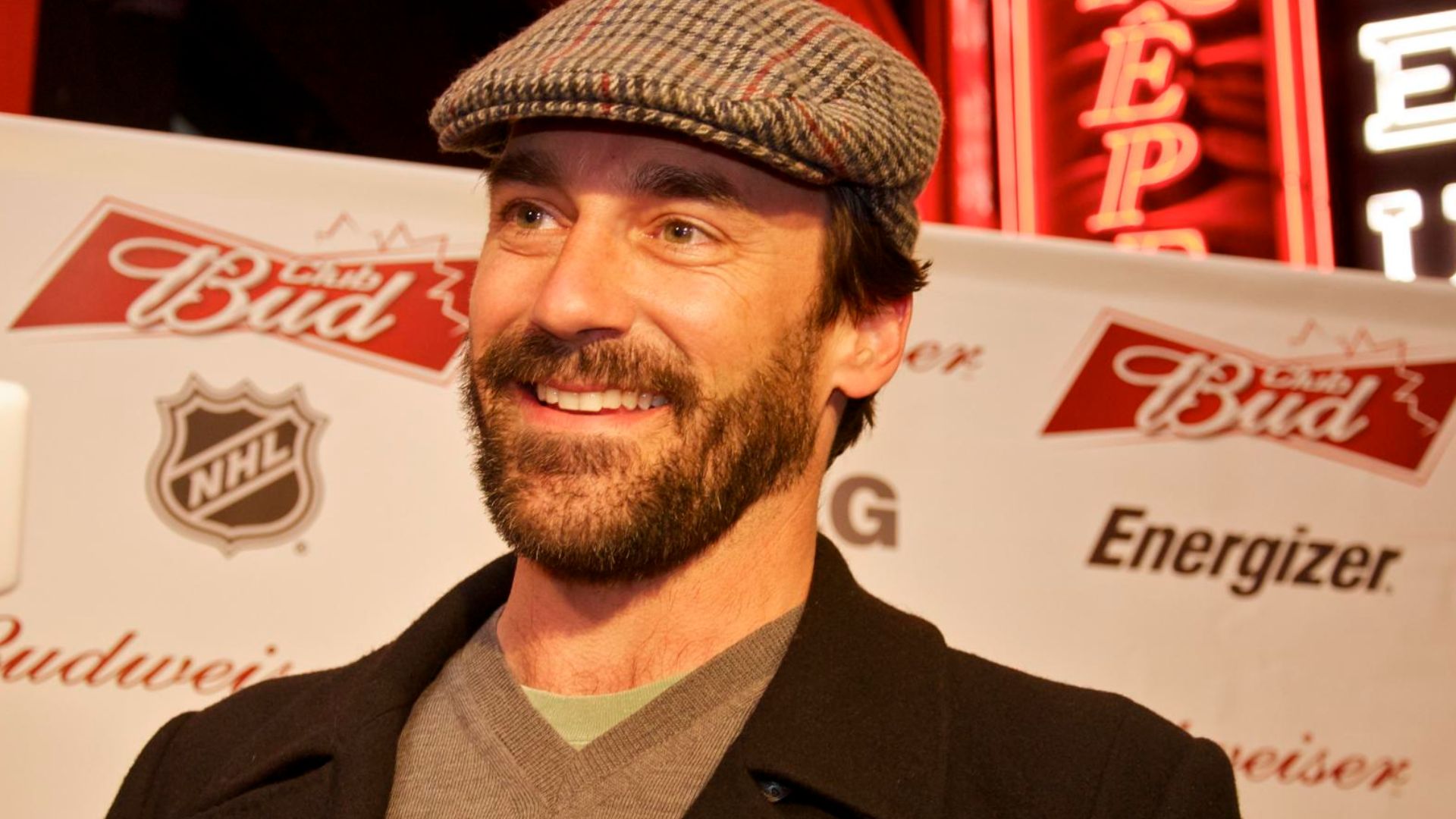 John Bollwitt from Vancouver, Canada, Wikimedia Commons
Harrison Ford
A studio executive dismissed Harrison Ford’s chances at stardom. He picked up carpentry jobs to stay afloat between minor parts. That trade introduced him to George Lucas, an encounter that helped launch one of cinema’s most iconic careers.
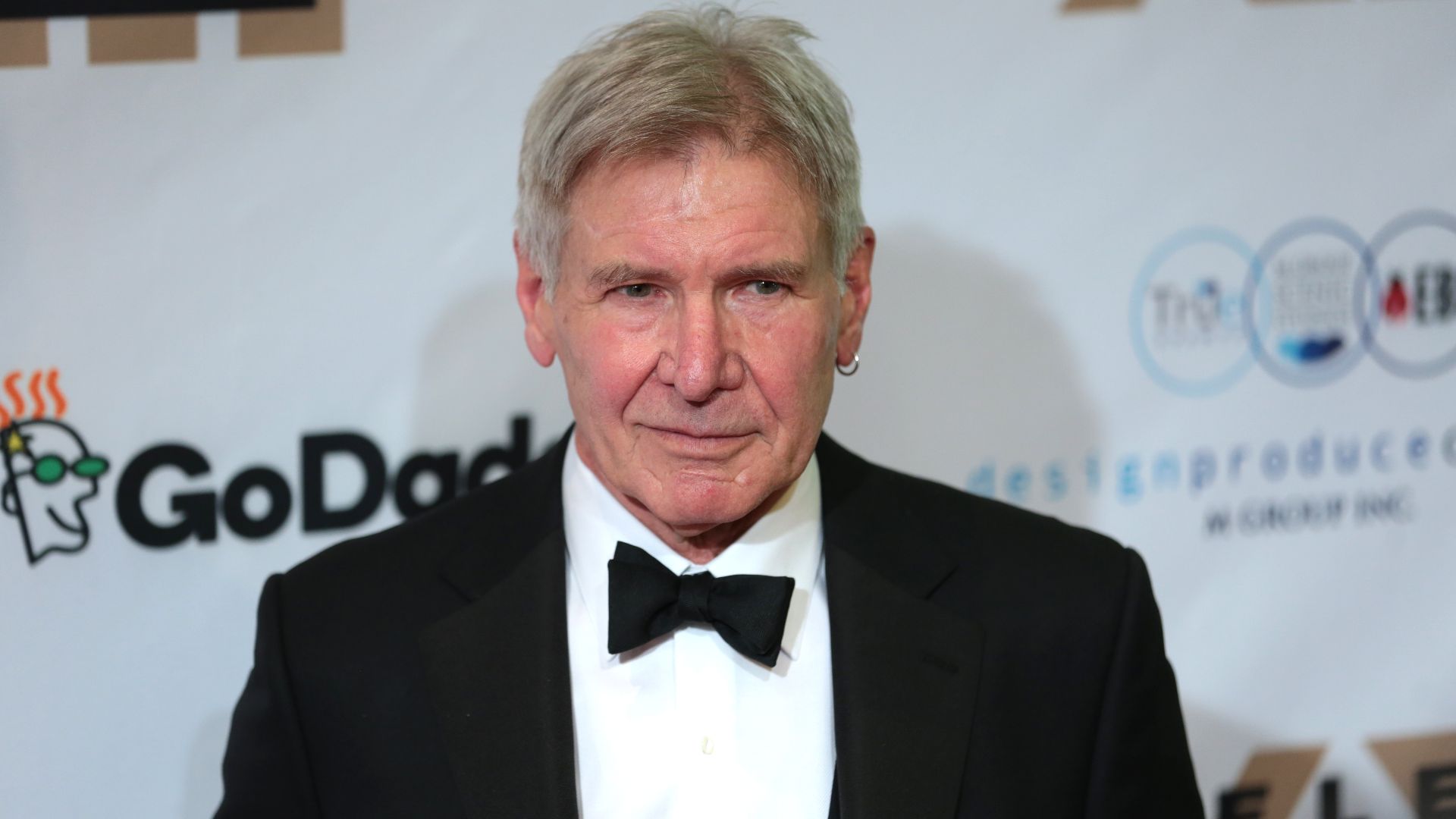 Gage Skidmore from Peoria, AZ, United States of America, Wikimedia Commons
Jessica Chastain
Hair color became a hurdle when Jessica Chastain entered the industry. She was told to dye it, to look more conventional. Refusing to blend in, she struggled through years of near misses before finally owning her spotlight.
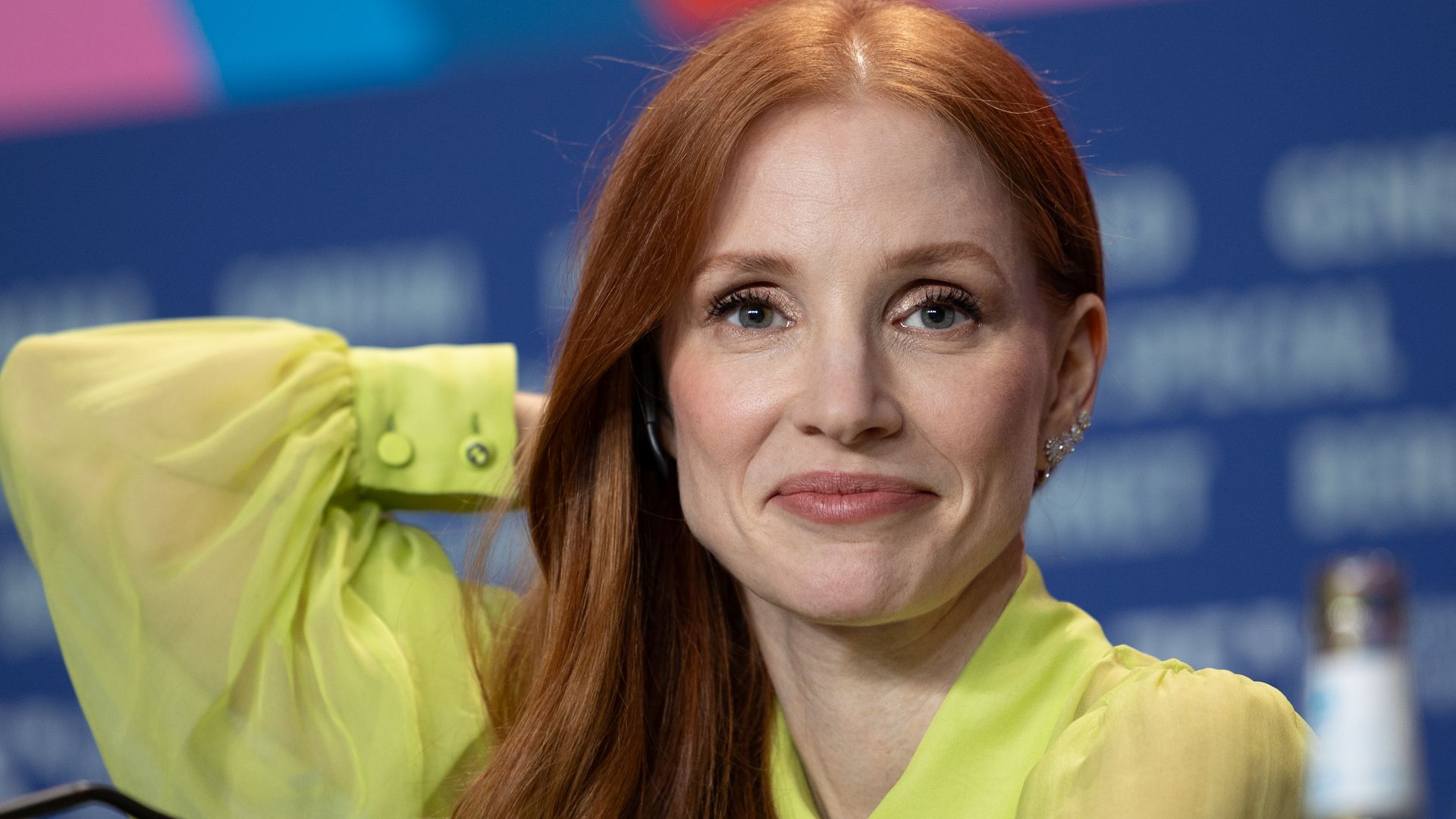 Harald Krichel, Wikimedia Commons
Samuel L. Jackson
For years, Samuel L. Jackson only landed small parts. Addiction made things harder, keeping his career on the edge. It wasn’t early success that defined him—it was Pulp Fiction, which turned a slow-burning career into an explosion.
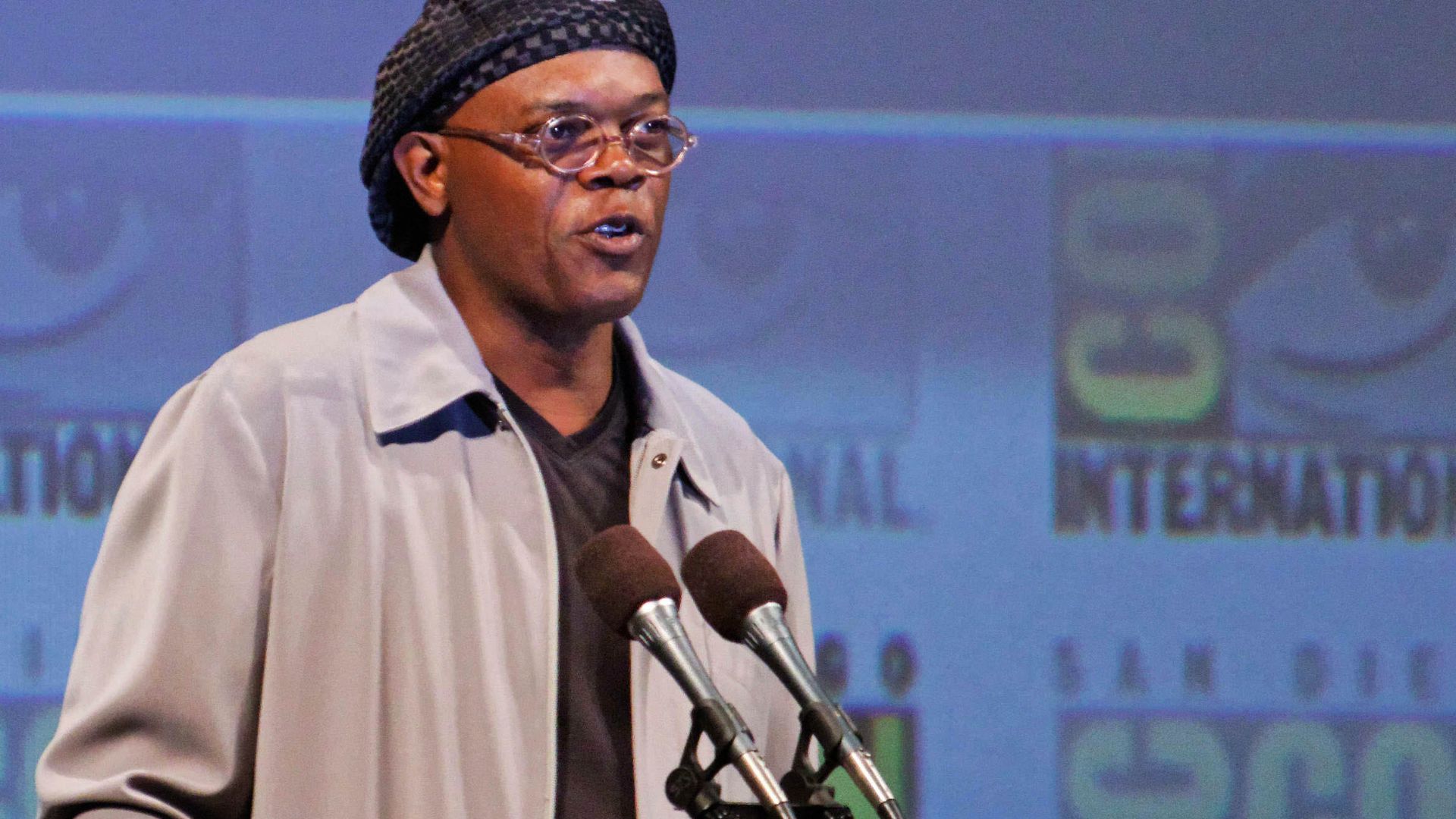 rwoan Lady Lotus at en.wikipedia, Wikimedia Commons
Michael Keaton
As soon as Michael Keaton was cast as Batman, backlash hit hard. Fans doubted him, and after creative clashes, he stepped away. Post-Batman, roles grew scarce. Still, he resurfaced in The Flash, earning cheers from those who once questioned him.
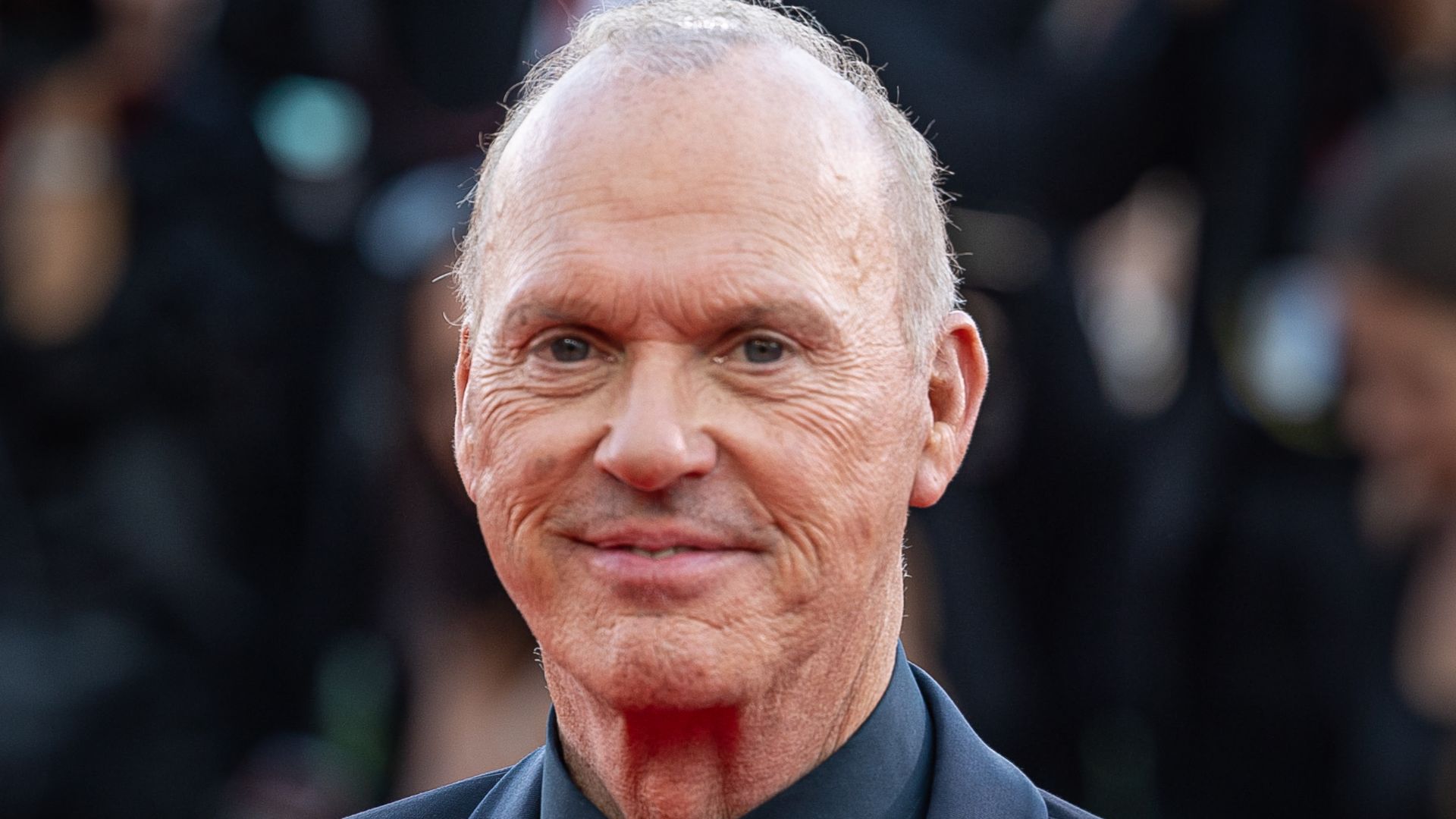 Harald Krichel, Wikimedia Commons
Steve Carell
Between odd jobs and dry auditions, Steve Carell spent years off the radar. Even the role of Michael Scott nearly slipped past him. But once he landed it, The Office reshaped his entire place in the comedy world.
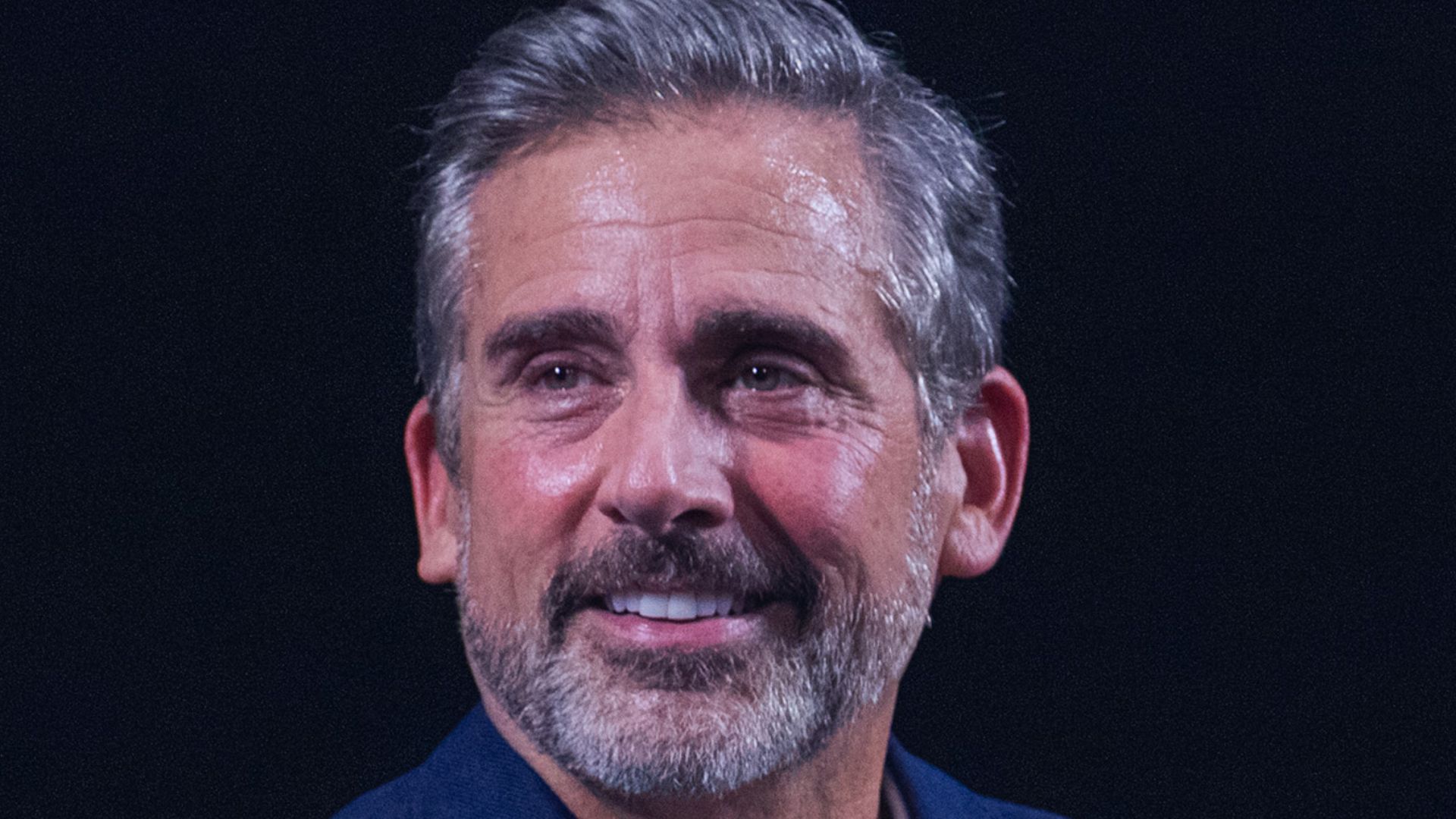
Mark Ruffalo
Over 600 auditions led nowhere, and Mark Ruffalo nearly walked away more than once. Personal loss added to the weight. It wasn’t until The Kids Are All Right that the industry finally caught up to what he had to offer.
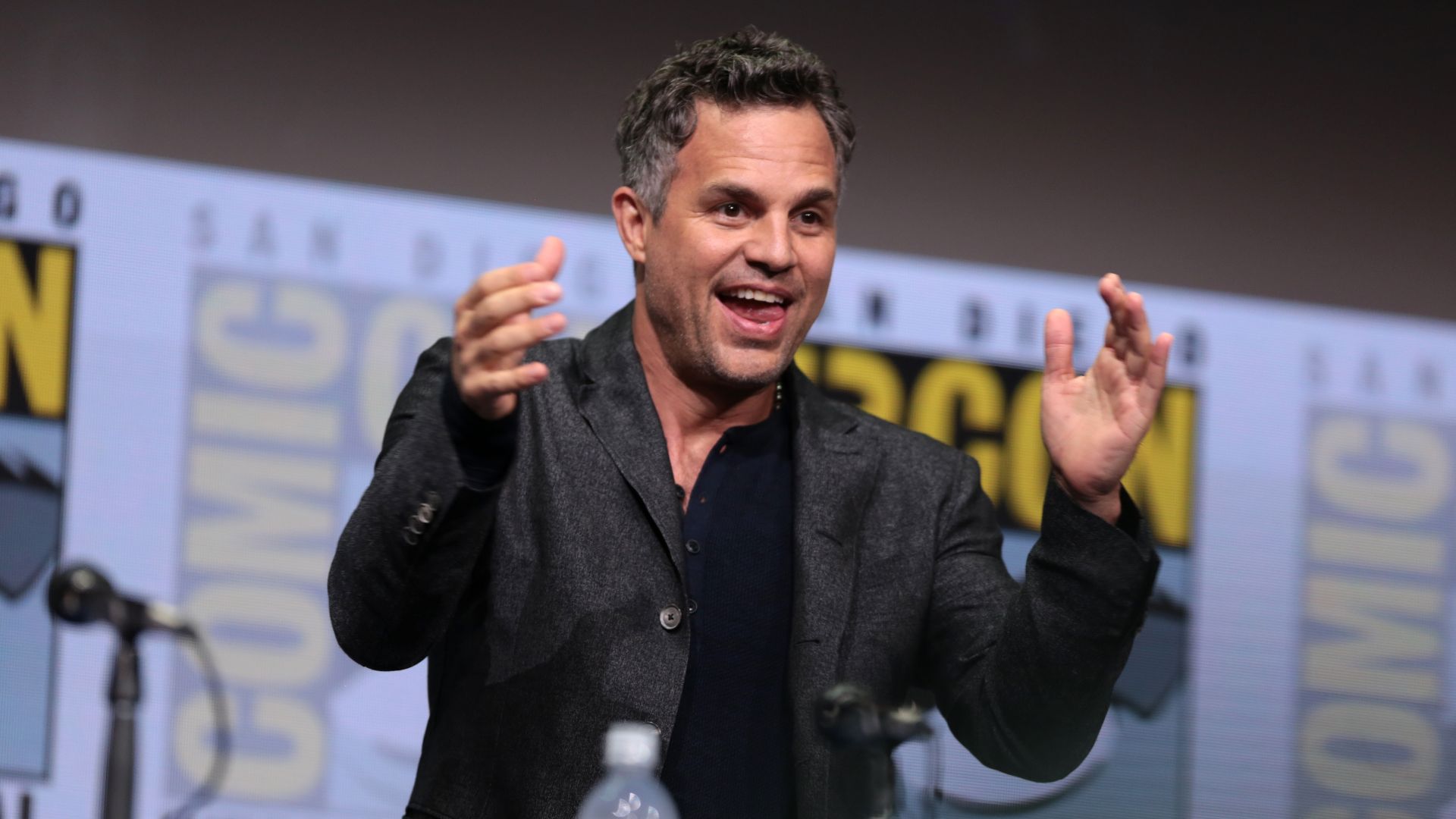 Gage Skidmore from Peoria, AZ, United States of America, Wikimedia Commons
Sigourney Weaver
Casting agents kept saying Sigourney Weaver was too tall for romantic roles. She hoped directors would see beyond height. That wish came true with Alien, where her presence redefined what a sci-fi lead could look and sound like.
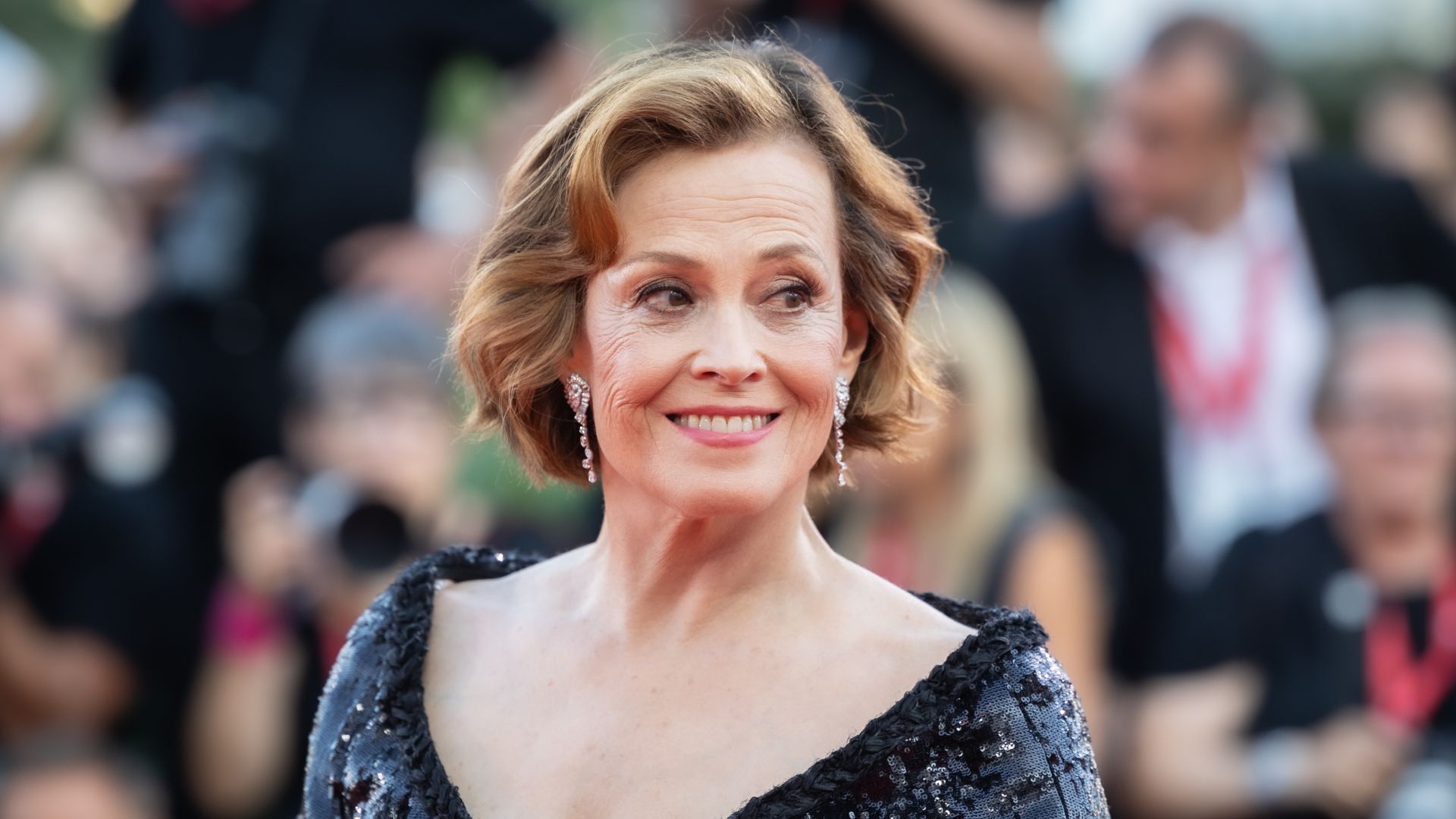 Harald Krichel, Wikimedia Commons
Tom Cruise
Reading lines became a challenge for Tom Cruise early on as his dyslexia made auditioning difficult. But he kept that struggle quiet while learning to navigate the industry. Determination, not ease, turned him into one of action cinema’s most unstoppable forces.
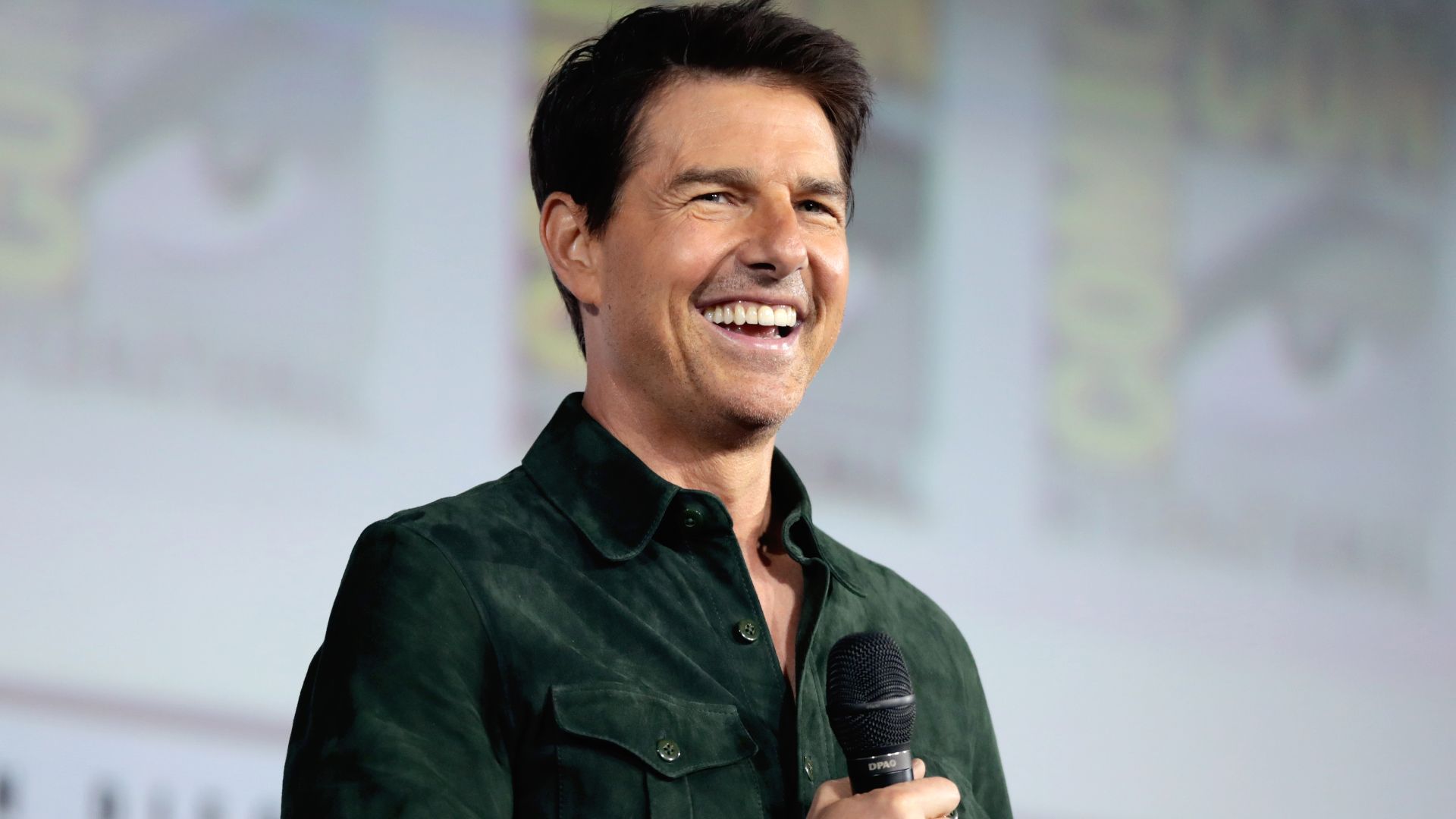 Gage Skidmore from Peoria, AZ, United States of America, Wikimedia Commons
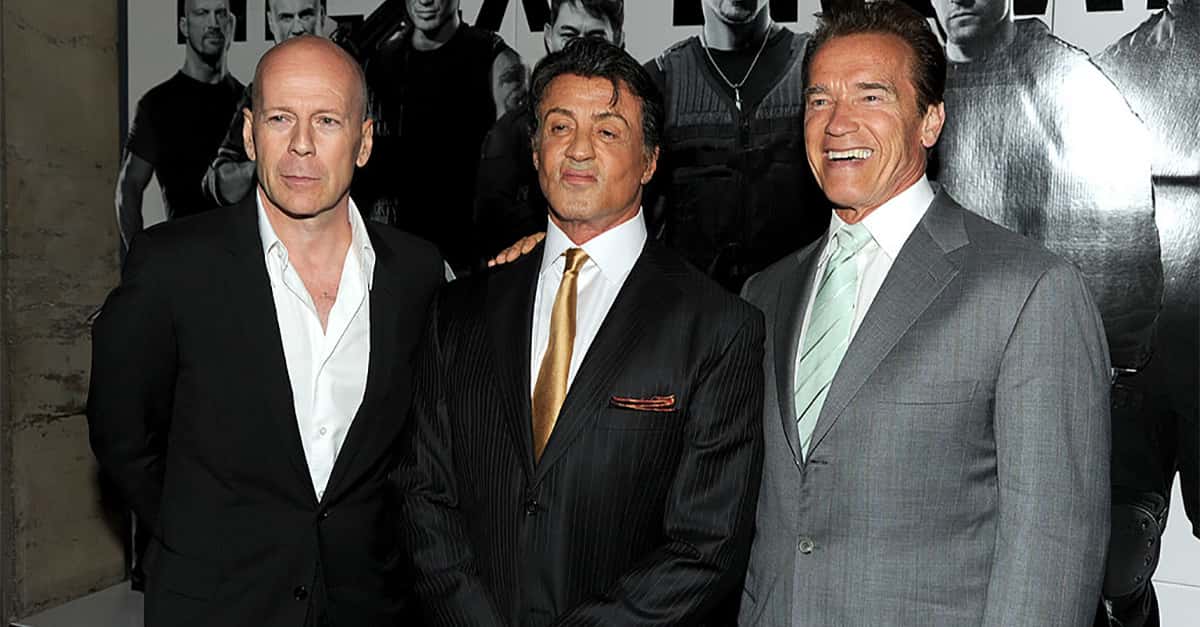
Sylvester Stallone
Rejection met Sylvester Stallone 1,500 times as he shopped Rocky around. With no money, he sold his dog just to survive. When success came, he used his first earnings to buy that dog back—script and stardom intact.
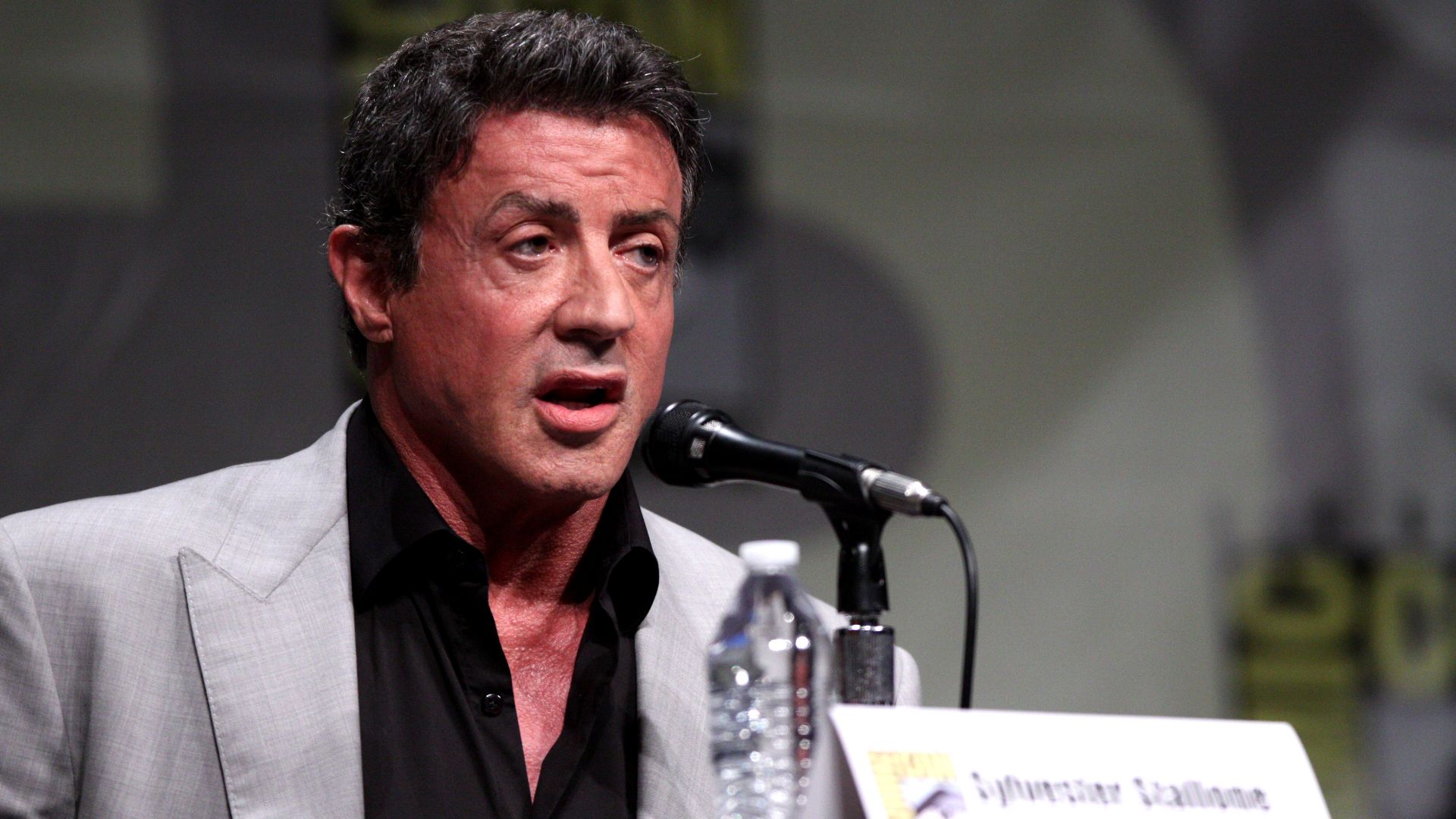 Gage Skidmore from Peoria, AZ, United States of America, Wikimedia Commons
Arnold Schwarzenegger
Critics said Arnold Schwarzenegger’s accent and massive frame wouldn’t work on screen. He was urged to change his name and tone down his presence. Instead, he leaned in—and those very traits turned into his most powerful career assets.
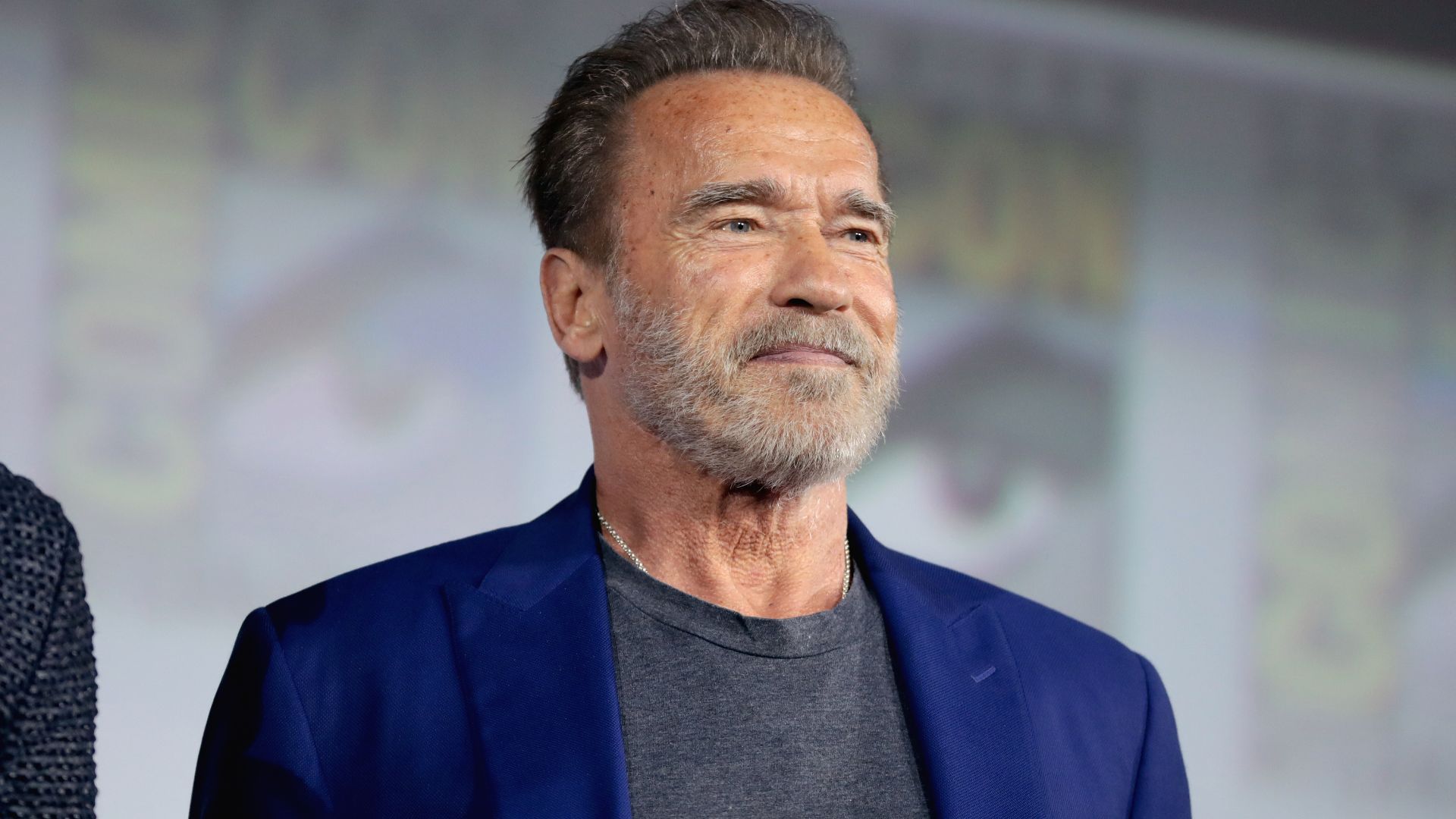 Gage Skidmore from Peoria, AZ, United States of America, Wikimedia Commons
Kate Winslet
School bullies called Kate Winslet “Blubber”, and teachers told her to settle for “fat girl” roles. She didn’t listen. The same determination that carried her through childhood fueled an acting career that led straight to Oscar-winning recognition.
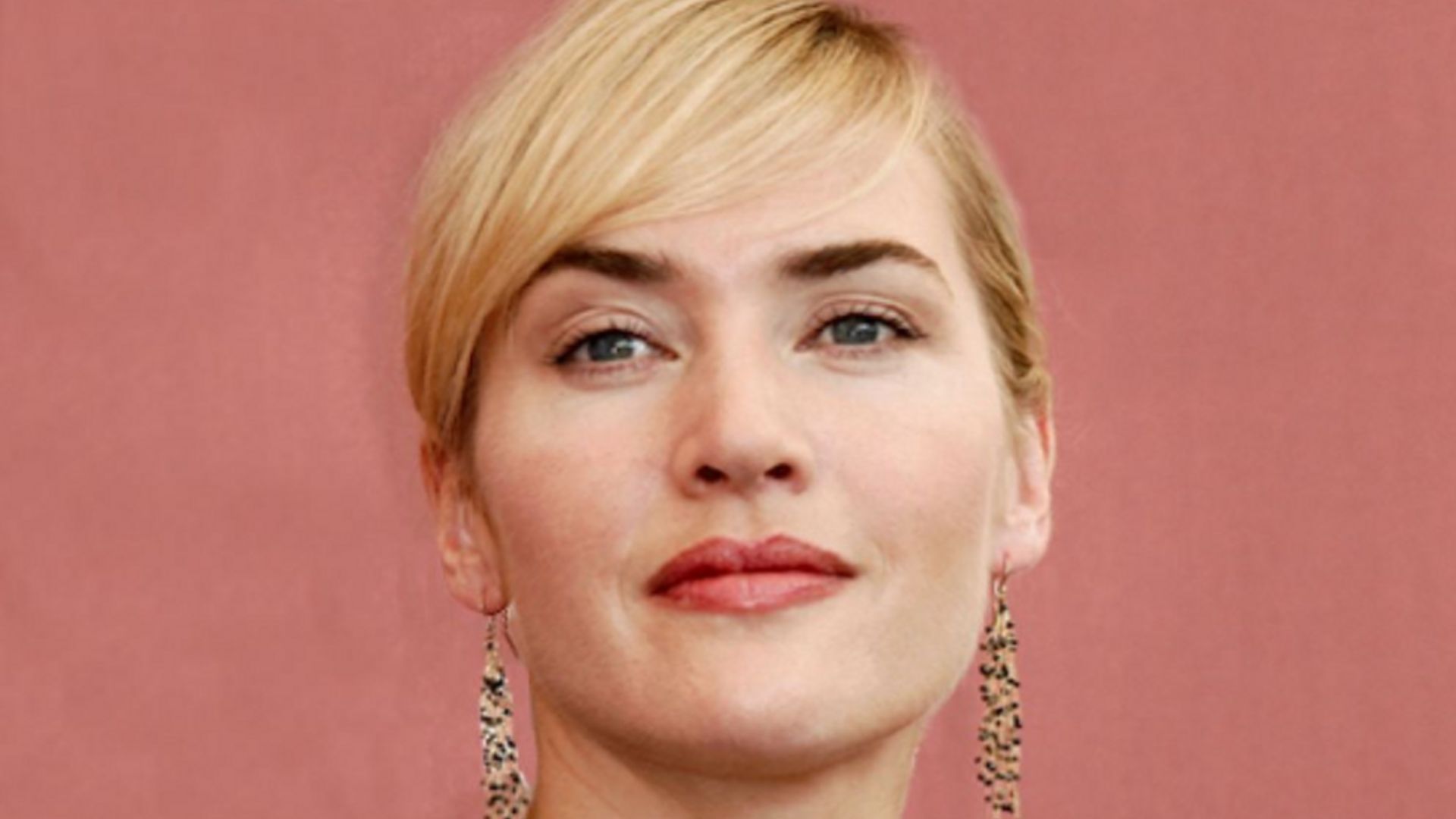 Andrea Raffin, Wikimedia Commons
Chris Hemsworth
Rejections hit Chris Hemsworth hard after he left Australia. Casting agents often said he was too tall or too muscular for most roles. Then came Thor—a part that didn’t just accept his size, but centered it.
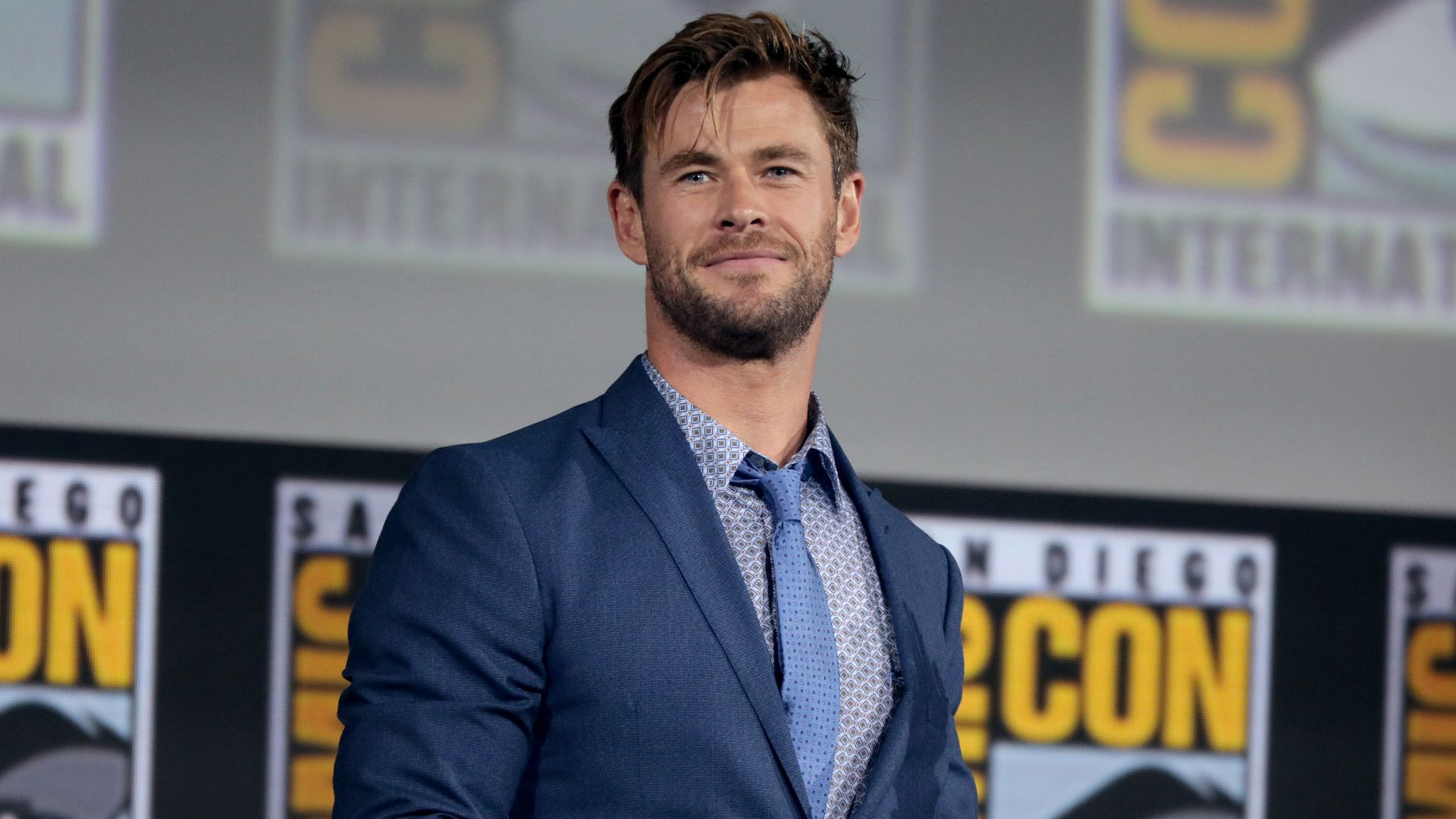 Gage Skidmore from Peoria, AZ, United States of America, Wikimedia Commons
Sidney Poitier
Sidney Poitier messed up his first audition so badly that he was told to be a dishwasher instead. He took that job and quietly trained on the side. Years later, he made history as the first Black man to win Best Actor at the Oscars.
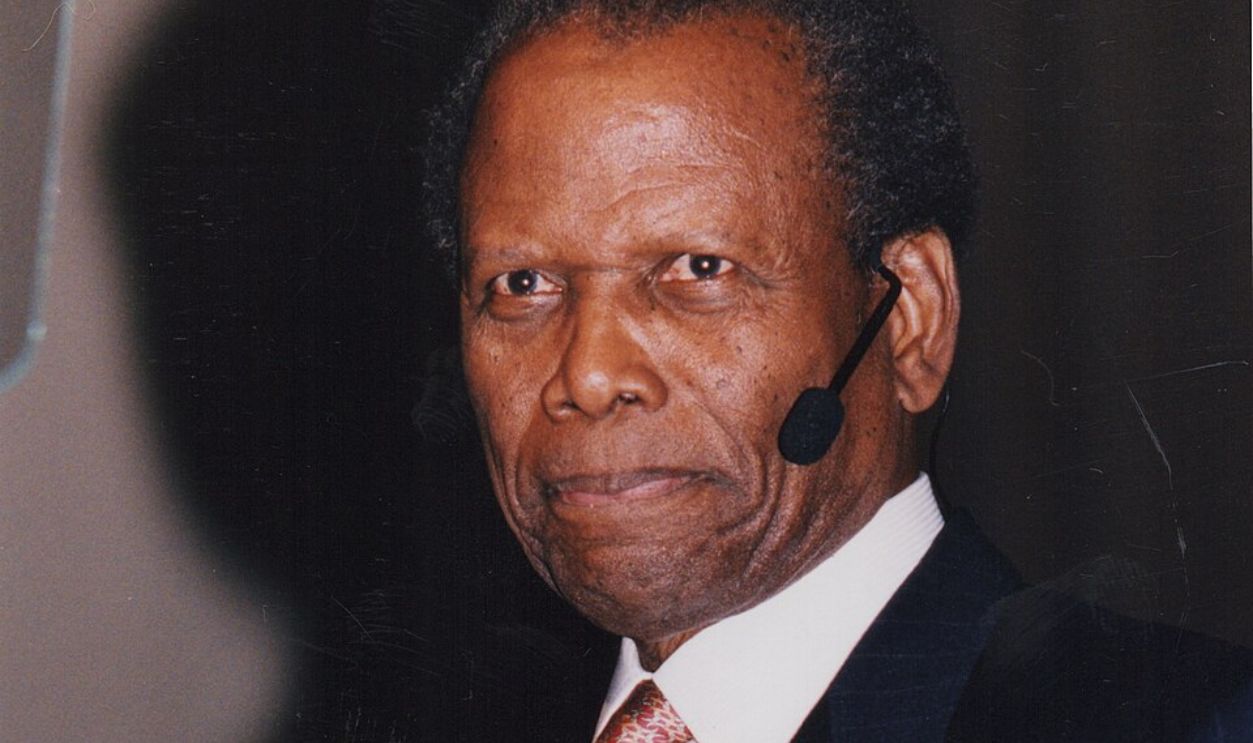 The Archivists @ pflegerarchives.org, Wikimedia Commons

.jpg)