When The Credits Roll But The Confusion Lingers
Some finales wrap everything up neatly. Others leave you staring at the screen like you just missed an episode—or five. Whether it’s baffling twists, missing characters, or endings that feel like they were stitched together at the last second, these shows didn’t just fumble the landing—they left viewers genuinely confused about what they just watched.
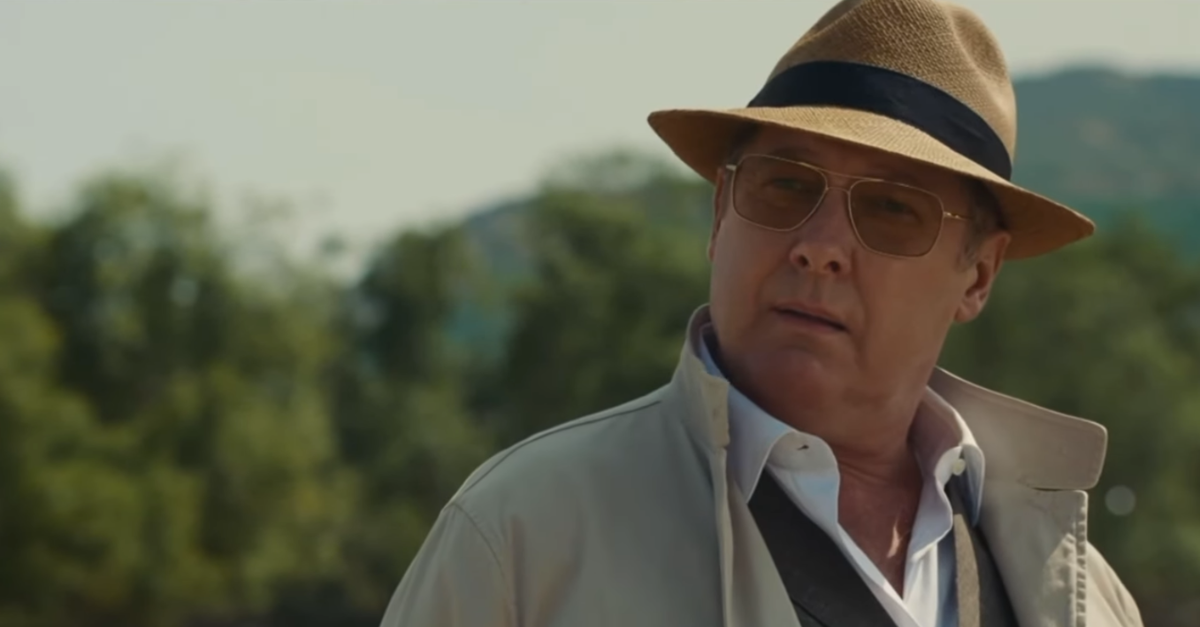
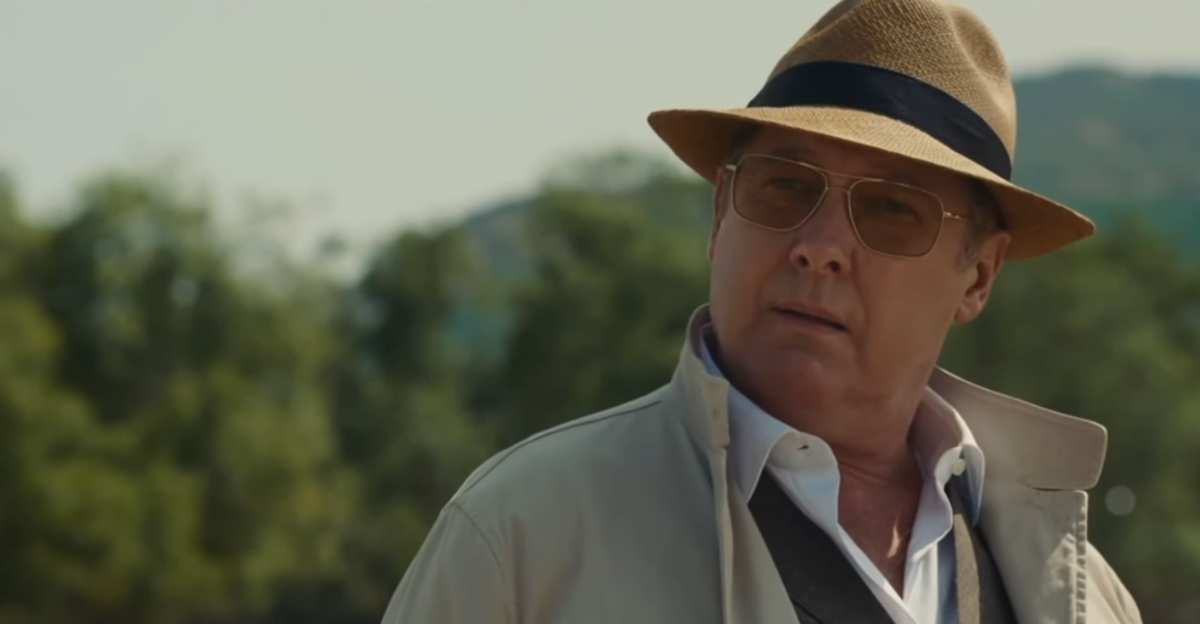 Screenshot from Blacklist, www.netflix.com
How I Met Your Mother
After nine seasons of buildup, the finale somehow managed to undo years of character development in a matter of minutes. The Mother—who had been hyped as the emotional centerpiece—was reduced to a plot device, clearing the path for Ted to circle back to Robin. It’s not just confusing—it feels like the show ignored its own story.
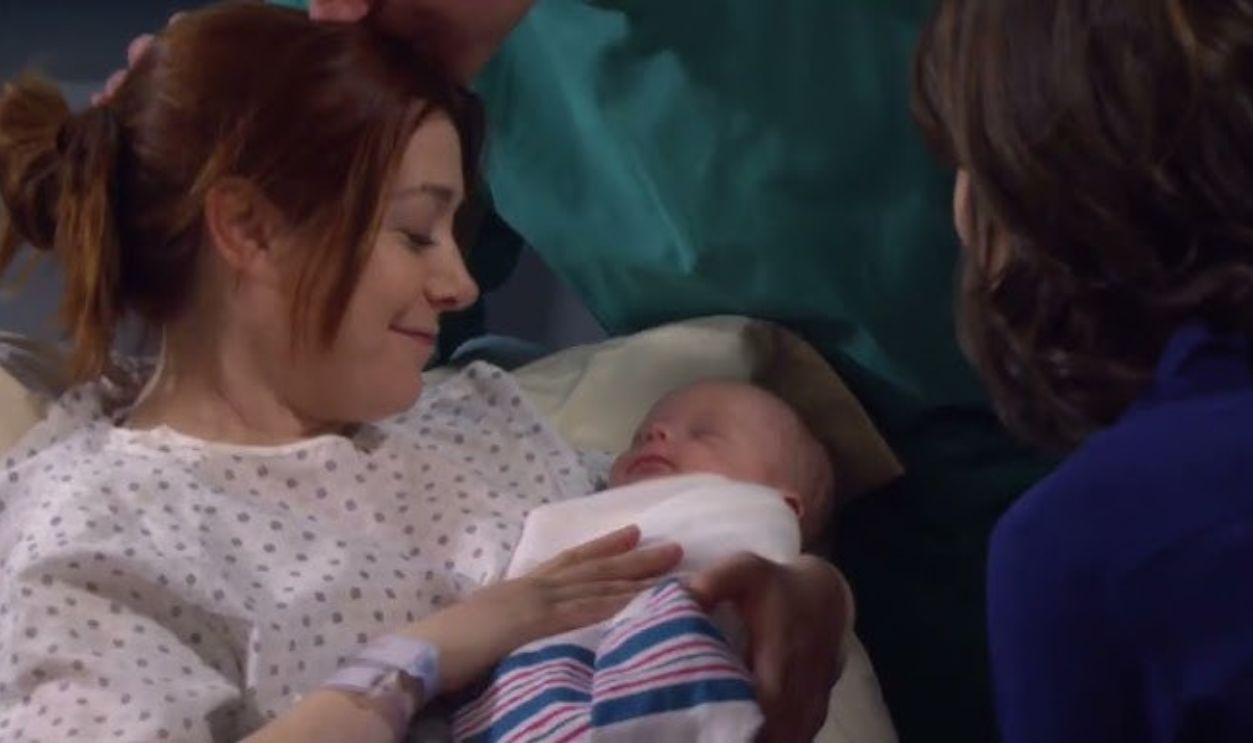 Screenshot from How I Met Your Mother, 20th Century Fox (2005–2014)
The Sopranos
One second, Tony’s sitting in a diner. The next, everything cuts to black. No warning, no resolution, just silence. That abrupt ending became one of the most debated moments in TV history, leaving fans split between calling it genius or a complete cop-out.
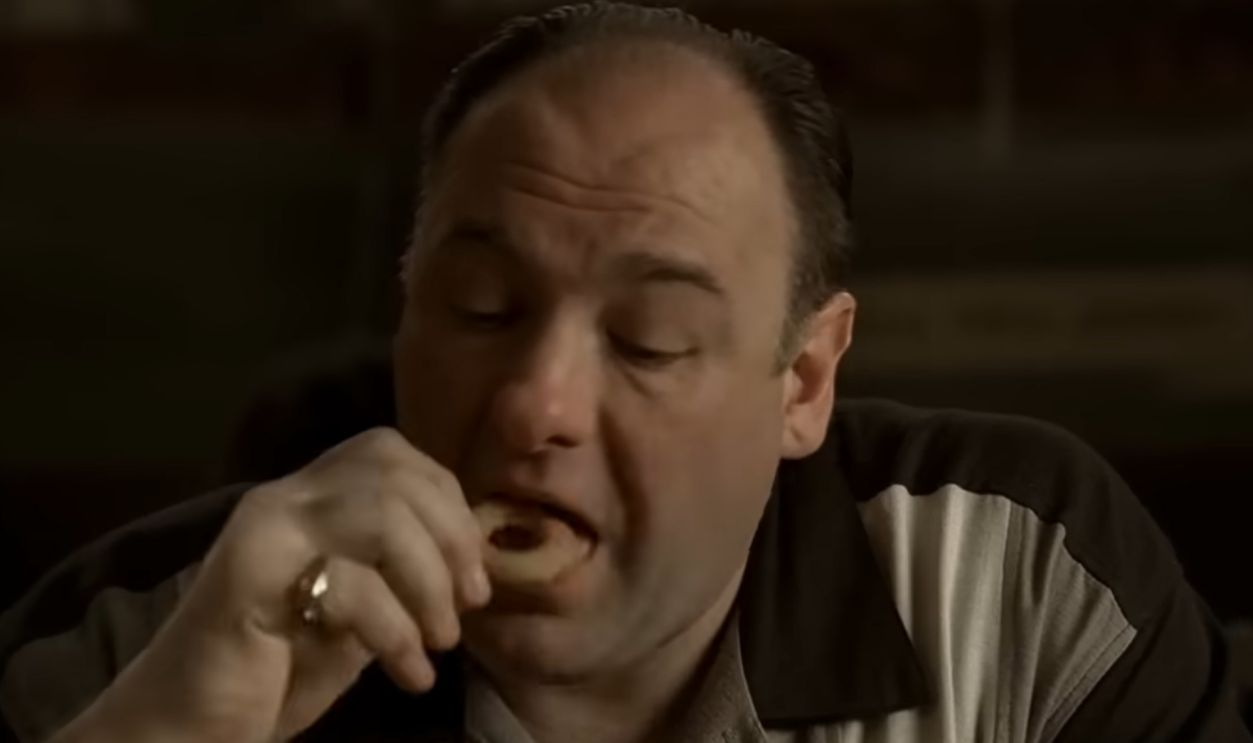 Screenshot from The Sopranos, HBO (1999–2007)
Game of Thrones
After years of careful storytelling, the finale rushed through massive character decisions like it was late for something. Daenerys’ sudden turn, Bran’s unexpected rise, and a string of oddly convenient resolutions left viewers wondering how the show got here so quickly—and why it felt so off.
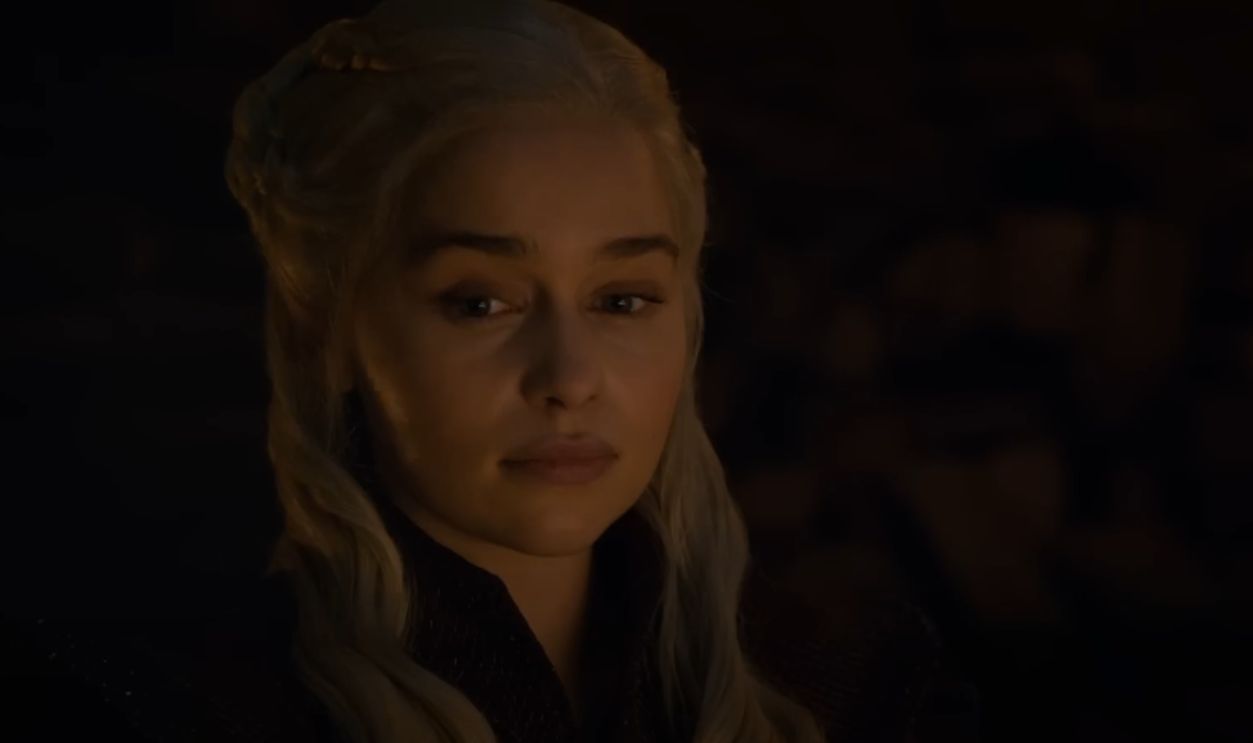 Screenshot from Game of Thrones, HBO (2011–2019)
Lost
A series built on mysteries delivered an ending that felt just as puzzling as everything that came before. The spiritual, almost abstract wrap-up didn’t offer the kind of clarity many fans expected. Instead, it doubled down on ambiguity, leaving people debating what actually happened for years.
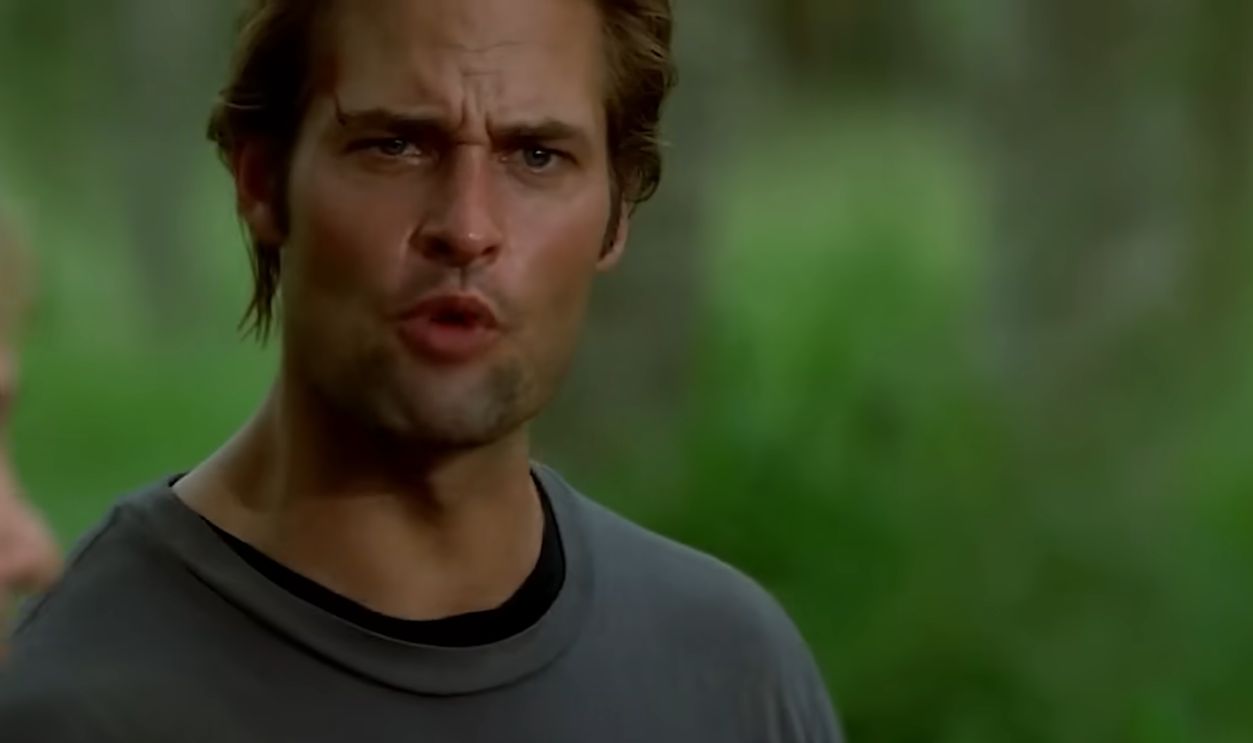 Screenshot from Lost, ABC (2004–2010)
Dexter
For a character defined by precision and control, Dexter’s ending feels oddly random. After everything, he abandons his life and becomes a lumberjack, which sounds less like closure and more like someone hitting eject on the story. It’s a finale that raises more questions than it answers.
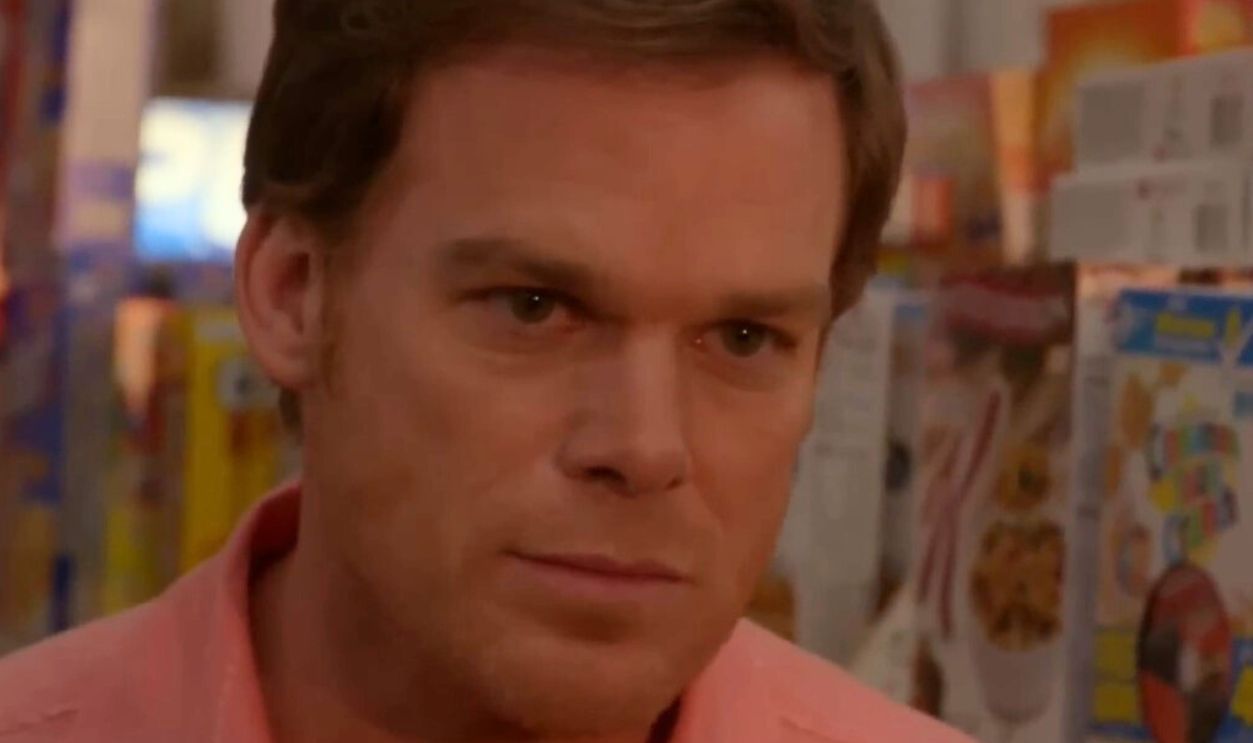 Screenshot from Dexter, Showtime (2006–2013)
Roseanne
After a bizarre final season, the show revealed that much of what viewers had seen wasn’t real. Relationships were rewritten, major events undone, and reality itself flipped on its head. It’s the kind of twist that makes you rethink the entire series—and not in a good way.
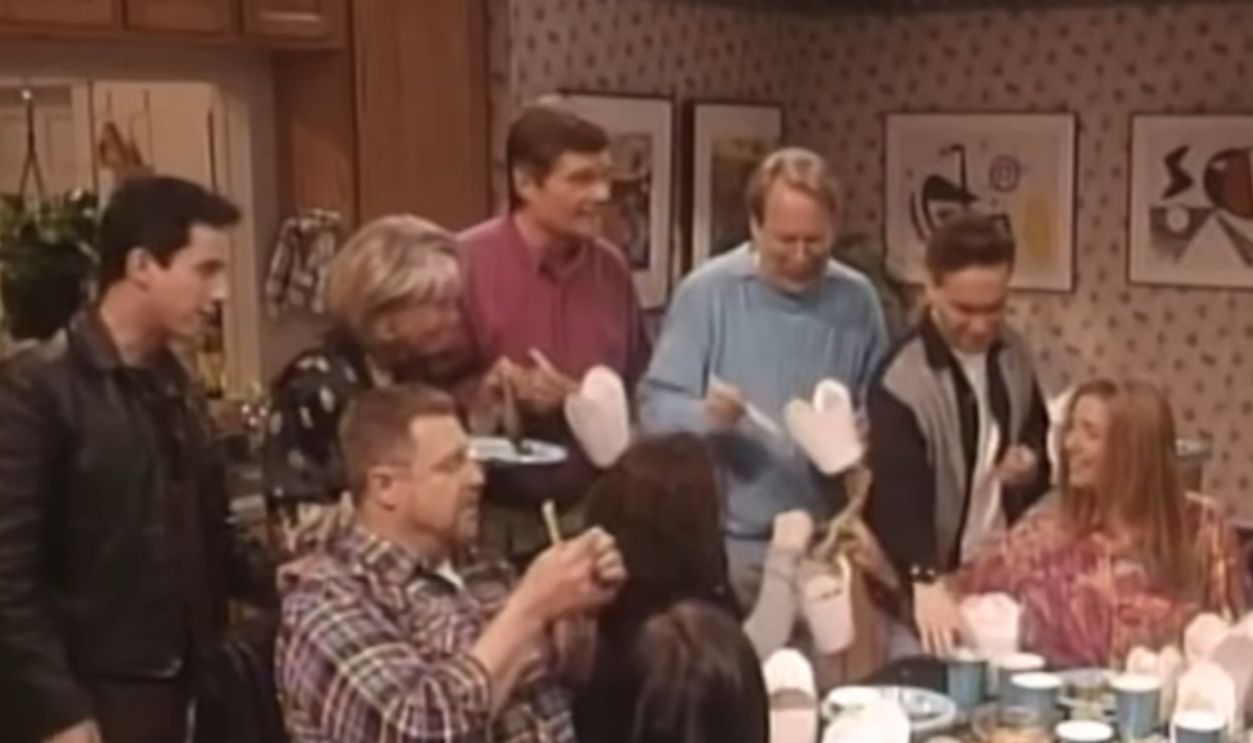 Screenshot from Roseanne, ABC (1988–1997)
Two and a Half Men
The finale leans into meta humor but never quite lands the joke. It teases a major return, only to undercut it with a gag that feels more like a prank than a payoff. The whole thing comes off as chaotic, as if the show wasn’t interested in wrapping things up seriously.
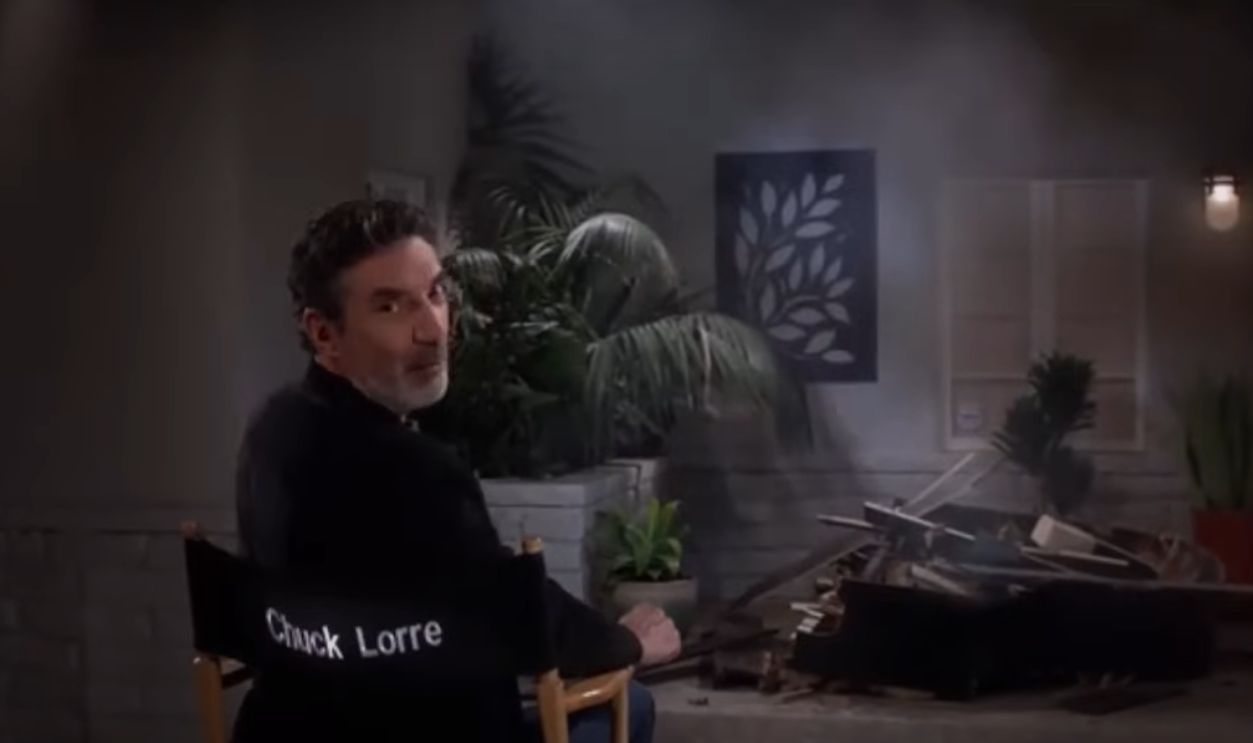 Screenshot from Two and a Half Men, CBS (2003–2015)
Stranger Things
Despite years of anticipation, the ending didn’t quite deliver the emotional or narrative punch fans expected. After long gaps between seasons, viewers were hoping for something unforgettable—but instead got something that felt strangely underwhelming. It’s not terrible, just…confusingly muted.
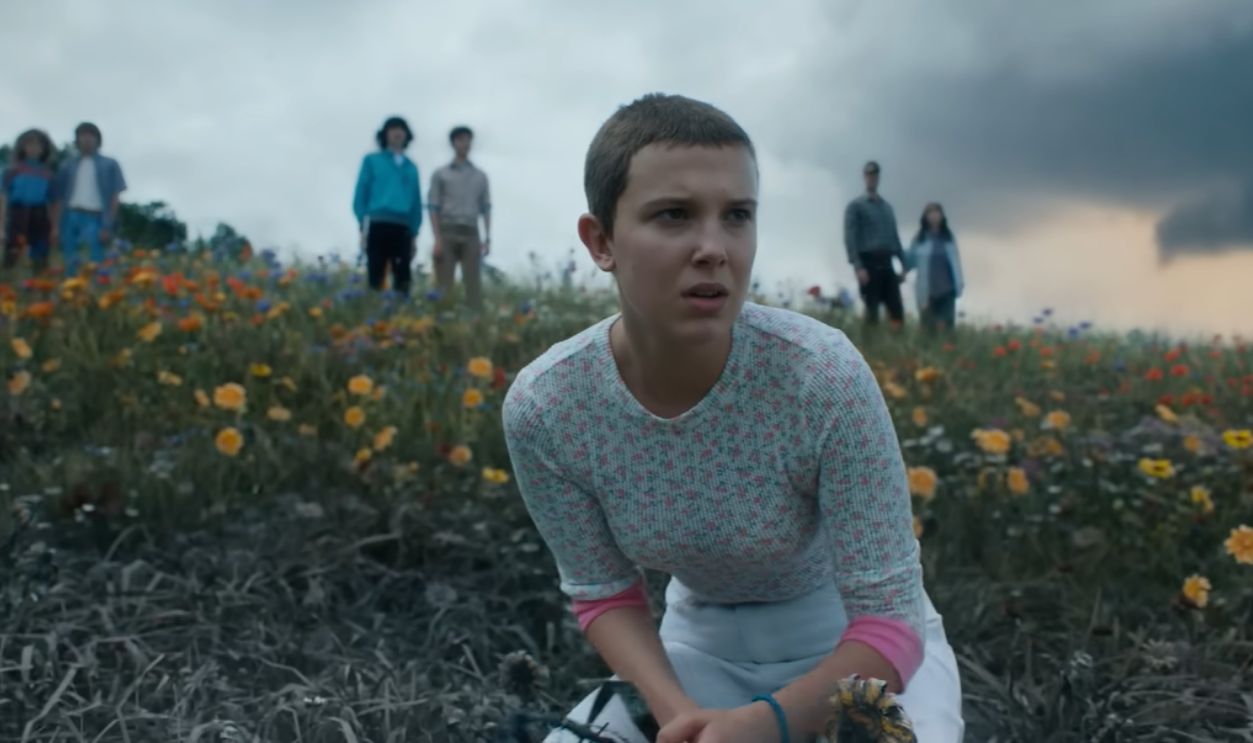 Screenshot from Stranger Things, Netflix (2016-2025)
The Blacklist
After seasons built around a central mystery, the finale refuses to give a clear answer. The question of who Red really is remains frustratingly vague, and his ultimate fate only adds to the confusion. For a show driven by secrets, the lack of resolution feels especially glaring.
 Screenshot from The Blacklist, Netflix (2013–2023)
The X-Files
A show all about uncovering truth ends without fully delivering it. The finale raises big ideas but doesn’t tie them together in a satisfying way. Even with later attempts to revisit the story, it still feels like something important is missing.
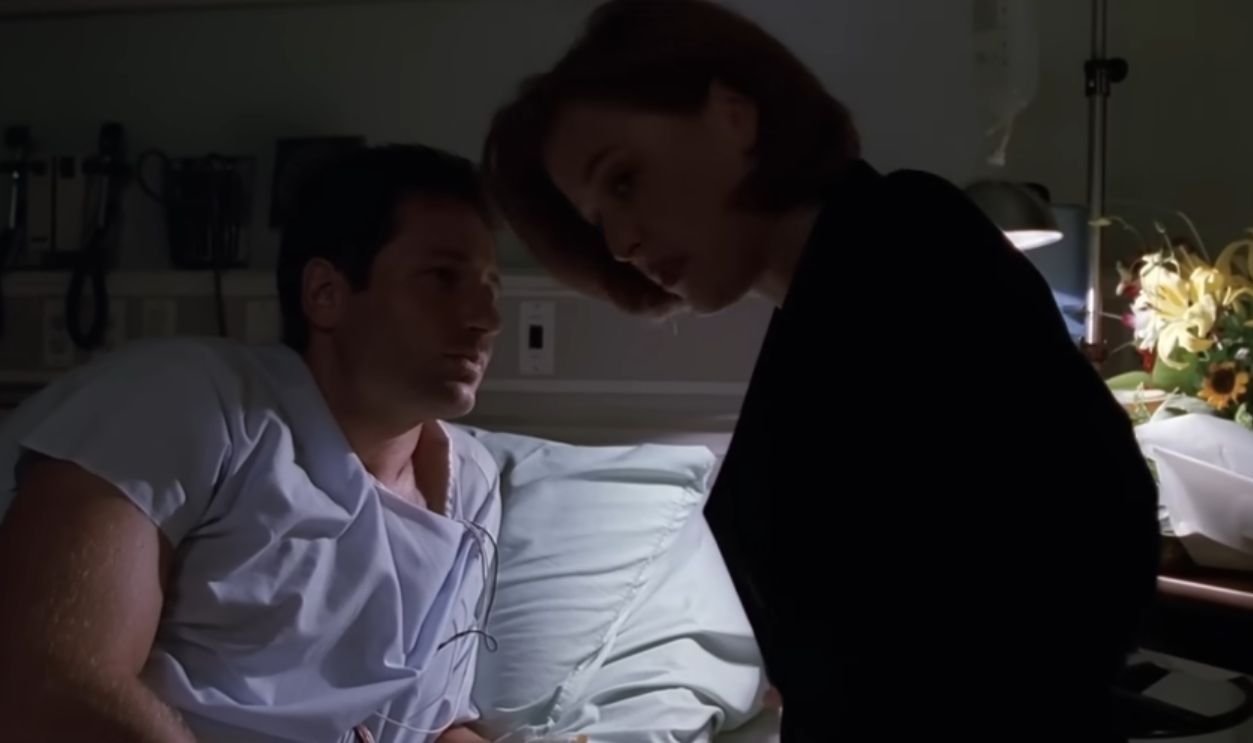 Screenshot from The X-Files, FOX (1993–2018)
Seinfeld
Instead of a clever send-off, the show puts its characters on trial for being terrible people. While that’s not exactly inaccurate, it feels like a tonal shift that doesn’t match what made the series work. Some fans appreciate the boldness, others just find it baffling.
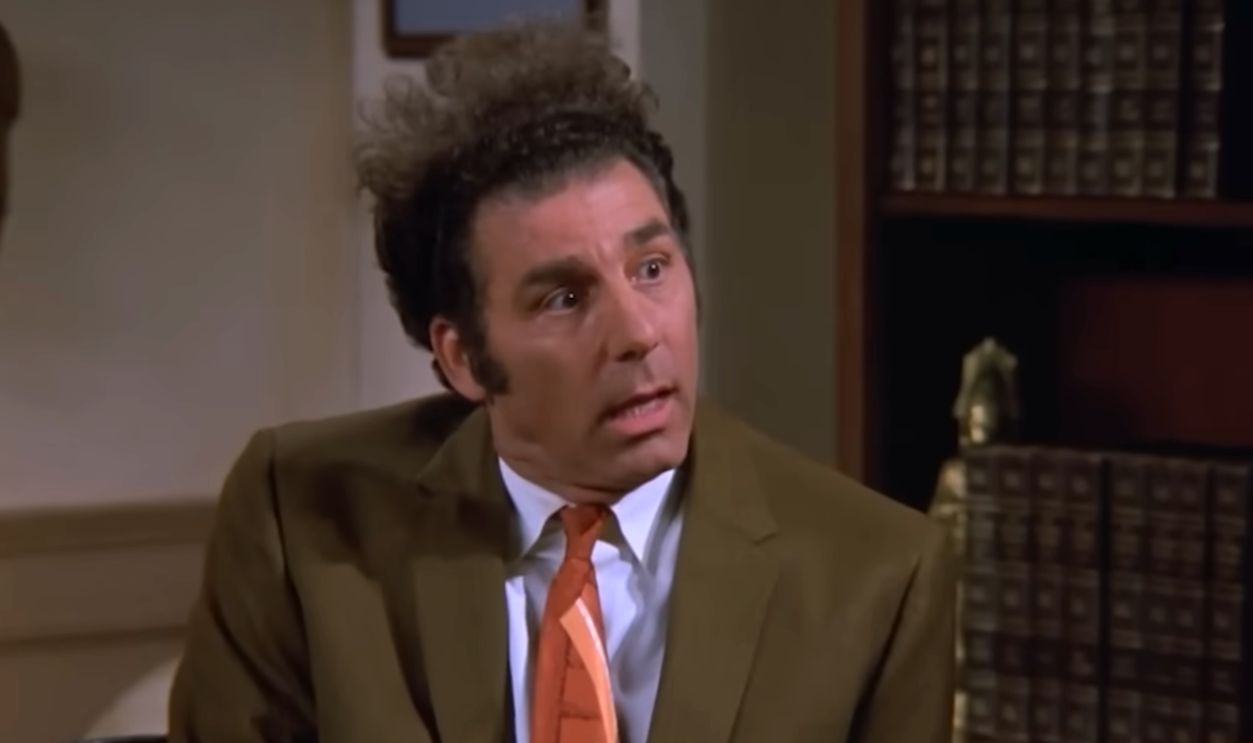 Screenshot from Seinfeld, NBC (1989–1998)
Quantum Leap
Sam spends the entire series trying to get home—and then never does. It’s a bold choice, but one that left many fans feeling like the story simply stopped instead of ending. The emotional weight is there, but the lack of resolution still stings.
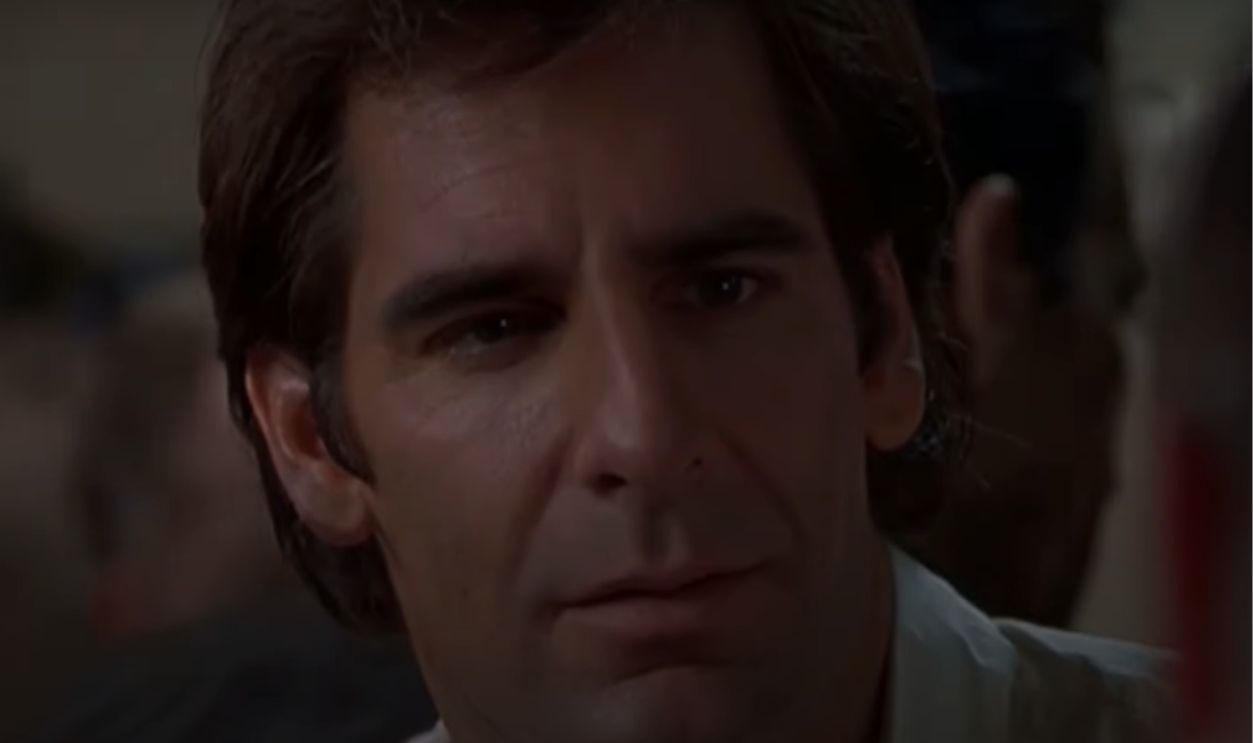 Screenshot from Quantum Leap, NBCUniversal Television (1989–1993)
Everybody Hates Chris
The finale builds toward a big moment…then cuts away before delivering it. Clearly inspired by another infamous ending, it leaves viewers without real closure. You’re left wondering what happened next—and why the show chose not to show it.
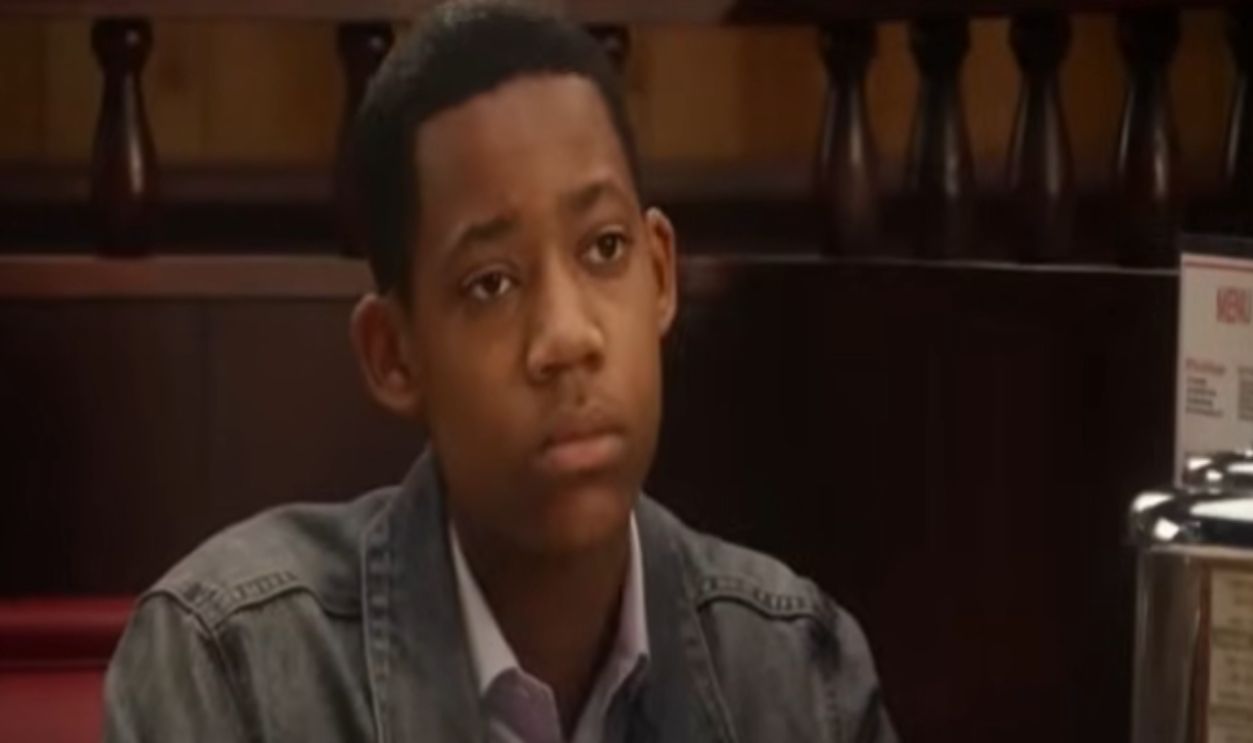 Screenshot from Everybody Hates Chris, CBS Paramount Network Television (2005–2009)
Tyler Perry’s House Of Payne
Ending a series on what feels like a season finale is always a risky move. Here, major storylines are left hanging with no real payoff. It’s less of a conclusion and more of a pause that never gets unpaused.
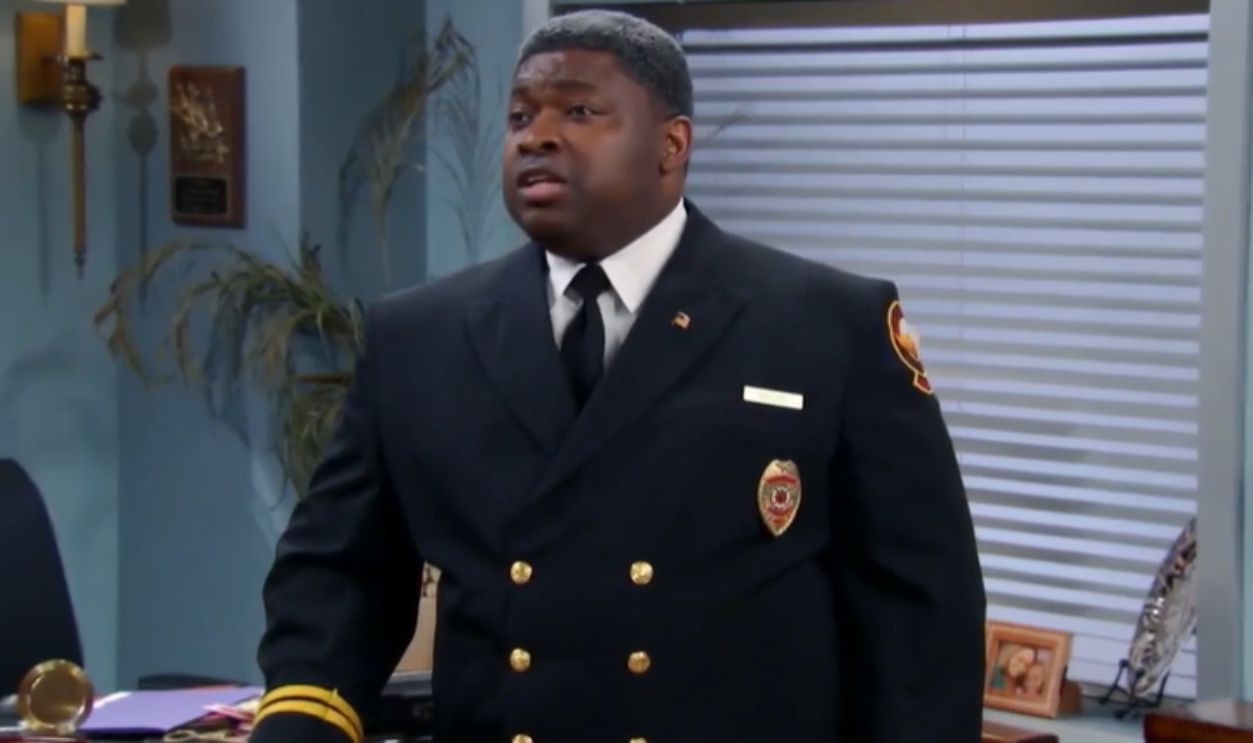 Screenshot from Tyler Perry’s House Of Payne, TBS (2007–2012)
Lois & Clark: The New Adventures of Superman
Everything seems to be wrapping up—until a last-minute cliffhanger throws it all into question. Instead of closure, viewers are left with a mystery that never gets resolved. It practically begs for a follow-up that never came.
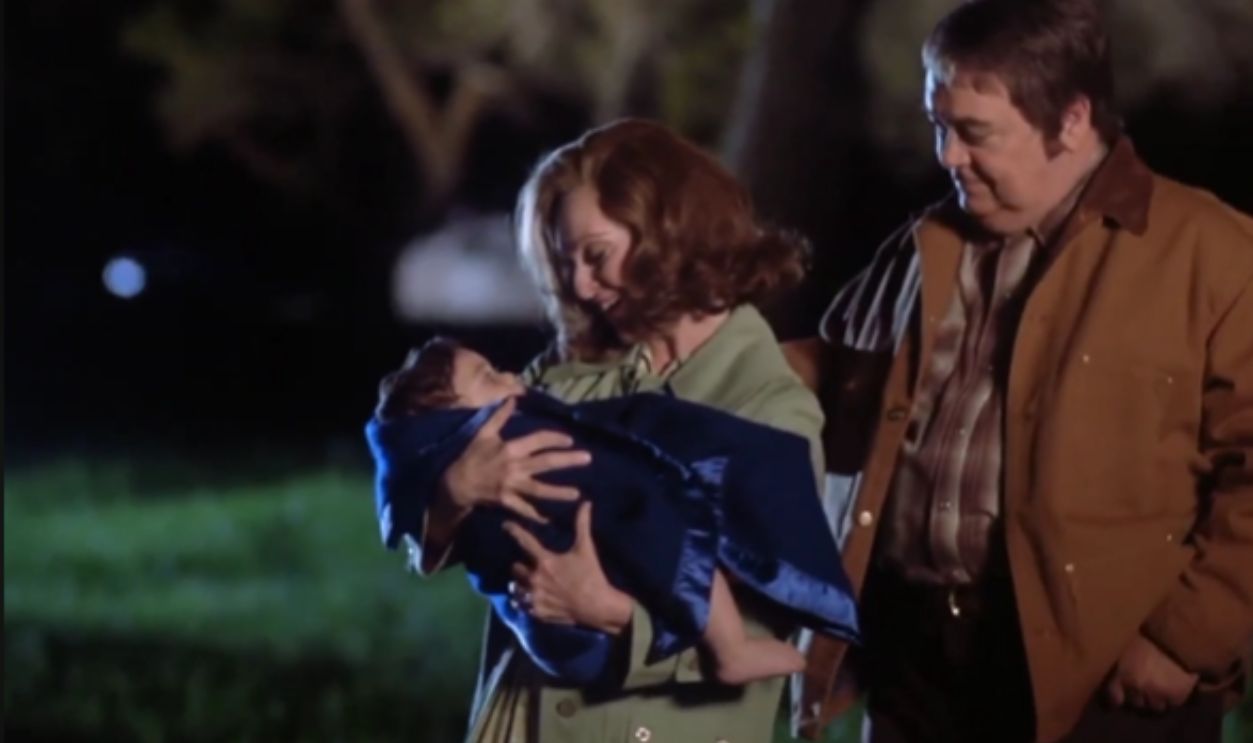 Screenshot from Lois & Clark: The New Adventures of Superman, ABC (1993-1997)
The Bernie Mac Show
Not every disappointing finale is outright bad—some just feel incomplete. That’s the case here, where the show ends without fully addressing key relationships and long-running storylines. It’s a quiet ending that doesn’t quite match the show’s impact.
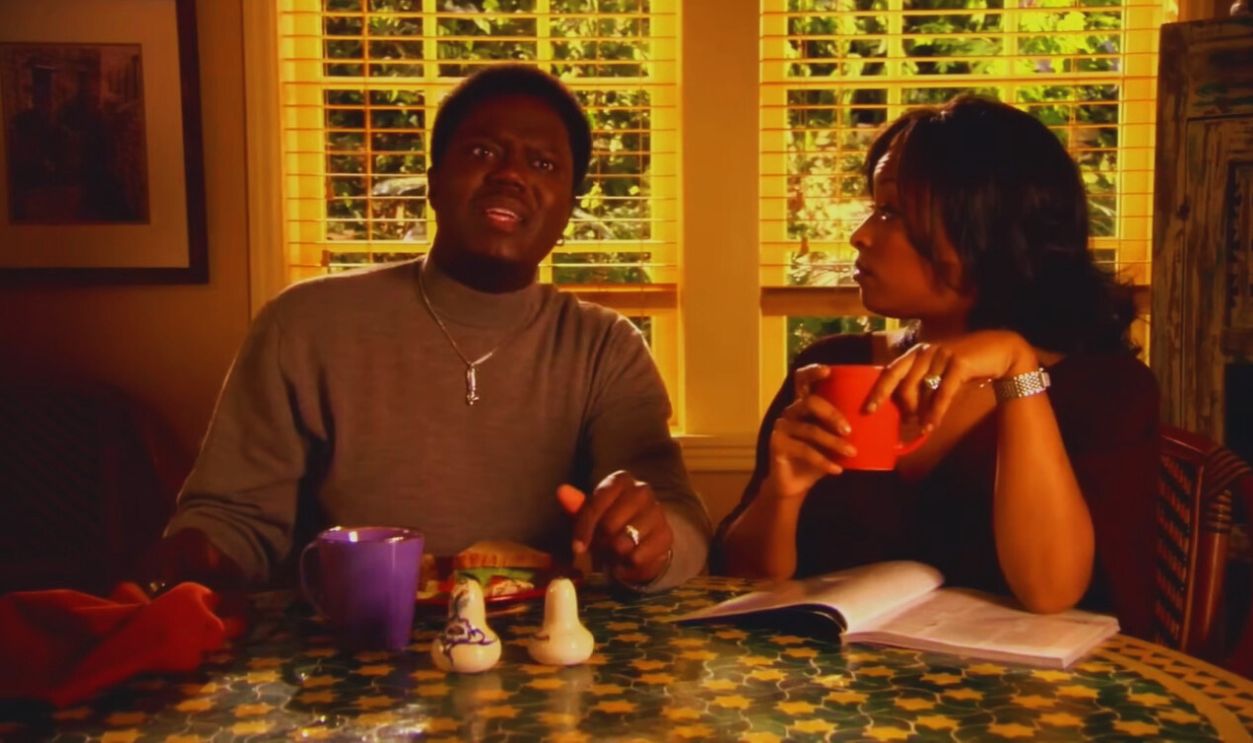 Screenshot from The Bernie Mac Show, FOX (2001–2006)
7th Heaven
Missing key family members in a show built around family is…a choice. The finale feels strangely hollow without important characters present, making it seem more like an afterthought than a proper goodbye.
 Screenshot from 7th Heaven, The CW (1996–2007)
Charmed
A rushed final season leads to a finale that feels more obligatory than meaningful. With behind-the-scenes issues affecting the story, the ending struggles to live up to what came before. Many fans still see the previous season’s finale as the real ending.
 Screenshot from Charmed, The WB Network (1998-2006)
The Facts of Life
Instead of focusing on the characters fans loved, the finale pivots toward setting up a spin-off. That leaves the core cast feeling sidelined in their own send-off. It’s a strange choice that makes the ending feel rushed and disconnected.
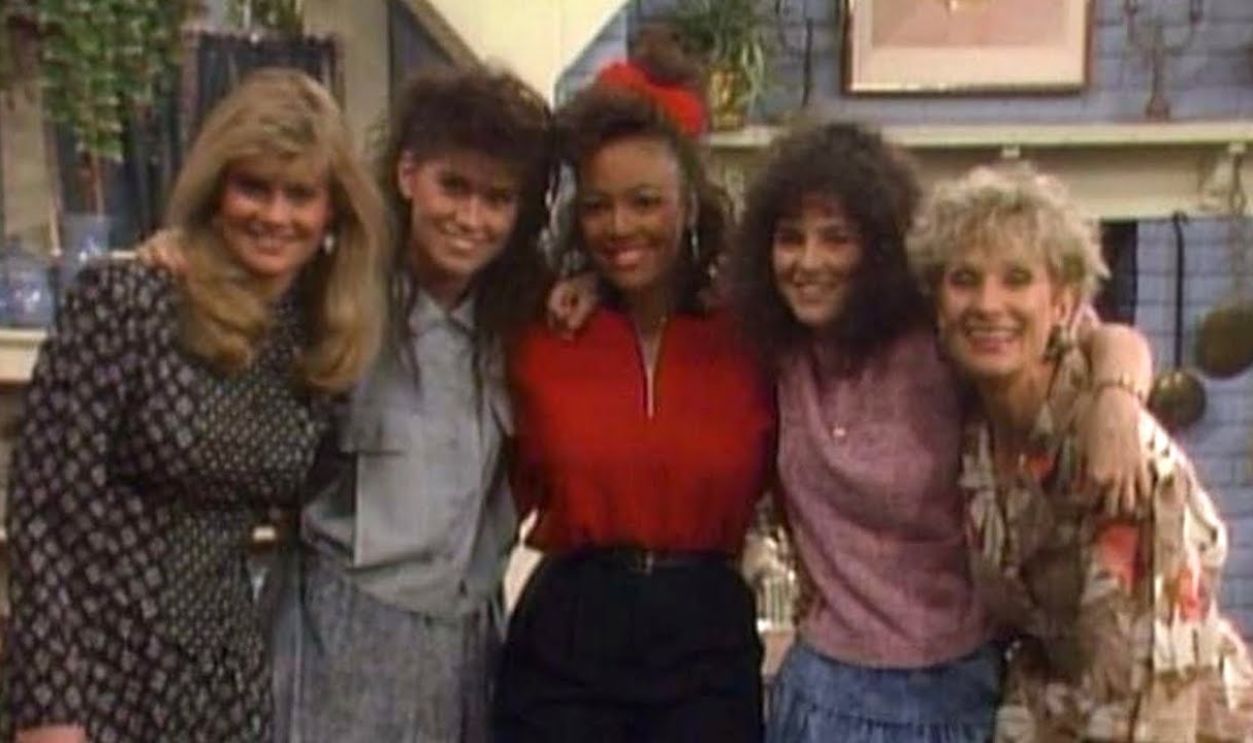 Screenshot from The Facts of Life, NBC (1979–1988)
Martin
One of the biggest strengths of the show—its central relationship—is noticeably absent in the finale. Without that dynamic, the ending feels incomplete, like something essential is missing. It’s not terrible, just deeply unsatisfying.
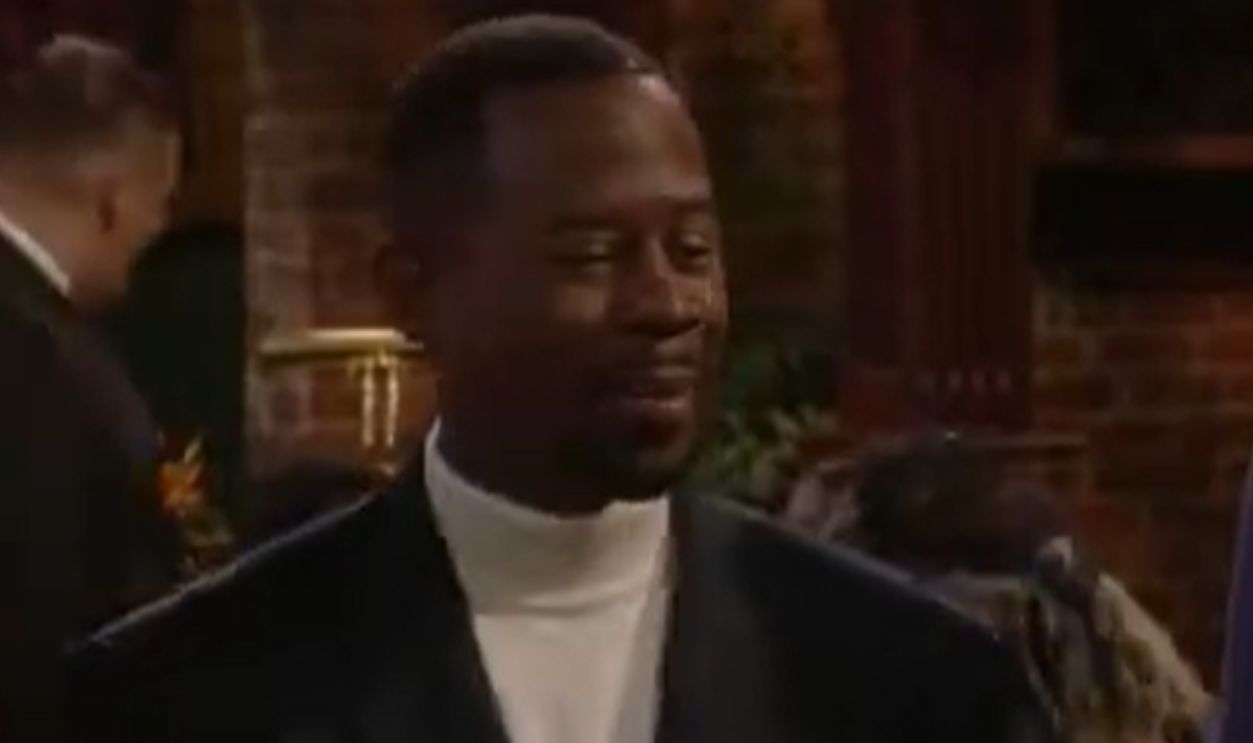 Screenshot from Martin, Warner Bros. Television Distribution (1992–1997)
You May Also Like:
Films That Get Better The Second Time You Watch
The Longest-Running Shows On Netflix
Source: 1