Jokes That Left a Mark
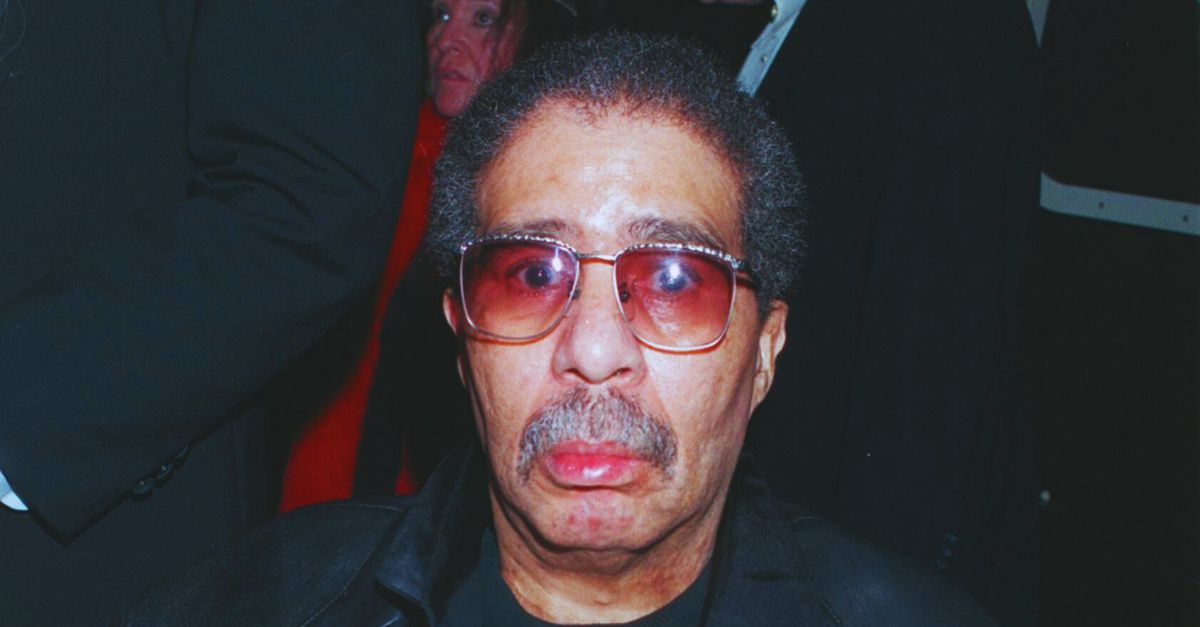
Richard Pryor never treated catastrophe as an ending. One night changed his body and his work, while myth followed anyway. This piece tracks how survival reshaped comedy and legacy. Stay curious and lean in as uncomfortable laughs teach you something. Read on and watch certainty wobble a little more now.
Richard Pryor Before the Fame
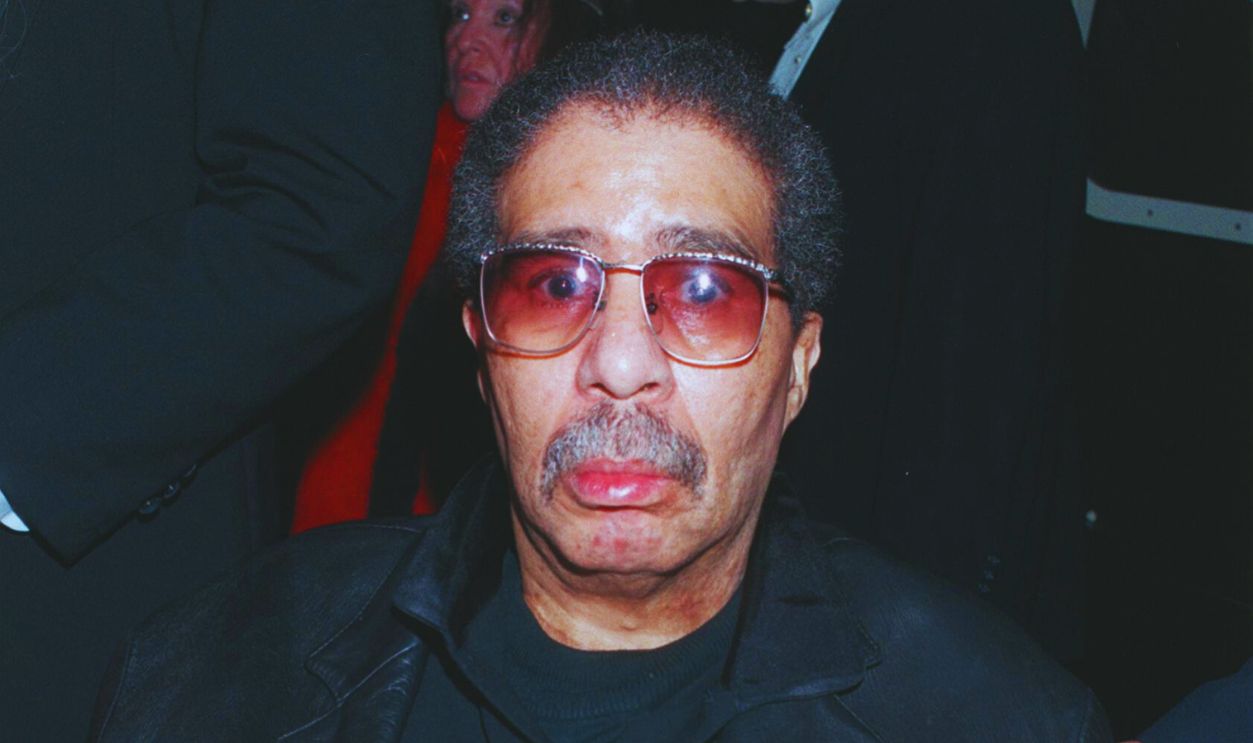
Richard Pryor grew up in Peoria, Illinois, surrounded by instability long before comedy offered escape. Raised largely in his grandmother’s brothel, he absorbed adult realities early. That exposure shaped his voice, sharpening observation and humor as tools for survival rather than entertainment.
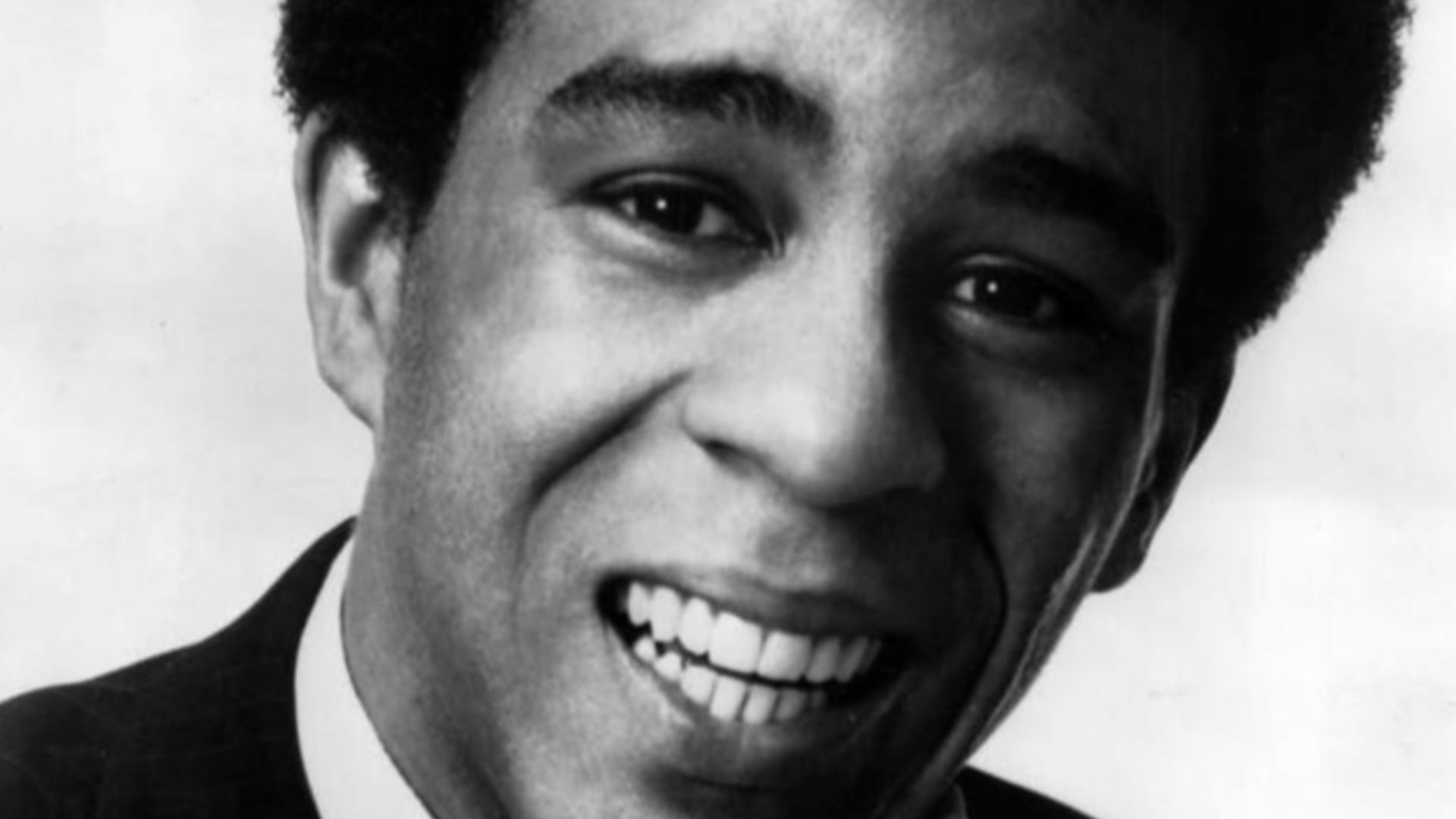 GAC=General Artists Corporation (management)/Photographer:Berk Costello, Wikimedia Commons
Comedy as Survival, Not Ambition
Long before stages and spotlights, humor helped Pryor manage fear and chaos. Jokes created distance between pain and response. Laughter also offered control in moments where none existed. Comedy arrived as protection first, career second, which formed instincts that later powered his most honest work.
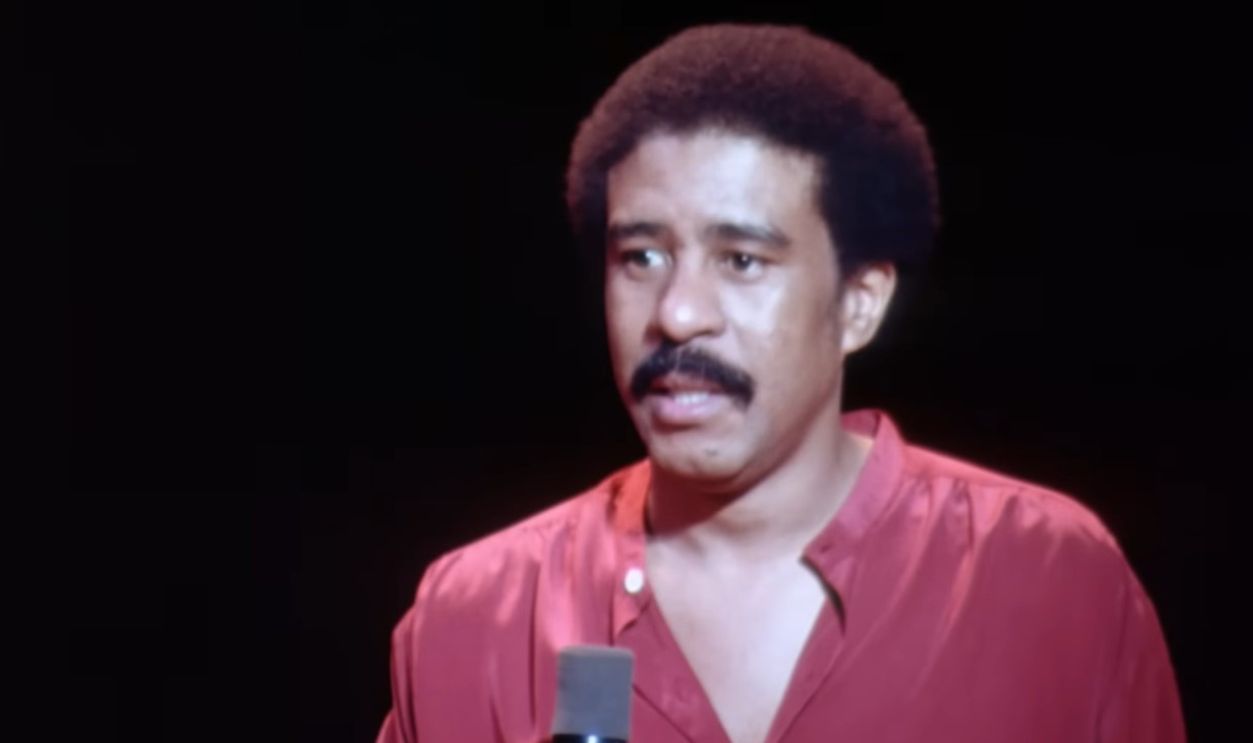 Screenshot from Netflix Is A Joke, Netflix (2018–present)
Early Success and a Polished Persona
Pryor’s early career followed industry expectations. Clean material, controlled delivery, and familiar rhythms opened doors. Television rewarded safety where audiences applauded. However, behind that success, discomfort grew. The version selling tickets felt disconnected from lived experience, setting tension between approval and authenticity.
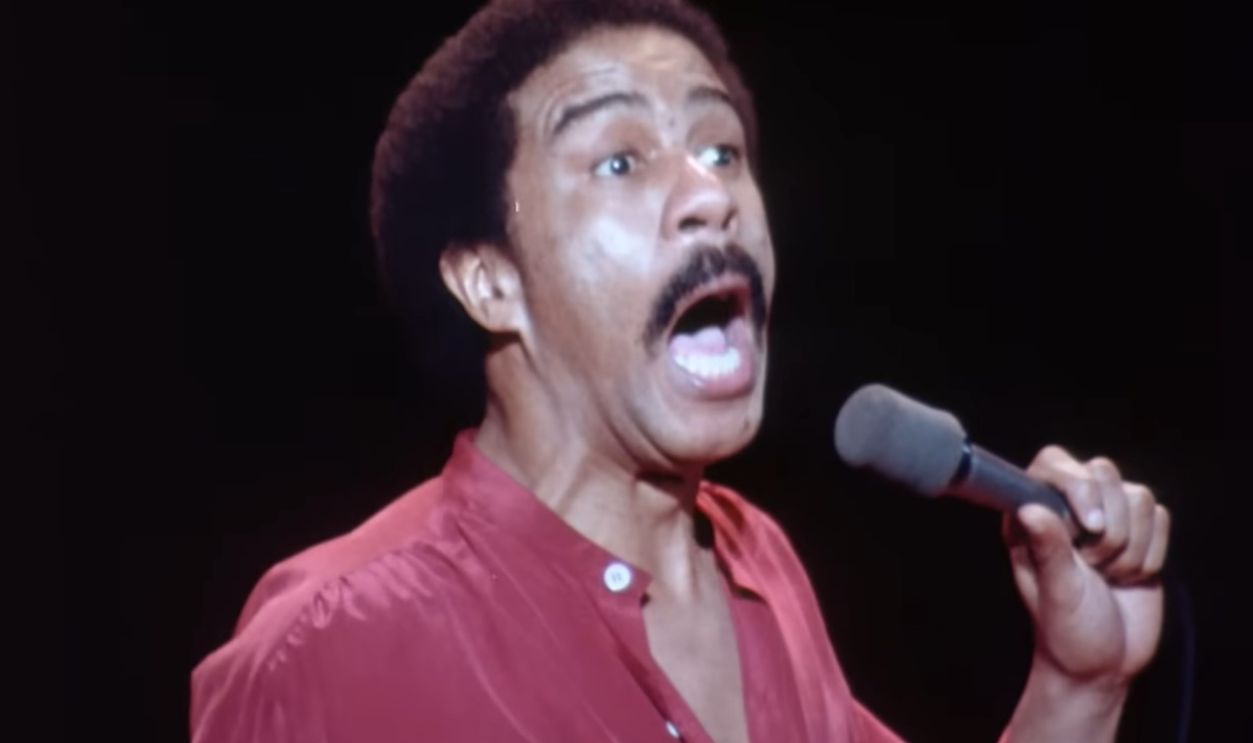 Screenshot from Netflix Is A Joke, Netflix (2018–present)
The Cost of Playing It Safe
Sustaining a polished persona demanded restraint Pryor found exhausting. Suppressed material piled up. Frustration replaced fulfillment. Success no longer matched self-recognition. That internal strain pushed him toward a breaking point, where maintaining acceptance mattered less than speaking honestly, regardless of consequence.
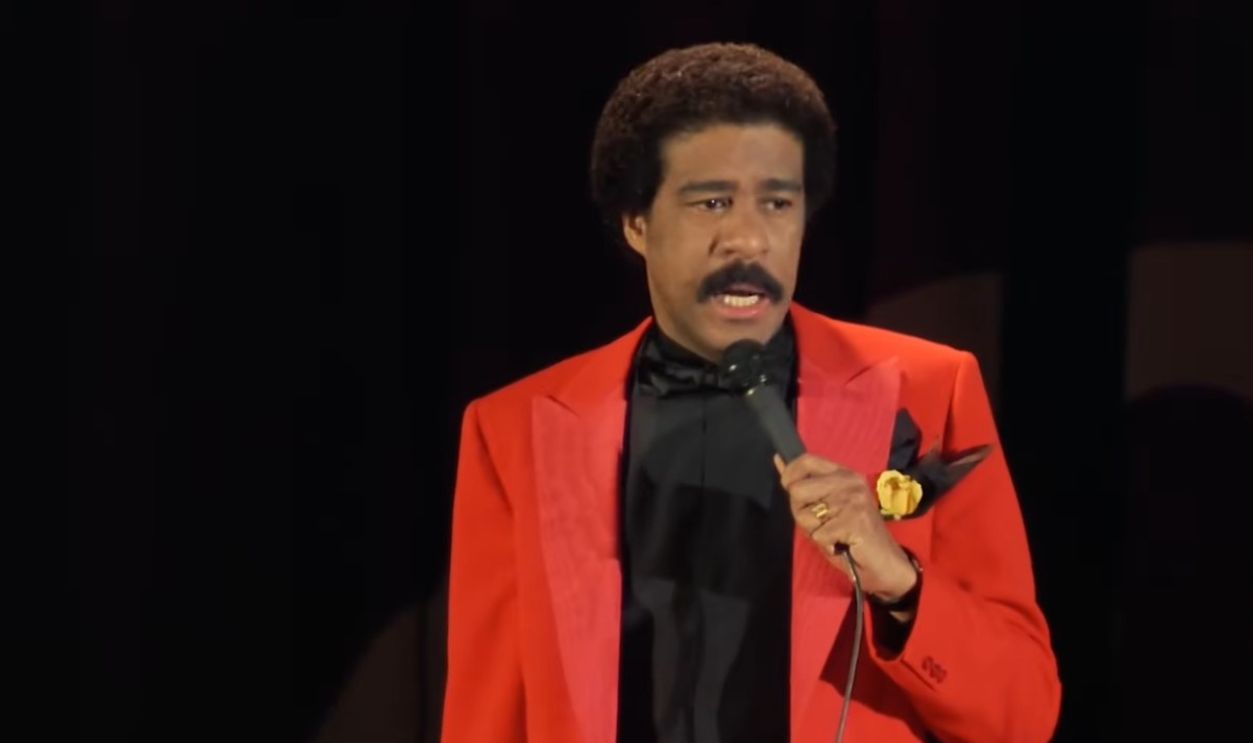 Screenshot from Richard Pryor: Live On The Sunset Strip, HBO (1982)
The Break Toward Raw Honesty
In 1967, Pryor walked offstage mid-set at the Aladdin Hotel, abandoning jokes he no longer believed. That moment marked a reset. Comedy shifted toward truth drawn from lived pain. Comfort also disappeared, and in its place came a voice that refused polish or permission.
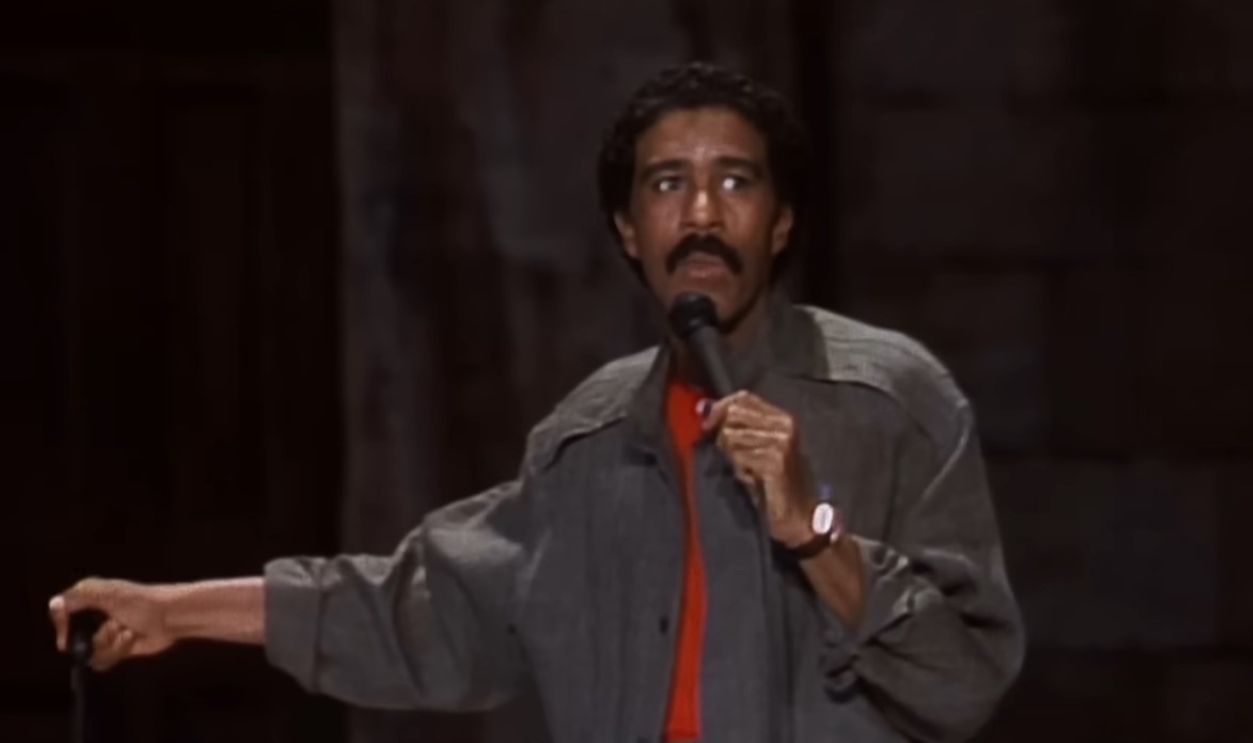 Screenshot from Richard Pryor: Here and Now, HBO (1983)
Substance Abuse as Escalation, Not Accident
Drug use entered Pryor’s life gradually rather than through a single collapse. As success expanded access and removed limits, cocaine took a central role during the 1970s. Addiction was intertwined with work and routine, forming patterns that proved difficult to interrupt despite awareness of harm.
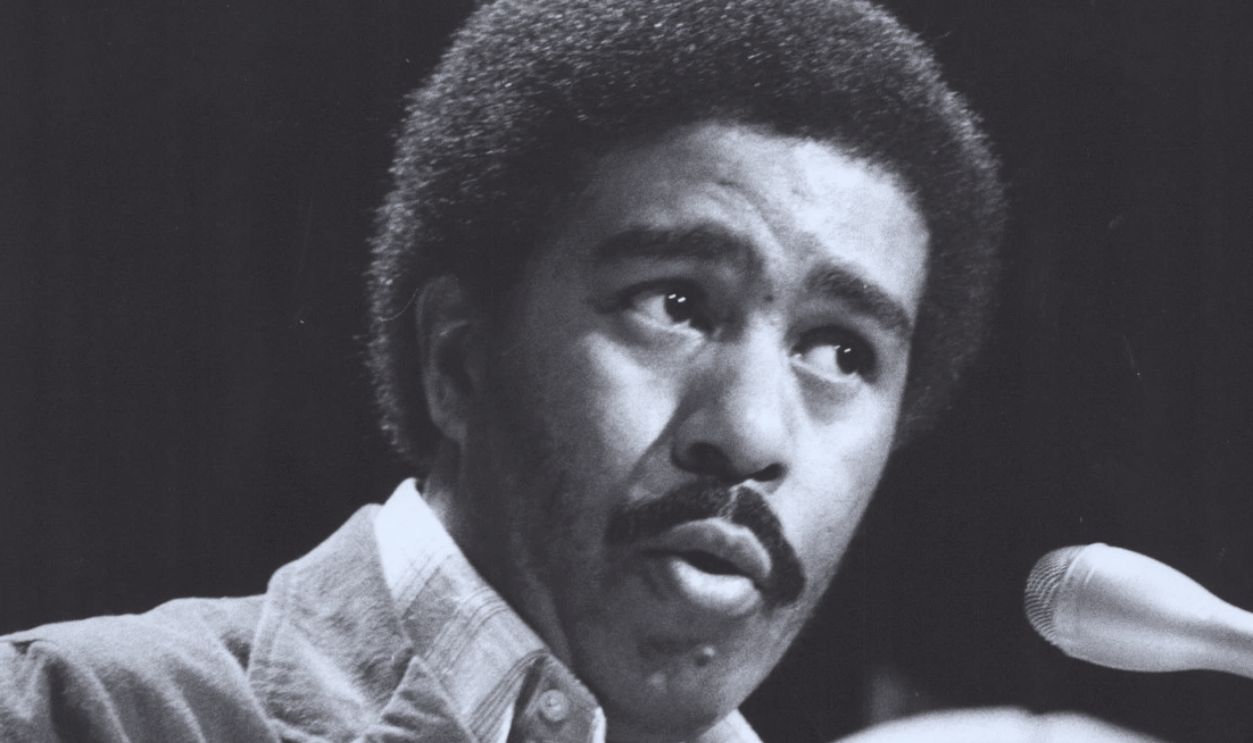 NBC Television, Wikimedia Commons
Fame Amplified the Spiral
Success brought money, freedom, and constant affirmation, yet stability remained elusive. Fame, however, magnified impulse instead of restraint. Surrounded by attention and enablers, Pryor withdrew inward. Public admiration masked private chaos, which allowed destructive behavior to deepen without the friction that might have slowed it earlier.
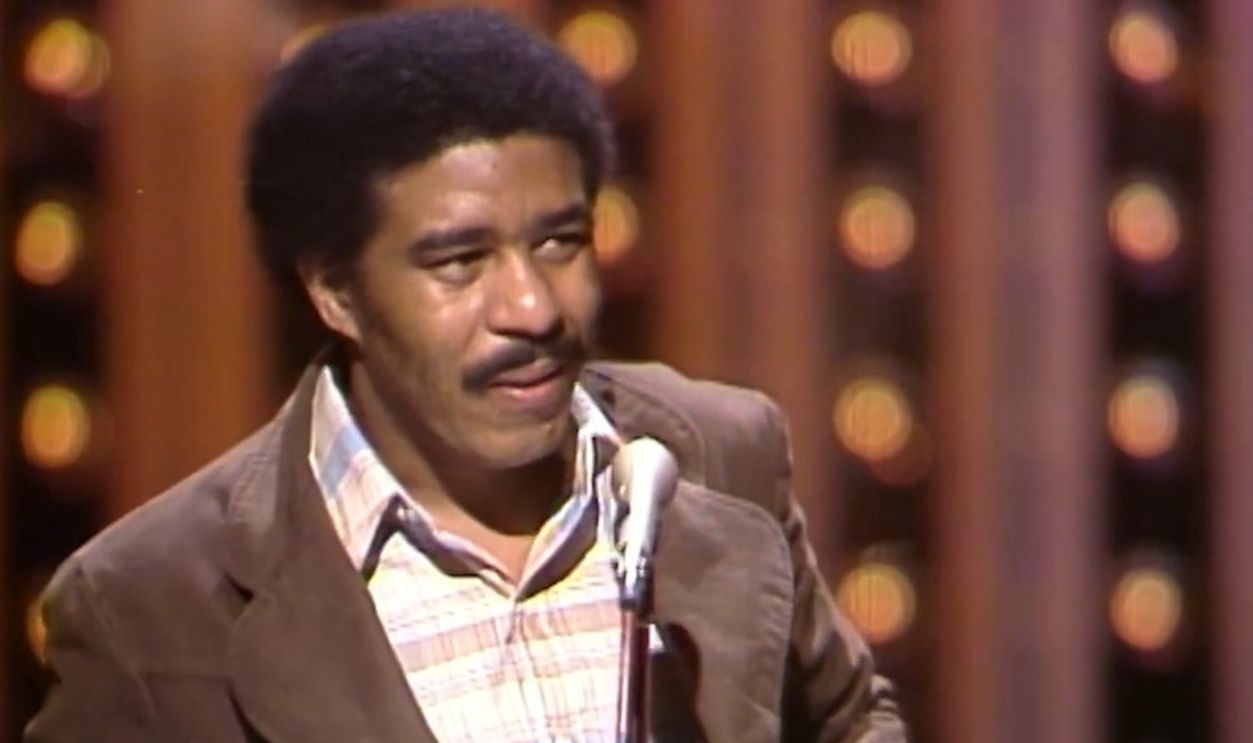 Screenshot from Richard Pryor Stand-Up | The Midnight Special, NBC Television (1973)
The Night of the Fire
In June 1980, Pryor suffered severe burns while freebasing cocaine at his home. Emergency responders arrived quickly and saved his life. The incident marked a physical breaking point, followed by months of treatment where survival replaced performance and pain dictated the pace of recovery.
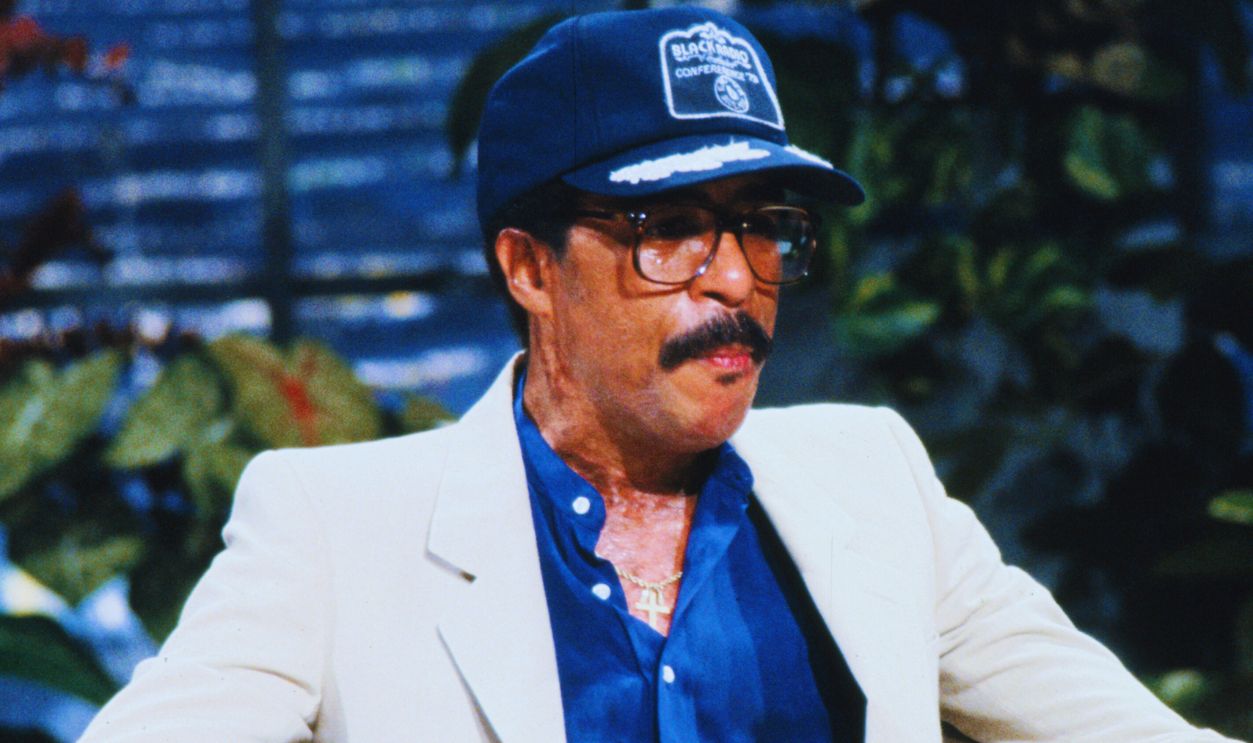
Conflicting Accounts and Pryor’s Own Words
Pryor later described the incident in shifting ways across interviews and performances. Details changed with context. Comedy reshaped memory. Those variations reveal how Pryor processed trauma, turning lived experience into narrative material that felt controllable rather than overwhelming.
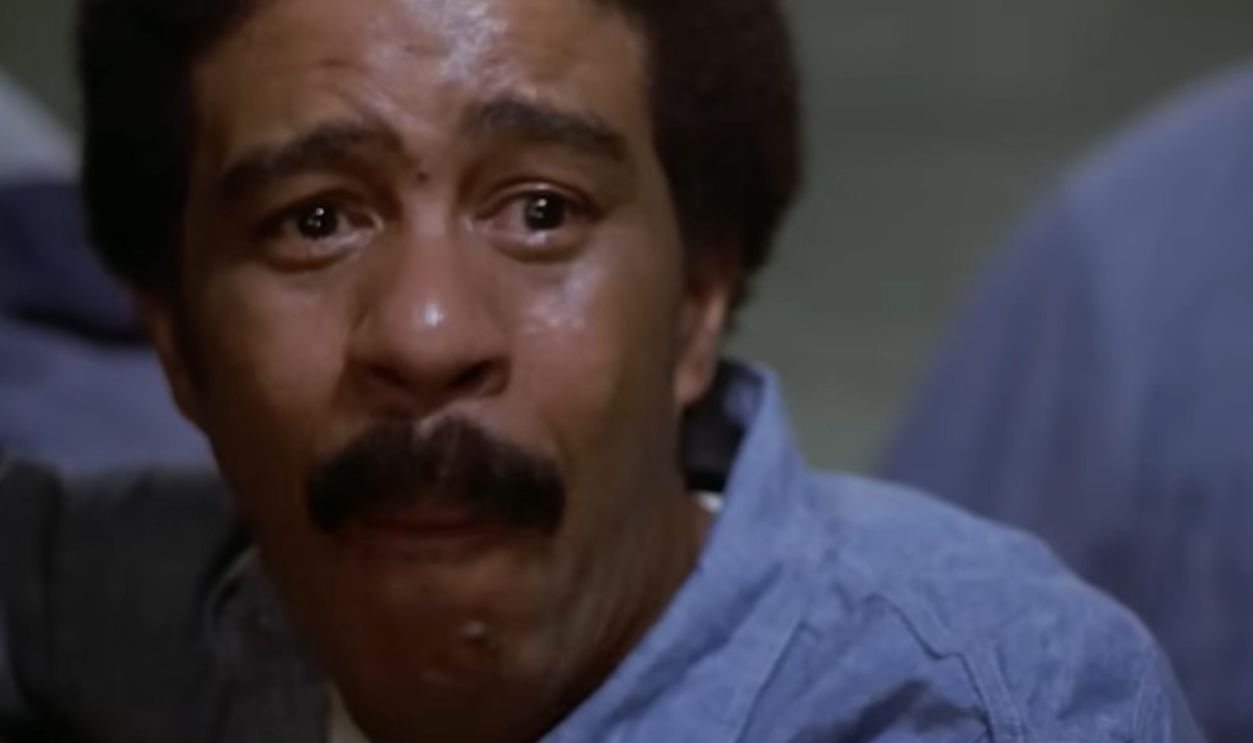 Screenshot from Stir Crazy, Columbia Pictures (1980)
Public Reaction Versus Private Reality
News coverage focused on shock while recovery unfolded quietly. Extensive treatment addressed burns, mobility, and pain. Emotional consequences remained largely unseen. Audiences eventually laughed at the story, unaware of the ongoing physical limits and psychological strain that followed long after the headlines faded.
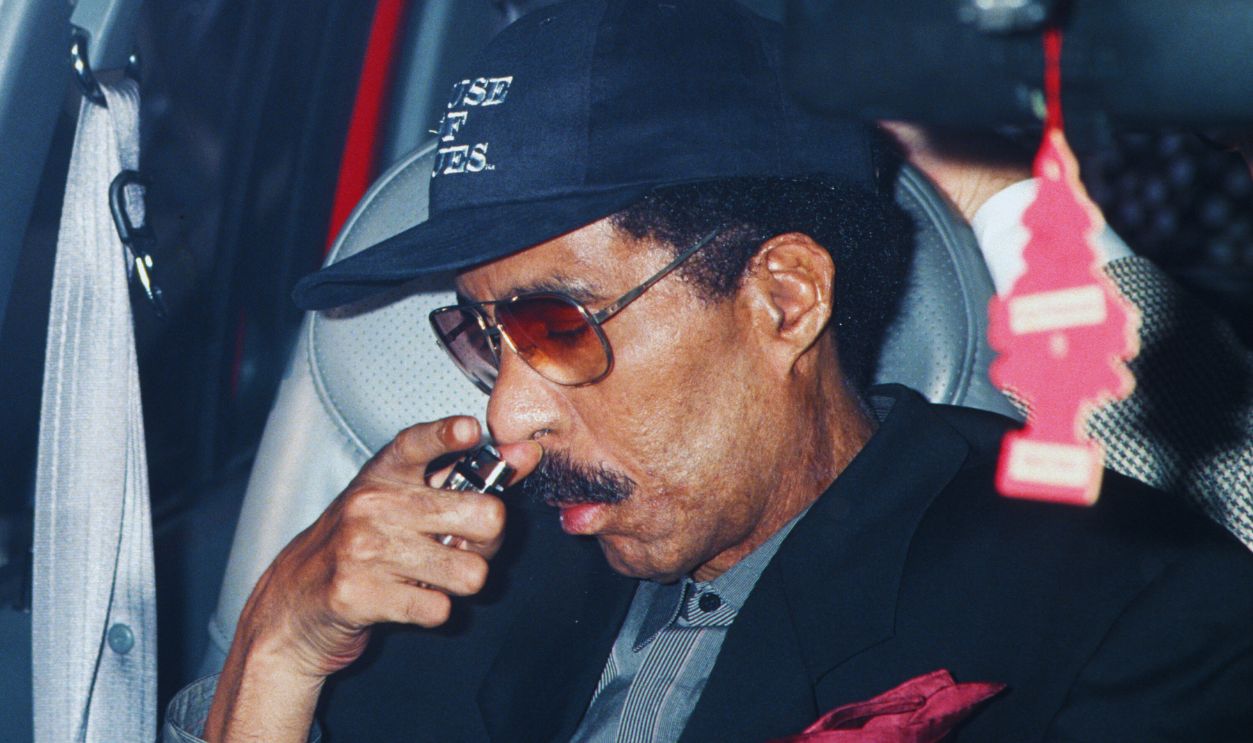
Survival and Aftermath
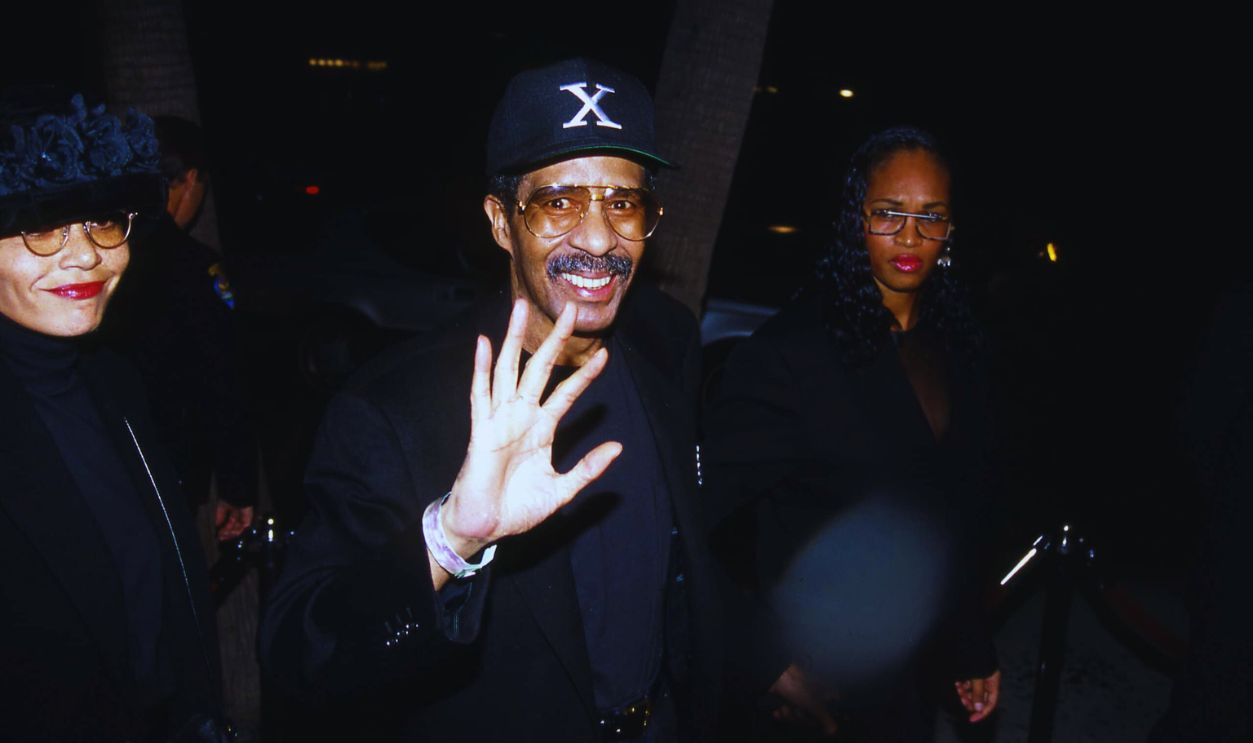
Recovery required extensive medical care with skin grafts and long hospital stays, and pain altered how Pryor moved through daily life. Survival replaced momentum, forcing a separation between physical limits and creative identity that reshaped both work and routine.
Turning Trauma Into Material
Pryor later addressed the fire onstage with deliberate control and without softening its severity. By shaping the story himself, he shifted focus away from rumor and toward authorship, which reclaimed authority over a moment that once threatened to define him.
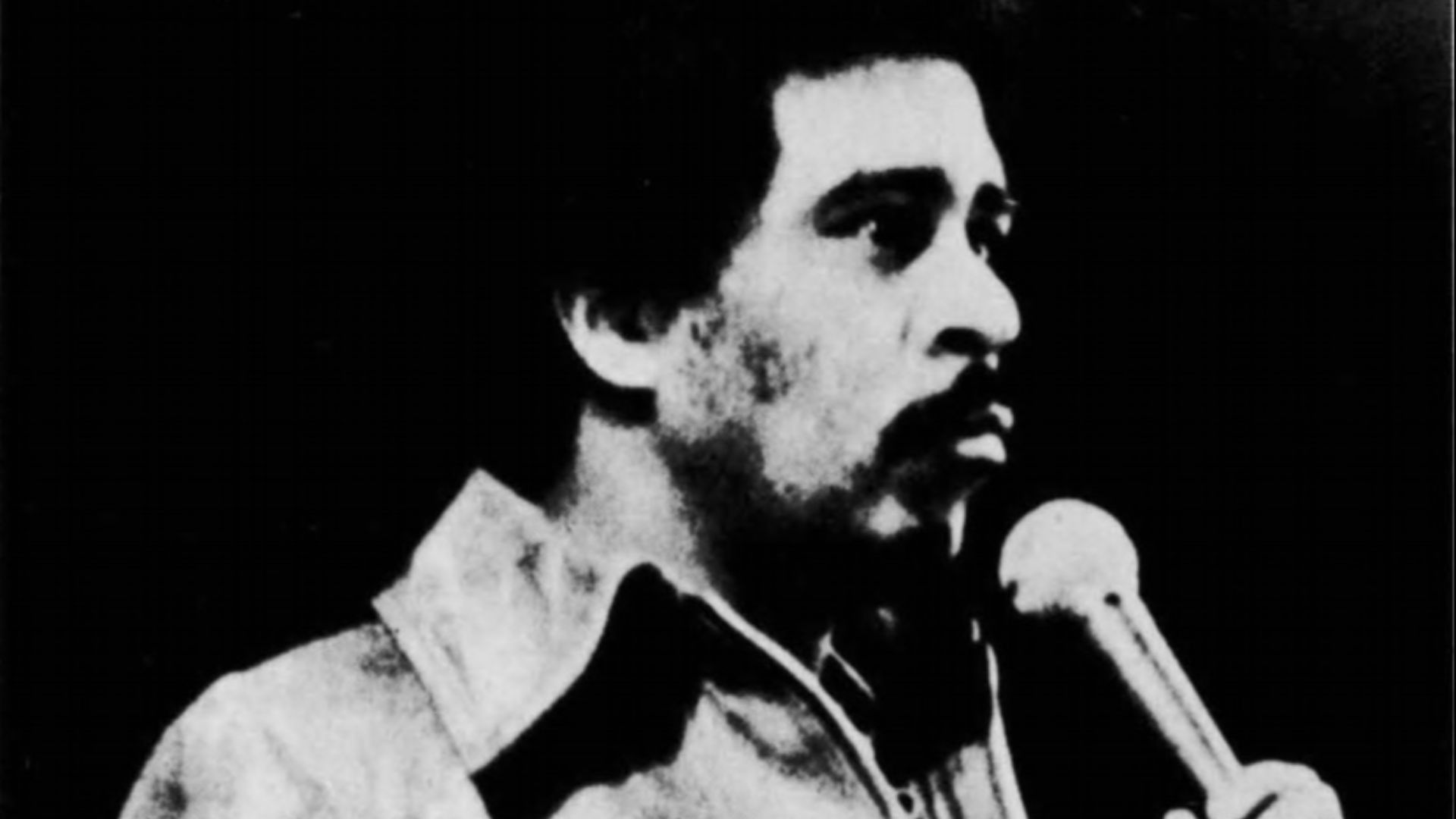 Barbara Harrison, Wikimedia Commons
Humor as Ownership
Comedy gave Pryor command over an event that could have reduced him to spectacle. Structure replaced chaos, and language imposed order, allowing pain to exist inside a frame he chose rather than one imposed by headlines.
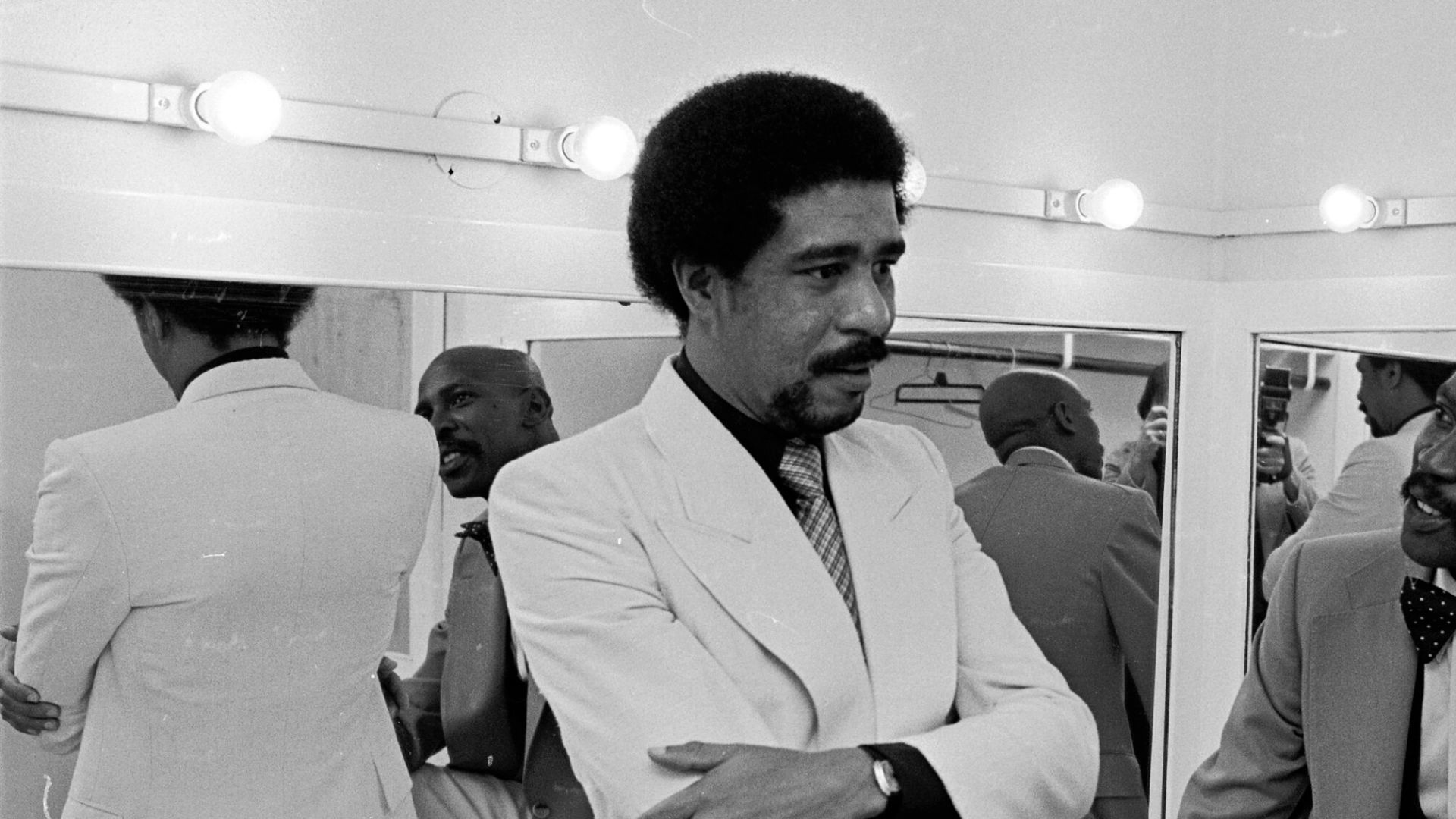 Los Angeles Times, Wikimedia Commons
Audience Discomfort as a Tool
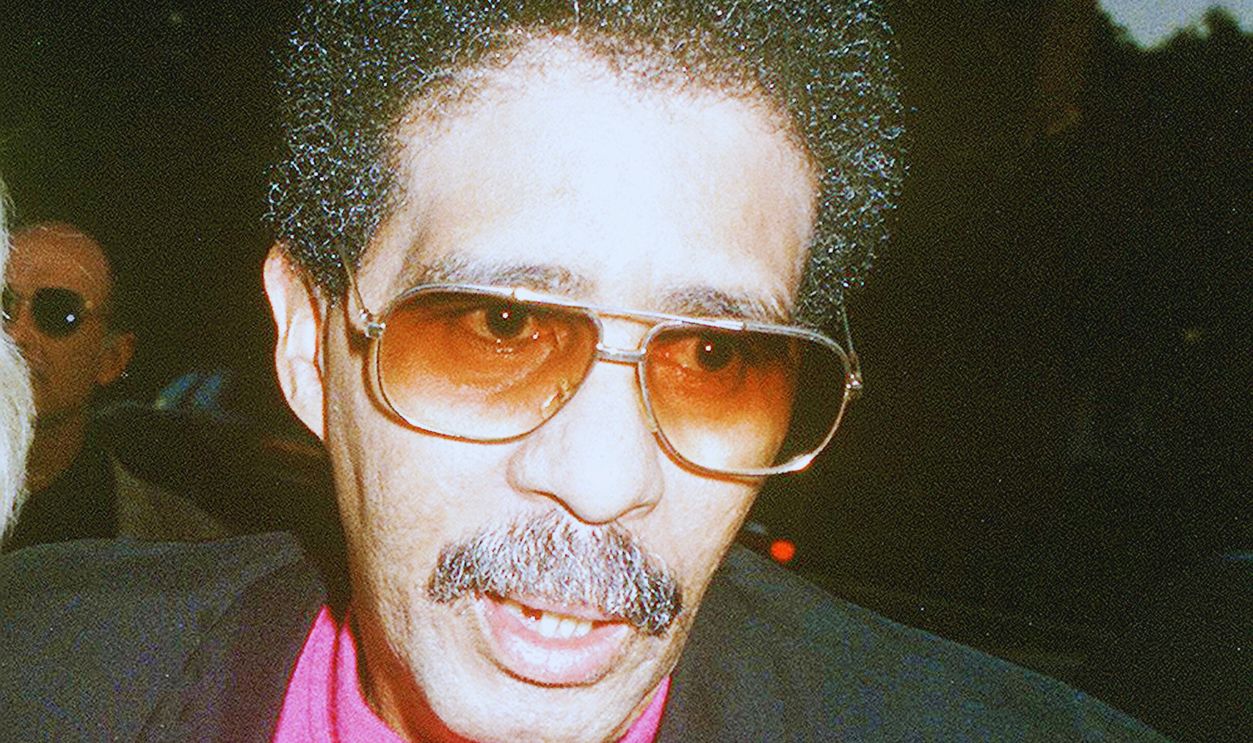
Rather than ease tension, Pryor let silence sit and forced audiences to confront unease before relief arrived. That choice blocked passive laughter and required attention, which turned discomfort into part of the experience rather than an escape route.
The Fire as a Creative Line
After the incident, Pryor’s work changed in tone, pace, and emotional distance, with reflection replacing confrontation. The fire mattered less as spectacle and more as a dividing point that altered how he approached honesty and restraint.
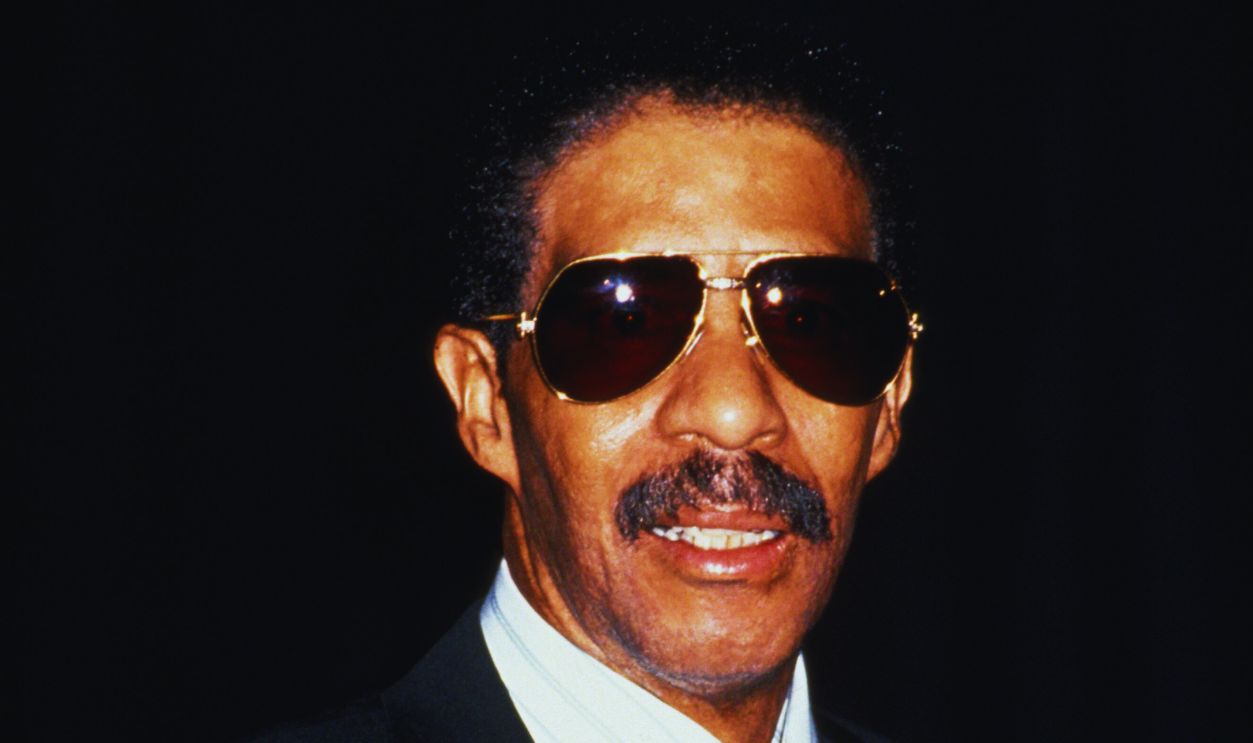
Health Complications After the Fire
Burn injuries left Pryor with lasting physical limits unrelated to later illness, which affected endurance and movement. Performance adapted through posture and delivery as his body no longer supported earlier physical intensity.
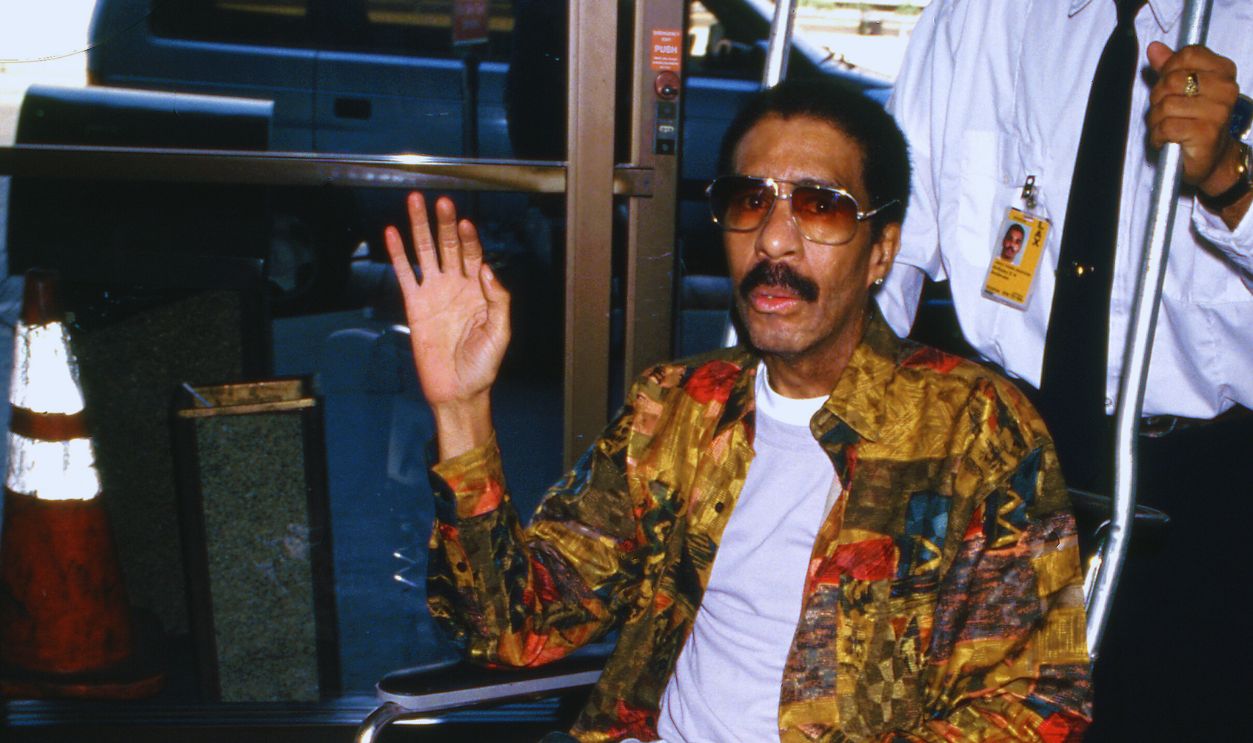
Multiple Sclerosis and Public Misunderstanding
A diagnosis of multiple sclerosis arrived in the late 1980s after years of unclear symptoms. Mobility and speech suffered. Public confusion followed, with many blending illness and addiction, while Pryor addressed the condition directly without apology.
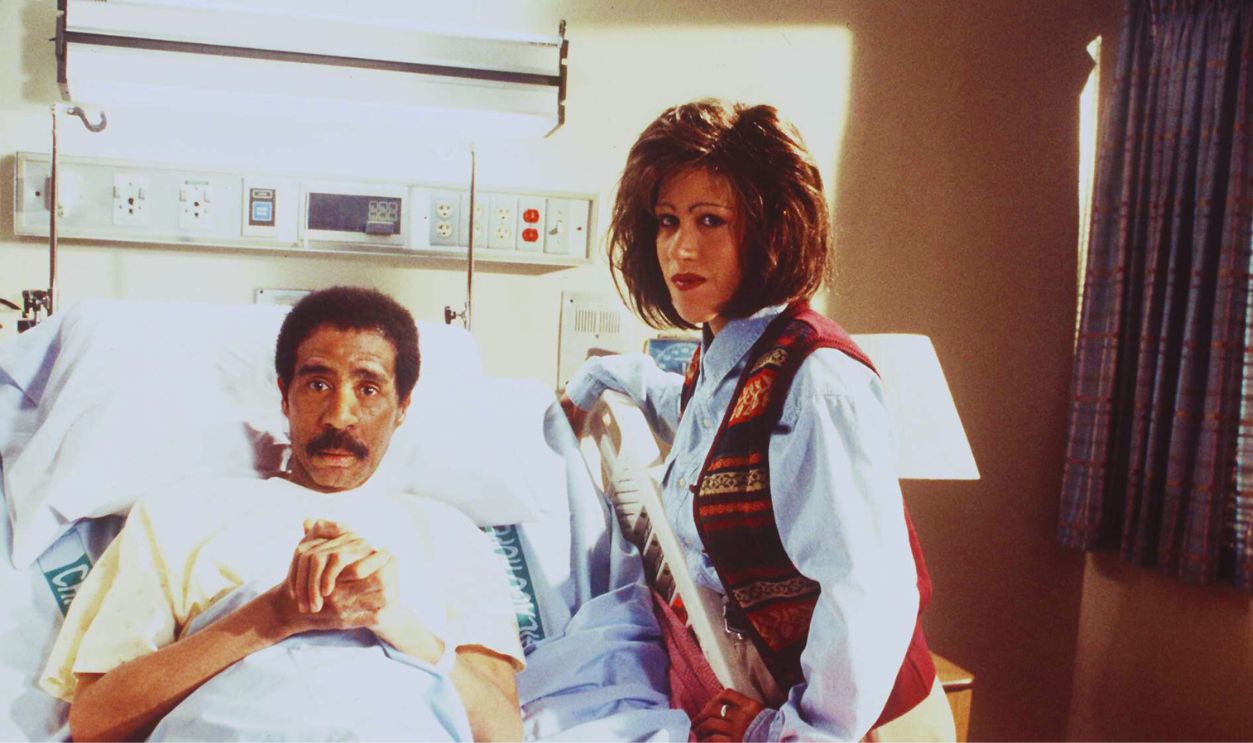
Later Performances and Changing Energy
Later appearances carried restraint rather than force, with reduced movement and sharper timing. Authority remained intact, proving presence did not rely on speed or volume, but on credibility earned through experience and self-knowledge.
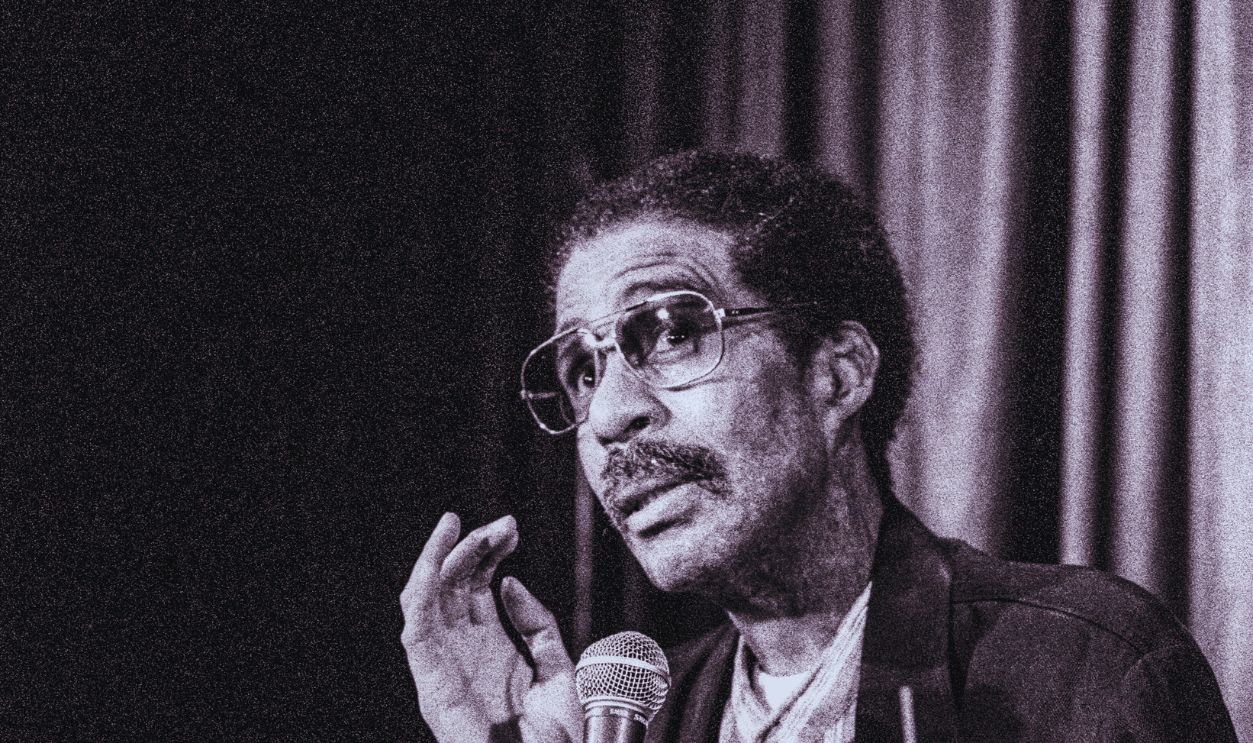 EVAN HURD PHOTOGRAPHY, Getty Images
Influence on Future Comedians
Pryor reshaped stand-up by making personal truth acceptable material. Pain lost taboo status. Confession gained legitimacy. Comics across generations cite him as proof that honesty could carry humor without disguise or moral framing.
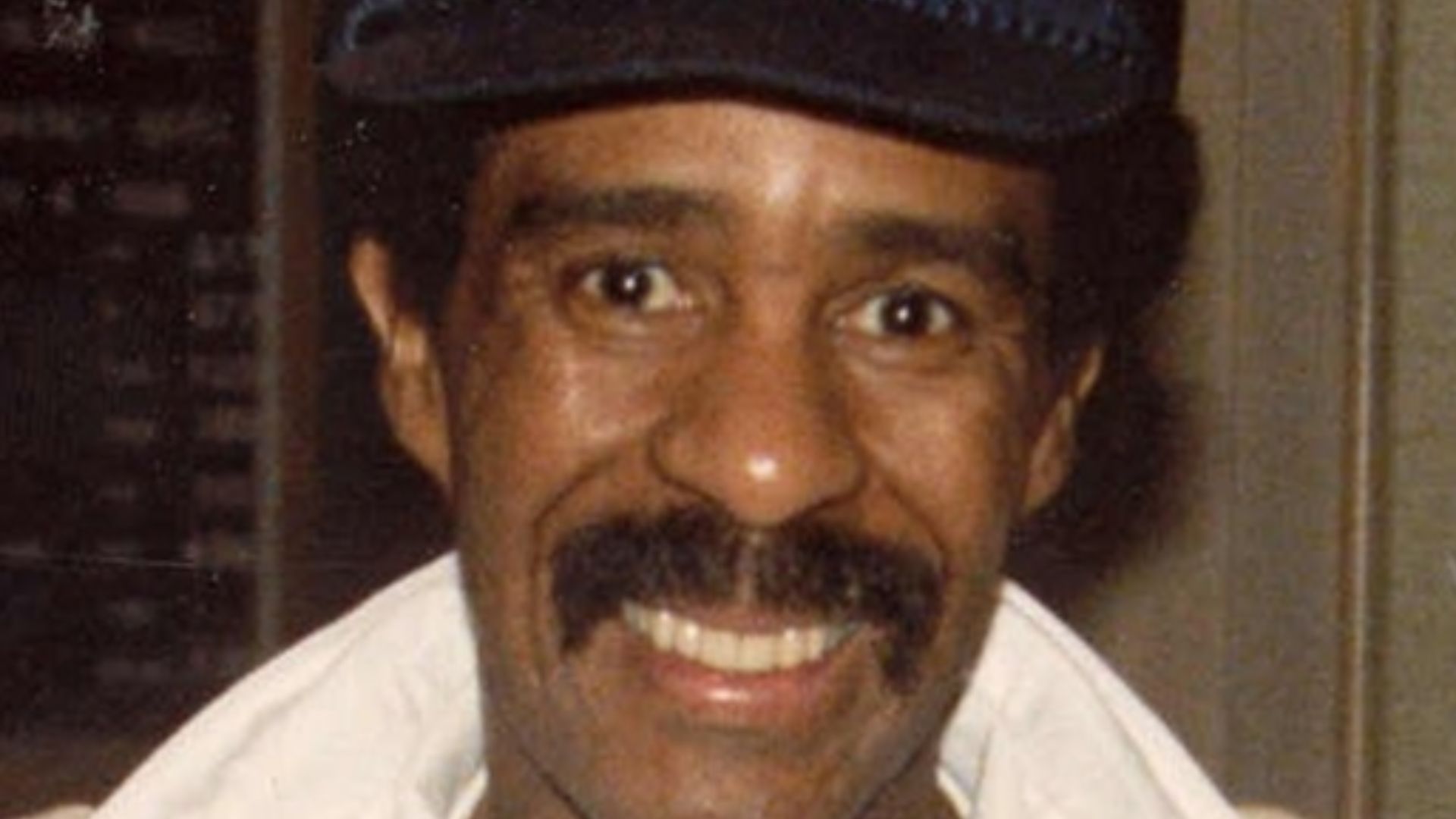
The Myth Versus the Man
Public memory often compresses Pryor into extremes of brilliance and destruction. Reality resisted simplification. Humor, damage, insight, and contradiction coexisted, and his legacy demands space for complexity rather than slogans.
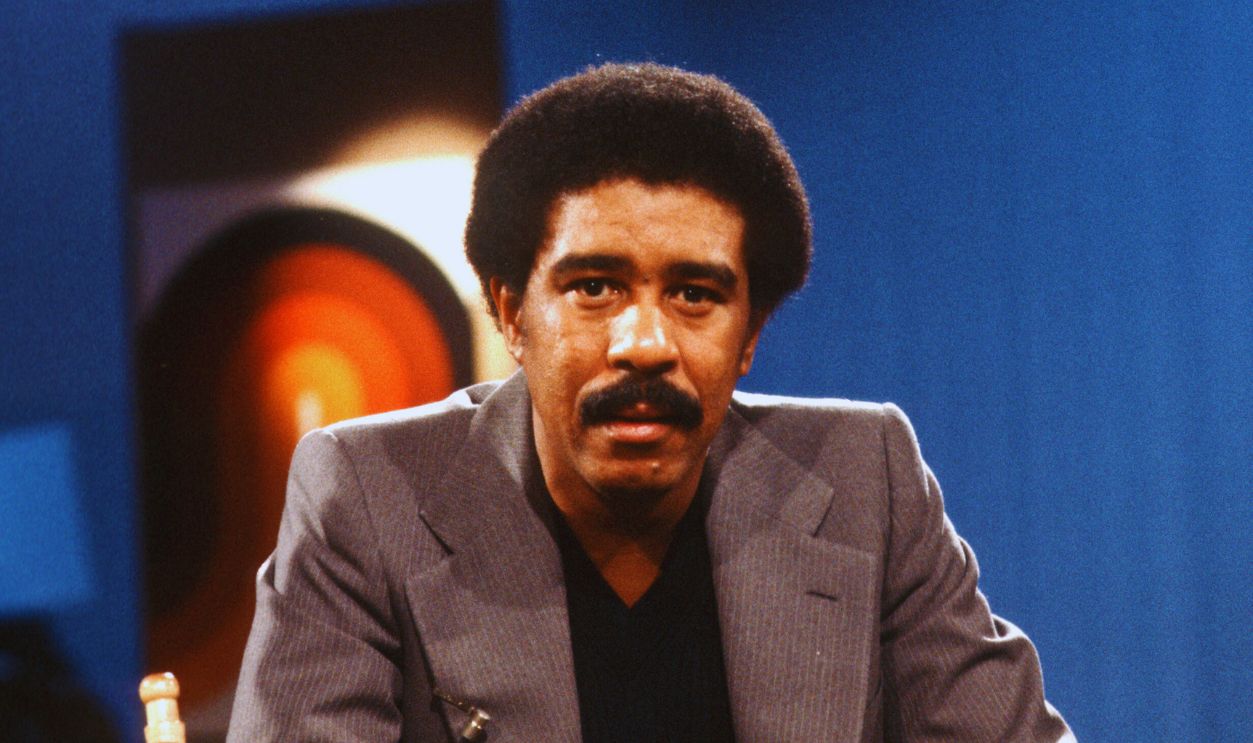
Why the Fire Became Symbolic
The fire condensed many extremes already present in Pryor’s life, including brilliance, risk, and self-destruction, into a single public image. Media coverage favored shorthand over nuance, and the incident came to stand as a symbol even though it represented only one moment.
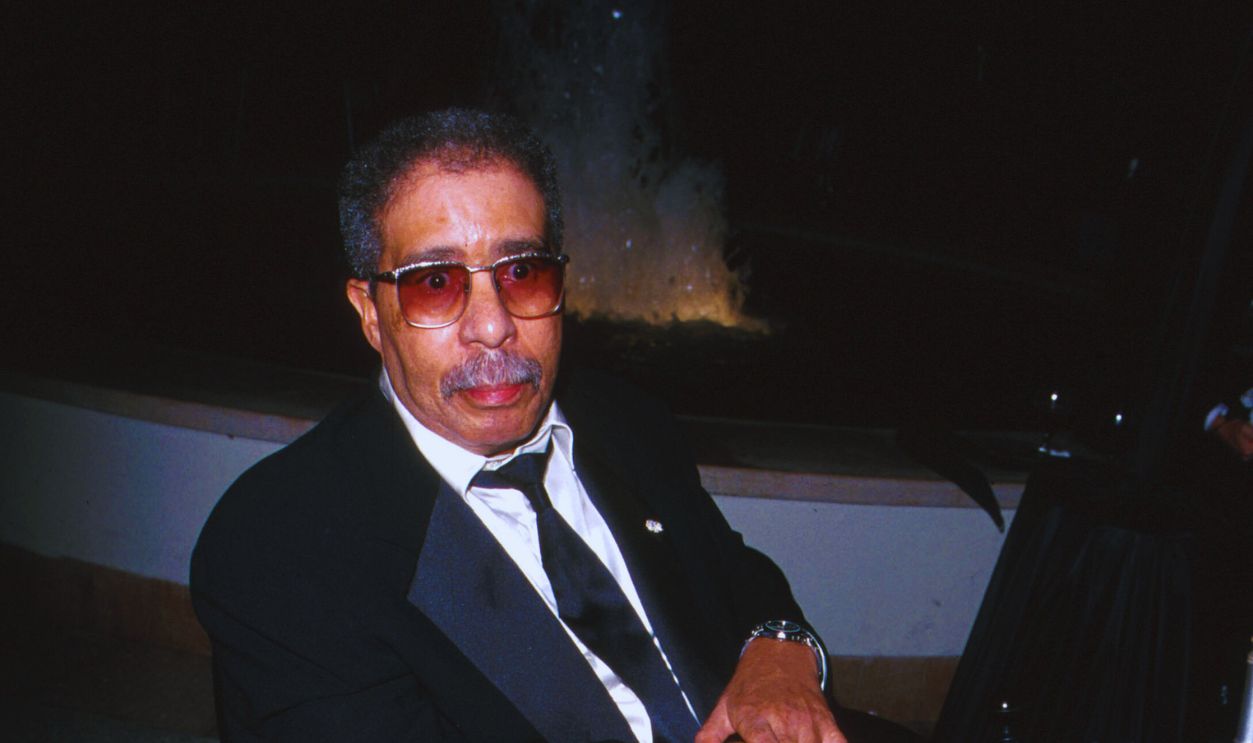
Pryor’s Relationship With Truth
Pryor valued emotional honesty above factual precision, especially onstage. Stories shifted shape to serve impact rather than record. That approach did not reject truth, but redefined it, allowing comedy to express inner reality without strict loyalty to literal detail.
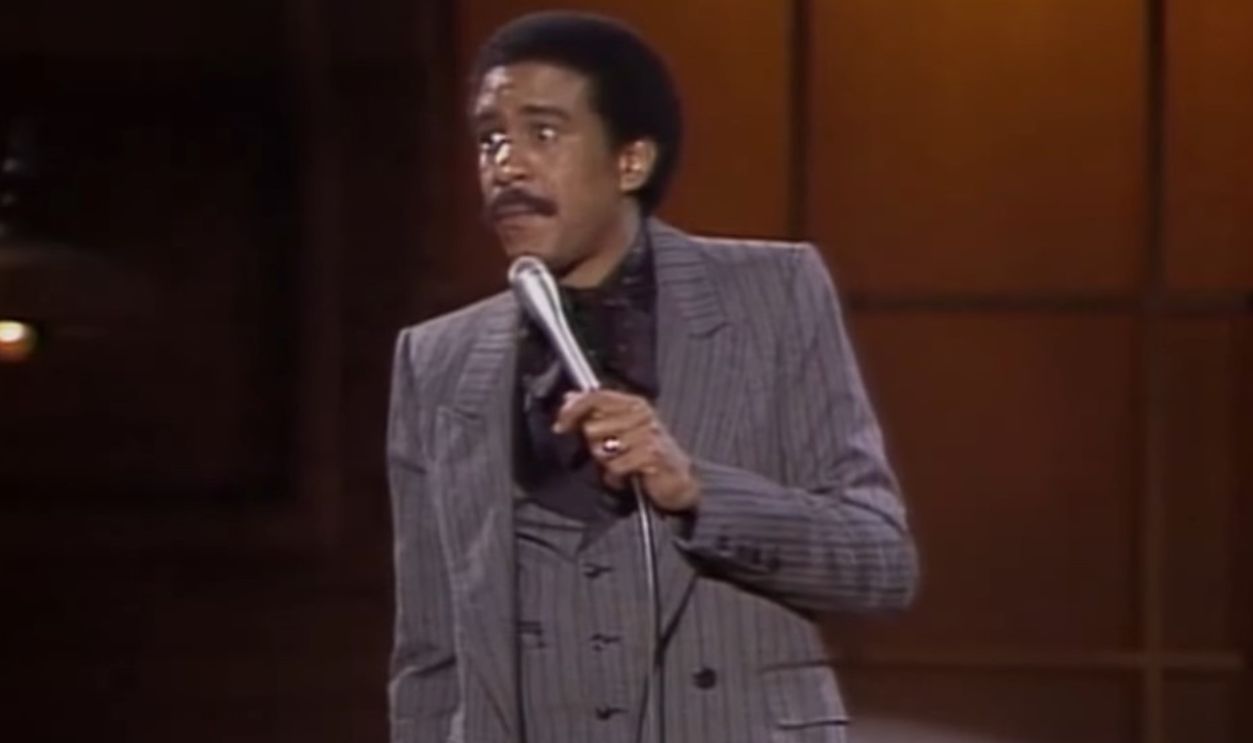 Screenshot from The Richard Pryor Show, NBC Television (1977)
Comedy as Reckoning
Comedy served as Pryor’s method for self-examination rather than escape. Each performance confronted contradiction, damage, and insight without resolution. Humor exposed patterns he could not avoid, and the stage became a place where accountability replaced denial without offering comfort.
Death in 2005 and Public Memory
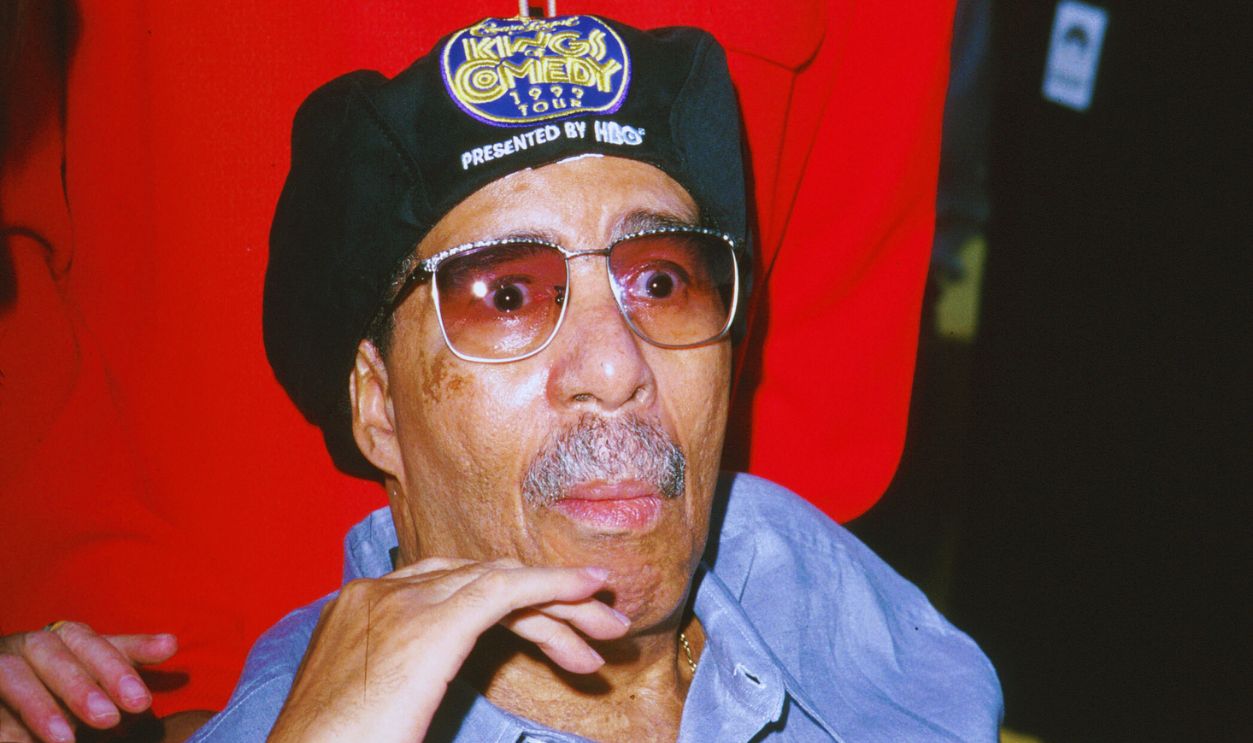
Pryor died in December 2005 after years of declining health. Public tributes celebrated influence and courage, often smoothing conflict and pain. Memory favored achievement over struggle, creating a version of Pryor easier to honor than to fully understand.
What His Legacy Actually Represents
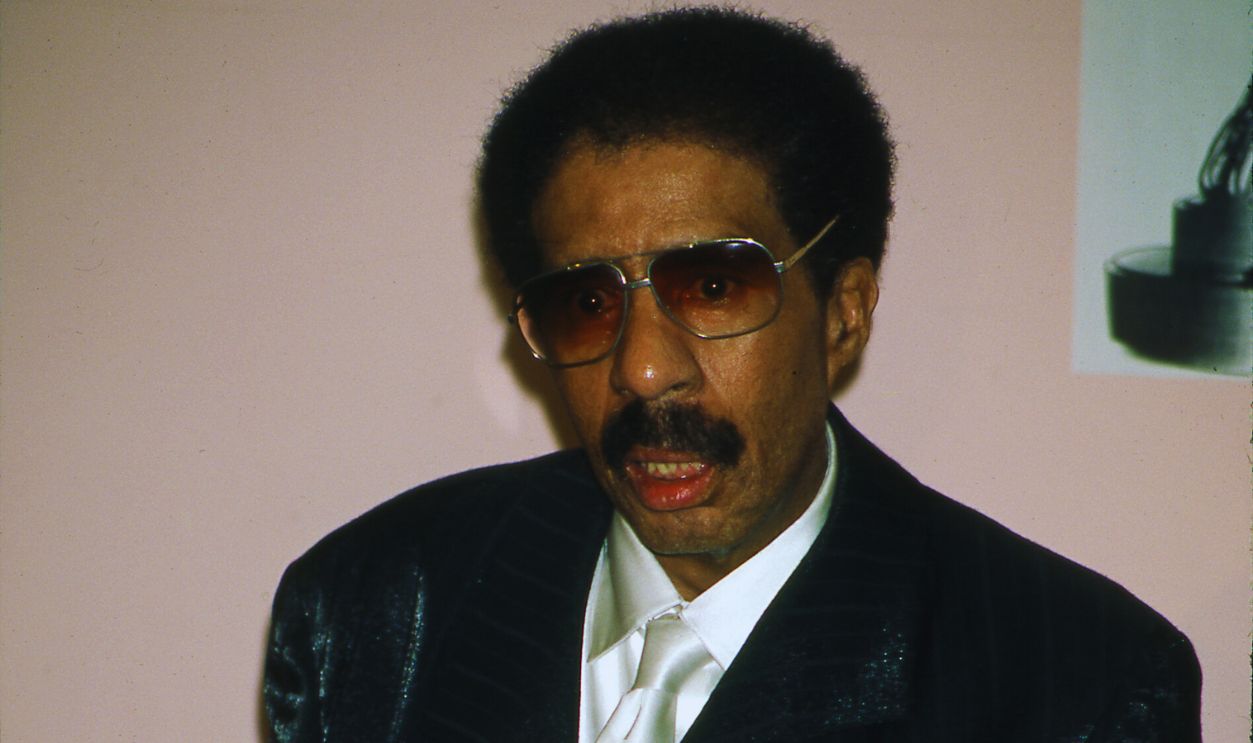
Pryor’s legacy rests on permission rather than shock. He proved pain could exist in comedy without apology or disguise. By placing vulnerability at the center of humor, he altered the art form permanently and expanded what audiences accepted as truth.