Plot Twist Central
Some series don’t go where you expect them to. A character meant to fade into the background suddenly steals every scene. Audiences latch on, writers adjust, and the story shifts in surprising ways.
Happy Days
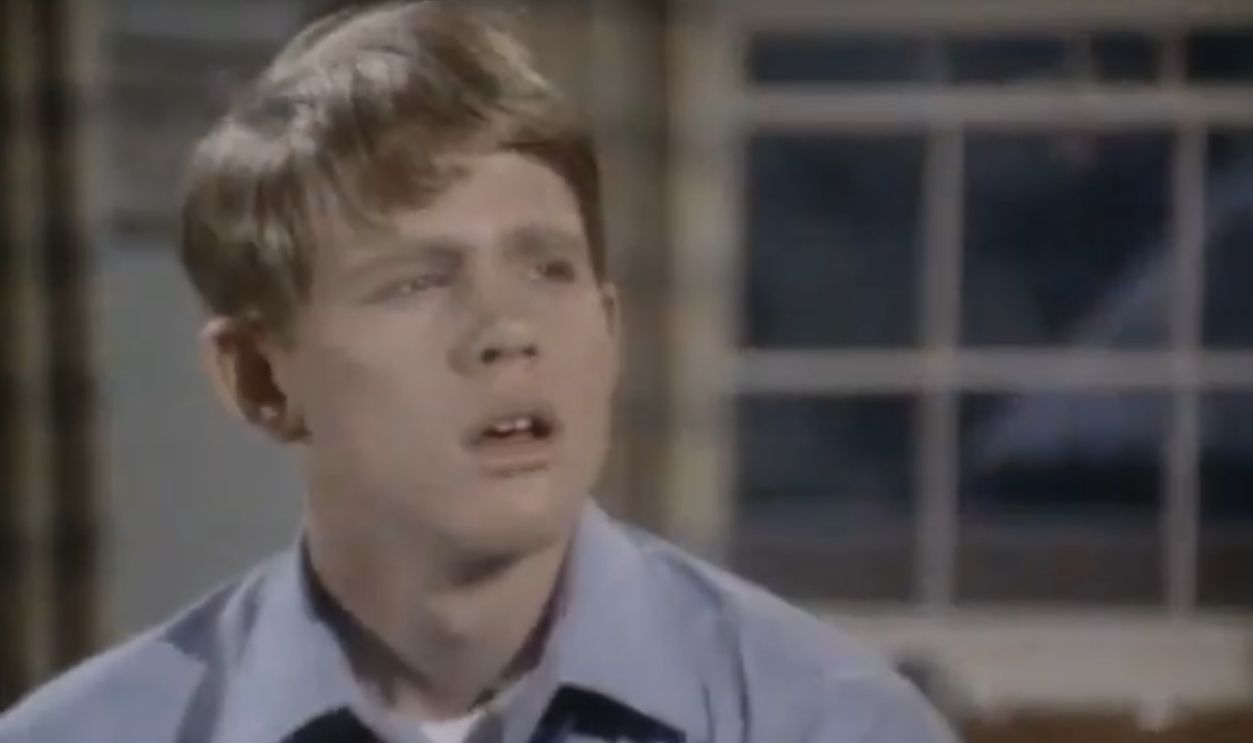
The 1970s nostalgia wave hit television gold with Happy Days, but few viewers realized they were witnessing one of TV's most dramatic character shifts in real time. Initially, Richie Cunningham (Ron Howard) was the central protagonist, portraying the all-American teenage boy next door.
Happy Days (Cont.)
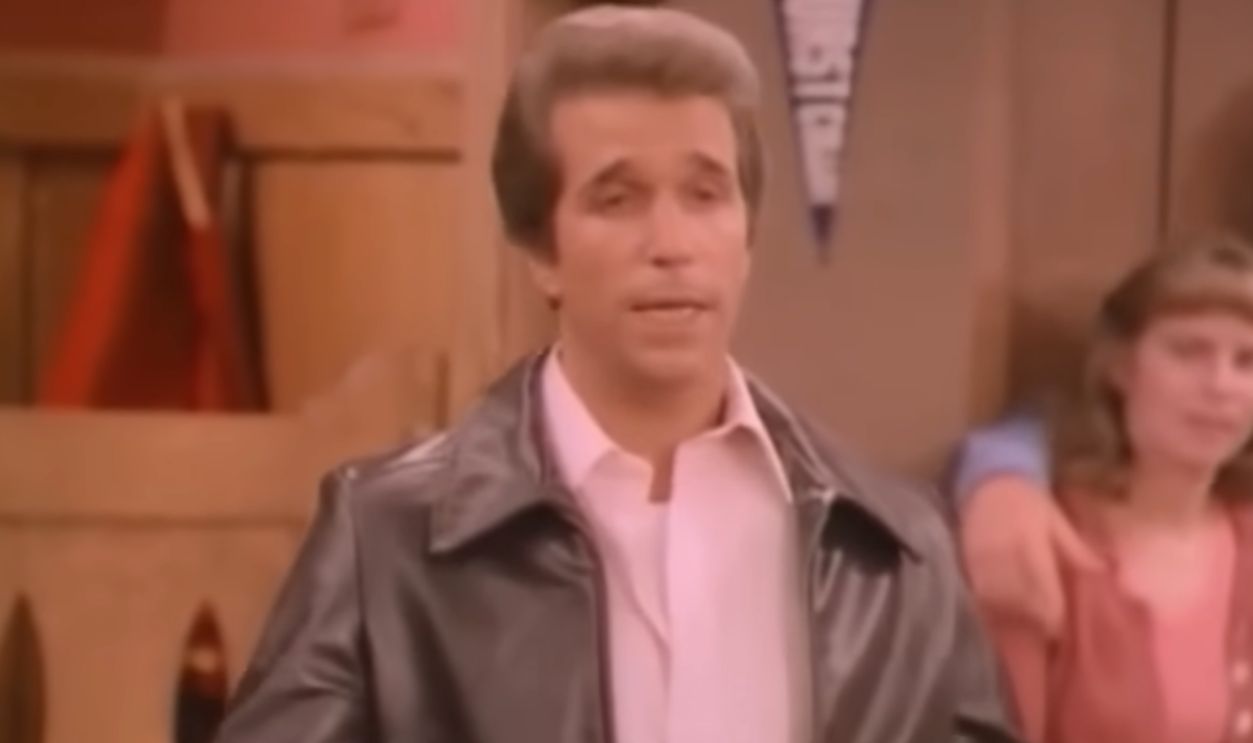
However, the character Arthur "Fonzie" Fonzarelli, played by Henry Winkler, who started as more of a recurring character, quickly gained immense popularity and soon became the show's focal point. Fonzie's greaser style, cool demeanor, and catchphrases made him the cultural icon of the series.
Family Matters
Steve Urkel's infamous "Did I do that?" wasn't supposed to echo through nine seasons of television history. Originally conceived as a Perfect Strangers spinoff focusing on the Winslow family's everyday struggles, Family Matters took an unexpected turn when Jaleel White appeared in just one episode during Season 1.
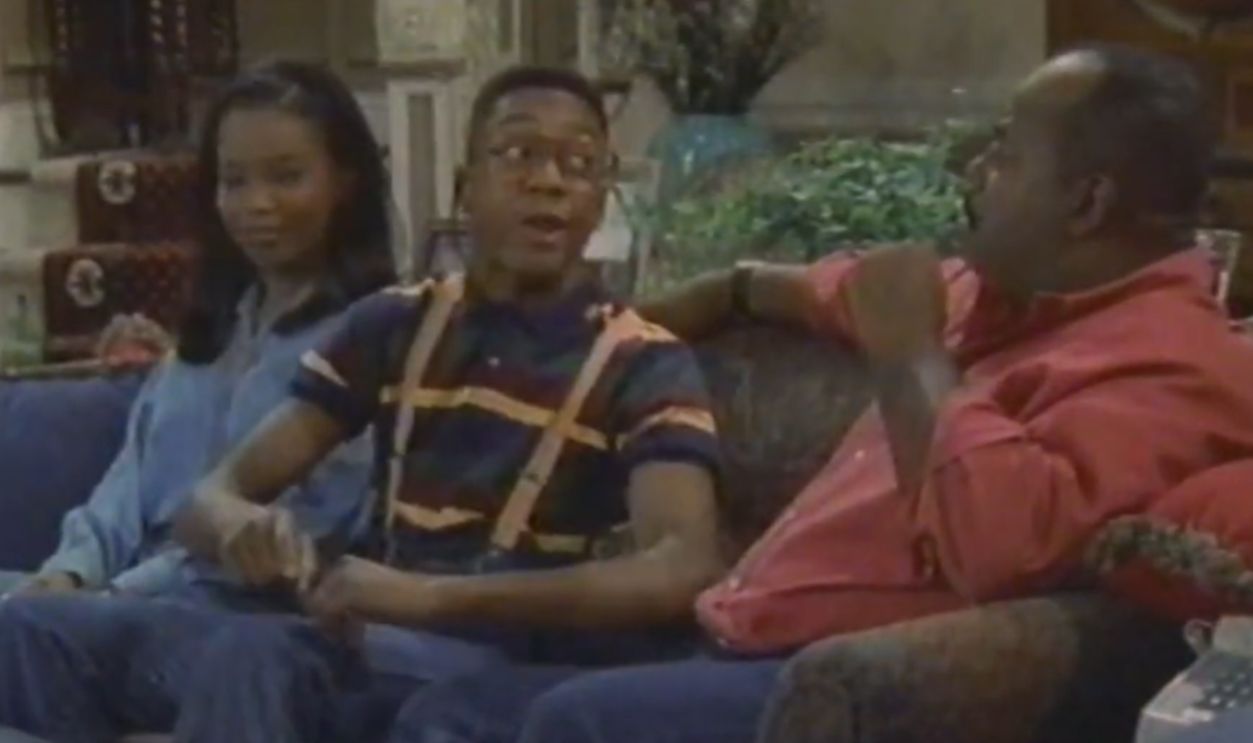 Warner Bros., Family Matters (1989–1997)
Family Matters (Cont.)
The nerdy neighbor's popularity exploded so dramatically that producers scrambled to make him a series regular by the second season. What had been a heartwarming family sitcom about middle-class African American life turned into a Steve Urkel show, complete with merchandise, talking dolls, and even Urkel-O's cereal.
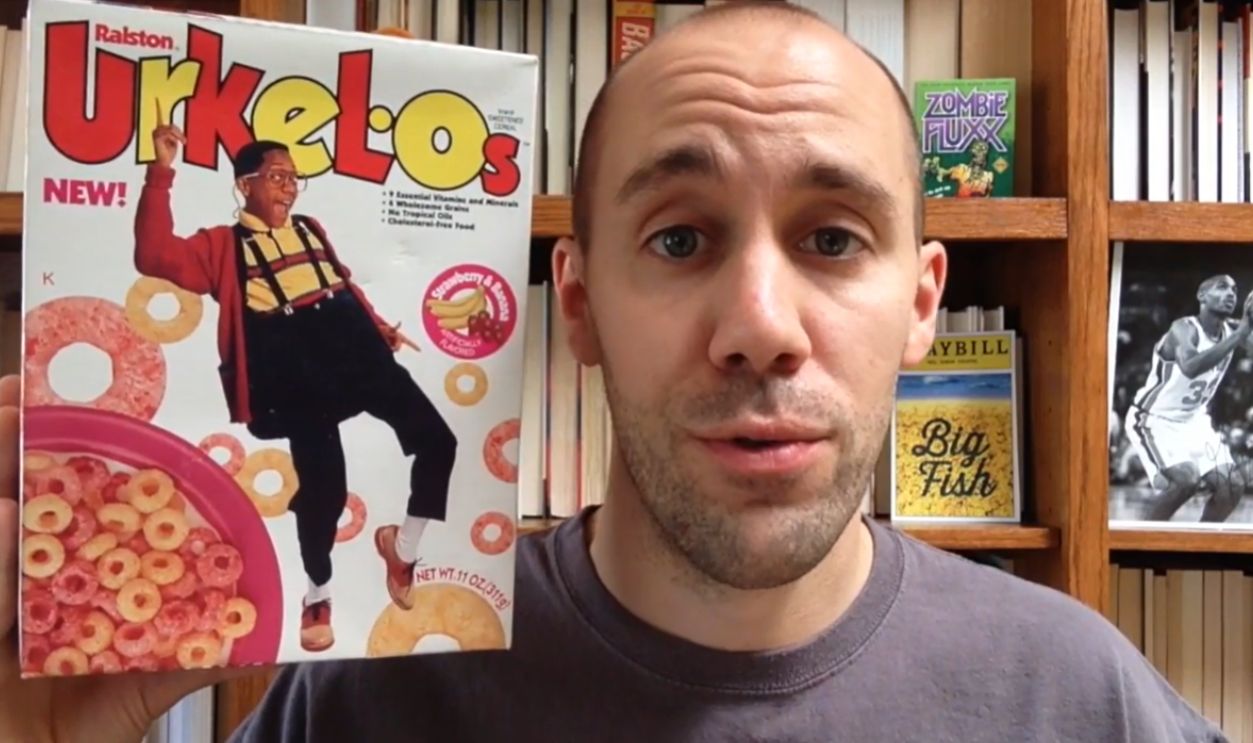 Urkel Os (1991) by Cereal Time TV
Glee
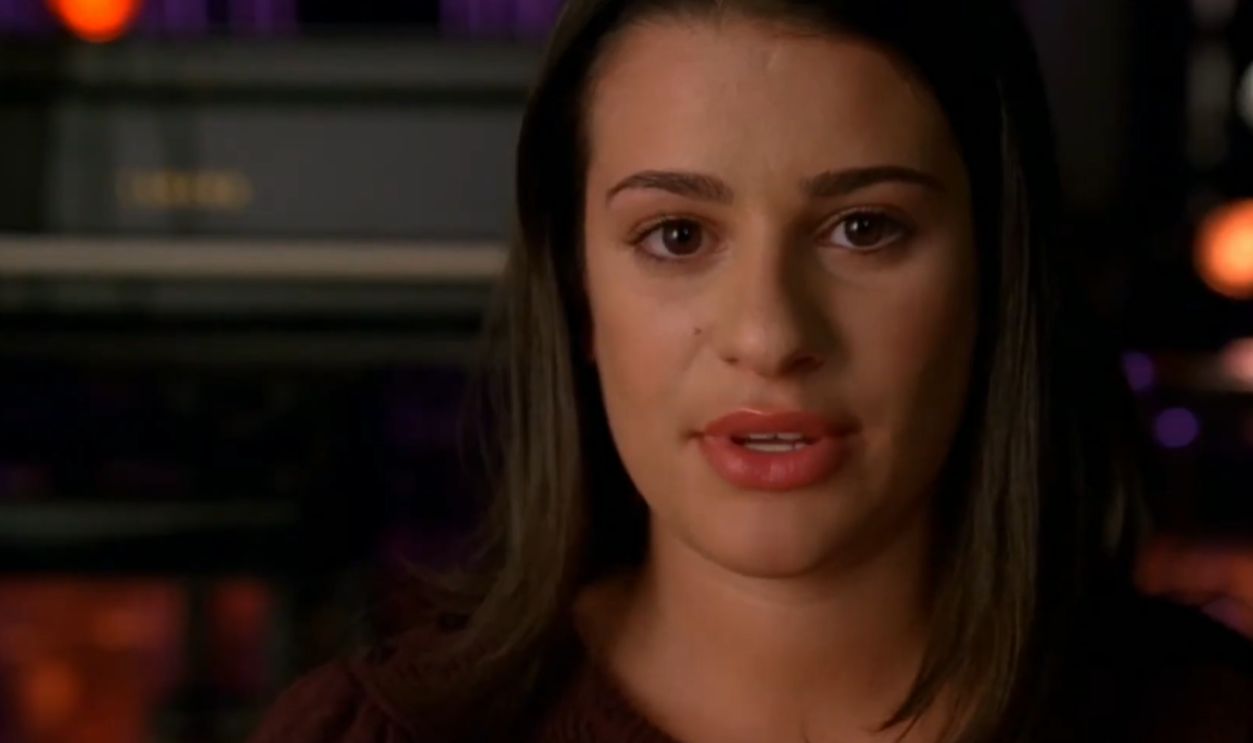
Rachel Berry and Kurt Hummel dominated Glee's early narrative scenario, with most storylines revolving around their theatrical ambitions and personal dramas. The show's creator, Ryan Murphy, initially built the show around these two powerhouse vocalists and their journey through McKinley High's glee club.
Glee (Cont.)
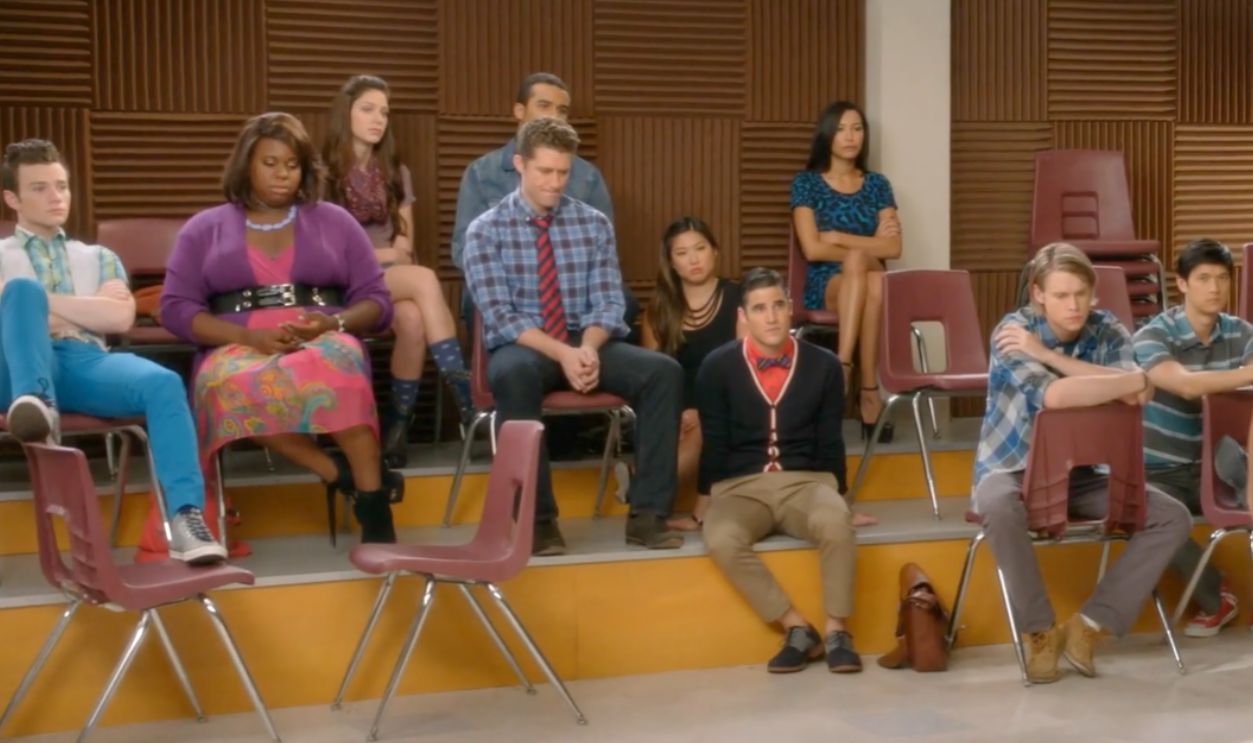
However, Season 5 marked a seismic shift when Heather Morris, Mark Salling, Amber Riley, and Harry Shum Jr were officially demoted from series regulars to recurring status. The graduation storyline had scattered the original New Directions members, forcing Glee to reinvent itself around fresh faces.
The Office
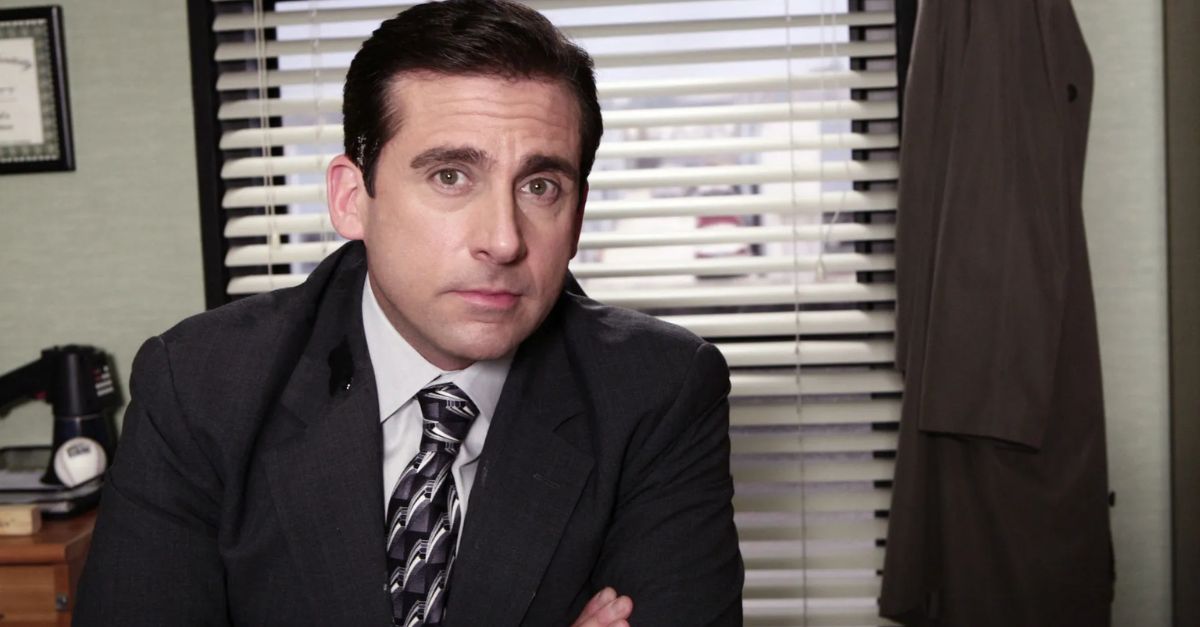
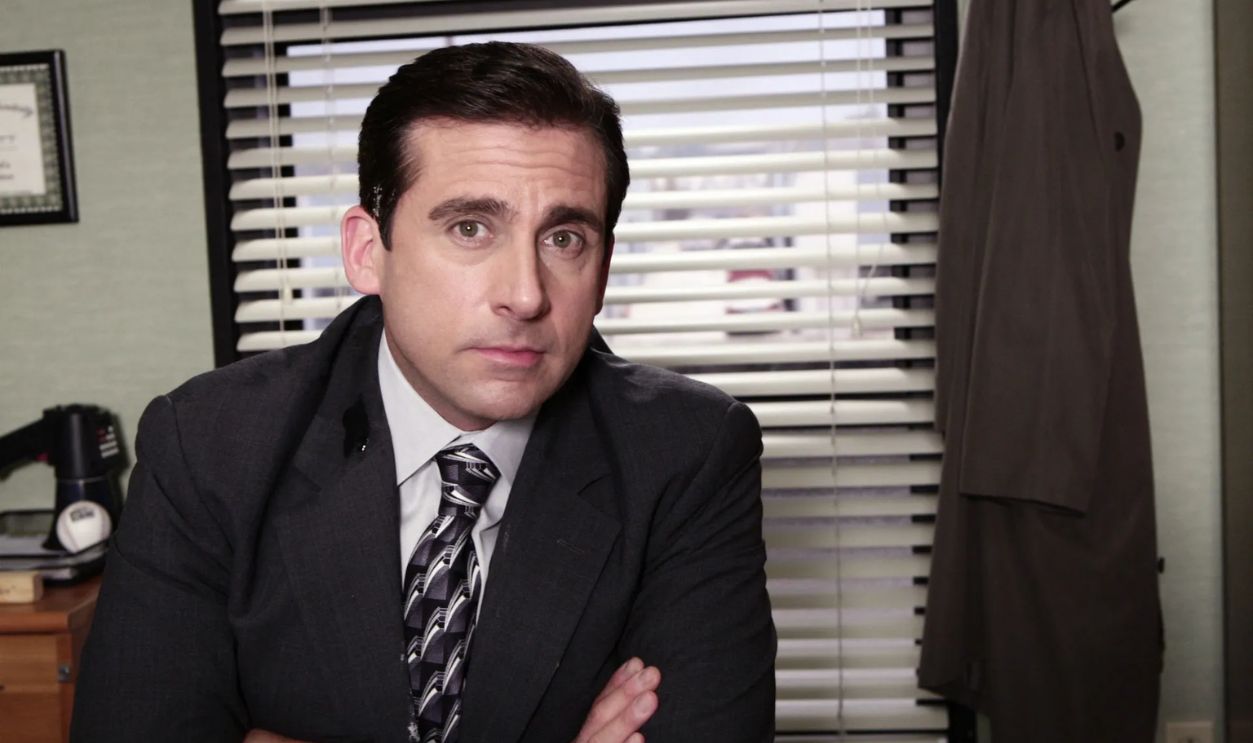
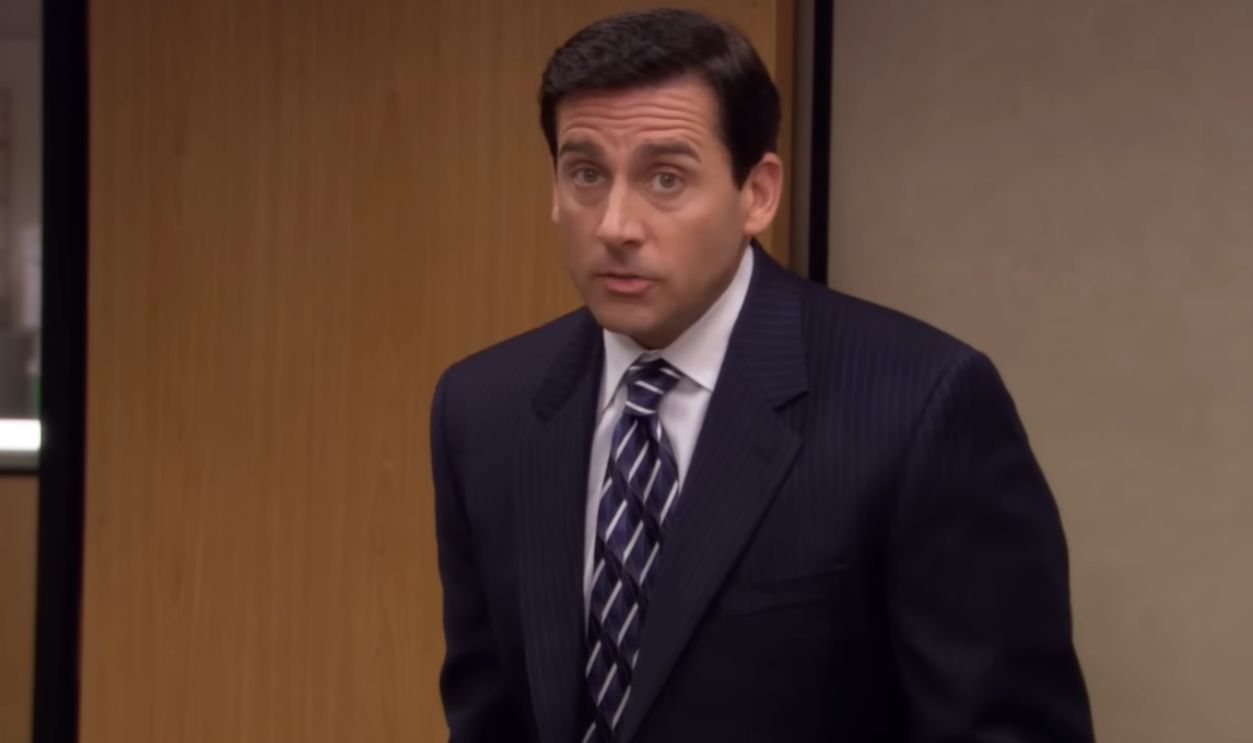
In The Office (US version), the original main character, Michael Scott (Steve Carell), remained the central focus for the first seven seasons, but after his departure, the show moved to other characters who became more prominent or took on leadership roles.
The Office (Cont.)
Carell's portrayal of the world's most inappropriate boss anchored every episode. Characters like Jim, Pam, and Dwight, who had previously orbited around Michael's chaos, suddenly found themselves carrying entire storylines. The show continued for two more seasons, but critics agreed that Michael's absence altered the series' DNA.

Game Of Thrones
The moment HBO's fantasy epic premiered, the ensemble cast seemed sprawling and complex, but Ned Stark's execution in Season 1 revealed the show's true revolutionary nature. Unlike traditional television, where main characters enjoy plot armor, Game of Thrones established that no one was safe.
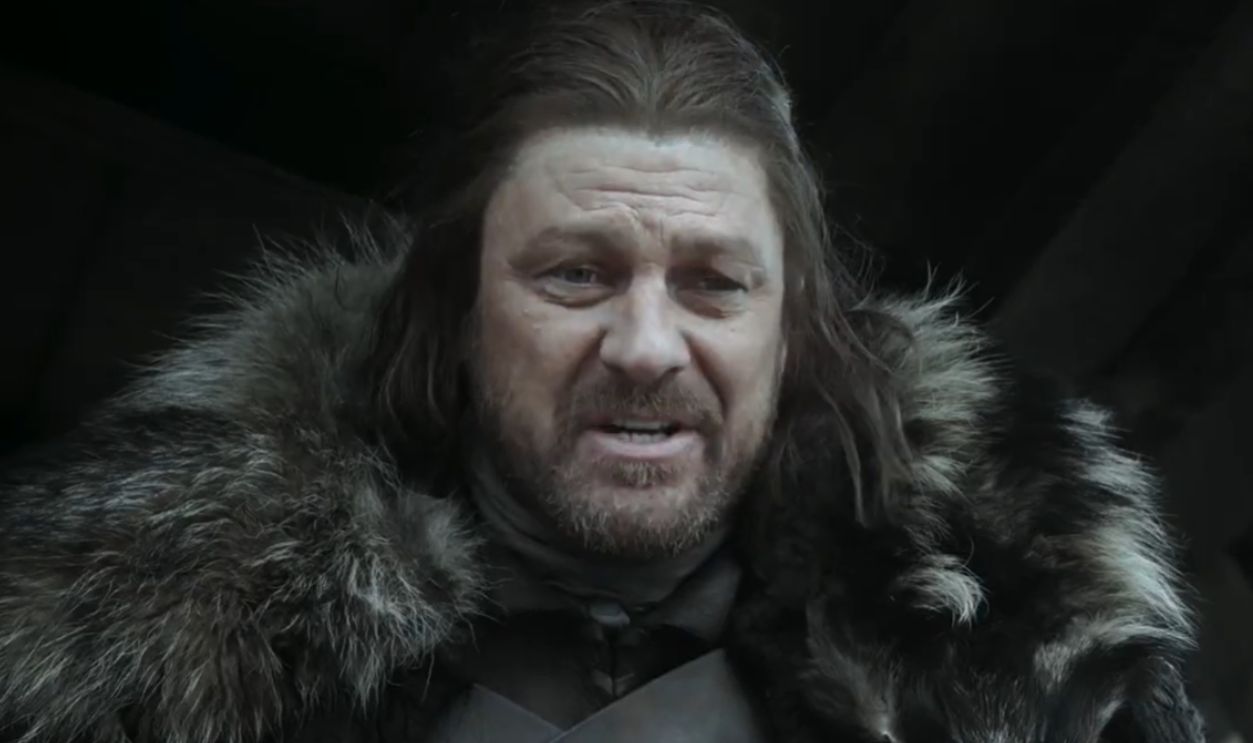 HBO, Game Of Thrones (2011–2019)
Game Of Thrones (Cont.)
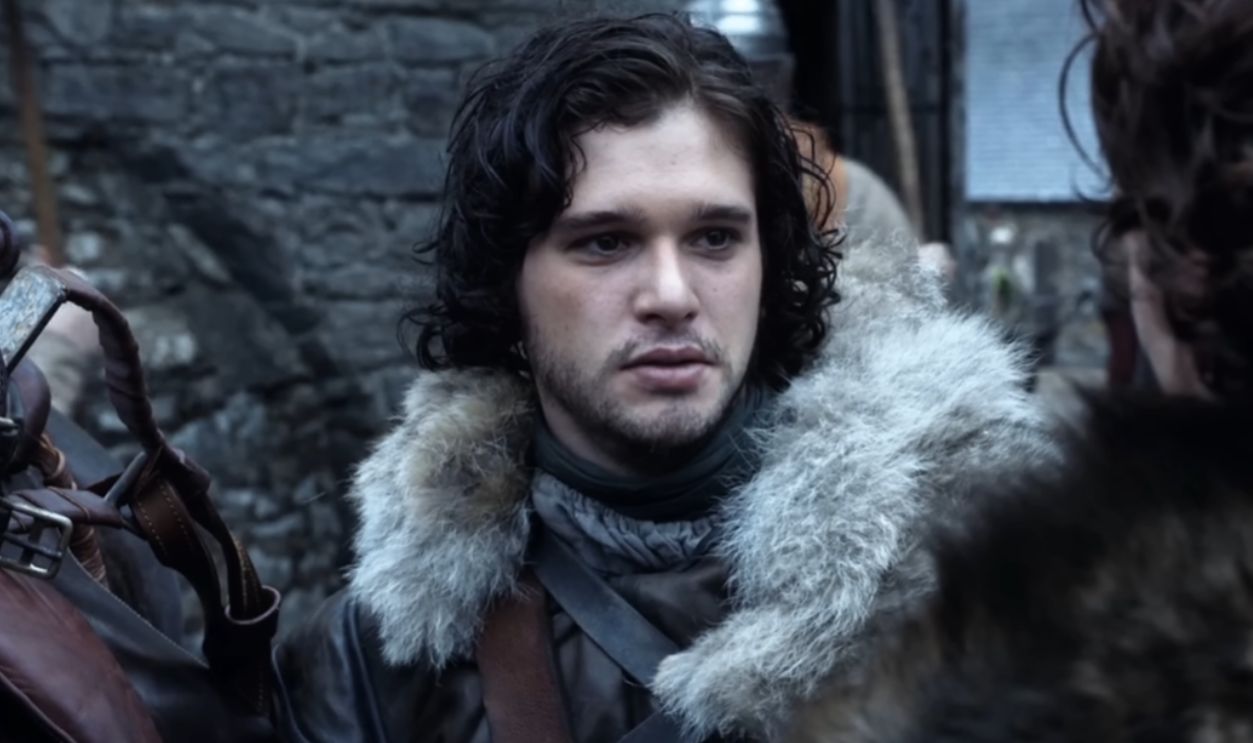
Those ripple effects converted supporting characters into primary players overnight. Arya's revenge quest, Jon Snow's bad-to-hero arc, and Daenerys's rise from exiled princess to dragon queen all accelerated once freed from Ned's shadow. Characters like Tyrion Lannister and Jaime Lannister also evolved in roles and alliances.
 HBO, Game Of Thrones (2011–2019)
Spartacus
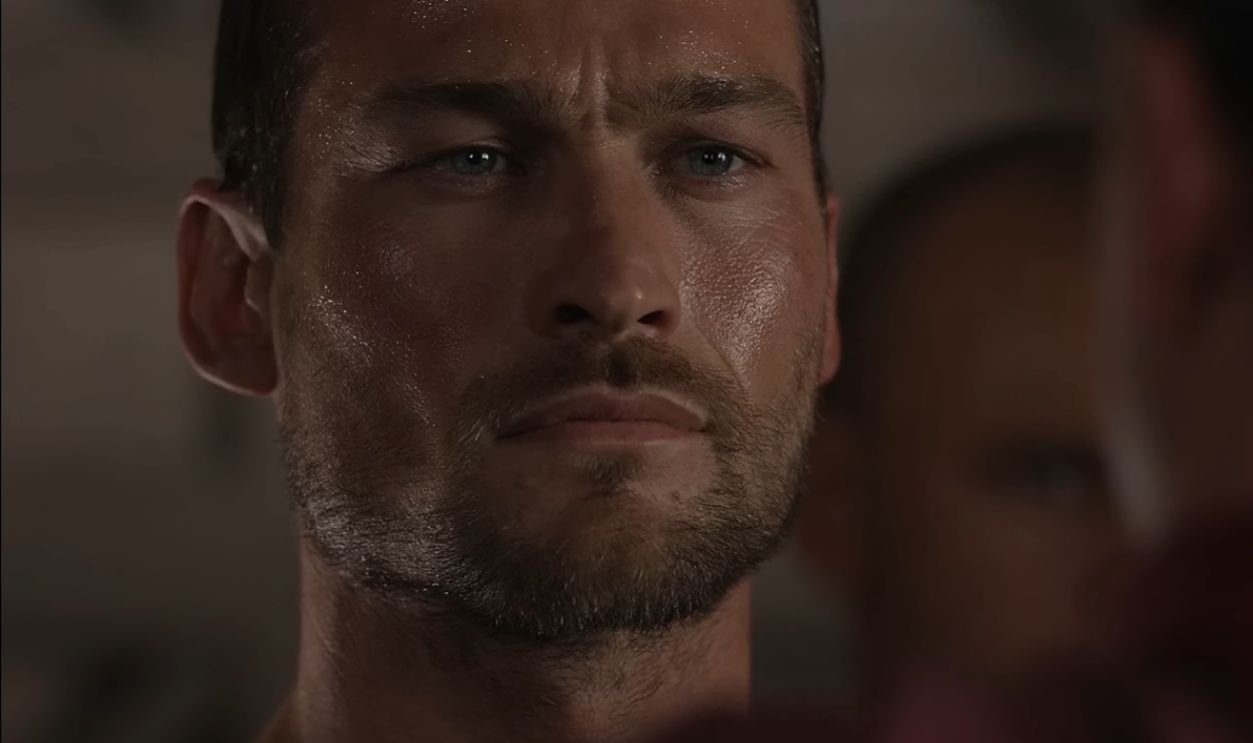
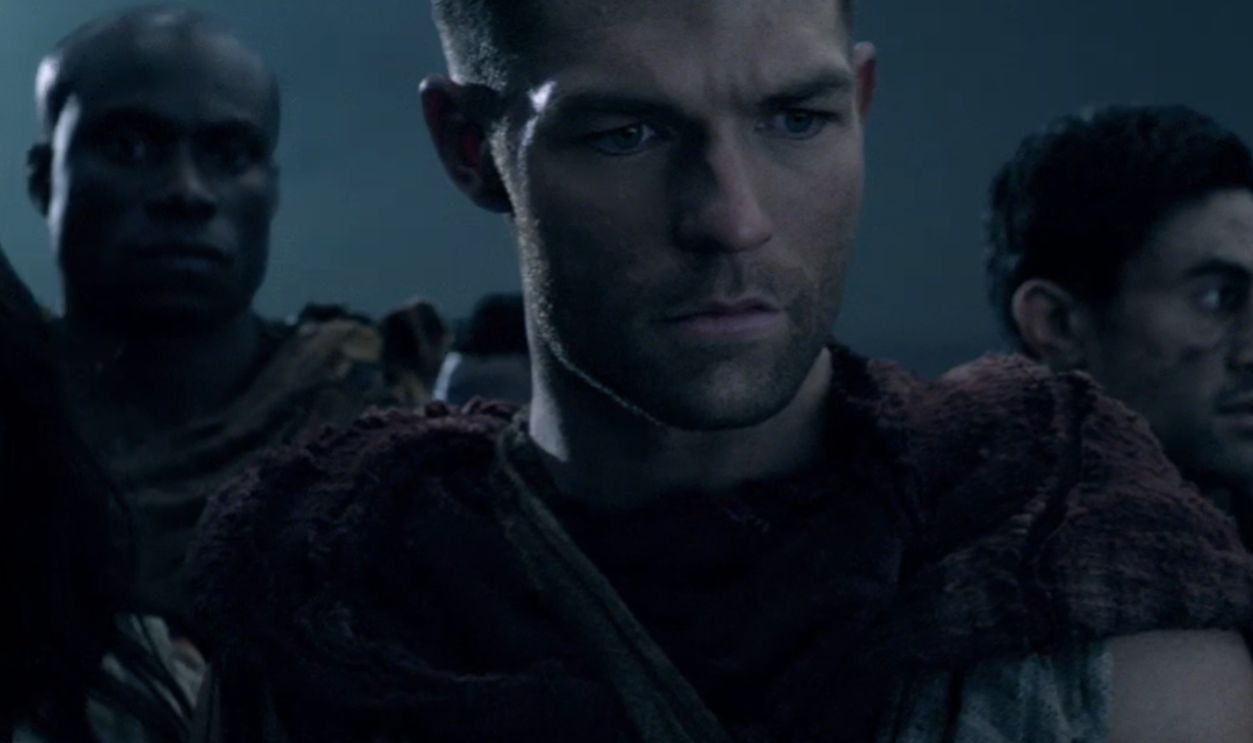
Andy Whitfield's commanding portrayal of the legendary gladiator seemed destined to carry the Starz series through multiple seasons of rebellion and bloodshed. The show's brutal depiction of ancient Rome's gladiatorial games had found its perfect warrior-poet in Whitfield's nuanced performance, balancing raw physicality with emotional depth.
Spartacus (Cont.)
Tragedy struck when Whitfield's cancer diagnosis forced producers to reimagine their entire approach. Rather than simply recasting, they expanded the narrative scope to explore the intricate web of relationships between gladiators, Romans, and rebels. Liam McIntyre stepped into the titular role for the final seasons.
The Hogan Family
Few shows survive the dramatic firing of their title character, but The Hogan Family proved that sometimes losing your star can be a blessing in disguise. Valerie Harper's departure between seasons two and three could have spelled disaster for the NBC sitcom originally called Valerie.
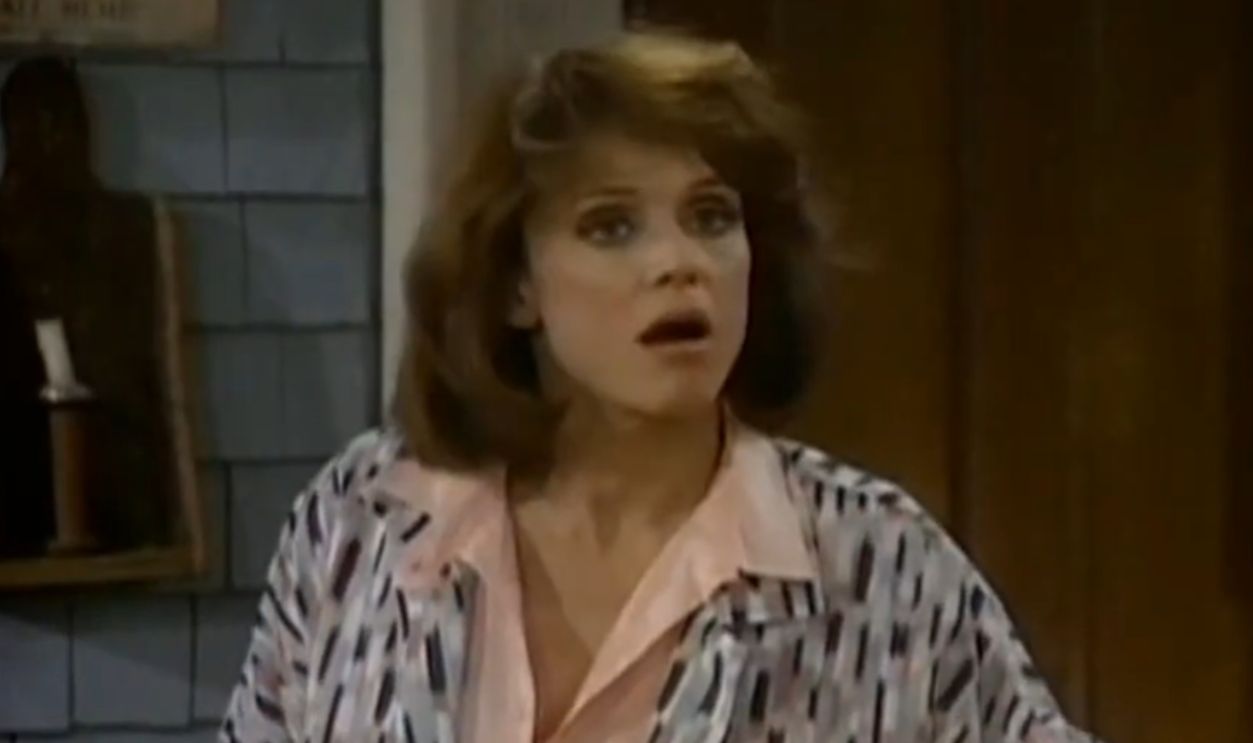 Lorimar-Telepictures, The Hogan Family (1986–1990)
The Hogan Family (Cont.)
Sandy Duncan's arrival as the new family matriarch coincided with a creative renaissance that nobody saw coming. The show's focus shifted from Harper's character-driven comedy to a more ensemble-based approach, highlighting the Hogan children's individual personalities and storylines. This unexpected move extended its lifespan to six seasons.
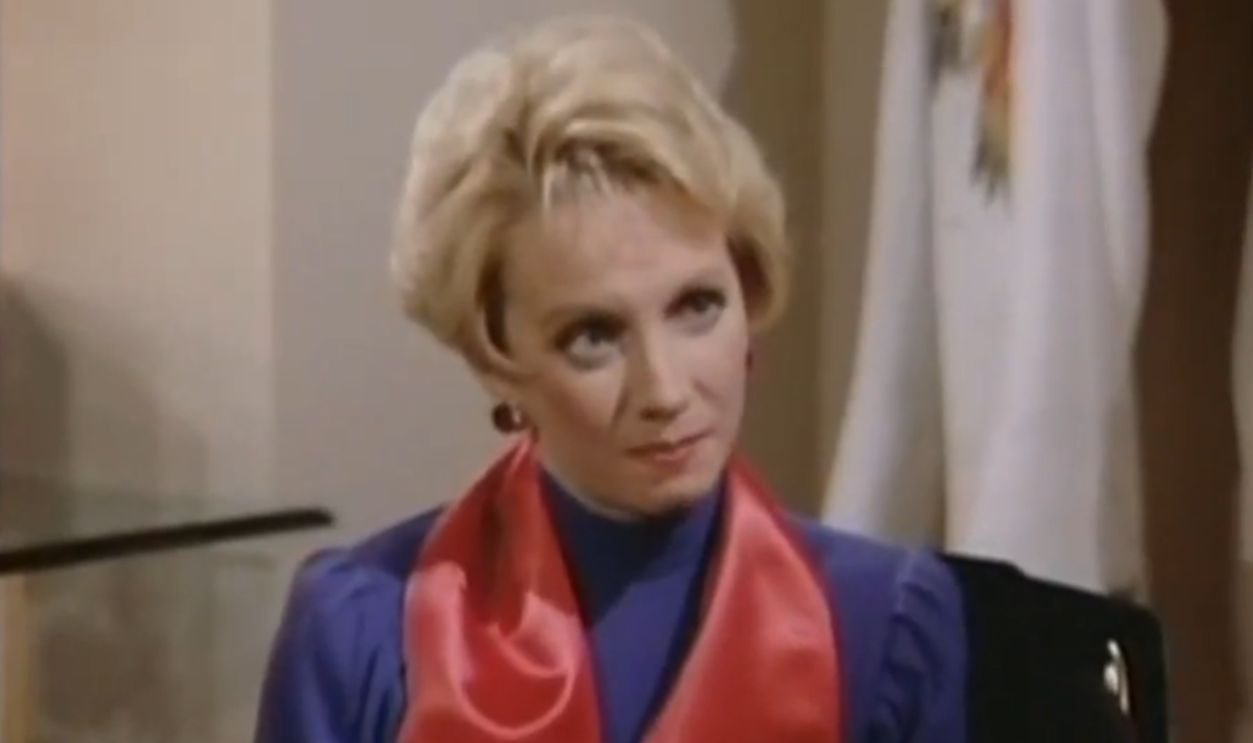 Lorimar-Telepictures, The Hogan Family (1986–1990)
Saved By The Bell
"Good Morning, Miss Bliss" to "Saved by the Bell" stands as one of television's most successful character inversions. Hayley Mills' kind-hearted teacher anchored the original Disney Channel series, with students like Zack Morris and Screech serving as colorful classroom disruptions rather than main characters.
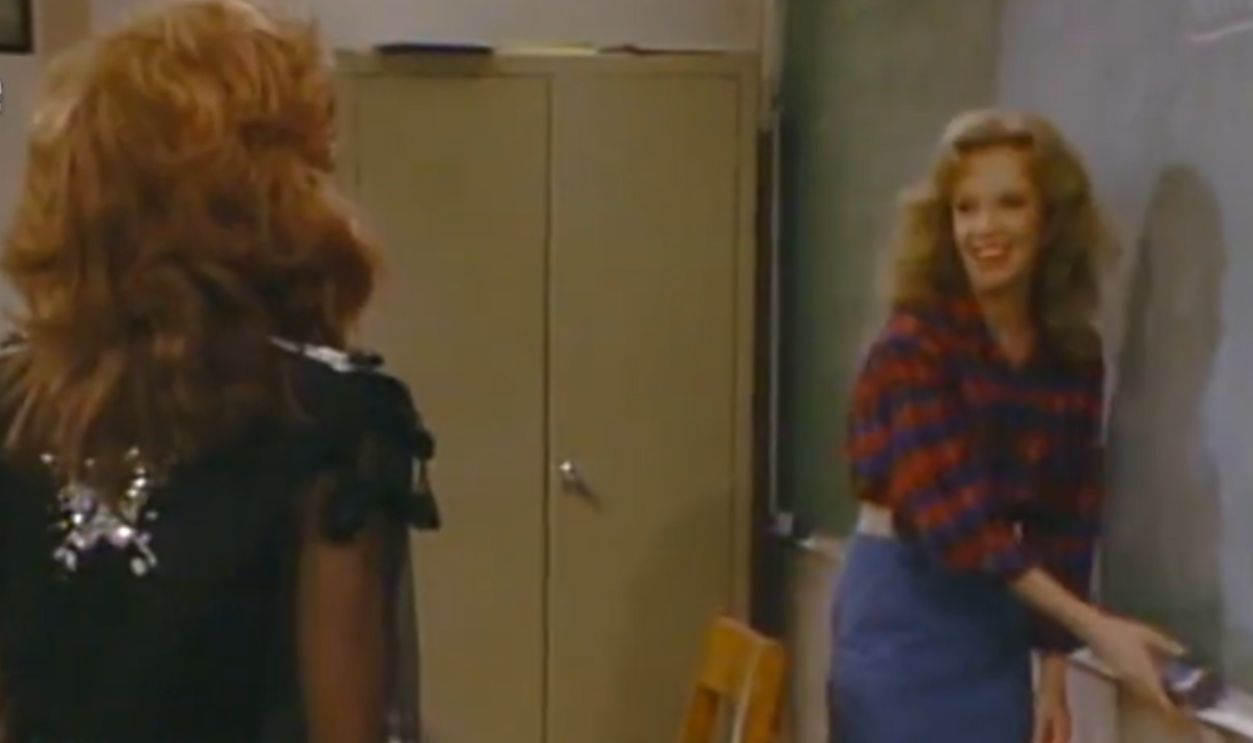 Rysher Entertainment, Saved By The Bell (1989–1993)
Saved By The Bell (Cont.)
NBC's retooling eliminated Mills entirely. This flipped the power dynamic to center on the students' hijinks at Bayside High. Zack Morris emerged as the new protagonist. In the 2020 revival, some original characters, such as Jessie Spano, returned in new roles.
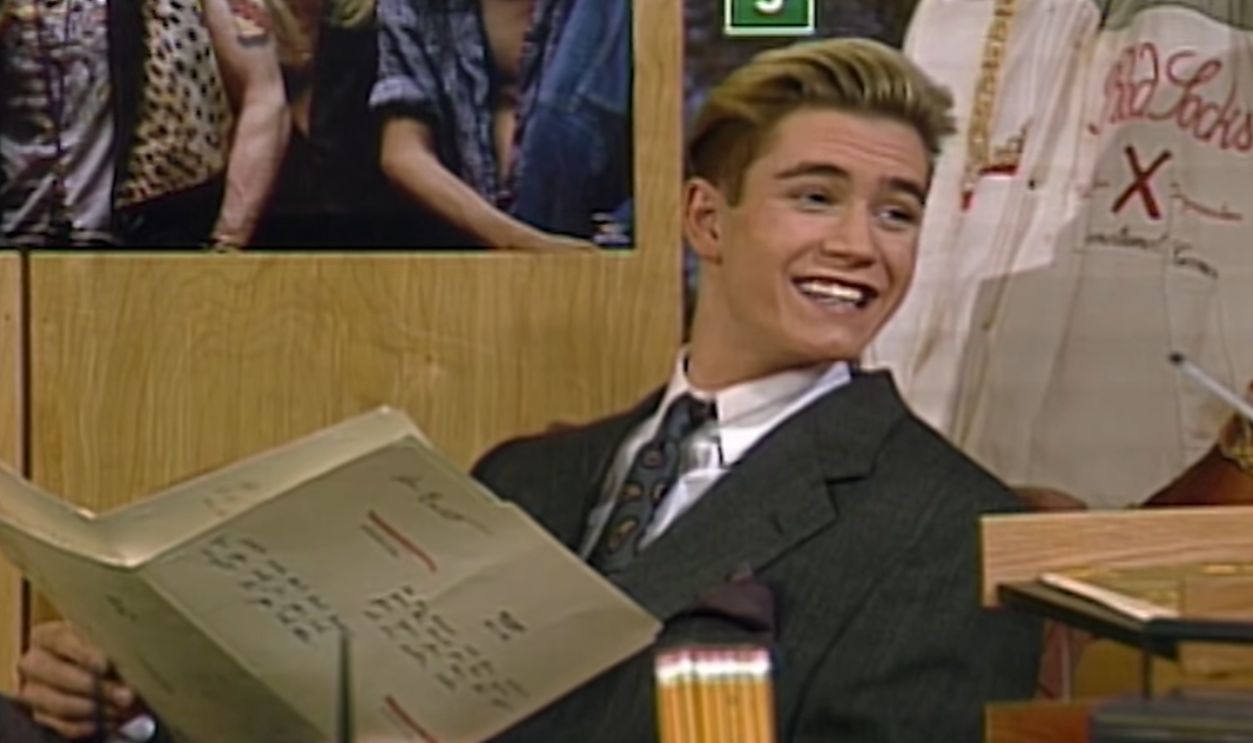 Rysher Entertainment, Saved By The Bell (1989–1993)
MASH
The Korean War comedy-drama began as a vehicle for Alan Alda's wisecracking surgeon Hawkeye Pierce and Wayne Rogers' easygoing Trapper John McIntyre. Their irreverent banter and anti-war sentiment drove the show's early episodes, with other characters serving primarily as comedic foils to their antics.
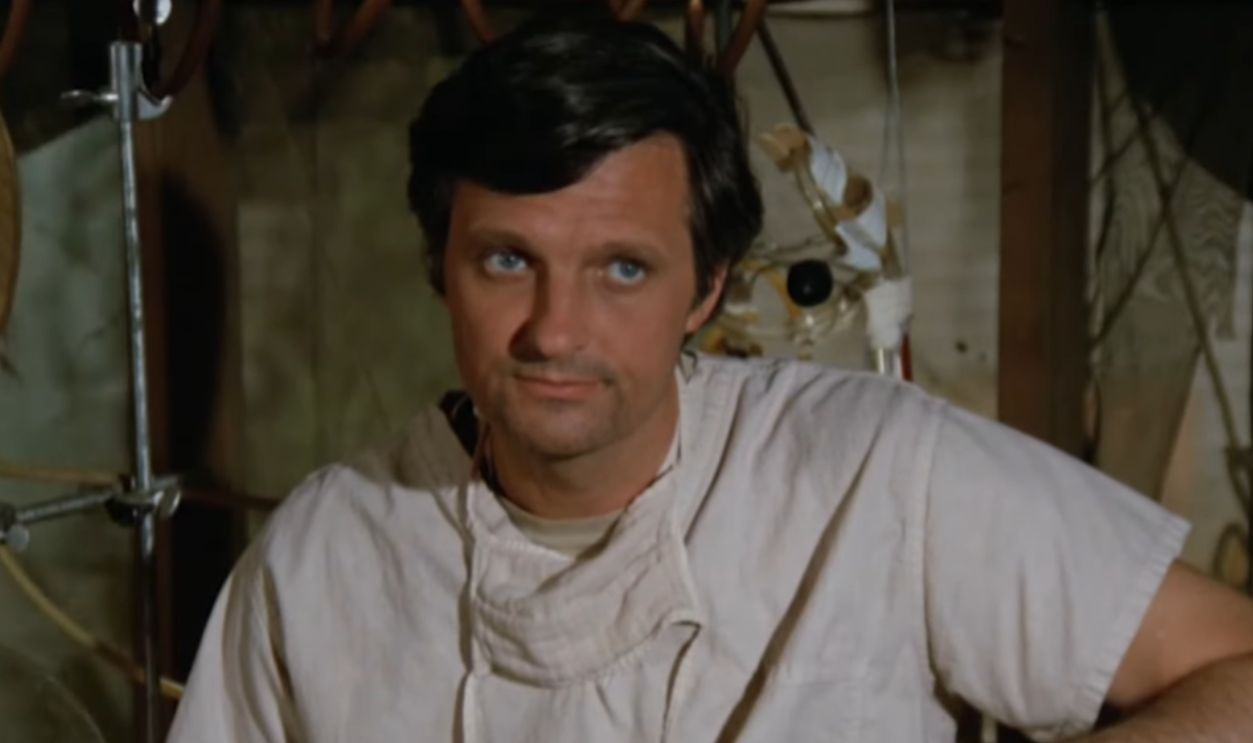 20th Century Fox, MASH (1972–1983)
MASH (Cont.)
Over time, everyone changed significantly. Radar O'Reilly, the young company clerk, developed from a somewhat naive figure into a respected and integral part of the unit, especially after the departure of the commanding officers. Colonel Sherman Potter replaced earlier officers and was portrayed as a fatherly and respected leader.
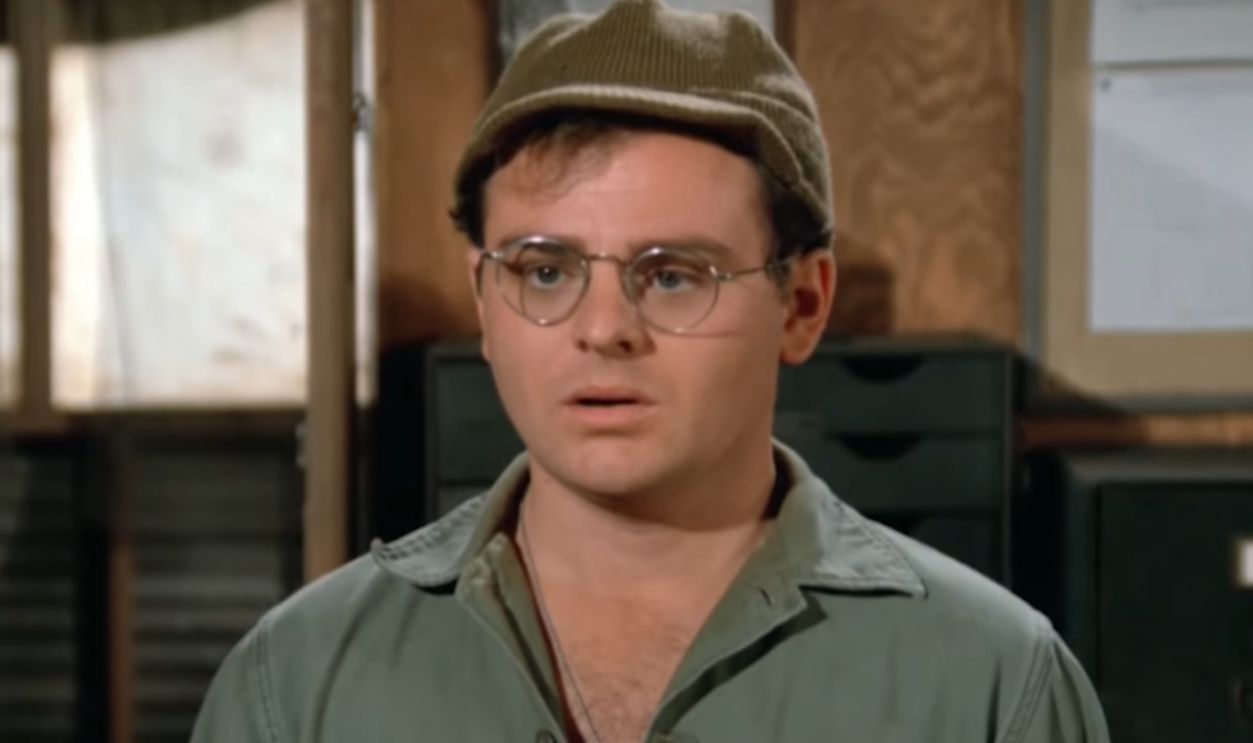 20th Century Fox, MASH (1972–1983)
Orange Is The New Black
Initially, Piper Chapman's unexpected trip to federal prison served as the ideal prism through which to examine the American penal system. As the audience's proxy, Taylor Schilling's affluent blonde persona underwent culture shock among viewers who were not accustomed to life behind bars.
 Netflix, Orange Is The New Black (2013–2019)
Orange Is The New Black (Cont.)
Netflix's groundbreaking series quickly discovered that its supporting inmates possessed far more compelling stories than its original protagonist. Crazy Eyes, Red, and Taystee gradually claimed larger portions of each episode, their backgrounds revealing systemic inequalities and personal tragedies that dwarfed Piper's relatively minor drug conviction.
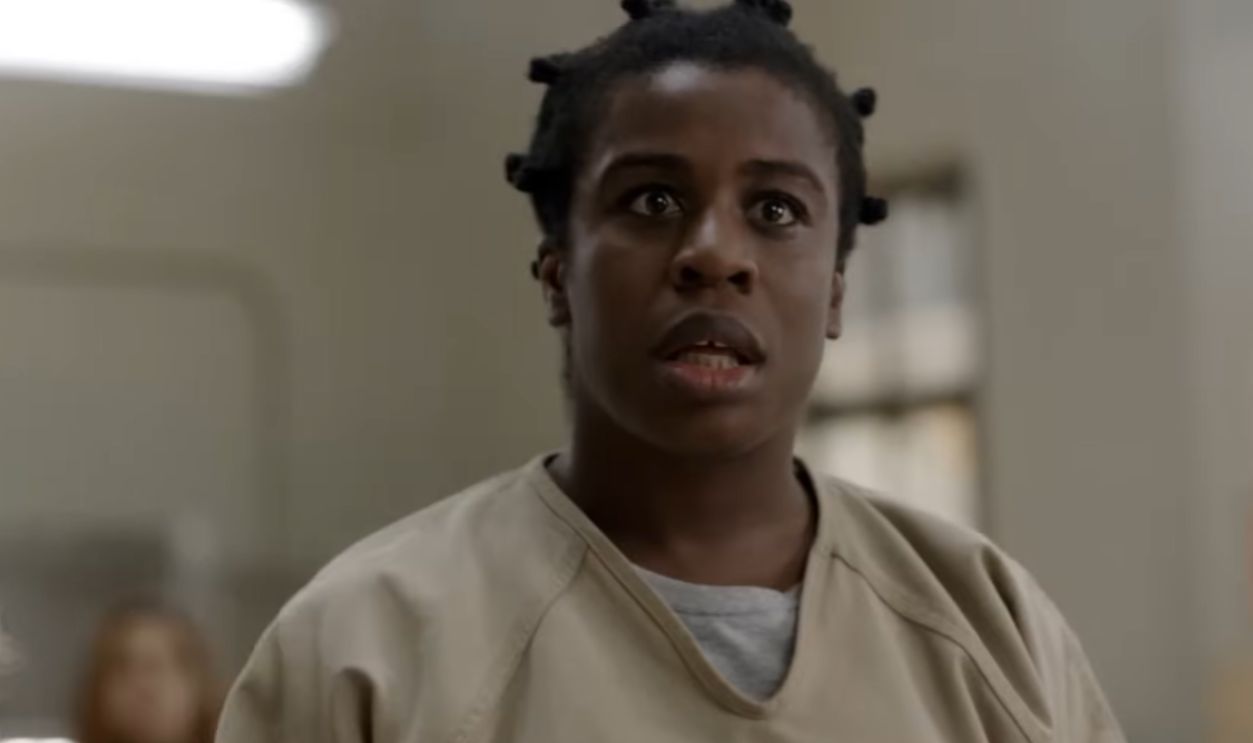 Netflix, Orange Is The New Black (2013–2019)
Parks And Recreation
The early seasons of Parks and Recreation struggled to find their identity, with Leslie Knope written as a somewhat delusional government worker whose boundless enthusiasm often fell flat. Critics and audiences found the show's tone inconsistent, particularly when compared to The Office's more cynical approach to workplace comedy.
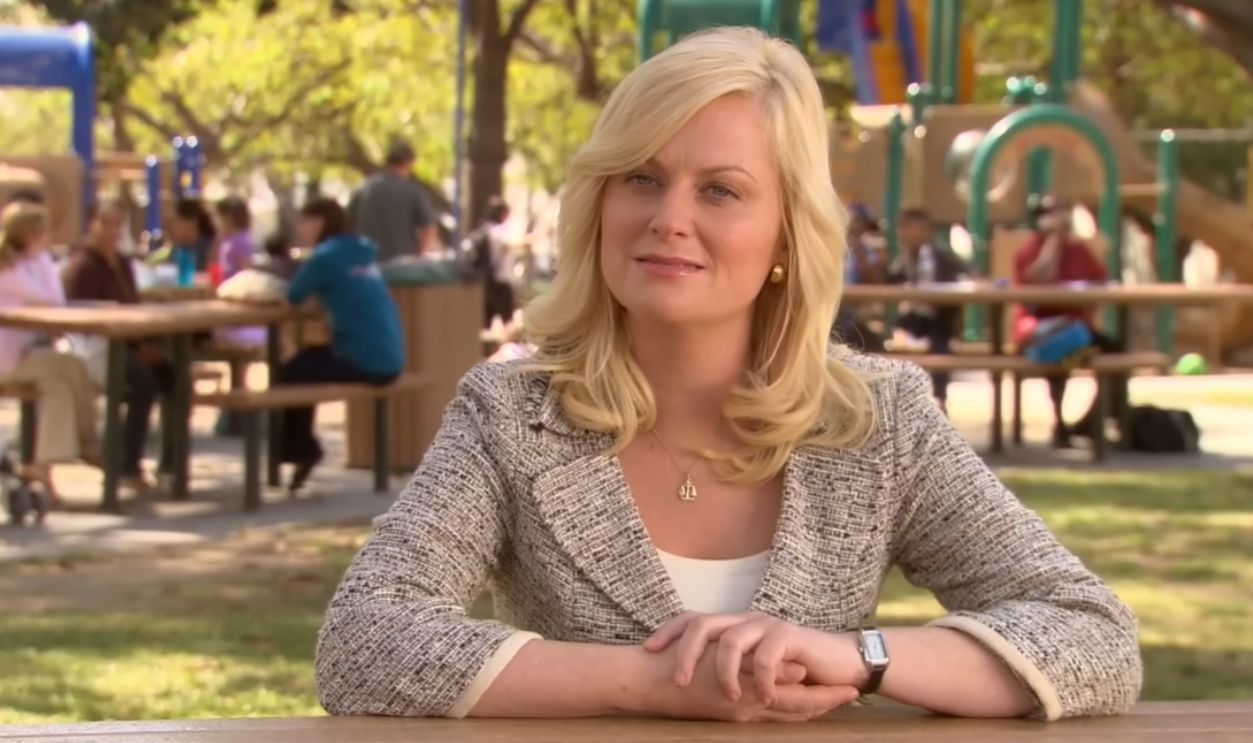 NBC, Parks And Recreation (2009–2015)
Parks And Recreation (Cont.)
Everything changed during Season 3 when the writers turned Leslie from a well-meaning bumbler into a competent, passionate public servant. Simultaneously, the supporting cast began receiving deeper character development and their own storylines. Ron Swanson's libertarian philosophy became equally important to the show's success.
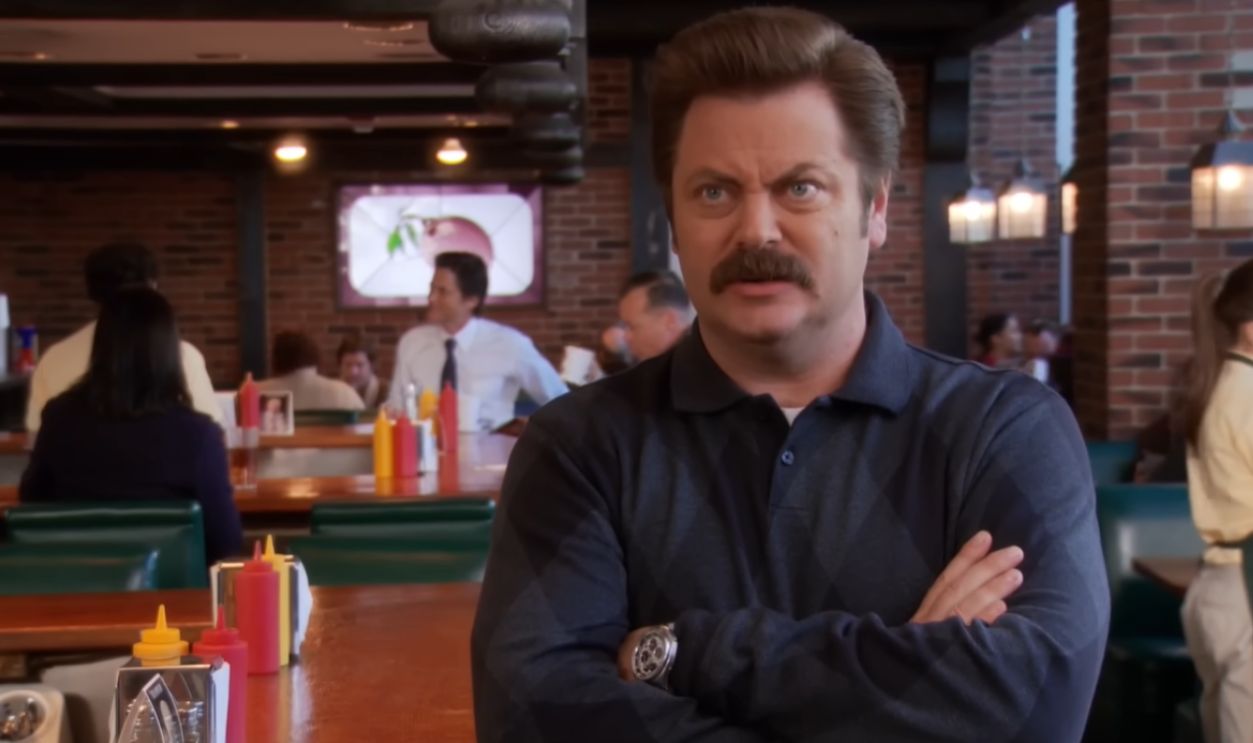 NBC, Parks And Recreation (2009–2015)
Brooklyn Nine-Nine
Remember the character Jake Peralta? He dominated Brooklyn Nine-Nine's first episodes with his immature detective antics and seemingly endless supply of pop culture references. The show initially relied heavily on Samberg's Saturday Night Live comedic sensibilities, positioning him as the clear protagonist.
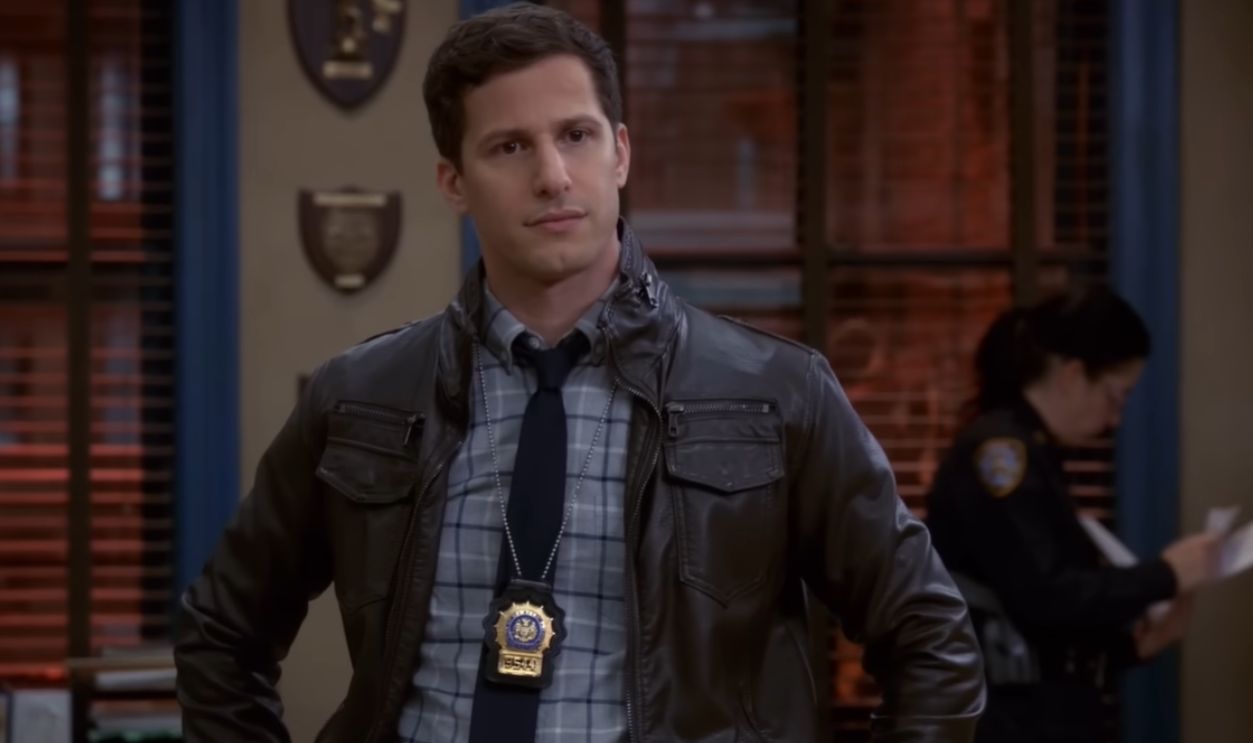 Fox, Brooklyn Nine-Nine (2013–2018)
Brooklyn Nine-Nine (Cont.)
It then began exploring the rich backgrounds of its supporting characters, particularly Captain Holt's struggles as a Black police captain and Rosa's mysterious personal life. By later seasons, episodes frequently centered on characters like Charles, Scully, or Terry, without involving Jake at all.
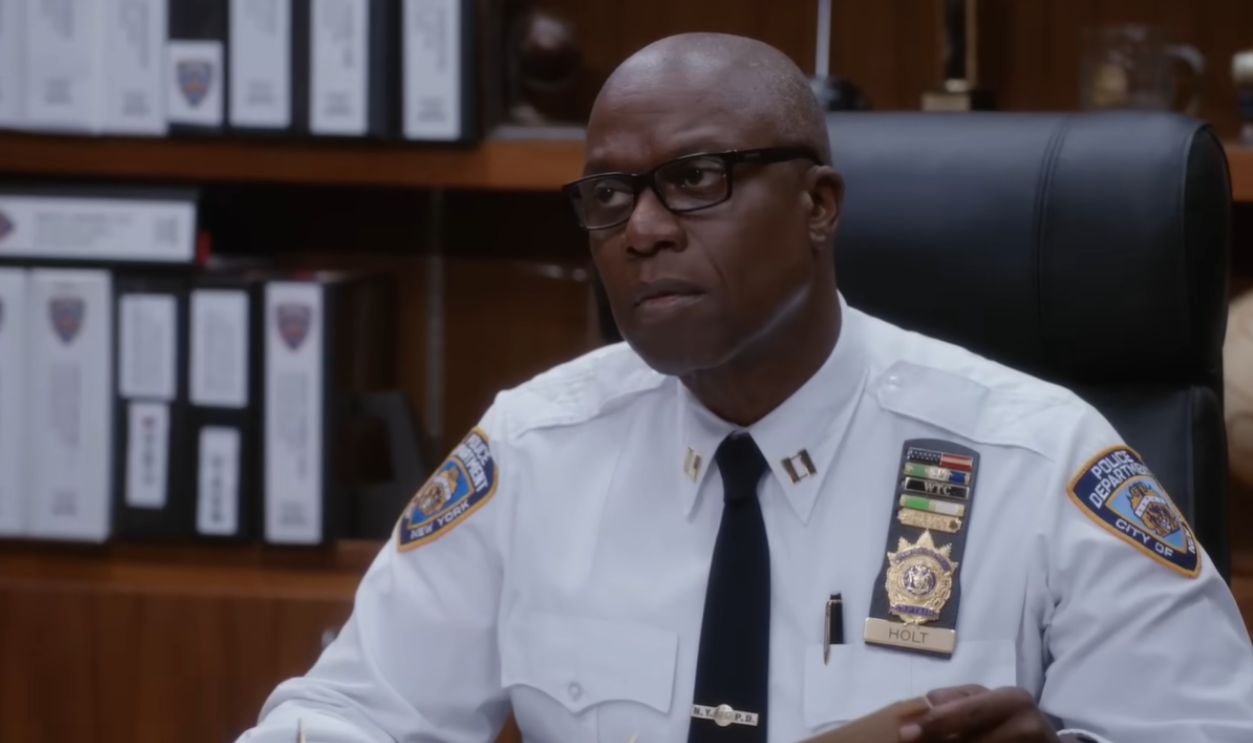 Fox, Brooklyn Nine-Nine (2013–2018)