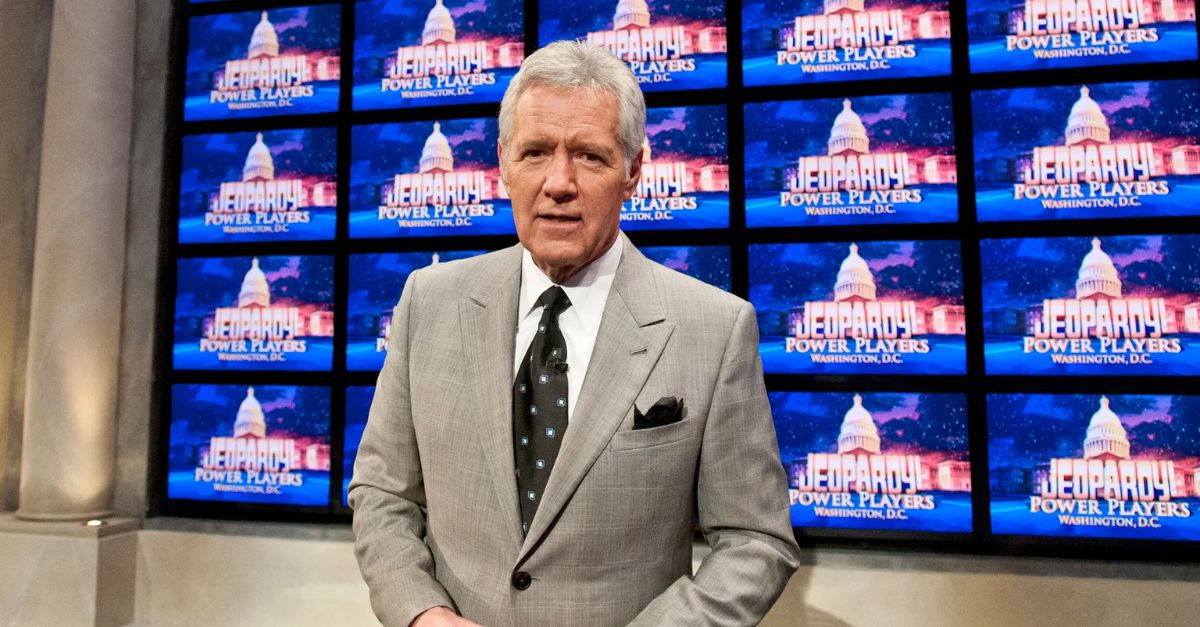
A Reluctant Hero Of Television
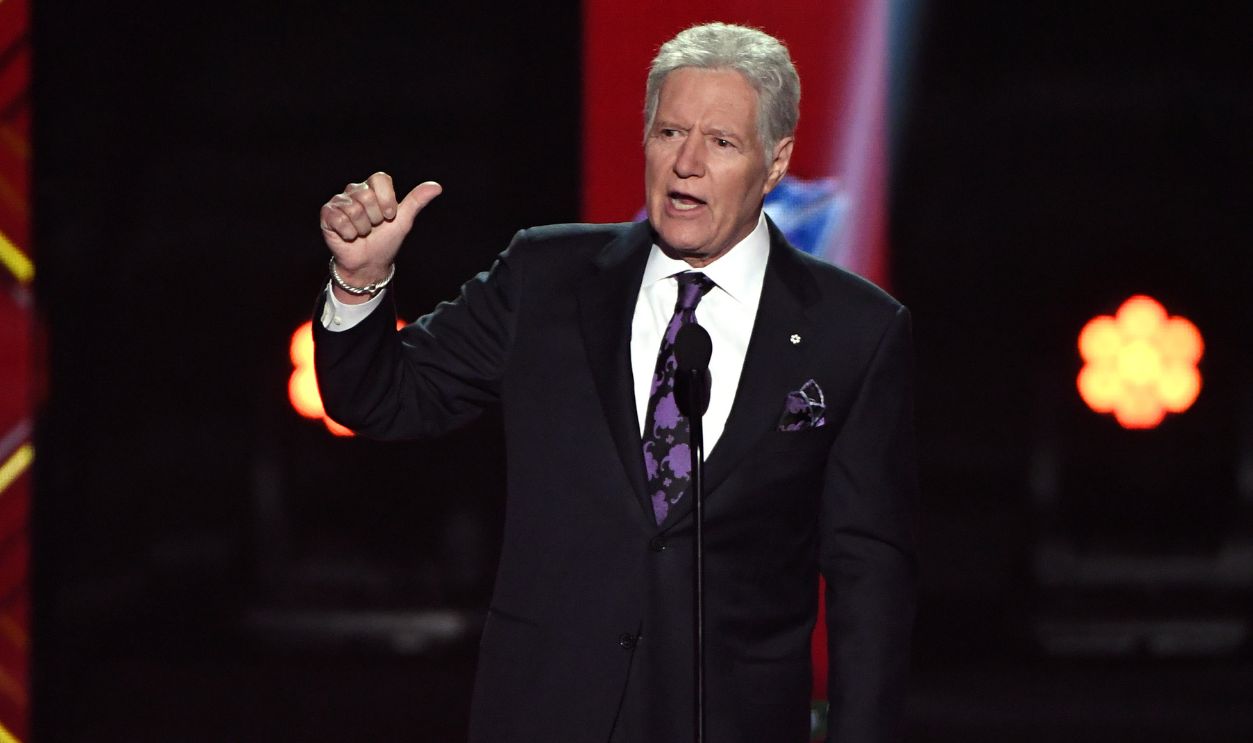
Before the illness, Alex Trebek was simply the steady voice of Jeopardy, the kind of host people trusted without thinking. When he kept working through cancer treatment, the spotlight shifted. His quiet toughness turned a familiar game show into something unexpectedly human.
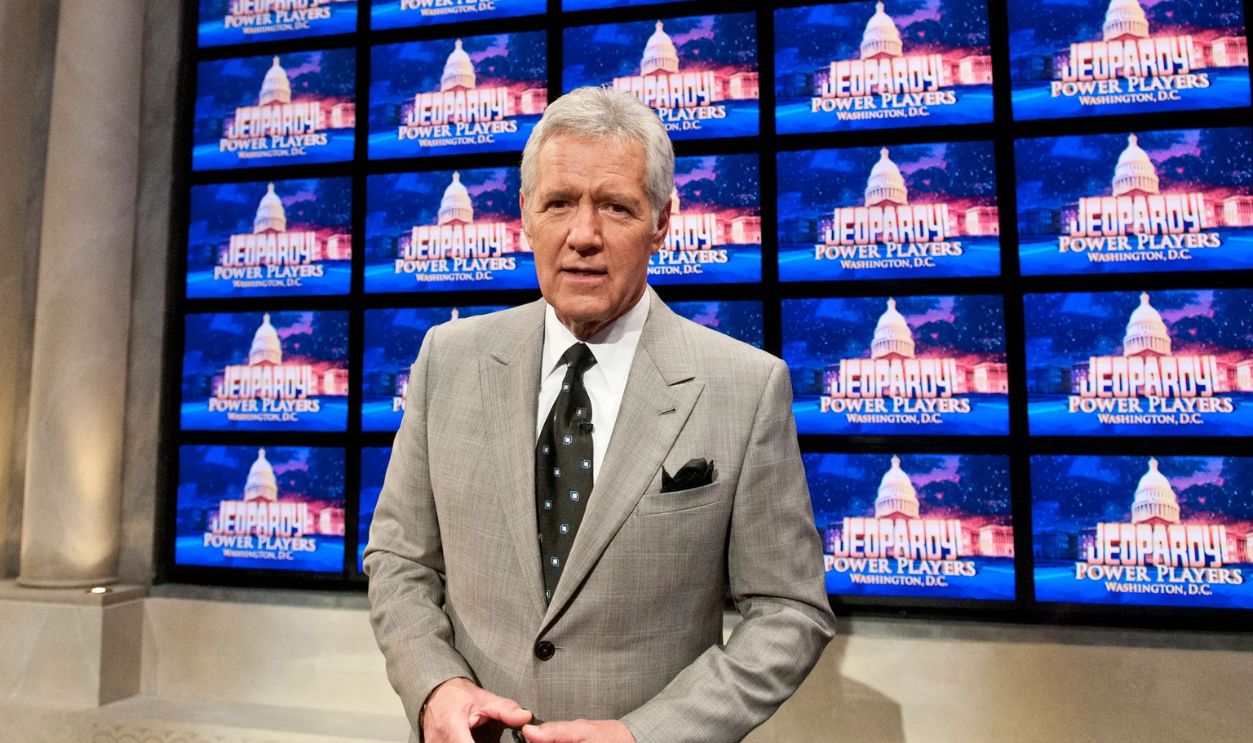
Who Alex Trebek Was Before Fame Found Him
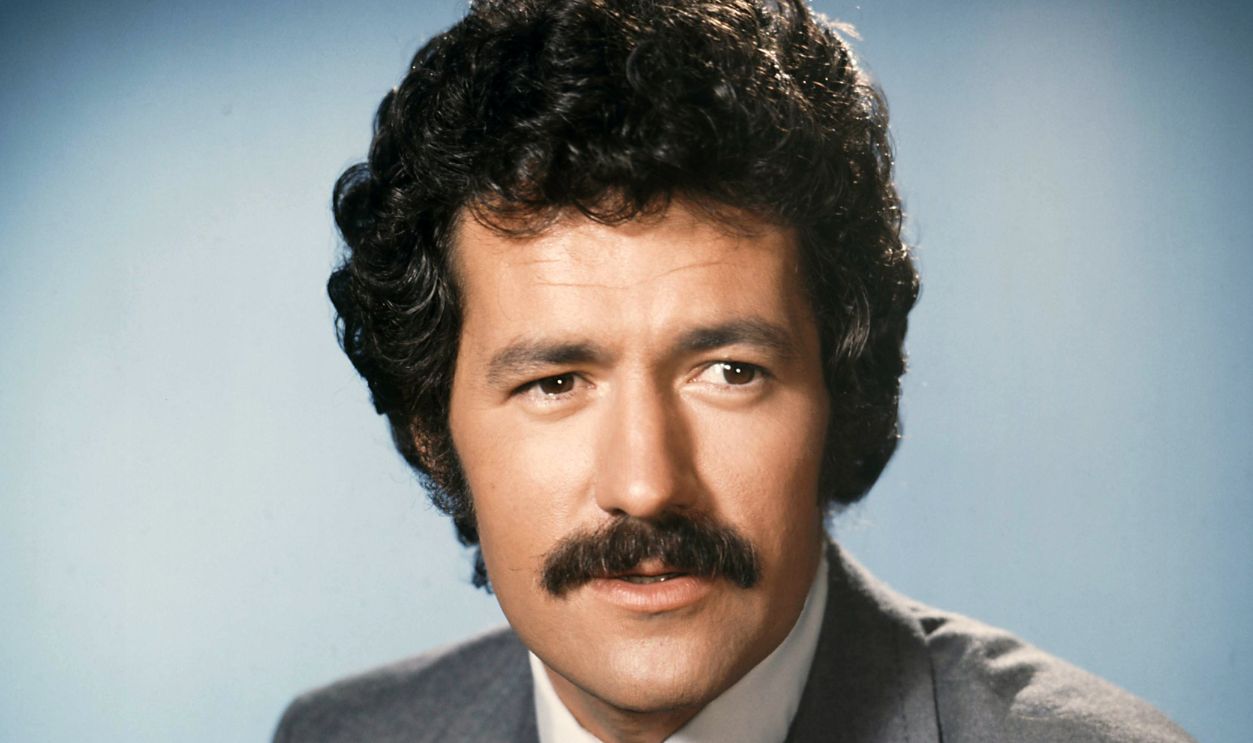
Alex Trebek grew up in Sudbury, Canada, where he studied philosophy and worked odd jobs to pay for school. He later entered broadcasting in the early 1960s and hosted quiz shows before Jeopardy existed. Long before fame, he built a reputation for discipline and curiosity.
 Michael Ochs Archives, Getty images
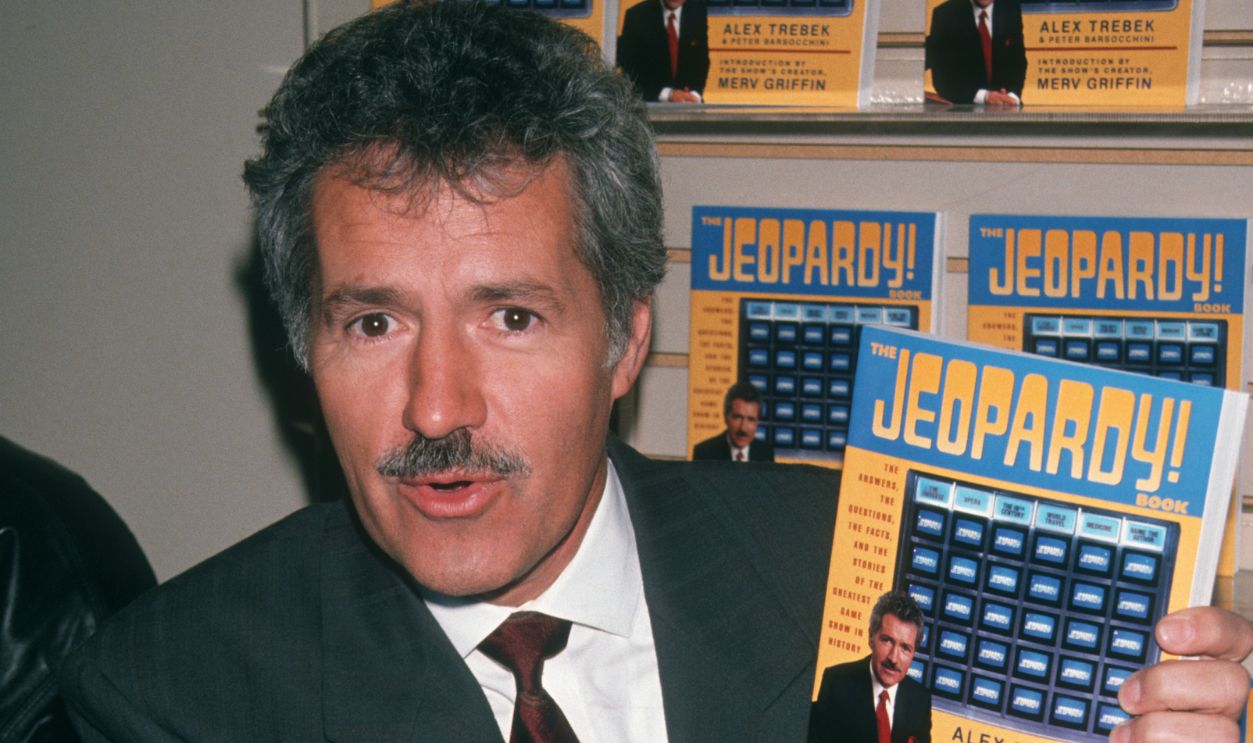
How Jeopardy Became A Television Powerhouse
Jeopardy began in the 1960s with an unusual twist: contestants received answers and had to respond in the form of a question. The format felt fast, clever, and fun. By the 1980s, the show had become a daily ritual for families across America.
 Ron Galella, Ltd., Getty images
Trebek’s Path To The Jeopardy Podium
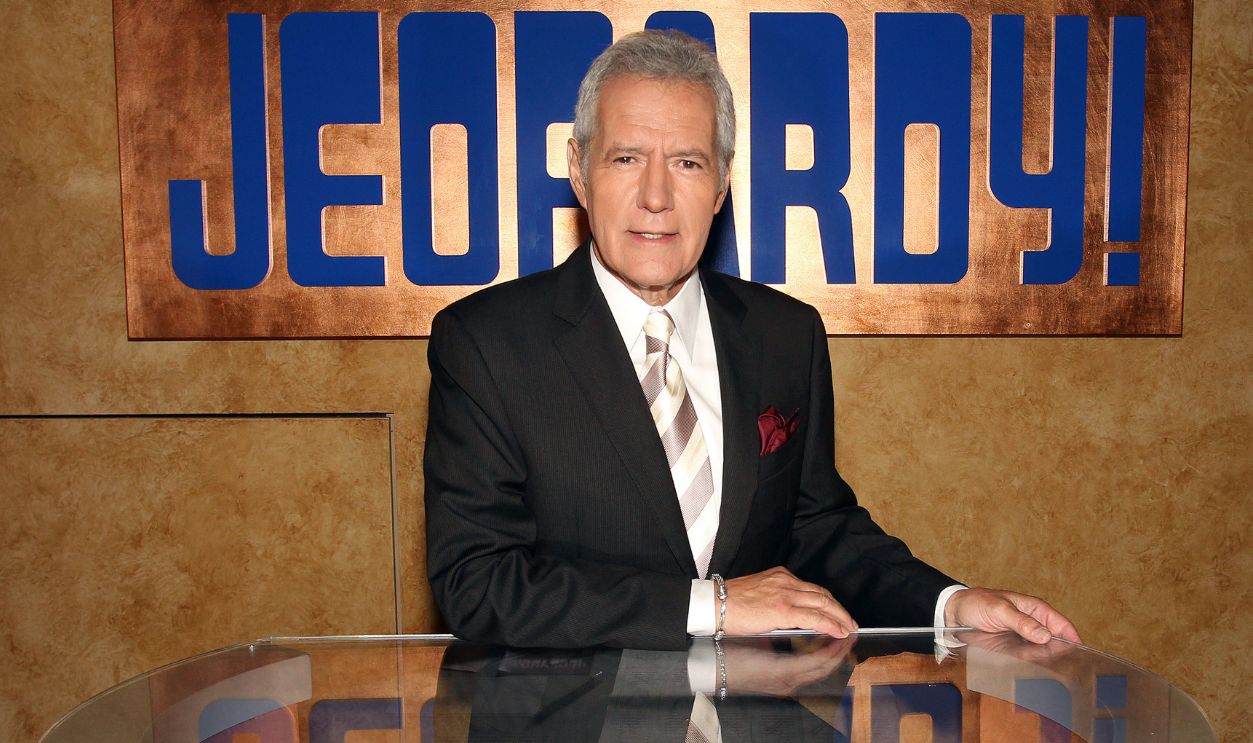
When Jeopardy returned in 1984, producers wanted a host who sounded fair and sharp without stealing the spotlight. Trebek fit perfectly. His steady voice, quick pacing, and respectful style helped set the show's tone from the very first modern-season episode.
 Frederick M. Brown, Getty images
Jeopardy’s Rise Under His Steady Presence
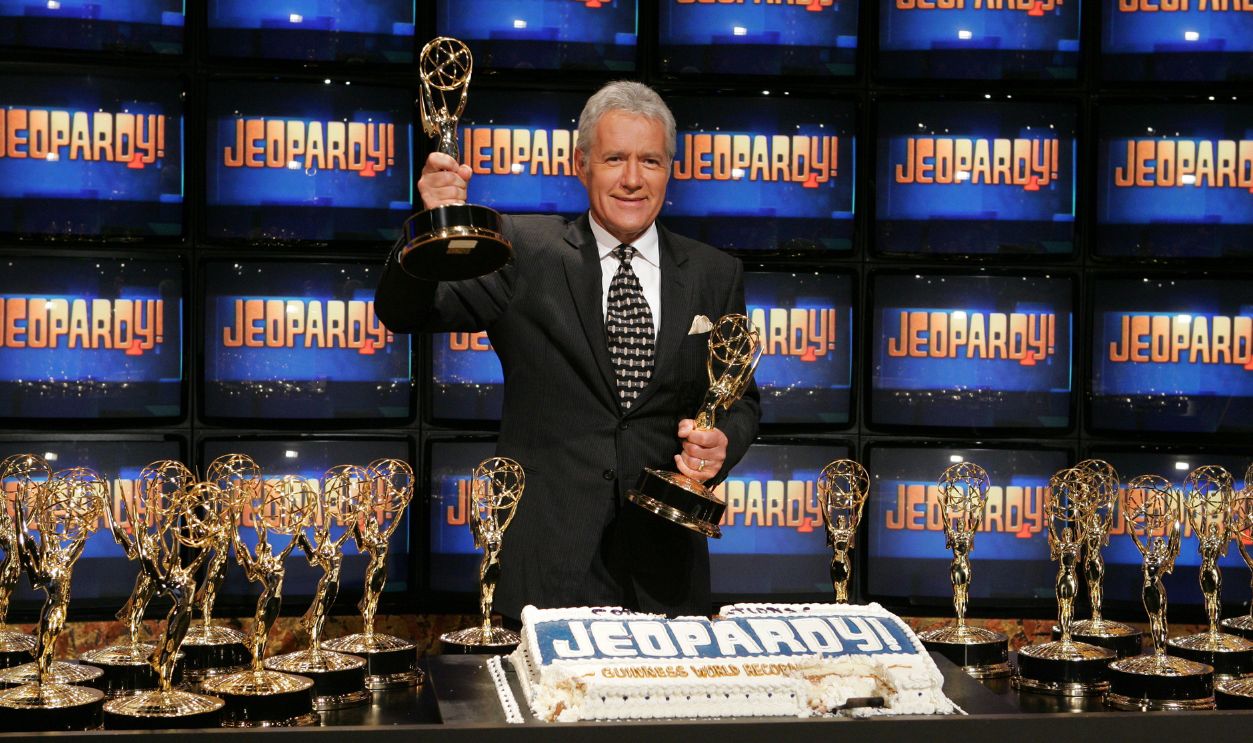
Trebek guided more than 8,000 episodes, creating the longest hosting run in American game-show history. His smooth delivery and gentle humor made viewers feel comfortable, and the show became a cultural anchor across generations. He turned trivia into something warm and inviting.
The Relationship Between Trebek And His Audience
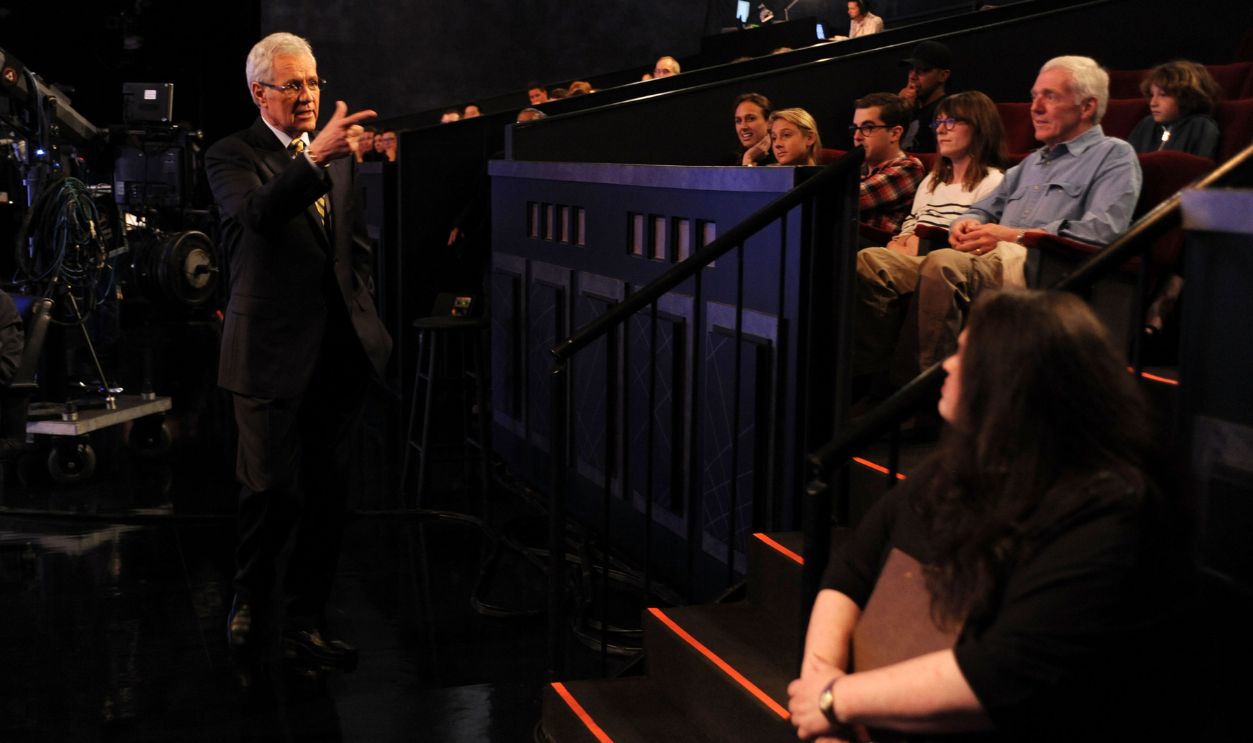
Viewers felt connected to Trebek because he treated everyone on the show with the same mix of respect and gentle humor. Families watched him during dinner, kids learned new facts from him, and older fans trusted his steady presence. He became a constant in people’s lives.
Trebek’s Professional Reputation Behind The Scenes
Colleagues described Trebek as precise and unbelievably prepared. He reviewed clues carefully and insisted on fairness during every taping. Crew members trusted his instincts because he never cut corners. Behind the polished smile was a host who took the job more seriously than most realized.
 U.S. Navy photo by Mass Communication Specialist 3rd Class Jarod Hodge, Wikimedia Commons
A Look At Trebek’s Long Tenure On Jeopardy
Trebek hosted the show for thirty-six years, longer than any other American game-show host in history. He guided thousands of contestants and taped episodes at a pace few could match. His tenure shaped how Jeopardy looked and felt for generations.

The Shock Of His Stage 4 Pancreatic Cancer Diagnosis
Stage 4 pancreatic cancer is difficult to treat because symptoms appear late. When Trebek announced his diagnosis in 2019, fans were stunned. He remained calm in the video, even smiling as he explained the challenge ahead. His honesty softened a moment that could have felt unbearable.

Trebek’s Public Announcement And What It Meant
In his announcement, Trebek promised to keep working and asked viewers to continue supporting him. That message traveled everywhere within hours. People admired how he spoke plainly, without pity or drama. It became a turning point where the public began seeing him beyond the role of host.

Why He Chose To Keep Working After The Diagnosis
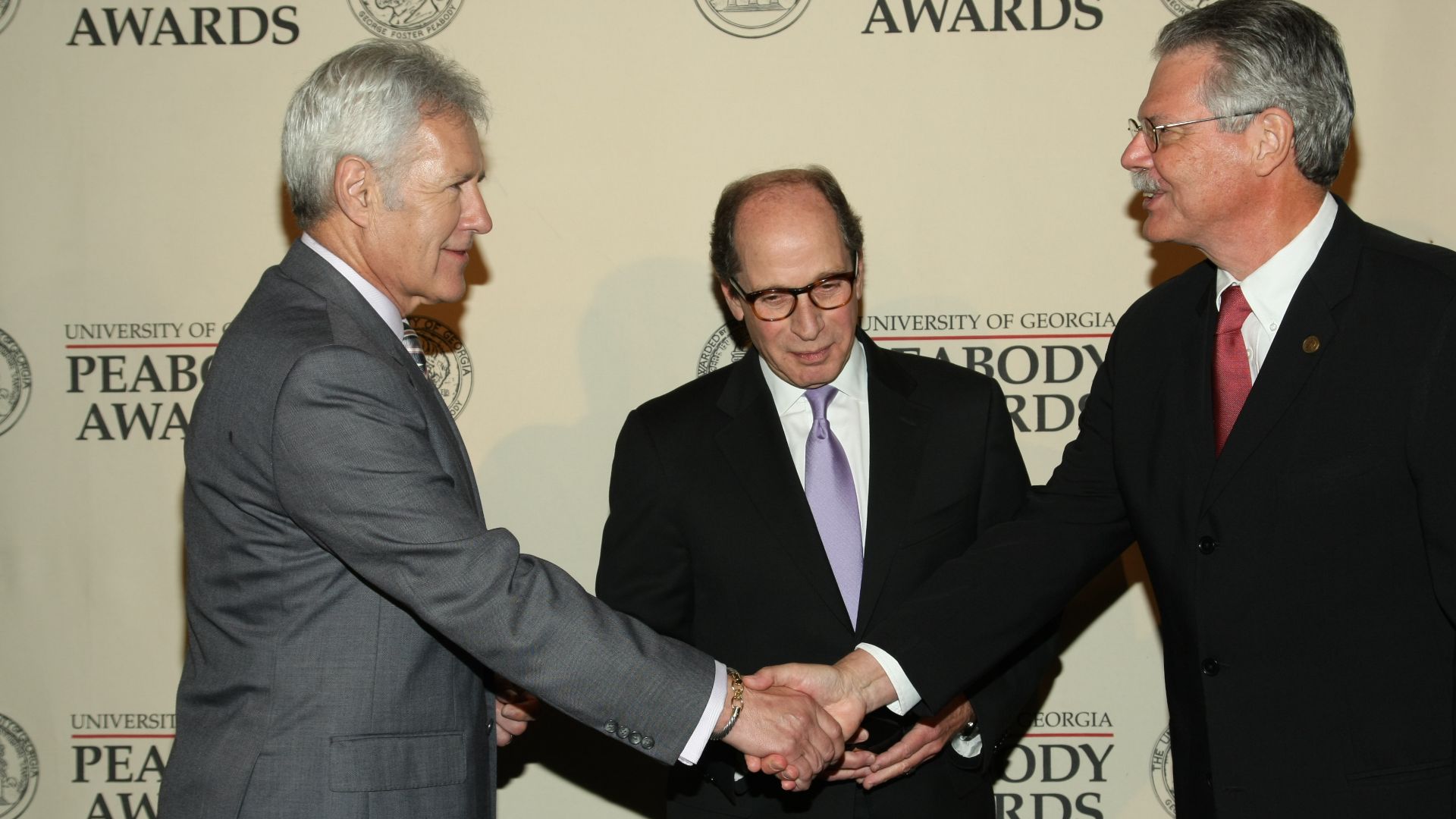
Trebek said hosting gave him purpose. The routine, the questions, the familiar studio rhythm all helped him stay grounded during treatment. He believed stepping away would make him feel worse. Continuing to work wasn’t about toughness alone; it was about holding onto something meaningful.
 Peabody Awards, Wikimedia Commons
The Emotional Weight Of Taping Jeopardy While Ill
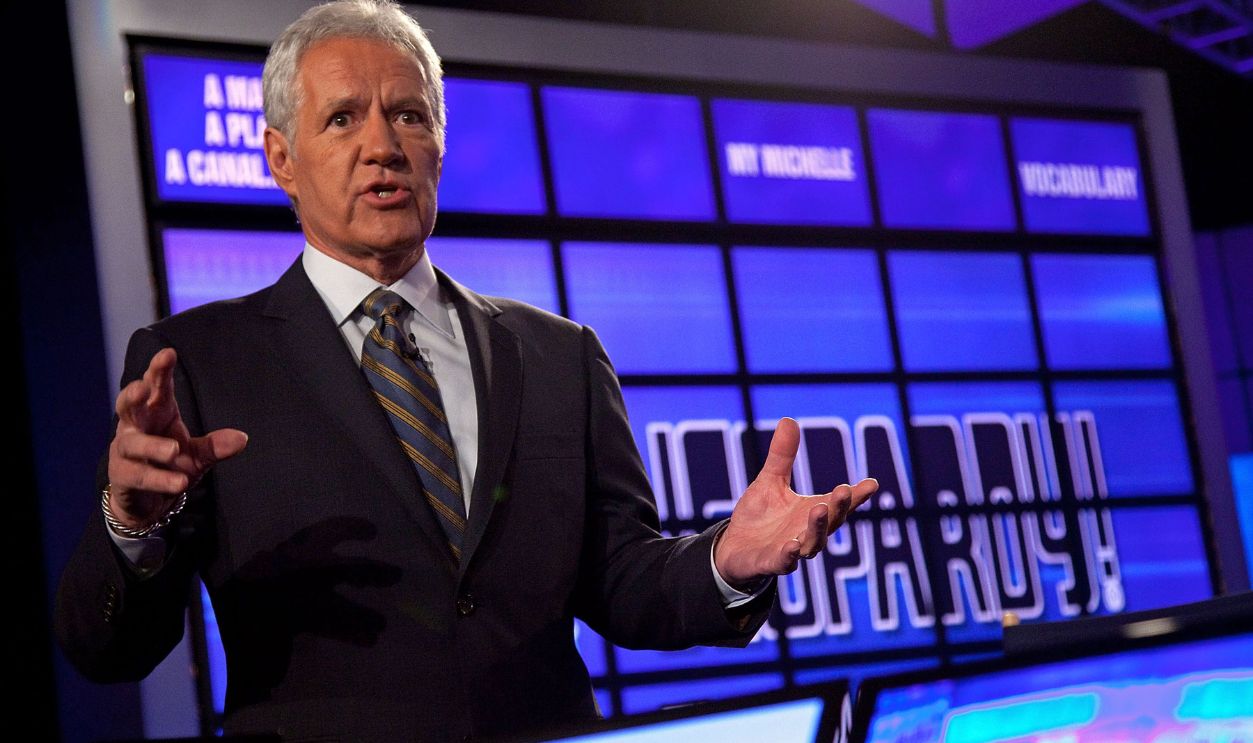
Chemotherapy left Trebek exhausted, yet he stood at the podium for long taping days. Makeup artists covered redness from treatment, and crew members noticed him gripping the lectern for balance during difficult moments. He pushed through quietly, determined not to distract from the game he loved.
Behind The Scenes Adjustments To Keep Him Comfortable
Producers reshaped the filming routine so that Trebek could rest between rounds. He sat off-camera during breaks and used small comforts like water to manage treatment effects. Lighting changes and gentler pacing allowed him to save energy while keeping the show’s rhythm intact.

How Contestants Responded To Seeing Him Struggle
Contestants noticed his slower steps and softer voice, yet many kept their reactions private until after taping. Some thanked him quietly, others shared personal stories about family members with cancer. Their respect created a gentle atmosphere on set, reminding Trebek that his effort truly mattered.

Trebek’s Refusal To Miss A Single Show
Trebek taped every scheduled episode, even on the hardest treatment days. He believed consistency mattered for viewers who relied on the show’s routine. Crew members later said they never heard him complain. His determination turned everyday tapings into small acts of courage.
 The Washington Post, Getty images
Balancing Hope With Honesty On Camera
He didn’t hide his condition, but he also didn’t let it dominate the show. He spoke plainly when updates were needed and kept the rest of the episode focused on the clues. That balance made viewers feel informed without feeling overwhelmed by his illness.
 Frederick M. Brown, Getty images
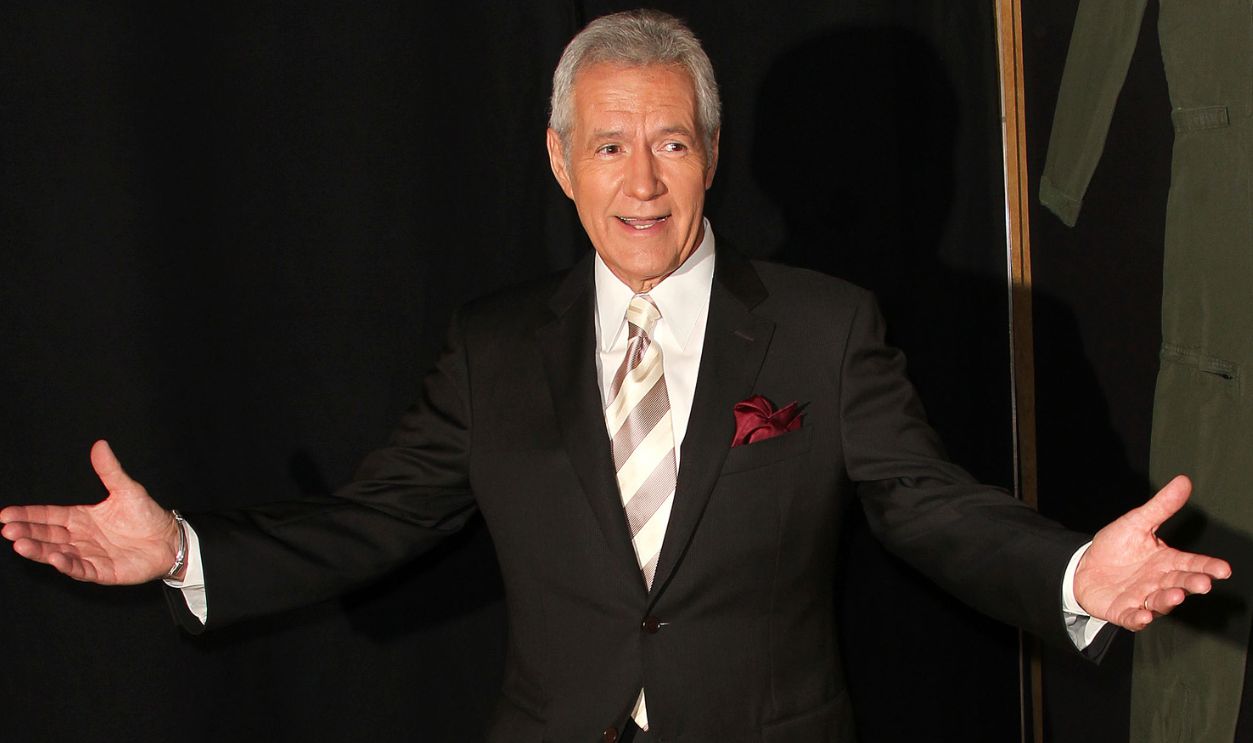
The Iconic Episode Where A Contestant Wrote “We Love You, Alex”
During Final Jeopardy, a contestant used his answer space to send Trebek a heartfelt message. Trebek paused, visibly moved, before continuing the game. The moment spread across the country because it captured the bond between a host and the people he guided for decades.
Trebek’s Approach To Treatment And Private Struggles
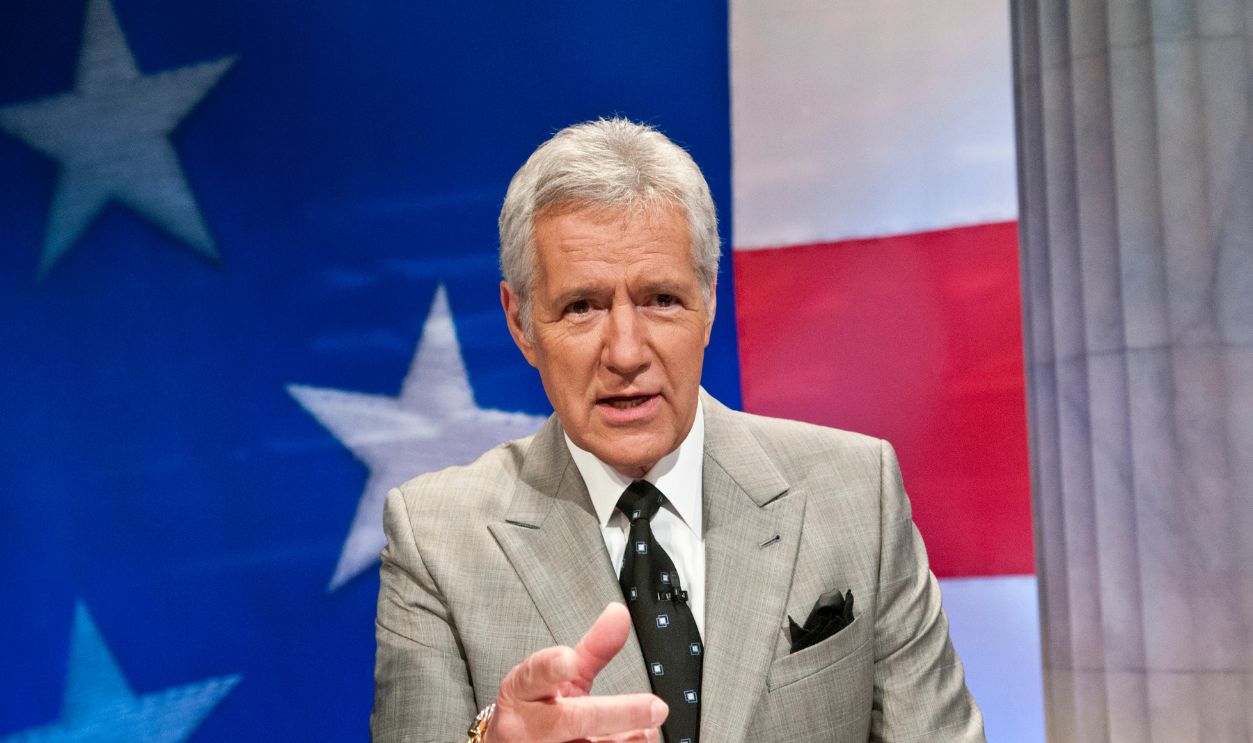
Away from the cameras, Trebek faced nausea and days when standing felt difficult. He tried different treatment combinations and spoke honestly about setbacks. At home, he leaned on small routines—resting and quiet time with family—to stay grounded through unpredictable symptoms.

The Role His Wife And Family Played During His Battle
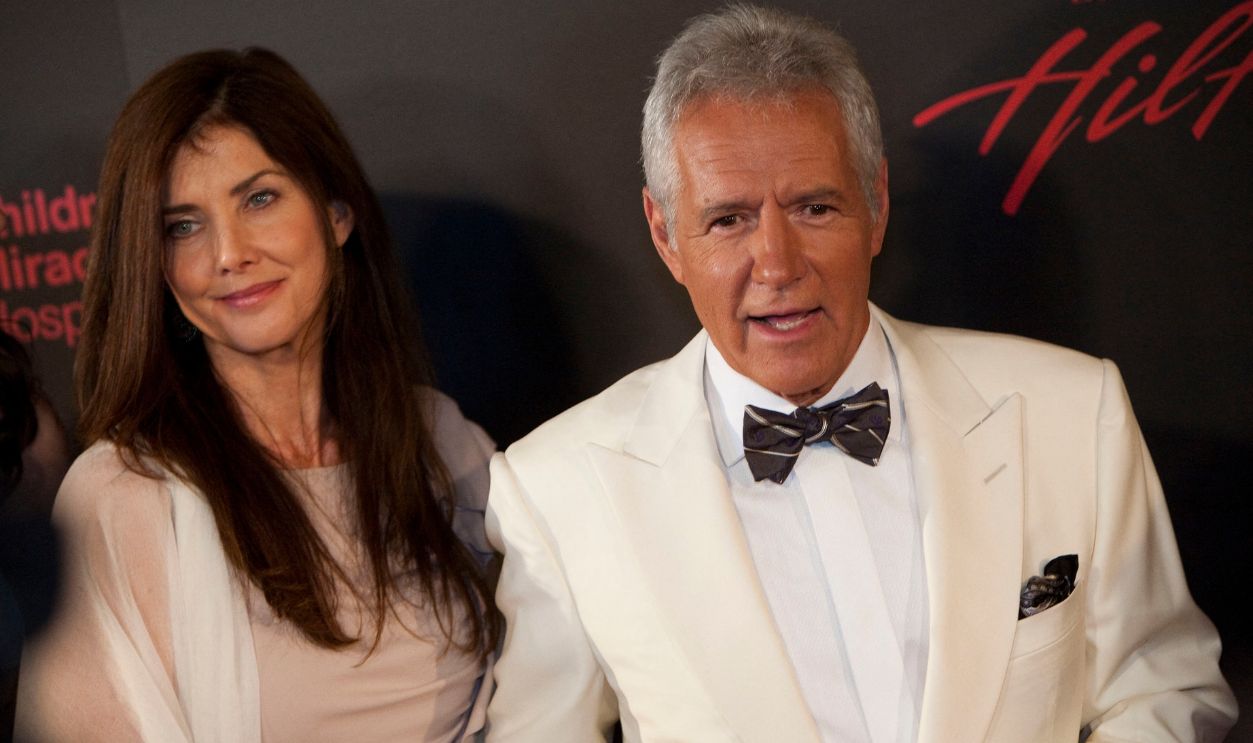
At home, Trebek leaned on his wife, Jean, and their children for steadiness. They kept his world quiet, helped him manage the hardest treatment days, and protected his privacy. Their support gave him the strength to return to the studio with a calm face.
 ADRIAN SANCHEZ-GONZALEZ, Getty images
The National Outpouring Of Support From Fans
Letters arrived by the thousands, carrying stories from families who watched Jeopardy together. Social media filled with encouragement and gratitude. Trebek read many of the messages himself. The support reminded him how deeply viewers cared and gave him a sense of community during uncertain months.
 Michael Tullberg, Getty images
How He Continued Hosting During The Pandemic
Jeopardy halted taping when COVID arrived, then returned with strict safety rules. Trebek hosted with spaced-out contestants, a smaller crew, and extra precautions around the set. He told producers he felt the show mattered during a stressful time, and he wanted to keep guiding viewers.
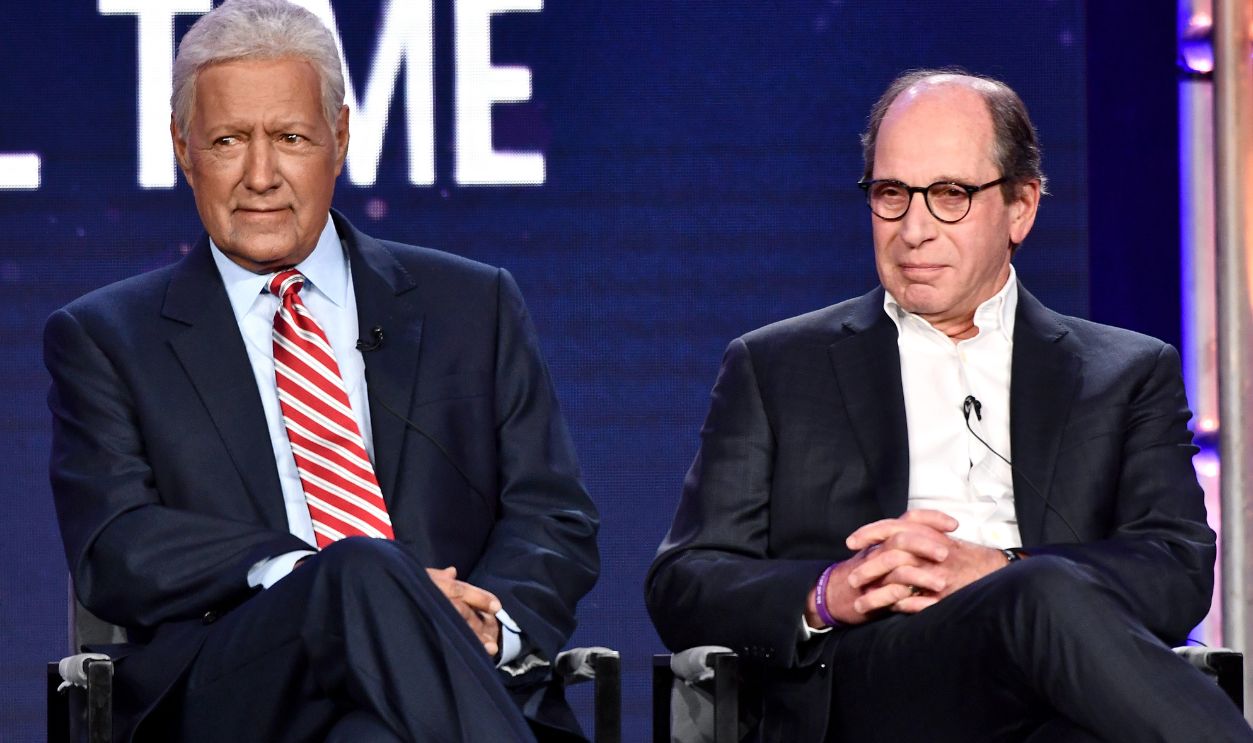
His Final Months At The Podium
Trebek’s voice grew softer and his movements slower, yet his focus stayed sharp. Crew members noticed him gathering energy before each taping, almost like an athlete preparing for a final stretch. He delivered clues with the same calm tone viewers recognized instantly.
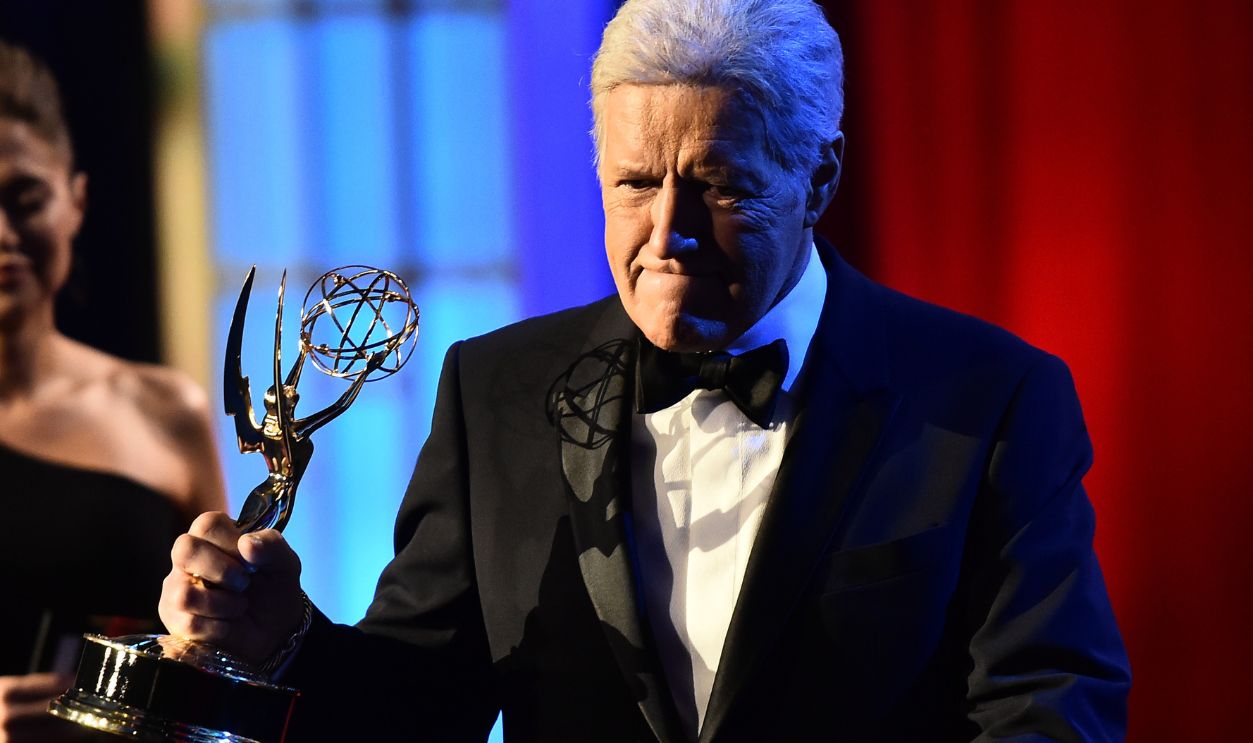
The Final Episode He Hosted And Its Power
Trebek recorded his last episode on October 29, 2020, just ten days before he died. The taping looked routine, but his words carried unusual weight. He ended with a calm holiday message asking viewers to care for one another, creating a moment that felt deeply personal.
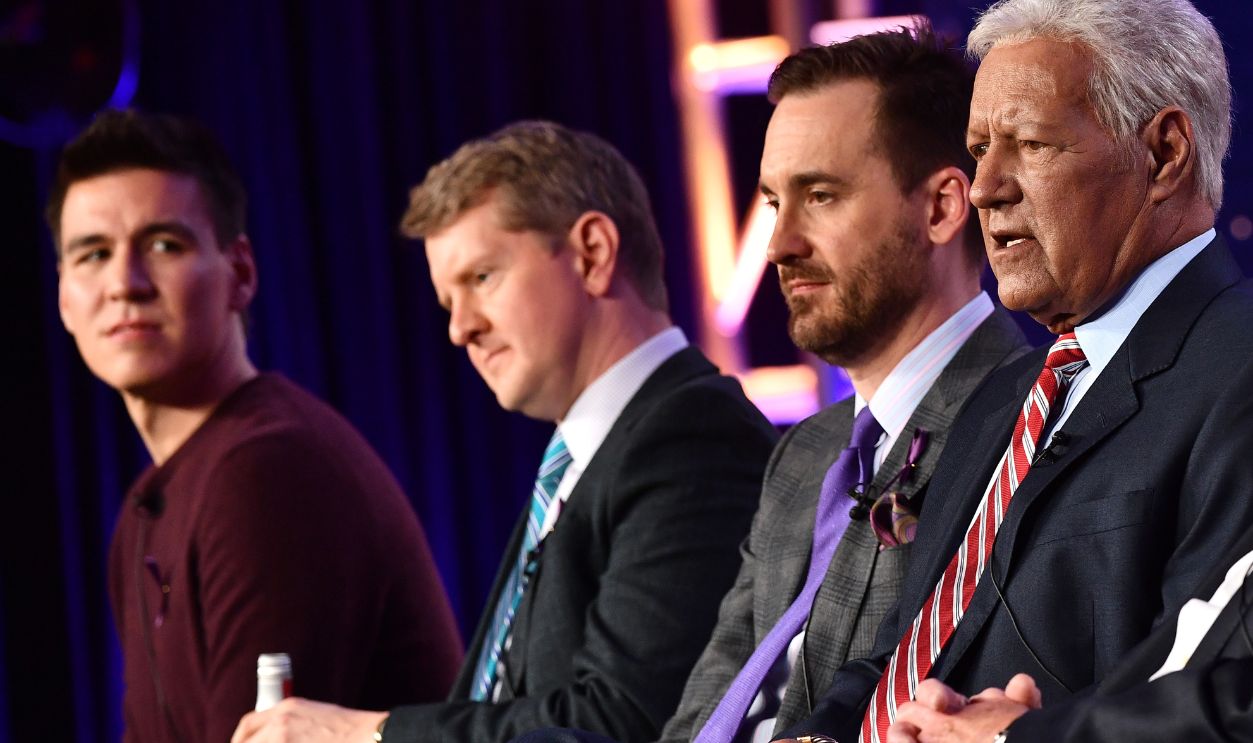
The Cultural Reaction To His Passing
When news of Trebek’s death was released, tributes appeared across television, classrooms, and social media. Former contestants shared stories about his kindness, and families posted memories of watching him together. The response showed how deeply a quiet, steady presence had shaped everyday life in America.

The Enduring Legacy Of Alex Trebek
Alex Trebek left behind more than years of episodes. He showed how dignity and consistency can feel powerful on television, even without big speeches or dramatic moments. His work shaped Jeopardy’s spirit and created a model for hosting built on fairness, curiosity, and genuine respect for viewers.