When Peak TV Peaked
The 2010s didn’t just give us more television, they gave us better television. This was the decade where streaming exploded, cable doubled down on ambition, and even network TV decided to take bigger swings. In short, TV stopped playing it safe—and we all benefited. From surreal experiments to deeply human stories, the small screen became the most exciting place for storytelling. If you ever needed proof, these shows make a pretty compelling case.
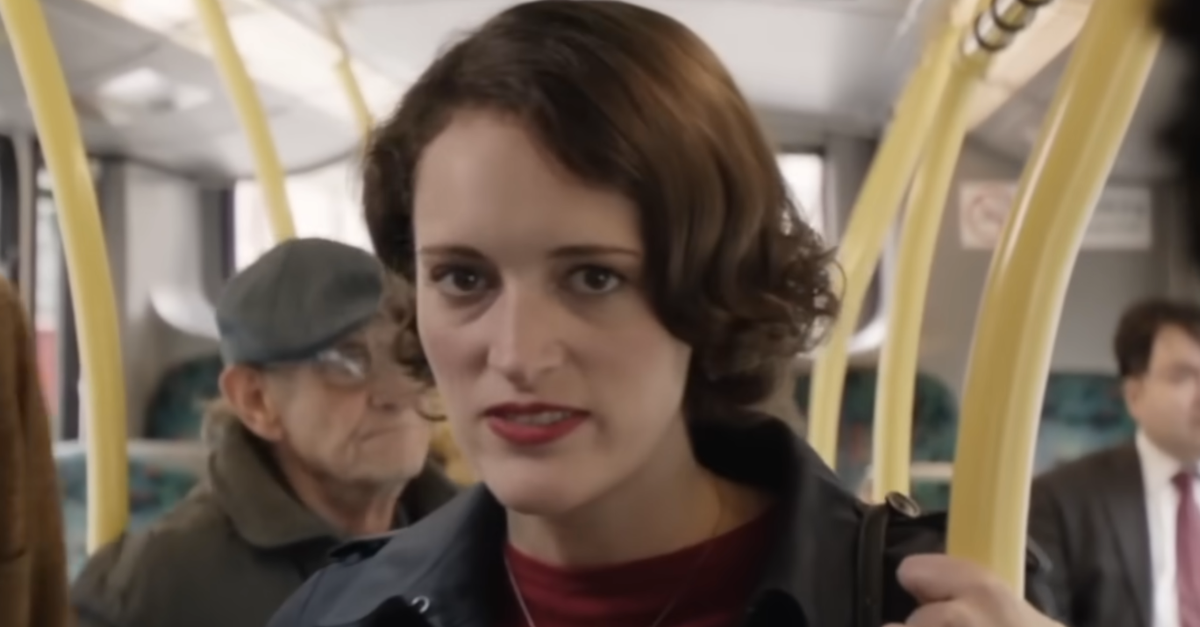
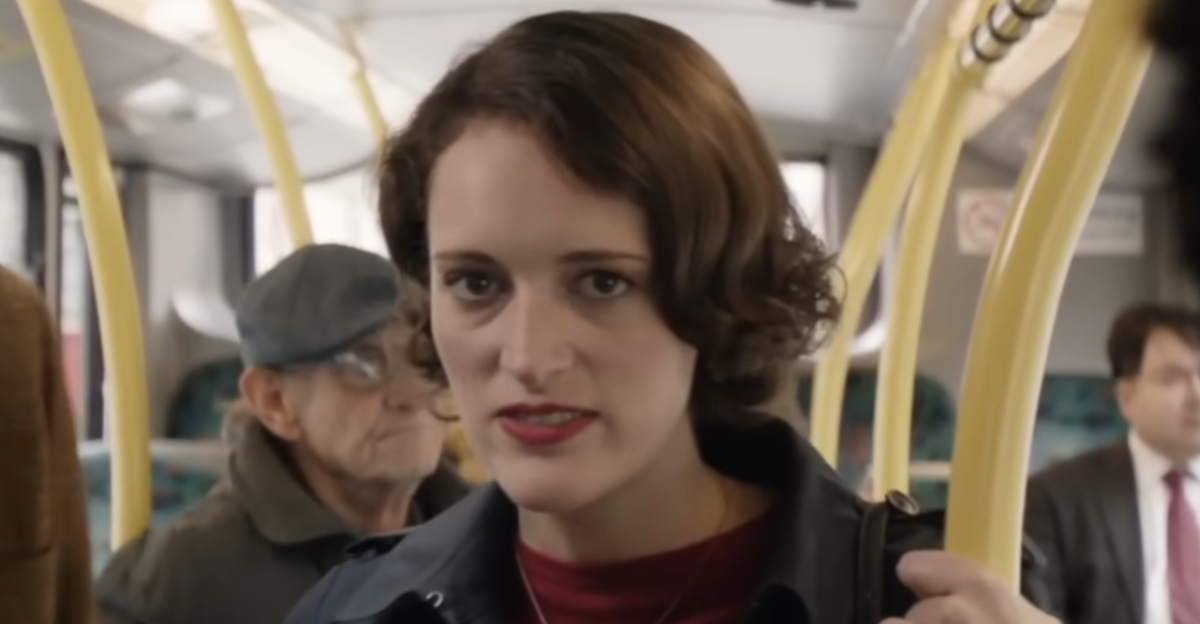 Screenshot from Fleabag, Prime Video
The Leftovers
Few shows dared to sit with grief the way The Leftovers did. Its premise—a mysterious disappearance of 2% of the world’s population—was almost secondary to the emotional wreckage left behind. Instead of offering easy answers, it leaned into discomfort, ambiguity, and raw human pain. By the end, it somehow turned all that heaviness into something strangely cathartic.
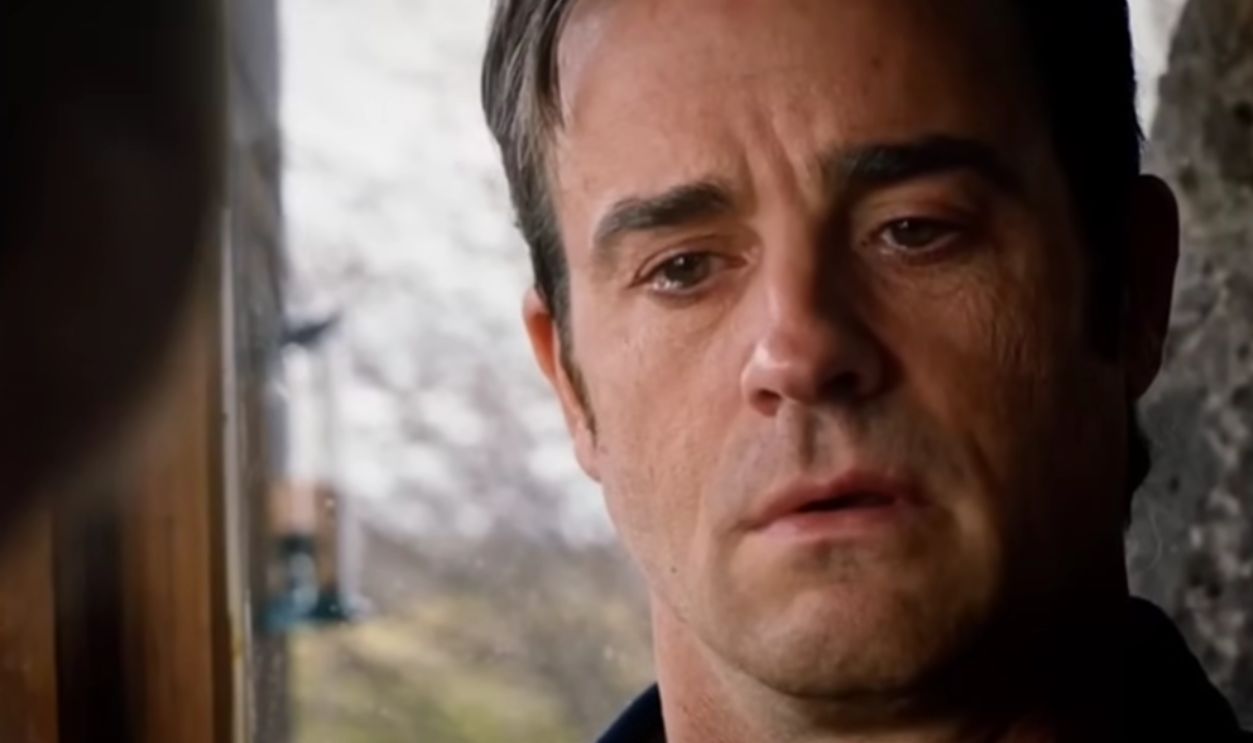 Screenshot from The Leftovers, HBO (2014 - 2017)
Parks and Recreation
What started as a shaky workplace comedy evolved into one of the warmest, funniest shows of the decade. Once it found its voice, Parks and Recreation became an ode to optimism, friendship, and public service. Leslie Knope wasn’t just funny—she was aspirational in a way sitcom characters rarely are. It’s the kind of show that makes you feel better about people.
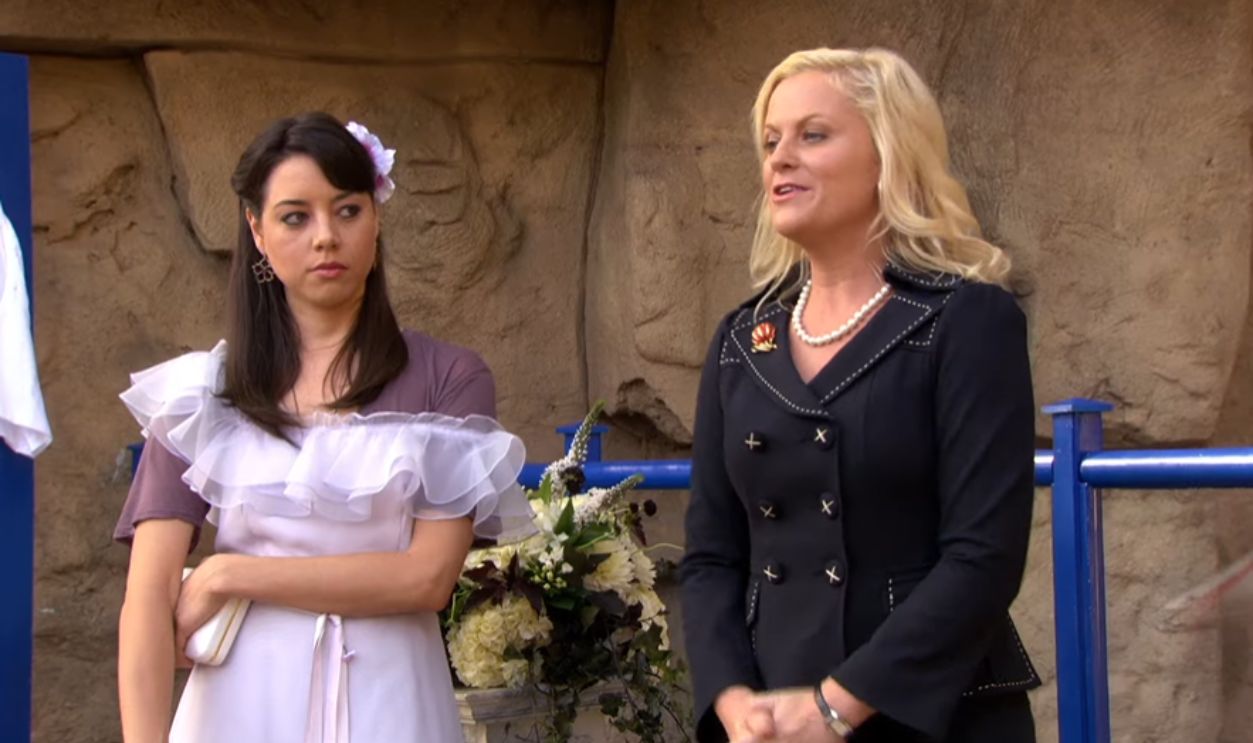 Screenshot from Parks and Recreation, NBC (2009-2015)
Breaking Bad
While it technically began before the decade, Breaking Bad hit its peak in the 2010s—and what a peak it was. Walter White’s transformation from mild-mannered teacher to ruthless kingpin remains one of TV’s most compelling character arcs. The show balanced intense, edge-of-your-seat storytelling with a slow, devastating moral unraveling. Even years later, it still feels like the gold standard for prestige drama.
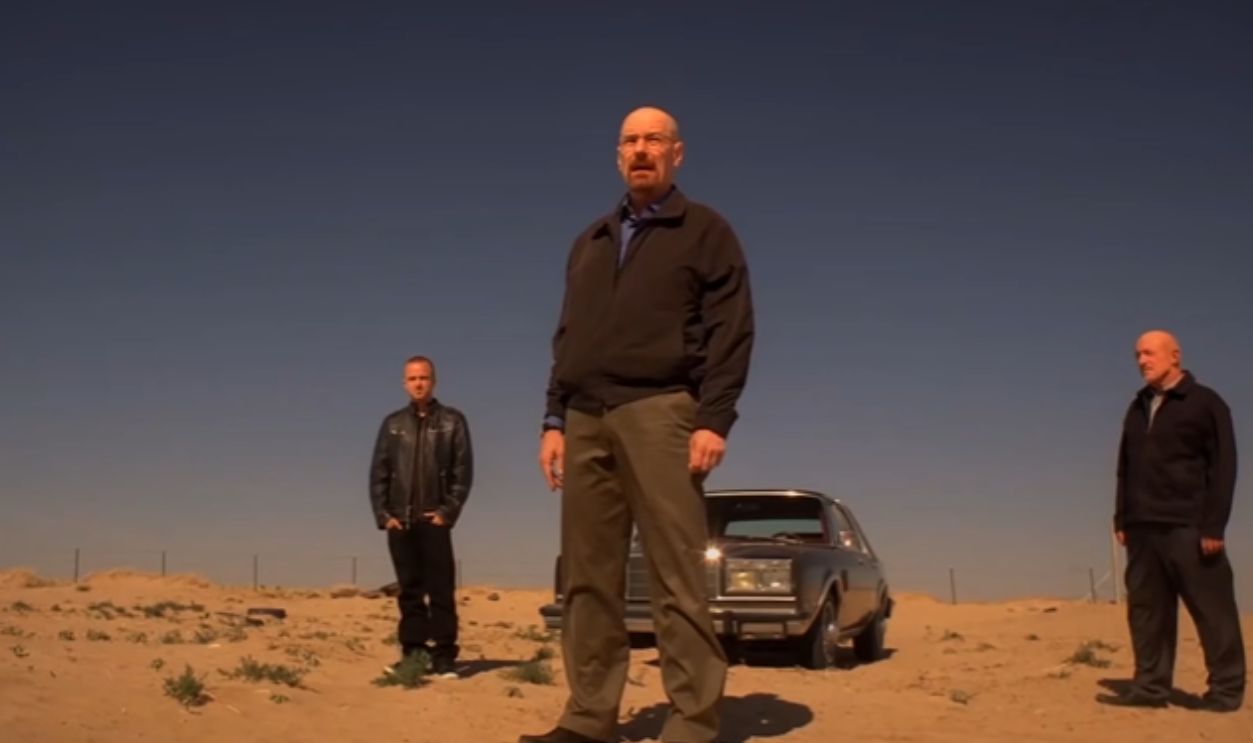 Screenshot from Breaking Bad, Sony Pictures Television (2008-2013)
BoJack Horseman
At first glance, it looked like a goofy animated satire about a washed-up sitcom horse. Then it quietly became one of the most emotionally honest shows ever made. BoJack Horseman tackled addiction, depression, and self-sabotage with brutal clarity, while still delivering absurd comedy. It had no business being this funny and this heartbreaking at the same time—but it pulled it off anyway.
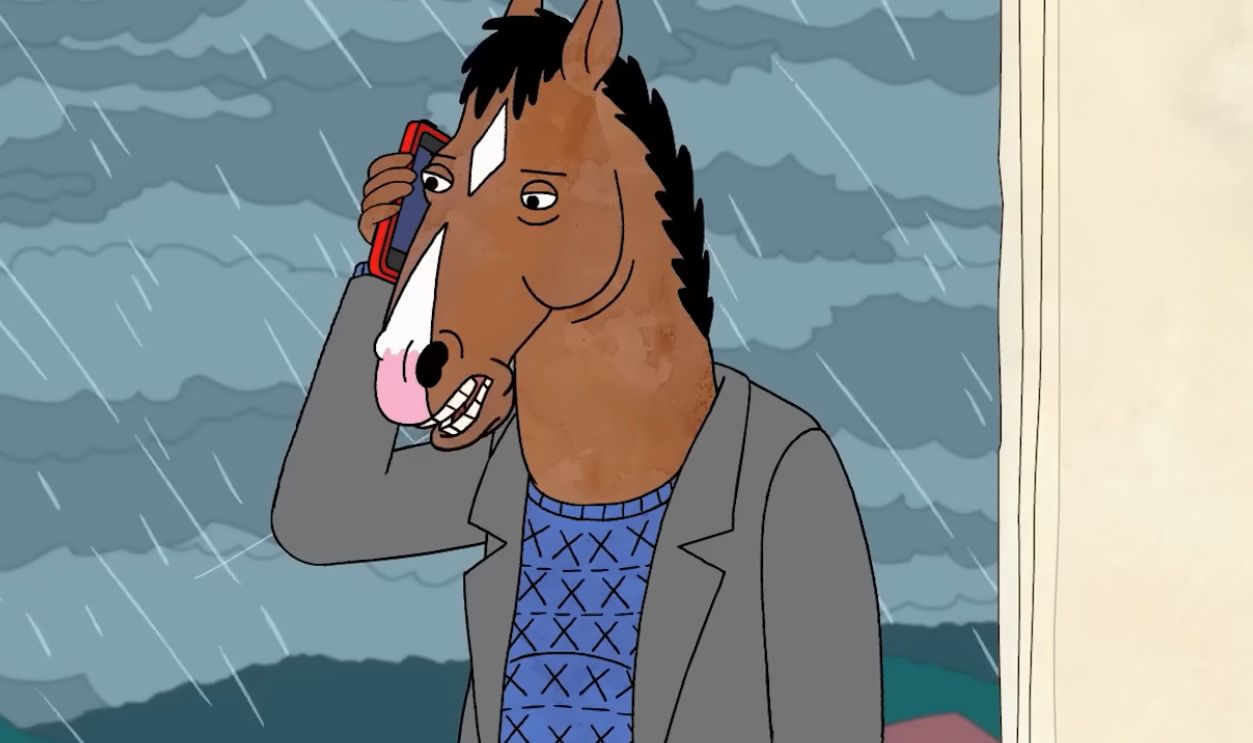 Screenshot from BoJack Horseman, Netflix (2014–2020)
Fleabag
Phoebe Waller-Bridge’s Fleabag somehow made fourth-wall breaking feel fresh again. The show was messy, hilarious, and painfully real, following a woman who constantly got in her own way. Its second season elevated everything—especially with the now-iconic “hot priest” storyline. By the time it ended, it felt complete in a way most shows never achieve.
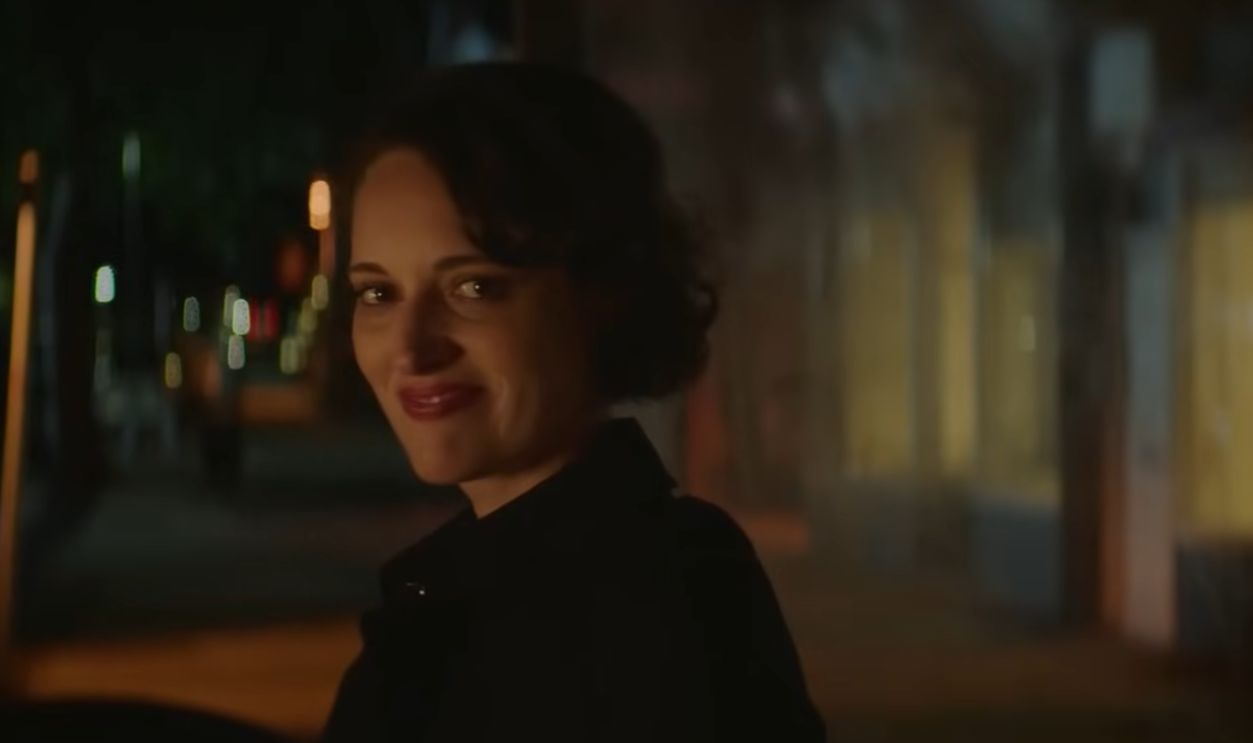 Screenshot from Fleabag, BBC One (2016–2019)
The Americans
On the surface, it was a spy thriller. Underneath, it was a deeply intimate story about marriage. The Americans used espionage to explore trust, identity, and emotional distance in a long-term relationship. The tension wasn’t just about missions—it was about whether these two people even knew each other anymore.
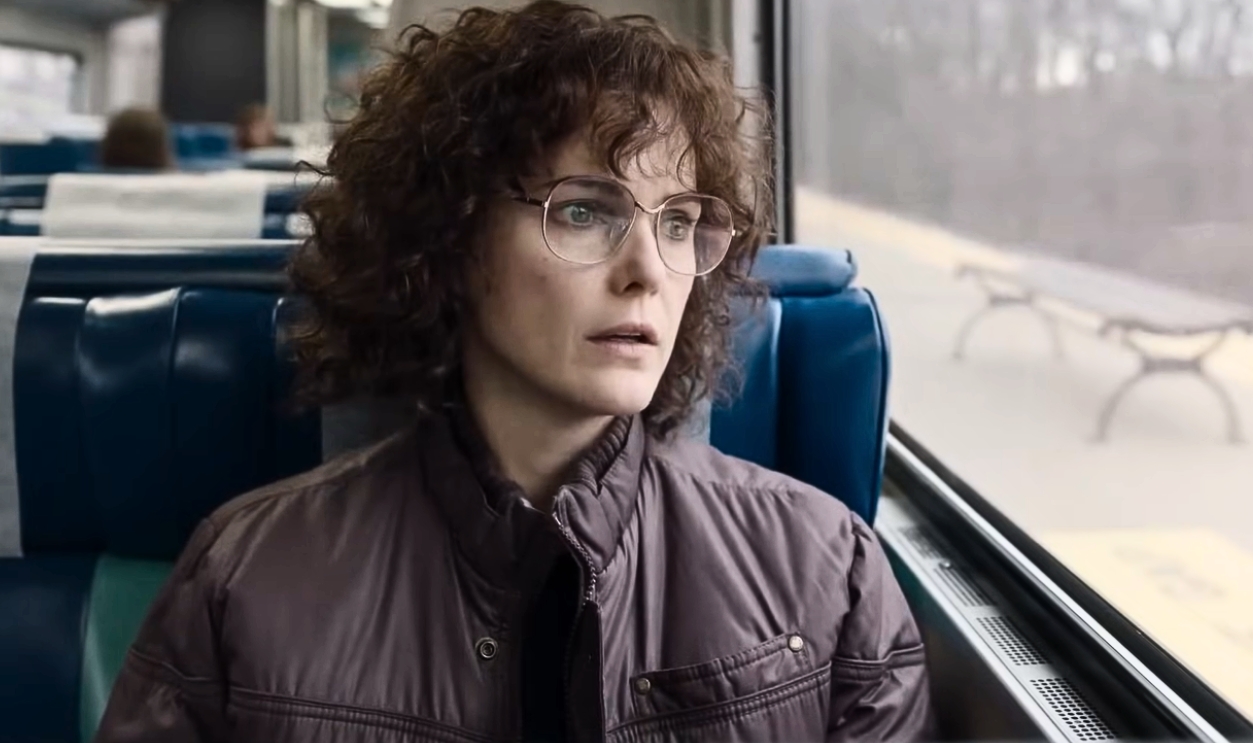 Screenshot from The Americans, FX(2013–2018)
Atlanta
Donald Glover’s Atlanta refused to be one thing—and that’s exactly what made it great. One episode might feel like a grounded character study, the next like a surreal horror story. It captured the weirdness of modern life with a confidence few shows even attempt. You never knew what you were going to get, but it was almost always memorable.
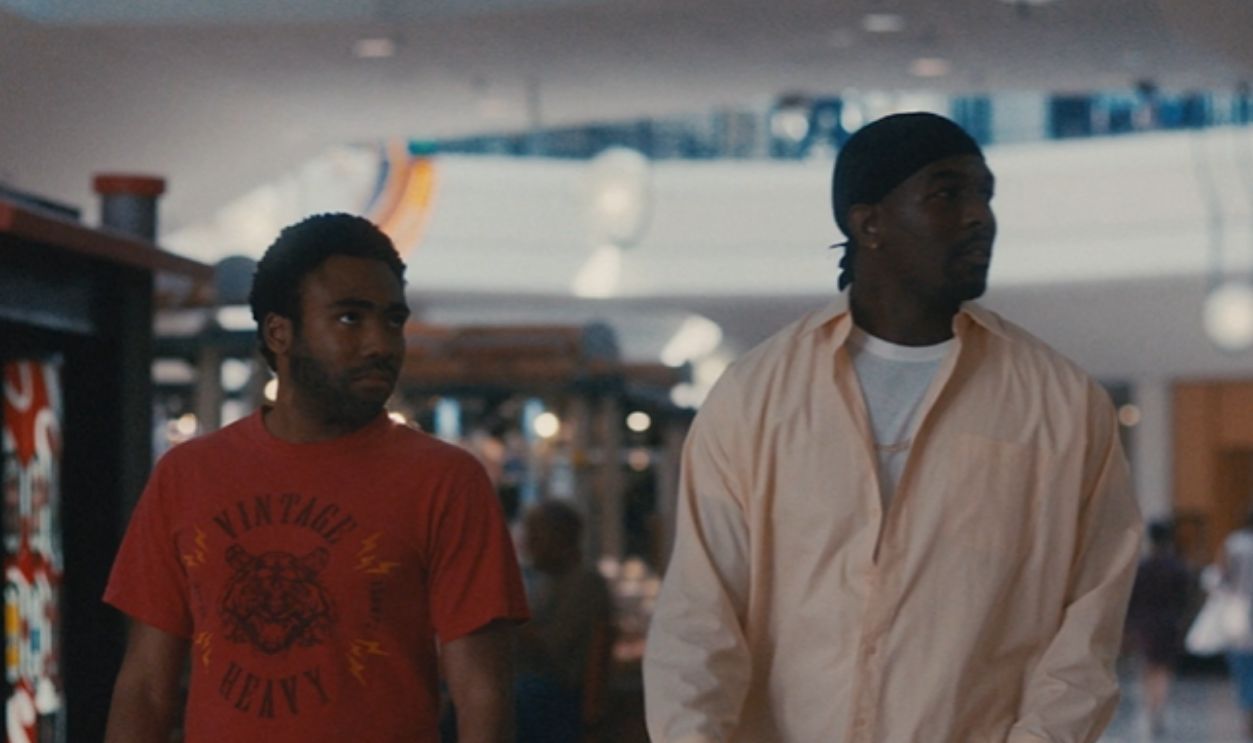 Screenshot from Atlanta, FX (2016-2022)
Justified
Timothy Olyphant’s Raylan Givens brought old-school Western energy into a modern crime drama. Justified thrived on sharp dialogue, colorful villains, and a sense of fun that many prestige dramas lacked. It knew how to balance serialized storytelling with satisfying standalone episodes. And honestly, sometimes you just want a show where the hero can talk his way out of a shootout.
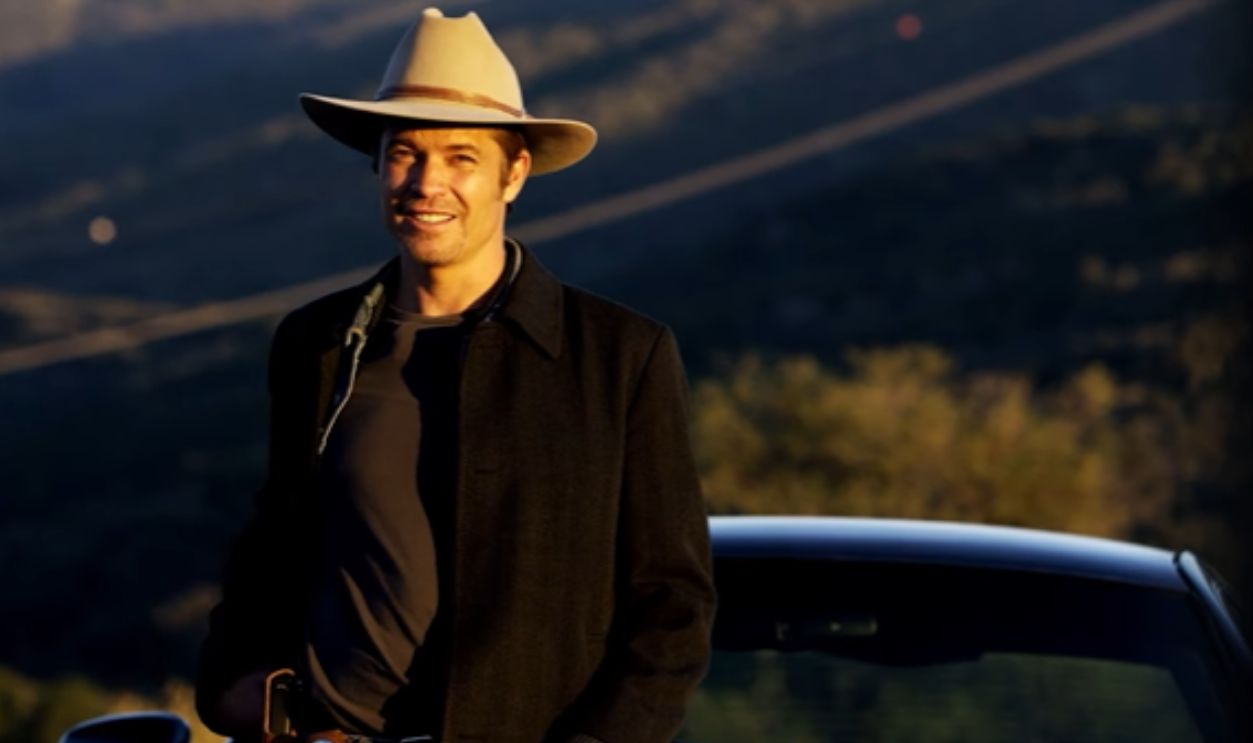 Screenshot from Justified, FX (2010-2015)
Rectify
Rectify moved at its own pace—and that pace was slow, quiet, and deeply reflective. It wasn’t interested in solving mysteries as much as exploring emotional aftermath. Watching Daniel Holden adjust to life after lock up was less about plot and more about feeling. It’s the kind of show where almost nothing happens—and somehow everything does.
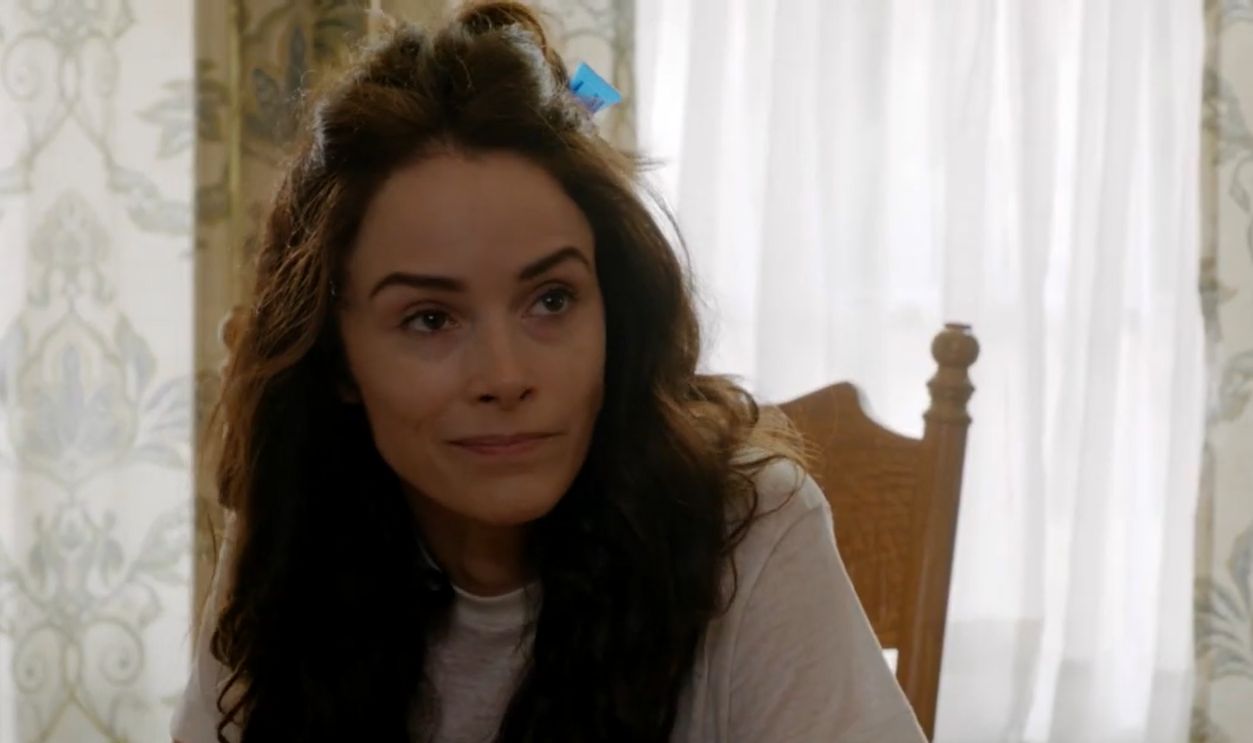 Screenshot from Rectify, SundanceTV (2013–2016)
Better Things
Pamela Adlon’s semi-autobiographical series felt more like a mood than a traditional narrative. Better Things drifted through moments of parenting, aging, and everyday chaos without forcing structure. That loose, almost dreamlike approach made it feel incredibly real. It’s a show you sink into rather than follow.
 Screenshot from Better Things, FX(2016-2022)
Better Call Saul
A prequel that somehow became just as beloved as its predecessor is no small feat. Better Call Saul turned a supporting character into one of the most complex figures on television. Jimmy McGill’s slow transformation into Saul Goodman was tragic, layered, and often surprisingly tender. It proved that great storytelling doesn’t need constant action—it just needs depth.
 Screenshot from Better Call Saul, AMC (2015–2022)
Community
Community was chaos—in the best way. It constantly reinvented itself, parodying everything from action movies to bottle episodes. Beneath all the meta humor, though, was a surprisingly heartfelt story about connection and belonging. When it worked, it really worked.
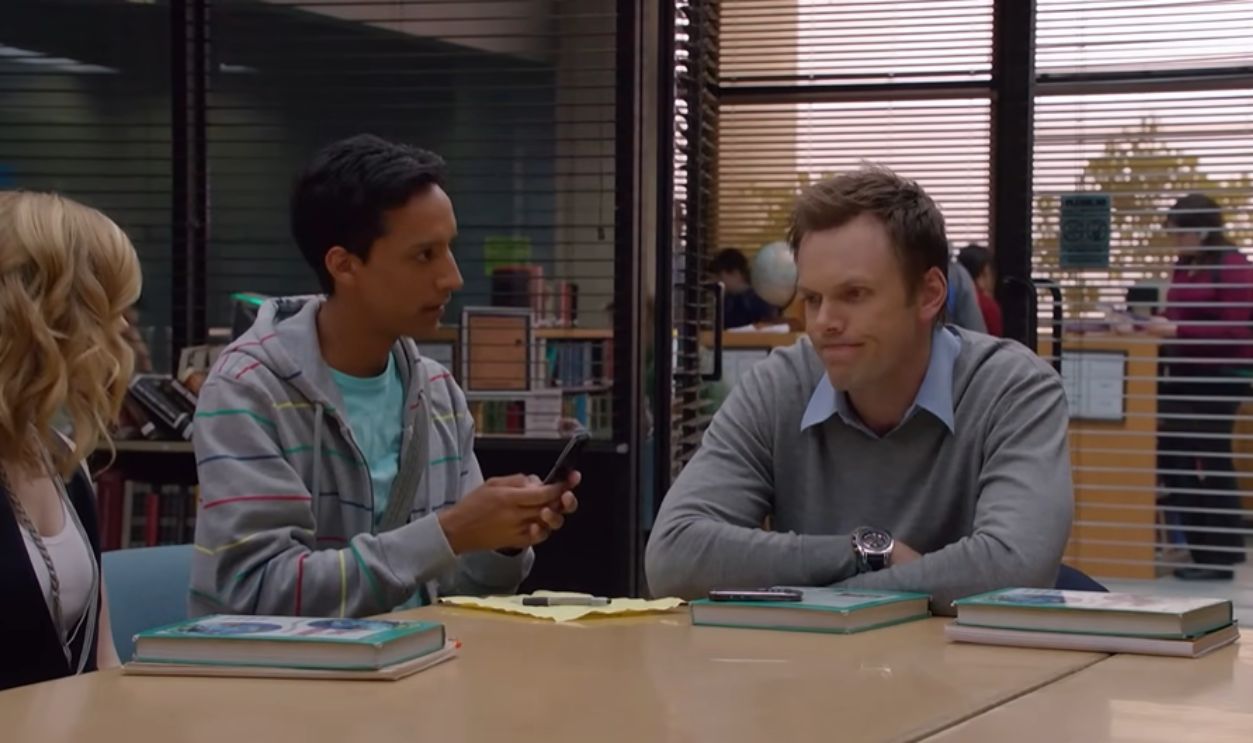 Screenshot from Community, NBC (2009–2015)
Twin Peaks: The Return
David Lynch didn’t revive Twin Peaks—he reinvented it. This wasn’t nostalgia; it was something stranger, riskier, and often deliberately confusing. Some moments felt like pure art, others like a puzzle with no solution. Either way, it was unlike anything else on TV.
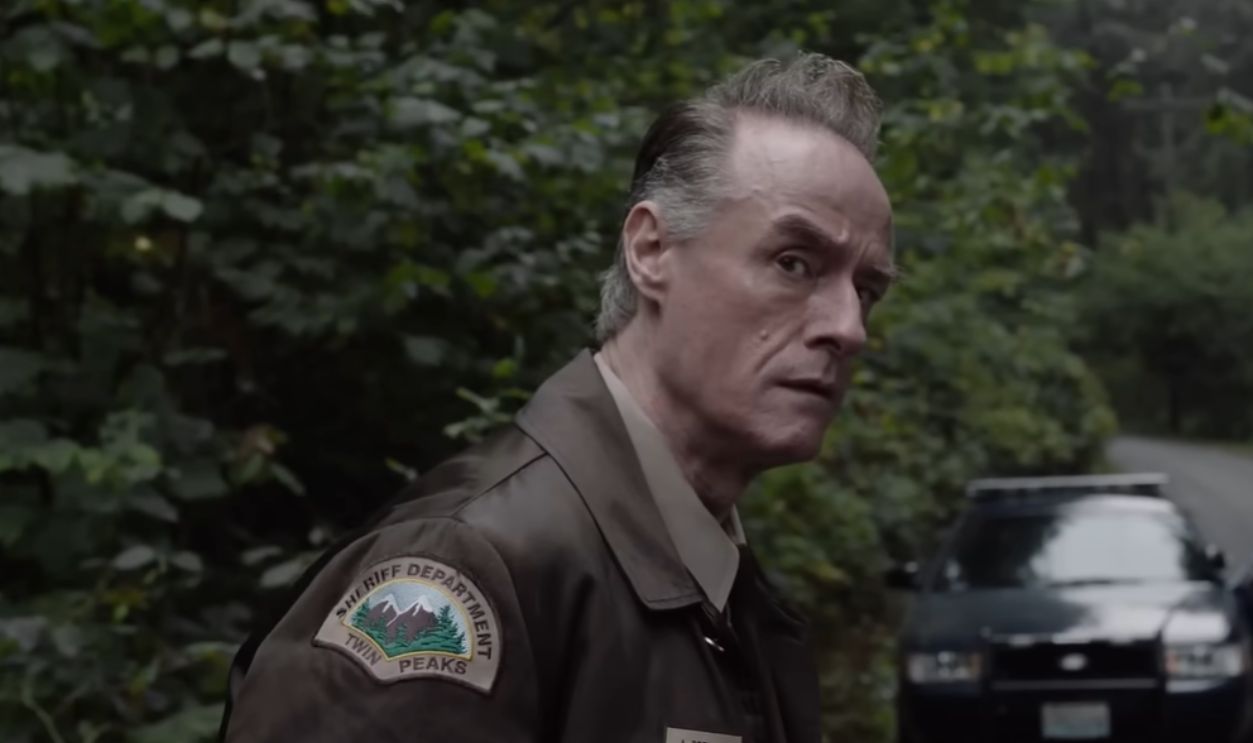 Screenshot from Twin Peaks: The Return, Paramount Global (2017)
Game of Thrones
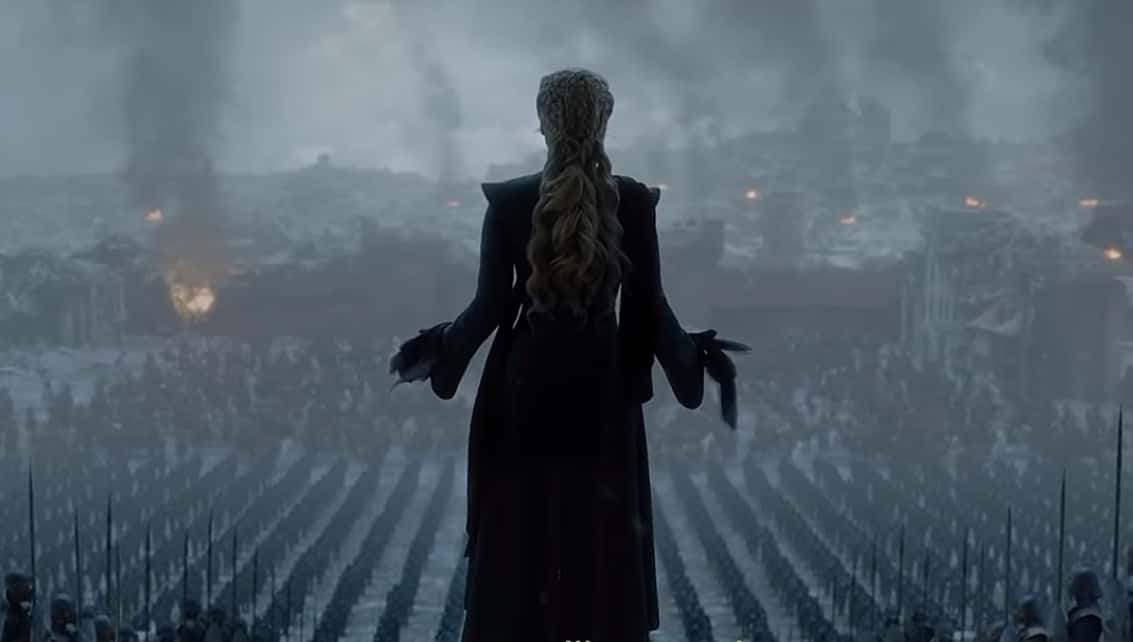
For better or worse, Game of Thrones dominated the decade. At its best, it delivered jaw-dropping moments and massive, cinematic storytelling. At its worst… well, people are still arguing about that. But its cultural impact is undeniable—it turned TV into a global event.
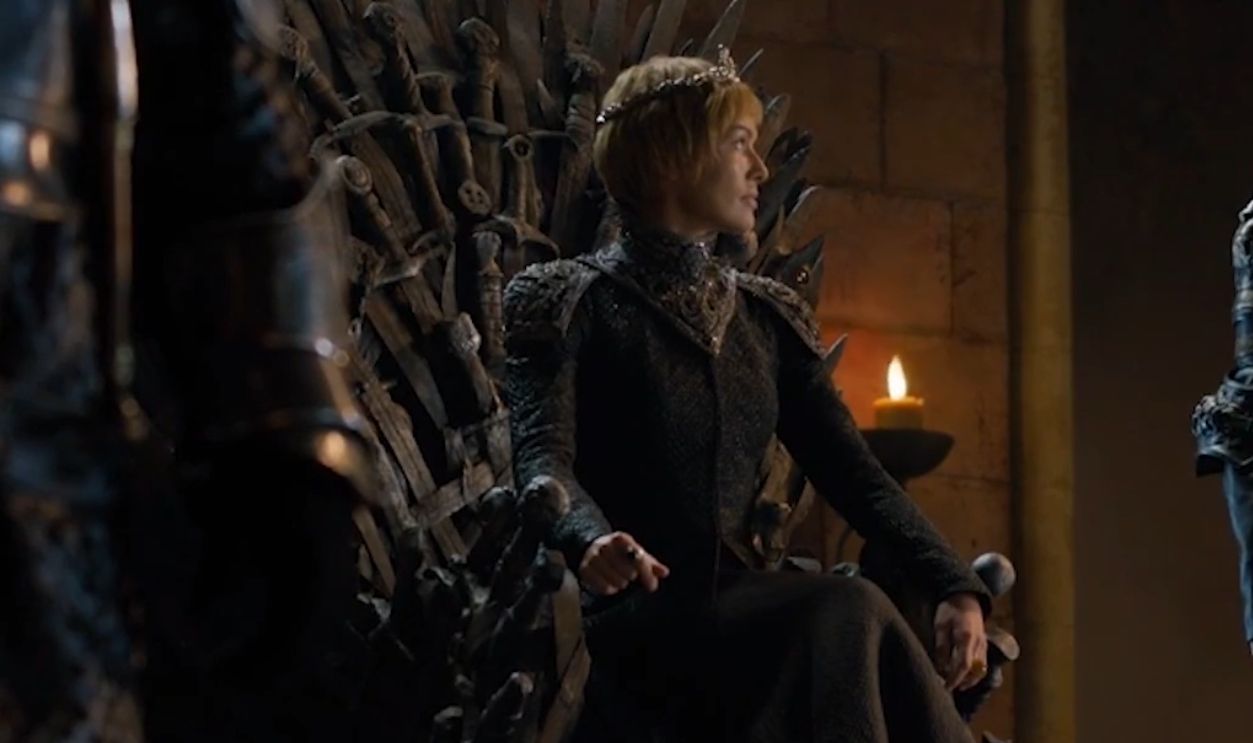 Screenshot from Game of Thrones, HBO (2011–2019)
Fargo
Turning a Coen Brothers movie into a TV series sounded like a terrible idea. Fargo proved otherwise. Each season delivered new characters and stories while maintaining that signature blend of dark humor and moral complexity. It felt familiar without ever feeling repetitive.
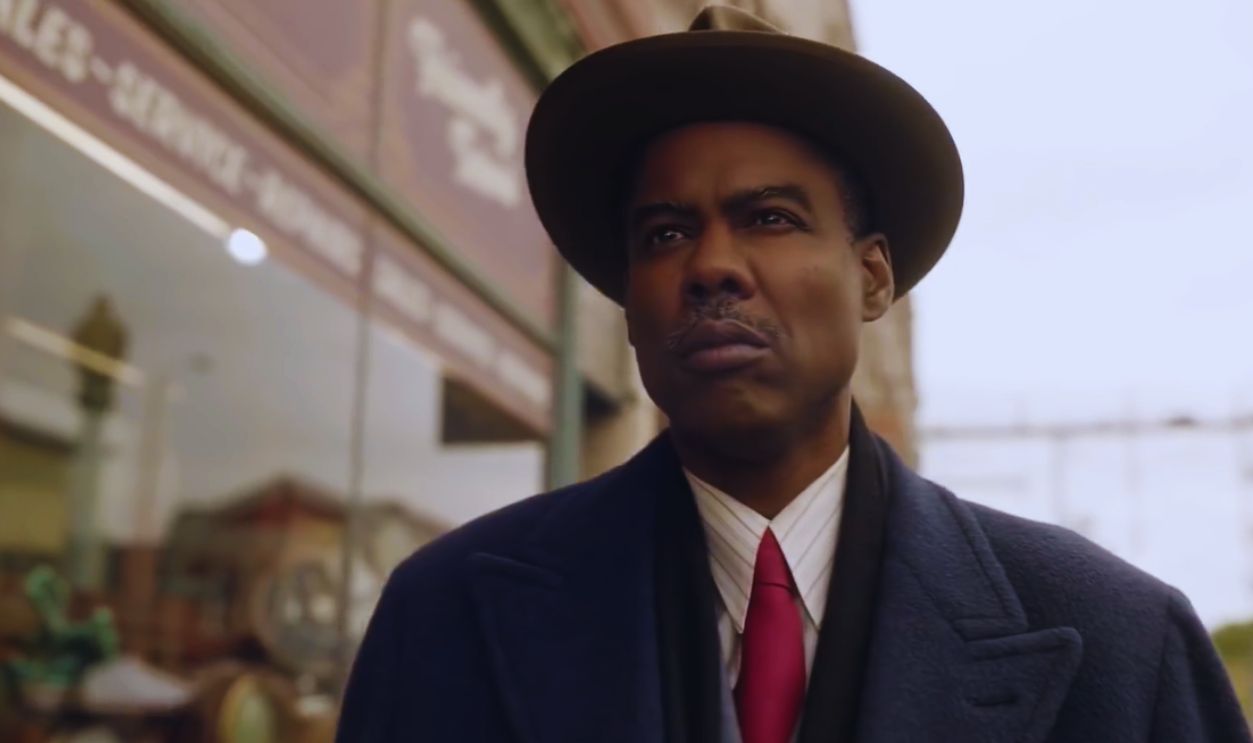 Screenshot from Fargo, FX Networks (2014–present)
Hannibal
Hannibal was shockingly beautiful for a show about a cannibal. It leaned into its own weirdness, blending horror with art-house visuals. Somehow, it made grotesque imagery feel almost poetic. It’s still hard to believe this aired on network TV.
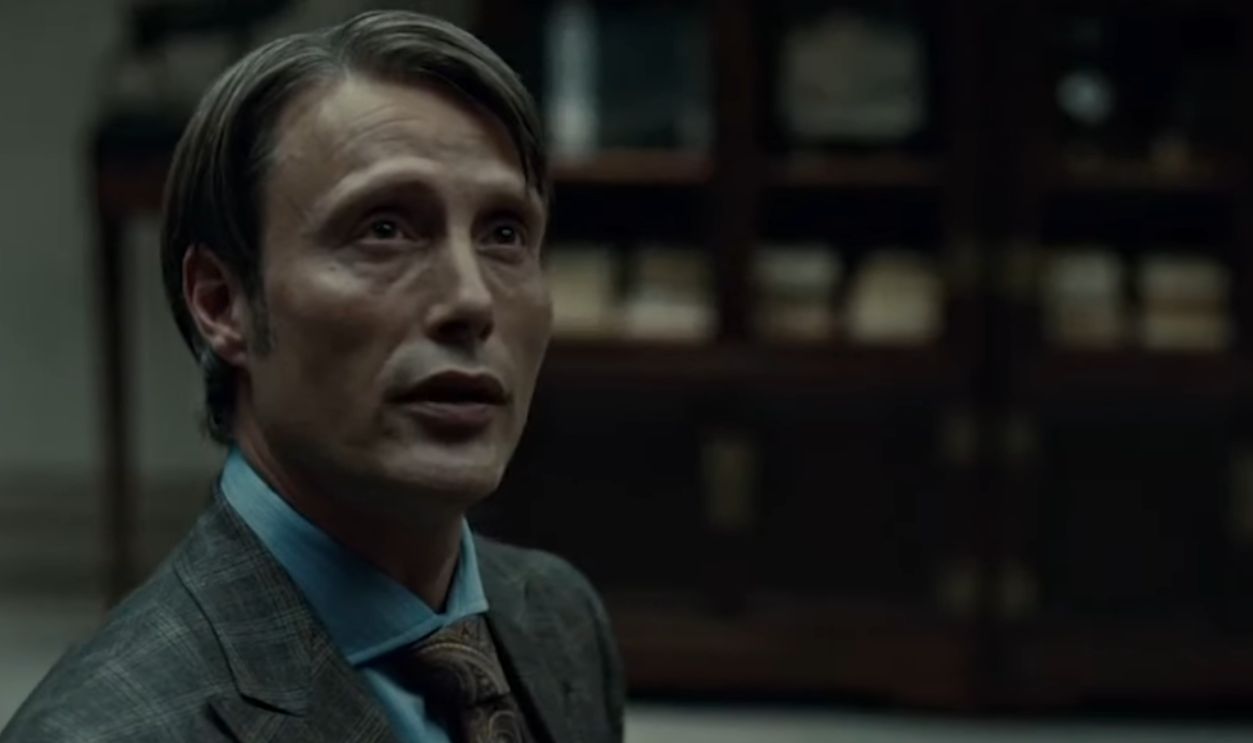 Screenshot from Hannibal, NBC (2013–2015)
Halt and Catch Fire
What began as a familiar tech drama evolved into something far more personal. Halt and Catch Fire became a story about relationships, ambition, and the human cost of innovation. As the characters grew, so did the show’s emotional depth. By the end, it was quietly devastating.
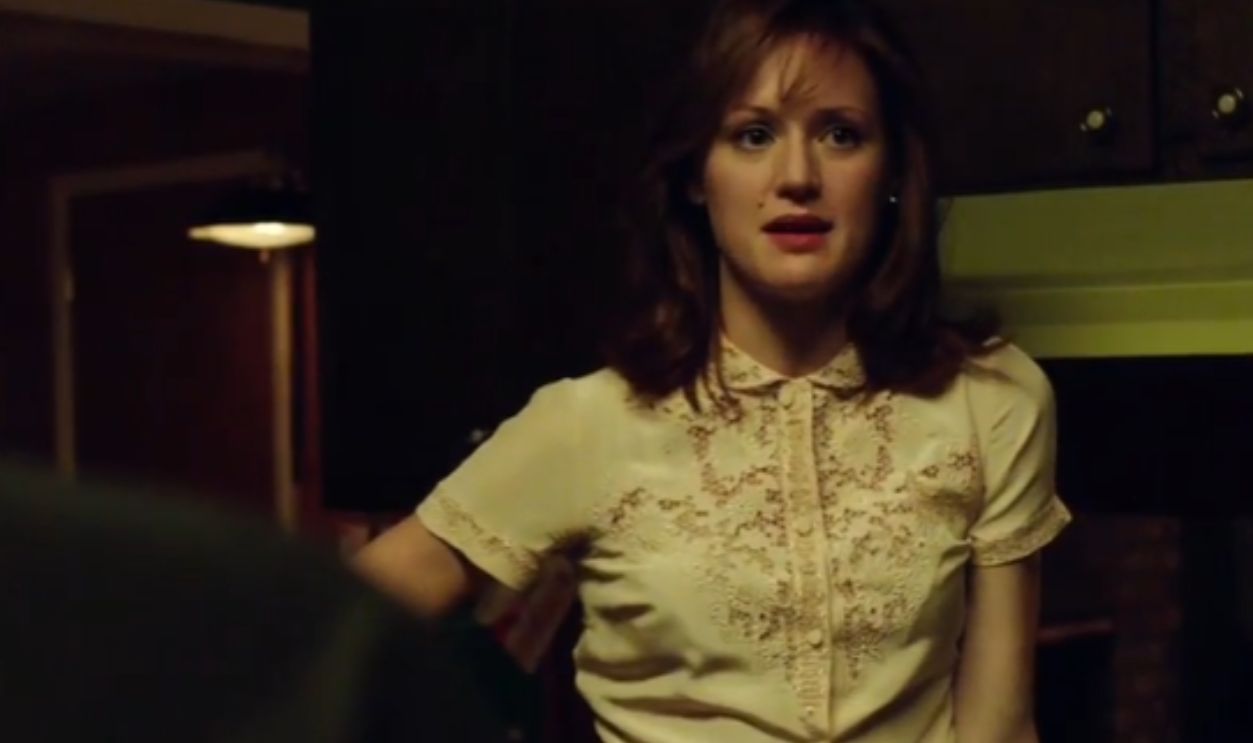 Screenshot from Halt and Catch Fire, AMC Networks (2014–2017)
Bob’s Burgers
In a decade full of high-concept storytelling, Bob’s Burgers thrived on simplicity. It focused on a struggling family just trying to get by—and finding humor in the chaos. The characters felt warm, weird, and endlessly lovable. It’s comfort TV in the best possible way.
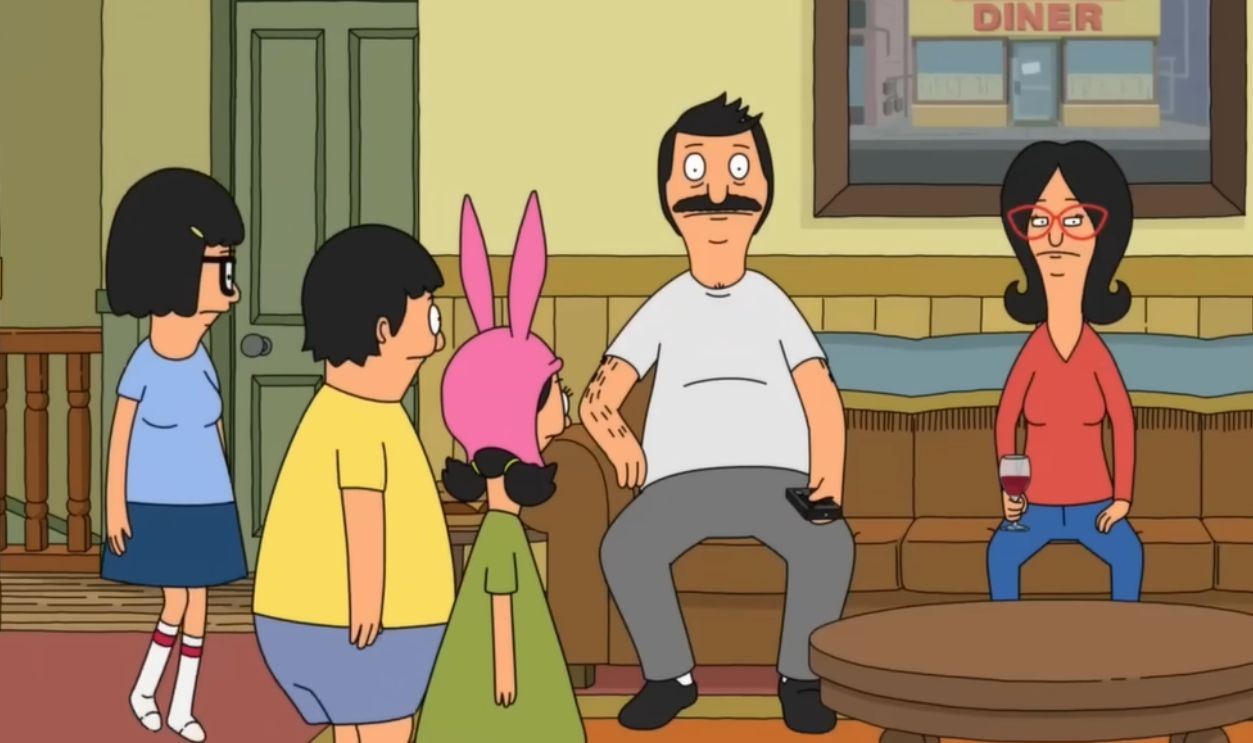 Screenshot from Bob’s Burgers, FOX (2011– )
Orange Is the New Black
One of Netflix’s earliest hits, Orange Is the New Black helped define the streaming era. It started with one central character but quickly expanded into a sprawling ensemble. The show explored identity, inequality, and survival within the system. It wasn’t always consistent, but it was always ambitious.
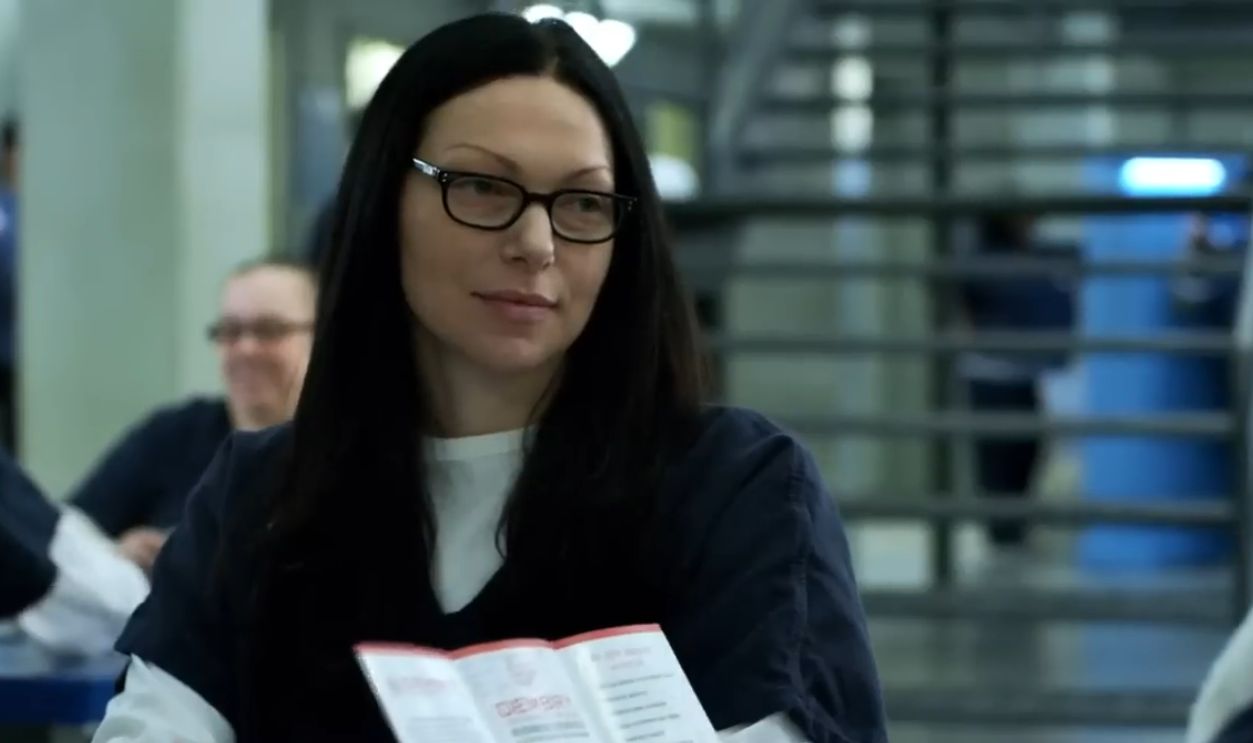 Screenshot from Orange Is The New Black, Netflix (2013-2019)
Crazy Ex-Girlfriend
A musical about mental health probably shouldn’t work—but Crazy Ex-Girlfriend made it look easy. It combined catchy songs with surprisingly honest storytelling. Rebecca Bunch’s journey was messy, complicated, and very human. It proved that comedy can still tackle serious issues.
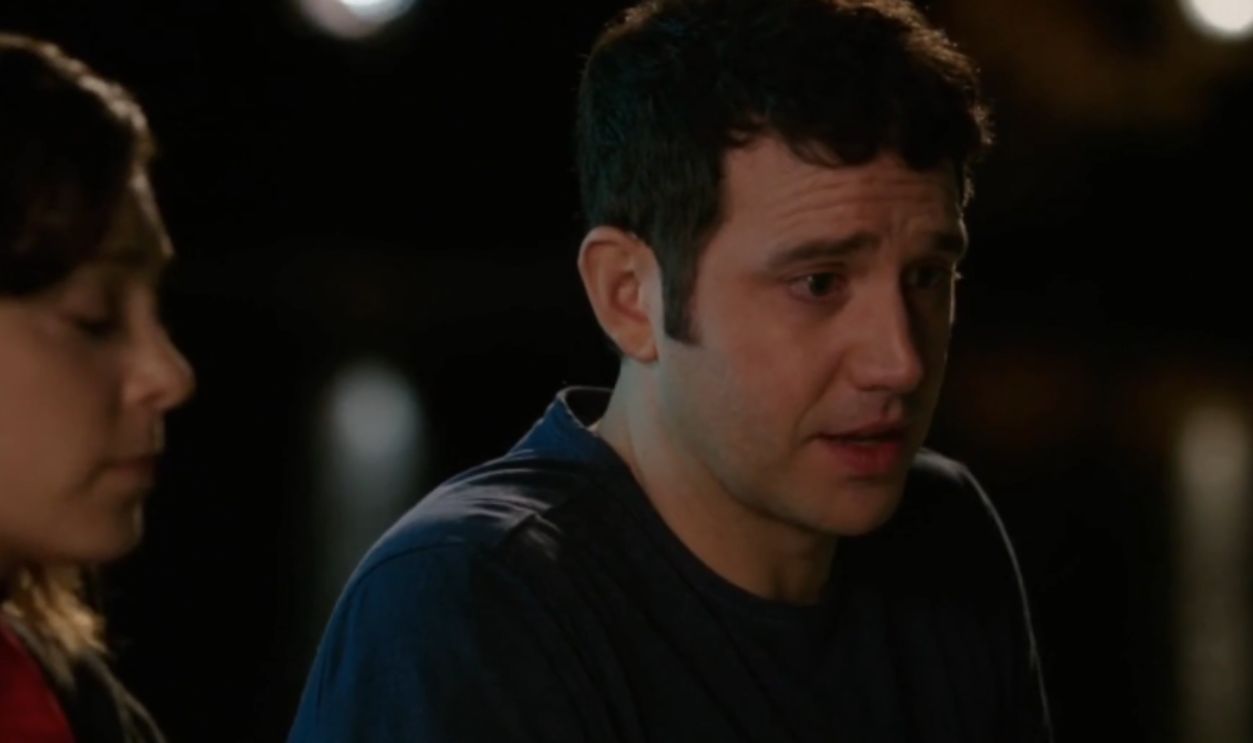 Screenshot from Crazy Ex-Girlfriend, Warner Bros. Television (2015–2019)
Brooklyn Nine-Nine
A classic workplace comedy with modern sensibilities, Brooklyn Nine-Nine excelled through its characters. The chemistry between the cast made every episode feel fun and easy to watch. It didn’t try to reinvent the genre—it just perfected it. Sometimes that’s more than enough.
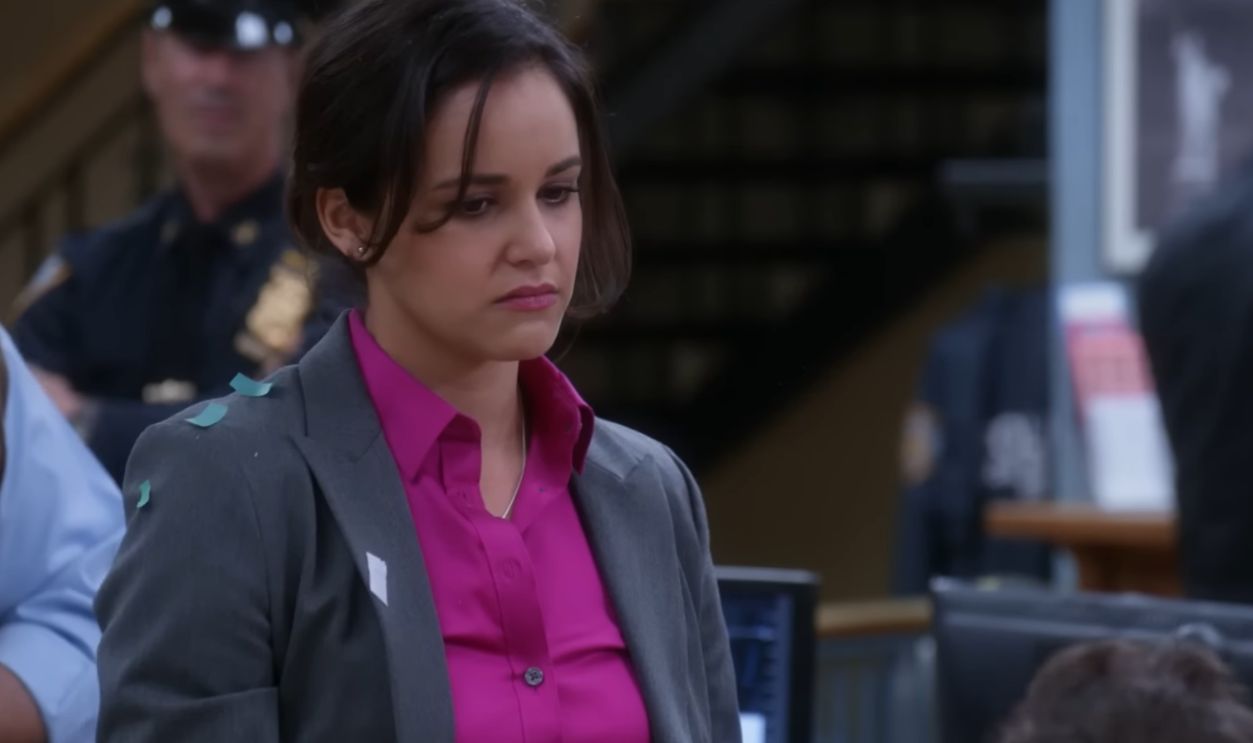 Screenshot from Brooklyn Nine-Nine, NBC (2013–2021)
The Good Place
Few shows aimed as high as The Good Place. It tackled philosophy, morality, and the meaning of existence—while still being genuinely funny. The show constantly reinvented itself, never settling into a predictable formula. It’s proof that smart TV can still be wildly entertaining.
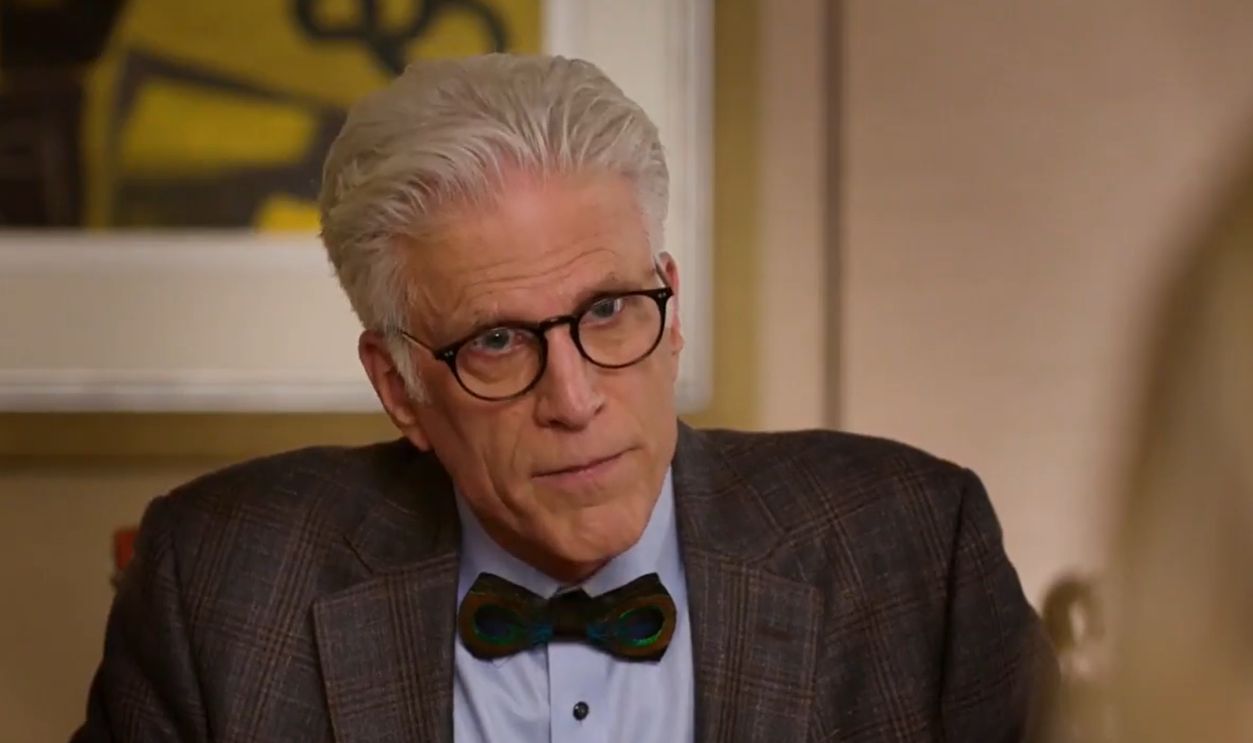 Screenshot from The Good Place, NBC (2016–2020)
You May Also Like:
The Weirdest Episodes Of Beloved TV Shows
Most Emmy Winning Shows In History
The Seinfeld Cast’s Post-Show Careers, Ranked
Source: 1