
Riding Solo Is Not Always The Best Route
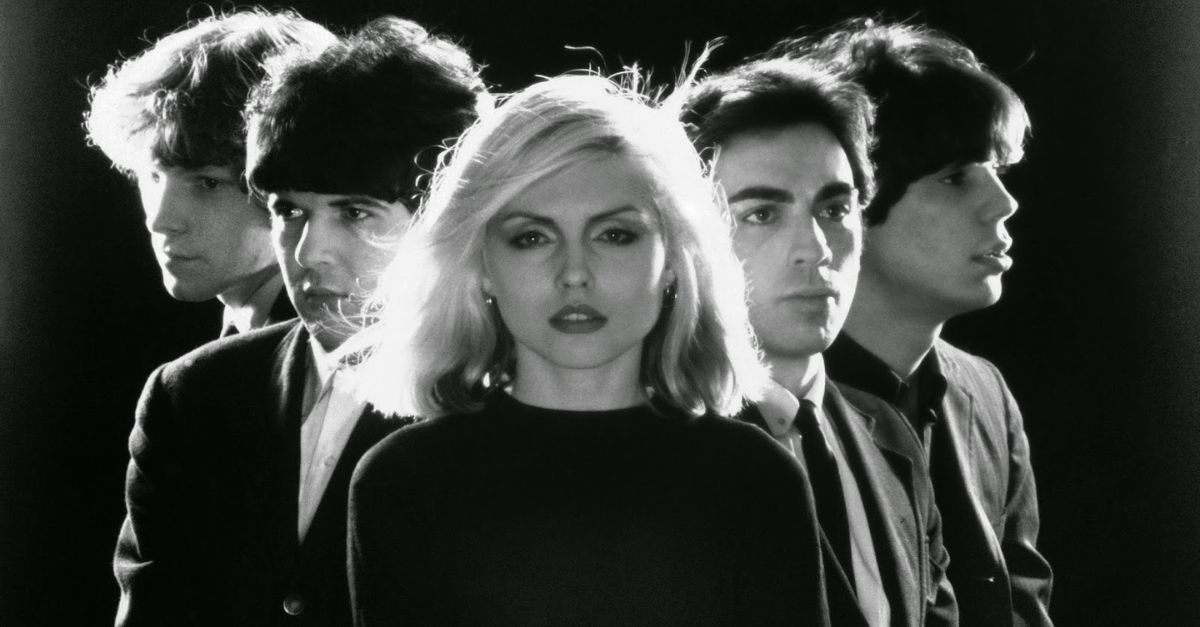
As a rock legend, crushing stadiums with your bandmates, you feel on top of the world. But then! You decide to go solo and… crash harder than a one-hit-wonder on an untuned guitar. This is the ultimate mixtape of "career suicide".
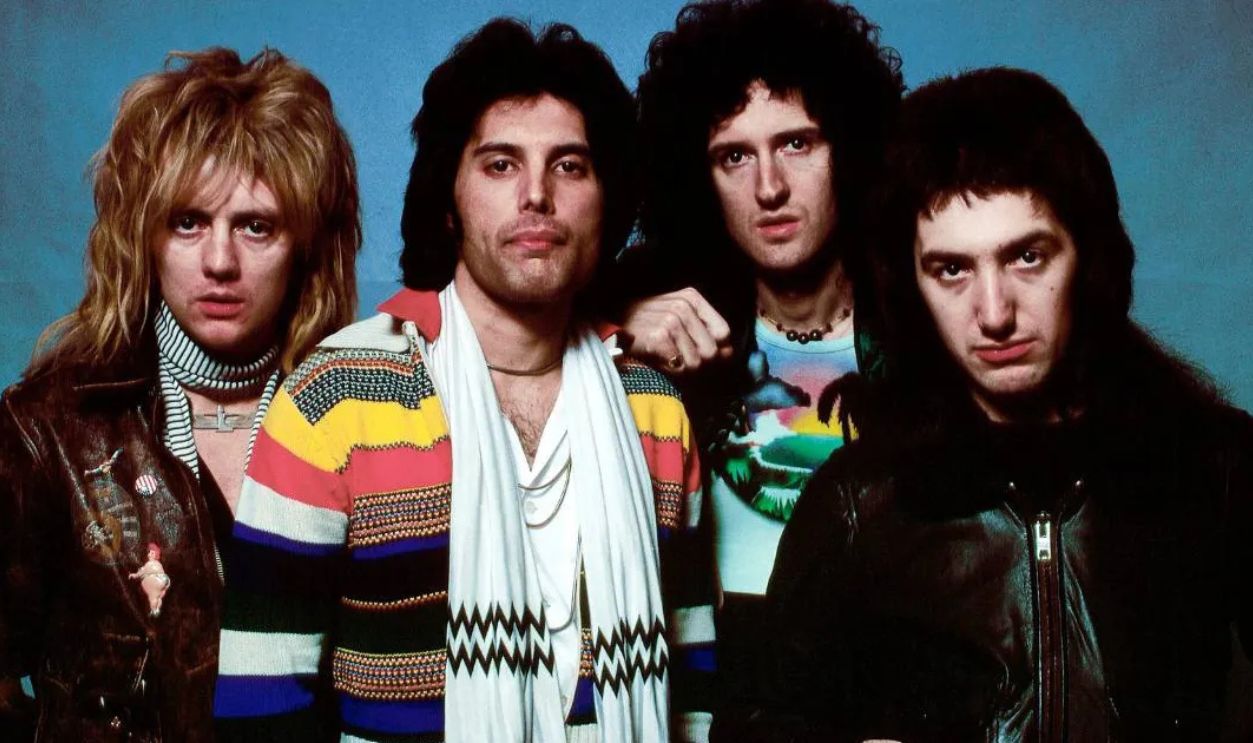
Thom Yorke
After breaking off from Radiohead, Thom Yorke released solo albums, such as The Eraser (2006) and Tomorrow's Modern Boxes (2014), which explored electronic music and pushed traditional musical boundaries. These albums received critical acclaim but didn't achieve the same level of commercial success as Radiohead's work.
 Raph_PH, CC BY 2.0, Wikimedia Commons
Andy Gill
You'd think a co-founder would win solo, right? Wrong! When Andy Gill went solo, his work never captured the revolutionary energy of the Gang of Four. His experimental compositions alienated fans expecting punk-funk dynamism, and record labels weren't really excited about his individual musical explorations.
 Jeremydangerdanger, CC BY-SA 4.0, Wikimedia Commons
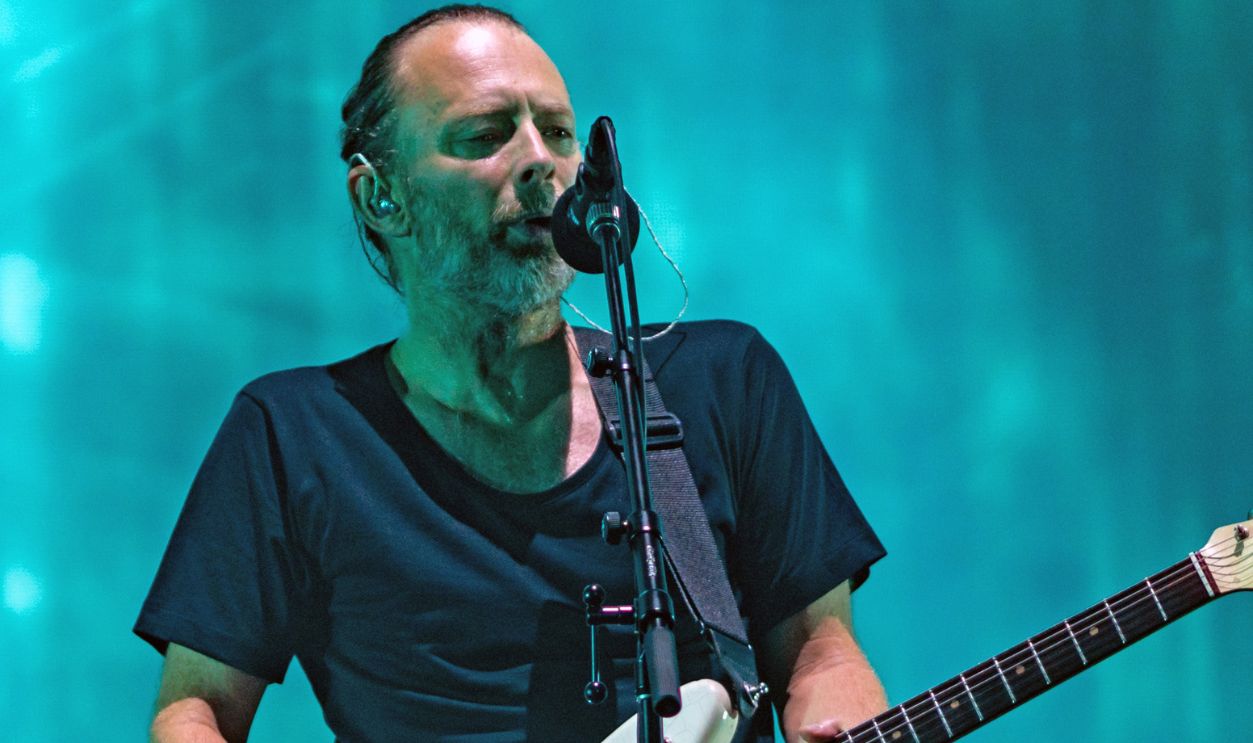
Roger Taylor
When Roger Taylor was part of Queen, he ruled. But in as much as he still did well alone, his solo projects struggled to match Queen's legendary status. His pop-rock attempts felt like pale imitations of the band's iconic sound, and critics described his solo work as forgettable and derivative. Ouch!
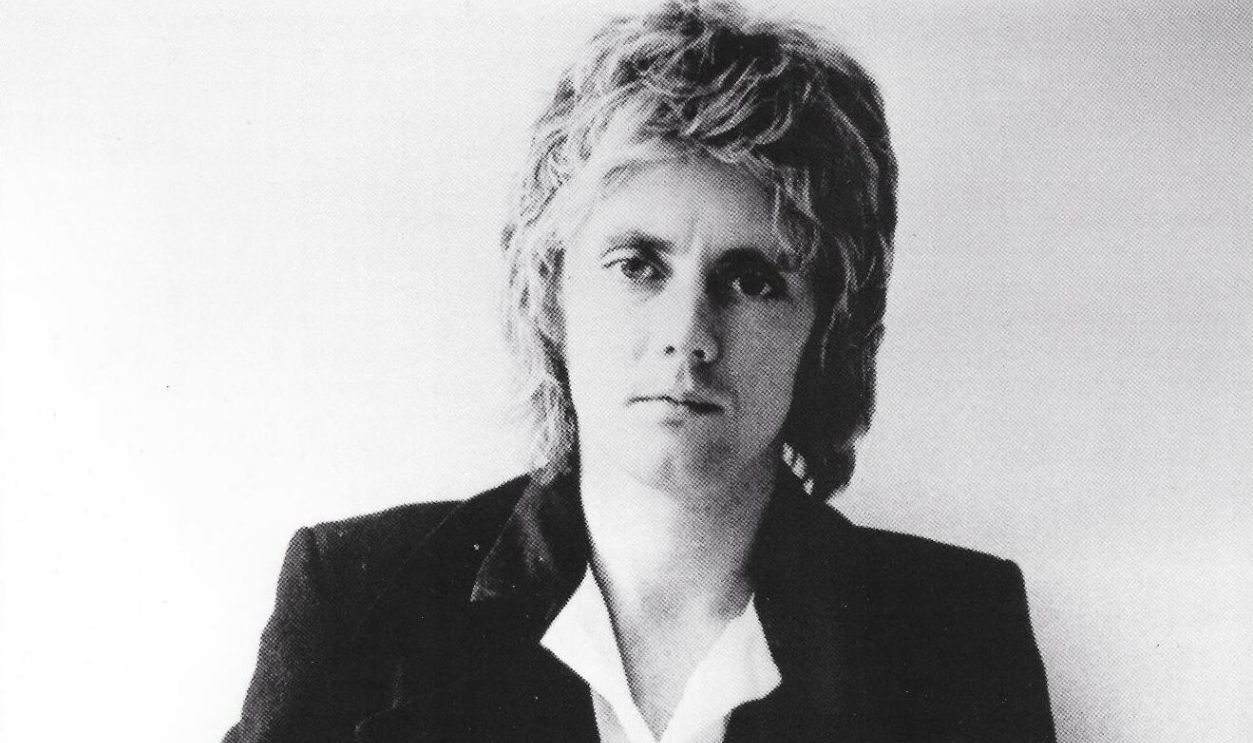 News Of The World Press Kit, Wikimedia Commons
Steven Tyler
Another artist the critics mercilessly dissected their style cross over was Steven Tyler. His album, We're All Somebody from Somewhere released in 2016 marked a significant genre shift from his rock roots with Aerosmith. Unfortunately, his Nashville-inspired solo album received lukewarm reviews and minimal radio play.
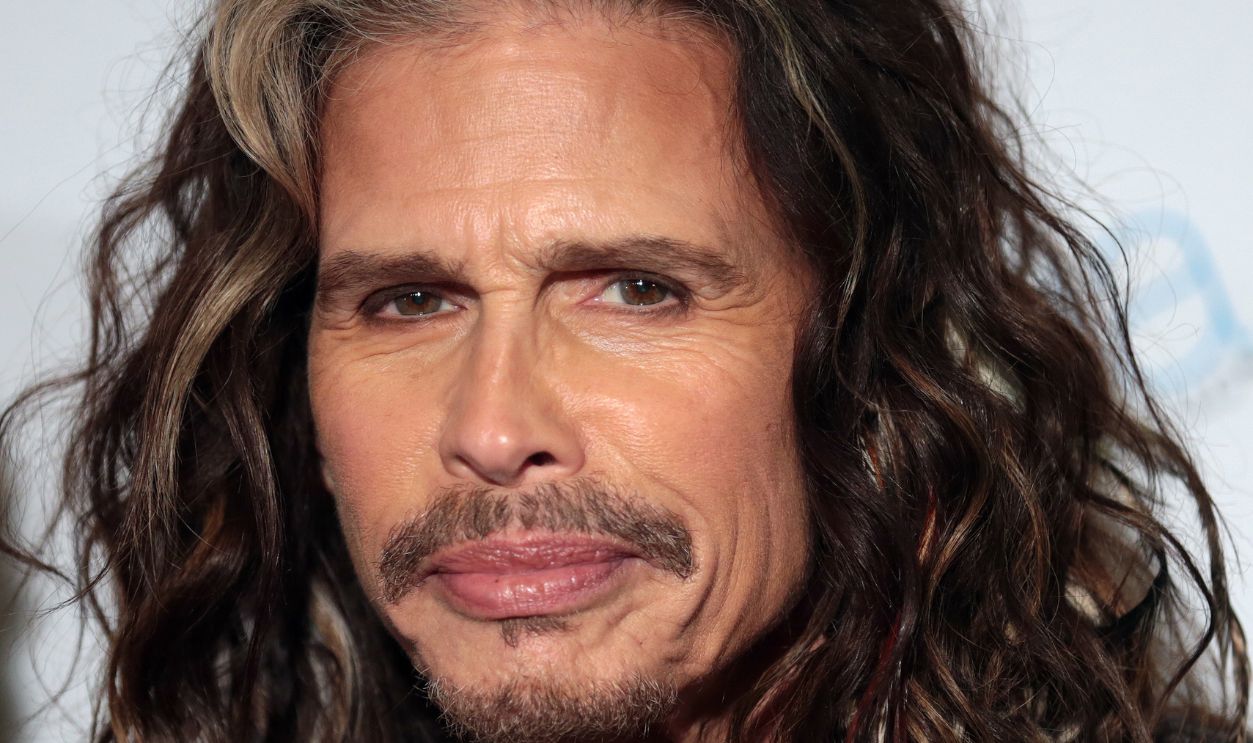 Gage Skidmore, CC BY-SA 3.0, Wikimedia Commons
Chris Cornell
This was a case of a solo career taking a dramatic musical turn. Chris Cornell's alternative rock roots clashed with pop-oriented solo albums he made, namely Euphoria Morning (1999) and Carry On (2007). His fanbase had a hard time embracing his unexpected musical direction.
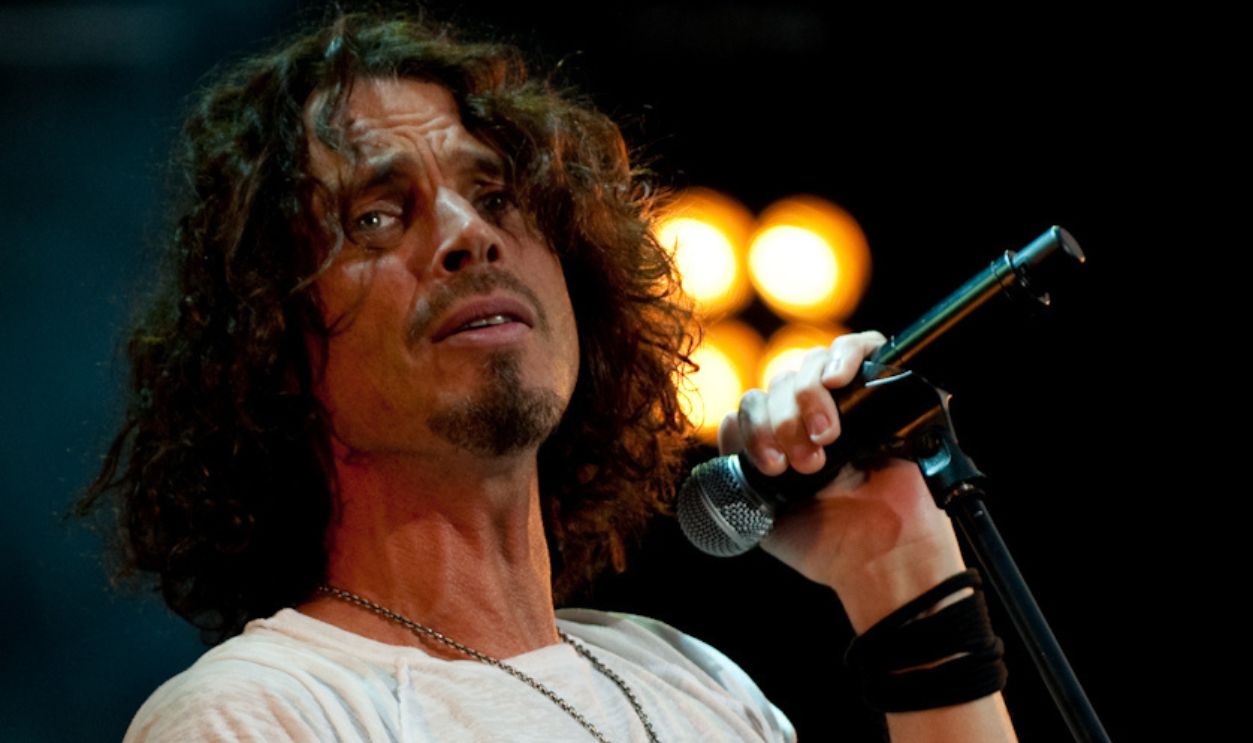 possan, CC BY 2.0, Wikimedia Commons
Mick Jagger
Back when Jagger was with the very successful Rolling Stones, he and his bandmates sold millions of album copies plus merchandise. That changed when he switched and decided to go solo. His fans still loved him and the music was good, but you gotta agree that his solo projects weren't as commercially successful.
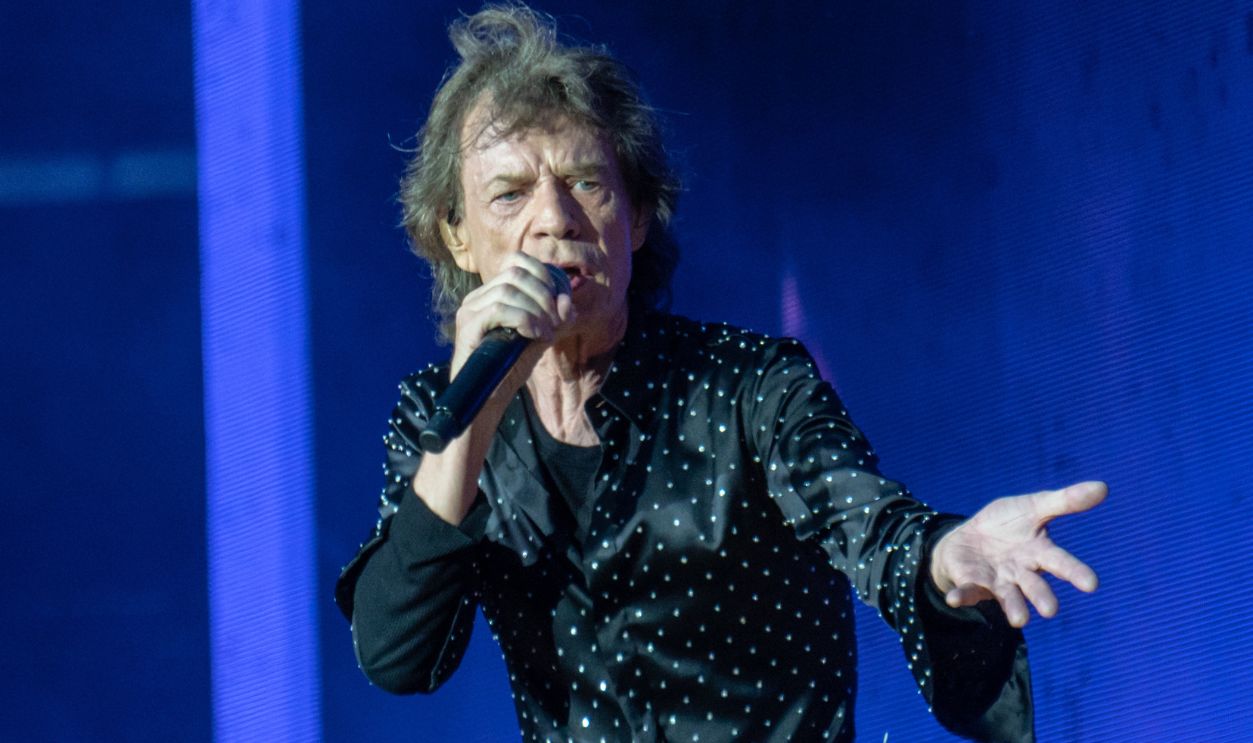 Raph_PH, CC BY 2.0, Wikimedia Commons
Paul Stanley
Paul Stanley, known for his theatrical stage presence with KISS, has released solo albums, including his 1978 self-titled album and Live to Win (2006). While these albums still had his dramatic flair, again, they didn't achieve the same commercial success as KISS's work.
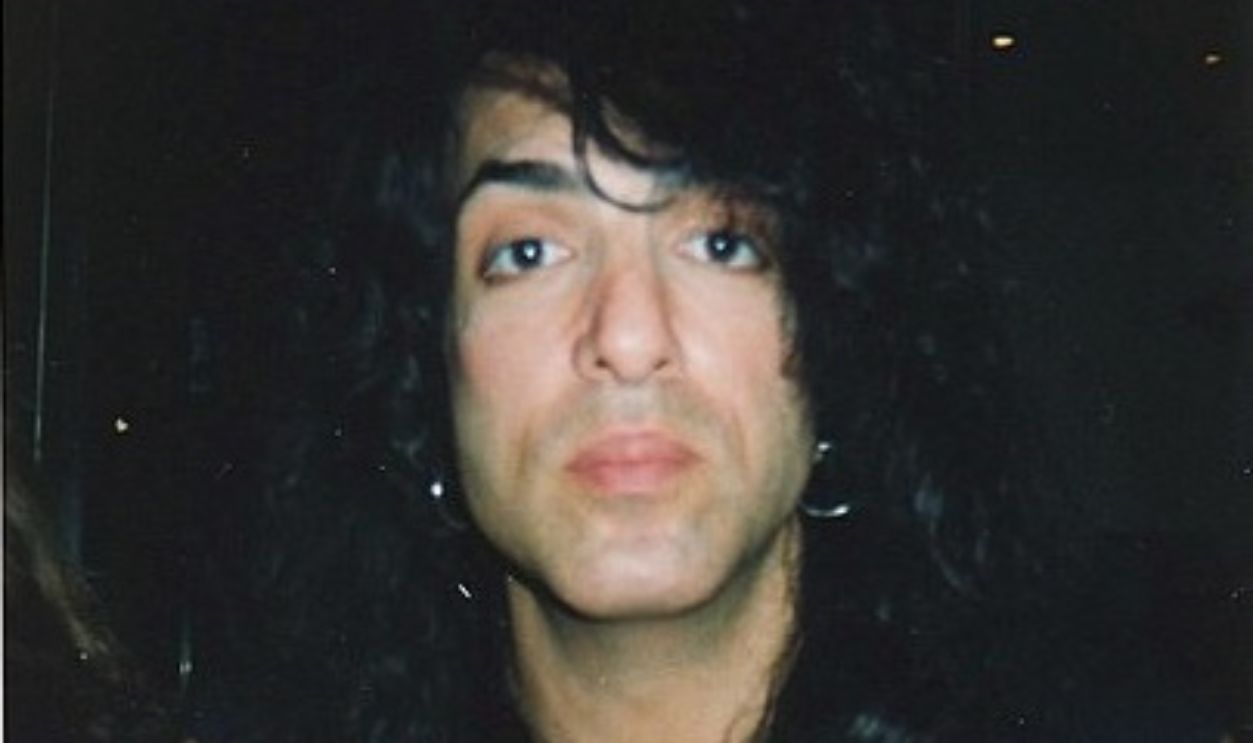 Tilly antoine, CC BY-SA 4.0, Wikimedia Commons
Scott Weiland
Scott Weiland's solo albums were everything an artist dreams of—free. However, the sounds he went into weren't as popular as he had hoped for. Weiland's musical explorations failed to capture mainstream attention. Additionally, personal struggles complicated his solo career trajectory even more.
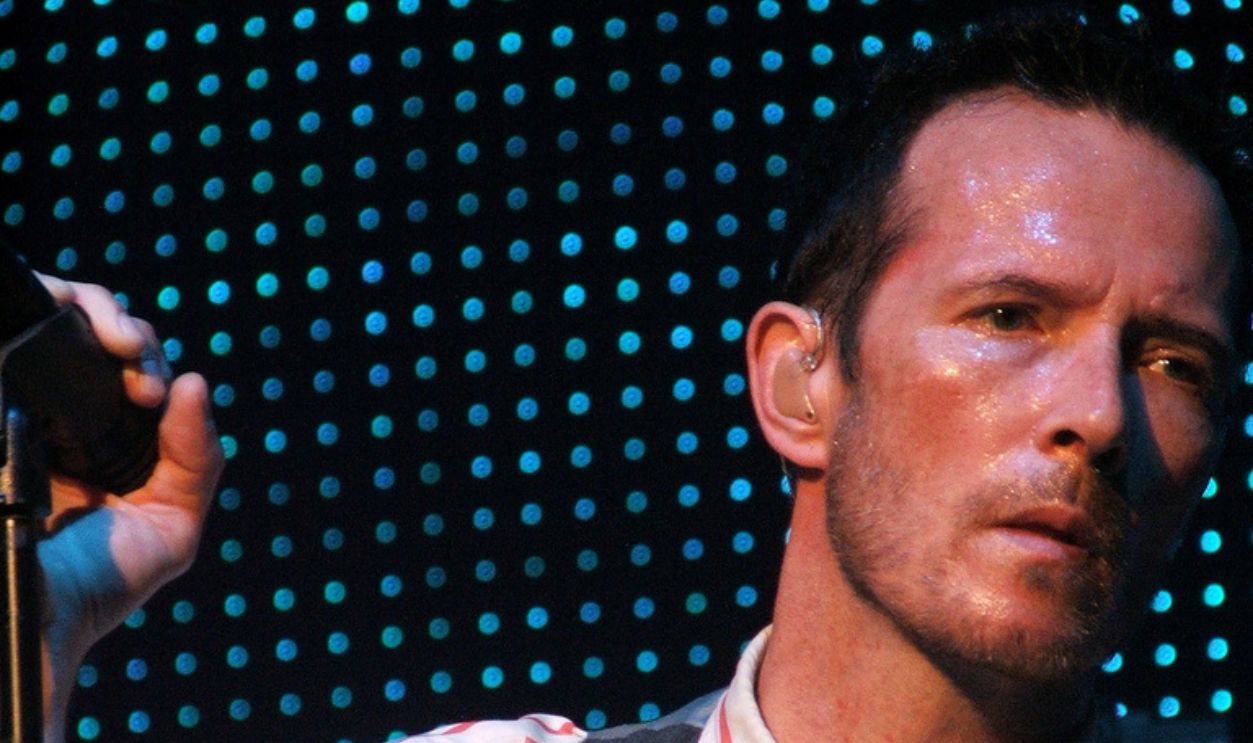 C Maranon, CC BY-SA 2.0, Wikimedia Commons
Izzy Stradlin
In 1991, Izzy Stradlin left Guns N' Roses due to creative differences and tensions with Axl Rose. He formed another band and later went solo. His solo albums dove into indie rock, but this did not really resonate with his fans. There was critical appreciation but limited commercial traction.
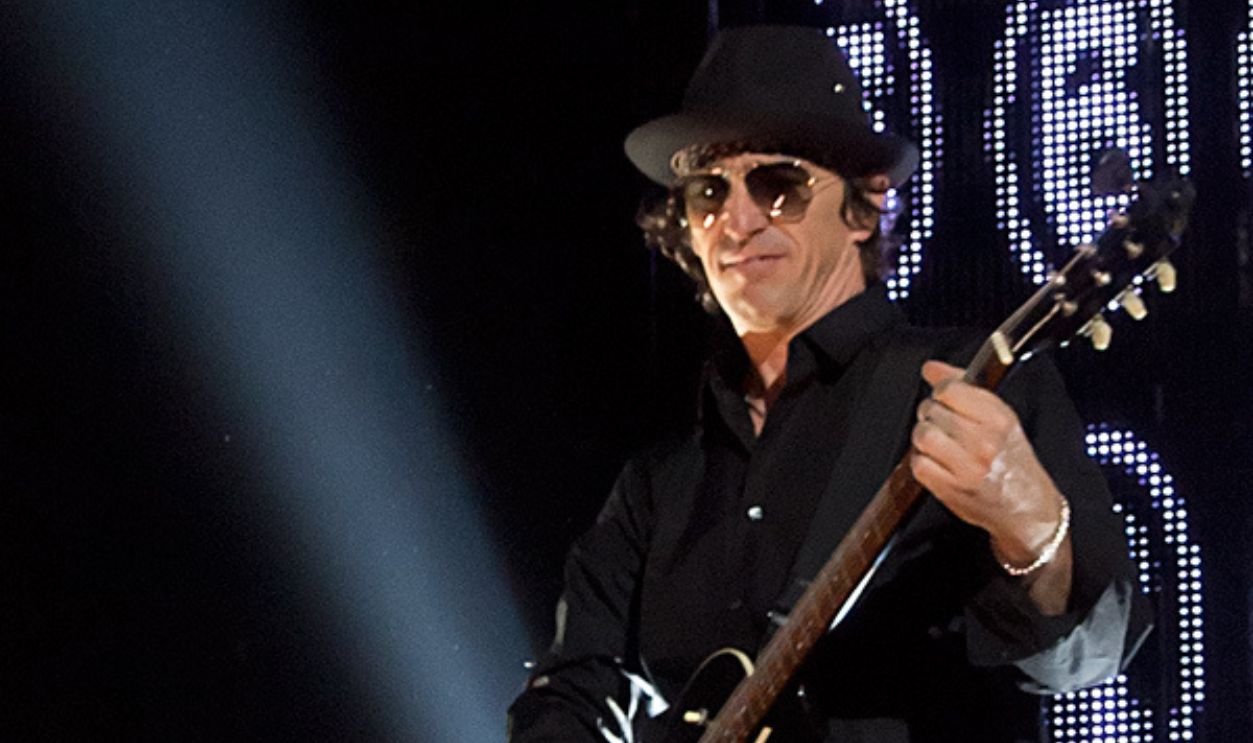 Dineshraj Goomany, CC BY-SA 2.0, Wikimedia Commons
Billy Corgan
Smashing Pumpkins was a name that everyone knew. But when Billy Corgan left to pursue his own thing, the projects weren't as fruitful because they never got to replicate his band's alternative rock success. The individual musical statements he pursued felt fragmented and less cohesive.
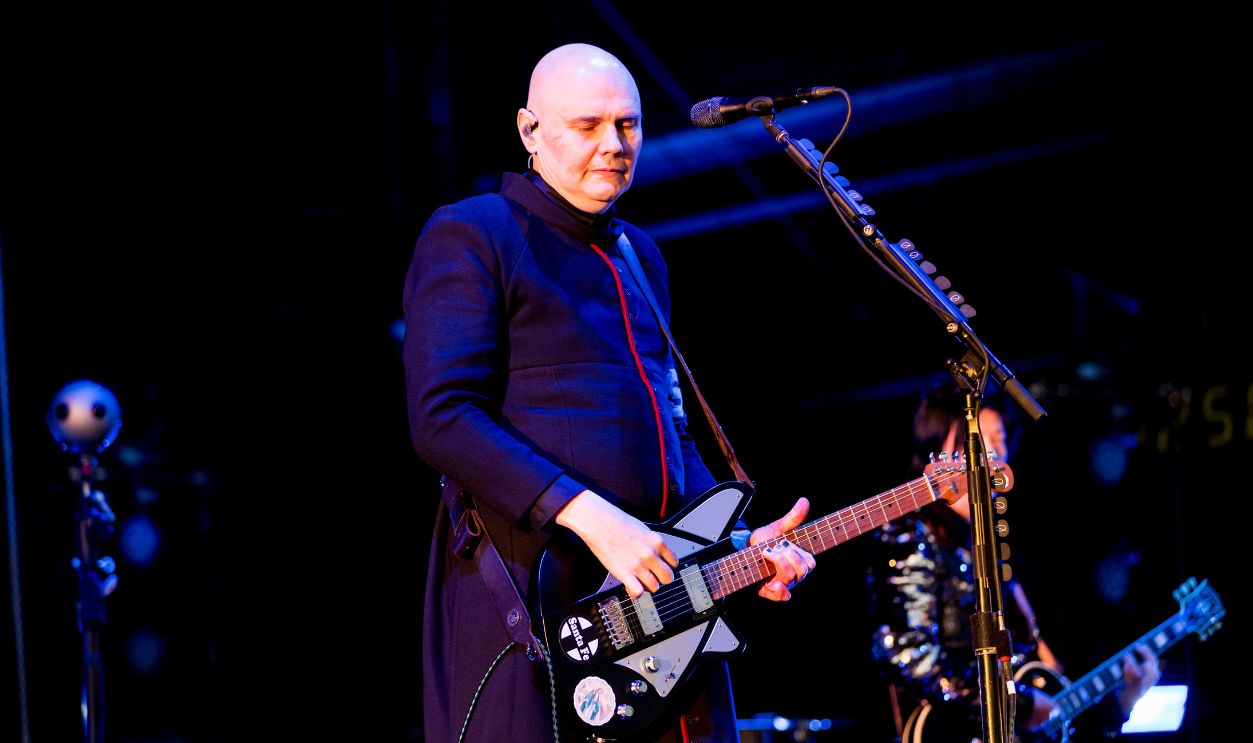 Sven Mandel, CC BY-SA 4.0, Wikimedia Commons
David Lee Roth
As the flashy frontman of Van Halen, David Lee Roth was larger than life. However, his solo career never soared to the same heights. Albums like Eat 'Em and Smile (1986) had moments of success but failed to sustain the momentum, leaving fans yearning for his Van Halen days.
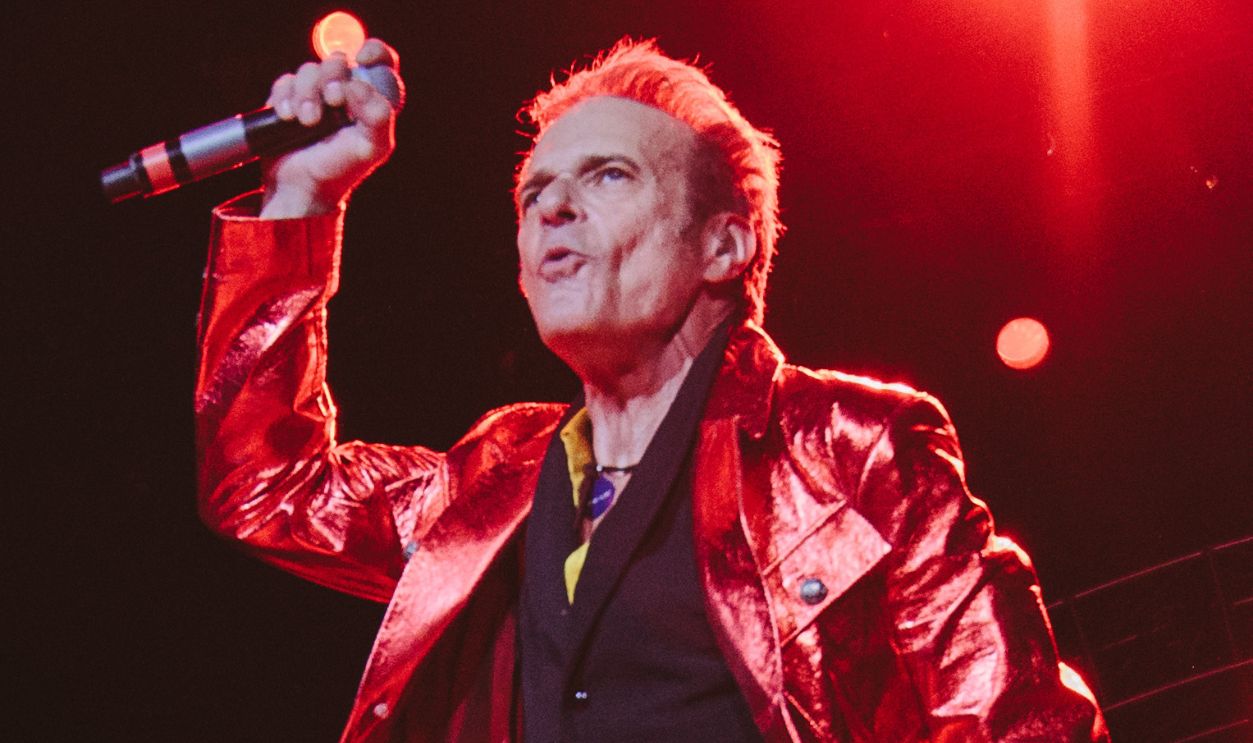 Abby Gillardi, CC BY 2.0, Wikimedia Commons
John Entwistle
The legendary bassist of The Who, John Entwistle, ventured into solo territory with albums like Smash Your Head Against the Wall (1971). Despite his talent, his solo work never resonated with the audience. The quirky, experimental nature of his music struggled to find widespread appeal.
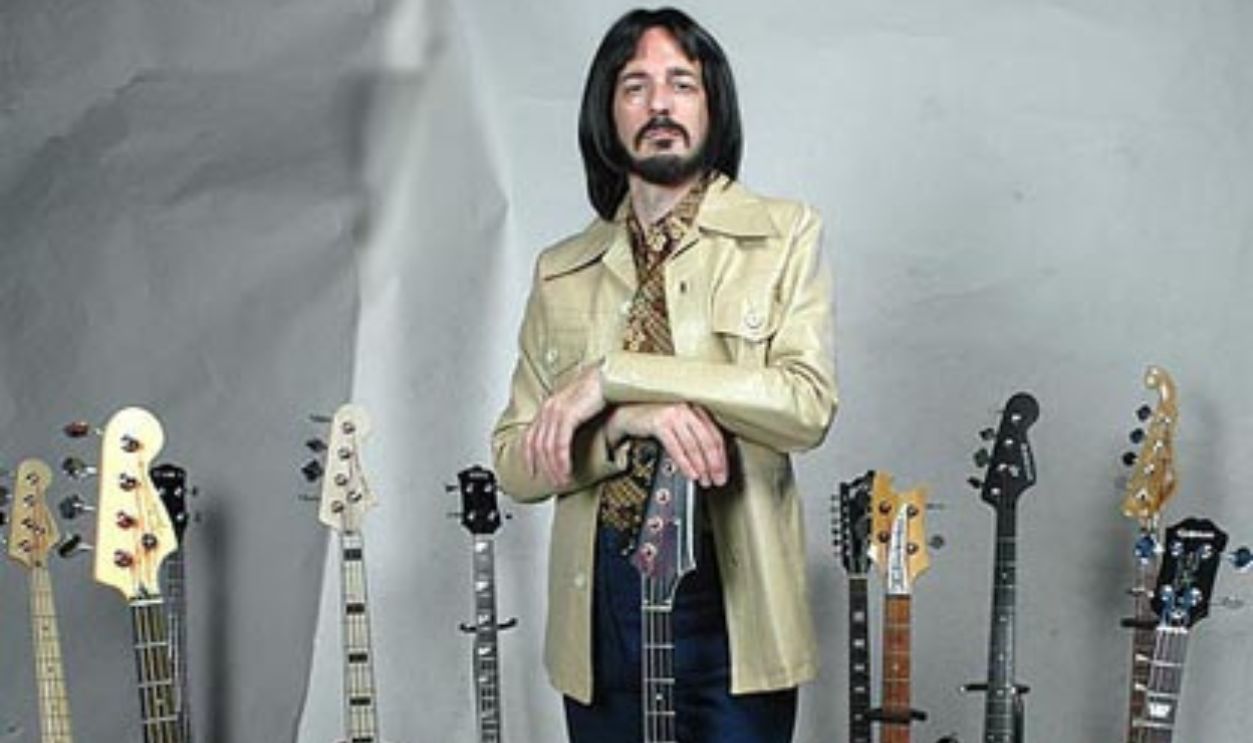 Joelpelletier, CC BY-SA 3.0, Wikimedia Commons
Noel Gallagher
Noel Gallagher, the songwriting mastermind behind Oasis, launched a solo project under "Noel Gallagher's High Flying Birds". While his new venture was critically appreciated, his work didn't match the chart-topping success and cultural impact of Oasis, often being overshadowed by his own legacy.
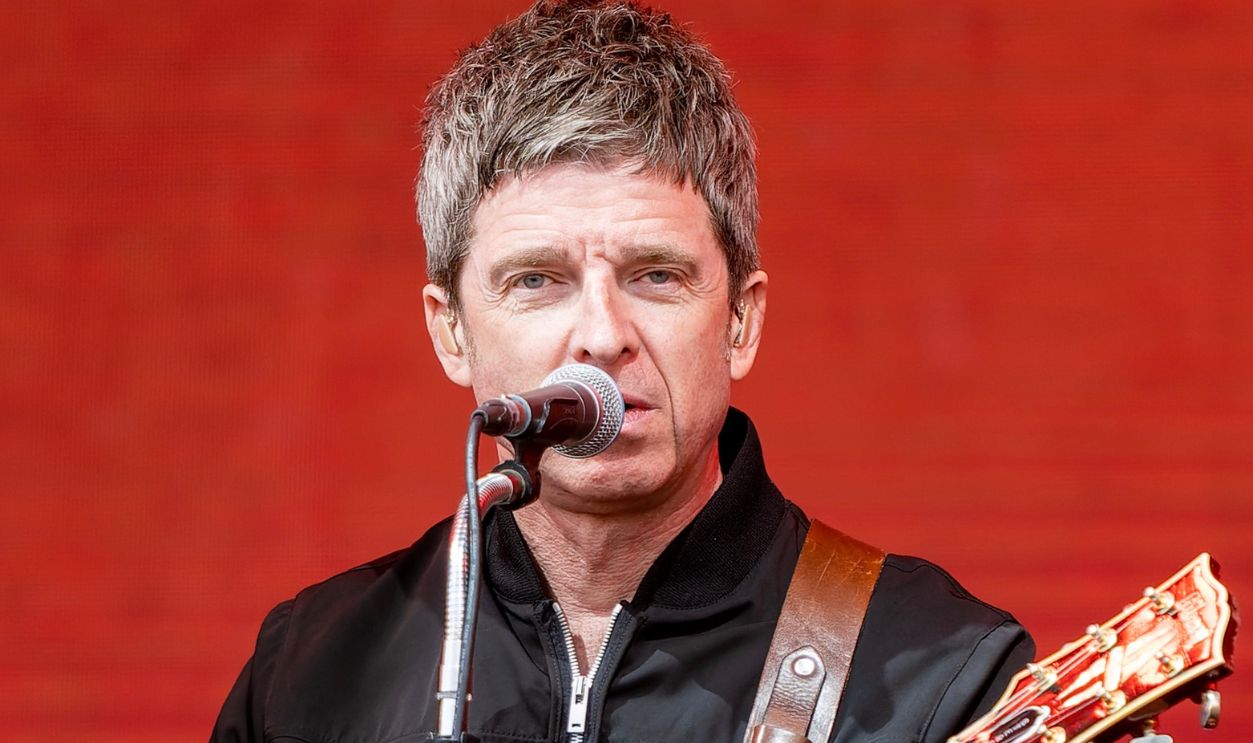 Raph_PH, CC BY 2.0, Wikimedia Commons
Liam Gallagher
Noel's younger brother and Oasis' iconic frontman, Liam, also resorted to flying solo. Despite his unique voice, albums like As You Were (2017) lacked the lyrical depth and musical innovation Oasis fans craved. He was constantly met with comparisons to his former band that were inevitable and unflattering.
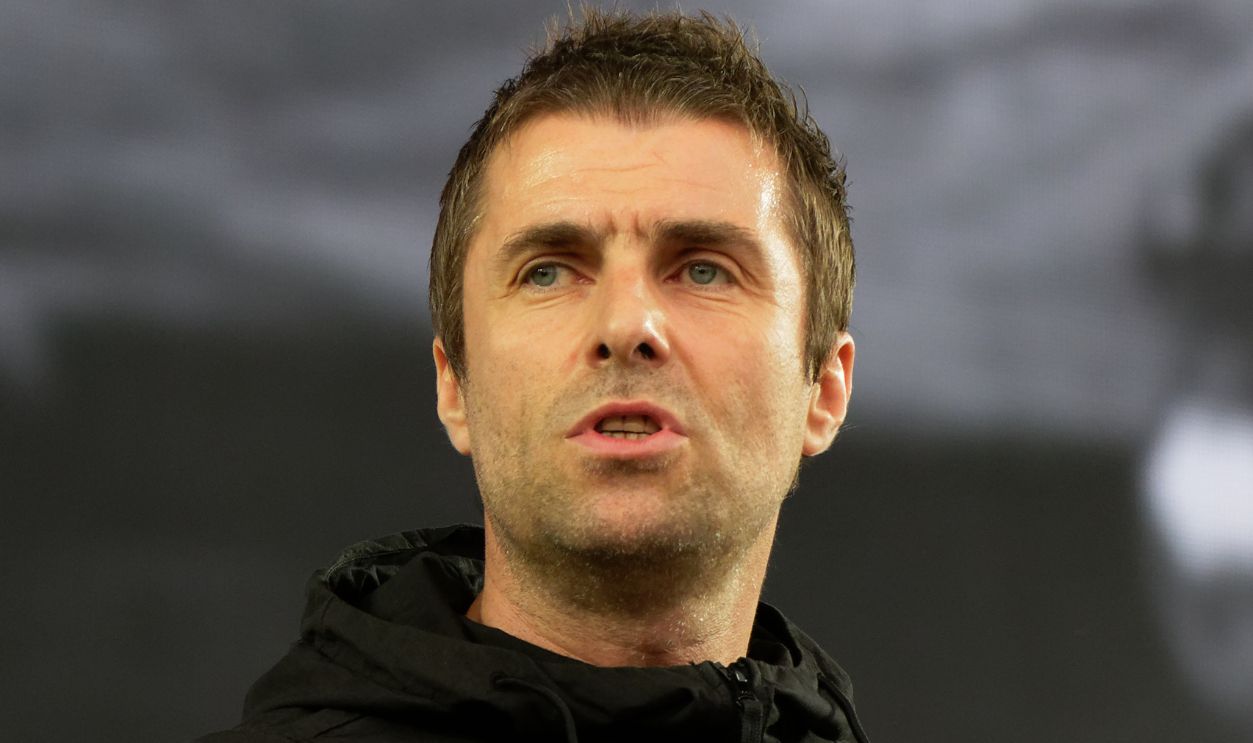 Thesupermat, CC BY-SA 4.0. Wikimedia Commons
Nikki Sixx
As a founding member of Mötley Crüe, Nikki Sixx is a rock icon. And when he broke from the band, his fans missed the gritty glam-metal vibe that defined his Mötley Crüe days. Sixx's solo efforts and the band he eventually formed, Sixx A.M., didn't achieve the same raw power or commercial success.
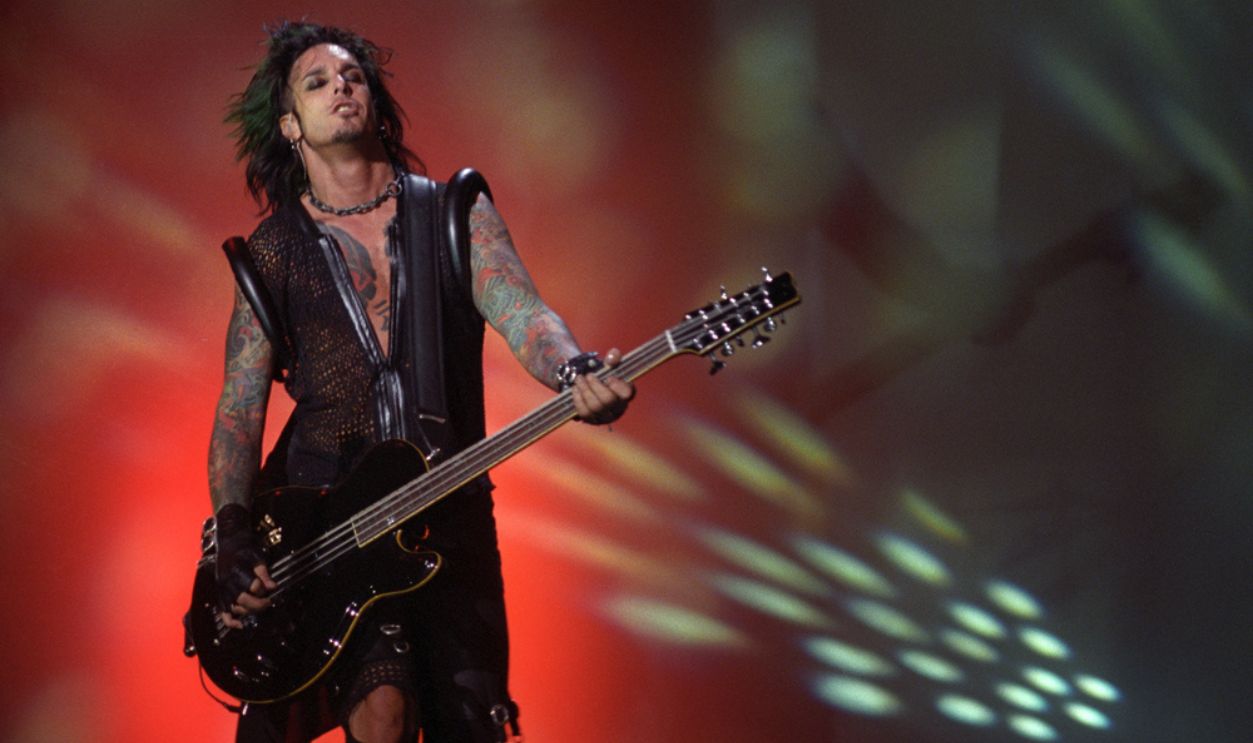
Brian May
Queen's lead guitarist, Brian May, explored solo albums like Back to the Light (1992). Even though May's exceptional guitar skills shone in these projects, the records didn't connect with the masses like Queen's legendary catalog. His brilliance was undeniable, but the magic of Queen was irreplaceable.
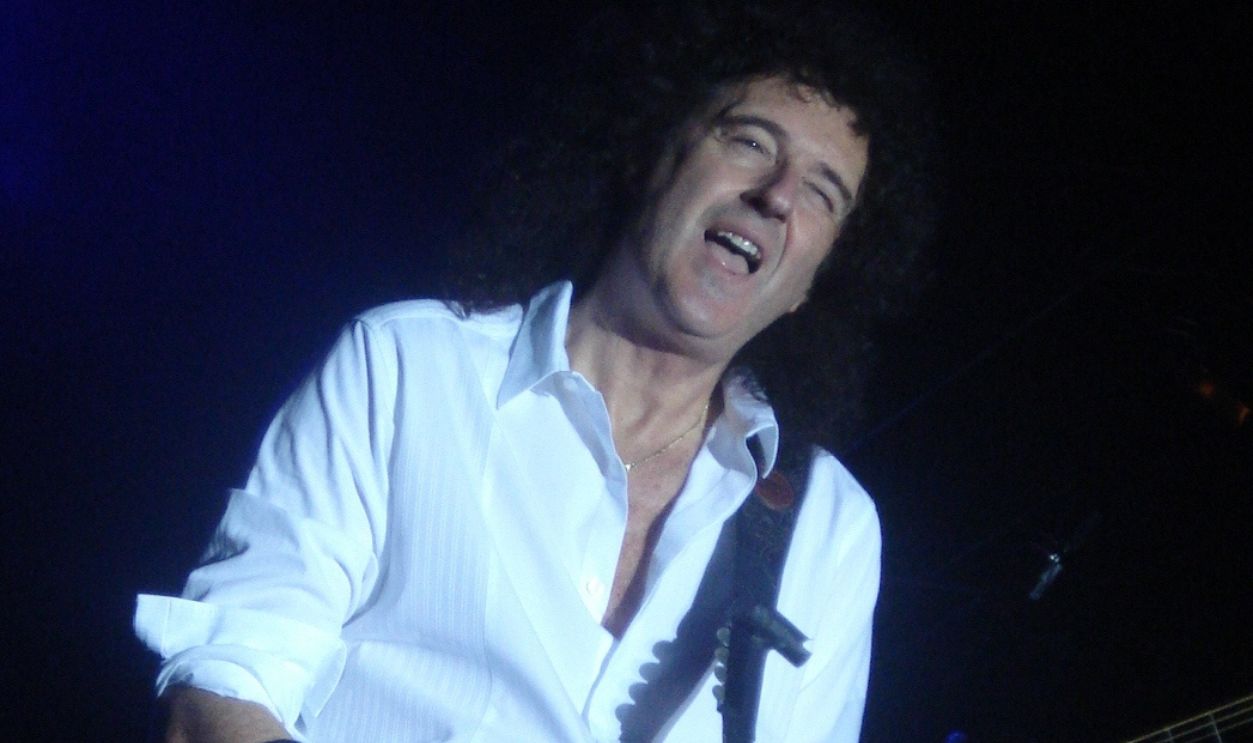 Compadre Edua'h, Wikimedia Commons
Jon Bon Jovi
Jon Bon Jovi stepped outside his band Bon Jovi, producing solo albums in 1990 and 1997. Eh, they were moderately successful. Mainly because these productions lacked the larger-than-life anthems fans adored in their initial essence. His solo material felt more subdued, failing to reproduce the group's global rock appeal.
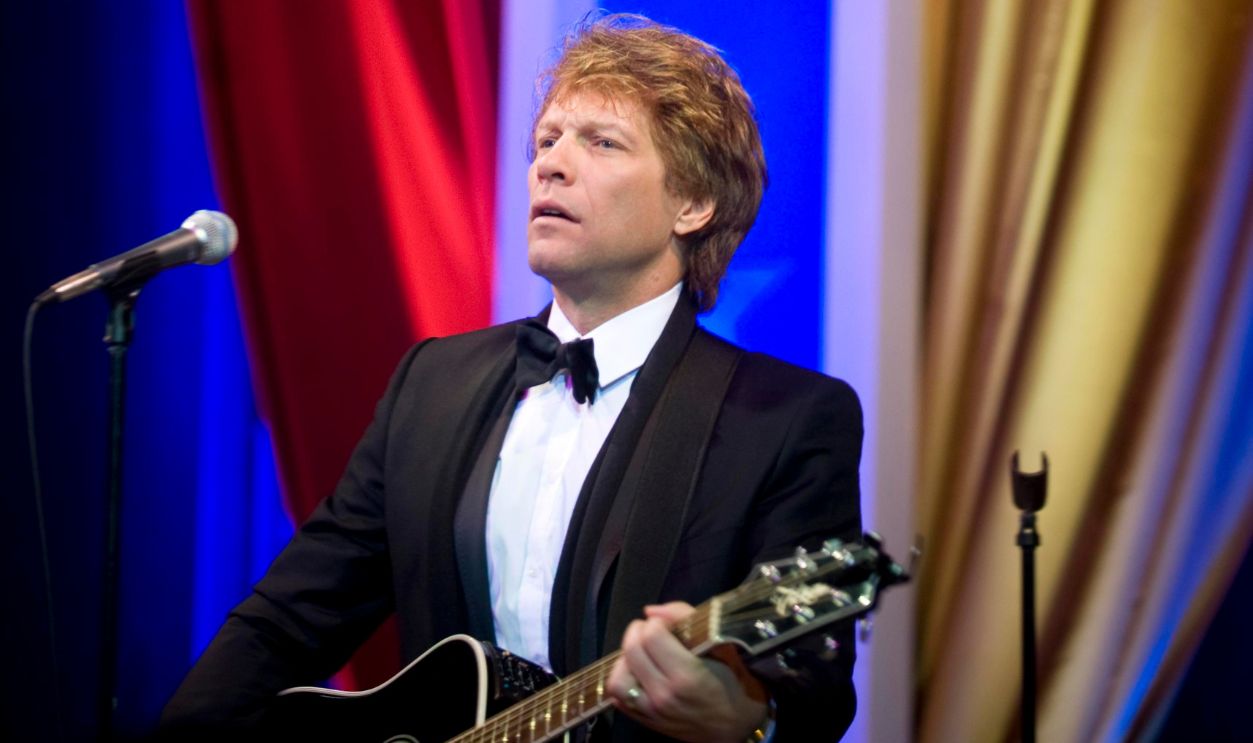 Mass Communication Specialist 1st Class Chad J. McNeeley, Wikimedia Commons
Mark Knopfler
As the voice and guitar of Dire Straits, Mark Knopfler was untouchable. His solo work leaned toward folk and country influences, alienating fans of the band's rock-infused storytelling. Although critically acclaimed, his solo ventures lacked the wide, lucrative success of his Dire Straits era.
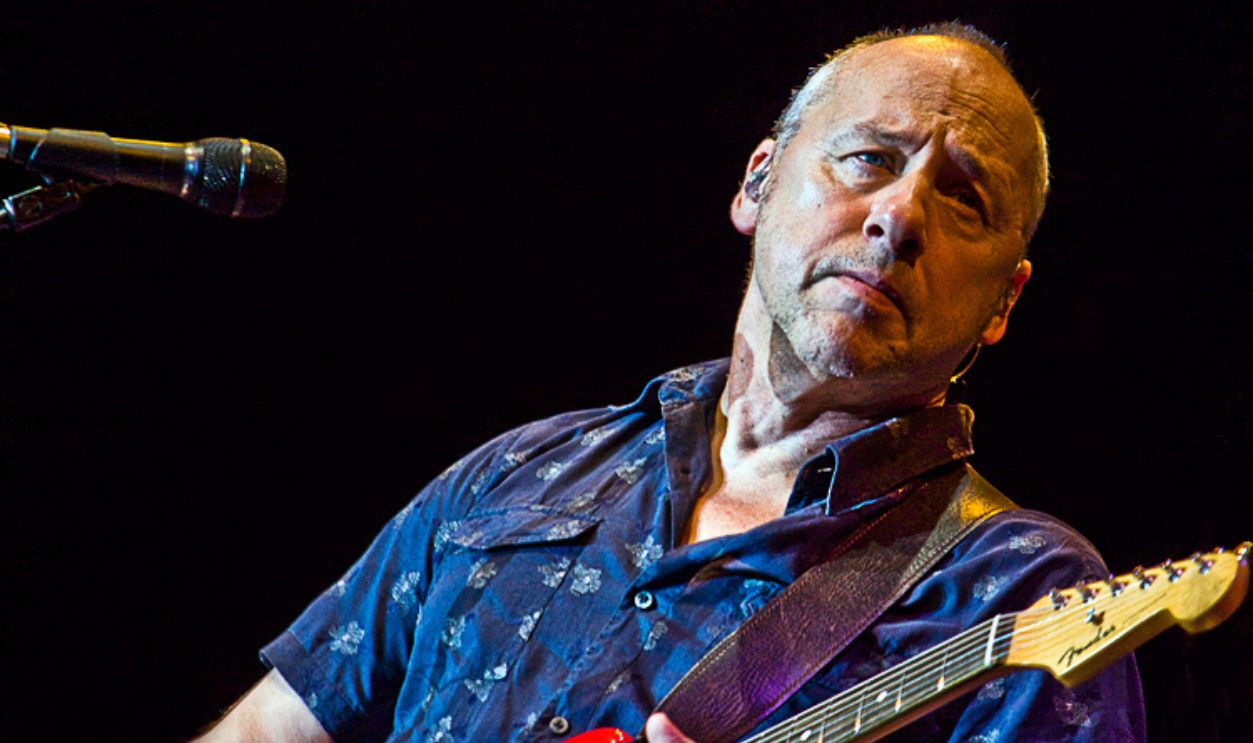 Alterna2, CC BY 2.0, Wikimedia Commons
Pete Townshend
The creative force behind The Who, Pete Townshend, released seven solo albums from 1972 to 1993. While respected, his solo material didn't capture the raw, rebellious spirit of his band's classics. Fans couldn't help but compare his solo efforts unfavorably to The Who's iconic catalog.
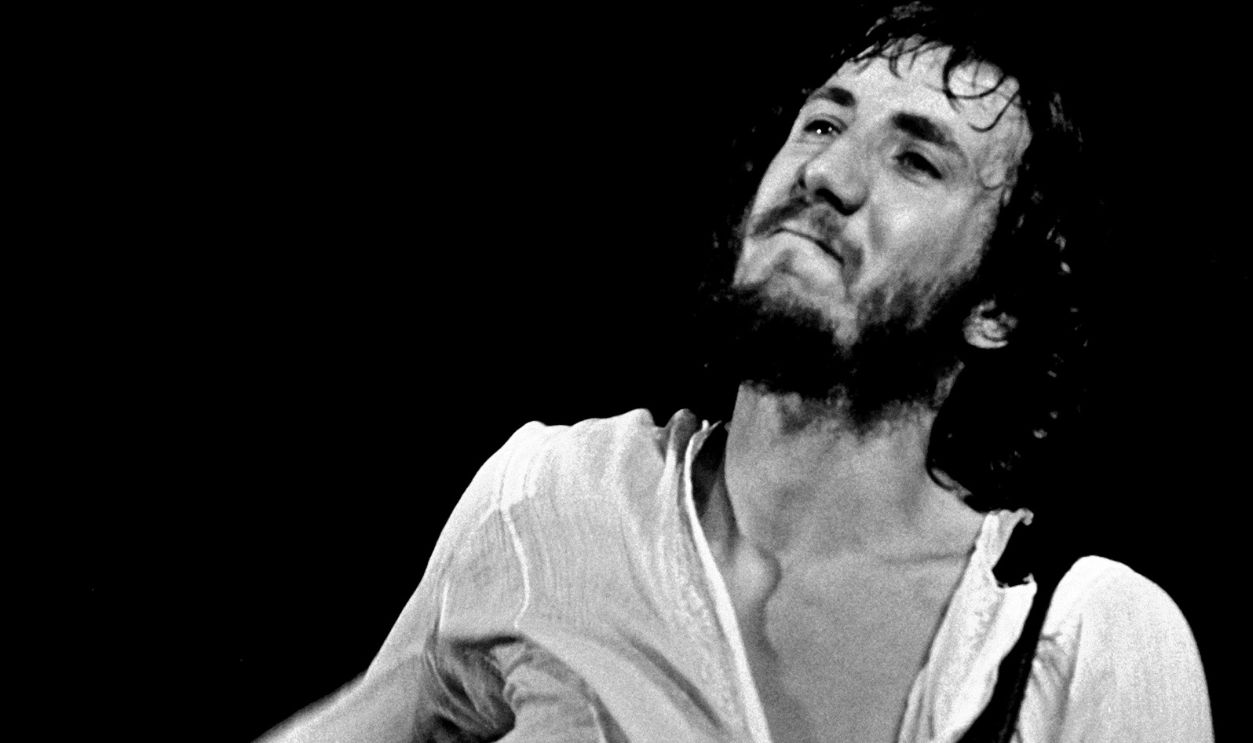 Heinrich Klaffs, CC BY-SA 2.0, Wikimedia Commons
Debbie Harry
Blondie's Debbie Harry attempted a solo career that just did not pick as she expected. In spite of her star power, the solo projects didn't generate the same buzz as her work with Blondie. The experimental style failed to catch the mainstream audience's attention, especially those who loved Blondie's hits.
 Private Stock Records, Wikimedia Commons
Serj Tankian
System of a Down's frontman, Serj Tankian, embraced a more eclectic sound in his solo albums. But his solo work felt too niche for mainstream listeners. It did highlight his artistic range, but didn't achieve the same explosive popularity as System of a Down.
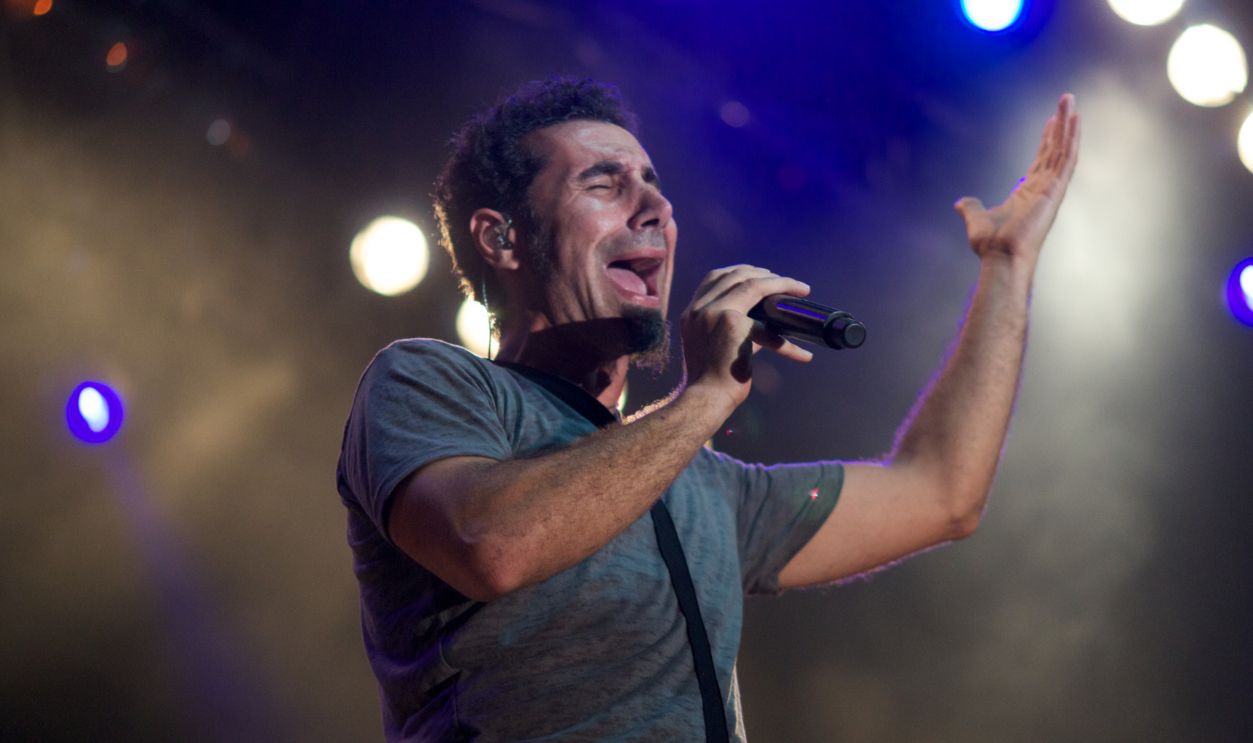 Vladimir Petkov, CC BY-SA 2.0, Wikimedia Commons
Gwen Stefani
Gwen Stefani's solo pop ventures after No Doubt, including Love. Angel. Music. Baby. (2004), were initially hits but quickly lost steam. Over time, her solo career felt disconnected from the ska-punk authenticity fans loved. The shift toward pop left some No Doubt enthusiasts disappointed.
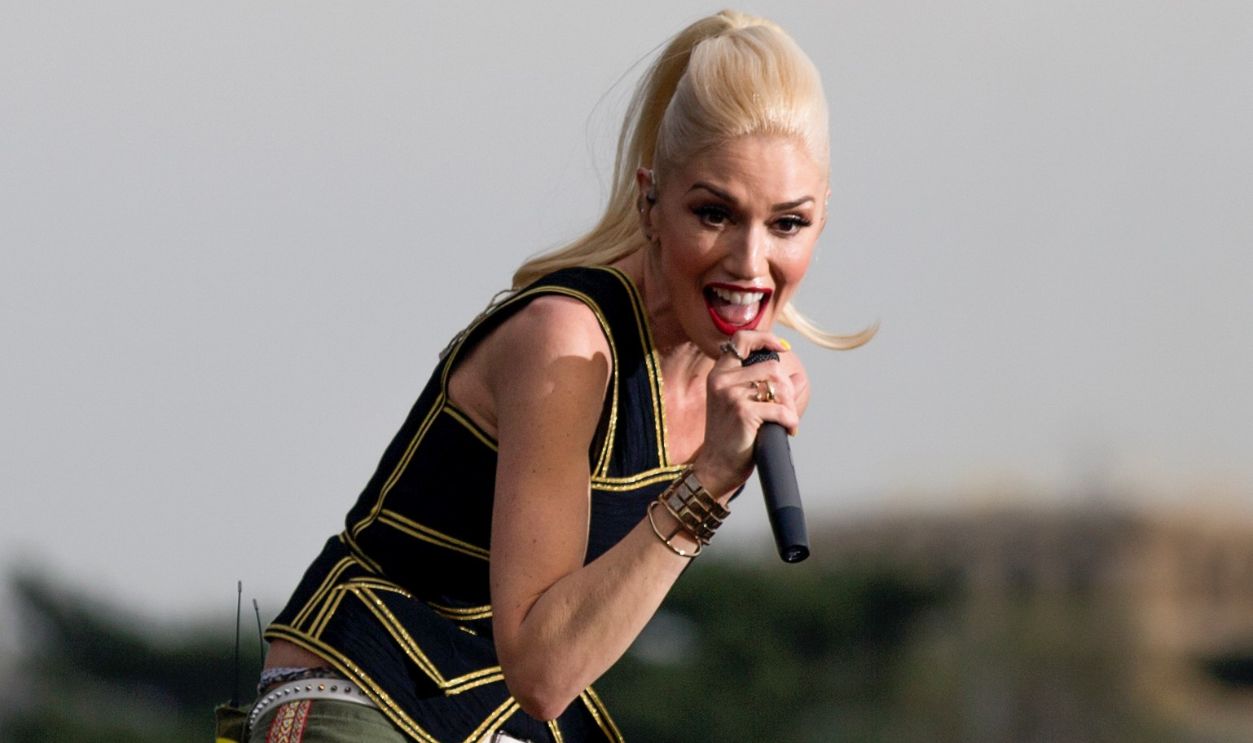 Lorie Shaull, CC BY-SA 4.0, Wikimedia Commons
Darius Rucker
After Darius Rucker made a switch from Hootie & the Blowfish to a solo country career, he garnered considerable interest but that wasn't enough to recreate his band's chart-topping success. His country albums, while respected, lacked the widespread, genre-defying appeal that made Hootie & the Blowfish a phenomenon.
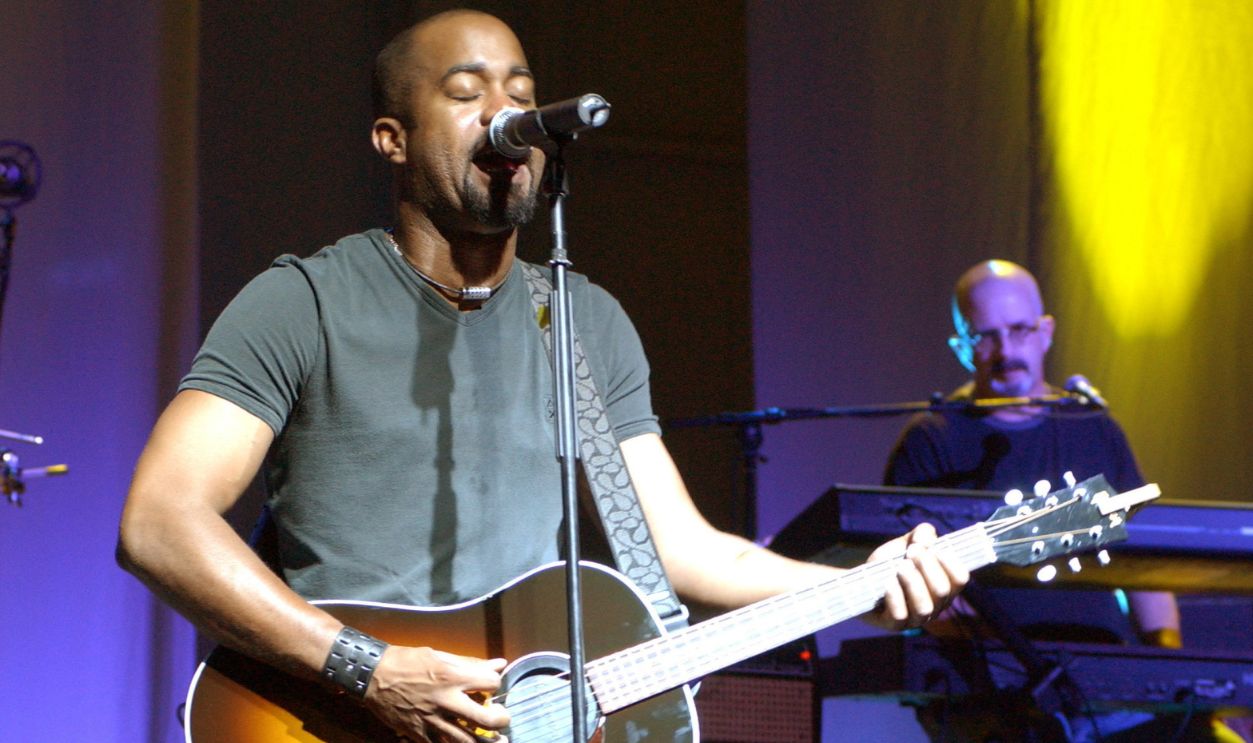 SSGT Michael R. Holzworth, U.S. Air Force, Wikimedia Commons
Anthony Kiedis
Anthony Kiedis explored solo opportunities but he never committed fully mainly because his musical energy remained primarily channeled through the band, Red Hot Chili Peppers. As a result, his individual recording projects never materialized into substantial releases.
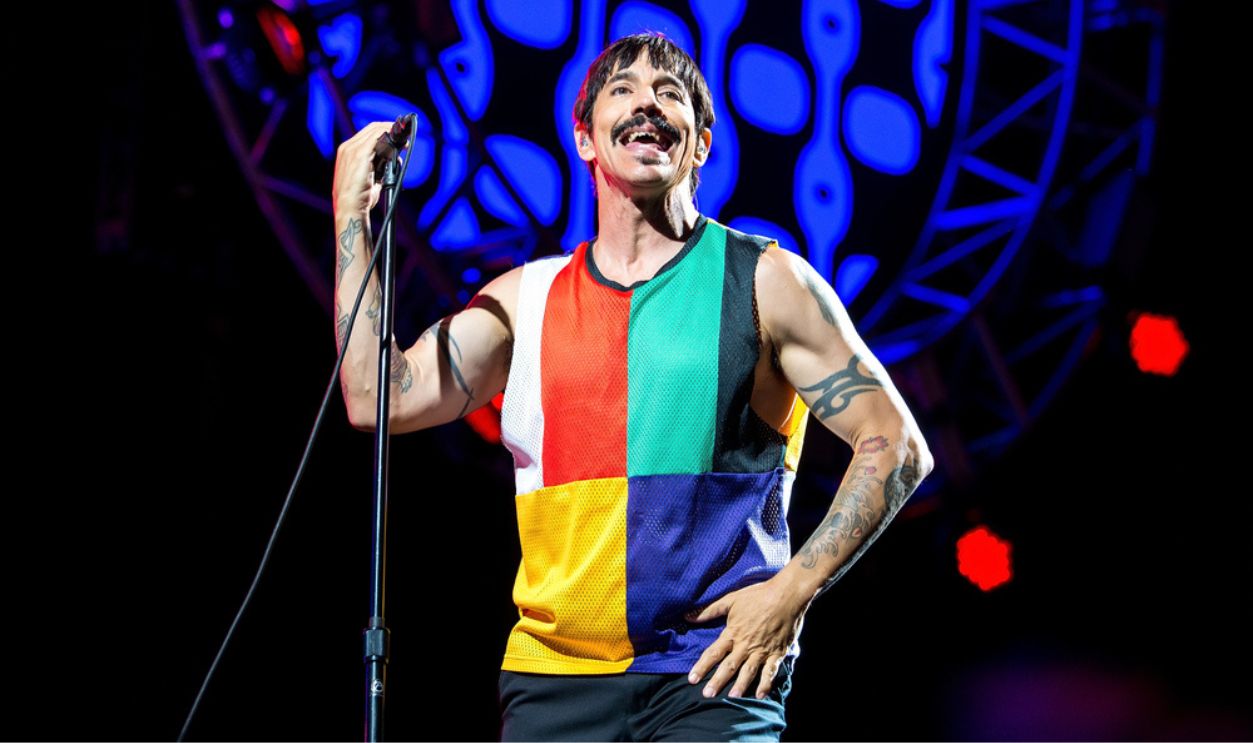 Christian Bertrand, Shutterstock
Brandon Flowers
The Killers' frontman, Brandon Flowers, released solo albums like Flamingo (2010). When he released these albums, fans seemed to prefer him in his band's dynamic, collaborative environment. Sure, the albums had moments of brilliance, but they didn't capture the infectious energy and chart-topping success of The Killers' hits.
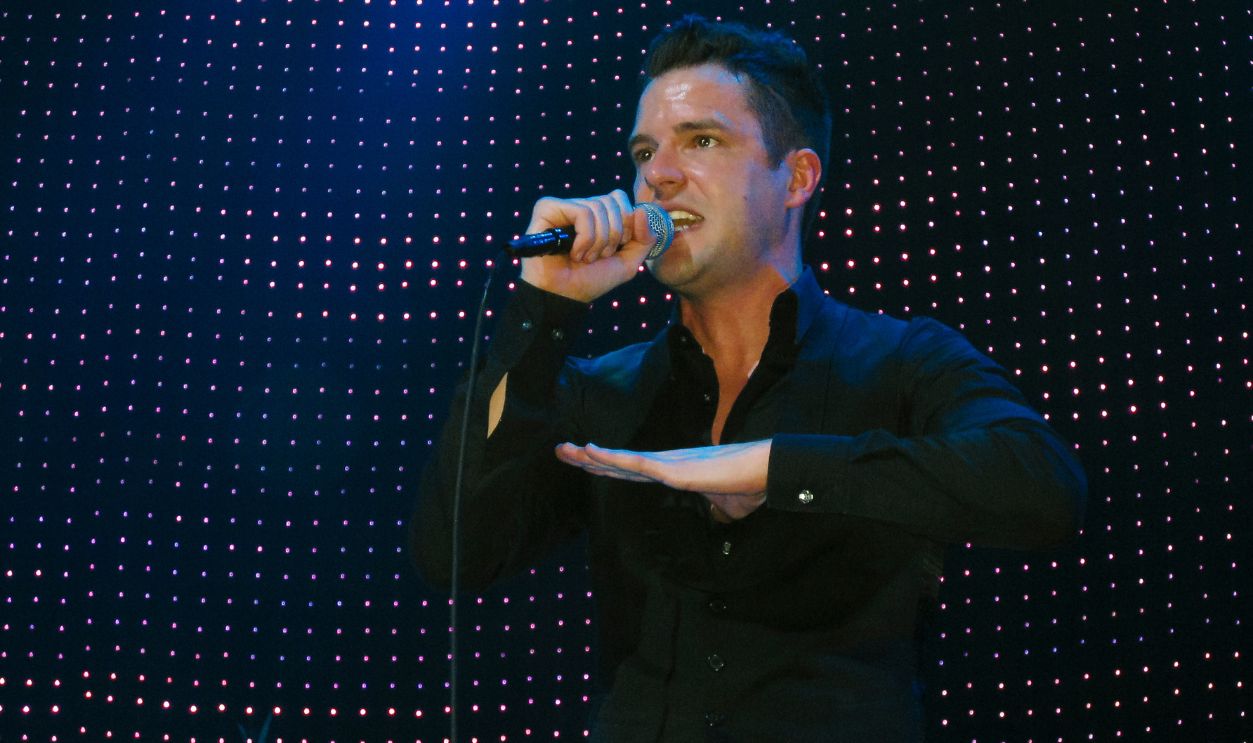 Matthew T Rader, CC BY-SA 4.0, Wikimedia Commons

_(cropped).jpg)


.jpg)

_(52181386307)_(cropped).jpg)


.jpg%3A//commons.wikimedia.org/wiki/file:Serj_Tankian_Spirit_of_Burgas_Bulgaria_2010.jpg)

