Voices From The Shadows
A great movie narrator can do something explosions, sweeping scores, and million-dollar visuals sometimes can’t: crawl directly into your brain and redecorate the place. These films proved narration isn’t just extra commentary slapped on top of the action. In the right hands, it becomes the movie’s heartbeat.
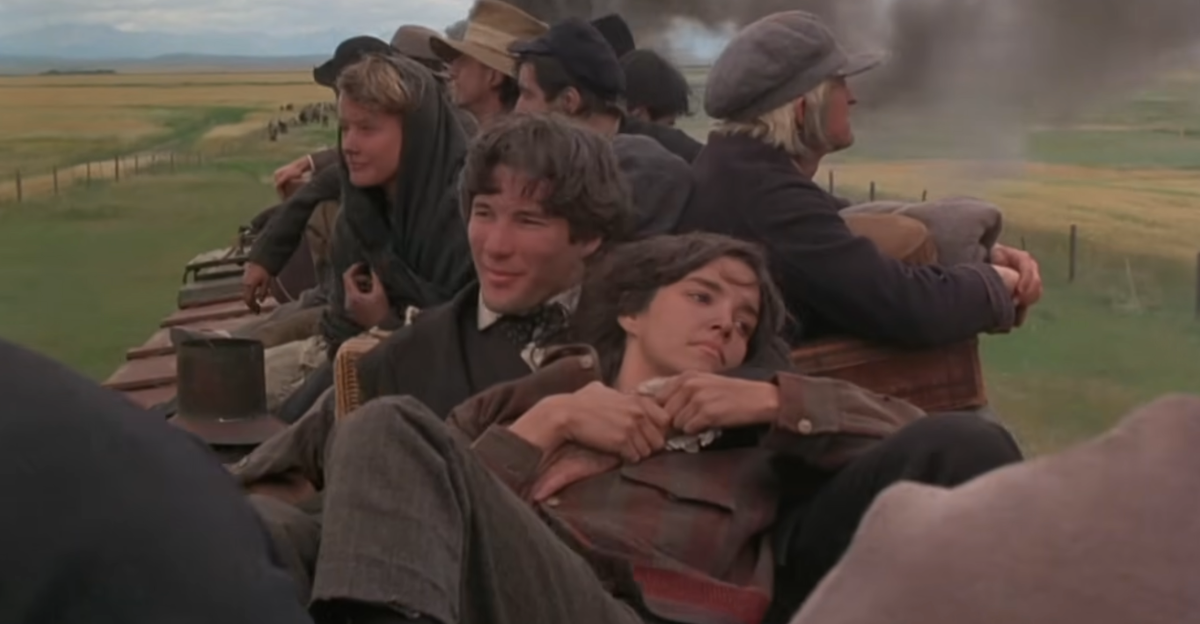 Screenshot from Days of Heaven, 1978, Amazon Prime Video
Sunset Boulevard
The narration in Sunset Boulevard starts with a man floating in a pool, which is a pretty confident way to open a movie. William Holden’s cynical voice-over drips with bitterness as he walks viewers through Hollywood’s glamour and decay. By the time the story reaches its final moments, the narration feels less like exposition and more like a ghost haunting the film.
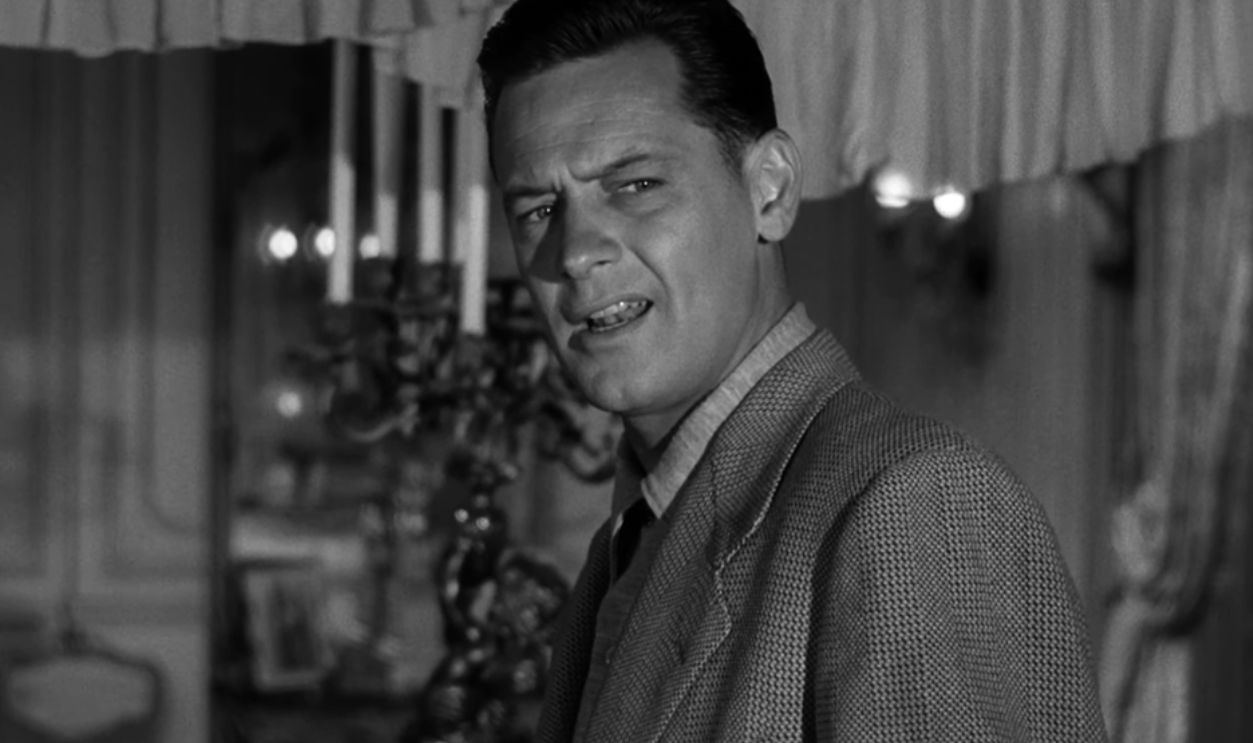 Screenshot from Sunset Boulevard, Paramount Pictures (1950)
Barry Lyndon
Ryan O’Neal barely needs to speak because the narrator in Barry Lyndon does the heavy lifting with icy precision. The voice-over calmly predicts disasters before they happen, giving the film the feeling of an elegant tragedy that’s already been written. Stanley Kubrick somehow turned narration into destiny itself.
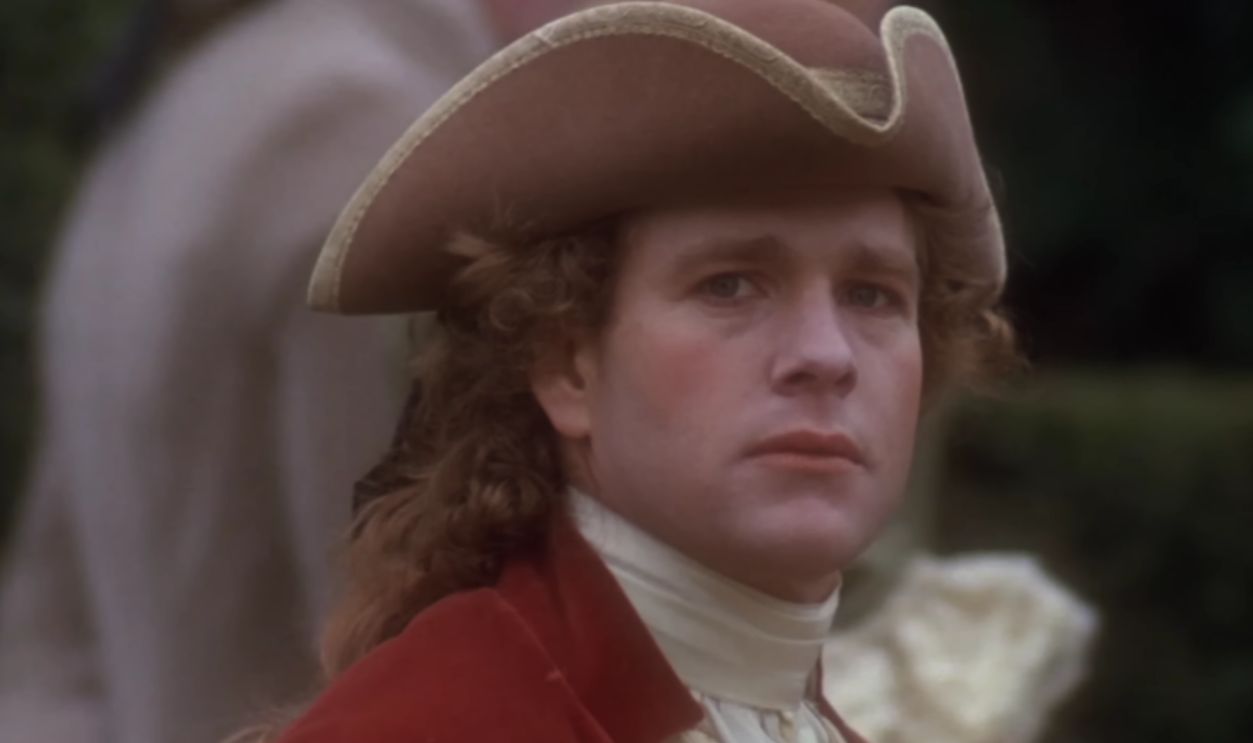 Screenshot from Barry Lyndon, Warner Bros. Pictures (1975)
Apocalypse Now
Martin Sheen’s narration in Apocalypse Now sounds exhausted, paranoid, and spiritually broken from the very first line. His internal monologue drags viewers deeper into the jungle and further into madness with every passing scene. Even when the movie becomes surreal and chaotic, the narration keeps it feeling painfully human.
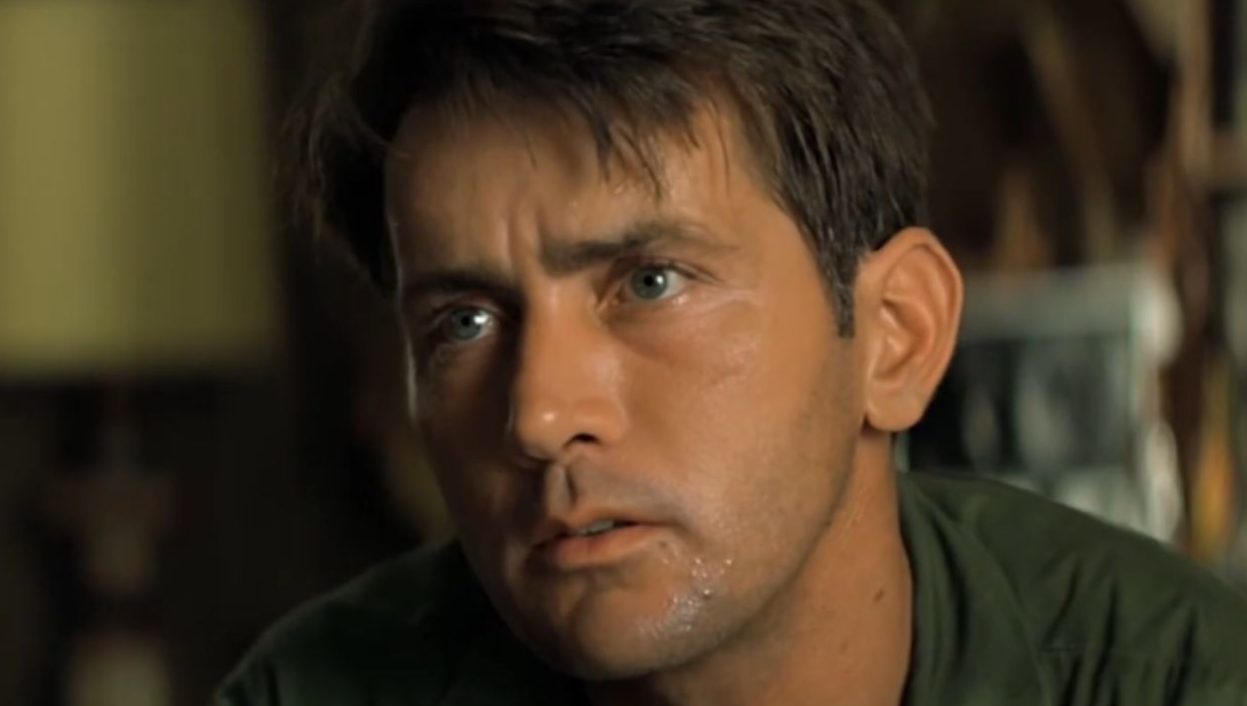 Screenshot from Apocalypse Now, United Artists (1979)
A Christmas Story
Few narrations are as instantly recognizable as Jean Shepherd’s warm, sarcastic storytelling in A Christmas Story. The adult Ralphie looks back on childhood with the perfect mix of embarrassment and nostalgia. Every exaggerated disaster somehow feels funnier because it’s told through the lens of someone who survived suburban holiday warfare.
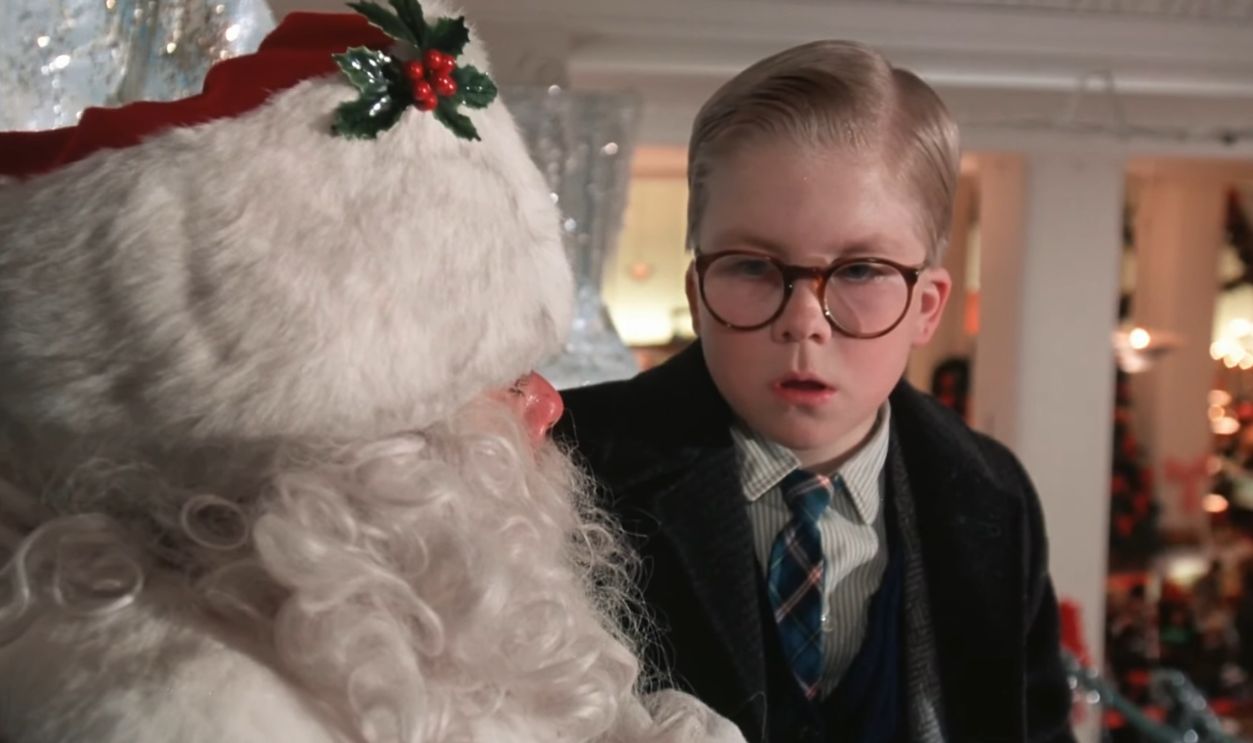 Screenshot from A Christmas Story, Metro-Goldwyn-Mayer (1983)
Stand by Me
Richard Dreyfuss narrates Stand by Me with the sadness of someone revisiting a memory that still hurts decades later. The film’s narration gives the adventure a reflective quality that makes the kids feel real rather than overly polished movie characters. By the ending, the voice-over quietly lands one of the most emotional punches in coming-of-age movie history.
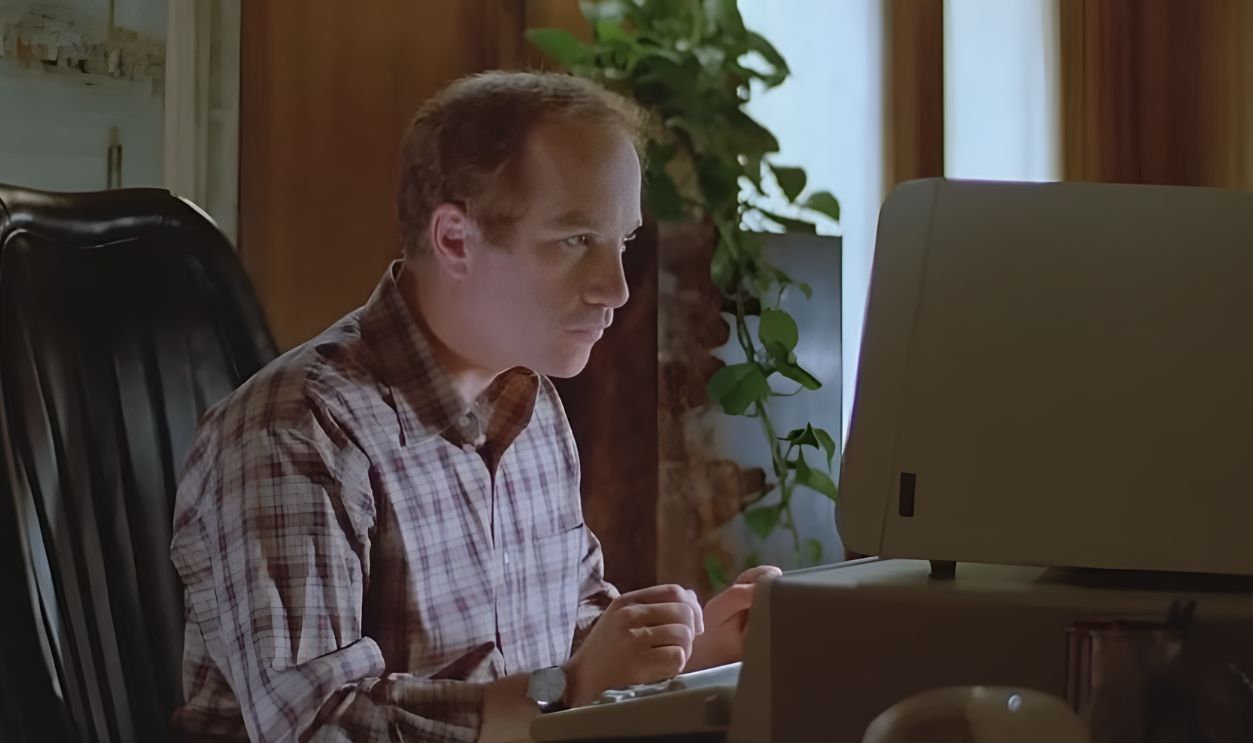 Screenshot from Stand by Me, Columbia Pictures (1986), Modified
Wings of Desire
Wings of Desire uses narration like poetry drifting through the air. The angels listening to human thoughts create a nonstop stream of loneliness, hope, confusion, and longing. Instead of guiding the audience through the story traditionally, the narration turns the entire movie into a meditation on what it means to be alive.
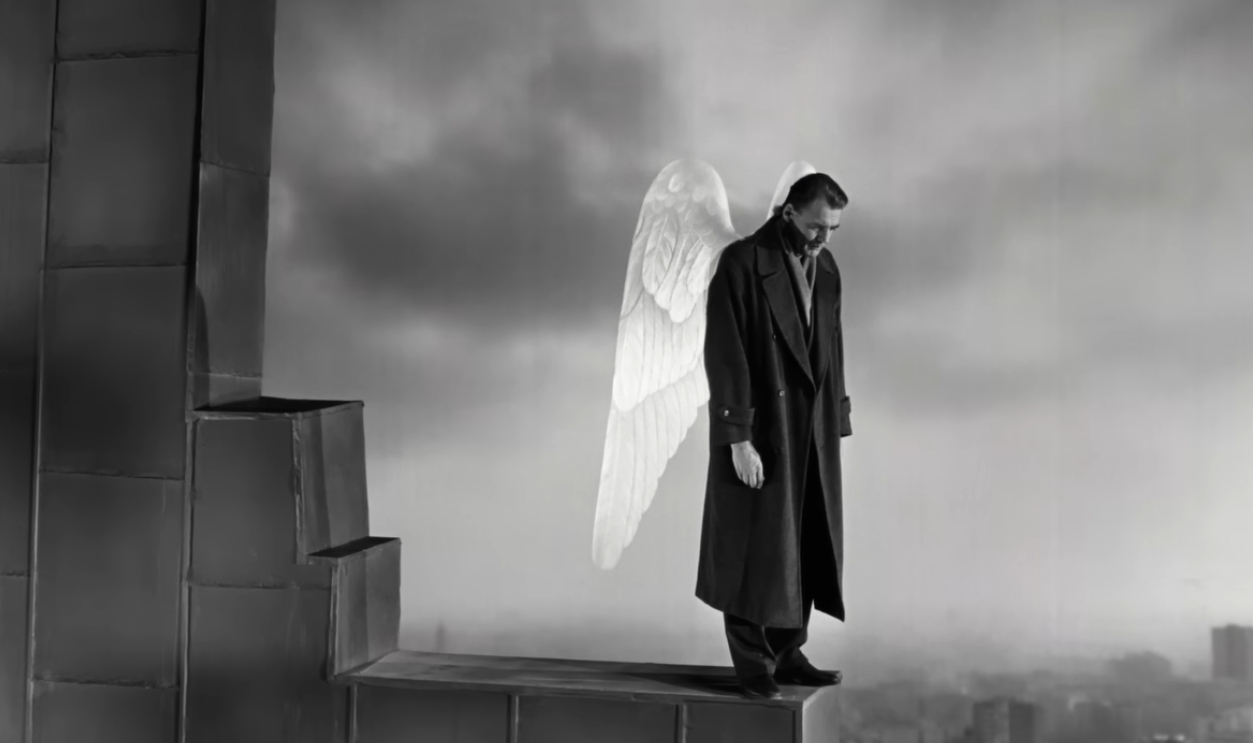 Screenshot from A Christmas Story, Metro-Goldwyn-Mayer (1983)
Casino
Robert De Niro narrates Casino like a man delivering a business seminar while standing inside a collapsing building. Joe Pesci eventually jumps in too, and suddenly the movie feels like two dangerous men arguing over who ruined Las Vegas faster. Martin Scorsese’s use of narration keeps the sprawling saga sharp, funny, and constantly moving.
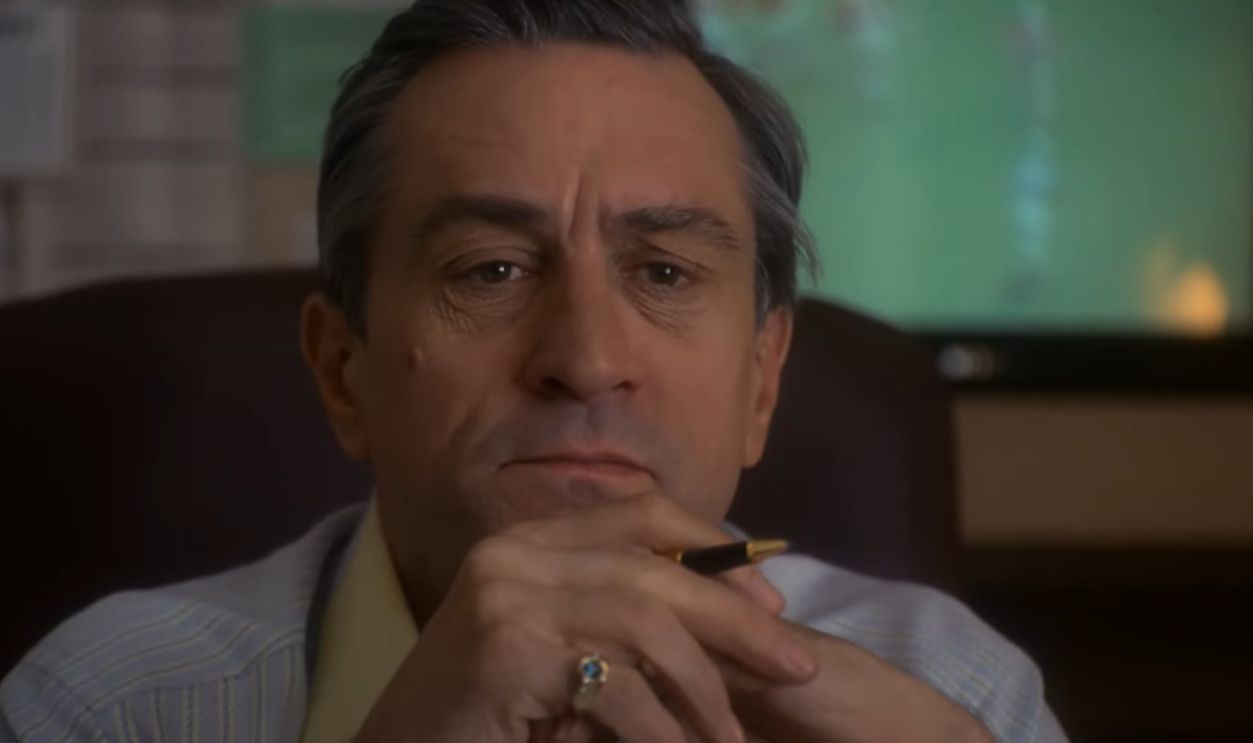 Screenshot from Casino, Universal Pictures (1995)
Y Tu Mamá También
The detached narrator in Y Tu Mamá También quietly interrupts the road-trip chaos to reveal deeper truths about the characters and Mexico itself. Those sudden observations completely reshape scenes that initially seem carefree or funny. The result is narration that expands the emotional scale of the film without overwhelming it.
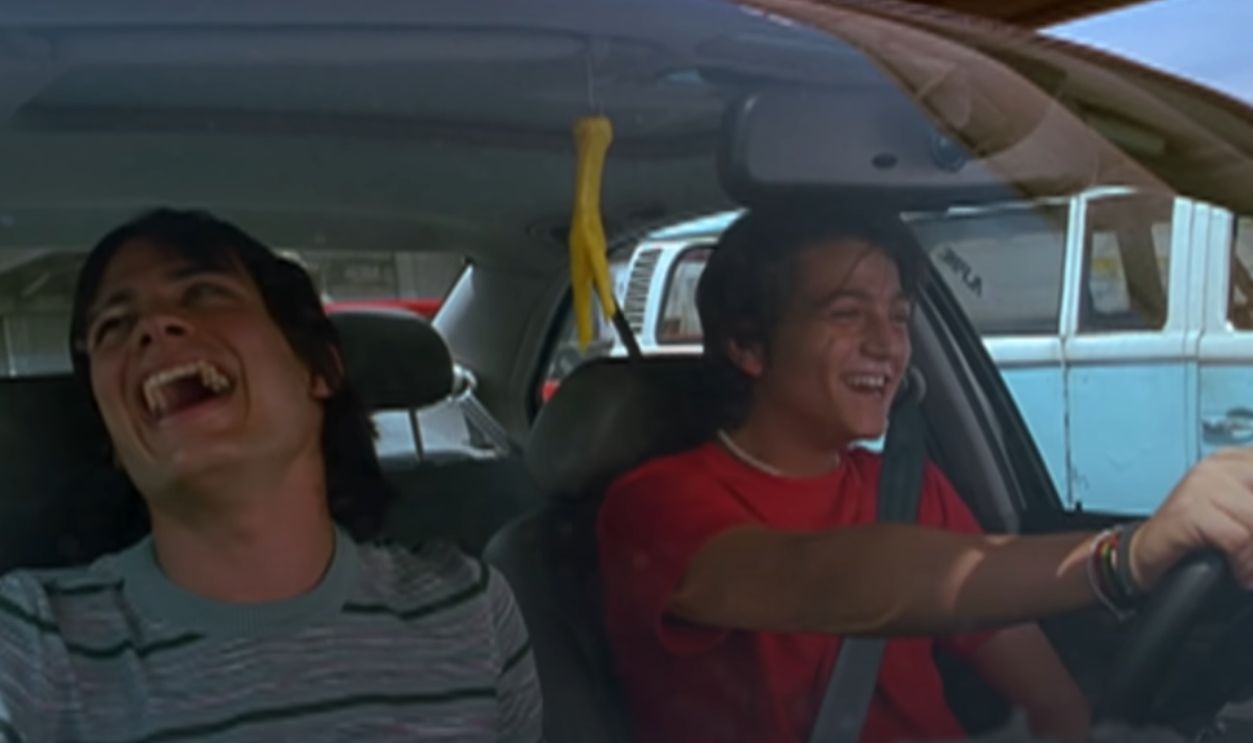 Screenshot from Y Tu Mamá También, 20th Century Fox (2001)
City of God
The narration in City of God moves at the same frantic speed as the movie itself. Rocket’s storytelling keeps the complicated web of gangs, betrayals, and danger understandable without slowing the momentum for a second. His narration also adds heartbreaking perspective because he’s trying to survive a world that keeps swallowing everyone around him.
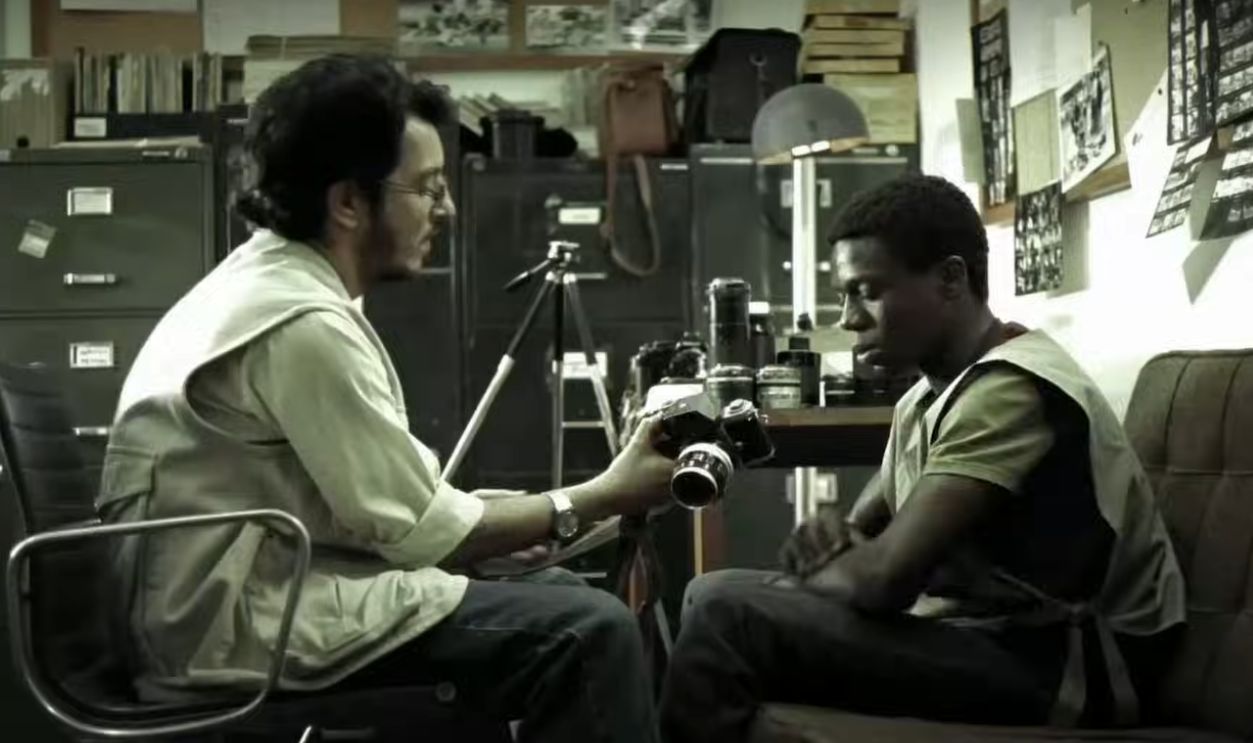 Screenshot from City of God, Miramax (2002)
Oldboy
The narration in Oldboy sounds like a man slowly losing his grip on reality, which makes sense given what happens in the film. Oh Dae-su’s thoughts pull viewers directly into his rage, confusion, and desperation. As the mystery unravels, the narration becomes increasingly uncomfortable in the best possible way.
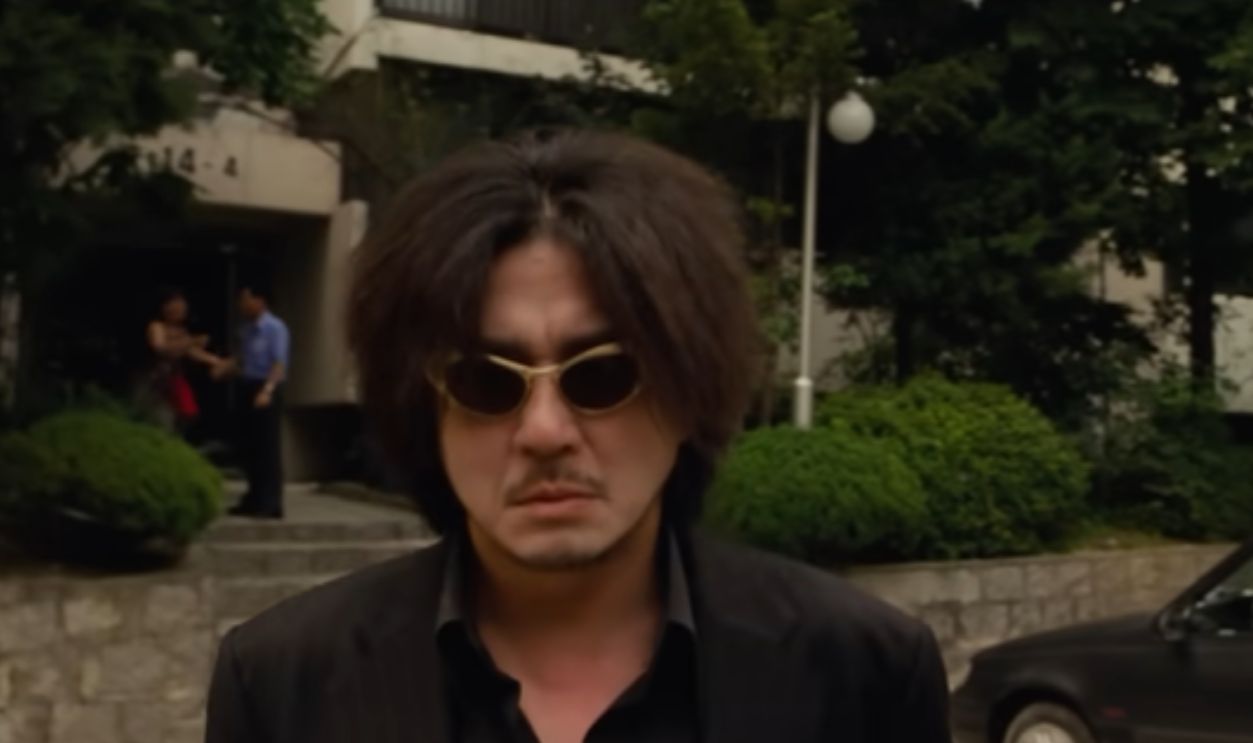 Screenshot from Oldboy, CJ ENM (2003)
Mean Girls
Not every legendary narration has to be dark and tortured. Lindsay Lohan’s narration in Mean Girls perfectly captures the confusion of entering an entirely new social ecosystem ruled by terrifyingly well-dressed teenagers. The voice-over keeps the comedy fast, sharp, and endlessly quotable.
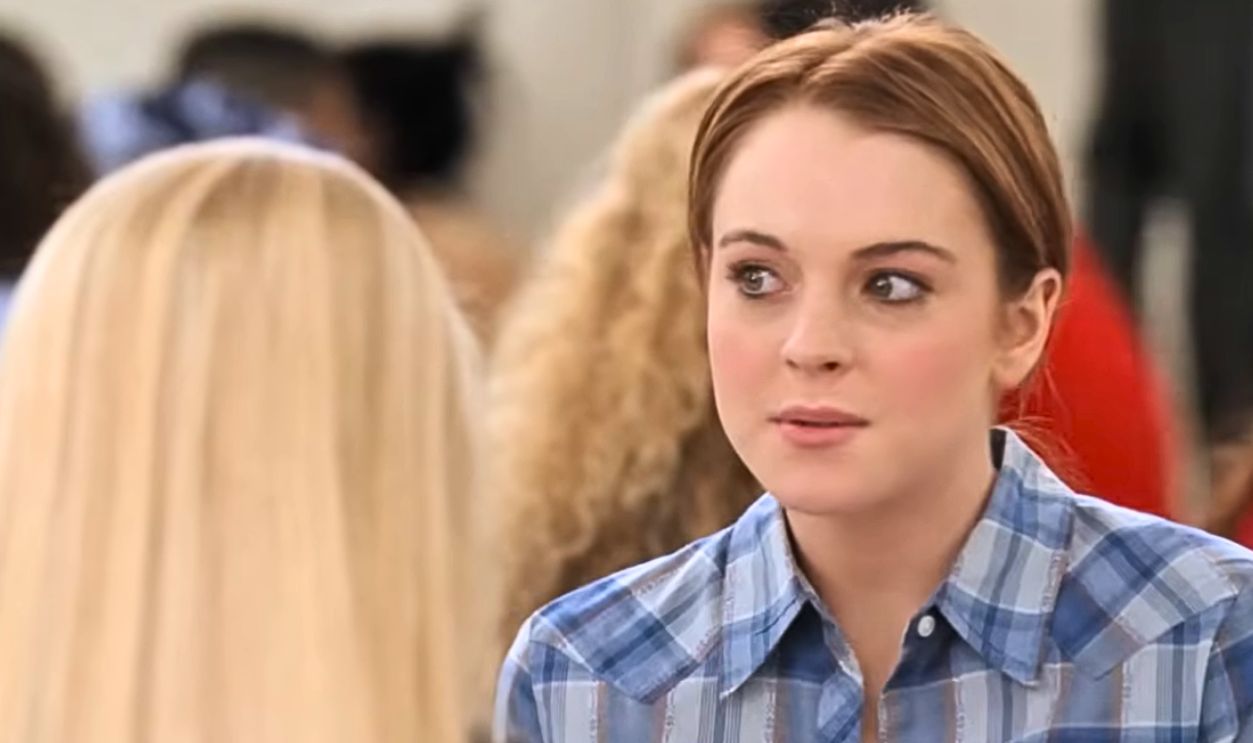 Screenshot from Mean Girls, Paramount Pictures (2004)
The Assassination of Jesse James by the Coward Robert Ford
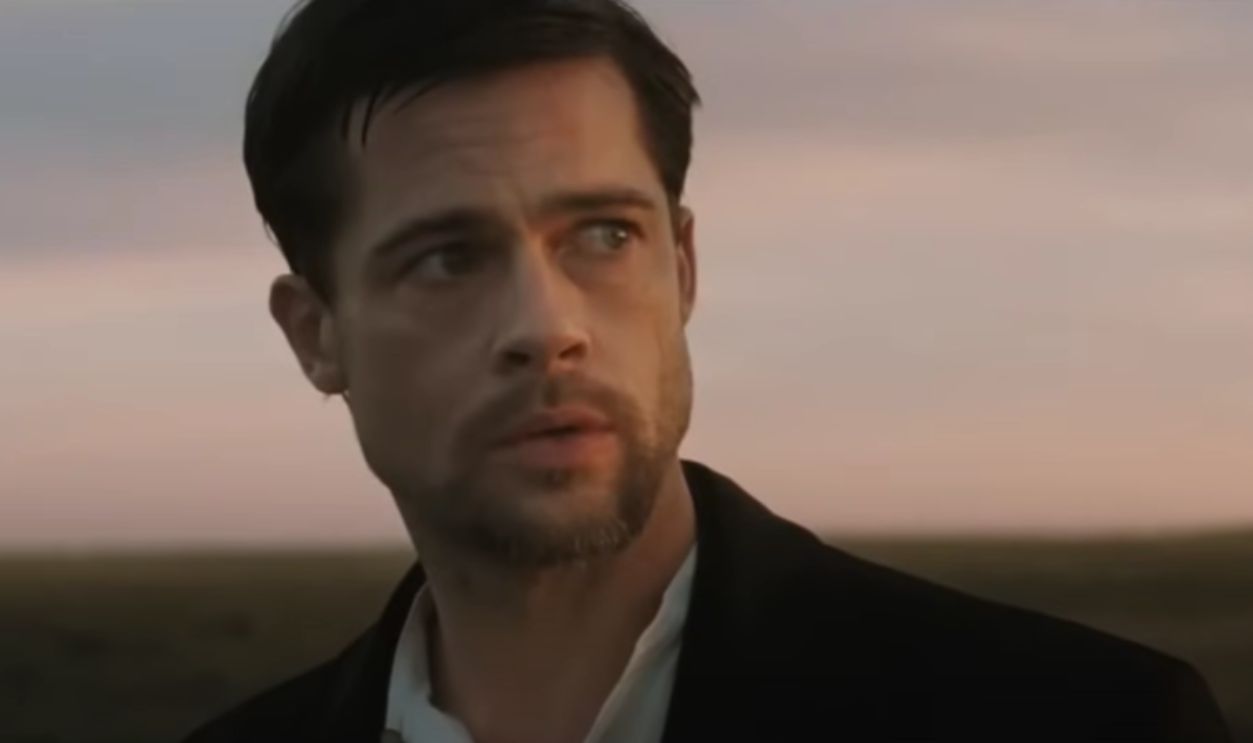
This film’s narration sounds almost biblical, as if someone discovered an old American myth carved into stone. The calm, literary voice-over gives every train heist and nervous glance extra weight. Brad Pitt and Casey Affleck are excellent, but the narration is what transforms the movie into something haunting.
Detour
Detour proves you don’t need a huge budget to create unforgettable narration. The bitter voice-over from Al Roberts turns the film into one long panic attack wrapped in smoke and bad decisions. Every sentence sounds like someone trying desperately to convince himself he isn’t doomed.
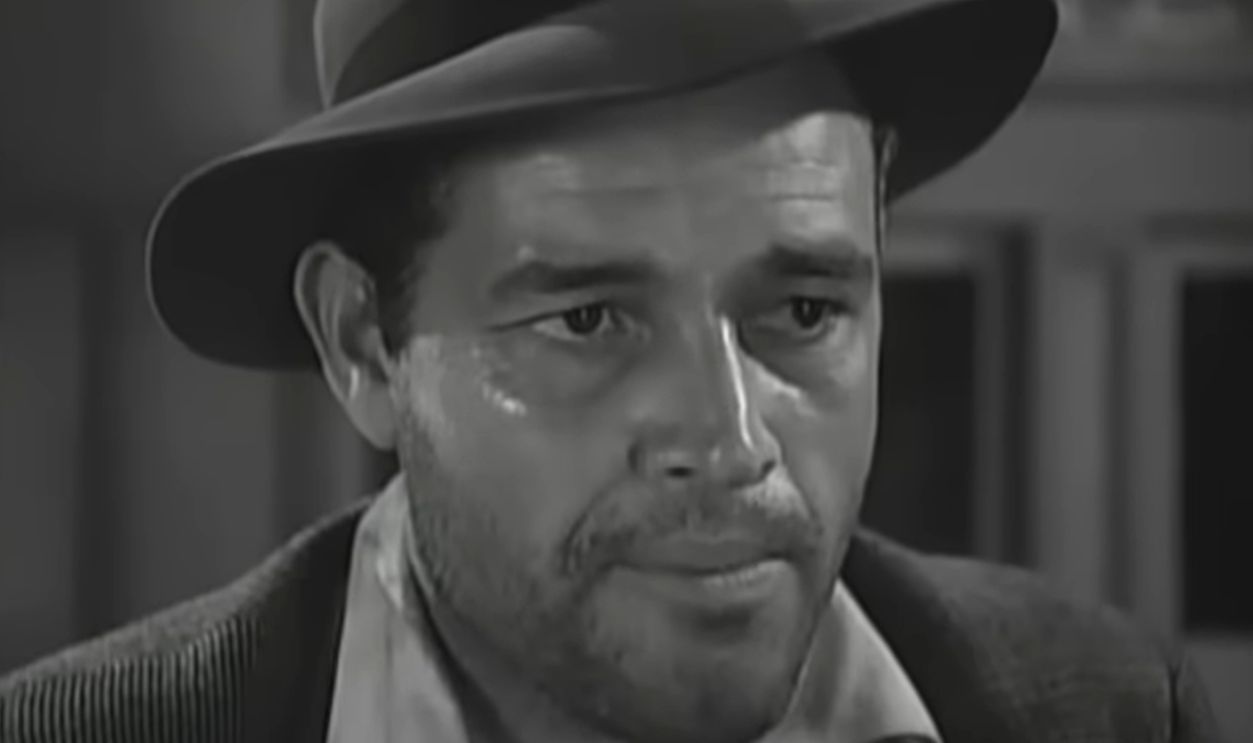 Screenshot from Detour, Producers Releasing Corporation (1945)
Brief Encounter
The narration in Brief Encounter quietly captures the emotional restraint that makes the movie devastating. Celia Johnson’s inner thoughts reveal heartbreak hidden beneath polite conversation and stiff upper lips. The result feels painfully intimate without ever becoming melodramatic.
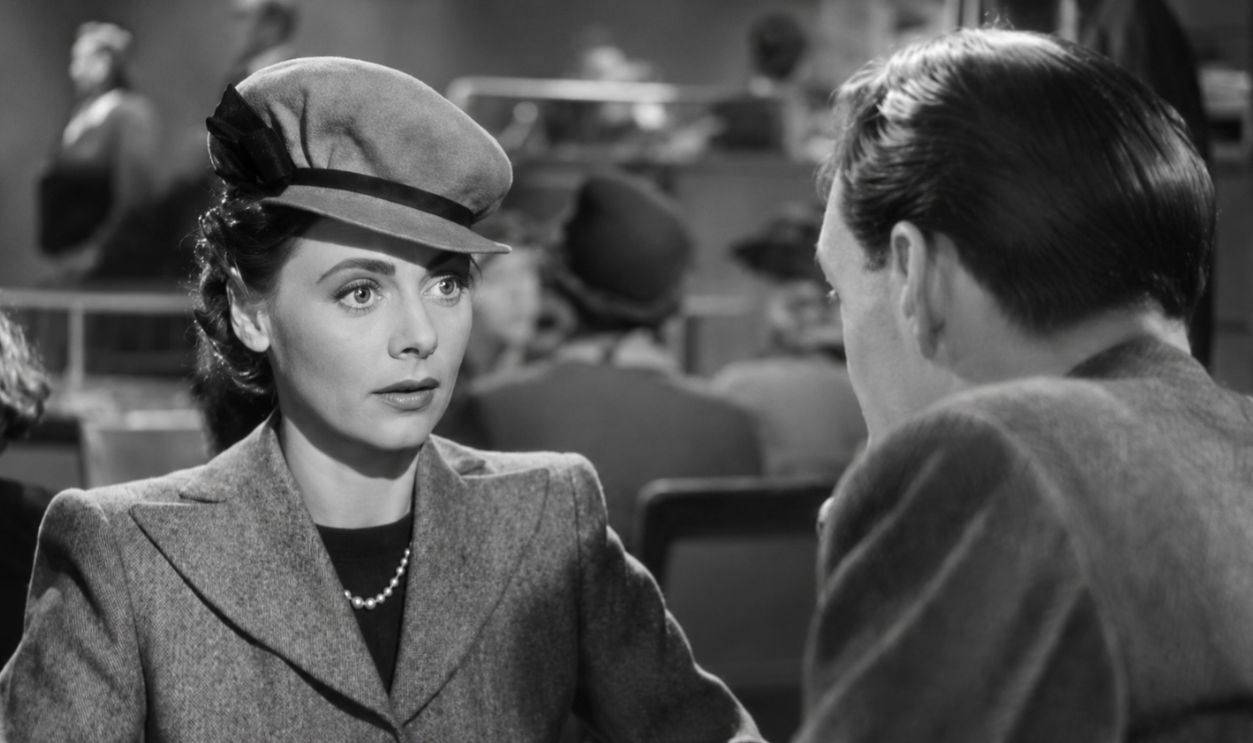 Screenshot from Brief Encounter, Eagle-Lion Distributors (1945)
Jules and Jim
The narrator in Jules and Jim moves quickly, almost breathlessly, matching the film’s restless energy. Rather than slowing things down, the narration gives the romance an airy, storybook quality. François Truffaut turns voice-over into rhythm, and the movie practically dances because of it.
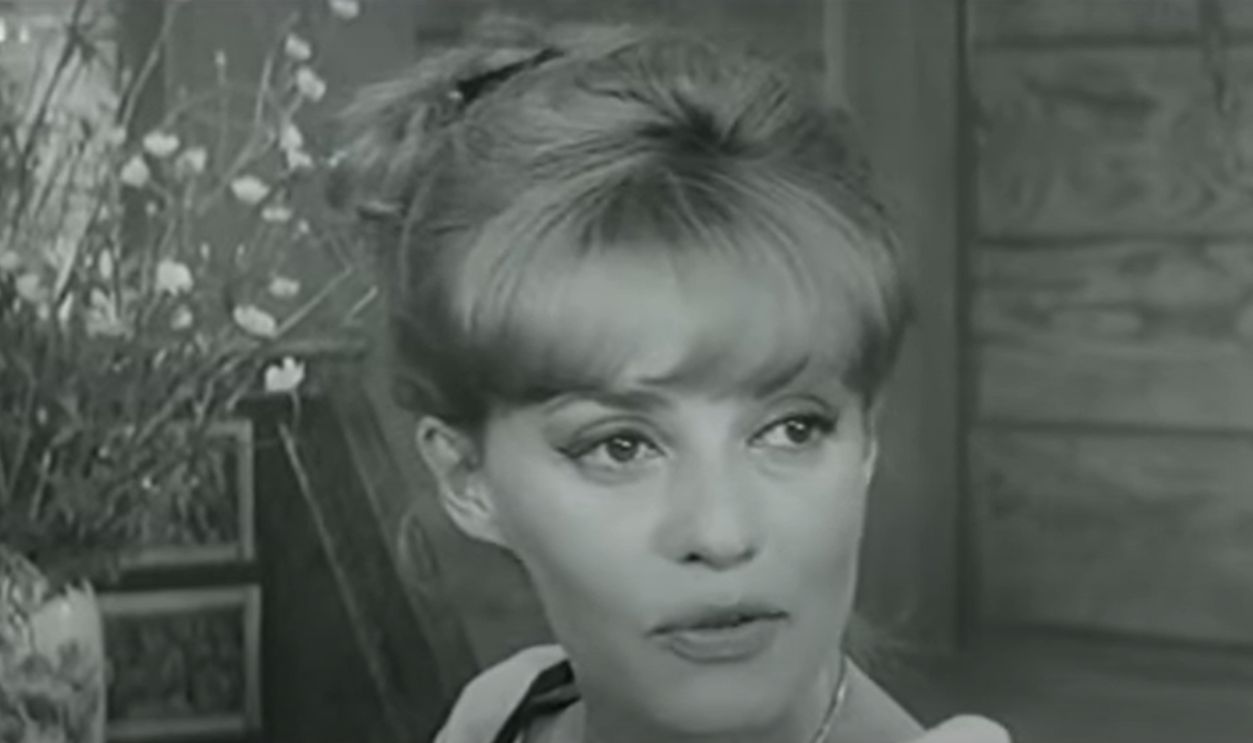 Screenshot from Jules and Jim, Les Films du Carrosse (1962)
Alphaville
The hard-boiled narration in Alphaville sounds like a detective movie that wandered into a philosophical nightmare. Eddie Constantine’s voice-over grounds the strange sci-fi world in noir tradition while everything around him becomes increasingly bizarre. Somehow the contrast makes the film even more hypnotic.
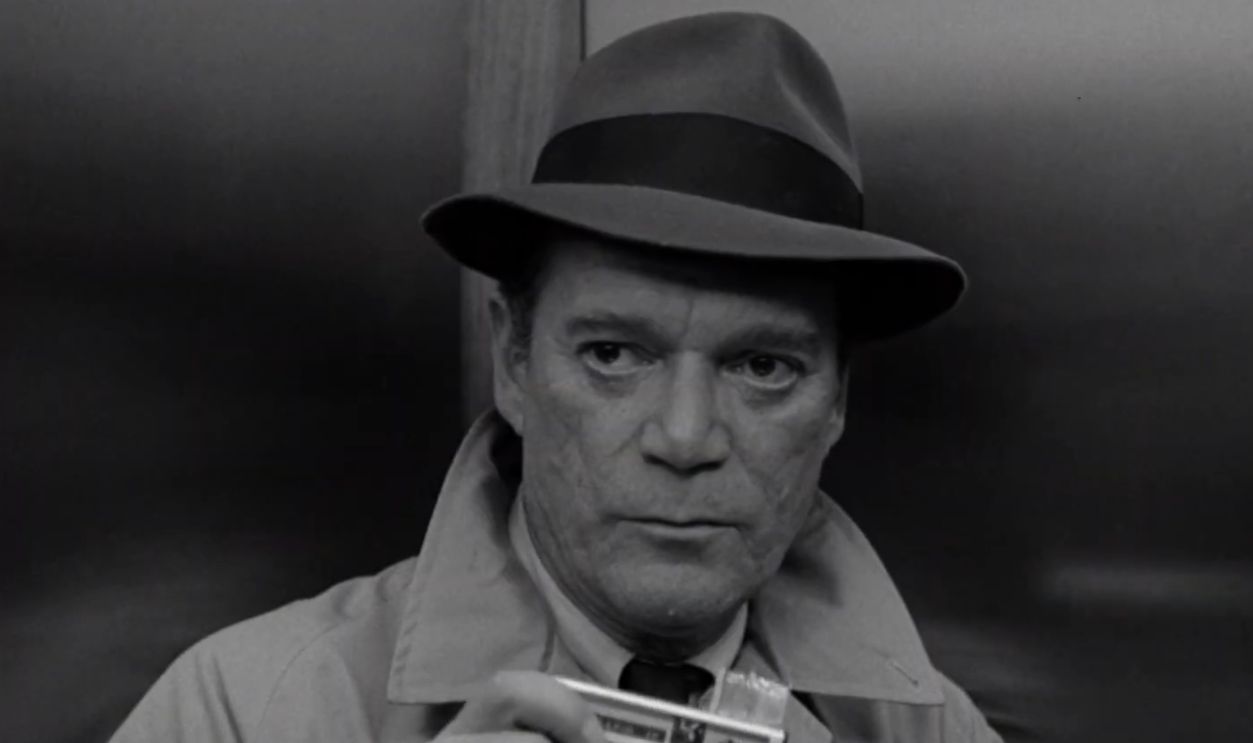 Screenshot from Alphaville, Athos Films (1965)
Drugstore Cowboy
Matt Dillon narrates Drugstore Cowboy with the confidence of someone who thinks he has life figured out right before everything explodes. The narration swings between dark humor and raw honesty without warning. It gives the film the uneasy feeling of listening to a charming storyteller who knows disaster is coming anyway.
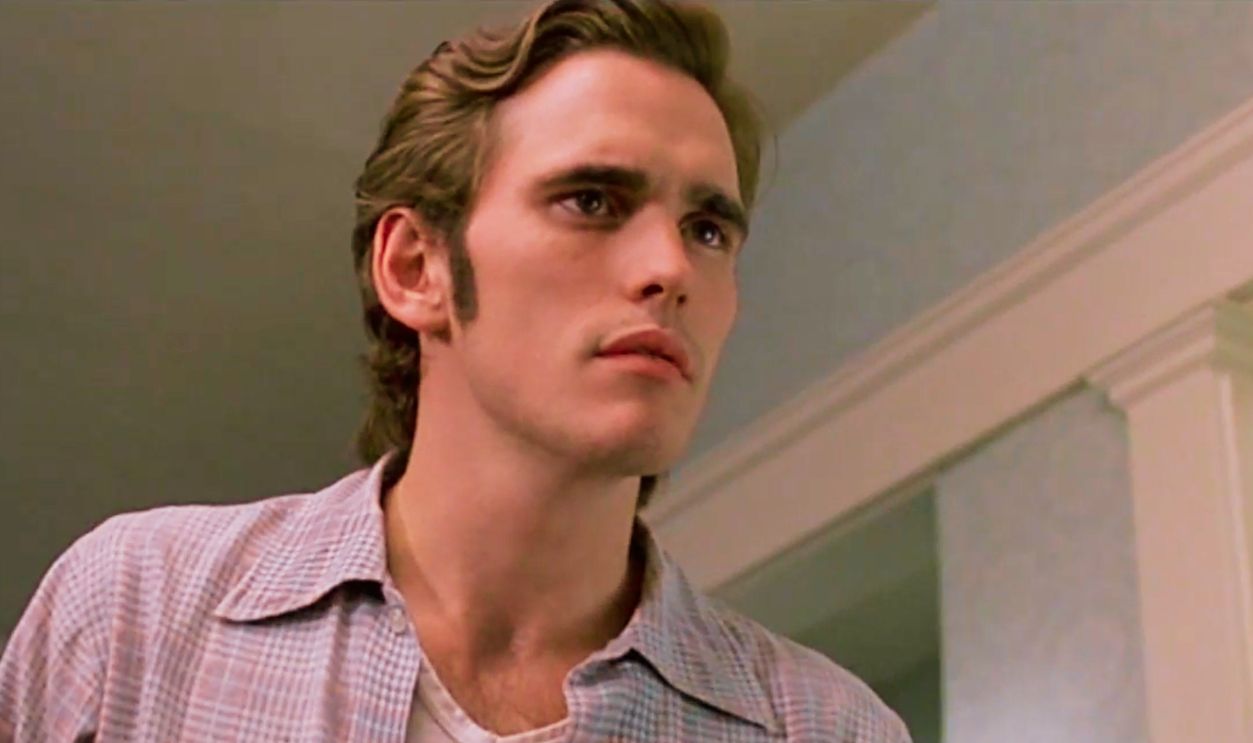 Screenshot from Drugstore Cowboy,International Video Entertainment (1989)
Raising Arizona
Nicolas Cage narrating Raising Arizona should not work nearly as well as it does. His exaggerated Southern drawl turns every ridiculous situation into something oddly heartfelt. The Coen brothers use narration to make the movie feel like a live-action cartoon told around a campfire at midnight.
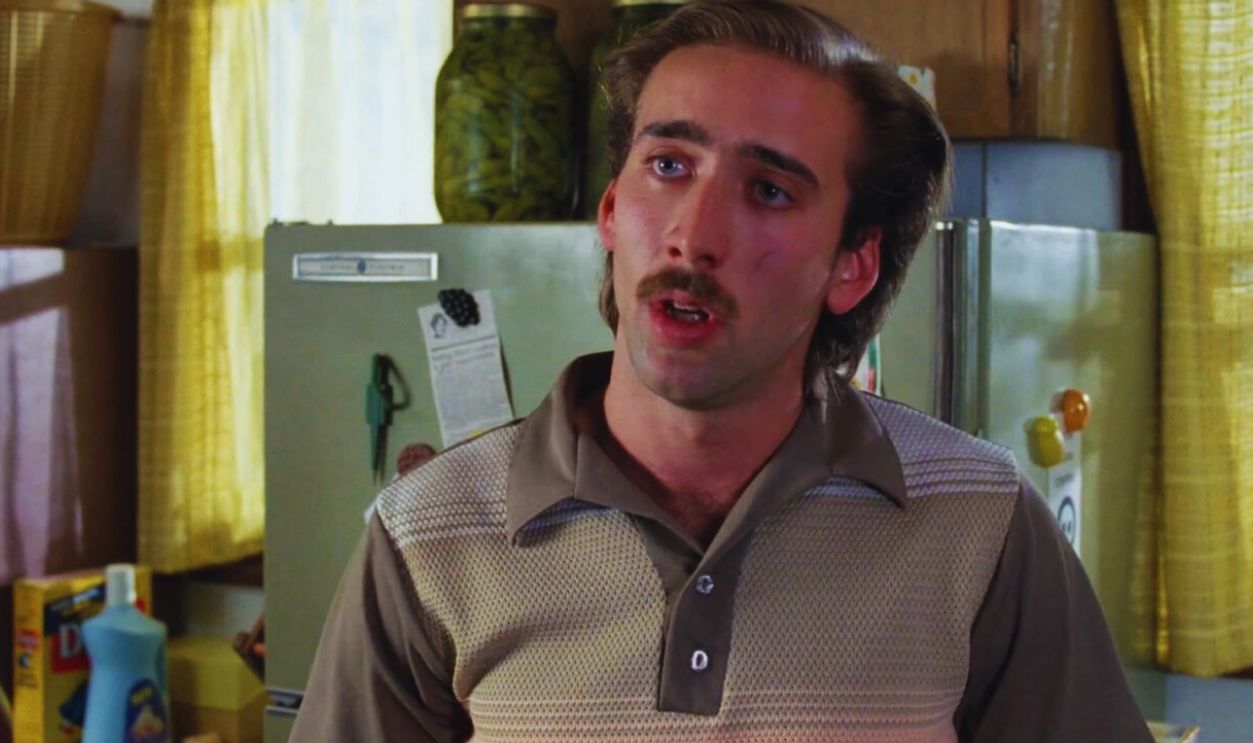 Screenshot from Raising Arizona, 20th Century Fox (1987)
Days of Heaven
The narration in Days of Heaven is soft, childlike, and strangely detached from the gorgeous tragedy unfolding onscreen. Linda Manz delivers observations that feel improvised and deeply authentic at the same time. Terrence Malick uses her voice not to explain the movie, but to make it feel like a fading memory floating through the wind.
 Screenshot from Days of Heaven, Paramount Pictures (1978)
You May Also Like:
Movies That Make Me Cry Every Single Time. How About You?
Disastrous Facts About Mickey Rooney, The Original Hollywood Train Wreck
Source: 1