
When Subtitles Stopped Being A Dealbreaker
There was a time when Hollywood treated foreign-language films like polite dinner guests—welcomed, respected, but never expected to snatch the spotlight. Then a handful of movies showed up, ignored the rules, and completely rewrote the guest list. These films didn’t just perform well—they dominated, proving that American audiences were far more open-minded than studios had given them credit for.
What followed was a quiet shift in the industry. Suddenly, storytelling didn’t have to sound American to succeed in America. Visual ambition got bolder, narratives got riskier, and Hollywood started paying very close attention to what was happening outside its own backyard. These are the films that forced that change—whether the industry was ready or not.
 Screenshot catturato da Spinoziano dal film, con ritaglio, Wikimedia Commons
Amélie Made Quirkiness Feel Like A Superpower
Amélie arrived like a cinematic sugar rush, bursting with color, charm, and just enough whimsy to feel completely unlike anything Hollywood was producing at the time. Its story of a shy waitress quietly improving the lives of others felt small on paper but landed in a big way with American audiences. The film didn’t rely on spectacle—it relied on personality, and that turned out to be more than enough.
 Screenshot from Amélie, Miramax (2001)
Amélie Proved Small Stories Could Win Big
What made its success so important is how effortlessly it crossed cultural lines without changing itself. It didn’t try to explain its quirks or translate its tone—it simply trusted viewers to come along for the ride. Hollywood romantic comedies have been chasing that kind of magic ever since, often with far bigger budgets and far less success.
 Screenshot from Amélie, Miramax (2001)
Hero Turned Action Into Visual Poetry
Hero didn’t just look different—it felt different. Its use of color, structure, and perspective turned a simple story into something layered and visually hypnotic. American audiences weren’t just watching a martial arts film—they were experiencing a story told through shifting truths and unreliable narration.
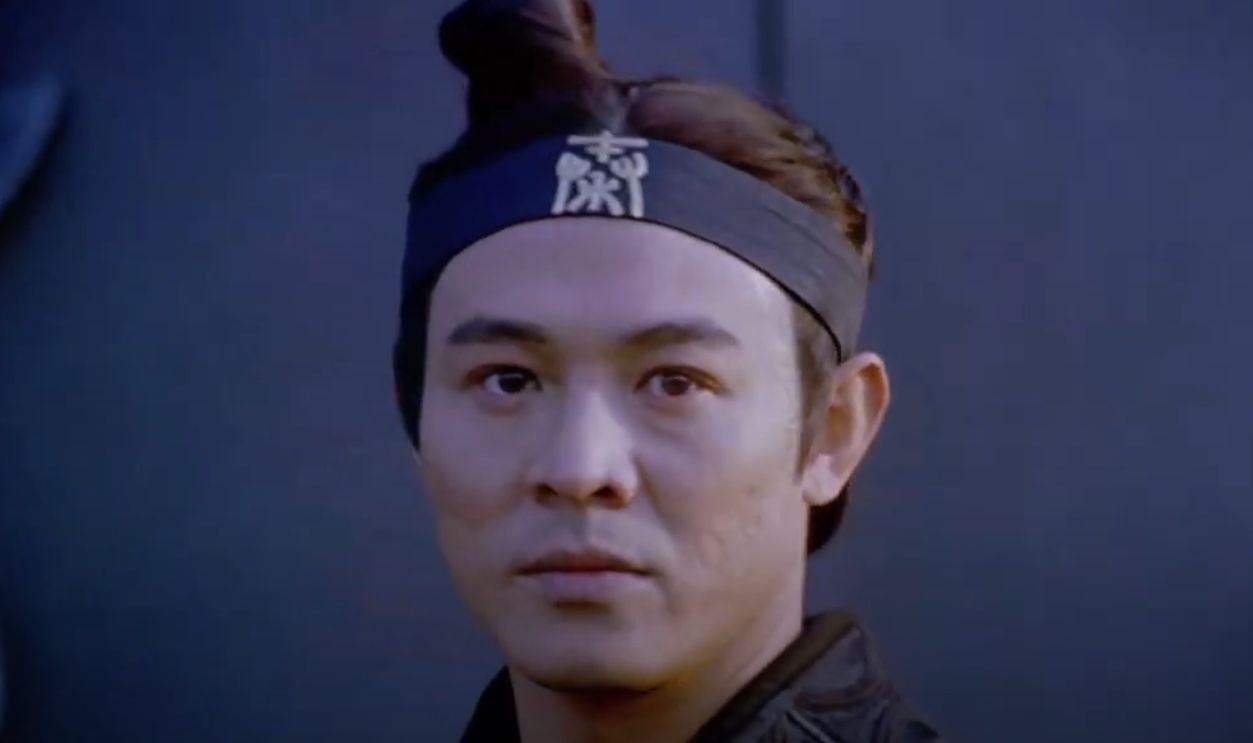 Screenshot from Hero, Miramax (2002)
Hero Showed Audiences Could Handle Complexity
That stylistic confidence paid off in a big way, with the film becoming the first Chinese-language movie to hit number one at the U.S. box office. That kind of breakthrough forced Hollywood to reconsider how audiences engage with storytelling. It turns out viewers don’t need things spelled out—they just need something worth paying attention to.
 Screenshot from Hero, Miramax (2002)
Like Water For Chocolate Blended Romance With Magic
Like Water for Chocolate combined love, food, and magical realism into something that felt completely original. The idea that emotions could literally shape a meal sounds unusual, but the film committed to it fully. That sincerity made it feel immersive instead of strange.
 Screenshot from Like Water for Chocolate, Miramax (1992)
Like Water For Chocolate Made The Unusual Feel Universal
Its success in the US showed that audiences were willing to embrace unconventional storytelling if it was done well. Hollywood has long flirted with magical realism, but this film proved you don’t need to over-explain it—you just need to make it feel real. That balance is harder to achieve than it looks.
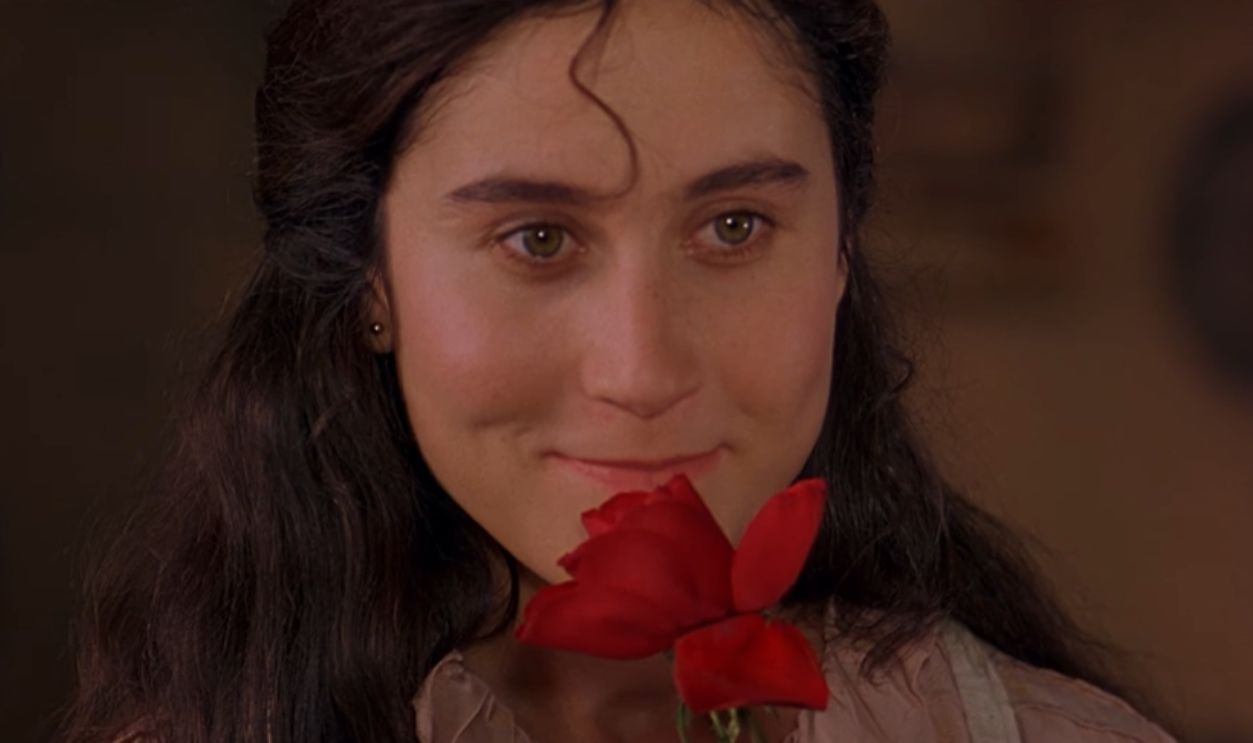 Screenshot from Like Water for Chocolate, Miramax (1992)
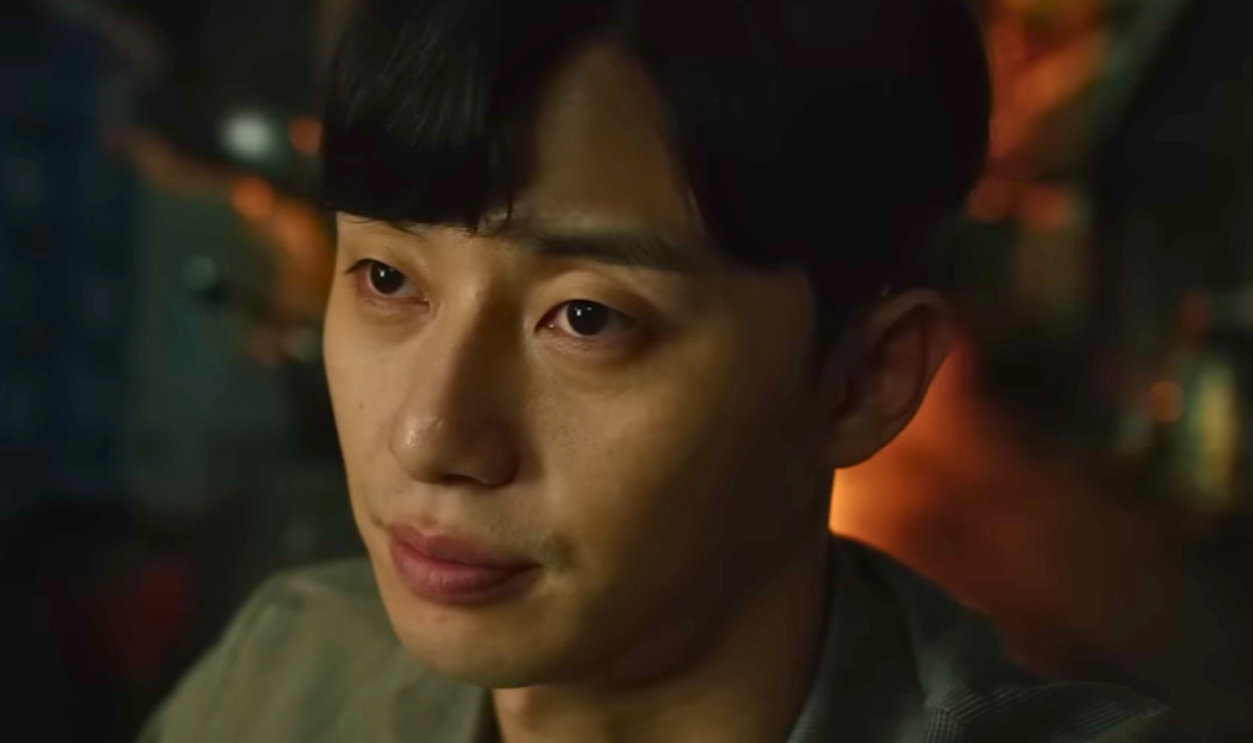
Parasite Took Over The Conversation Overnight
Parasite didn’t creep into the American mainstream—it stormed it. Blending dark comedy, thriller elements, and social commentary, it delivered a story that felt both deeply specific and universally relatable. Audiences were hooked not just by the plot, but by how effortlessly it shifted tones.
 Screenshot from Parasite, CJ Entertainment (2019)
Parasite Broke The Biggest Barrier In Hollywood
Then came the moment Hollywood couldn’t ignore—it won Best Picture at the Oscars, becoming the first foreign-language film to do so. That wasn’t just a win for one movie—it changed how the industry defines success. Subtitles were no longer seen as a limitation—they were irrelevant.
 Screenshot from Parasite, CJ Entertainment (2019)
Fearless Delivered More Than Just Fight Scenes
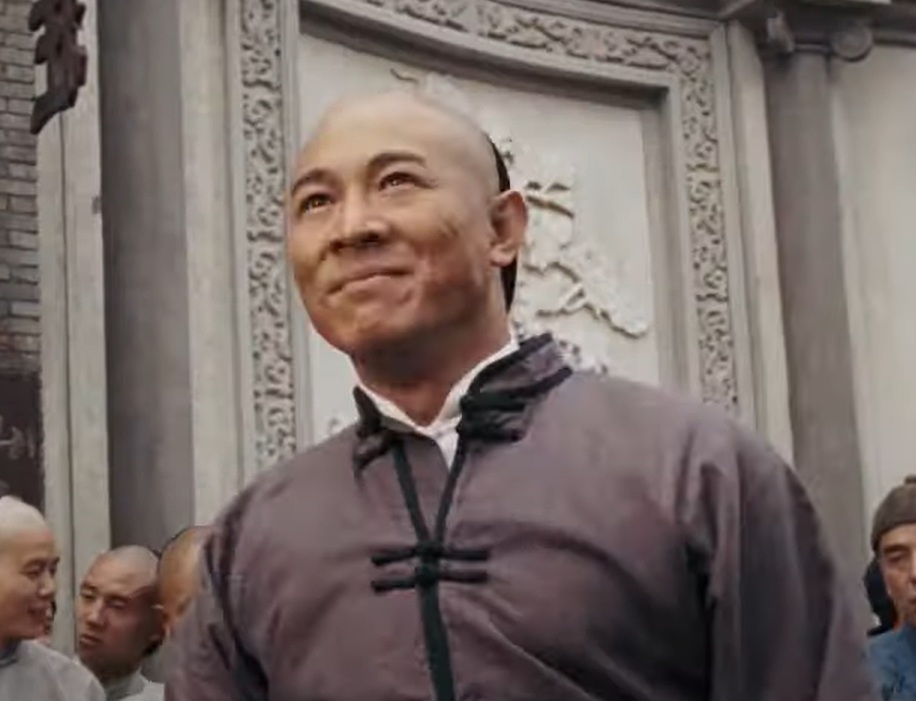
Fearless gave American audiences exactly what they expected from Jet Li—then added emotional depth beneath the surface. The film explored themes of honor and redemption, giving its action sequences more weight. It wasn’t just spectacle—it had purpose.
 Screenshot from Fearless, Rogue Pictures (2006)
Fearless Reinforced The Power Of Global Stars
That combination helped it continue Li’s streak of strong U.S. performances, proving that international actors didn’t need Hollywood to validate them. Audiences were already invested. Studios just had to catch up to that reality.
 Screenshot from Fearless, Rogue Pictures (2006)
Il Postino Proved Quiet Stories Can Travel Far
Il Postino is the kind of film that wins people over slowly. Its story about a postman discovering poetry feels understated, but that simplicity is exactly what makes it work. There’s a sincerity to it that’s hard to fake.
 Screenshot from Il Postino: The Postman, Miramax (1994)
Il Postino Reminded Hollywood Less Can Be More
Its success showed that American audiences don’t always need high stakes or massive visuals. Sometimes, they just want a story that feels human. Hollywood often forgets that—but films like this make it impossible to ignore.
 Screenshot from Il Postino: The Postman, Miramax (1994)
Crouching Tiger, Hidden Dragon Redefined Action
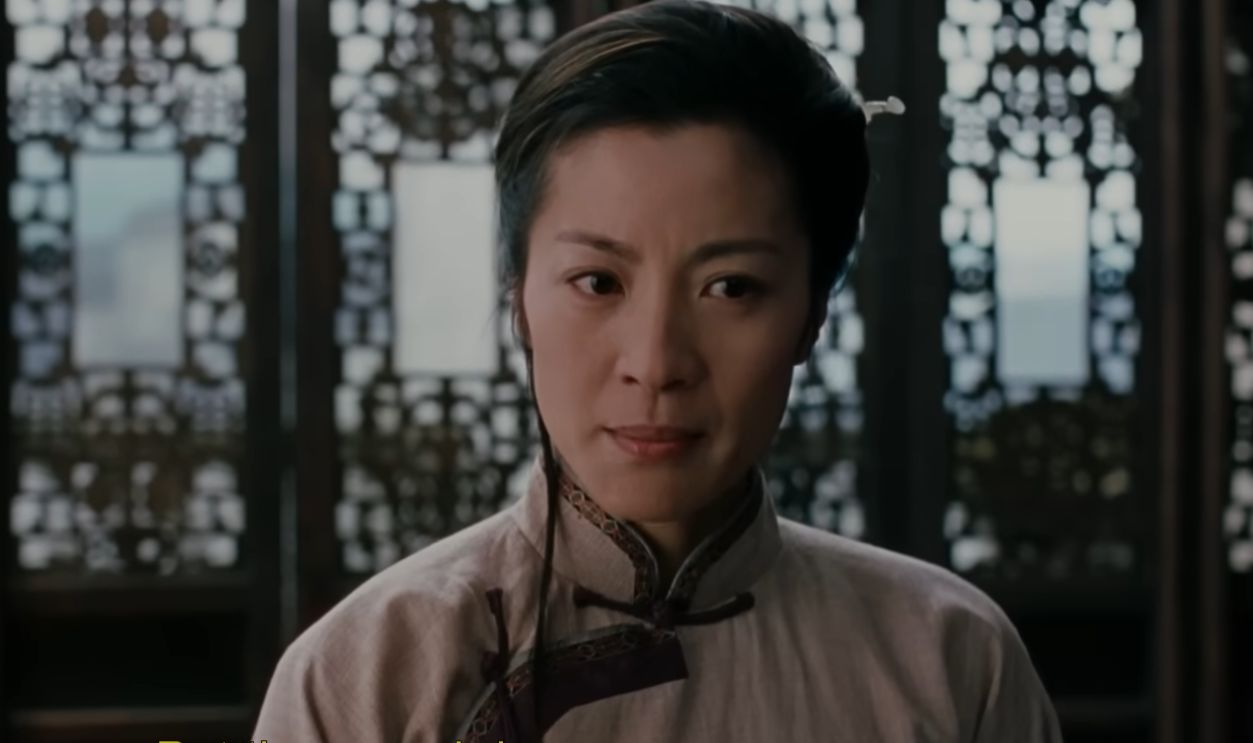
When Crouching Tiger, Hidden Dragon hit theaters, it changed how action could look and feel. The fight scenes weren’t just intense—they were graceful, almost dreamlike. It turned combat into choreography.
 Screenshot from Crouching Tiger, Hidden Dragon, Sony Pictures Classics (2000)
Crouching Tiger, Hidden Dragon Became A Cultural Event
Its massive success in the U.S. proved this wasn’t a niche hit—it was a full-blown phenomenon. Hollywood took notice, and suddenly action films didn’t just need to be loud—they needed to be beautiful too.
 Screenshot from Crouching Tiger, Hidden Dragon, Sony Pictures Classics (2000)
Instructions Not Included Won Over Audiences Slowly
Instructions Not Included didn’t explode out of the gate, but it didn’t need to. Its mix of humor and emotional storytelling built momentum over time, drawing in audiences through word of mouth. That kind of growth is rare.
 Screenshot from Instructions Not Included, Pantelion Films (2013)
Instructions Not Included Showed Heart Beats Hype
Its eventual success proved that connection matters more than critical buzz. Hollywood often relies on massive campaigns, but this film showed that a strong emotional core can carry a movie further than marketing ever could.
 Screenshot from Instructions Not Included, Pantelion Films (2013)
Pan’s Labyrinth Blended Fantasy With Reality
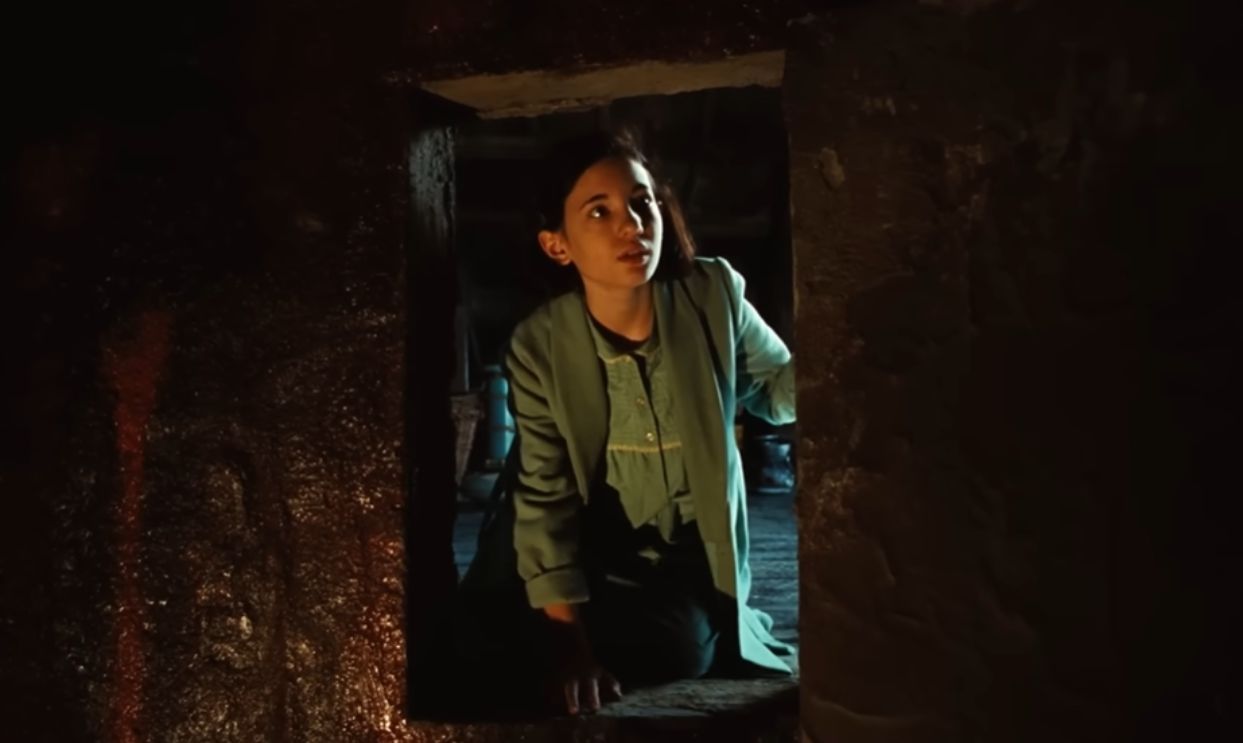
Pan’s Labyrinth created a world that was both magical and deeply unsettling. By placing fantasy alongside the brutality of real history, it gave its story a unique emotional weight. It wasn’t an escape—it was a reflection.
 Screenshot from Pan’s Labyrinth, Warner Bros. Pictures (2006)
Pan’s Labyrinth Proved Dark Stories Can Succeed
That willingness to go darker paid off, showing that audiences aren’t afraid of challenging material. Hollywood often plays it safe—but this film proved that risk can lead to something unforgettable.
 Screenshot from Pan’s Labyrinth, Warner Bros. Pictures (2006)
Life Is Beautiful Balanced Humor And Tragedy
Life Is Beautiful told an almost impossible story, blending humor with one of history’s darkest settings. Its emotional core made that balance work, creating something that felt both uplifting and devastating. It stayed with audiences long after it ended.
 Screenshot from Life Is Beautiful, Miramax Films (1997)
Life Is Beautiful Changed What Oscar Success Looks Like
Its awards recognition proved that powerful storytelling doesn’t depend on language. Hollywood has always aimed for universal appeal, but this film achieved it in a way that felt completely natural. And that’s why it still resonates.
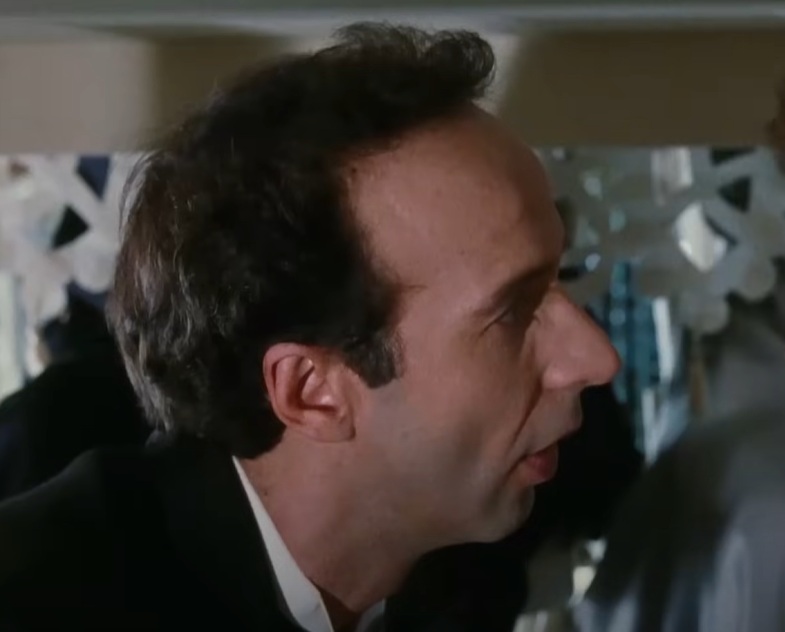 Screenshot from Life Is Beautiful, Miramax Films (1997)
You May Also Like:
These are the best romantic French films you can stream with subtitles today.
Movies from the 1970s that no one remembers—seriously, do you remember even 5 of these films?
Source: 1

_Alberto_Rabagliati.jpg)