“Was He/She Meant To Be Here?” Asked The Producer
Big films lean on more than leads, and sometimes it’s a background extra who sneaks in the most memorable beat. Their brief appearances add flavor you can’t script perfectly.
Stormtrooper Who Bumps His Head (Star Wars: A New Hope)
A squad storms through a Death Star control room, and right at around 1:22:30, one trooper bangs his helmet on the doorway in a perfectly clumsy beat. The scene rolls on unfazed, leaving the mishap fully visible in the original cut.
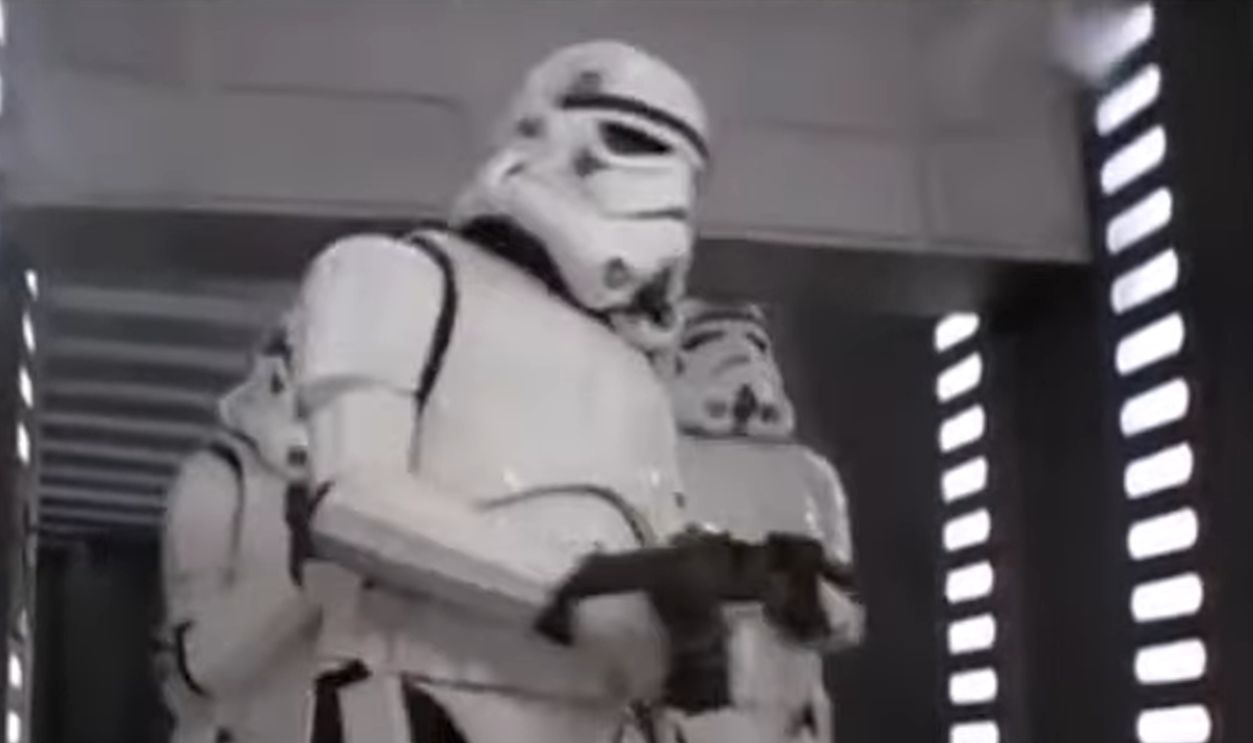 Screenshot from Star Wars: A New Hope, Lucasfilm (1977)
Stormtrooper Who Bumps His Head (Star Wars: A New Hope) (Cont.)
Lucas later amplified the thud for fun, even slipping a boosted sound effect into the special edition. This added clunk sits cleanly in the mix, locked into the franchise’s official audio track.
Boy Covering His Ears (North By Northwest)
A tense hush settles over the Mount Rushmore cafeteria when a boy quietly covers his ears a split second before the gunshot. His timing feels so natural that it almost blends into the choreography.
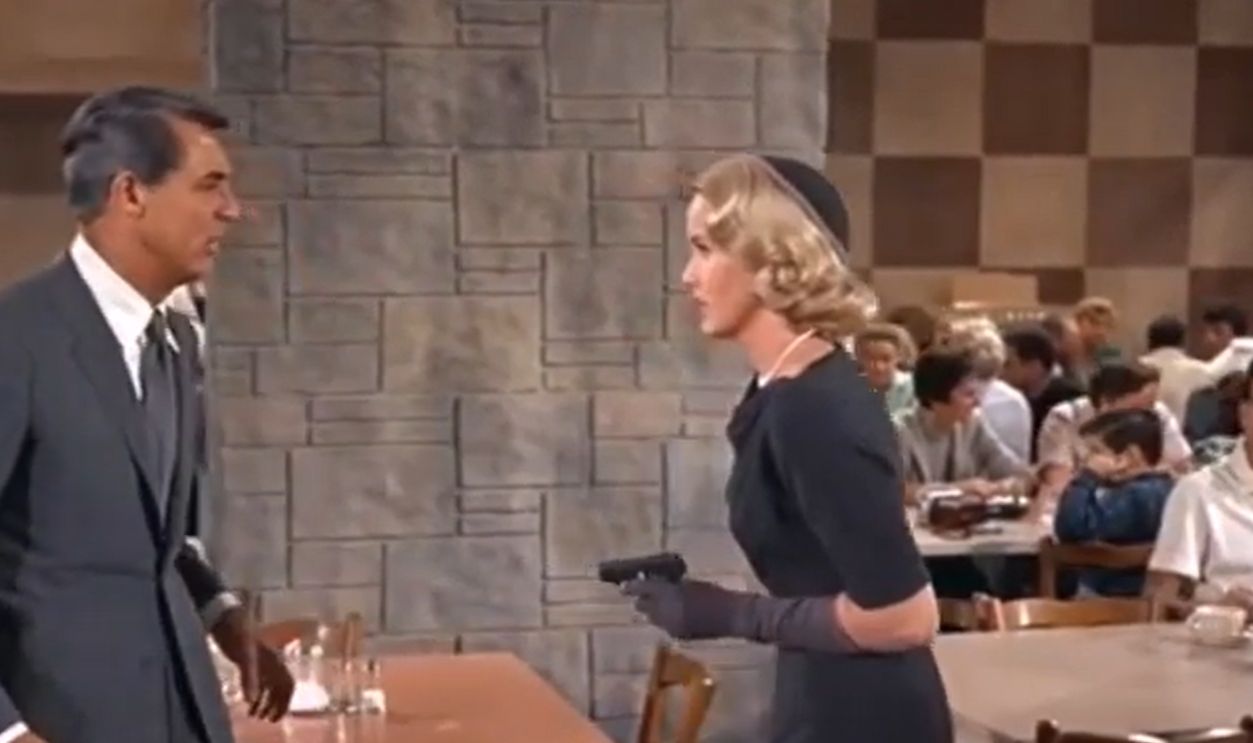 Screenshot from North by Northwest, MGM (1959)
Boy Covering His Ears (North By Northwest) (Cont.)
The moment shows up around 1:44:00, visible beside the jukebox near the back wall. The lad’s little hands lift early, and for this reason, it matches the actors’s blocking with surprising precision.
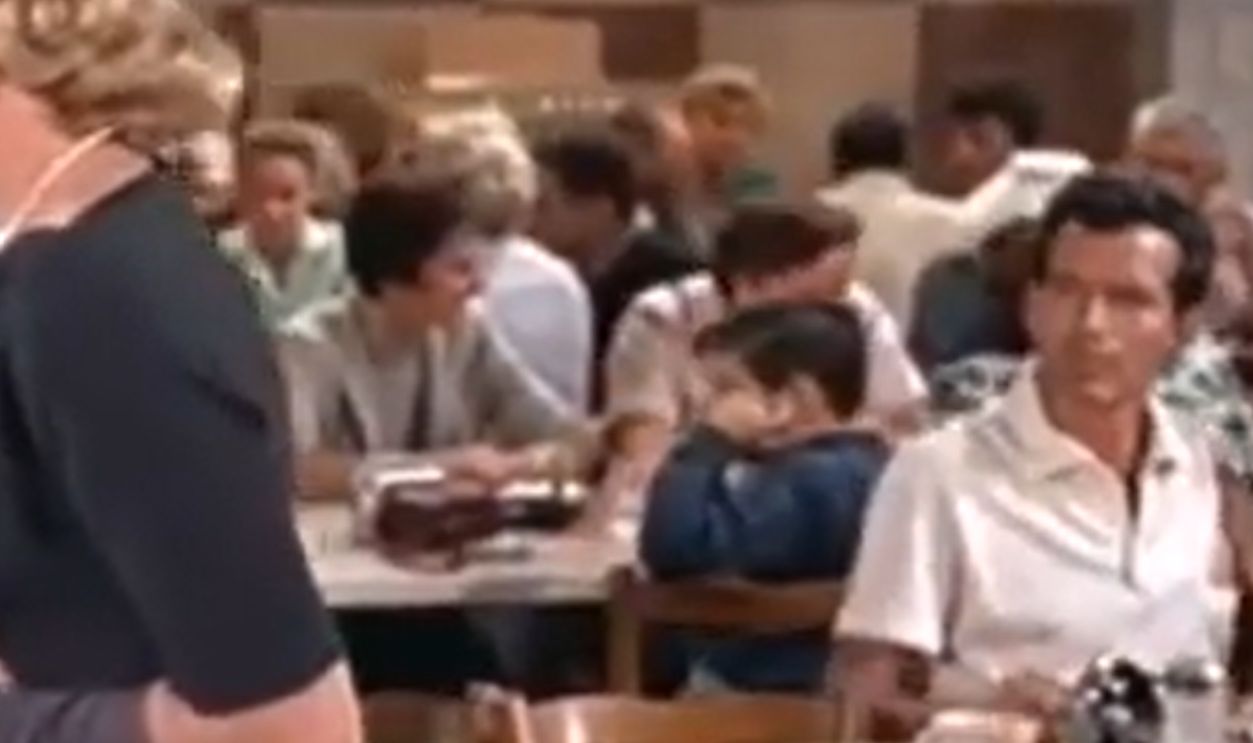 Screenshot from North by Northwest, MGM (1959)
Girl In Red Coat (Schindler’s List)
Monochrome chaos engulfs Krakow as a child in a red coat steps steadily through the frame, drawing the eye without a single spoken line. Her path was designed to guide the viewer’s eye through the liquidation sequence.
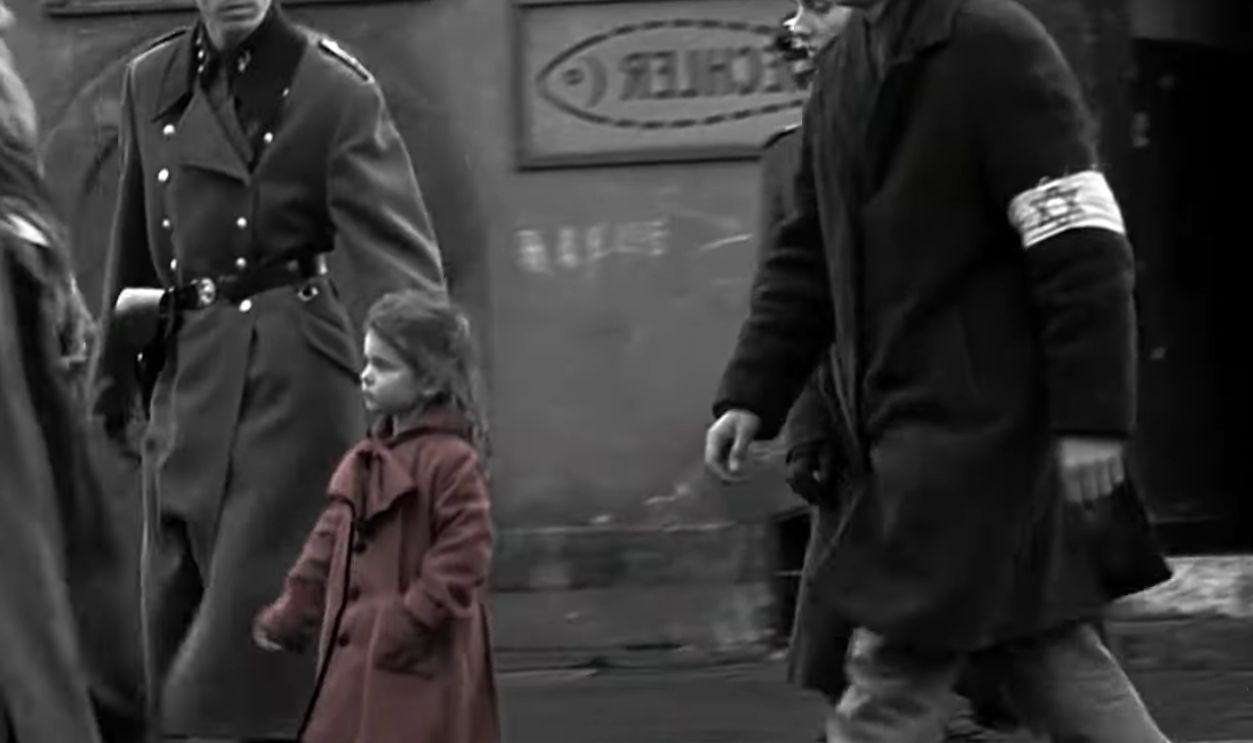 Screenshot from Schindler’s List, Universal Pictures (1993)
Girl In Red Coat (Schindler’s List) (Cont.)
Her appearance falls closer to the 1:06:00–1:07:00 mark, easy to spot against the film’s suppressed palette. The red hue came from one of the few hand-applied color treatments on the otherwise desaturated negative.
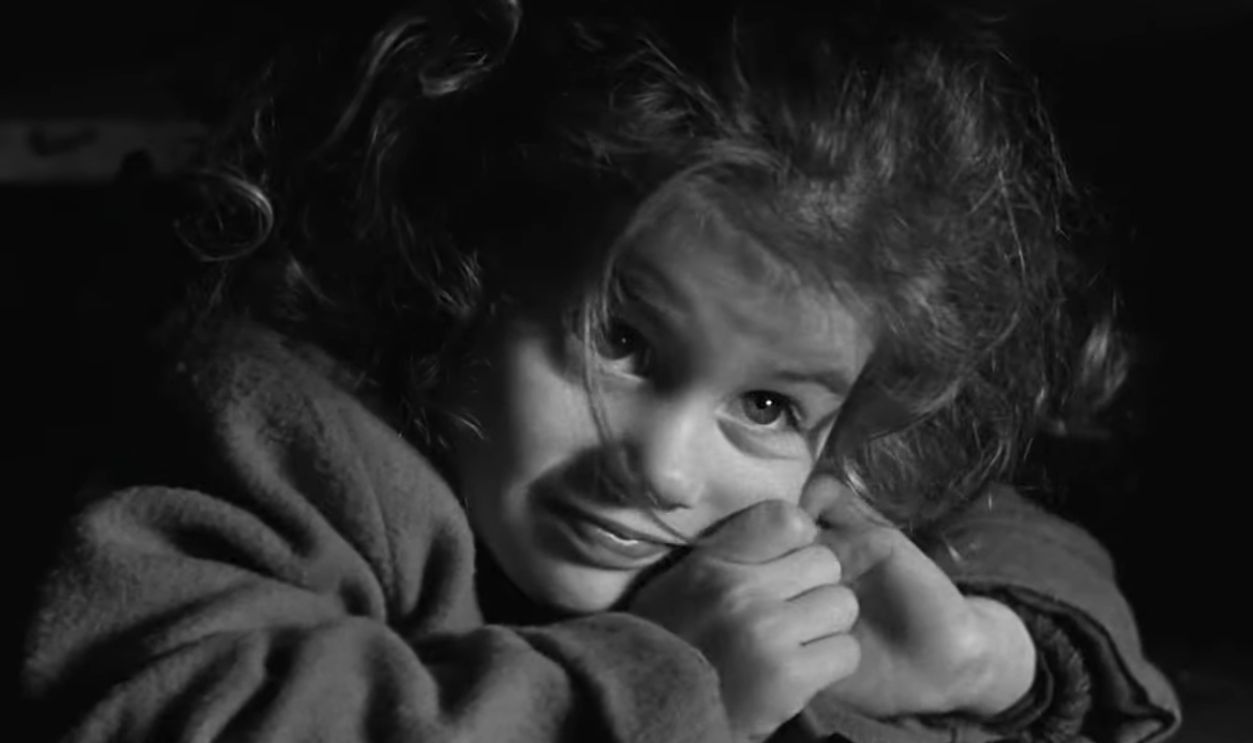 Screenshot from Schindler’s List, Universal Pictures (1993)
Philadelphia Market Vendor (Rocky)
In Rocky’s famous jogging montage, Stallone passes through Philadelphia’s open-air markets, where real vendors unintentionally end up in the shot. Stallone filmed the entire sequence guerrilla-style, so genuine merchants and shoppers glanced over.
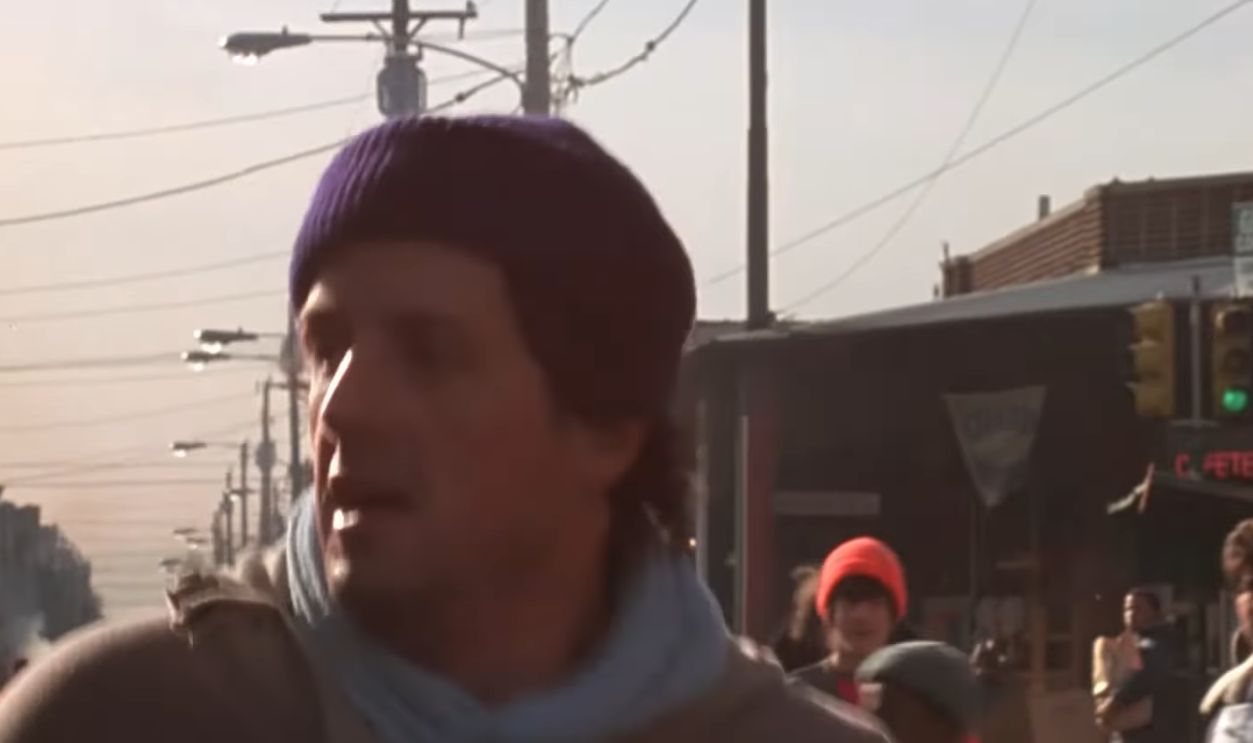 Screenshot from Rocky, United Artists (1976)
Philadelphia Market Vendor (Rocky) (Cont.)
The extra people you see aren’t actors but actual market vendors caught mid-routine as the production moved through in one continuous pass. These surprised locals responding to Stallone’s run, a detail confirmed by fan analyses and production notes.
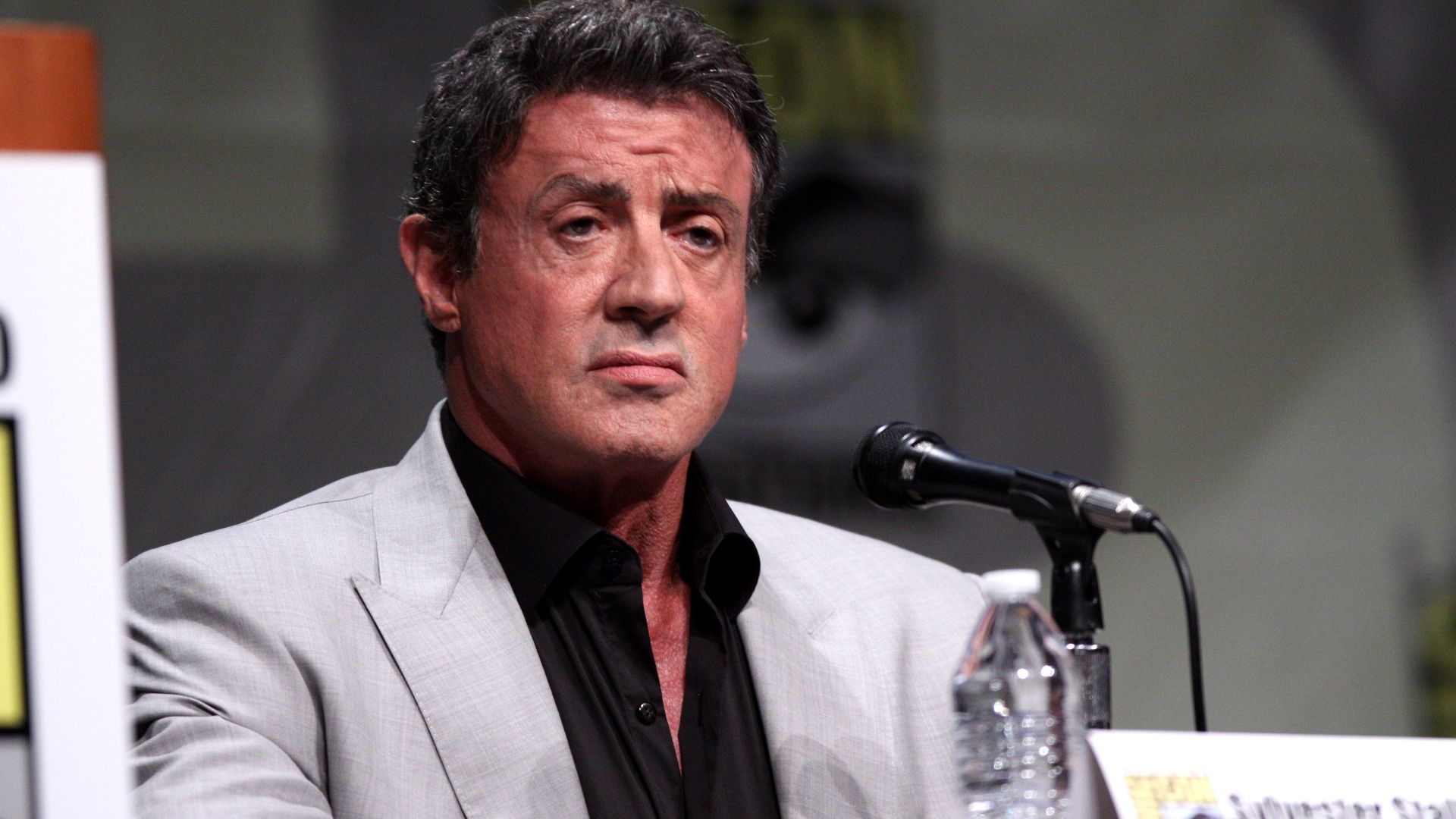 Gage Skidmore from Peoria, AZ, United States of America, Wikimedia Commons
Chariot Crash Extra (Ben-Hur)
During the legendary race sequence, a stunt performer crashes violently as the chariots tighten into a corner. The accident, captured at 1:58:00, heightens the sense of danger built into the arena’s design.
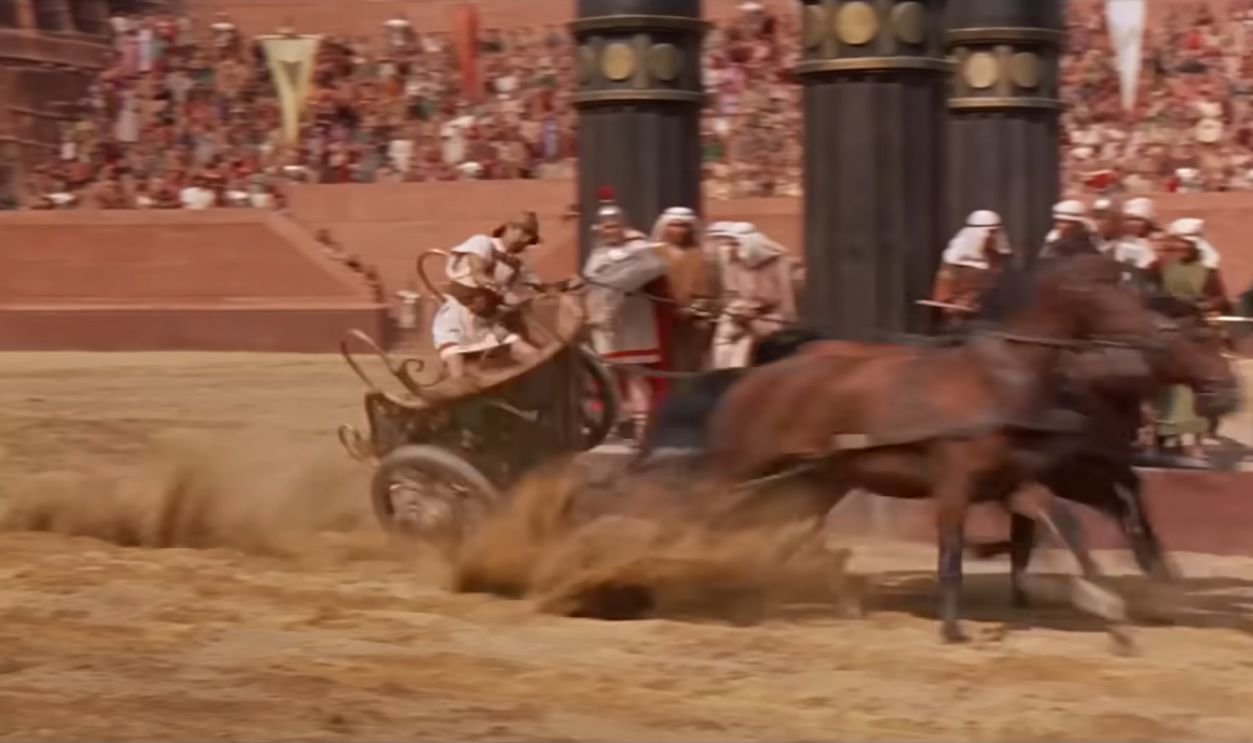 Screenshot from Ben-Hur, Metro-Goldwyn-Mayer (1959)
Chariot Crash Extra (Ben-Hur) (Cont.)
The fall occurs beside the inner rail as dust explodes upward, preserved in the theatrical cut, unaltered. The stunt remained untouched because the footage aligned with the film’s gritty pace.
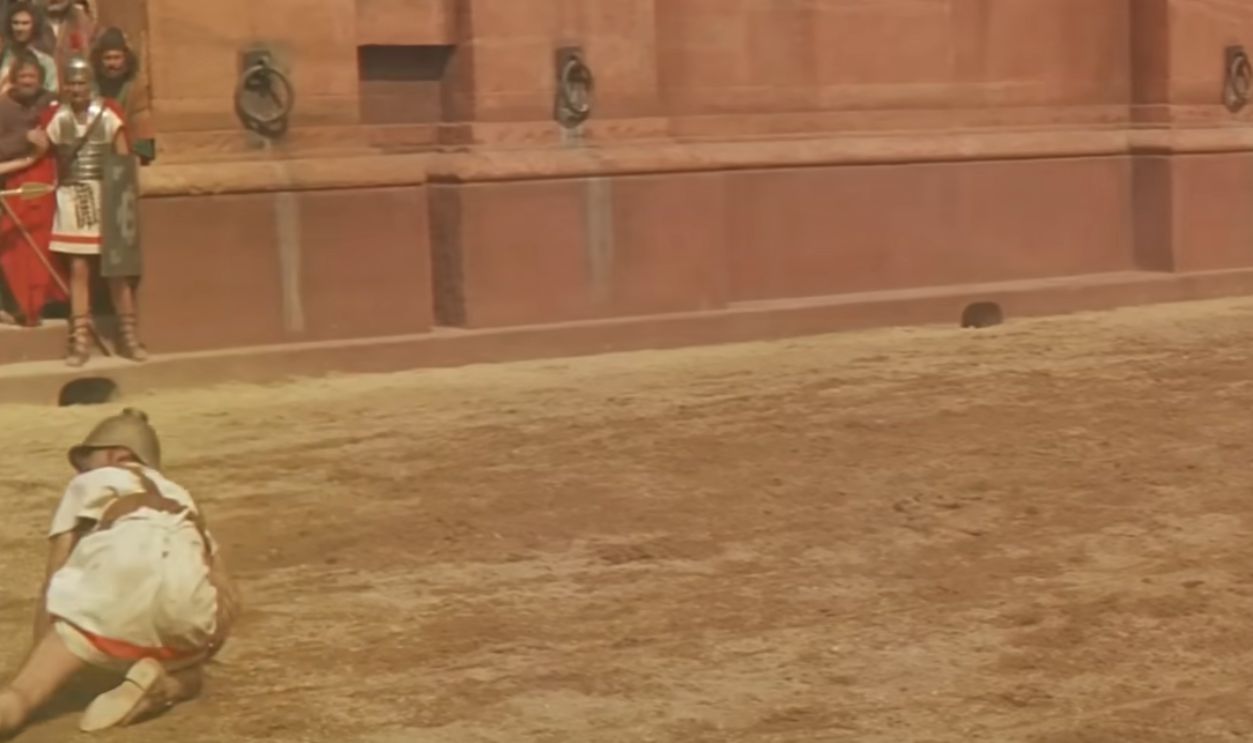 Screenshot from Ben-Hur, Metro-Goldwyn-Mayer (1959)
Subway Passengers (The French Connection)
Popeye Doyle tails a suspect through a crowded subway car, surrounded by real New Yorkers whose unscripted reactions shape the moment’s mood. The authenticity stands out around 0:42:00 as passengers shift and glance naturally.
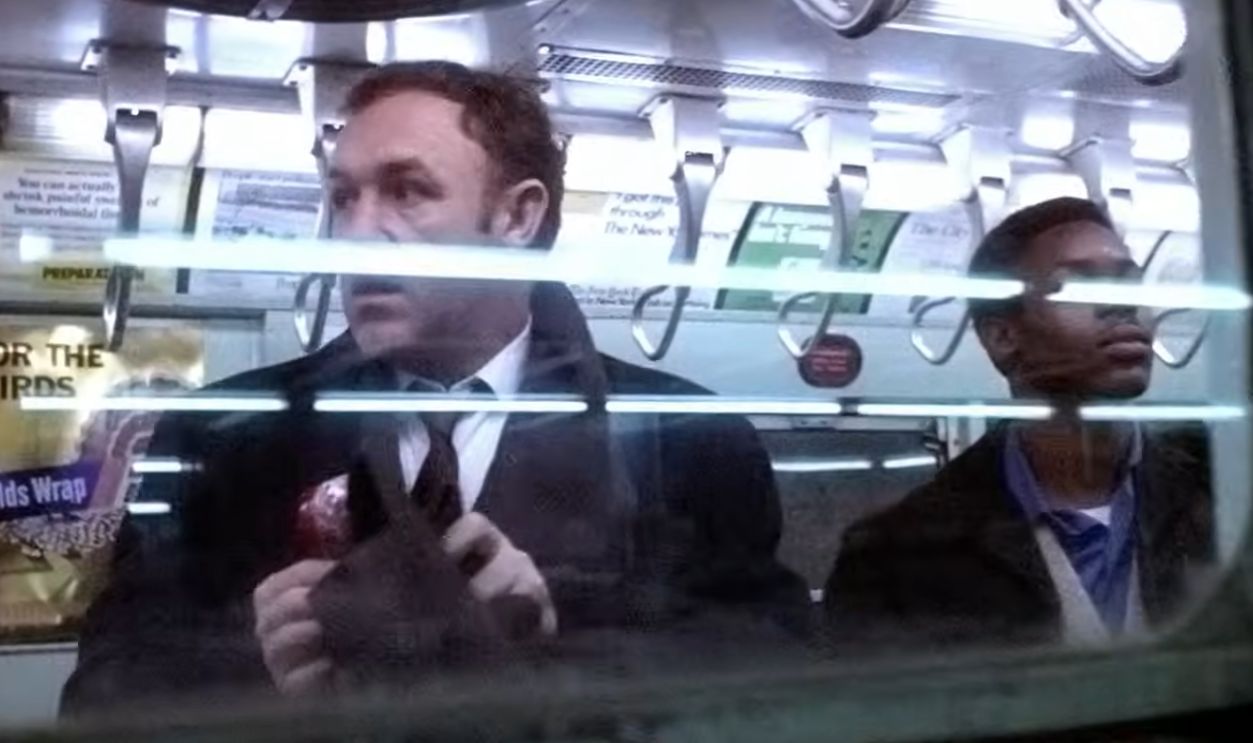 Screenshot from The French Connection, 20th Century Fox (1971)
Subway Passengers (The French Connection) (Cont.)
One rider seated near the doors casts a cautious side-eye toward the commotion, visible between two pole grips during the camera’s quick pivot. Friedkin filled the train with locals rather than actors to create genuine movement patterns that matched the film’s street-level energy.
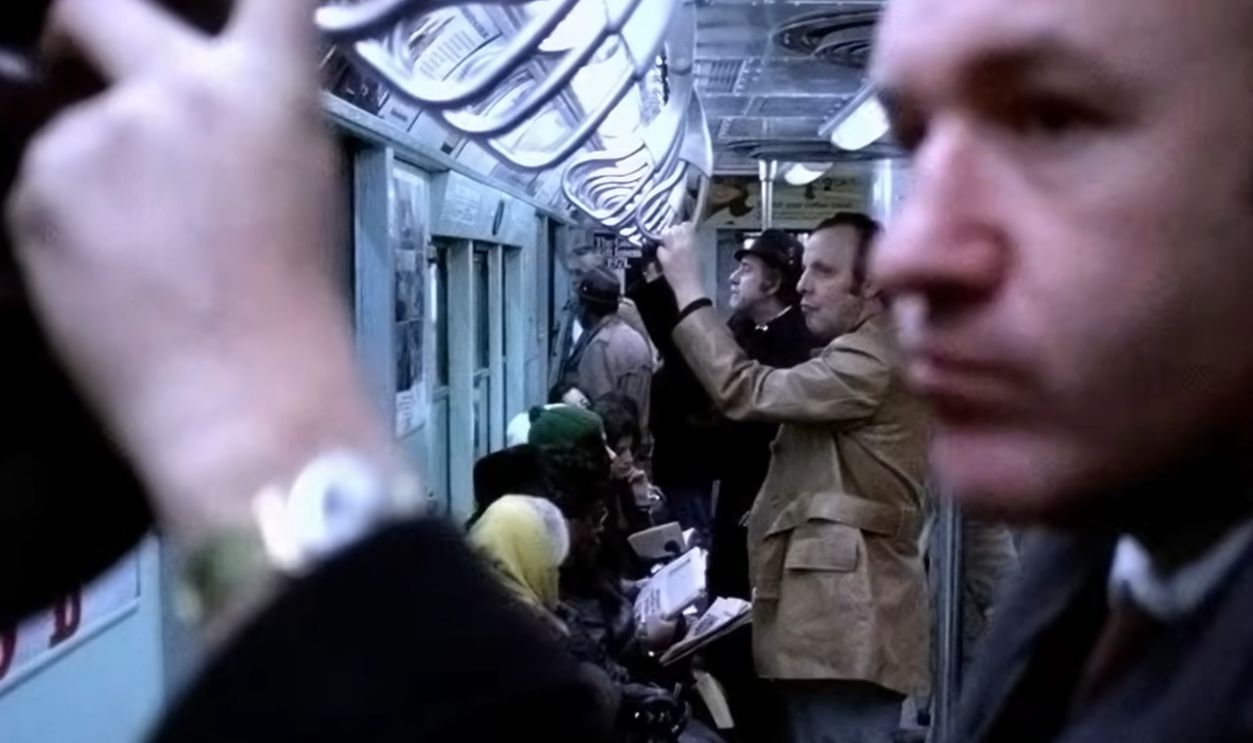 Screenshot from The French Connection, 20th Century Fox (1971)
Times Square Pedestrians (Midnight Cowboy)
Hoffman and Voight step into Times Square traffic, and a taxi lunges forward close enough to prompt the improvised “I’m walkin’ here!” line. The extras captured around 0:23:00 were real pedestrians caught in the rush.
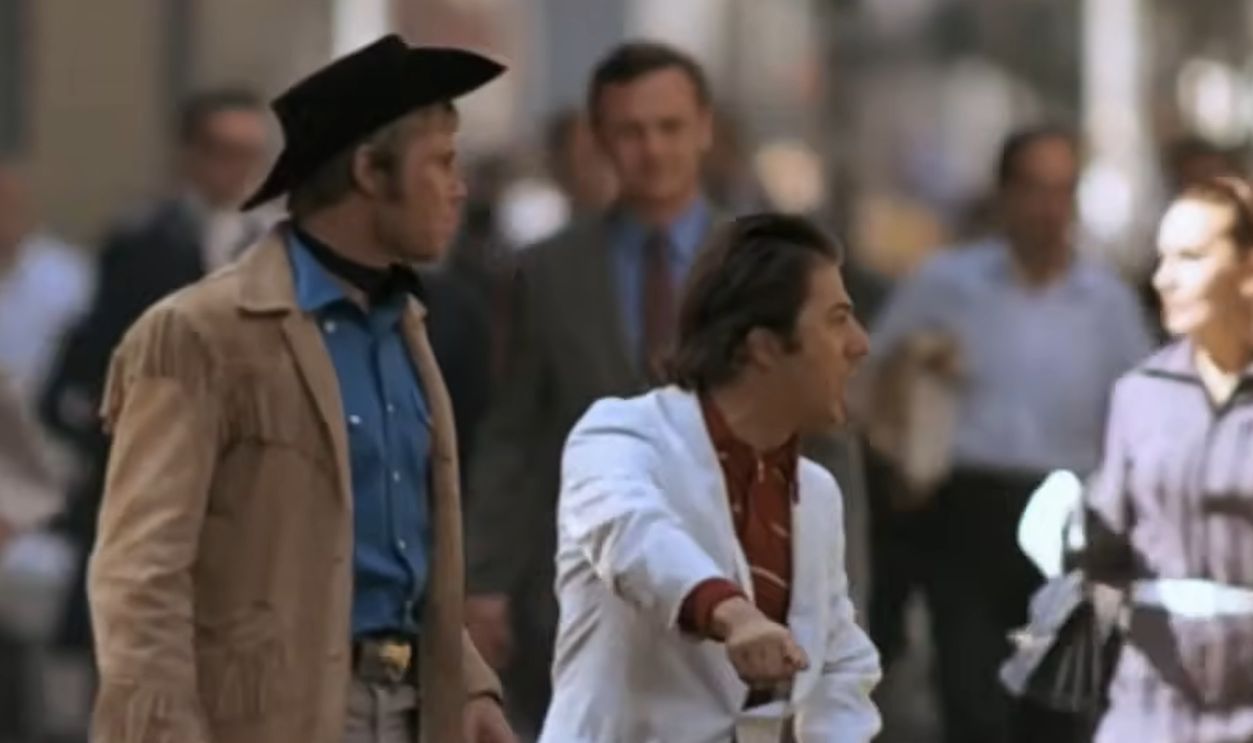 Screenshot from Midnight Cowboy, United Artists (1969)
Times Square Pedestrians (Midnight Cowboy) (Cont.)
People weave behind the actors with New York urgency, cutting across the frame as the close call happens in real time. The scene was filmed on an open street with hidden microphones, so the crowd’s reactions came straight from the city’s unfiltered chaos, preserved exactly as recorded.
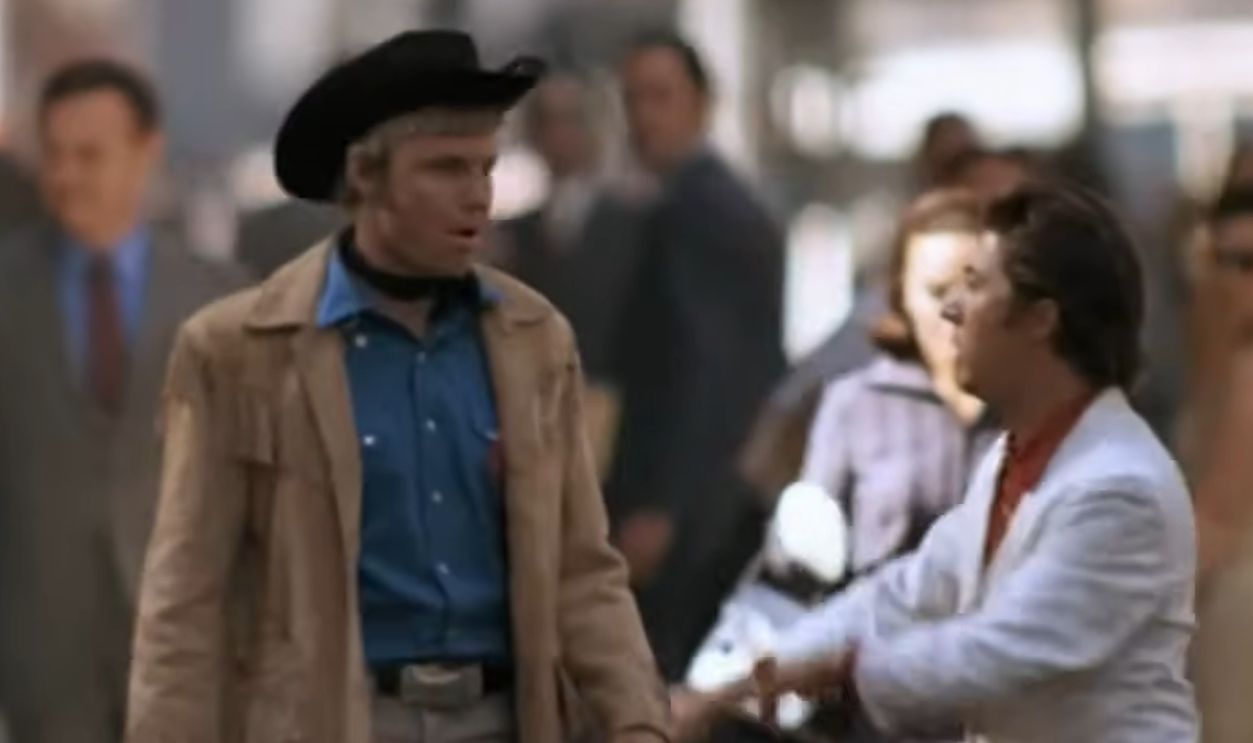 Screenshot from Midnight Cowboy, United Artists (1969)
Margarita Man (Jurassic World)
He scrambles through chaos to hold onto two margaritas while dinosaurs terrorize the plaza. Amid panic and roaring beasts, he sneaks back to collect his drinks—a tiny, absurd human moment among the pandemonium.
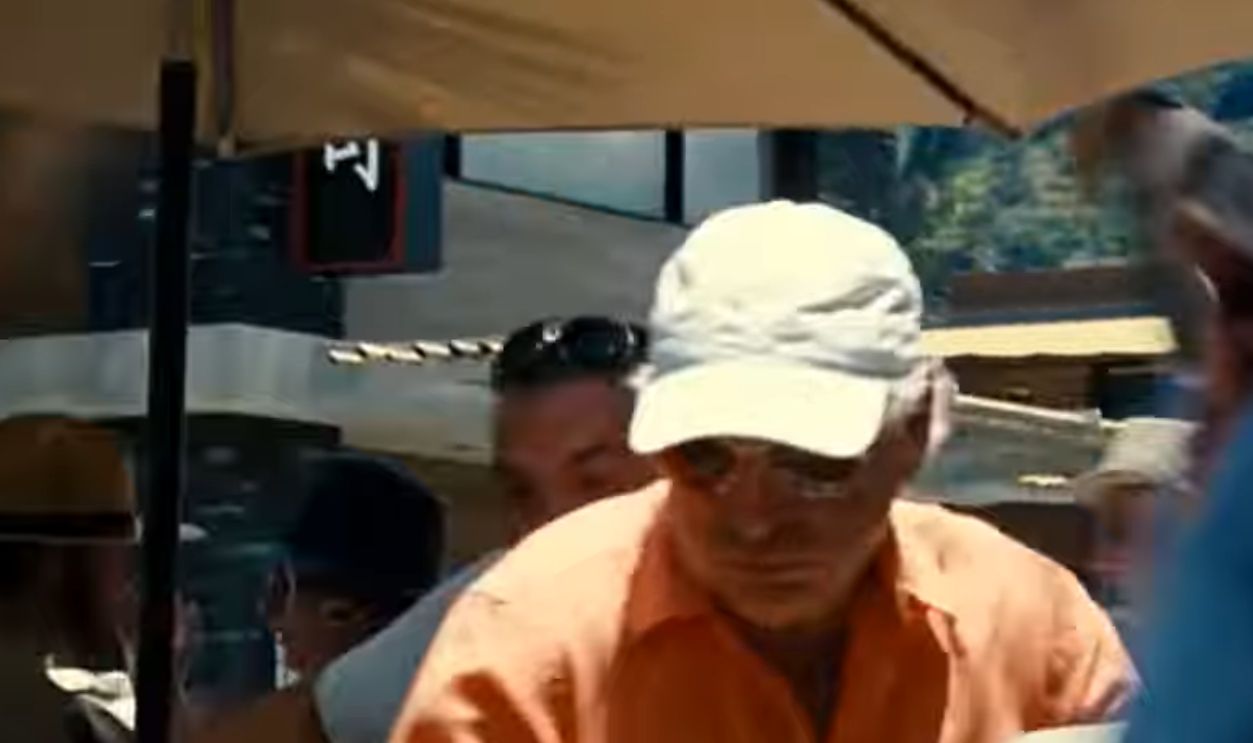 Screenshot from Jurassic World, Universal Pictures (2015)
Margarita Man (Jurassic World) (Cont.)
The brief non-reaction felt so real that it stuck with fans. What makes him stand out is the refusal to play the typical “terrified extra”—instead, he stays cool, clutching margaritas while everyone else runs in the movie.
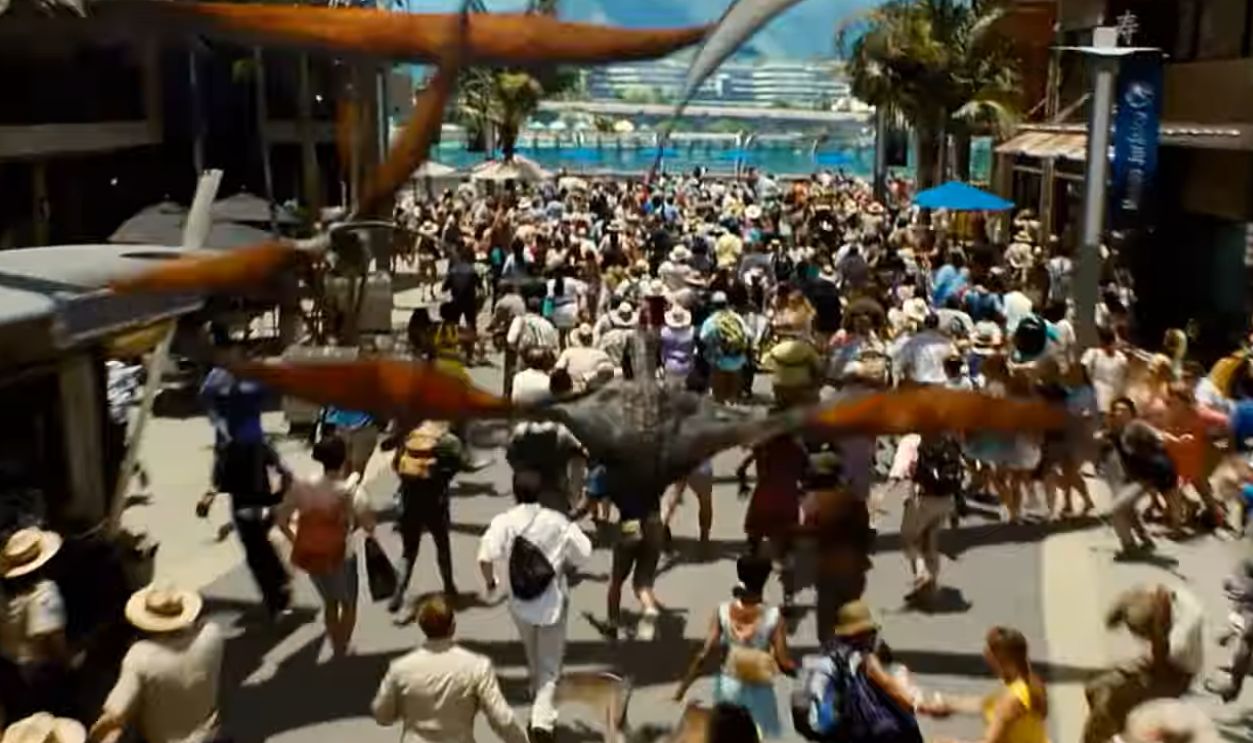 Screenshot from Jurassic World, Universal Pictures (2015)
Cheering Crowd Member (Ghostbusters)
As the heroes emerge victorious, one man, tie shading purple, hair a fiery red, stands out among a crowd. His energy and cheers turn a generic mob shot into something exuberant and memorable.
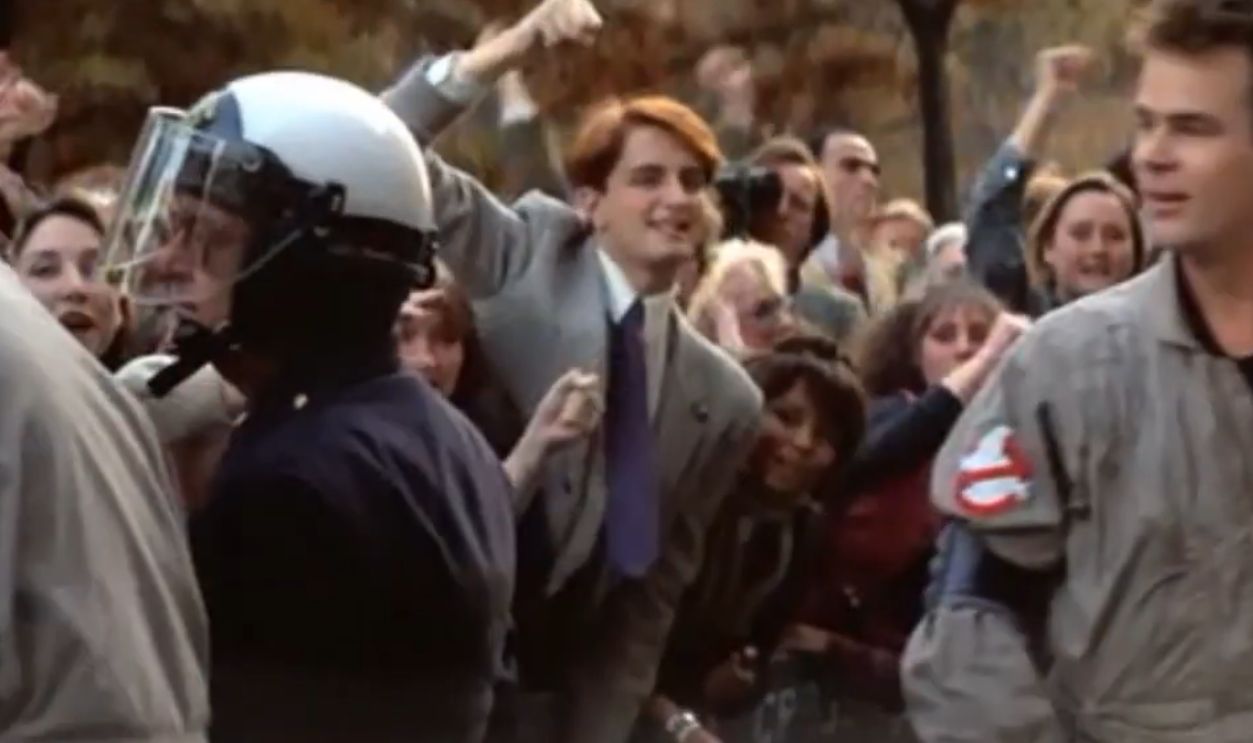 Screenshot from Ghostbusters, Columbia Pictures (1984)
Cheering Crowd Member (Ghostbusters) (Cont.)
He wasn’t the star. Yet his joyful presence gave the whole crowd a pulse. In that instant, he became the face of victory and relief; a living reaction the film didn’t script but could not ignore.
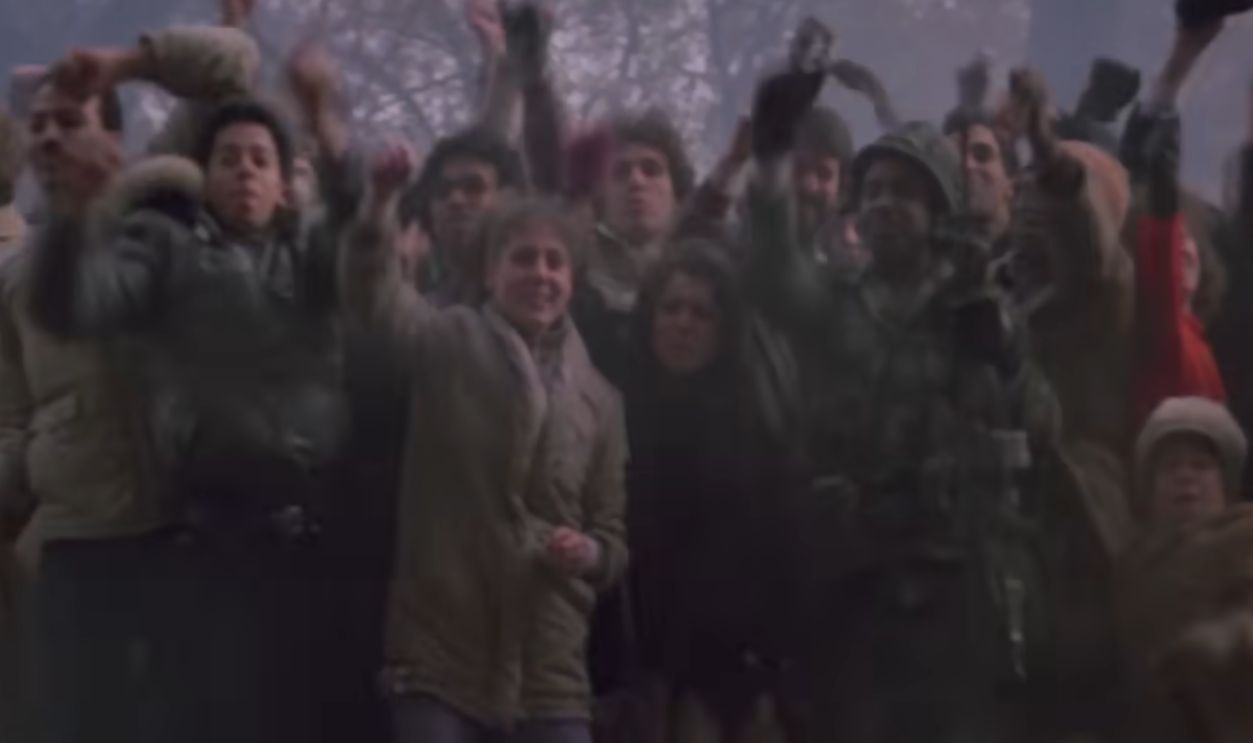 Screenshot from Ghostbusters, Columbia Pictures (1984)
7‑Eleven Bystanders (Dumb And Dumber)
After a lead exits a convenience store, two men holding drinks appear so casually in frame that the director just lets them stay. Their neutral expressions, until a quip, made the moment unexpectedly hilarious.
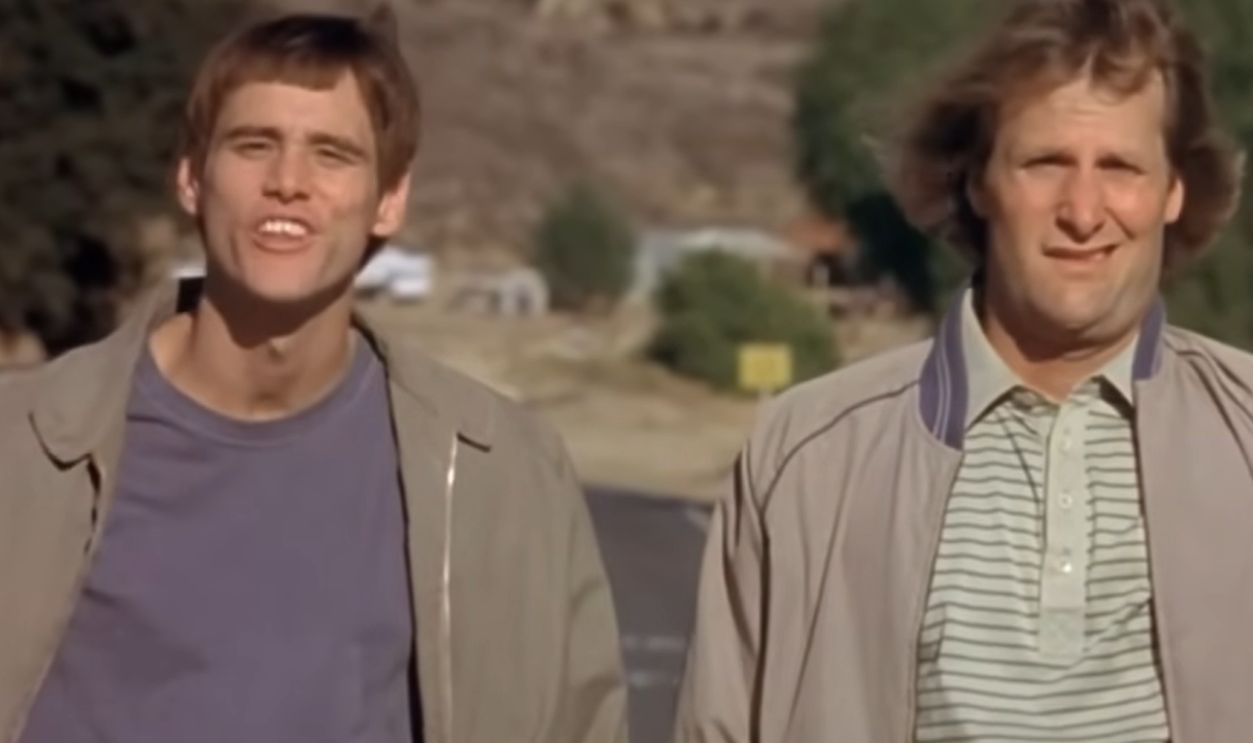 Screenshot from Dumb and Dumber, New Line Cinema (1994)
7-Eleven Bystanders (Dumb And Dumber) (Cont.)
They weren’t extras at all, but real bystanders. Their unwitting cameo worked — their stoic presence added a weird authenticity that elevated the comedy beyond the lead’s line.
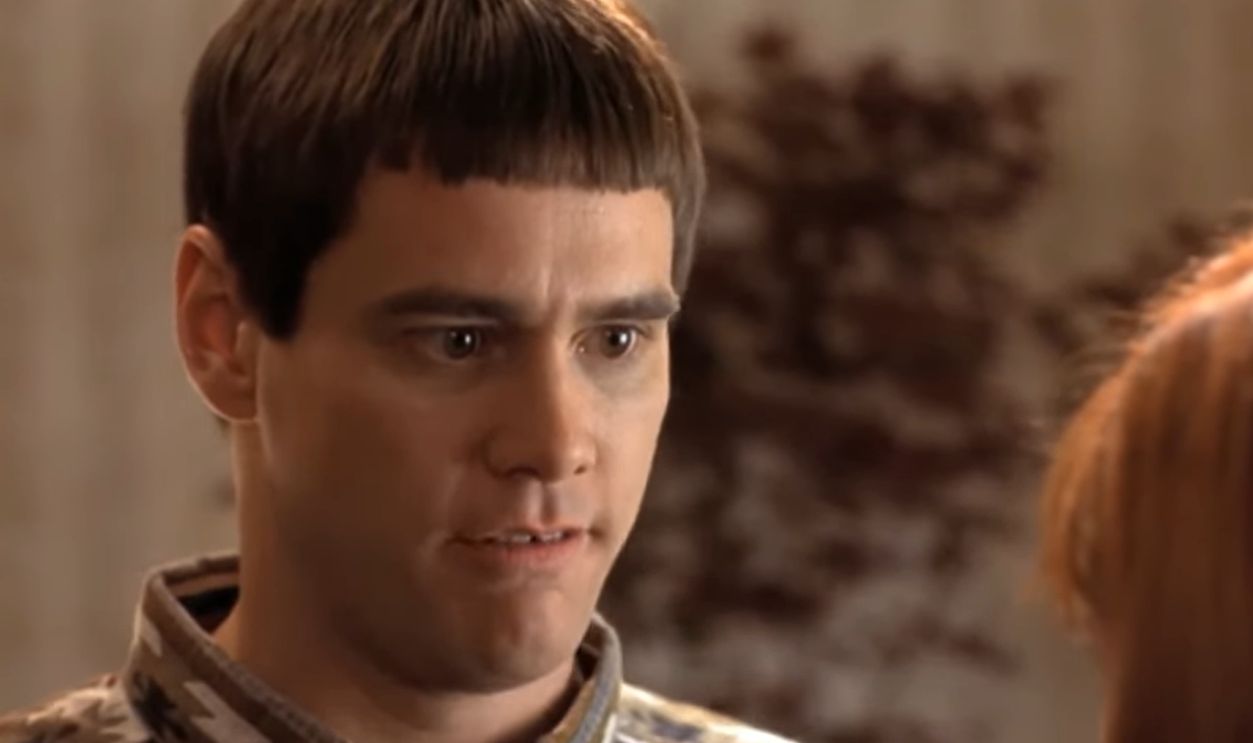 Screenshot from Dumb and Dumber, New Line Cinema (1994)
Hidden Laughing Roman Guard (Life Of Brian)
In a sweeping scene packed with background characters, one guard begins laughing; a tiny disruption that undercuts the seriousness with subtle absurdity. That laugh echoes far beyond his few frames.
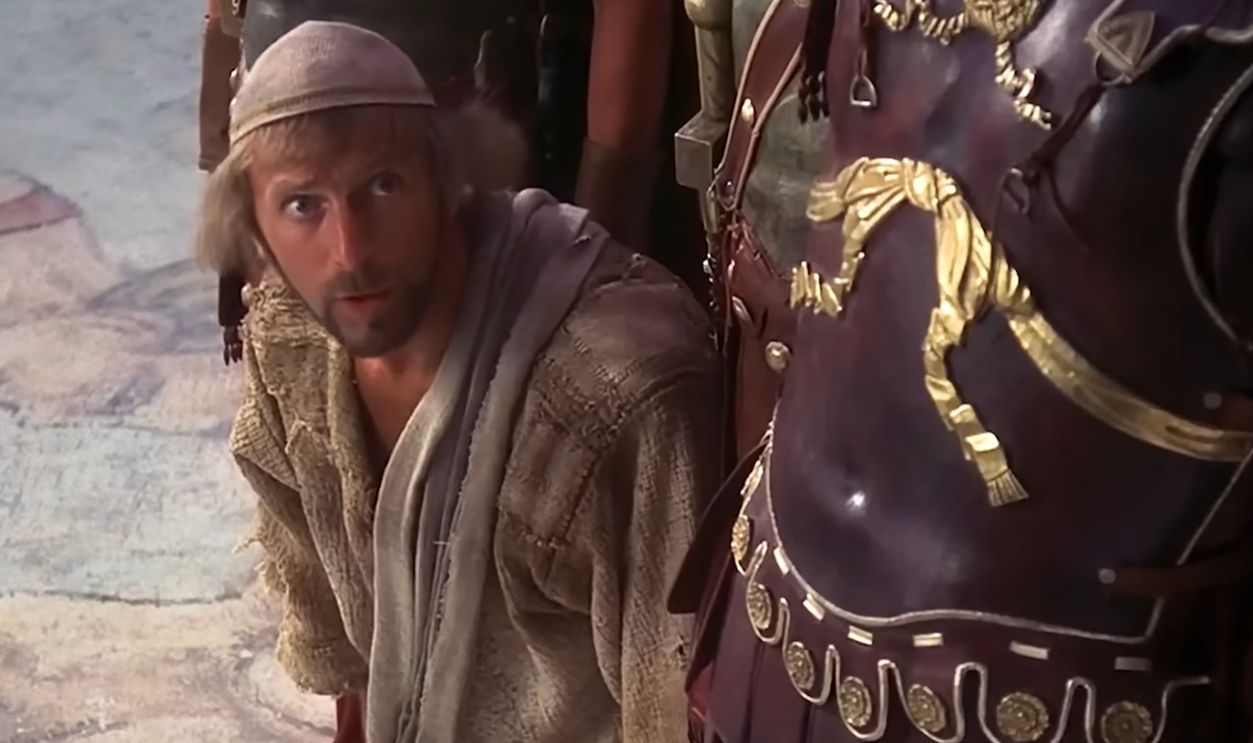 Screenshot from Life of Brian, Monty Python Productions (1979)
Hidden Laughing Roman Guard (Life Of Brian) (Cont.)
He doesn’t speak. He doesn’t react on cue. He breaks frame expectation with a spontaneous laugh. That simple real-life reaction changed how the scene felt: alive, unpredictable, and human.
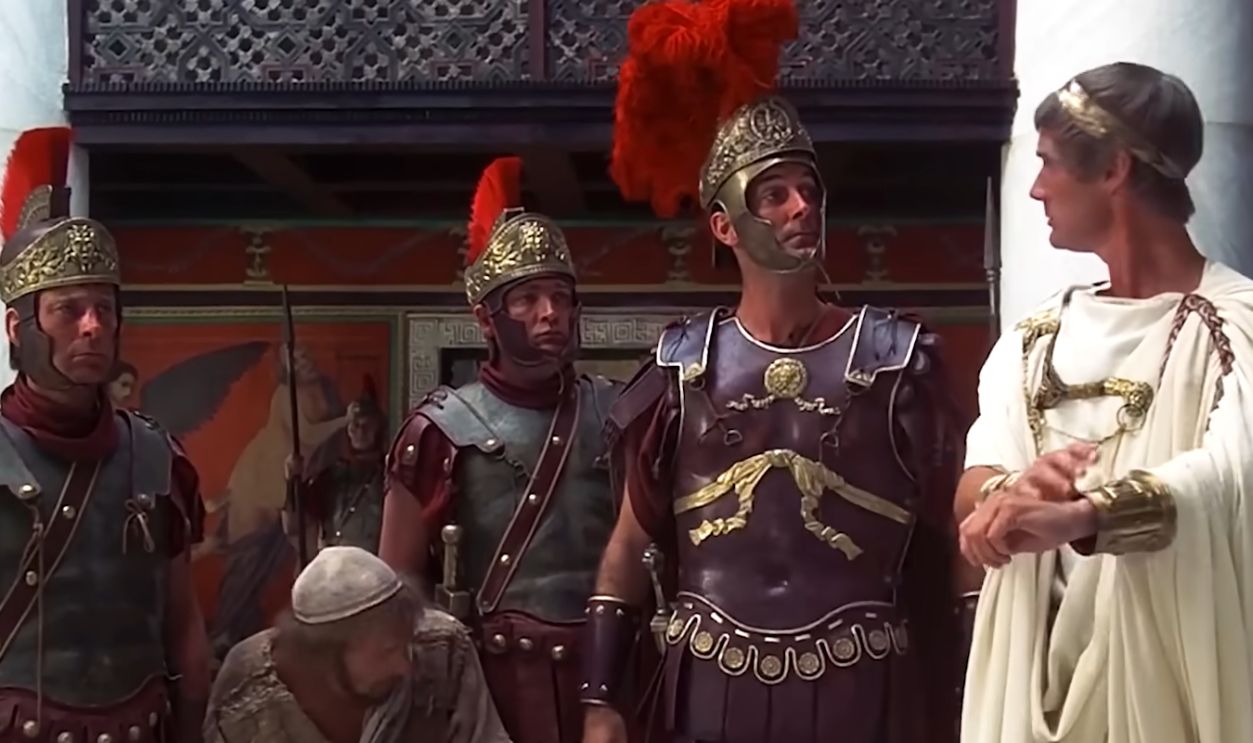 Screenshot from Life of Brian, Monty Python Productions (1979)
Confused Bus Passenger (Speed)
When Jack boards the bus, one passenger reacts with a pitch-perfect expression of confusion that feels hilariously real. She freezes for a beat, then scoots aside with an exaggerated side-eye that accidentally steals attention from the leads.
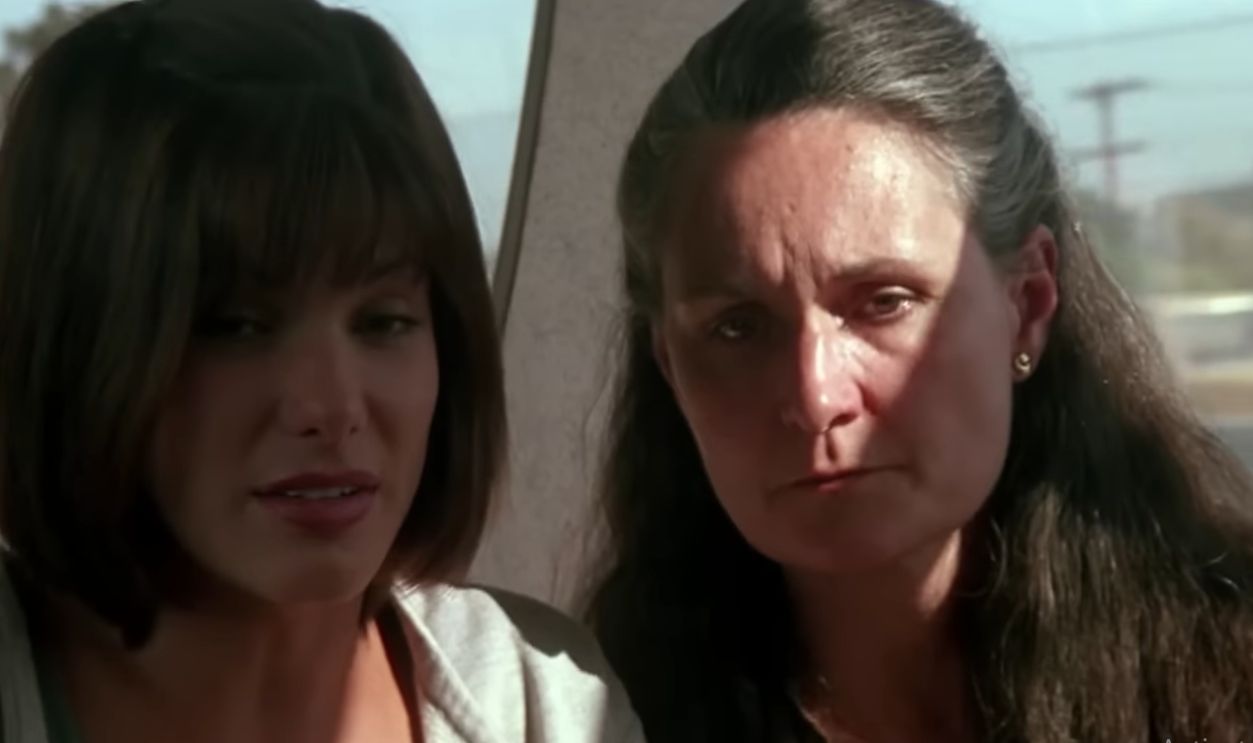 Screenshot from Speed, 20th Century Fox (1994)
Confused Bus Passenger (Speed) (Cont.)
Her timing mirrors real commuter awkwardness so well that fans still point her out. The authenticity of her reaction, neither flat nor overplayed, makes her one of the most unintentionally memorable passengers on the whole bus.
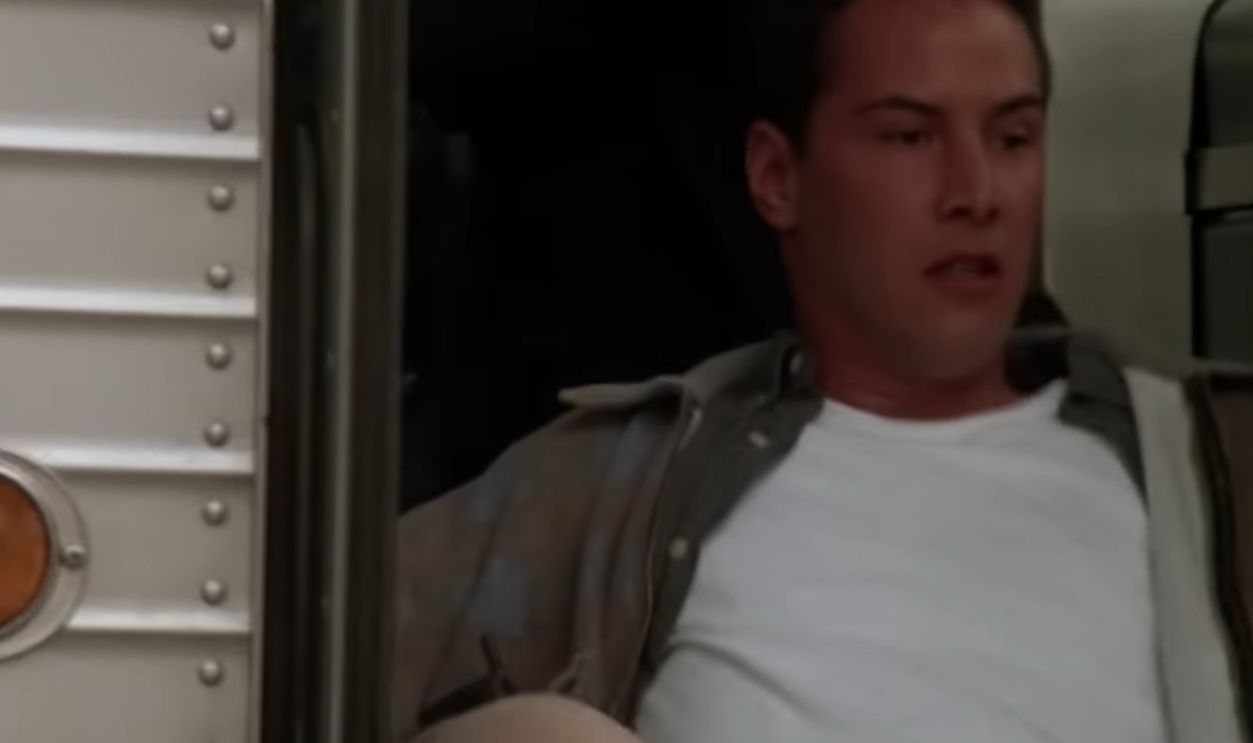 Screenshot from Speed, 20th Century Fox (1994)