
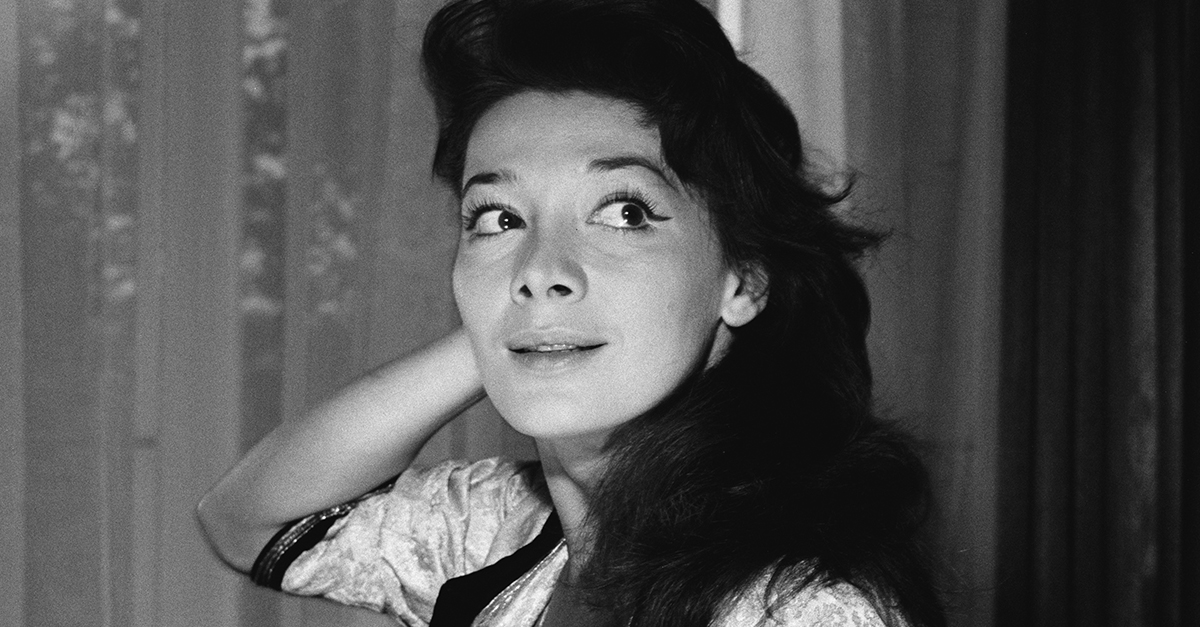
She Was Poetry In Song
Juliette Gréco was the French singer and actress whose libertine lifestyle defined post-WWII France. But her fast, freewheeling lifestyle only covered the darker secrets of her past—and the sordid stories of her boudoir.
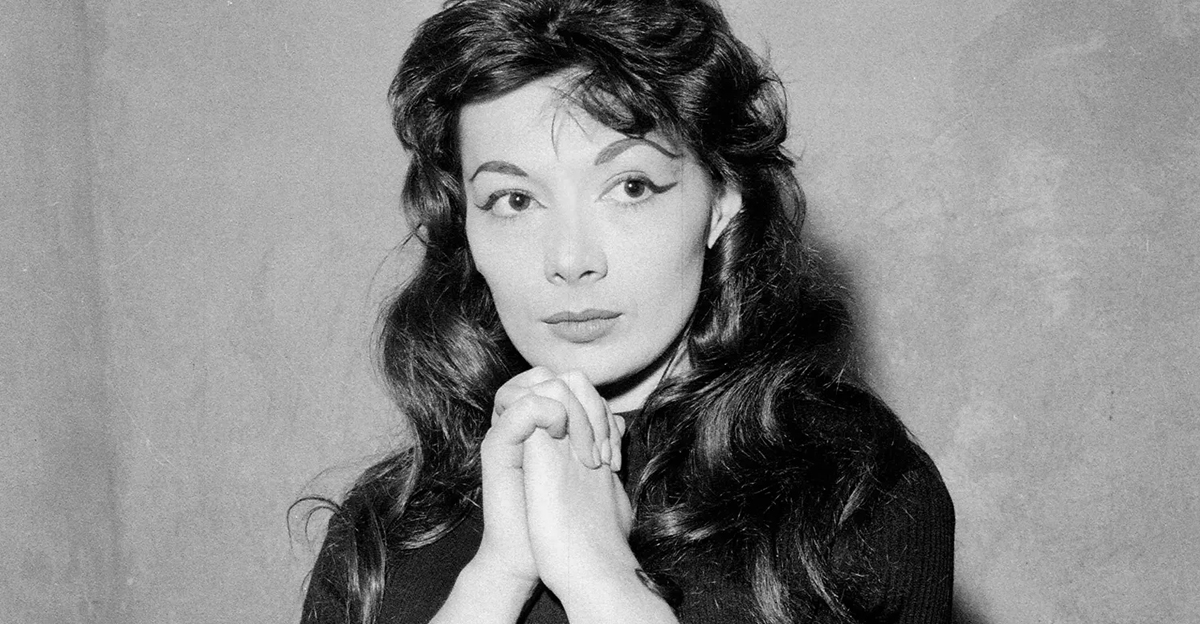
1. She Wasn’t Just French
Juliette Gréco would become a French icon—but she was barely French herself. Gréco was born on February 7, 1927, in Montpellier to a Corsican father. Her mother was from Bordeaux, but Gréco could trace her lineage back to Greece. That is, if her parents were really her parents…
 Ron Kroon for Anefo, Wikimedia Commons
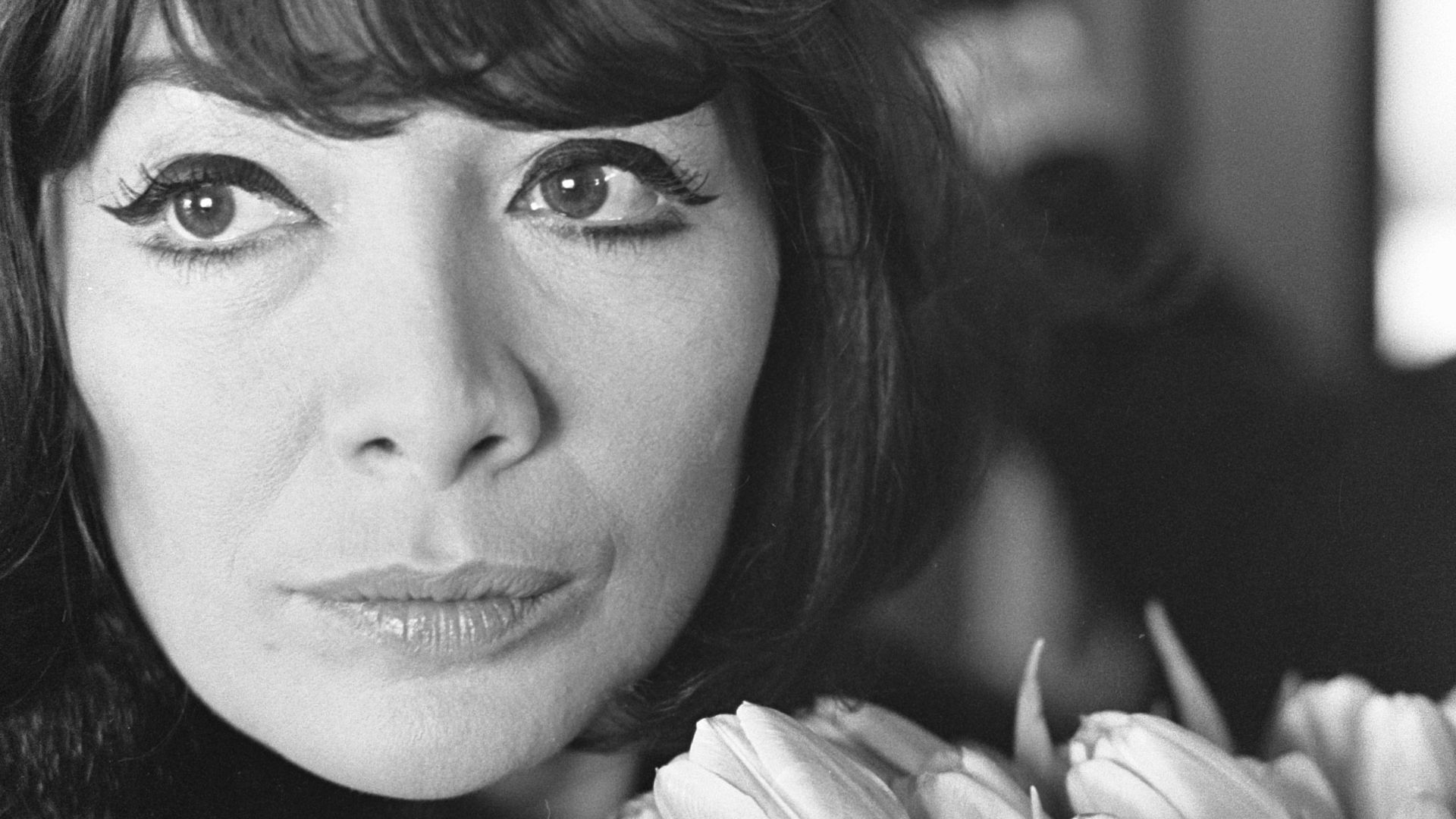
2. Her Mother Rejected Her Entirely
Gréco’s childhood was totally devoid of affection. Her mother, having completely rejected her, branded her as “the child of [defilement]” and insisted she wasn't truly her daughter. Those words carved deep wounds into Gréco, leaving her to search for belonging where family had refused to give it.
Fortunately, not everyone in her family was as mean as her mother.
 Ron Kroon / Anefo, Wikimedia Commons
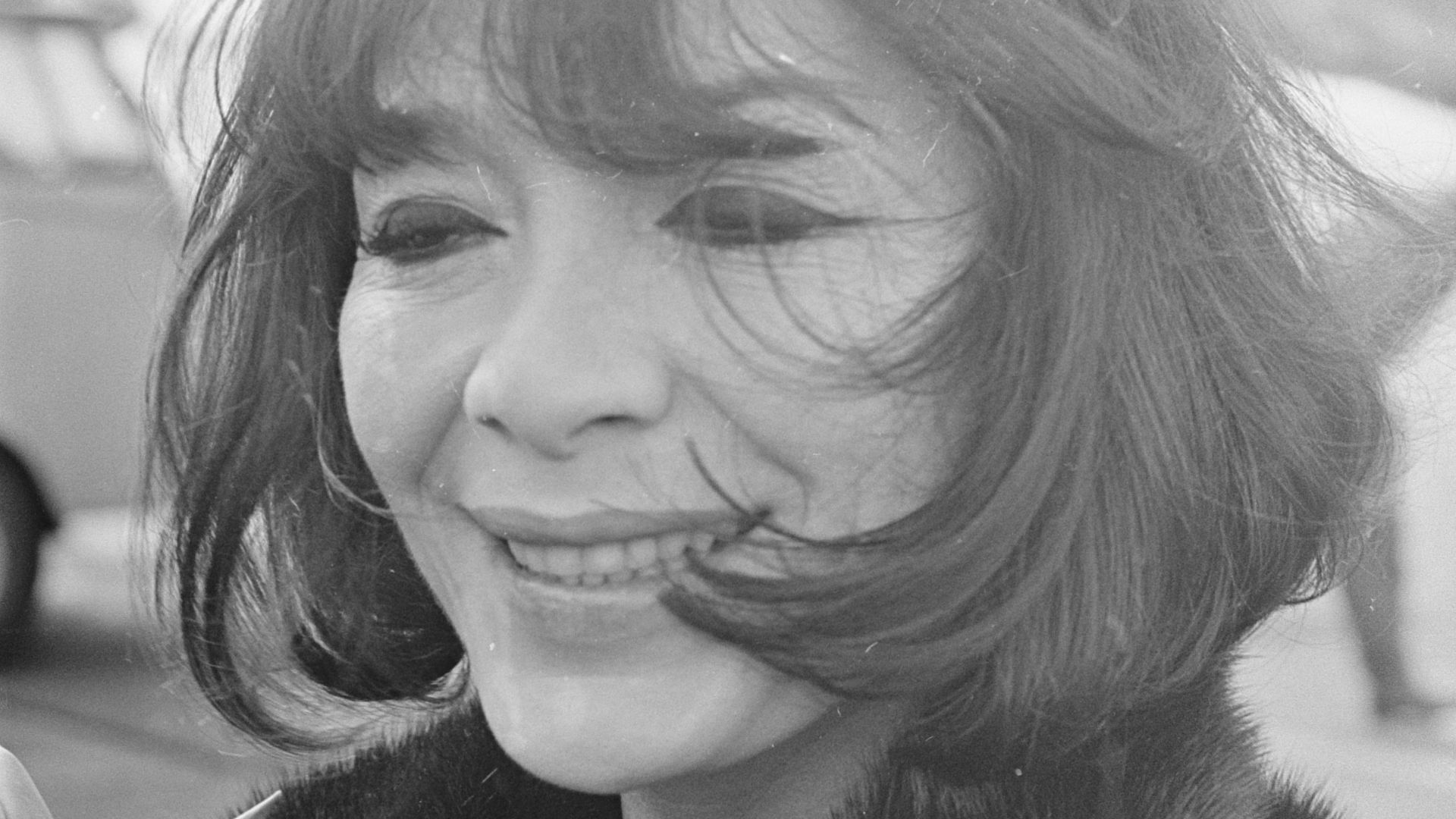
3. She Grew Up With Grandparents
After her mother cast her aside like yesterday’s trash, young Juliette Gréco found refuge elsewhere. Along with her sister, Charlotte, she moved in with her maternal grandparents in Bordeaux. Sadly, the comfort didn’t last. When their guardians passed, Gréco’s mother took her and her sister back to Paris.
Believe it or not, but her childhood only got worse from there.
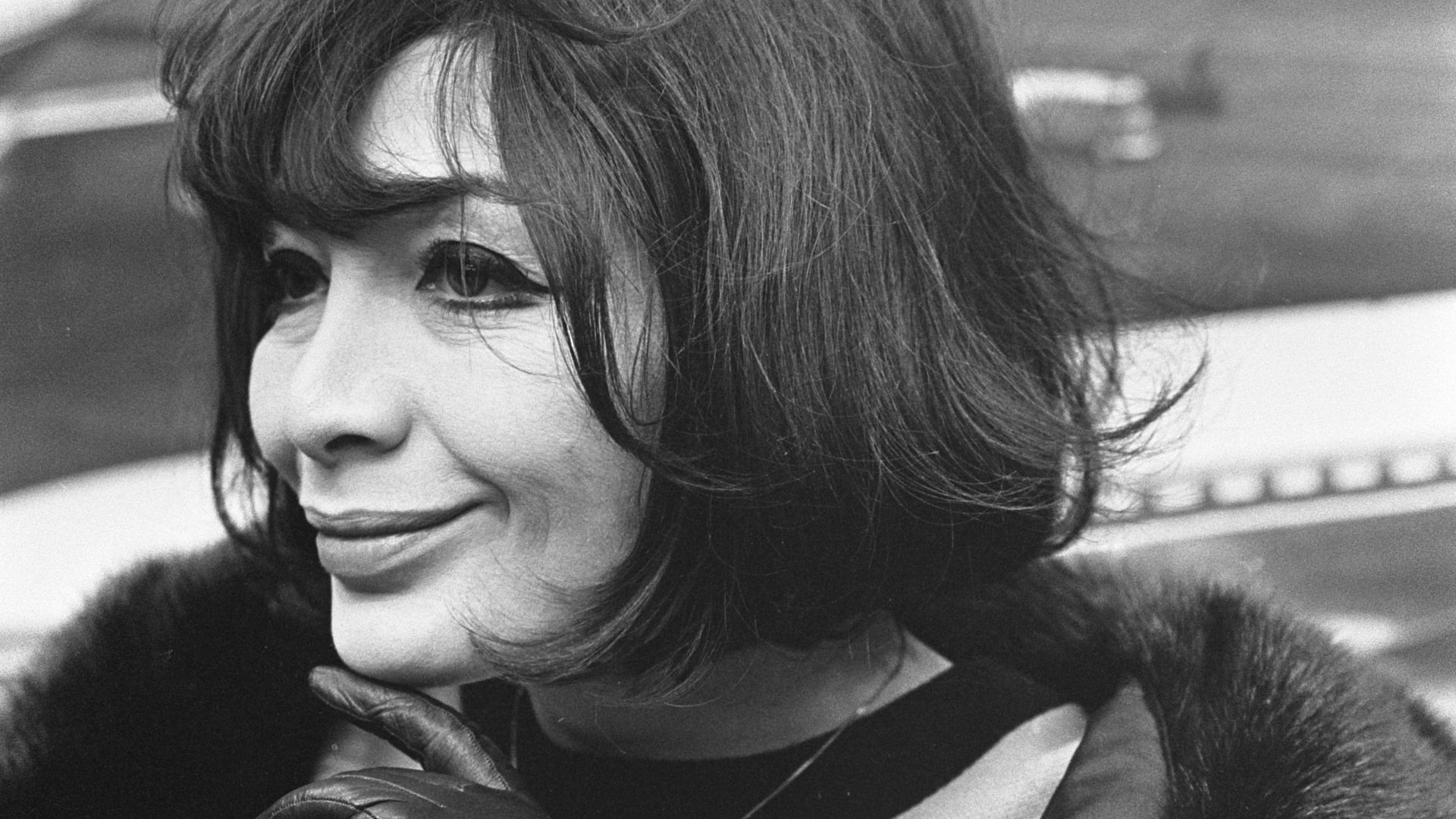 Ron Kroon for Anefo, Wikimedia Commons
4. She Was Actually Shy
In her heydays, Gréco would become the outgoing muse of the libertine movement in France. Funny enough, she didn’t start out that way. According to her contemporaries in school, Gréco was quite "shy". Only one thing seemed to bring her out of her shell.
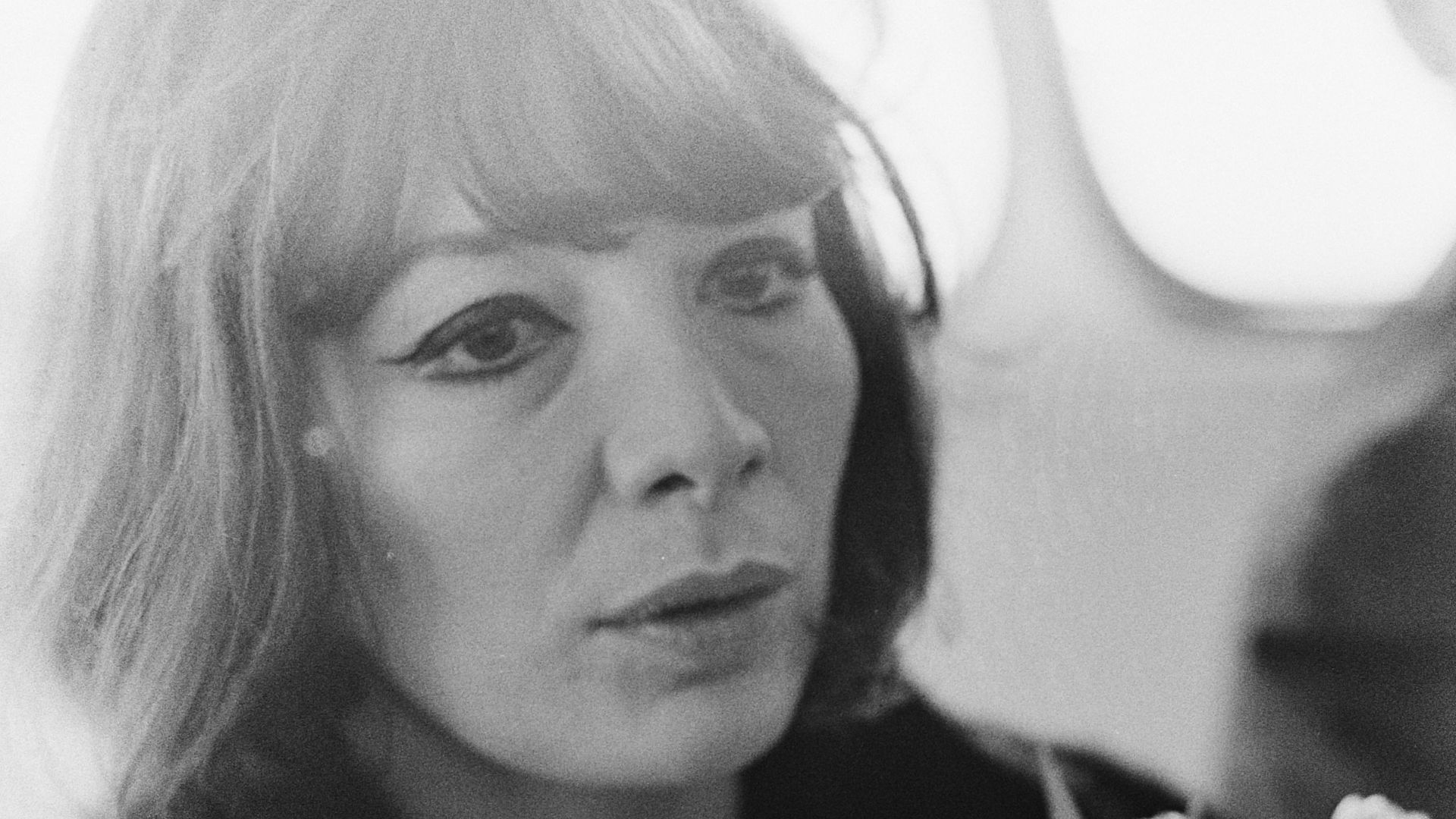 Ron Kroon for Anefo, Wikimedia Commons
5. She Danced Into A Dream
Juliette Gréco found escape from her childhood challenges in the form of ballet. By 1938, she had become a professional ballerina and performed at the Opéra Garnier. A life of graceful movements and frilly tutus seemed inevitable. Then disaster struck.
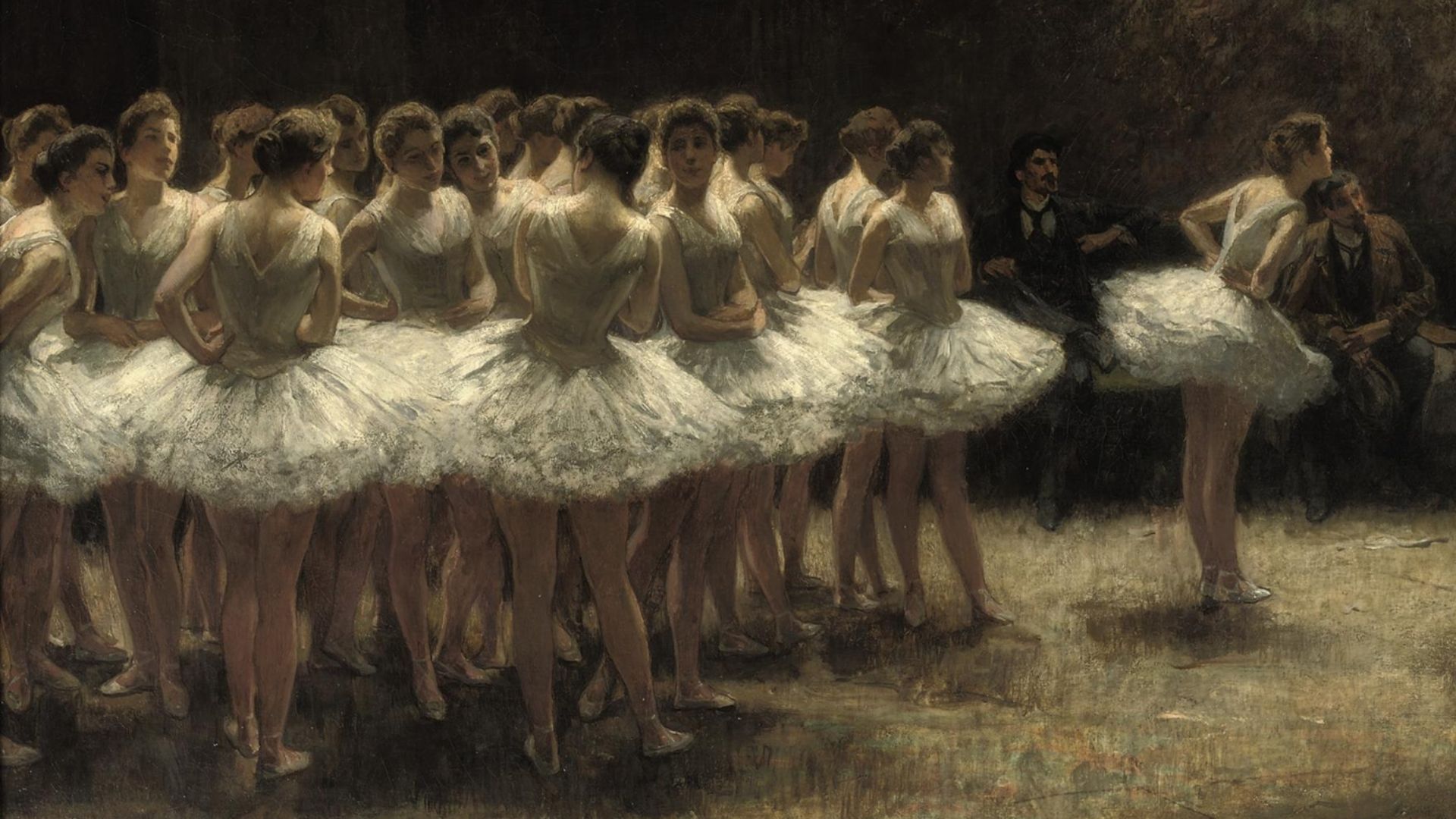 Nicolaas van der Waay, Wikimedia Commons
6. She Joined The Resistance
When WWII broke out, Gréco knew that it was only a matter of time before France fell. When the Third Reich rolled their tanks into Paris, Gréco and her family retreated to southwest France. There, for the first time, Gréco found common cause with her mother when they both joined the Resistance.
She would have to be far more resilient than she could have guessed.
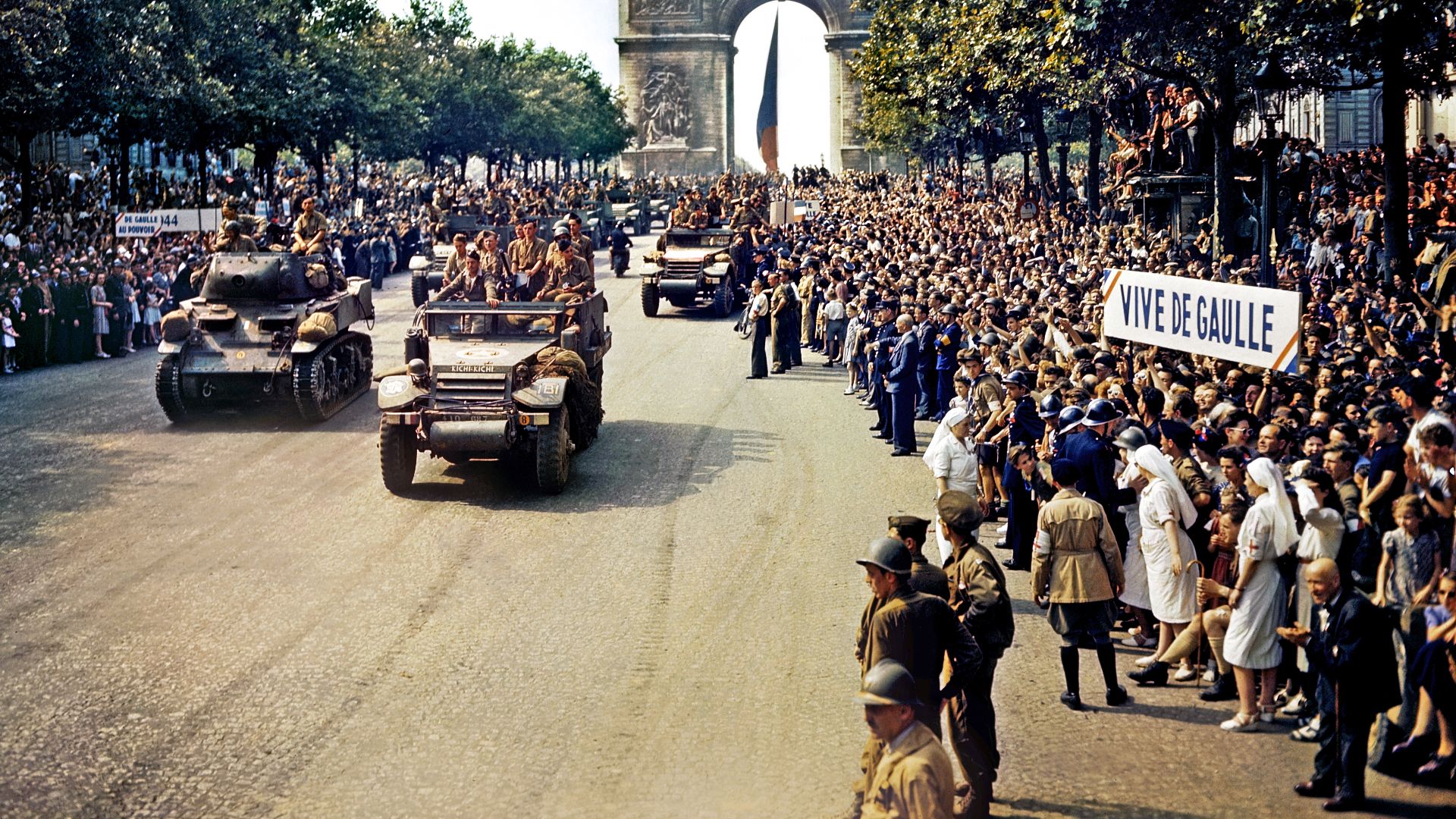 Jack Downey, U.S. Office of War Information, Wikimedia Commons
7. Her Family Was Taken Away
In 1943, everything collapsed. Cracking down on the Resistance, the forces of the Third Reich seized her mother and sister, deporting them to Ravensbrück concentration camp. Juliette Gréco, barely sixteen, could only watch as her family vanished into the horrific prisoner system of the Third Reich. Her own fate would be no kinder.
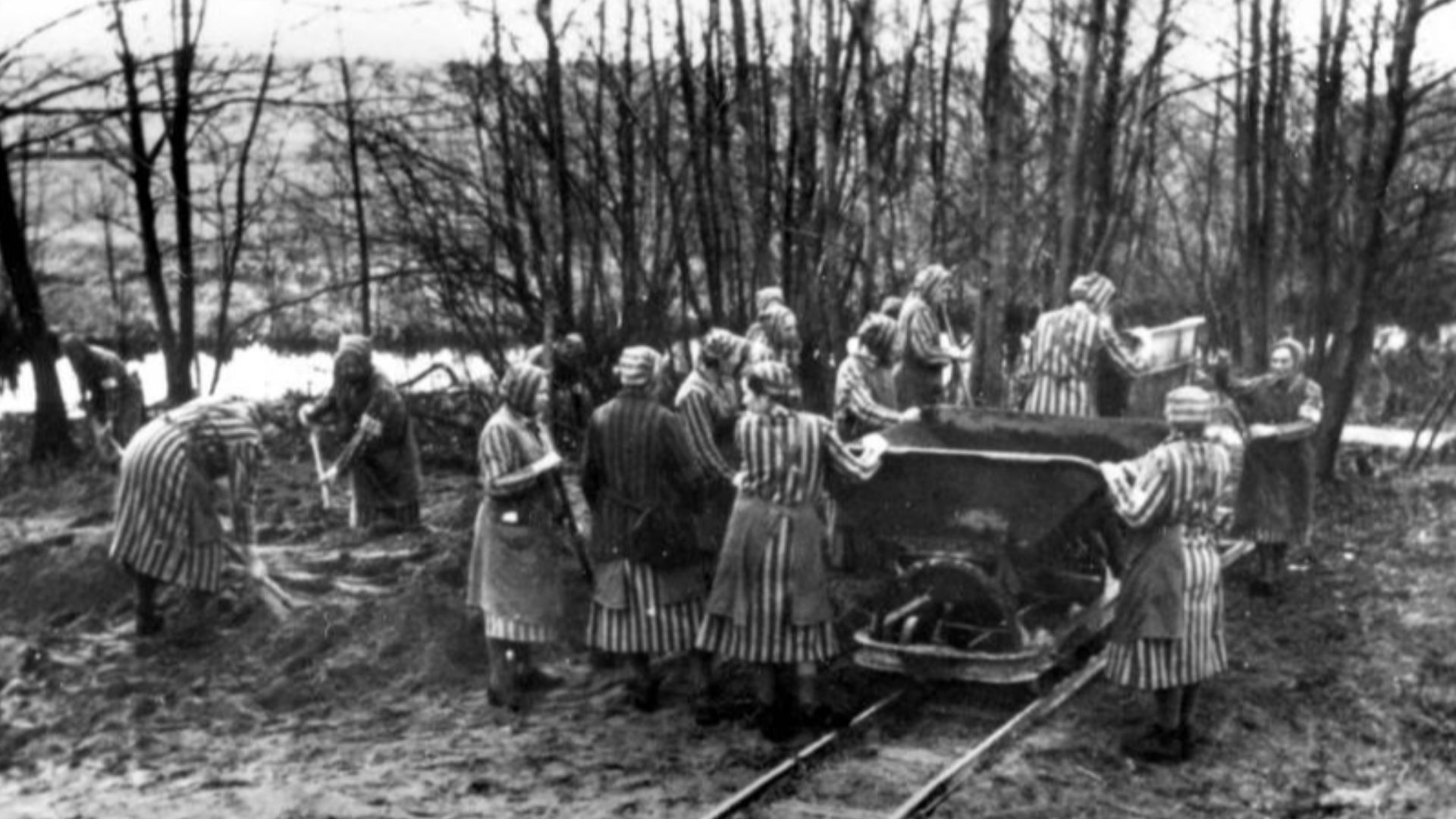 UnknownUnknown , Wikimedia Commons
8. She Couldn’t Escape The Third Reich
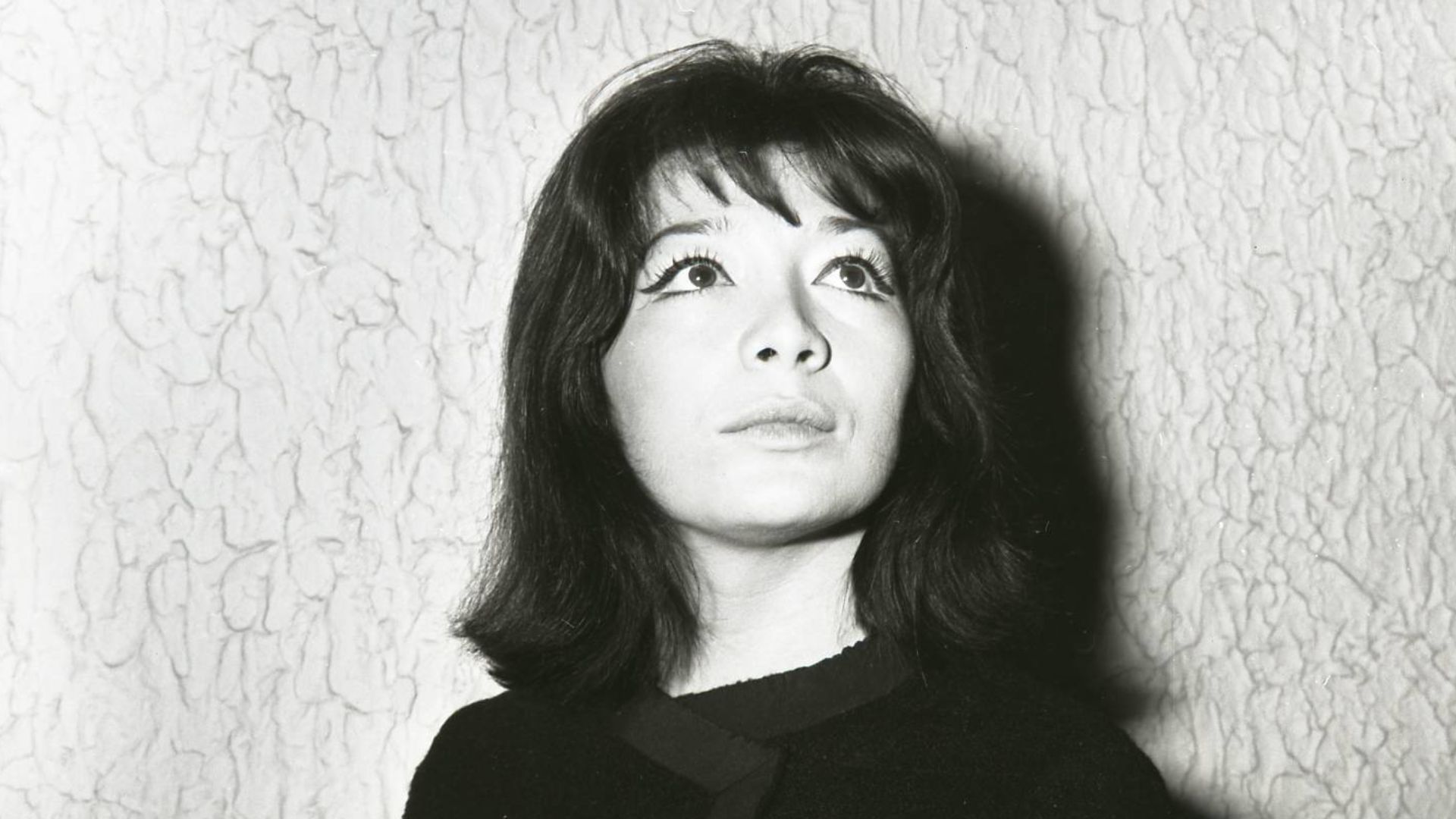
While the Third Reich hauled her Mother and sister away, Gréco had to face her own personal nightmare. Originally locked up in Fresnes Prison with her sister, she now found herself all alone, facing torment from her oppressors—and worse. She wasn’t sure if she would ever make it out alive.
 Boris Carmi, Wikimedia Commons
9. She Walked Out—Alive But Alone
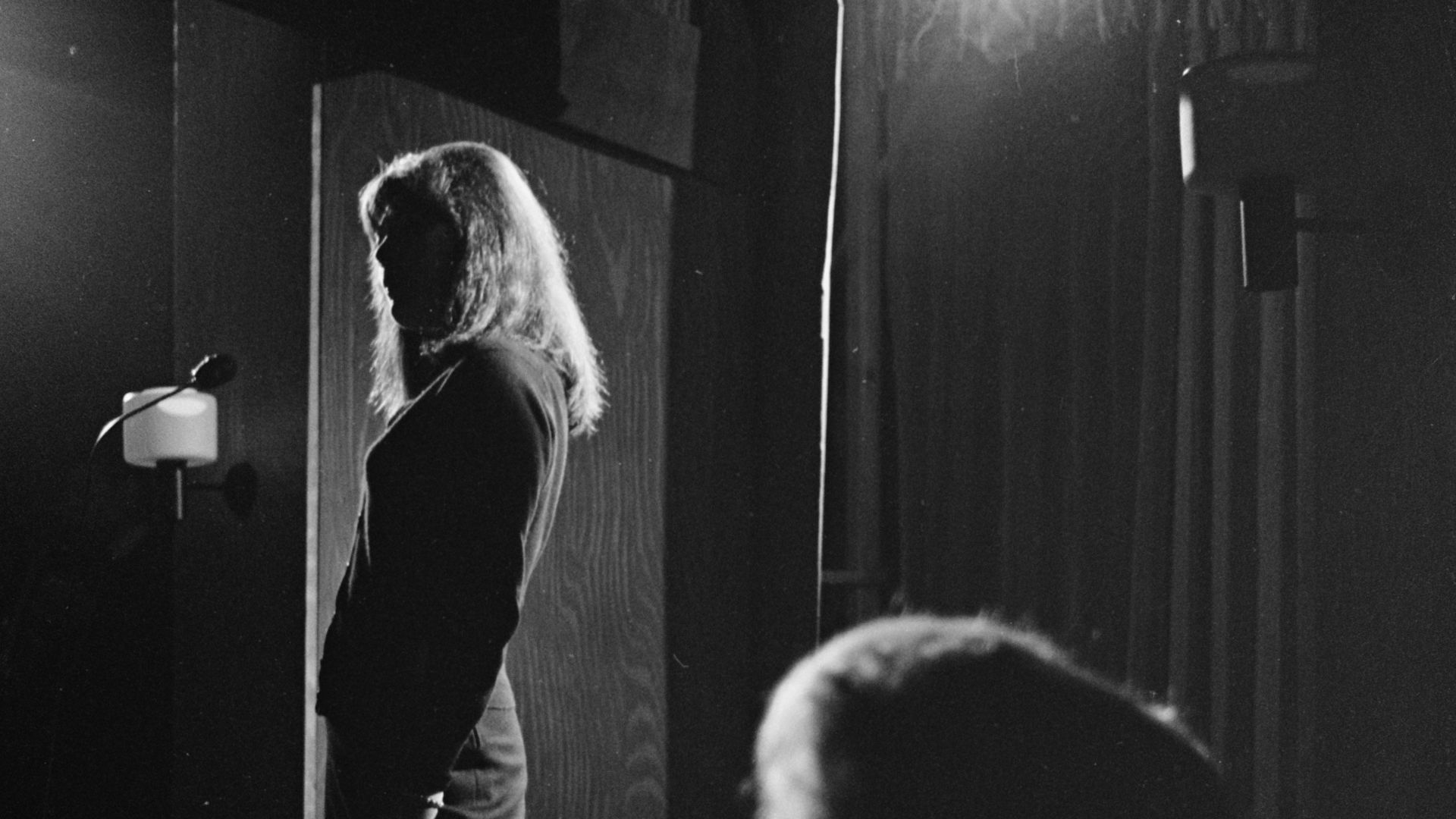
Miraculously, Juliette Gréco survived her time in Fresnos. However, when the Third Reich released her, they didn’t exactly do her any favors. She was alone and penniless in an unforgiving world. Still, Gréco mustered up enough strength to walk eight miles to the lockup where the Third Reich was holding her few belongings.
Her belongings, sadly, did not include a place to call home.
 Harry Pot / Anefo, Wikimedia Commons
10. She Found A Guardian Angel
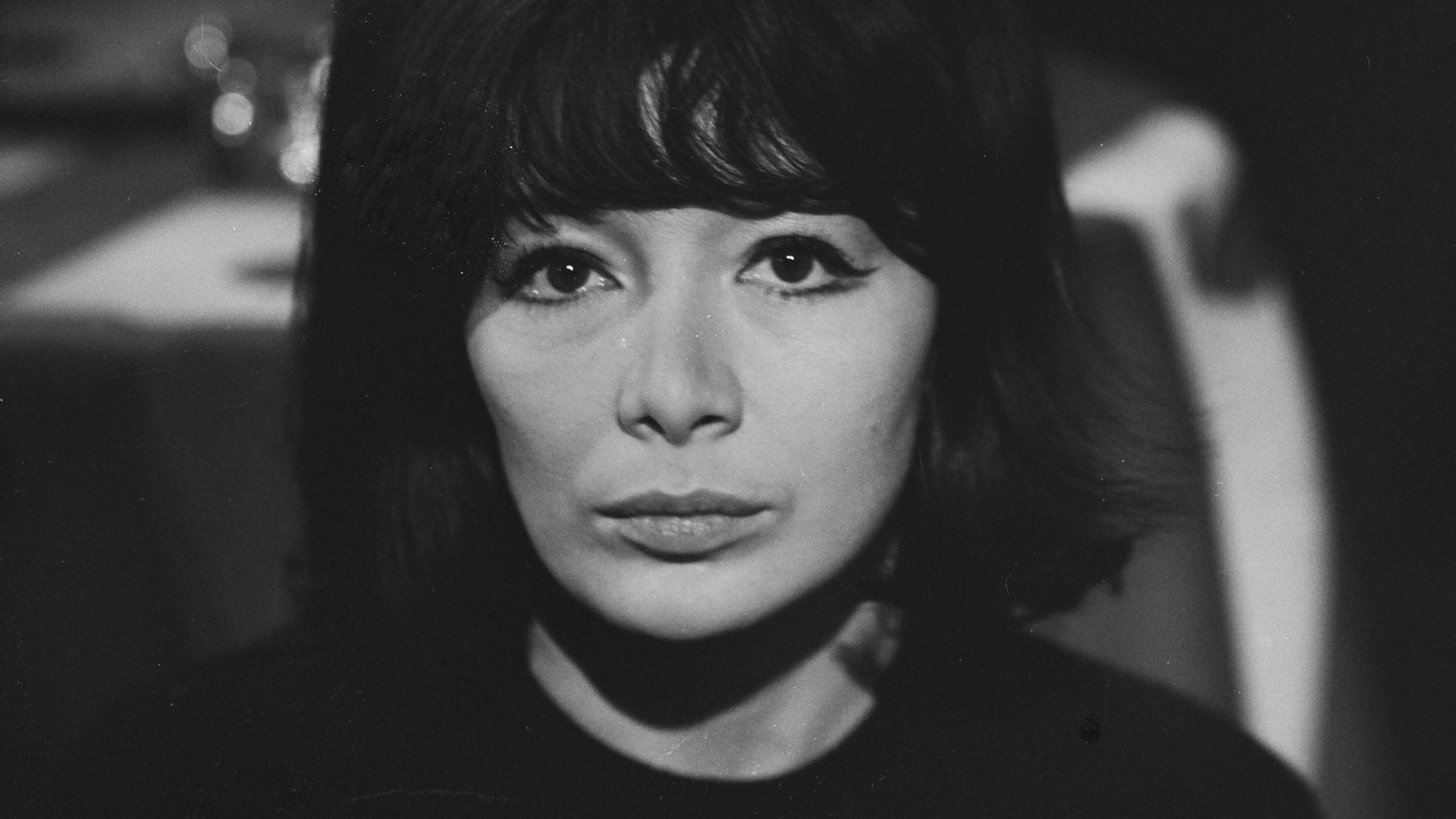
Gréco would have been wandering the streets with nowhere to sleep had it not been for a guardian angel. Gréco turned to a woman named Hélène Duc, a former teacher and friend of her mother. Duc took her in, sheltering the young Gréco in her own home.
But though she'd found a soft place to land, there was more heartbreak in store for her.
 Jack de Nijs for Anefo, Wikimedia Commons
11. Her Family Returned, But Not Her Mother
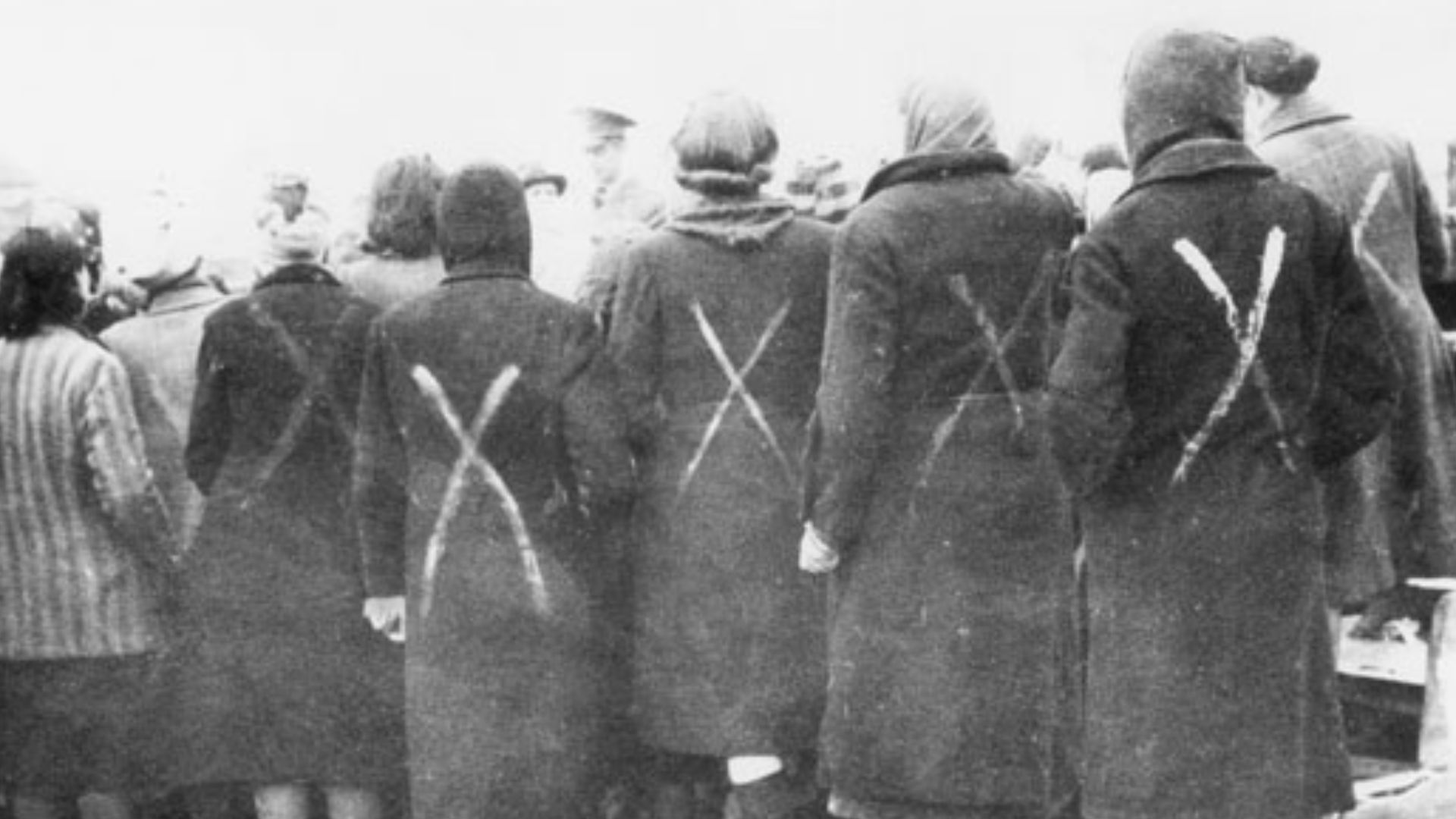
In 1945, against all odds, Gréco’s mother and sister returned from Ravensbrück. But the reunion was short-lived (and not particularly happy). Gréco’s mother left for Indochina just as quickly as she had returned, abandoning Gréco and her sister once again.
This second abandonment hit harder than the first.
 Unknown authorUnknown author, Wikimedia Commons
12. Her Mother Left Scars That Lasted
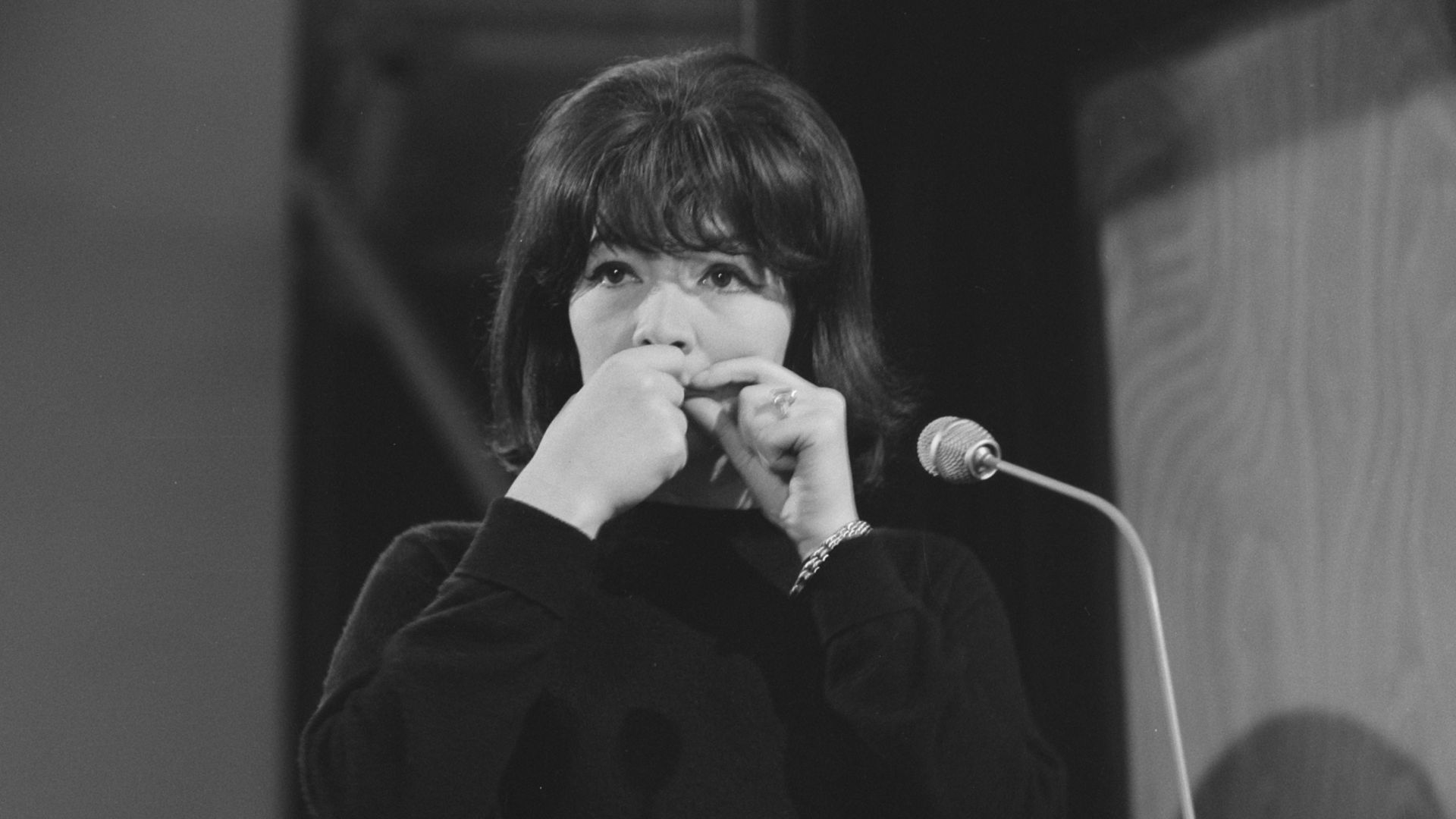
The absence of warmth and the cruelty of her mother haunted Juliette Gréco long after childhood. Those unrelenting emotional scars would later bleed into her voice, shaping the mournful gravity of her art. Her songs would carry that pain, turning suffering into something strangely beautiful. But first, she had to discover her true artistic talent.
 Jack de Nijs for Anefo, Wikimedia Commons
13. She Entered A Dazzling New World
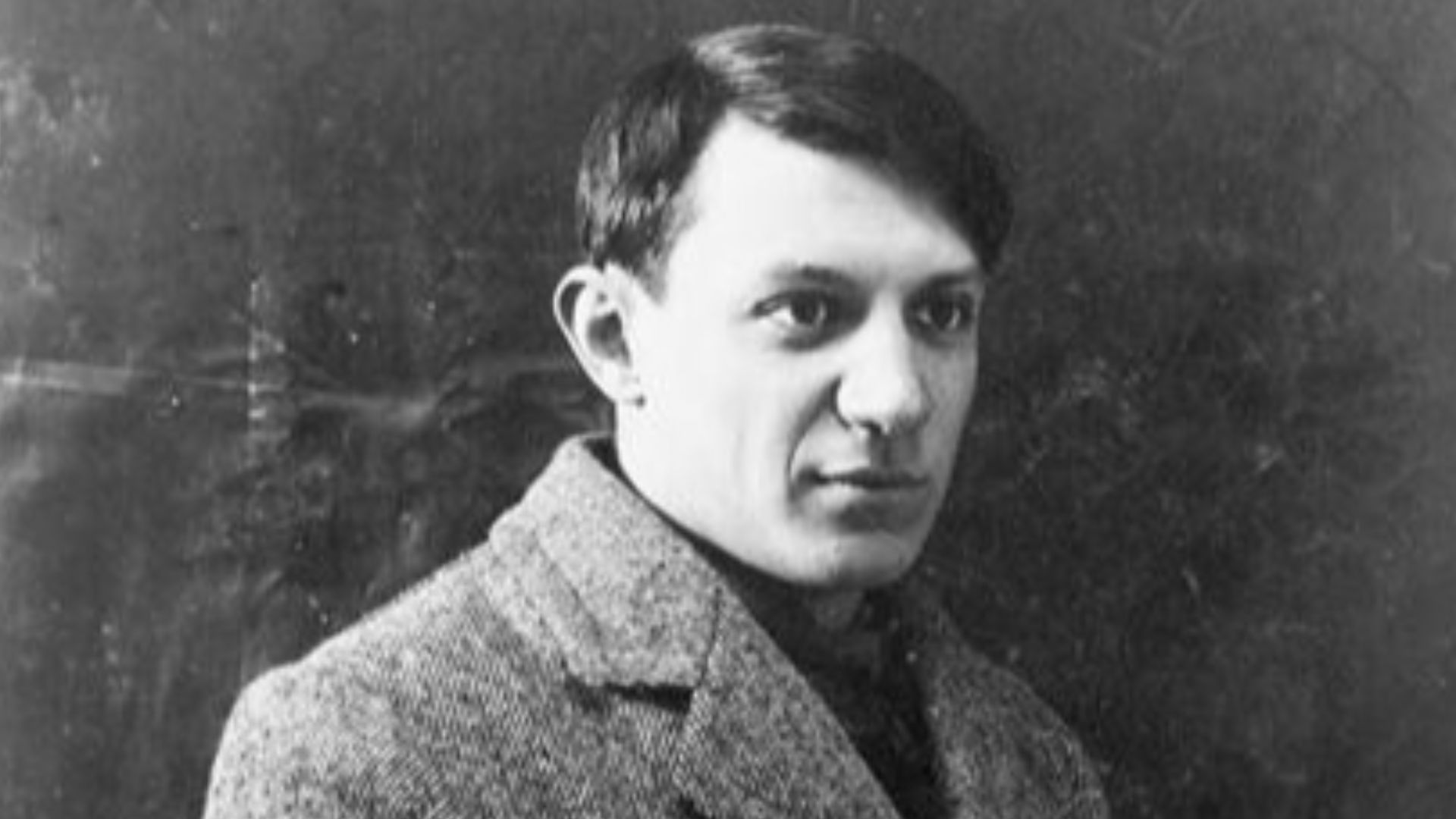
In Saint-Germain-des-Prés, Gréco was in the heart of France’s post-WWII bohemian revival. There, she mingled with the brilliant and the bold—Jean-Paul Sartre, Simone de Beauvoir, Albert Camus, Picasso, Chagall, and more. Their philosophies and art electrified her. But Gréco wasn’t just a witness to the cultural awakening—she was practically the reason for it.
 AnonymousUnknown author, Wikimedia Commons
14. She Found Her Voice On Stage
Gréco’s spiritual mother, Hélène Duc, encouraged her to take acting lessons under the renowned Solange Sicard. Turns out, the escapism of the arts was just what Gréco needed. The young woman debuted in Victor ou les Enfants au pouvoir. Around the same time, she hosted a poetry radio program, lending her voice to verse.
France couldn’t get enough.
15. She Began Singing In Cabarets
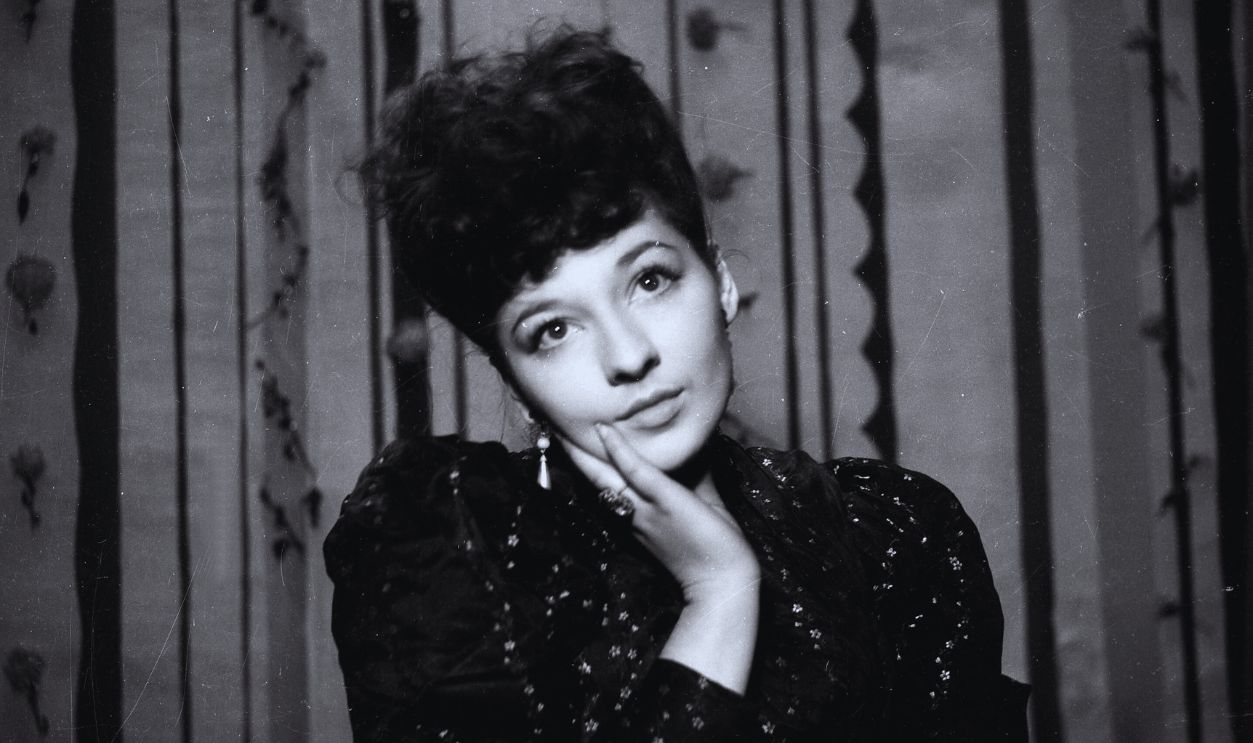
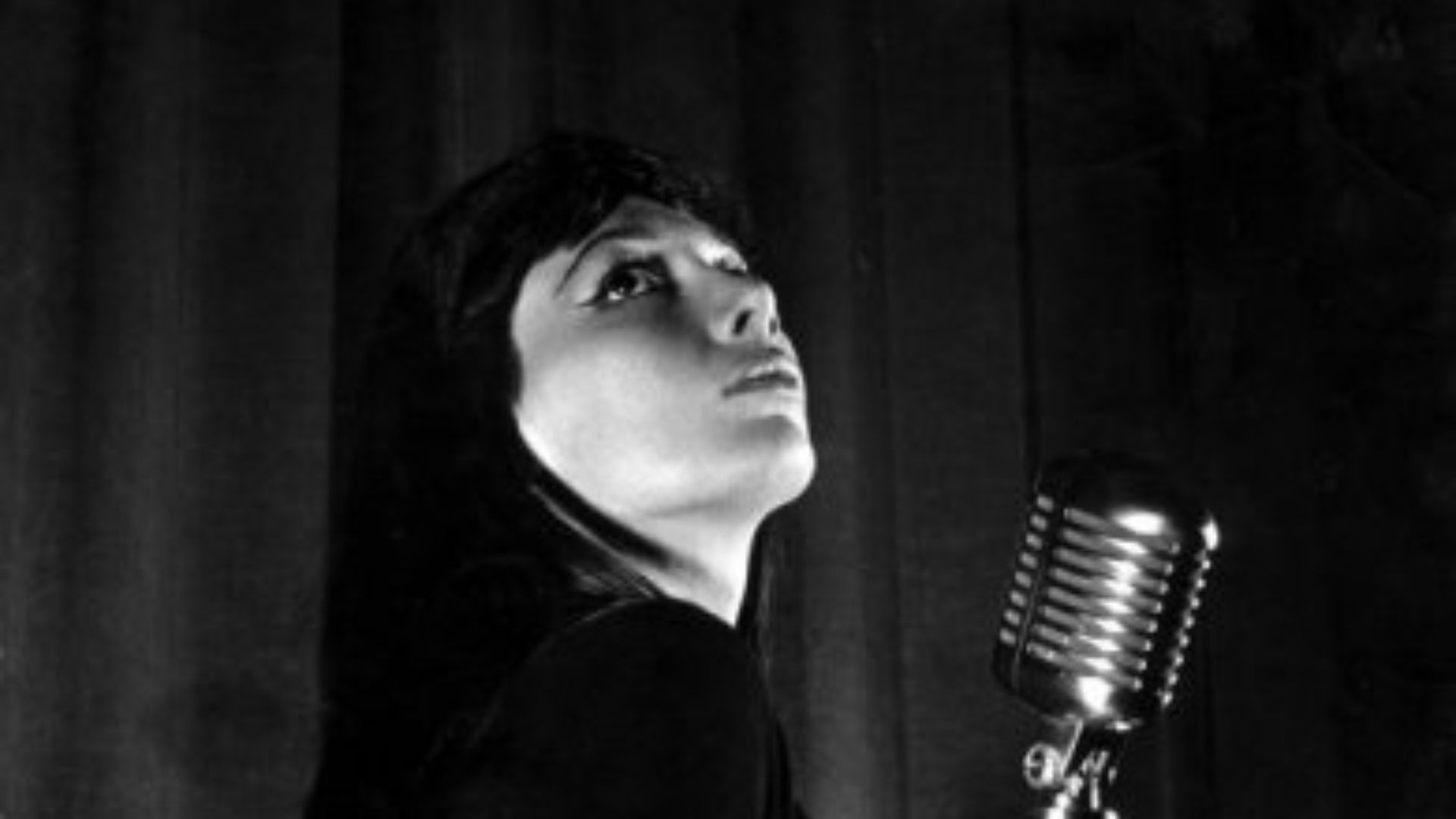
By 1949, Juliette Gréco had upped her game, stepping into Le Bœuf sur le Toit, a Paris cabaret. Her performances of existentialist poetry set to music captivated audiences. The café’s smoke and philosophy-filled air became her stage, her voice carrying verses to those hungry for meaning. One admirer in particular would change her life.
 Unknown authorUnknown author, Wikimedia Commons
16. She Had “A Million Poems”
Jean-Paul Sartre, the acclaimed French writer, was so enchanted by Gréco and her seductive voice, that he heaped praise on her. Sartre famously declared, “She has millions of poems in her voice”. It was the ultimate validation from the philosopher-king of existentialism. And it catapulted Gréco to everyone’s attention.
 Moshe Milner, Wikimedia Commons
17. She Became The Existentialists’ Muse
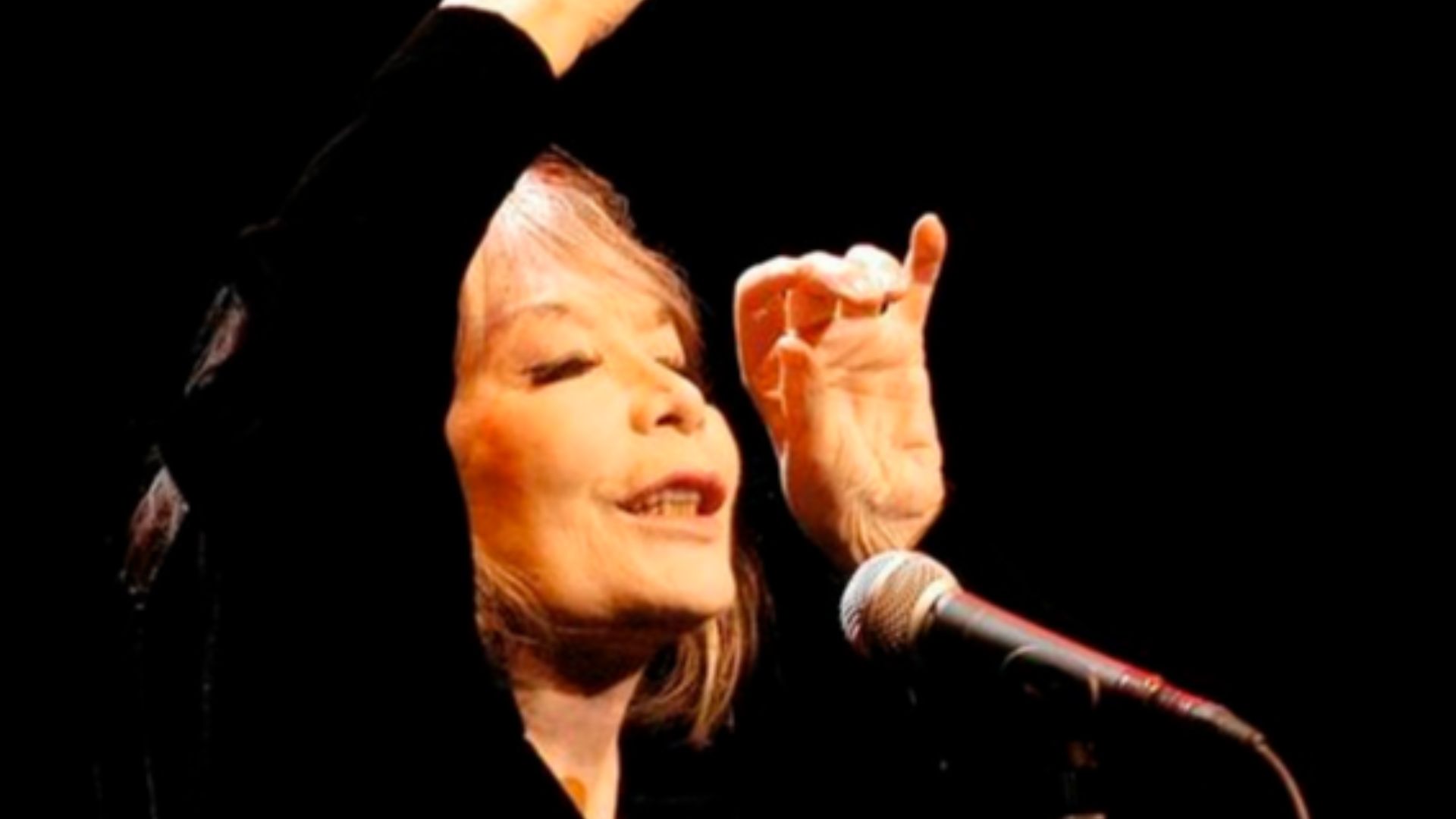
As her fame spread along with her lilting voice, Gréco became “the muse of existentialism”. Her other nickname was a little less flattering: “the black muse of Saint-Germain-des-Prés”. Either way, it was clear that she embodied the spirit of the bohemian movement: mysterious, melancholic, and endlessly captivating.
Even her appearance defined the trend.
 Victor Diaz Lamich, Wikimedia Commons
18. Her Look Defined A Generation
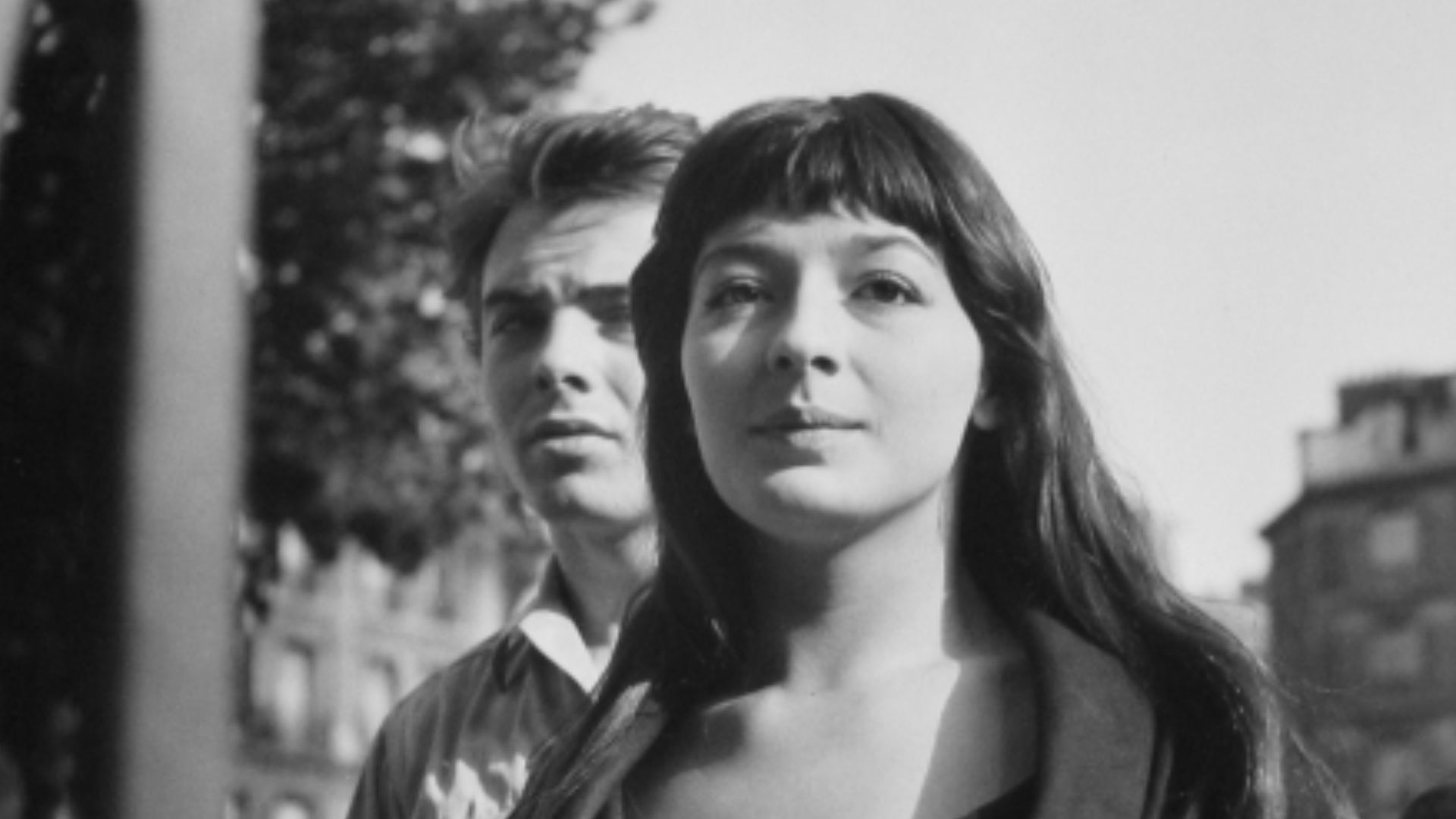
Gréco’s image became inseparable from her art: stark, dramatic, unforgettable. Draped in all black, with kohl-lined eyes and jet black hair, she became the walking symbol of Parisian bohemia itself. Oddly enough, Gréco didn’t seem to be comfortable in her own skin.
 Emmy Andriesse for Anefo, Wikimedia Commons
19. She Had Surgery—A Lot
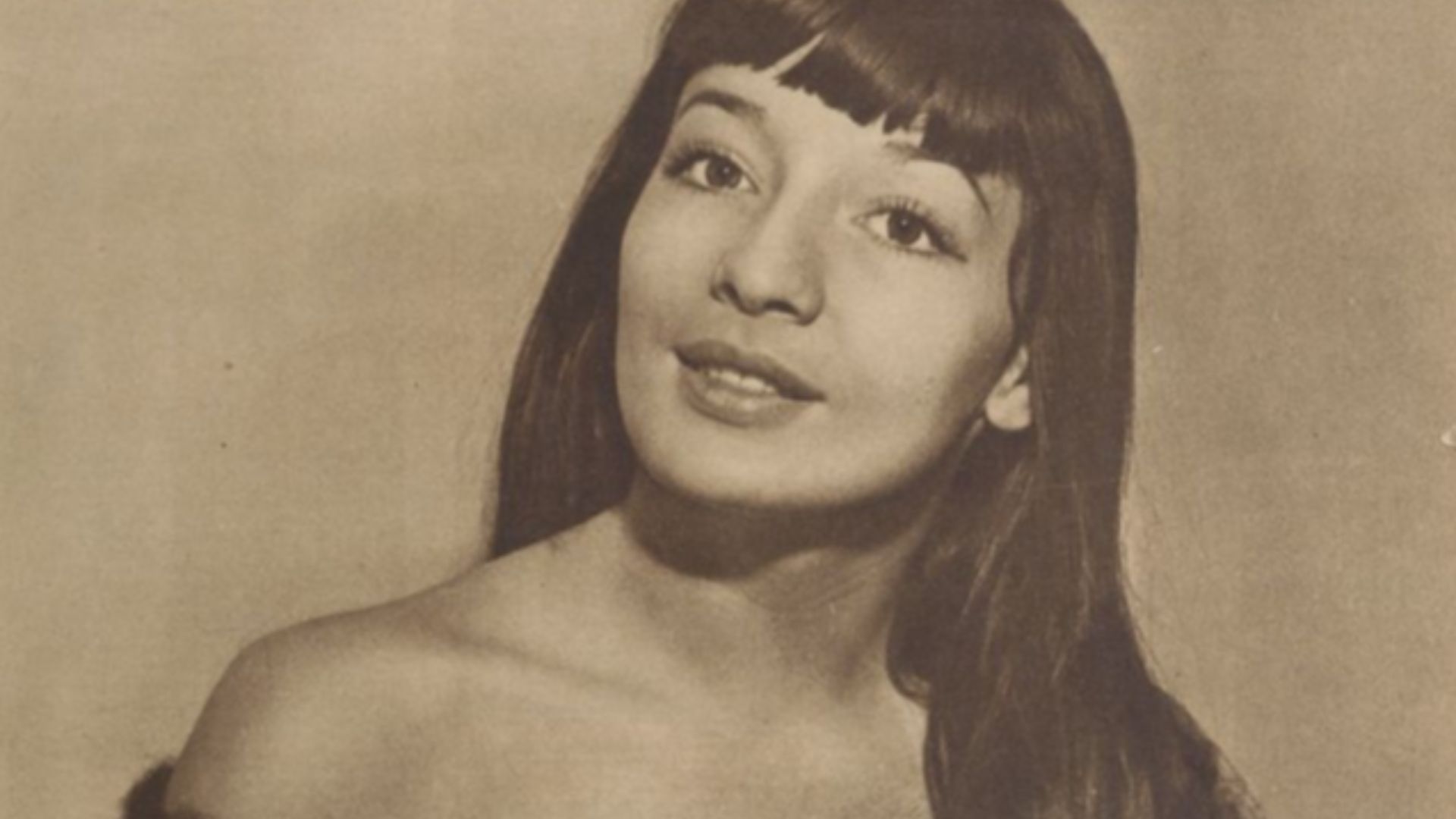
France fell in love with Gréco’s looks just as much as they fell in love with her voice. But, Gréco herself seemed to struggle with self-esteem. Throughout her life, she underwent not one, not two, but three nose jobs! Her first rhinoplasty was in 1953, then again in 1956, and once more in London in 1960.
Her nose might not have lasted, but her voice would.
 UnknownUnknown , Wikimedia Commons
20. Her First Hit Was A Poem
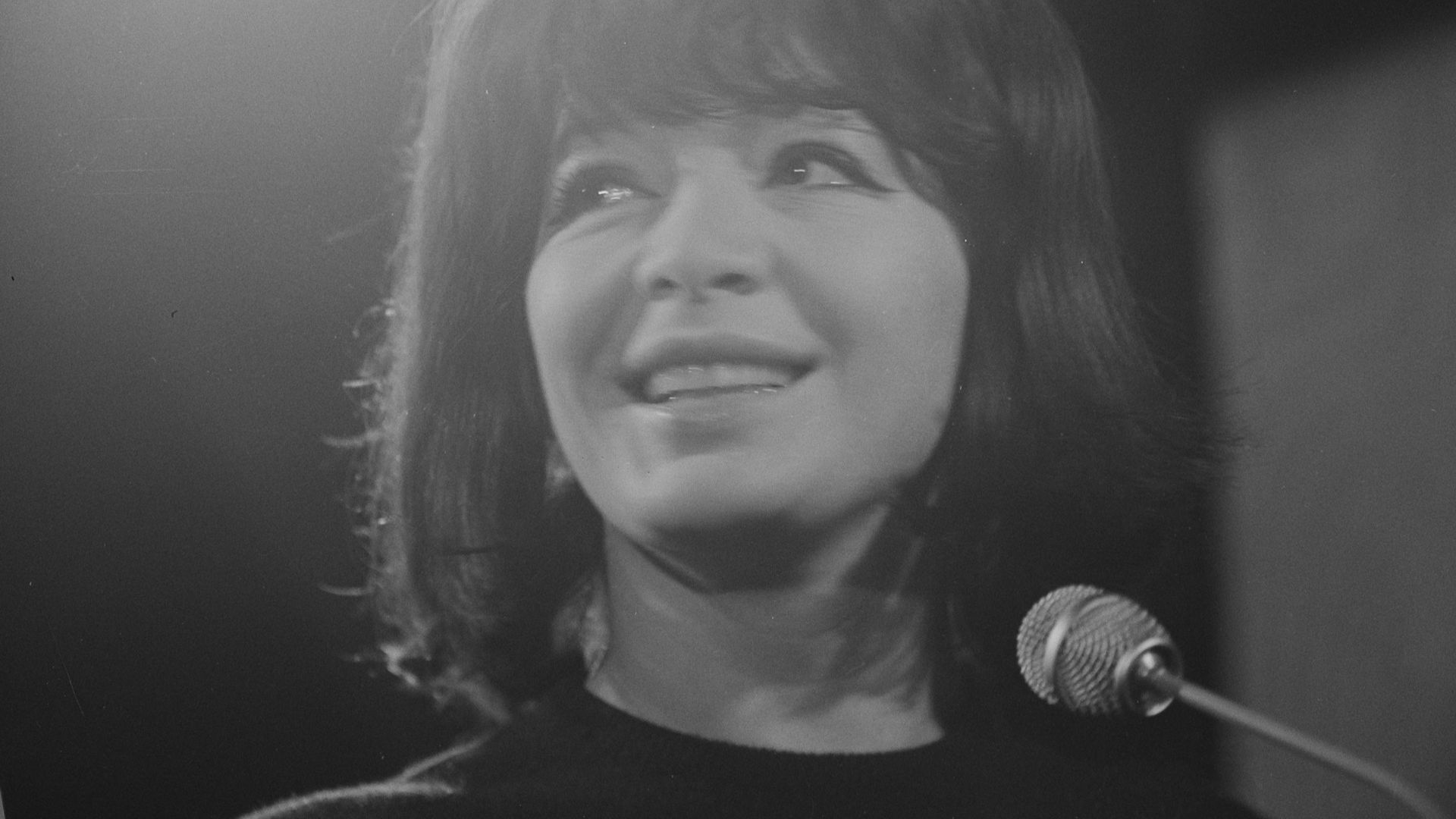
Gréco’s first real breakthrough came with “Si tu t’imagines,” a timeless hit written by the novelist and cultural critic, Raymond Queneau. Gréco transformed the powerful poem into an unforgettable song with only the power of her voice. Her vocal talents were, however, just the beginning.
 Jack de Nijs for Anefo, Wikimedia Commons
21. She Landed Her First Big Role
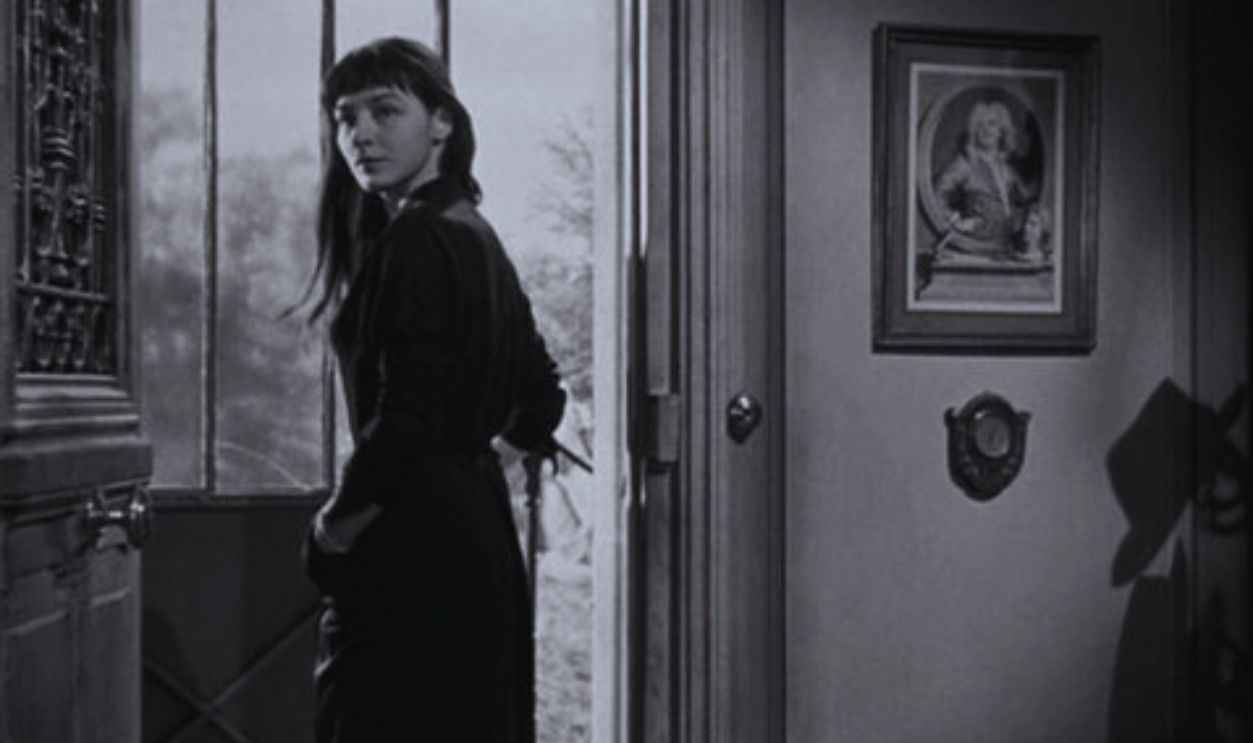
Gréco’s artistic flair didn’t end with her sultry vocals. Her reputation skyrocketed even further when Jean Cocteau cast her in the 1950 film Orphée. And she didn’t let her film stardom slow down her singing career. The following year, she scored a major hit with “Je Suis Comme Je Suis,” written by Prévert and Kosma.
She was basically a cultural institution unto herself.
 Screenshot from Orphée, Gaumont (1950)
22. She Helped Build A Legendary Club
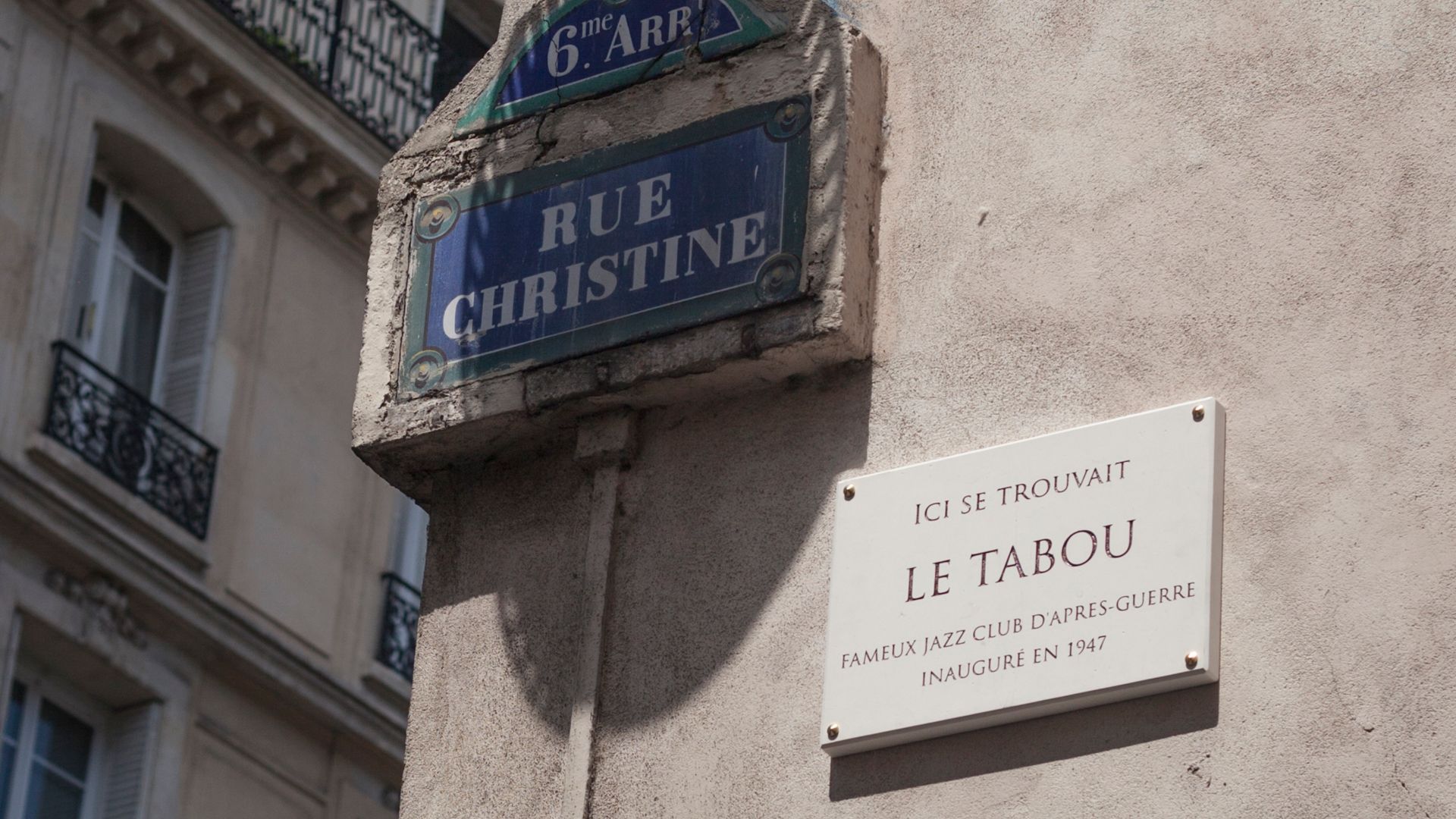
As a cultural icon, Juliette Gréco needed a place to call home that matched her quiet cool. So, in Saint-Germain-des-Prés, she co-founded Le Tabou. The smoky cellar club became a favored haunt of Europe’s most famous existentialist poets, painters, philosophers, and celebrities. Of course, Gréco’s vocal stylings set the tone for the club with her growing number of hits.
23. She Sang France’s Finest Poems
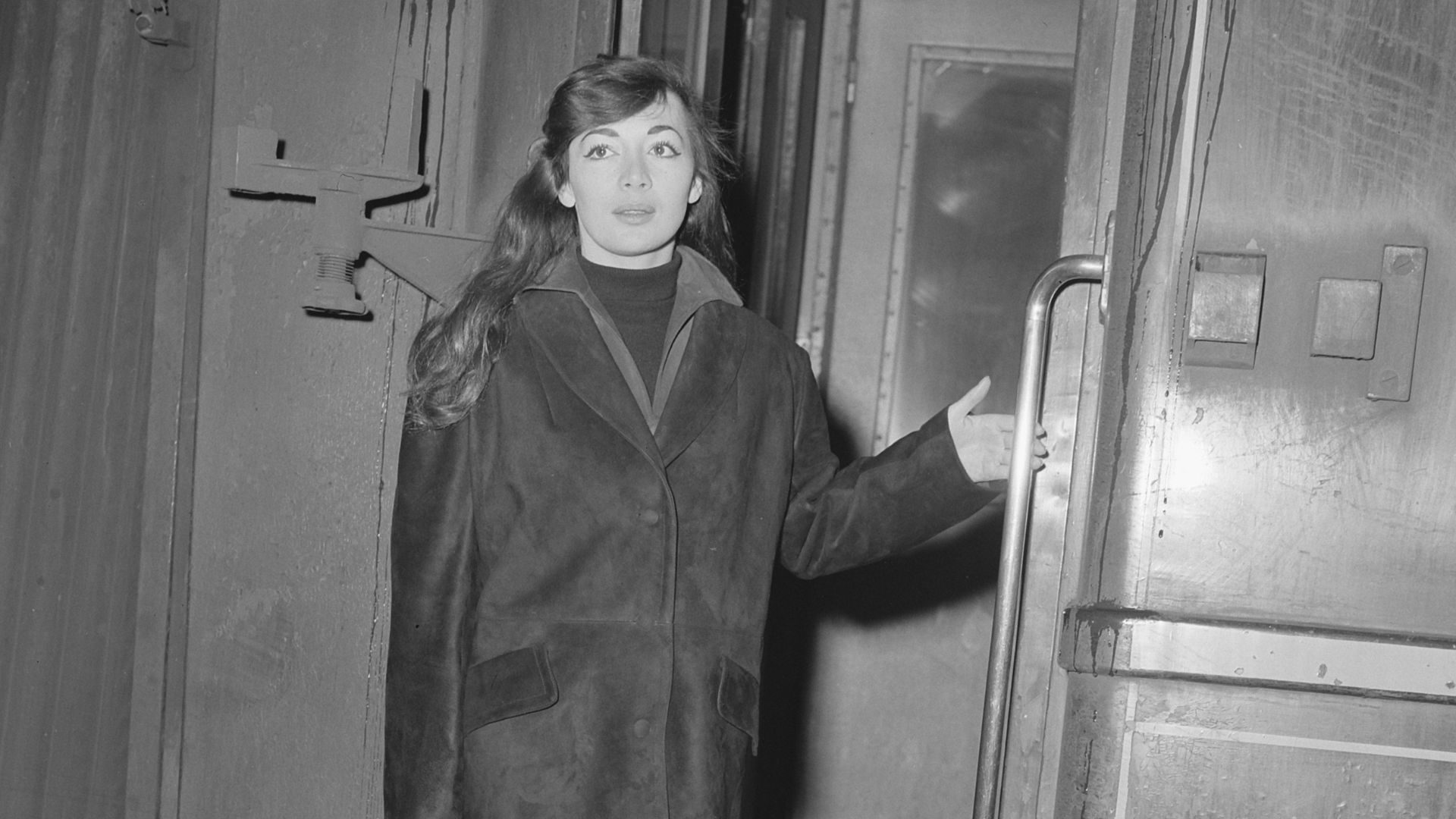
As her fame grew, Gréco’s repertoire of hits became a who’s who of French culture. She gave voice to the words of Jacques Prévert and Joseph Kosma, Charles Trenet and Georges Brassens, Jacques Brel, and Guy Béart—to name just a few. Each lyric added to her legend, every note contributed to her celebrity.
A celebrity that would never, ever fade.
 Harry Pot / Anefo, Wikimedia Commons
24. Her Career Spanned Seven Decades
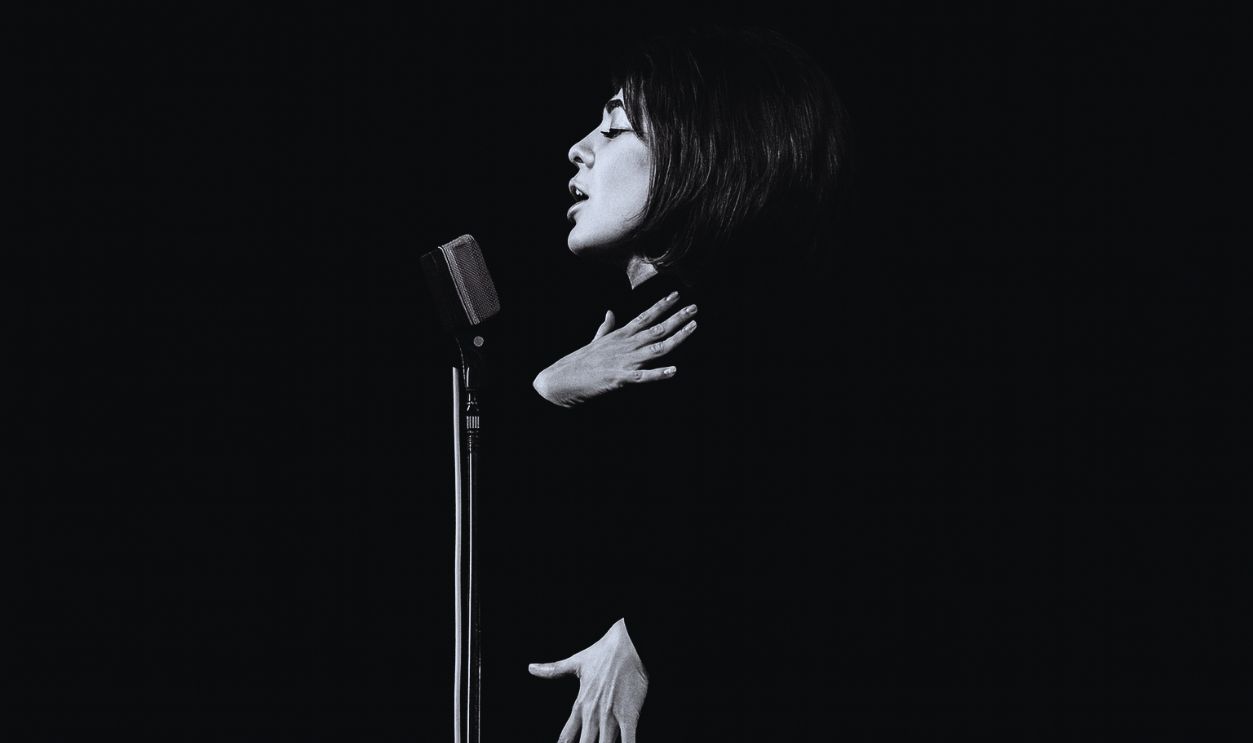
Gréco’s voice—and her seductive charm—didn’t fade with time. She sang for more than 70 years, gracing audiences with unforgettable works like “La Javanaise” (1963), “Paris Canaille” (1962), and the scandalous “Déshabillez-moi” (1967). In fact, her voice had a personality all of its own.
 Erling Mandelmann / photo©ErlingMandelmann.ch, Wikimedia Commons
25. She Had A Velvety Voice
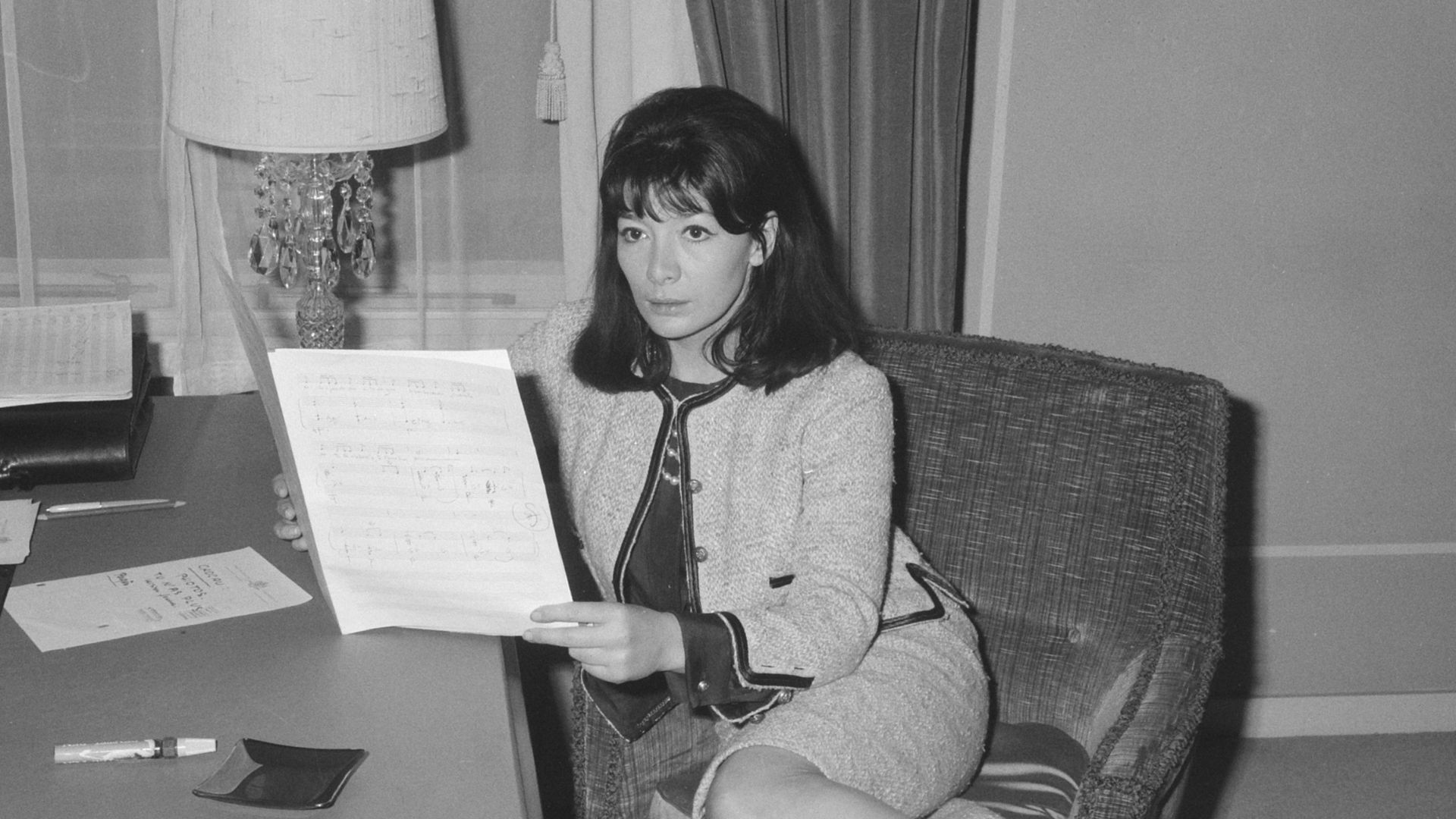
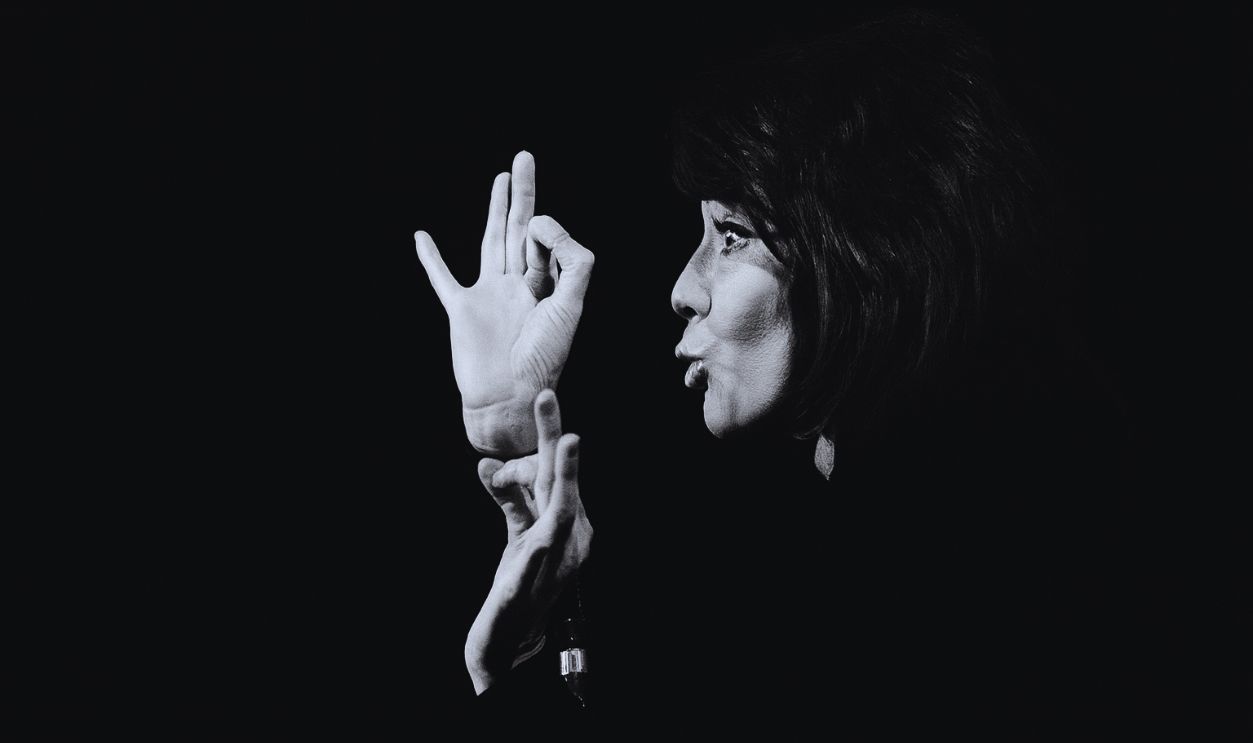
For decades, music critics tried to capture Gréco’s voice in words. But, with her “unique enunciation and animated gestures," the best they could come up with was to call her voice a “velvety alto”. Shockingly, at the height of her fame, Gréco tried to silence her own voice—in truly dramatic fashion.
 Jack de Nijs for Anefo / Anefo, Wikimedia Commons
26. She Tried To End It All
Despite her fame and success, Gréco still harbored the immense pain from her childhood. And it drove her to do drastic things. In September 1965, overwhelmed by despair, she swallowed a dangerous dose of sleeping pills. Thankfully, her close friend, the novelist Françoise Sagan, found her in time and saved her life.
There was, actually, a lot of love in Gréco’s life.
 Studio Harcourt, Wikimedia Commons
27. She Had Many Famous Lovers
Throughout her career, Gréco’s list of lovers became almost as legendary as her voice. She linked her name with figures like Jean-Pierre Wimille, Albert Camus, Miles Davis, Sacha Distel, Darryl F Zanuck, and Quincy Jones. Each affair fueled her art, blurring the lines between passion, pain, and performance.
But one love eclipsed them all.
 Tom Palumbo from New York City, USA, Wikimedia Commons
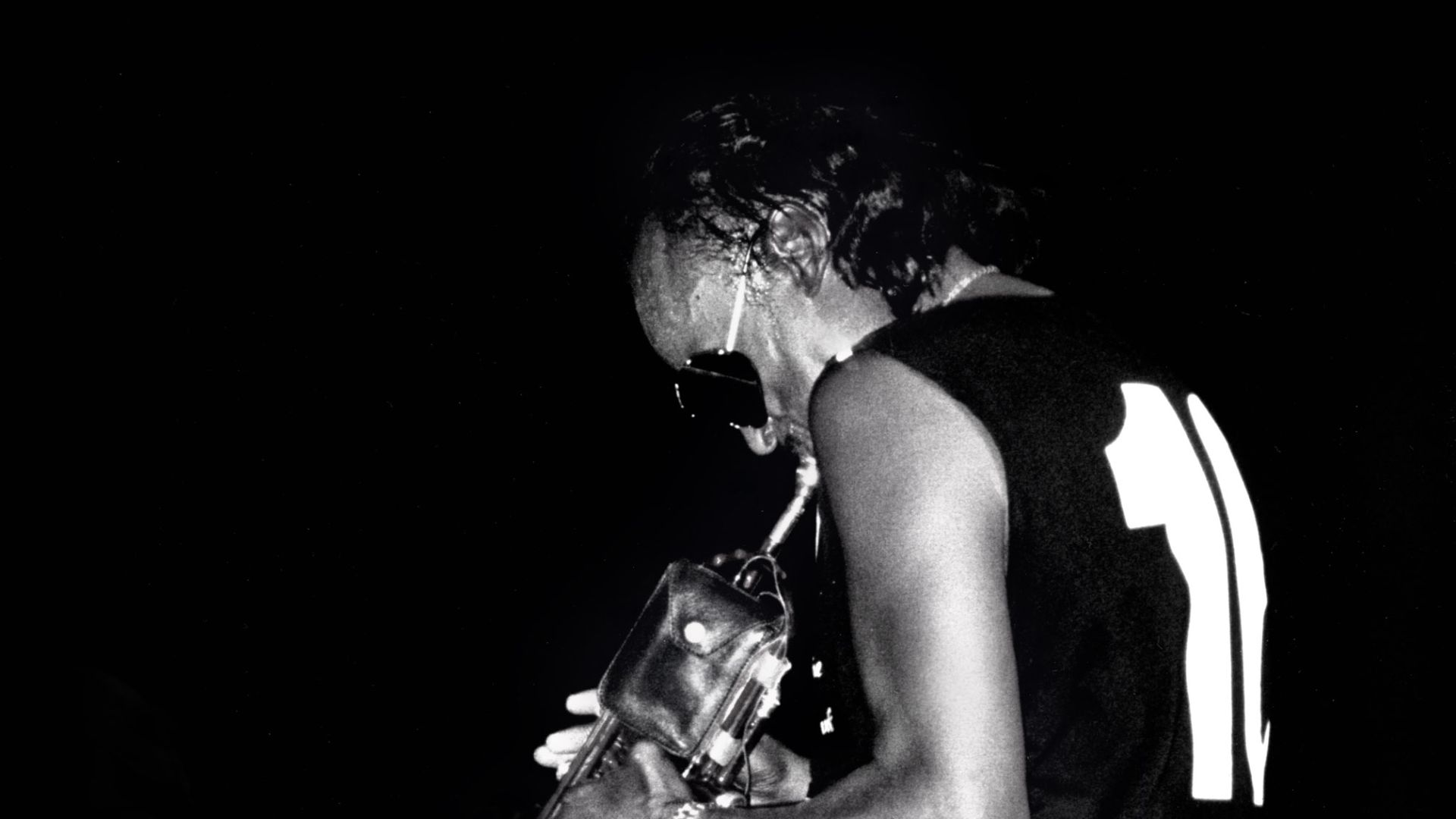
28. She Fell For Miles Davis
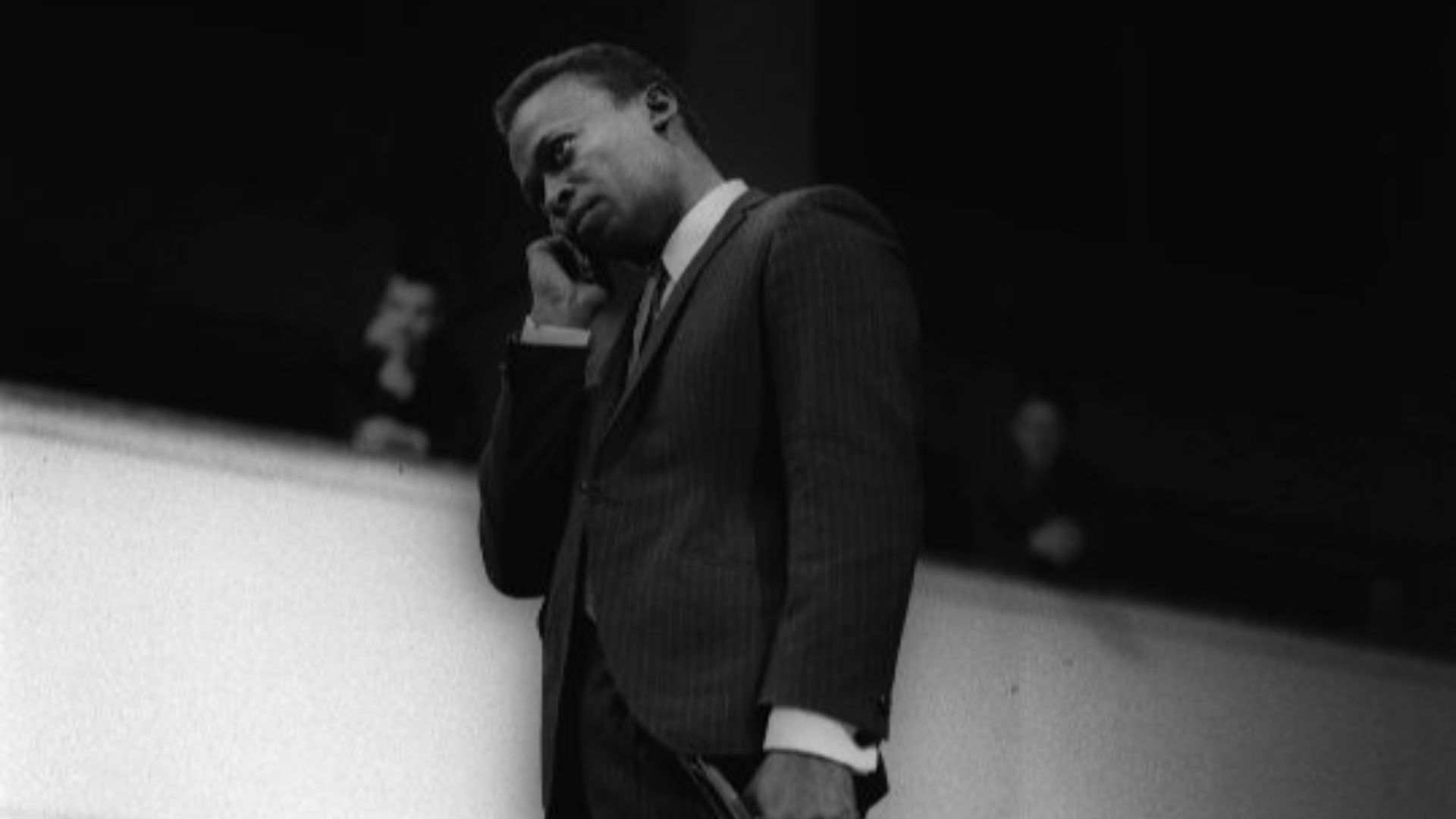
In 1949, Gréco began her most famous (or infamous) affair with the jazz legend Miles Davis. Their connection was instant, electric, and undeniable. The whole of France was abuzz with whispers about the chanteuse and the trumpeter. But their story wasn’t destined for a fairy tale ending. Careers, continents, and culture would get in the way.
 Reijo Koskinen / Lehtikuva, Wikimedia Commons
29. She Chose Passion Over Marriage
By 1957, after more than a decade of romance, Gréco and Miles faced a crossroads. Both agreed they could never marry. Their careers, with hers in France and his in America, pulled them to different worlds. Nevertheless, they vowed to remain lovers even without a ring to make it official. But another version of the story paints an even more grim picture.
 Erling Mandelmann / photo©ErlingMandelmann.ch, Wikimedia Commons
30. She Feared For Her Career
Gréco and Miles worried about more than the ocean between them. Allegedly, the couple feared that public scrutiny of their interracial romance might damage her career in France. To protect her, they kept their affair carefully guarded. Even after their parting, they remained close friends, if not lovers, until Miles passed in 1991.
But, in the meantime, Gréco still had fun.
31. She Dated Quincy Jones
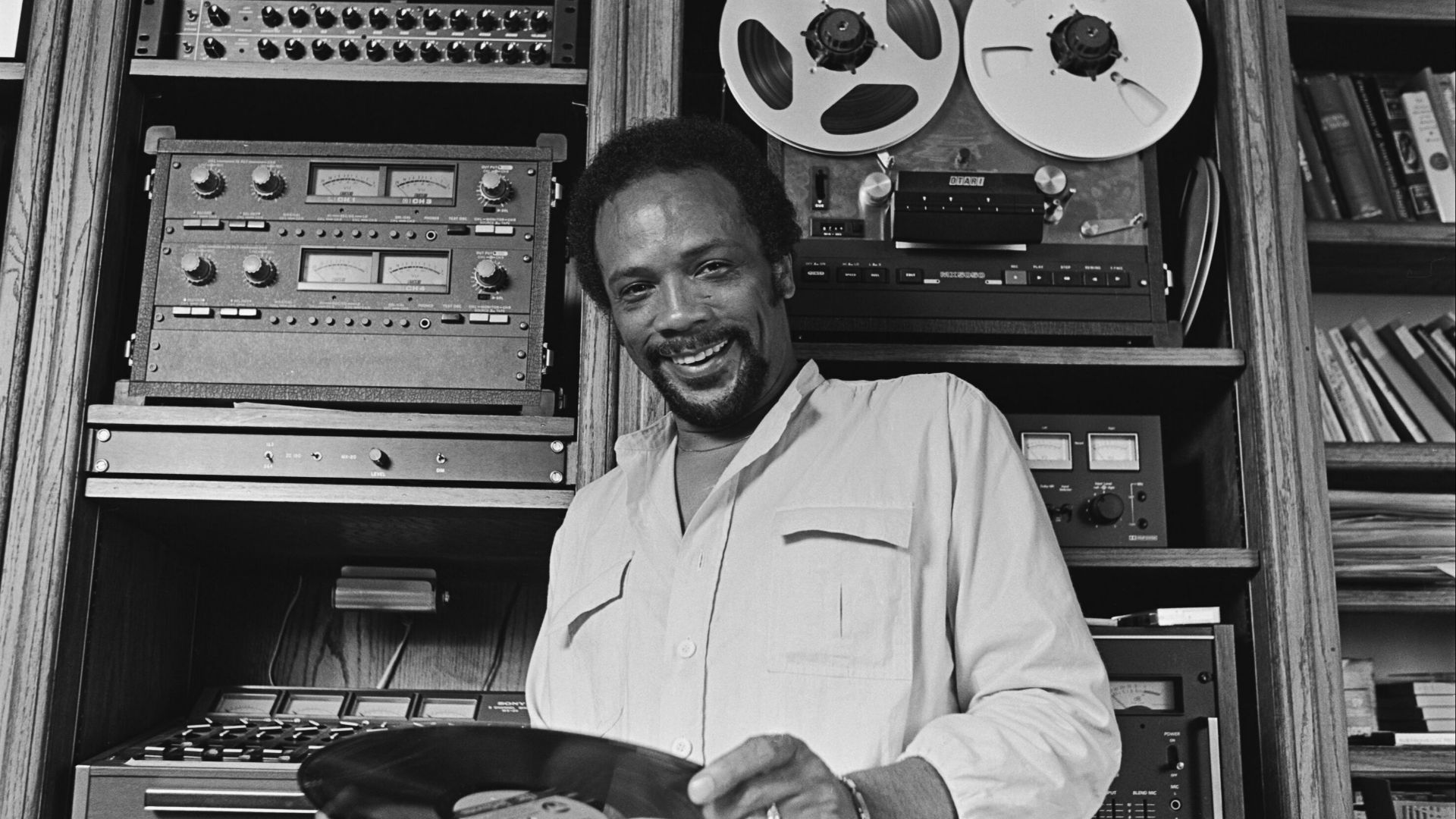
As if her love life wasn’t already star-studded enough, Gréco also dated the American record producer Quincy Jones. But, according to Jones, this romance left her ex Miles Davis furious for years. Apparently, Davis wasn’t willing to share Gréco even if he couldn’t have all of her to himself.
But Miles and Jones weren’t the only ones sniffing around Gréco.
 Los Angeles Times, Wikimedia Commons
32. She Lost Both A Lover And A Child
Before Miles, Gréco had loved another man: French racing driver Jean-Pierre Wimille. Tragically, even if he was Gréco’s soul mate, he was married—and even more tragically, he passed in January 1949. Gréco, who was already heartbroken, also suffered a miscarriage soon after. It was a double loss that left scars she never forgot.
 Agence de presse Meurisse, Wikimedia Commons
33. She Married An Actor
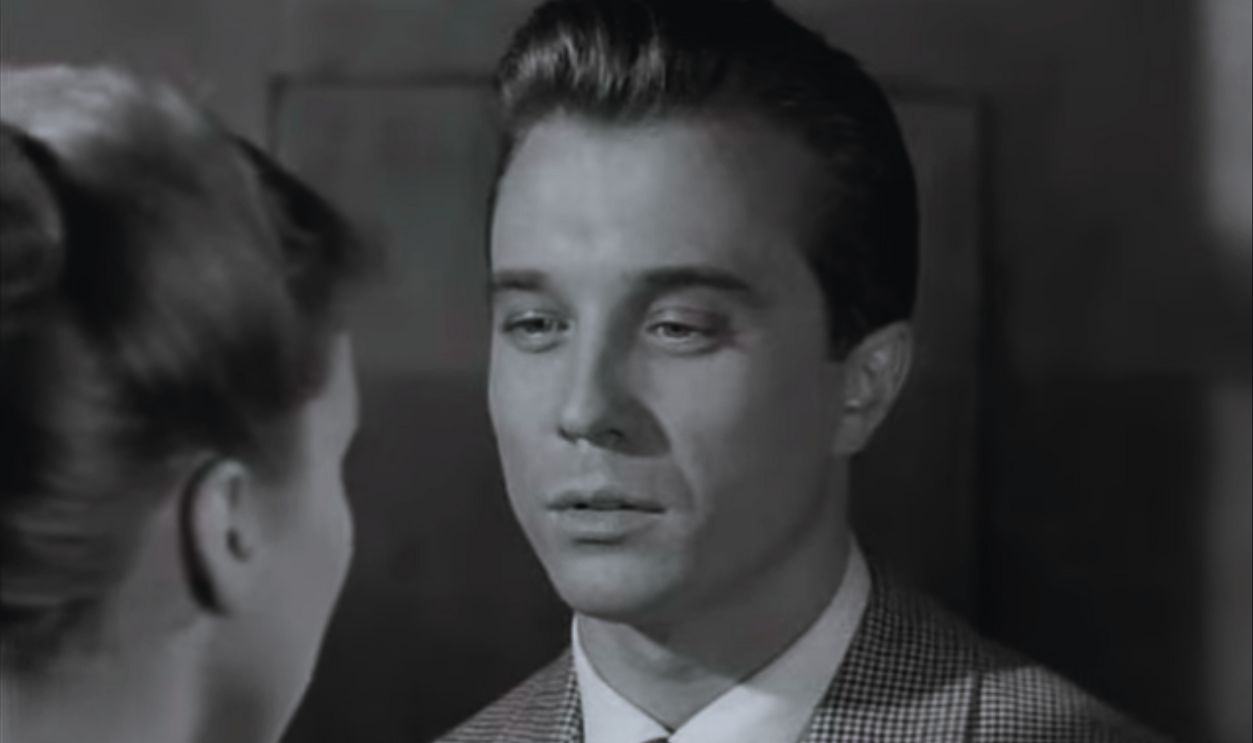
In 1953, Gréco swapped her freewheeling bohemian freedom for staid domestic life—at least temporarily. She married actor Philippe Lemaire, and the following year gave birth to their daughter, Laurence-Marie. For once, it looked like Gréco might settle down. Spoiler alert: she didn’t.
 Giorgio Simonelli (director), Athena Cinematografica, C.L.M. (production), Wikimedia Commons
34. She Lost Her Daughter Later In Life
Gréco’s marriage to Lemaire fizzled by 1956, but her bond with her daughter lasted for decades. Sadly, Laurence-Marie was diagnosed with cancer and passed in 2016 at the age of 62. Gréco survived many heartbreaks—but that one cut the deepest. Still, she tried to find love.
35. She Married Michel Piccoli
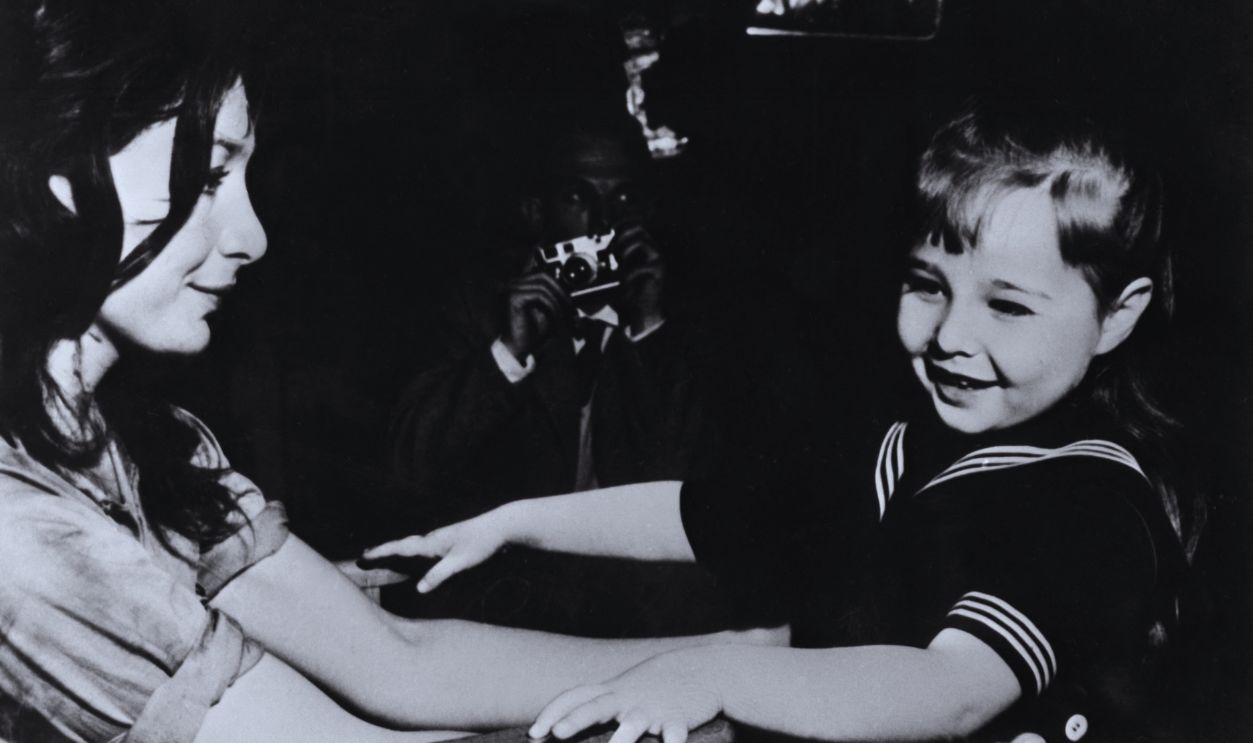
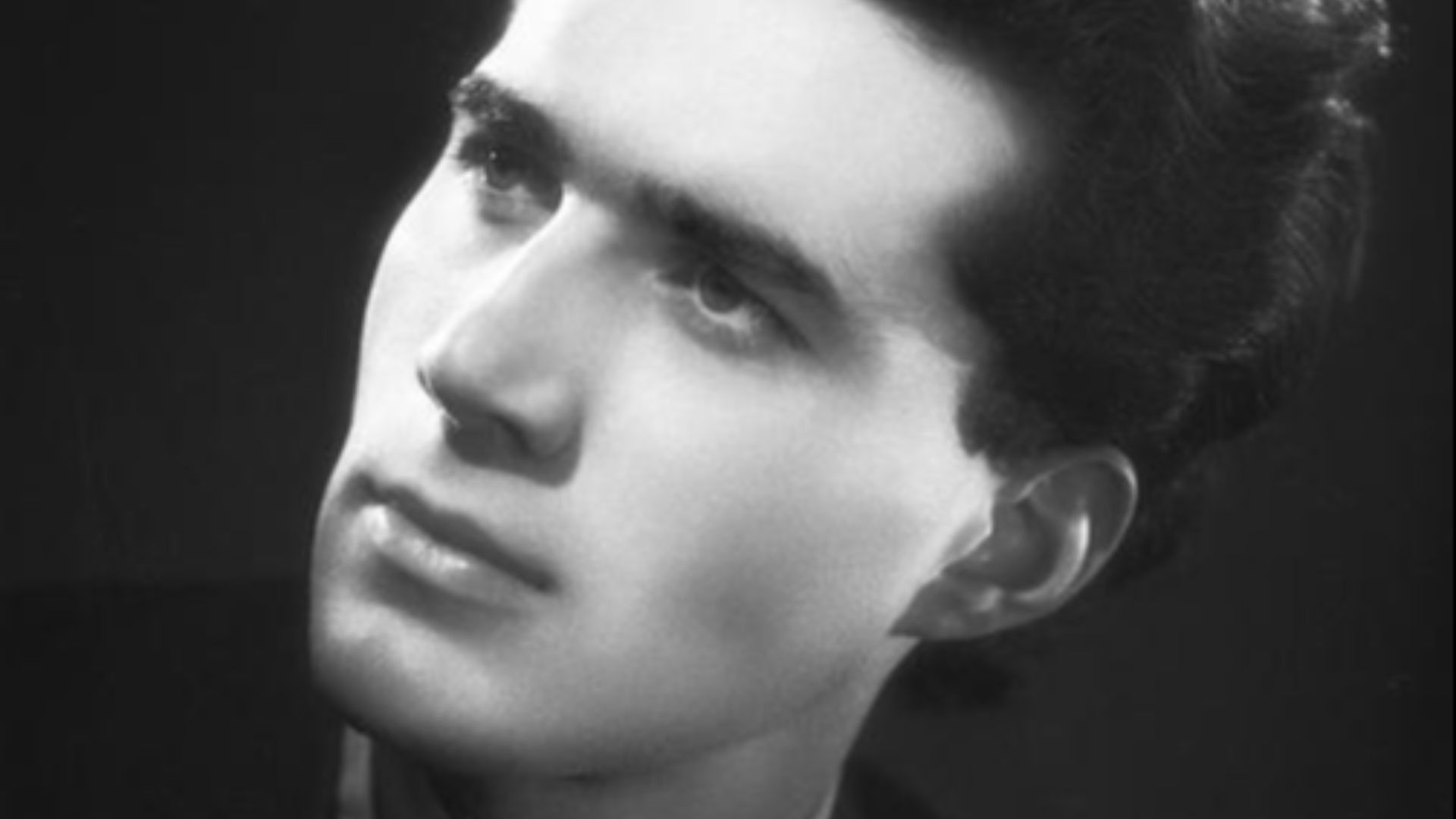
As France’s favorite bohemian, Gréco never stayed single for long. In 1966, she married actor Michel Piccoli. The union lasted 11 years—an eternity by her standards. Though the marriage eventually ended, Piccoli remained one of her most enduring loves. But he wasn’t the last husband.
 Studio Harcourt, Wikimedia Commons
36. She Found Lasting Love With A Pianist
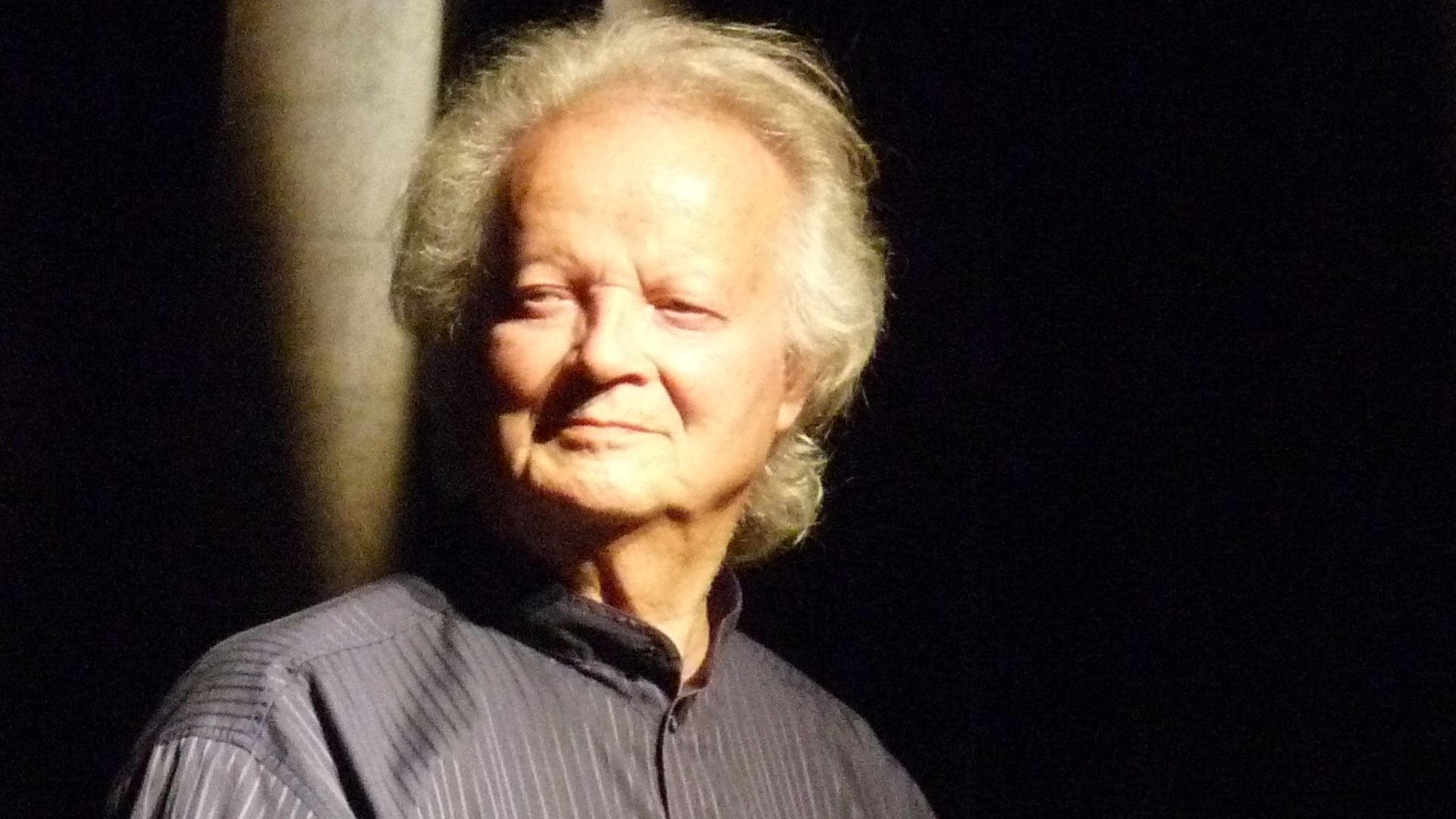
Third time’s the charm—at least, that’s what Gréco believed. In 1988, Gréco married pianist Gérard Jouannest. Unlike her earlier romances, this marriage endured. After years of affairs, scandals, and heartbreak, Gréco finally found the kind of stability she once thought impossible. Their marriage lasted three decades until Jouannest’s passing in 2018.
 Erio Tac (Perpignan), Wikimedia Commons
37. She Sang On The World’s Biggest Stages
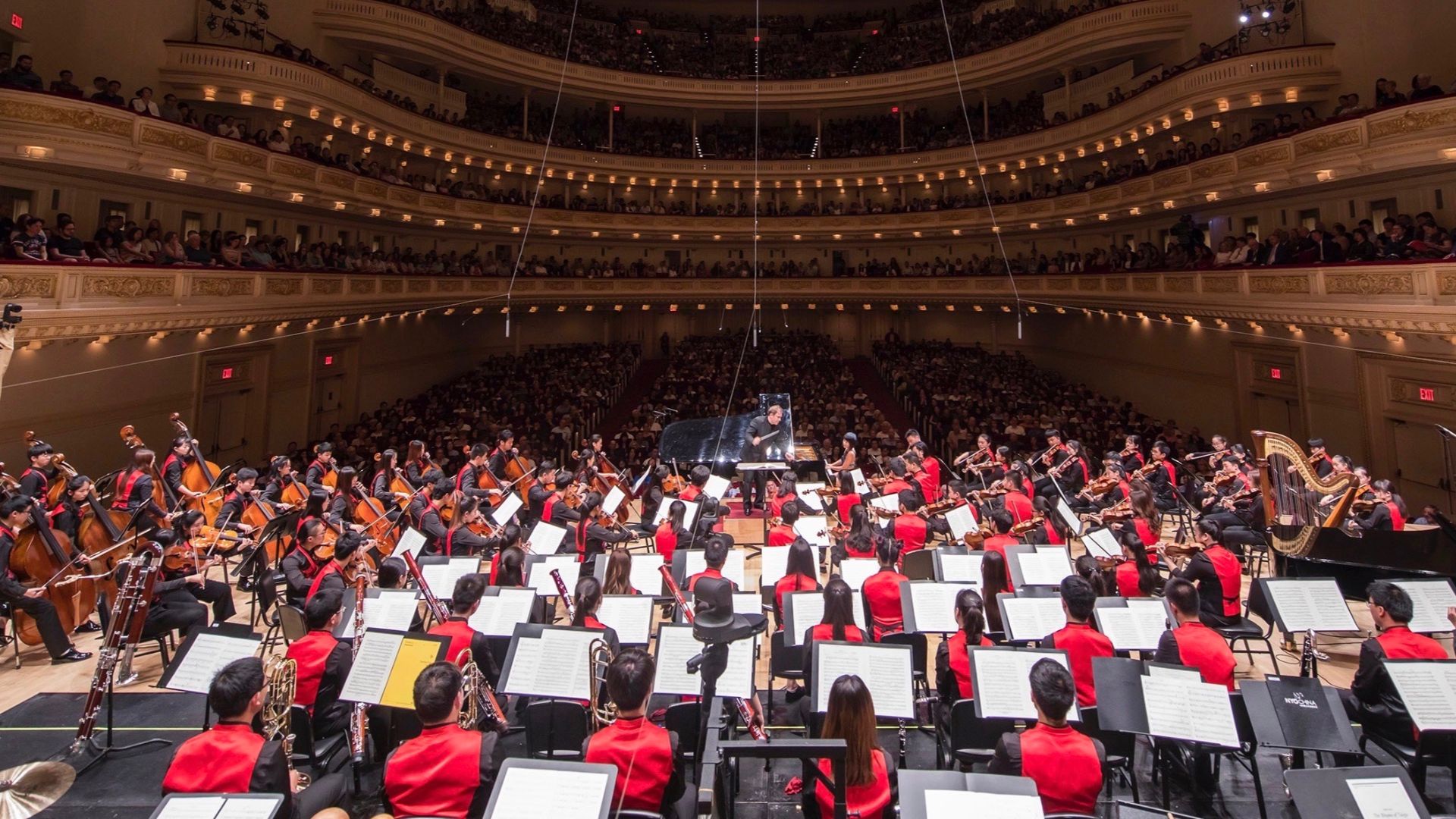
Gréco didn’t just rule Paris’ smoky clubs. Her voice carried her across the globe to Carnegie Hall, the Hollywood Bowl, and other legendary venues. From New York to Los Angeles, she proved French chanson could enchant anyone—anywhere. Of course, she wasn’t just a singer.
 Ottoklemperer1885, Wikimedia Commons
38. She Took Hollywood By Storm
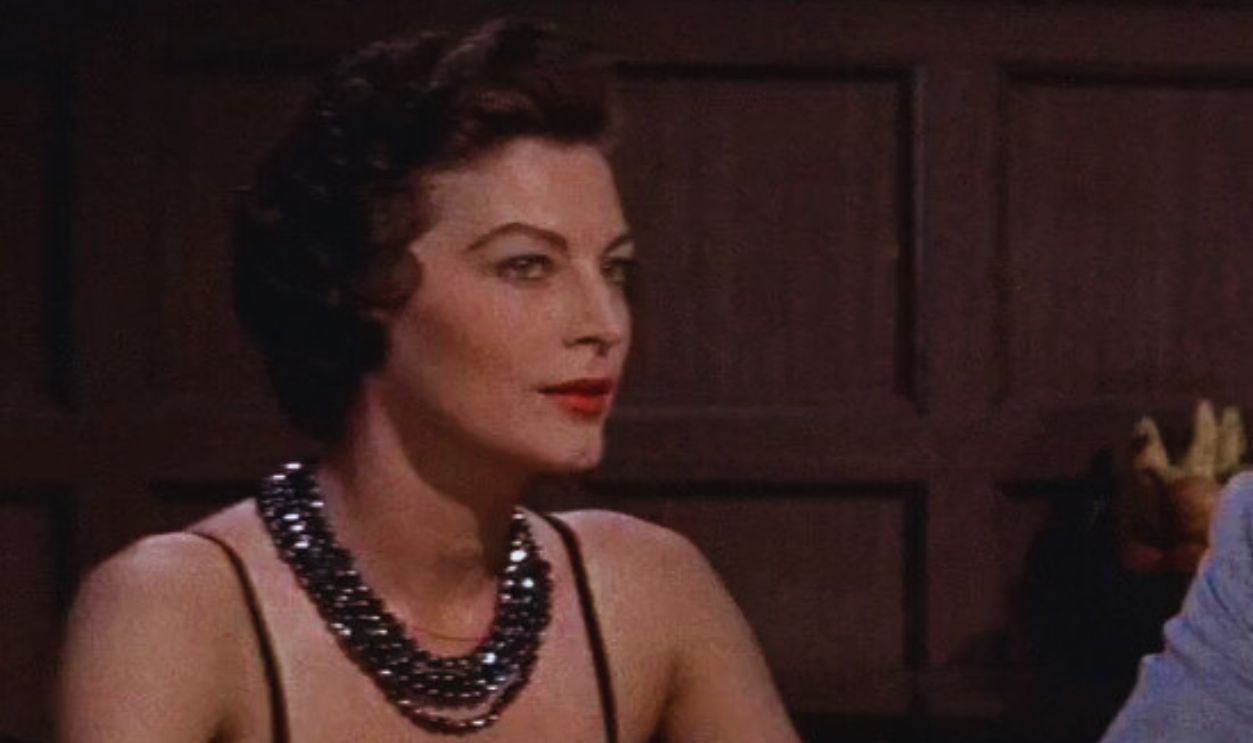
In addition to her storied music career, Gréco also had a thriving acting career. She appeared in major Hollywood films like The Sun Also Rises, The Roots of Heaven, and Crack in the Mirror. Along the way, she worked with Hollywood heavyweights like Errol Flynn, Orson Welles, and Bradford Dillman.
But all of that performing was beginning to take its toll on her.
 Screenshot from The Sun Also Rises, 20th Century Fox (1957)
39. She Collapsed On Stage
Even in later life, Gréco never stopped performing, though she probably should have. In 2001, while singing in her hometown of Montpellier, Gréco suffered a heart attack mid-performance. The incident left her fans devastated and wondering if she’d return to the stage. In typical Gréco fashion, she pulled off of a fashionable recovery.
After all, she had more work to do.
 Manfred Werner / Tsui, Wikimedia Commons
40. She Was Kicked Out Of Chile
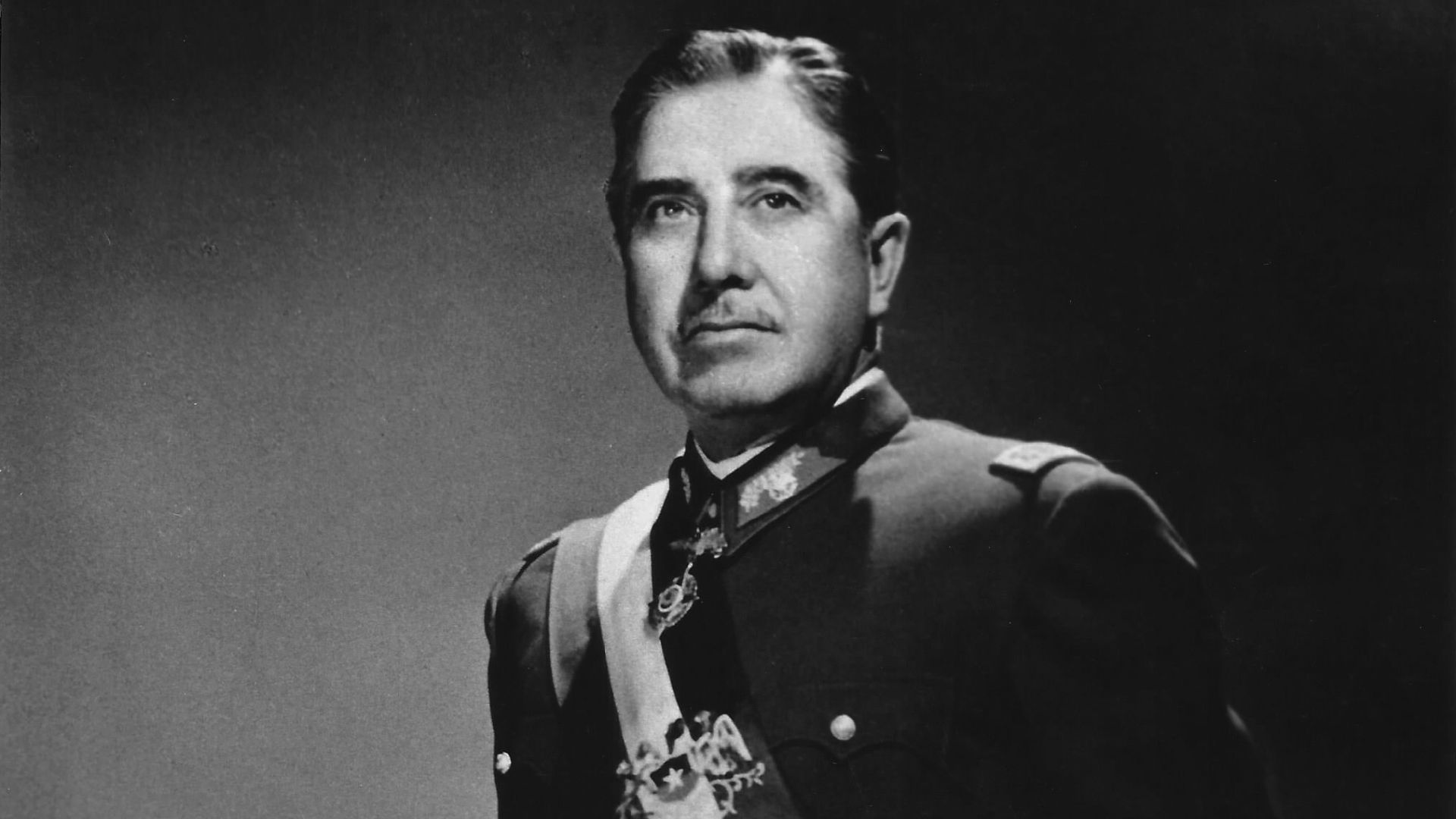
Gréco wasn’t afraid to rile up the powerful. In 1981, Augusto Pinochet, the Chilean dictator, allowed Gréco to perform across the country—and perform, she did. Gréco sang songs censored by Pinochet’s regime while touring Chile. The dictator didn’t take kindly to her act of defiance and effectively expelled her from the country.
But that only fired her up even more.
 Ministerio de Relaciones Exteriores de Chile., Wikimedia Commons
41. She Was A Political Force
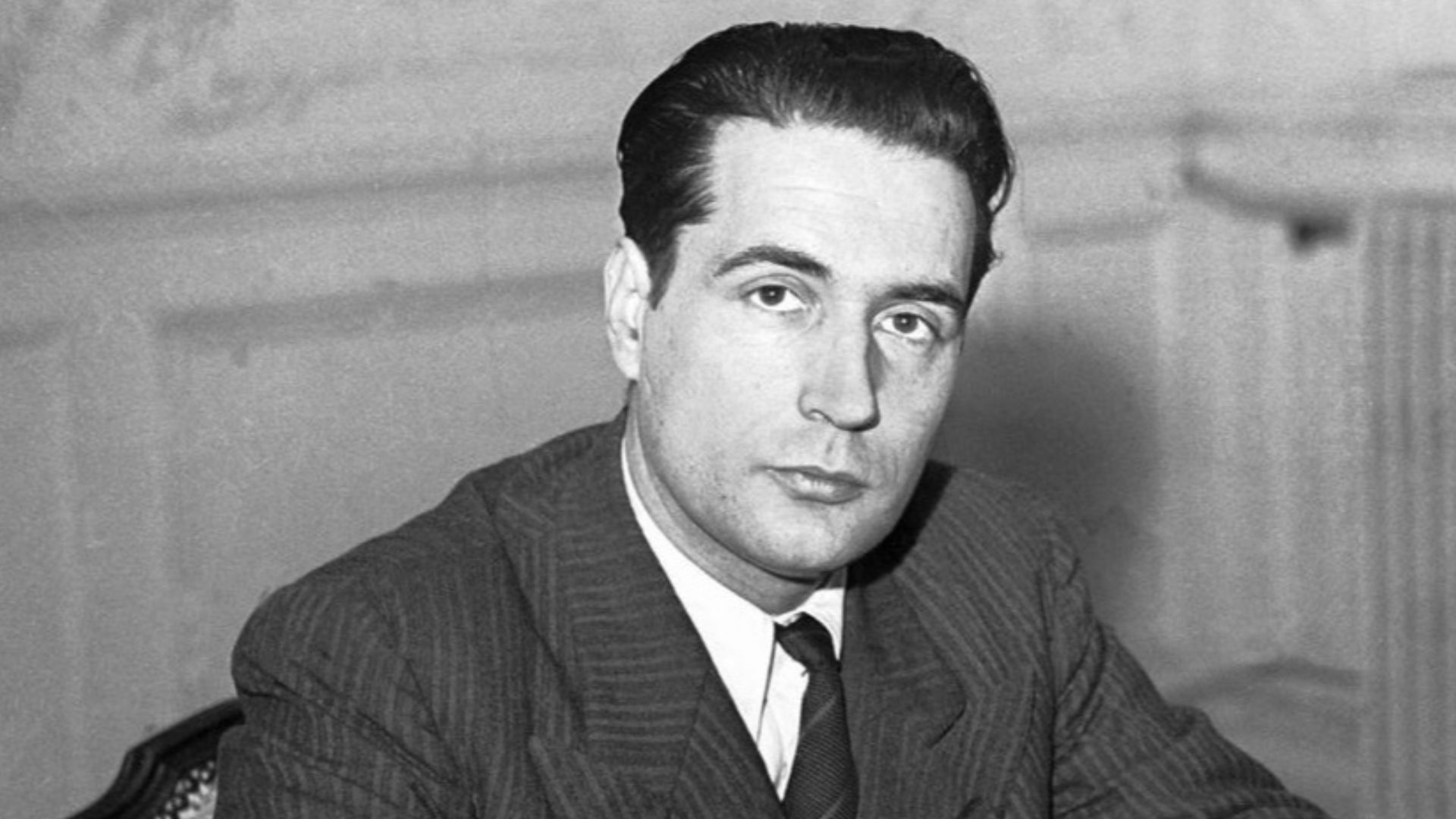
Gréco didn’t just perform songs of protest—she lived them. She openly aligned with the French left and even lent her voice to presidential campaigns. She supported François Mitterrand in 1974 and Lionel Jospin in 2002. Clearly, Gréco wasn’t shy about mixing politics with poetry. And the people appreciated it.
 AnonymousUnknown author (Keystone-France), Wikimedia Commons
42. She Collected Top Honors
France eventually returned the love. In 2012, Gréco was decorated as Commander of the Legion of Honour, the Grand Officer of the National Order of Merit in 2015, and Commander of the Order of Arts and Letters in 2016. She wasn’t just a singer and actress anymore—she was a cultural legend.
 Manfred Werner / Tsui, Wikimedia Commons
43. She Wrote Her Own Story
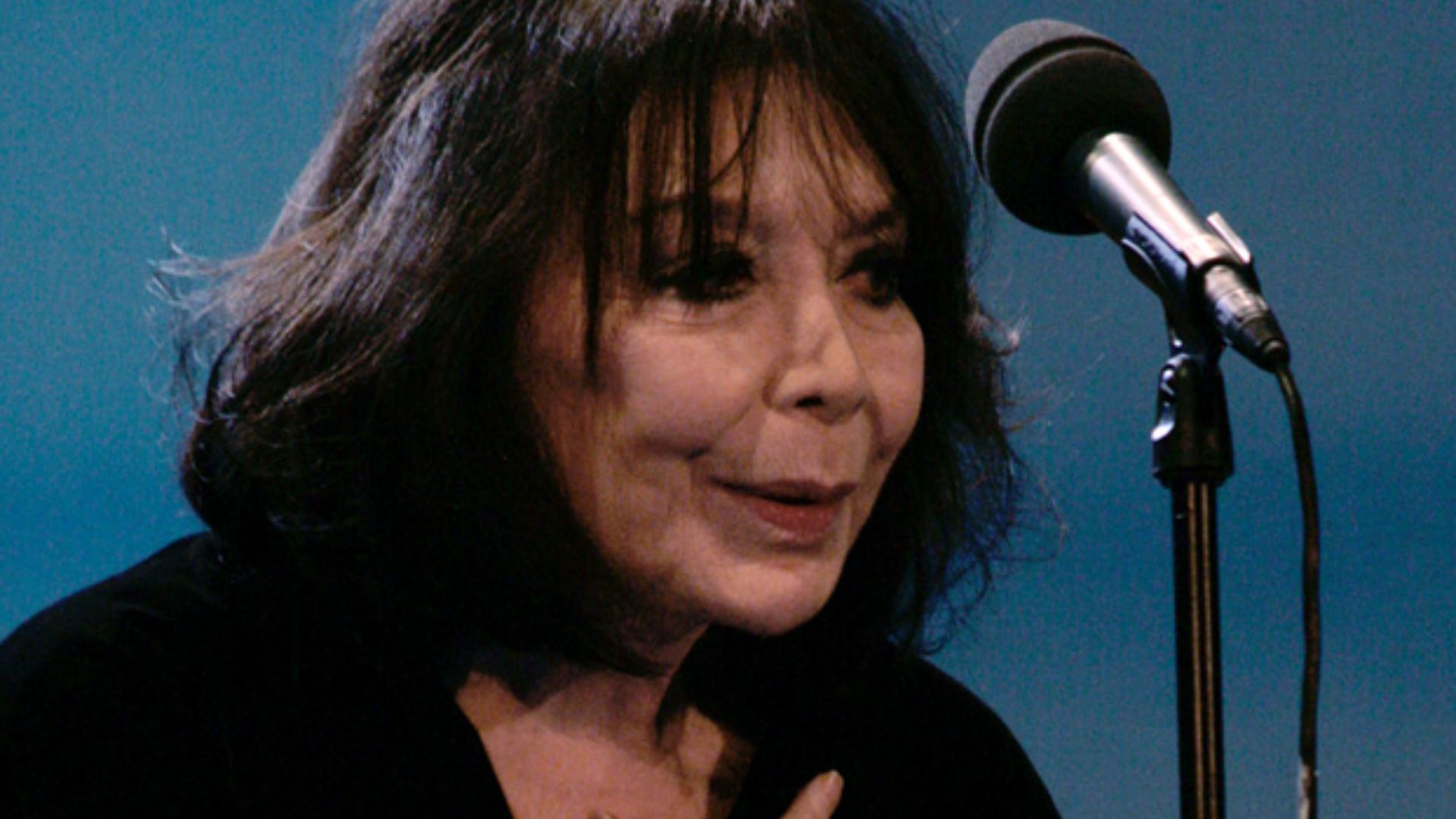
As her storied life played out in the tabloids, Gréco was determined to define her own career and image. She published not one but two autobiographies: Jujube (1982) and Je suis faite comme ça (2012). The titles alone revealed her voice: playful, unapologetic, and completely her own.
 Manfred Werner / Tsui, Wikimedia Commons
44. She Had A Rose Named After Her
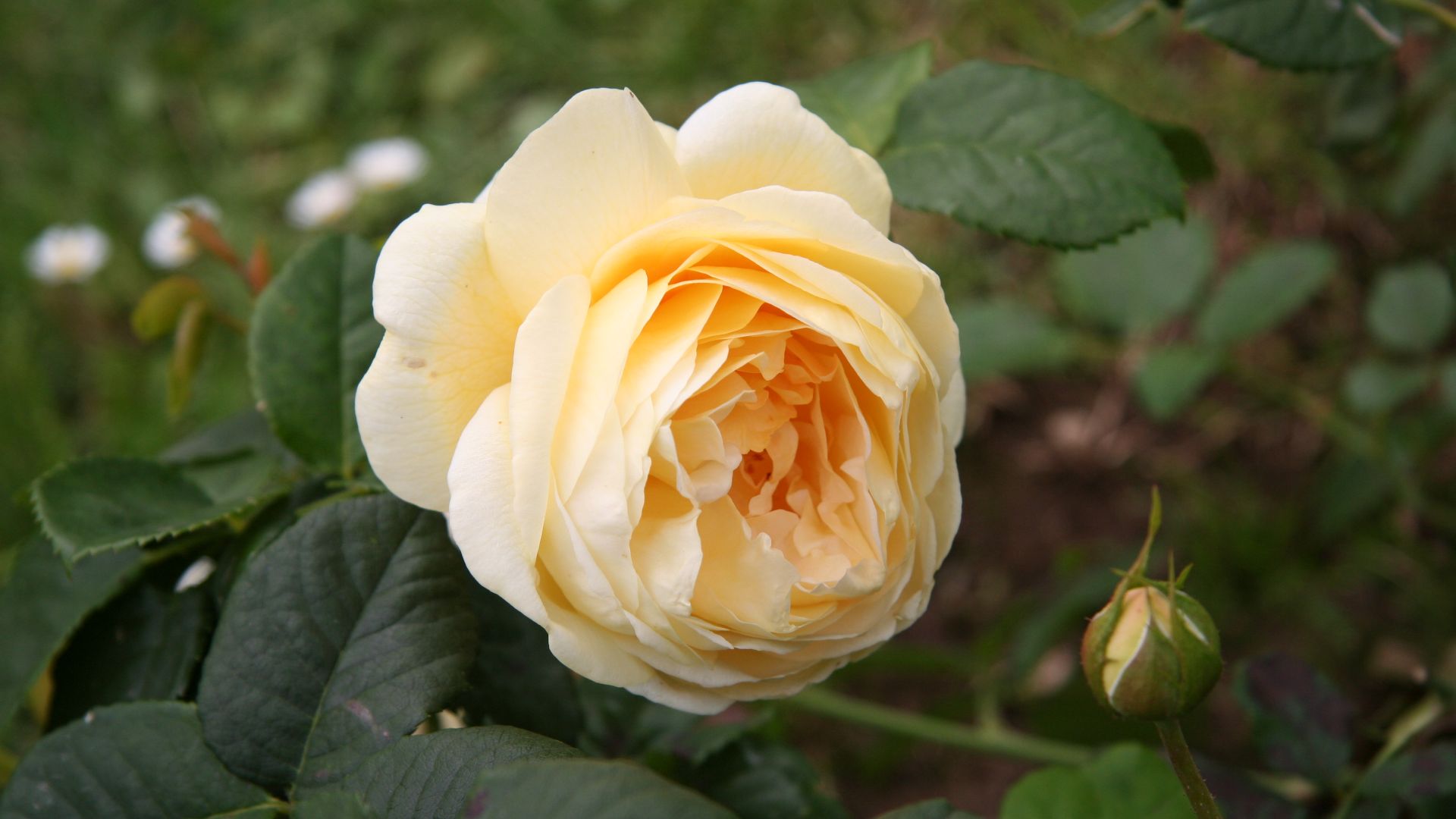
In 1999, Gréco bloomed in an unexpected way. French horticulturist Georges Delbard named a stunning breed of rose after her—the “Juliette Gréco”. Her influence stretched even further: Paul McCartney cited her and Left Bank culture as inspiration for the Beatles’ song “Michelle”.
Other notable people heaped praise on her.
 Georges Seguin (Okki), Wikimedia Commons
45. She Was Lennon’s Fantasy
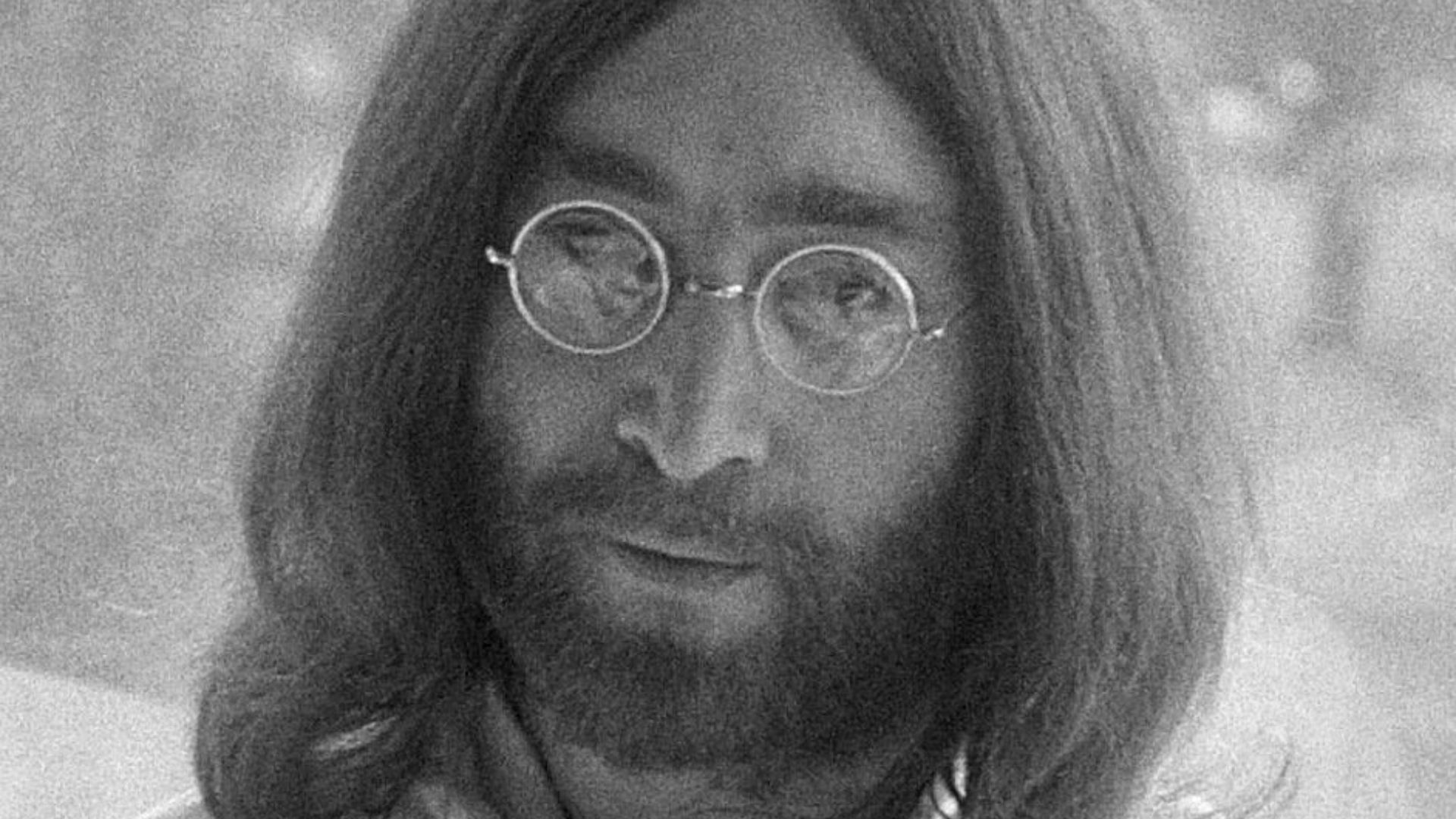
Gréco’s mystique crossed oceans and genres. John Lennon, in describing his dream woman, said that she must be “beautiful, intelligent, dark-haired, high-cheek-boned, free-spirited artist à la Juliette Gréco”. Not bad for a French chanteuse who started life as an outcast. But she inspired more than just the Beatles.
 Eric Koch / Anefo, Wikimedia Commons
46. She Was Faithfull’s Idol
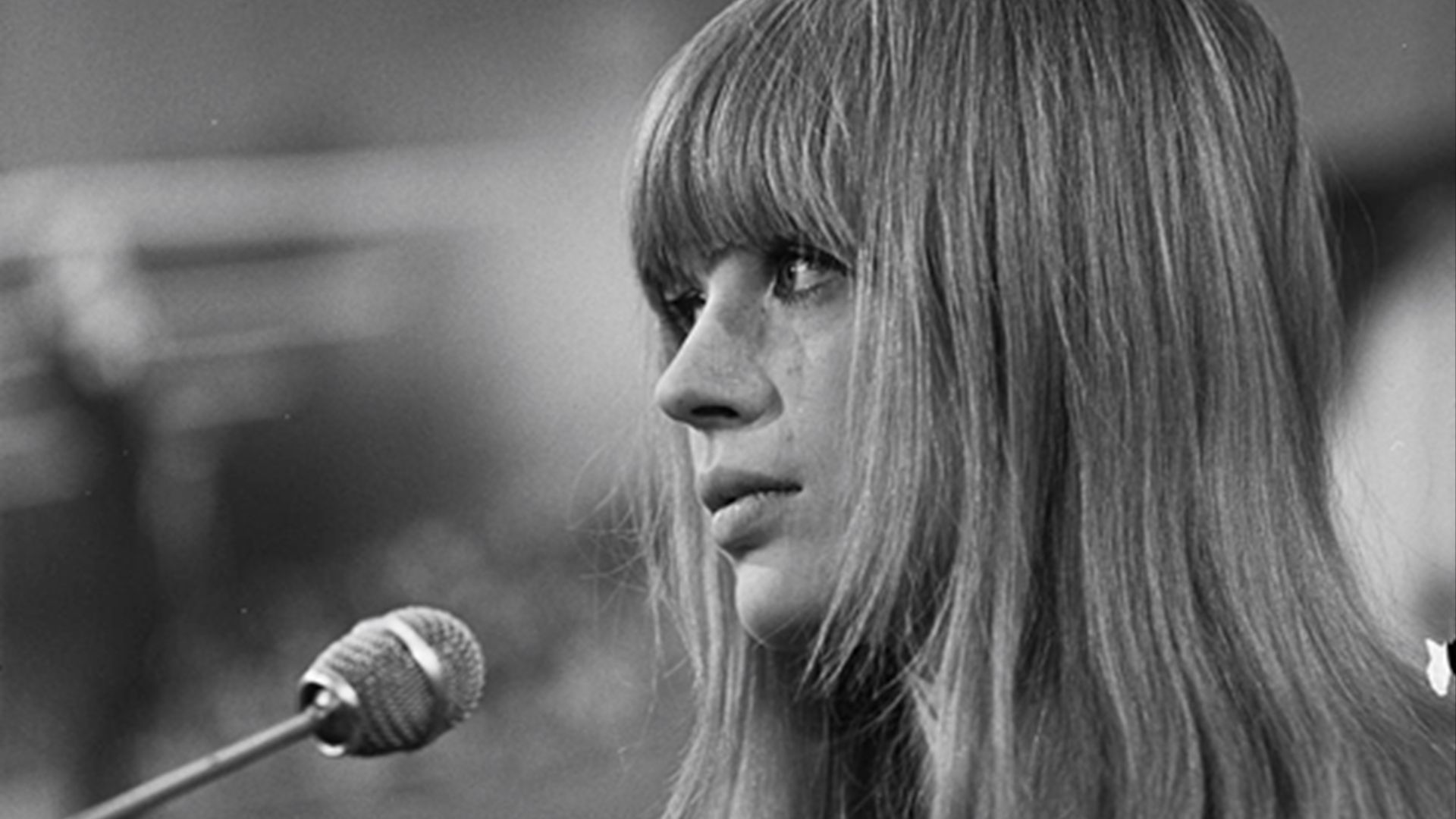
Other rock royalty also fell under Gréco’s spell. Marianne Faithfull declared Juliette her “absolute idol” and even her “role model for life". Coming from a woman who had lived her own tempestuous bohemian existence, that was high praise indeed. But even idols must say goodbye.
 Photographer: A. Vente, Wikimedia Commons
47. She Said “Merci” To The World
After more than six decades of singing, Gréco launched her very last tour in 2015. Appropriately titled “Merci,” the worldwide tour marked the end of an era. Every performance felt like a love letter—both from her to her fans, and from her fans back to her. She was ready to take her final bow.
 Screenshot from Merci Juliette Gréco, French Television / Concert Performance (2015)
48. She Faced The End With Grace
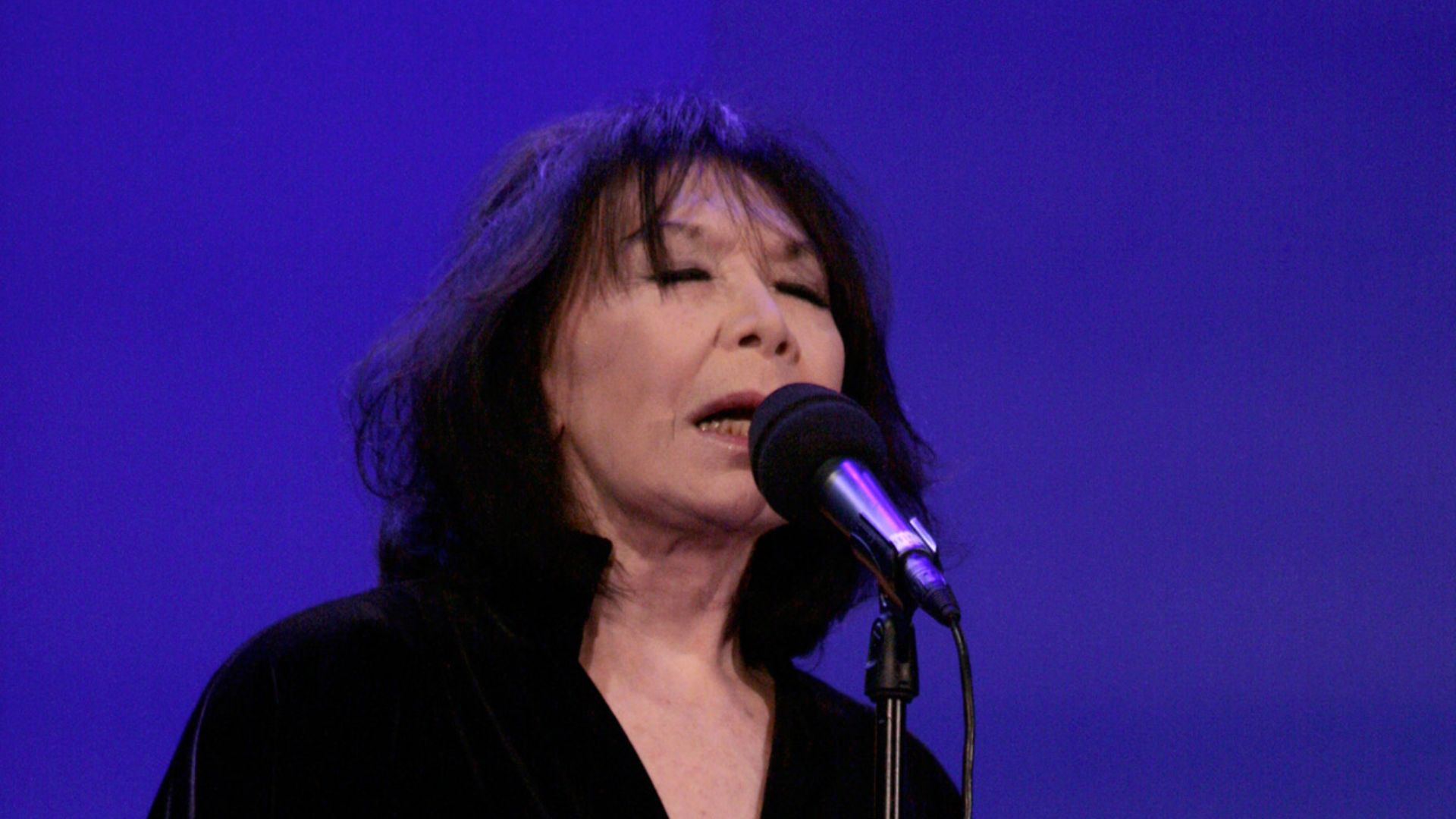
Gréco’s long career came to a sudden stop in 2016 after she suffered a devastating stroke. From then on, she lived a private and quiet life away from the spotlight in Ramatuelle, near St Tropez. On September 23, 2020, Juliette Gréco went to her final stage at the age of 93.
A legend had left the earthly—and a legacy was born.
 Manfred Werner / Tsui, Wikimedia Commons
49. She Got A Parisian Tribute
Even after her passing, Gréco remained immortal in the city she defined. In 2021, Paris inaugurated “Place Juliette Gréco” beside the Church of Saint-Germain-des-Prés. Photographers like Henri Cartier-Bresson and Robert Doisneau had already captured her for eternity—but now, Gréco lives eternally in the city of Paris itself.

50. She Inspired Dior’s Runway
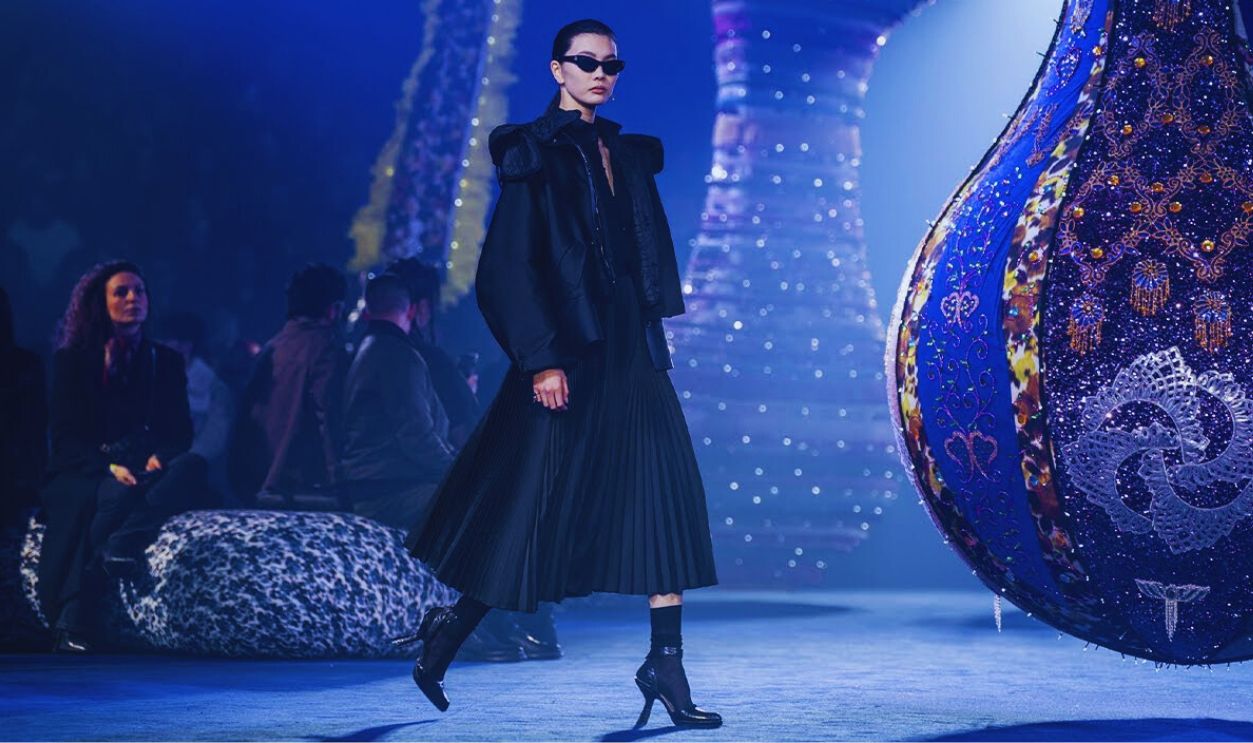
Her legacy even strutted down the catwalk. In Dior’s Fall/Winter 2023–2024 collection, Maria Grazia Chiuri crafted an homage to Gréco’s signature black aesthetic. Decades after her prime, Juliette still dictated the look of Parisian chic. Not bad for the “muse of existentialism”.
 Screenshot from Dior | Fall–Winter 2023/2024 Collection, Christian Dior Couture (2023)
51. She Won Macron’s Praise
Gréco’s death sparked tributes worldwide, but none more poignant than that of French President Emmanuel Macron, who wrote, "The muse of Saint-Germain-des-Prés is immortal". Even the highest office in France bowed to the eternal muse of chanson. And he was right. From horror to autonomy, Juliette Gréco's legacy will never die.
 Jacques Paquier, Wikimedia Commons
You May Also Like:
Doris Day Was No Stranger To Heartbreak, Tragedy, And Debt
Janis Joplin Was Utterly Enchanting—And Totally Broken




_by_Erling_Mandelmann.jpg%20)
_by_Erling_Mandelmann_-_5.jpg%20)
_Philippe_Lemaire.png%20)