Charm With Consequences
These characters aren't typical heroes or straightforward villains. They live in the gray area where morality gets murky, and survival means outplaying everyone. Television celebrates women who refuse to play by anyone's rules but their own.
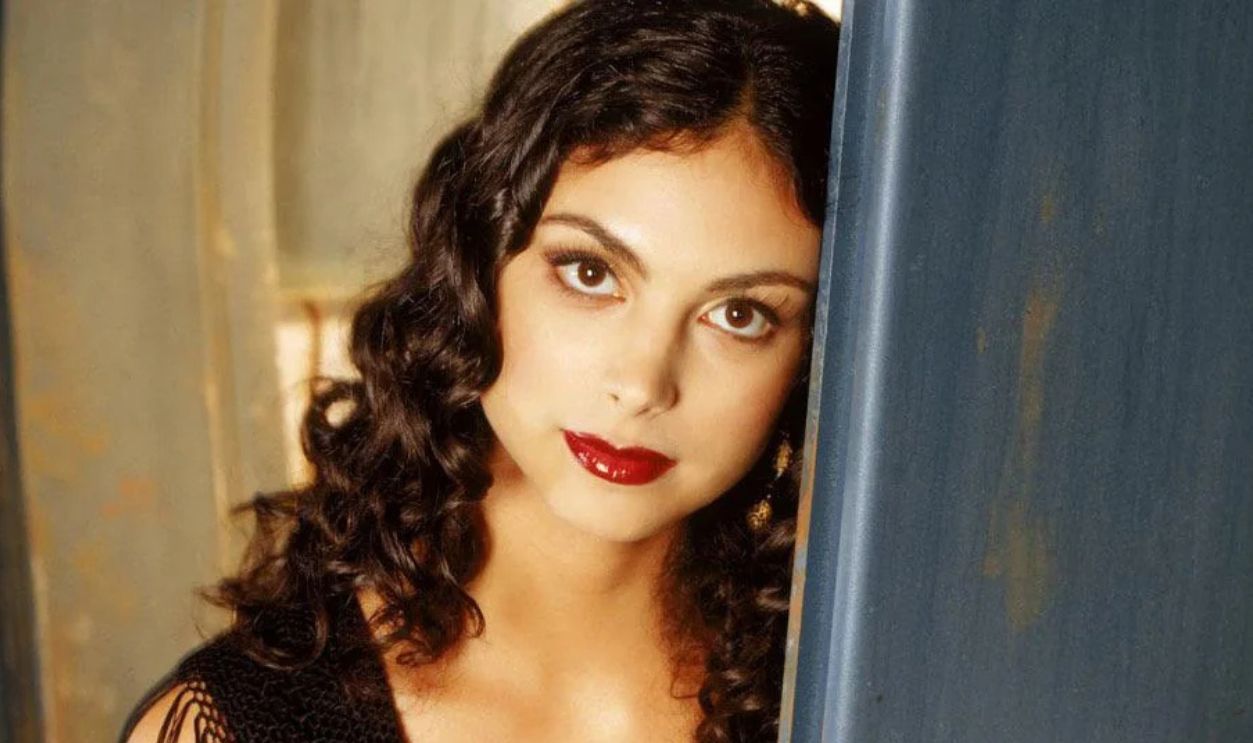
Cersei Lannister: Game Of Thrones
Imagine a queen so ruthless she'd burn her enemies alive inside a church just to avoid a trial. Lena Headey brought this calculating monarch to life for eight seasons, earning five Emmy nominations and proving that power in Westeros belonged to whoever was willing to take it by any means necessary.
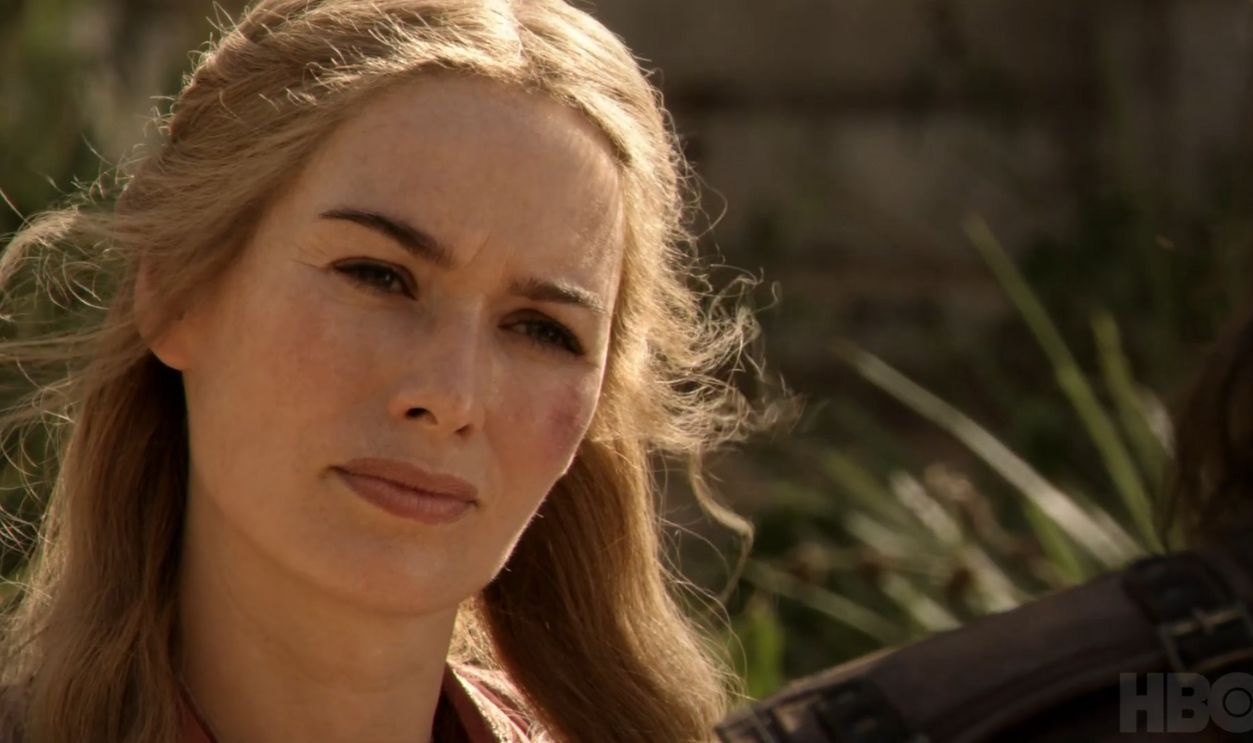 Screenshot from Game Of Thrones, HBO (2011)
Cersei Lannister (Cont.)
Cersei's most defining moment came when she orchestrated the wildfire explosion at the Great Sept of Baelor, wiping out the High Sparrow, the Tyrells, and hundreds of nobles in one devastating strike. Born as Tywin Lannister's eldest child, Cersei built her femme fatale credentials on manipulation.
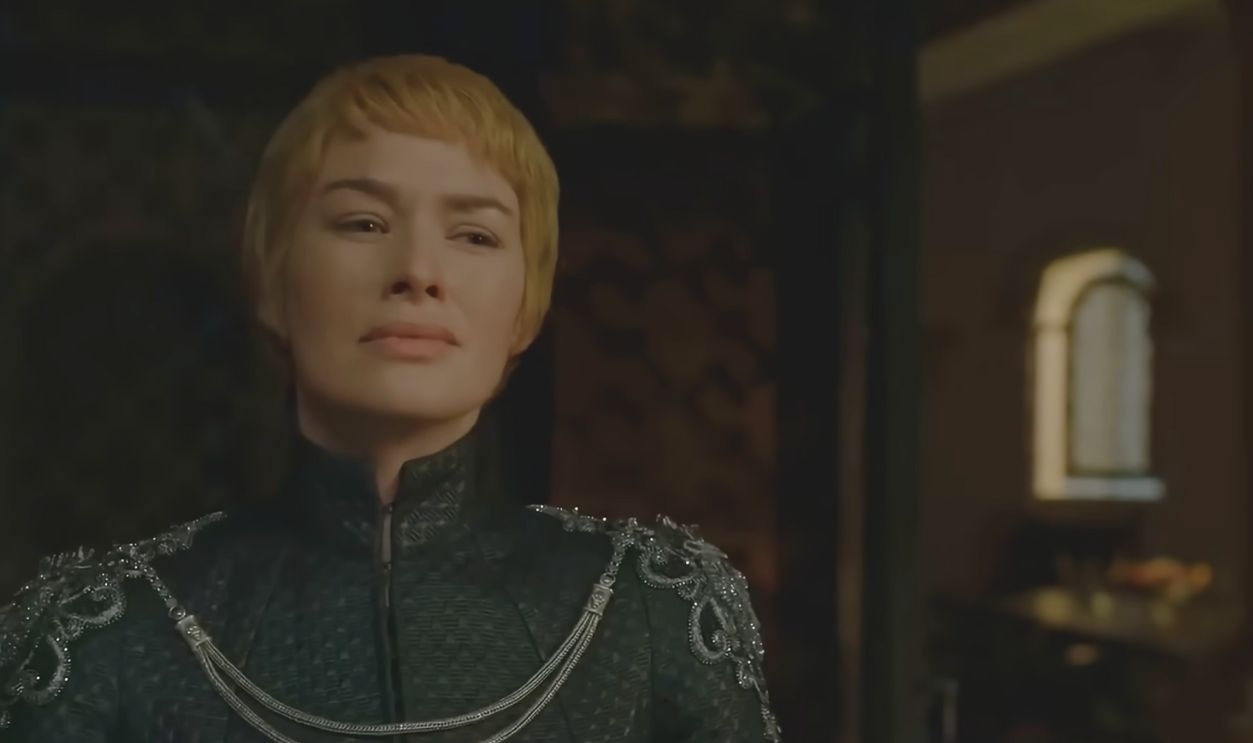 Screenshot from Game Of Thrones, HBO (2011)
Claire Underwood: House Of Cards
Robin Wright went from environmental nonprofit CEO to the 47th President of the United States through sheer calculated ambition, earning six consecutive Emmy nominations and becoming the first actress to win a Golden Globe for a streaming-only role. Her marriage to Frank Underwood evolved into a political transaction.
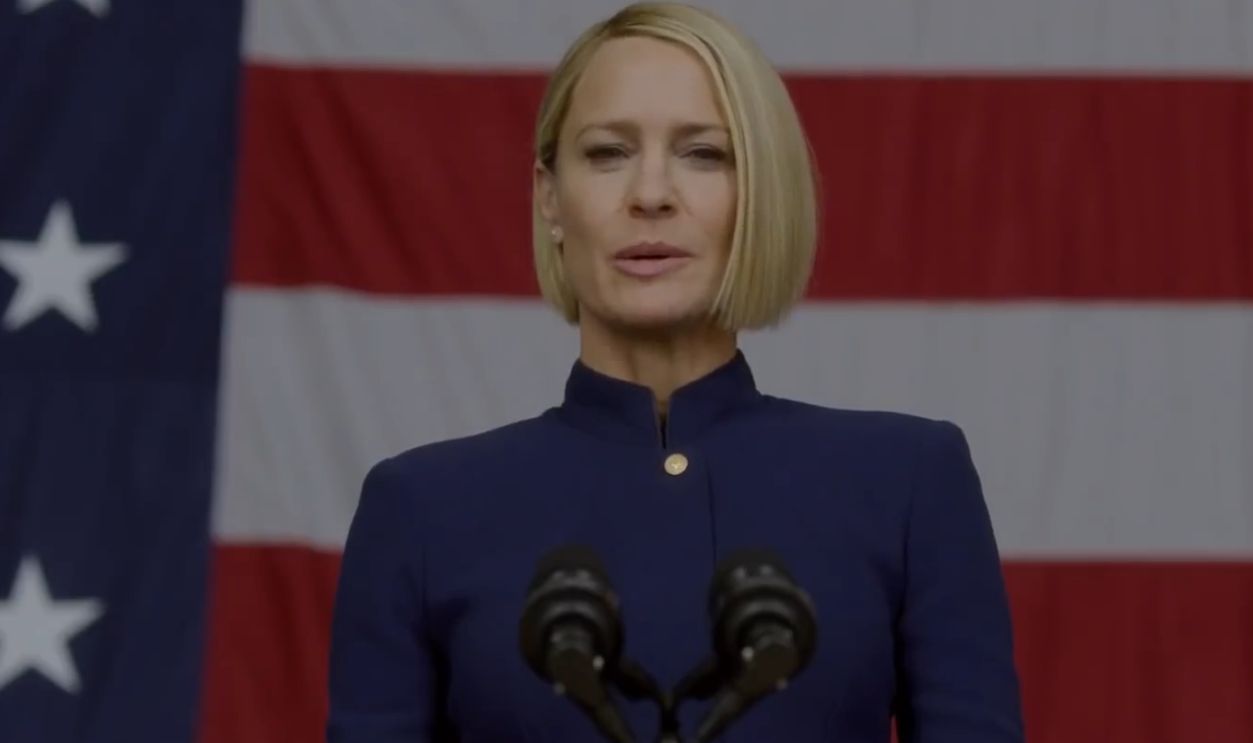 Screenshot from House Of Cards, Netflix (2013)
Claire Underwood (Cont.)
What makes this woman devastatingly effective is how she treats power accumulation like a mathematical equation. When she finally assumed the presidency after Frank's resignation, she dropped his surname entirely, reverting to Hale and calling him her "biggest regret”.
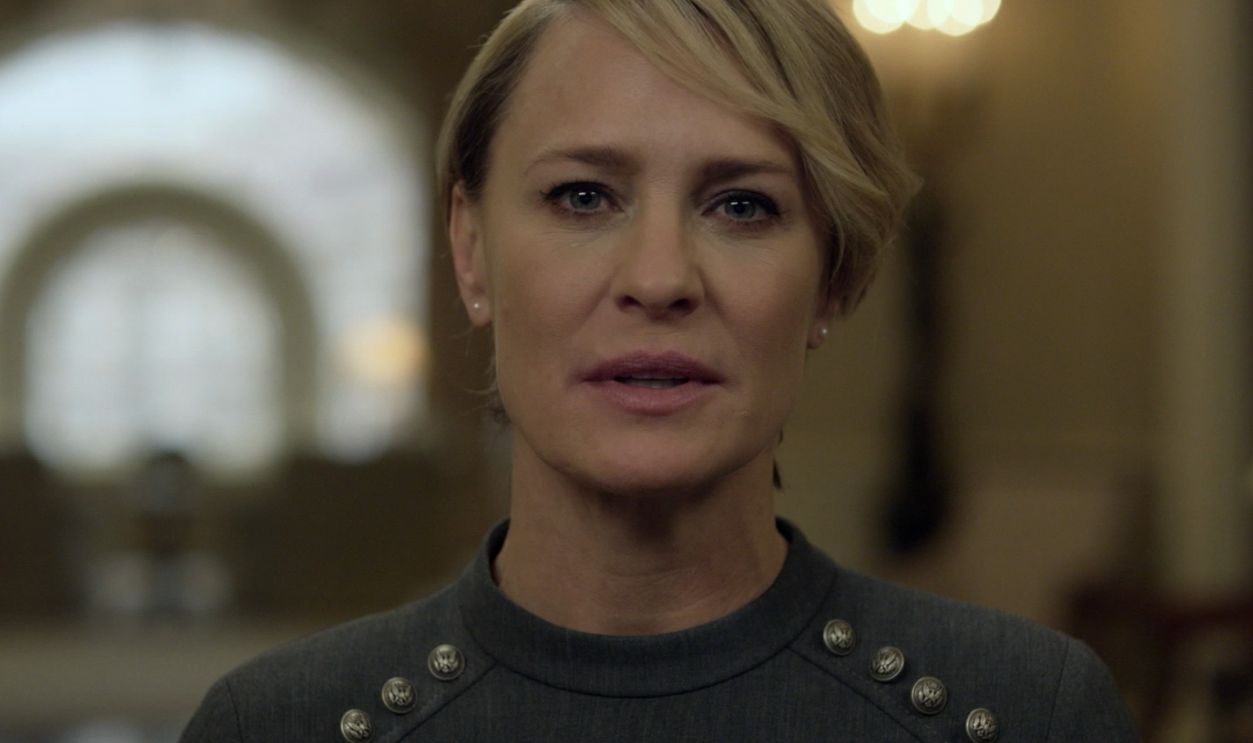 Screenshot from House Of Cards, Netflix (2013)
Villanelle: Killing Eve
Working for the shadowy crime syndicate called The Twelve, Villanelle approaches murder like performance art—stabbing victims with fancy hairpins, severing body parts post-mortem as calling cards, and even weaponizing a cabbage during a Russian prison brawl. Her fashion obsession and effortless multilingual fluency add sophistication to her remorseless violence.
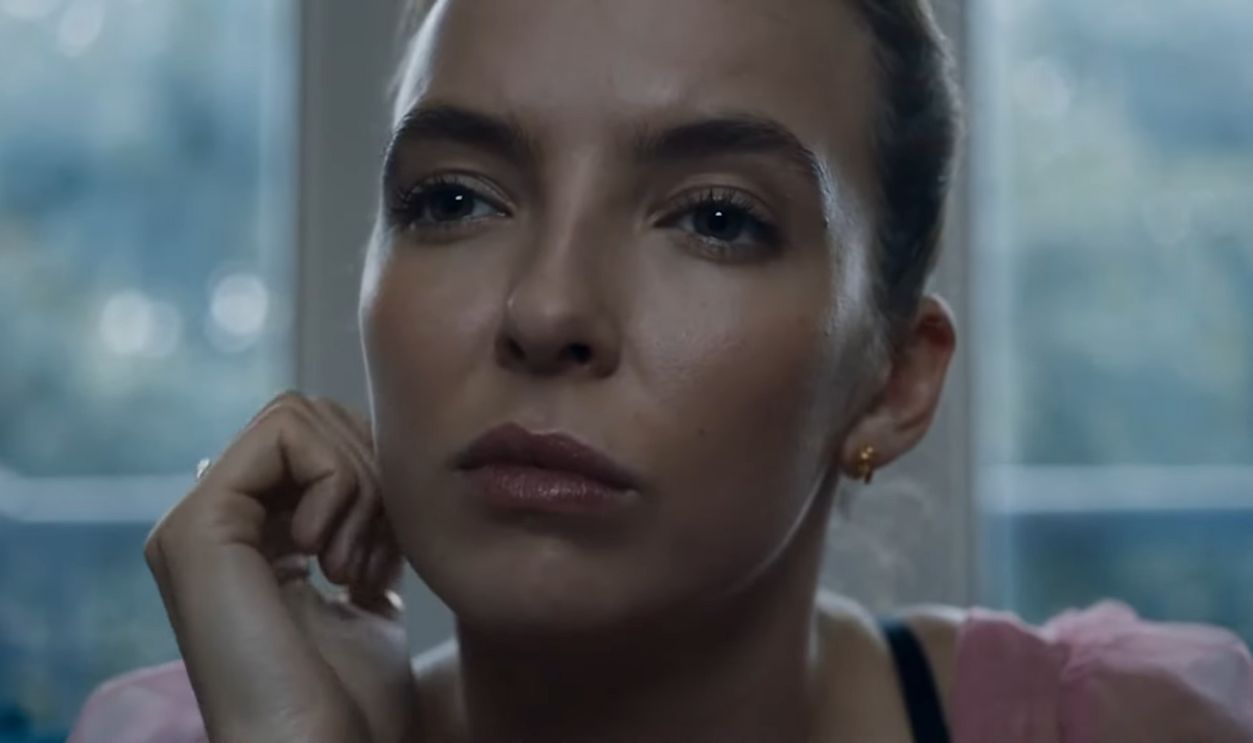 Screenshot from Killing Eve, BBC America (2018)
Villanelle (Cont.)
The character draws inspiration from real-life hitwoman Idoia Lopez Riano, nicknamed La Tigresa, who murdered 23 people for the Basque separatist group ETA in the 1990s. Villanelle's defining relationship is her mutually obsessive connection with British intelligence agent Eve Polastri.
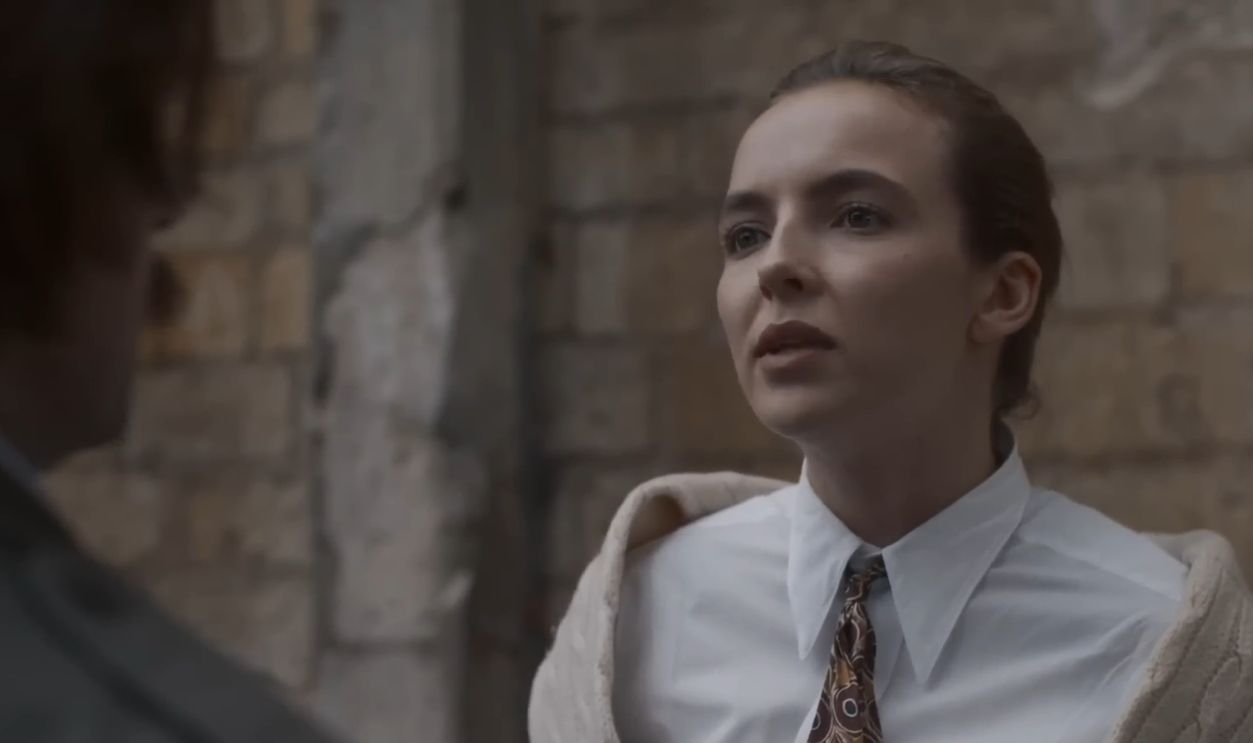 Screenshot from Killing Eve, BBC America (2018)
Joan Holloway: Mad Men
This individual earned six consecutive Emmy nominations and two Critics' Choice Awards for mirroring Mad Men's office manager, who weaponized both her curves and her razor-sharp intelligence throughout the 1960s advertising world. Joan understood something her male colleagues never quite grasped.
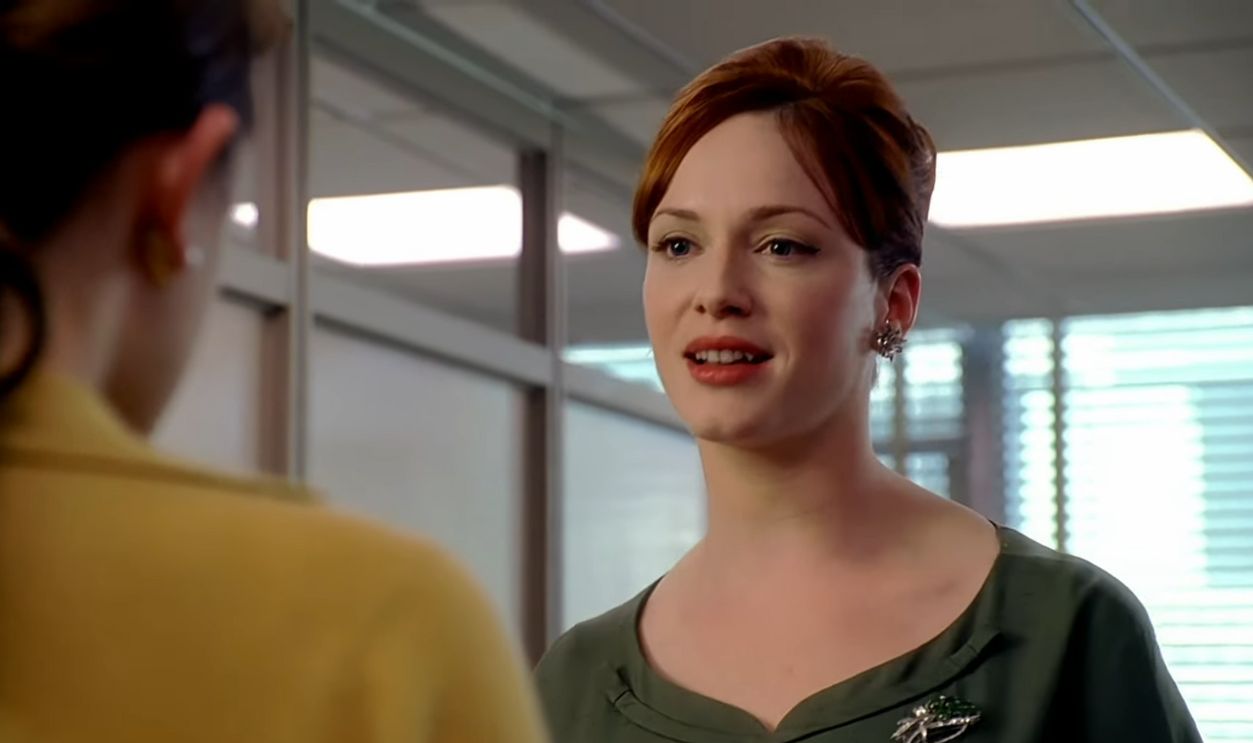 Screenshot from Mad Men, AMC (2007)
Joan Holloway (Cont.)
In a game rigged against women, you had to play smarter, not just harder. Her most controversial femme fatale moment came when she agreed to sleep with a Jaguar executive to secure the account. She negotiated her exploitation into a five percent partnership stake and voting rights at Sterling Cooper Draper Pryce.
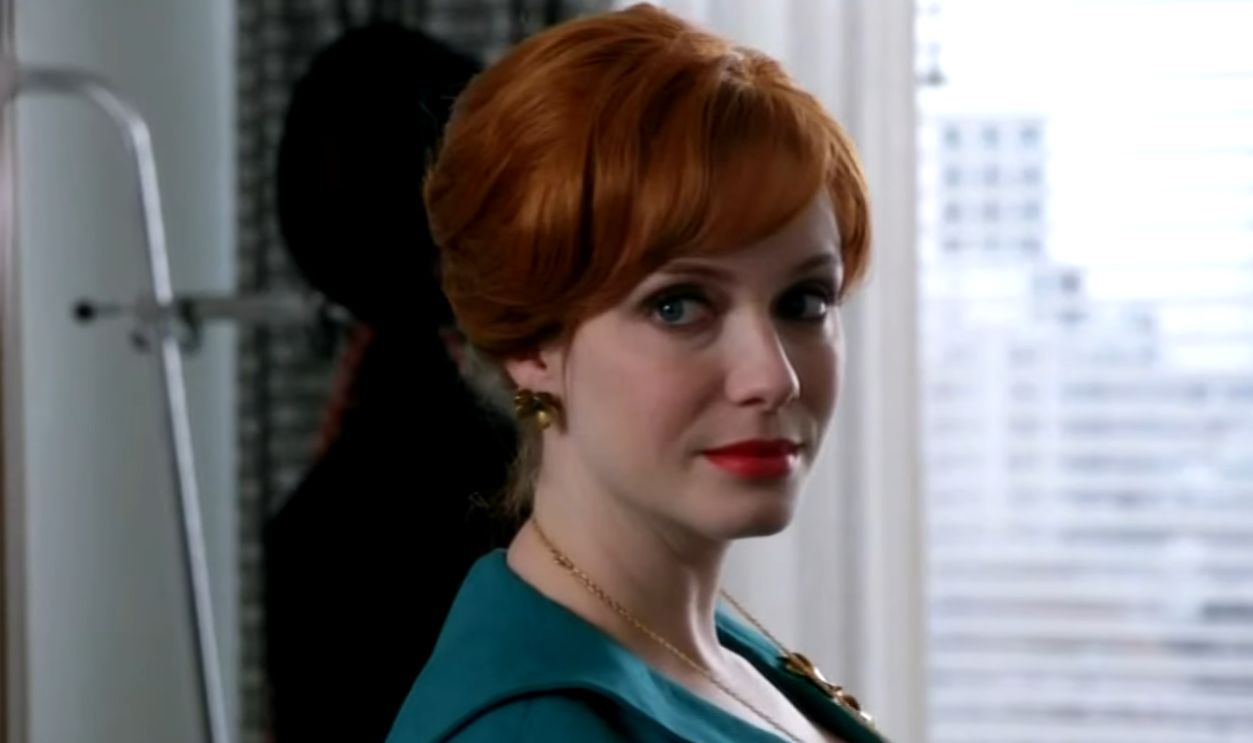 Screenshot from Mad Men, AMC (2007)
Katherine Pierce: The Vampire Diaries
Born Katerina Petrova in Bulgaria in 1473, the 500-year-old vampire spent centuries perfecting the art of survival through seduction and manipulation. Nina Dobrev played both Katherine and her doppelganger Elena Gilbert, creating two completely distinct characters who shared the same face but embodied opposite values.
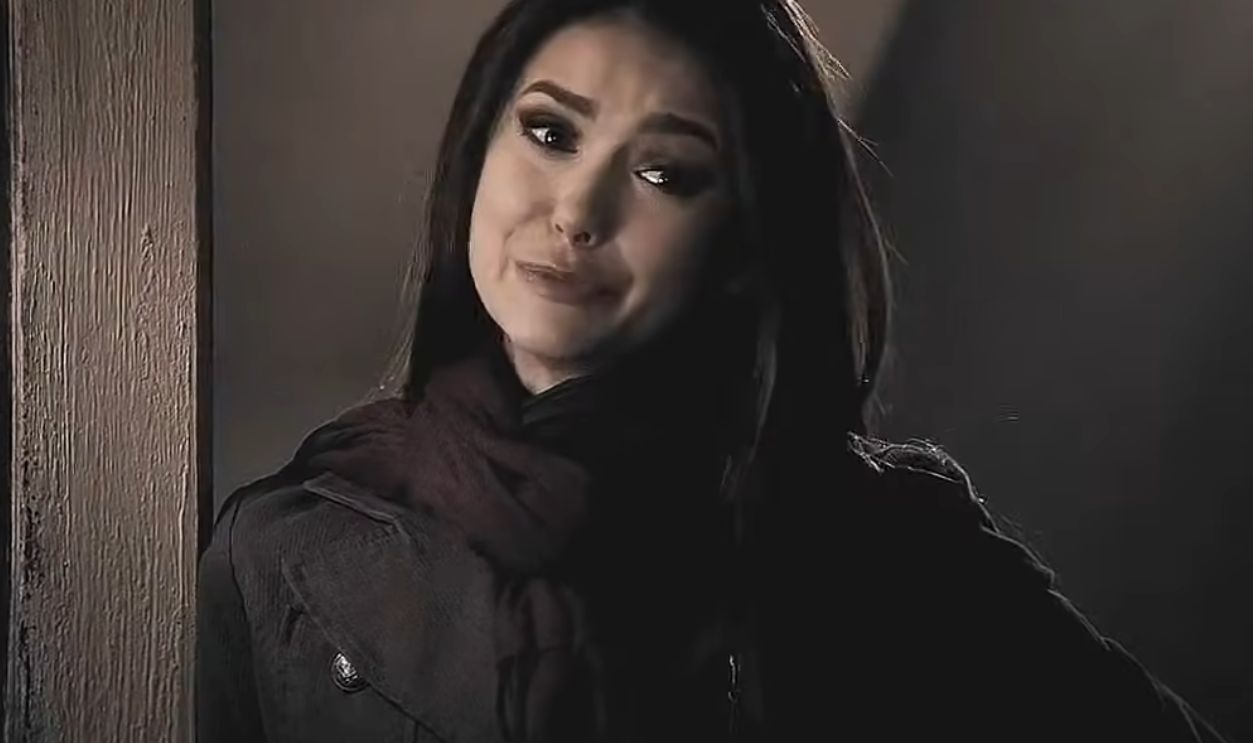 Screenshot from The Vampire Diaries, The CW Network (2009)
Katherine Pierce (Cont.)
Katherine's femme fatale credentials began in 1864 when she seduced both Salvatore brothers—Stefan and Damon—feeding them her vampire blood and sparking a sibling rivalry. What makes Katherine fascinating is how trauma shaped her into a monster.
 Screenshot from The Vampire Diaries, The CW Network (2009)
Nikita: La Femme Nikita / Nikita
The highest-rated drama on basic cable during its first two seasons, La Femme Nikita premiered in January 1997. The show ran for five seasons until 2001, spawning such devoted fandom that when it was cancelled, viewers mounted an unprecedented internet campaign called "Save LFN”.
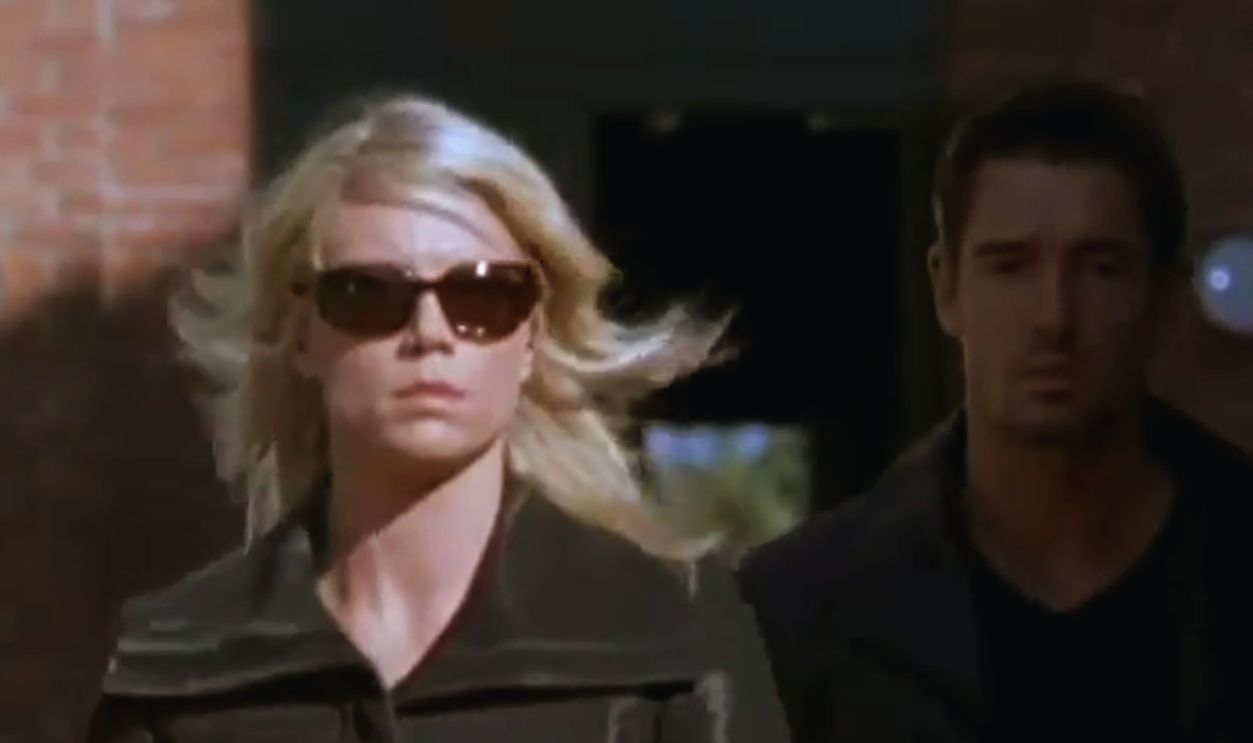 Screenshot from La Femme Nikita, USA Network (1997)Nikita (Cont.)
Wilson's Nikita was wrongly framed for murdering a police officer and given an impossible choice: rot in prison or become a secret assassin for Section One. This clandestine anti-terrorist organization faked her death to make her disappear. Nikita’s survival depended on suppressing compassion.
 Screenshot from La Femme Nikita, USA Network (1997)
Alex Vause: Orange Is The New Black
Another star dyed her natural red hair jet black to create Alex Vause's signature rockabilly look, earning herself a Satellite Award for Best Supporting Actress. The character draws from real-life Catherine Cleary Wolters, the ex-girlfriend of Piper Kerman, whose memoir inspired the series.
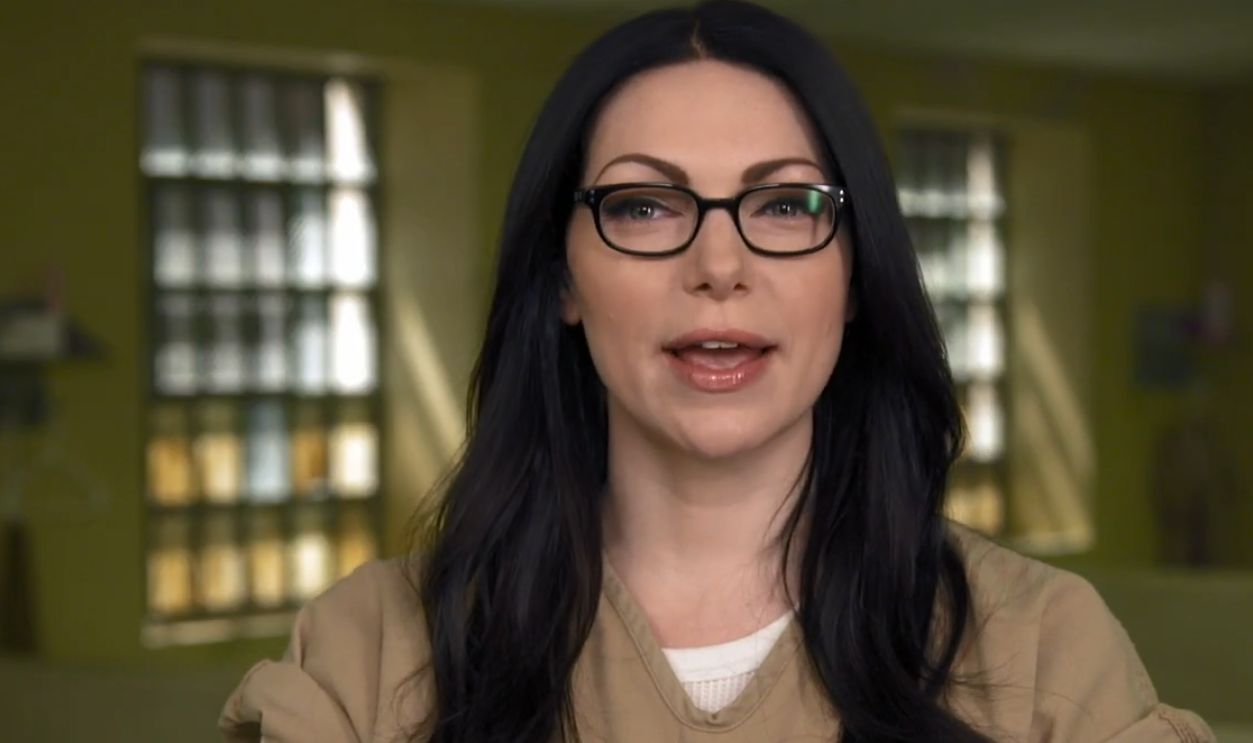 Screenshot from Orange Is The New Black, Netflix (2013)
Alex Vause (Cont.)
This character layers vulnerability beneath the street-smart, manipulative exterior—she's fearless and intimidating on the surface but privately battles depression and loneliness. Her "love is pain" tattoo tells you everything about how trauma shaped her philosophy, yet her genuine feelings for Piper complicate every calculated move she makes.
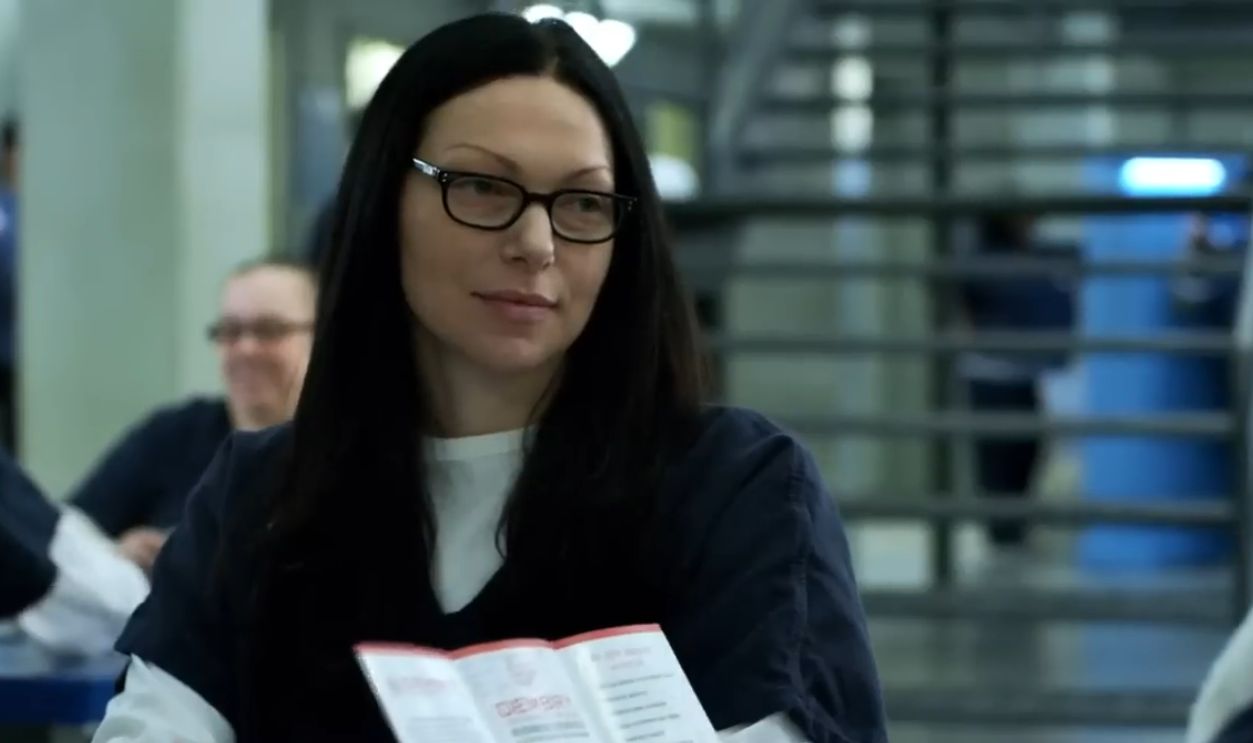 Screenshot from Orange Is The New Black, Netflix (2013)
Edie Britt: Desperate Housewives
Here’s something interesting. Nicolette Sheridan originally auditioned for the role of Bree Van de Kamp before director Marc Cherry saw her as the perfect Edie. The character was conceived as a recurring troublemaker rather than a main housewife.
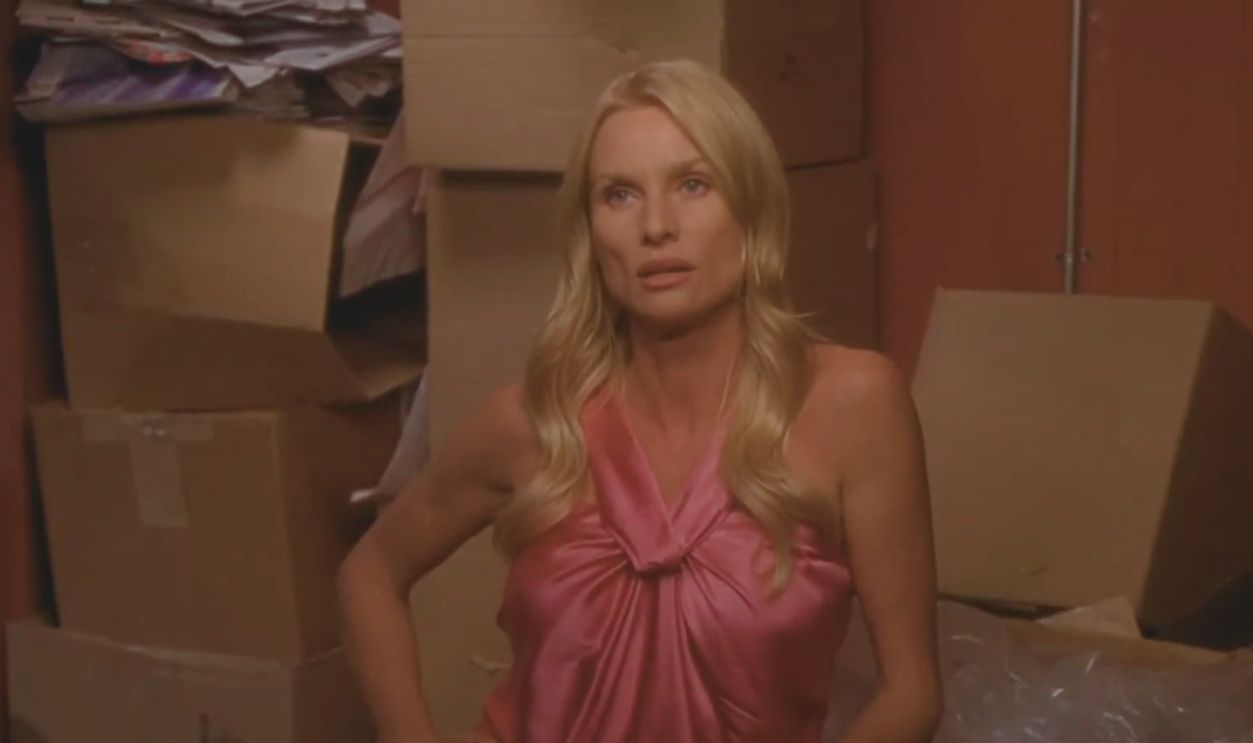 Screenshot from Desperate Housewives, ABC (2004)
Edie Britt (Cont.)
Living at 4362 Wisteria Lane, Britt made manipulation her armor of choice in a neighborhood full of secrets. She grew up after her father abandoned the family for another woman when Edie was sixteen, teaching her early that men were conquests rather than partners.
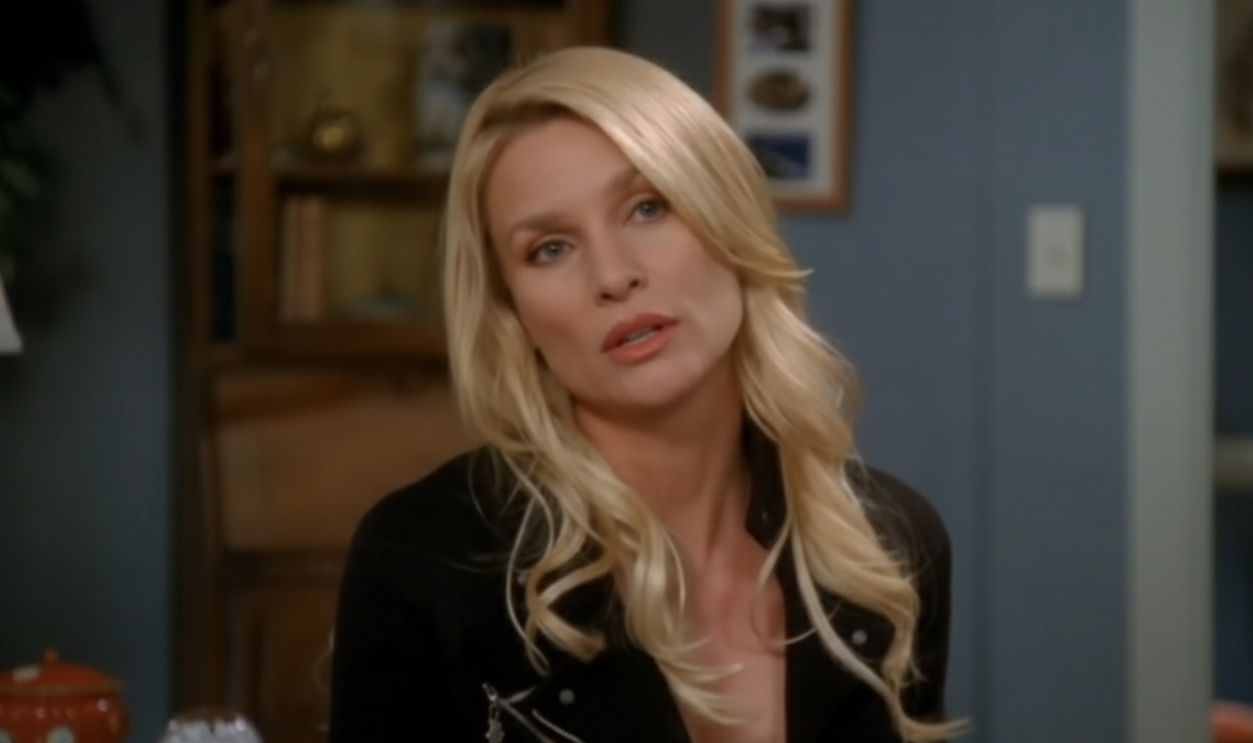 Screenshot from Desperate Housewives, ABC (2004)
Inara Serra: Firefly
Serra represents a fascinating reimagining of the courtesan archetype. In Firefly's universe, Companions are part of the social elite, licensed by the Union of Allied Planets and trained from age twelve in psychology, social grace, martial arts, and the physical art of pleasure.
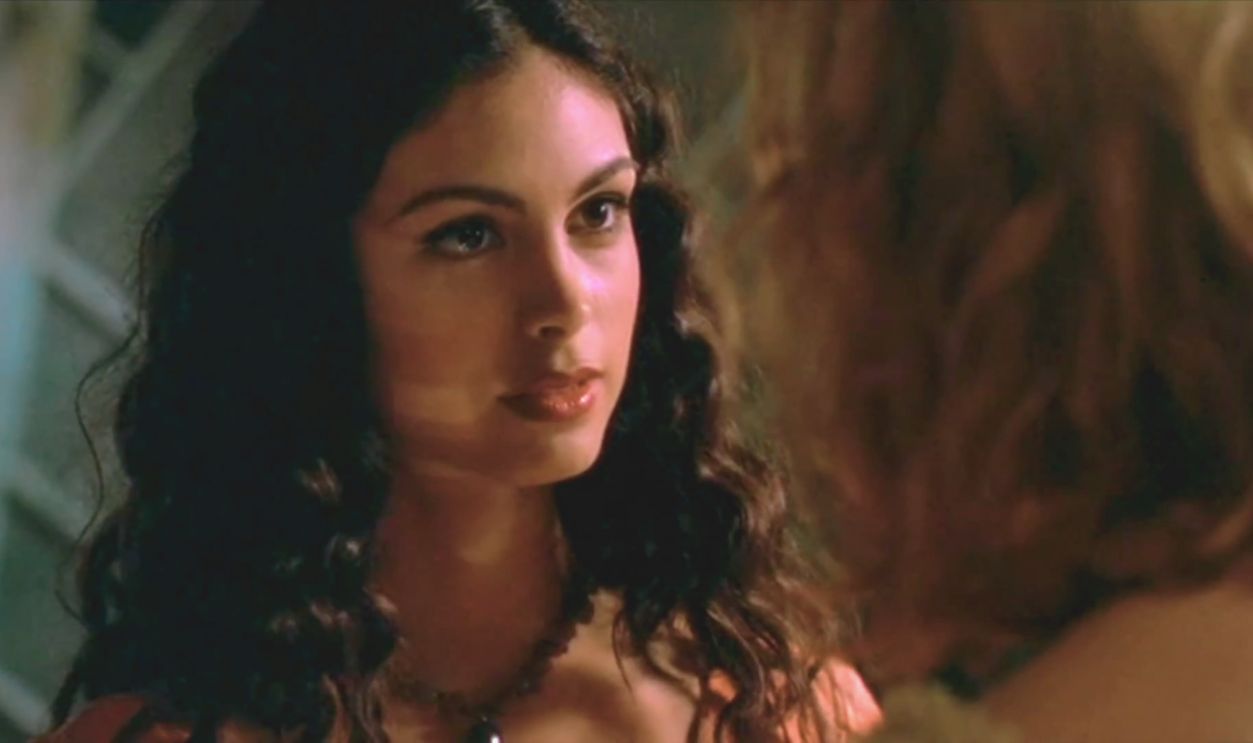 Screenshot from Firefly, Fox (2002)
Inara Serra (Cont.)
They choose their own clients based on spiritual compatibility rather than money or appearance, and they're insulted by any comparison to prostitutes. Inara rented a shuttle on Captain Malcolm Reynolds' ship, creating a symbiotic relationship where her respectable status opened doors for his crew.
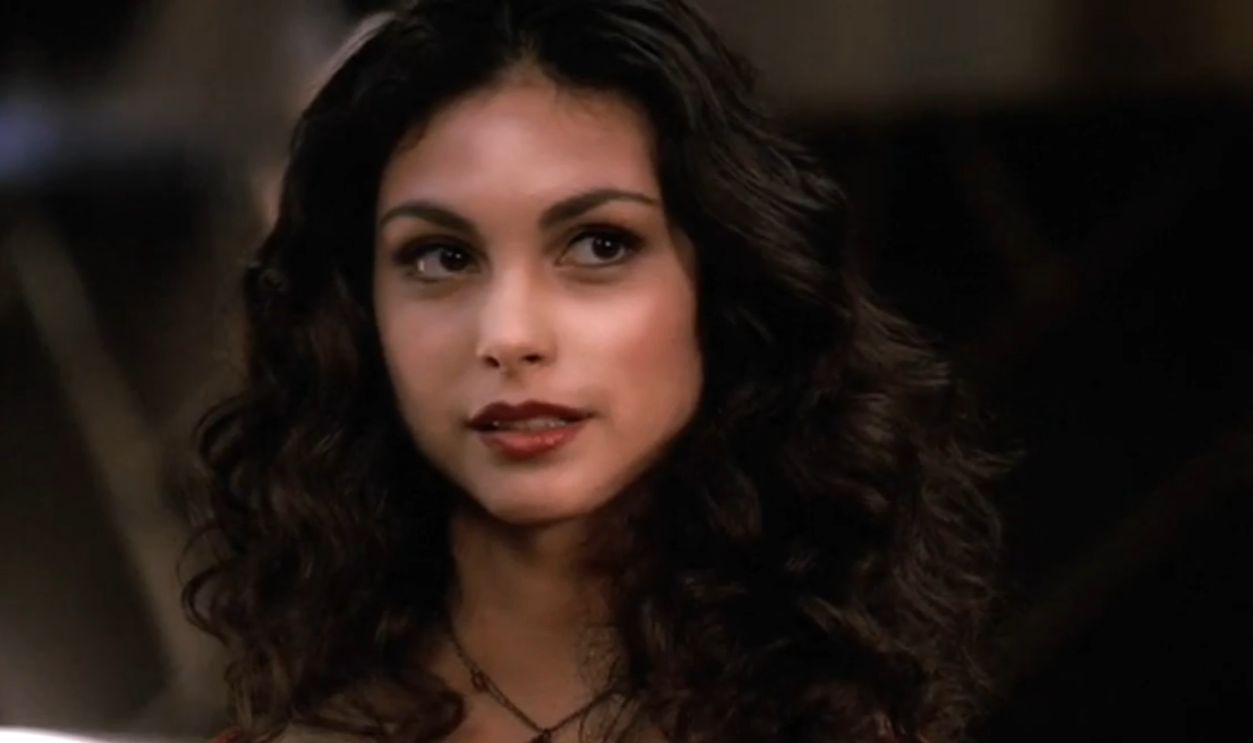 Screenshot from Firefly, Fox (2002)
Number Six: Battlestar Galactica
Seductive, philosophical, and lethal. Number Six uses desire and faith as tools, blurring the line between devotion and manipulation. She’s a classic sci-fi femme fatale who is beautiful, persuasive, and capable of ending civilizations without blinking.
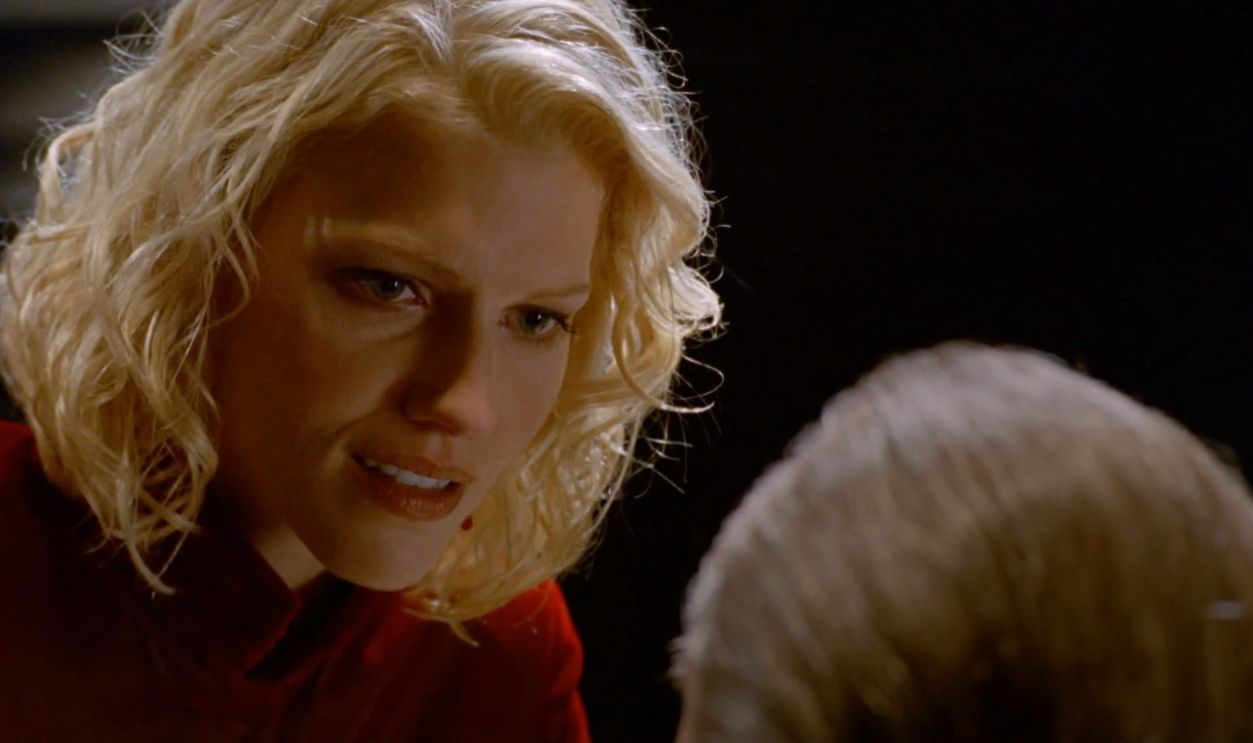 Screenshot from Battlestar Galactica, Sci-Fi (2004)
Number Six (Cont.)
Number Six is actually multiple characters. One of twelve humanoid Cylon models with millions of identical clones sharing the same base personality, though individual copies developed distinct identities. Caprica-Six successfully seduced Dr Gaius Baltar, using their affair to rewrite his Command Navigation Program and enable the Cylon attack.
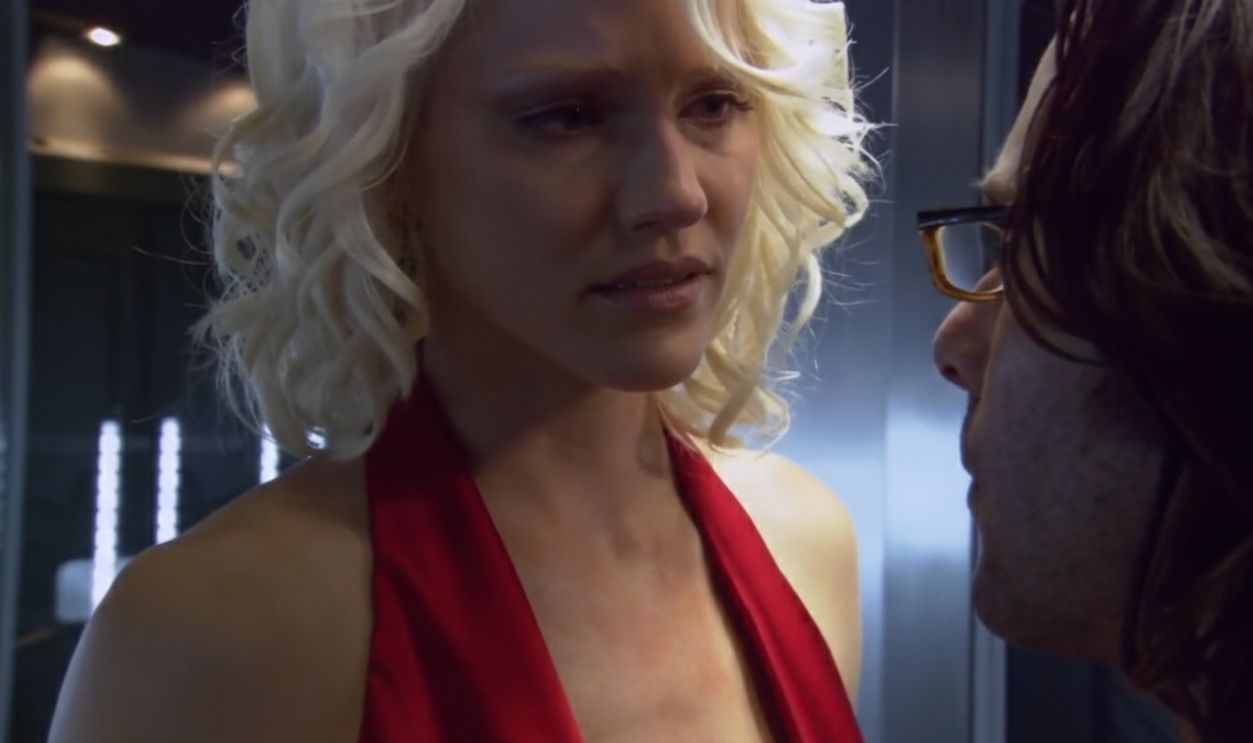 Screenshot from Battlestar Galactica, Sci-Fi (2004)
Blair Waldorf: Gossip Girl
While Serena may have been the center of Gossip Girl's titular blog, Blair became the breakout star who truly carried the show across its six seasons from 2007 to 2012. Meester's performance was the most critically acclaimed of the entire cast, and her character's wardrobe sparked real-world fashion obsession.
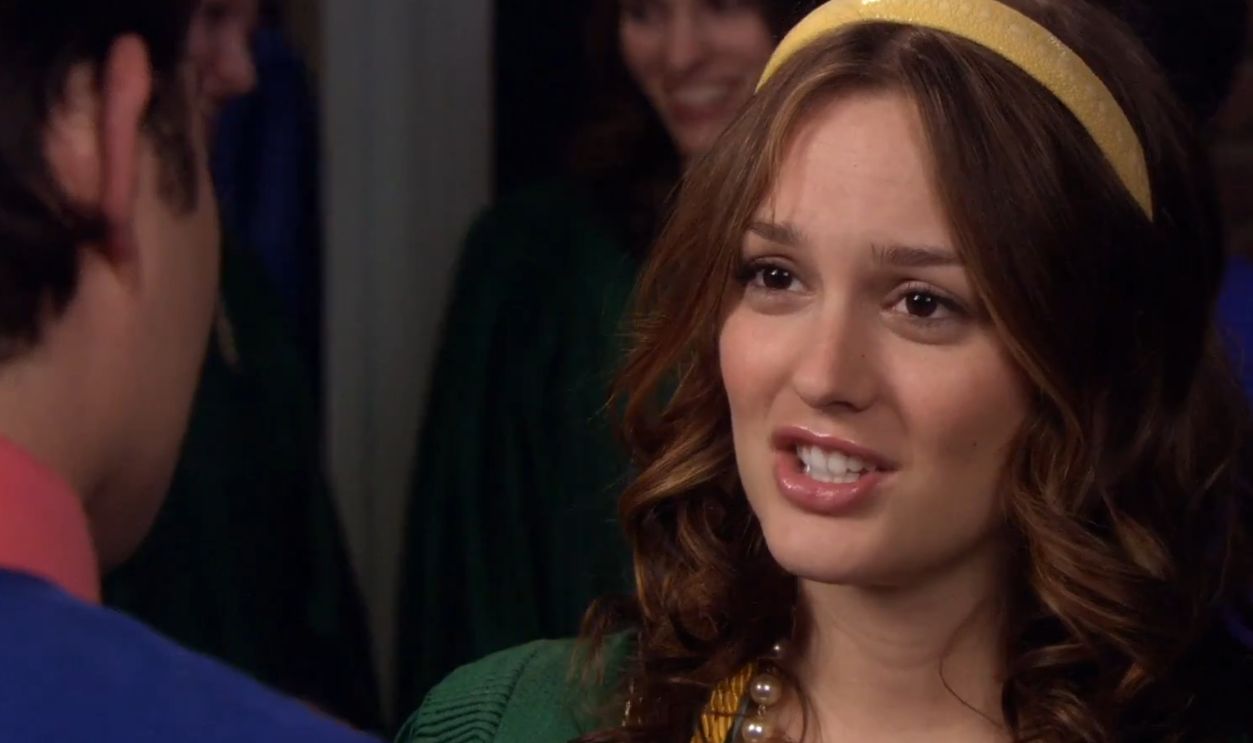 Screenshot from Gossip Girl, The CW (2007)
Blair Waldorf (Cont.)
Born Blair Cornelia Waldorf to fashion designer Eleanor Waldorf and lawyer Harold Waldorf, she ruled Manhattan's Upper East Side like a teenage monarch from her perch at Constance Billard School for Girls. Her most notorious plot involved helping take down Chuck's father, Bart Bass.
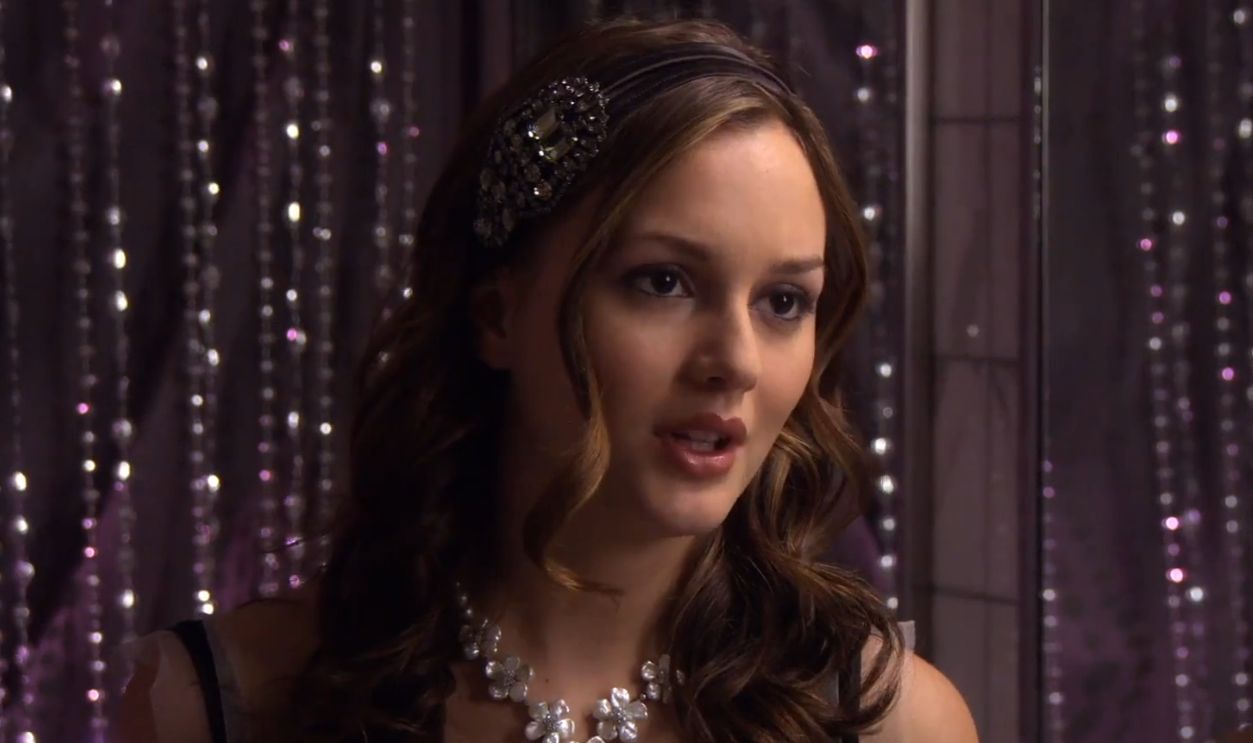 Screenshot from Gossip Girl, The CW (2007)
Annalise Keating: How To Get Away With Murder
Viola Davis made television history in 2015 by becoming the first Black woman to win the Primetime Emmy Award for Outstanding Lead Actress in a Drama Series, delivering an acceptance speech that remains one of the most powerful moments in awards show history.
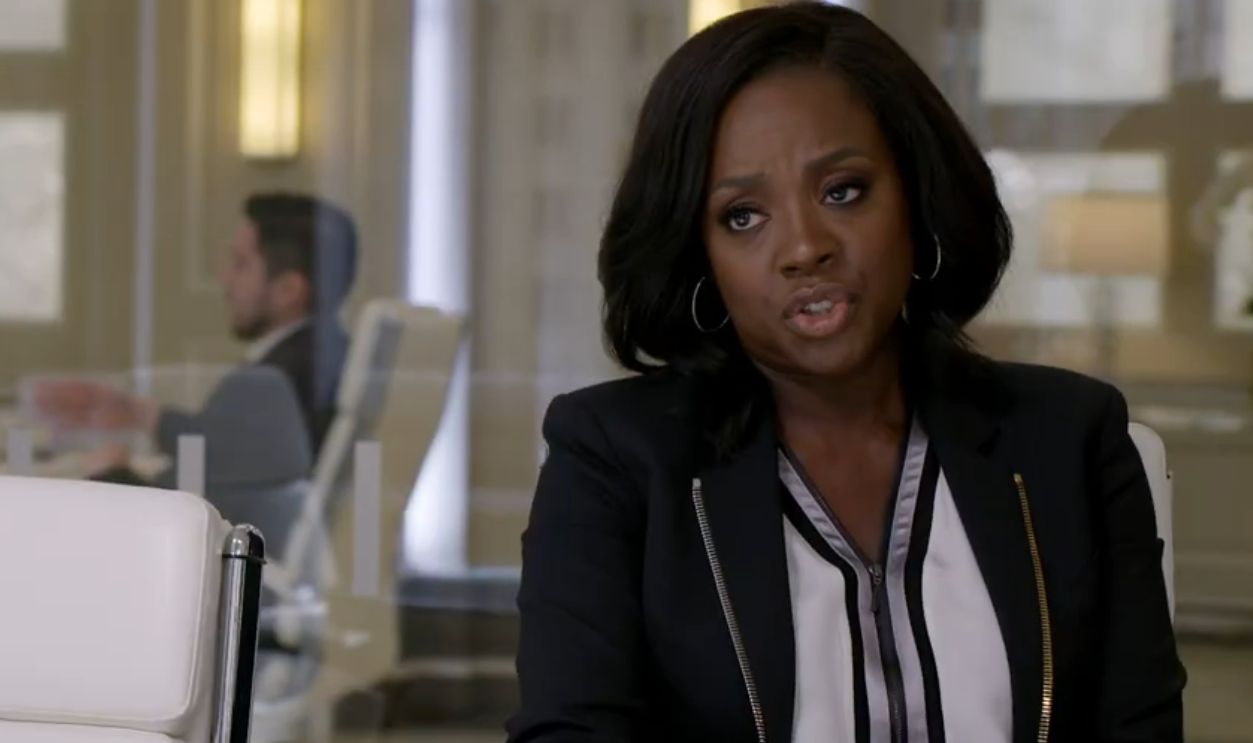 Screenshot from How To Get Away With Murder, ABC (2014)
Annalise Keating (Cont.)
Her portrayal of Annalise Keating across six seasons shattered every preconceived notion about what a leading lady on network television could look like, do, or be. Davis herself fought for the revolutionary moment in the pilot episode where Annalise removes her wig and makeup, revealing her natural appearance.
 Screenshot from How To Get Away With Murder, ABC (2014)