A Giant Of British Cinema
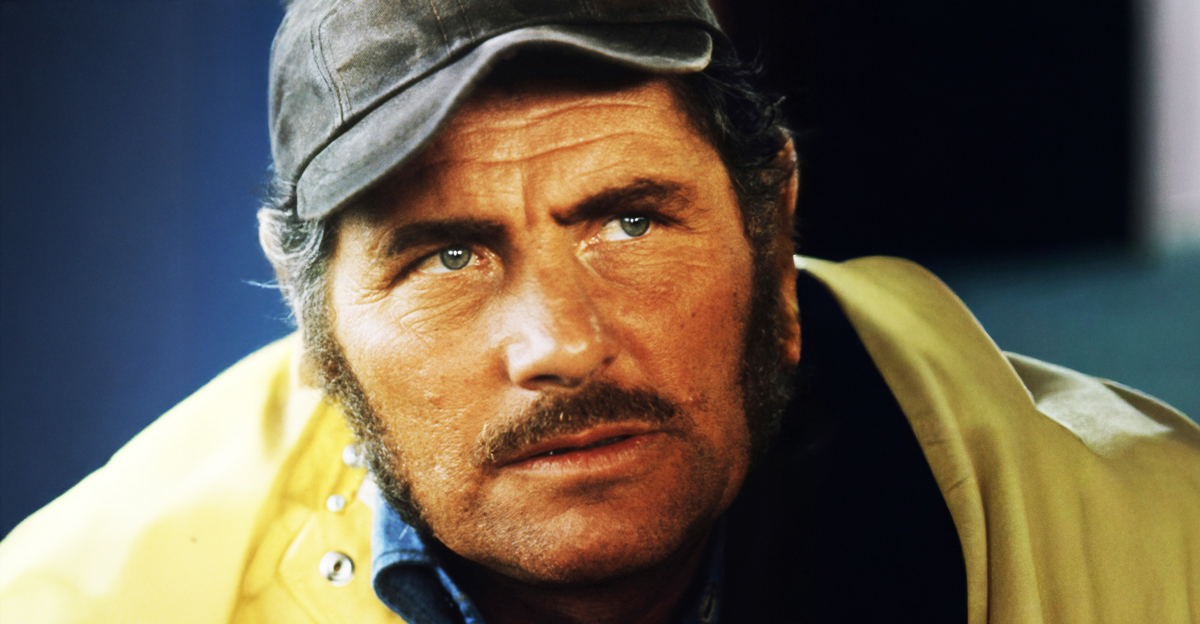
Few actors projected strength and intensity quite like Robert Shaw. Whether portraying ruthless villains, haunted heroes, or the unforgettable Quint in Jaws (1975), he commanded every scene. Yet behind his remarkable career lay personal tragedies that ultimately overshadowed even his greatest professional triumphs.
Born Into A Literary Family
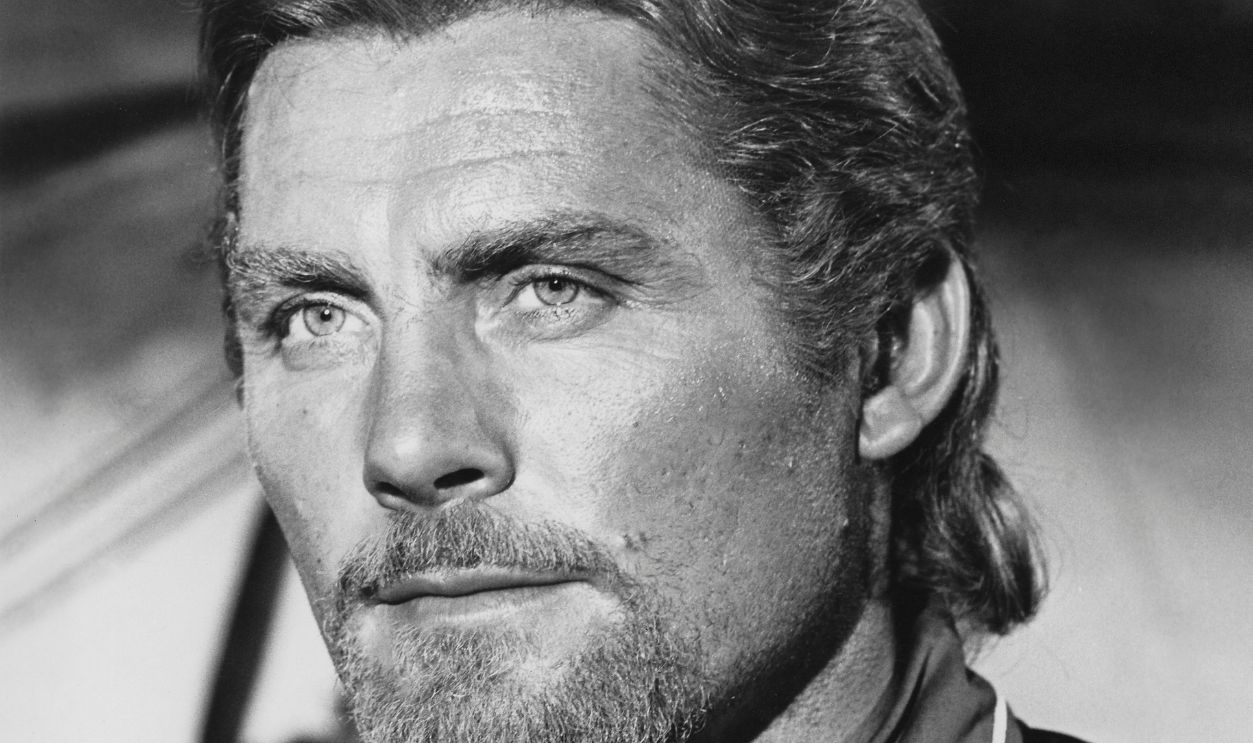
Robert Archibald Shaw was born on August 9, 1927, in Westhoughton, Lancashire, England. His father, Thomas Archibald Shaw, was a physician, while his Scottish-born mother, Doreen, nurtured a love of literature and the arts. His family valued education and creativity, influences that shaped his future career.
 Sunset Boulevard, Getty Images
Scotland And Early Hardship
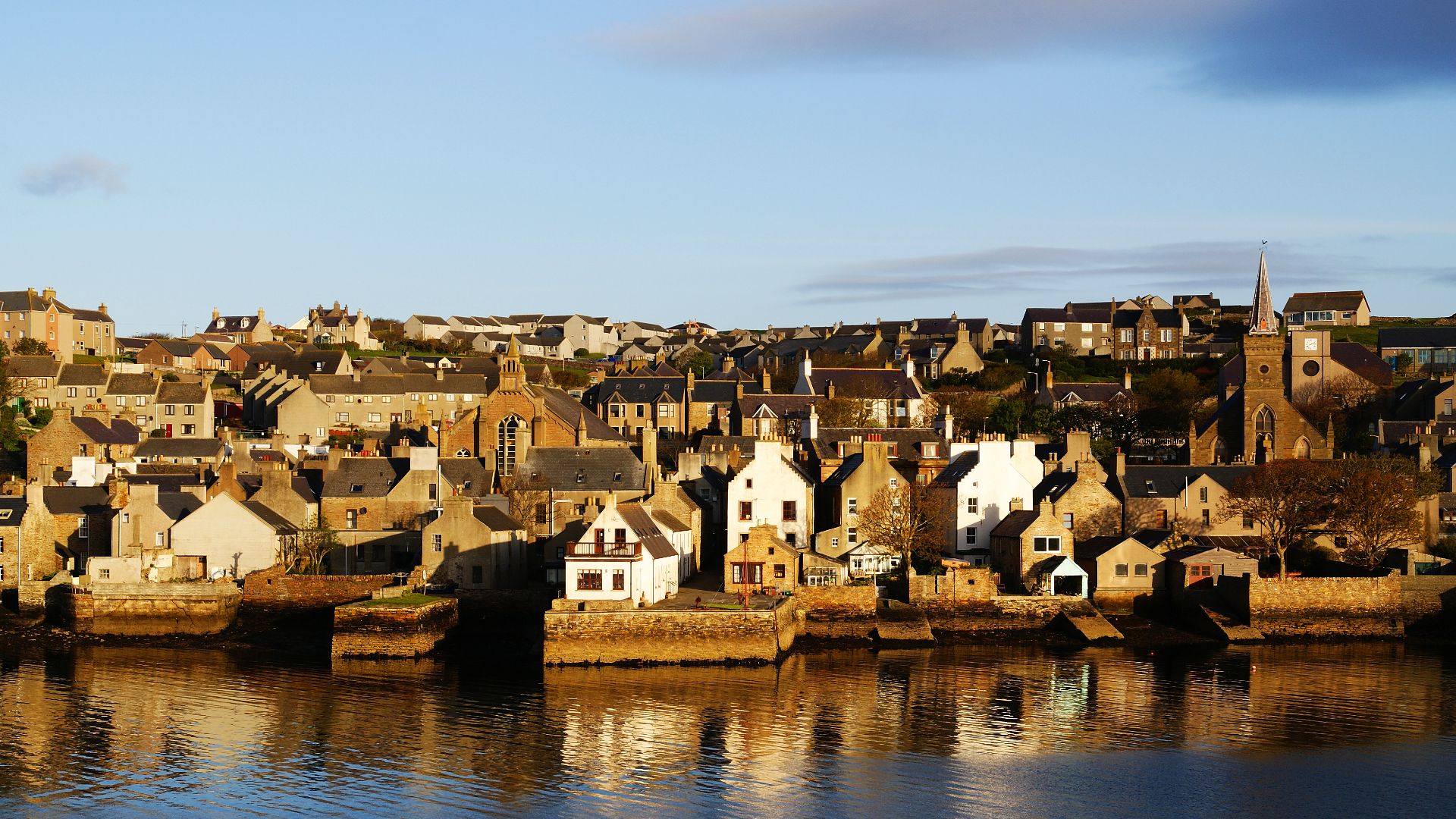
During Robert's childhood, the family relocated to Stromness in the Orkney Islands of Scotland. Although the rugged landscape left lasting impressions, family life became increasingly difficult. Financial pressures and his father's deteriorating mental health cast a shadow over Shaw's formative years and deeply affected the entire household.
A Devastating Loss
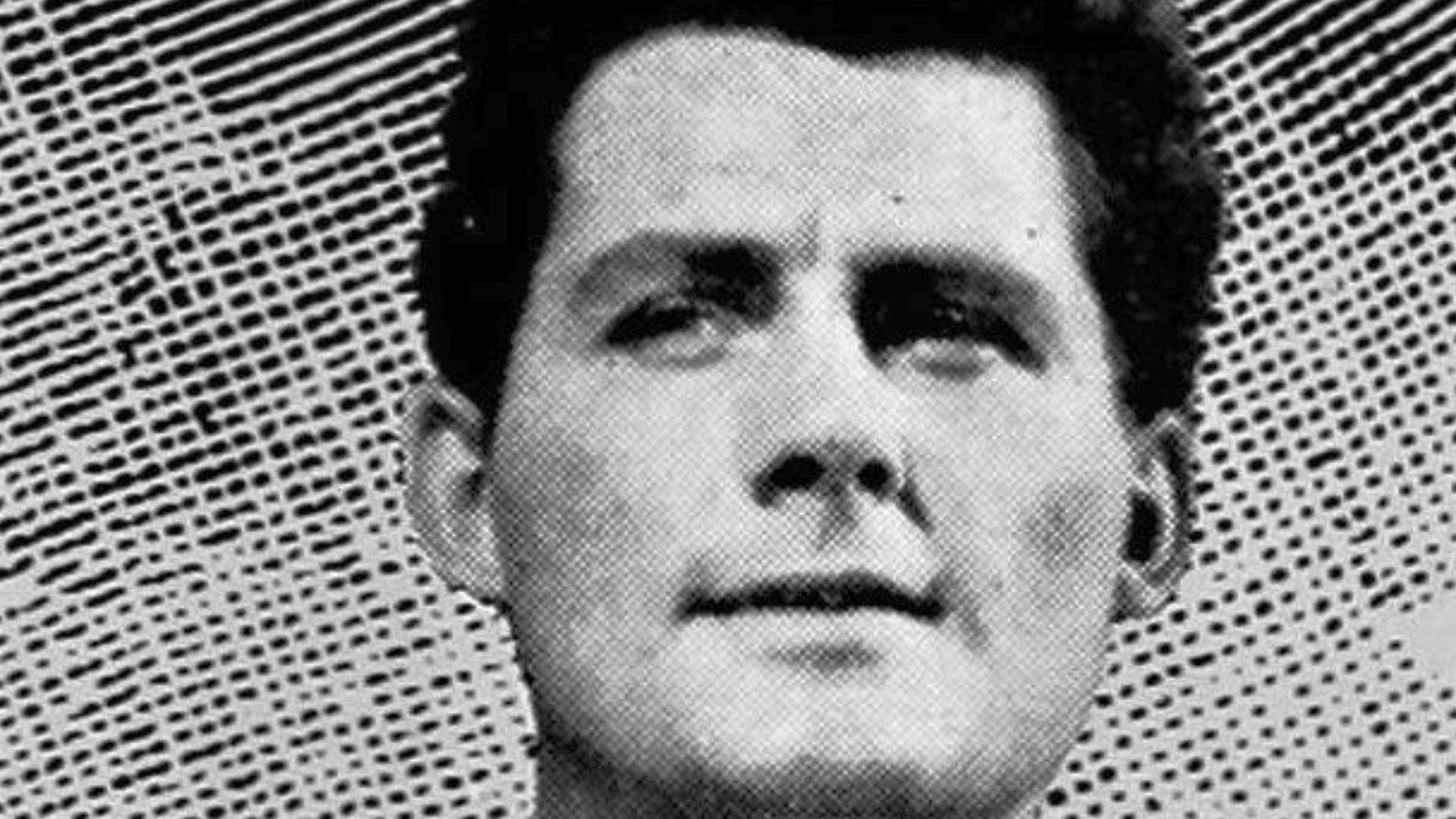
When Robert was only twelve years old, tragedy struck. His father took his own life after struggling with depression. The loss profoundly affected Shaw and remained one of the defining events of his life, influencing both his emotional outlook and the intensity he later brought to dramatic performances.
 Official Films, Wikimedia Commons
A Fresh Start In Cornwall
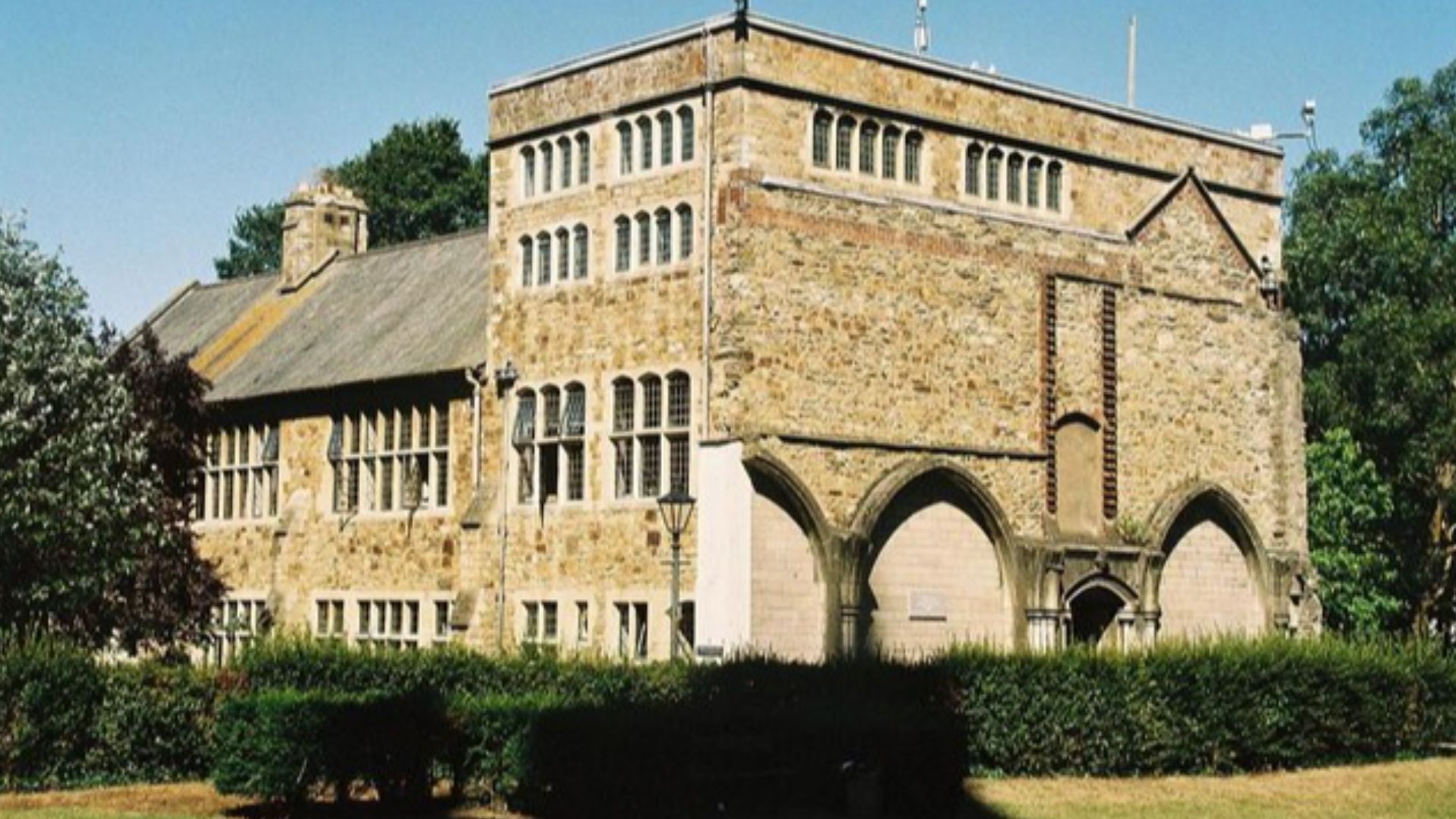
Following her husband's death, Doreen Shaw moved the family to Cornwall, England. Robert attended Truro School, where he began developing an interest in acting and literature. Although still grieving, he discovered that performing offered both an escape and a means of expressing difficult emotions.
 Chris Downer, Wikimedia Commons
Teacher Turned Student
Before pursuing acting professionally, Shaw briefly worked as a teacher at a preparatory school. Realizing that education was not his true calling, he enrolled at the Royal Academy of Dramatic Art in London, where his natural talent quickly became apparent to instructors and fellow students.
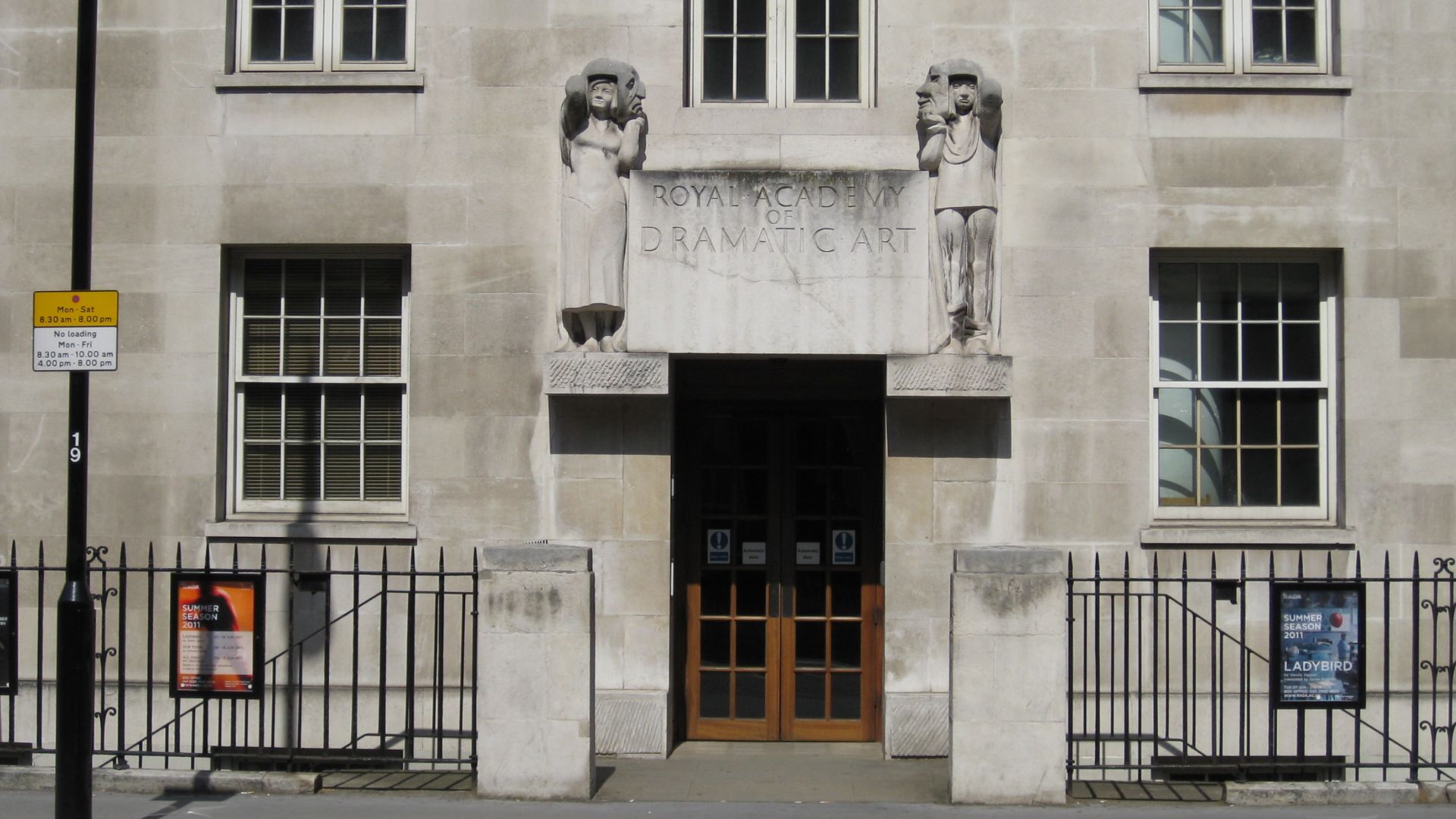 Chemical Engineer, Wikimedia Commons
Finding The Stage
After graduating from RADA, Shaw began his professional career in the theater. One of his earliest significant appearances came in Shakespeare's Macbeth, introducing audiences to his commanding stage presence. His rich voice and physical intensity immediately distinguished him from many young actors of his generation.
 Geoff Charles, Wikimedia Commons
Stratford Success
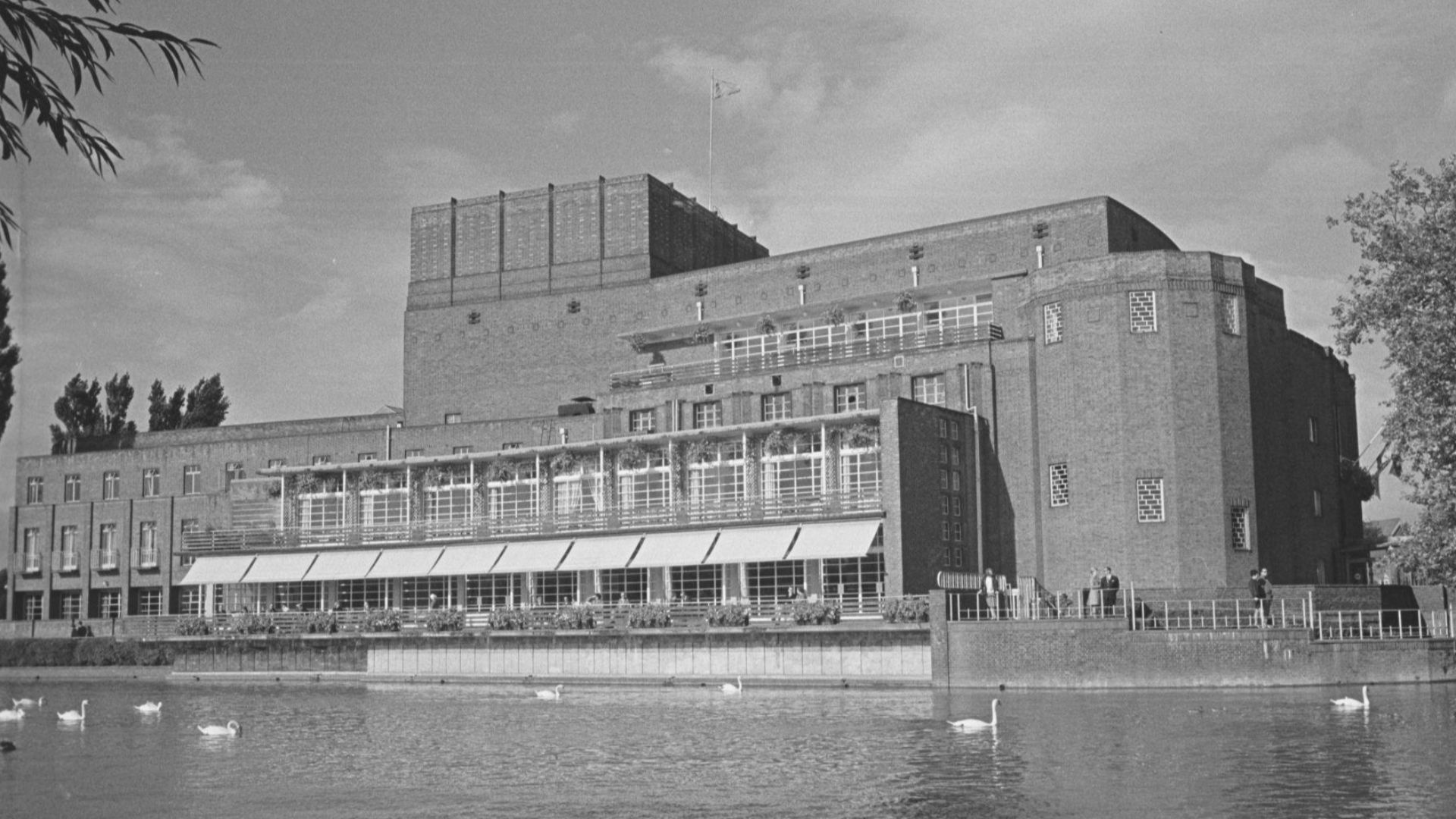
Shaw soon joined productions at Stratford-upon-Avon, performing with the prestigious Shakespeare Memorial Theatre. Working through demanding classical roles refined his technique while exposing him to Britain's finest actors and directors, laying the foundation for the confidence that would later define his screen performances.
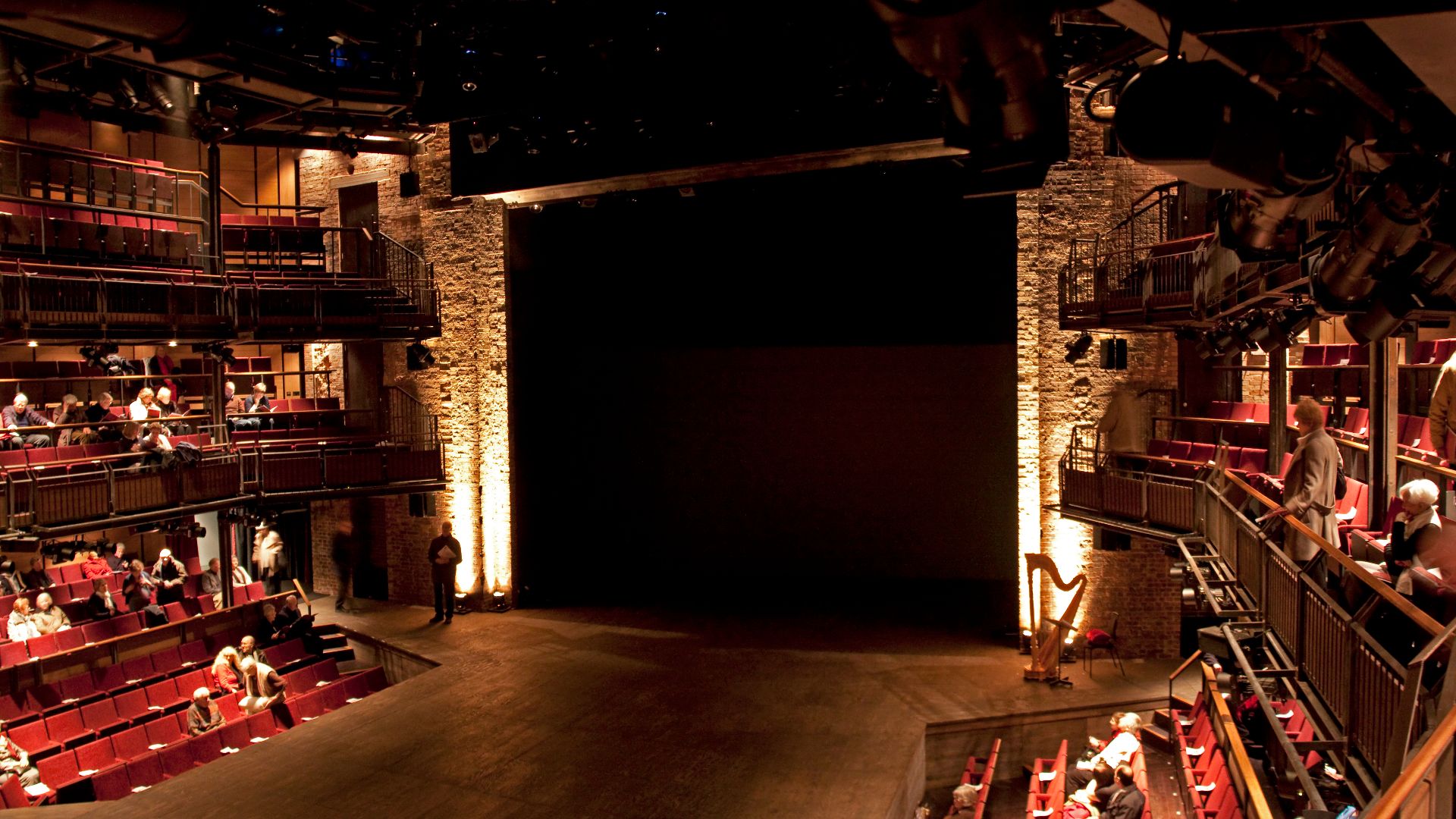 Tony Hisgett from Birmingham, UK, Wikimedia Commons
Television And Film Debut
Shaw expanded into television with an appearance in a production of Chekhov's The Cherry Orchard. Around the same period, he made his film debut with a small role in The Lavender Hill Mob (1951), the celebrated Ealing comedy starring Alec Guinness and Stanley Holloway and directed by Charles Crichton.
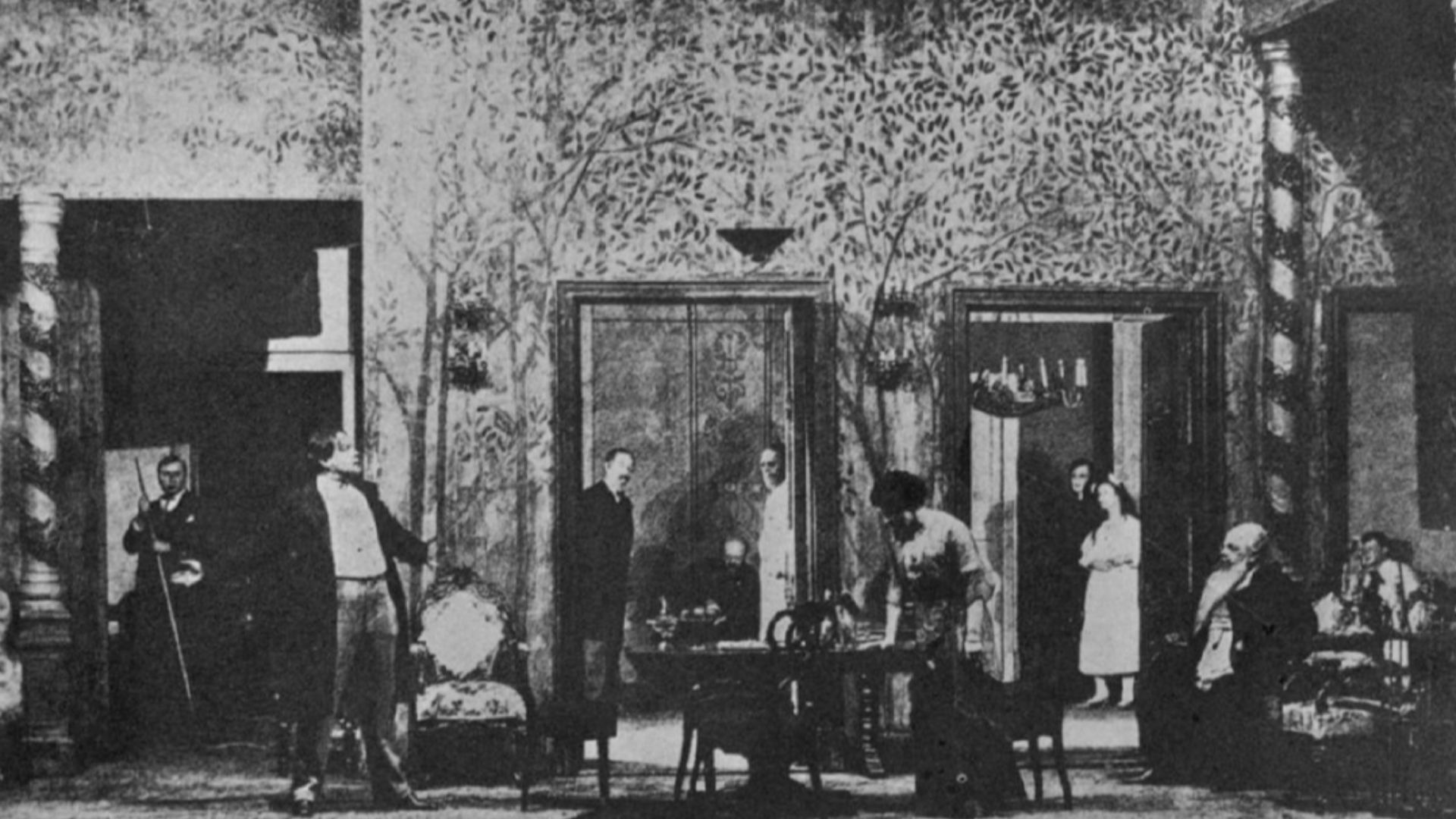 Alexander Bakshy, Wikimedia Commons
West End Recognition
His growing reputation led to his West End theatre debut in Caro William. By the mid-1950s, Shaw had established himself as one of Britain's most promising young stage performers, earning praise for his intelligence, emotional range, and commanding voice.
 Pedro Szekely from Los Angeles, USA, Wikimedia Commons
Building A Film Career
Shaw steadily accumulated film experience in The Dam Busters (1955), directed by Michael Anderson, and A Hill In Korea (1956), opposite George Baker and Harry Andrews. These supporting roles demonstrated his versatility long before international fame arrived.
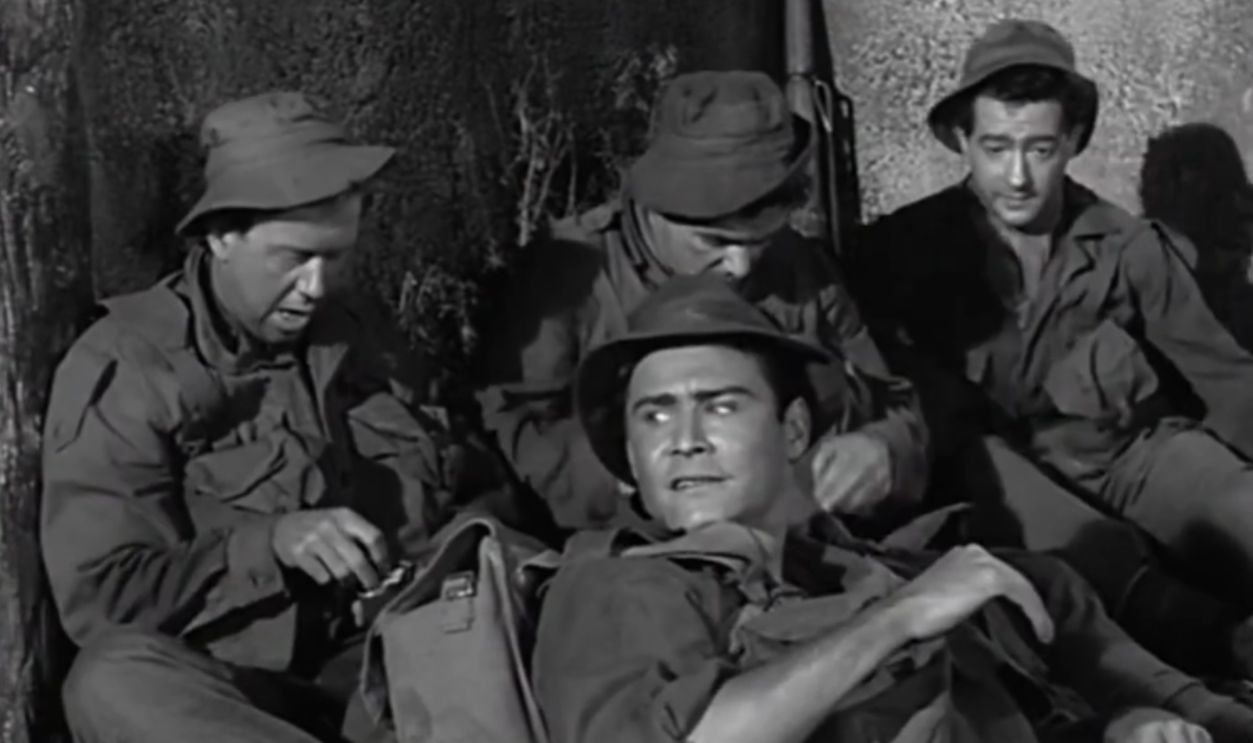 Screenshot from A Hill in Korea, British Lion Films (1956)
Becoming Captain Tempest
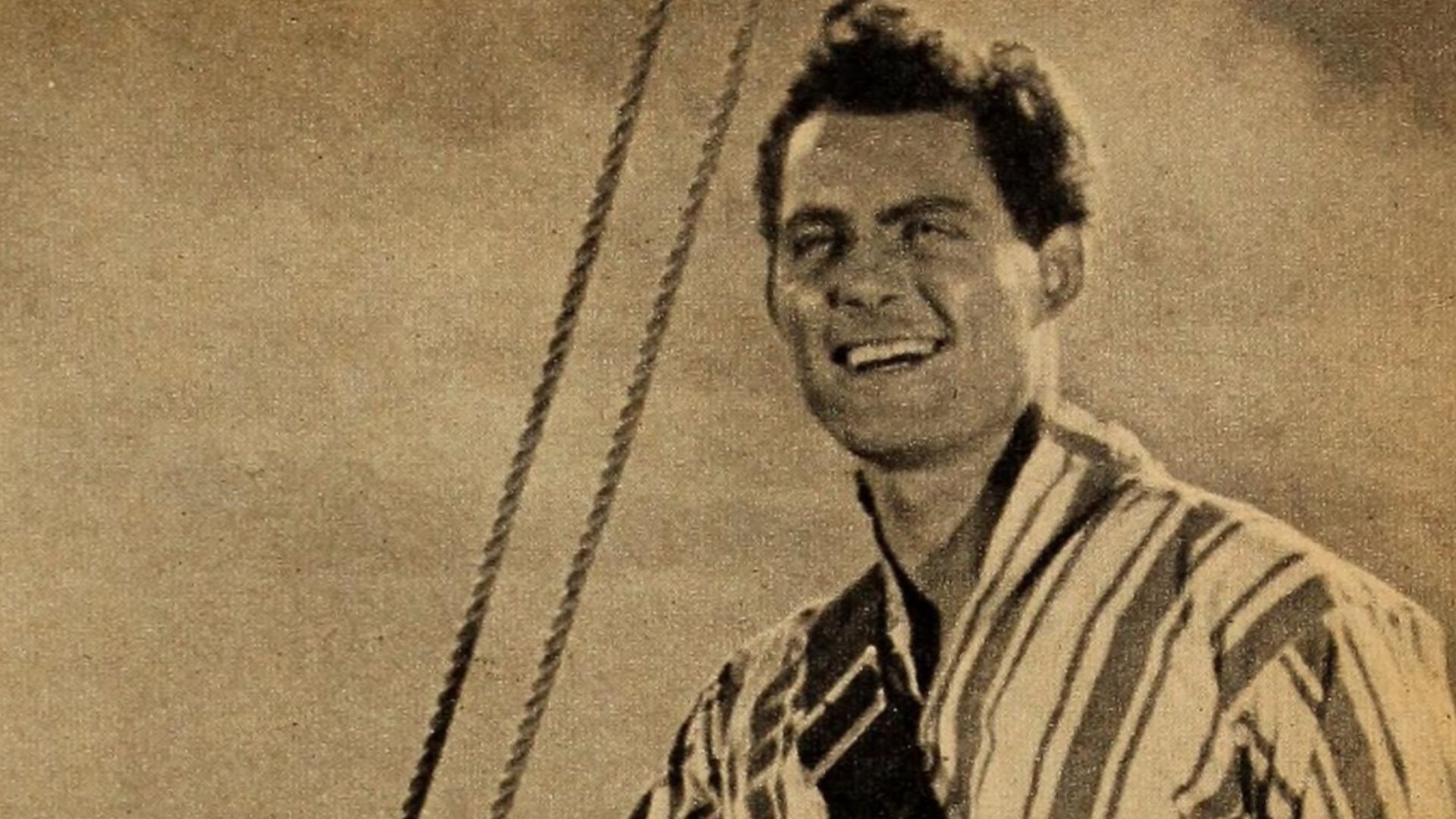
Television brought Shaw wider recognition through the adventure series The Buccaneers, in which he starred as Captain Dan Tempest. The swashbuckling role introduced him to larger audiences and proved he could carry a successful series with charisma and authority.
Broadway Triumph
Shaw's stage reputation crossed the Atlantic when he appeared on Broadway in Harold Pinter's The Caretaker. Sharing the stage with Donald Pleasence and Alan Bates, he helped establish Pinter's work in America while earning admiration for his compelling performance.
![Collectie / Archief : Fotocollectie Anefo
Reportage / Serie : [ onbekend ]
Beschrijving : Engelse schrijver Harold Pinter in Holland om](https://www.factinate.com/storage/app/media/theshot/2026/8/4/1785841568f0365b7857d1bedf766f36471e24c51dad6a1cb6.jpg) Jack de Nijs for Anefo, Wikimedia Commons
Jack de Nijs for Anefo, Wikimedia Commons
A Successful Novelist
Acting was only one of Shaw's talents. He published several novels, including The Hiding Place and The Sun Doctor. The latter book received the prestigious Hawthornden Prize, confirming that he possessed remarkable literary abilities alongside his increasingly successful acting career.

Love And Heartbreak
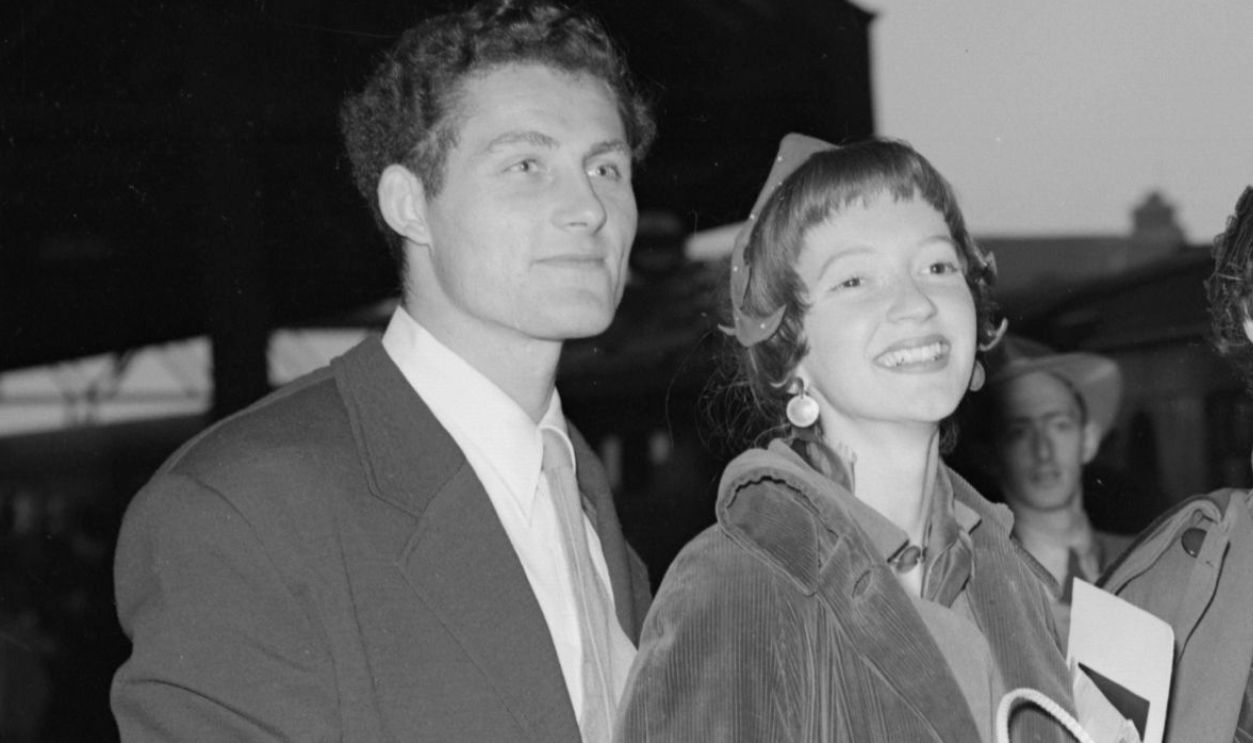
Shaw married actress Jennifer Bourke, and together they started a family. Eventually, however, the marriage ended in divorce. Although personally painful, the separation marked the beginning of another important chapter in both his personal life and career.
A New Marriage
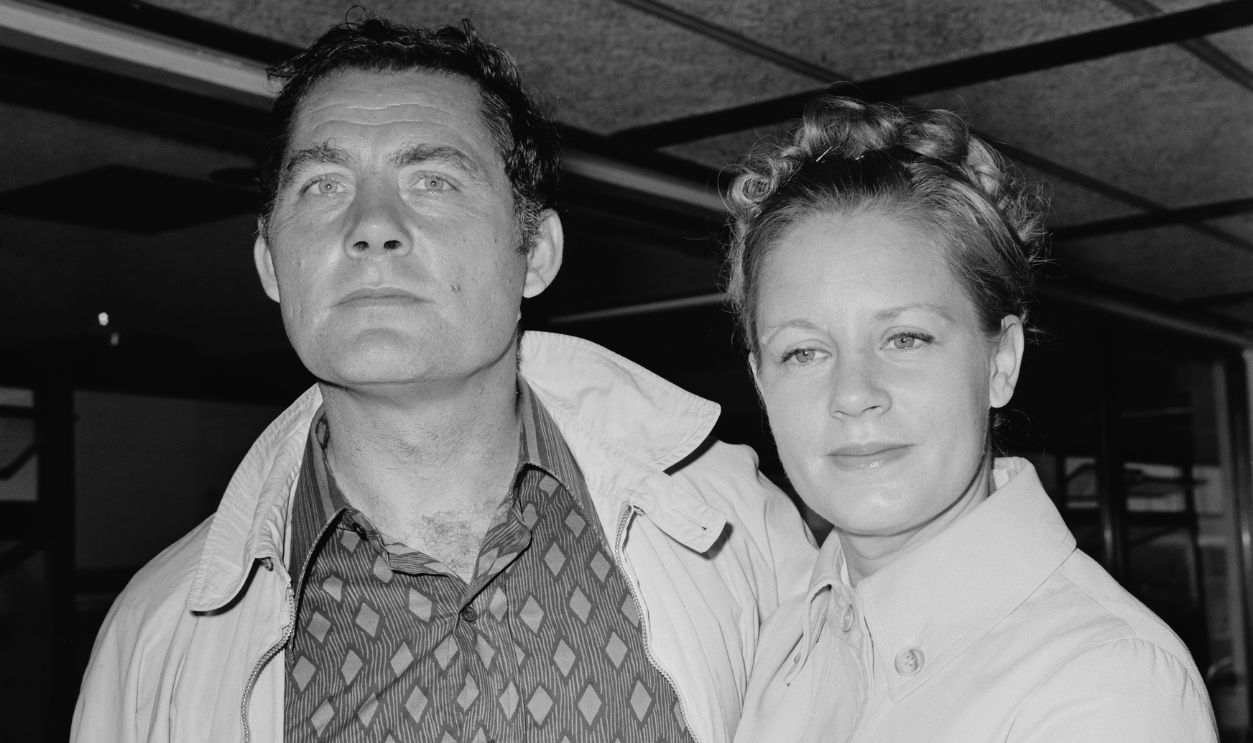
Shaw soon married acclaimed actress Mary Ure, whose performances had earned widespread admiration on both stage and screen. Their marriage appeared deeply affectionate, and Ure became an important emotional support as Shaw's career accelerated during the 1960s.
Bond Villain Breakthrough
International audiences truly noticed Shaw after he portrayed assassin Donald 'Red' Grant in From Russia With Love (1963). Directed by Terence Young and starring Sean Connery as James Bond, the film established Shaw as one of cinema's most memorable screen villains.
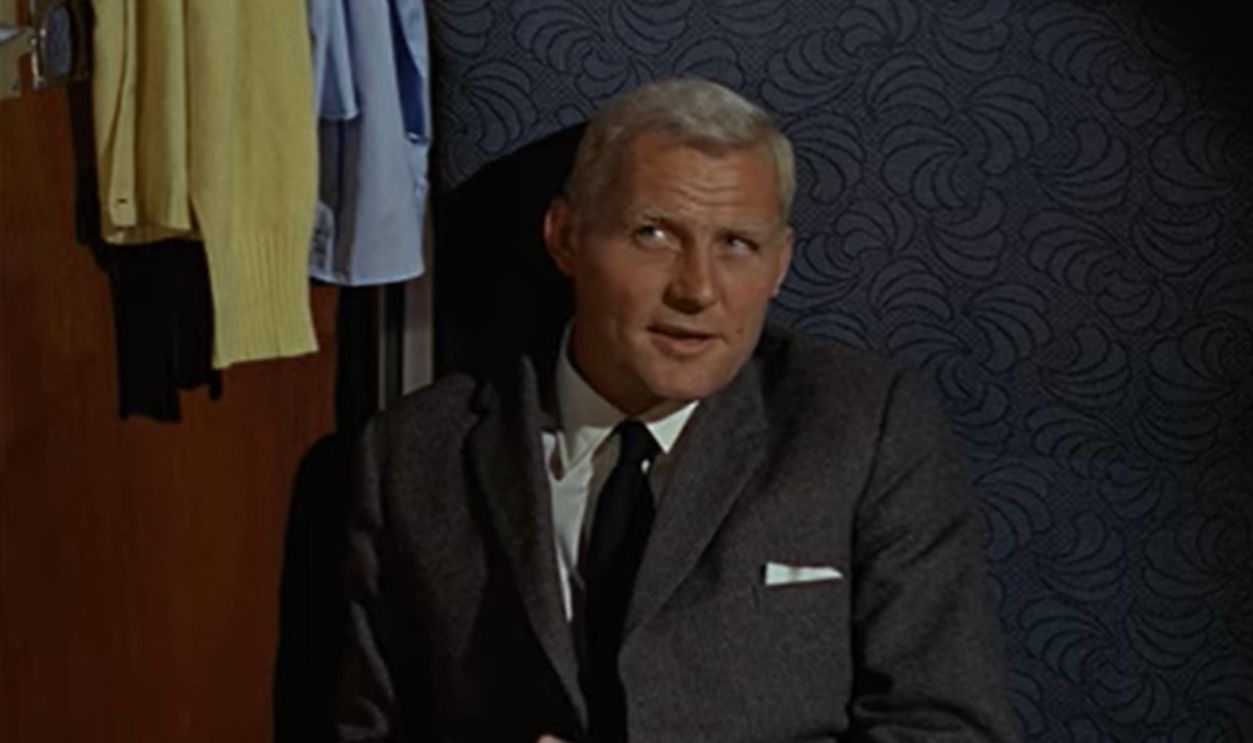 Screenshot from From Russia with Love, United Artists (1963)
Prestigious Sixties Roles
The decade brought increasingly distinguished projects, including A Man For All Seasons (1966), Custer Of The West (1967) alongside Robert Ryan, and The Birthday Party (1968), directed by William Friedkin.
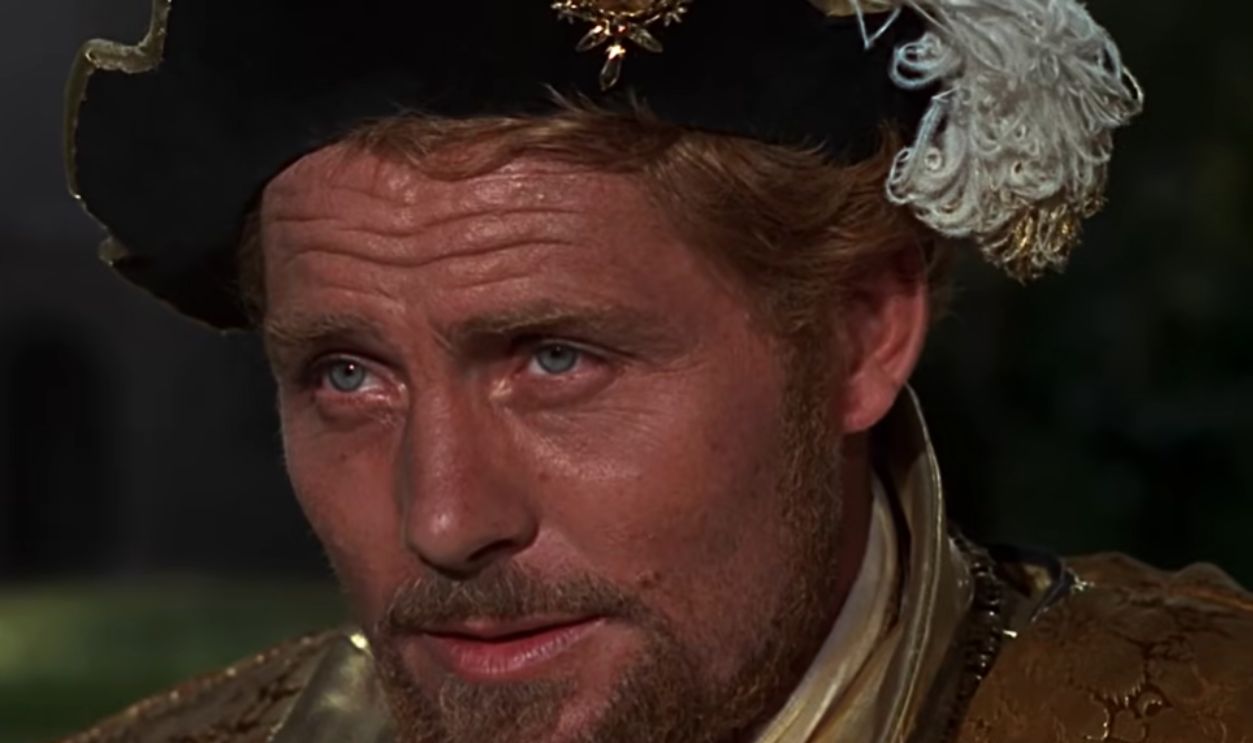 Screenshot from A Man for All Seasons, Columbia Pictures (1966)
The Remarkable 70s
Shaw remained one of Britain's busiest actors throughout the early 1970s. He impressed critics in The Hireling (1973), appeared opposite Paul Newman and Robert Redford in The Sting (1973), and starred in The Taking Of Pelham One Two Three (1974).
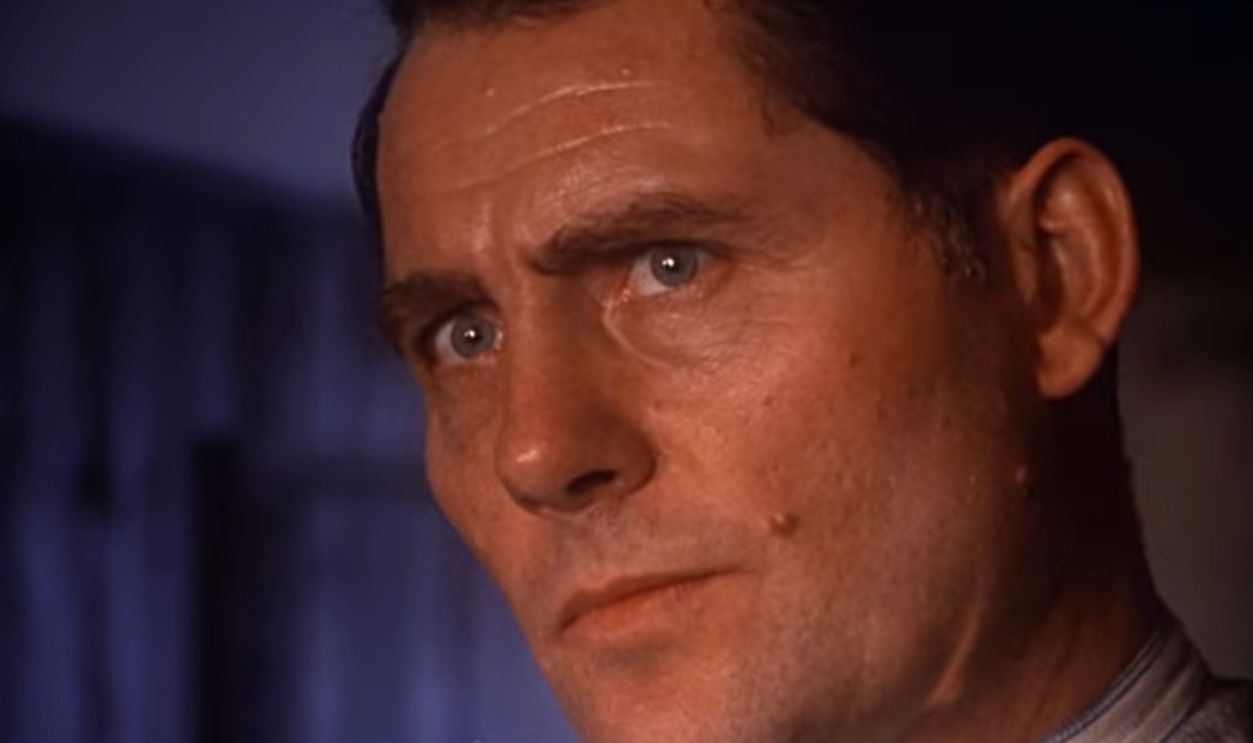 Screenshot from The Hireling, Columbia Pictures (1973)
Hesitating Over Jaws
When offered the role of Quint in Jaws (1975), Shaw initially hesitated. Although he admired the screenplay, he questioned the project. According to those close to him, Mary Ure encouraged him to accept the role that would define his legacy.
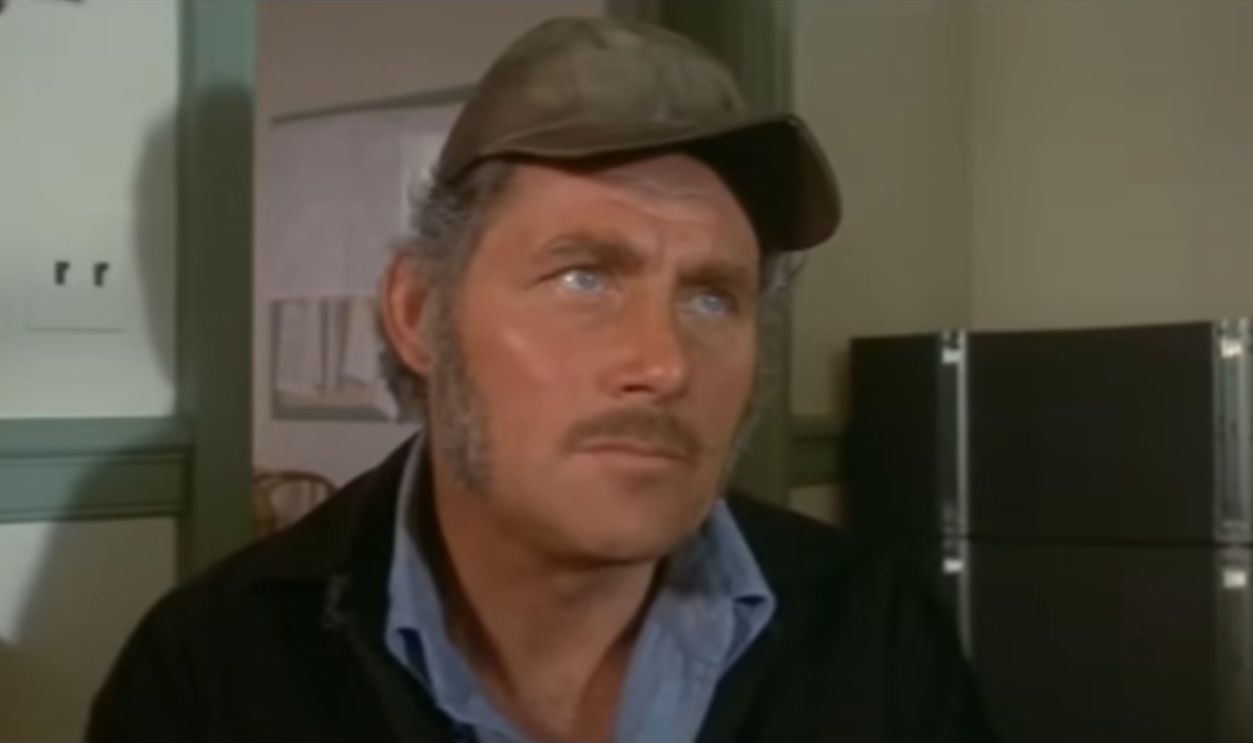 Screenshot from Jaws, Universal Pictures (1975)
Chaos At Sea
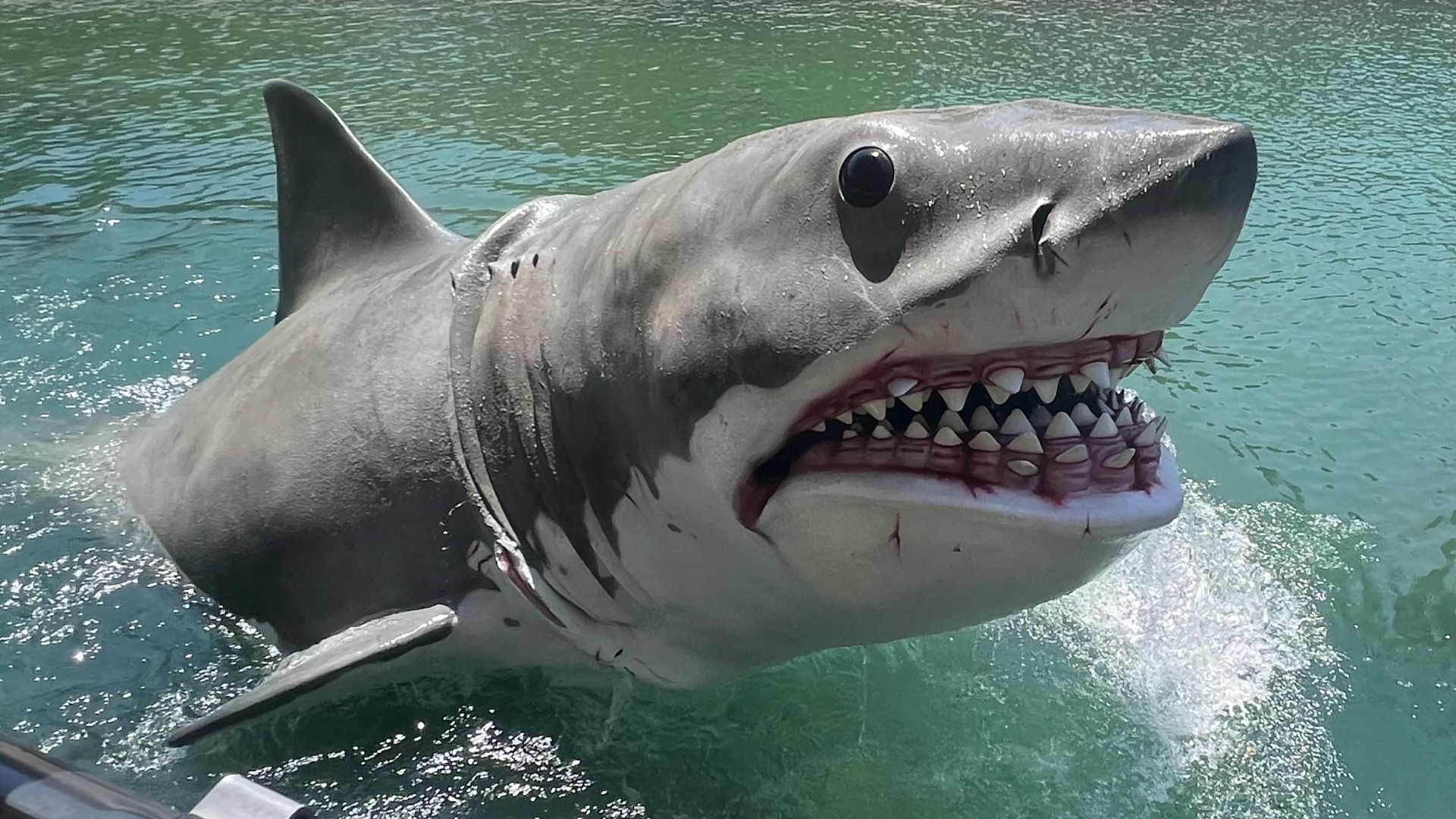
Filming Jaws (1975) proved notoriously difficult. Mechanical shark failures, weather delays, and schedule overruns frustrated everyone involved. Shaw also developed a famously tense relationship with co-star Richard Dreyfuss, though their on-screen hostility ultimately strengthened the finished film.
 TaurusEmerald, Wikimedia Commons
Quint Becomes Immortal
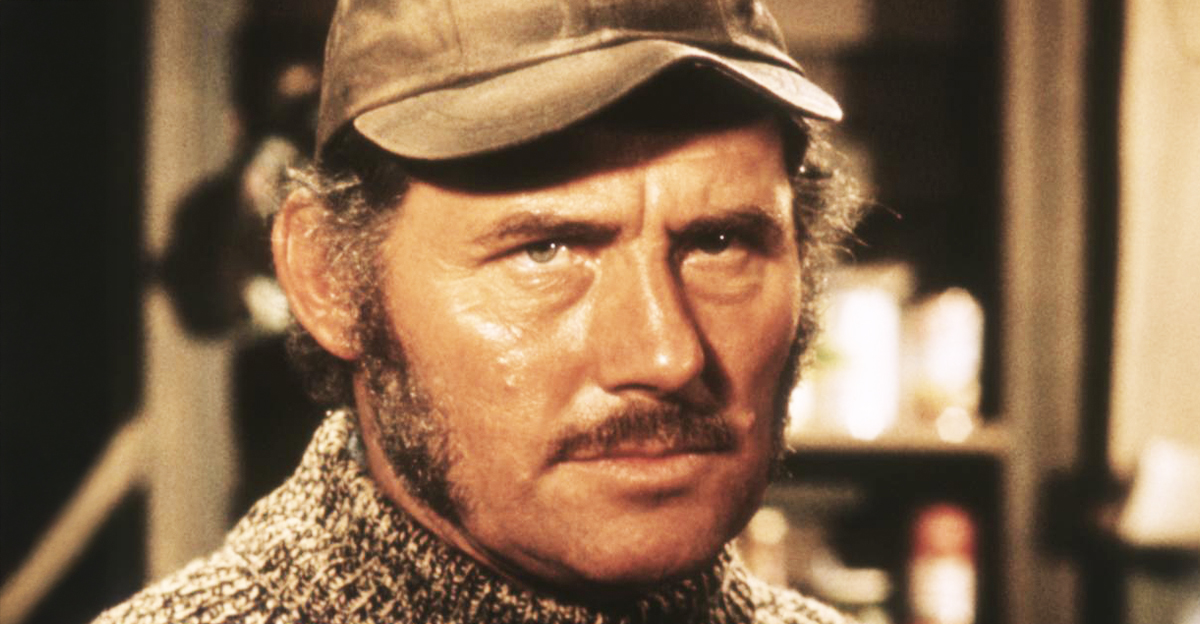
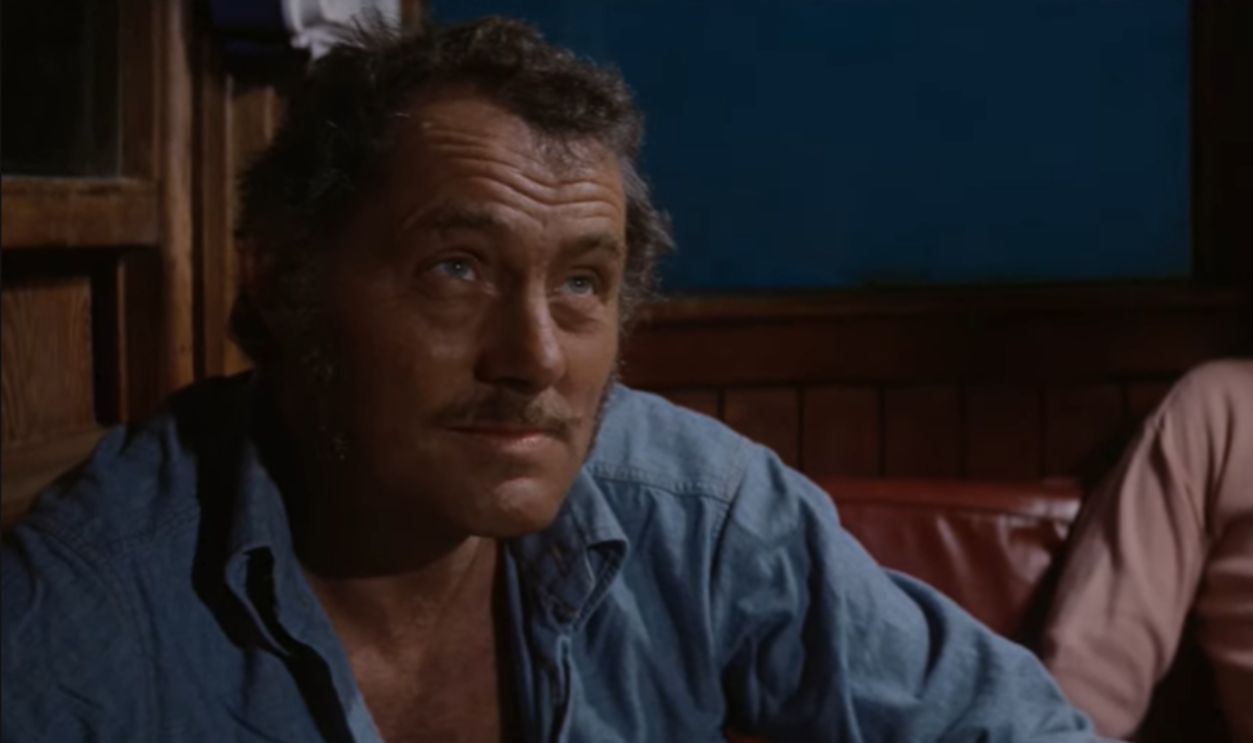
Shaw's portrayal of Quint became legendary. His chilling USS Indianapolis monologue became one of cinema's greatest speeches, while his chemistry with Richard Dreyfuss and Roy Scheider gave Jaws (1975) emotional depth beyond its thrilling shark attacks.
 Screenshot from Jaws, Universal Pictures (1975)
Triumph Turned Tragedy
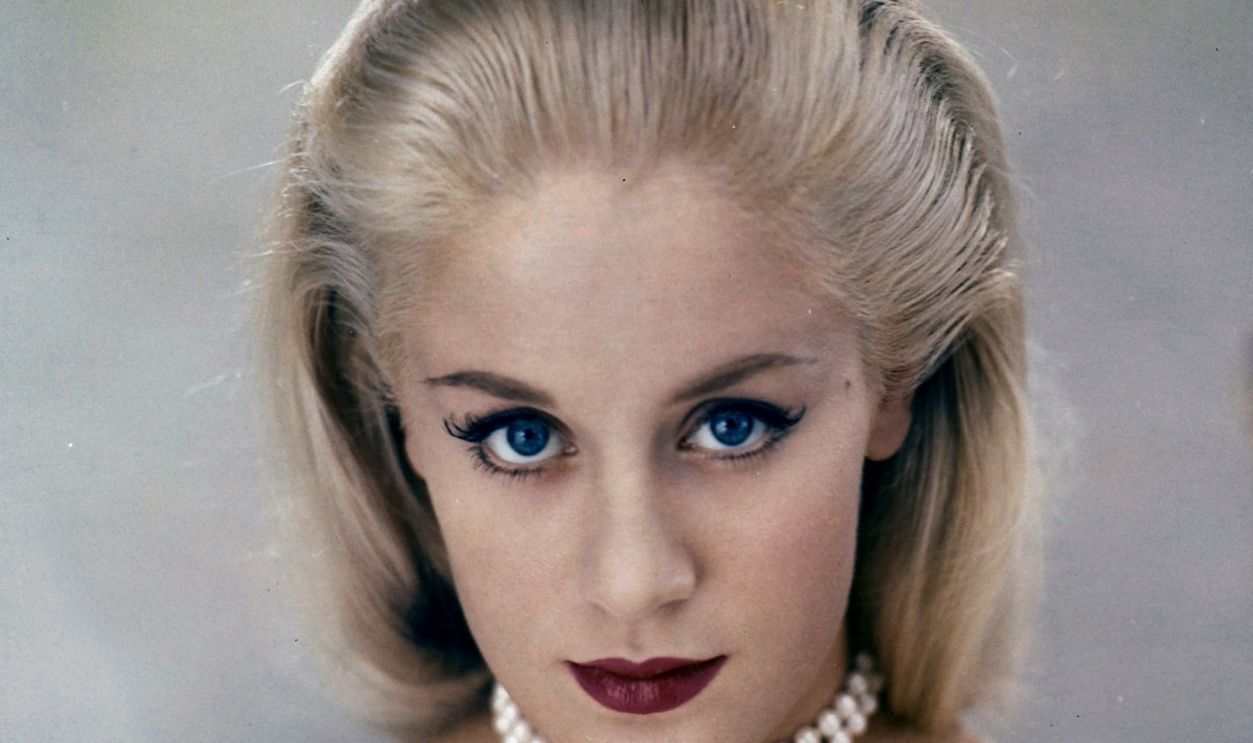
After returning home following the success of Jaws (1975), Shaw experienced unimaginable heartbreak. Mary Ure died suddenly from an accidental overdose in 1975. Her unexpected death devastated him and left emotional wounds from which friends believed he never fully recovered.
Difficult Final Years
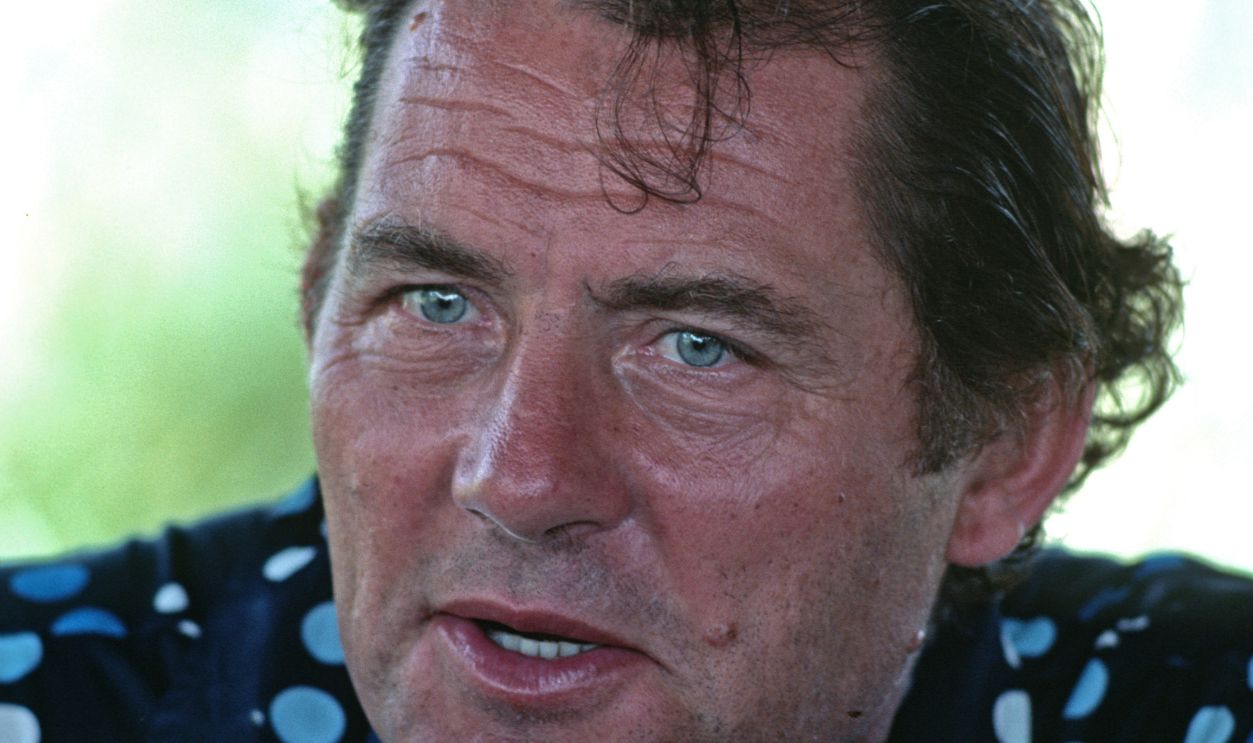
The final years of Shaw's life became increasingly troubled. Friends and colleagues noted his deep grief, growing emotional struggles, and worsening drinking problems. Although he continued working steadily, the loss of Mary Ure seemed to weigh heavily on him every day.
Final Performances
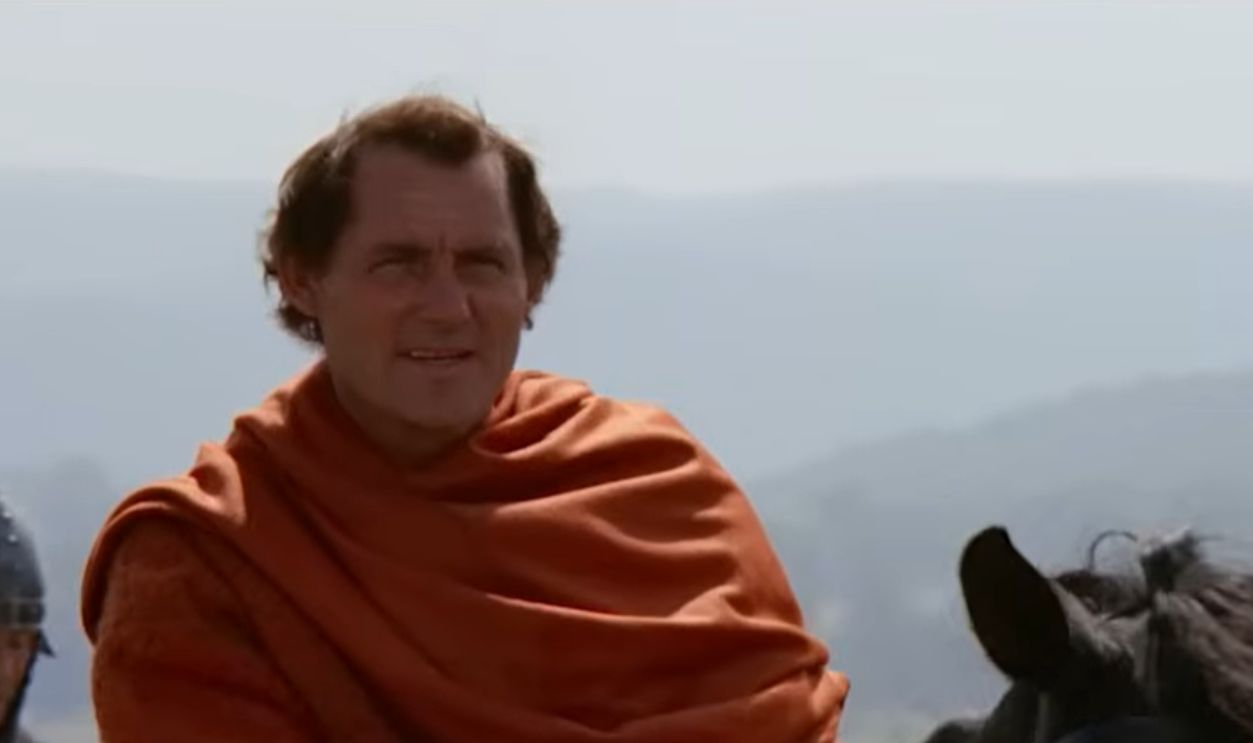
Despite declining health, Shaw continued acting in major productions, including Robin And Marian (1976) with Sean Connery and Audrey Hepburn and Force 10 From Navarone (1978), completed shortly before his death. His professionalism never disappeared, even during personal hardship.
 Screenshot from Robin and Marian, Columbia Pictures (1976)
A Sudden Farewell
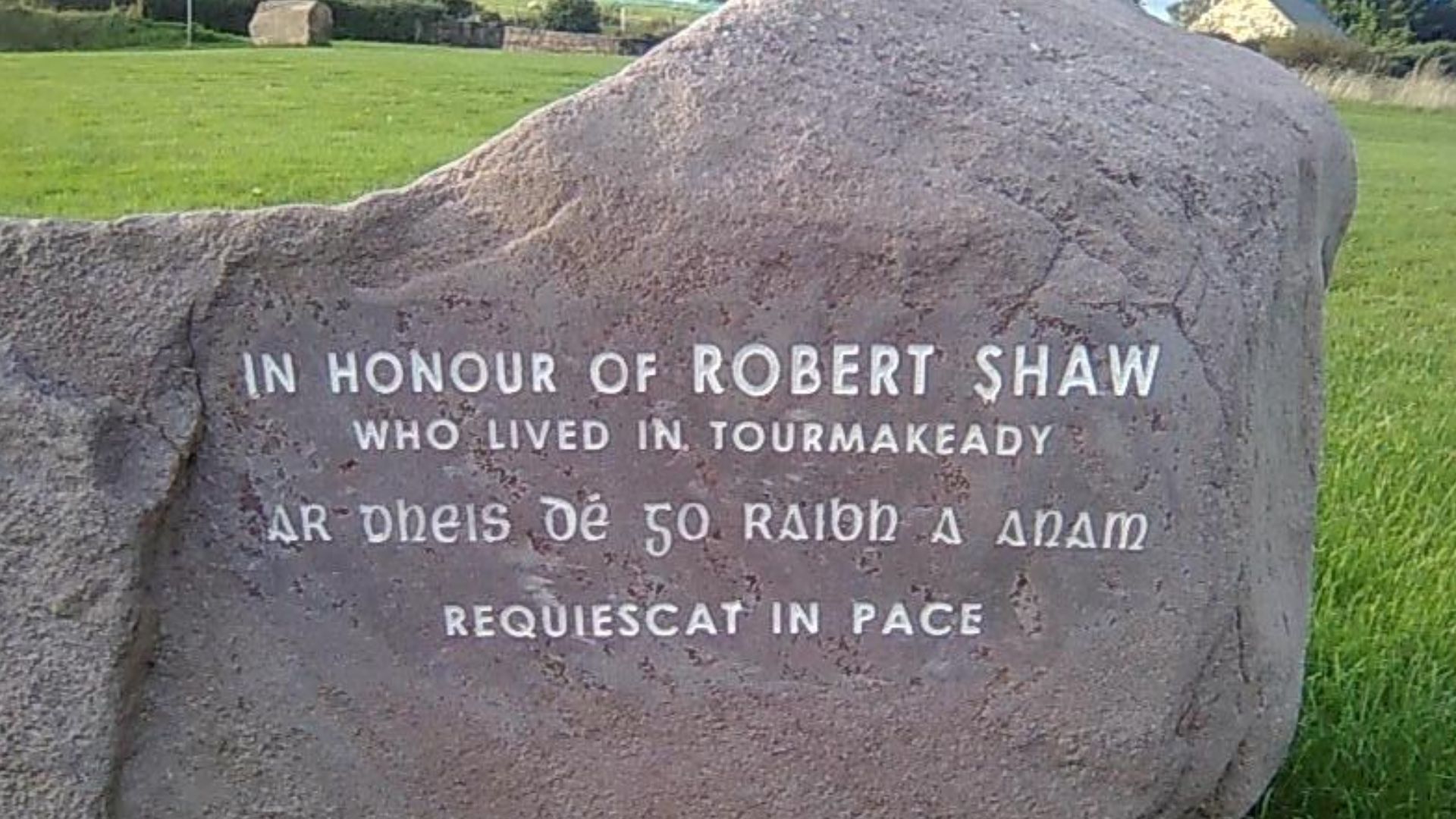
Robert Shaw died unexpectedly of a heart attack on August 28, 1978, while traveling in Ireland. He was only fifty-one years old. The acting world lost one of its finest performers at an age when many believed his greatest work still lay ahead.
 ClintMalpaso, Wikimedia Commons
An Enduring Legacy
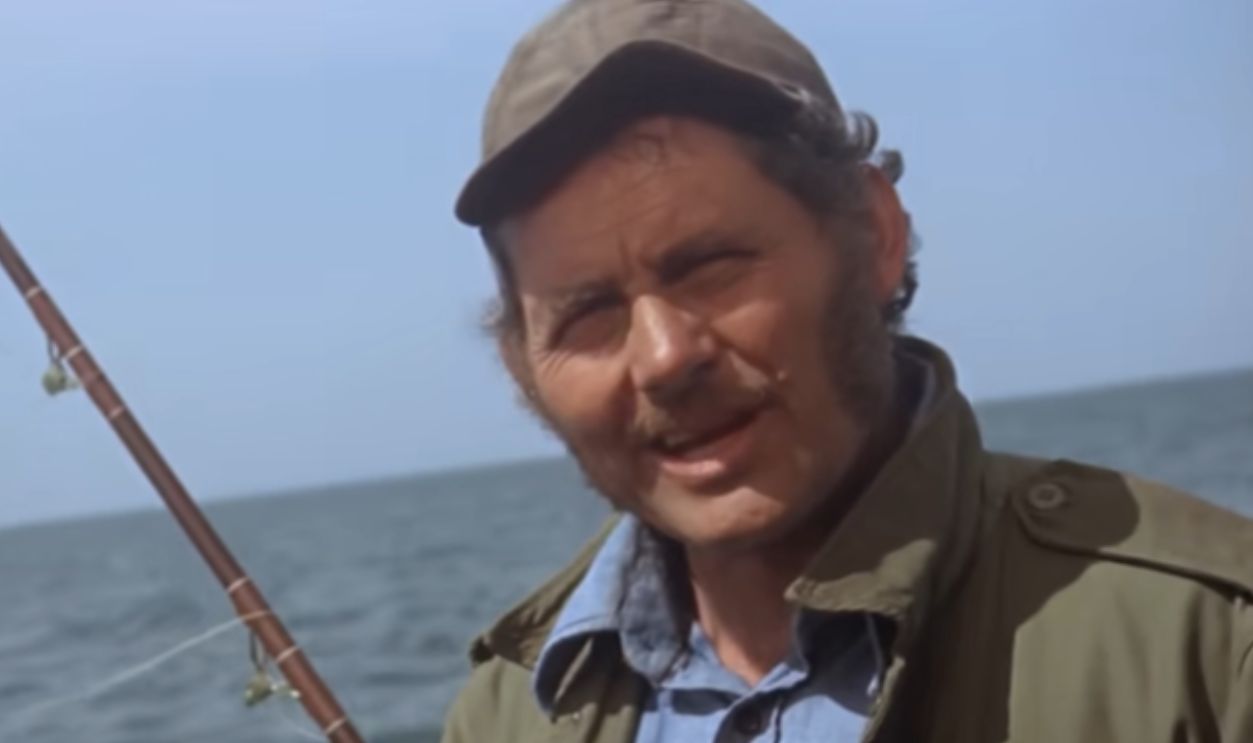
Robert Shaw left behind an extraordinary legacy as an actor, novelist, and playwright. His unforgettable performances, especially Quint in Jaws (1975) and Red Grant in From Russia With Love (1963), along with so many others, still inspire audiences and actors alike, ensuring his place among Britain's greatest screen legends.
 Screenshot from Jaws, Universal Pictures (1975)
You May Also Like:
Most People Who Watch Jaws Will Miss These Brilliant Tiny Details
The Legendary Film Career of Roy Scheider