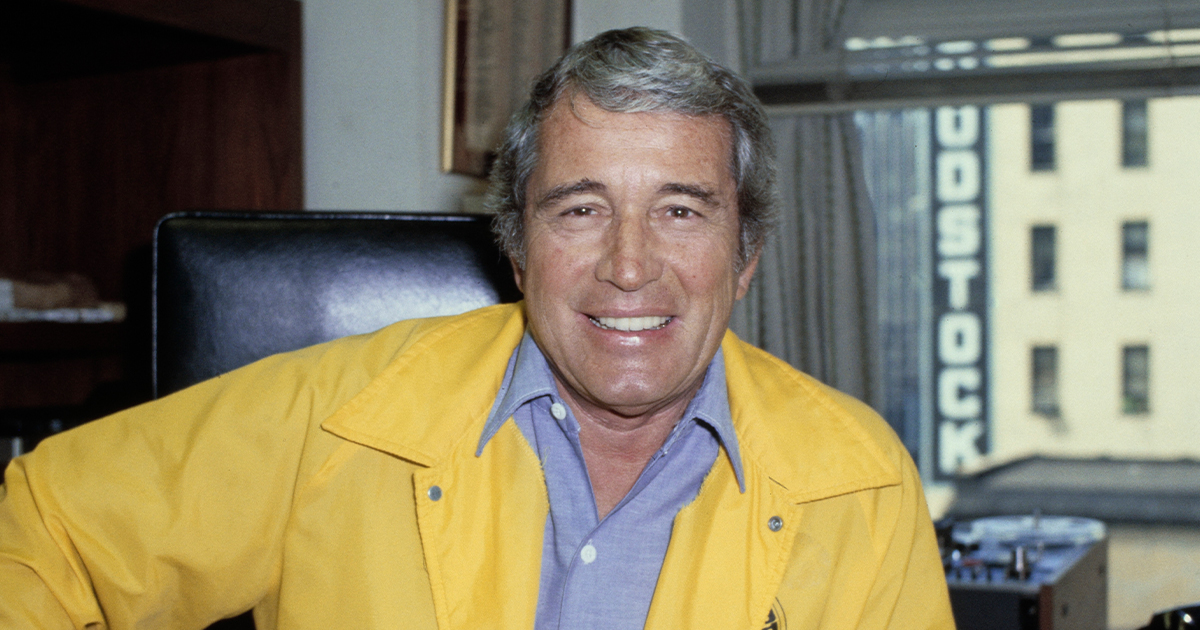
What Happened to Perry Como?
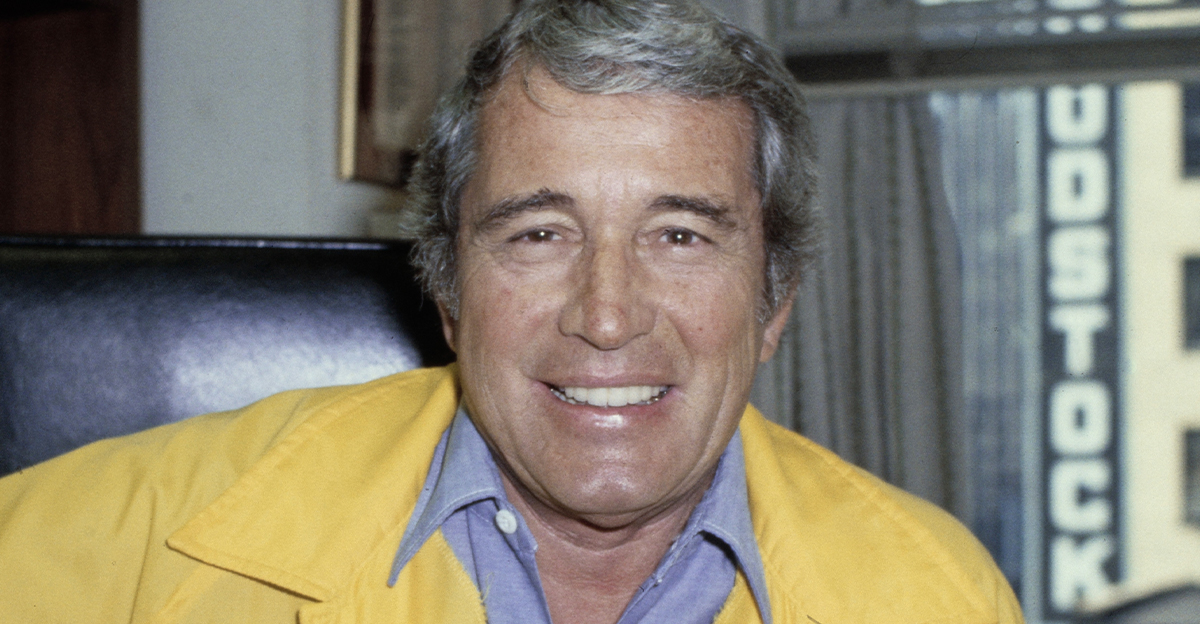
By the early 1950s, Perry Como was one of the most recognizable voices in America. His smooth baritone floated through radios and televisions across the country. Hollywood wanted more of him. Networks wanted bigger contracts. The public wanted constant access. And yet, just as the spotlight grew brighter, Perry Como went quiet.
A Barber with a Voice
Pierino Ronald Como was born May 18, 1912, in Canonsburg, Pennsylvania, to Italian immigrant parents. He was the seventh son of a seventh son, a detail his family considered lucky. Before singing professionally, he worked as a barber and reportedly earned $120 a week — more than many musicians at the time.
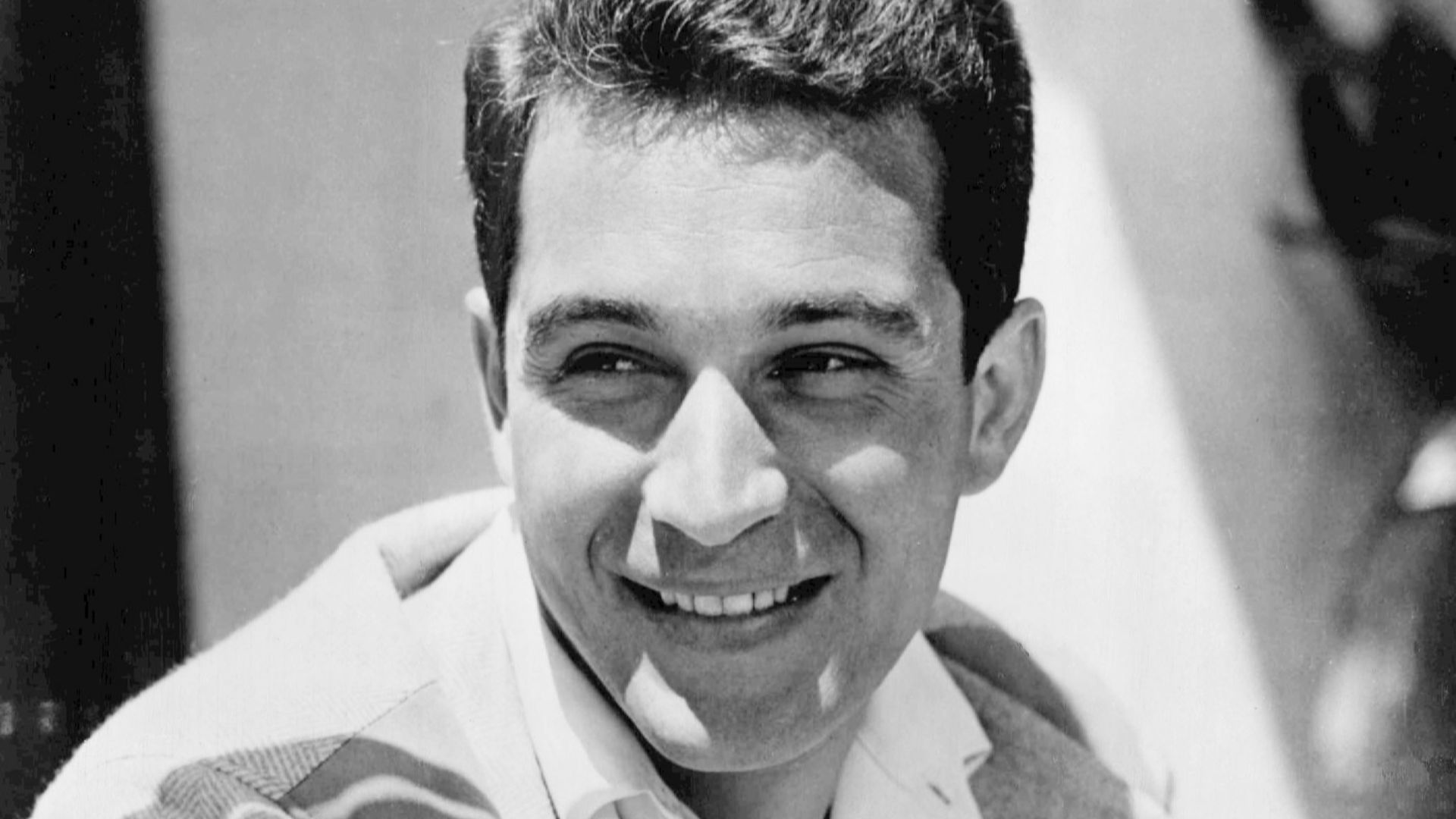 General Amusements Corporation (management), Wikimedia Commons
A Risky Leap of Faith
In 1933, bandleader Freddy Carlone offered him a job singing for $28 a week. Como accepted, despite the pay cut. It was a gamble driven not by ego, but by belief. That quiet risk set everything in motion.
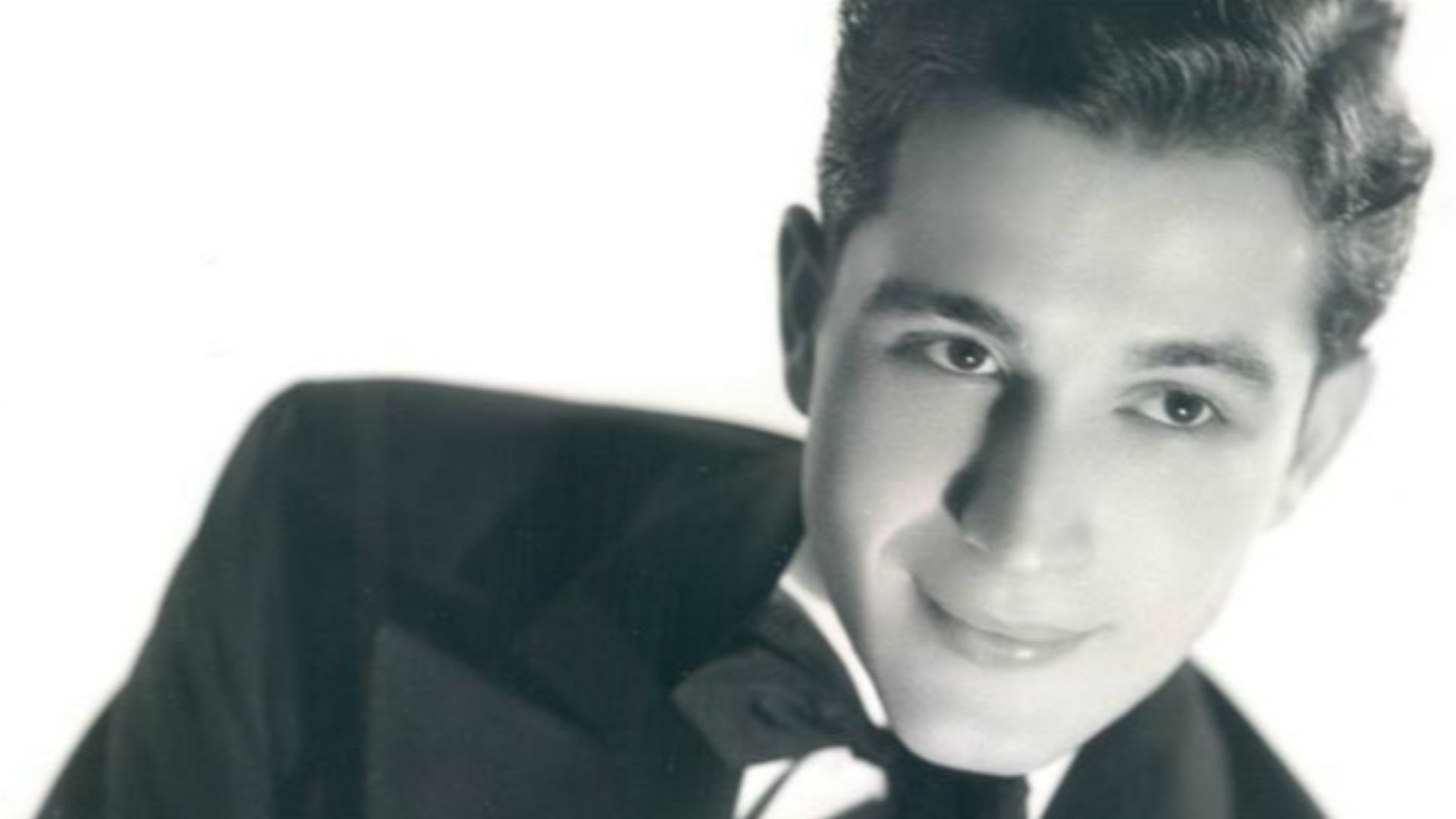 Music Corporation of America /Bloom, Wikimedia Commons
Marriage Before Fame
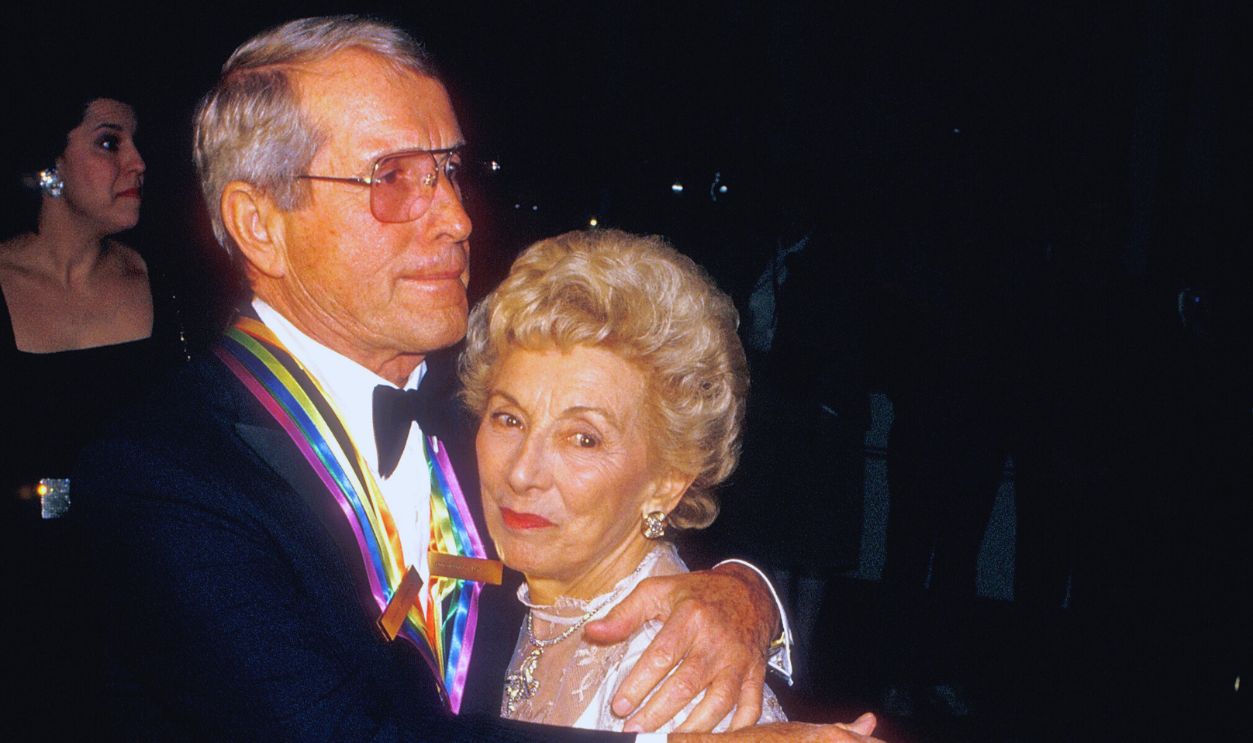
In 1933, the same year he began touring, Como married Roselle Belline. Their marriage would last 65 years until her death in 1998. Como later said, “If God had not given me Roselle, I probably would not have been able to accomplish anything.” Family was always his anchor.
The NBC Breakthrough
By the 1940s, Como had signed with NBC and was hosting Chesterfield Supper Club. His relaxed delivery style — almost conversational singing — made him stand out. He wasn’t flashy. He wasn’t dramatic. He felt approachable.
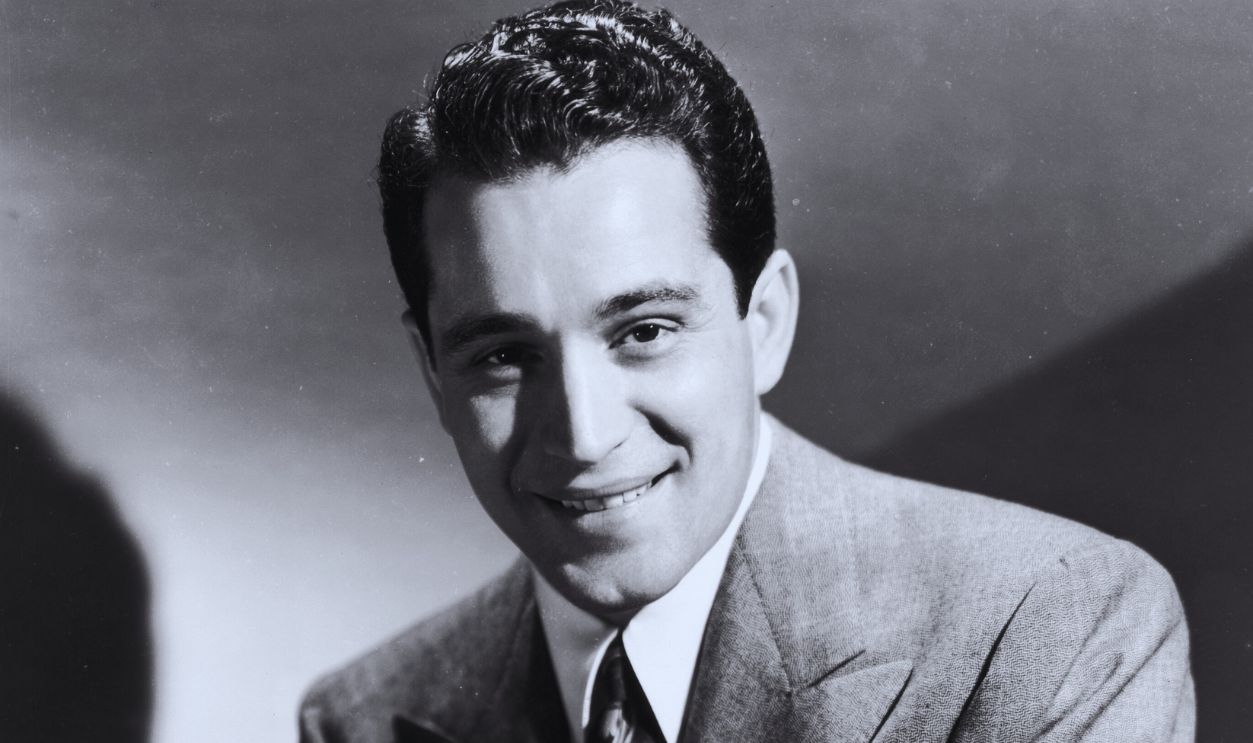
Television’s Early Golden Boy
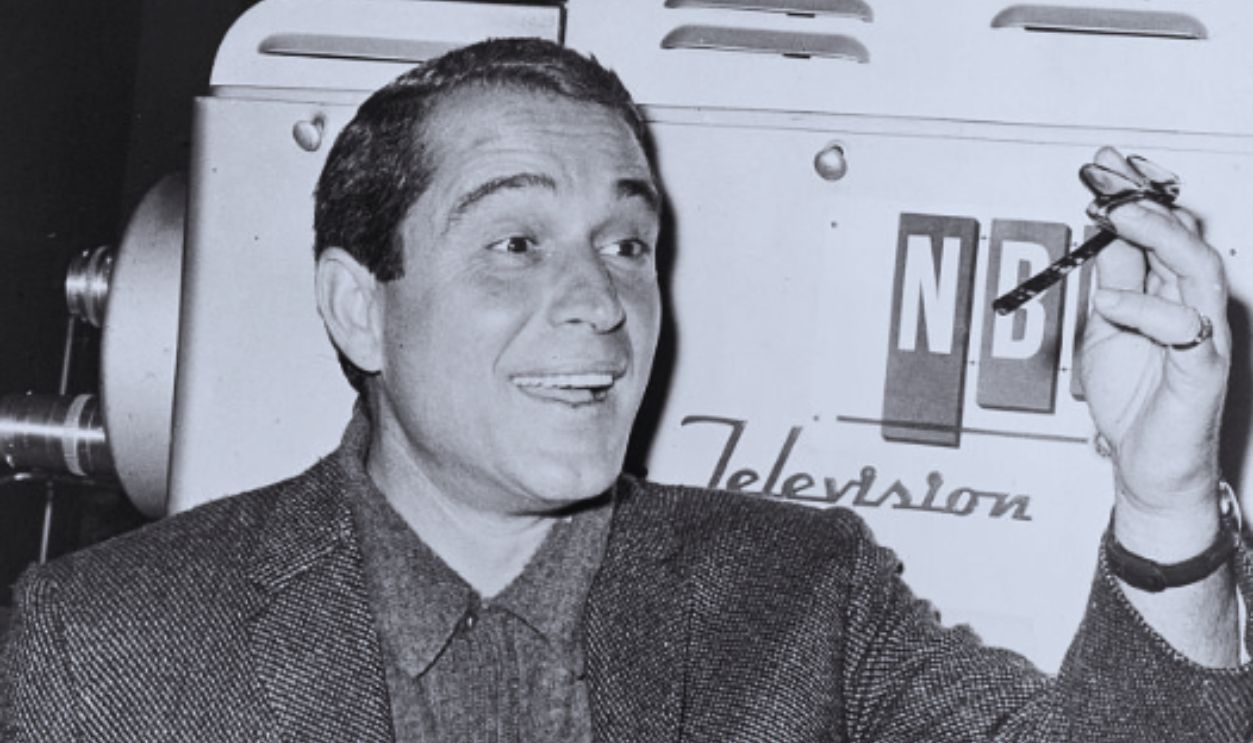
In 1948, he launched The Perry Como Show, which later evolved into The Perry Como Kraft Music Hall. It ran through the 1950s and 1960s, making him a weekly fixture in American homes. He earned multiple Emmy Awards and became one of NBC’s most reliable stars.
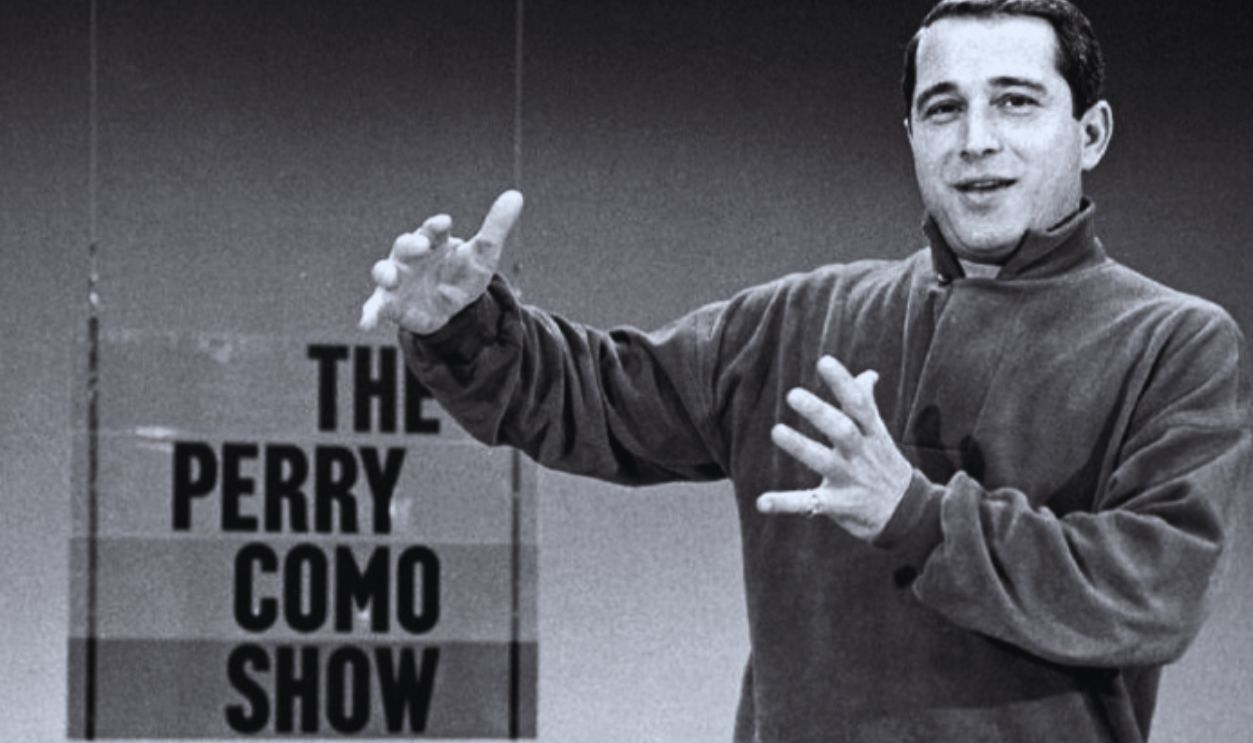 NBC Television, Wikimedia Commons
A Different Kind of Celebrity
Unlike Frank Sinatra or Elvis Presley, Como never leaned into scandal or swagger. He appeared calm, steady, and content. Critics sometimes called him “too relaxed,” but audiences loved the ease. He once joked that he sang “like someone who just had dinner.”
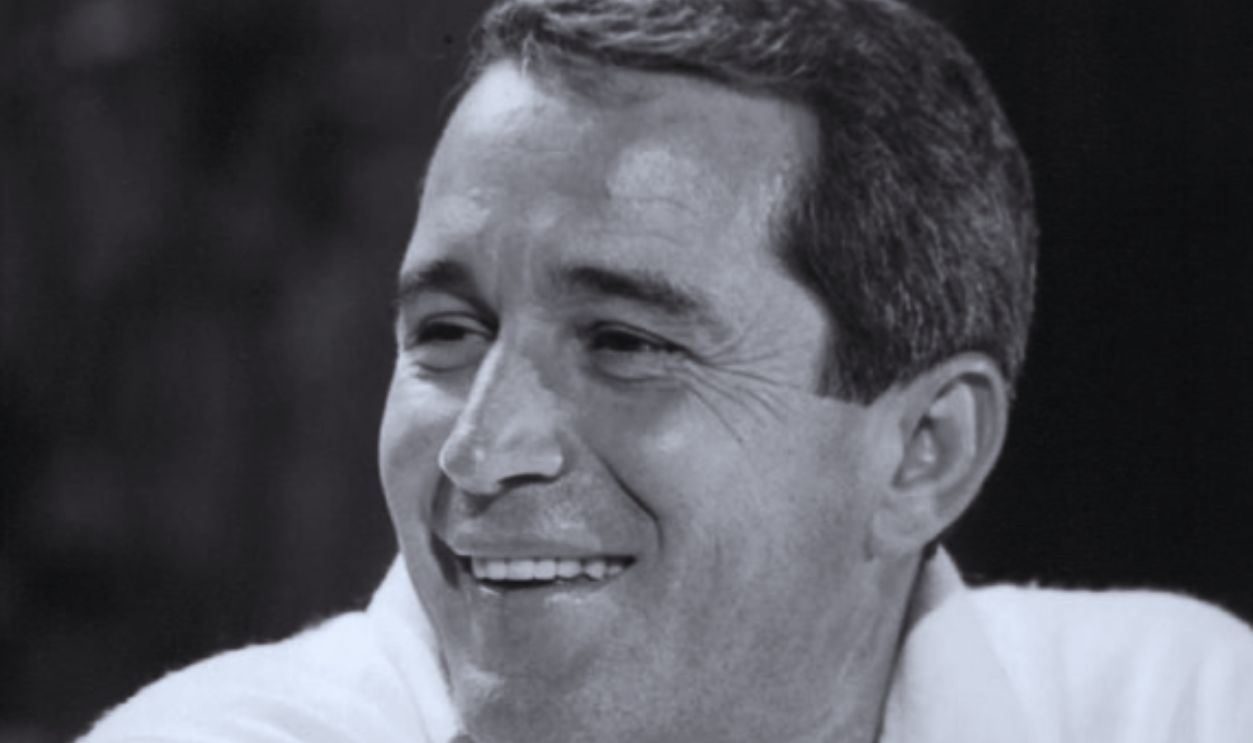 NBC Television, Wikimedia Commons
Hollywood Wanted More
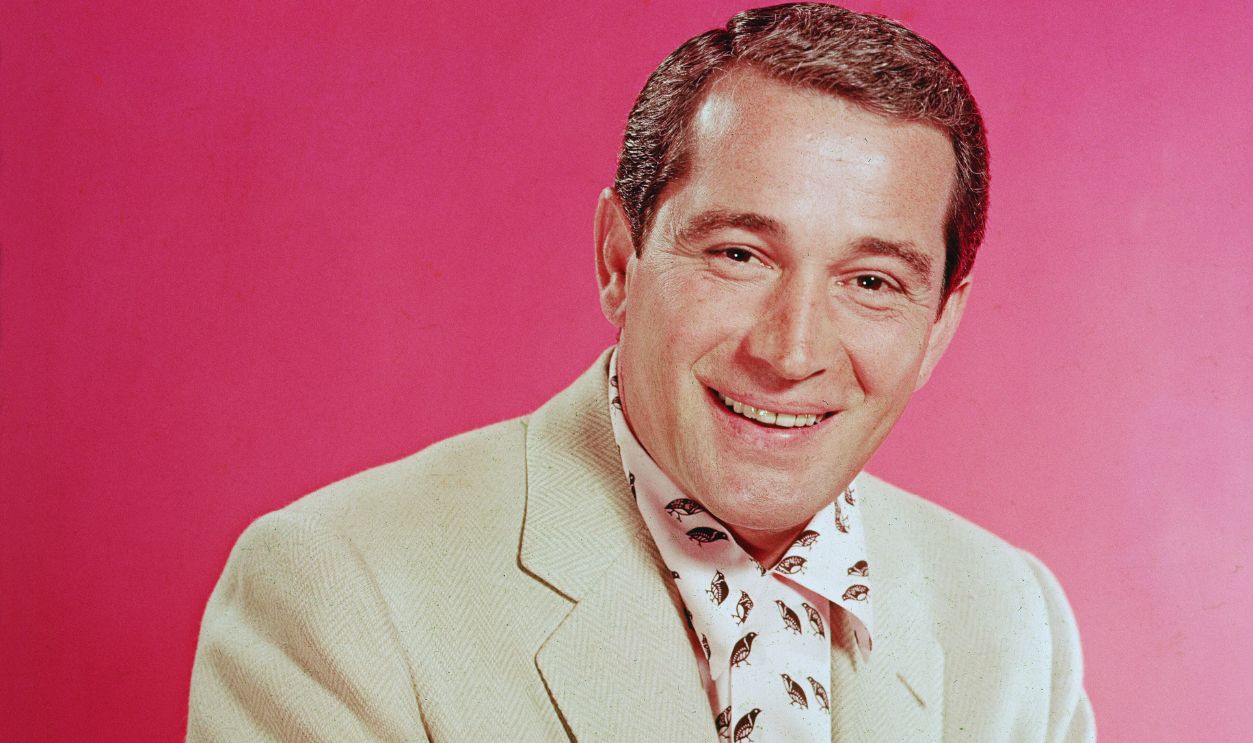
By the mid-1950s, television executives pushed for expansion. Bigger productions. More specials. More appearances. There were conversations about expanding his role into larger entertainment ventures. The machinery of fame was ready to accelerate.
The Toll of Constant Performance
Weekly television production was exhausting. Rehearsals, live broadcasts, travel, and recording sessions stacked up quickly. Como valued professionalism, but he also valued quiet. The relentless pace began to clash with his personal priorities.
A Sudden Step Back in 1959
In 1959, at the height of his popularity, Como stepped away from his weekly series. The decision surprised executives and confused fans. He was not fired. Ratings were not collapsing. He simply chose to slow down.
The Real Reason Wasn’t Scandal
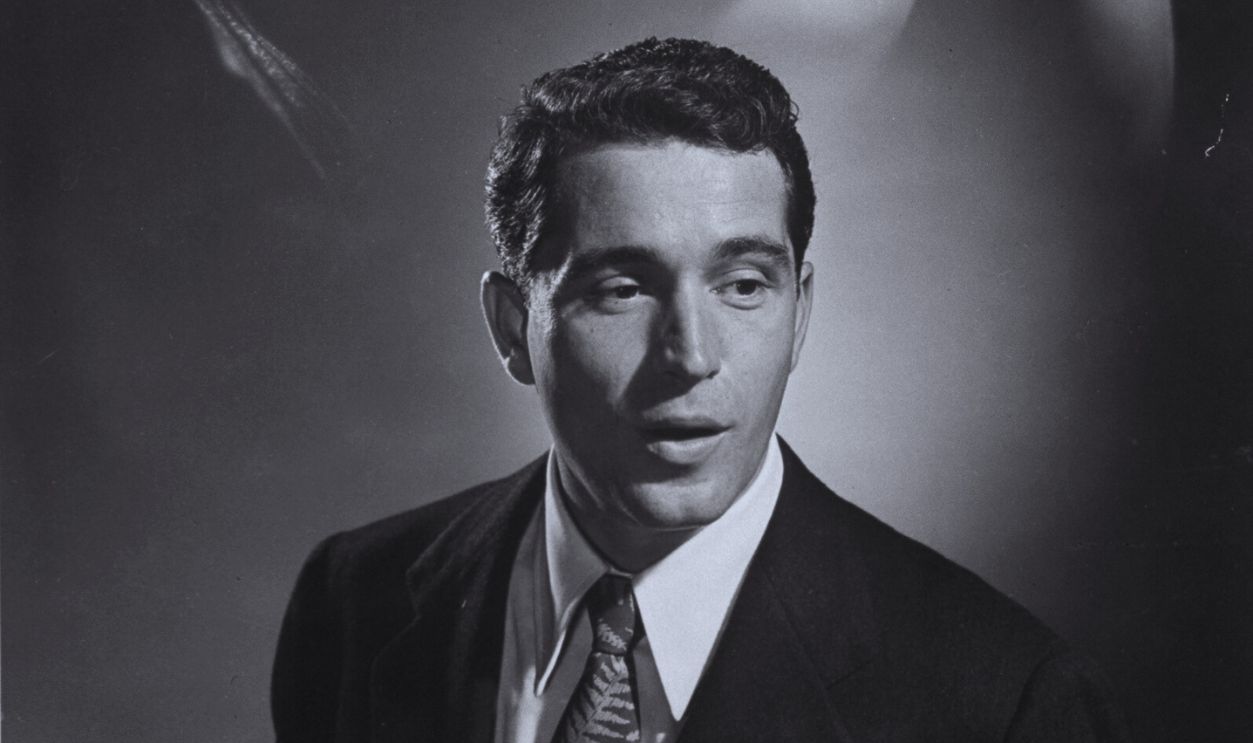
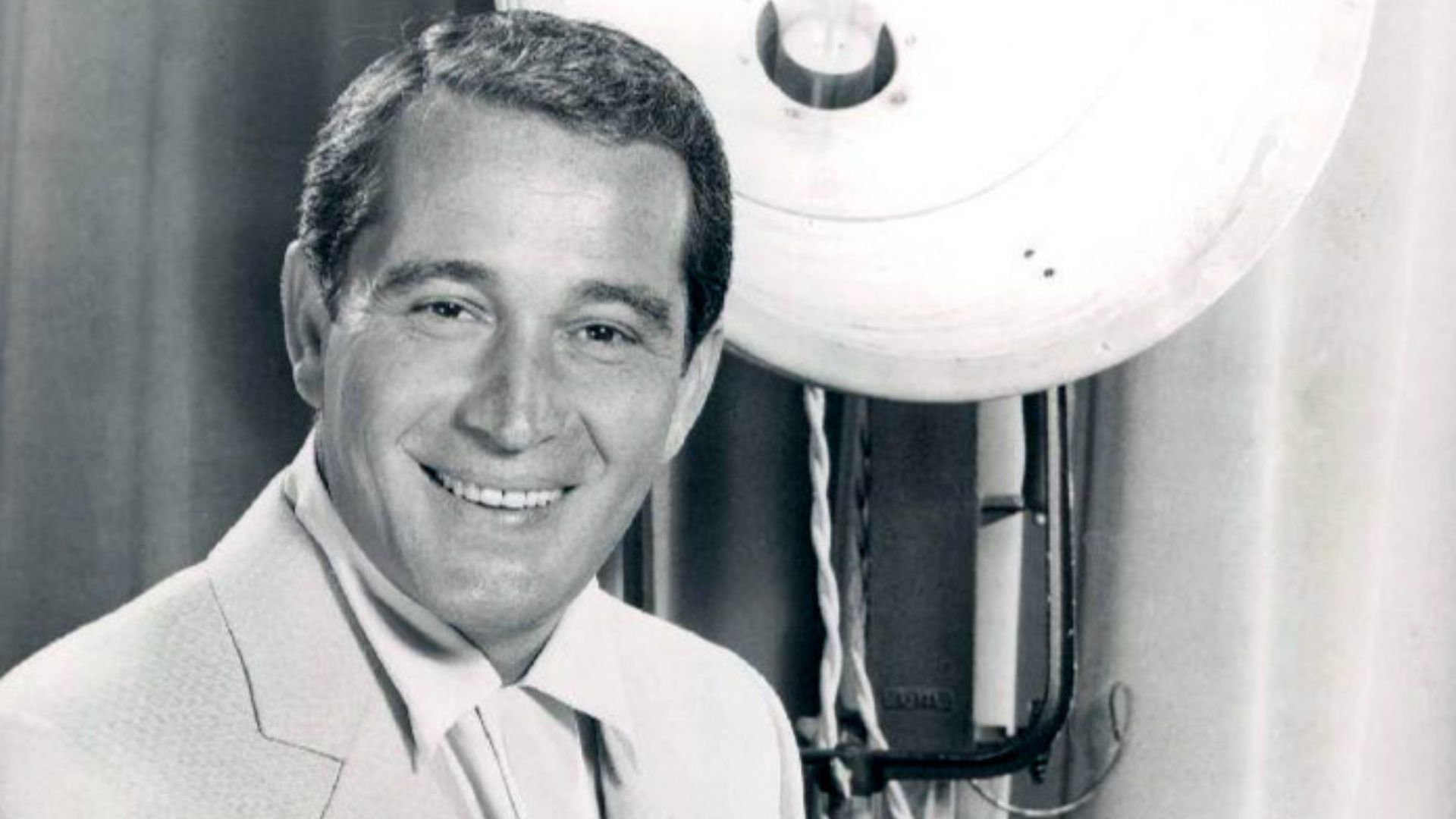
There was no explosive feud or backstage drama. The reason was simpler and almost radical for Hollywood at the time. Perry Como wanted time at home. He wanted to rest. He wanted to live.
 NBC Television, Wikimedia Commons
Prioritizing Roselle and the Children
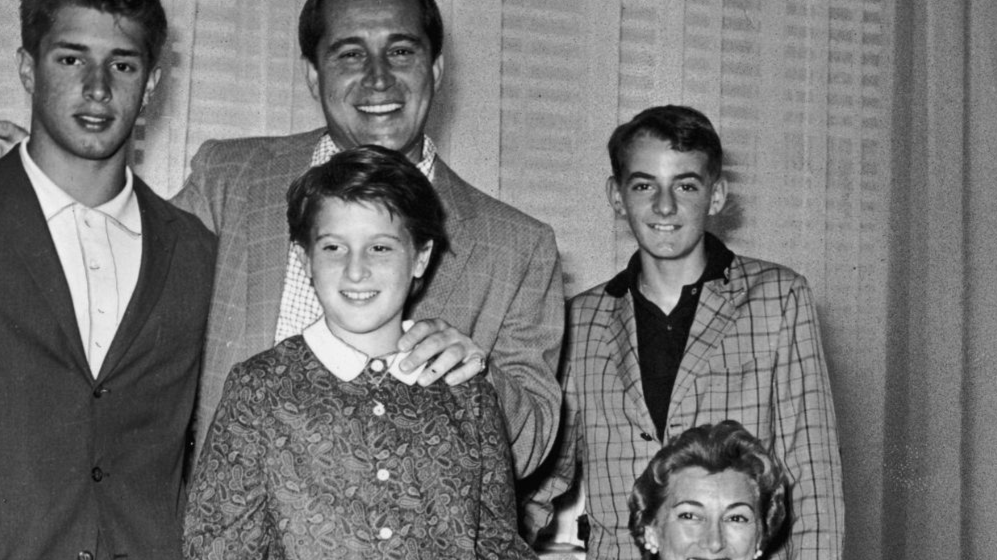
Como and Roselle raised three children: Ronnie, David, and Terri. He often turned down engagements to attend family milestones. In interviews, he emphasized that show business was a job, not an identity. That mindset separated him from many contemporaries.
The “Lazy” Reputation
Some critics labeled him “lazy” for not chasing every opportunity. Como brushed it off. He once said, “I work hard enough to be comfortable.” That philosophy baffled ambitious executives who equated constant exposure with success.
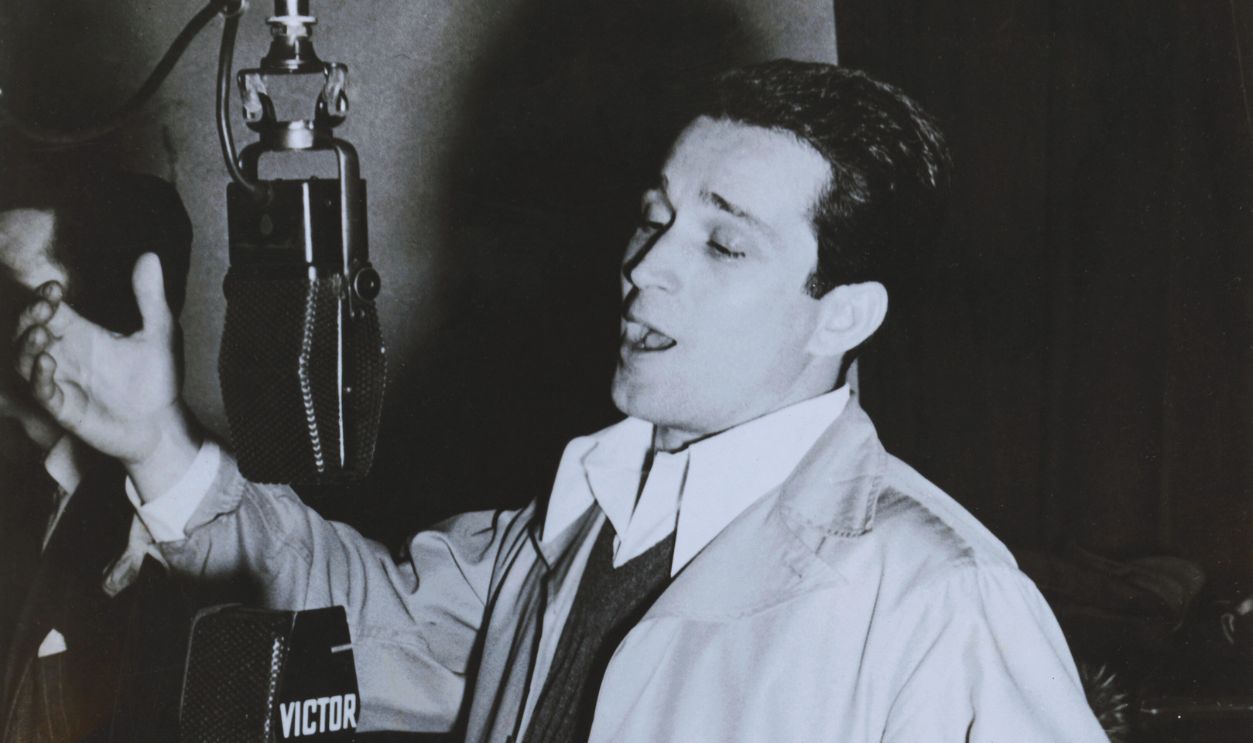
Christmas Became His Signature
Instead of weekly grind, Como focused on annual television specials, particularly Christmas programs. His holiday recordings, including “It’s Impossible” and later seasonal albums, cemented him as a comforting presence rather than a frantic one.
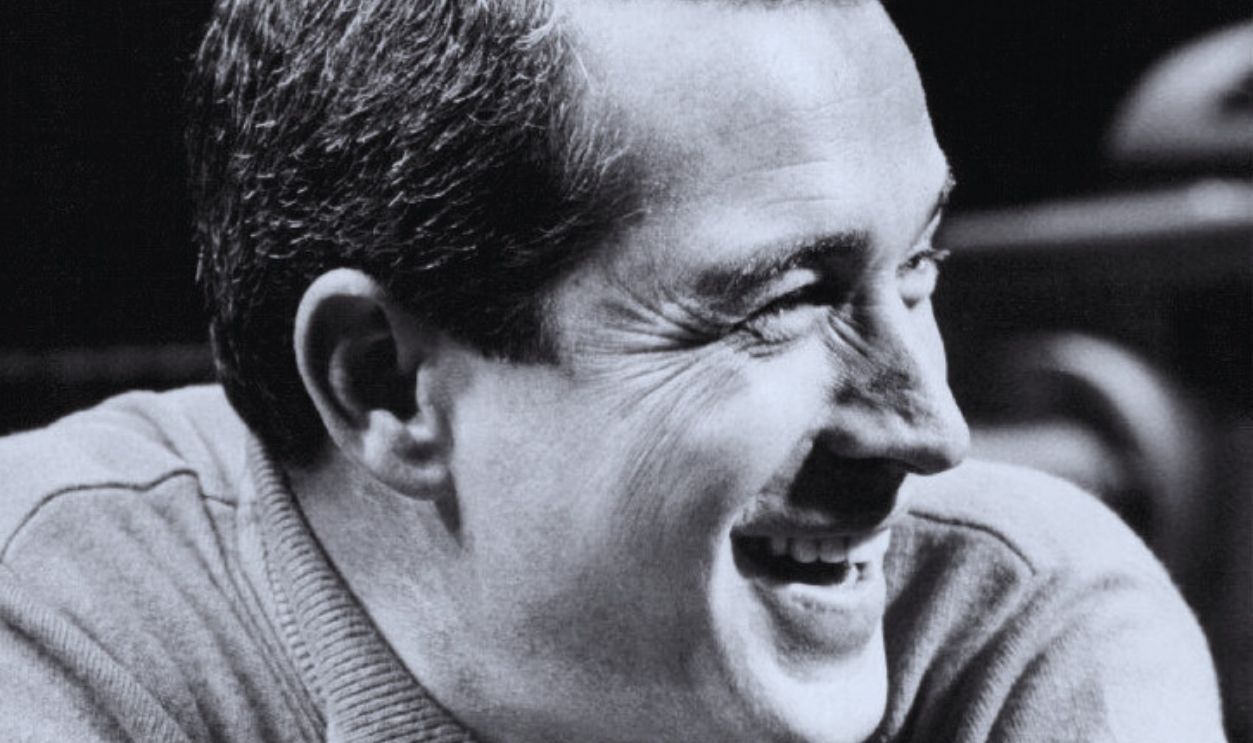 NBC Television, Wikimedia Commons
A Controlled Comeback
In the 1960s and 1970s, Como continued performing in carefully selected television specials. He remained visible without overextending himself. This controlled pace allowed him to avoid burnout that plagued many entertainers of the era.
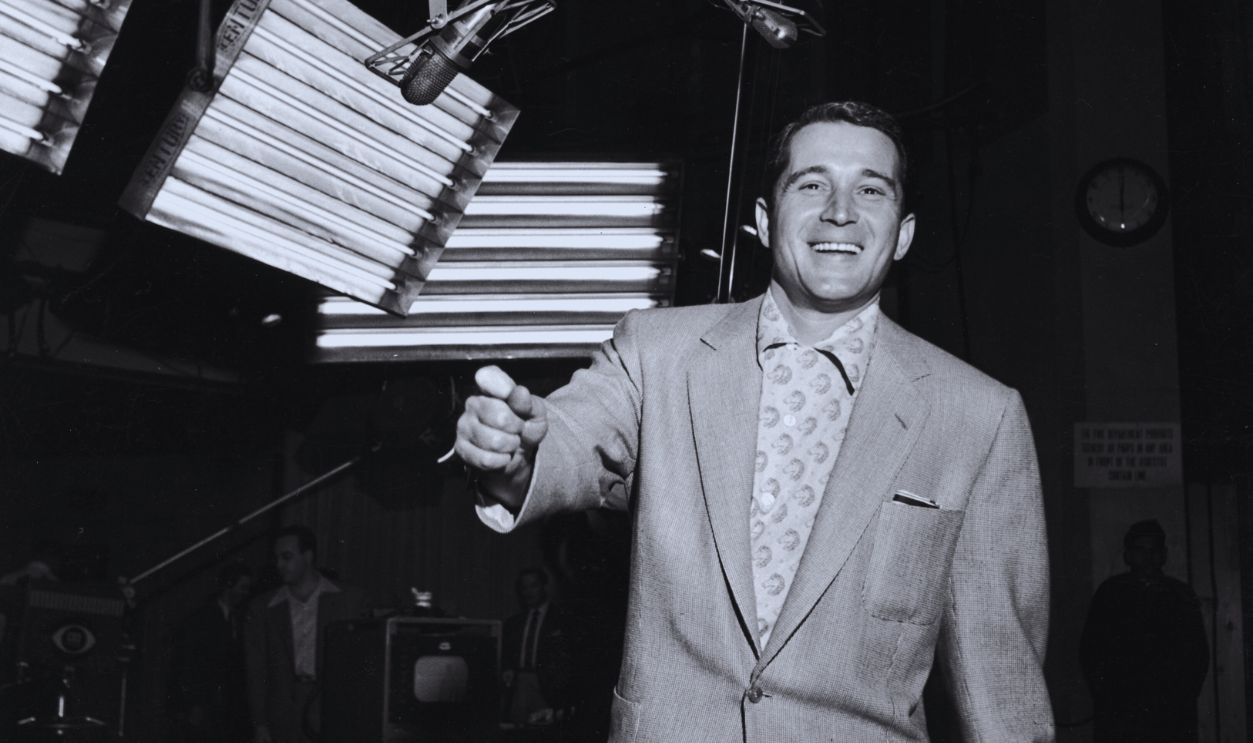
Industry Respect
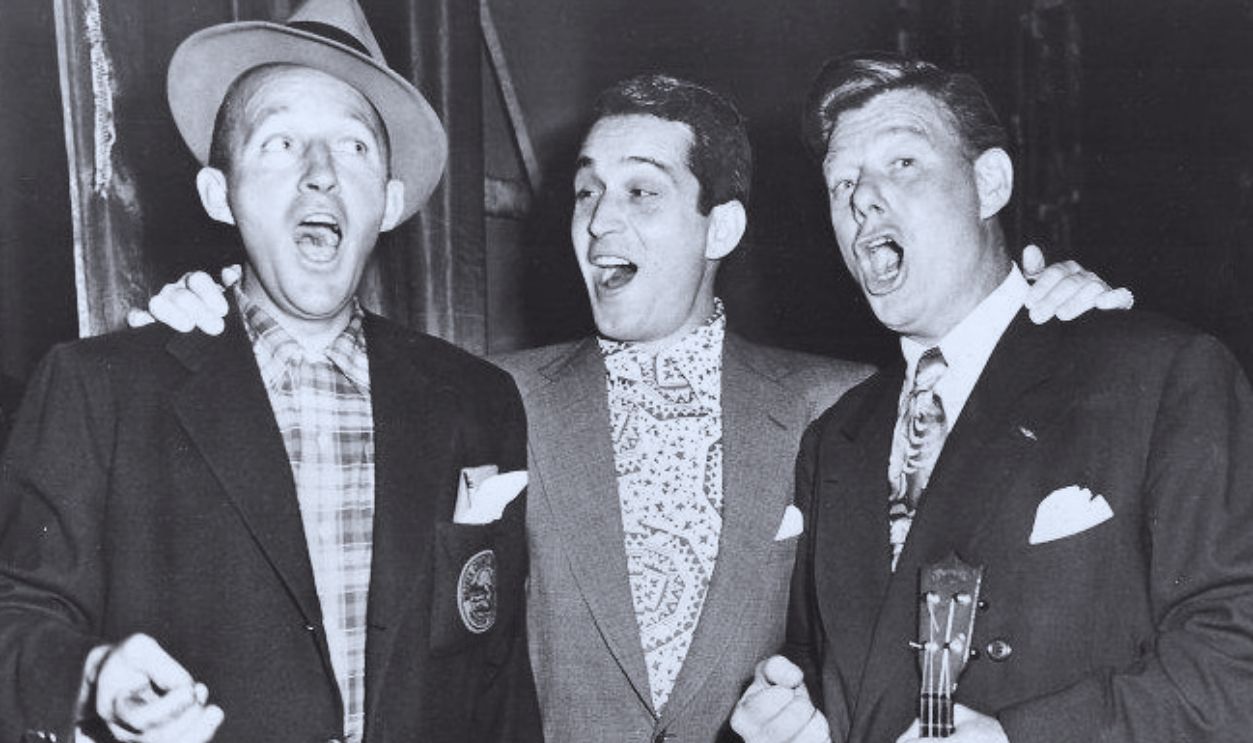
Peers respected his discipline. Bing Crosby once praised Como’s natural delivery and effortless tone. Industry insiders noted that Como rarely missed rehearsals and treated crew members respectfully.
Fame Without Flash
Unlike many entertainers, Como did not cultivate tabloid intrigue. There were no notorious public feuds or headline-grabbing escapades. His life remained steady. That steadiness was both his brand and his rebellion.
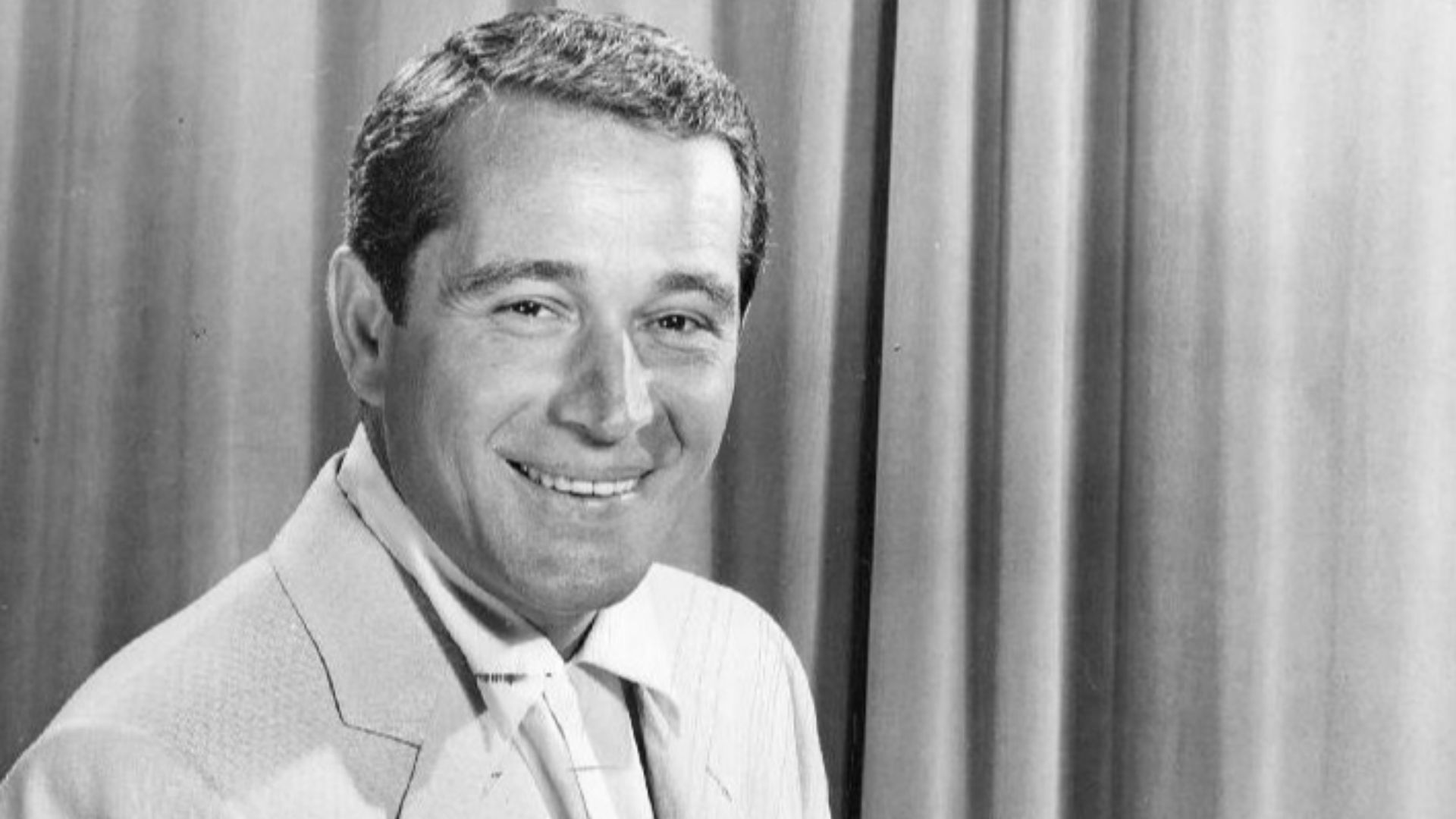 NBC Television, Wikimedia Commons
A Businessman at Heart
Como negotiated contracts that prioritized his comfort. He retained leverage with NBC by being dependable. When he worked, he delivered quality. When he rested, he did so unapologetically.
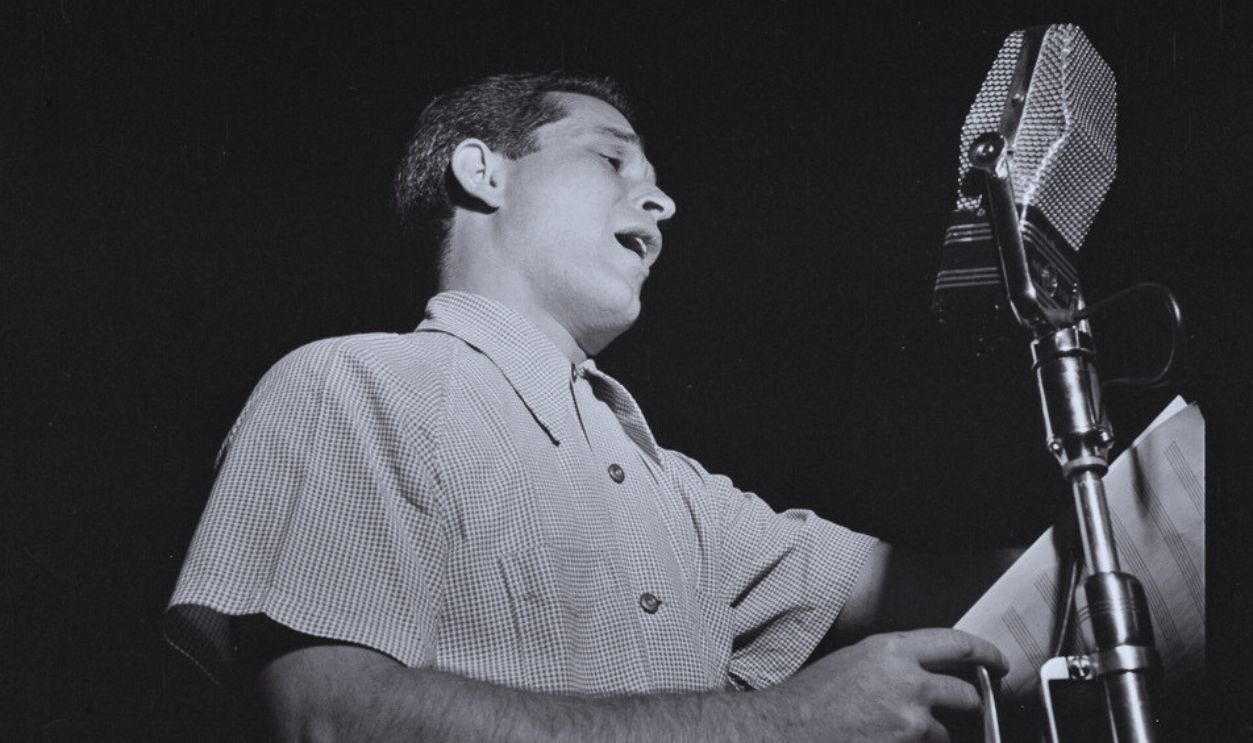
The Las Vegas Years
In later decades, he performed selectively in Las Vegas and other venues. Even then, he maintained boundaries. He never chased nightclub excess or celebrity chaos.
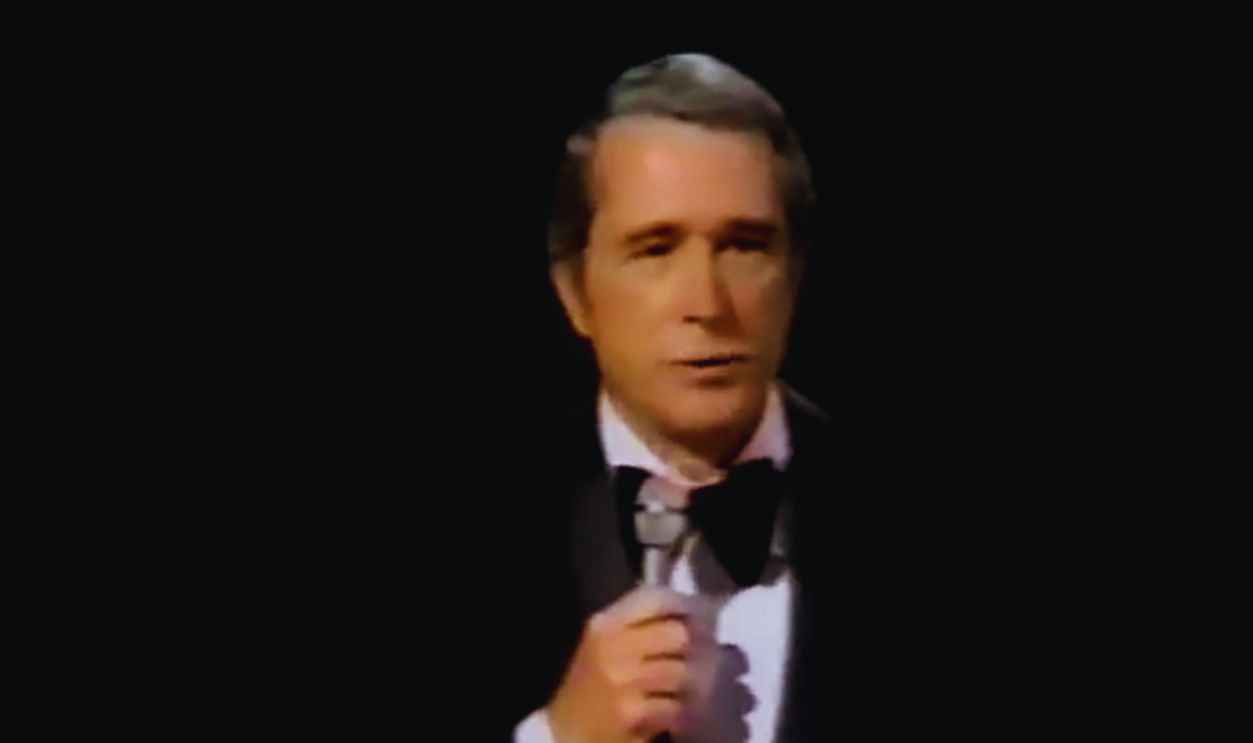 Screenshot from Perry Como in Person at the International Hotel, Las Vegas, NBC Television (1970)
Awards and Recognition
Over his career, Como received five Emmys and a Grammy. In 1987, he was inducted into the Television Hall of Fame. His accolades reflected consistency rather than controversy.
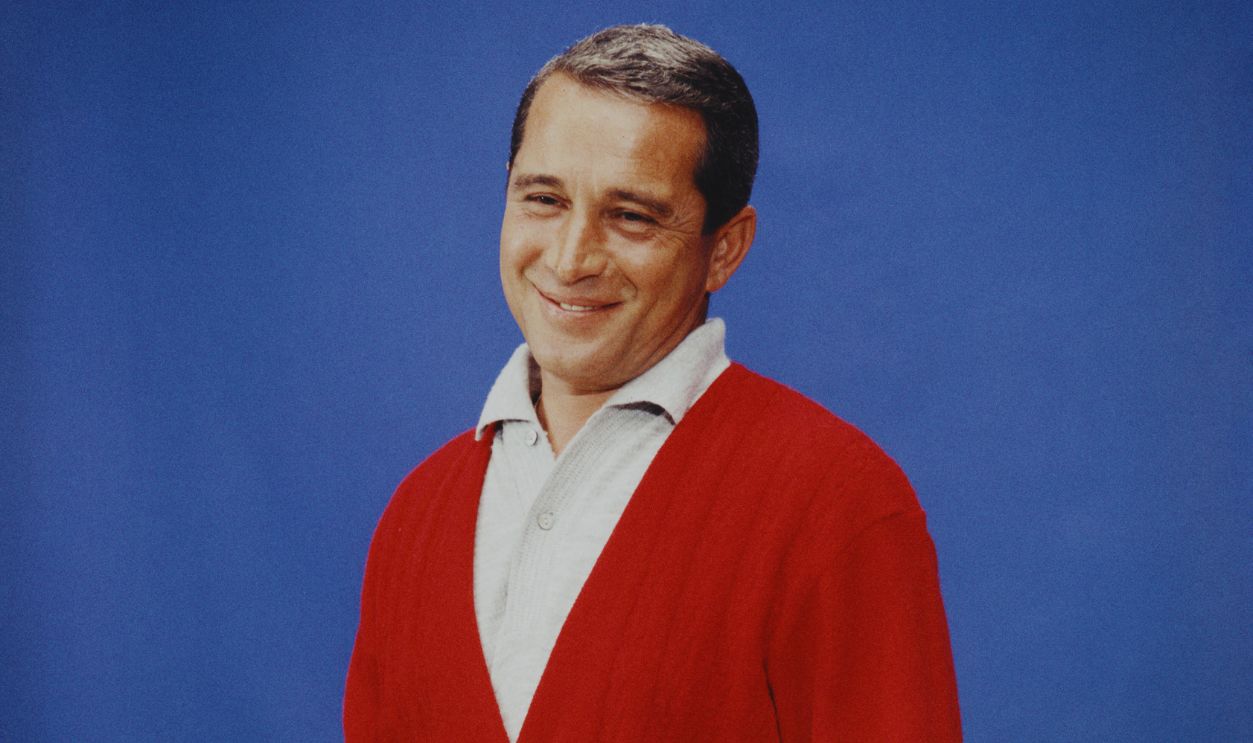
The Final Chapter
Roselle Belline passed away in 1998. Perry Como followed her two years later, dying on May 12, 2001, at age 88 in Jupiter Inlet Colony, Florida. He had suffered from Alzheimer’s disease in his final years.
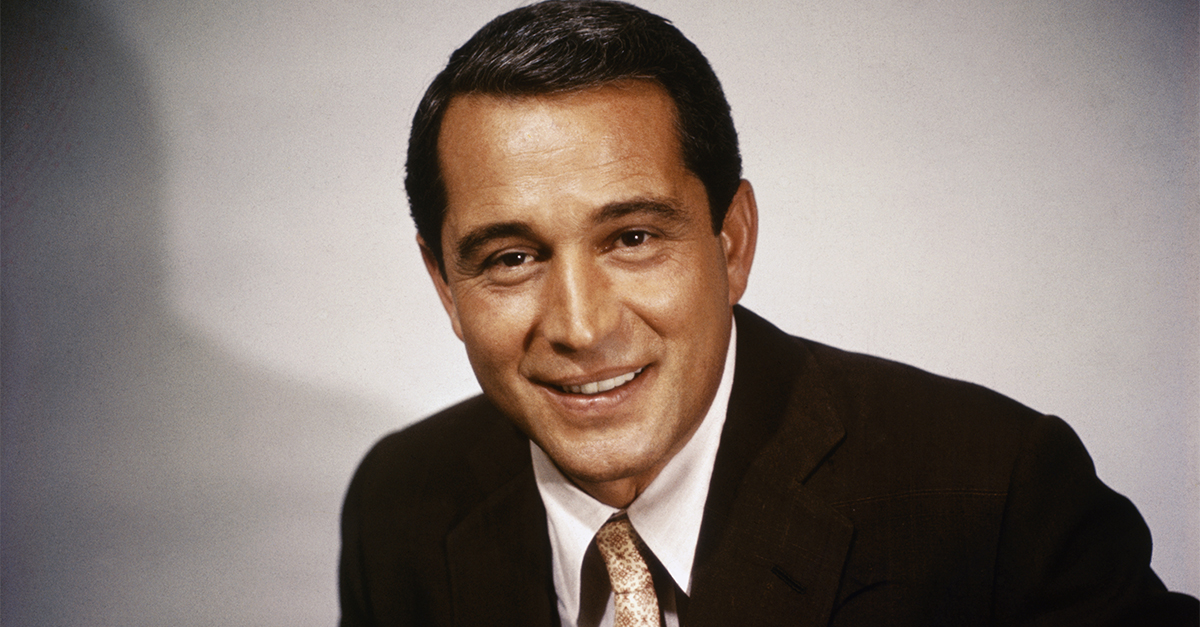
Why He Walked Away
Perry Como stepped back from Hollywood’s brightest spotlight because he understood something rare. Fame is loud. Peace is quiet. He chose peace.
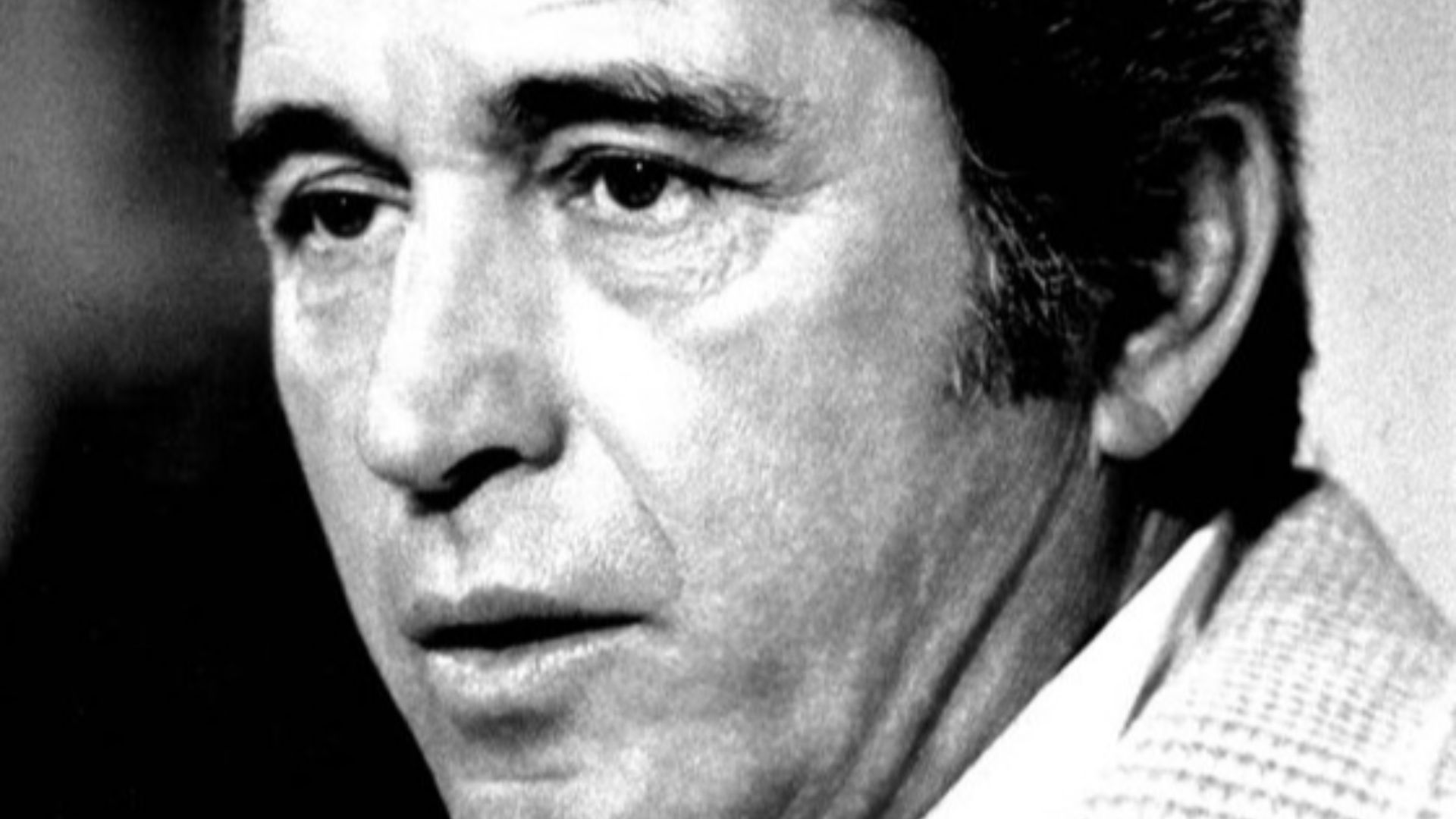 CBS Television, Wikimedia Commons
The Choice That Preserved His Legacy
By refusing to overexpose himself, Como avoided burnout and scandal. He remained beloved across generations. His voice never became oversaturated. It stayed special.
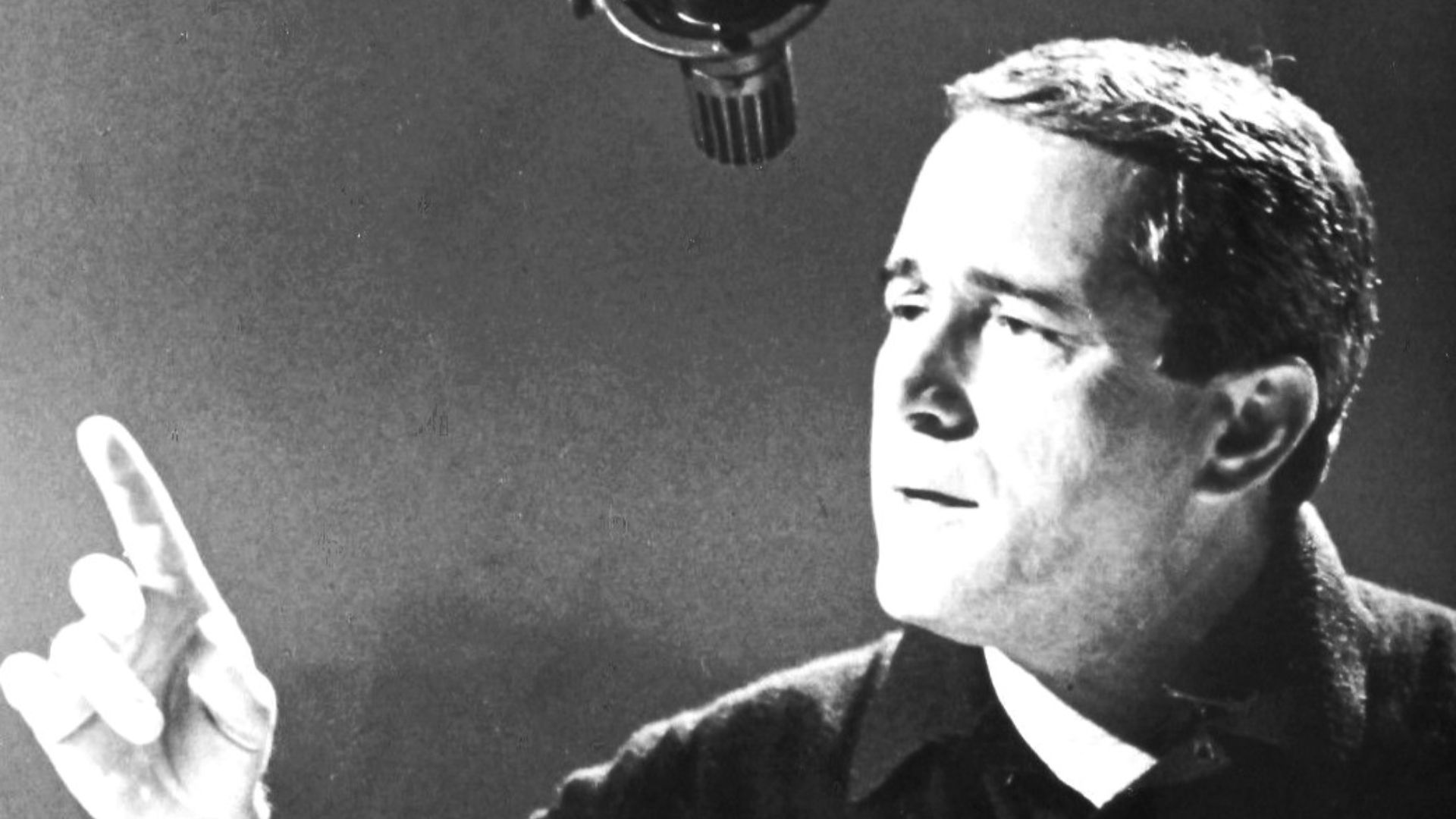 NBC Television, Wikimedia Commons
A Star Who Defined Moderation
Hollywood often celebrates those who chase more. Perry Como built a legacy by choosing less. He did not abandon success. He simply reshaped it to fit his values.
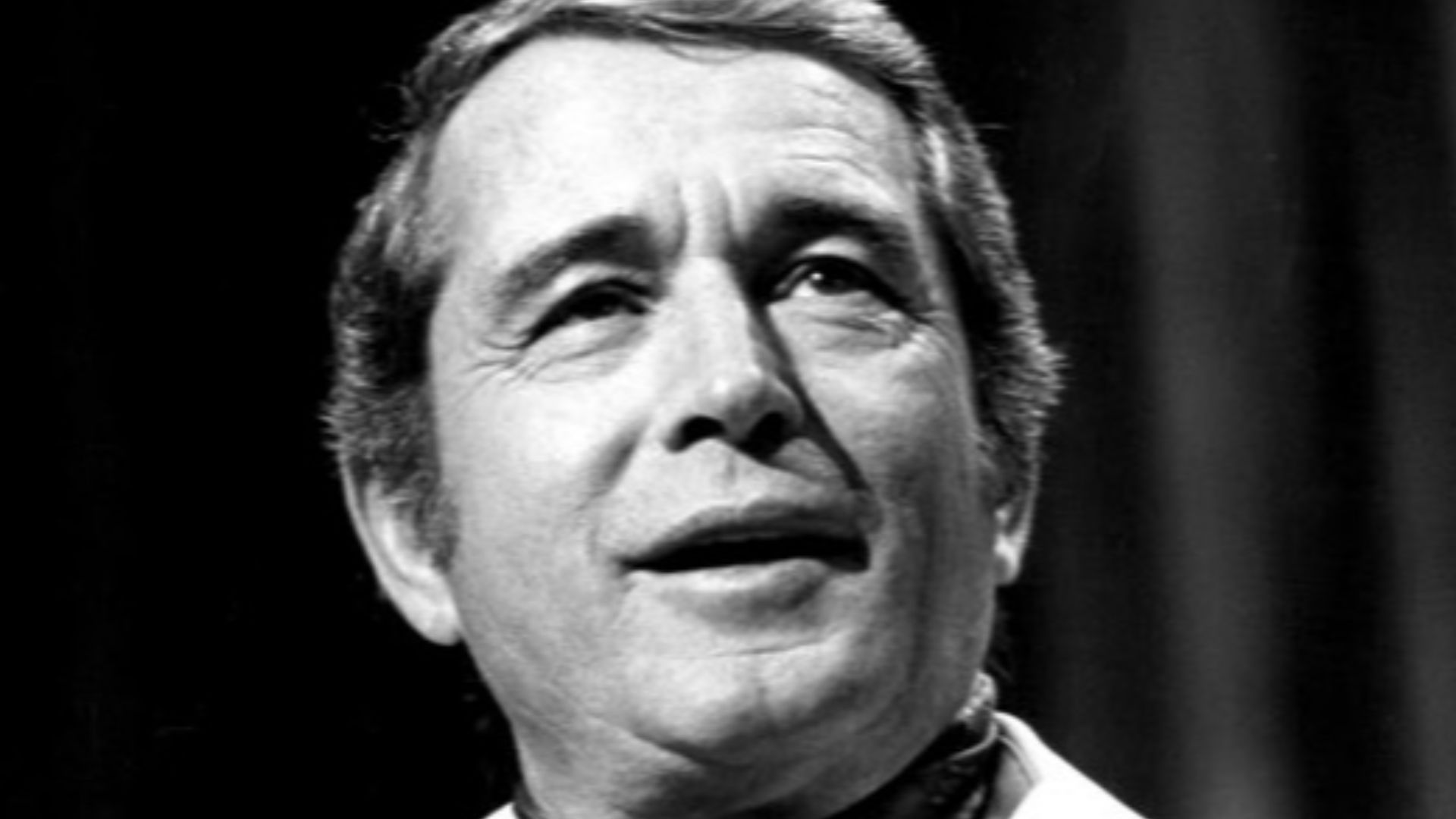 CBS Television, Wikimedia Commons
The Man Behind the Microphone
Friends described him as humble, steady, and deeply devoted to family. His calm public image was not an act. It was authentic.
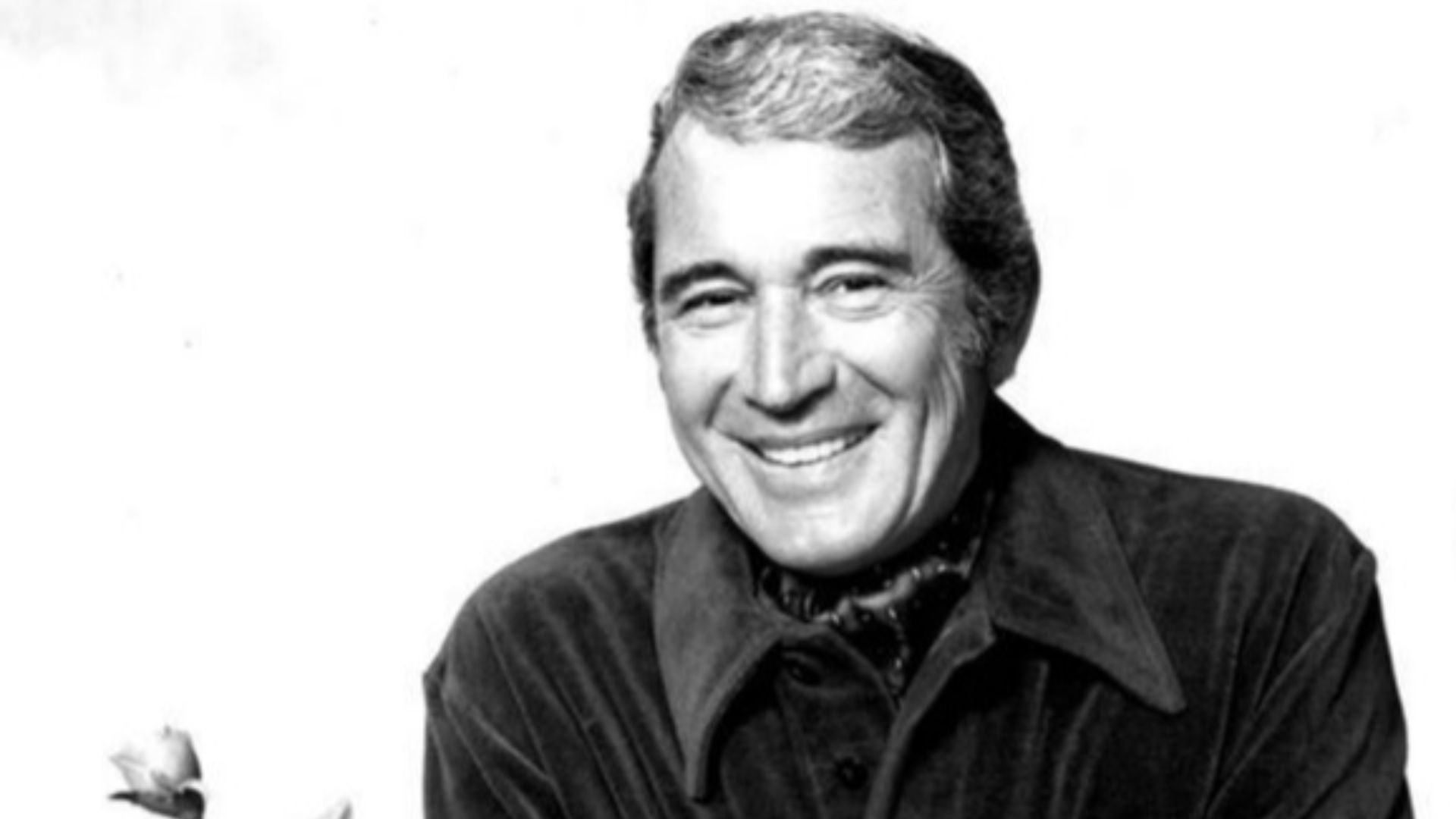 CBS Television, Wikimedia Commons
The Quiet Exit That Made the Loudest Statement
At the peak of opportunity, Perry Como slowed down. Not because he failed. Not because he faded. But because he knew that real success meant going home at the end of the night and liking the life waiting there.
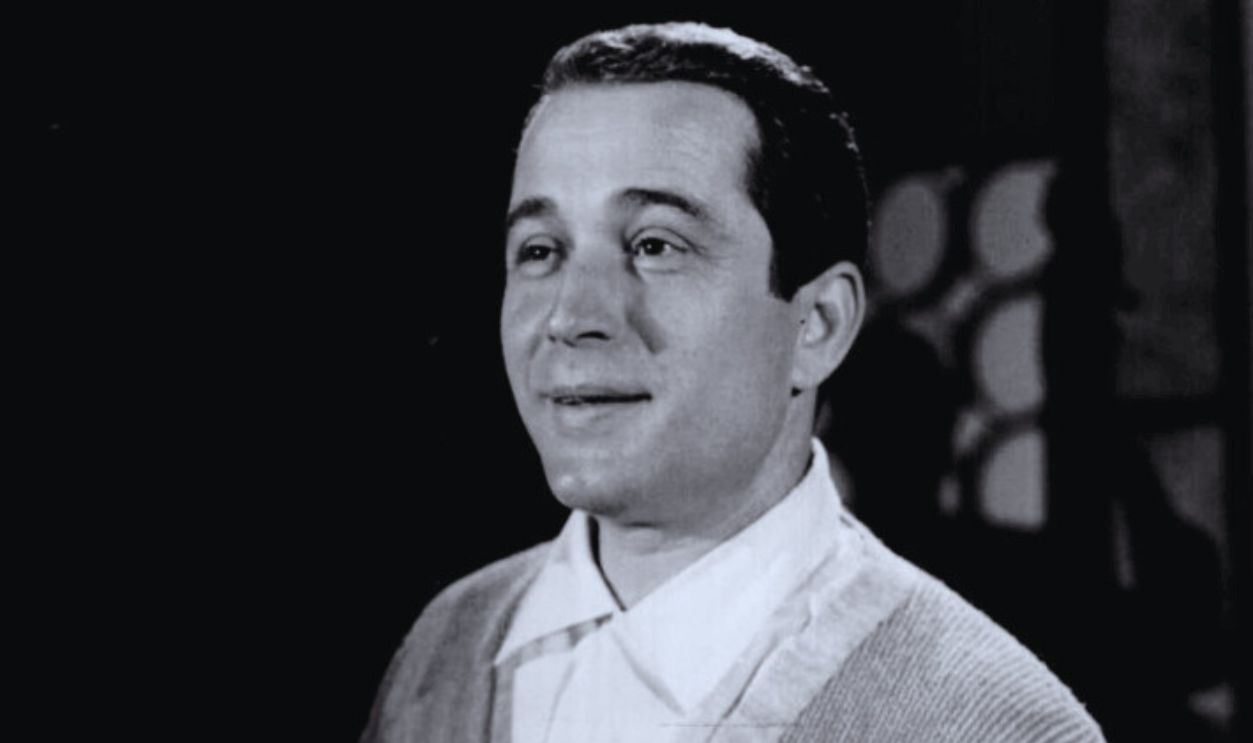 NBC Television, Wikimedia Commons
You May Also Like:
While famous across America for his role as Uncle Jesse on The Dukes of Hazzard—Denver Pyle never truly lived like a Hollywood star.
Behind his wholesome television persona, Bob Crane led a double life that shocked even the darkest corners of Hollywood.