When A Final Role Becomes Something More
Sometimes a film is more than just another credit on a legendary actor’s résumé. It becomes a farewell audiences cannot separate from real life. Whether planned or tragically unexpected, these performances carry emotional weight, revealing a sense of reflection and closure that lingers long after the credits roll.
What Makes A True Swan Song
A swan song refers to a final performance before death, often remembered because it carries unusual emotional resonance or artistic importance. The strongest examples feel like closing chapters in an artist’s life story, whether the performer knew the end was near or fate transformed the role afterward.
 Macfadden Publications New York, publisher of Radio-TV Mirror, Wikimedia Commons
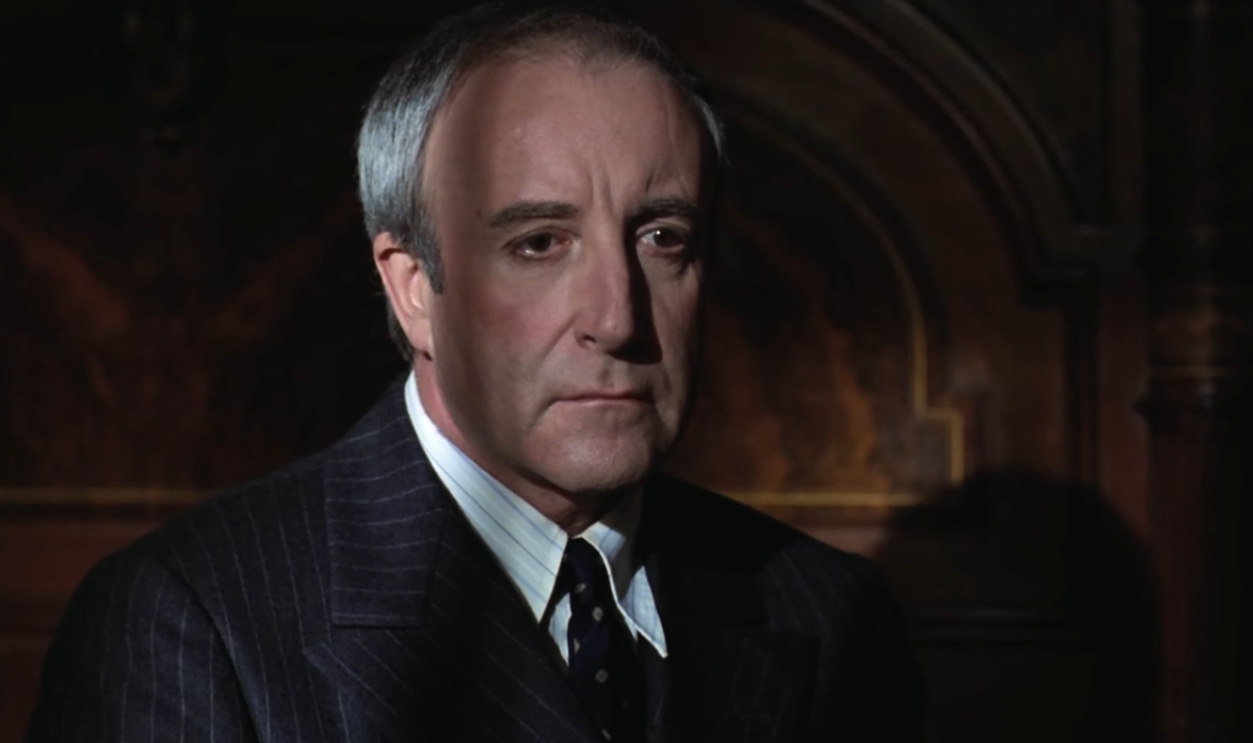
Peter Sellers: Being There (1979)
Being There featured one of Peter Sellers’ most restrained and thoughtful performances. Released shortly before his death, the film revealed dramatic depth beyond comedy and now feels like a reflective farewell. Directed by Hal Ashby and co-starring Shirley MacLaine, Melvyn Douglas, Jack Warden, and Richard Basehart.
 Screenshot from Being There, Warner Bros. Pictures (1979)
John Cazale: The Deer Hunter (1978)
The Deer Hunter captured John Cazale’s quiet emotional intensity while he was already gravely ill, giving the Vietnam War drama an added layer of tragedy and realism. Knowing that he had little time left, Cazale had all his scenes shot at the beginning of production. Directed by Michael Cimino and featuring Robert De Niro, Christopher Walken, Meryl Streep, and John Savage.
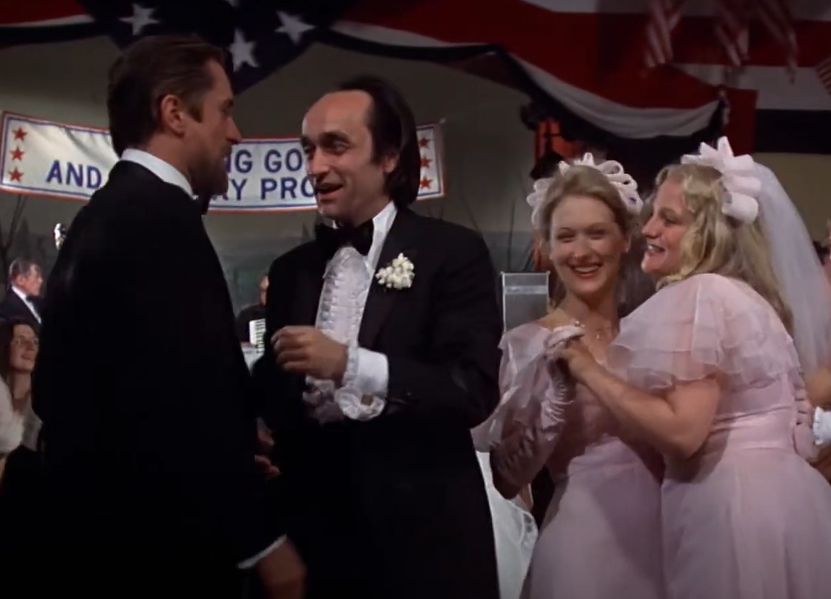 Screenshot from The Deer Hunter, EMI Films (1978)
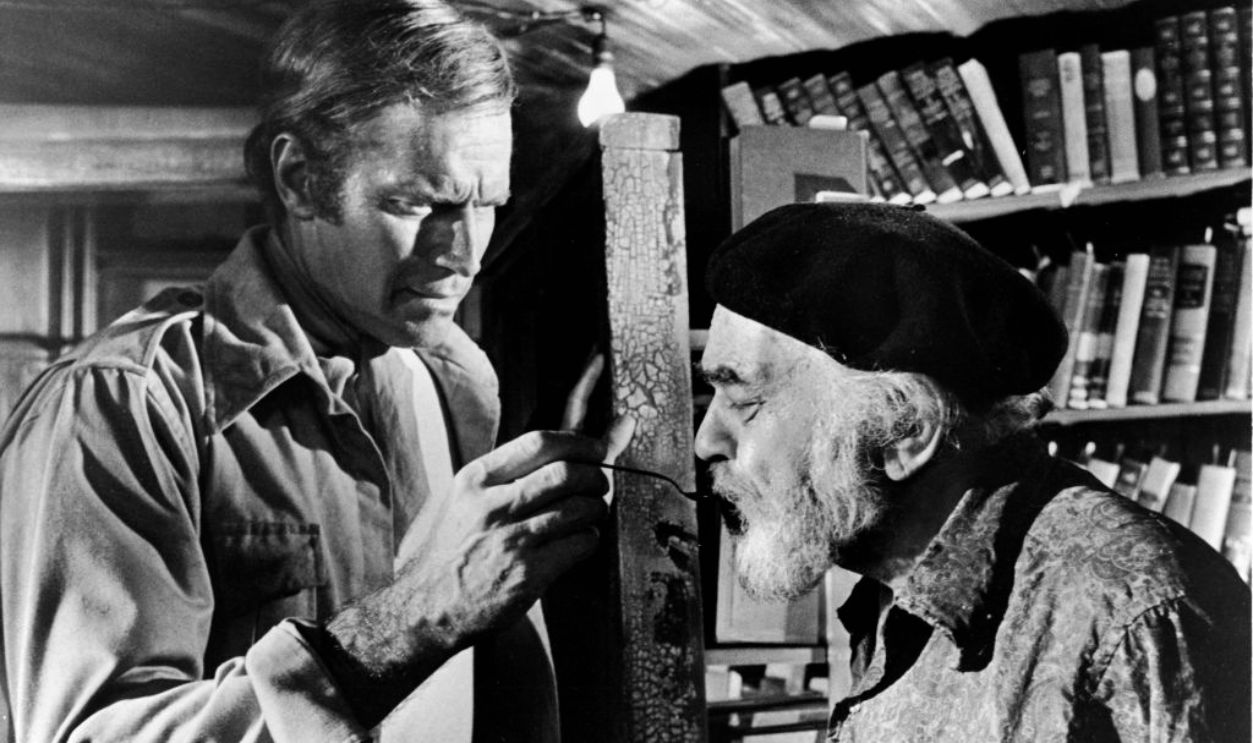
Edward G Robinson: Soylent Green (1973)
Soylent Green gained heartbreaking emotional power because Robinson knew he was dying during production, making his farewell scenes feel painfully sincere. Directed by Richard Fleischer and co-starring Charlton Heston, Leigh Taylor-Young, and Joseph Cotten
Stanley Kubrick: Eyes Wide Shut (1999)
Stanley Kubrick’s final film starred Tom Cruise, Nicole Kidman, and Sydney Pollack in an eerie psychological drama completed shortly before Kubrick’s death. Eyes Wide Shut’s dreamlike atmosphere and themes of secrecy continue to make it feel like a mysterious final statement from a cinematic master.
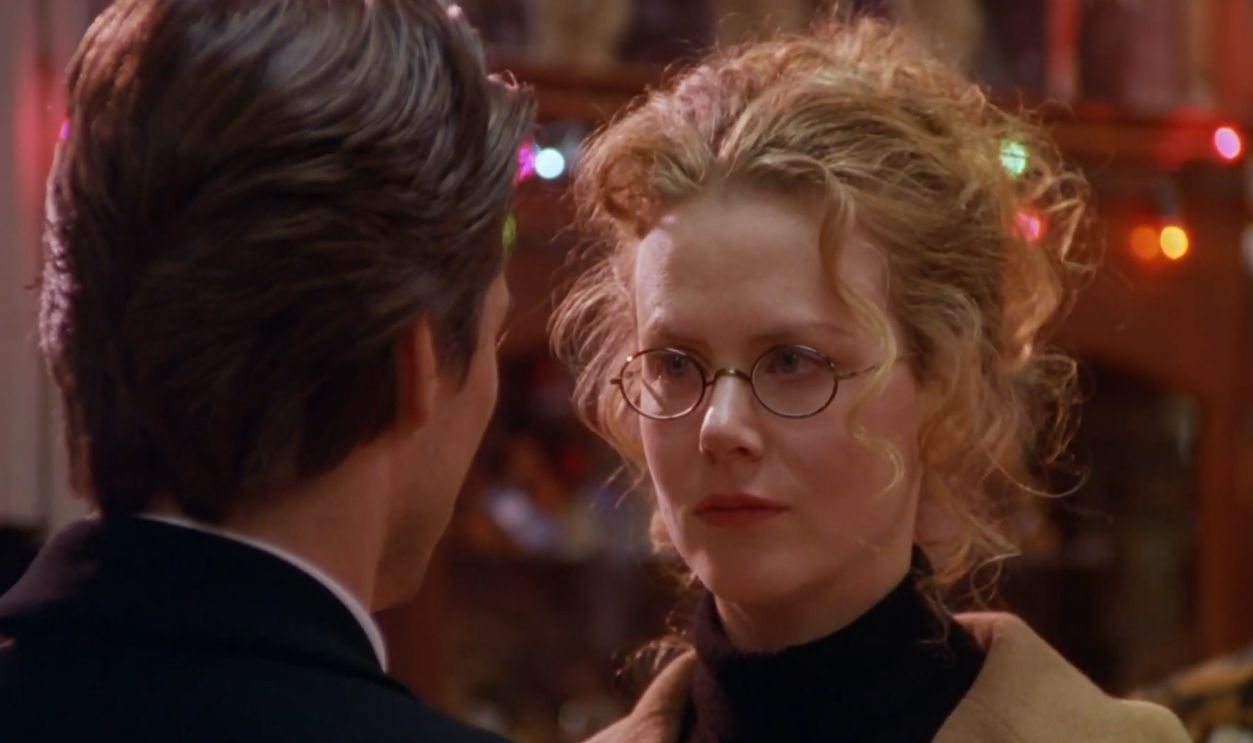 Screenshot from Eyes Wide Shut, Warner Bros. Pictures (1999)
Humphrey Bogart: The Harder They Fall (1956)
Directed by Mark Robson and co-starring Rod Steiger and Jan Sterling, this boxing drama carried additional emotional realism because Humphrey Bogart’s failing health mirrored the exhaustion and cynicism of his weary journalist character.
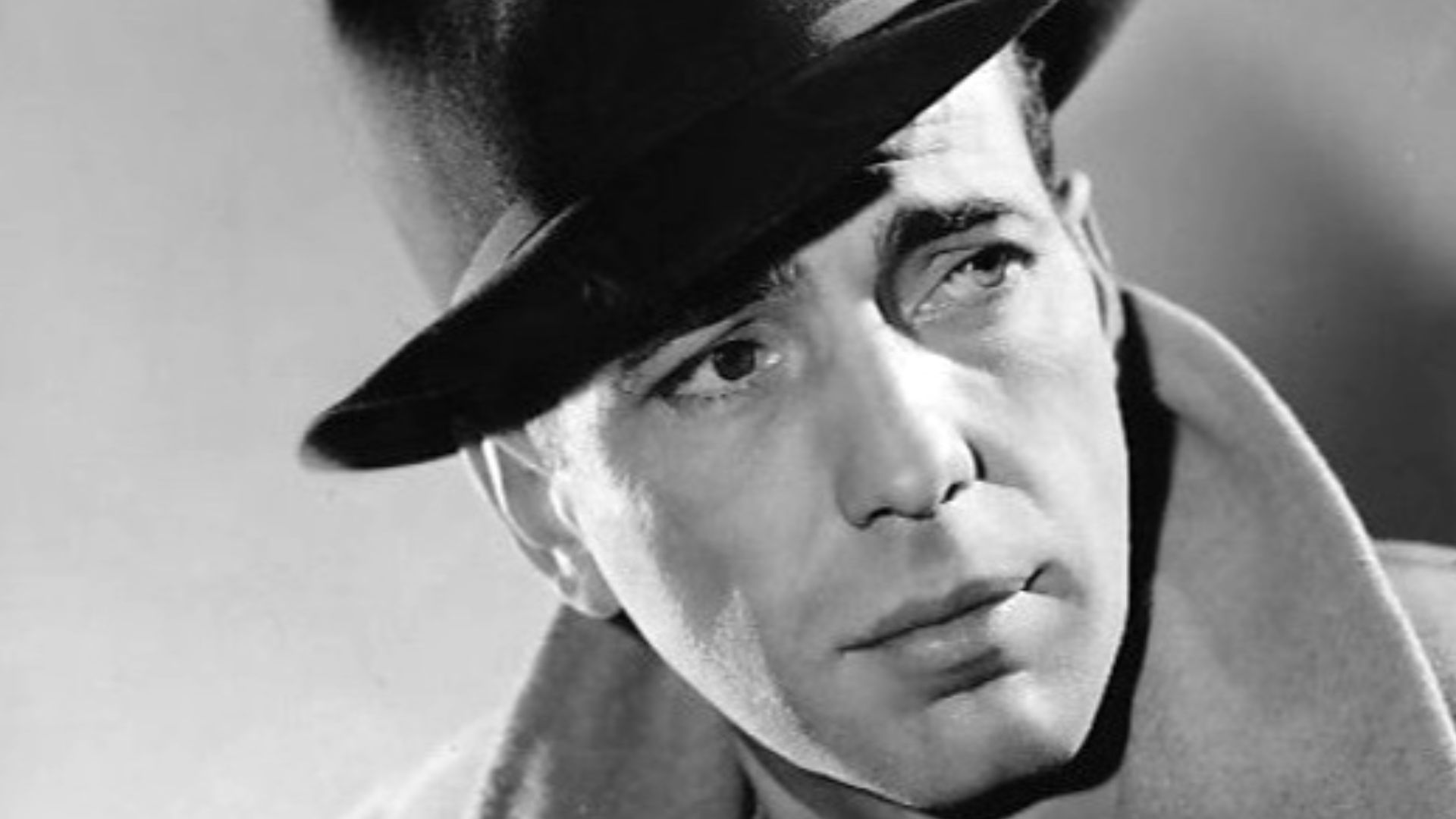 Published by The Minneapolis Tribune-photo from Warner Bros., Wikimedia Commons
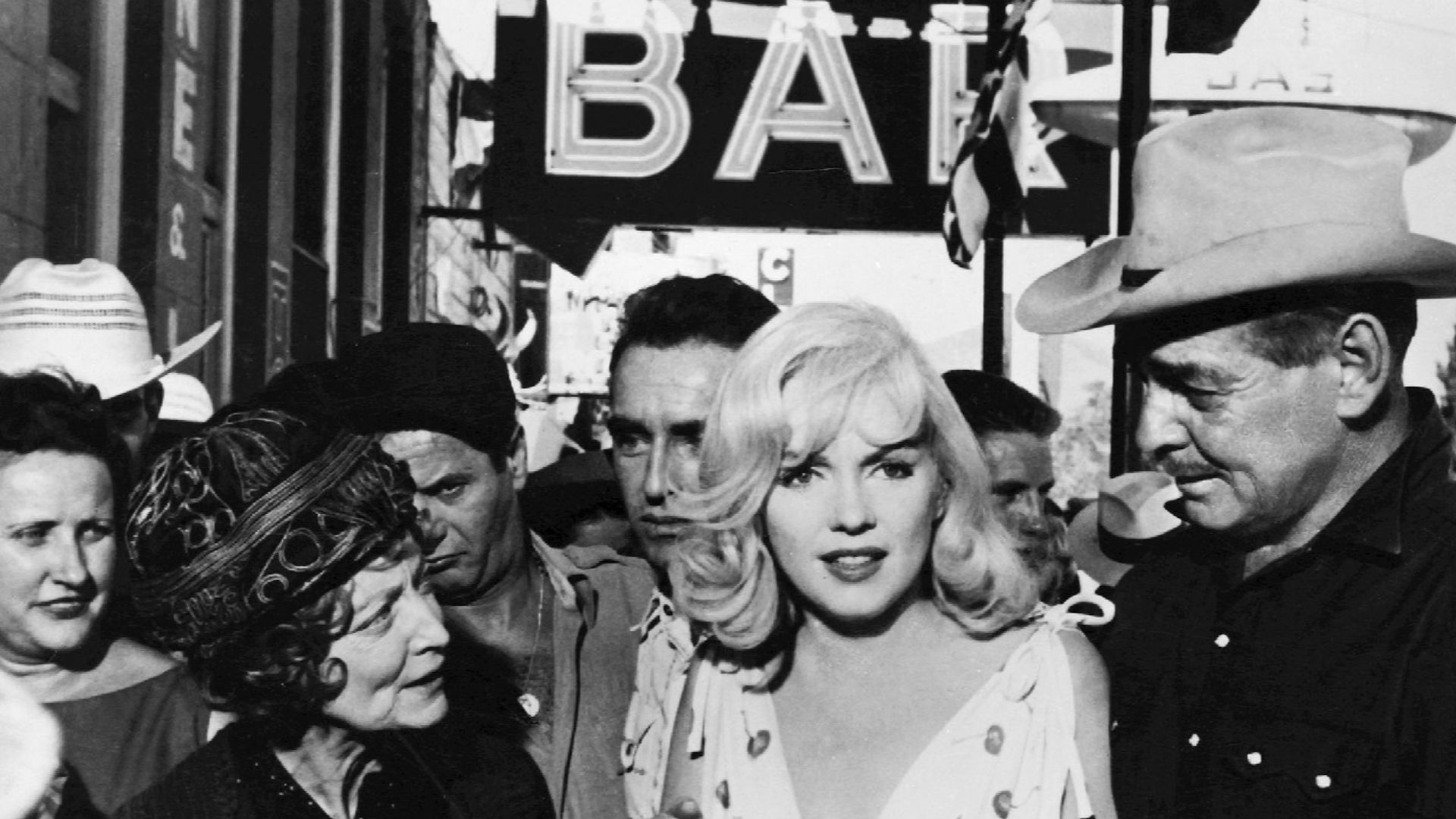
Clark Gable: The Misfits (1961)
The Misfits became a symbolic farewell to classic Hollywood masculinity, with Gable bringing visible weariness and rugged dignity to his aging cowboy character. Directed by John Huston and featuring Marilyn Monroe, Montgomery Clift, and Eli Wallach.
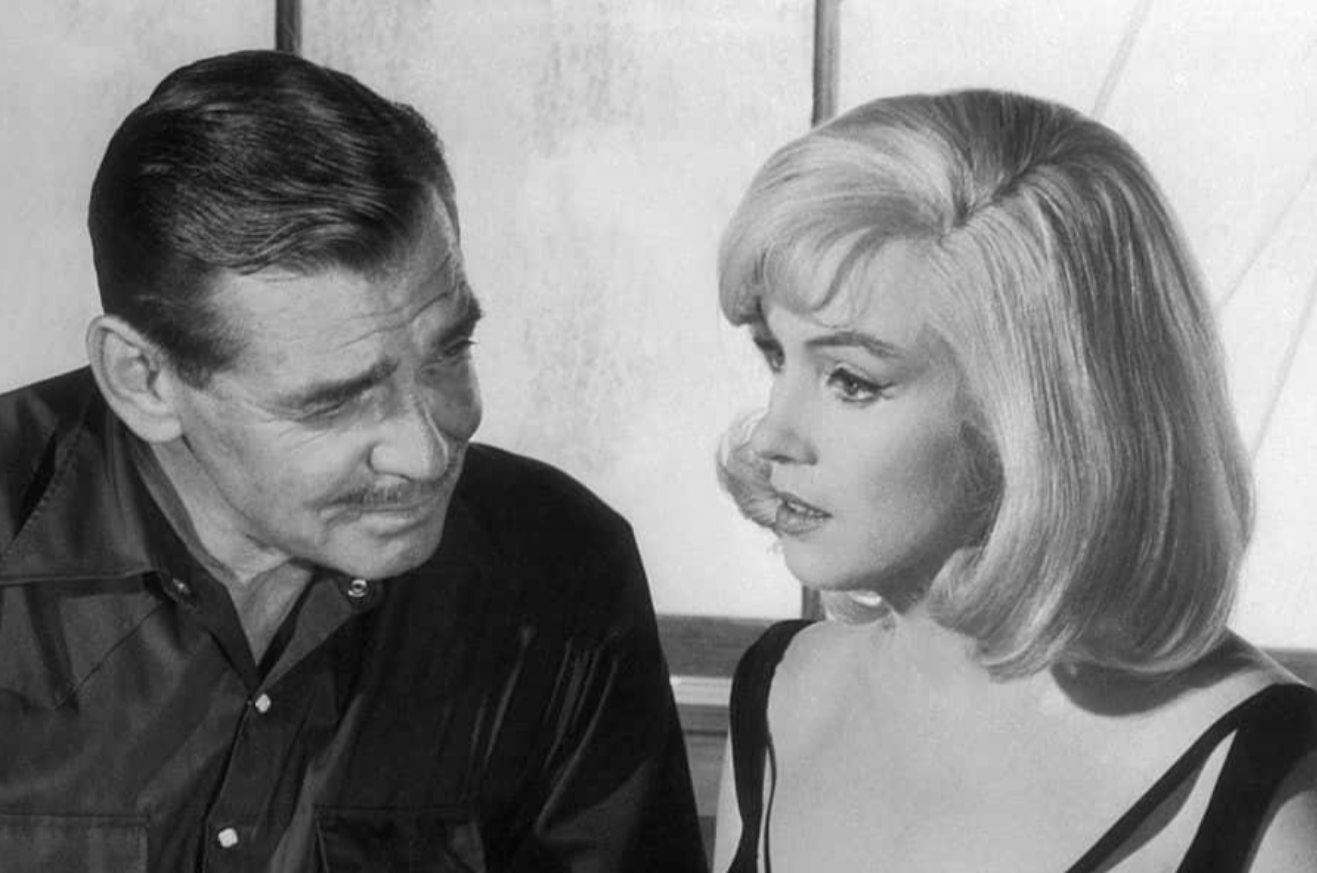
Marilyn Monroe: The Misfits (1961)
Though a year and a half went by between the release of The Misfits and Marilyn Monroe’s death on August 4, 1962, Monroe’s emotional vulnerability throughout the movie now feels painfully authentic. It was enough to give the story an almost documentary-like sense of personal tragedy.
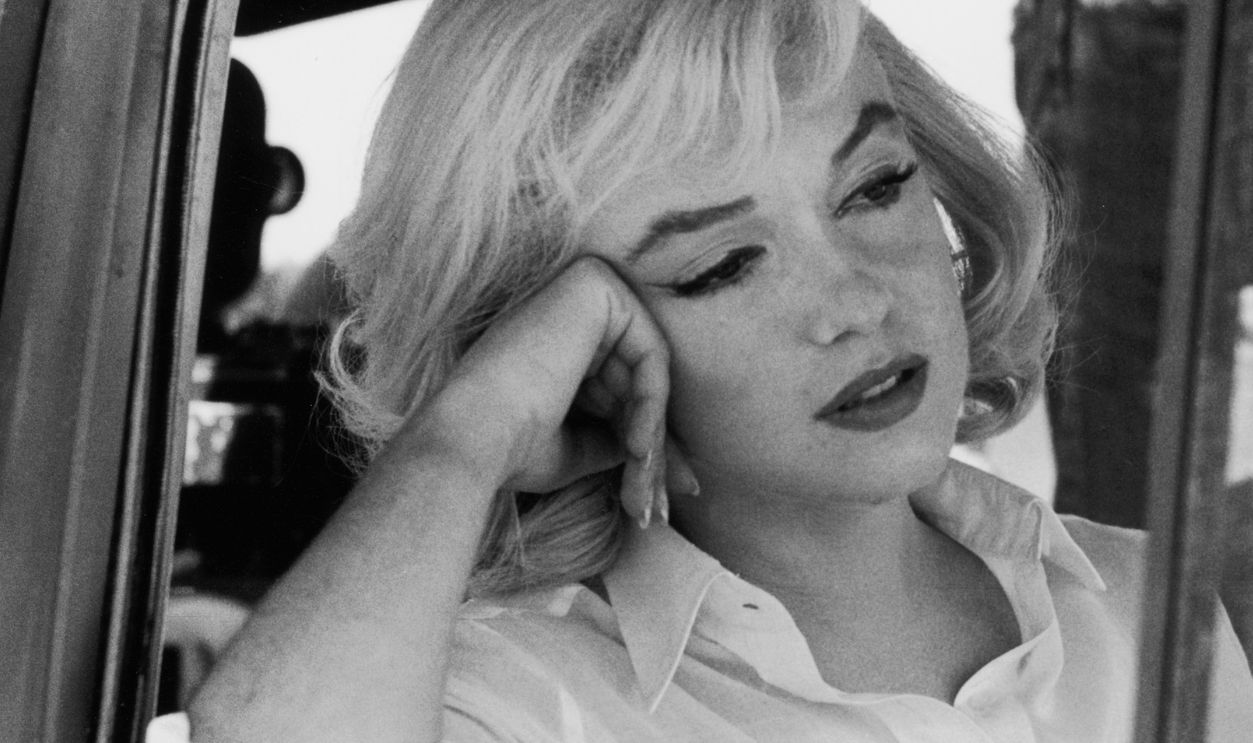
Montgomery Clift: The Defector (1966)
Directed by Raoul Lévy and co-starring Hardy Krüger and Roddy McDowall, Clift’s final film The Defector, reflected years of personal struggle while still showcasing the emotional intensity and quiet sensitivity that made him into one of Hollywood’s most respected performers.
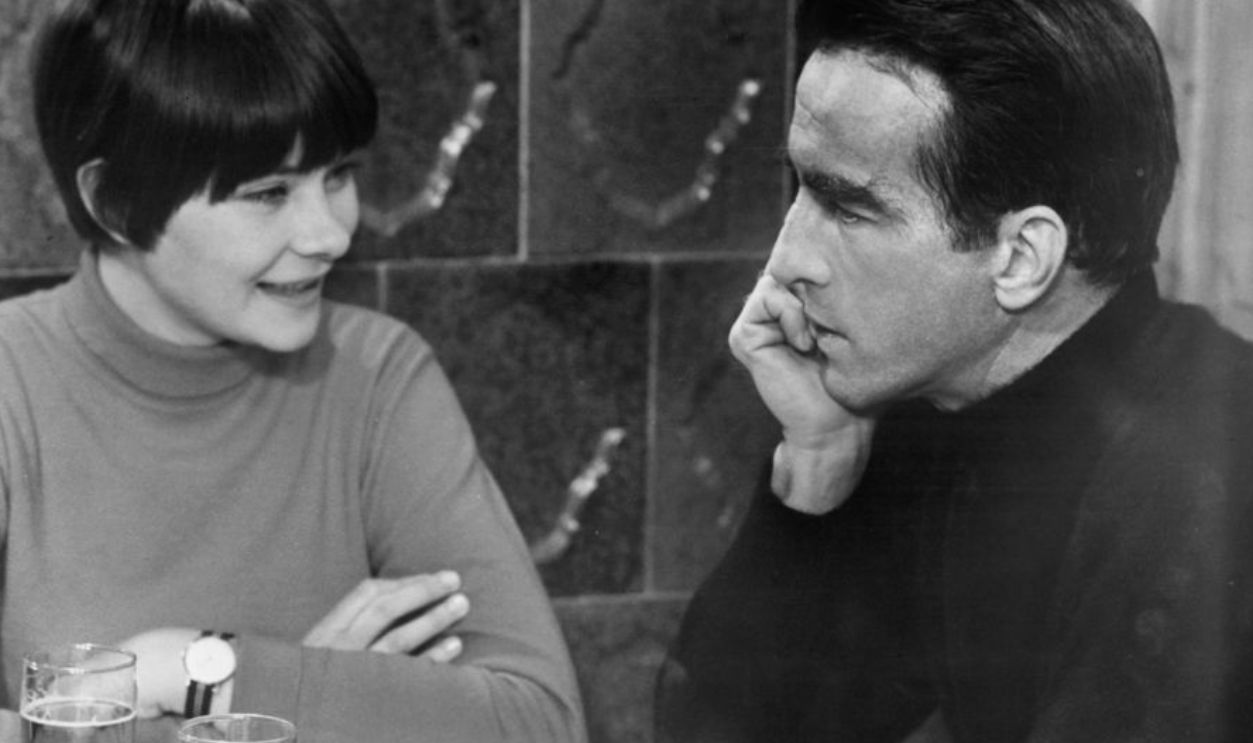 Michael Ochs Archives, Getty Images
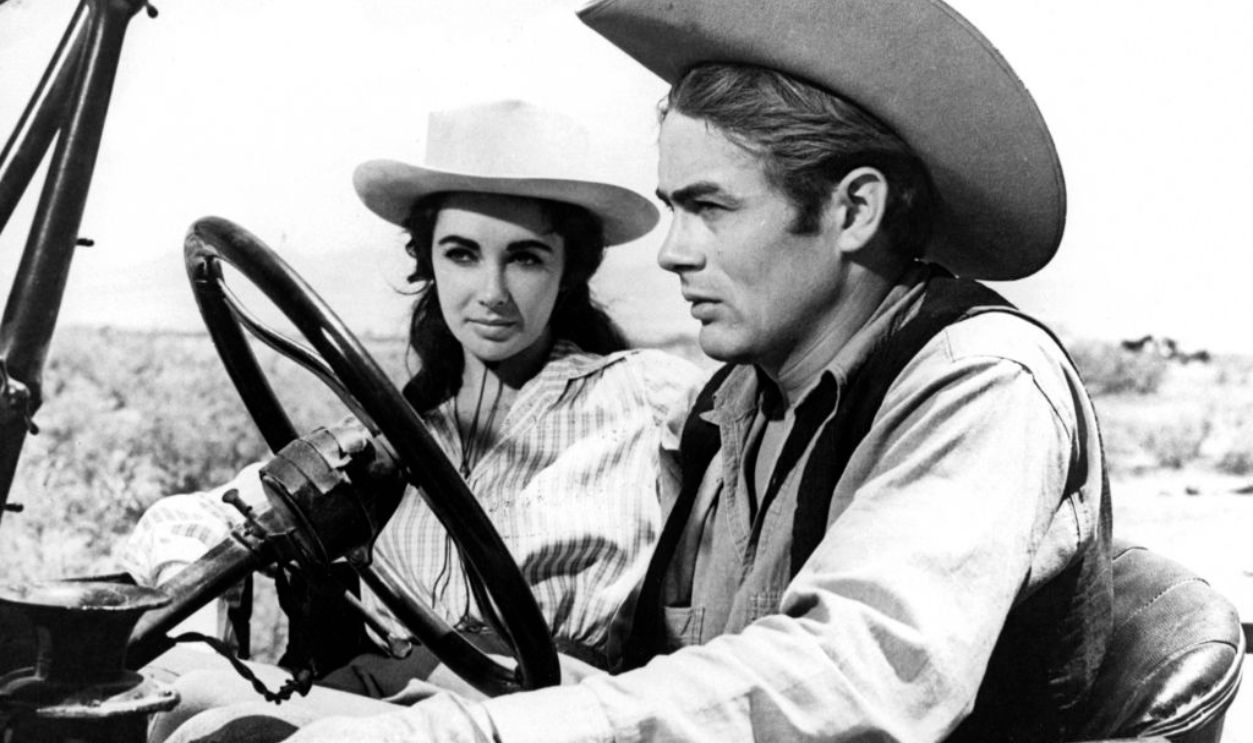
James Dean: Giant (1956)
Director George Stevens had barred Dean from auto racing during the 1955 production of Giant, but with his scenes all shot, Dean took to the road again, losing his life in the famous car crash on September 30, 1955. When Giant was released over a year after his death, audiences could only wonder how extraordinary his future career might have become. Co-starring Elizabeth Taylor and Rock Hudson.
Peter Finch: Network (1976)
Network featured Finch’s explosive portrayal of Howard Beale, a performance so powerful it earned him an Academy Award two and a half months after his death. Directed by Sidney Lumet and starring Faye Dunaway, William Holden, and Robert Duvall.
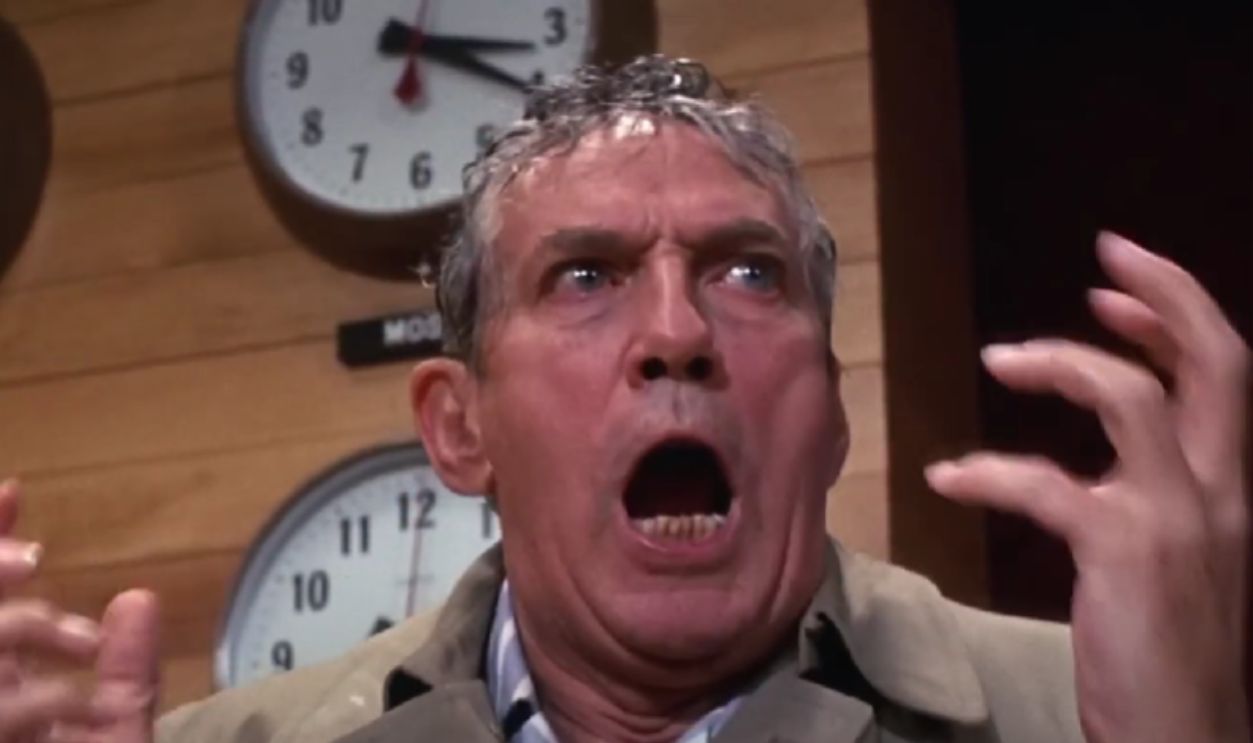 Screenshot from Network, Metro-Goldwyn-Mayer (MGM) (1976)
River Phoenix: Dark Blood (1993/2012)
Production of Dark Blood was close to being finished in 1993 when the shocking death of River Phoenix threw the still-unfinished project into a limbo that would continue for nearly 20 years until it was given a limited release in 2012. Directed by George Sluizer and co-starring Judy Davis and Jonathan Pryce, the unfinished film became a haunting reminder of Phoenix’s talent.
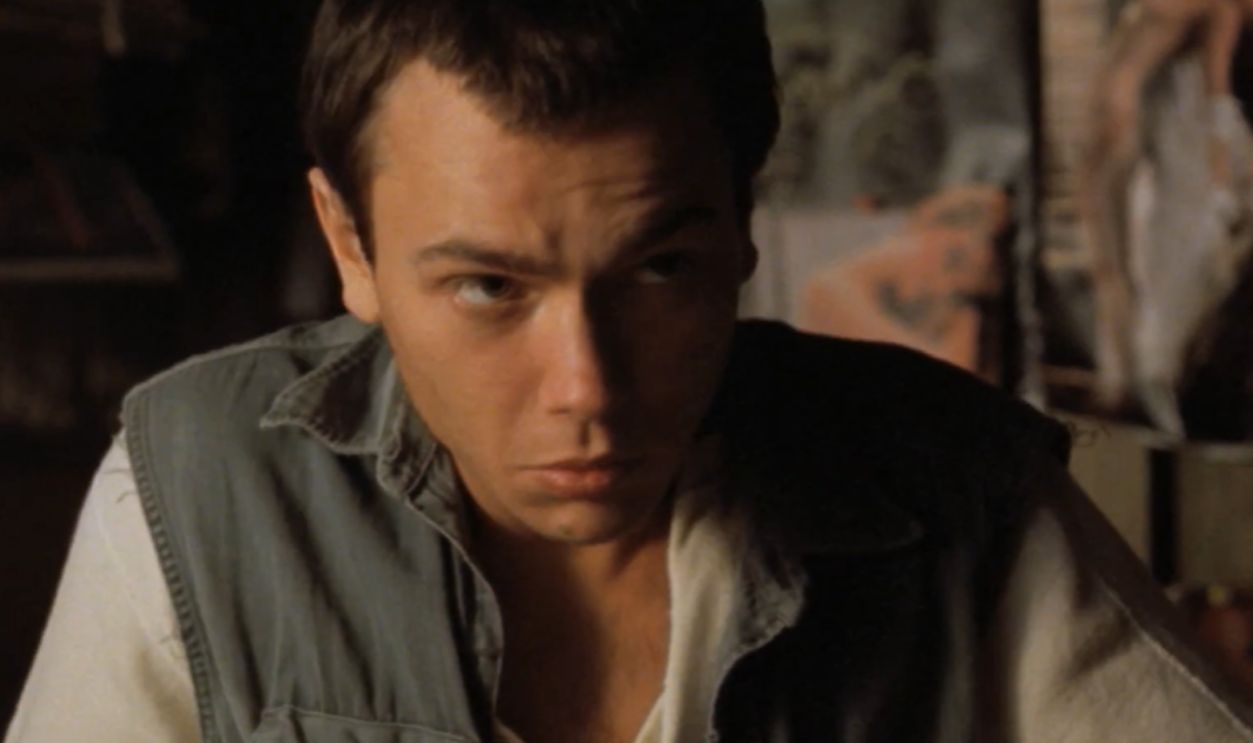 Screenshot from Dark Blood, Fine Line Features (2012)
Steve McQueen: The Hunter (1980)
Directed by Buzz Kulik and co-starring Eli Wallach and Kathryn Harrold, McQueen’s final starring role blended toughness with visible fatigue, giving audiences one last look at the cool, rugged persona that defined his career.
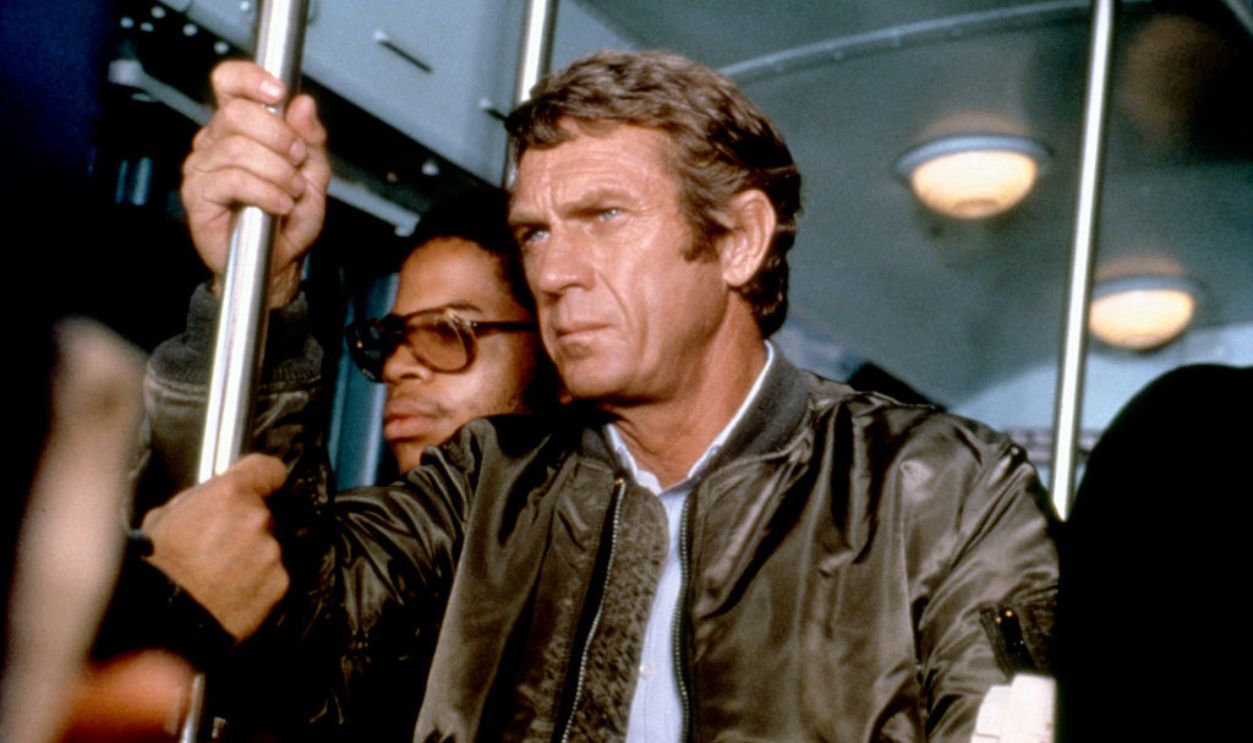 Sunset Boulevard, Getty Images
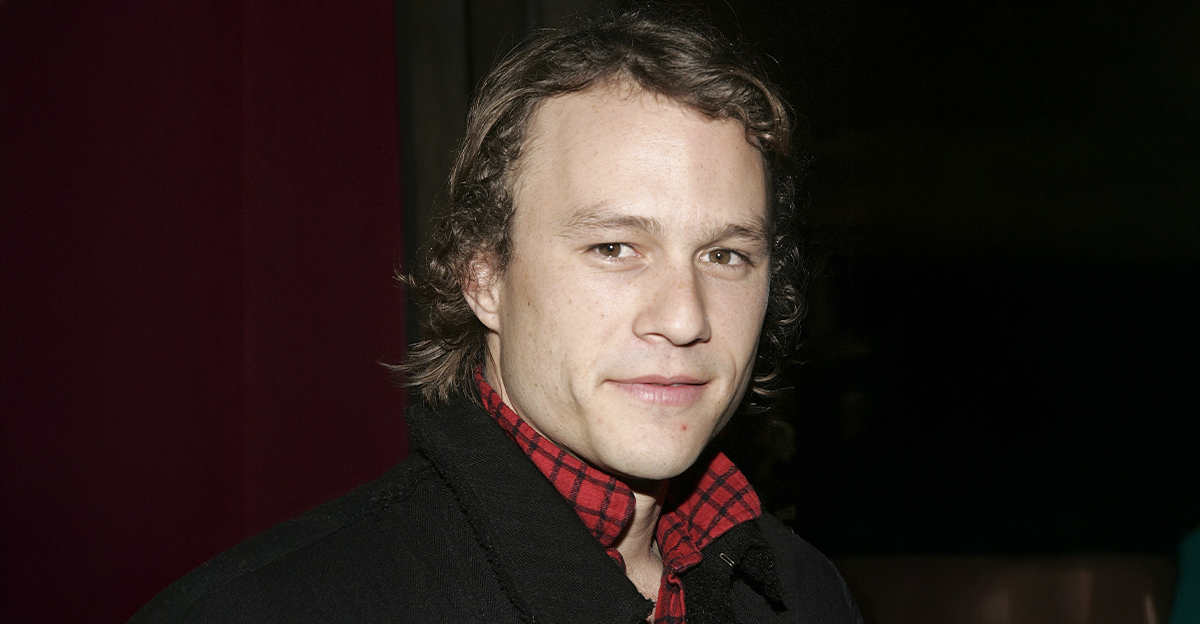
Heath Ledger: The Imaginarium Of Doctor Parnassus (2009)
Directed by Terry Gilliam and featuring Christopher Plummer, the fantasy film became an emotional tribute after Ledger died during production. His character was written as a man whose appearance changes when travelling to a different dimension, and these alternate roles were filled by Johnny Depp, Jude Law, and Colin Farrell.
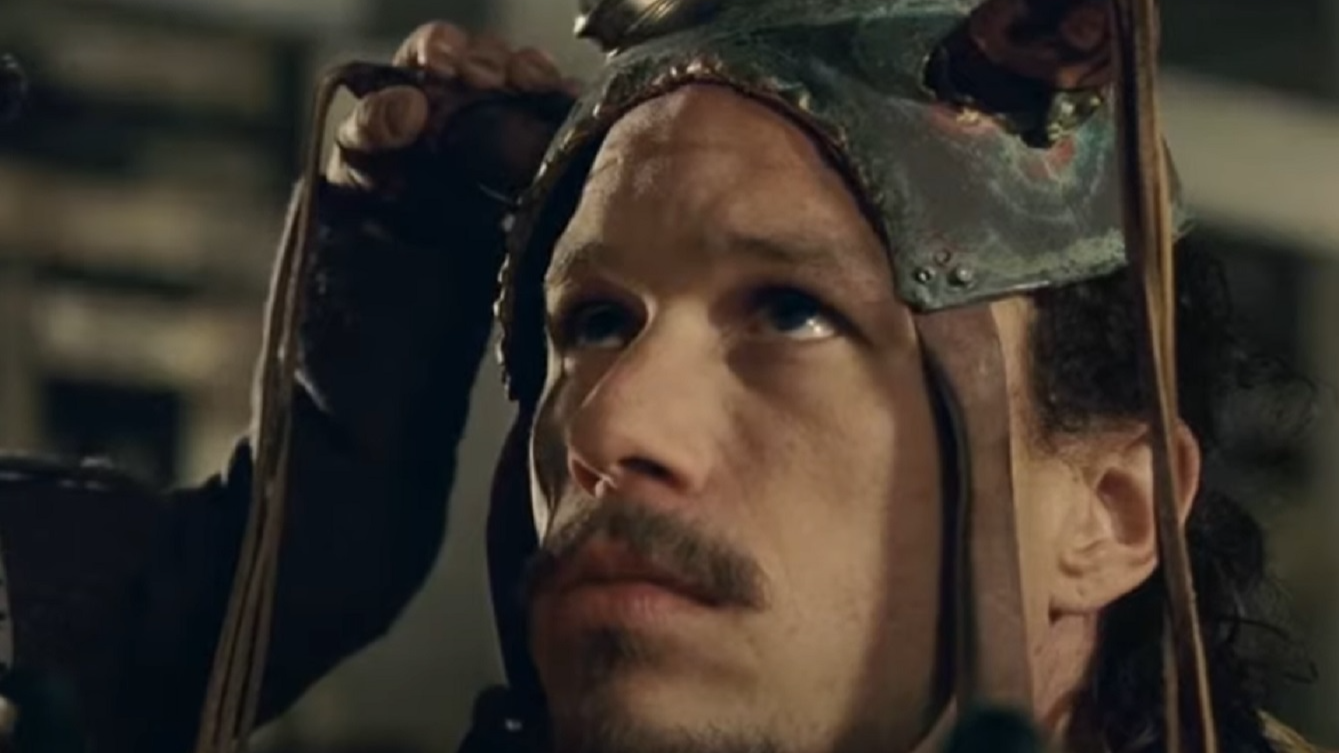 Screenshot from The Imaginarium of Doctor Parnassus, Telefilm Canada (2009)
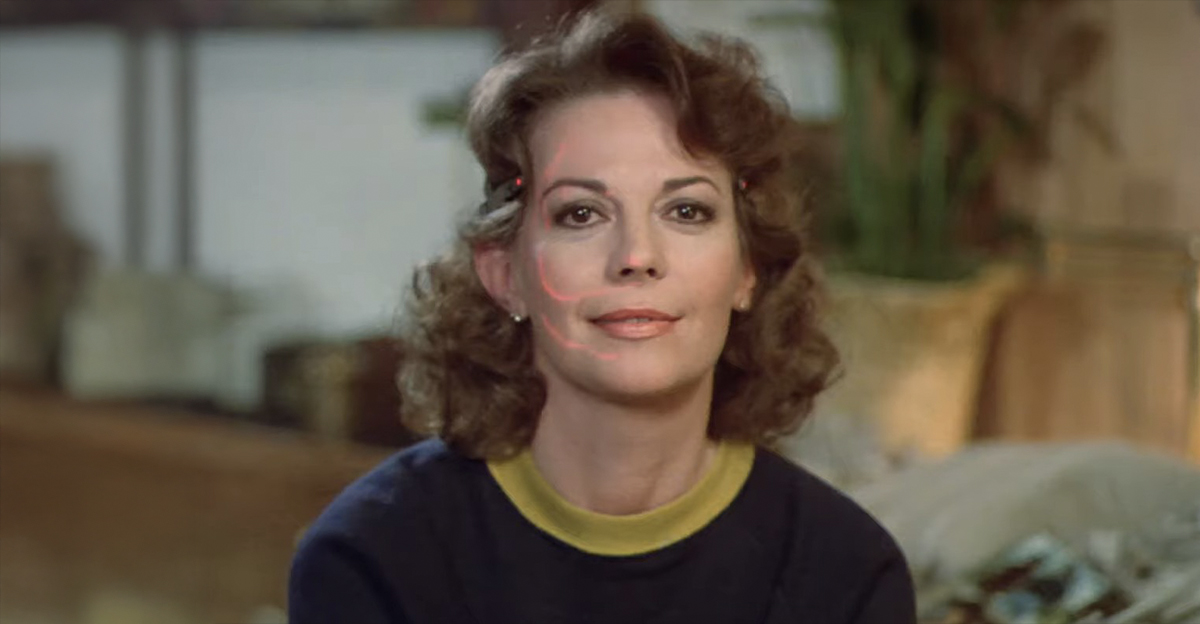
Natalie Wood: Brainstorm (1983)
Directed by Douglas Trumbull and co-starring Christopher Walken and Louise Fletcher, the ambitious science-fiction film became overshadowed by tragedy after Wood’s sudden drowning before production was fully completed.
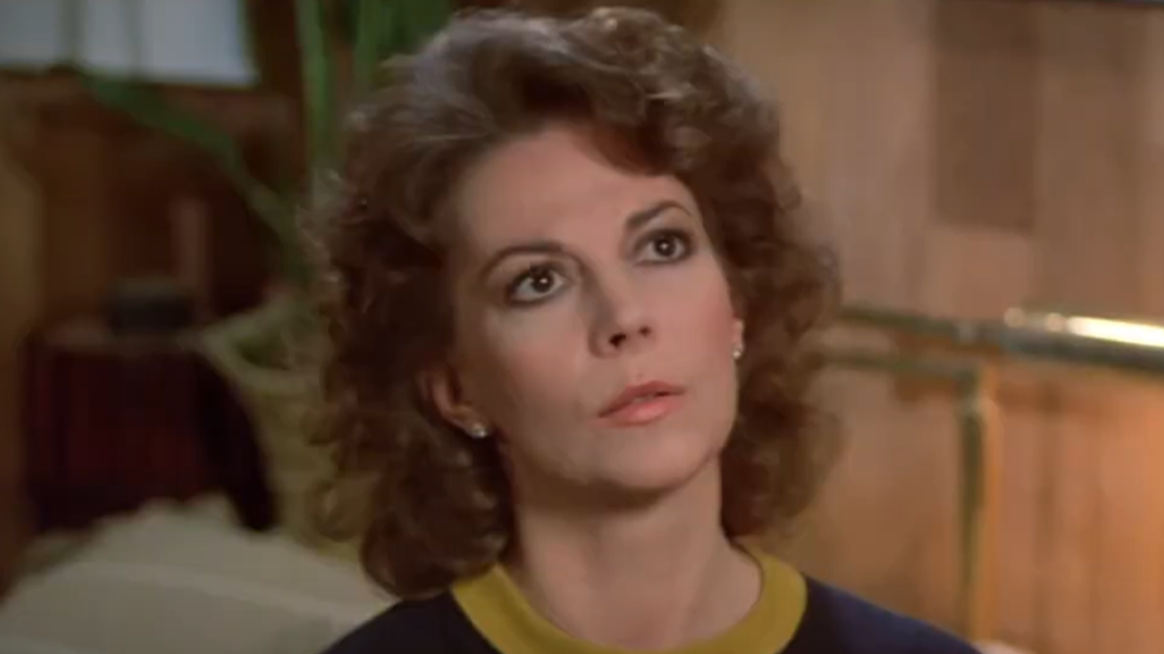 Screenshot from Brainstorm, MGM (1983)
Carrie Fisher: Wonderwell (2023)
Directed by Vlad Marsavin and co-starring Rita Ora and Kiera Milward, Wonderwell served as Carrie Fisher’s final onscreen appearance and reminded audiences of the warmth and wit that made her beloved worldwide.
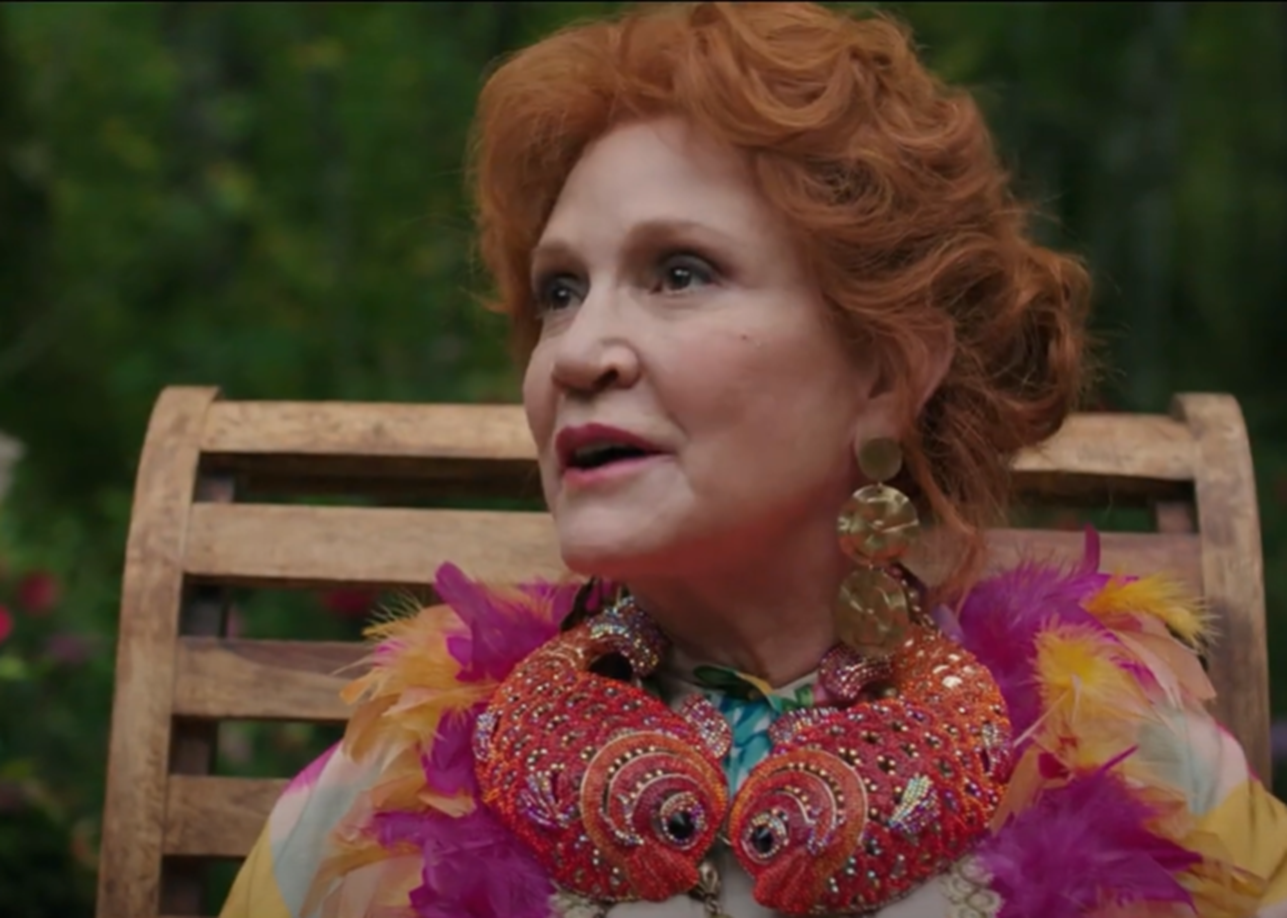 Screenshot from Wonderwell, Strange Quark Films (2023)
Maggie Smith: The Miracle Club (2023)
Directed by Thaddeus O'Sullivan and featuring Laura Linney and Kathy Bates, the gentle drama gave Maggie Smith one final warm and dignified role that reflected the grace and intelligence defining her extraordinary career.
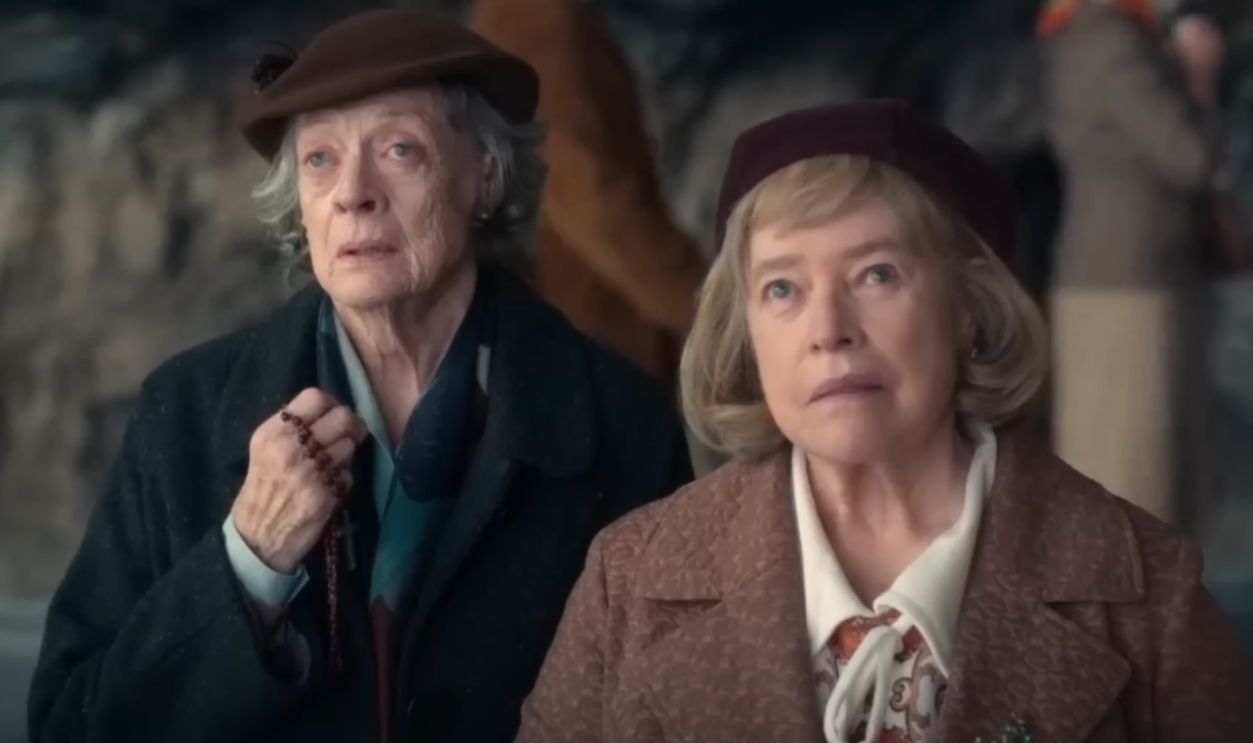 Screenshot from The Miracle Club, Lionsgate UK (2023
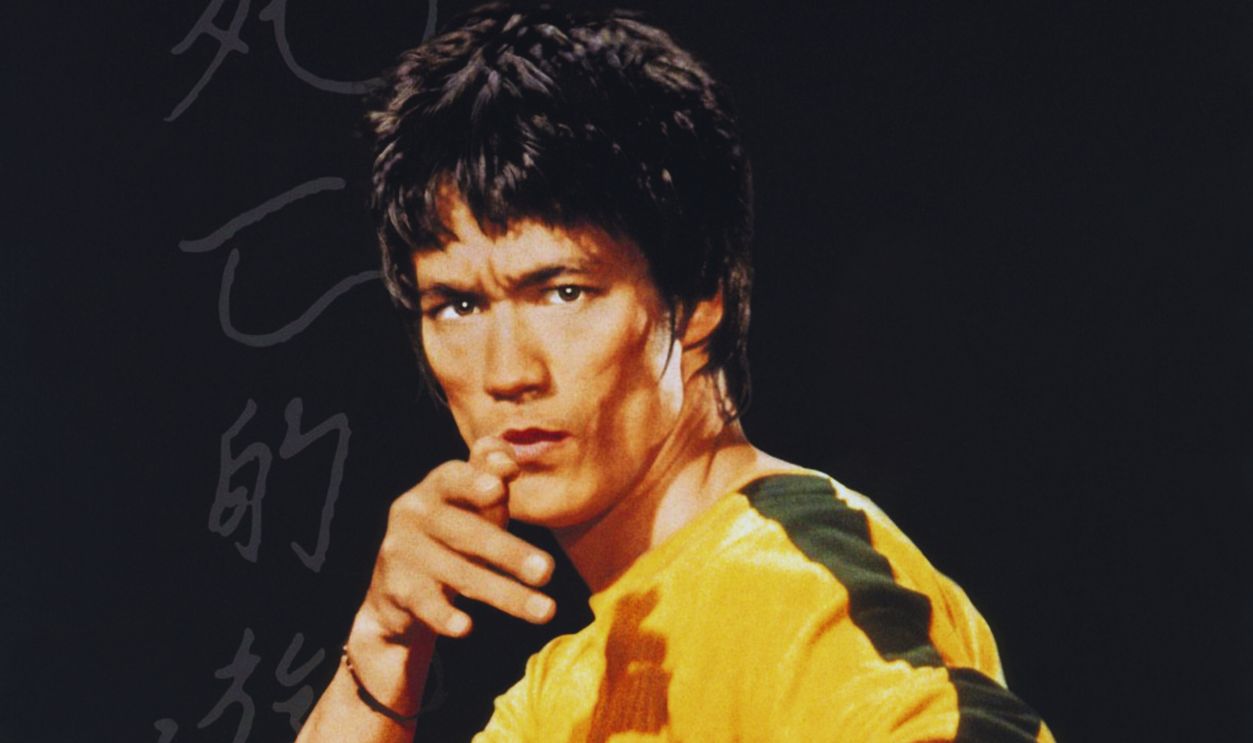
Bruce Lee: Game Of Death (1978)
Directed largely by Robert Clouse and co-starring Kareem Abdul-Jabbar, the film was assembled after Bruce Lee’s death using unfinished footage, eventually becoming both a martial arts spectacle and a tribute to Lee’s global cultural influence.
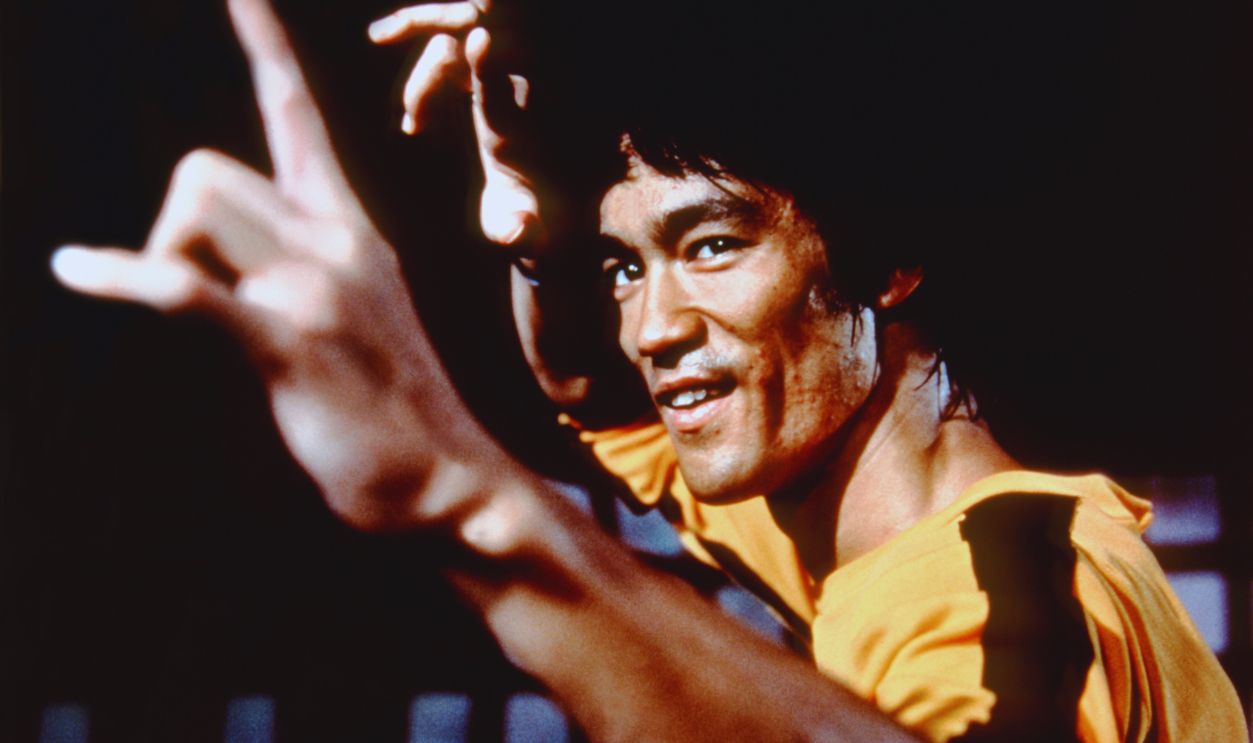 Sunset Boulevard, Getty Images
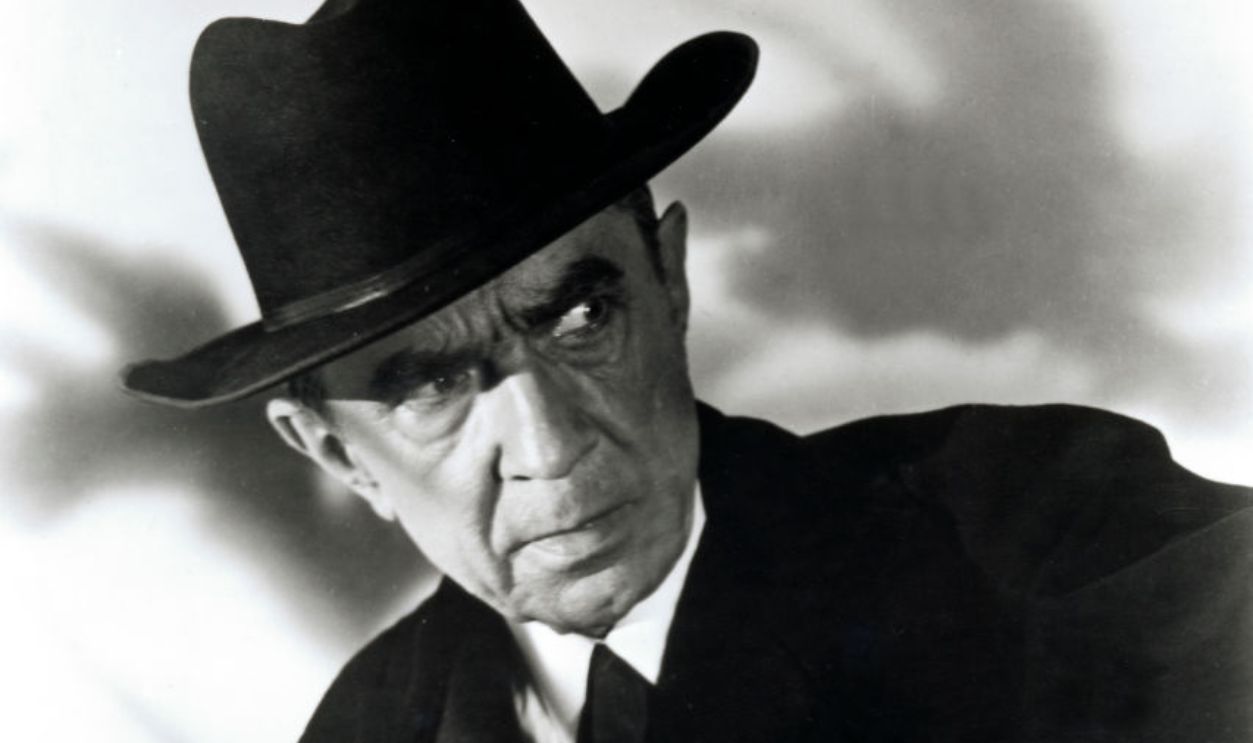
Bela Lugosi: Plan 9 From Outer Space (1959)
Directed by Ed Wood and featuring Tor Johnson and Maila Nurmi, the legendary Lugosi’s final appearance carries unexpected sadness despite (or maybe because of) the movie’s famously low-budget reputation and awkward production history.
Spencer Tracy: Guess Who’s Coming To Dinner (1967)
Directed by Stanley Kramer and co-starring Katharine Hepburn, Sidney Poitier, and Katharine Houghton, Tracy’s emotional closing speech now feels like a farewell to audiences and to old Hollywood itself.
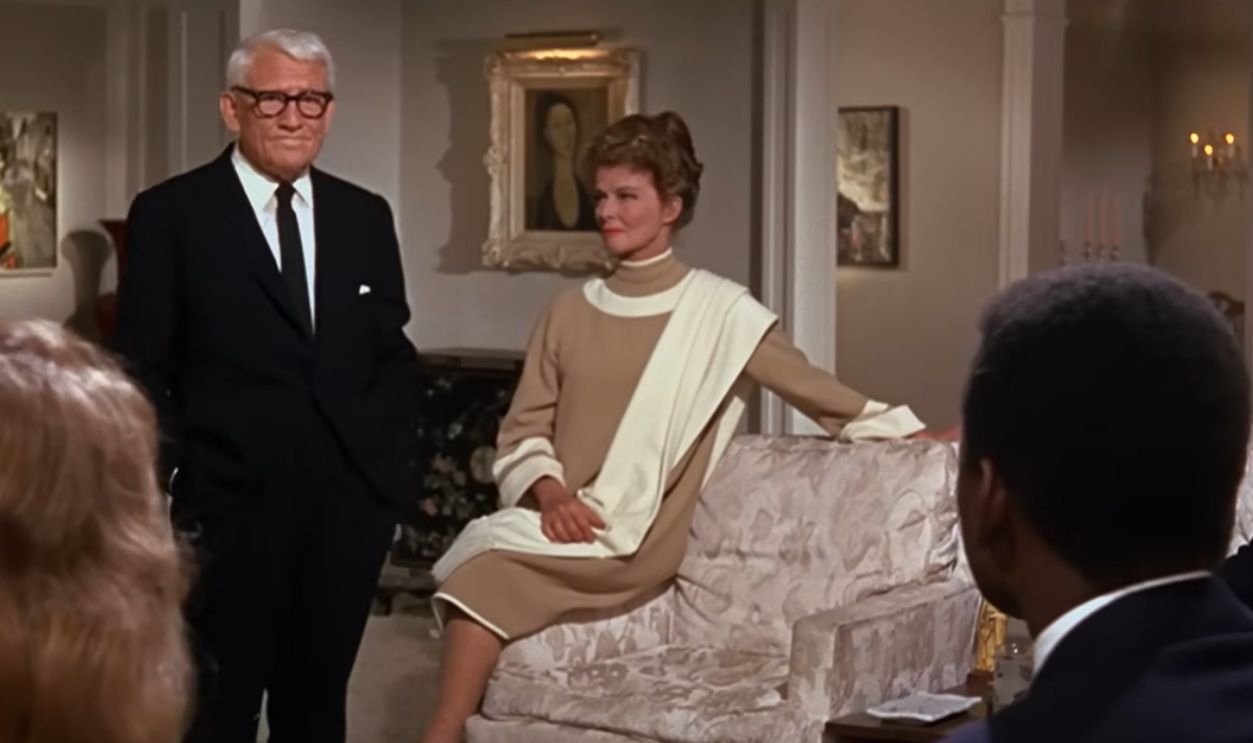 Screenshot from Guess Who’s Coming to Dinner, Columbia Pictures (1967)
John Wayne: The Shootist (1976)
Directed by Don Siegel and featuring Lauren Bacall, James Stewart, and Ron Howard, the Western deliberately mirrored Wayne’s real-life illness, transforming the movie into a symbolic goodbye for an iconic screen legend.
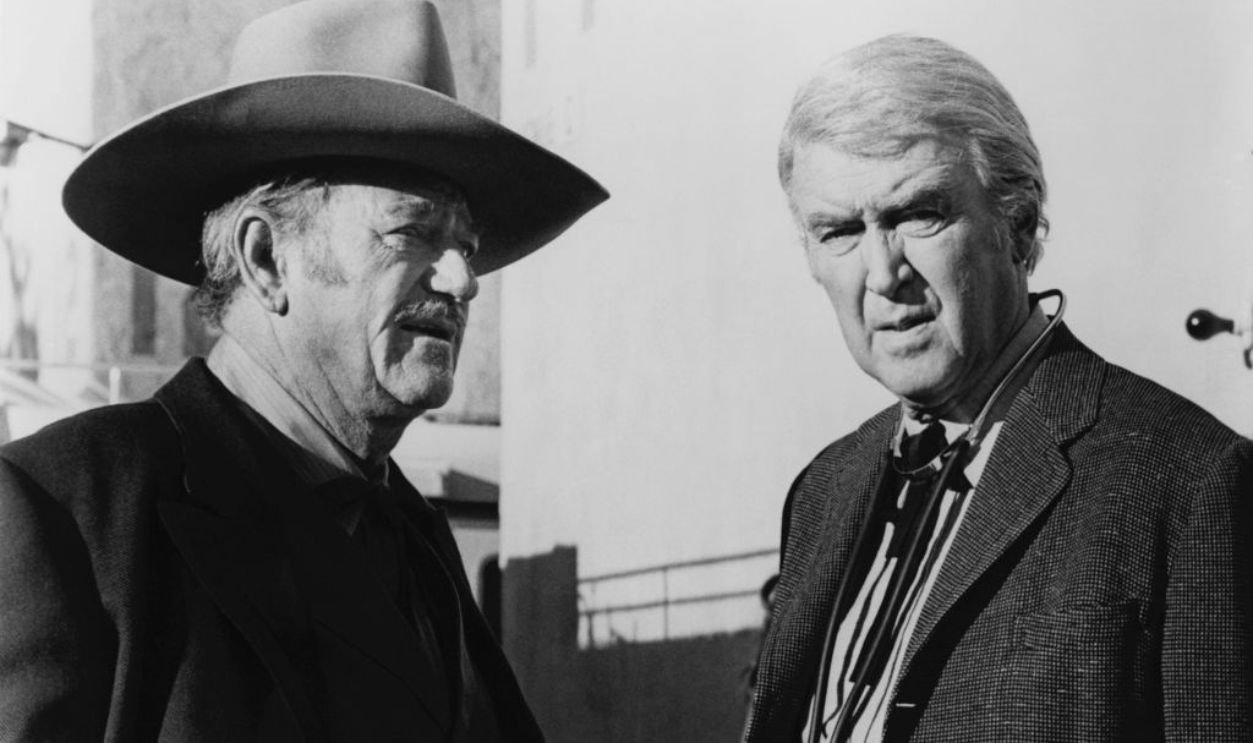 Silver Screen Collection, Getty Images
Orson Welles: Someone To Love (1987)
Directed by Henry Jaglom and co-starring Andrea Marcovicci and Michael Emil, the film was released two years after Orson Welles’ death. It captured Welles’ larger-than-life personality and intellectual presence during his final screen appearance.
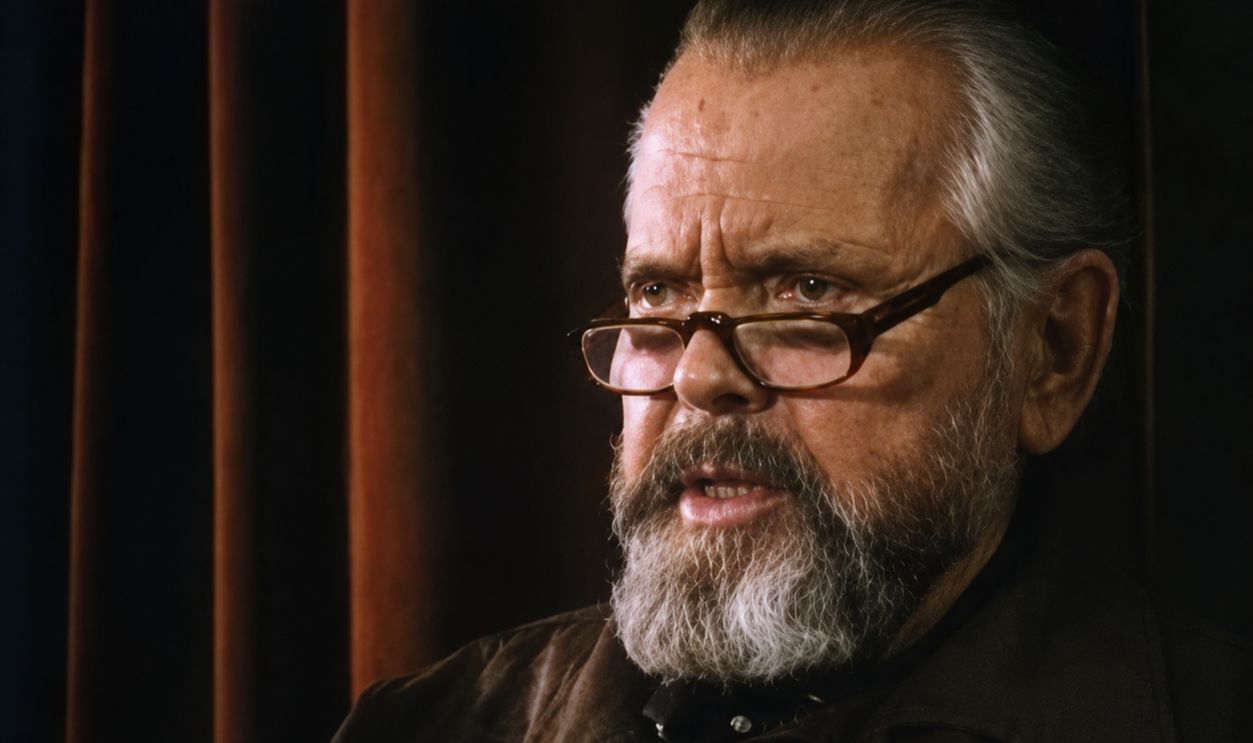 Screenshot from Someone to Love, The Samuel Goldwyn Company (1987), Modified
Ingrid Bergman: Autumn Sonata (1978)
Directed by Ingmar Bergman and co-starring Liv Ullmann, the emotionally intense drama became Ingrid Bergman’s final theatrical film performance and one of the most raw, painful, and personal roles of her career.
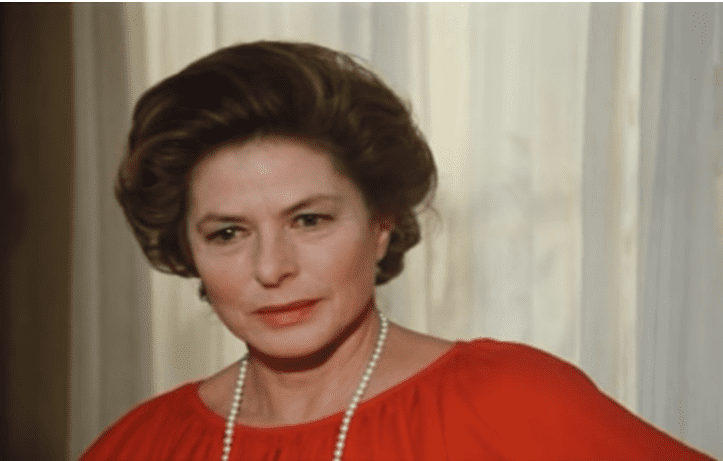 Screenshot from Autumn Sonata, ITC Entertainment (1978)
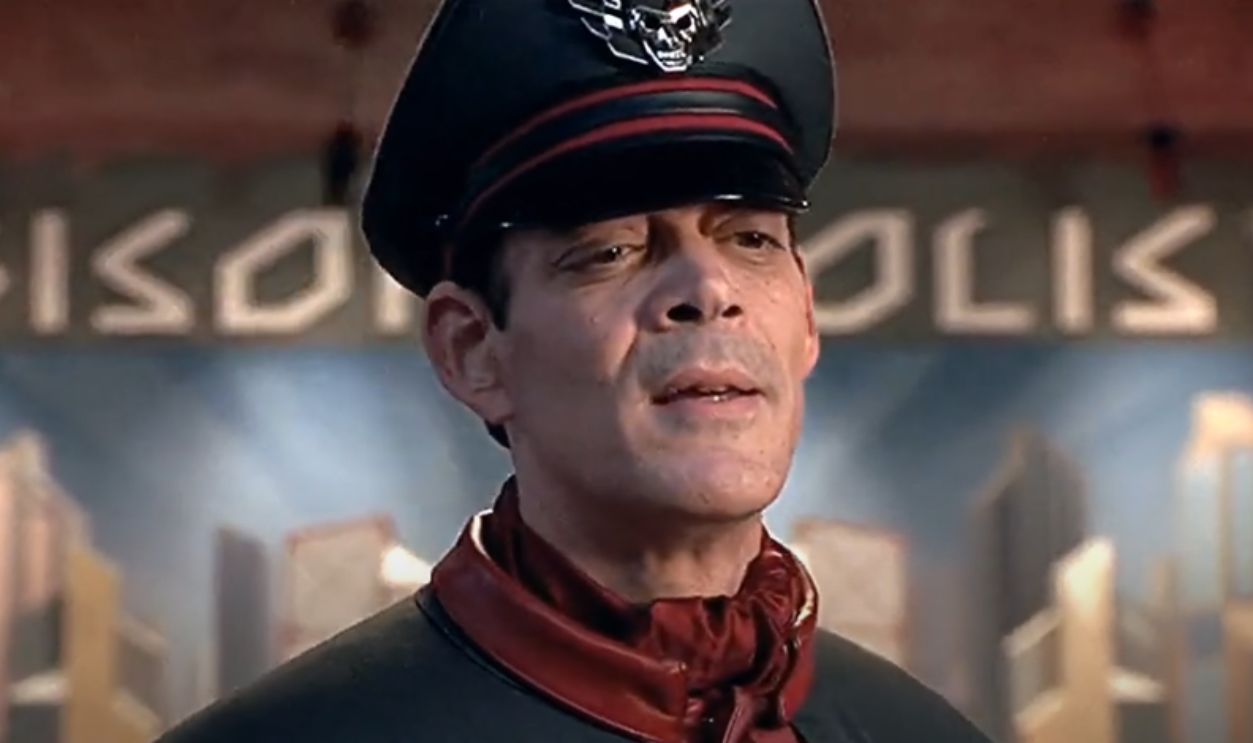
Raul Julia: Street Fighter (1994)
Directed by Steven E. de Souza and co-starring Jean-Claude Van Damme and Ming-Na Wen, Juliá’s energetic portrayal of M. Bison elevated the film and demonstrated remarkable commitment despite his declining health.
John Candy: Wagons East! (1994)
John Candy’s final starring role came in Wagons East! (1994), directed by Peter Markle. Candy played a weary wagon master leading frustrated settlers back east instead of west, alongside Richard Lewis and John C. McGinley. Tragically, Candy died of a heart attack during filming in Mexico at just 43, forcing the production to finish his scenes with rewrites, stand-ins, and effects. Though the film itself was poorly received, Candy’s warmth and screen presence still shine, making it an emotional farewell to one of comedy’s most beloved actors.
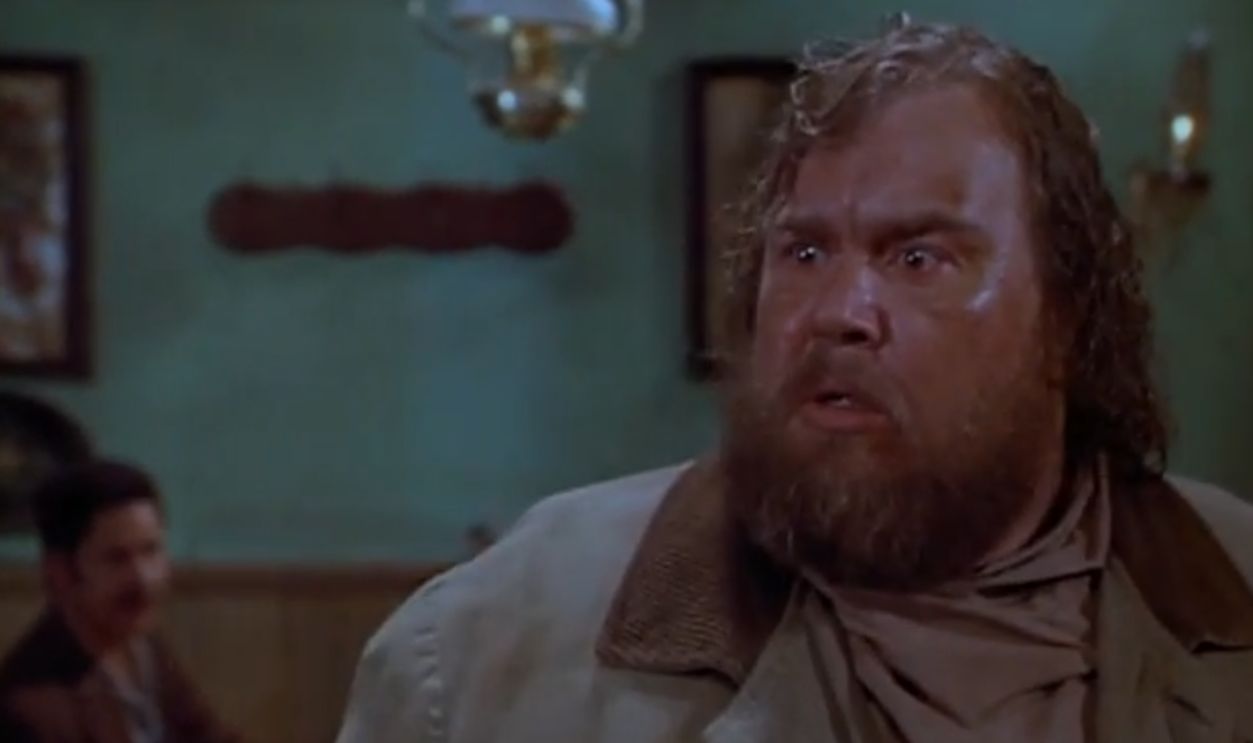 Screenshot from Wagons East!, TriStar Pictures(1994)
Oliver Reed: Gladiator (2000)
Directed by Ridley Scott and starring Russell Crowe, Joaquin Phoenix, and Connie Nielsen, the historical epic required digital effects to complete Reed’s scenes after his sudden death during production.
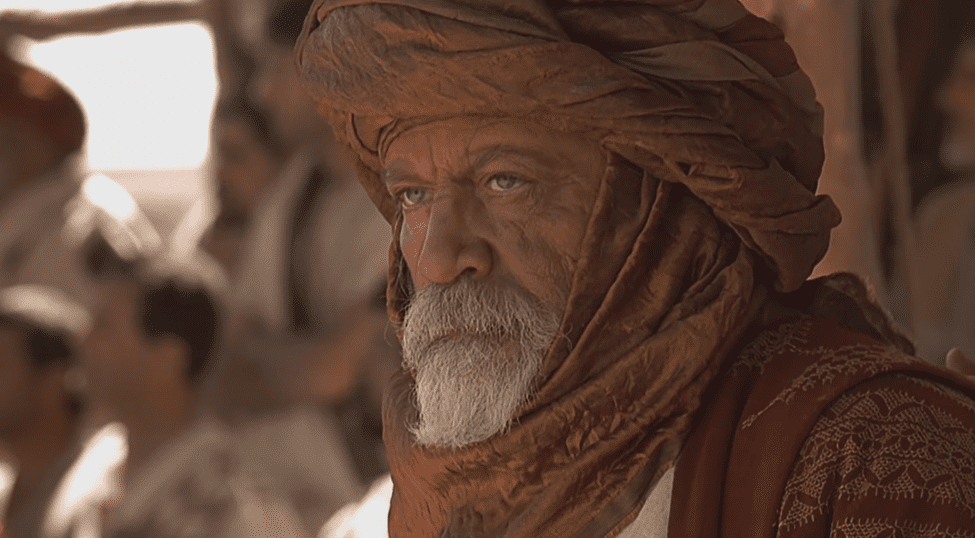 Screenshot from Gladiator, DreamWorks (2000)
Robin Williams: Night At The Museum: Secret Of The Tomb (2014)
Robin Williams’ final film role saw him reprise Theodore Roosevelt, a character he had brought warmth and humor to throughout the series. Knowing it would be his last appearance adds a bittersweet layer, as his performance carries the same gentle wisdom and charm that defined his career.
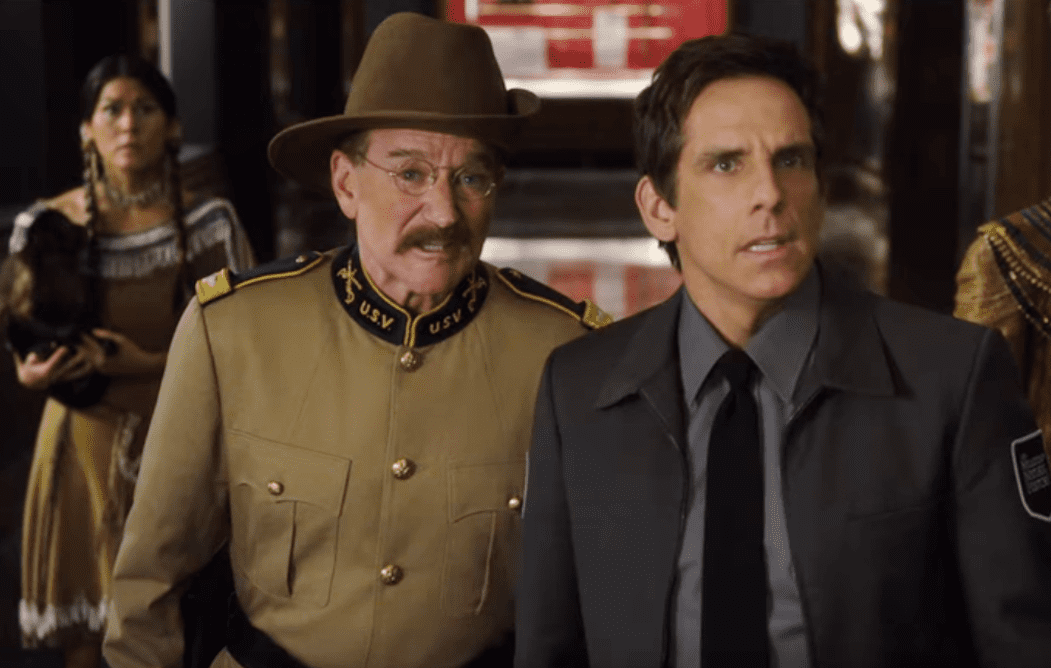 Screenshot from Night at the Museum: Secret of the Tomb, Twentieth Century Fox (2014)
Chadwick Boseman: Ma Rainey’s Black Bottom (2020)
Directed by George C. Wolfe and co-starring Viola Davis, Boseman’s passionate and emotionally charged final performance stunned audiences, especially after viewers learned he had privately battled cancer throughout filming.
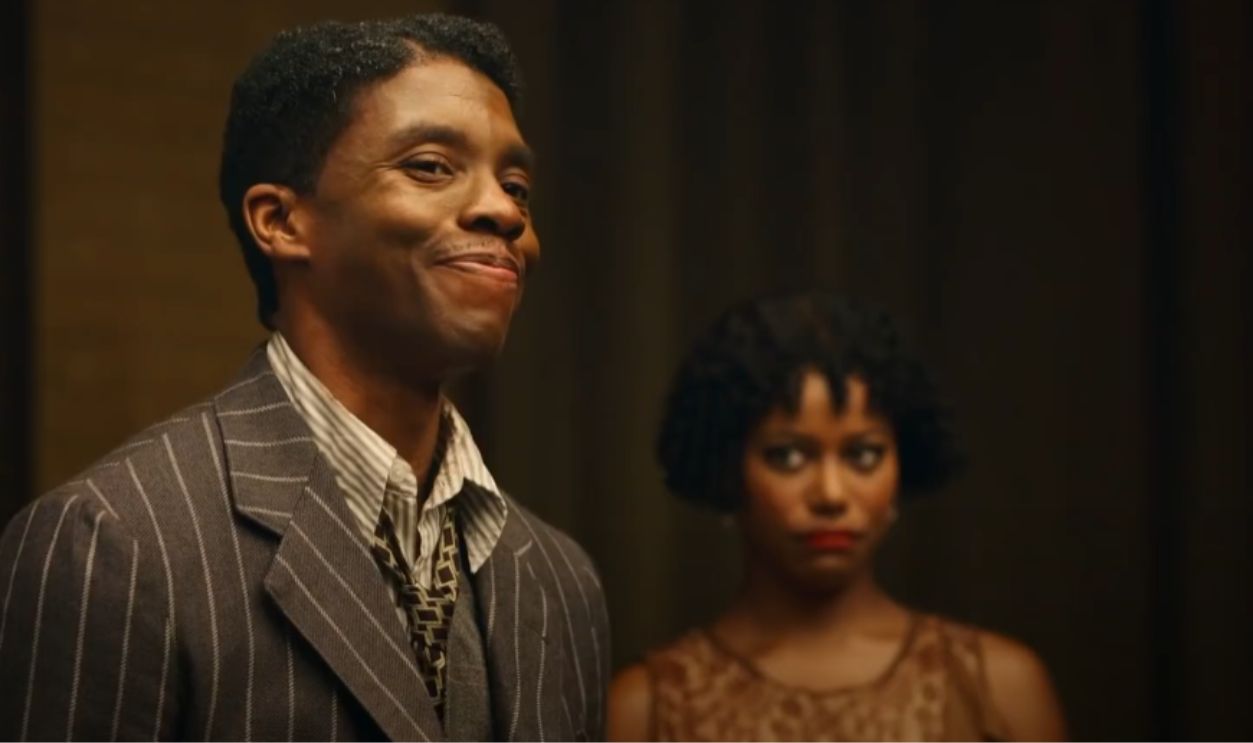 Screenshot from Ma Rainey’s Black Bottom, Netflix (2020)
Anton Yelchin: Thoroughbreds (2017)
Directed by Cory Finley and featuring Anya Taylor-Joy and Olivia Cooke, the dark comedy thriller highlighted Anton Yelchin’s unique ability to combine awkward charm, unpredictability, and emotional vulnerability.
 Screenshot from Thoroughbreds, Focus Features (2017)
Anthony Quinn: Avenging Angelo (2002)
Anthony Quinn’s last role came in Avenging Angelo (2002), directed by Martyn Burke. Quinn played Angelo Allieghieri, a powerful Mafia boss whose death sets the story in motion, alongside Sylvester Stallone and Madeleine Stowe. Slowed by age and illness, Quinn still carried the commanding presence that had defined classics like Zorba the Greek (1964) and Lawrence of Arabia (1962). It was a farewell for one of the last great old-school leading men.
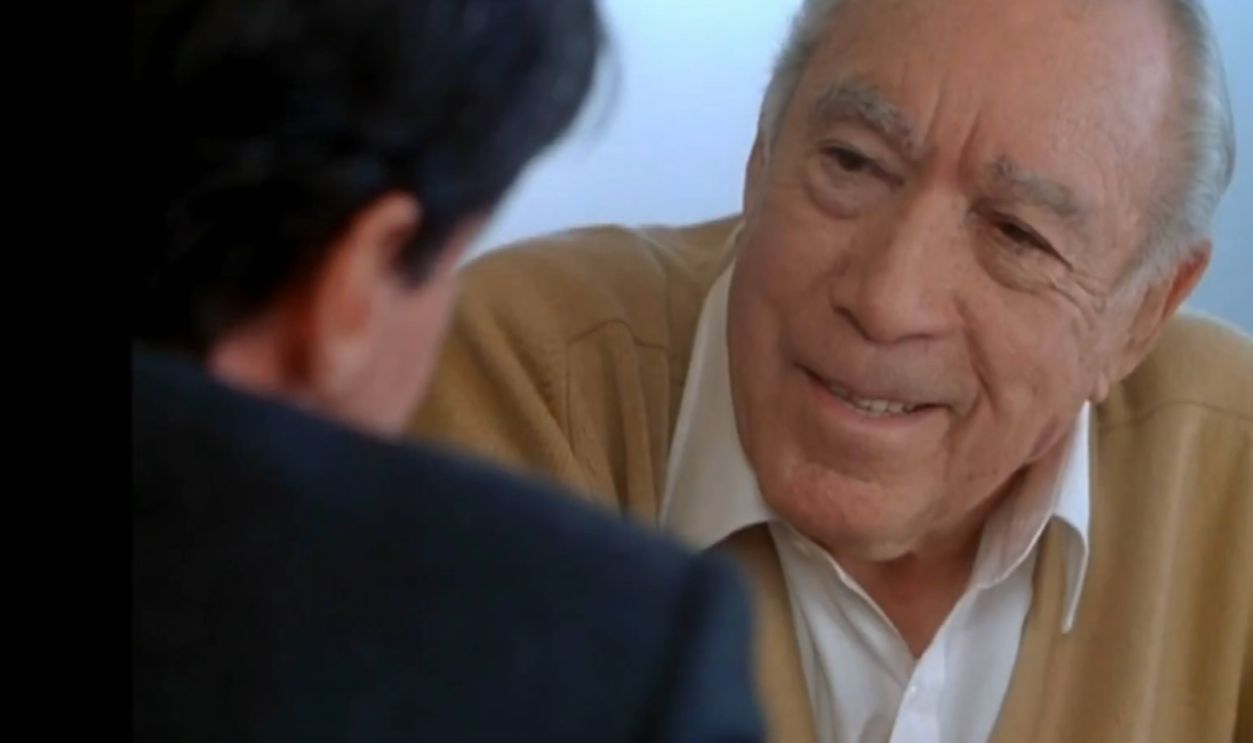 Screenshot from Avenging Angelo, Columbia TriStar Home Entertainment (2002)
Philip Seymour Hoffman: A Most Wanted Man (2014)
Directed by Anton Corbijn and co-starring Rachel McAdams, Willem Dafoe, and Robin Wright, Hoffman’s understated performance became a quiet but deeply affecting farewell from one of his generation’s finest actors.
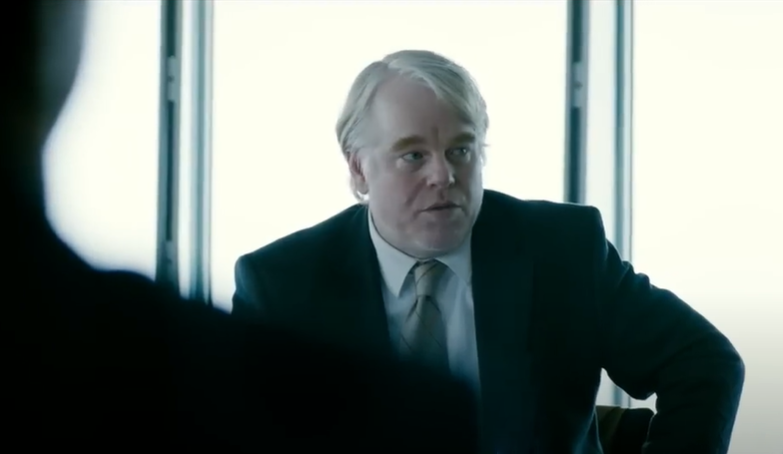 Screenshot from Most Wanted Man, Lionsgate (2014)
Why These Performances Stay With Us
Final performances carry emotional weight because audiences know there will never be another role afterward. That awareness transforms ordinary scenes into something more meaningful, allowing even average films to become lasting memorials that preserve not only talent, but also the humanity and vulnerability of the artists themselves.
 Sunset Boulevard, Getty Images
You May Also Like:
Unforgettable Facts About John Cazale, The Greatest Supporting Actor