A Breakout Role
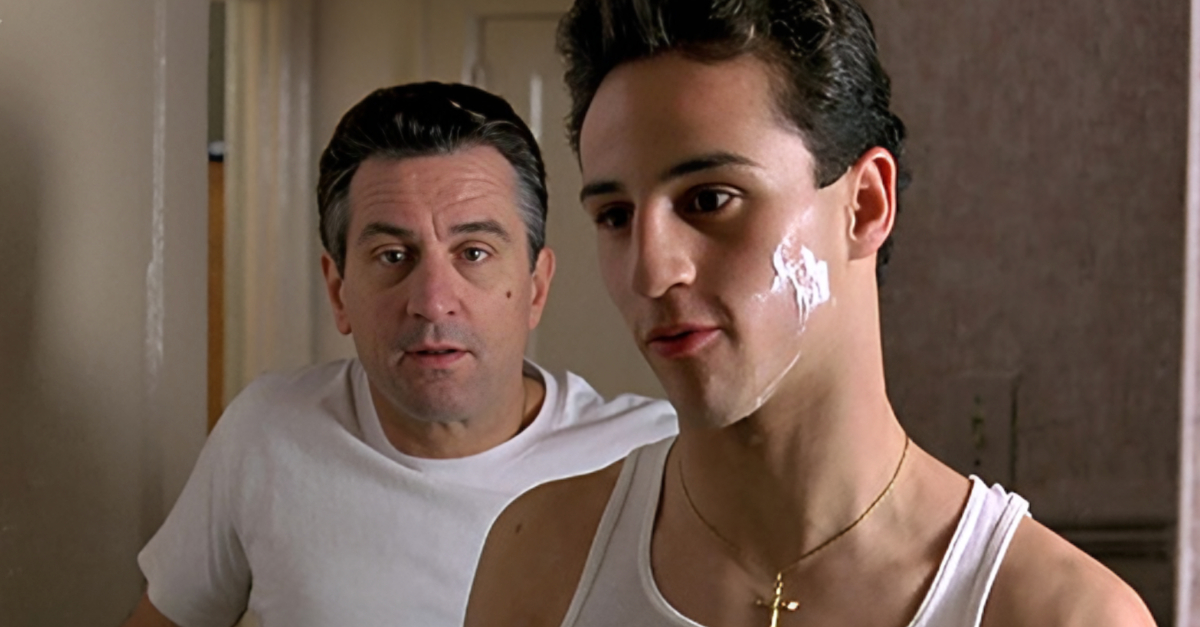
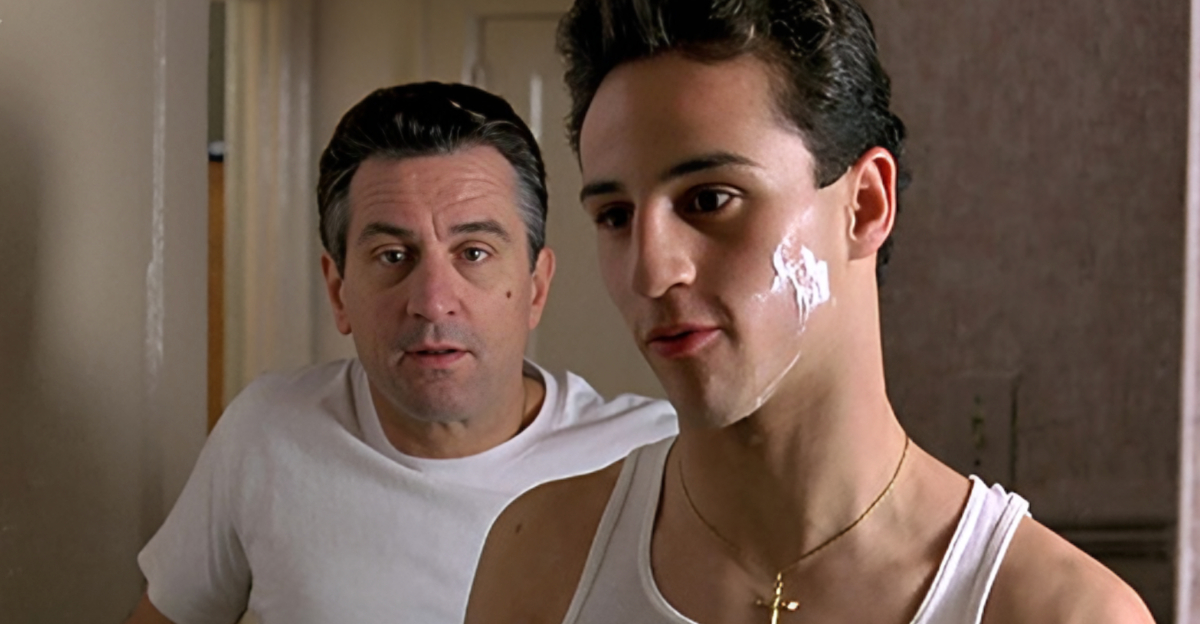
When A Bronx Tale was released in 1993, Lillo Brancato Jr. looked like a sure thing. He was young, charismatic, and held his own opposite Robert De Niro—something many actors far more experienced have struggled to do. Hollywood took notice, and the industry seemed ready to slot him into the next wave of serious leading men.
He Felt Real on Screen
At the time of the film’s release, Brancato was widely praised for his naturalism. Industry coverage from the period noted how comfortably he fit alongside De Niro, giving the performance a grounded, believable quality that casting directors tend to value more than polish.
The Roles That Followed A Bronx Tale
After his breakout, Brancato continued working, though his career took a quieter path. He appeared in films like Renaissance Man and Crimson Tide in supporting roles, while television became a steadier outlet. He guest-starred on NYPD Blue and later played the son of the title character on the short-lived crime series Falcone. These weren’t star-making parts, but they kept him visible and employed, suggesting a career that was still unfolding rather than fading out.
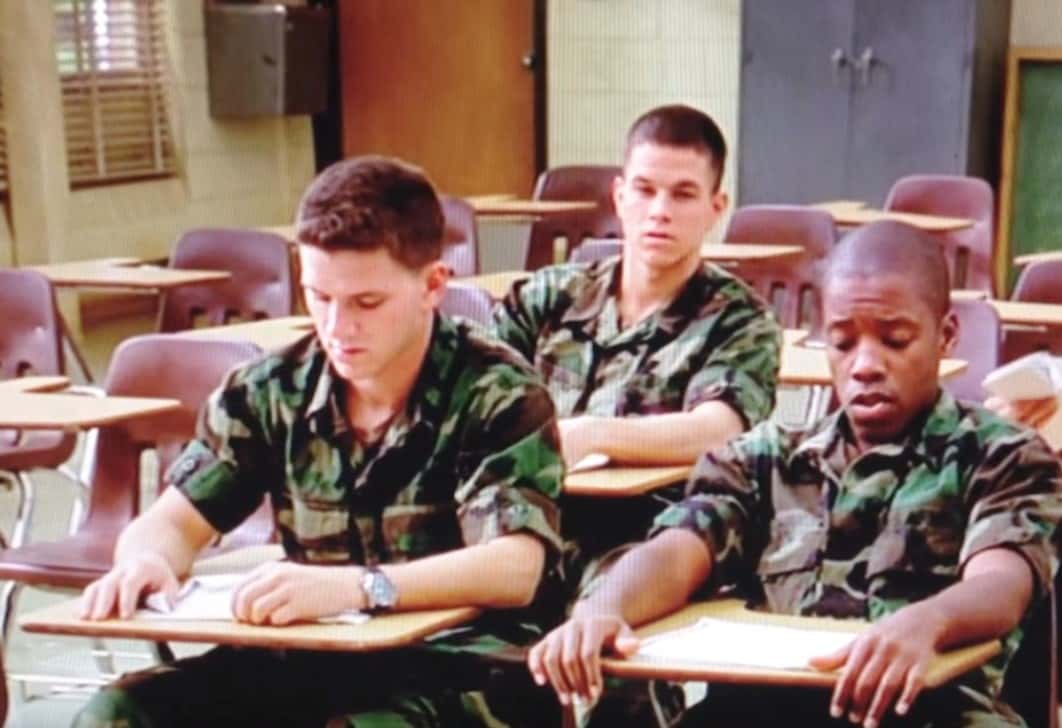 Screenshot from Renaissance Man, Touchstone Pictures(1994)
The Pressure of Early Validation
Early success can be deceptive. Actors who break out young are often given expectations without guidance. Brancato had the credit everyone recognized, but not the structure that helps careers survive when momentum slows.
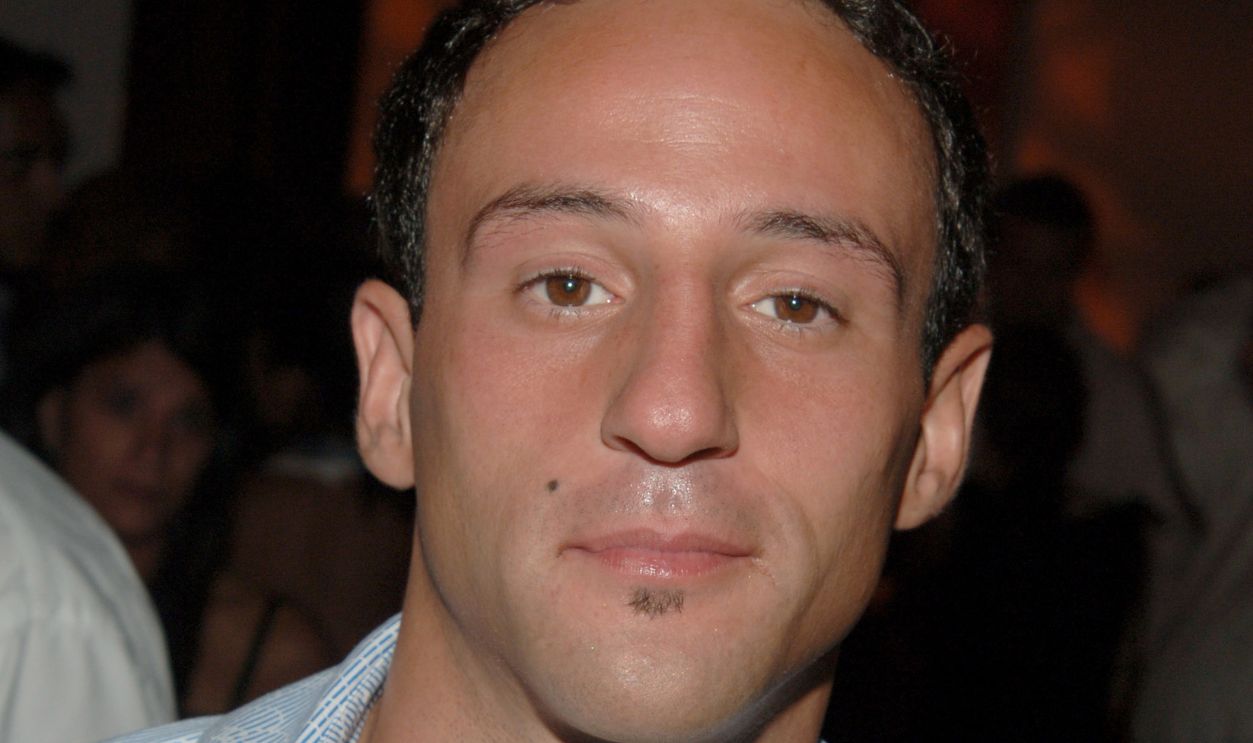
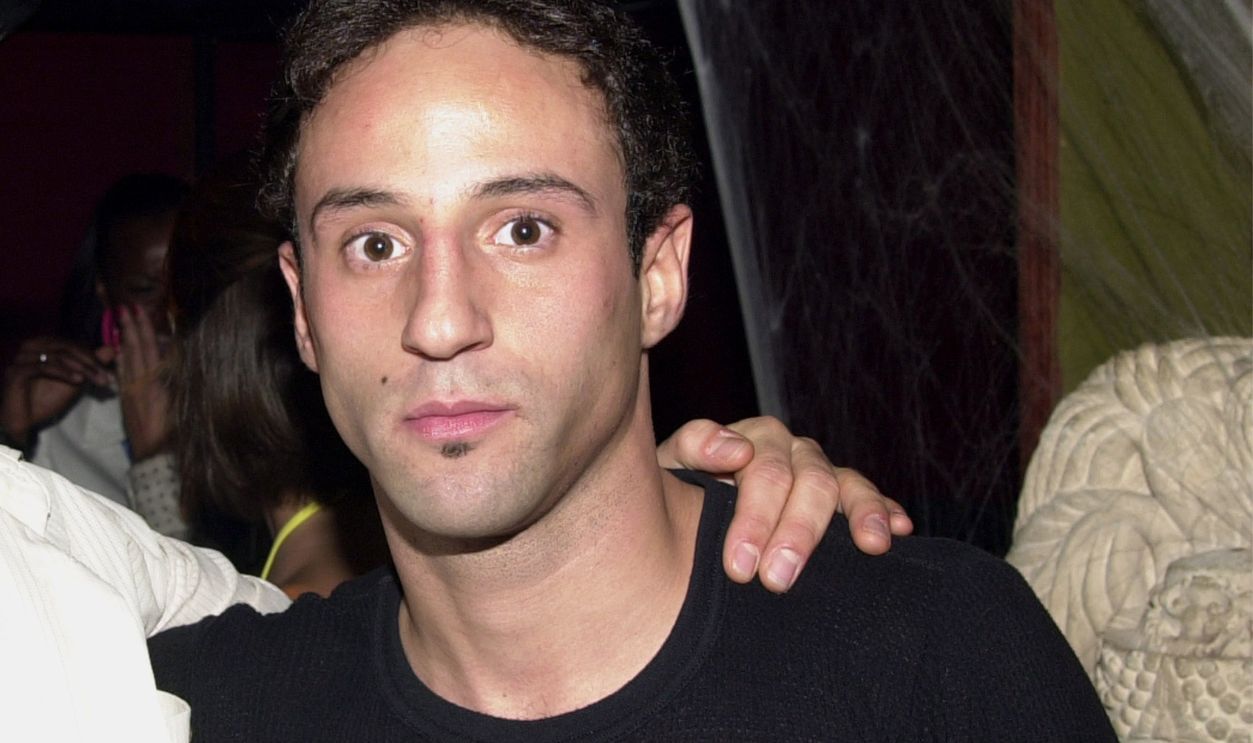 Djamilla Rosa Cochran, Getty Images
The Sopranos Effect
In the early 2000s, Brancato landed a recurring role on The Sopranos. The series was known for elevating character actors and extending careers, and the role appeared to offer Brancato another opportunity to reset his trajectory on prestige television.
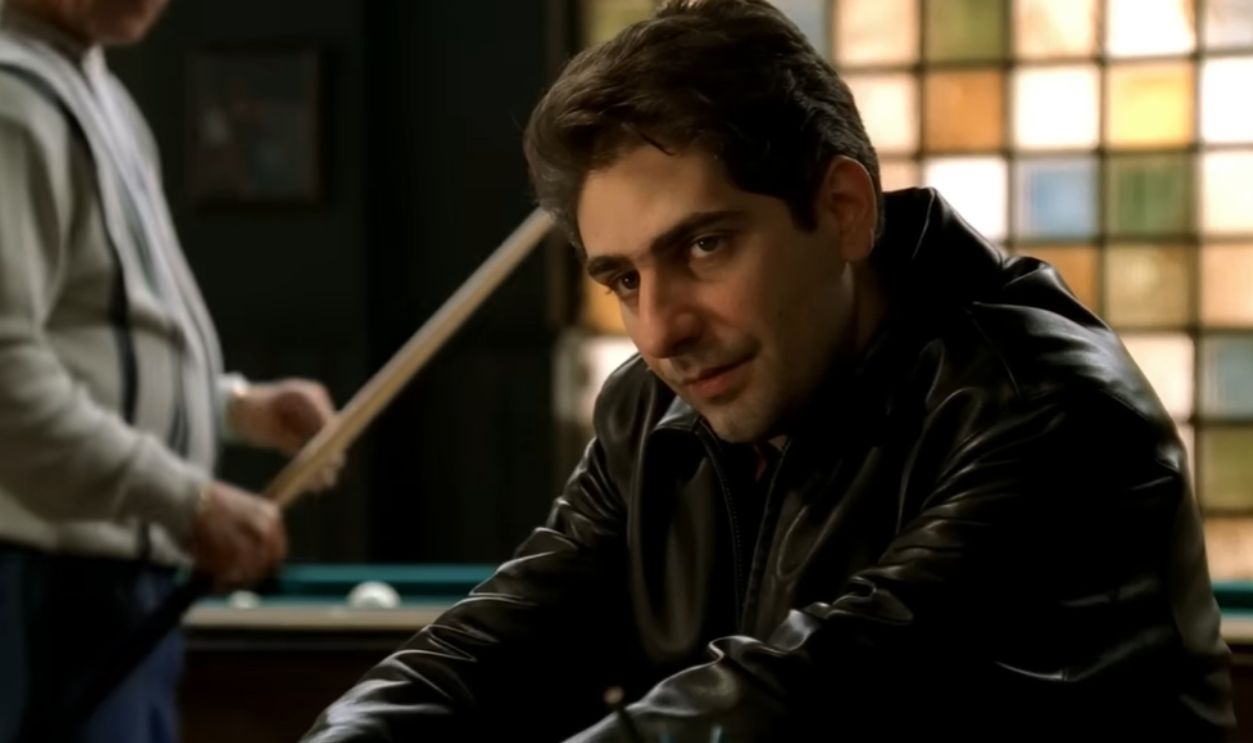 Screenshot from The Sopranos, HBO (1999–2007)
A Cast That Became a Career Machine
For many actors, The Sopranos functioned as a long-term career credential. Appearing on the show carried weight in the industry, and Brancato’s involvement suggested he was still part of that ecosystem.
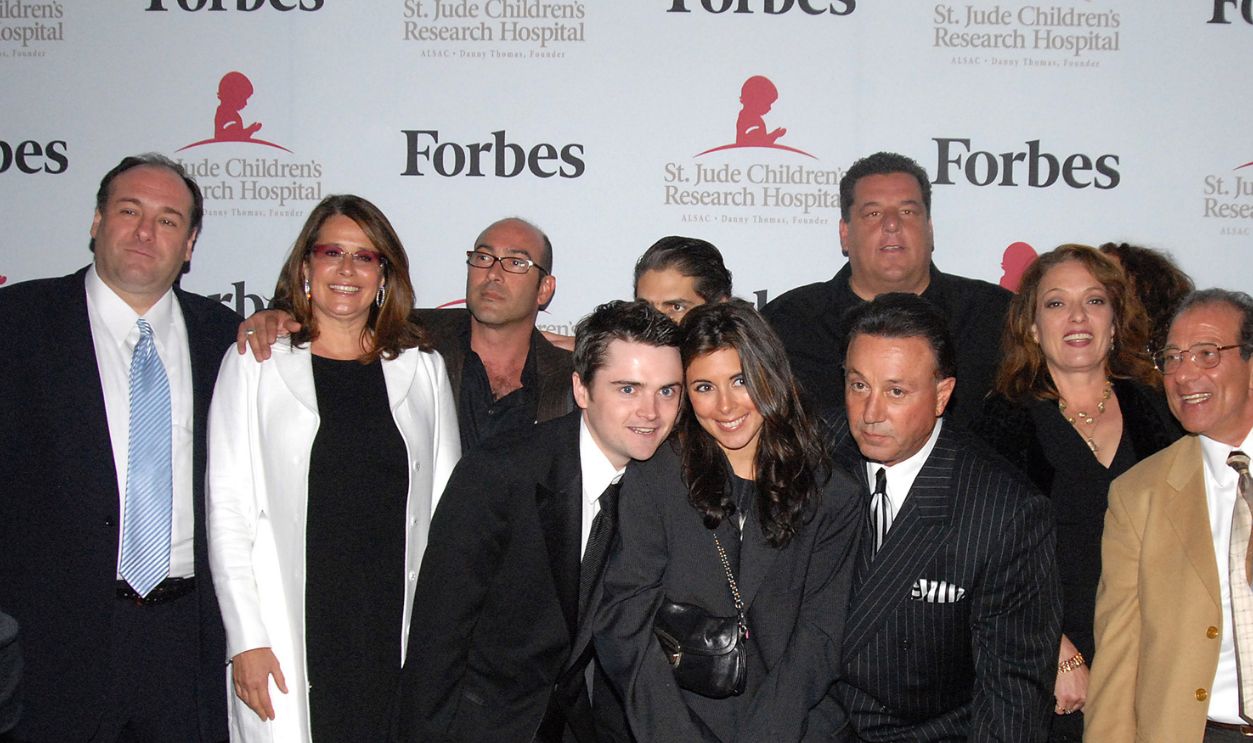 George Napolitano, Getty Images
A Life Drifting Off Camera
Behind the scenes, Brancato’s personal life was becoming increasingly unstable. Financial strain and poor decisions began to overshadow professional momentum. In later interviews, he acknowledged that acting had stopped being a priority during this period.
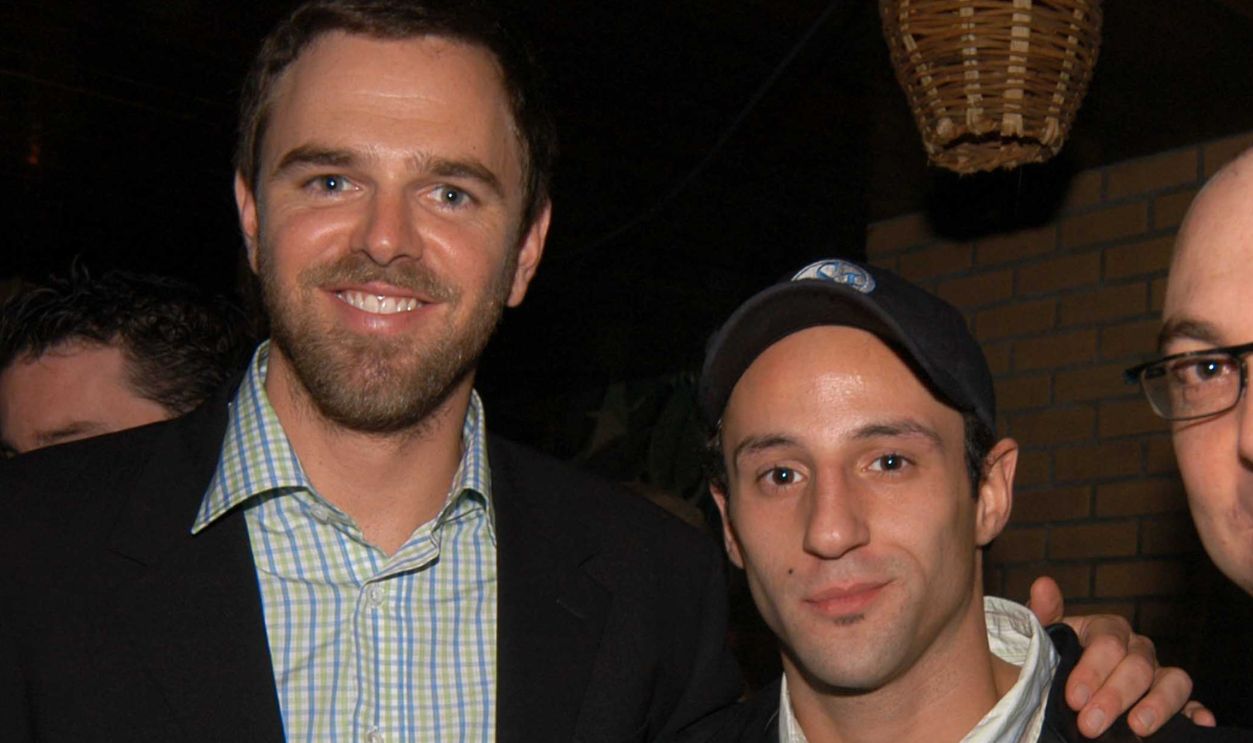 Patrick McMullan, Getty Images
Decline Without Headlines
Friends and associates later described the shift as gradual rather than dramatic. Missed opportunities, lost focus, and short-term decisions accumulated quietly, without the kind of public unraveling that usually draws attention.
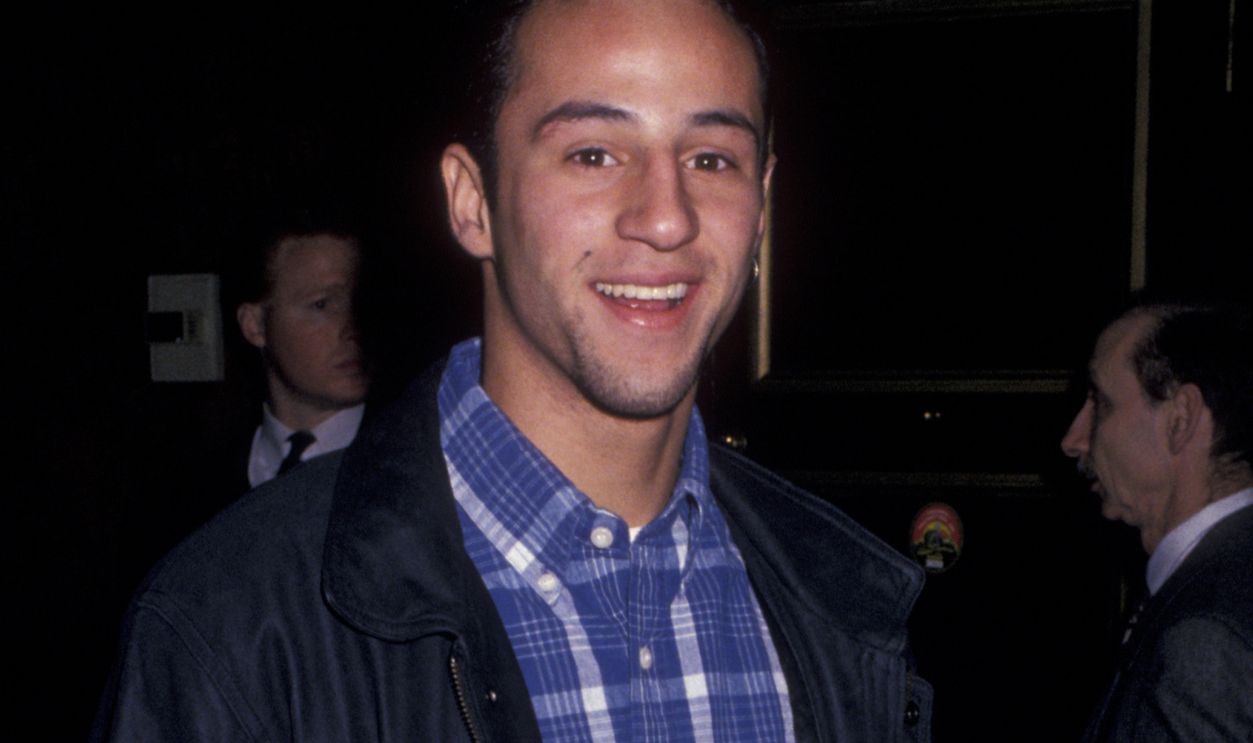
The Night Police Were Called
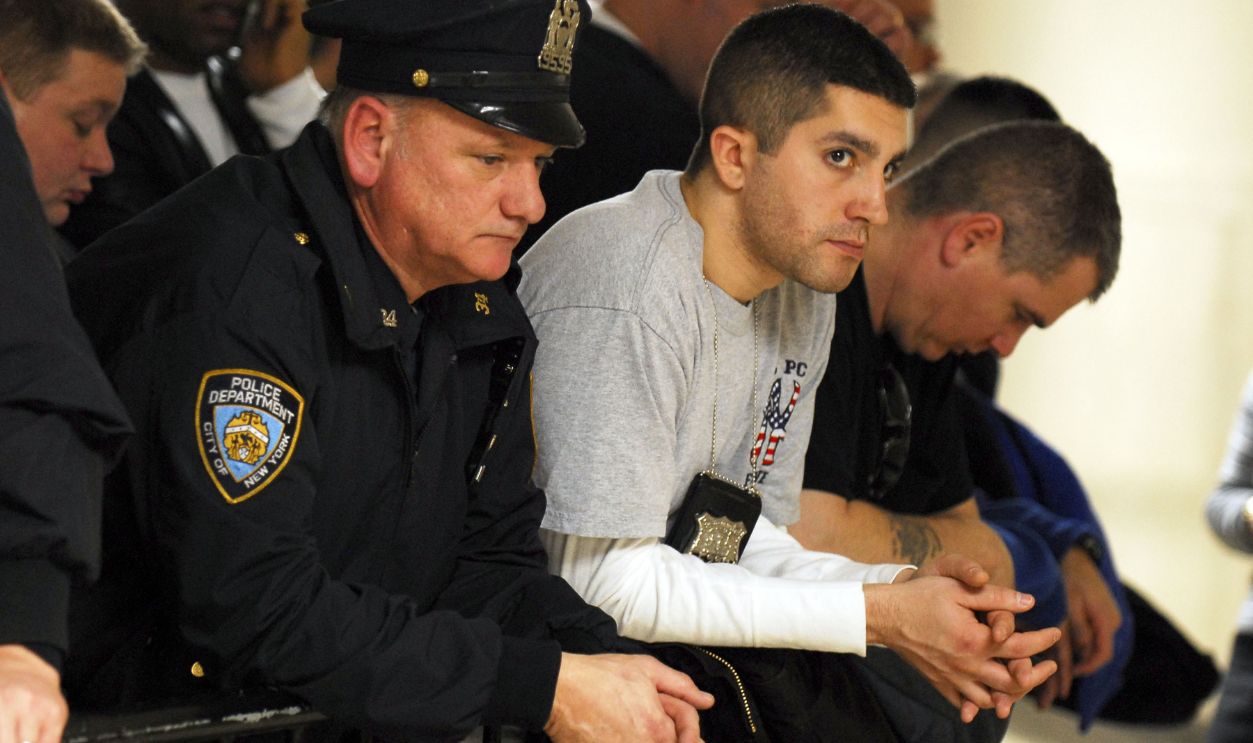
On December 10, 2005, Brancato and an associate entered a residential property in the Bronx. An off-duty NYPD officer who lived nearby, Daniel Enchautegui, became aware of activity at the location and investigated. What followed unfolded quickly inside the property, transforming a break-in into a criminal case that would define everything that came next.
A Situation That Escalated Fast
Brancato was present but unarmed. His associate, Steven Armento, was carrying.. During the encounter inside the residence, Armento fired. Officer Enchautegui later died from his injuries.
What Brancato Did—and Didn’t Do
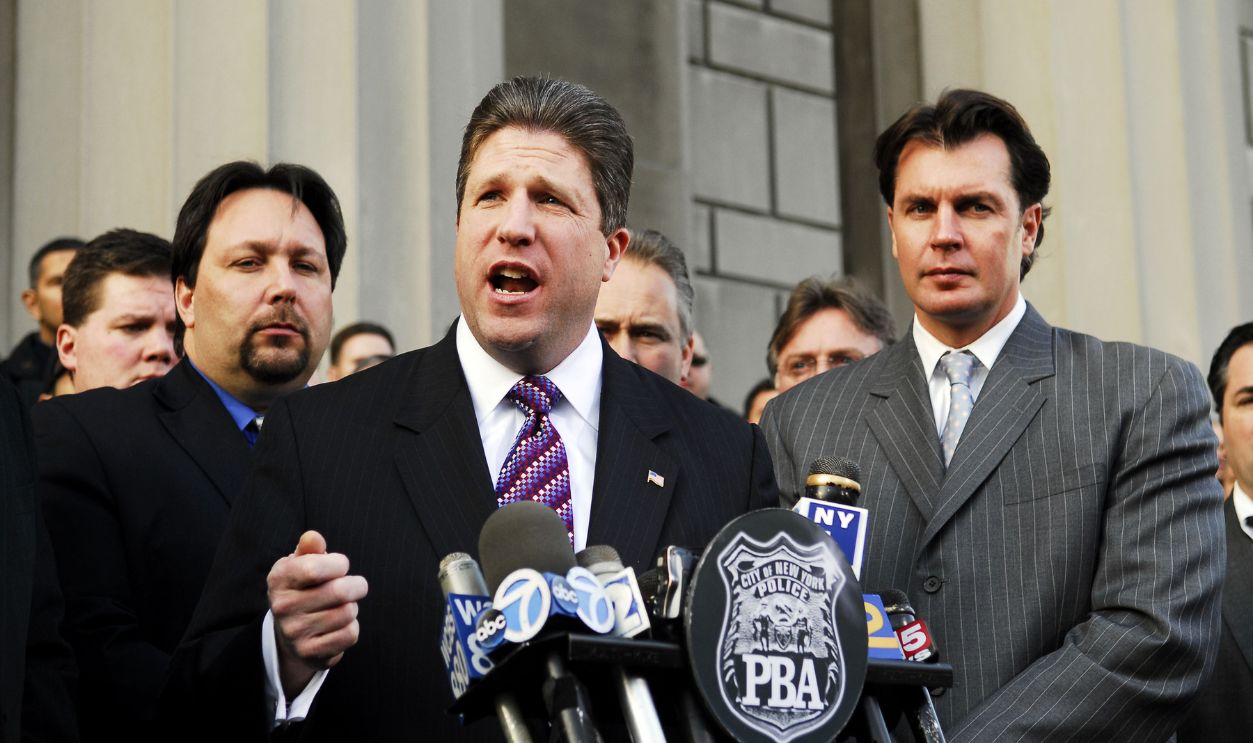
Investigators determined Brancato did not fire the weapon and did not directly cause the officer’s death. That distinction became central to the case. Prosecutors, however, argued that by participating in the unlawful entry, he helped create the circumstances that led to the fatal outcome.
Why Investigators Said They Went Inside
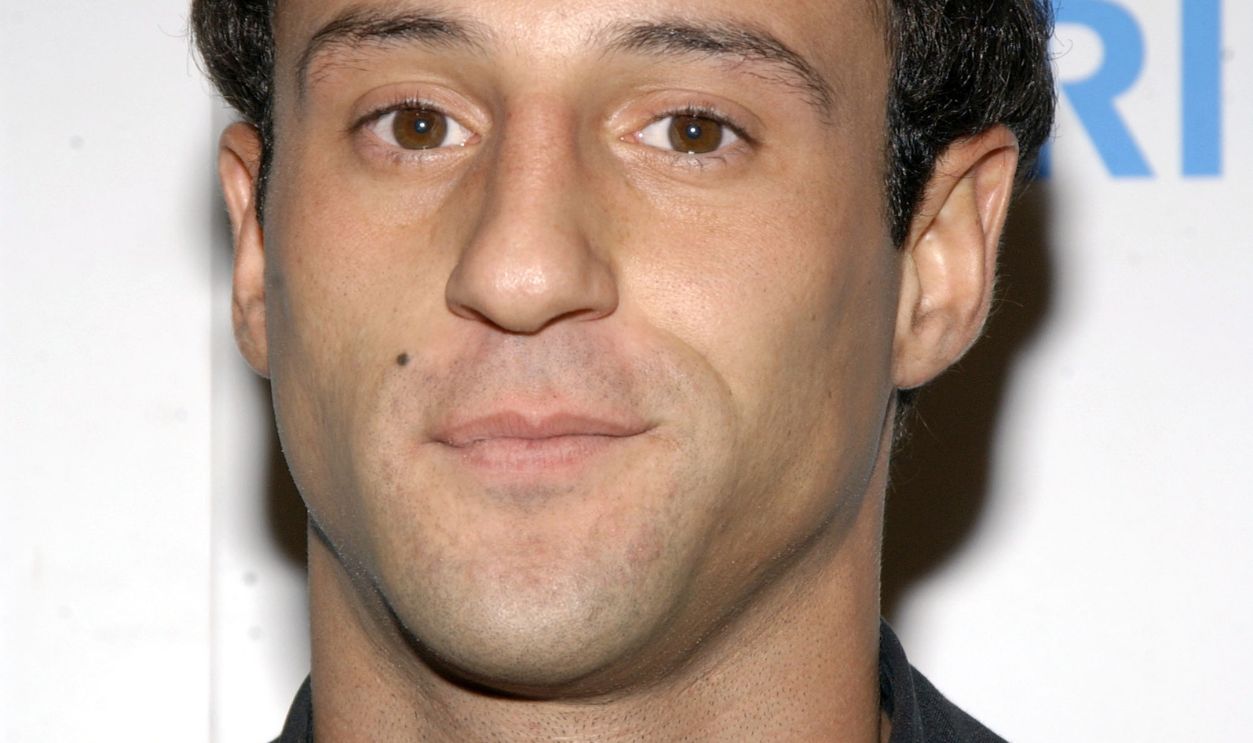
During the investigation, prosecutors said Brancato and his associate entered the basement apartment looking for prescription medication. Reporting at the time indicated the decision followed a night out and was driven by short-term thinking rather than any planned theft of valuables.
Brancato did not dispute being there, but the specific motive was presented as part of the prosecution’s case rather than something he independently claimed.
Why the Charges Were So Severe
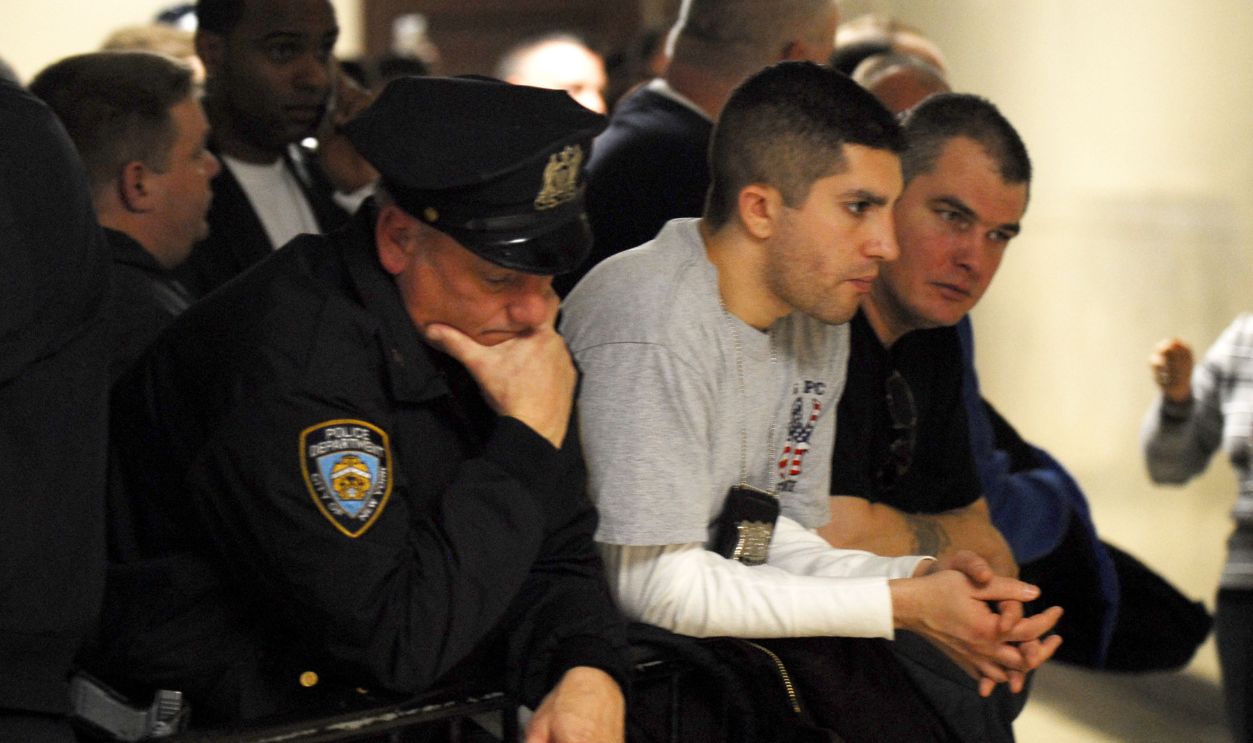
Brancato was charged under a New York statute which allows participants in a serious crime to be held criminally responsible if a death occurs during its commission, regardless of intent.
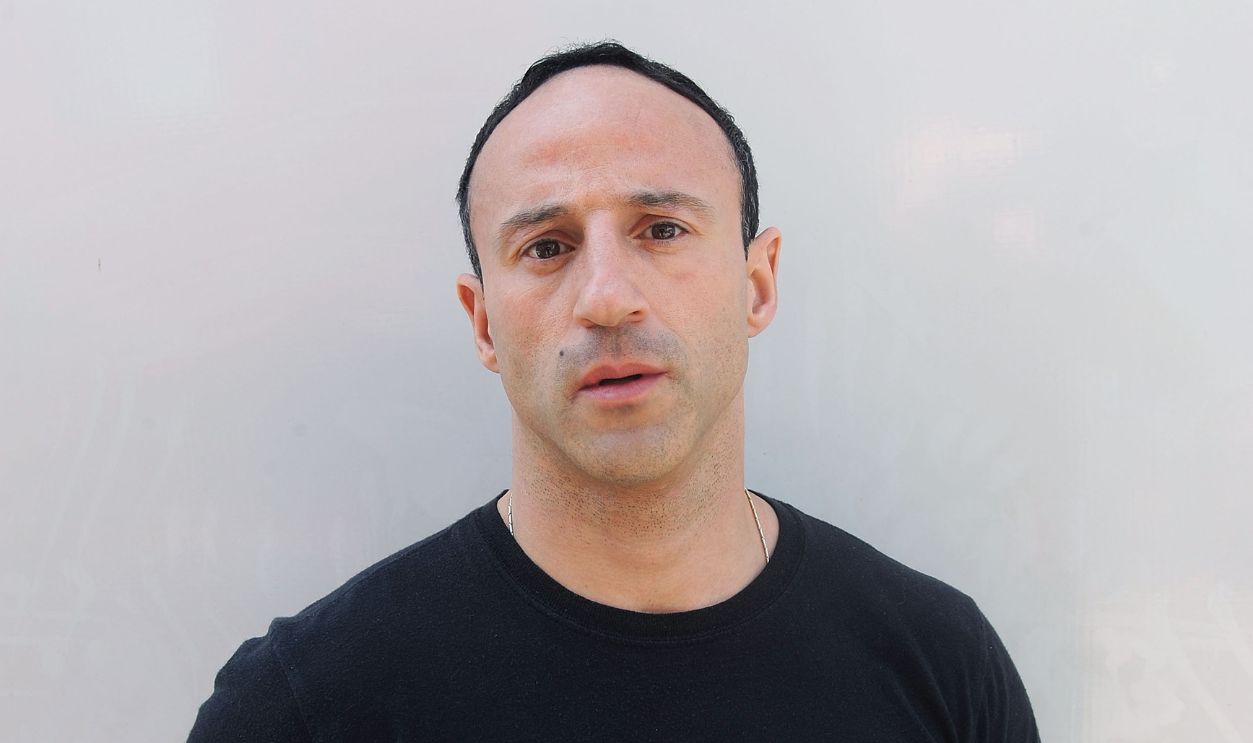
The Verdict That Split Responsibility
After trial, the jury acquitted Brancato of the most serious charges, concluding that he neither intended nor directly caused the officer’s death. He was, however, convicted of first-degree attempted burglary.
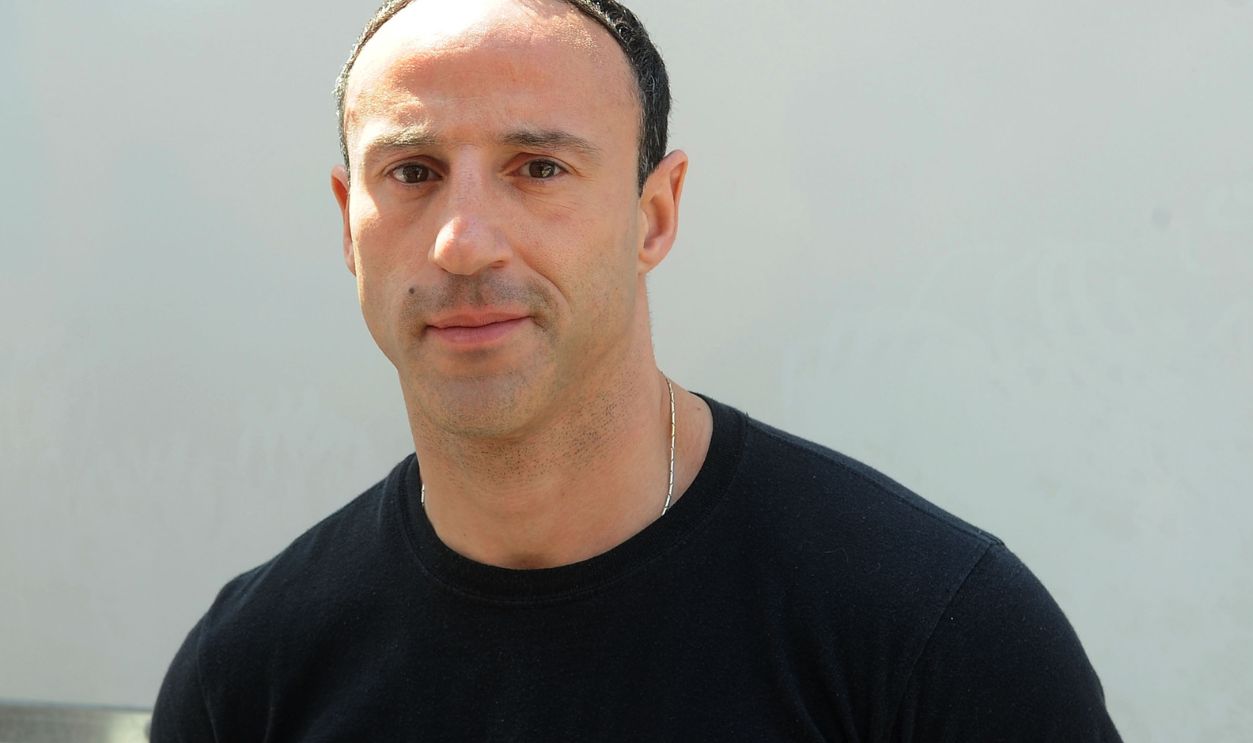
A Sentence That Ended the Career
Brancato received a 10-year prison sentence for the burglary conviction. Prosecutors had sought a longer term, and he had faced the possibility of up to 15 years. Regardless, the sentence effectively ended his Hollywood career.
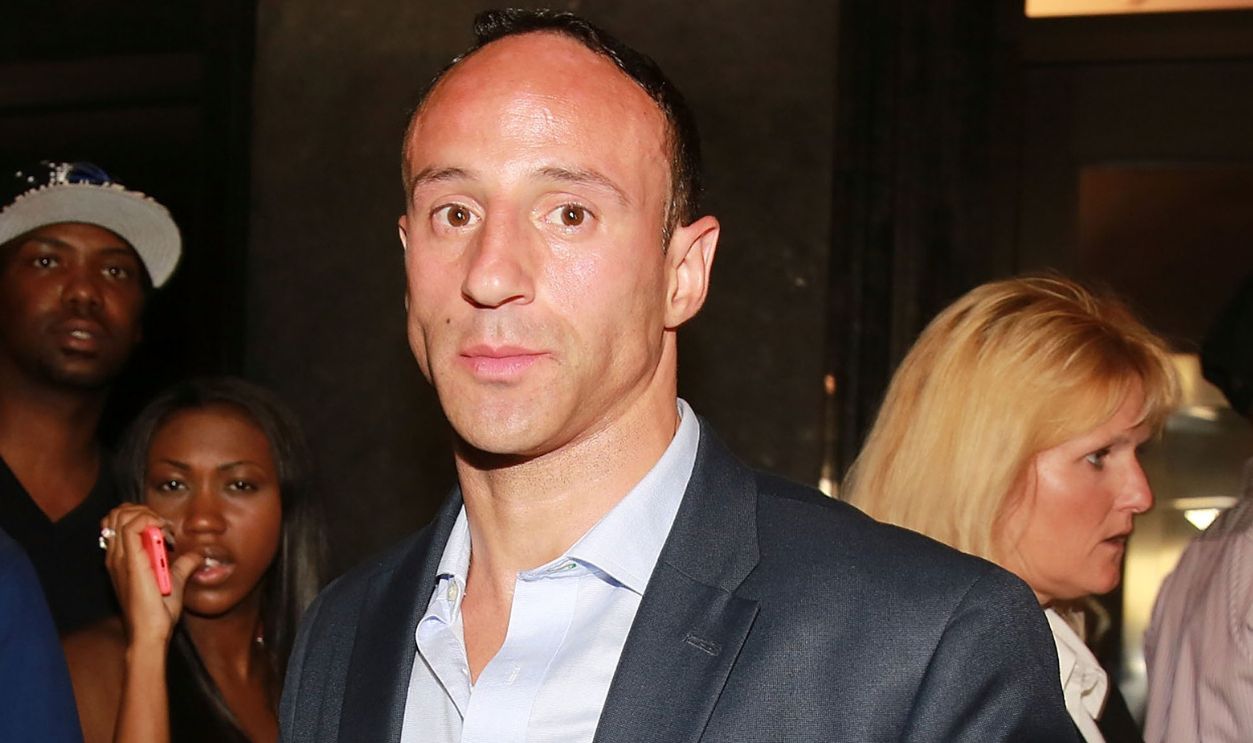
Life After Release
Brancato was released from prison in 2013. He returned without a public campaign or attempt to reenter the industry. In the limited interviews he gave afterward, he consistently acknowledged responsibility for his involvement and emphasized that the outcome of that night could not be undone.
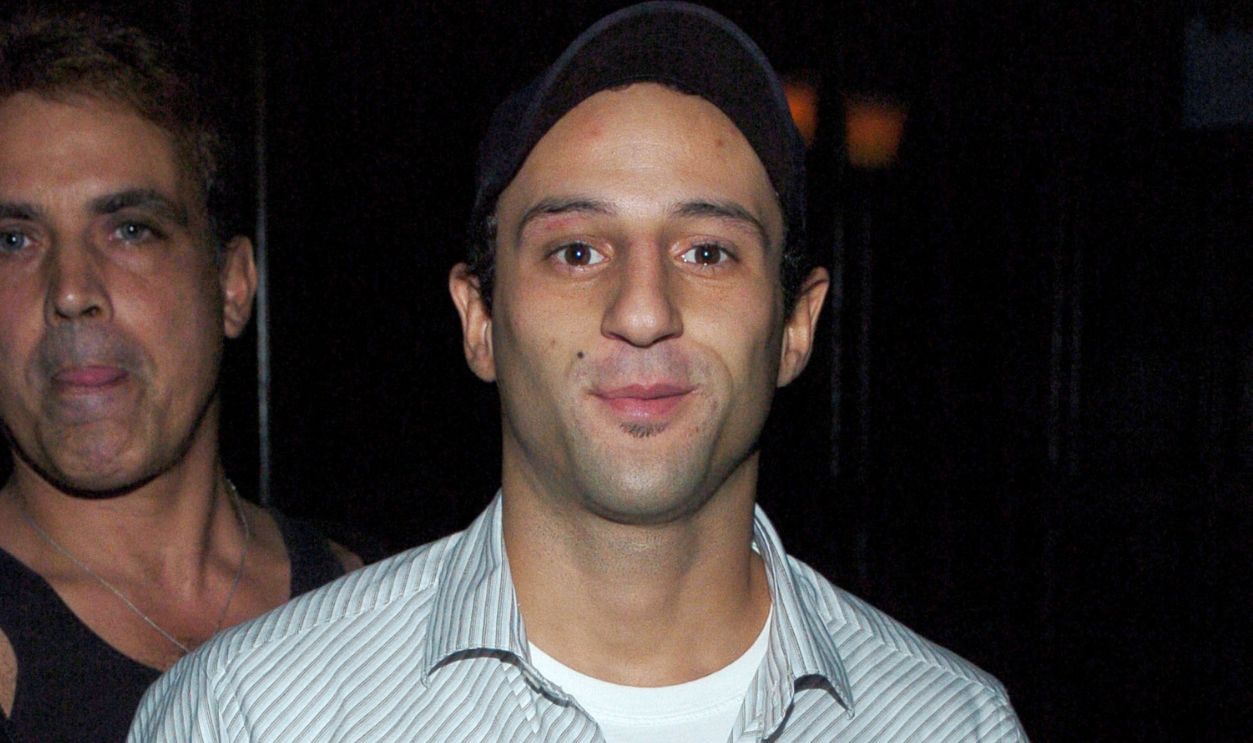 Dimitrios Kambouris, Getty Images
A Career That Didn’t Restart
After his release, Brancato appeared sporadically in small, independent film projects with limited distribution. These roles were not framed as a comeback and attracted little attention.
Choosing a Smaller Life
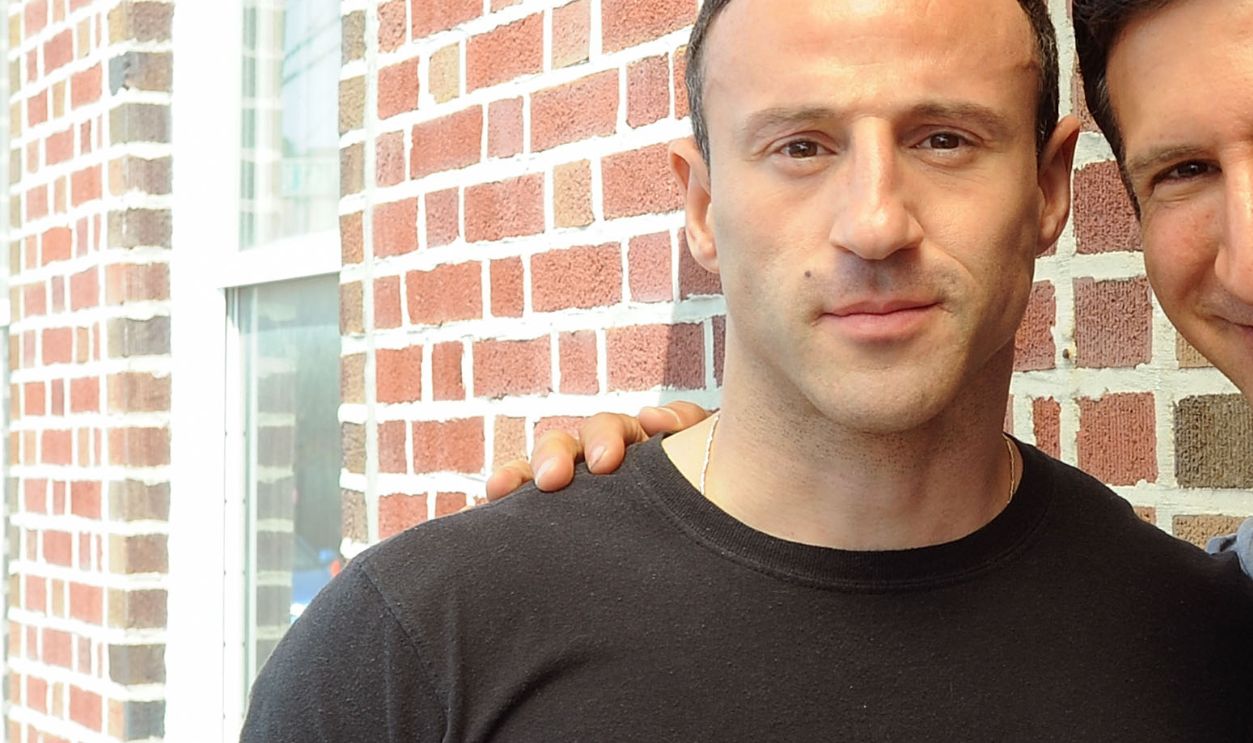
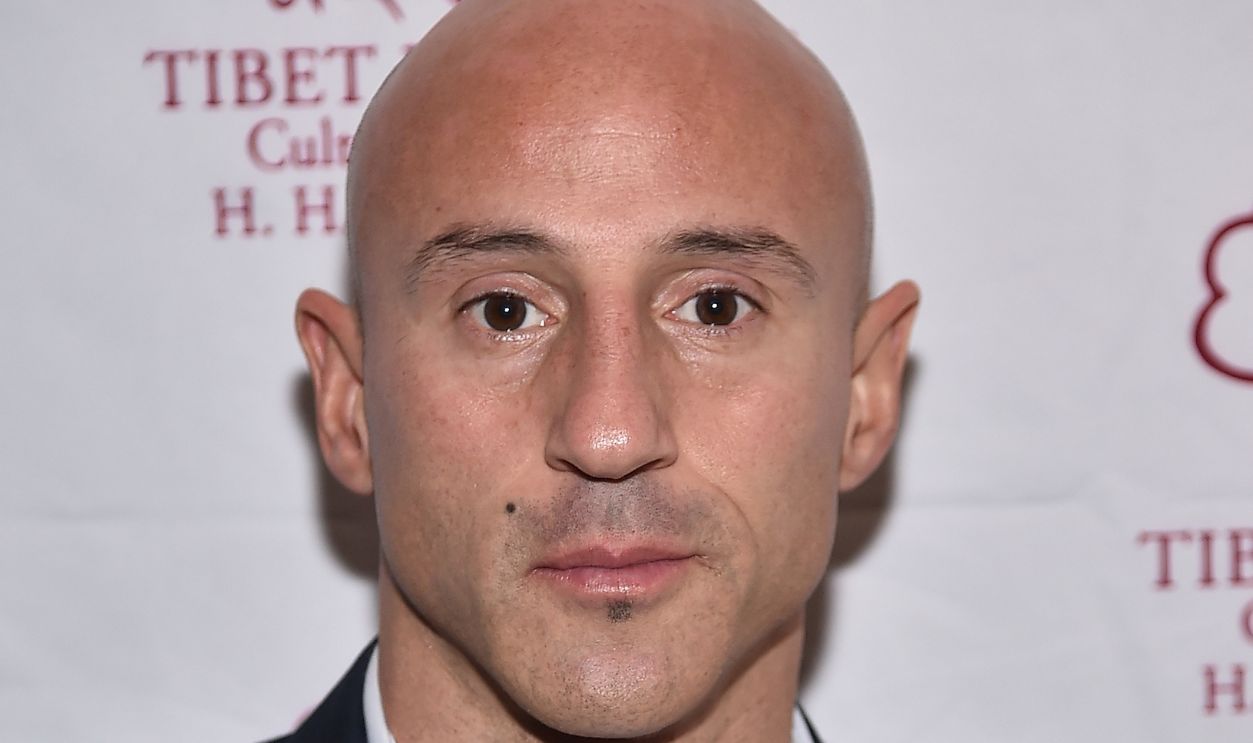
In later reflections, Brancato described prison as a complete reset of priorities. Public attention faded, and he appeared to accept a quieter life built around structure rather than visibility.
Hollywood Didn’t Look Back
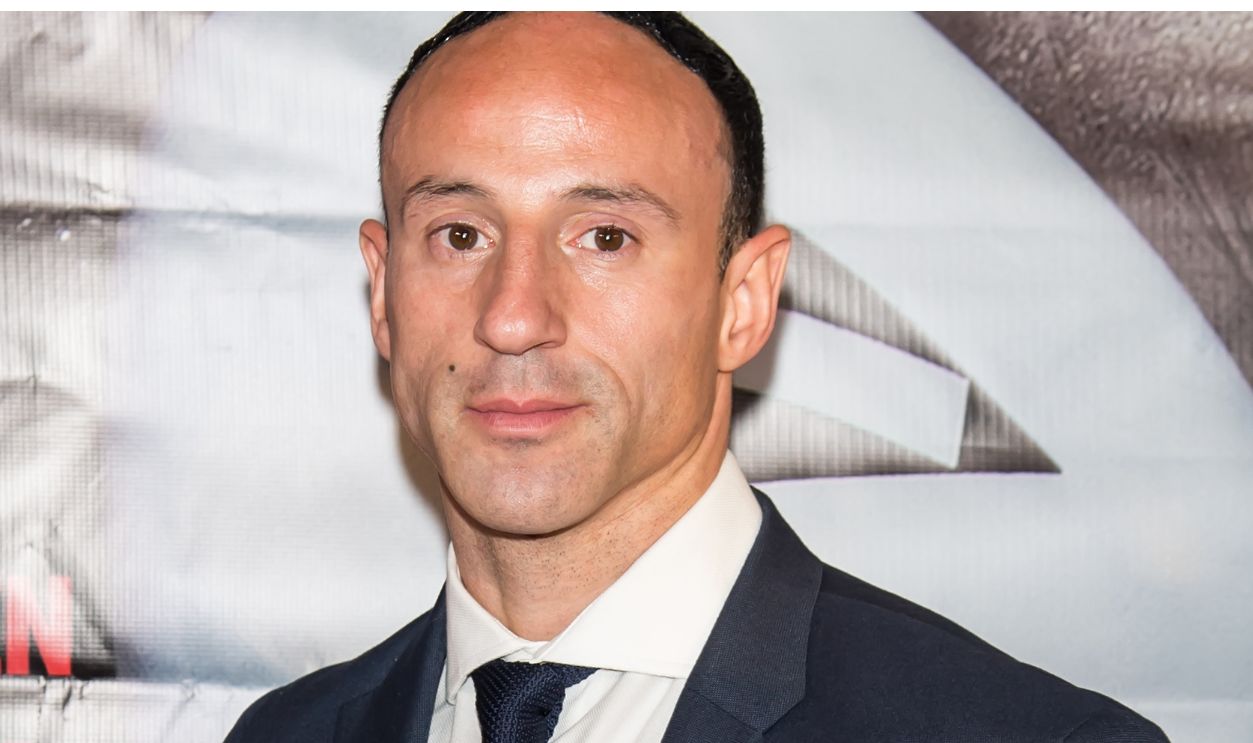
The industry moved on quickly. Representation disappeared, offers stopped, and Brancato’s name ceased to carry professional weight.
 Gilbert Carrasquillo, Getty Images
What Prison Clarified—and What Never Came Back
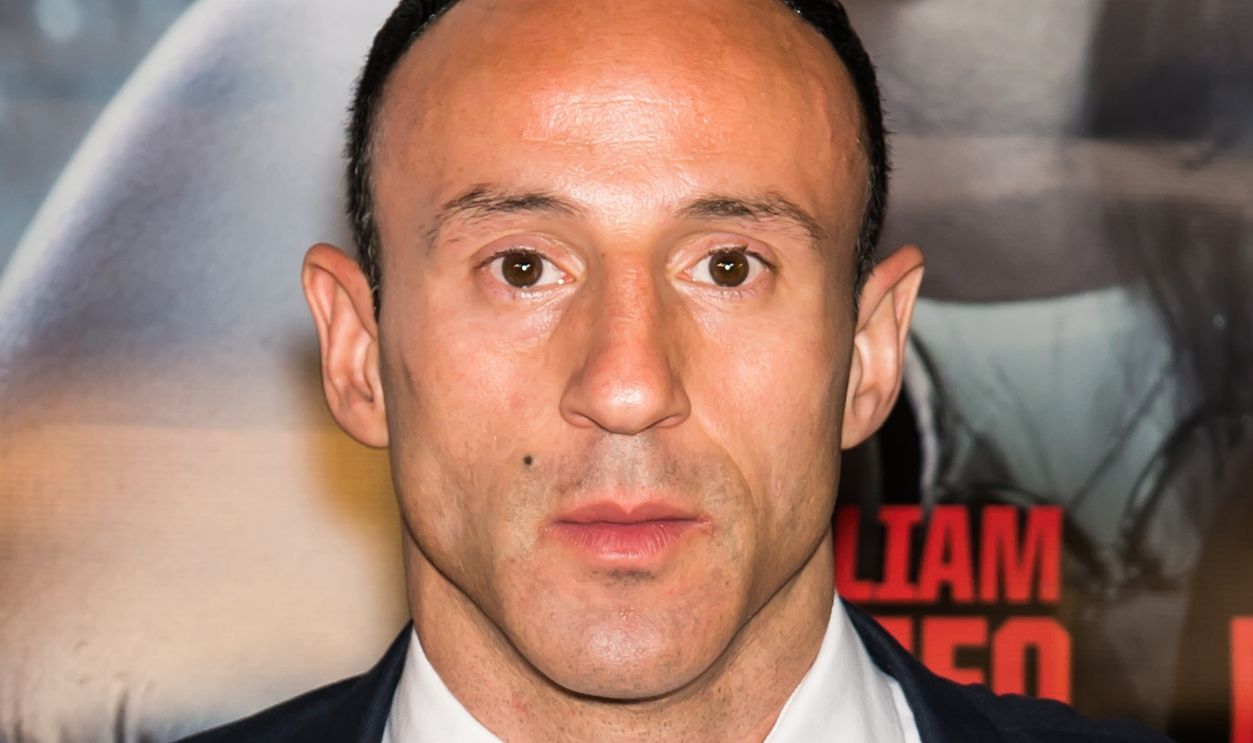
During incarceration, Brancato confronted the long-term consequences of his choices. After his release, there was no return path waiting. The career he once had did not resume, and the future he once expected never materialized.
 Gilbert Carrasquillo, Getty Images
When One Night Rewrites Everything
Lillo Brancato Jr.’s story remains a stark example of how quickly momentum can vanish. A promising start, a stalled middle, and a single decision reshaped everything that followed. Fame offered no insulation—and no second chance.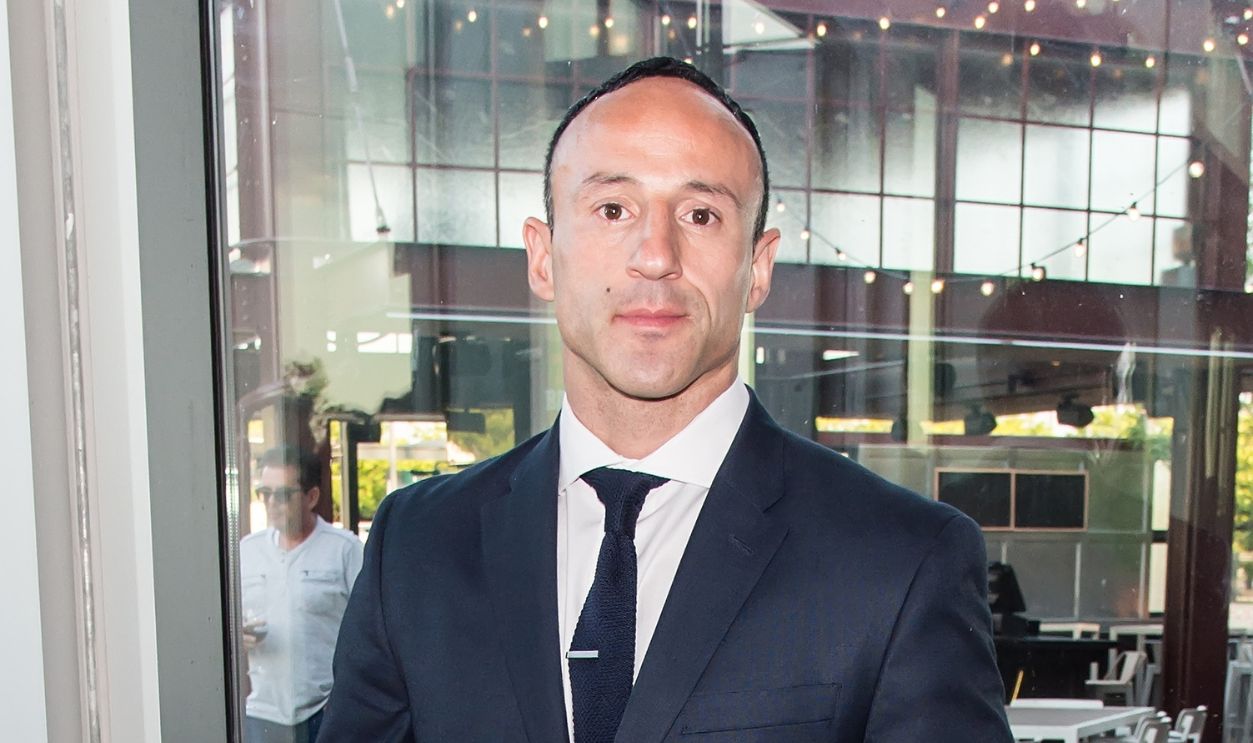 Gilbert Carrasquillo, Getty Images
You Might Also Like:
The Bittersweet Career and Life of Adam Rich
The Surprising Writing And Acting Career Of Chazz Palminteri