A Texas Kid With Broadway In His Blood
Larry Hagman was born in Fort Worth, Texas, on September 21, 1931. His mother was Mary Martin, the Broadway legend who became famous for roles in South Pacific, Peter Pan, and The Sound of Music. His father, Benjamin Jack Hagman, worked as a lawyer and district attorney. Long before Larry became television’s favorite villain, he grew up around ambition, performance, and family separation.
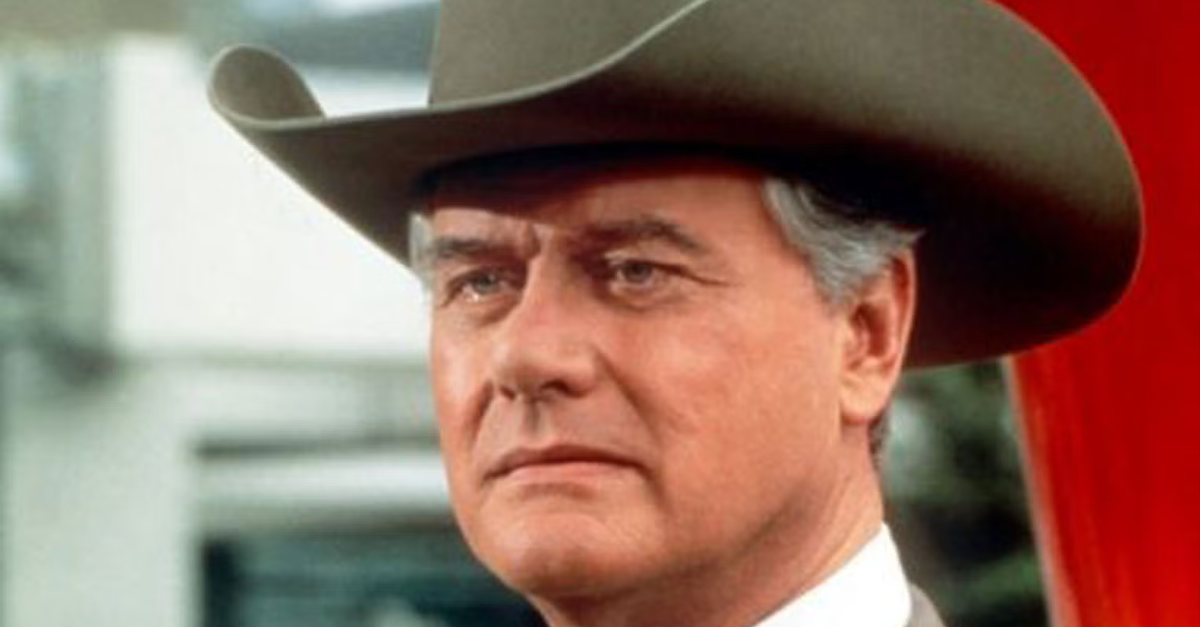
 Screenshot from Dallas, Lorimar Productions/CBS (1978-1991)
His Childhood Was Far From Simple
Hagman’s parents divorced when he was young, and his childhood moved between relatives, schools, and different cities. His mother’s career was taking off, which meant Larry often lived apart from her. That distance shaped his early life, even as it kept show business close by. It also gave his later charm a slightly restless edge.
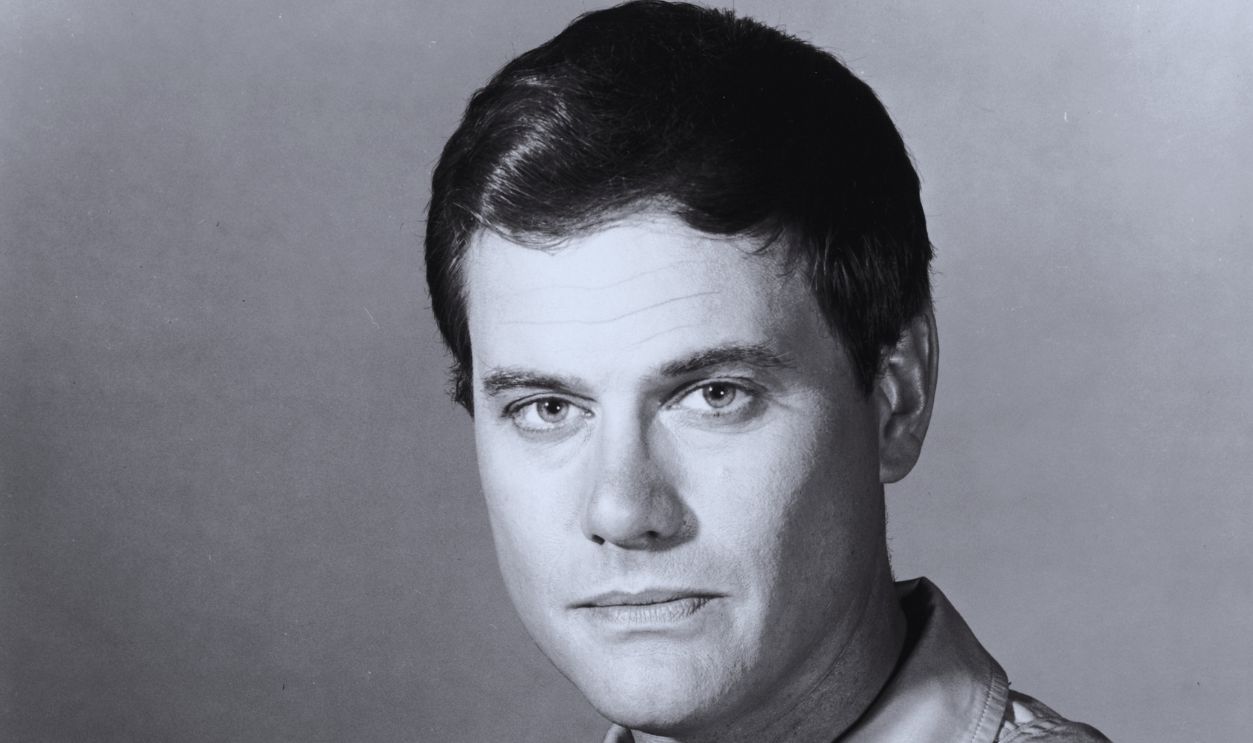
The Stage Came Before The Screen
Before Hollywood fully noticed him, Hagman worked in theater. He appeared in stage productions and spent time in London with the cast of South Pacific. He also served in the U.S. Air Force, where he helped produce and direct entertainment for service members. Those years gave him a performer’s discipline before fame ever arrived.
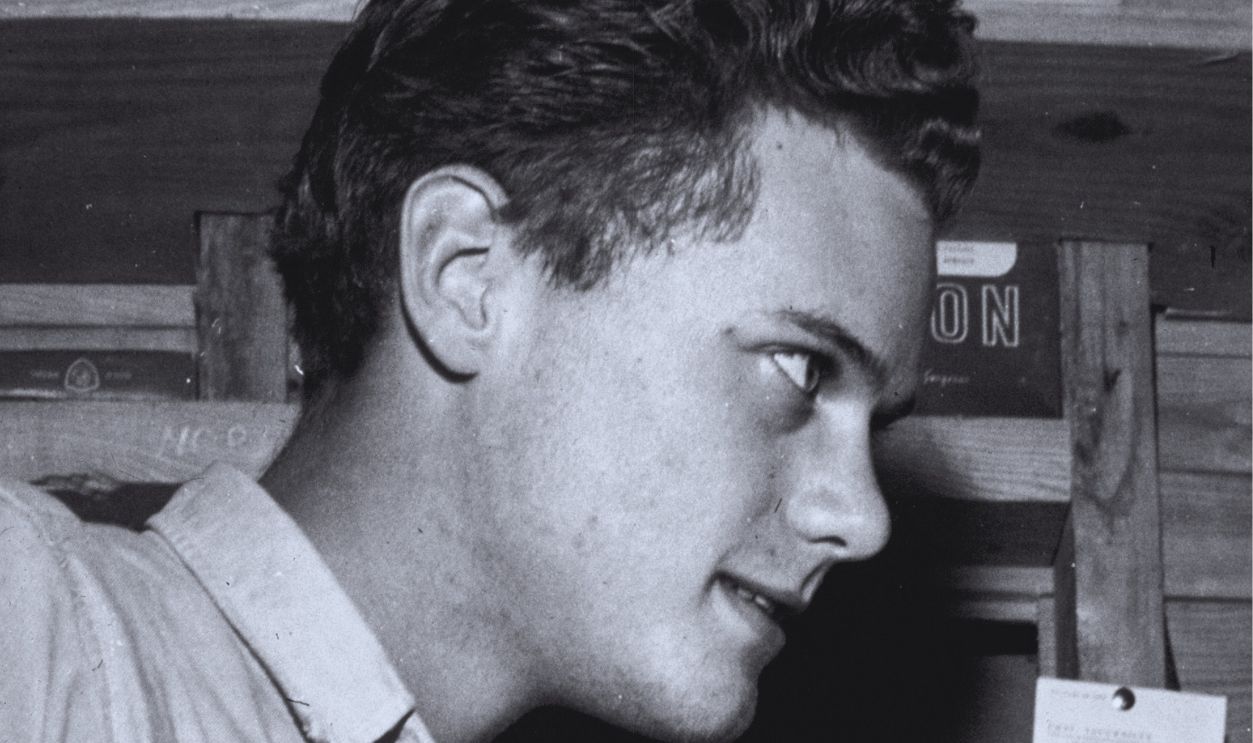
Hollywood First Saw Him As A Working Actor
After returning to the United States, Hagman built a steady career through stage, television, and film roles. He appeared in Broadway and off-Broadway productions before moving toward television. In 1964, he appeared in the tense Cold War film Fail-Safe. By the mid-1960s, he was ready for the sitcom role that made him a familiar face.
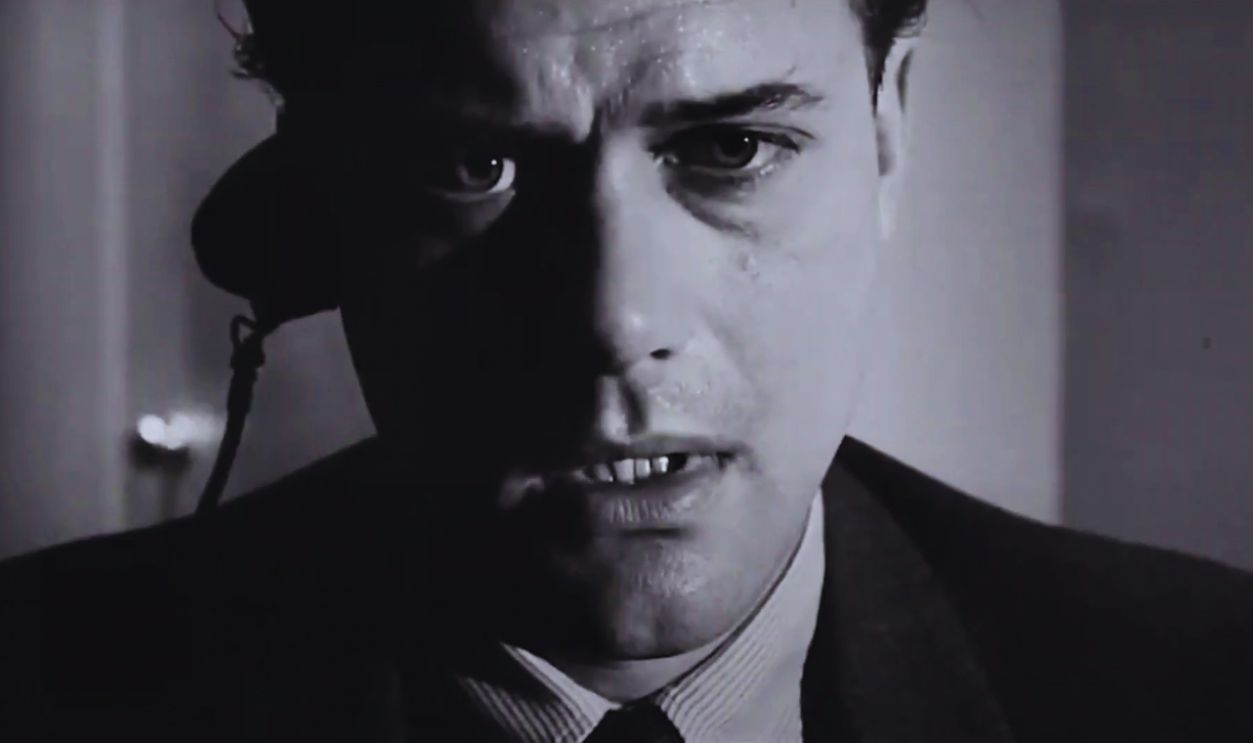 Screenshot from Fail Safe, Columbia Pictures (1964)
Major Nelson Made Him A Household Name
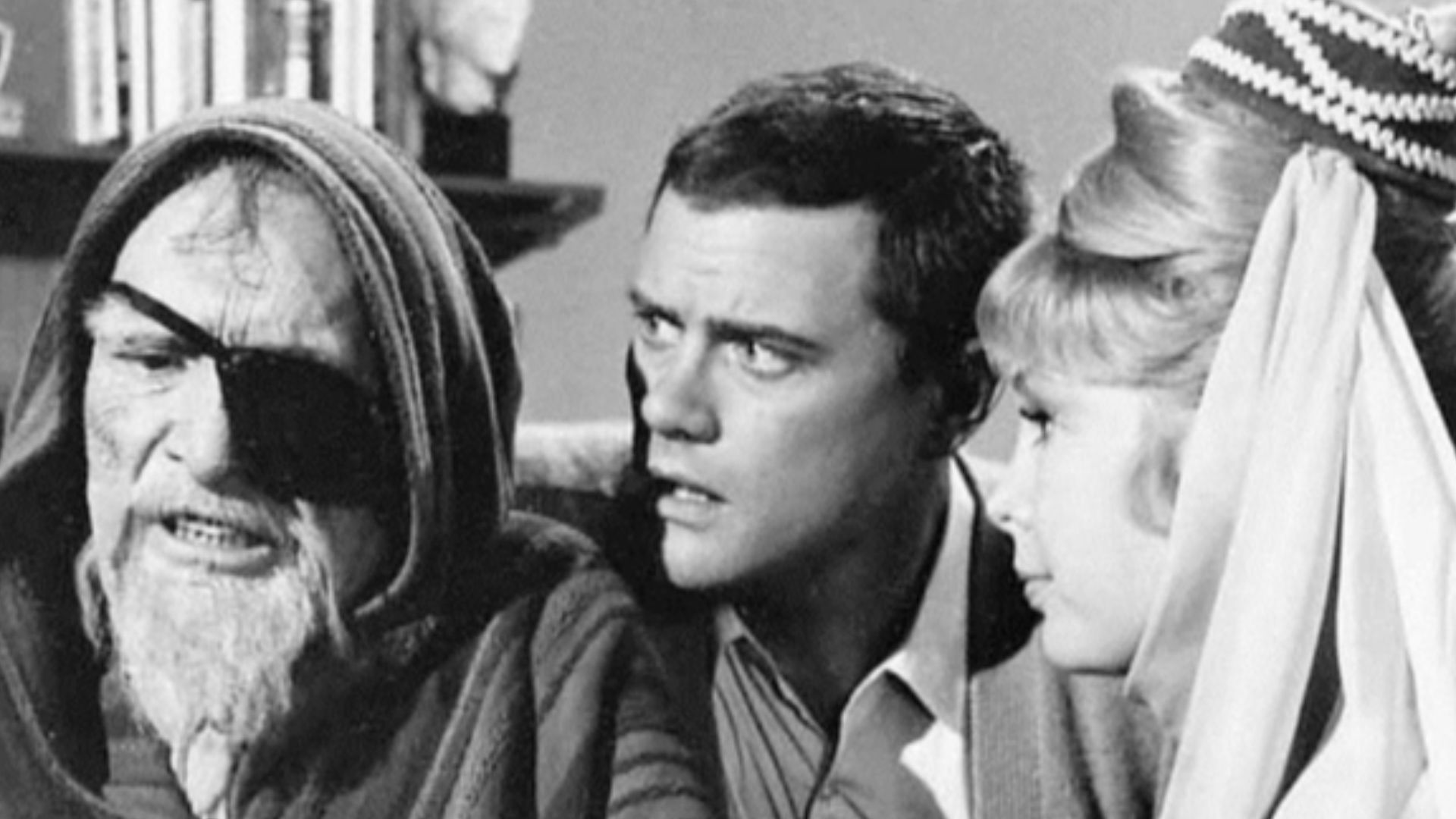
In 1965, Hagman began playing astronaut Major Anthony Nelson on I Dream of Jeannie. The NBC sitcom paired him with Barbara Eden as Jeannie, a magical genie discovered by his character. The show ran for five seasons, from 1965 to 1970. It gave Hagman a clean-cut TV identity that would later make his Dallas transformation even more surprising.
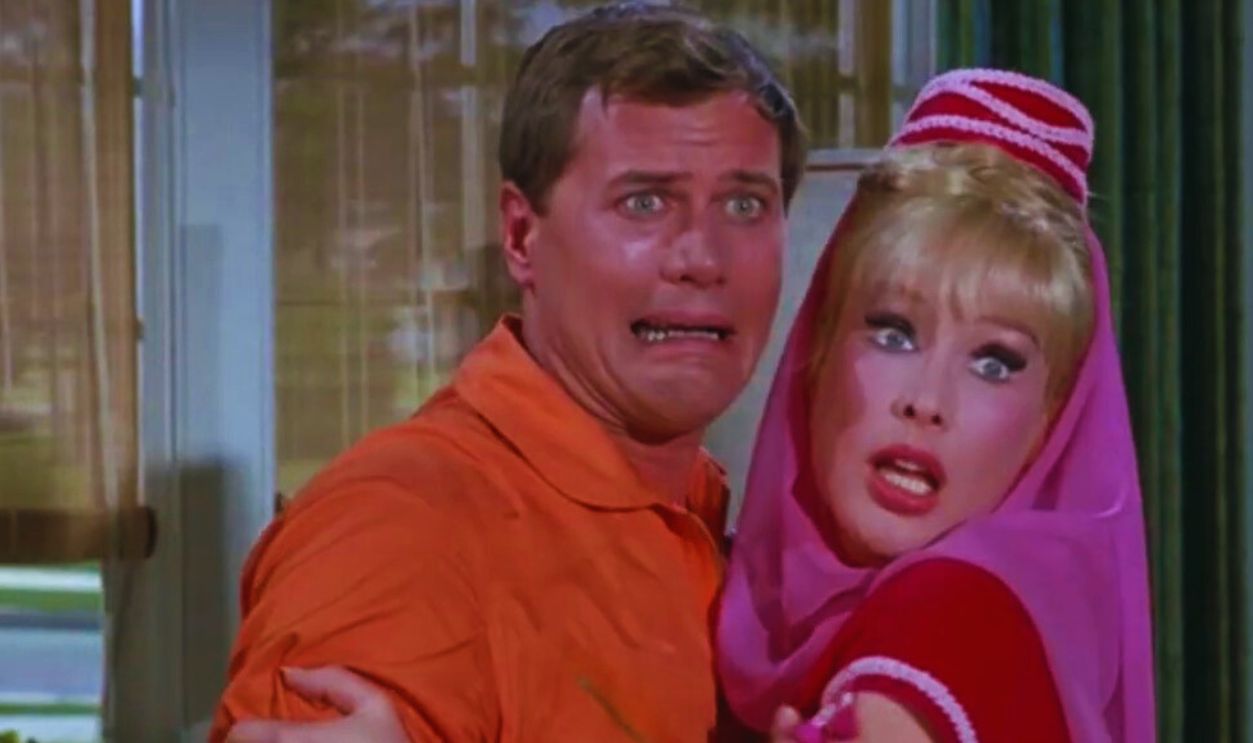 Screenshot from I Dream of Jeannie, Screen Gems / NBC (1965–1970)
Jeannie Was A Hit With Complications
I Dream of Jeannie looked breezy on screen, but the job was not always easy behind the scenes. Hagman later became known as a talented performer with a difficult streak during that period. Barbara Eden has still spoken warmly about their chemistry and the spark they had together. The show left him famous, but it did not give him total control of his image.
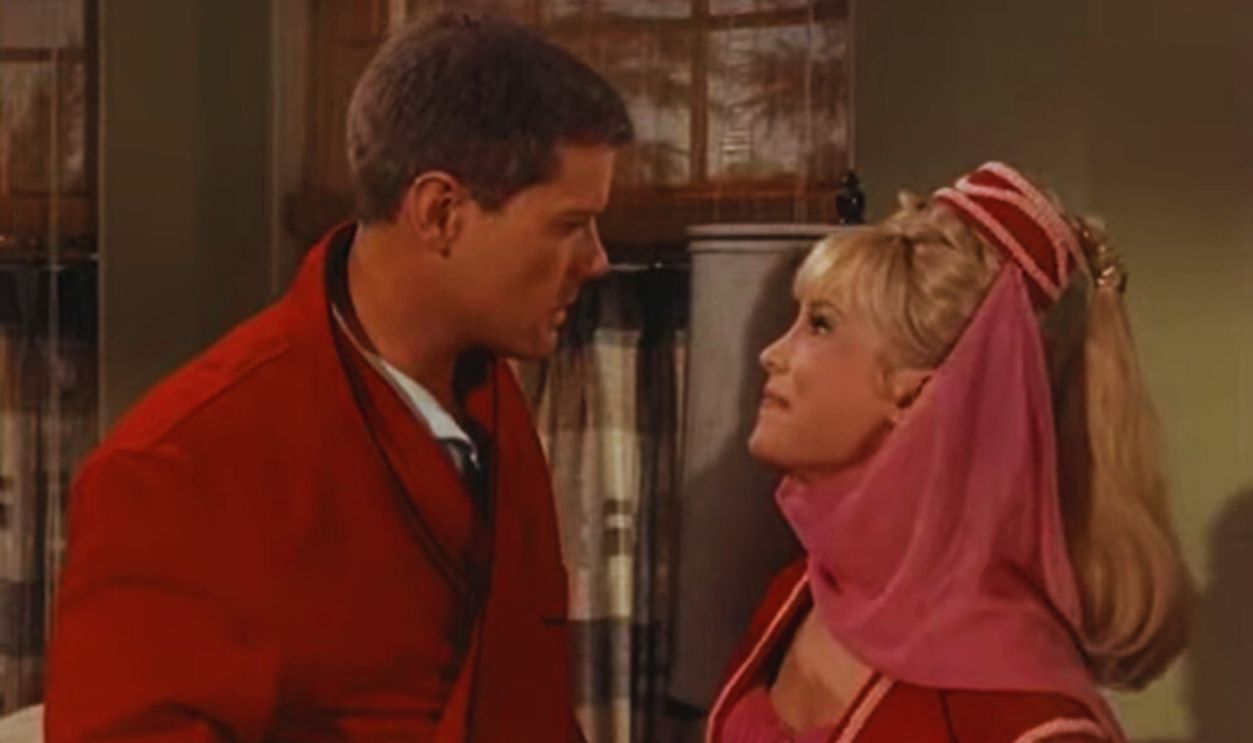 Screenshot from I Dream of Jeannie, Screen Gems / NBC (1965–1970)
After Jeannie, He Chased A New Identity
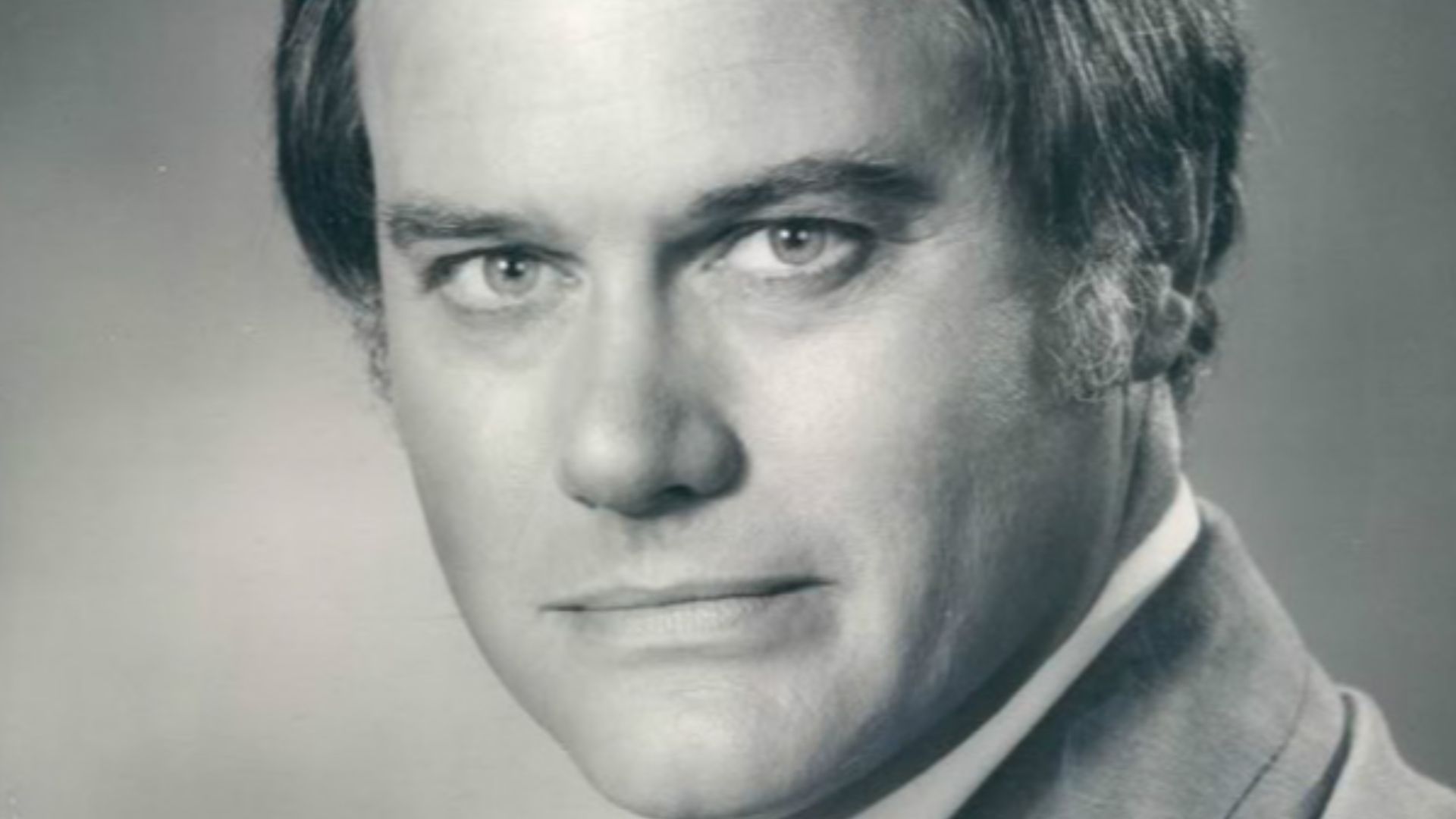
When I Dream of Jeannie ended, Hagman faced the problem that follows many sitcom stars. Viewers knew him as one character, and the industry often wanted to keep him there. He continued acting in films and television, including supporting roles rather than obvious leading-man vehicles. That stretch proved he could keep working, but it also showed how hard it was to escape a beloved TV role.
 ABC Television, Wikimedia Commons
He Took Roles That Were Harder To Label
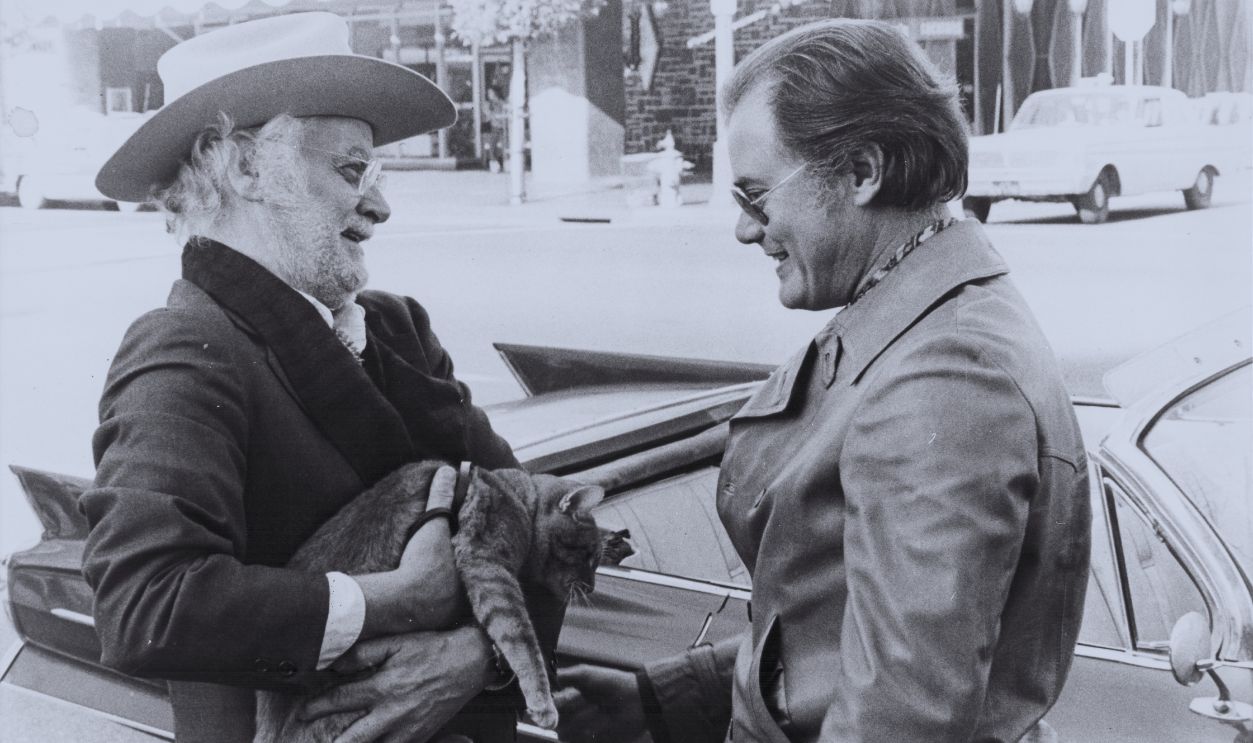
Hagman’s post-Jeannie credits included film work in Harry and Tonto and S.O.B. He also appeared in television projects and guest roles that kept him active. These parts did not create another instant phenomenon, but they helped widen his range. By the late 1970s, he was ready for something riskier than a friendly astronaut.
 Stanley Bielecki Movie Collection, Getty Images
Dallas Changed Everything
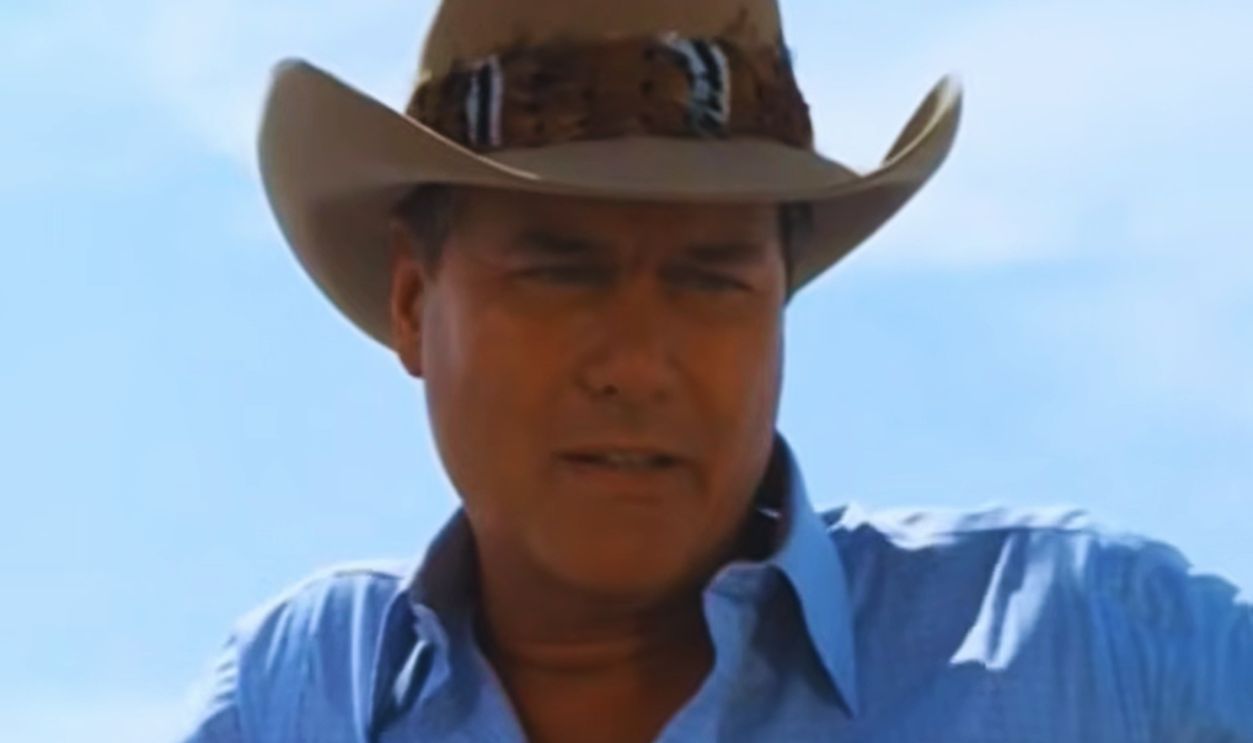
Dallas premiered on CBS in 1978 and soon became one of television’s defining dramas. Hagman played J.R. Ewing, a ruthless Texas oilman with a grin that made every betrayal feel personal. The role flipped his old image inside out. Suddenly, the nice guy from I Dream of Jeannie was the man audiences loved to hate.
 Screenshot from Dallas, Lorimar Productions / CBS (1978–1991)
J.R. Was A Villain With A Smile
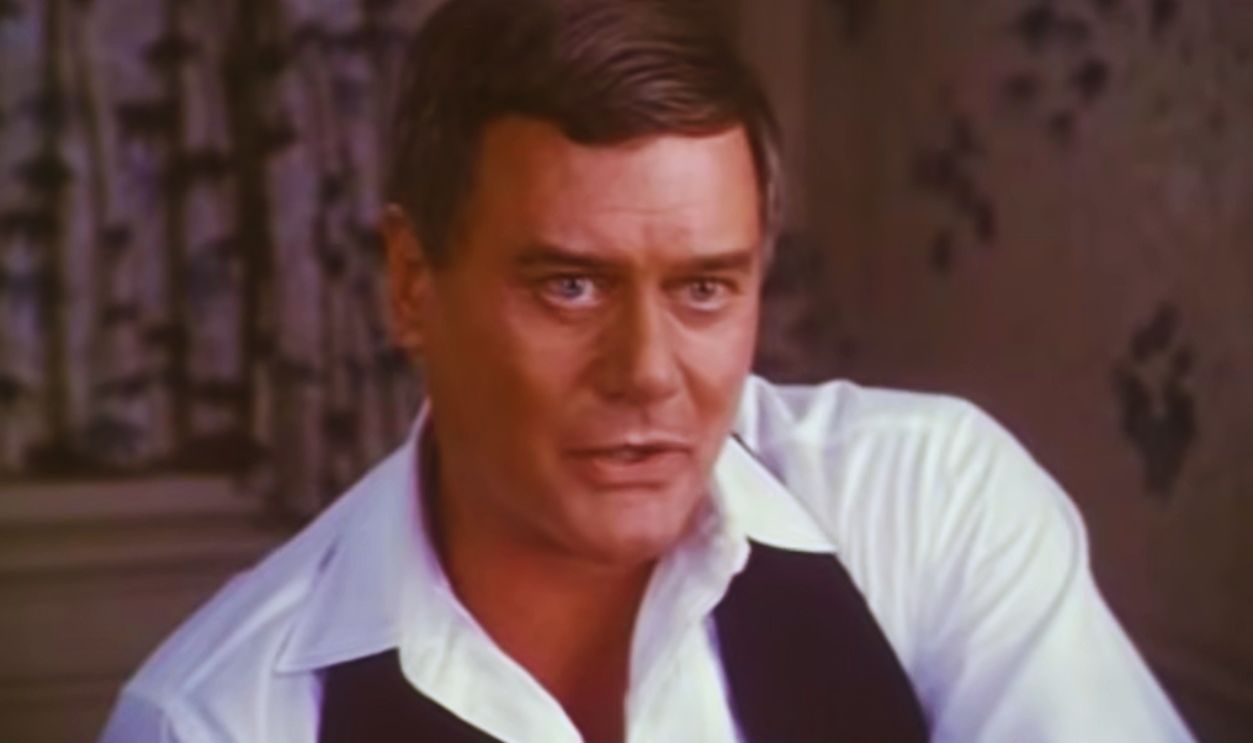
J.R. Ewing was greedy, manipulative, unfaithful, and endlessly entertaining. Hagman made him magnetic instead of merely cruel. He understood that the character worked best when viewers could not look away. That mix of charm and poison made J.R. one of television’s great antiheroes before the word became fashionable.
 Screenshot from Dallas, Lorimar Productions / CBS (1978–1991)
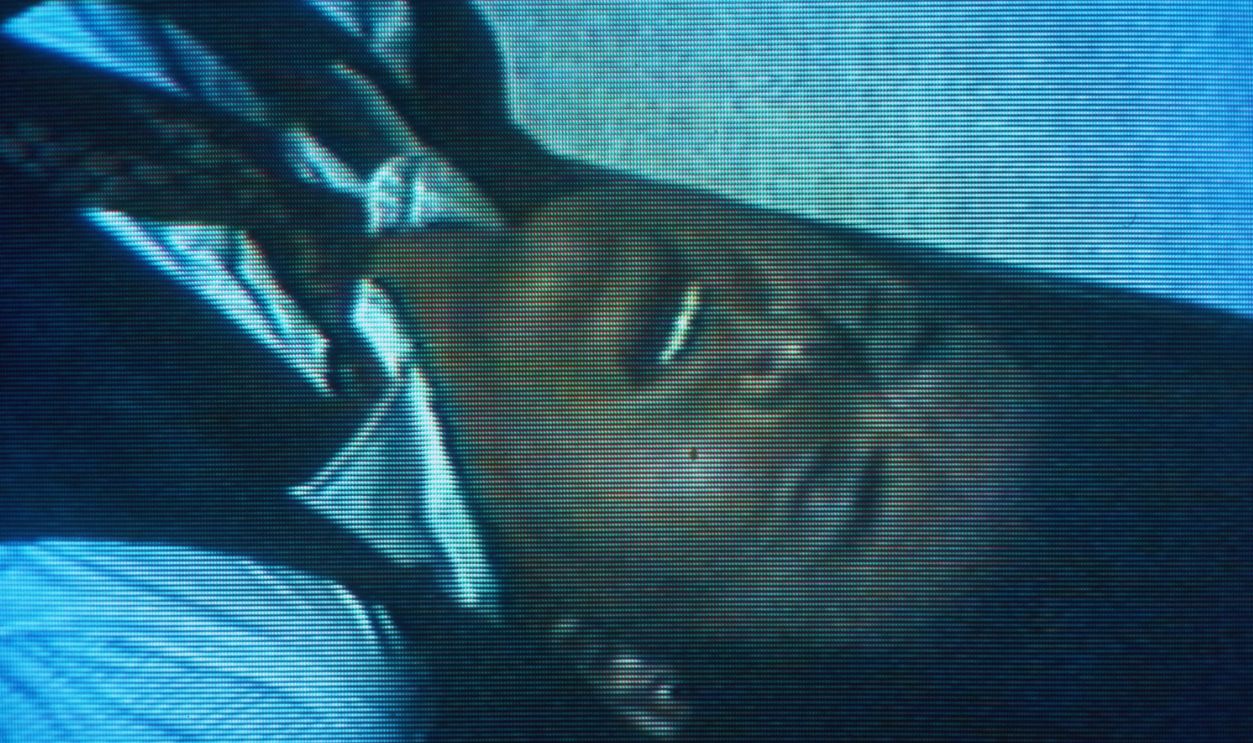
The World Asked Who Shot J.R.
In 1980, Dallas turned into a global obsession with its “Who shot J.R.?” cliffhanger. The mystery followed a season finale in which J.R. was shot by an unknown attacker. When the answer finally aired, the episode became one of the most famous television events of its era. Hagman was no longer just a TV star, because he had become a pop-culture symbol.
 Screenshot from Dallas, Lorimar Productions / CBS (1978–1991)
Fame Became Bigger Than The Show
The success of Dallas made Hagman internationally recognizable. Fans treated J.R. almost like a real person, and Hagman often leaned into that attention with humor. The character followed him everywhere, from interviews to public appearances. It was a gift, but it also made his career feel permanently tied to one oil-soaked grin.
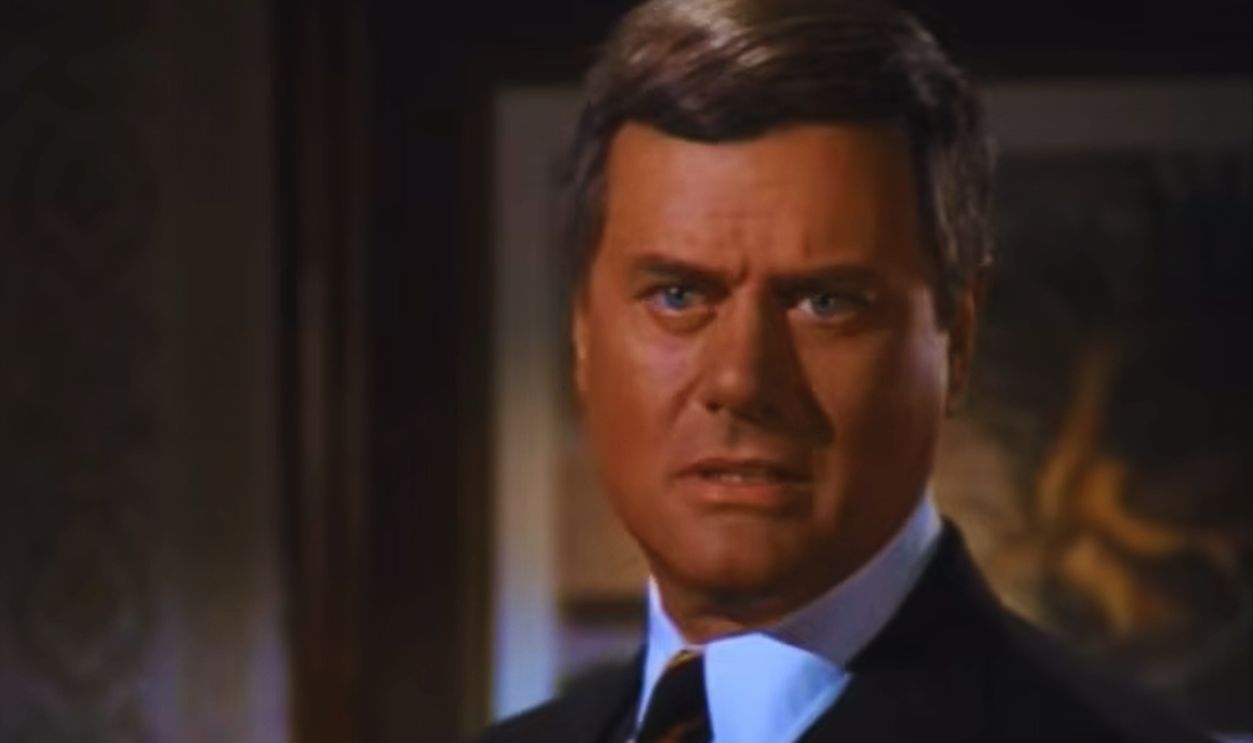
He Was The Center Of The Dallas Machine
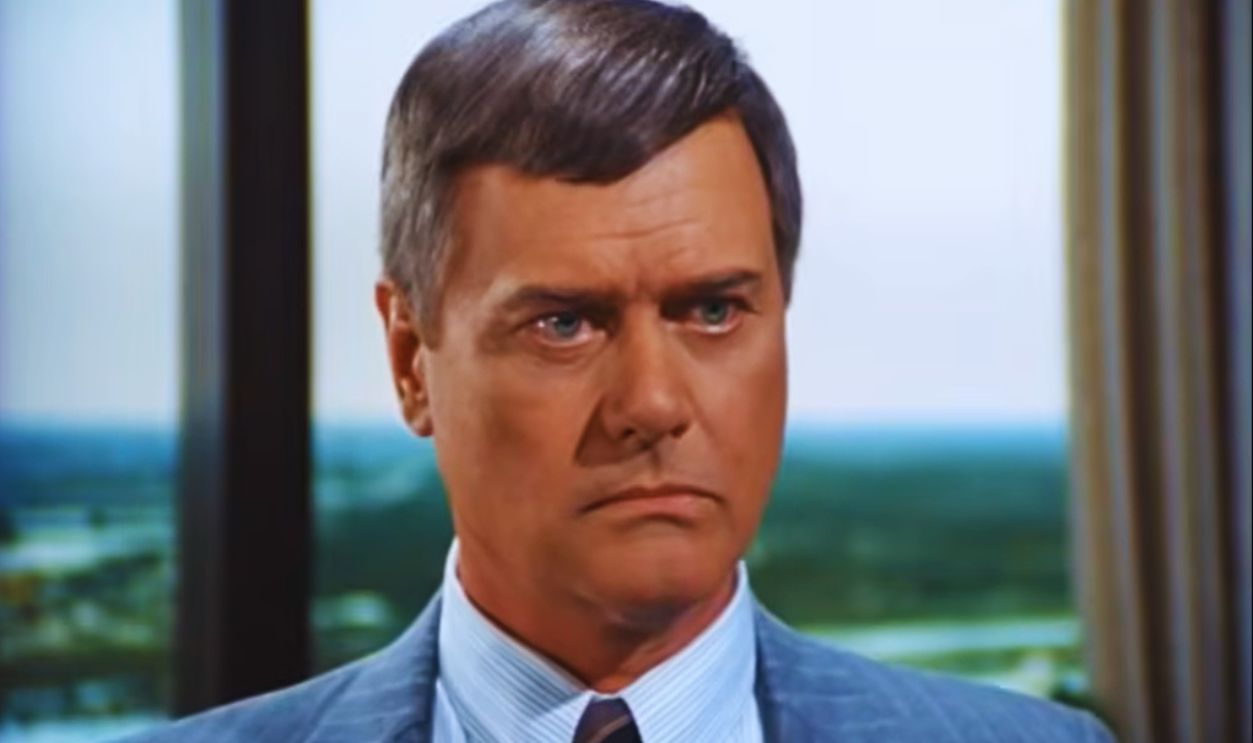
Dallas ran on CBS until 1991, and Hagman remained central to its identity. He appeared throughout the original series and helped define its tone. Patrick Duffy, Linda Gray, and the rest of the ensemble mattered deeply, but J.R. was the engine that kept the drama burning. Without Hagman, Dallas would not have had the same bite.
 Screenshot from Dallas, Lorimar Productions / CBS (1978–1991)
Life On Set Had Its Own Legend
Hagman’s off-screen personality became part of the Dallas mythology. Patrick Duffy later recalled that Hagman helped create a lively, champagne-fueled atmosphere among cast members. Duffy also described Hagman as a close friend, not just a co-star. That warmth helps explain why people who worked with him often remembered him with affection, even when the stories were wild.
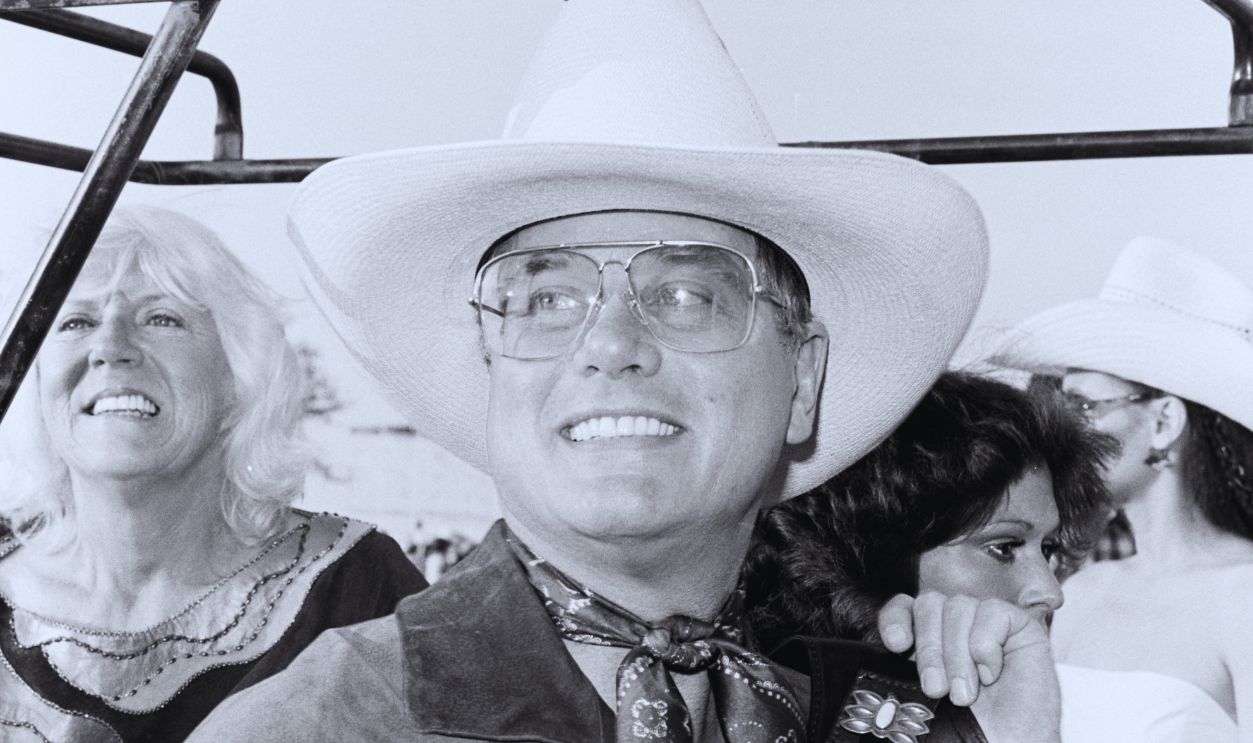
His Drinking Became A Serious Problem
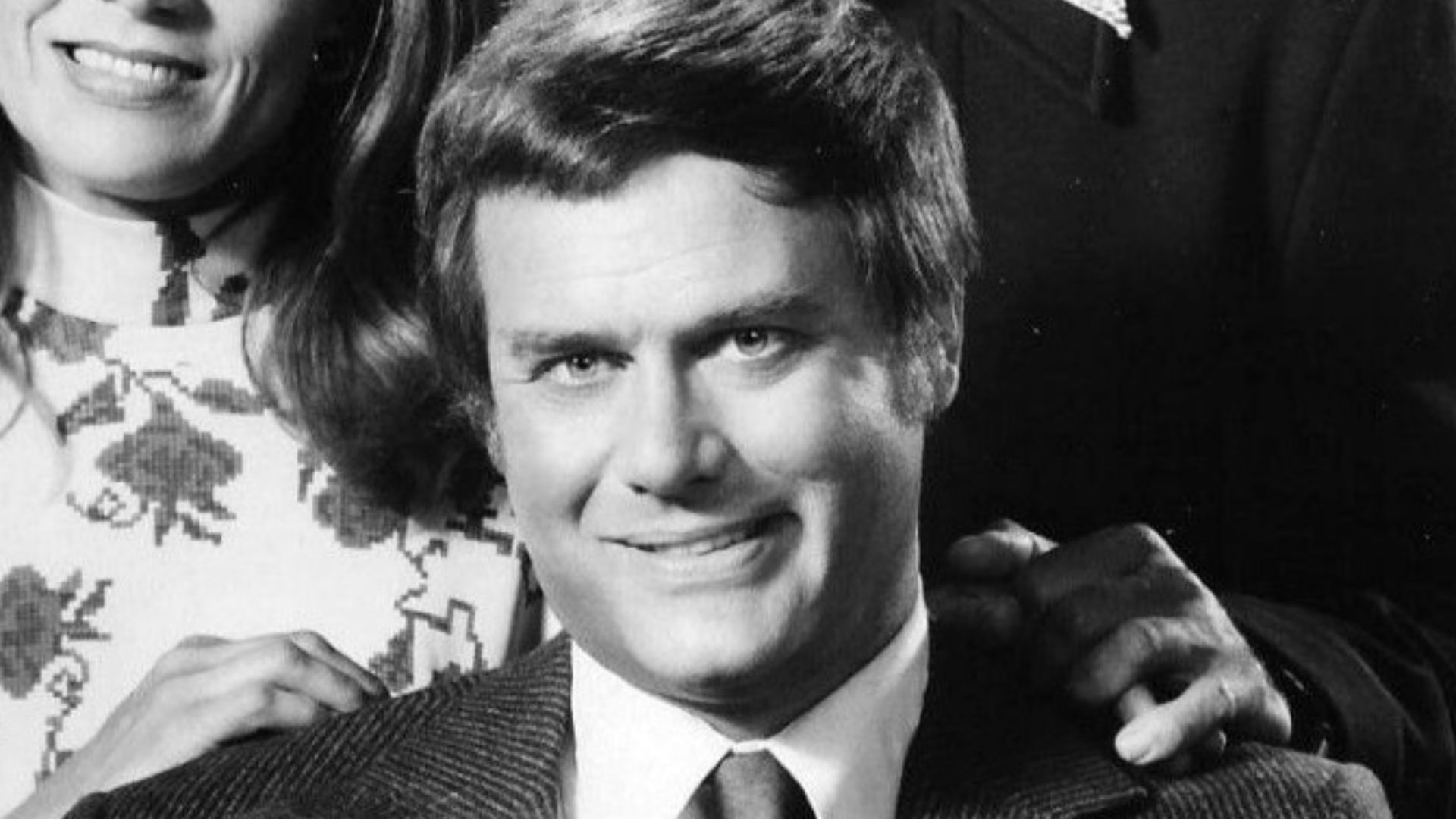
Behind the fun, Hagman’s drinking eventually became a major health issue. He was diagnosed with cirrhosis in the early 1990s after years of heavy alcohol use. In 1995, he was diagnosed with liver cancer and underwent a liver transplant. The medical crisis changed his life and became part of his public story.
 ABC Television, Wikimedia Commons
He Turned Survival Into Advocacy
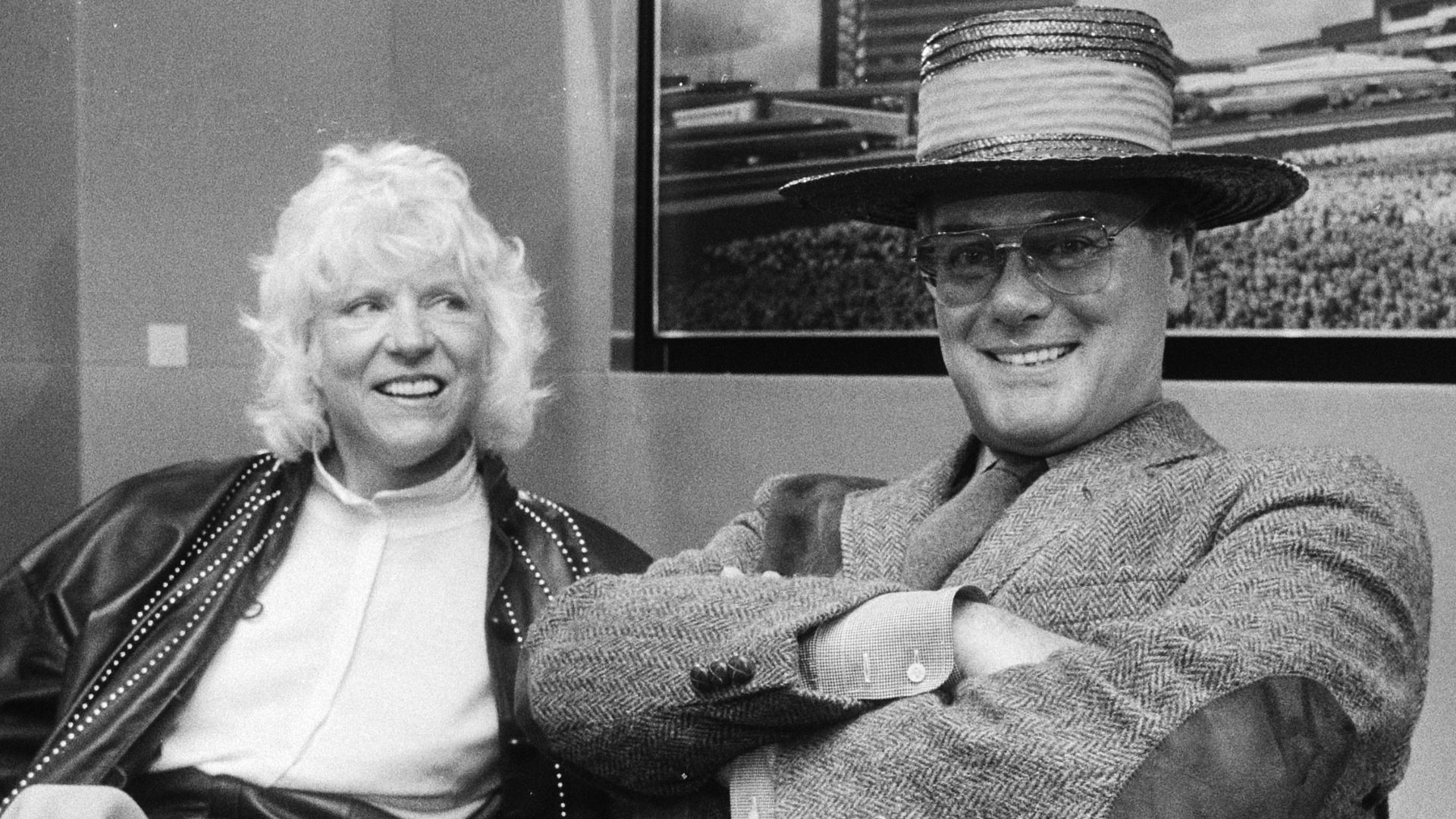
After his liver transplant, Hagman became an advocate for organ donation. He spoke about his experience and encouraged others facing transplant surgery. Reports also noted that he volunteered with patients who were frightened before operations. This part of his life complicated the old party-boy image in a meaningful way.
 Bogaerts, Rob / Anefo, Wikimedia Commons
Dallas Ended, But J.R. Did Not
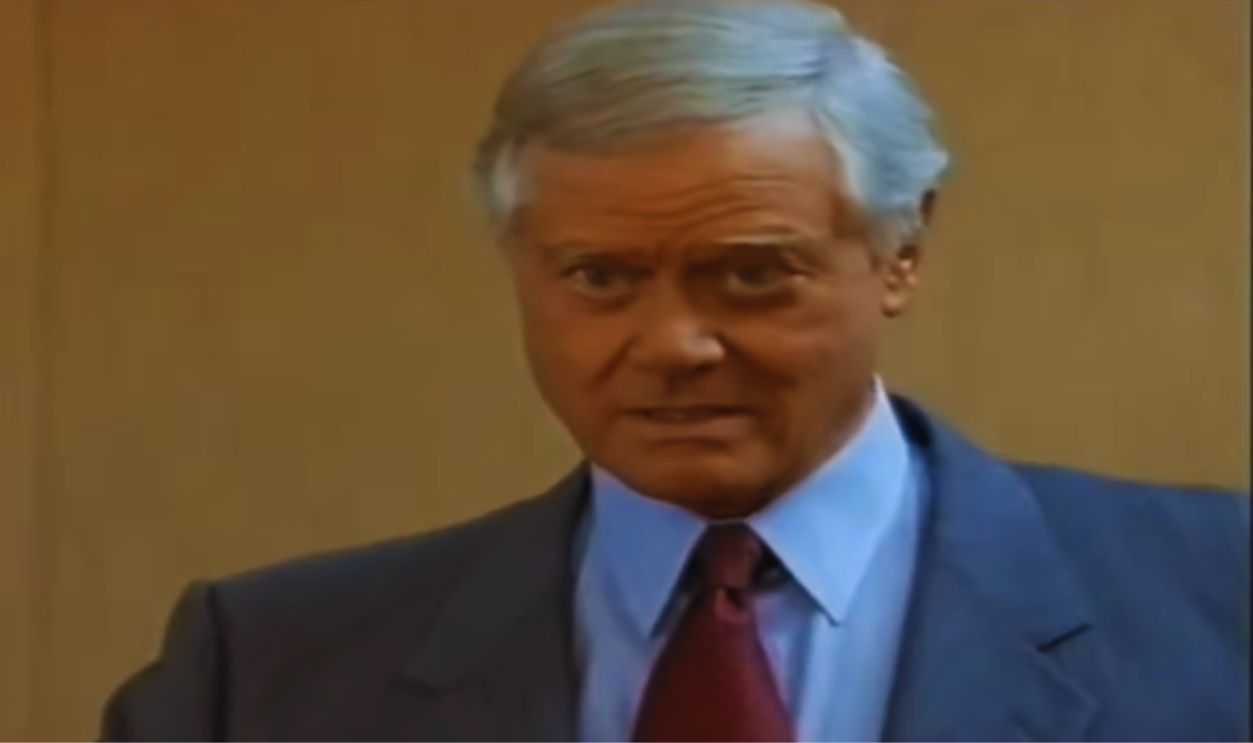
When the original Dallas ended in 1991, Hagman still could not fully leave J.R. behind. He returned for the TV movie Dallas: J.R. Returns in 1996. He also appeared in Dallas: War of the Ewings in 1998. The character remained his most reliable calling card after the series wrapped.
 Screenshot from Dallas: J.R. Returns, Lorimar Television / CBS (1996)
He Kept Working Beyond Southfork
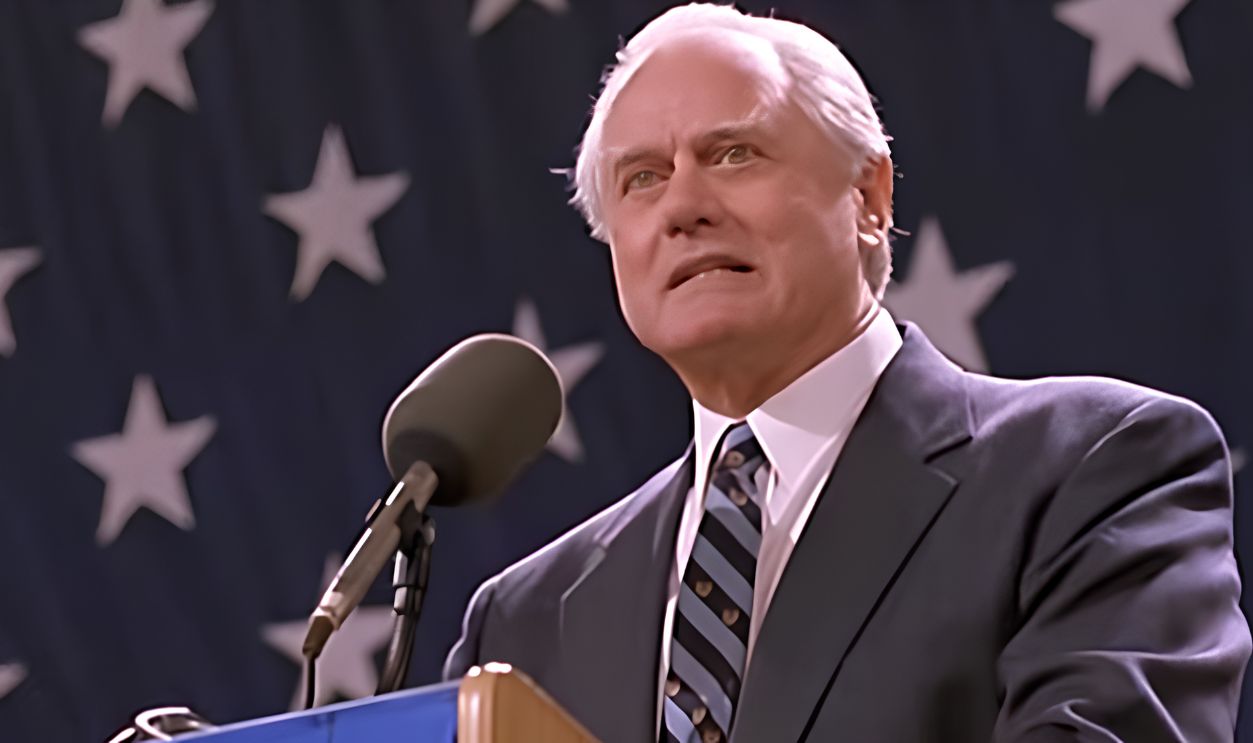
Hagman did not disappear after Dallas. He appeared in films such as Nixon and Primary Colors during the 1990s. He also continued making television appearances and embraced his status as a familiar pop-culture figure. Still, every new role had to compete with the shadow of J.R. Ewing.
 Screenshot from Primary Colors, Universal Pictures (1998)
He Became An Unlikely Solar Champion
One of Hagman’s most interesting later-life turns was his advocacy for solar energy. The man who played television’s most famous oil baron became publicly associated with renewable power. He installed a large solar system at his home in California and promoted solar energy in public campaigns. It was a perfect real-life twist for an actor forever linked to fictional oil money.

Cancer Entered The Final Act
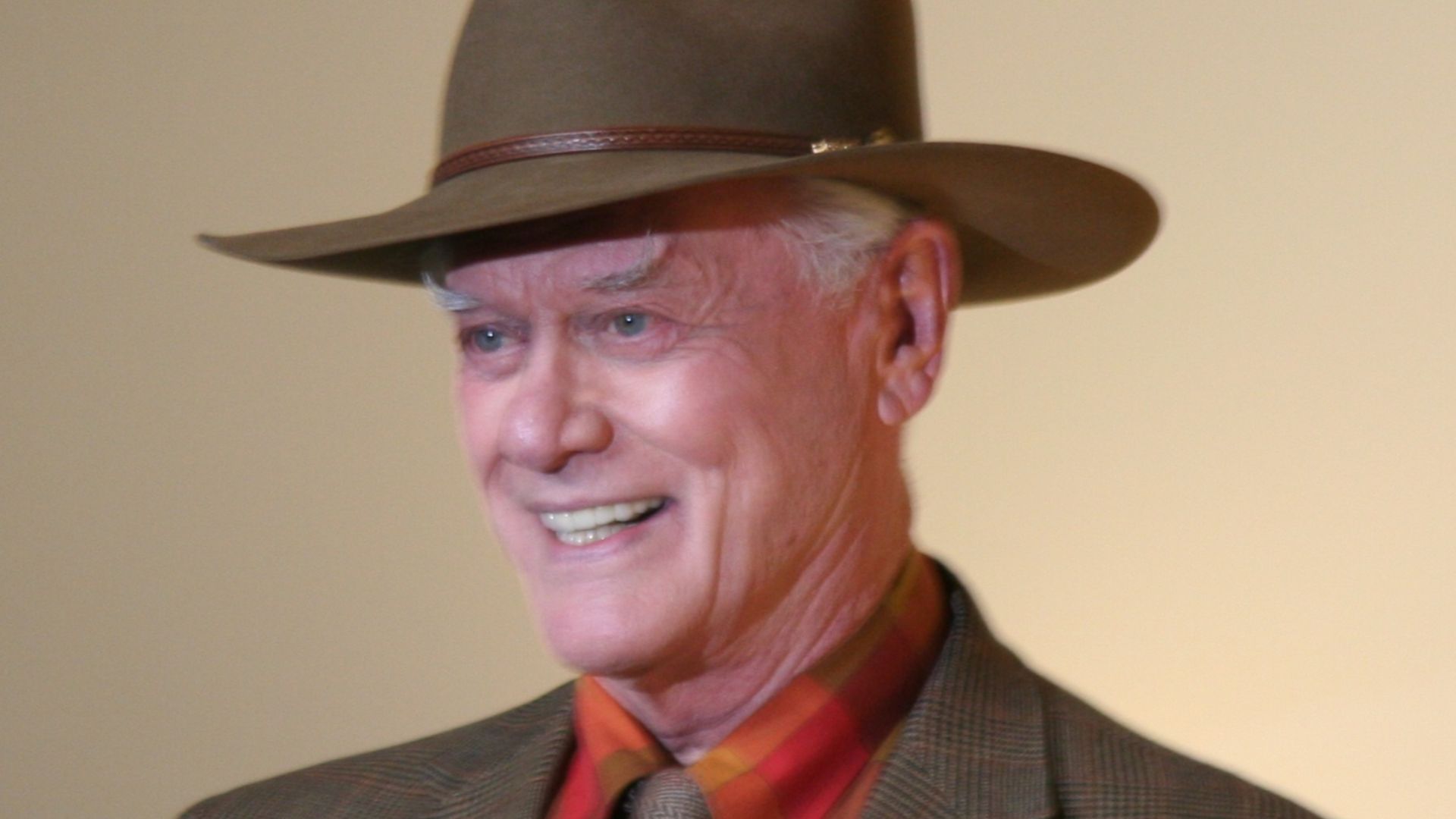
In 2011, Hagman announced that he had stage 2 throat cancer. He said he would continue treatment while working on the new Dallas series. The diagnosis came many years after his liver transplant. Even then, he framed the fight with the same mischievous confidence fans knew from him.
 Udo Grimberg, Wikimedia Commons
The Dallas Revival Brought Him Home
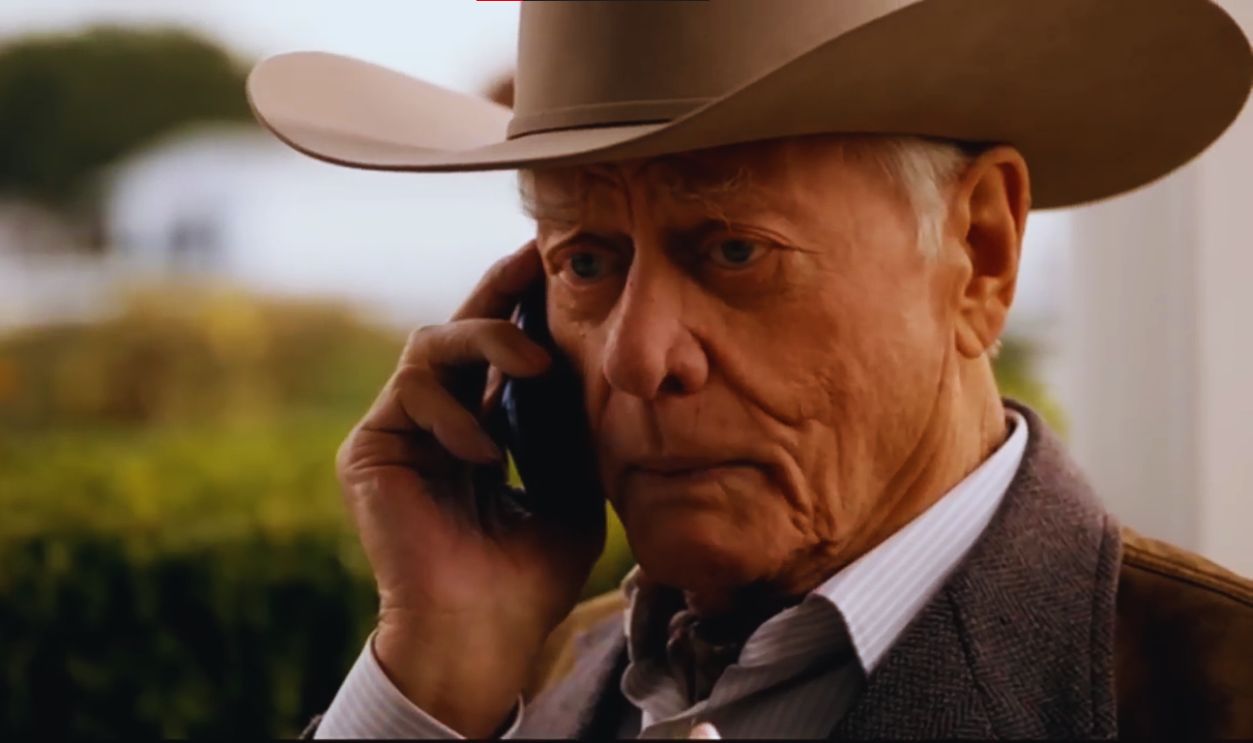
TNT revived Dallas in 2012, and Hagman returned as J.R. Ewing. The revival brought him back alongside familiar co-stars, including Patrick Duffy and Linda Gray. For longtime viewers, seeing J.R. again felt like television history circling back. For Hagman, it was one last chance to play the role that defined him.
 Screenshot from Dallas, Warner Horizon Television / TNT (2012–2014)
His Final Performance Carried Real Weight
Hagman was still involved with Dallas when his health declined. He died on November 23, 2012, in Dallas, Texas, at age 81. His death came during the run of the revival, which later addressed J.R.’s death within the story. It gave the character and the actor a final farewell inside the world that made him legendary.

Co-Stars Remembered The Man Behind J.R.
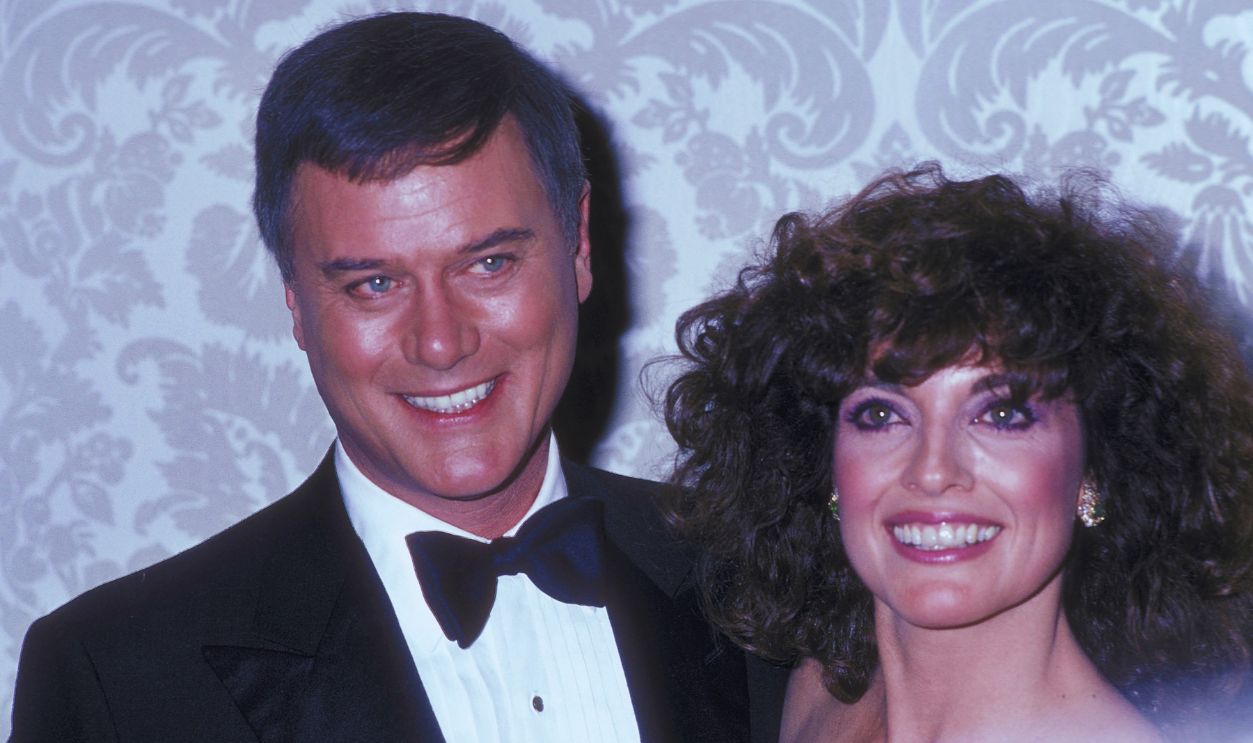
After Hagman’s death, friends and co-stars spoke about him with deep affection. Linda Gray and Patrick Duffy were widely reported to have been among those close to him near the end. Their tributes reflected years of friendship, not just professional respect. The man who played television’s great schemer left behind real loyalty.
His Career Was A Study In Reinvention
Hagman’s career is complicated because it moved through several identities. He was Mary Martin’s son, a stage actor, a sitcom astronaut, a prime-time villain, a survivor, and an environmental advocate. Each chapter seemed to contradict the last, but that tension made him fascinating. He never fit neatly into one Hollywood box.
 NBC Television, Wikimedia Commons
J.R. Ewing Was His Triumph And His Trap
There is no question that J.R. Ewing gave Hagman the role of a lifetime. It also made every other part of his career harder to see. Many actors fear being typecast, but few are typecast by a character that successful. Hagman carried that burden with humor, intelligence, and a strong sense of showmanship.
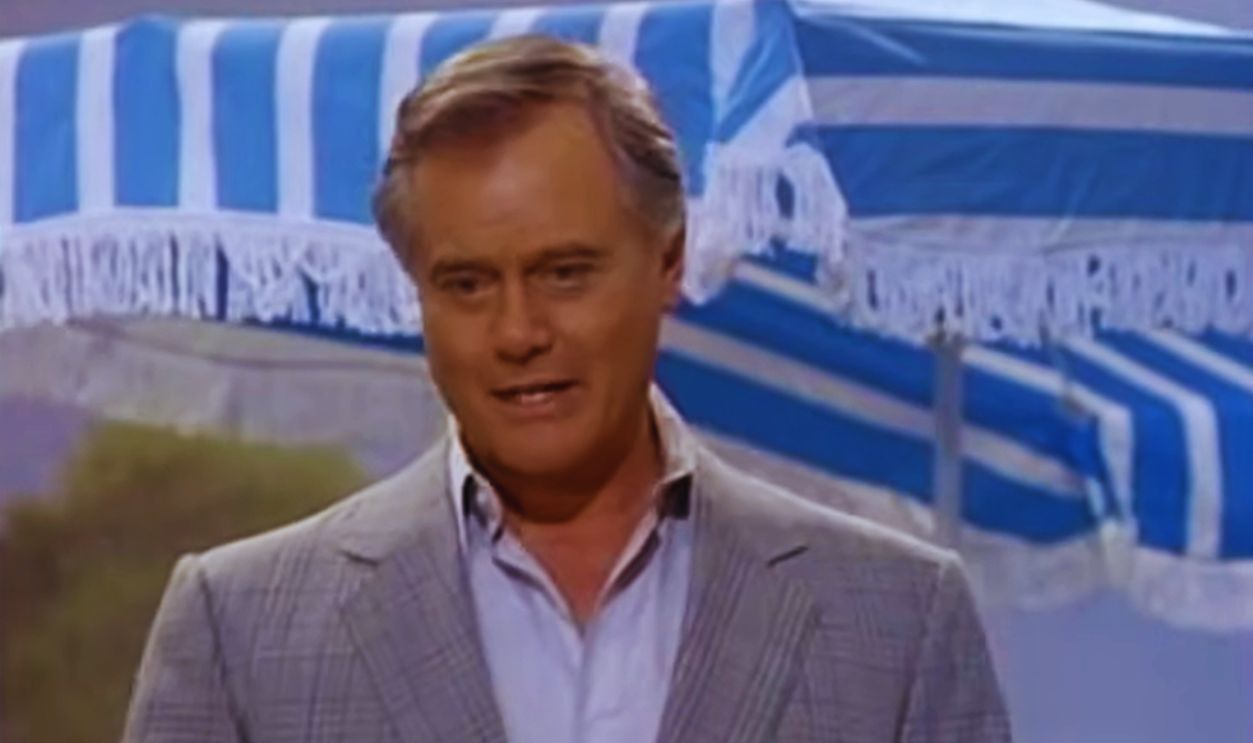 Screenshot from Dallas, Lorimar Productions / CBS (1978–1991)
Larry Hagman Left A Bigger Story Than Dallas
Larry Hagman’s legacy is not only that he played J.R. Ewing brilliantly. It is that he survived the strange turns of fame, illness, reinvention, and public memory. He could be funny, difficult, generous, theatrical, and unexpectedly forward-looking. That is why his career still feels less like a straight line and more like one of television’s most interesting plot twists.
You May Also Like:
Behind The Scenes Of Dallas, The Biggest Show Of The 1980s
The Greatest Soap Operas Ever Made