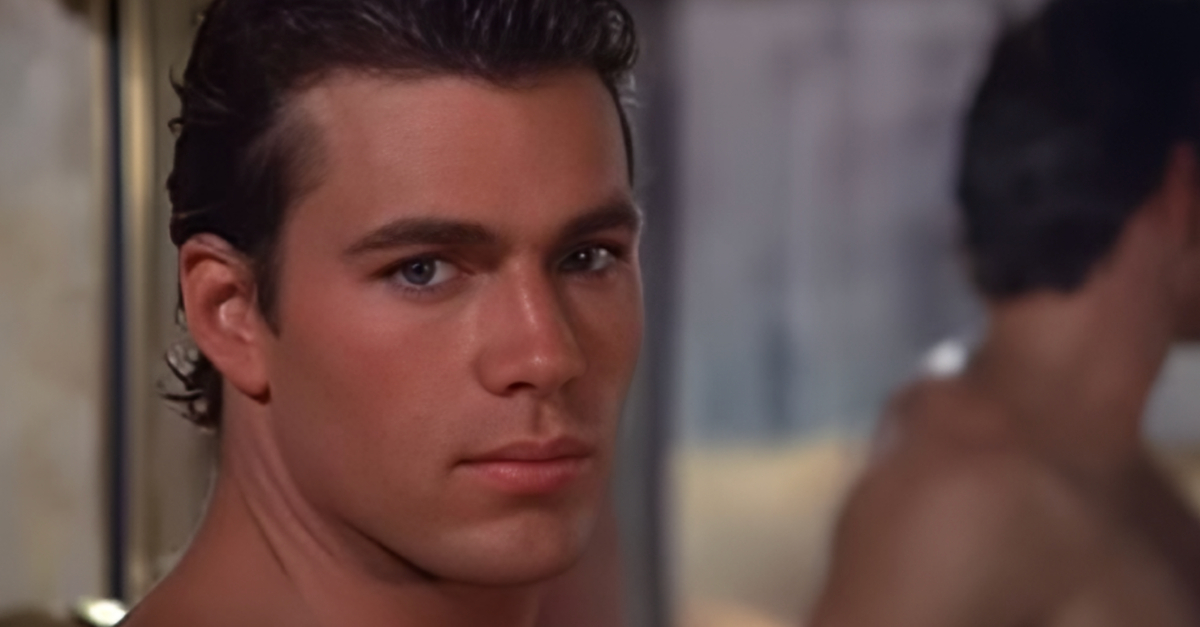
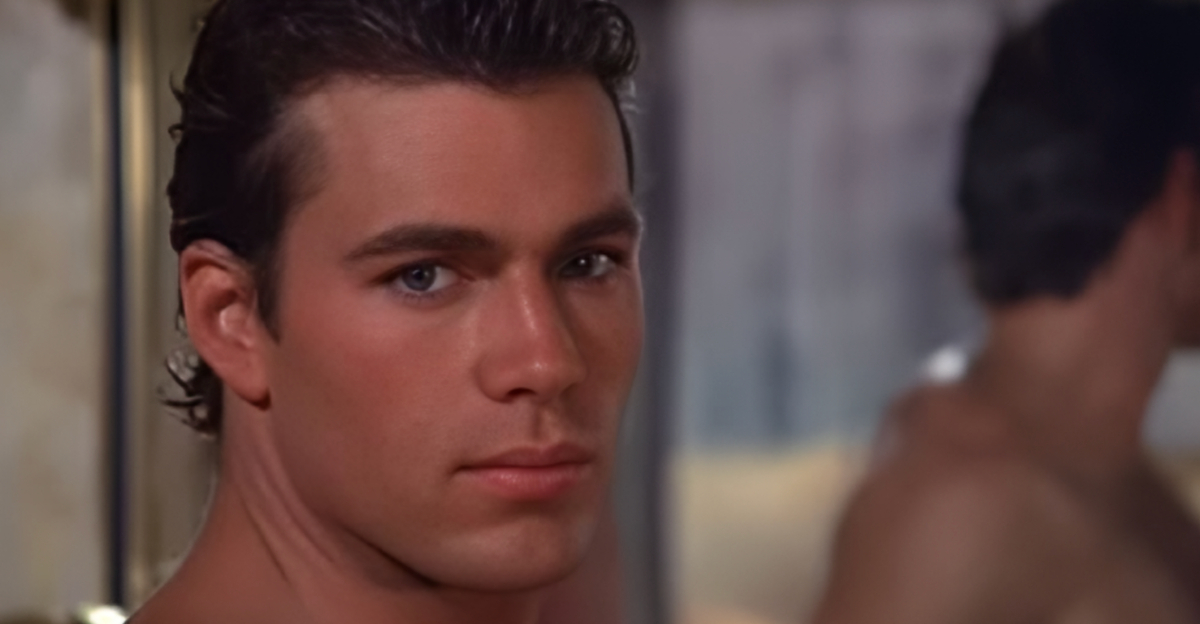
The kind of face TV couldn’t ignore
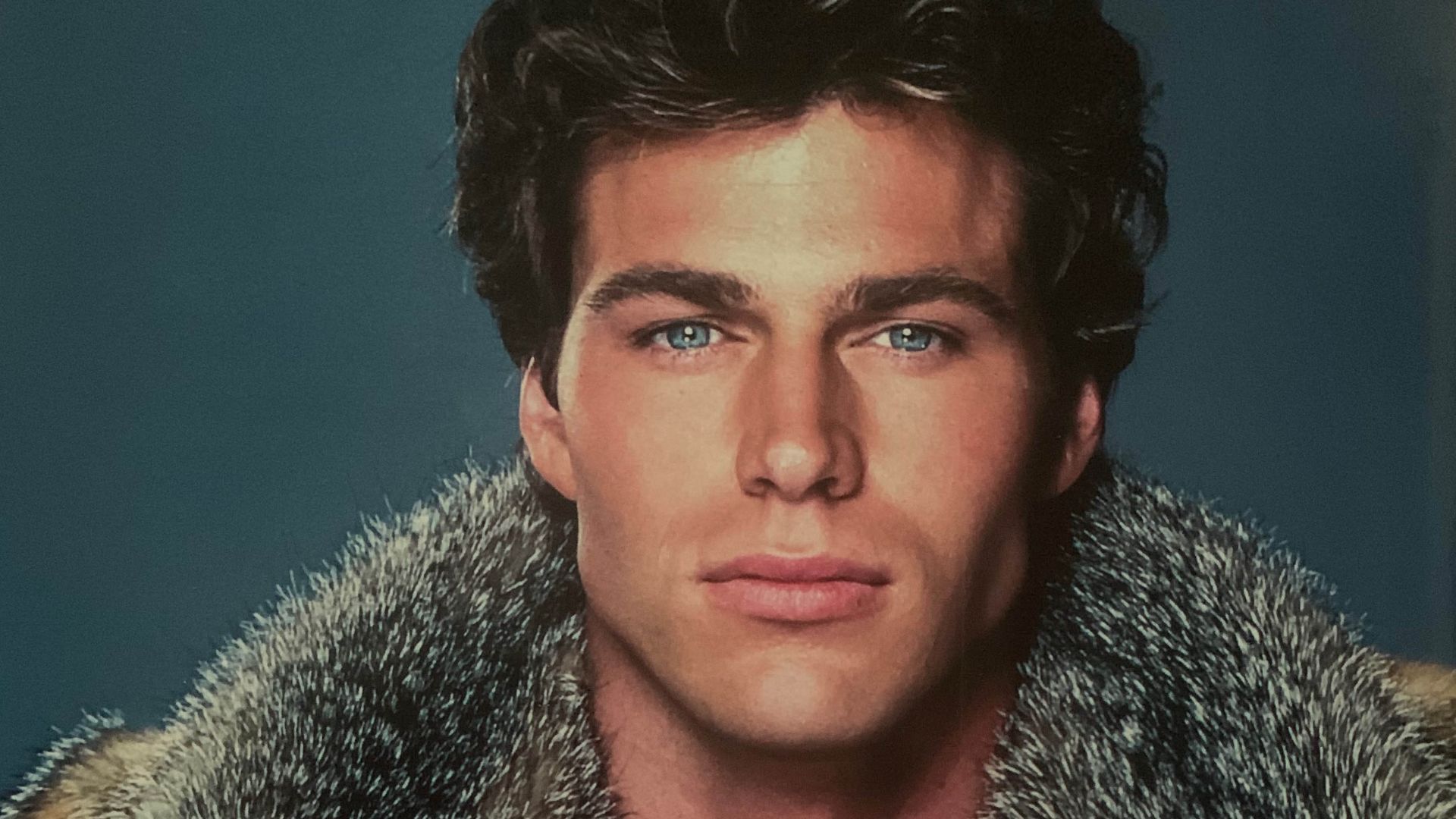
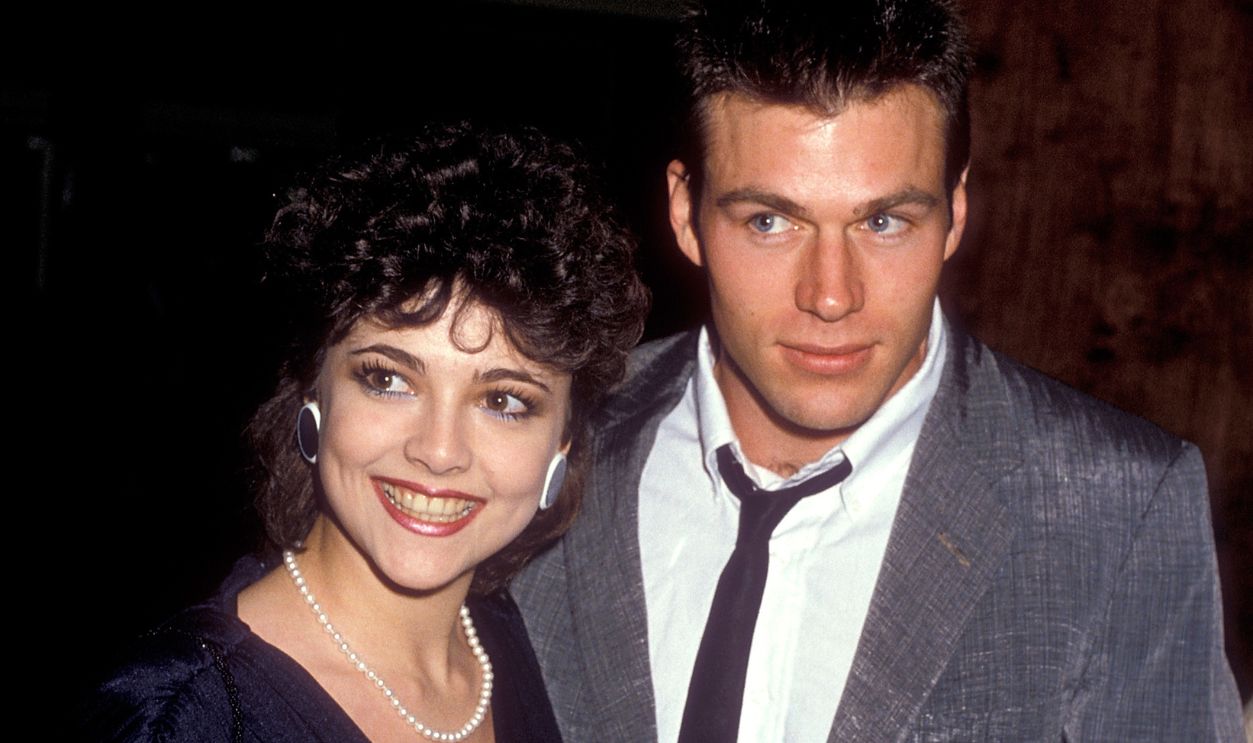
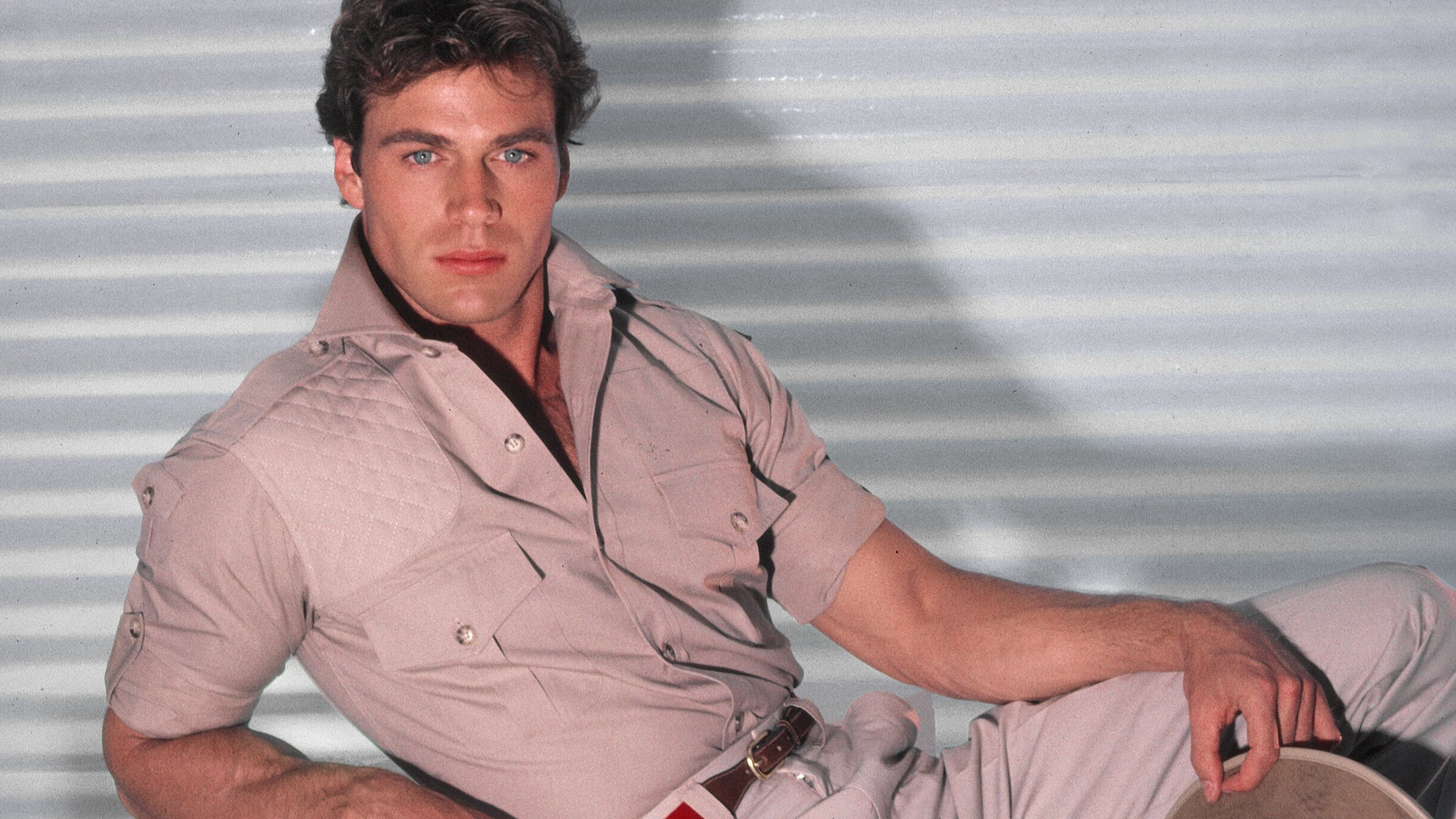
Jon-Erik Hexum was built to be a star. Tall, athletic, and effortlessly charismatic, he stood out immediately. As the 1980s began, he was already being called the “next big thing.” Hollywood was moving fast to make it happen. But just as quickly as it started…it was over.
He didn’t grind for years
Hexum didn’t follow the usual slow climb. He started as a model, then quickly transitioned into acting. Within a short time, he was landing major opportunities. The kind of momentum most actors chase for years, he built almost overnight.
 HarryLangdon, Wikimedia Commons
“Voyagers!” made people pay attention
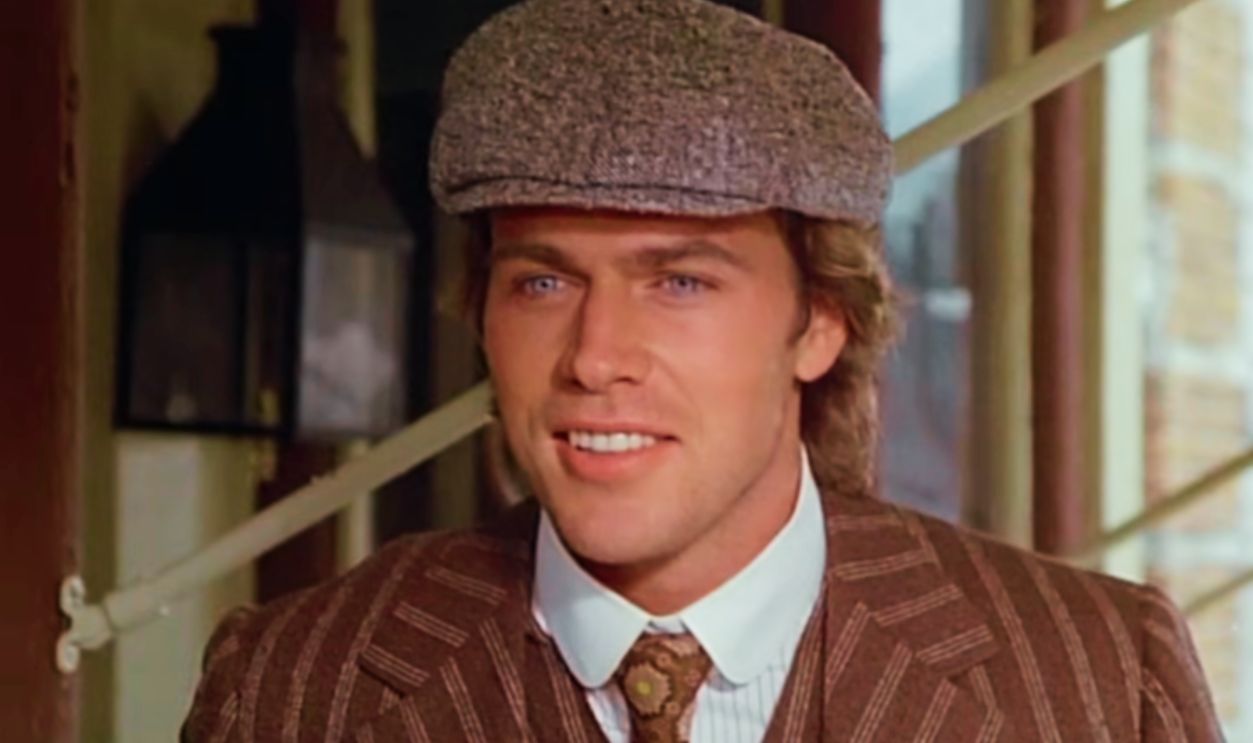
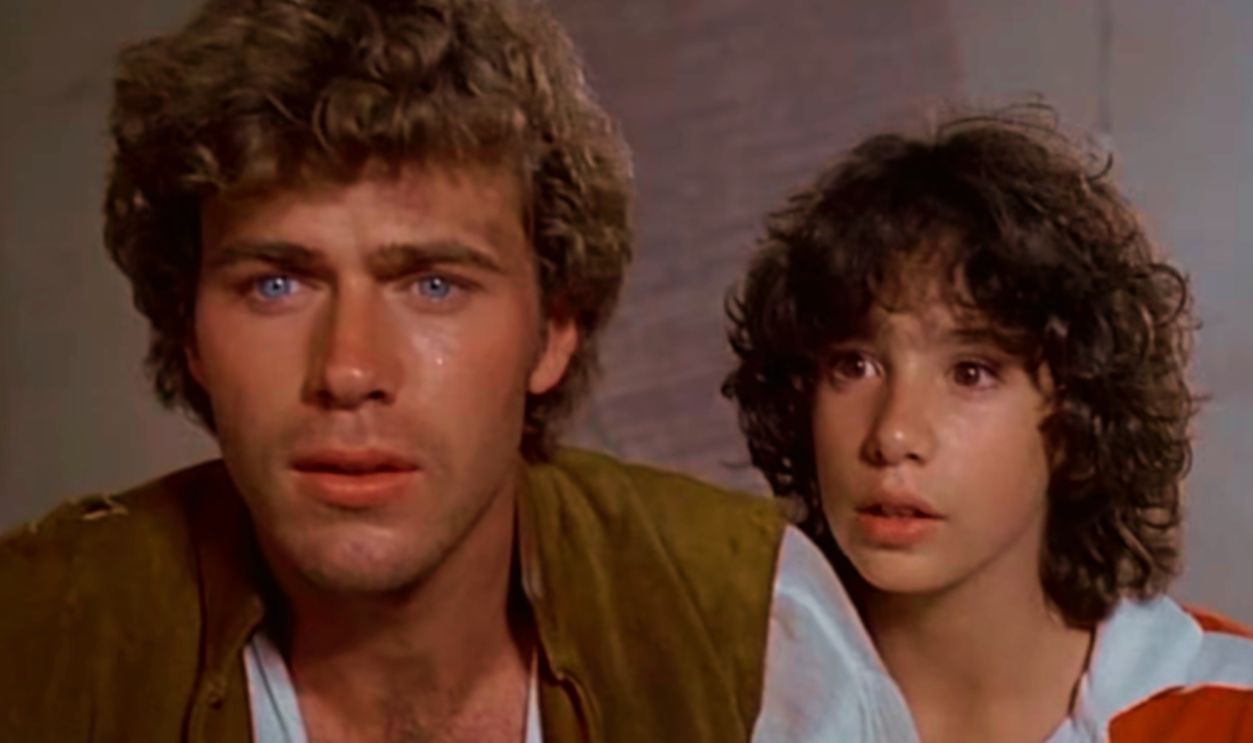
His breakout role came with Voyagers! (1982–1983), where he played time traveler Phineas Bogg. The show only lasted one season, but it gave him real visibility, and proved he could carry a series.
 Screenshot from Voyagers!, NBCUniversal (1982-1983)
From canceled show to bigger opportunity
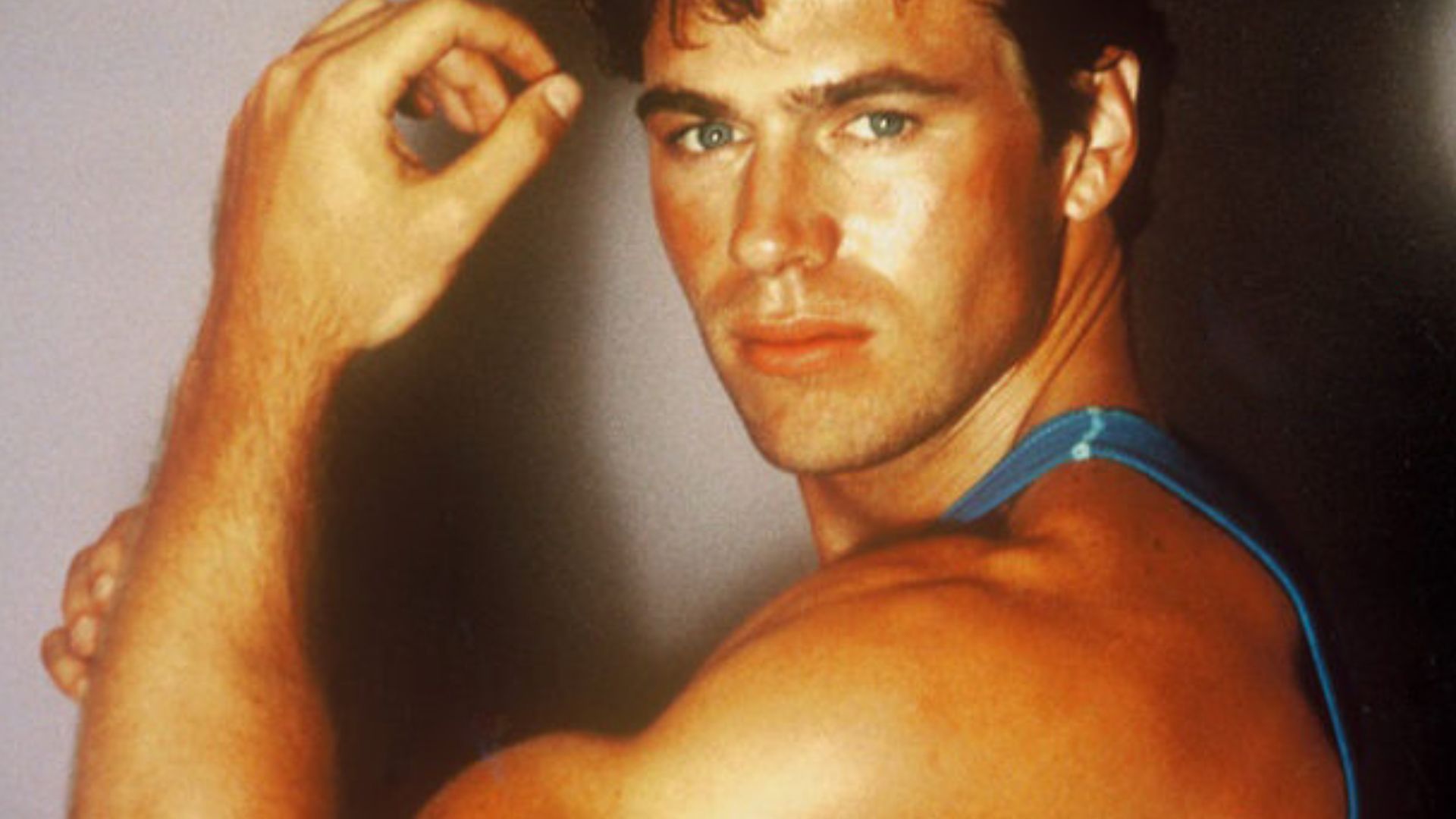
When Voyagers! ended after 20 episodes, Hexum didn’t disappear. If anything, it positioned him for something bigger. Industry buzz was growing, and he was quickly landing auditions for more high-profile, leading roles.
 Christie Jenkins, Wikimedia Commons
Then came “Cover Up”
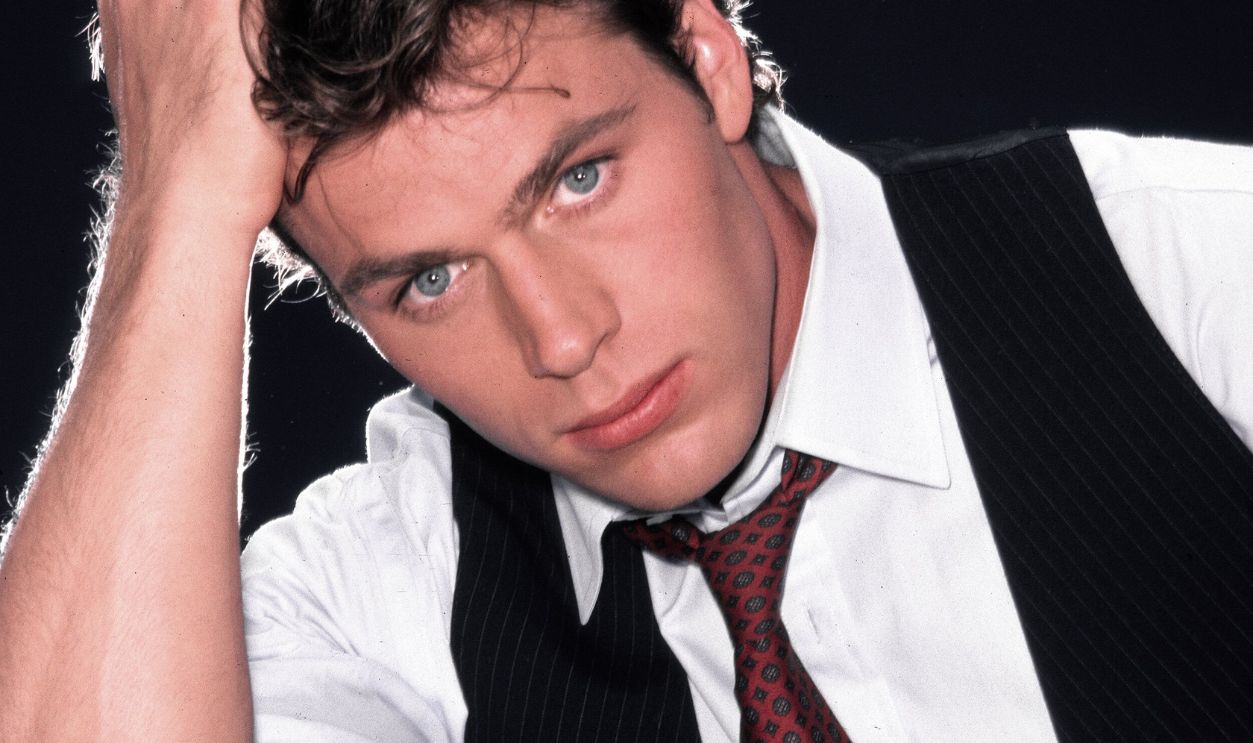
Hexum landed the lead in Cover Up (1984), a CBS action series where he played a model secretly working as a CIA operative. It was flashy, ambitious, and clearly designed to turn him into a household name.
This was supposed to be the breakout
Cover Up wasn’t a small project. It had network backing, international storylines, and a lead built entirely around Hexum. Everything pointed to this being the show that pushed him into full-blown stardom.
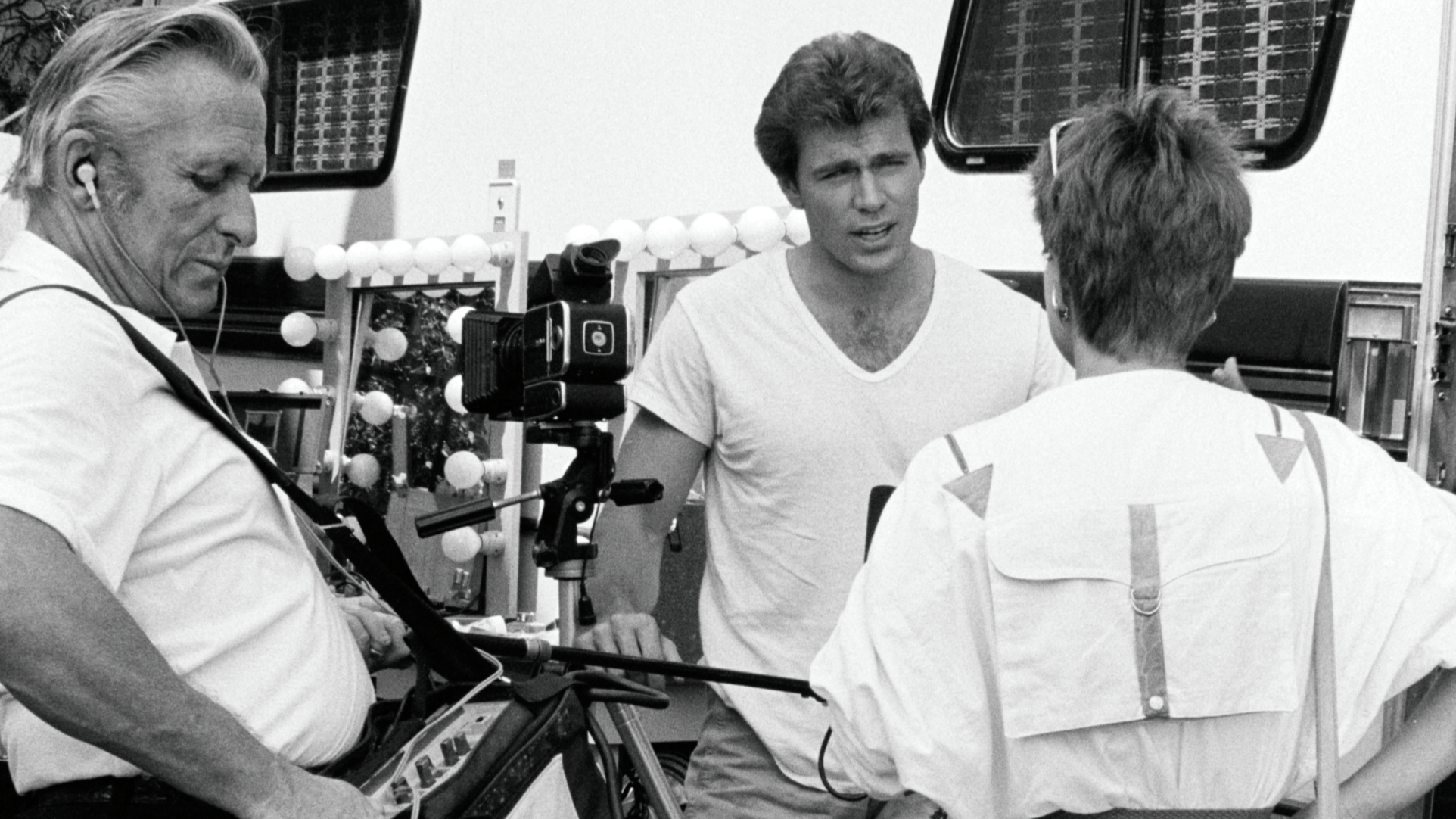
He was just getting started
That’s what makes this story hit harder. Hexum was only 26 years old. Most actors at that age are still trying to get steady work. He already had a lead role and real momentum behind him.
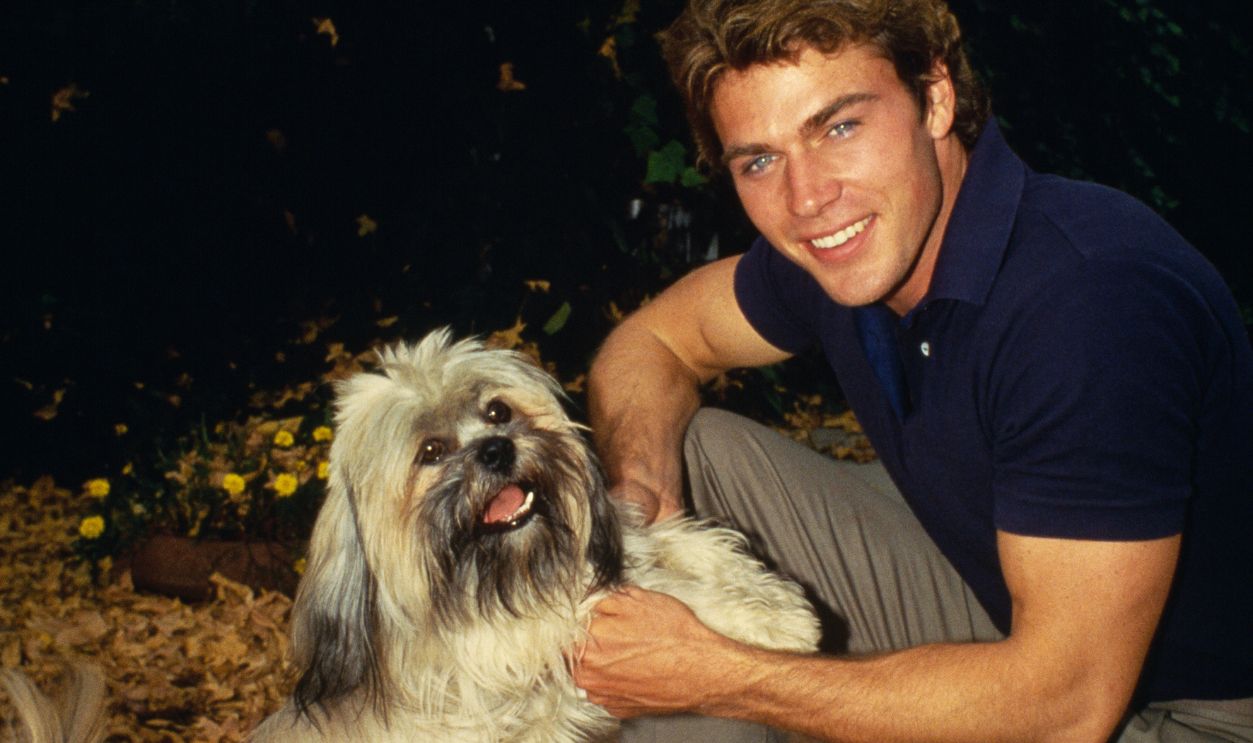
A normal day on set… until it wasn’t
October 12, 1984. The cast and crew were filming the episode “Golden Opportunity” on Stage 18 at the 20th Century Fox lot. It started like any other production day. Nothing about it suggested what was coming.
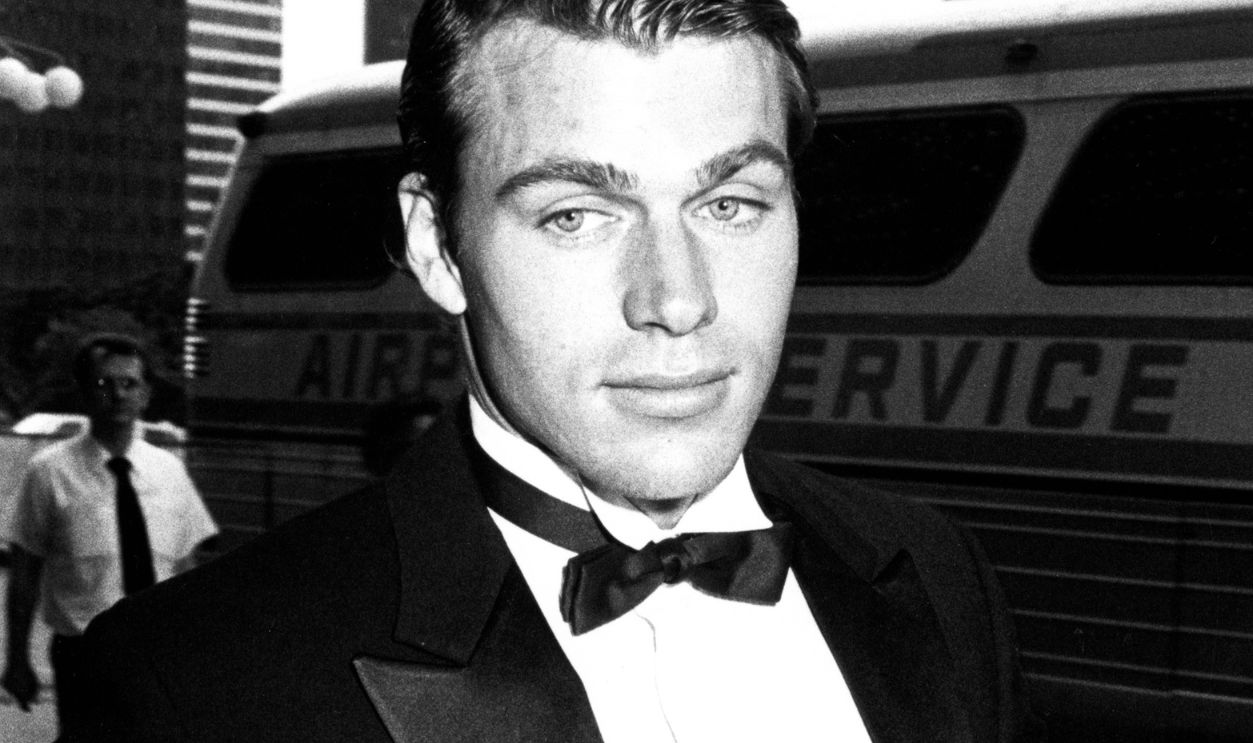
The scene with the prop
One of the scenes that day required Hexum’s character to handle a .44 loaded with blank cartridges. A real revolver being used as a prop, just without live ammunition. At the time, that was standard practice on TV sets.
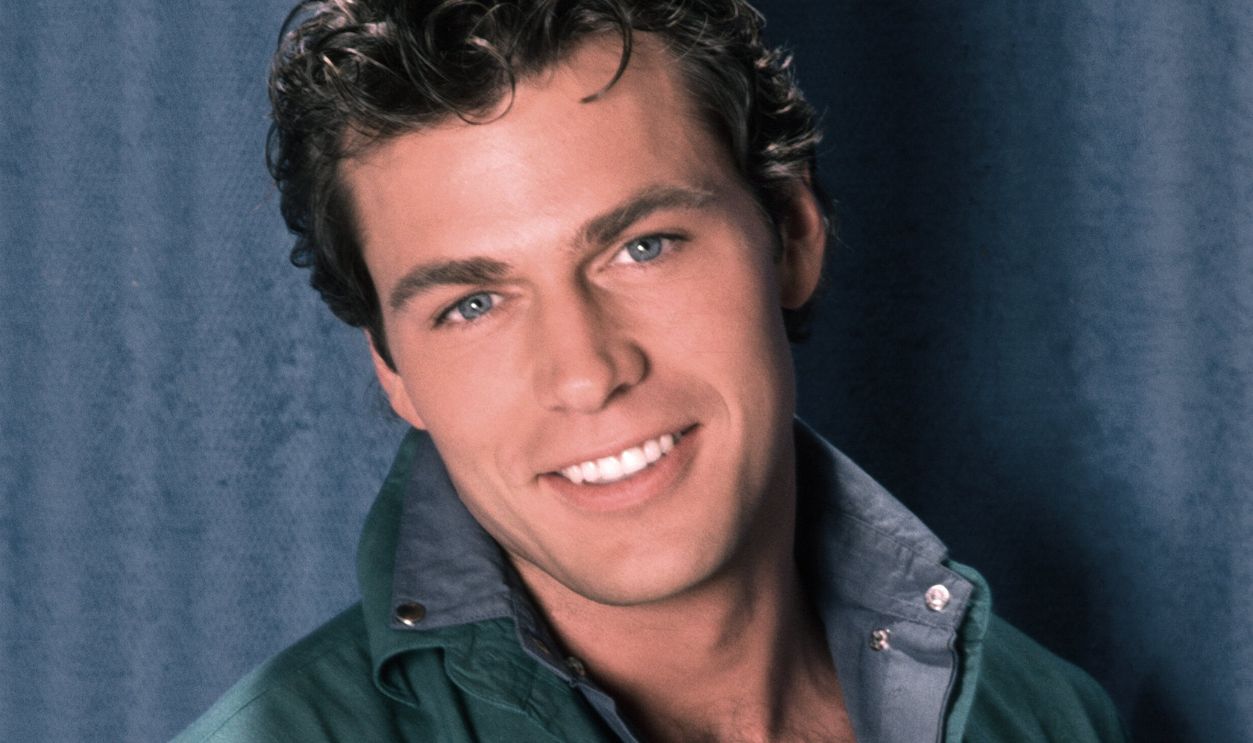
When filming stalled
The scene didn’t land the way the director wanted, so production paused. Like most sets, that meant waiting. Long stretches of downtime, with actors and crew just standing around between takes.
Trying to pass the time
Hexum wasn’t sitting quietly. By most accounts, he was in good spirits, joking around and trying to keep things light. That kind of behavior is normal on set, especially during long delays.
The moment that felt harmless
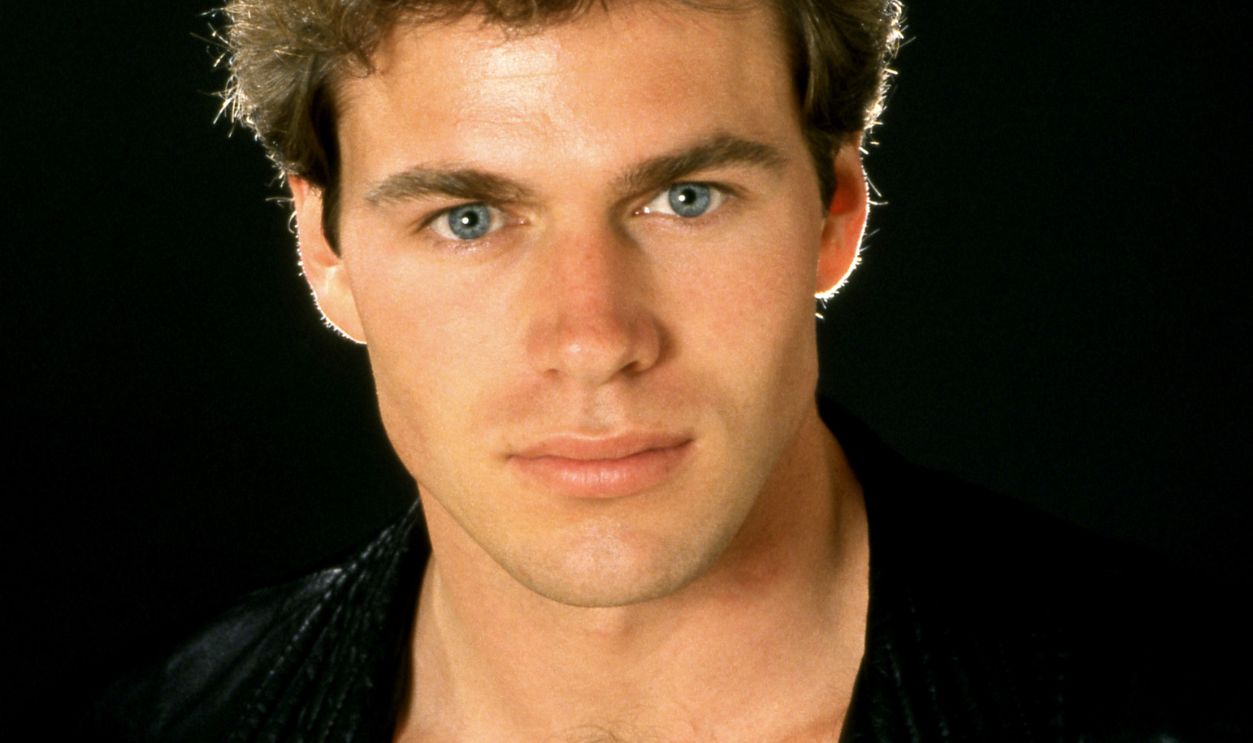
At some point, he picked up the revolver again. Not for a scene, just to pass the time. And to be fair, this wasn’t unusual. Props were everywhere, and at the time, safety standards were far less strict than they are today.
 Donaldson Collection, Getty Images
The “Russian roulette” gesture
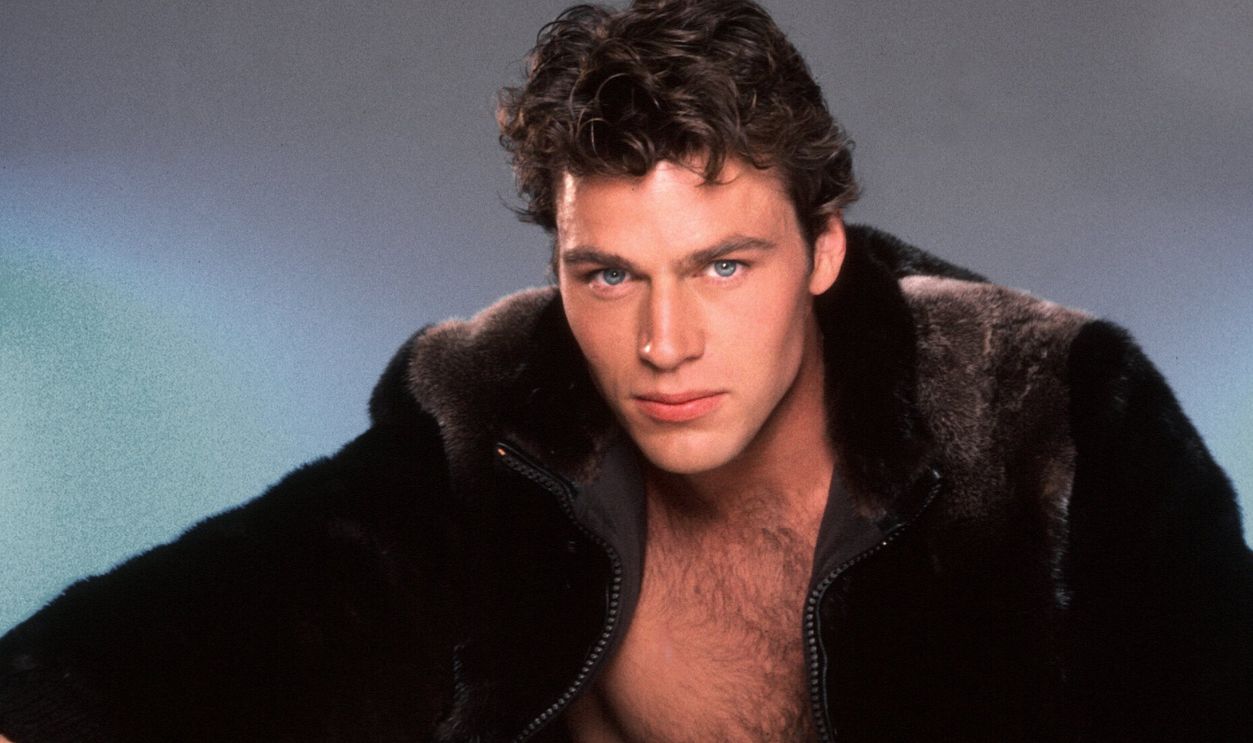
Imitating Russian roulette, Hexum spun the cylinder. Some reports say he had removed blanks from most of the chambers beforehand, believing that made it safe. Either way, it was meant as a quick joke.
One second too close
He raised it to his right temple. There was no hesitation, no sign that anyone thought this was dangerous. It looked like a harmless moment on set. Then he pulled the trigger.
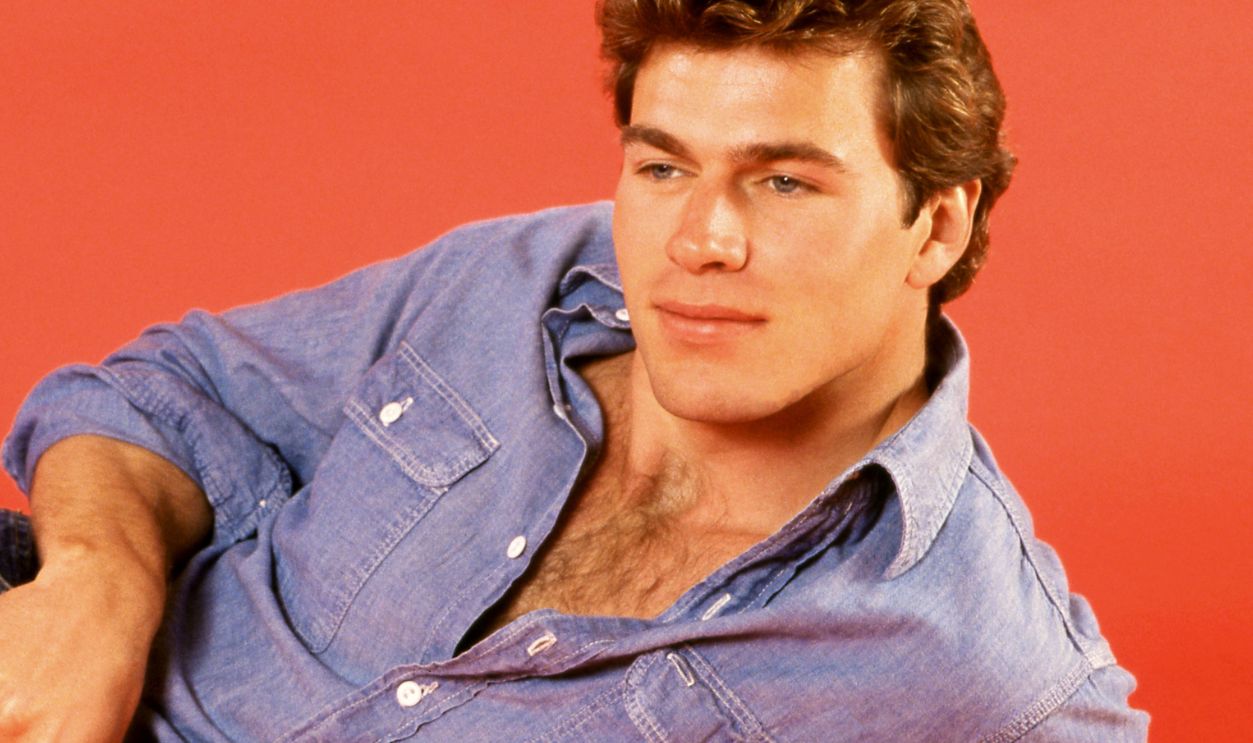 Donaldson Collection, Getty Images
The instant everything changed
The blast from the blank cartridge fractured his skull, causing a severe brain injury. There was no bullet. But the force at that distance didn’t need one. In seconds, what had been a joke turned into a life-threatening situation.
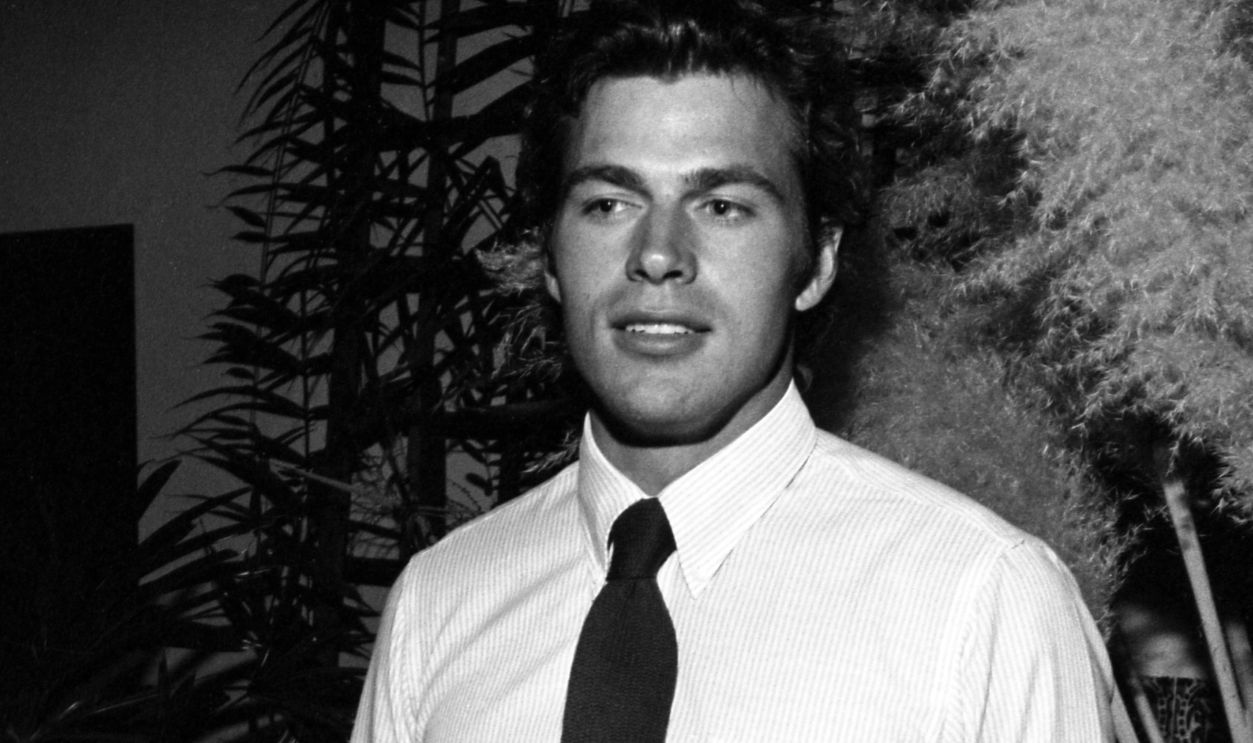
Confusion…then panic
At first, people weren’t sure what had just happened. Then the reality set in quickly. This wasn’t minor. The energy on set flipped instantly from casual downtime to urgency, fear, and chaos.

Rushed into emergency care
Hexum was taken to Beverly Hills Medical Center, where doctors performed emergency surgery to relieve pressure on his brain. The injury was severe, and from the start, the situation was critical.

Days of uncertainty
He remained on life support for nearly six days. Doctors worked to stabilize him, but the damage was extensive. Those close to him were left waiting, hoping for a recovery that became less likely with each passing day.

He was 26
On October 18, 1984, Jon-Erik Hexum was declared dead. He was only 26 years old. A career that had barely begun, and was clearly heading somewhere big, ended in less than a week.
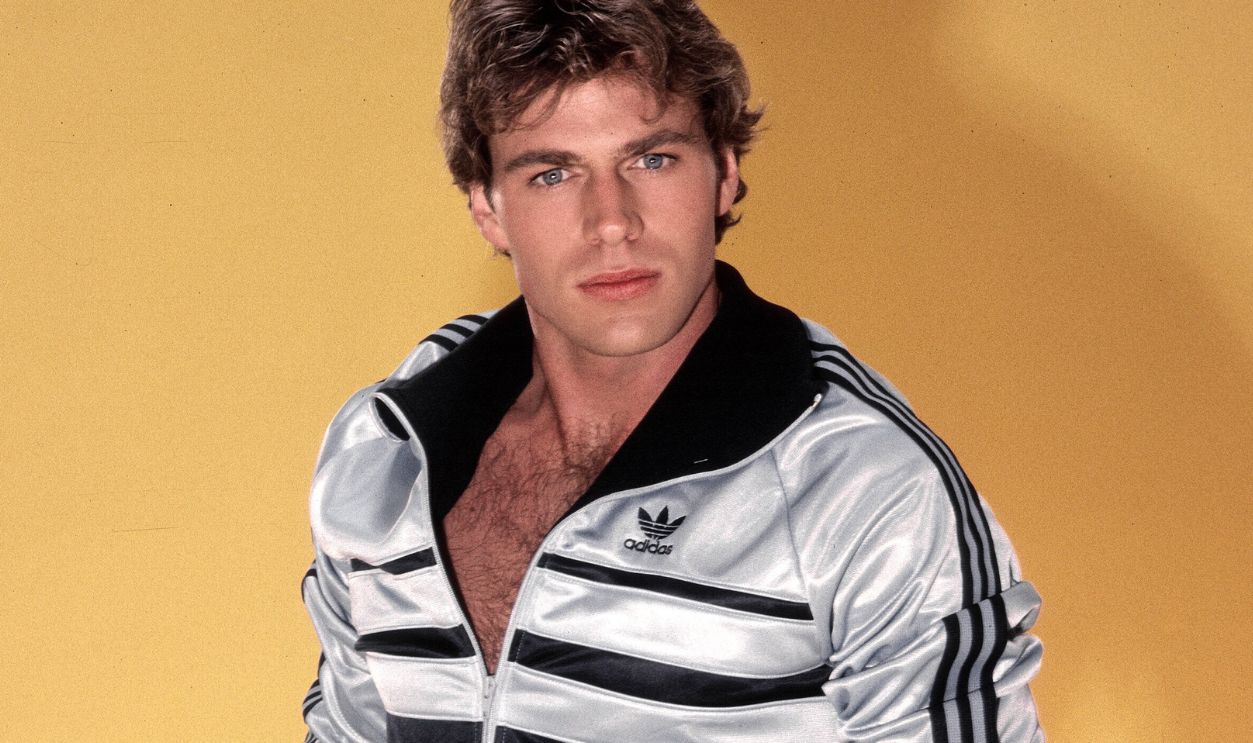
The show tried to continue
Cover Up resumed production after his death, recasting the lead role with Antony Hamilton. But the momentum was gone. The show struggled to recover and was canceled after one season.
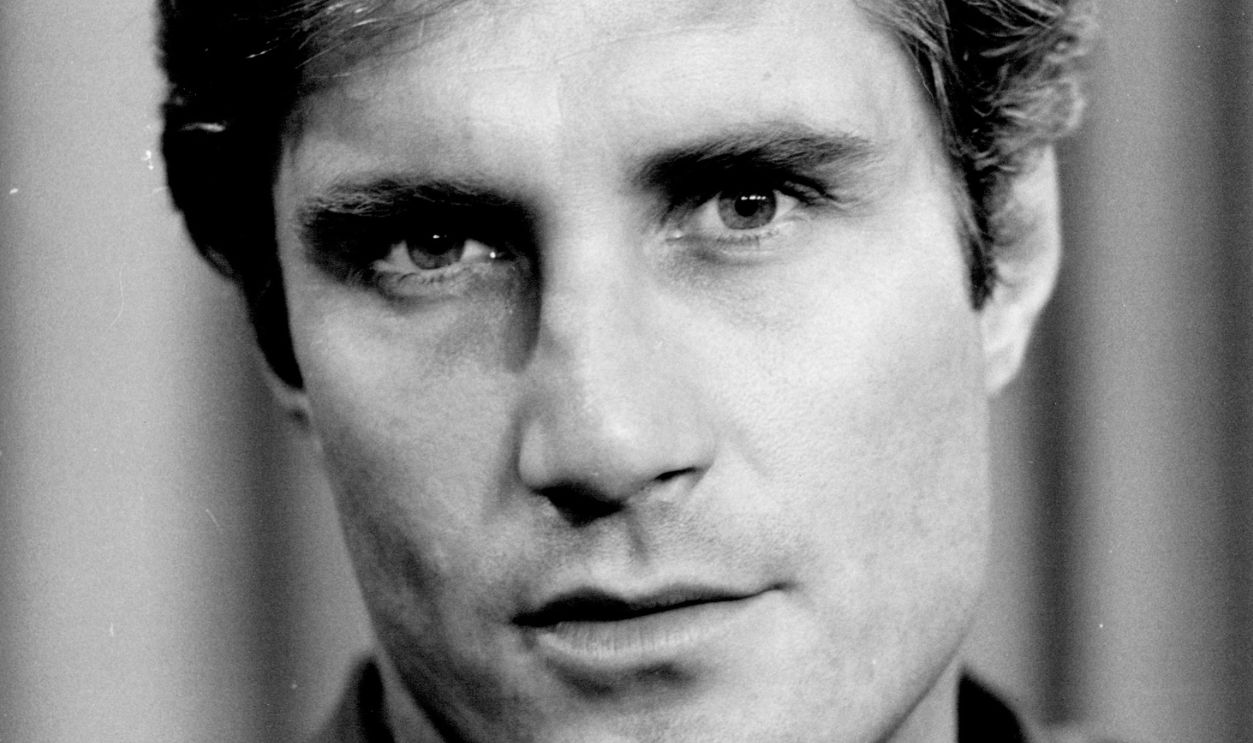 Fairfax Media Archives, Getty Images
The industry couldn’t ignore it
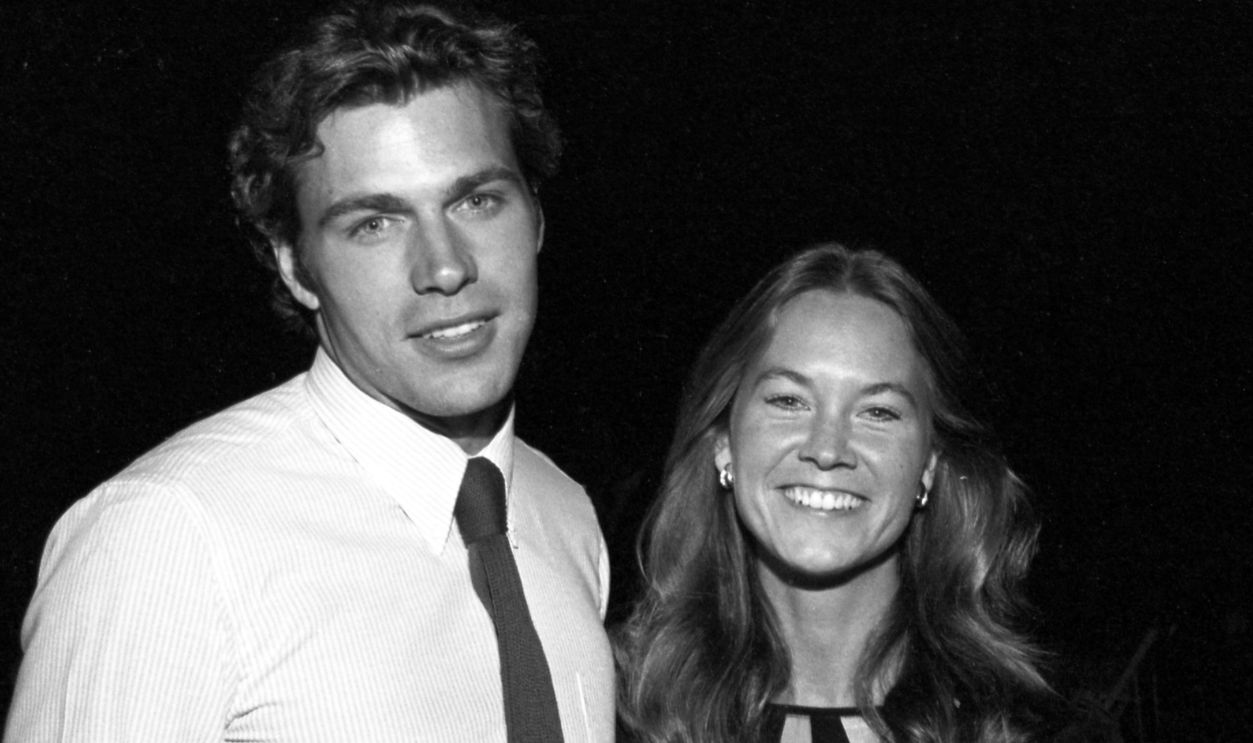
Hexum’s death made national headlines. A young, rising star lost in a tragic on-set accident forced the industry to confront risks that had been underestimated for years.
Changes
In the years that followed, productions began tightening safety protocols. More oversight, stricter handling rules, and far less casual interaction with these props became standard across the industry.

The career that never got its chance
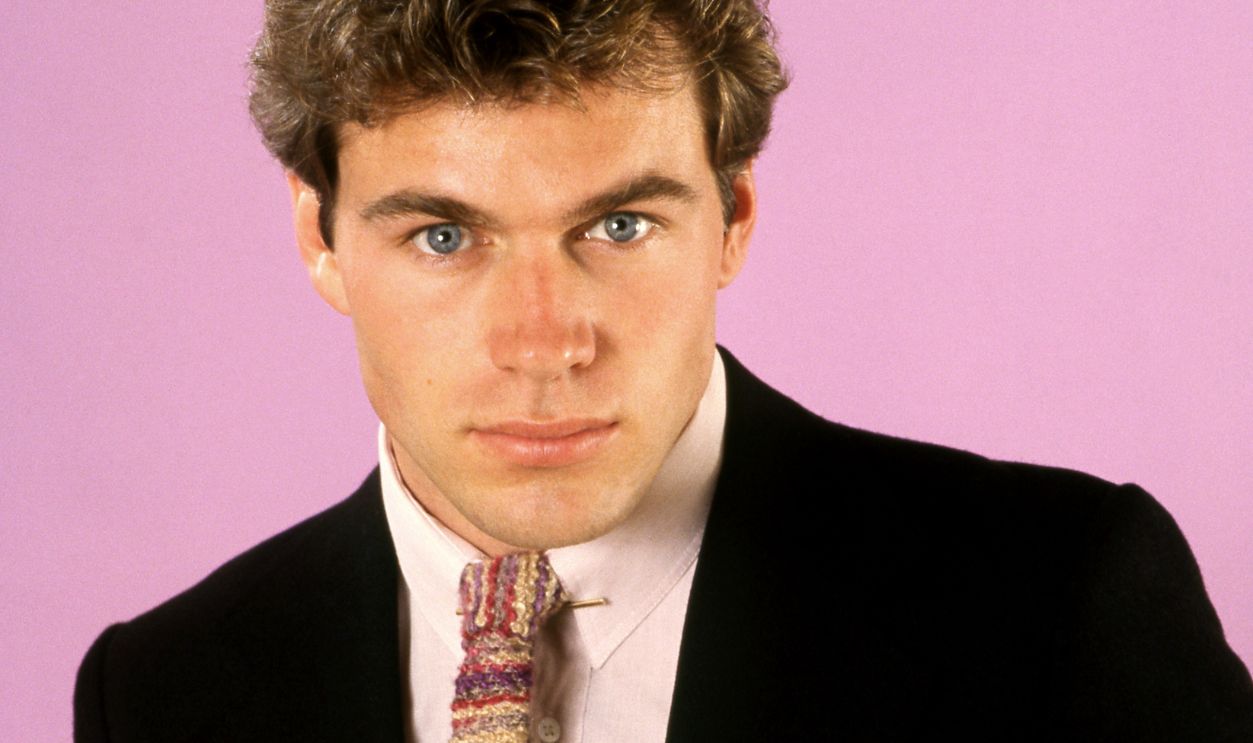
What makes this story linger is the trajectory. Hexum wasn’t fading—he was rising fast. Cover Up was just the beginning. The next step likely would have been film.
 Donaldson Collection, Getty Images
More than just the accident
People who worked with him didn’t just remember what happened...they remembered who he was. Professional, easygoing, and well-liked. The kind of presence that made people believe he was going far.
 Screenshot from Voyagers!, NBCUniversal (1982-1983)
One moment no one thought mattered
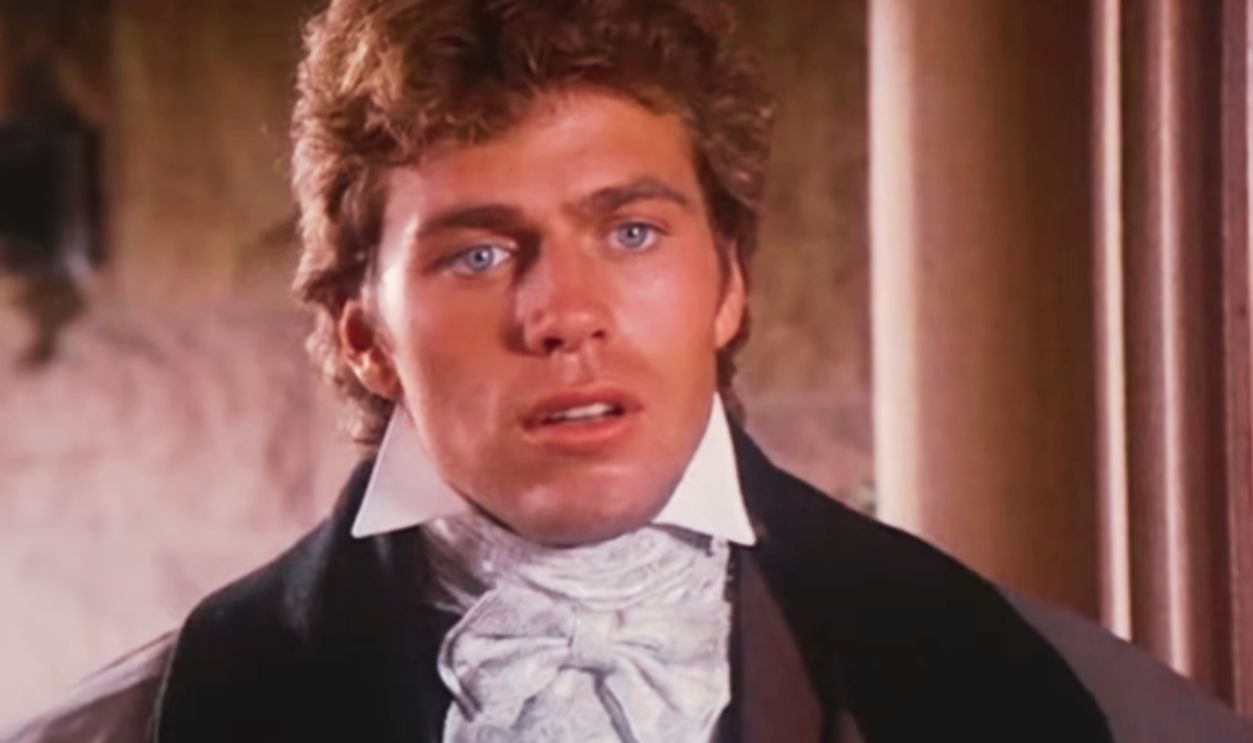
This wasn’t a stunt or a risky scene. It was downtime. A joke. Something that felt completely harmless in the moment. And yet, it changed everything.
 Screenshot from Voyagers!, NBCUniversal (1982-1983)
A rising star, frozen in time
Jon-Erik Hexum was on the brink of 80s superstardom. That part isn’t speculation, it was already happening. What stopped it wasn’t a bad role or a career misstep. It was one moment no one expected to matter.
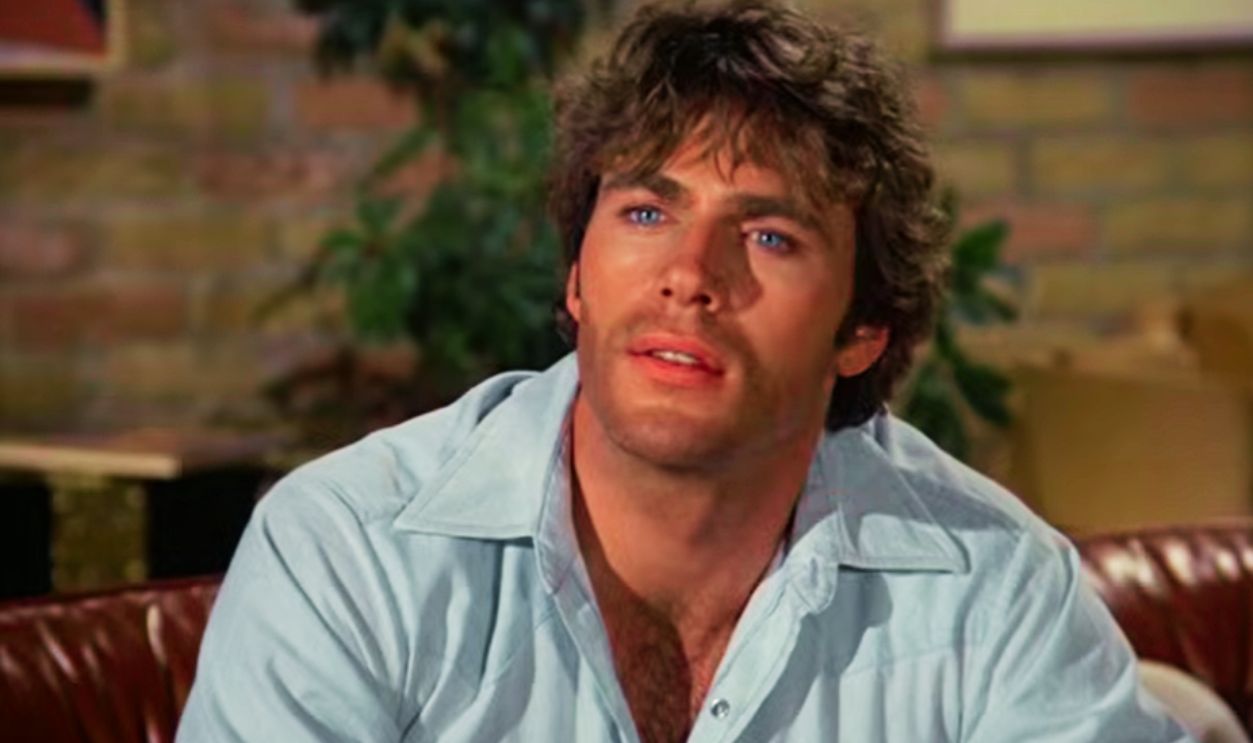 Screenshot from Making of a Male Model, Paramount Global (1983)
You Might Also Like:
Photos Of Alyssa Milano Then And Now To Make Anyone Feel Old