When The Spotlight Drifted Sideways
Everyone remembers the hero, until a different presence lingers longer than the plot itself. Val Kilmer’s Tombstone performance proved that dominance on screen didn’t need strength to feel dangerous or unforgettable.
Why Westerns Mattered So Much To Audiences
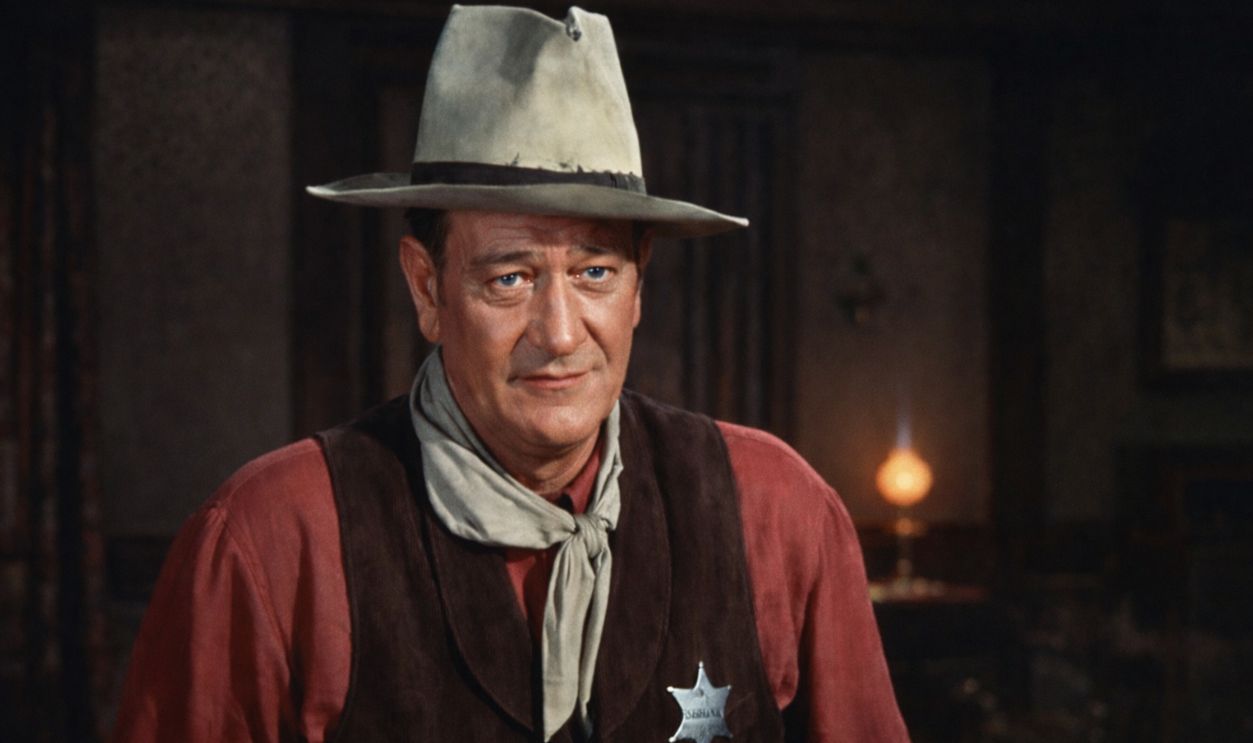
For decades, Westerns helped shape how Americans saw courage. Set in rough frontier worlds, these films showed how order was defined when rules were thin. Over time, they became a shared language for what strength and leadership looked like.
 Bob C Ceasar, Wikimedia Commons
How Familiar Patterns Took Hold
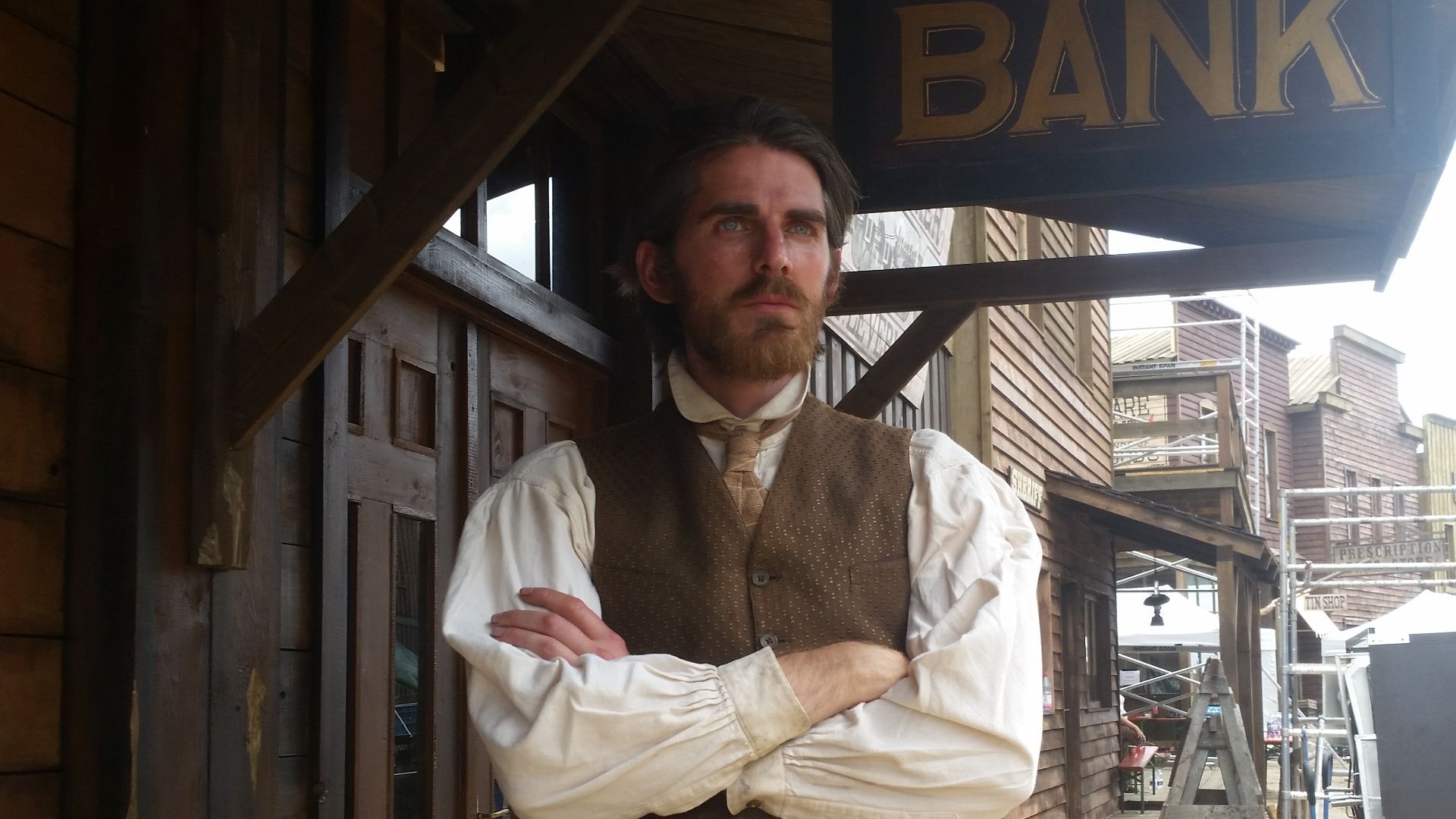
As they became popular, filmmakers leaned into choices audiences already understood. Similar heroes and story beats appeared again and again. This was so rampant that viewers grew comfortable with these patterns, which made Westerns easy to follow and helped set expectations for how characters behaved.
 20th Century Fox, Wikimedia Commons
The One Rule That Stayed Consistent
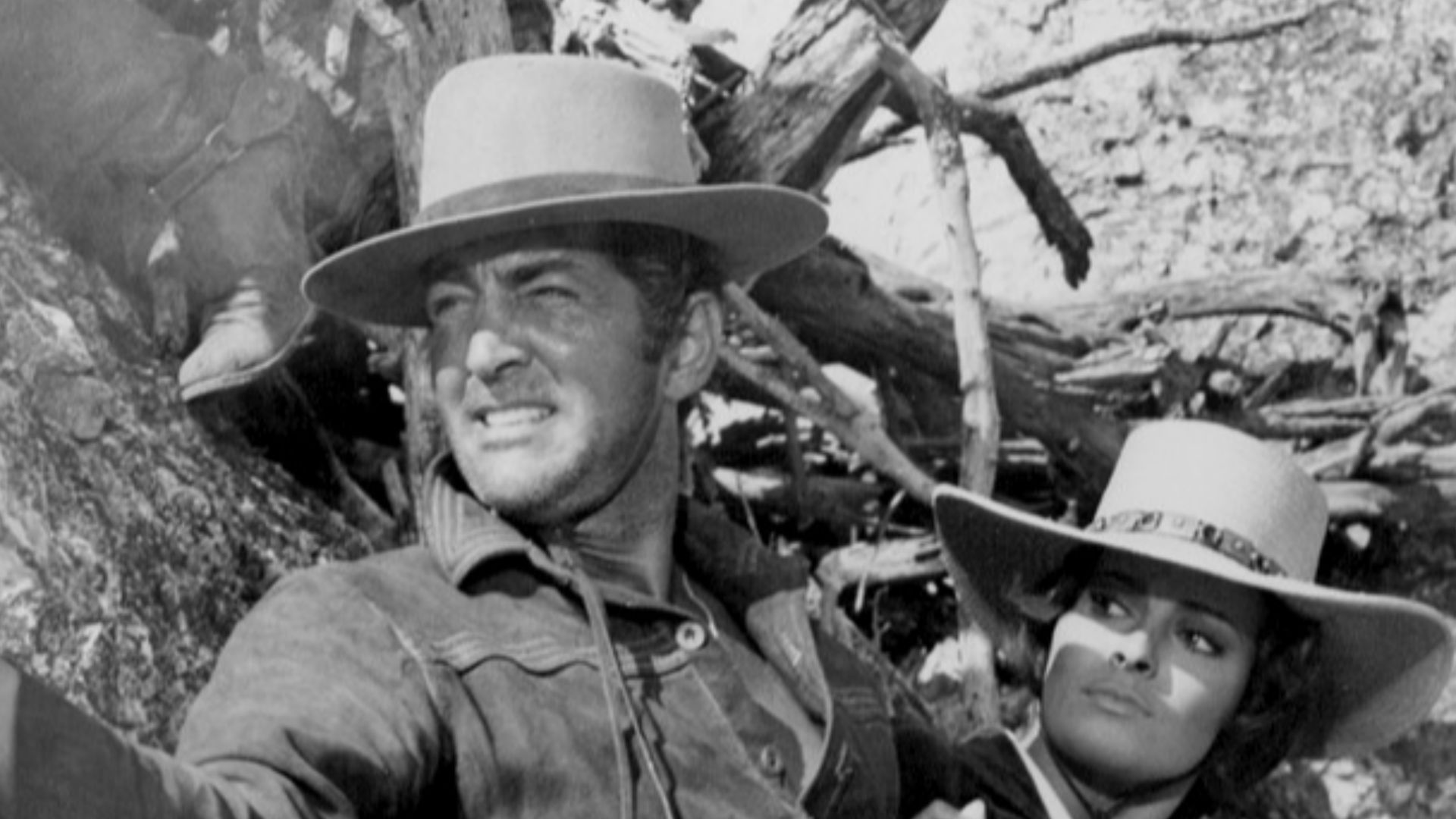
Across these films, one idea remained steady. The character guiding the story usually looked strong and emotionally steady. This figure handled danger by resolving conflict and stood till the end. Whenever you watched the main character, you got a clear sense of who mattered most on screen.
 unknown (Republic Pictures), Wikimedia Commons
Why Strength Became The Shortcut To Leadership
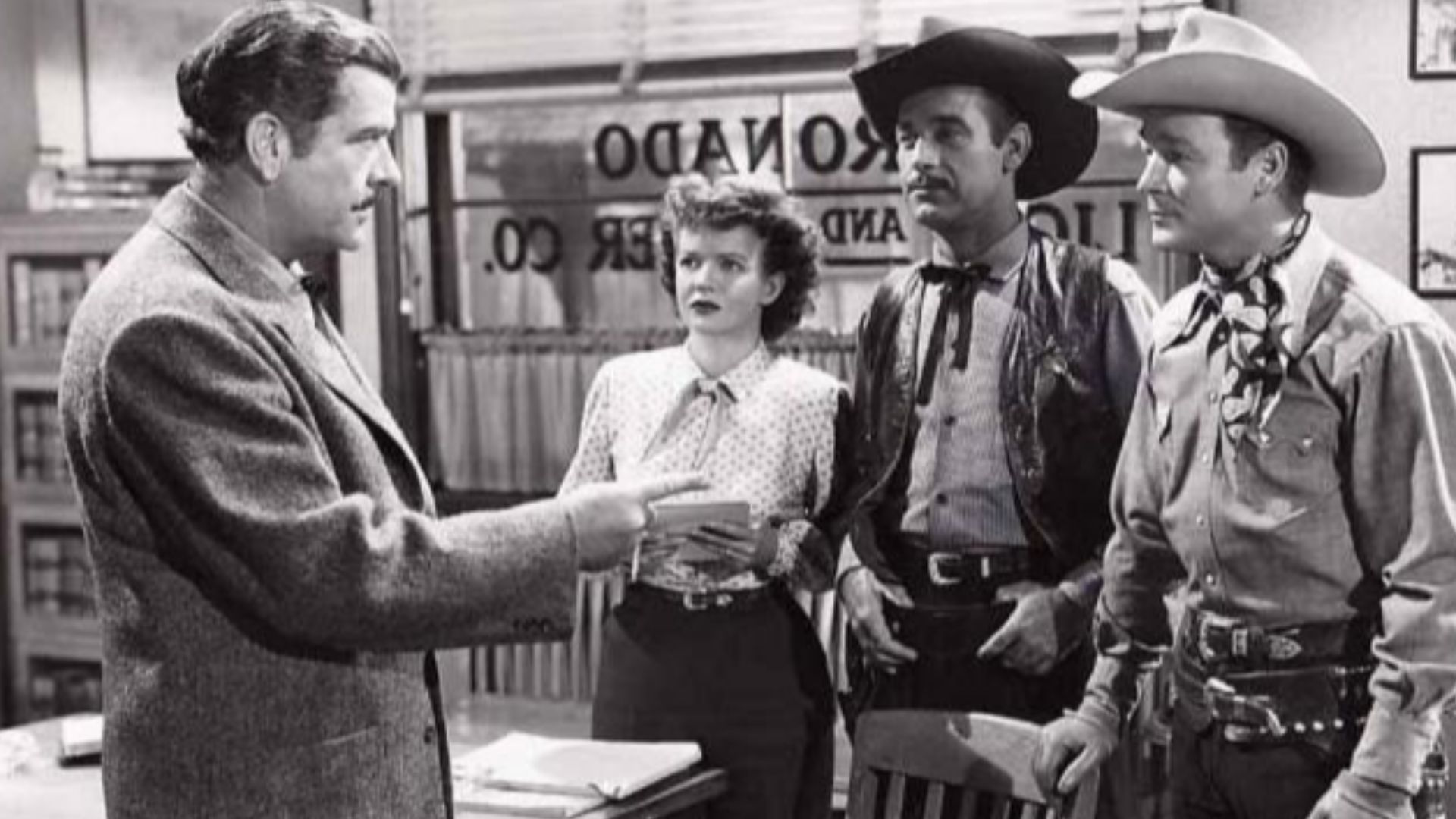
We’ve mentioned one of their characteristics was that they looked strong, right? Well, that was intentional because early frontier stories focused on survival. Towns needed protection, disputes needed force, and danger felt constant. Films reflected that reality. A capable-looking man just felt…trustworthy.
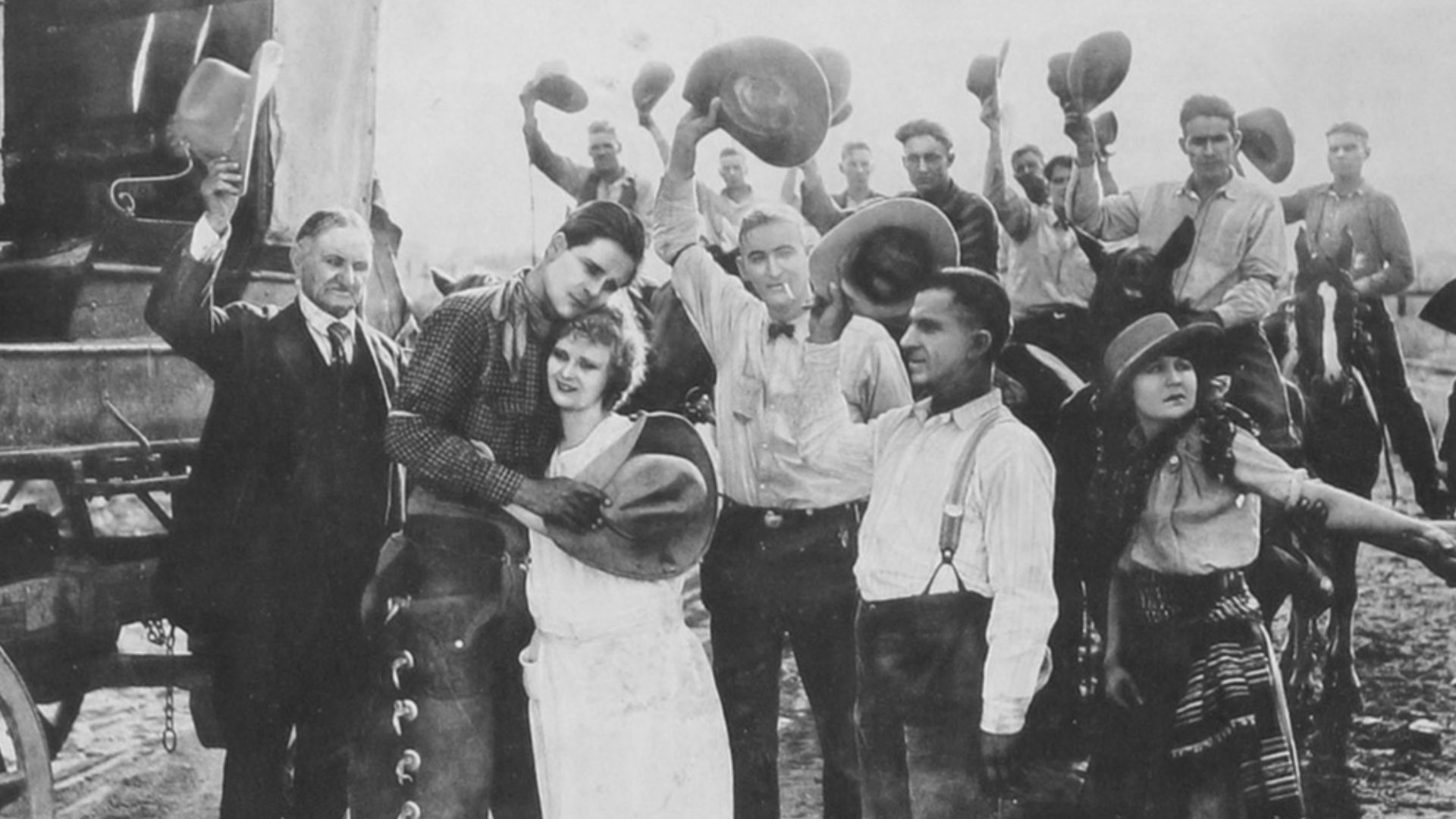 Arrow Film Corp., Wikimedia Commons
A Great Example Was John Wayne With The Model Hero
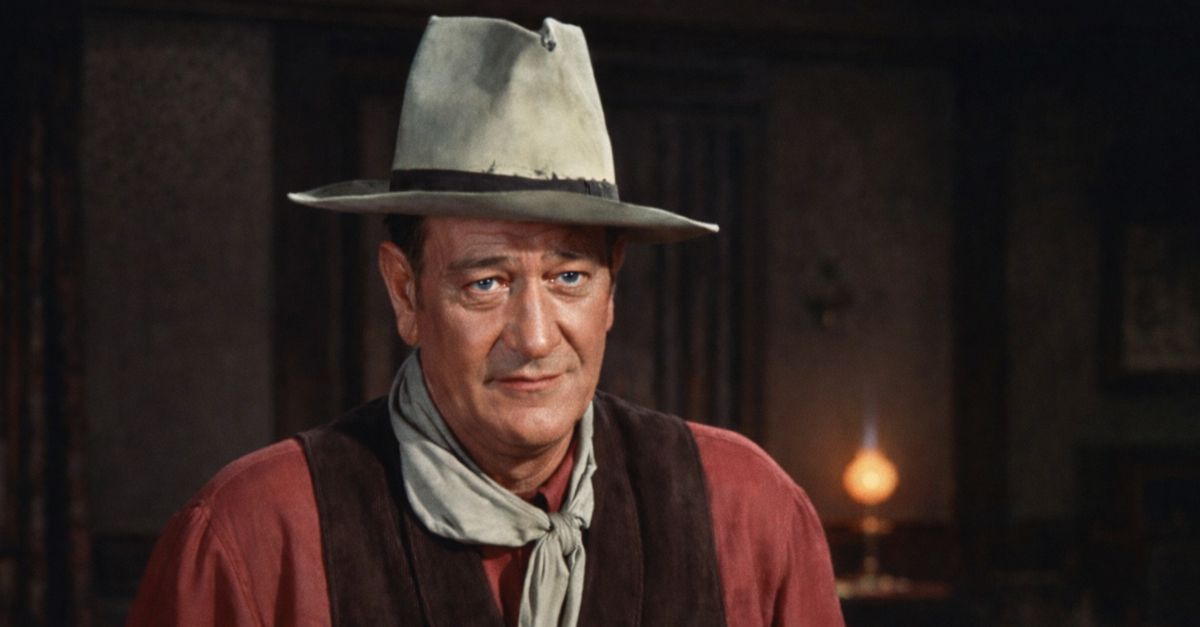
Enter John Wayne, the face fans recognized instantly. His presence alone suggested stability. When he entered a scene, the story slowed around him. From the get-go, his role was without explanation, and for some reason, you’d trust him to restore balance simply by standing his ground.
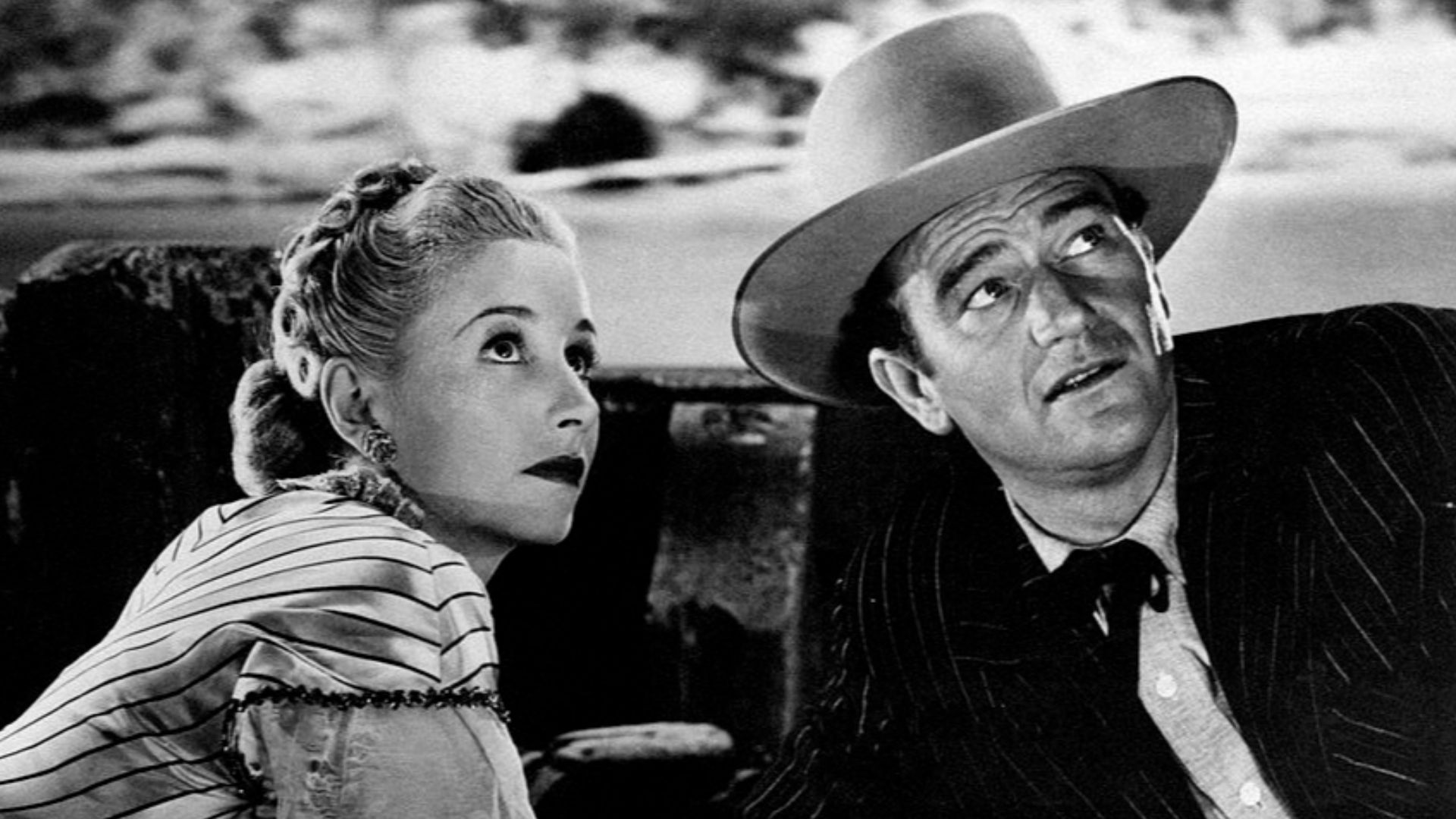 Unknown (Mondadori Publishers), Wikimedia Commons
How Wayne’s Roles Set Viewer Expectations
Across decades, Wayne played similar figures, and everyone grew familiar with his posture and confidence. Now, whenever there was a new Westerner, you’d spot the central figure almost immediately because Wayne was the blueprint.
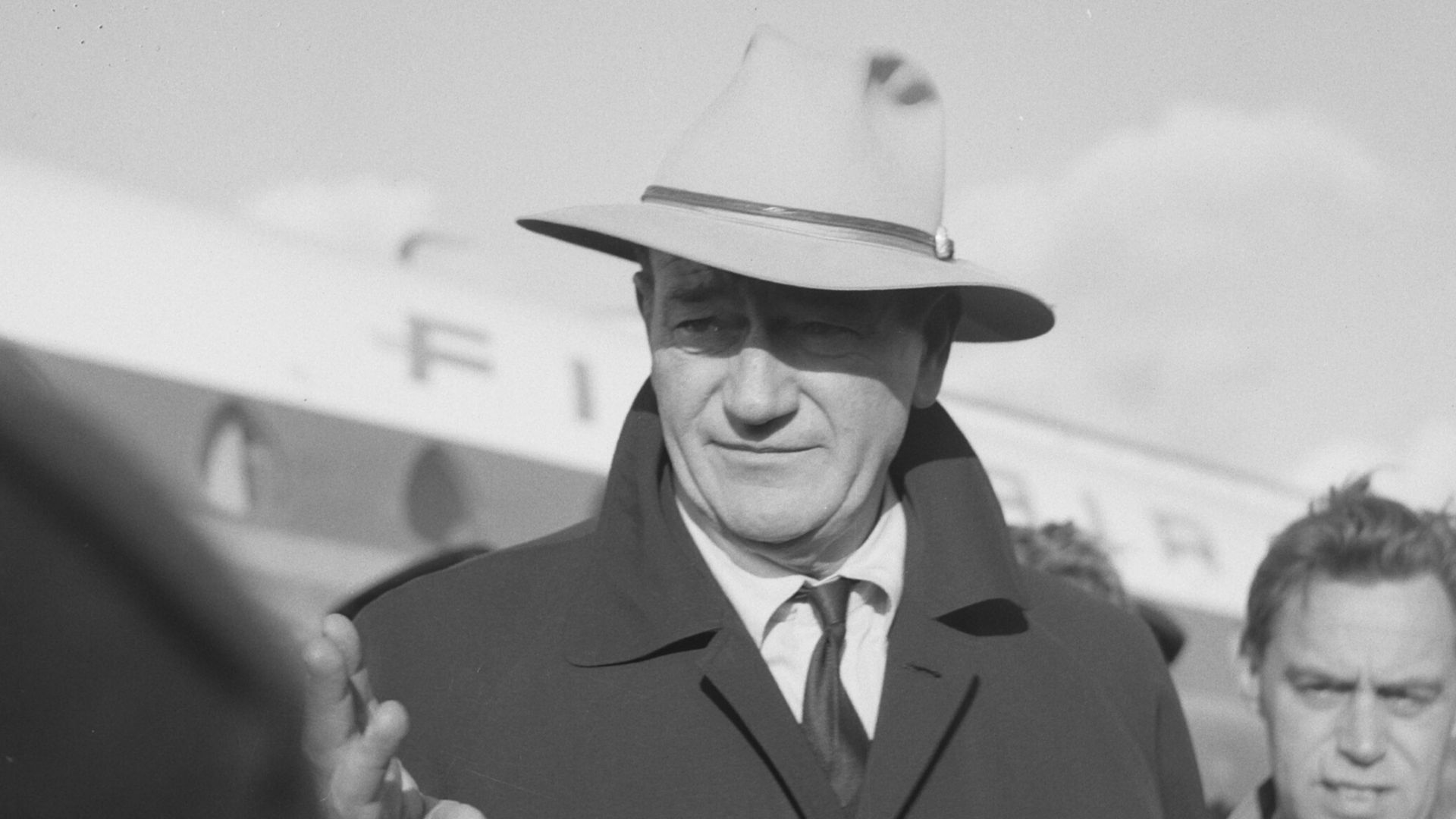 Hugo van Gelderen / Anefo, Wikimedia Commons
Then, Clint Eastwood Brought A New Surface Style
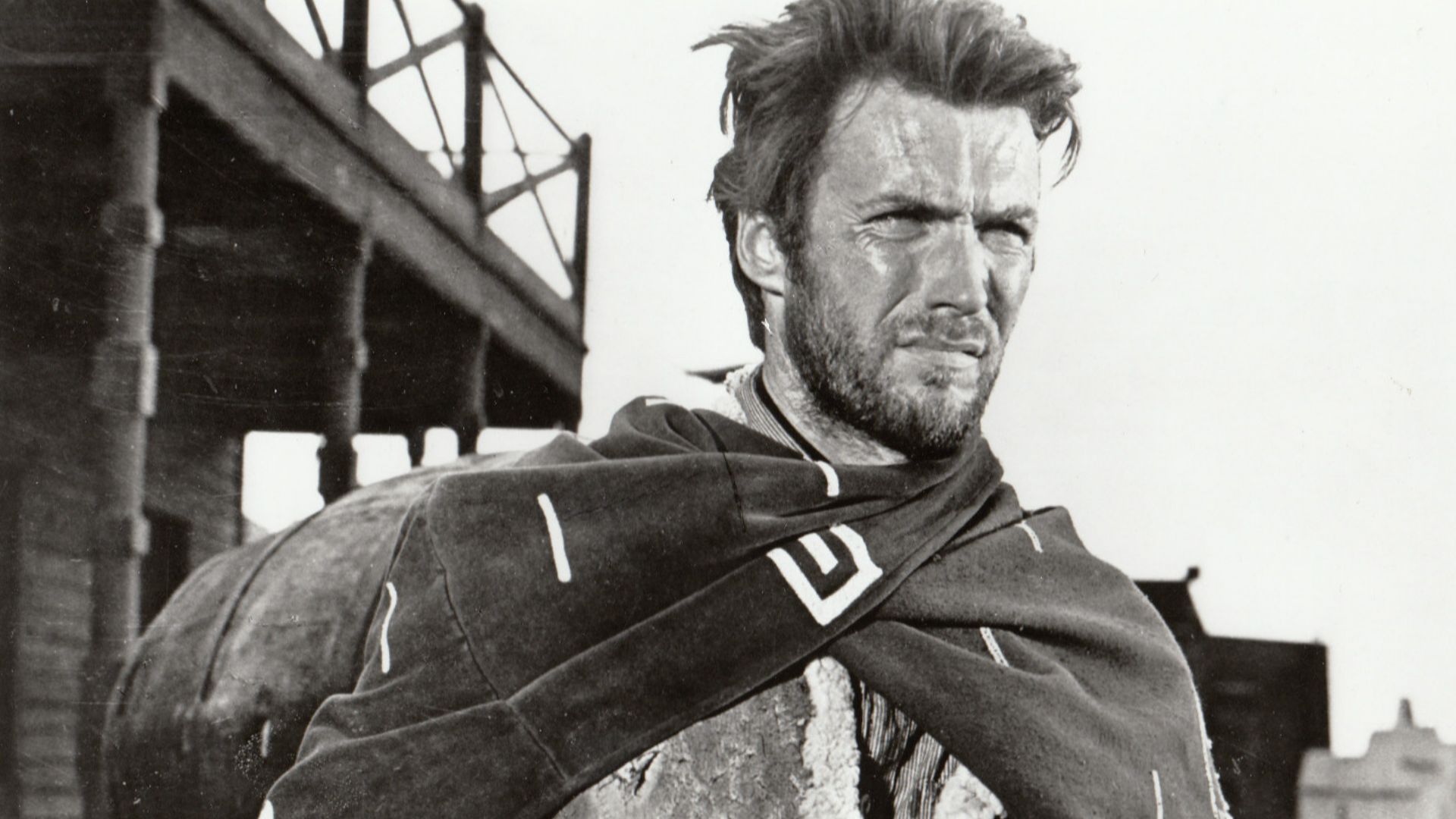
By the 1960s and 1970s, Clint Eastwood offered a quieter presence. His characters spoke less and watched more. This shift felt fresh, even though the same idea remained beneath it: control belonged to the figure who stayed calm as tension rose.
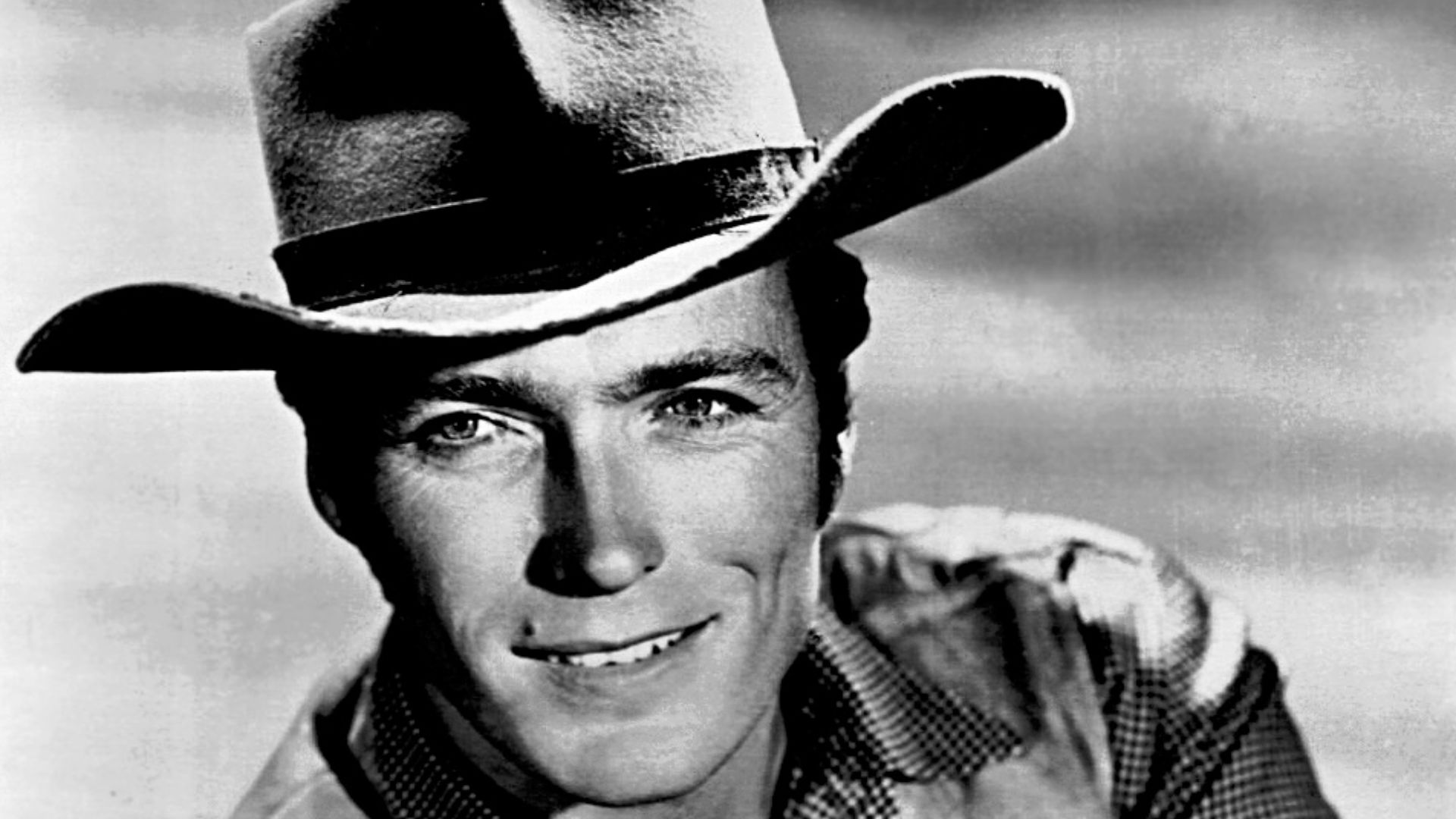
Silence Became The New Signal Of Control
Eastwood’s restraint changed how scenes played out. Long pauses and measured reactions built suspense. Silence equaled confidence. Even without physical dominance on display, his characters still felt capable of ending conflict when the moment arrived.
 movie studio, Wikimedia Commons
Introducing Tombstone
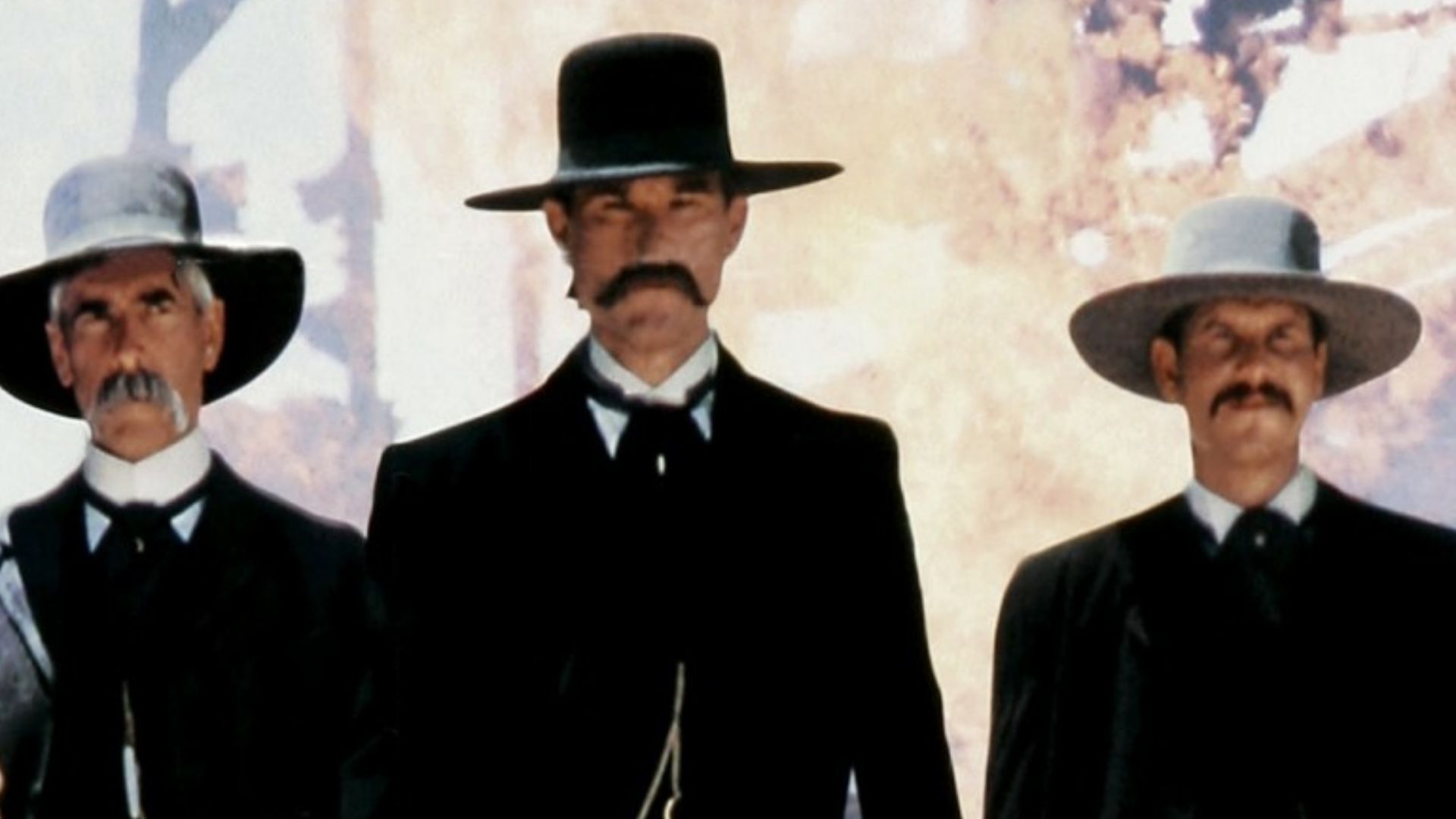
Released in 1993, Tombstone arrived during a renewed appetite for frontier films, promising familiar rhythms shaped by decades of tradition. Its marketing and opening moments leaned into that comfort to offer no warning that one character would soon seize the spotlight.
 Superyesito, Wikimedia Commons
Why The Film Looked Comfortably Familiar
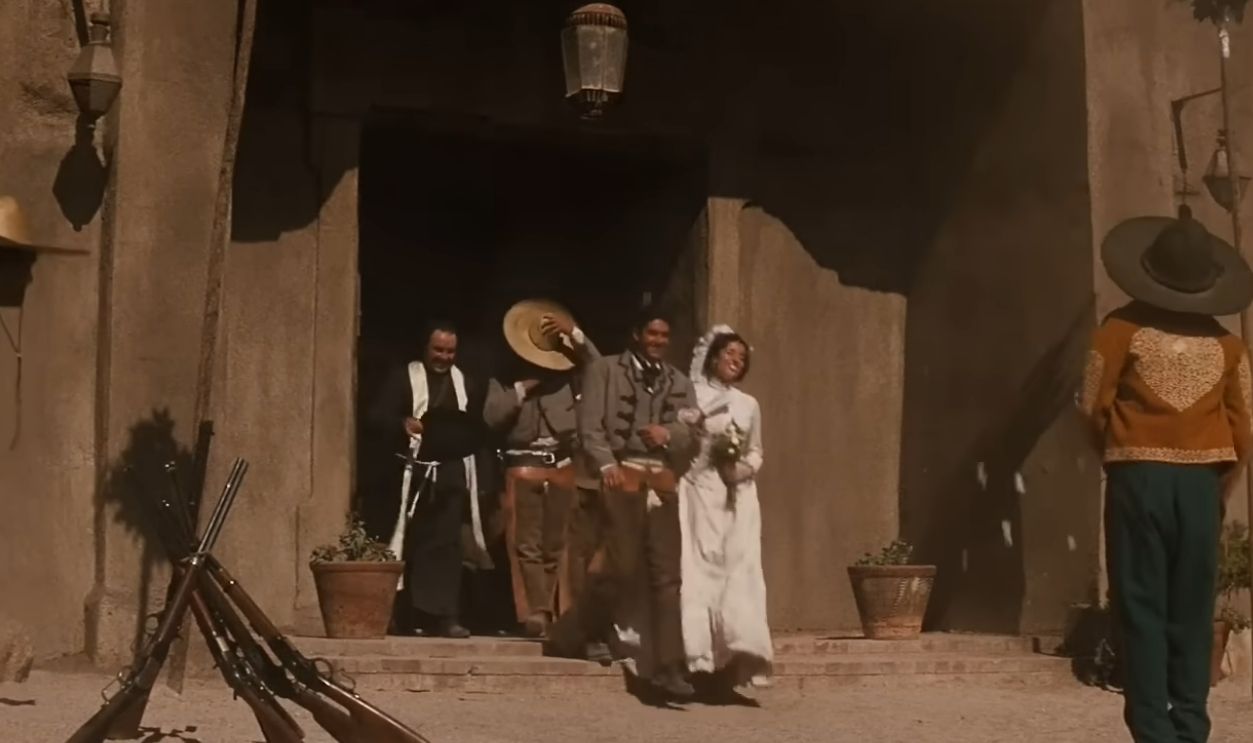
At first, Tombstone moved in ways people recognized. A dusty town framed the action. Trouble surfaced early. The story felt easy to follow, instiling confidence that events would unfold along a familiar path shaped by long-standing genre habits.
 Screenshot from Tombstone, Buena Vista Pictures (1993)
The Expected Character Positioned At The Center
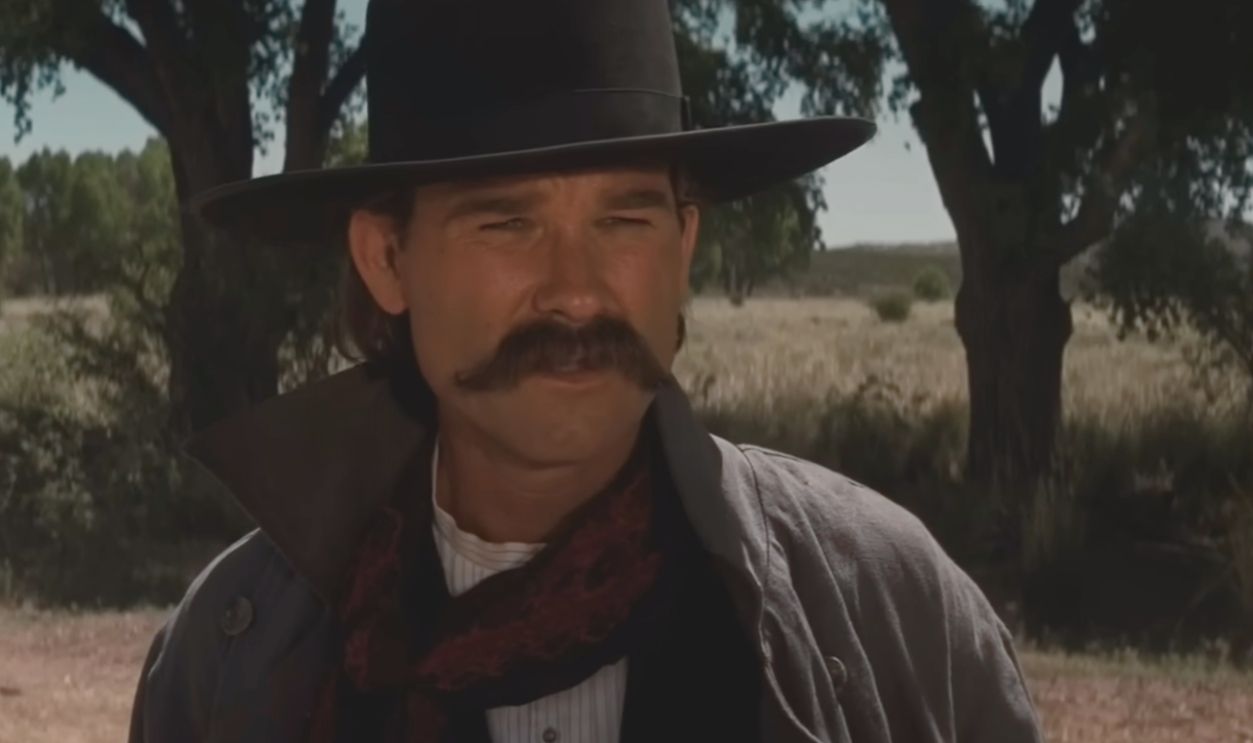
The narrative focused on Wyatt Earp, played by Kurt Russell. He was framed as the steady presence guiding events. Most understood him as the figure meant to drive decisions, along with confronting danger, and carrying the story forward.
 Screenshot from Tombstone, Buena Vista Pictures (1993)
The Moment That Changed A Familiar Genre
Even with the lead already established, another character stayed with fans long after the credits rolled, and it was not just Earp; it was Holliday. Val Kilmer’s Doc Holliday felt different on screen. The shift was obvious to viewers, even before they understood what made it unusual.
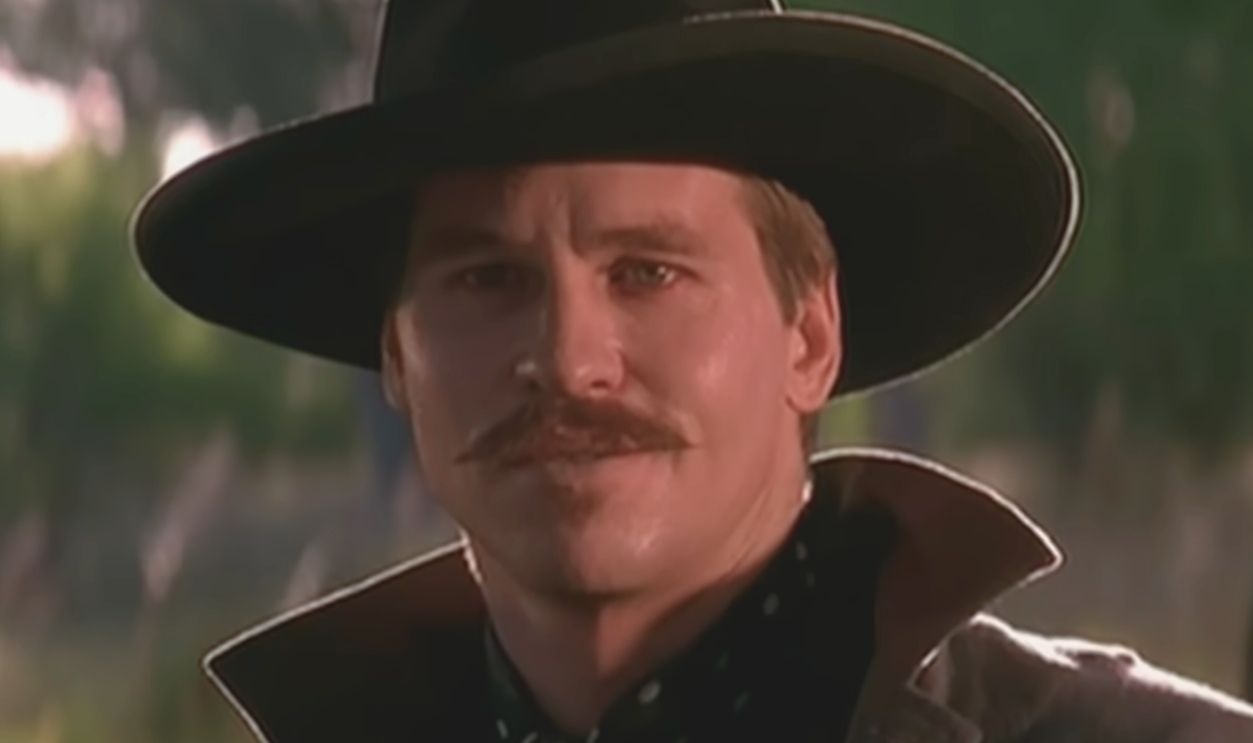 Screenshot from Tombstone, Buena Vista Pictures (1993)
Introducing Doc Holliday’s Role In The Story
Doc Holliday entered as a supporting figure. Known historically as a gambler and gunman, he appeared as Earp’s ally rather than the main force. His purpose seemed clear: provide backup, loyalty, and moments of tension without steering the narrative itself.
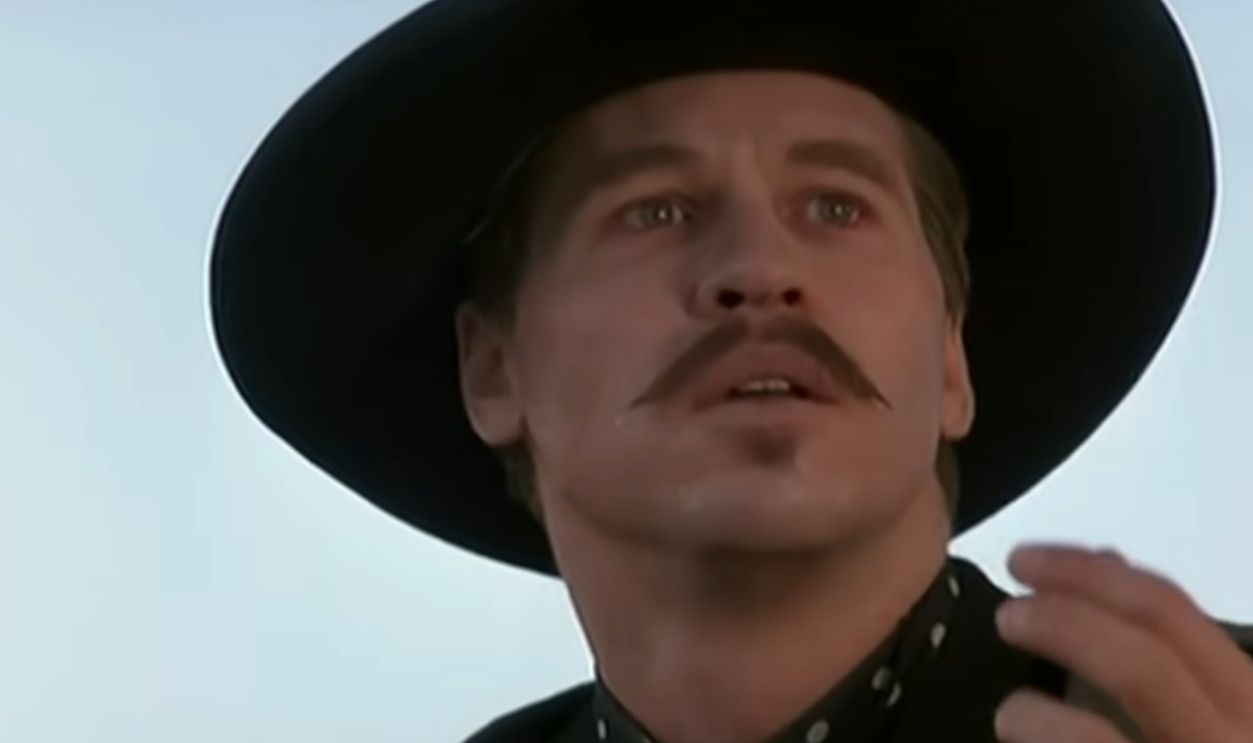 Screenshot from Tombstone, Buena Vista Pictures (1993)
Val Kilmer Steps Into An Unusual Character
Kilmer’s Doc Holliday entered the story already sick. Tuberculosis shaped how he moved and spoke on screen. He felt worn down from the beginning. In earlier frontier films, characters like this stayed at the edges, never expected to command scenes or hold lasting attention.
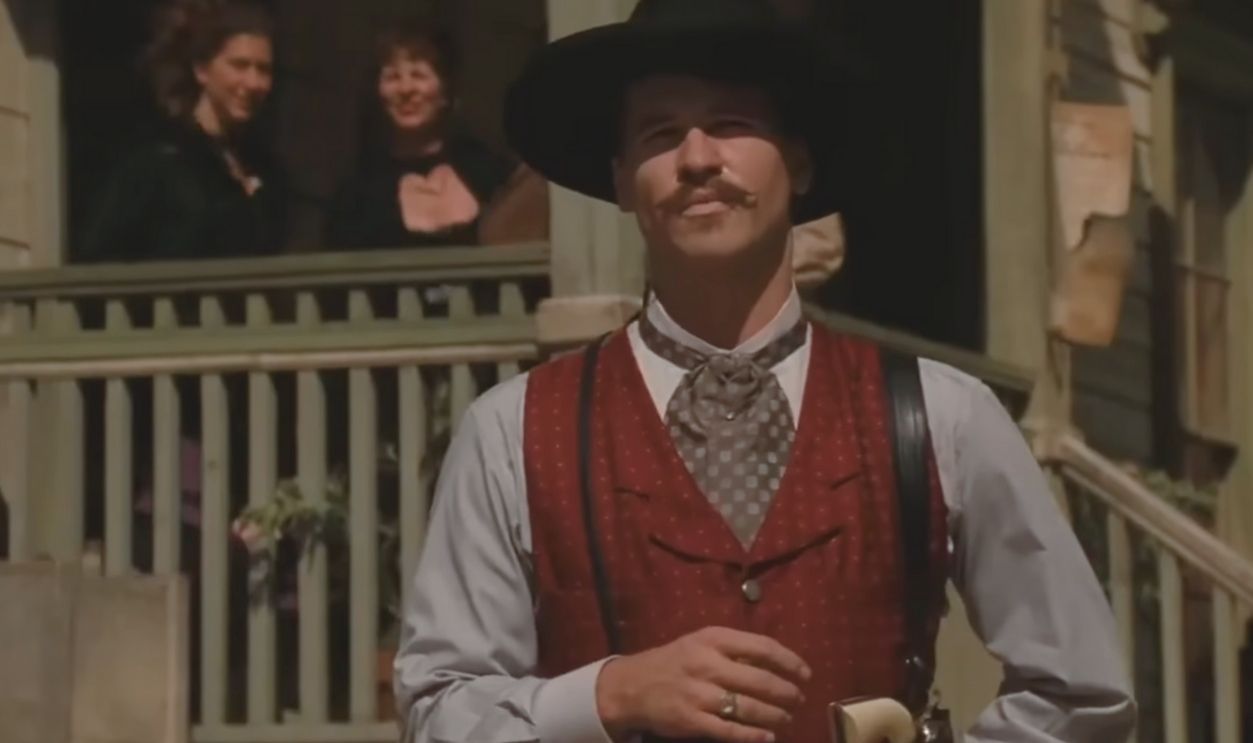 Screenshot from Tombstone, Buena Vista Pictures (1993)
How He Prepared For Roles
He was known for deep preparation before filming. For historical roles, Val studied original sources and period writing to grasp how people spoke and carried themselves. That groundwork shaped his on-screen choices and helped characters feel rooted in real lives.
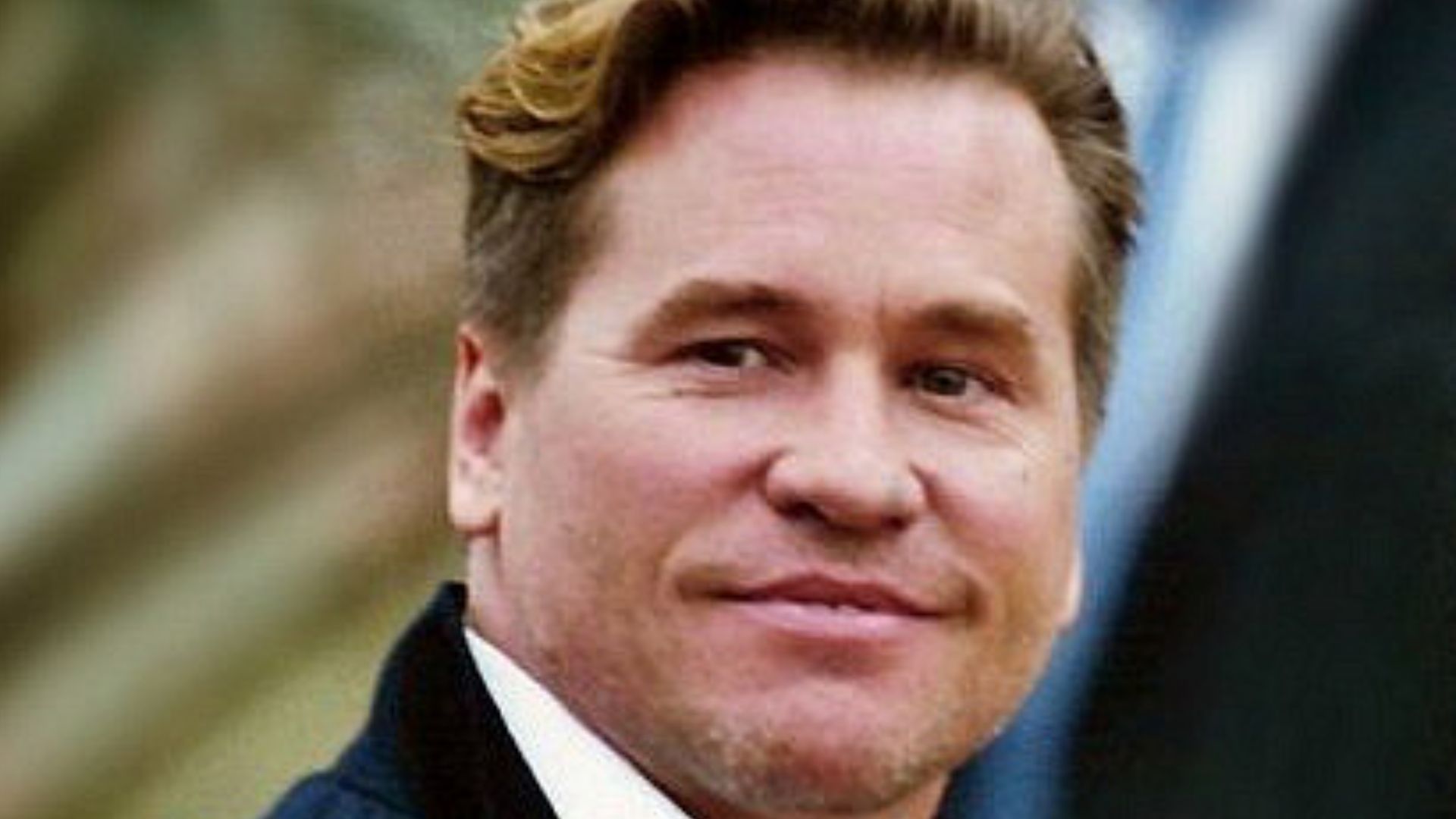 Georges Biard, Wikimedia Commons
Illness That Heightened Tension
His failing health never softened the threat he posed. Each cough signaled time was running out. That urgency sharpened every exchange. Violence felt closer because restraint seemed temporary, which made scenes involving him feel unstable in ways the story had not prepared viewers for.
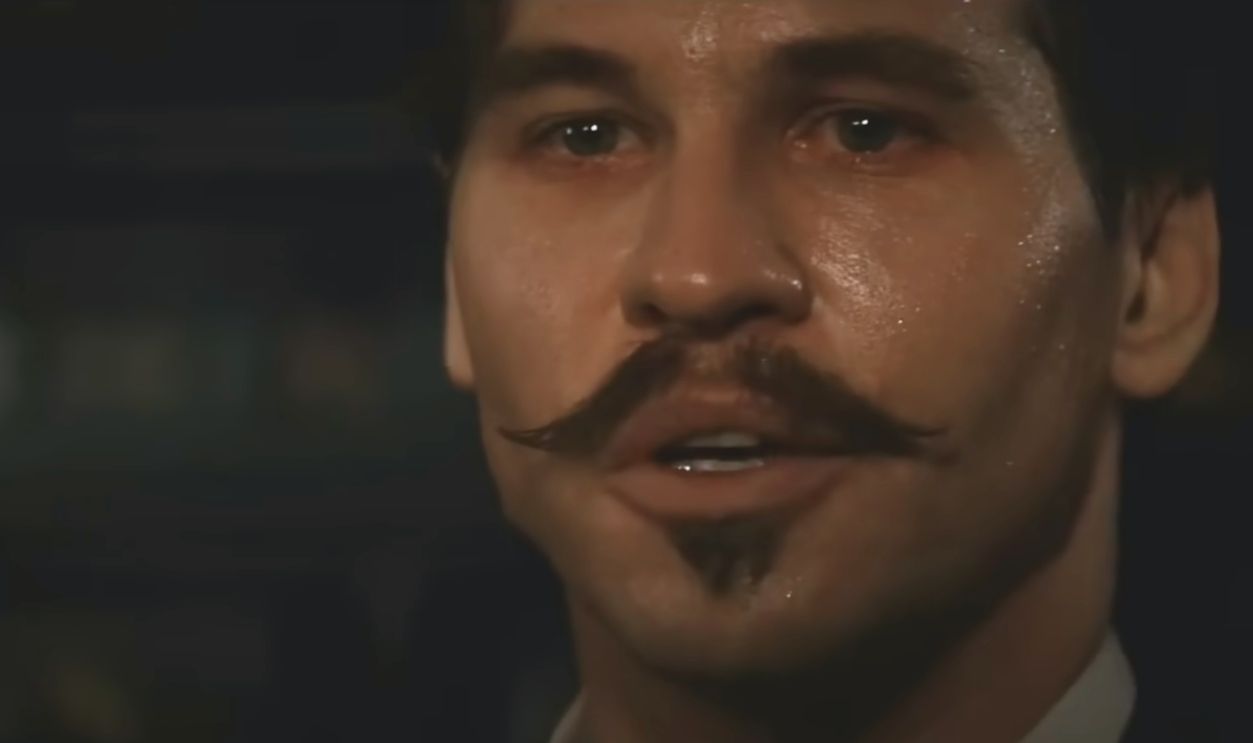 Screenshot from Tombstone, Buena Vista Pictures (1993)
Why This Character Should Have Stayed In The Background
By long-standing genre logic, Doc Holliday fit a familiar side role. He was ill and living on borrowed time in his real life. Characters like this usually added color or tension, then stepped aside. The story traditionally belonged to someone healthier and built to last.
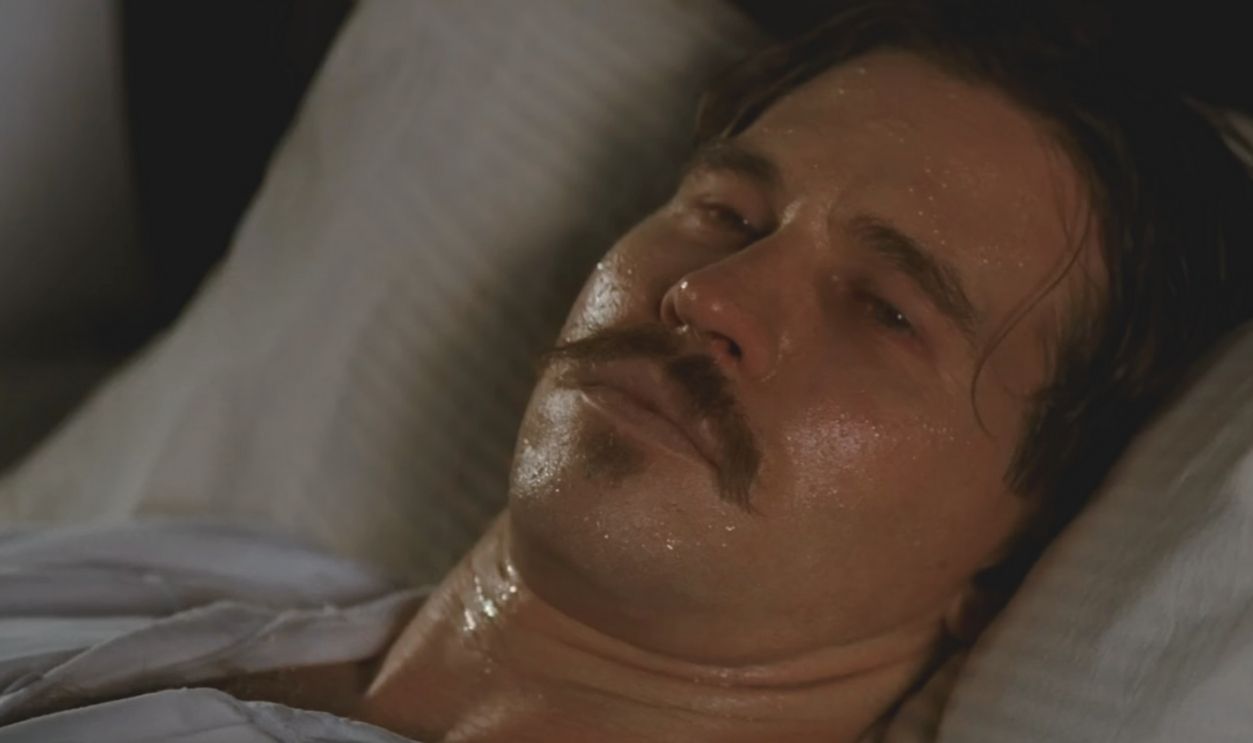 Screenshot from Tombstone, Buena Vista Pictures (1993)
When The Side Character Took Control Of The Film
Val Kilmer’s Doc Holliday did not replace the film’s lead, but he often commanded attention when he appeared. Scenes carried more weight in his presence, and his dialogue lingered with audiences. Without altering the story’s direction, the performance subtly pulled emotional focus toward him.
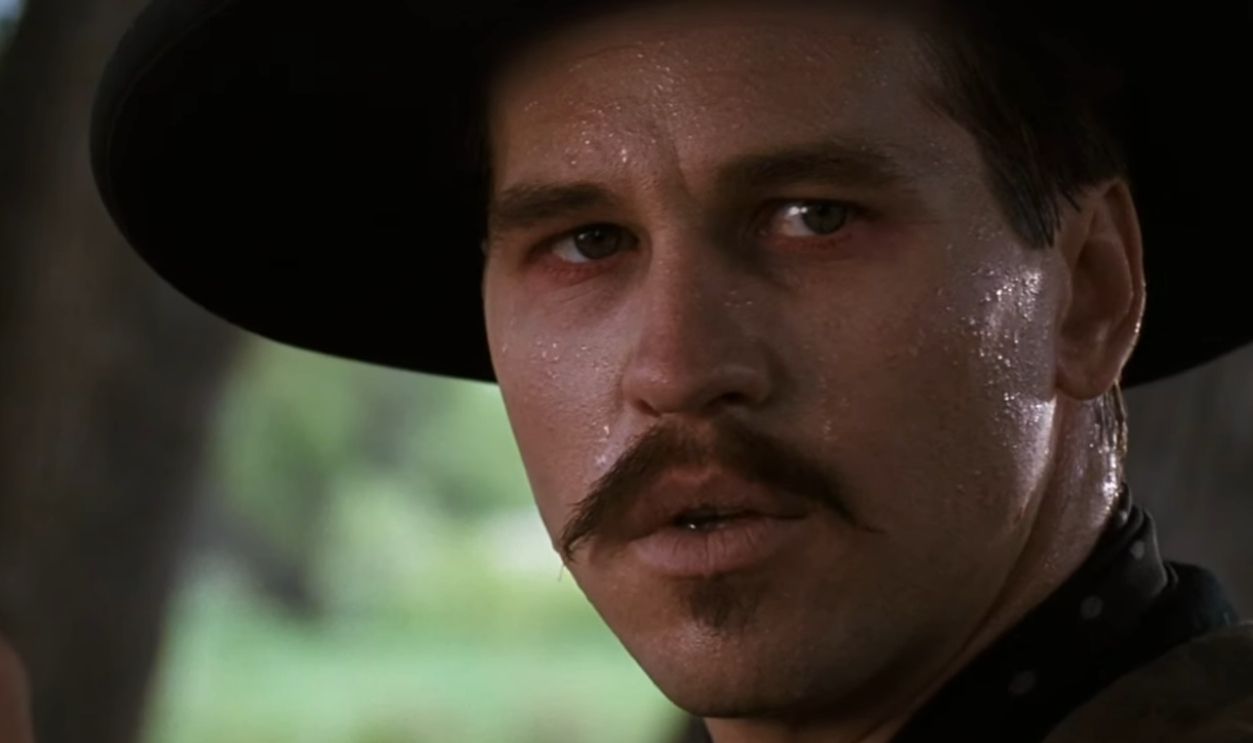 Screenshot from Tombstone, Buena Vista Pictures (1993)
How The Performance Changed That Expectation
Kilmer played Holliday with focus. His delivery slowed scenes down. Other characters reacted to him carefully. Without forcing attention, he drew it, which shifted the balance of each moment and made his presence feel central instead of supportive.
 Screenshot from Tombstone, Buena Vista Pictures (1993)
Intelligence Became The Source Of Authority
His power came from how quickly he read people. Holliday anticipated danger before it surfaced. His words carried weight because they arrived calmly. This approach replaced physical dominance with mental sharpness. It created tension through certainty and kept the audience on edge.
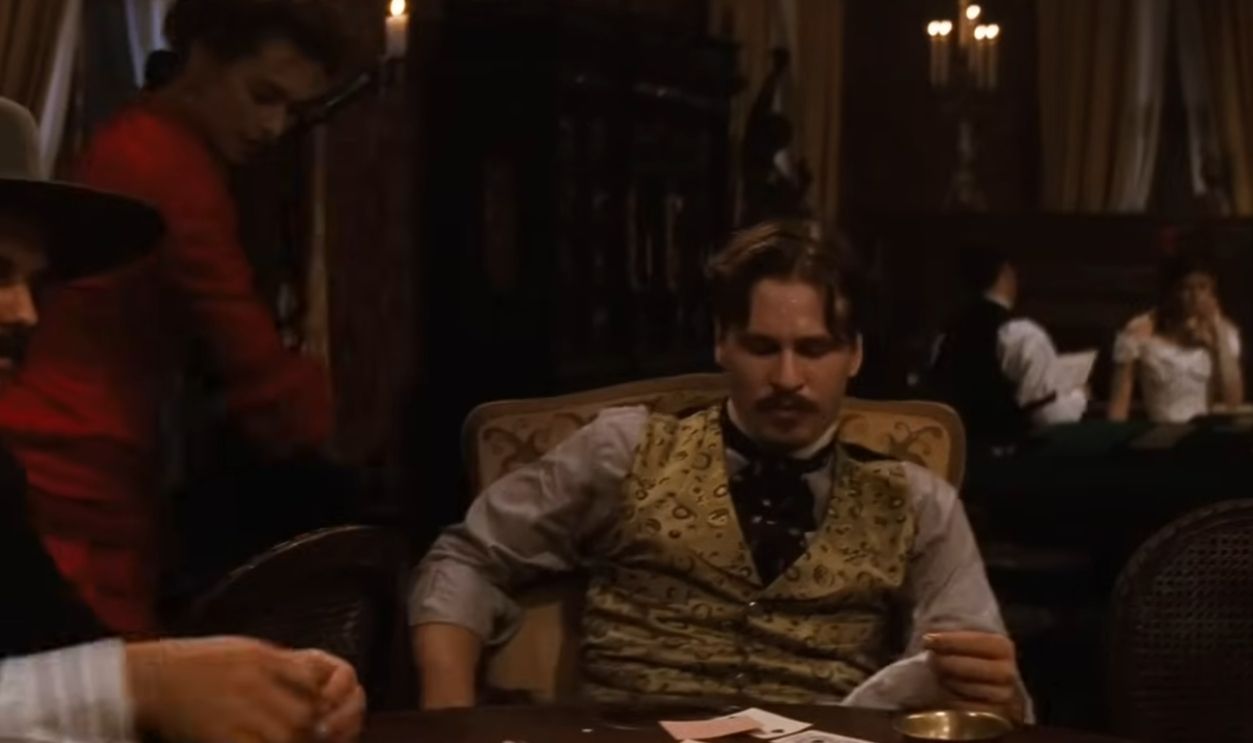 Screenshot from Tombstone, Buena Vista Pictures (1993)
Contemporary Reviews Singled Out The Performance
Upon release, many professional reviews highlighted Val Kilmer’s portrayal of Doc Holliday. Even mixed critiques of the film itself often praised his performance. Supporting roles rarely dominated critical discussion so consistently.
 Screenshot from Tombstone, Buena Vista Pictures (1993)
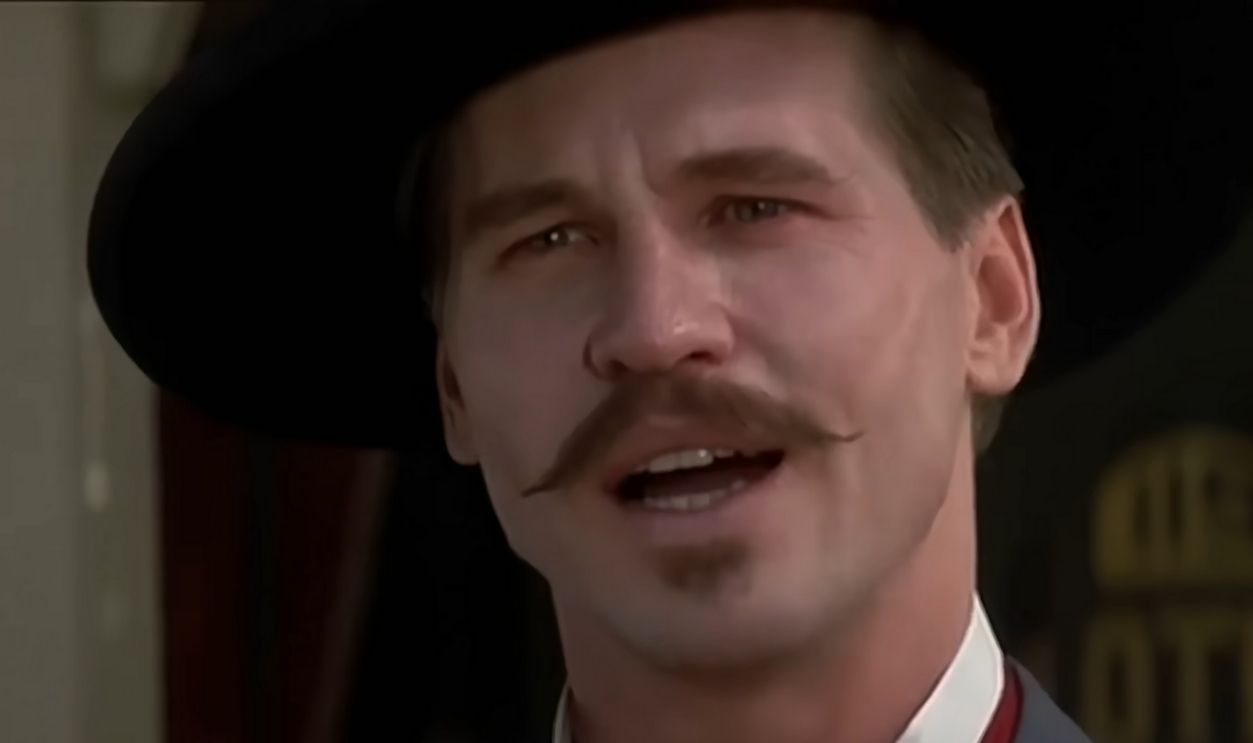
The Character Became The Film’s Most Quoted Figure
Over time, Doc Holliday’s dialogue became the most widely quoted element of the film. Lines attributed to him circulated in popular merchandise and retrospectives. This level of quotation typically follows the lead characters.
 Screenshot from Tombstone, Buena Vista Pictures (1993)
How This Performance Shifted Later Frontier Stories
After Tombstone, later frontier films more openly featured flawed, vulnerable figures in prominent roles. Emotional strain and moral uncertainty appeared closer to the center, which reflected a gradual change in how authority and importance could be portrayed on screen.
 Screenshot from Tombstone, Buena Vista Pictures (1993)
What Followed After Tombstone
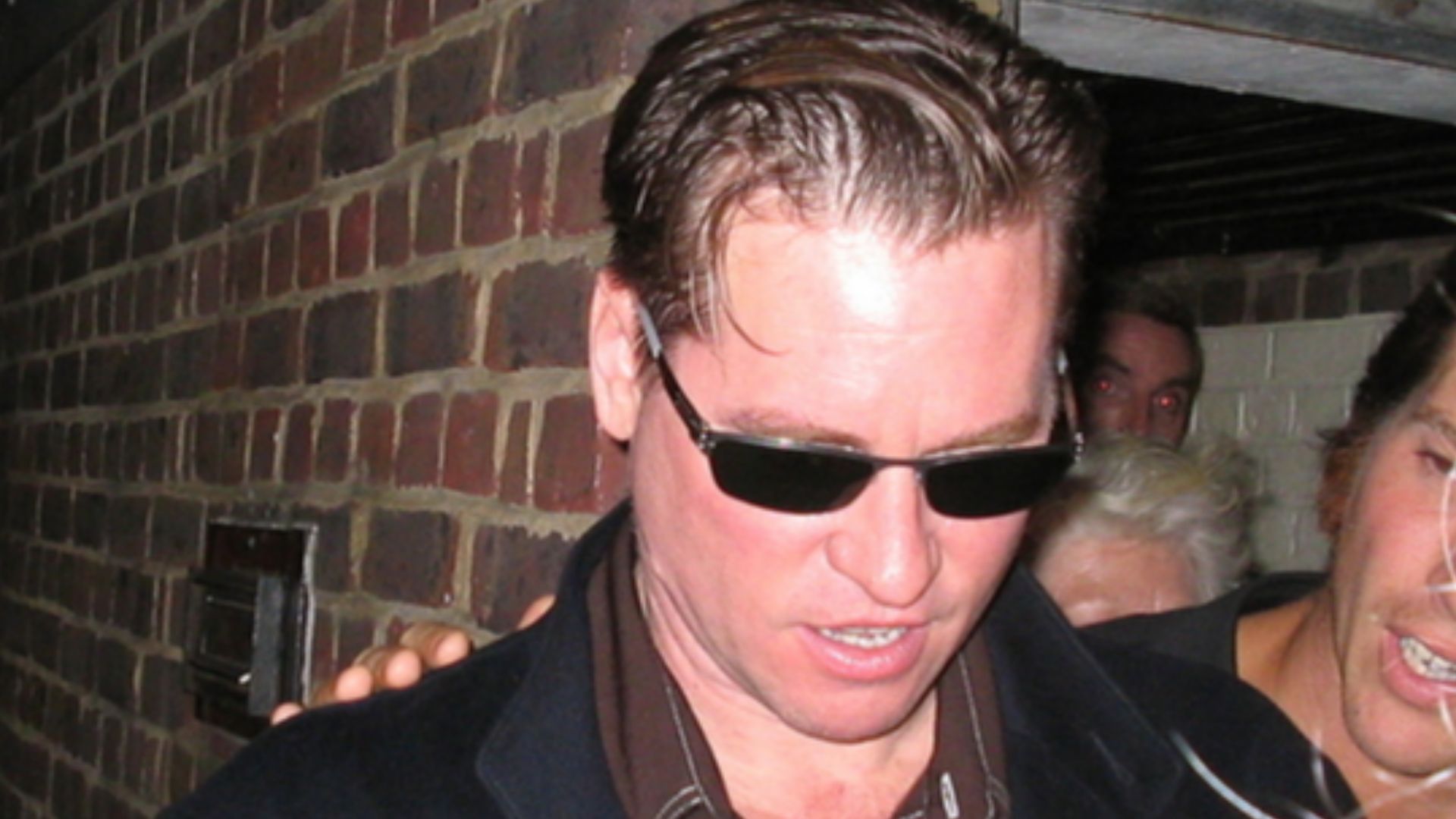
Val Kilmer entered the busiest phase of his career after this movie. He took on high-profile studio roles throughout the 1990s, which included leading parts in major releases, showing that his performance expanded his opportunities even further and made him notable.
 John Griffiths from London, United Kingdom, Wikimedia Commons