Sometimes The Big Break Comes After The Breaking Point
Hollywood loves stories about overnight success, but some of the biggest stars associated with the 1970s came remarkably close to disappearing before audiences really knew them. Some seriously contemplated giving up acting, while others actually walked away for years. Then one unexpected role, phone call, or second chance changed everything. From Harrison Ford building cabinets to Louise Fletcher raising her children, these stars discovered that leaving Hollywood behind didn't necessarily mean Hollywood was finished with them.
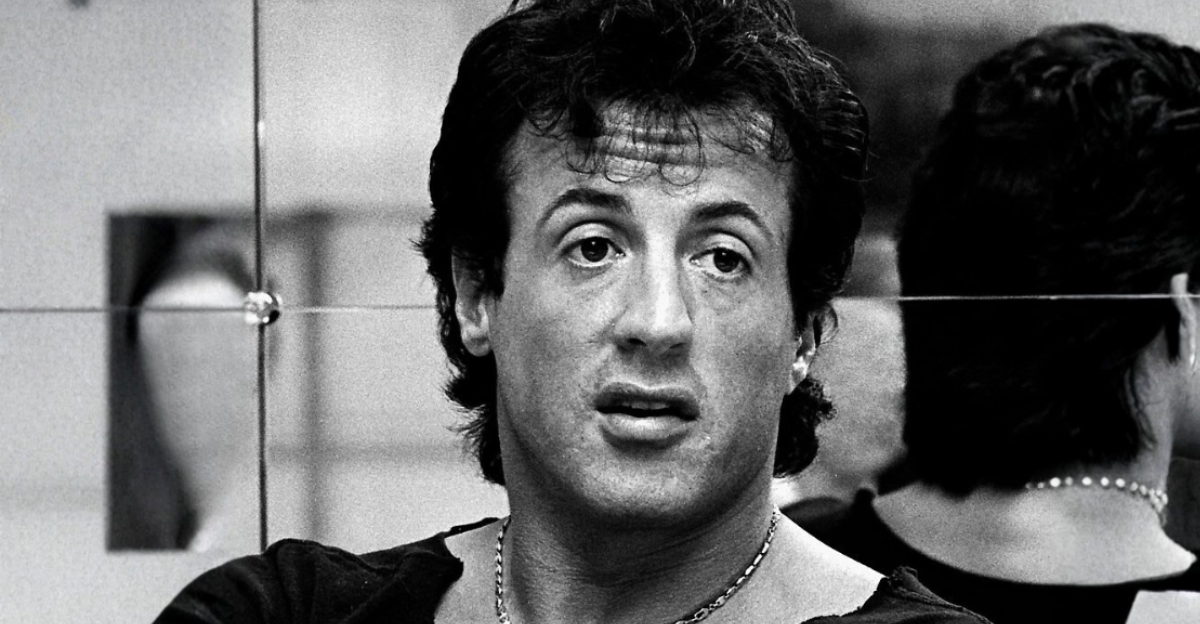
Harrison Ford Said Goodbye To Acting
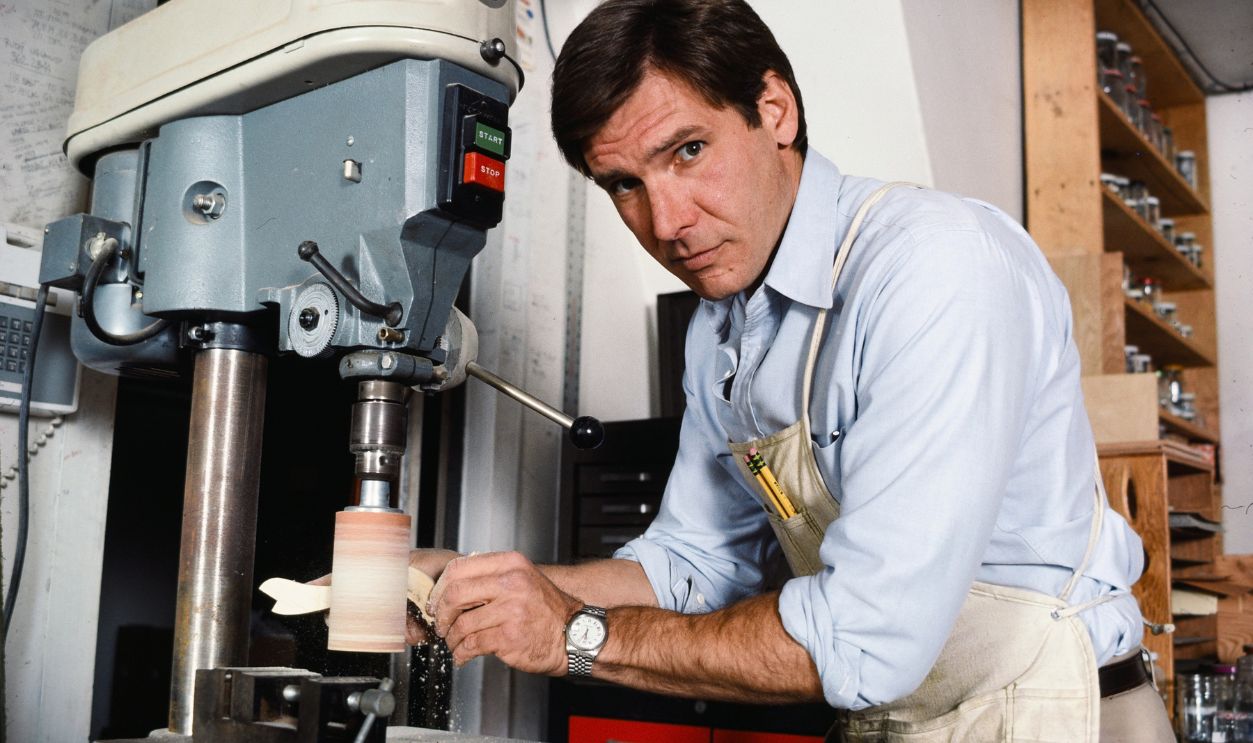
Before Han Solo made him one of Hollywood's most recognizable stars, Harrison Ford had grown frustrated with the small parts coming his way. After failing to land a role in Michelangelo Antonioni's Zabriskie Point, Ford effectively stepped away from acting. Instead of waiting endlessly for auditions, he found another way to make a living.
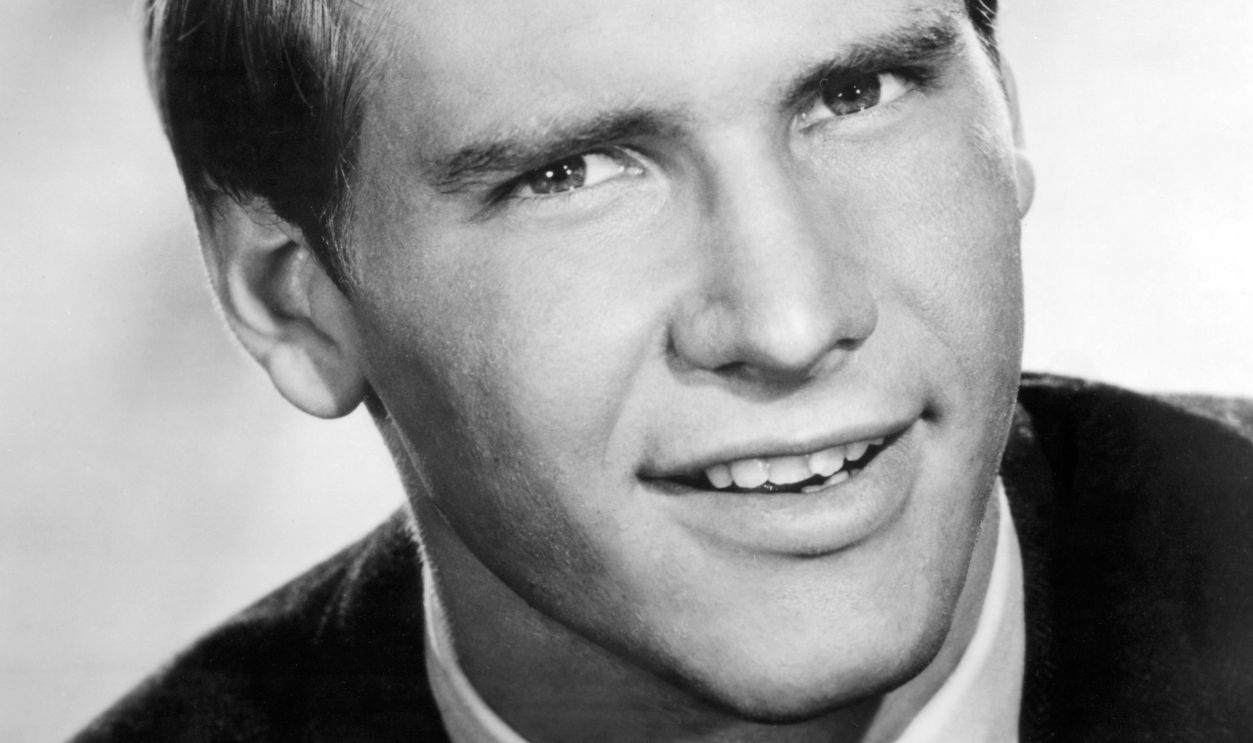 Sunset Boulevard, Getty Images
He Became A Professional Carpenter
Carpentry was not simply a temporary gimmick for Ford. He became skilled enough to support his family and later explained that having another source of income allowed him to reject acting jobs he did not want. Suddenly, an unsuccessful audition wasn't a financial emergency, and that independence helped him become much more selective about Hollywood.
American Graffiti Cracked The Door Open
Ford's carpentry work unexpectedly kept him close to filmmakers. Producer Fred Roos helped him land a small part as Bob Falfa in George Lucas's American Graffiti, and Francis Ford Coppola later cast him in The Conversation. Ford was still doing carpentry work around Coppola's offices as his connection with Lucas continued.
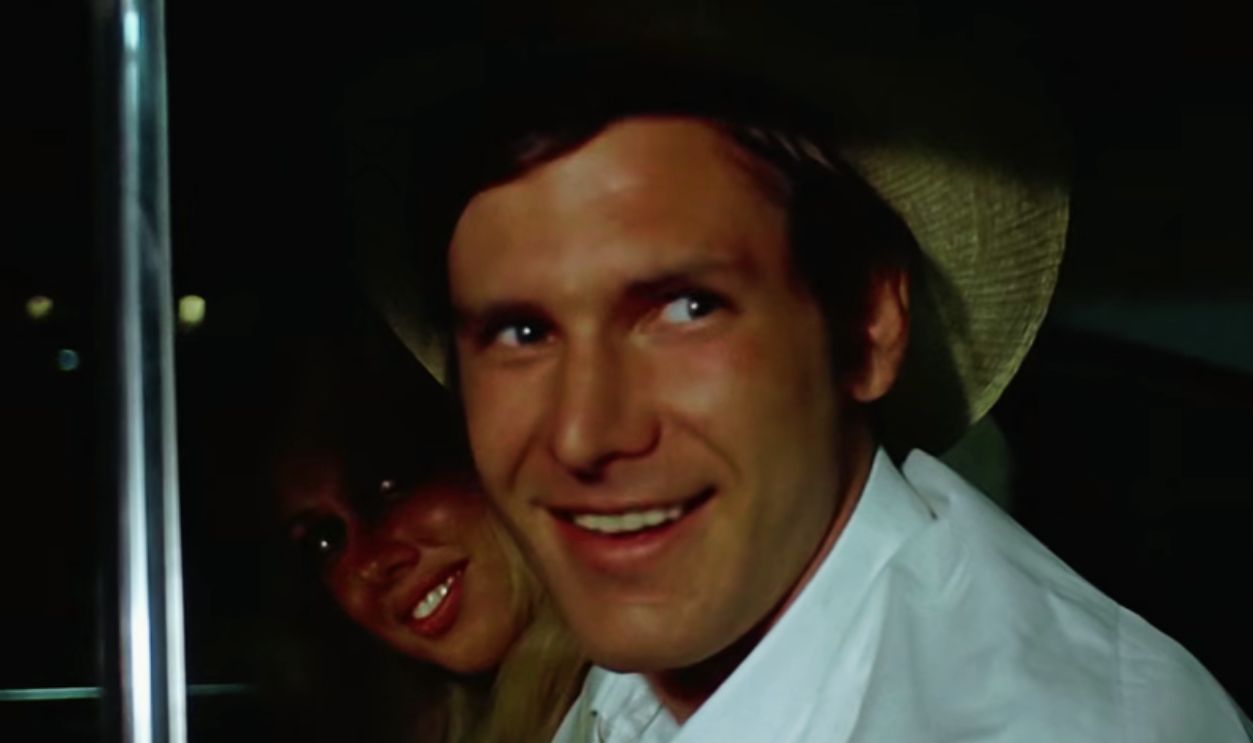 Screenshot from American Graffiti, NBCUniversal (1973)
Then Han Solo Changed Everything
Lucas eventually cast Ford as Han Solo in 1977's Star Wars, turning the former carpenter into an international movie star. Ford later became Indiana Jones and headlined movies including Blade Runner, Witness, and The Fugitive. His decision to find a dependable trade had ironically helped keep him close enough to Hollywood for Hollywood to find him again.
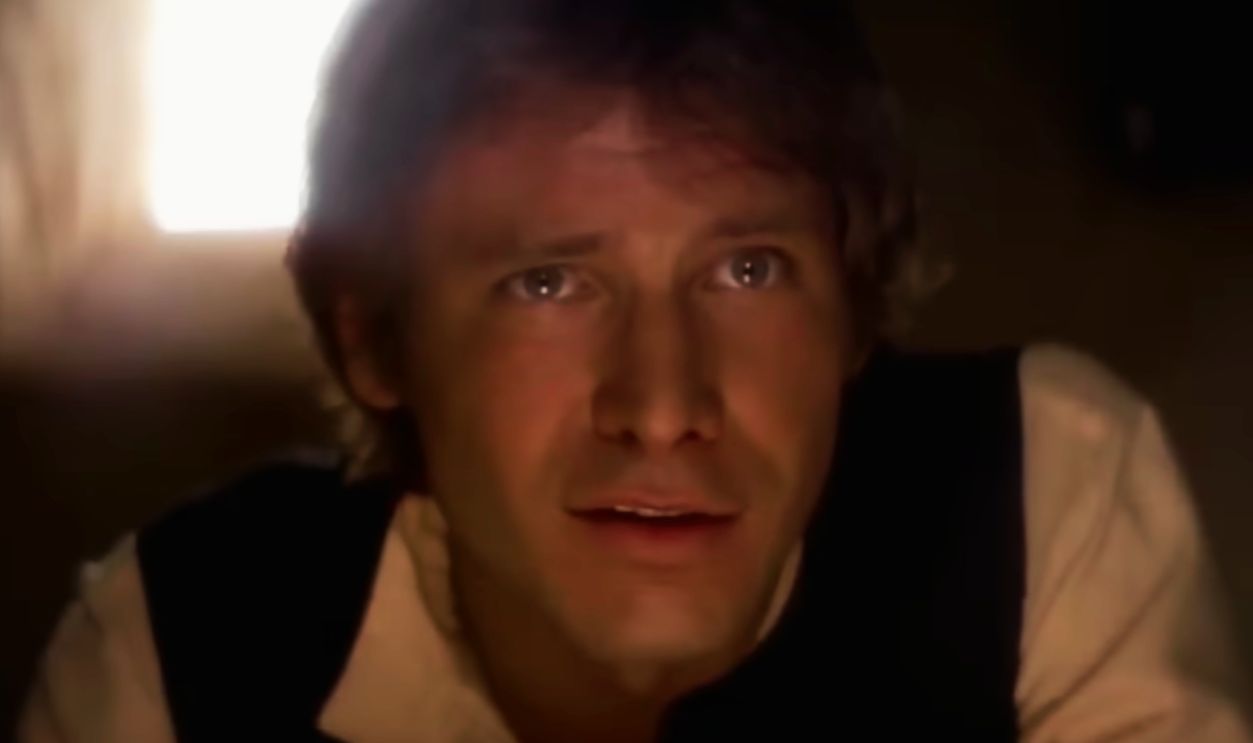 Screenshot from Star Wars: Episode IV - A New Hope, The Walt Disney Company (1977)
Sylvester Stallone Couldn't Get Hollywood To Say Yes
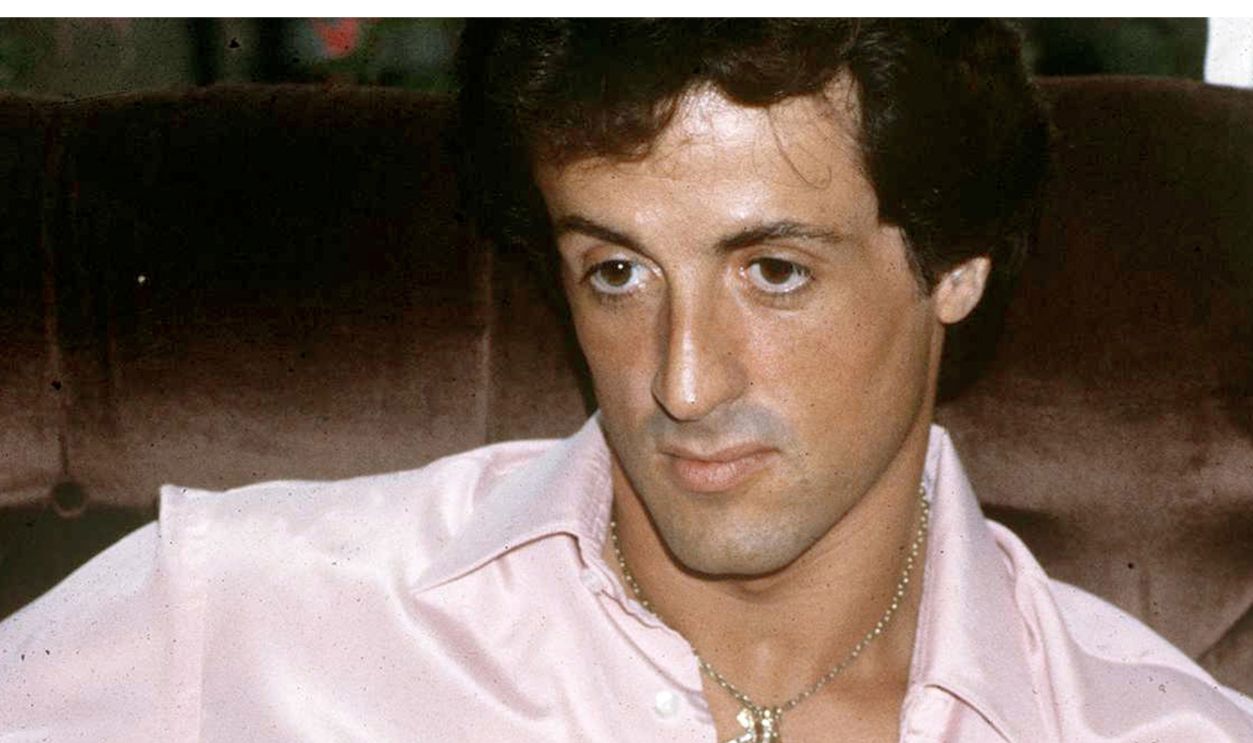
Sylvester Stallone's pre-Rocky years were genuinely bleak. He struggled financially in New York, took jobs including cleaning cages at the Central Park Zoo, and landed only scattered acting work. Stallone later recalled reaching the conclusion that he simply was not going to make it through acting alone.
He Started Looking For Another Way In
Instead of abandoning entertainment completely, Stallone turned increasingly toward writing. He later told CBS that he realized he needed to find another niche, and he wrote screenplay after screenplay while his acting career stalled. The strategy eventually produced the character that would become inseparable from his public identity.
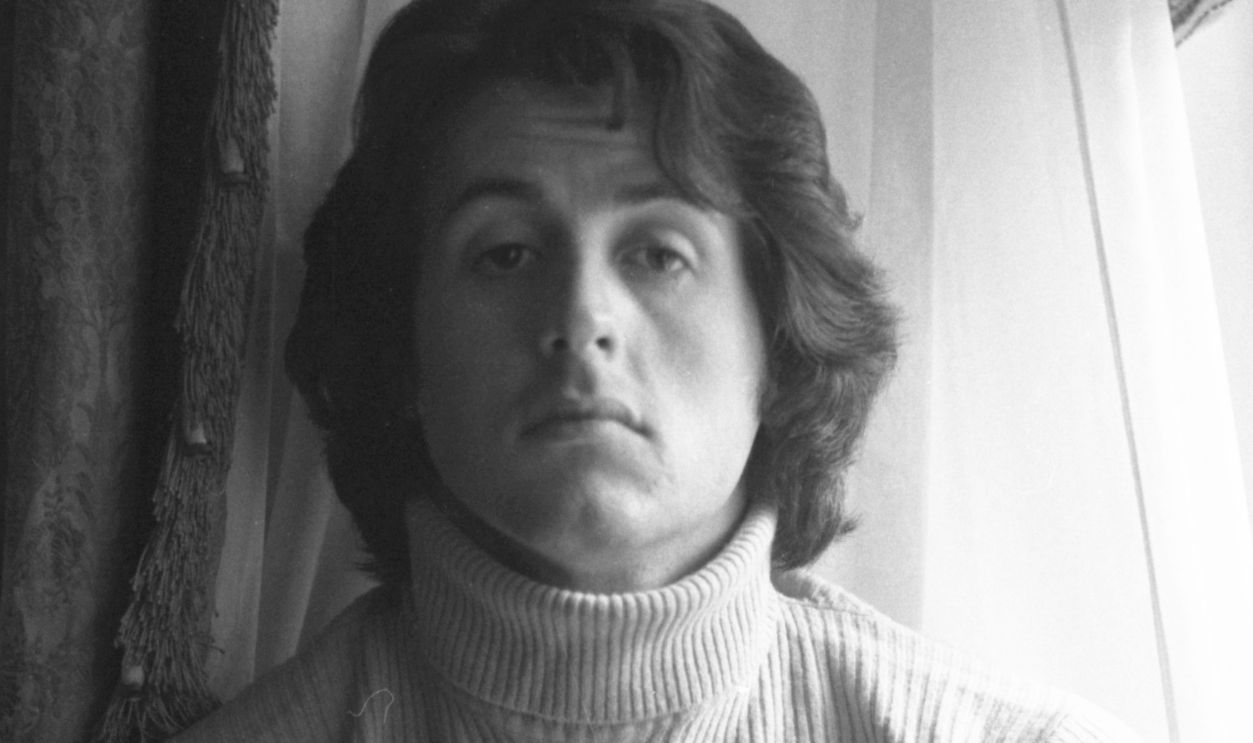
Rocky Was His Last-Chance Creation
Stallone wrote Rocky with himself in mind for the title role. Even after the screenplay attracted serious interest, he was still struggling financially. He refused to simply surrender the starring part, believing the project represented a rare opportunity to create the kind of role Hollywood had not been giving him.
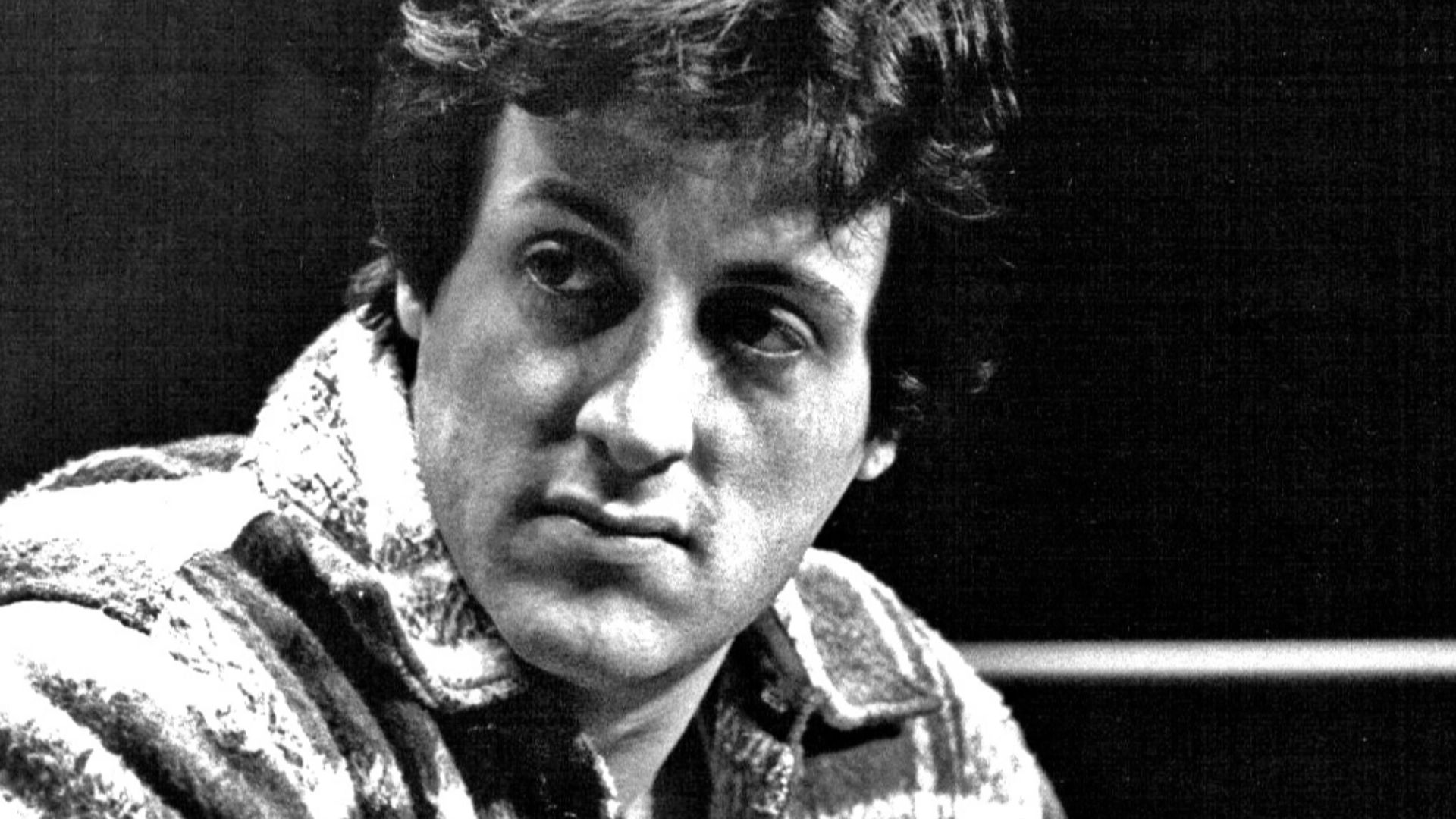
The Gamble Created A Movie Icon
Rocky arrived in 1976 and transformed Stallone's career. The movie won the Academy Award for Best Picture, while Stallone received Oscar nominations for acting and writing. The performer who had concluded that conventional acting opportunities were not going to carry him suddenly had a character he would continue playing for decades.
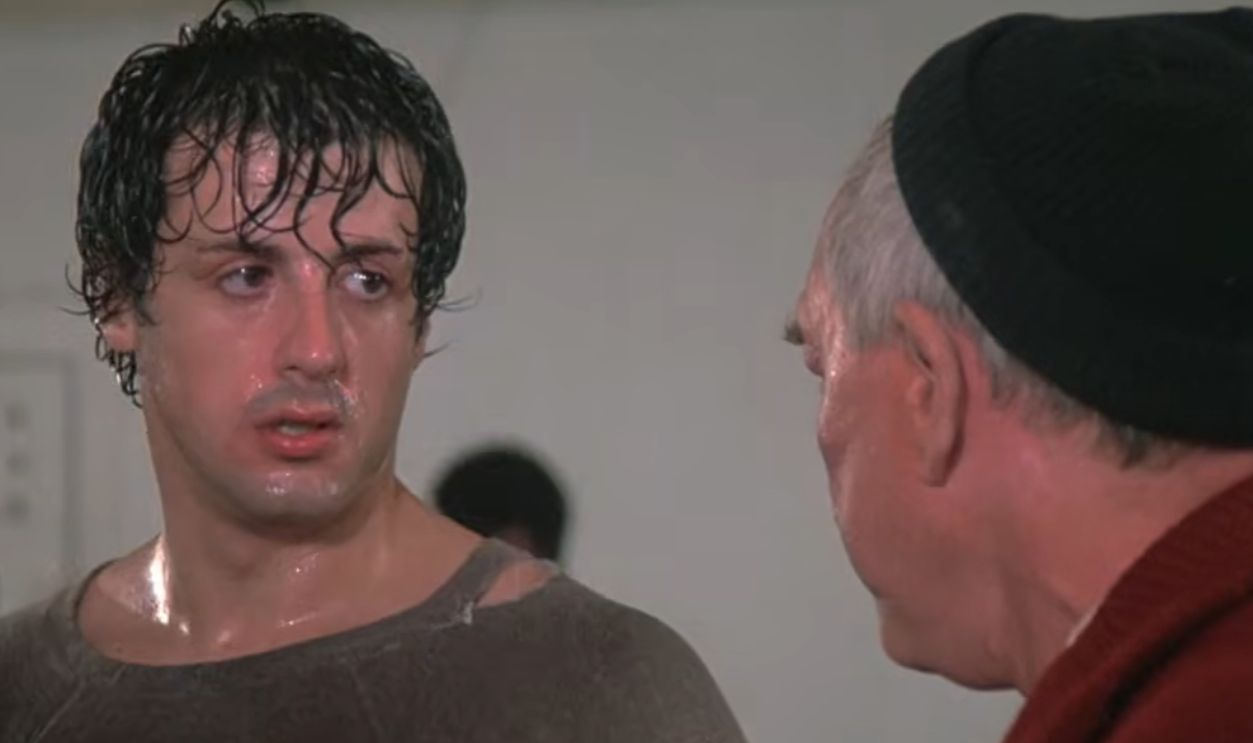 Screenshot from Rocky, Amazon MGM Studios (1976)
Jack Nicholson Spent Years Going Nowhere
Long before Chinatown and One Flew Over the Cuckoo's Nest, Jack Nicholson spent roughly a decade appearing in low-budget movies without becoming a major star. His credits included films associated with producer Roger Corman, but sustained mainstream success remained elusive. Eventually, Nicholson began considering a future behind the camera instead.
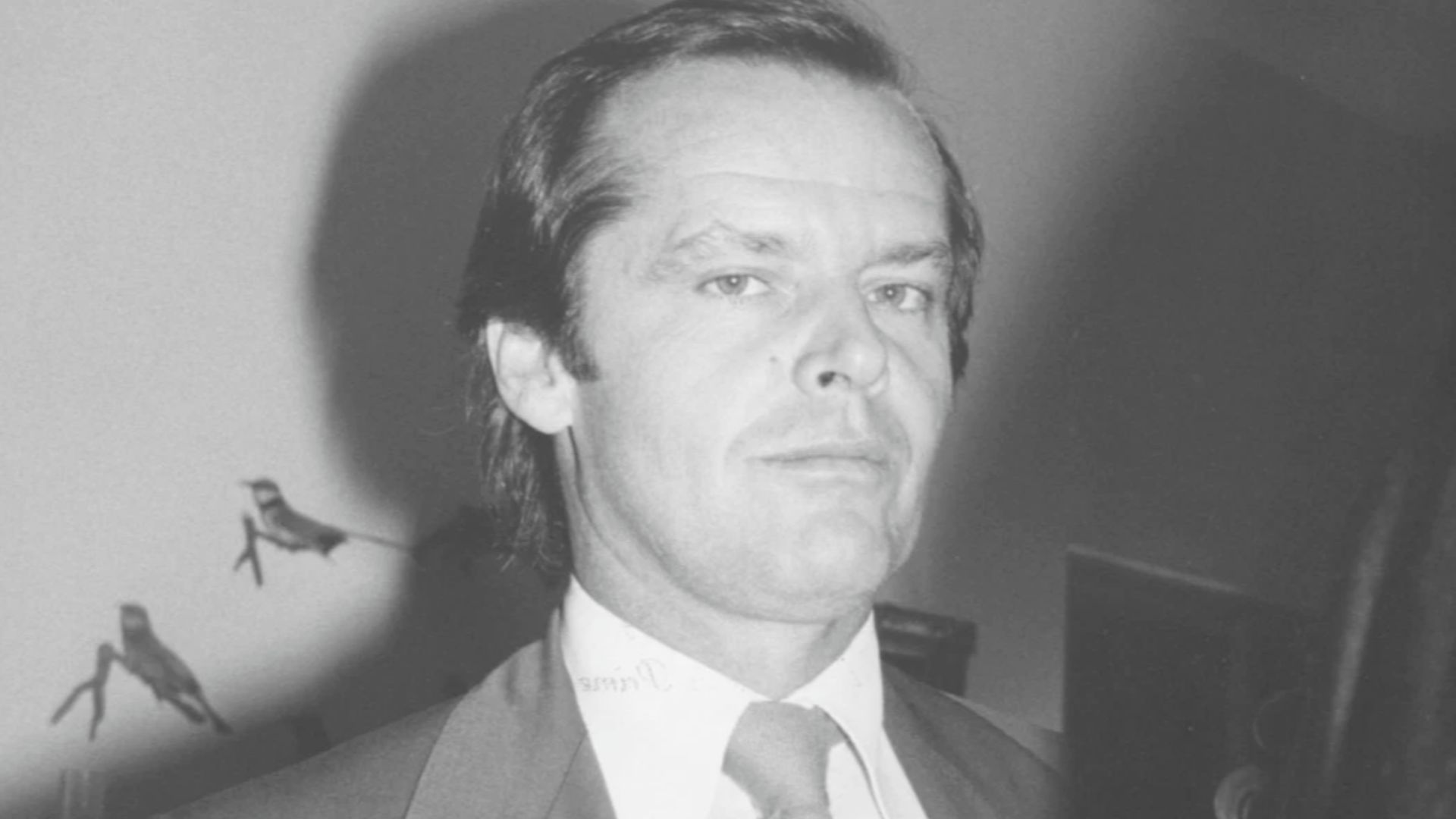 Alena Prime, Wikimedia Commons
He Was Ready To Focus On Producing
Turner Classic Movies says Nicholson was close to giving up acting for producing when Easy Rider came along. The Washington Post similarly reported that people close to Nicholson recalled him being on the verge of abandoning acting before his breakthrough. After years of waiting, his career was approaching a dramatic fork in the road.
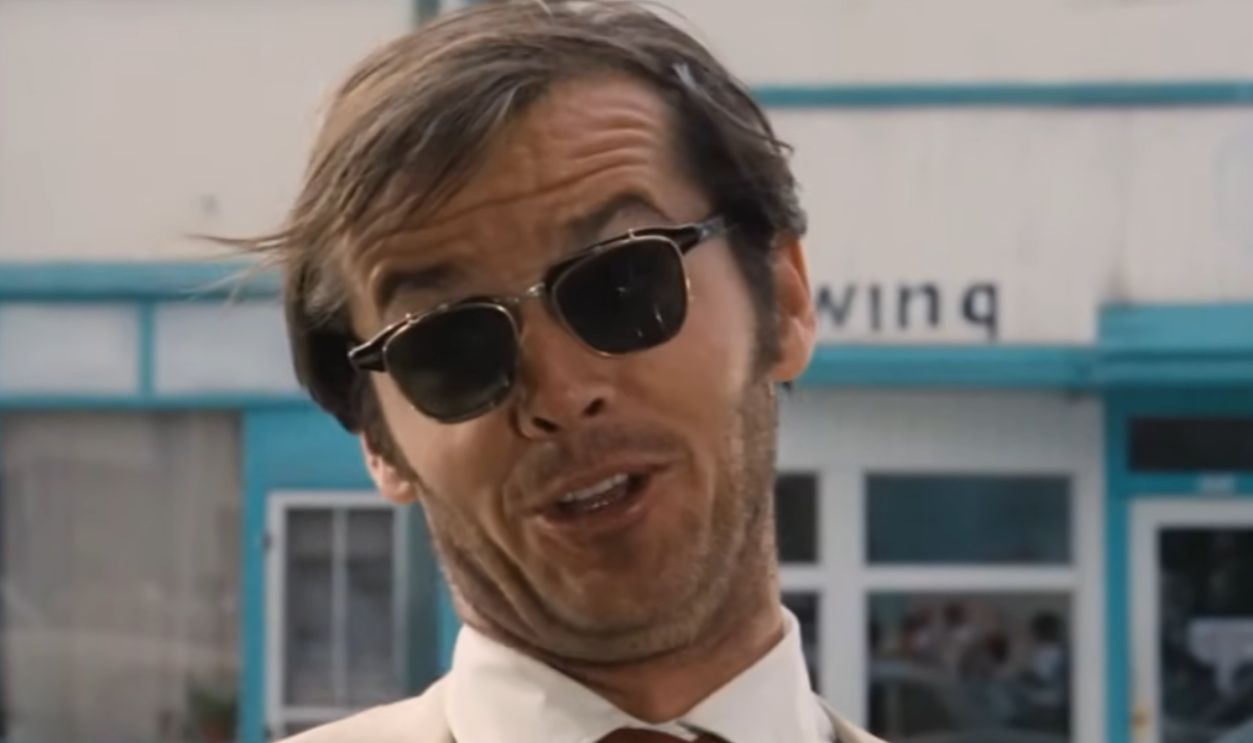 Screenshot from Easy Rider, Sony Pictures Entertainment (1969)
Easy Rider Changed The Equation
Nicholson replaced Rip Torn as alcoholic lawyer George Hanson in Easy Rider. The relatively small role became one of the movie's standout performances and earned Nicholson an Academy Award nomination for supporting actor. Soon he was one of the defining stars of 1970s American cinema, culminating in his Oscar-winning performance in One Flew Over the Cuckoo's Nest.
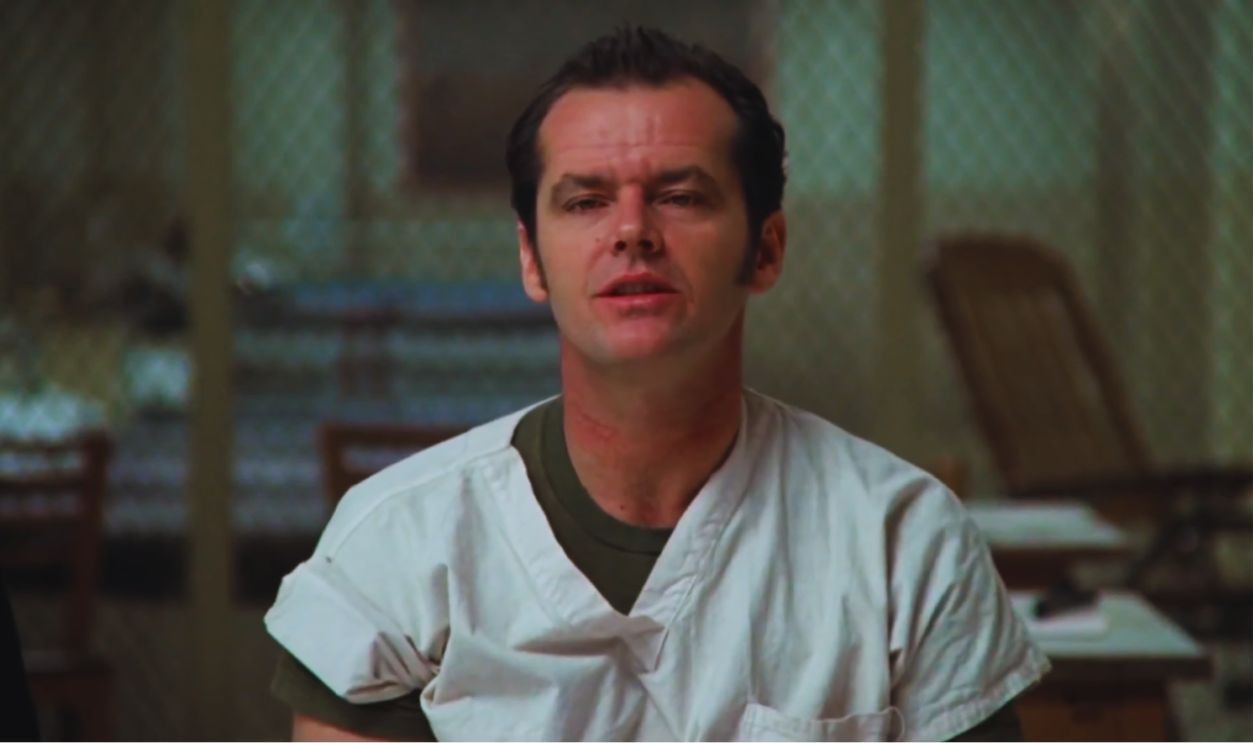 Screenshot from One Flew Over the Cuckoo's Nest, Warner Bros. Discovery (1975)
Louise Fletcher Actually Walked Away
Louise Fletcher didn't merely think about leaving acting. After working in television during the late 1950s and early 1960s, she stopped in 1962 while raising her family. Fletcher later said she had absolutely no intention of returning, making her eventual rise to Oscar-winning fame one of Hollywood's more extraordinary comeback stories.
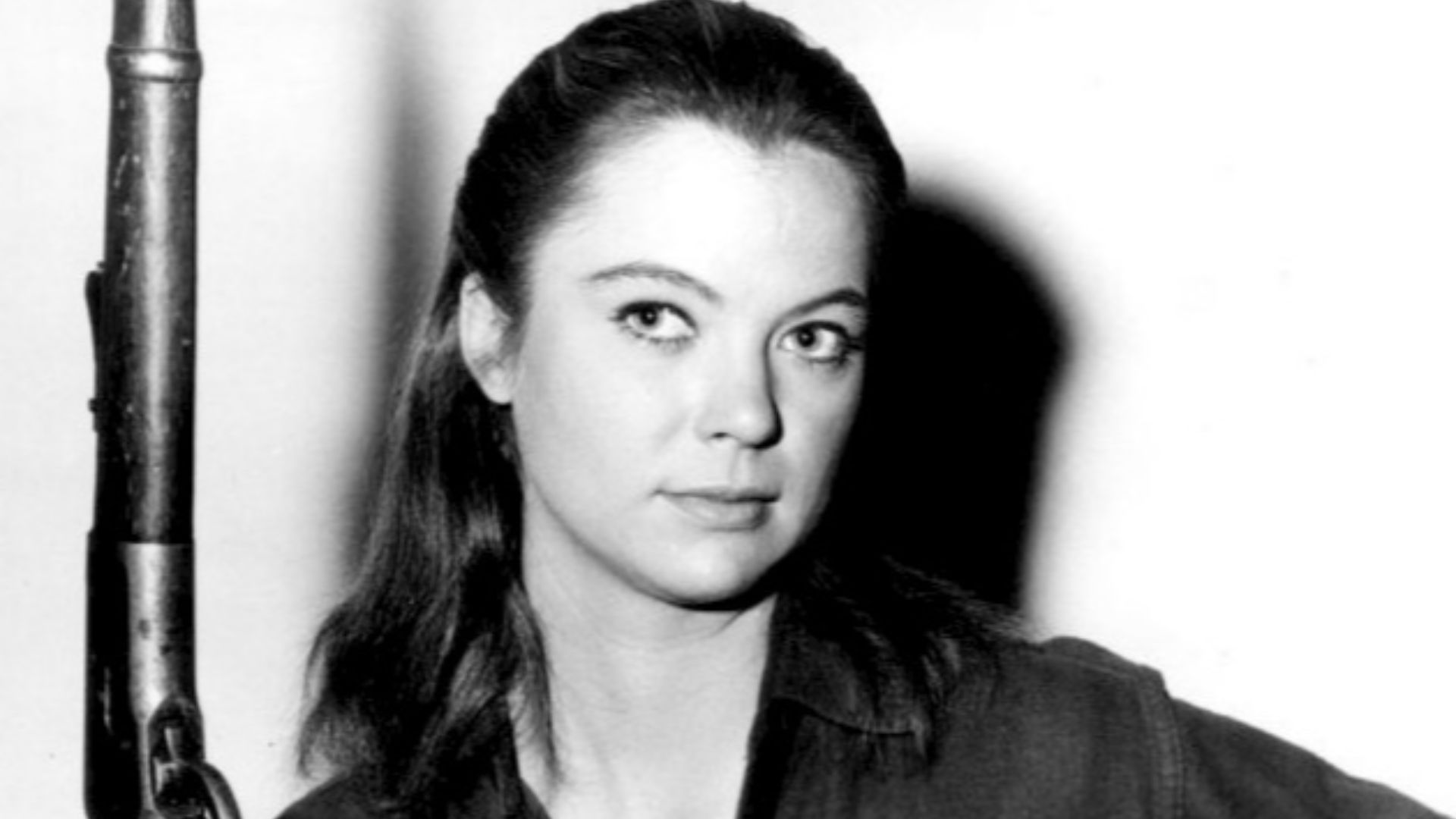 ABC Television, Wikimedia Commons
More Than A Decade Passed
Fletcher remained away for roughly 11 years before Robert Altman's Thieves Like Us brought her back to the screen. Even then, Hollywood wasn't exactly throwing open its doors. The Los Angeles Times reported that 15 agents rejected her while she tried to reestablish herself, leaving her comeback looking distinctly uncertain.
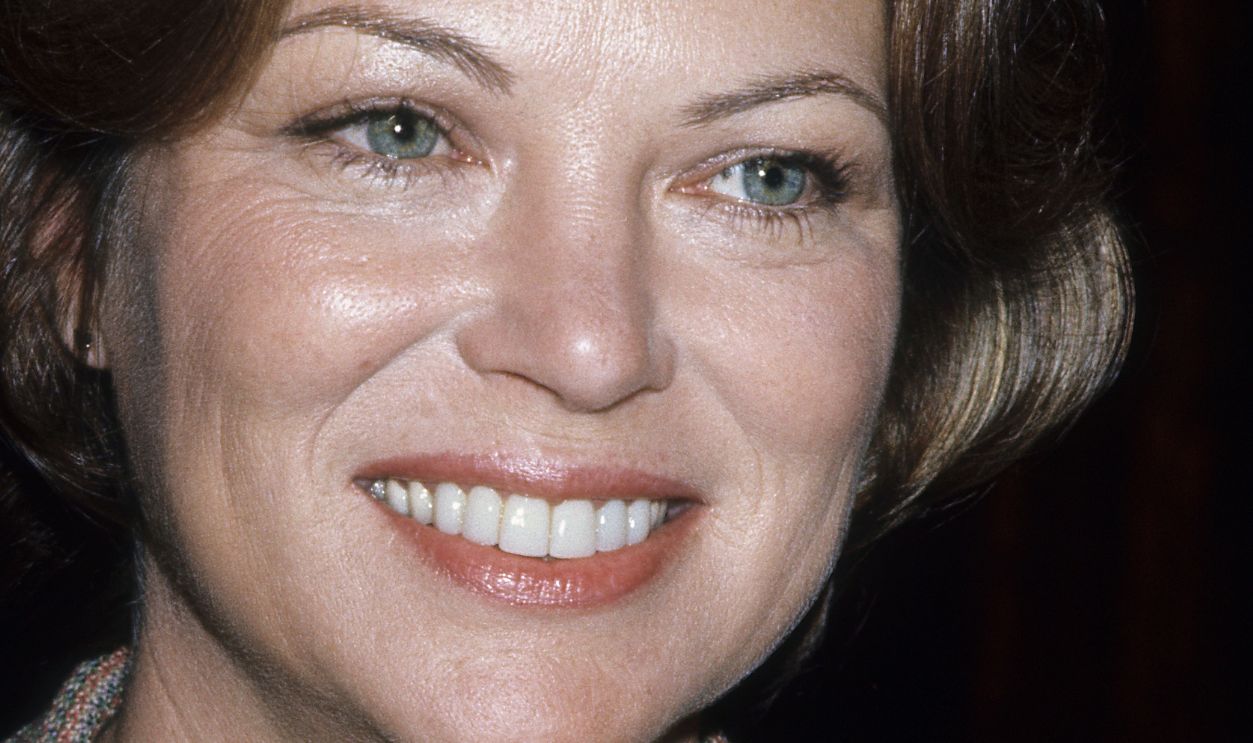 Michael Ochs Archives, Getty Images
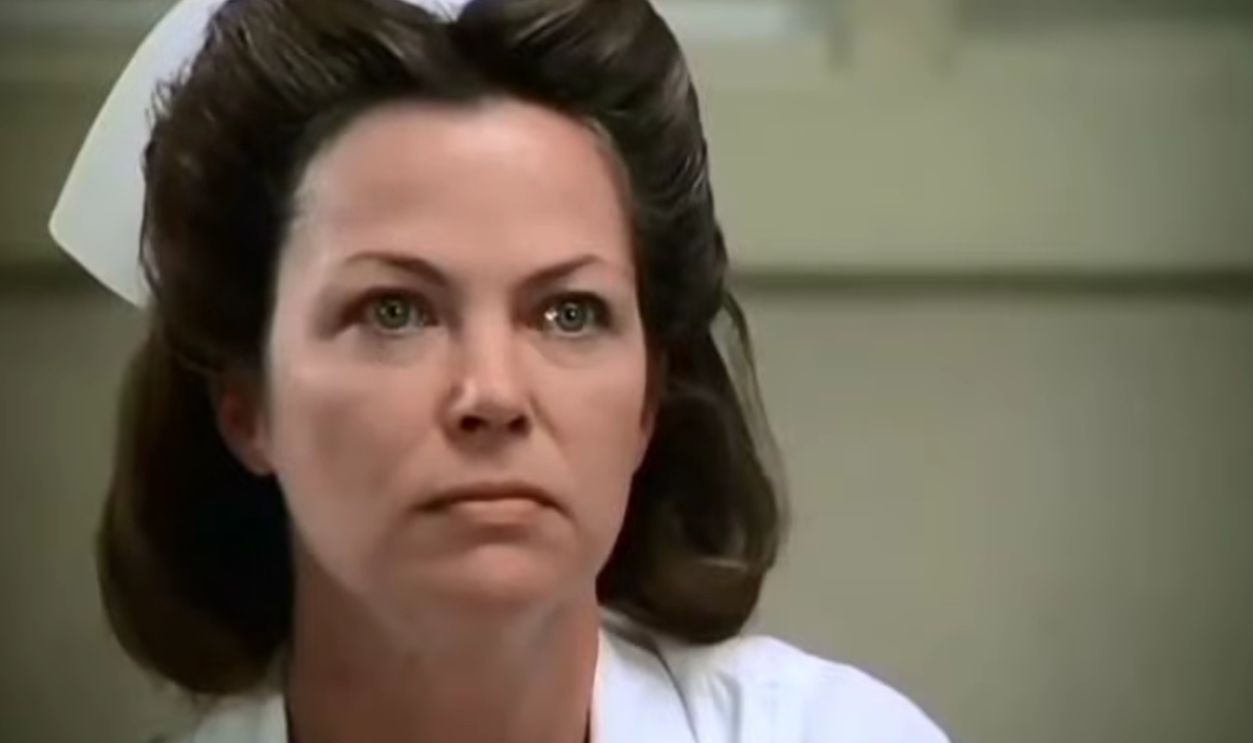
Then Nurse Ratched Arrived
Miloš Forman eventually cast Fletcher as Nurse Ratched in 1975's One Flew Over the Cuckoo's Nest. The performance made her famous and earned her the Academy Award, Golden Globe, and BAFTA for Best Actress. A woman who once intended never to act again suddenly owned one of the decade's most unforgettable performances.
 Screenshot from One Flew Over the Cuckoo's Nest, Warner Bros. Discovery (1975)
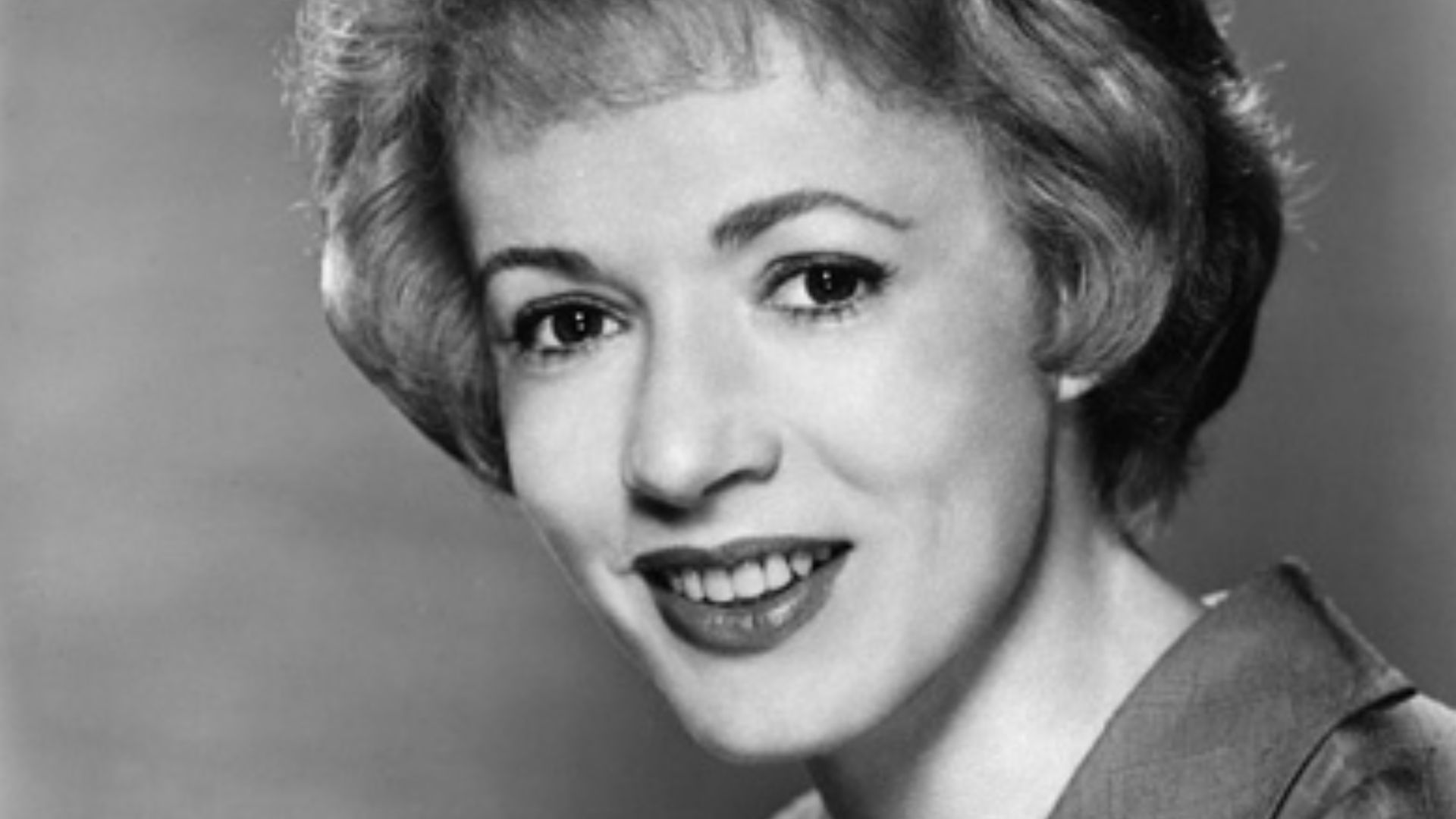
Piper Laurie Had Enough Of Hollywood
Piper Laurie had already earned an Oscar nomination for The Hustler when dissatisfaction pushed her away from the business. She disliked the typecasting that followed and began rejecting similar roles. Eventually the offers disappeared, and Laurie turned her attention toward marriage, motherhood, political activity, sculpting, and life outside Hollywood.
 20th Century Fox, Wikimedia Commons
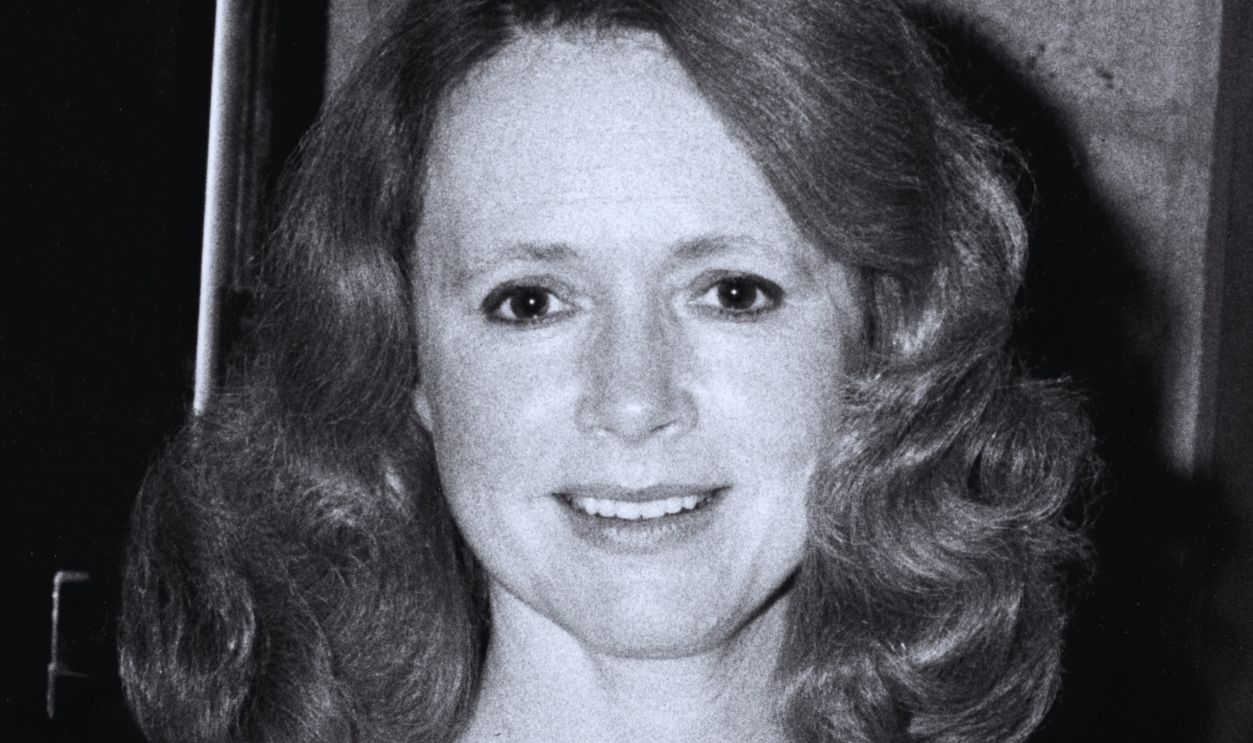
She Stayed Away For 15 Years
Laurie later said that she simply lost interest in acting and no longer had her heart in it. Her absence from feature films lasted 15 years. By the time she began considering acting again, she no longer felt the intense career pressure that had accompanied her earlier Hollywood years.
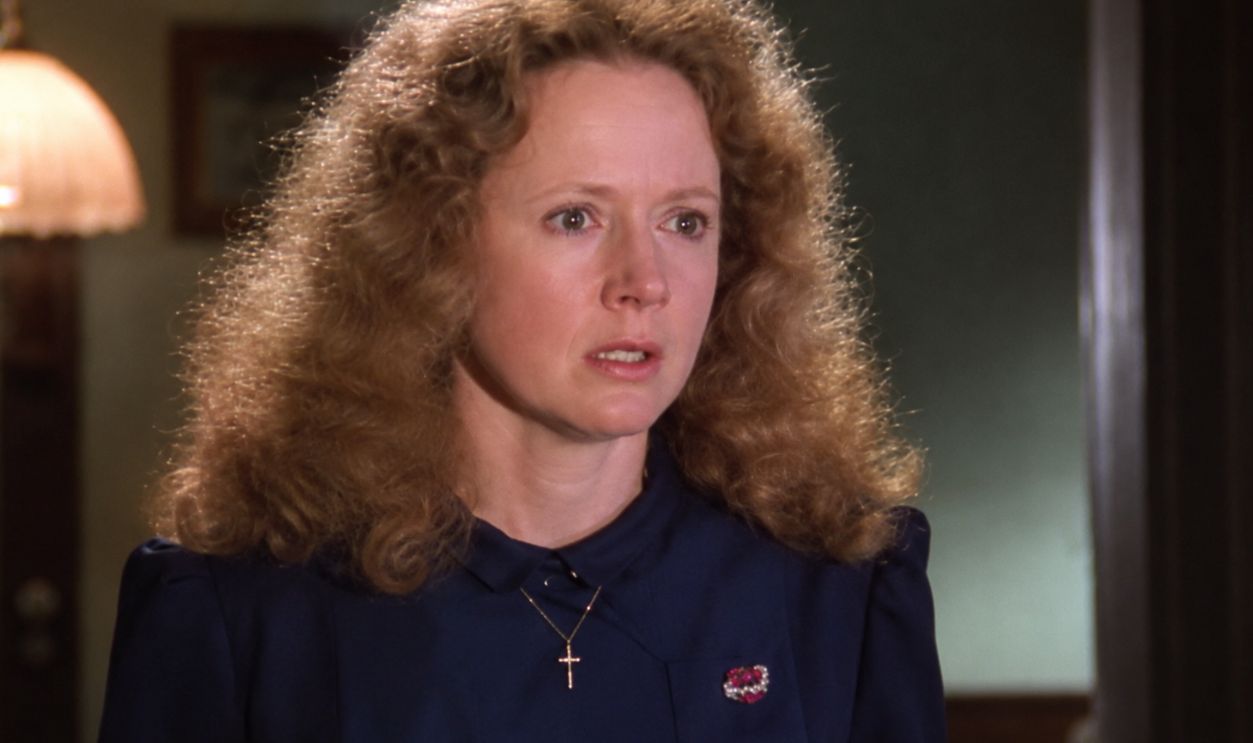
Carrie Brought Her Roaring Back
Director Brian De Palma persuaded Laurie to return as Margaret White in 1976's Carrie. The role became one of her most famous performances and earned her another Academy Award nomination. Laurie continued acting afterward, eventually earning a third Oscar nomination for Children of a Lesser God and later finding a new generation of fans through Twin Peaks.
 Screenshot from Carrie, Amazon MGM Studios (1976), Enhanced
Dustin Hoffman Spent Years Being Rejected
Dustin Hoffman hardly looked like Hollywood's idea of a conventional leading man in the 1950s. After moving to New York, he struggled through auditions and survived through odd jobs while pursuing acting. His early circle included Gene Hackman and Robert Duvall, fellow actors who were themselves still years away from major movie careers.
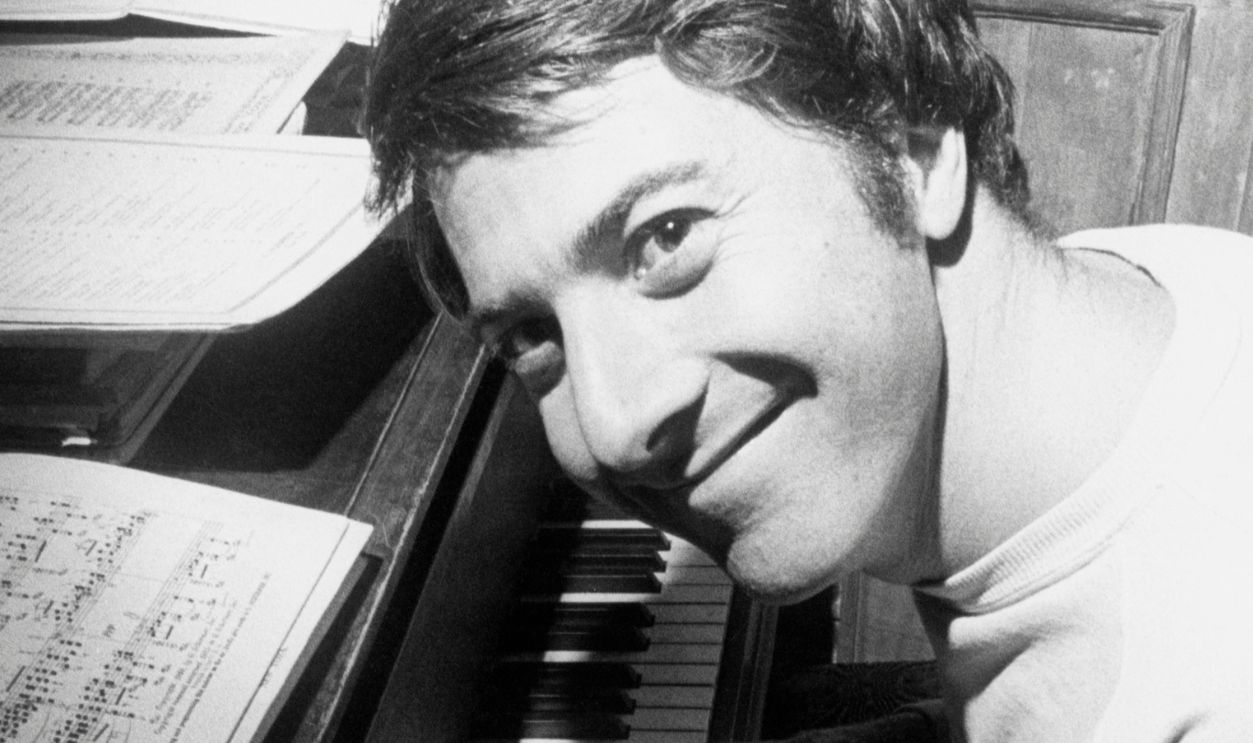 Universal History Archive, Getty Images
By 1960, He Was Ready To Give Up
Hoffman's frustrations became serious enough that by 1960 he was reportedly ready to abandon acting altogether. Then he landed stage work and gradually accumulated experience, training, and recognition. He continued working in theater while supporting himself through jobs including waiting tables and selling toys before movies finally came calling.
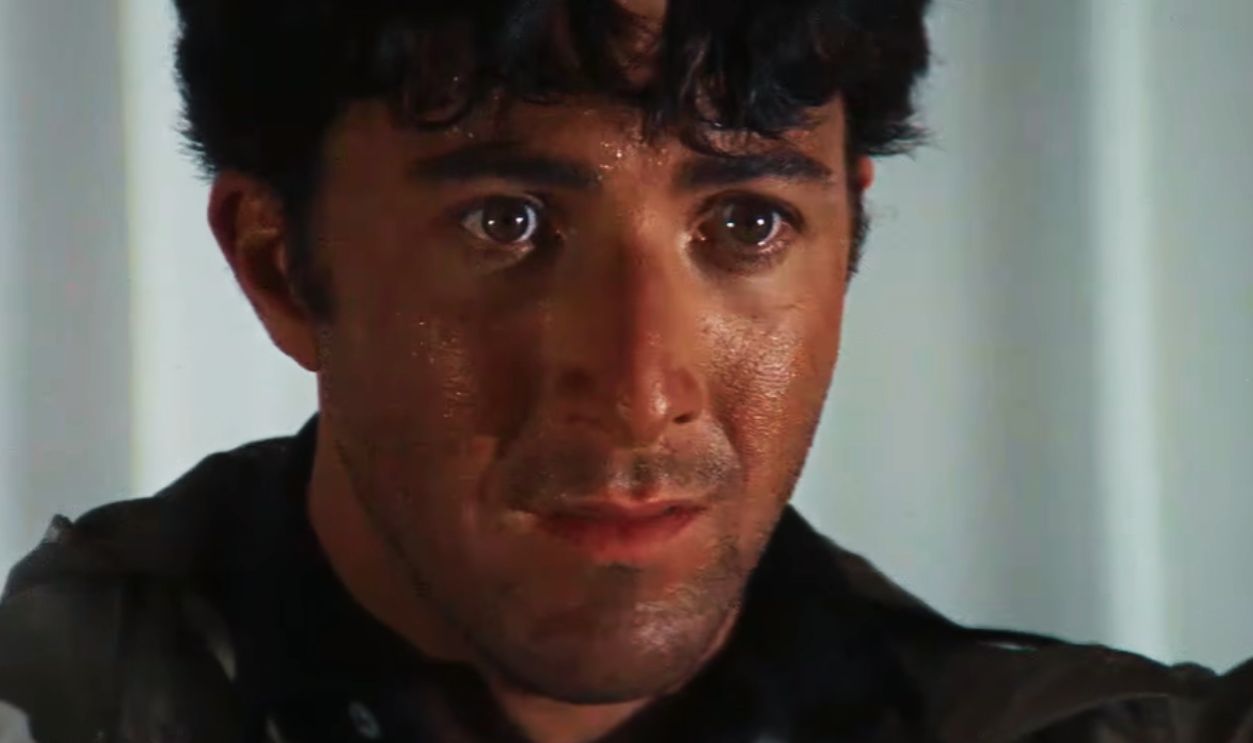 Screenshot from The Graduate, Amazon MGM Studios (1967)
The Graduate Made Him Impossible To Ignore
Mike Nichols cast the relatively unknown Hoffman as Benjamin Braddock in 1967's The Graduate, despite Hoffman being far removed from the conventional leading-man image associated with the character. The performance earned him an Oscar nomination and launched a remarkable career that soon included Midnight Cowboy, Little Big Man, Marathon Man, and 1979's Oscar-winning Kramer vs. Kramer.
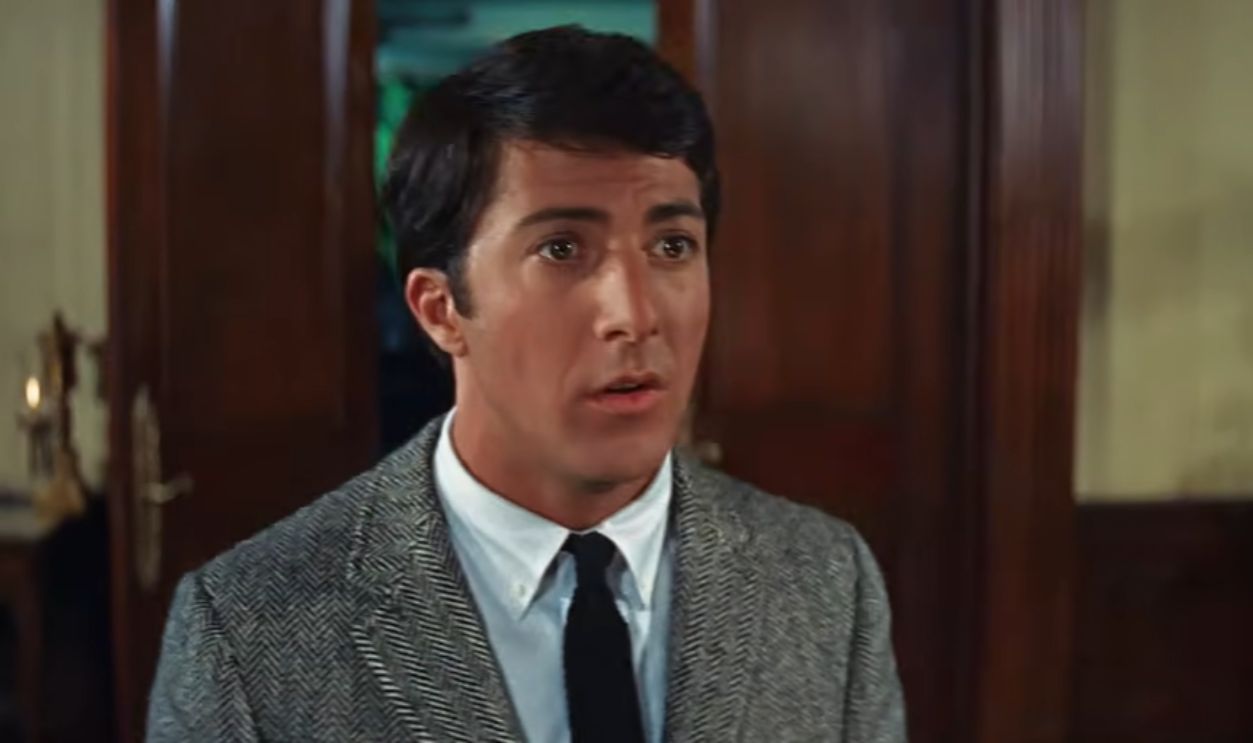 Screenshot from The Graduate, Amazon MGM Studios (1967)
You May Also Like:
Carol Burnett’s Laughter Hid A Lifetime Of Heartbreak—And She Still Changed Comedy
We just picked the 30 most stunningly beautiful TV actresses of all time. Did we get it wrong?