The Funeral Hollywood Forgot
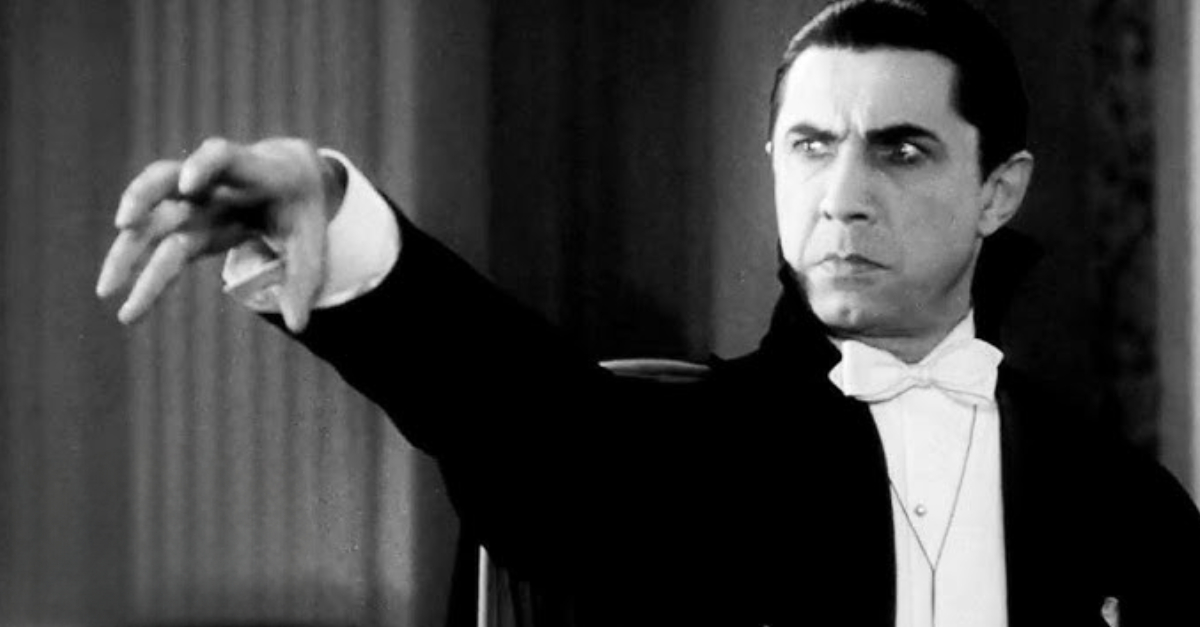
Bela Lugosi terrified the world as Dracula and reshaped movie horror forever. But when he died in 1956—broke, isolated, and long past his Hollywood peak—his funeral turnout stunned those who still admired him. The man who once hypnotized millions was laid to rest in front of only a small crowd.
Lugosi Once Had Worldwide Fame
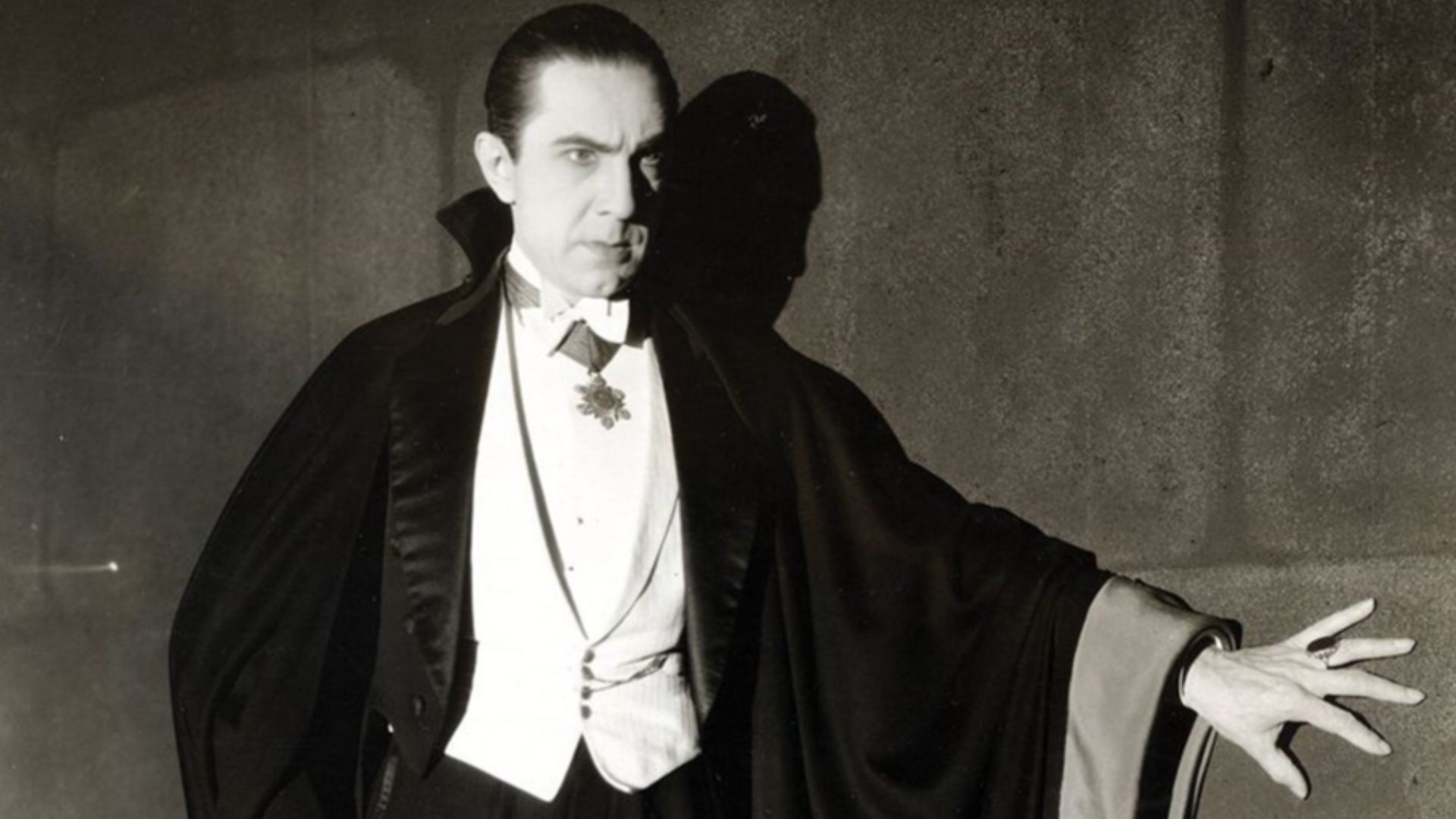
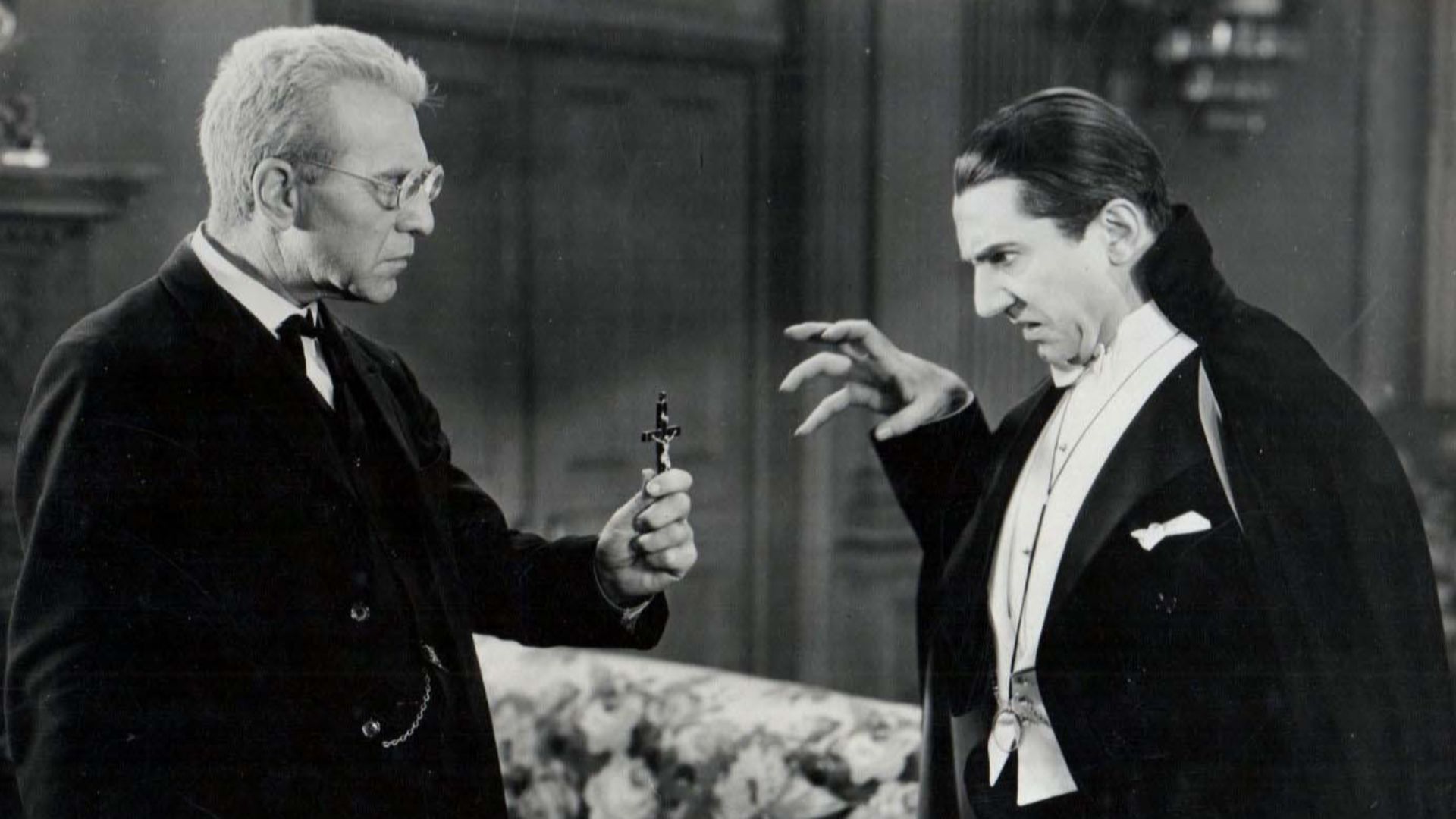
When Dracula hit theaters in 1931, Lugosi became instantly recognizable. His piercing stare and unforgettable delivery of lines like “Listen to them. Children of the night. What music they make.” turned him into a global icon. But fame in Hollywood fades fast.
 Unknown author, Wikimedia Commons
His Career Declined Faster Than Anyone Expected
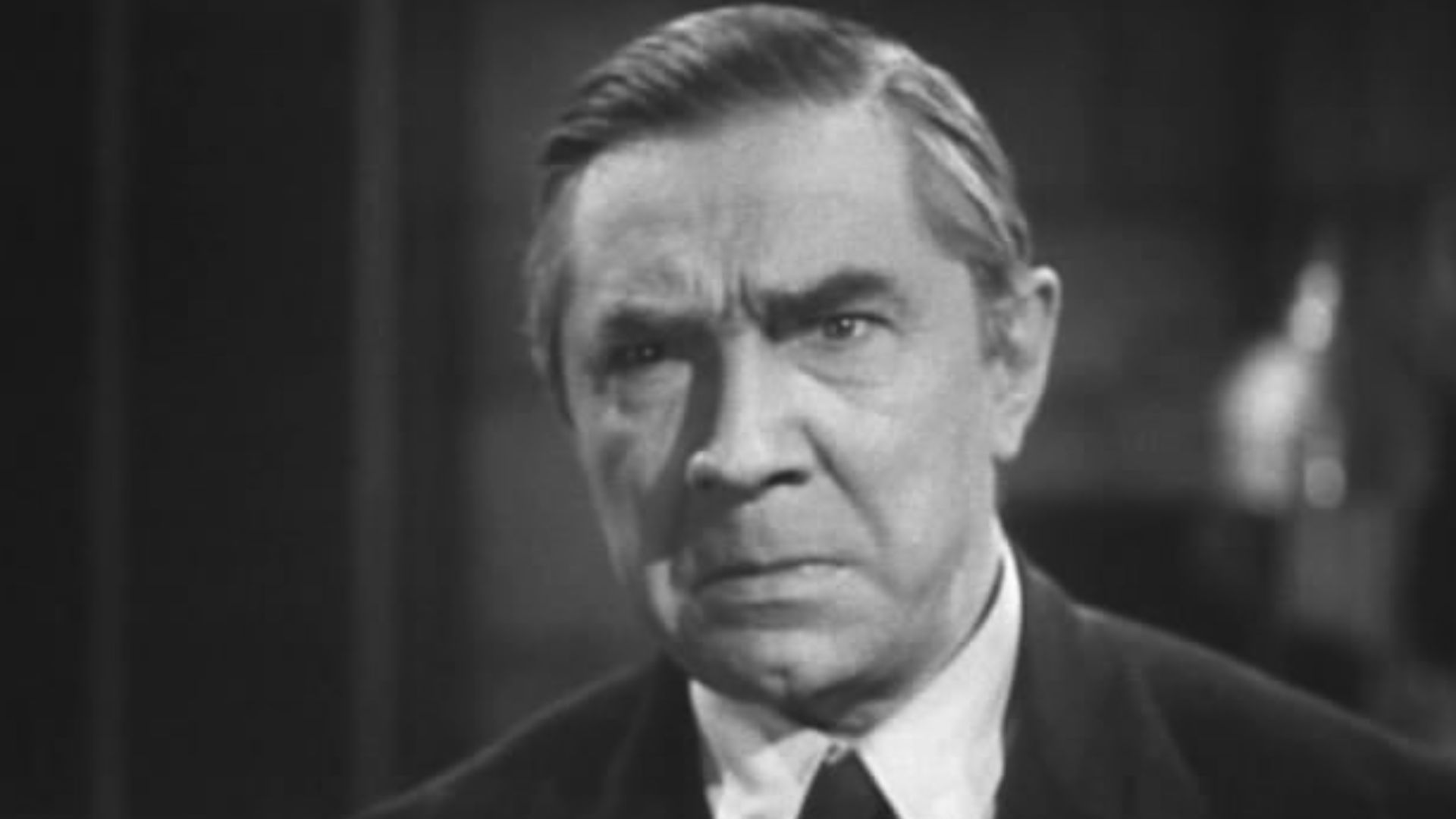
By the 1950s, Lugosi struggled to get meaningful work. Studios saw him only as Dracula, not as a versatile actor. As he once said, “It took me years to live down Dracula and convince the film producers that I would play almost any other type of role.”
 Universal Studios, Wikimedia Commons
Addiction and Chronic Pain Turned His Life Inward
Lugosi battled crippling sciatic neuritis, which led to his dependence on morphine. The addiction damaged friendships, limited his roles, and pushed him into isolation. Many of the people who once surrounded him drifted away during his hardest years.
 Producers Releasing Corporation, Wikimedia Commons
He Turned to Ultra-Low-Budget Films for Work
Director Ed Wood adored Lugosi and cast him in micro-budget films like Glen or Glenda? and Bride of the Monster. These oddball productions didn’t restore his reputation, but they kept him working—and Wood remained one of the few who treated him with genuine care.
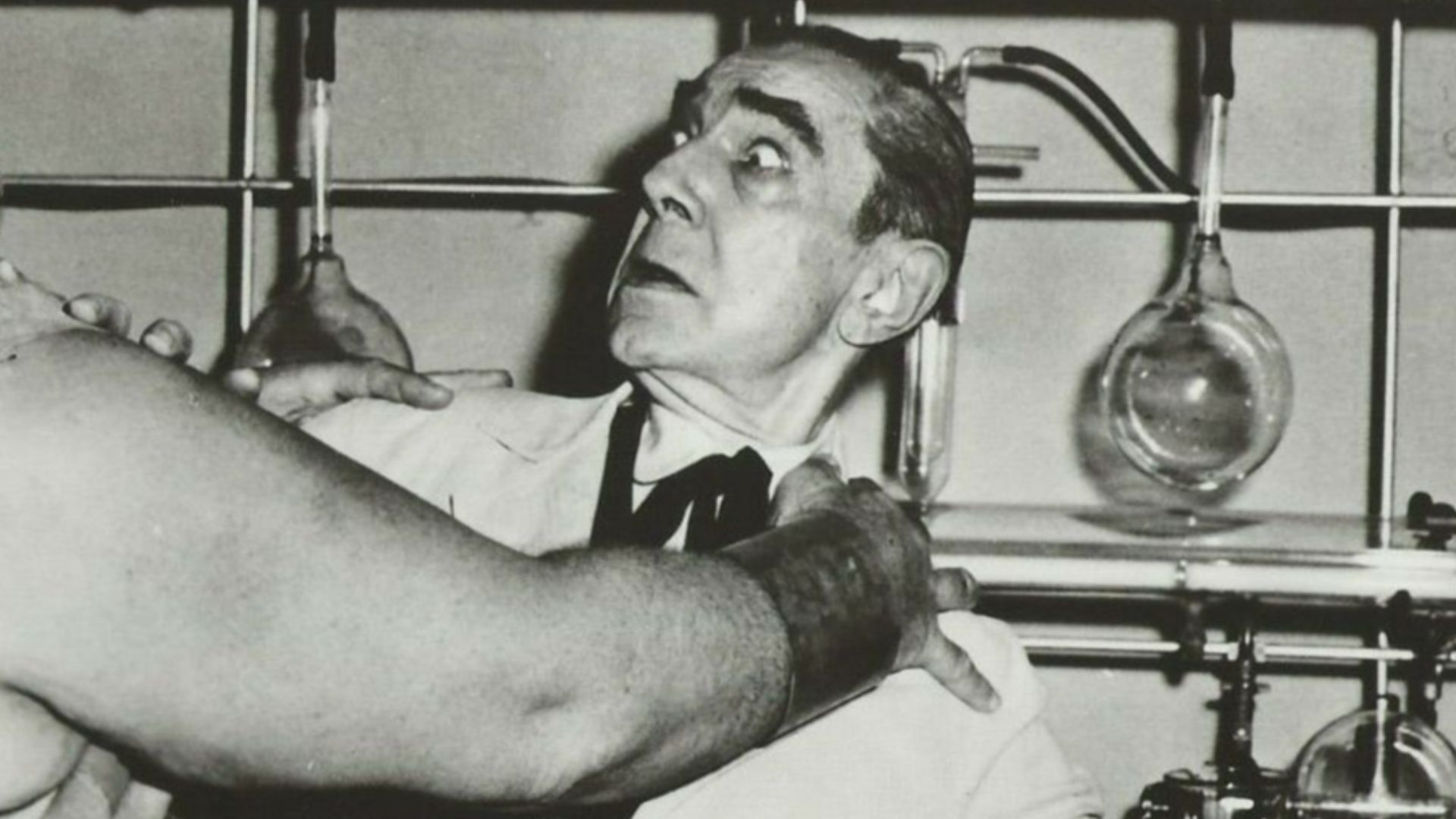
By 1956, He Was Living Quietly and With Little Money
Lugosi died in Los Angeles on August 16, 1956, at age 73. His later life had been modest, without studio support or steady income. He passed away as one of Hollywood’s most famous forgotten figures.
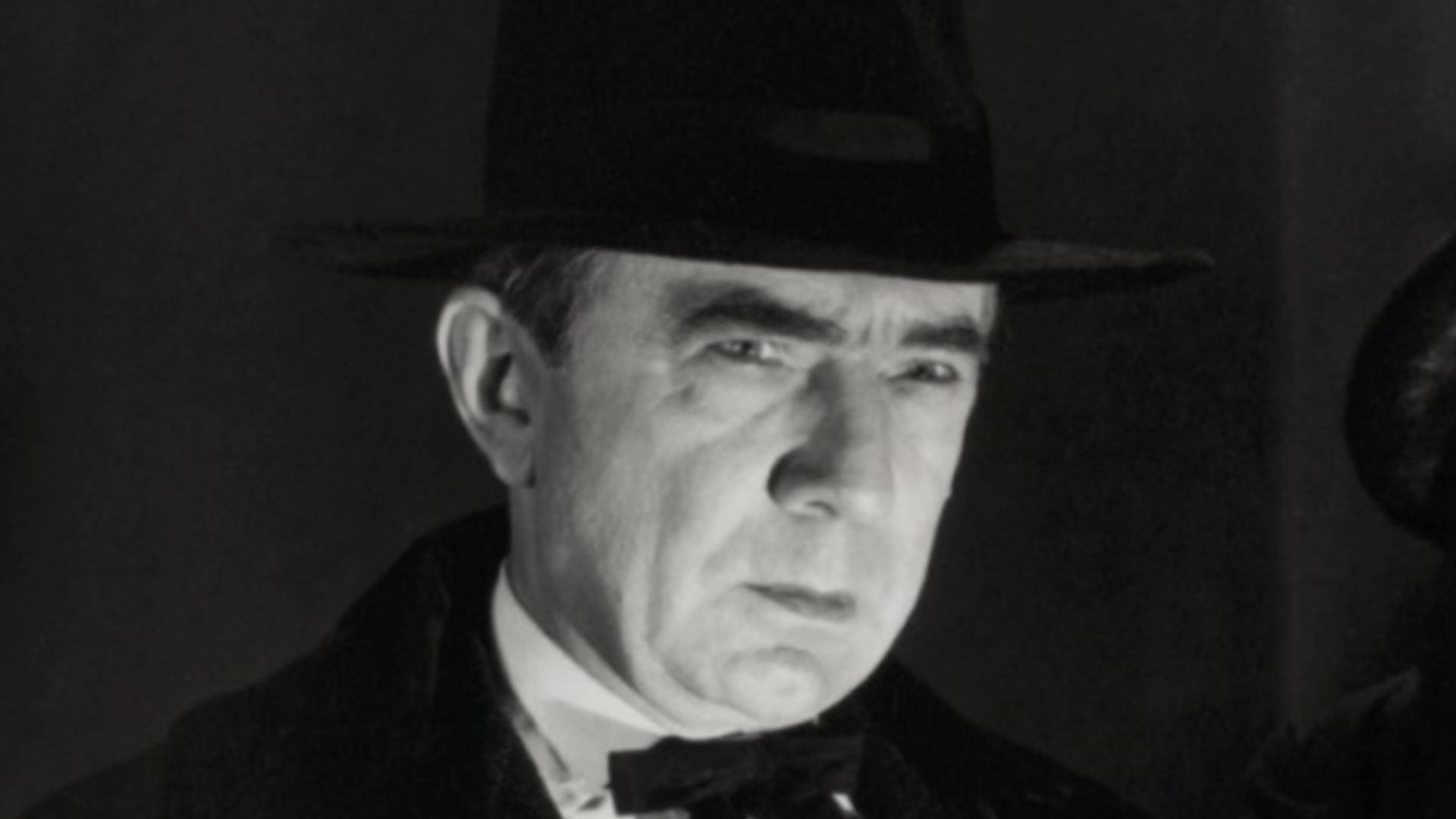 unknown (Screen Guild Prod.), Wikimedia Commons
His Funeral Was Held on August 18, 1956
A private funeral was arranged at the Utter-McKinley Mortuary Chapel in Hollywood. Before the service, Lugosi’s body lay in state dressed in his Dracula costume—both touching and eerie, a final nod to the character he could never escape.
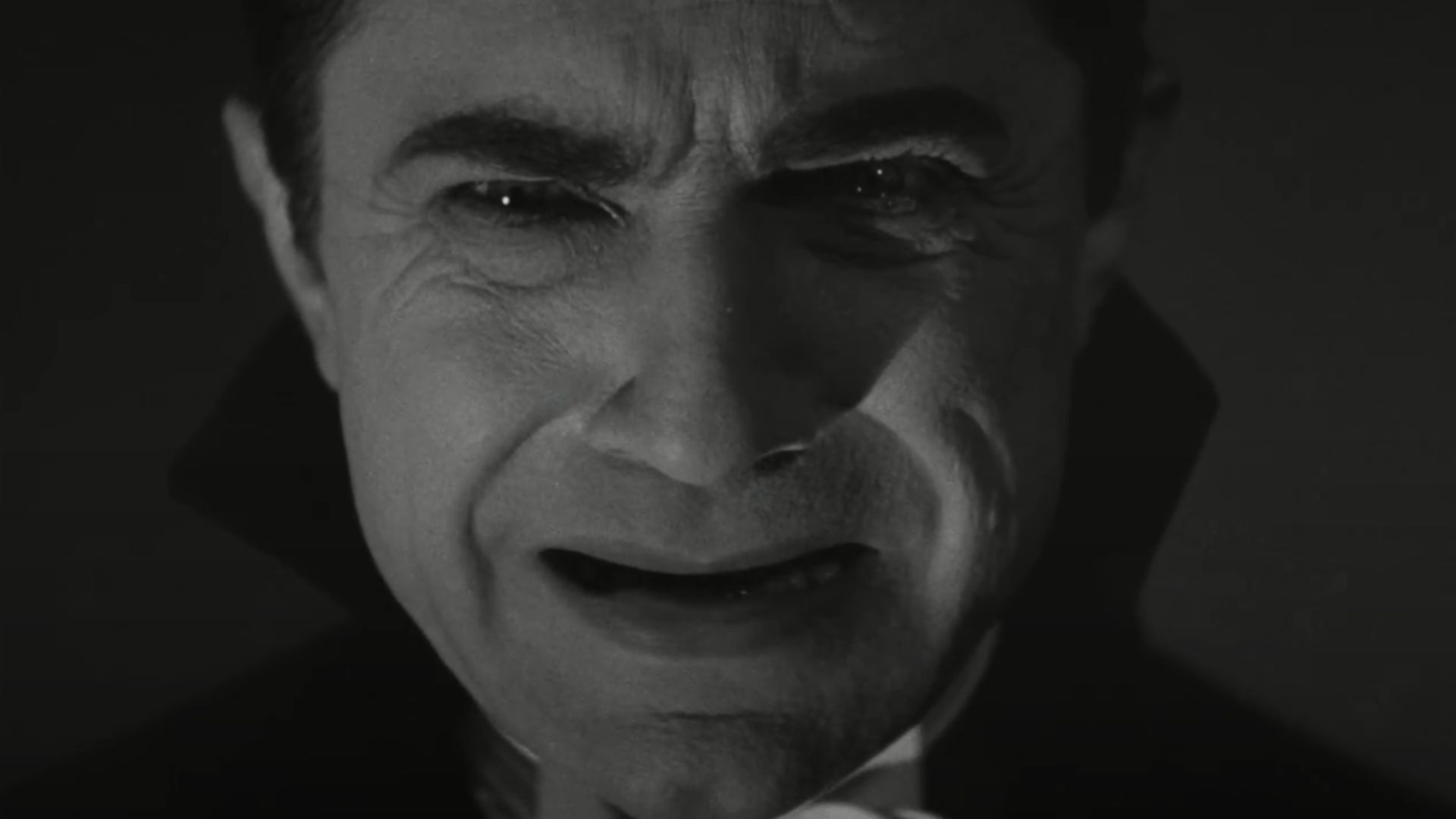 Screenshot from "Internet Archive" of the trailer for Dracula (1931), Wikimedia Commons
Only Around 60 People Showed Up
For someone who shaped modern horror, the turnout was shockingly small. Contemporary descriptions call it “a relatively small affair,” marked by the conspicuous absence of Hollywood’s elite. The chapel was quiet—almost uncomfortably so.
 Screenshot from "Internet Archive" of the trailer for Dracula (1931), Wikimedia Commons
Almost No Big Hollywood Names Attended
Not a single major studio figure came. Fellow horror icons stayed away as well. Whether due to distance, timing, or emotional distance, the lack of familiar faces said everything about how far Lugosi had drifted from his peers.
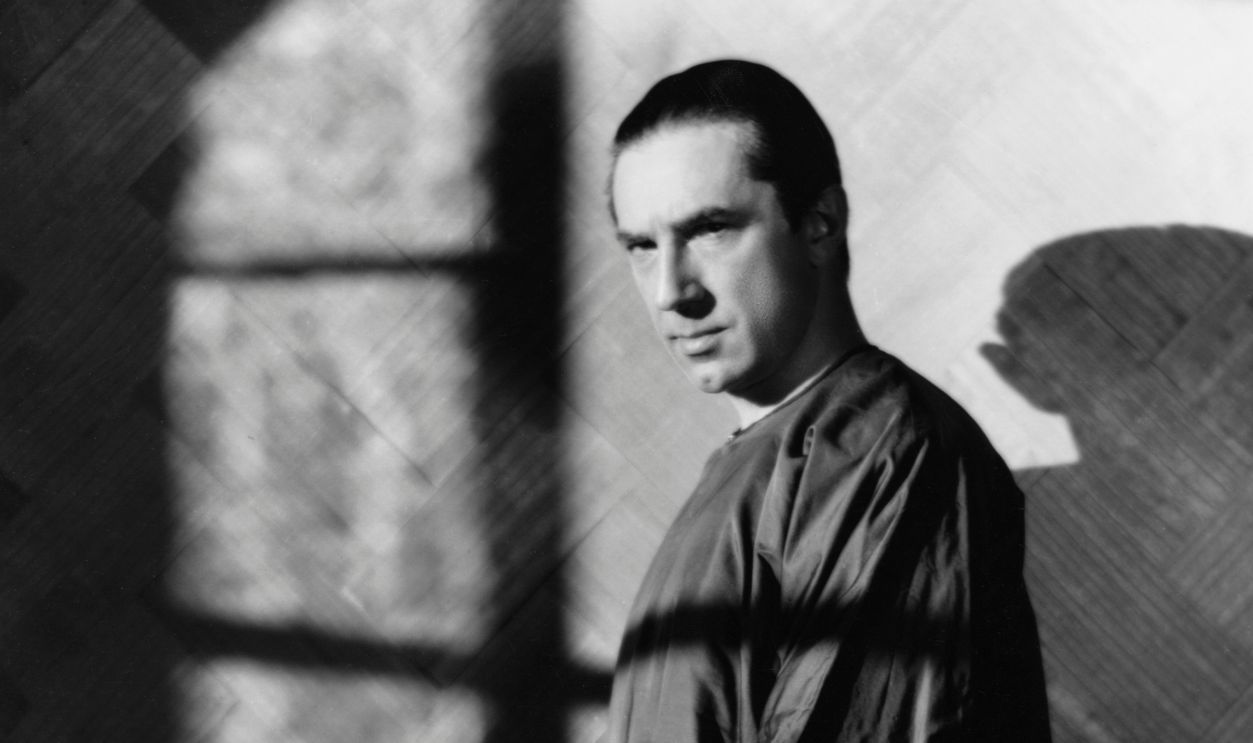 John Springer Collection, Getty Images
Ed Wood Was One of the Few Notable Attendees
Ed Wood, who had fiercely supported Lugosi in his final years, reportedly wept during the service. His presence highlighted who truly cared about the actor when the rest of Hollywood moved on.
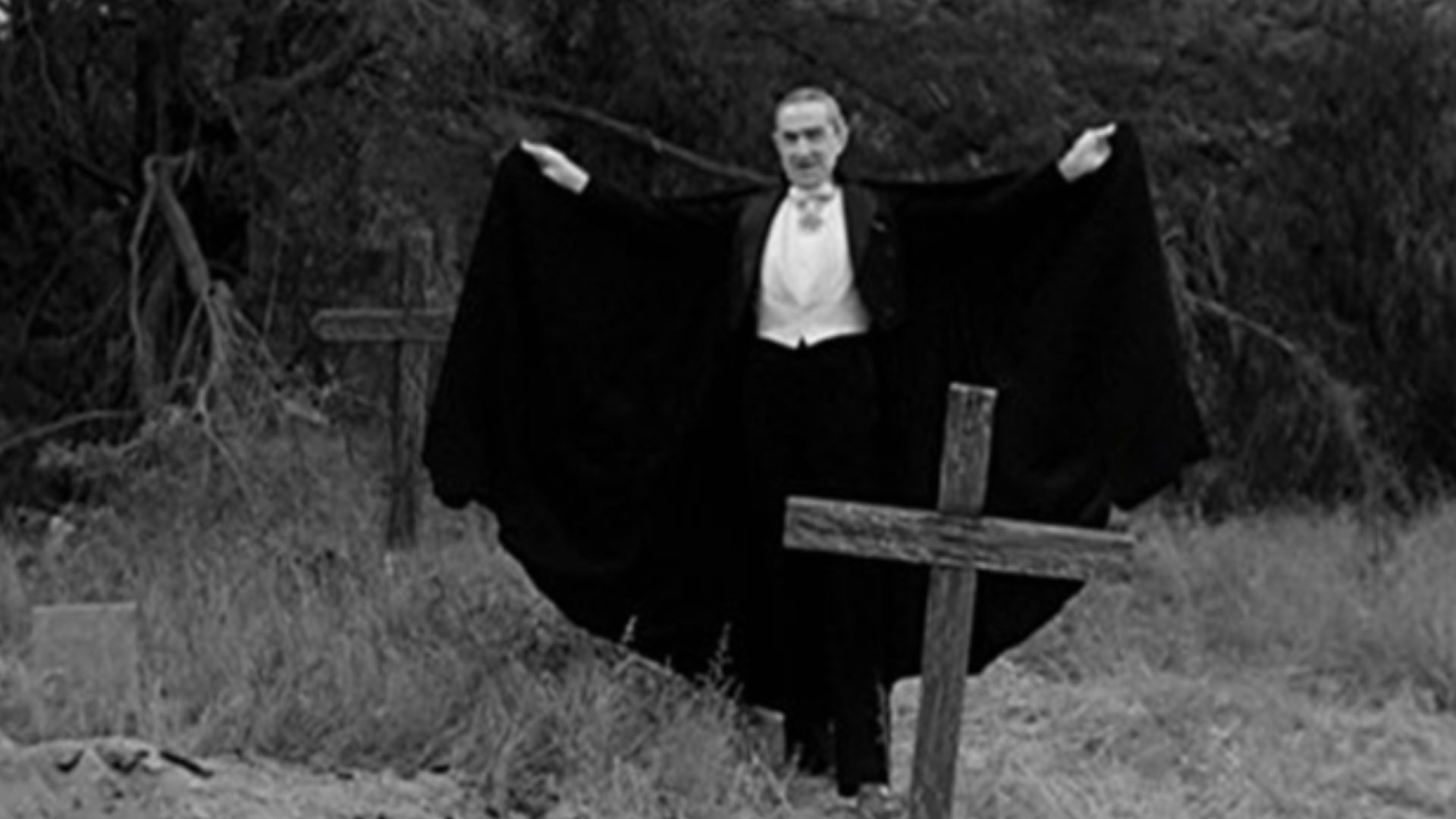
His Family Honored His Wish to Be Buried in His Dracula Cape
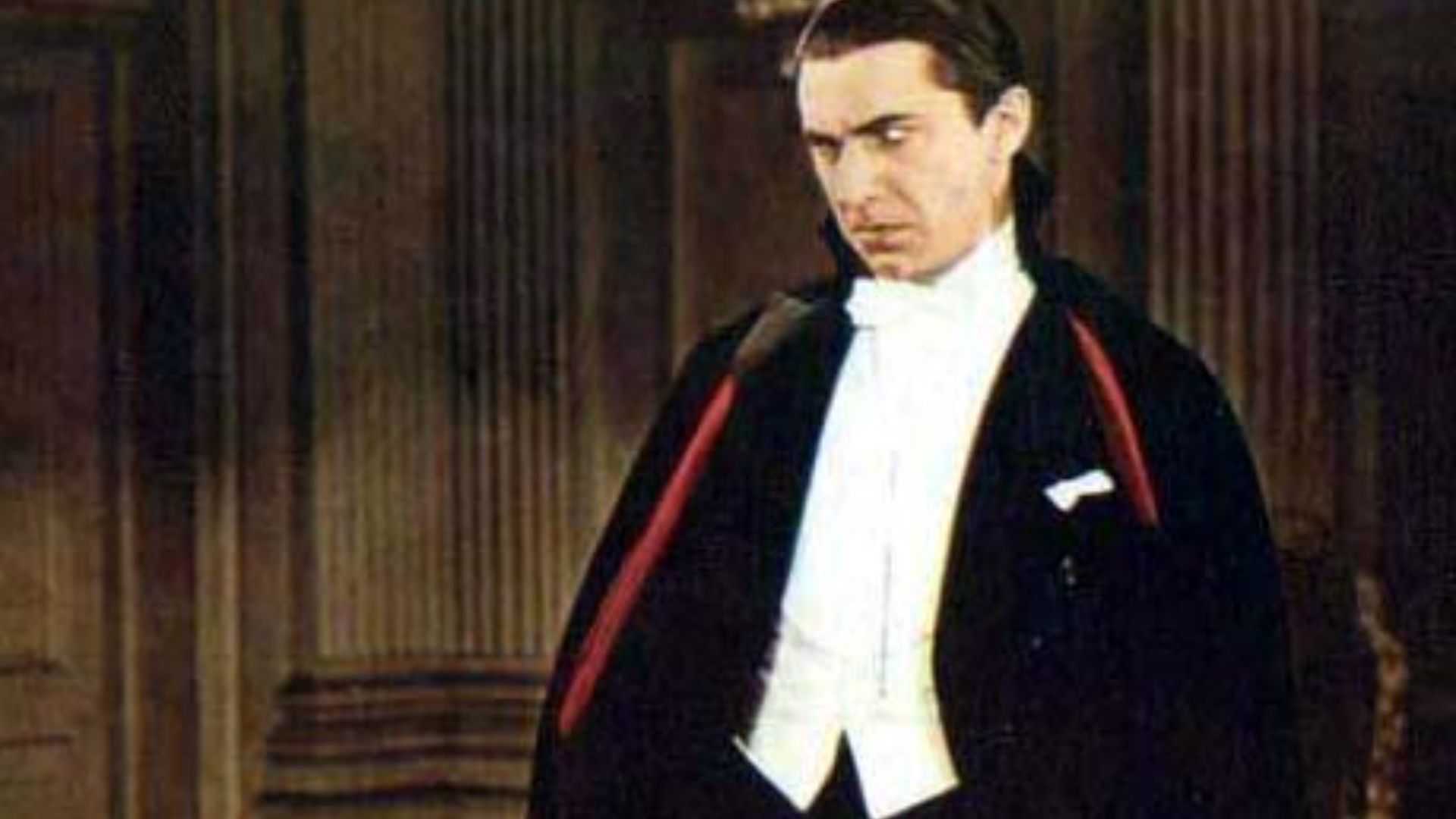
Lugosi’s family decided he should be buried in his full Dracula attire—cape, medallion, and all. It reflected both his legacy and his complicated relationship with the role that defined (and limited) his life.
 Universal Studios, Wikimedia Commons
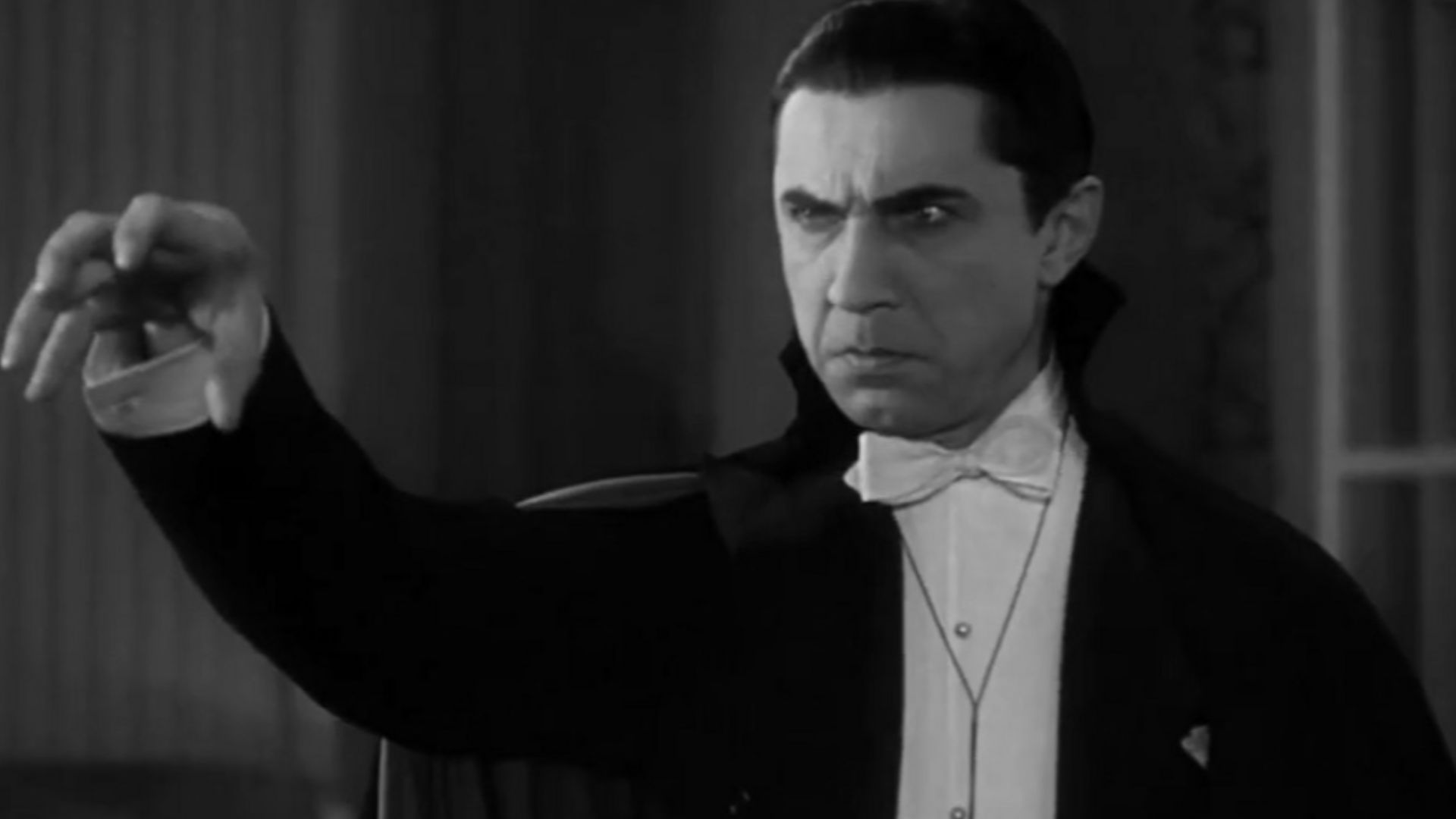
The Public Barely Realized He Had Died
Coverage was minimal, with only brief notices in newspapers. There was no major tribute, no studio-organized memorial, and no industry-wide acknowledgment. The quietness of the moment stunned fans who read about it days later.
 Screenshot from "Internet Archive" of the trailer for Dracula (1931), Wikimedia Commons
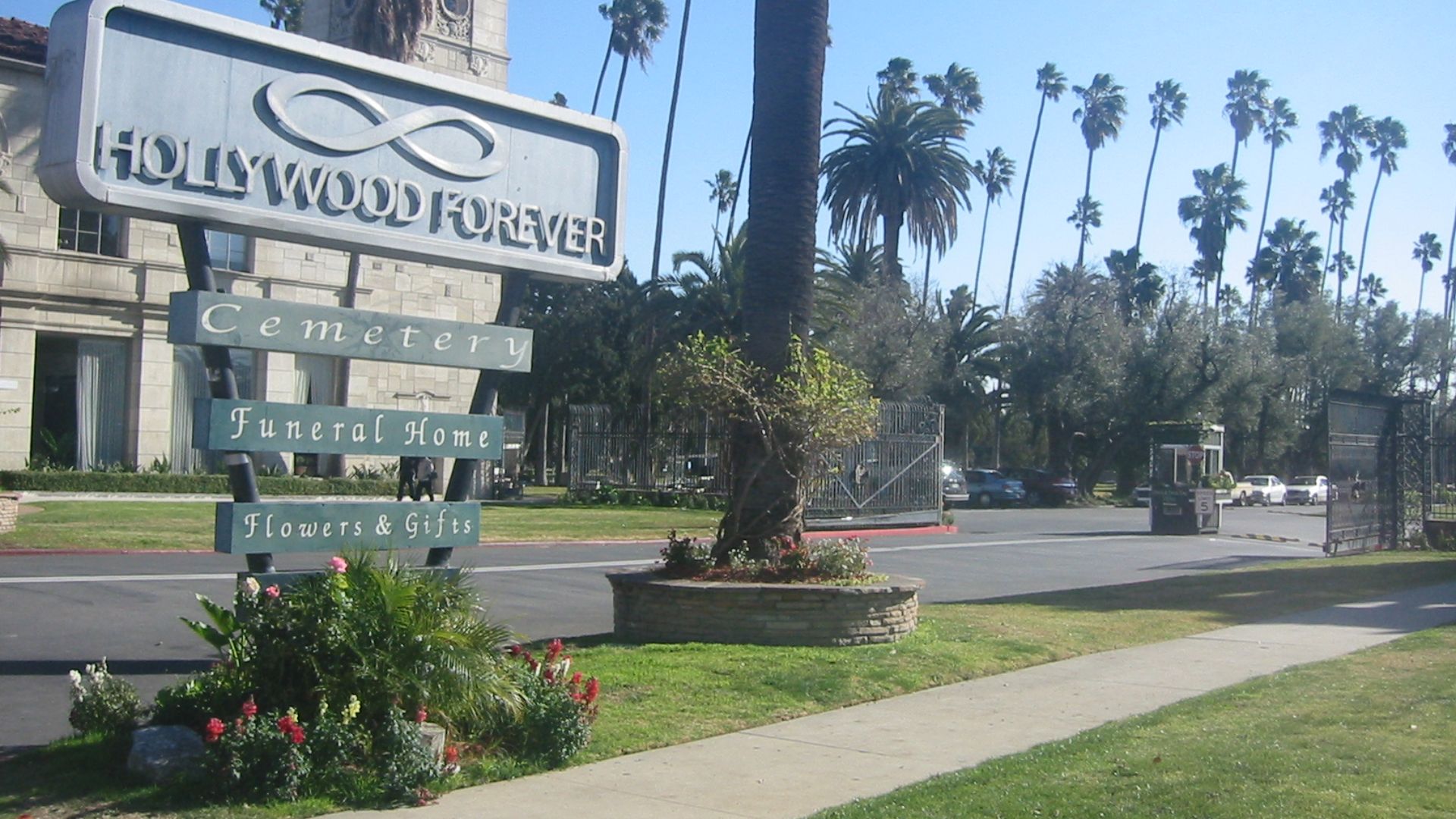
His Isolation Was Partly Due to Hollywood’s Brutal Memory
Classic horror had fallen out of favor by the 1950s. Younger audiences had moved on, and Lugosi’s style seemed outdated. His fame belonged to an earlier era—one Hollywood no longer celebrated.
 Gary Minnaert (Minnaert)), Wikimedia Commons
His Personal Circle Had Grown Much Smaller
Multiple marriages, career downturns, and addiction had strained his closest relationships. The inner circle that once surrounded him in the 1930s had dwindled to only a few loyal supporters by the time of his death.
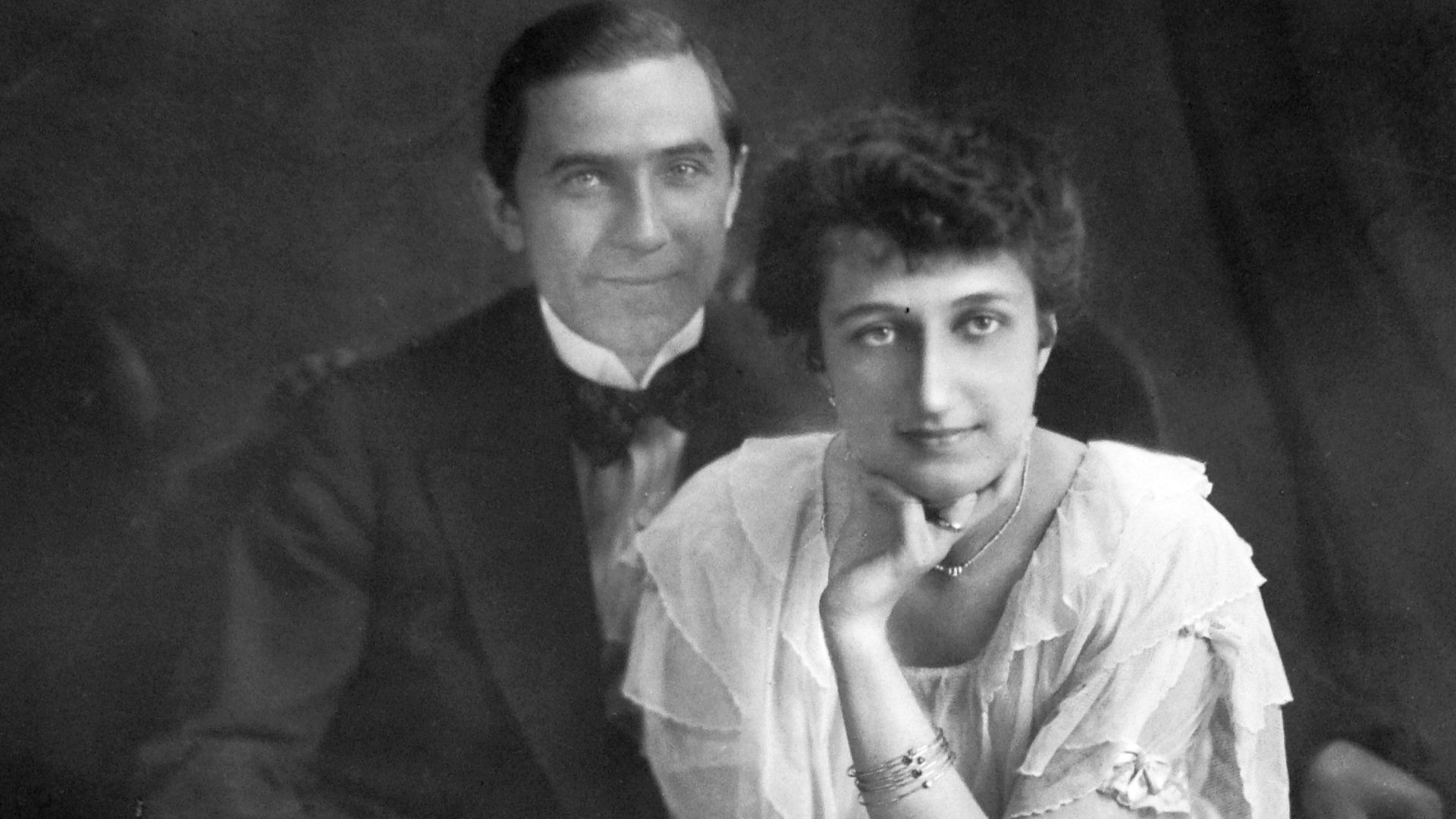 FOTO:Fortepan — ID 8777: Adományozó/Donor: Saly Noémi., Wikimedia Commons
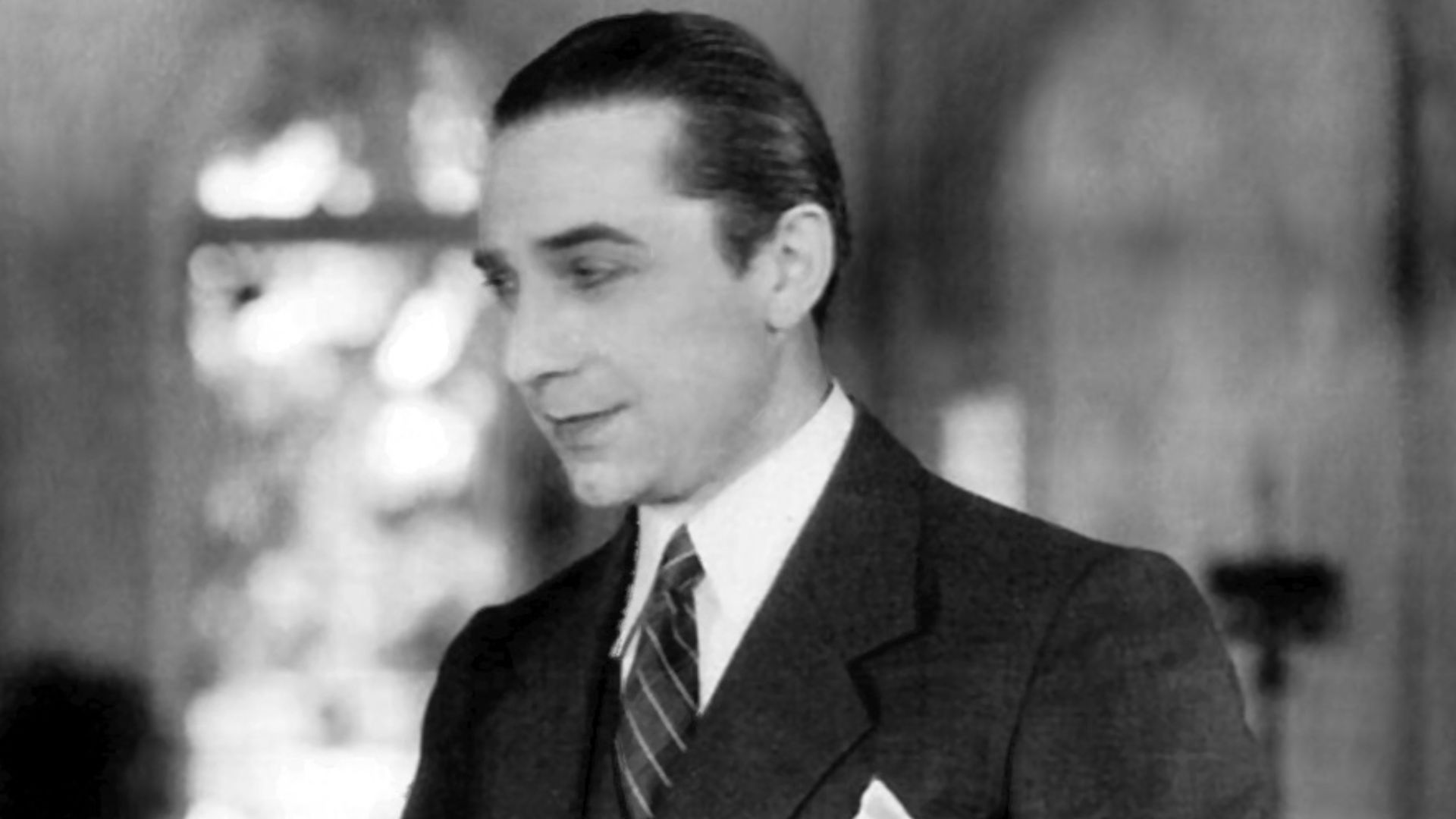
He Felt Hollywood Never Truly Understood Him
Lugosi once said, “In Hungary, acting is a profession. In America, it is a decision.” It reflected his frustration with how American studios viewed him—not as an artist, but as a “type.” That disconnect shaped the final years of his career.
 Fox Film Corporation, Wikimedia Commons
Universal Pictures Offered No Real Support
Despite Lugosi helping create Universal’s most iconic monster franchise, the studio sent no major figures, issued no notable public tribute, and played no role in the funeral arrangements. The silence was louder than any eulogy.
 No machine-readable author provided. Owen assumed (based on copyright claims)., Wikimedia Commons
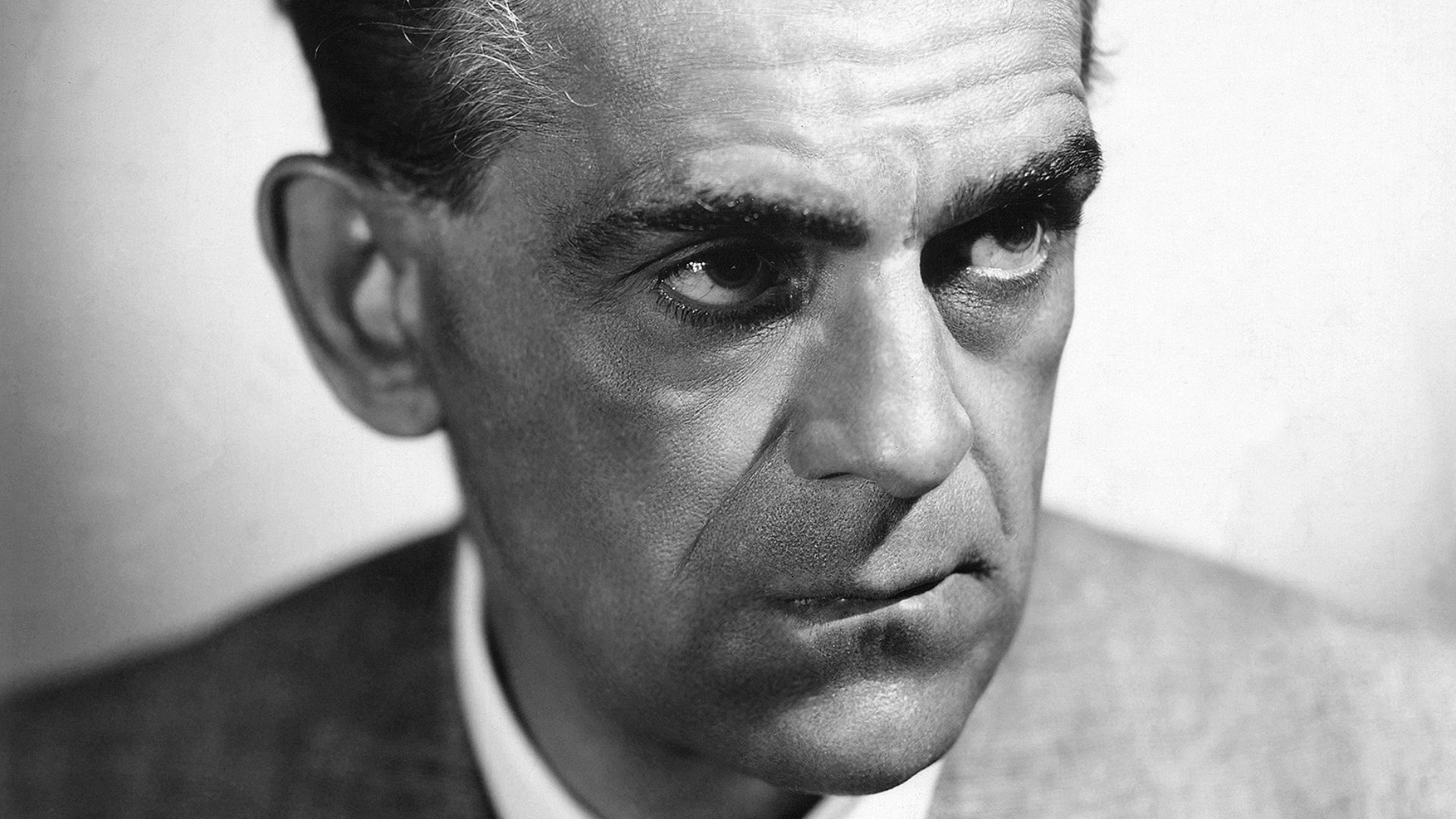
Even His Famous Peers Stayed Away
Whether due to distance, lack of communication, or reluctance, major horror stars like Boris Karloff and Lon Chaney Jr. did not attend. Their absence became one of the most-discussed parts of the small ceremony.
 . The original uploader was Wikiwatcher1 at English Wikipedia., Wikimedia Commons
There Were No Grand Speeches—Just Quiet Farewells
The funeral included a few heartfelt remarks from friends, but there were no dramatic Hollywood eulogies. It was a simple, respectful service—far from the spectacle such an influential performer might have expected.
 Kevin Waterhouse , Wikimedia Commons
His Legacy Was Rediscovered Almost Immediately
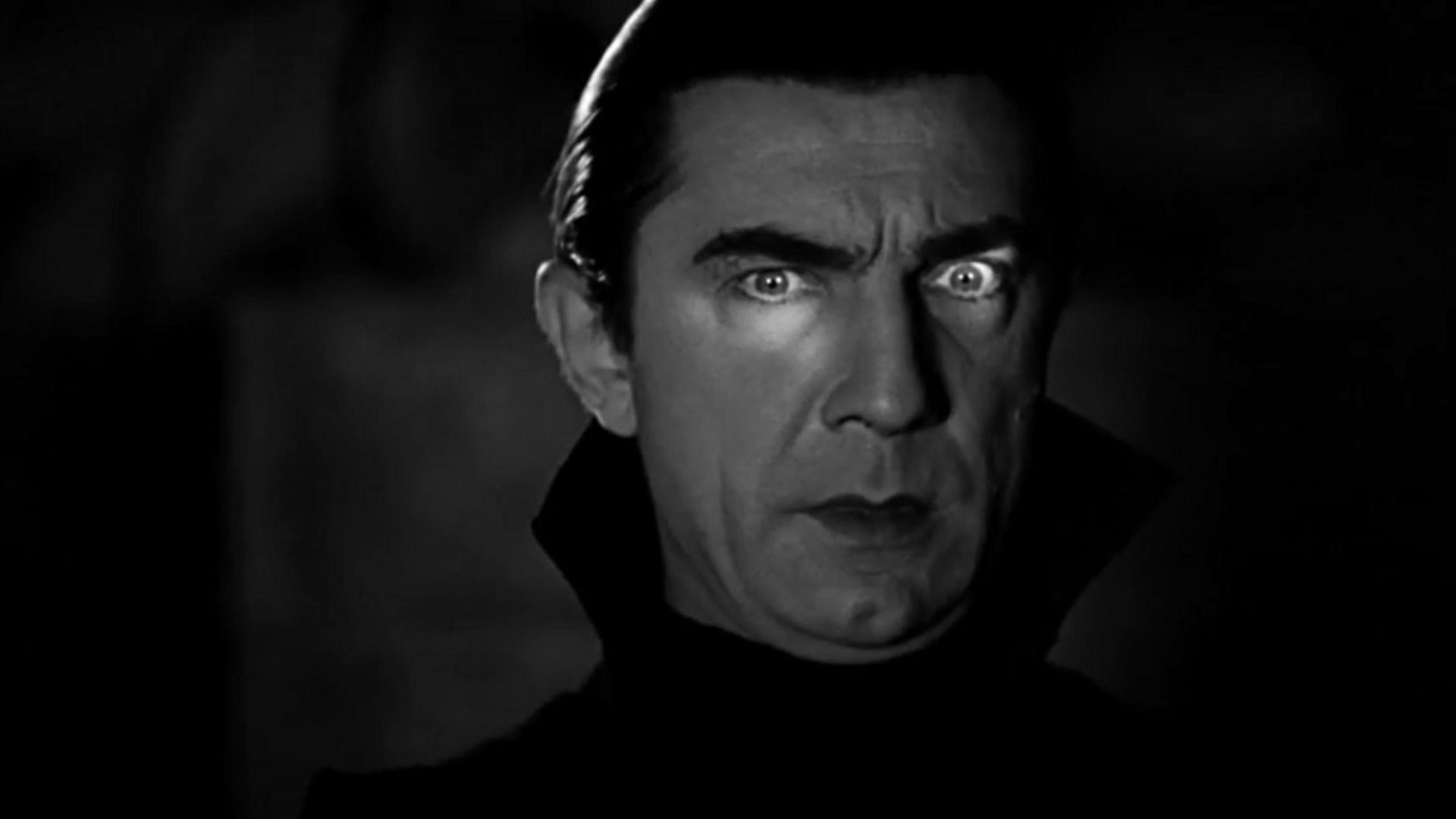
Within a few years, monster-movie TV packages reintroduced Lugosi to the public. Kids who watched Dracula on late-night television became lifelong fans. Suddenly, Lugosi was a cult icon again—only after he was gone.
 Screenshot from "Internet Archive" of the trailer for Dracula (1931), Wikimedia Commons
His Influence Became Larger Than Ever
Today, Lugosi’s Dracula is still referenced in everything from Halloween costumes to animated films. His voice, posture, and presence remain the blueprint for how we imagine vampires. Ironically, he is more influential now than during his final years.
 Szenti Tamás, Wikimedia Commons
His Quiet Funeral Became a Symbol of Hollywood’s Harshness
Lugosi’s nearly empty farewell is often cited as proof of how quickly the industry forgets its pioneers. Fame fades fast…but legacy doesn’t. Lugosi’s talent eventually outlived the silence of his funeral.

In the End, His Fans Ensured His Immortality
Though few attended his burial, millions celebrate his work today. Lugosi may have died forgotten by Hollywood, but audiences around the world made sure he didn’t stay forgotten for long. In his own way, his immortality came true.
You Might Also Like:
Lonely Facts About Omar Sharif, The Smouldering Egyptian Bad Boy