Hollywood Moved On Fast
The 80s could turn a beautiful young actress into a movie star almost overnight. Apparently, the 90s could reverse the process just as quickly. One minute their faces were everywhere. Then suddenly, the phone wasn't ringing nearly as often (if at all).
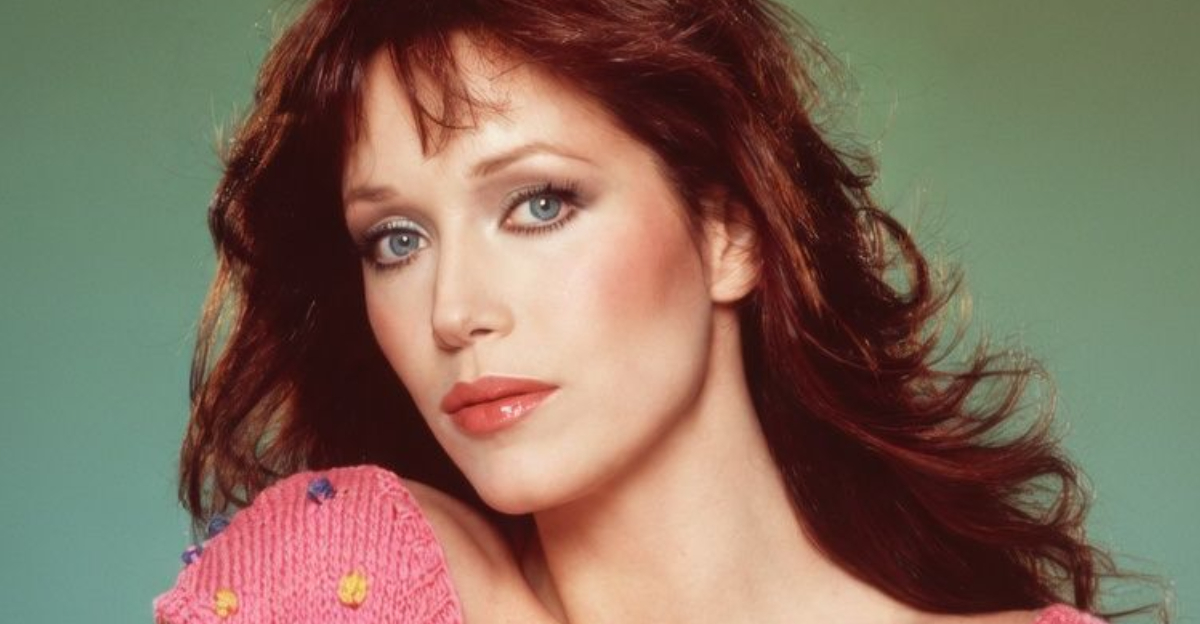
Jennifer Grey
Jennifer Grey had Ferris Bueller's Day Off and then Dirty Dancing, which should have bought her about a decade of starring roles. Instead, after two nose surgeries dramatically changed her appearance, even people she knew failed to recognize her. Grey summed up what followed pretty brutally: “Overnight I lose my identity and my career.” One of the biggest breakout stars of the 80s entered the 90s almost having to introduce herself again.
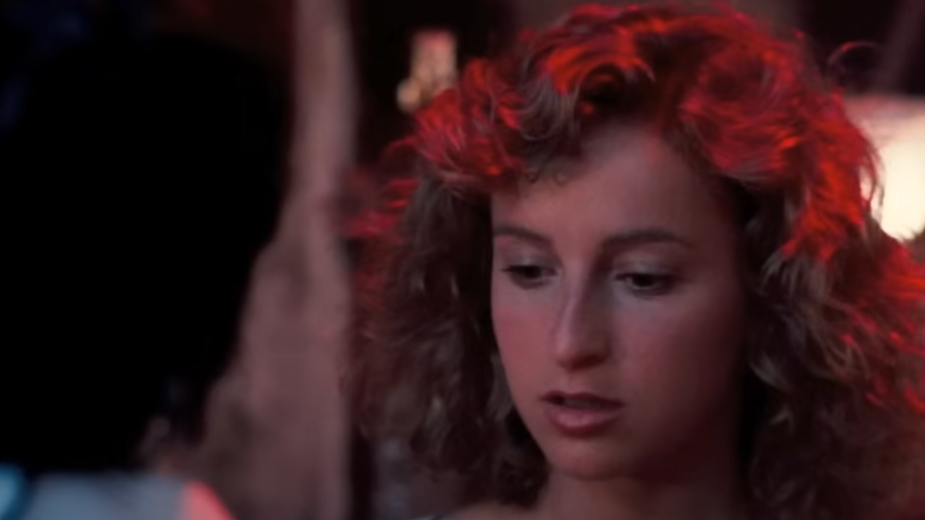 Screenshot from Dirty Dancing, Vestron Pictures (1987)
Molly Ringwald
It is hard to overstate how big Molly Ringwald was. Sixteen Candles, The Breakfast Club, Pretty in Pink...by 1986 she was literally on the cover of Time. Yet by 1990, profiles were already talking about her career as though it were in decline. She was 22. Apparently Hollywood considered 22 a perfectly reasonable age for a midlife crisis.
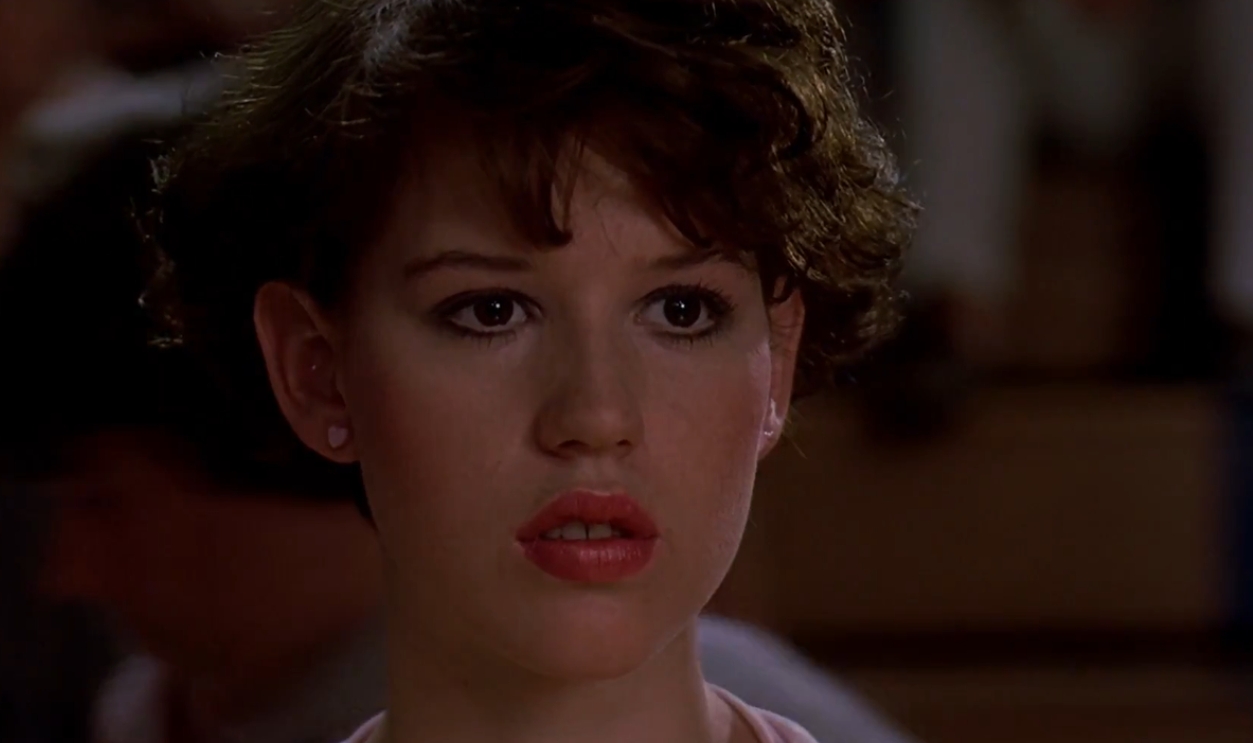 Screenshot from Sixteen Candles, Universal Pictures (1984)
Ally Sheedy
Ally Sheedy had WarGames, The Breakfast Club, St. Elmo's Fire, and Short Circuit. That is one heck of an 80s résumé. Then several movies underperformed and Sheedy said the casting calls stopped. She also faced pressure to change her appearance and body. By the 90s, the big studio career had largely disappeared. Apparently being Ally Sheedy was suddenly not enough.
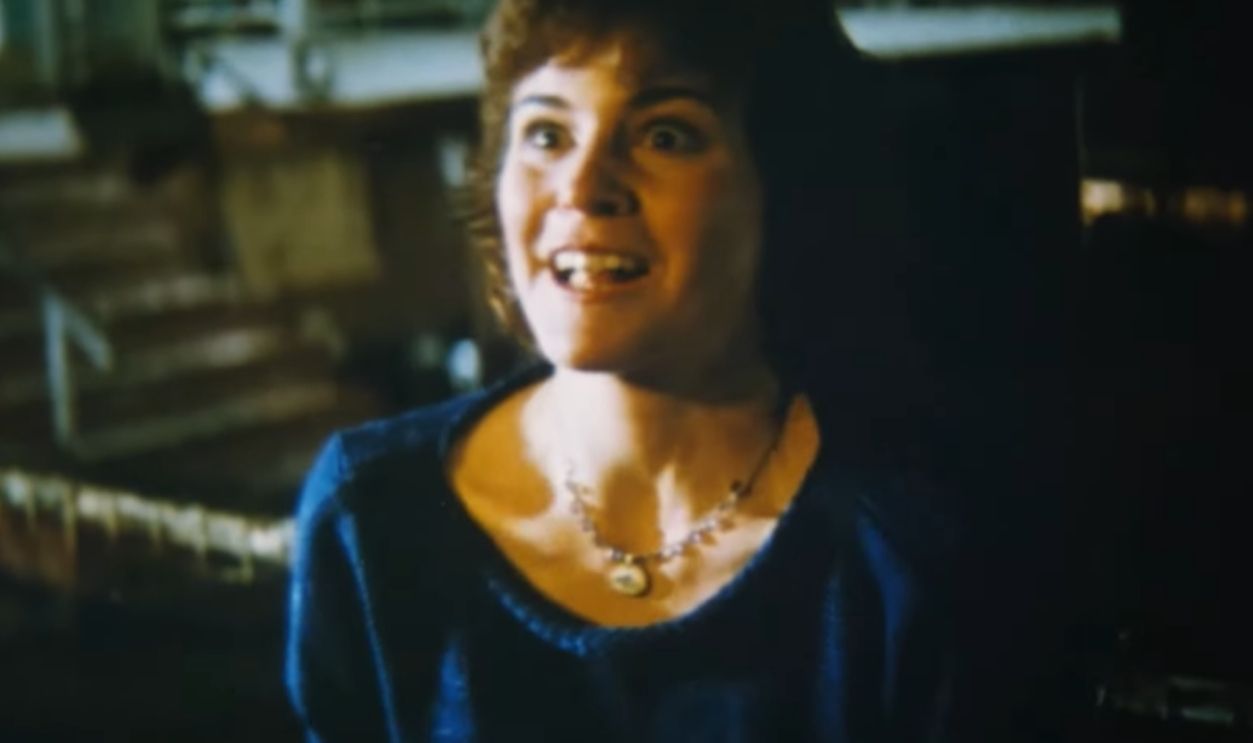 Screenshot from Short Circuit, Tri-Star Pictures (1986)
Sean Young
Sean Young had Blade Runner, No Way Out, Wall Street, and had actually been cast as Vicki Vale in Batman before a riding accident broke her shoulder and cost her the role. Then came more lost parts, clashes behind the scenes, and years of brutal publicity. By the 90s, Hollywood doors were closing fast. One of the 80s' most promising actresses had suddenly become a punchline.
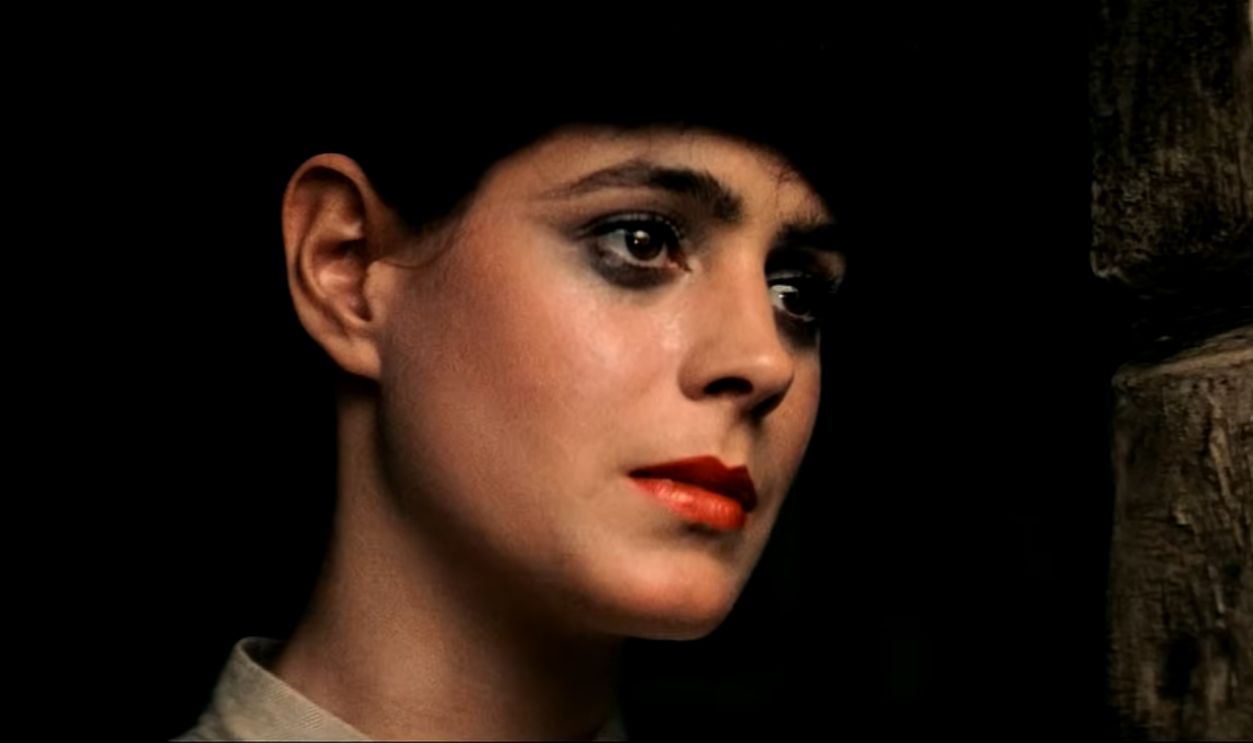 Screenshot from Blade Runner, Warner Bros. (1982)
Brooke Shields
Few actresses entered the 80s with more fame than Brooke Shields. The Blue Lagoon, Endless Love, Calvin Klein ads, magazine covers...she was everywhere. Then she went to Princeton. Shields says she assumed she would graduate and go right back to making movies. Instead, she returned to Hollywood struggling to find film roles. Brooke Shields. Seriously.
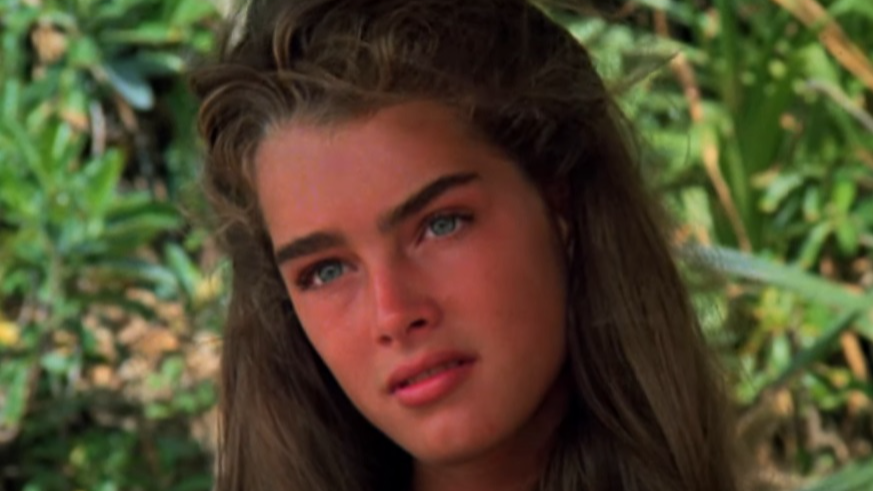 Screenshot from The Blue Lagoon, Columbia Pictures (1980)
Kathleen Turner
Kathleen Turner absolutely owned the 80s. Body Heat, Romancing the Stone, Prizzi's Honor, Peggy Sue Got Married, and even the voice of Jessica Rabbit in Who Framed Roger Rabbit. Then rheumatoid arthritis severely affected her ability to work, while Hollywood's ideas about her were changing too. Turner later said that around 40 the leading roles slowed and offers increasingly became mothers and grandmothers. Quite a change from Jessica Rabbit.
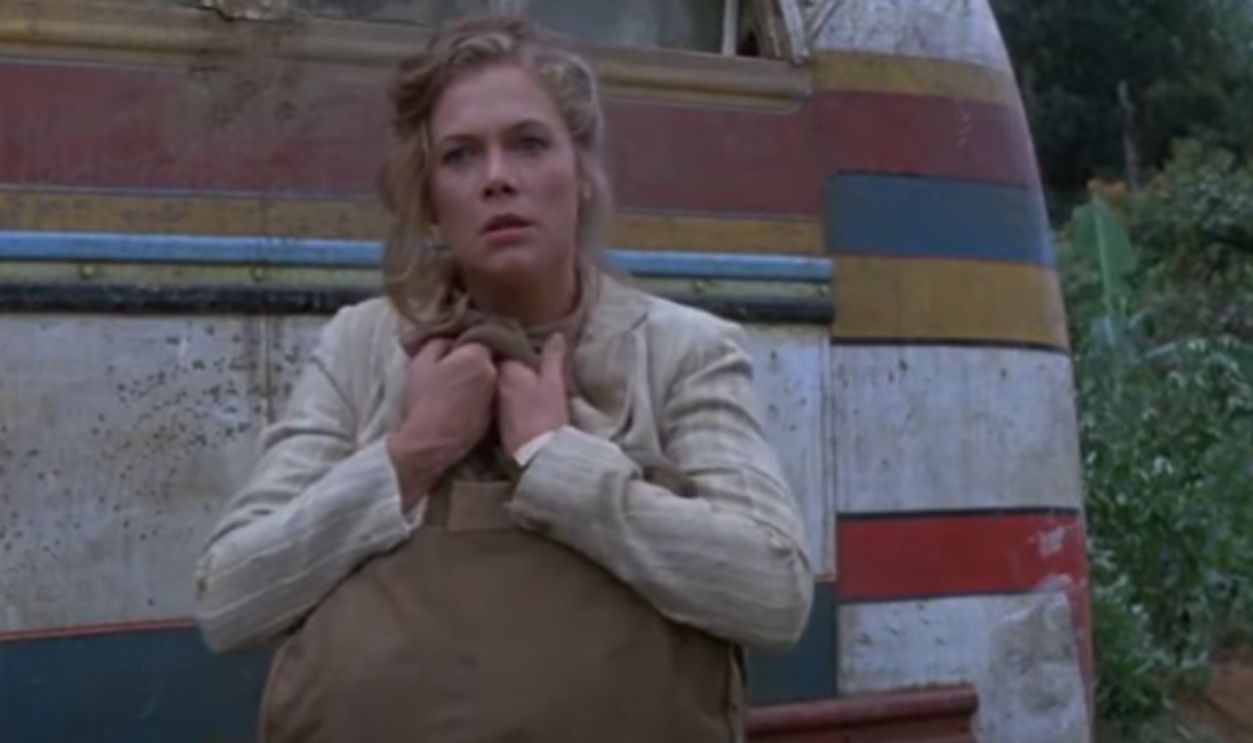 Screenshot from Romancing The Stone, 20th Century Fox (1984)
Shelley Long
Leaving Cheers in 1987 wasn't simply about becoming a movie star—Long also wanted more time with her family. But the big-screen career everyone expected still never happened. Troop Beverly Hills and Don't Tell Her It's Me struggled, and by 1992 even entertainment coverage was commenting on how badly her movie career was going. That's a pretty quick change for someone who had just left one of television's biggest shows.
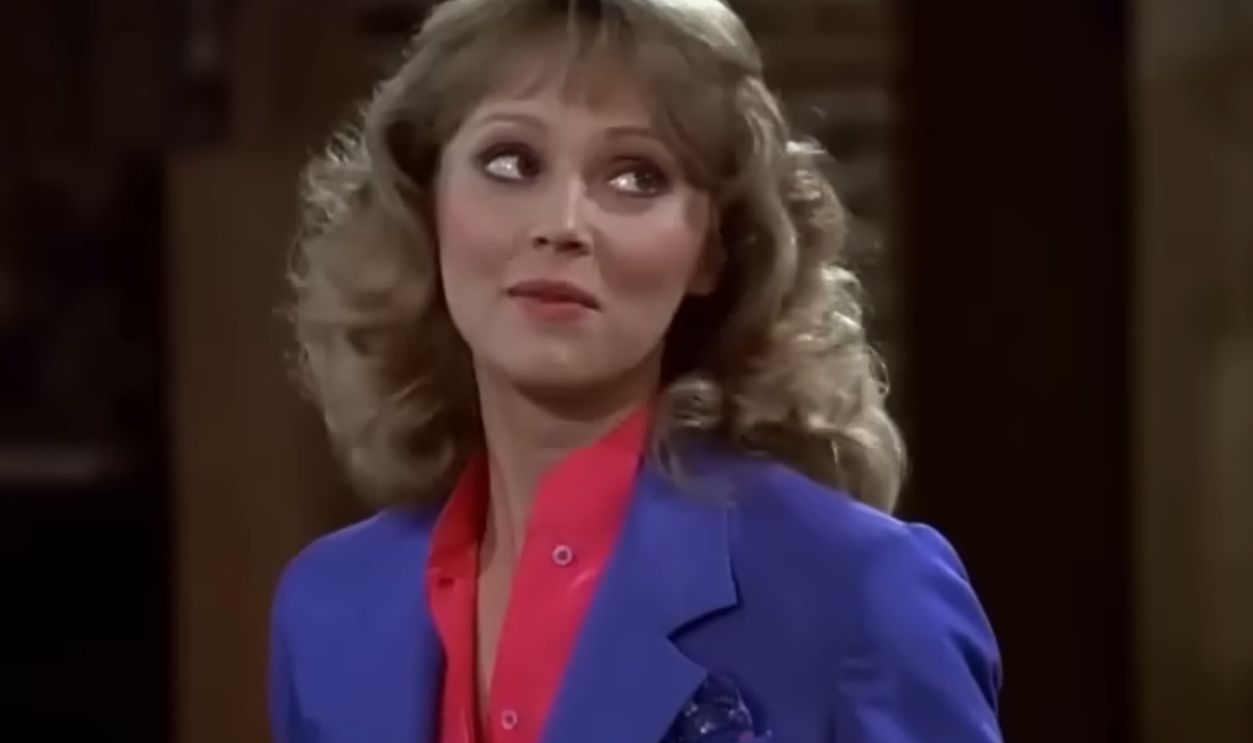 Screenshot from Cheers, Paramount Global (1982-1993)
Diane Lane
Diane Lane entered the 80s looking like Hollywood's next sure thing. She had already landed a Time cover as a teenager, and Francis Ford Coppola kept casting her. Then Streets of Fire and The Cotton Club disappointed, her momentum stalled badly, and Lane stepped away for a time herself. She kept working through the 90s, but nothing close to the superstar career once predicted materialized. Thankfully, that story eventually had a pretty great second act.
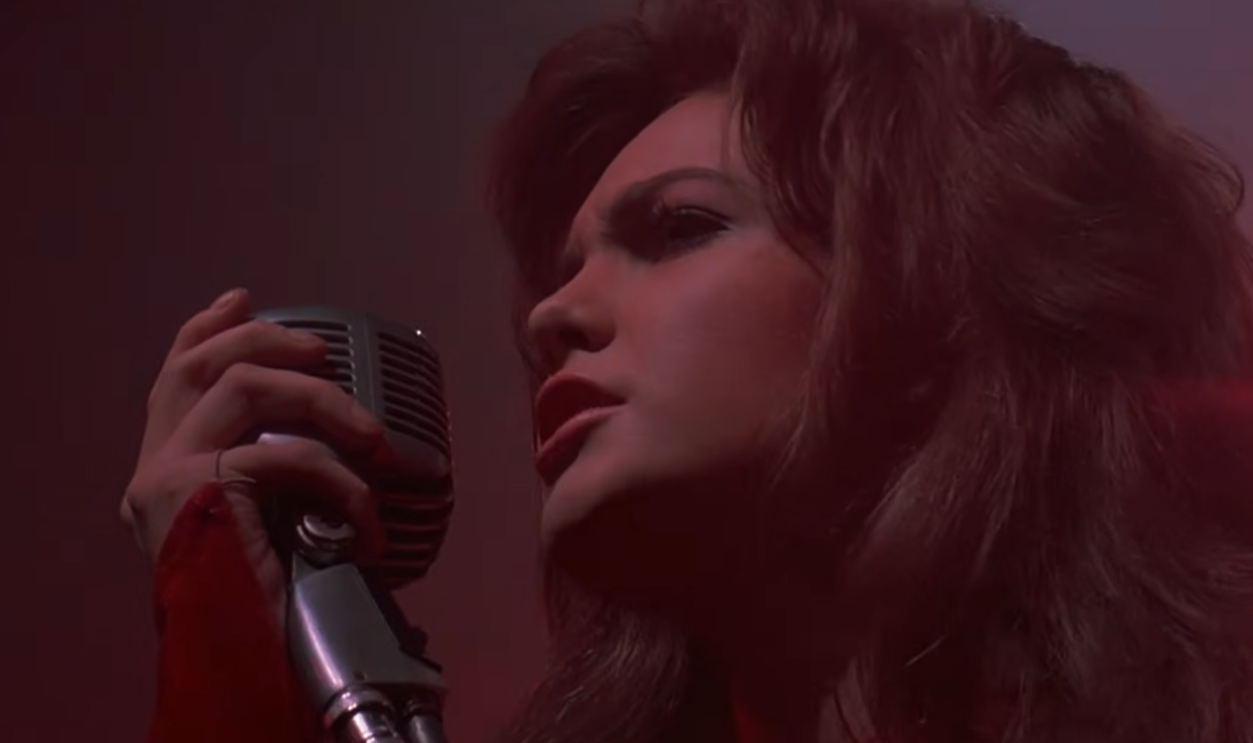 Screenshot from Streets of Fire, Universal Pictures (1984)
Virginia Madsen
Virginia Madsen spent the 80s steadily climbing through movies like Dune, Creator, and Fire with Fire. Then Candyman became a hit in 1992 and somehow even that didn't help. Madsen later said she really wasn't working much afterward and that the horror hit didn't lead to another job. It took Sideways in 2004 to remind everyone that Hollywood had overlooked somebody pretty obvious.
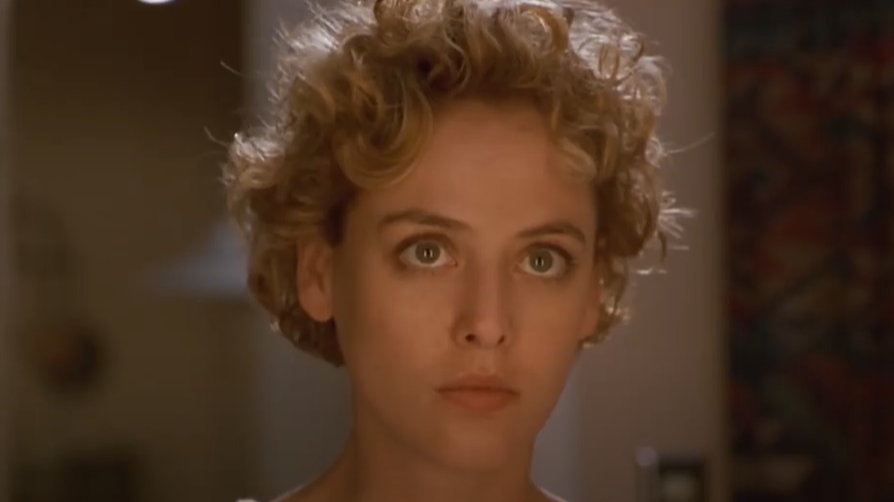 Screenshot from Candyman, TriStar Pictures (1992)
Rebecca De Mornay
After Risky Business, Rebecca De Mornay looked like a natural Hollywood leading lady. She even scored another huge hit with The Hand That Rocks the Cradle in 1992 and followed it with movies like Guilty as Sin. But the comeback didn't last. By the latter half of the decade, those major starring vehicles were becoming much harder to find. Hollywood hadn't completely forgotten her, but it certainly wasn't building movies around her anymore.
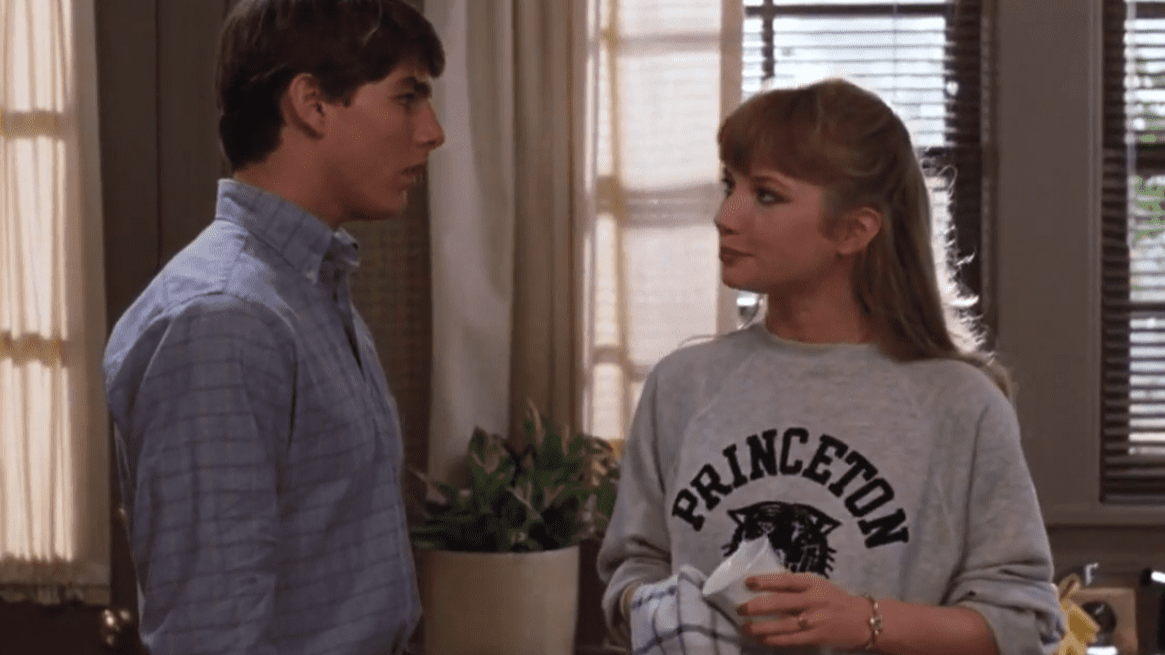 Screenshot from Risky Business, Warner Bros. (1983)
Bo Derek
For a few years, Bo Derek wasn't merely an actress. She was practically a pop-culture category. 10 made her a phenomenon just before the decade began, and that fame followed her straight into the 80s. Unfortunately, Tarzan, the Ape Man and Bolero were savaged by critics, and her 1990 movie Ghosts Can't Do It barely registered. Derek later acknowledged that she was never especially driven to build a traditional acting career, but either way, that Hollywood spotlight disappeared awfully fast.
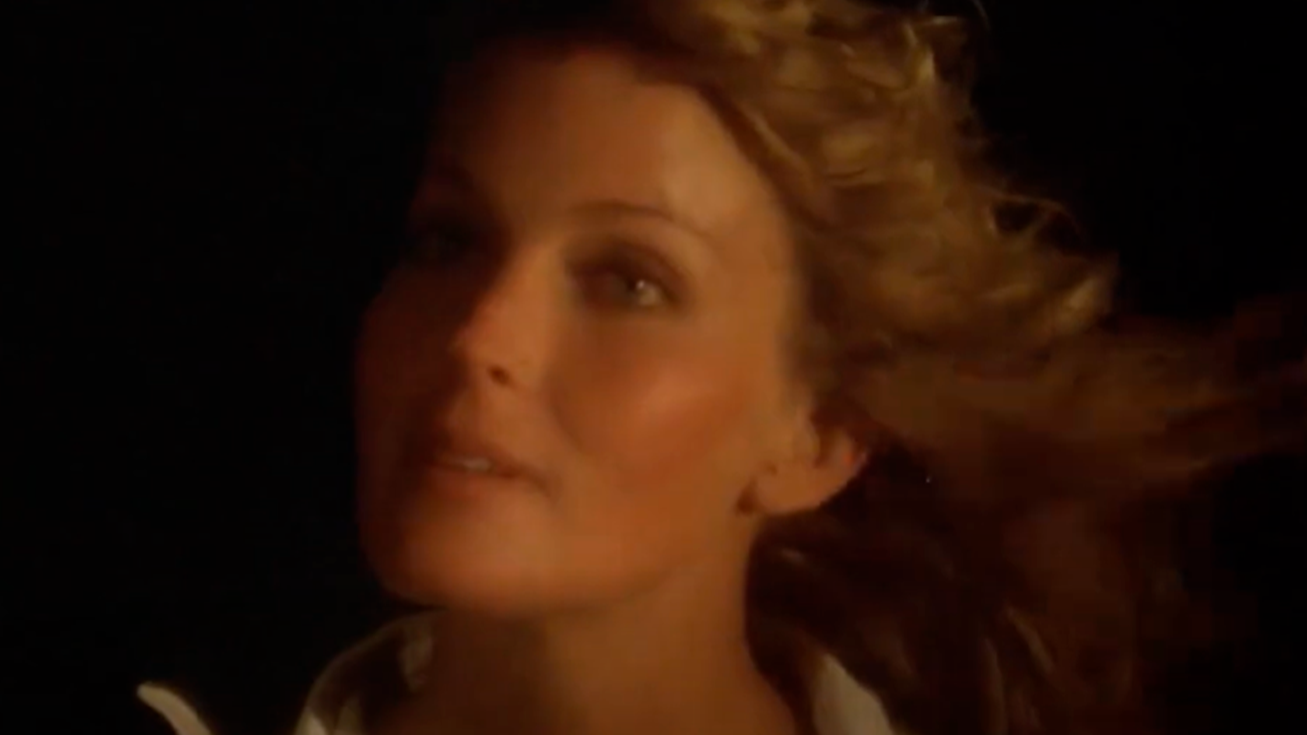 Screenshot from Tarzan, the Ape Man, MGM (1981)
Brigitte Nielsen
For a short stretch, Brigitte Nielsen seemed to be everywhere: Red Sonja, Rocky IV, Cobra, Beverly Hills Cop II. Schwarzenegger. Stallone. Eddie Murphy. Not exactly small company. Then the 90s arrived and the big studio movies largely disappeared. Nielsen kept acting, but the résumé quickly shifted toward much smaller action movies, television, and direct-to-video projects. Hollywood had moved on very quickly.
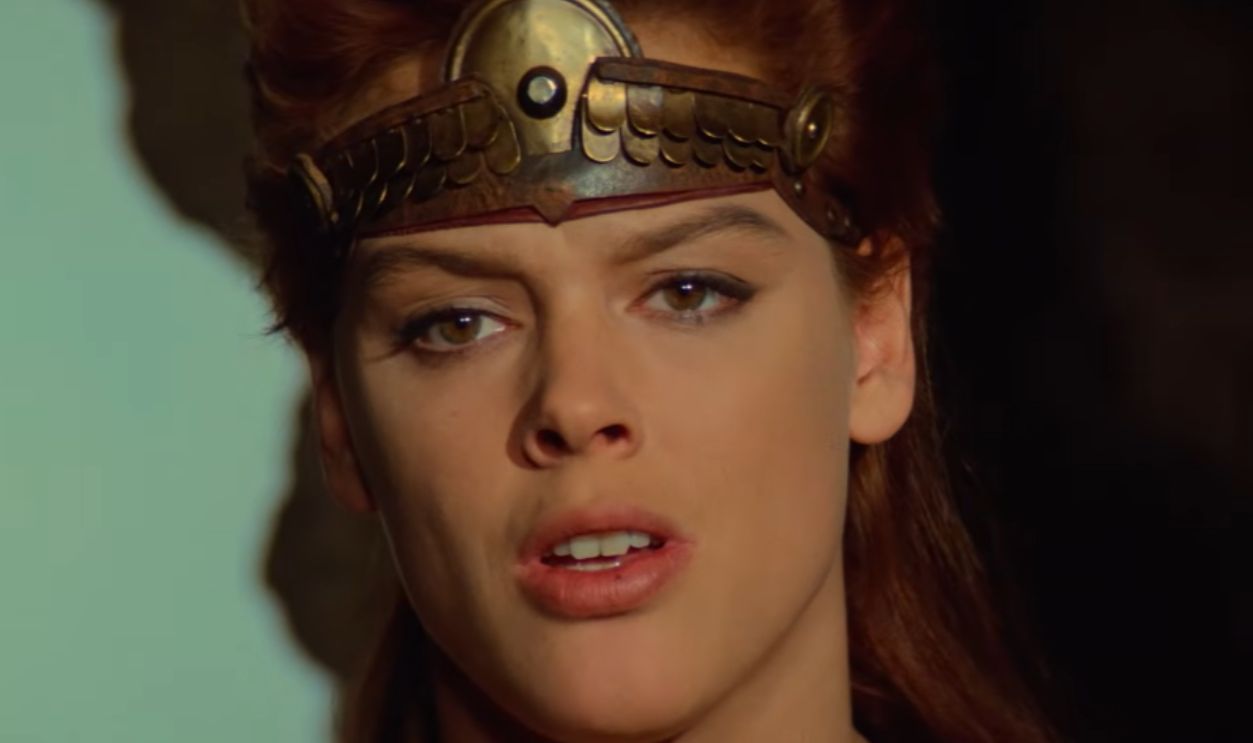 Screenshot from Red Sonja, Amazon MGM (1985)
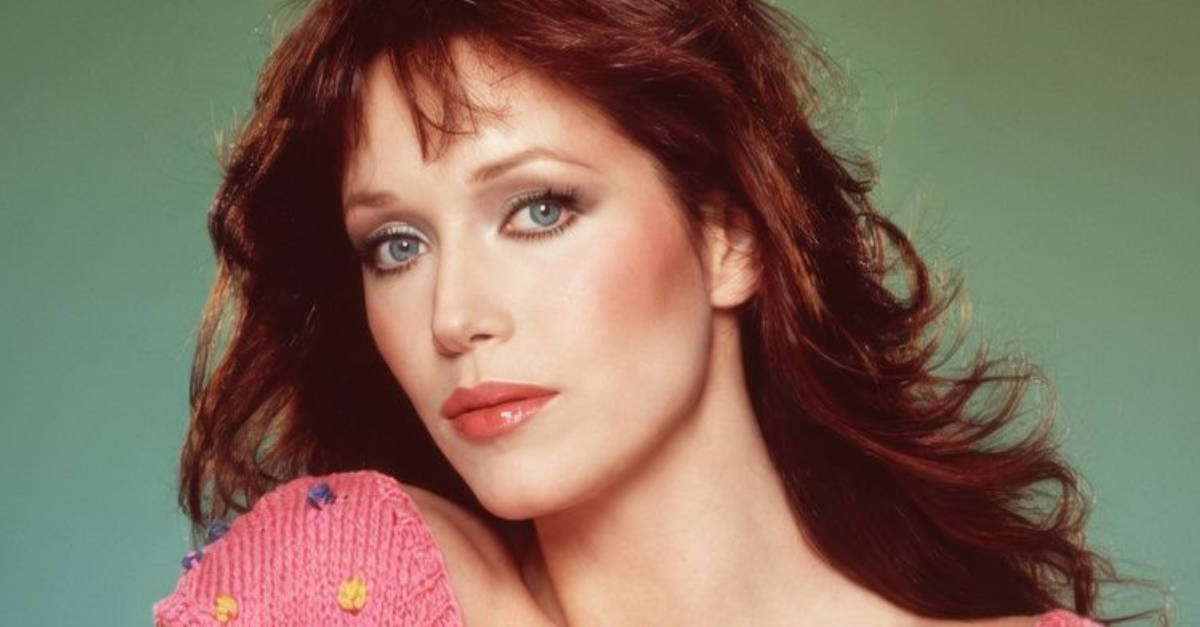
Tanya Roberts
Tanya Roberts went from Charlie's Angels to The Beastmaster, Sheena, and then a Bond movie, A View to a Kill. That sounds like the beginning of something pretty enormous. Instead, Roberts later said the Bond-girl image pigeonholed her and made it difficult to be taken seriously. By the 90s, the big studio movies were gone and she was appearing mostly in much smaller thrillers. Apparently being a Bond girl came with a pretty short warranty.
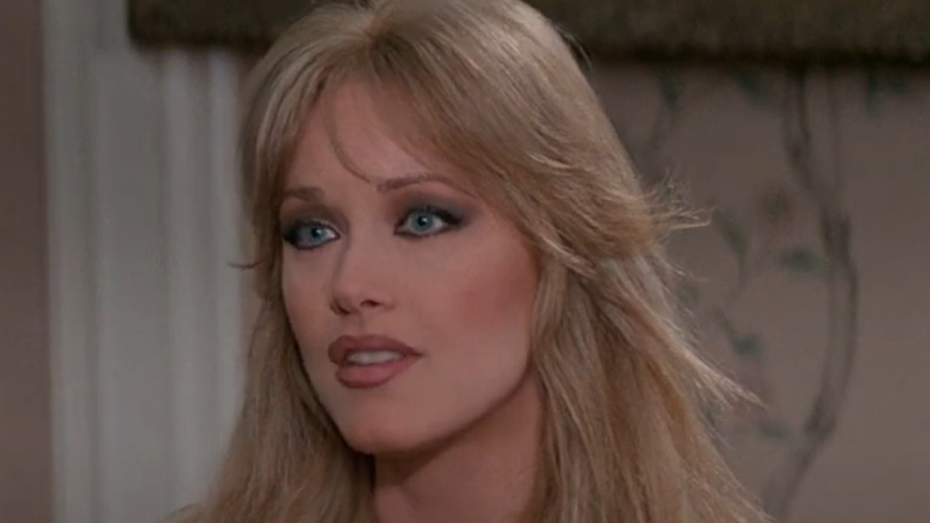 Screenshot from A View to a Kill, United Artists (1985)
Jennifer Beals
Flashdance made Jennifer Beals an international star almost overnight. To be fair, Beals then made a choice Hollywood stars almost never make—she went back to Yale. But when she returned to acting, Hollywood wasn't exactly keeping the red carpet rolled out. By 1992, the Los Angeles Times noted that she had virtually disappeared from mainstream Hollywood films and was working mostly in independents. Turns out Hollywood doesn't always wait for you to finish college.
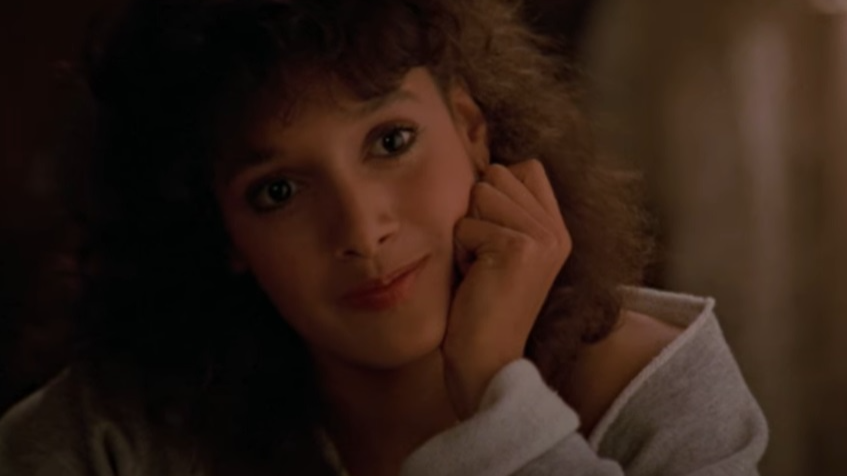 Screenshot from Flashdance, Paramount (1983)
Marlee Matlin
Marlee Matlin won the Academy Award for Best Actress for her very first movie, Children of a Lesser God. Usually, that's the part where Hollywood sends over a mountain of scripts. Instead, Matlin remembers: “I got one or two. It was a slow process.” She believes Hollywood simply wasn't ready for Deaf actors and found much more work on television instead. Winning an Oscar at 21 should have opened every door. Somehow, Hollywood still couldn't figure out where to put her.
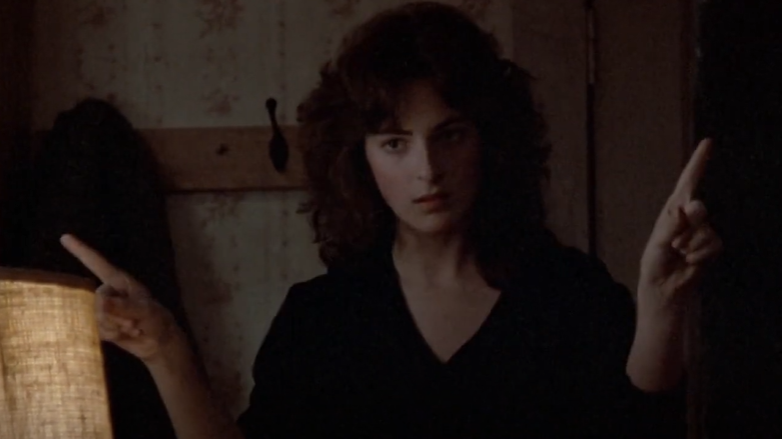 Screenshit from Children of a Lesser God, Paramount (1986)
Teri Garr
Teri Garr was one of Hollywood's great comic actresses, and the 80s gave her an Oscar nomination for Tootsie, Mr. Mom, After Hours, and plenty of television visibility. Then rumors began circulating about the health problems she was experiencing. Garr later said the speculation about multiple sclerosis had an immediate and devastating effect on her career. Suddenly the missing roles make a whole lot more sense.
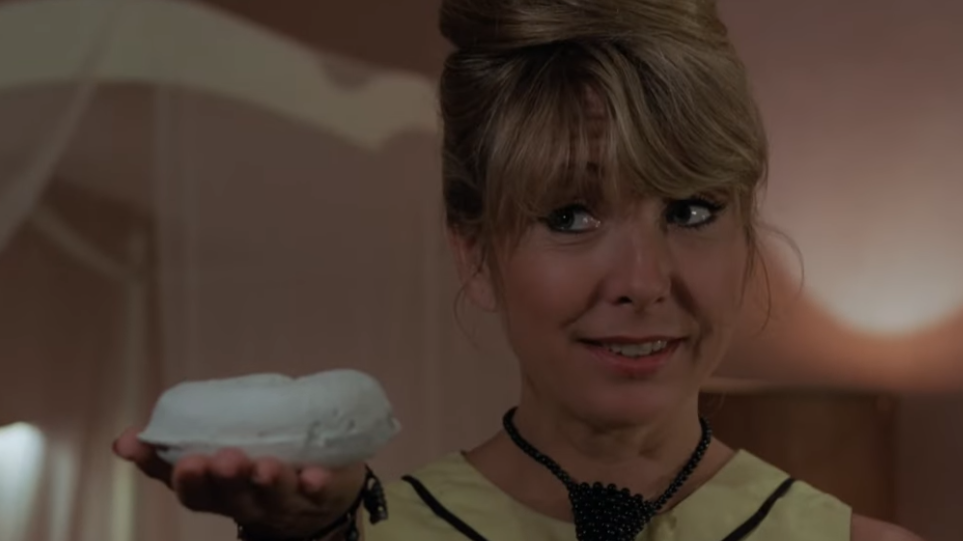 Screenshot from After Hours, Warner Bros. (1985)
Linda Hamilton
Linda Hamilton is the unusual one because her biggest movie actually arrived in 1991. Terminator 2: Judgment Day should have made her one of the most in-demand actresses of the decade. Instead, Hamilton says Hollywood kept offering variations on Sarah Connor—police officers, military officers, and other tough characters. She eventually landed Dante's Peak in 1997, but the steady stream of big roles never came. Apparently saving humanity can be surprisingly limiting for a résumé.
 Screenshot from Terminator 2: Judgment Day, TriStar Pictures (1991)
Hollywood Doesn't Wait Around
That's the strangest part. Jennifer Grey didn't suddenly forget how to act after Dirty Dancing. Molly Ringwald didn't become less talented when the 80s ended. And Marlee Matlin didn't stop being an Oscar winner.
Some eventually fought their way back. Others never quite returned to where they had been. But Hollywood had already moved on, and in some cases it happened astonishingly fast.
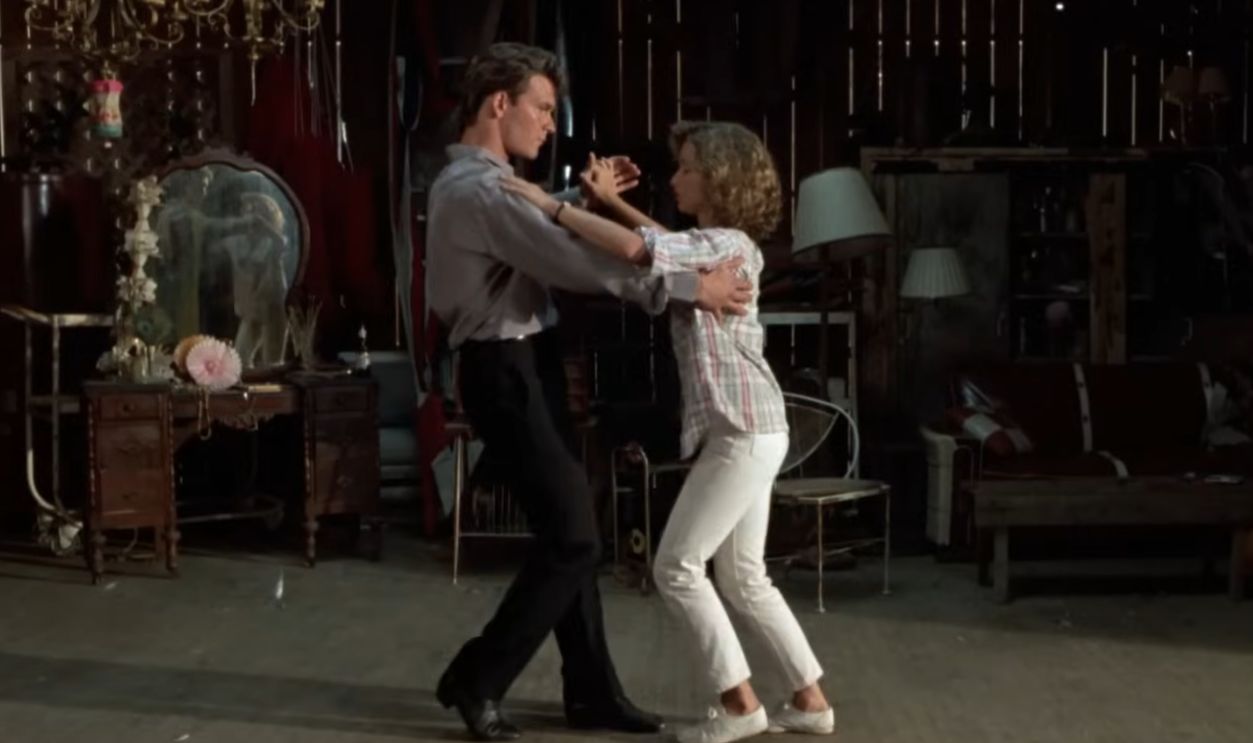 Screenshot from Dirty Dancing, Vestron Pictures (1987)
You Might Also Like:
Forgotten 1990s TV Stars Who Were Briefly Everywhere—Can You Remember Their 15 Minutes Of Fame?