Hollywood Loves a “Disappeared” Story
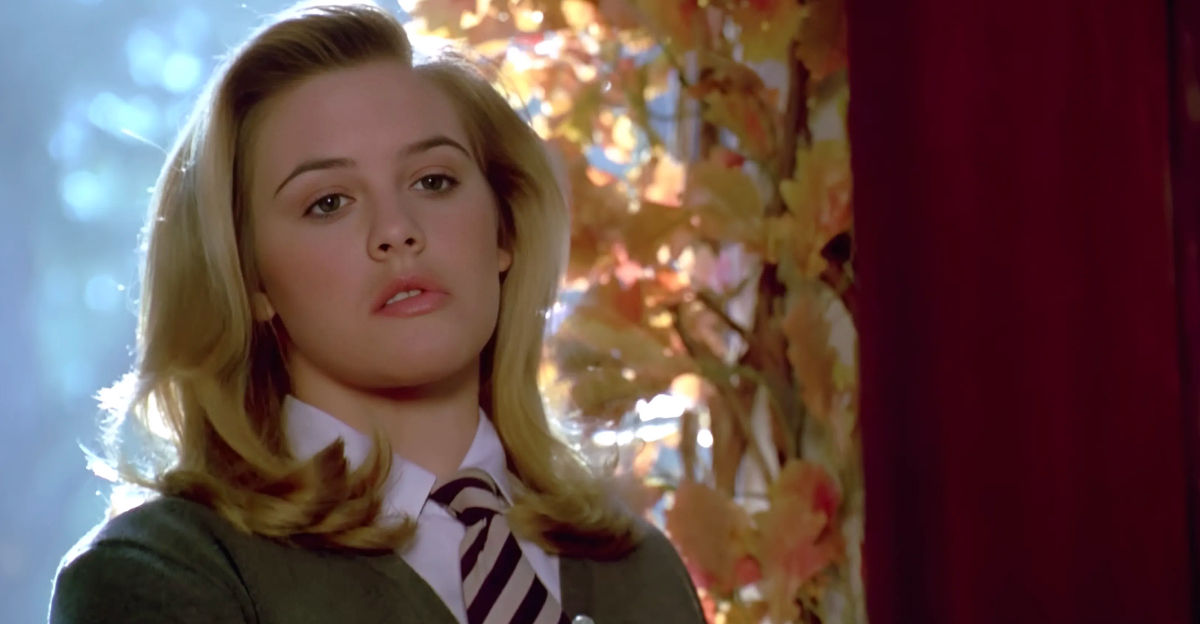
When people say Alicia Silverstone “disappeared,” it usually comes with a shrug—like her career just fizzled out on its own. But that version skips over what actually happened. Silverstone didn’t vanish. She was pushed aside, mocked, and quietly punished when Hollywood decided her body was no longer acceptable.
She Was Everywhere—And Treated Like a Sure Thing
In the mid-90s, Alicia Silverstone wasn’t struggling for relevance—she was impossible to avoid. Studios wanted her. Magazines put her everywhere. She wasn’t chasing fame. She was already drowning in it. She won multiple MTV Movie Awards for Clueless, including Most Desirable Female and Best Female Performance, dominated magazine covers, and was openly discussed as the next Julia Roberts.
 Jerry Avenaim, Wikimedia Commons
MTV Turned Her Into an Ideal
Before Clueless, Silverstone was already etched into pop culture thanks to Aerosmith’s Cryin’, Crazy, and Amazing videos. MTV played them nonstop. Hollywood noticed. Her look became part of the sell. And once an actress’s body becomes part of the brand, every change suddenly feels like a violation.
 Alberto Garcia, Wikimedia Commons
Clueless Was a Legit Phenomenon
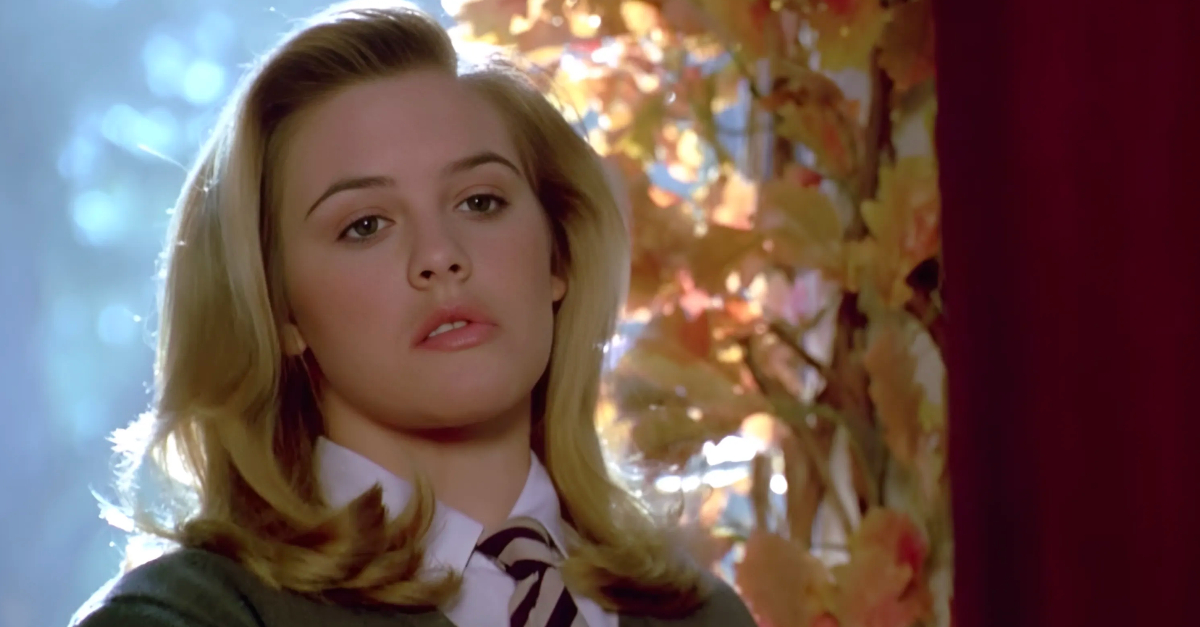
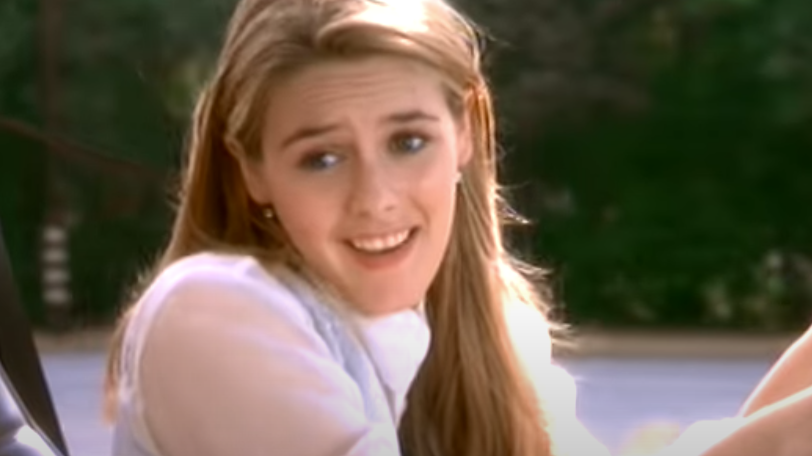
When Clueless hit theaters in 1995, it wasn’t just popular—it exploded. The movie made about $88 million worldwide on a $12 million budget, instantly becoming one of the most profitable teen films of the decade. Cher Horowitz didn’t just land. She stuck.
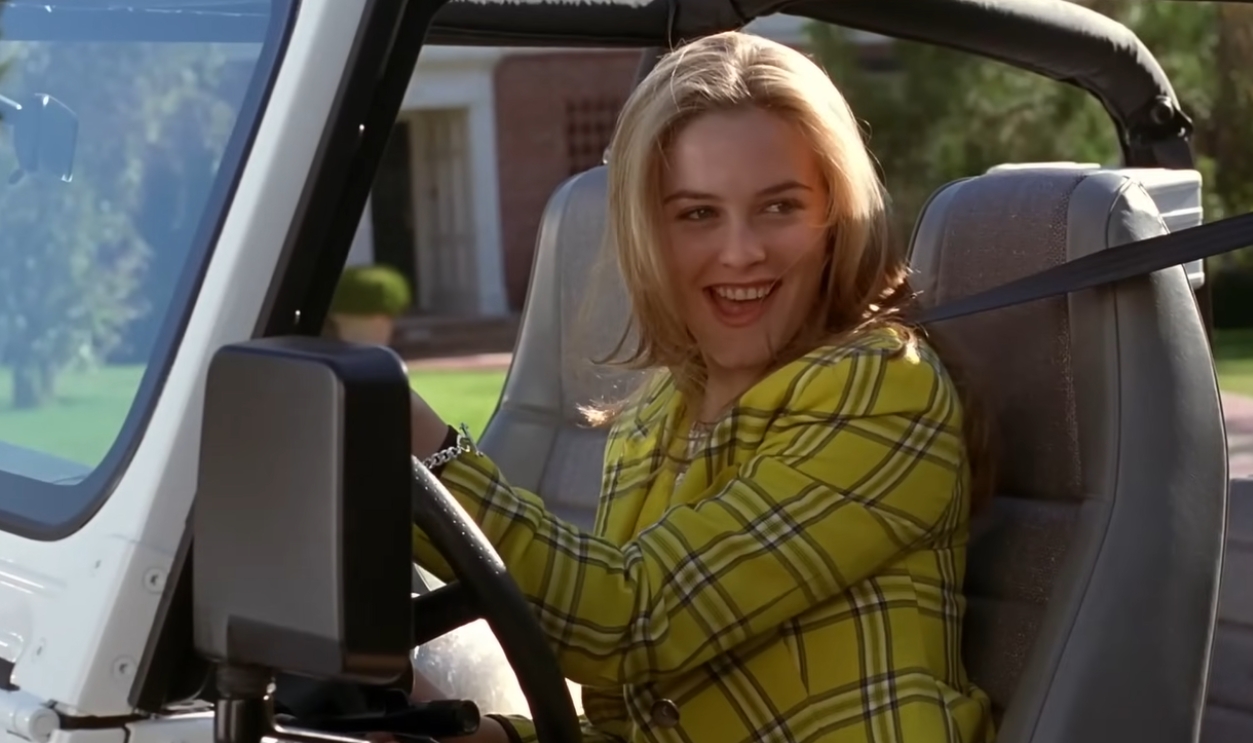 Screenshot from Clueless, Paramount Pictures (1995)
Expectations Locked In Fast
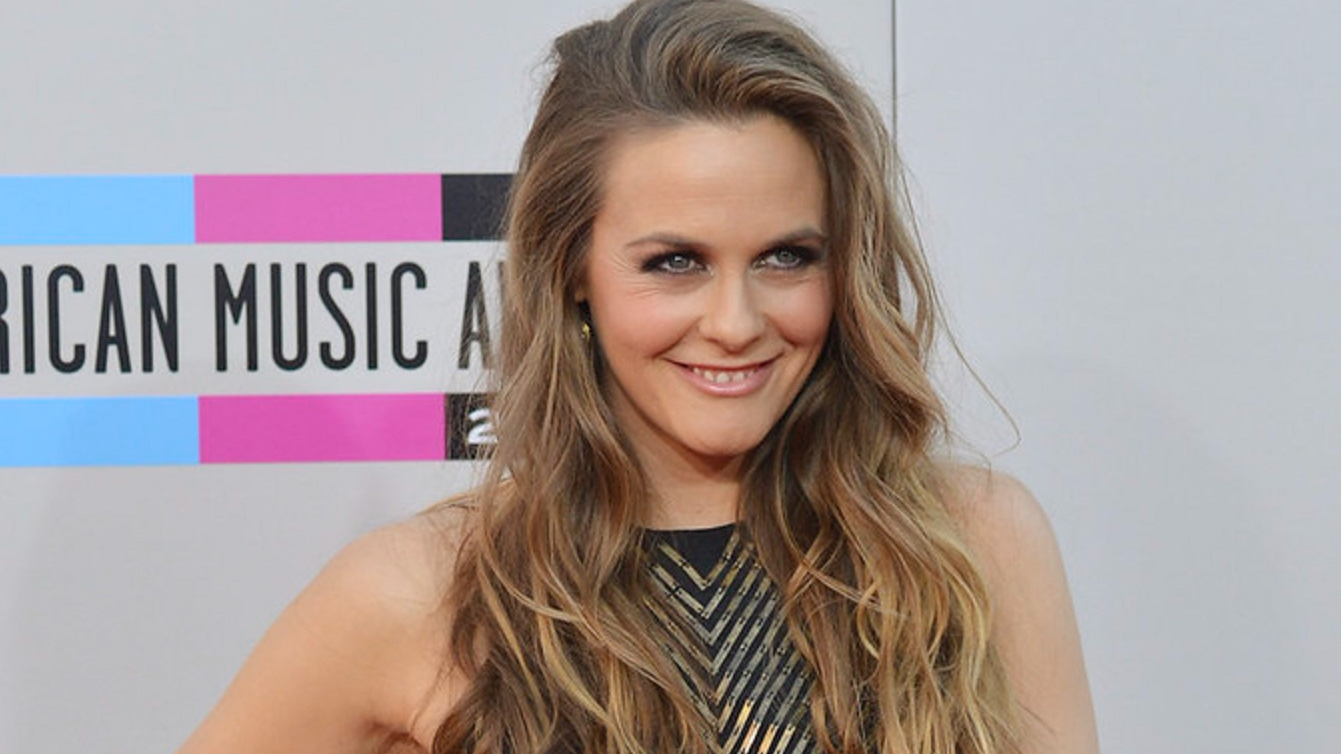
With that level of success came an unspoken rule: don’t change. Stay young. Stay thin. Stay exactly where people liked you. Hollywood wasn’t interested in watching Alicia Silverstone grow—it wanted her frozen in place.
 Flickr, Walt Disney Television
Nothing “Happened”—And That’s the Problem
There was no scandal. No meltdown. No public implosion. The pressure just kept building, and the scrutiny got louder the moment her body didn’t look exactly the same anymore.
The Body-Shaming Was Loud—and Personal
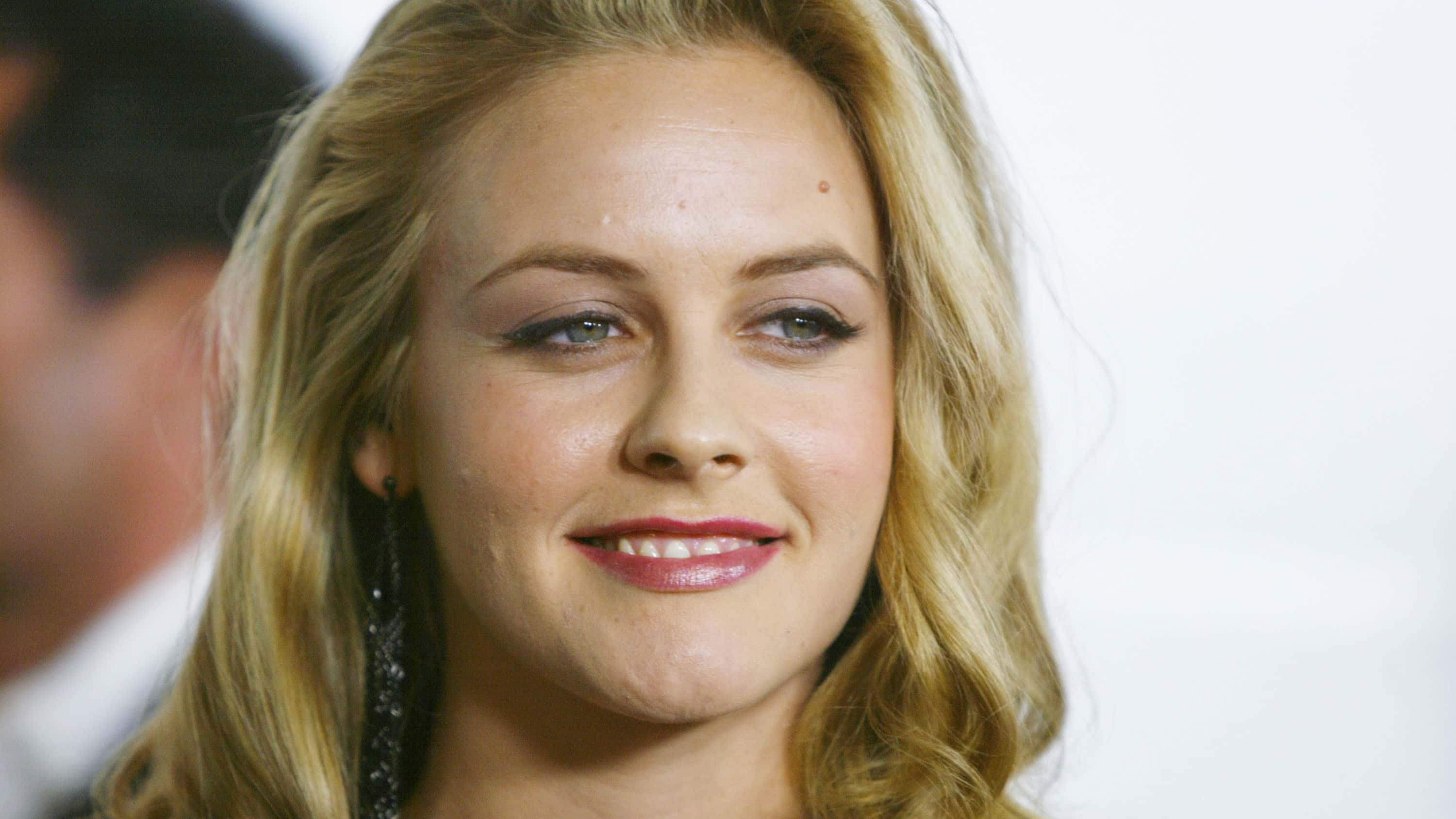
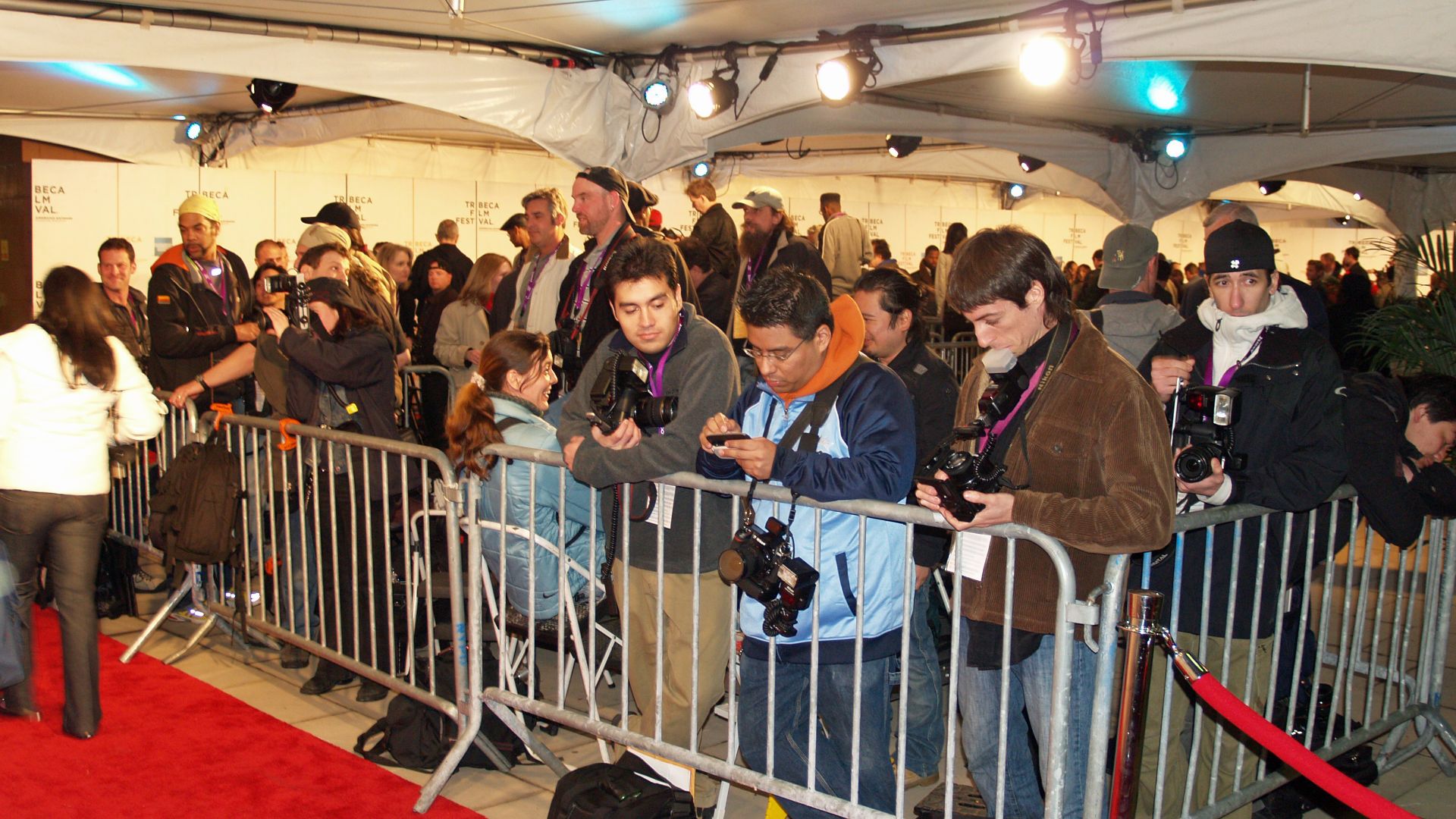
While still in her early 20s, paparazzi and tabloids openly mocked Silverstone’s body. She recalled photographers calling her “fatgirl” and turning her appearance into a running joke. “It was very painful,” she said, explaining how the constant scrutiny made public life feel unsafe.
 David Shankbone, Wikimedia Commons
The Pressure Changed How Acting Felt
Silverstone has said that the sudden fame—and the criticism that came with it—made her “stop loving acting for a very long time.” What once felt natural and fun became loaded with expectation and judgment. It wasn’t just about roles anymore. It was about surviving the spotlight.
Tabloids Took the Easy Route
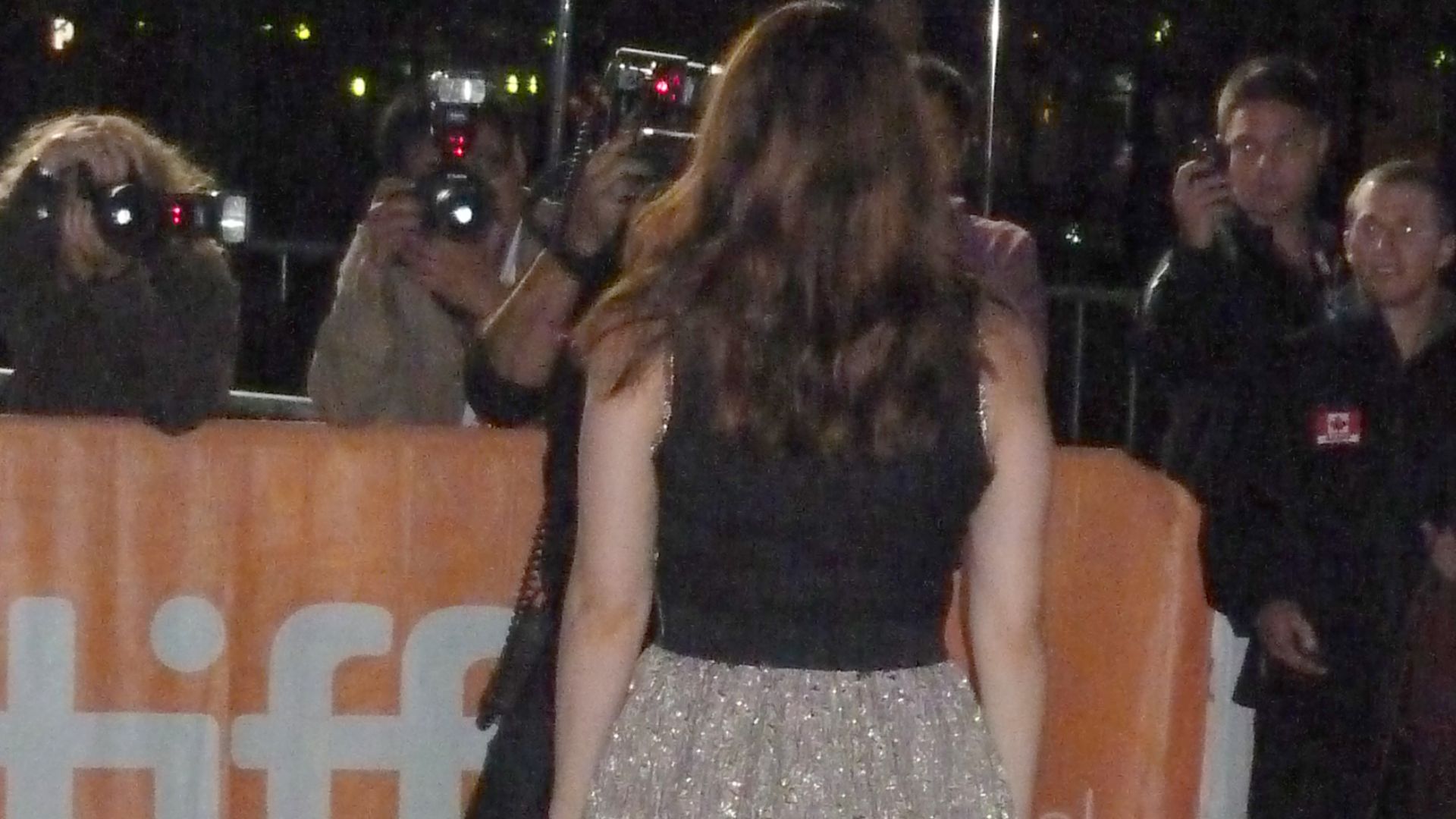
Once the jokes started, coverage shifted fast. Articles stopped focusing on her work and fixated on her appearance instead. Red carpet photos became punchlines. The cruelty wasn’t hidden—it was normalized. Imagine what that would be like?

Hollywood Didn’t Need to Say Anything
There was no official rejection or blacklist. There didn't have to be. The system didn’t have to announce itself. The environment alone was, as you might imagine, enough to make stepping back feel necessary.
 Thomas Wolf, www.foto-tw.de, Wikimedia Commons
Her Male Peers Didn’t Pay This Price
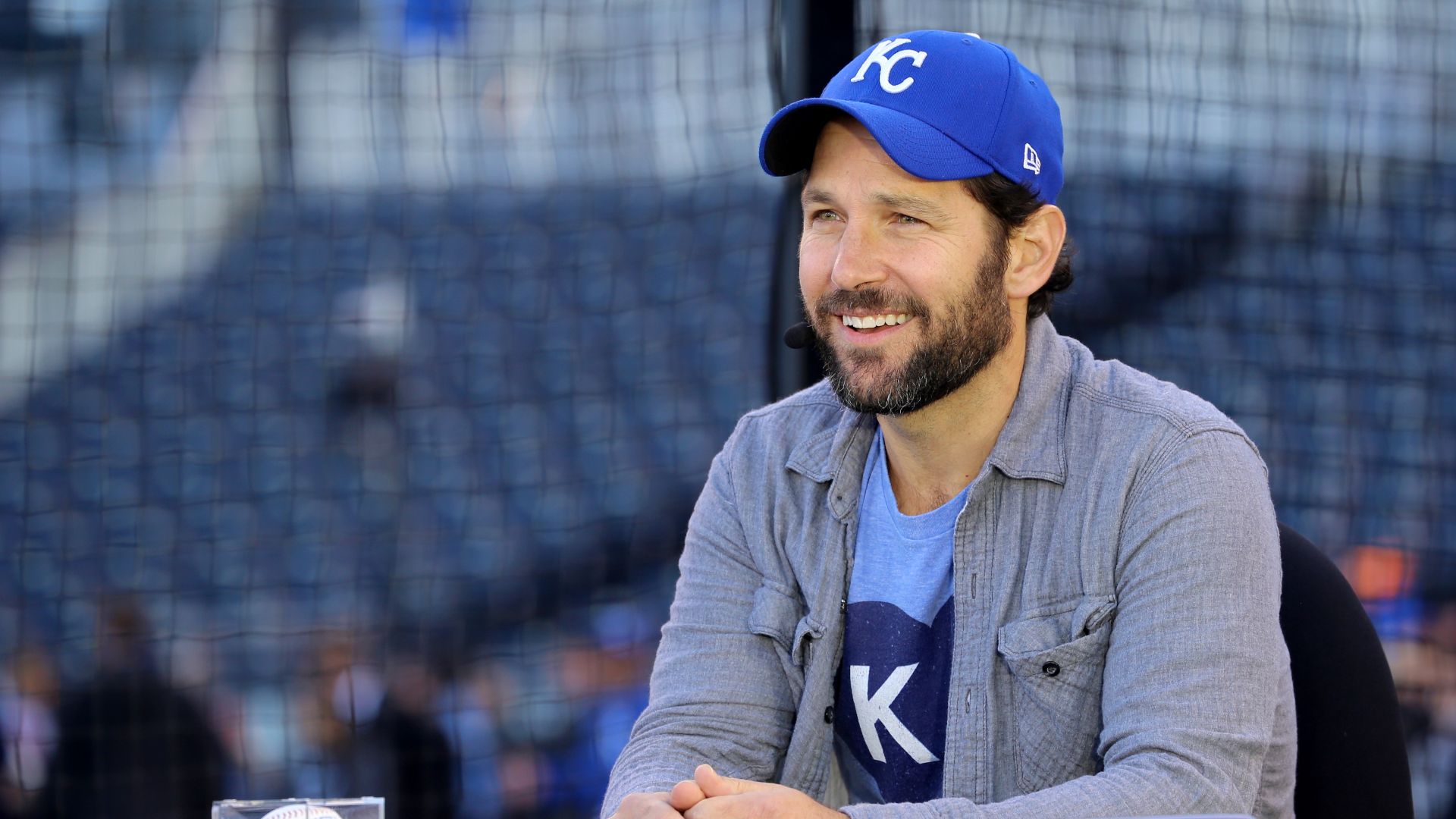
Men from the same era aged, gained weight, missed, and recovered without being erased. Silverstone’s body became a career problem. Theirs didn’t.
 Arturo Pardavila III from Hoboken, NJ, USA, Wikimedia Commons
She Never Actually Stopped Acting
This part often gets overlooked. Silverstone has appeared in more than 50 film and TV projects over the years. She didn’t quit acting—she just stopped chasing constant visibility.
 Caroline Bonarde Ucci at https://www.flickr.com/photos/caroline_bonarde/, Wikimedia Commons
And Her Career Still Made Money
Taken together, her films have earned over $500 million worldwide. That’s not failure. It’s just not the kind of success Hollywood keeps spotlighting once the hype cools.
The Goalposts Didn’t Just Move—They Vanished
Once Silverstone no longer fit Hollywood’s preferred image, her career was quietly reframed as a disappointment. Same work. Same talent. Different standards.
 Screenshot from Clueless, Paramount Pictures (1995)
This Wasn’t Just Her
This wasn’t unique to Silverstone—it was pretty much the norm for actresses in the late 90s and early 2000s. Age, weight, or independence were treated as liabilities, not facts of life. Have things really changed that much since then?
 Nycartistsmgmt, Wikimedia Commons
Reinvention Wasn’t the Point Back Then
Silverstone explored different roles, theater, and interests, but Hollywood didn’t reward reinvention in women at the time. It rewarded staying in your lane and staying visually consistent.

Deviating Came With a Price
Deviating—even slightly—meant fewer calls, less attention, and a lot more silence. It didn’t have to be announced. You just felt the temperature drop.

Years Later, Everyone Pretended to Be Confused
Eventually, people started asking, “What happened to her?” as if the answer hadn’t been splashed across tabloids for years. Only later—once conversations about body shaming and media cruelty became unavoidable—did her experience start to make sense in hindsight.
 LucaFazPhoto, Wikimedia Commons
She Didn’t Disappear—She Kept Living
Alicia Silverstone kept working, raising a family, and choosing projects on her own terms. She didn’t fall off. She stepped away from a system that demanded perfection and punished humanity.
The Story Says More About Hollywood Than Her
The industry moved on. She moved forward. And the story people tell now says far more about Hollywood than it ever did about Alicia Silverstone.
You Might Also Like:
Celebrities You Didn't Know Were Related