When Fame Came With Frustration
Landing a hit TV role sounds like a dream, but for some actors, success came with serious resentment. Whether it was creative disagreements, personal values, grueling schedules, or feeling trapped by a role, these performers made it clear they weren’t always thrilled with the shows they starred in.
Robert Reed — The Brady Bunch
Despite playing America’s ideal TV dad, Robert Reed reportedly hated The Brady Bunch. A classically trained actor, he frequently clashed with producers over what he considered shallow, unrealistic scripts. Reed argued with writers and sometimes refused to perform dialogue he found embarrassing. While he remained professional on set, he later distanced himself from the show’s legacy.
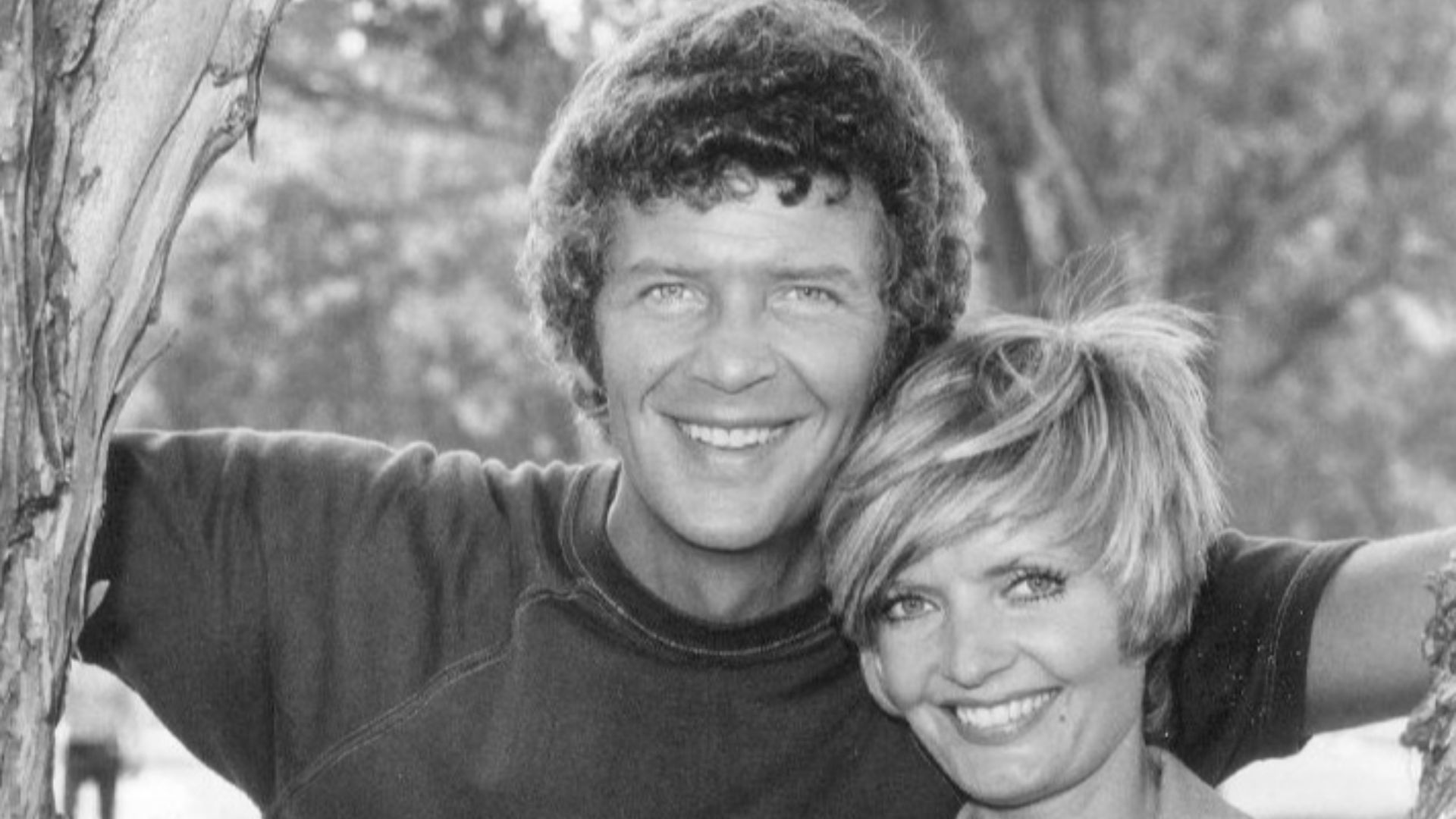 ABC Television., Wikimedia Commons
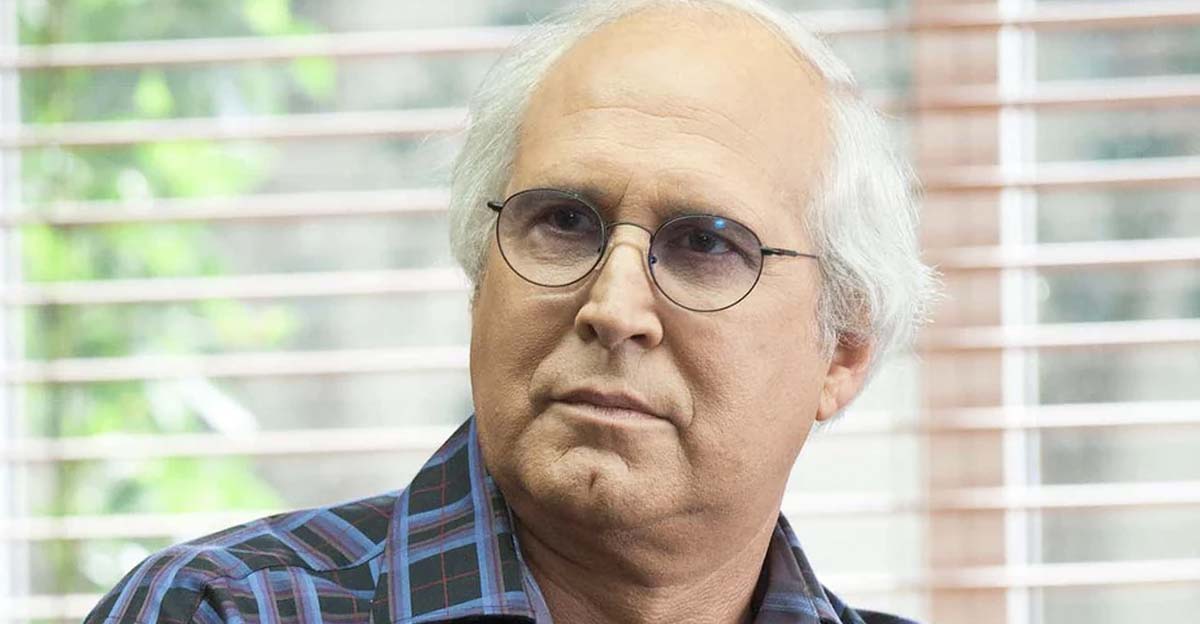
Chevy Chase — Community
Chevy Chase’s time on Community was famously contentious. He struggled with the show’s fast-paced, meta humor and openly criticized the writing, at one point calling it “not funny”. Chase clashed repeatedly with creator Dan Harmon, and audio of heated on-set arguments later surfaced. His growing dissatisfaction led to an exit that became almost as infamous as the show itself.
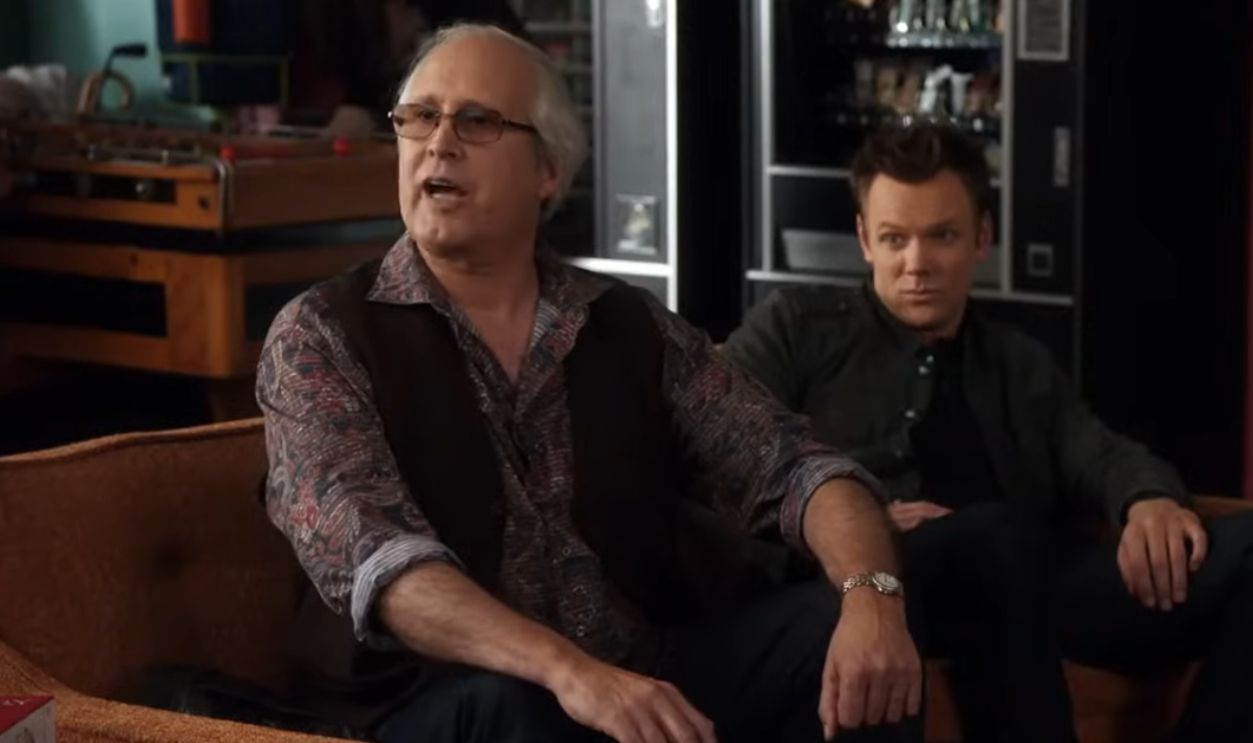 Screenshot from Community, NBC (2009–2015)
Charlie Sheen — Two And A Half Men
Charlie Sheen’s relationship with the sitcom ended in spectacular fashion. He publicly attacked creator Chuck Lorre, calling the show “filth” and insulting the writing during a very public breakdown. Despite being one of the highest-paid actors on television, Sheen said he felt creatively trapped. His firing marked one of the most dramatic collapses in TV history.
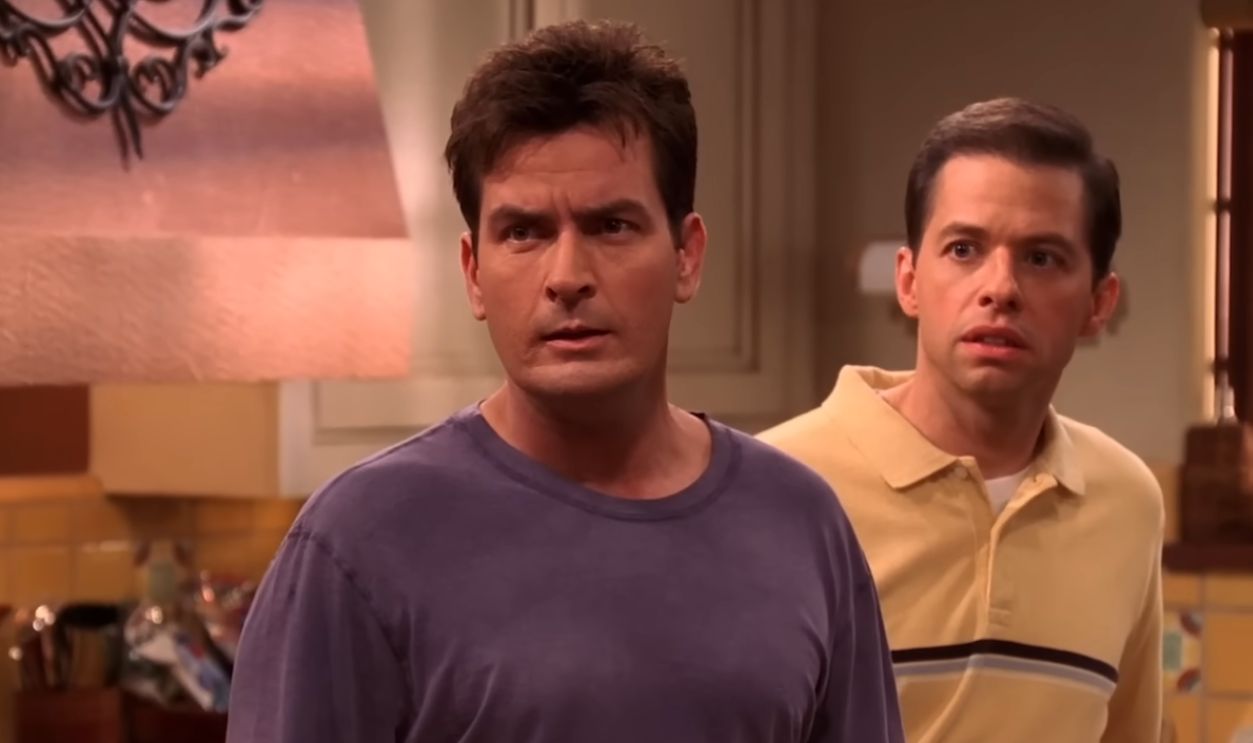 Screenshot from Two and a Half Men, CBS (2003–2015)
Katherine Heigl — Grey’s Anatomy
Heigl ignited controversy when she withdrew herself from Emmy consideration, saying her material didn’t “warrant a nomination.” The move was widely interpreted as a slight against the show’s writing. She later admitted she didn’t handle the situation well and underestimated the backlash. The incident strained her relationship with the series and contributed to her exit.
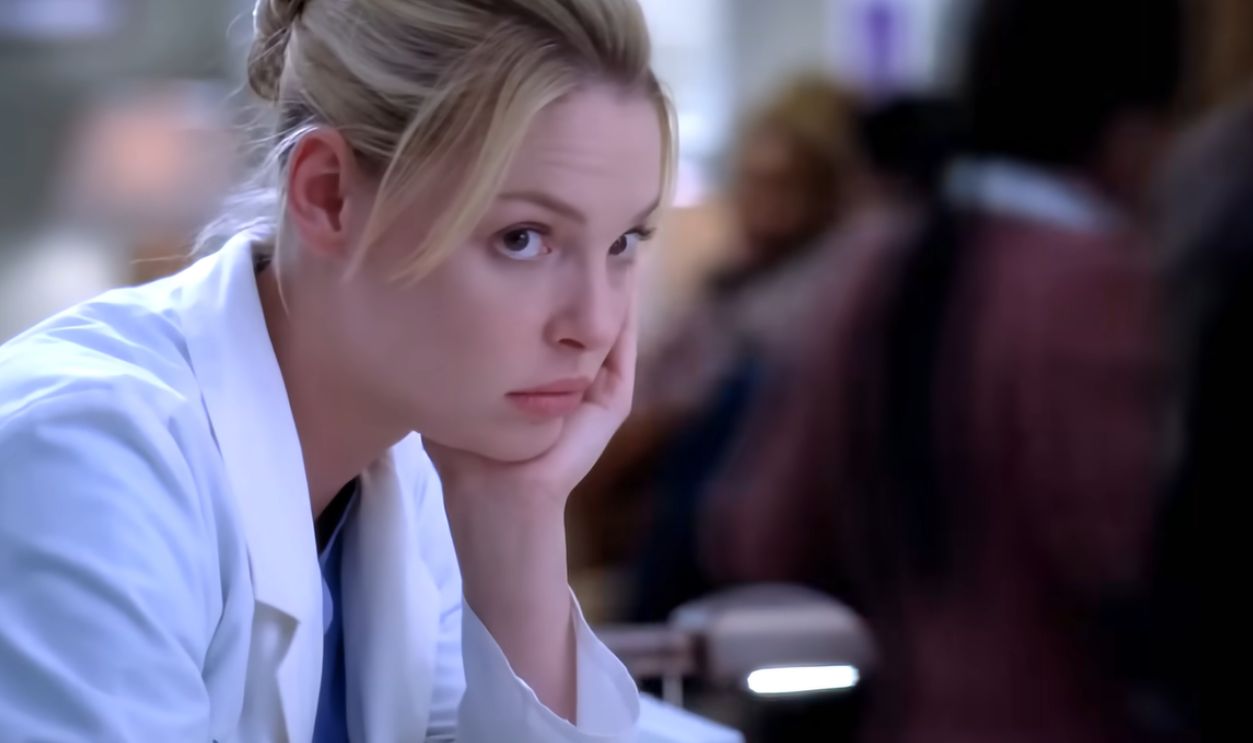 Screenshot from Grey’s Anatomy, ABC (2005–)
Mandy Patinkin — Criminal Minds
Patinkin abruptly left Criminal Minds after two seasons and later called his participation “the biggest public mistake” of his career. He said the show’s graphic violence was “destructive to the soul” and conflicted deeply with his values. Patinkin expressed regret not just about leaving, but about ever agreeing to join the series at all.
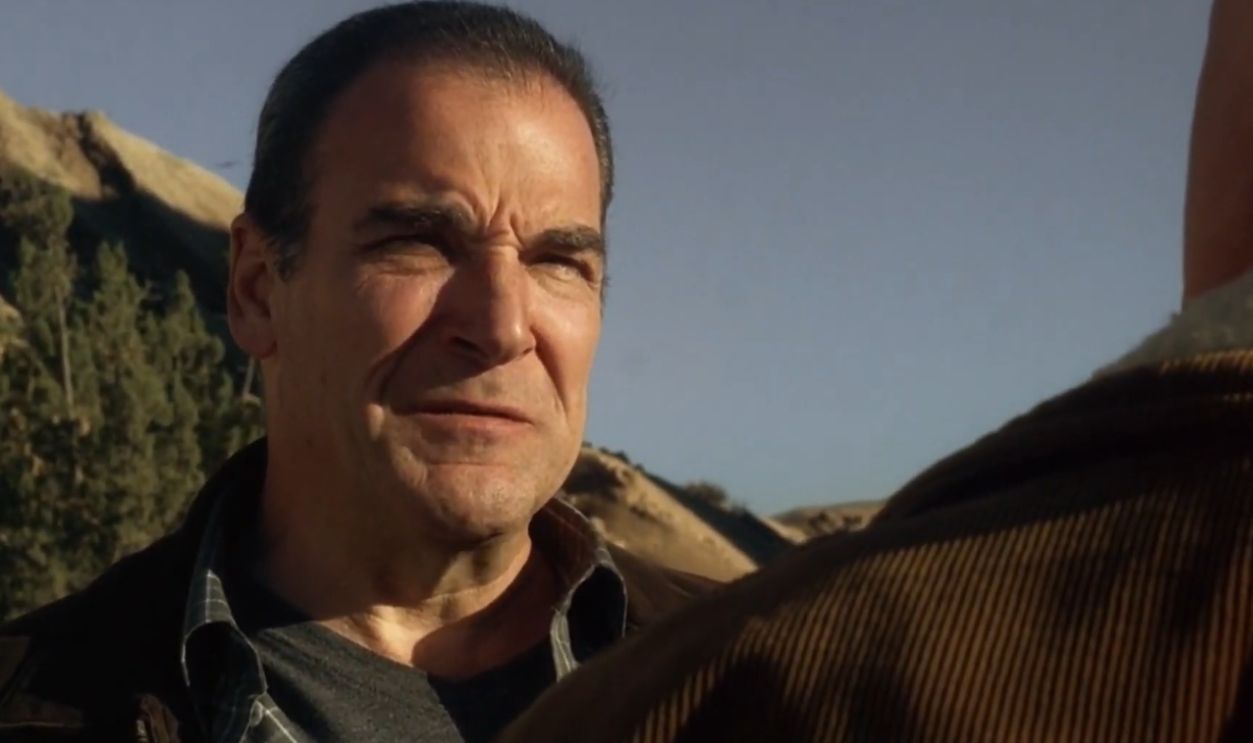 Screenshot from Criminal Minds, CBS (2005–2020)
Jennette McCurdy — iCarly
In her memoir I’m Glad My Mom Died, McCurdy revealed deep resentment toward iCarly. She described feeling embarrassed by the show and emotionally manipulated behind the scenes. McCurdy tied much of her trauma to pressure from her mother and the lack of agency she had as a child star. She has been clear that she has no interest in revisiting the series.
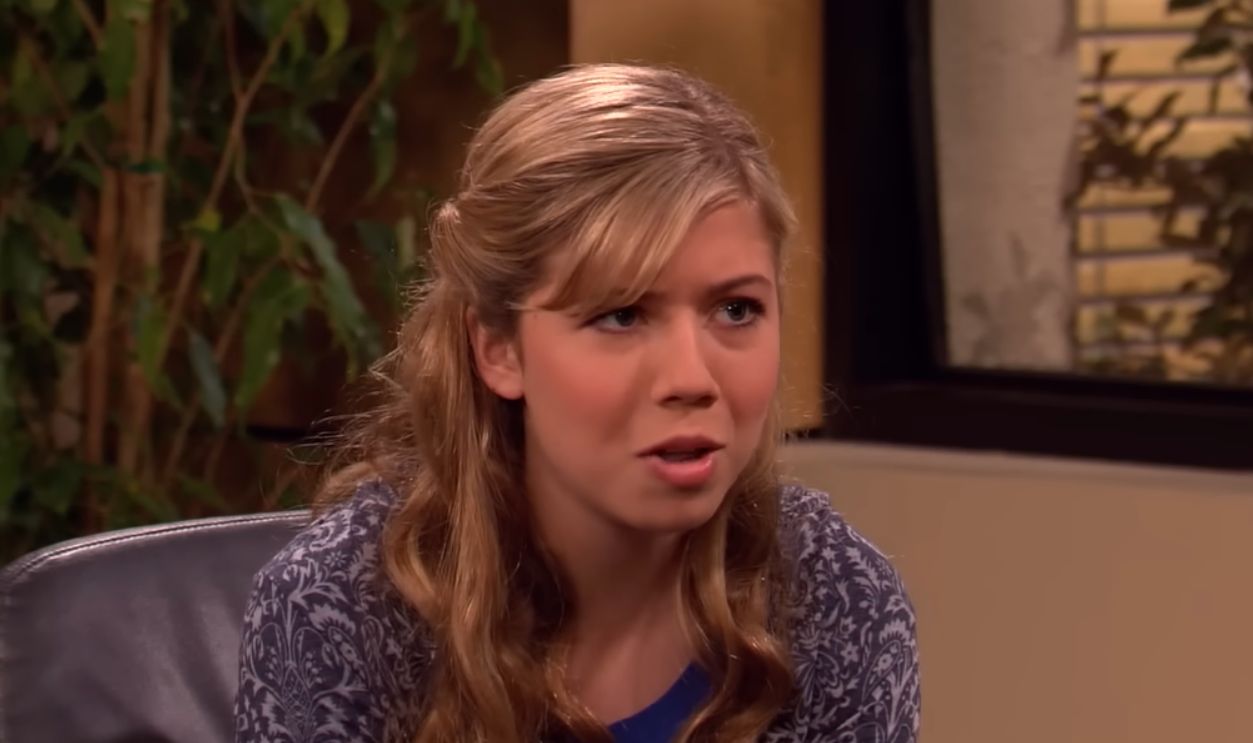 Screenshot from iCarly, Nickelodeon (2007–2012)
Mischa Barton — The O.C.
Barton has spoken candidly about how overwhelming The O.C. became at its peak. She described feeling overworked, objectified, and under immense pressure at a very young age. The sudden fame and constant scrutiny took a toll on her mental health. Leaving the show, she later said, was essential for her well-being.
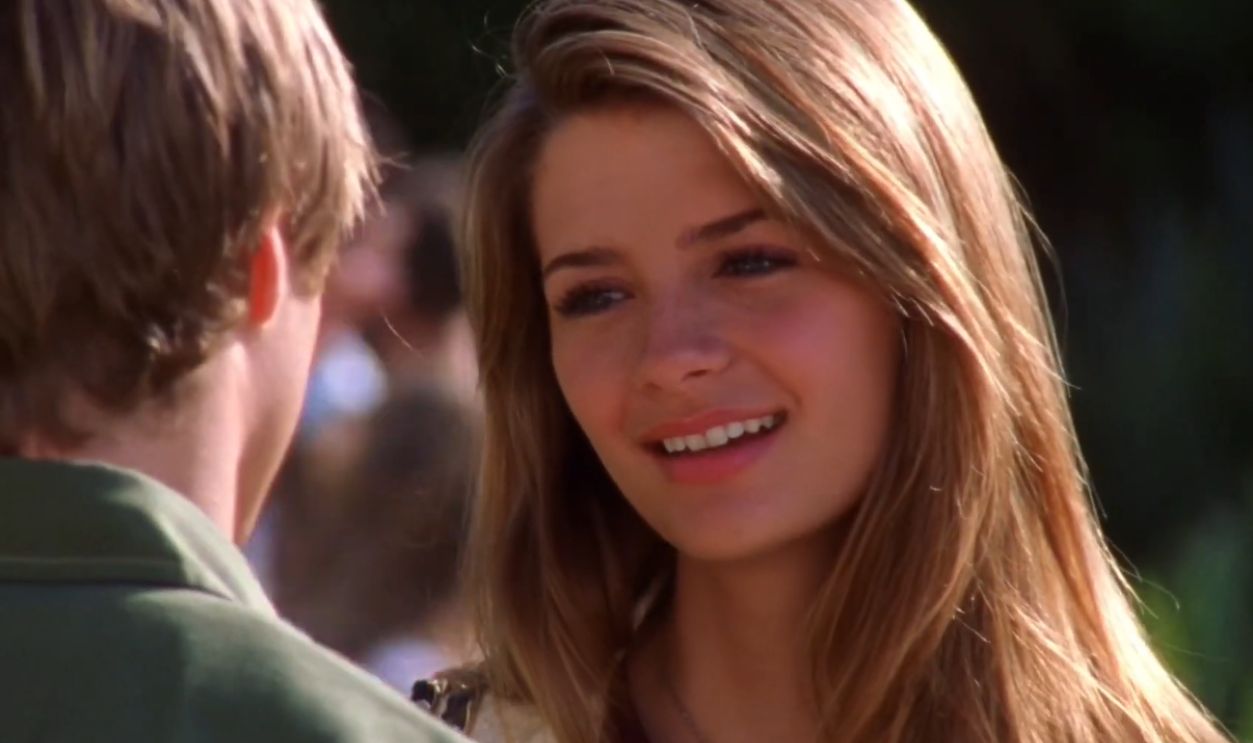 Screenshot from The O.C., Fox (2003–2007)
Christopher Eccleston — Doctor Who
Eccleston has been very clear that his issues with Doctor Who were behind the scenes. He cited unsafe working conditions and what he described as a toxic production environment. While he loved playing the Doctor, he said he “lost faith” in the leadership early on. His departure was about protecting his mental health, not dissatisfaction with the character.
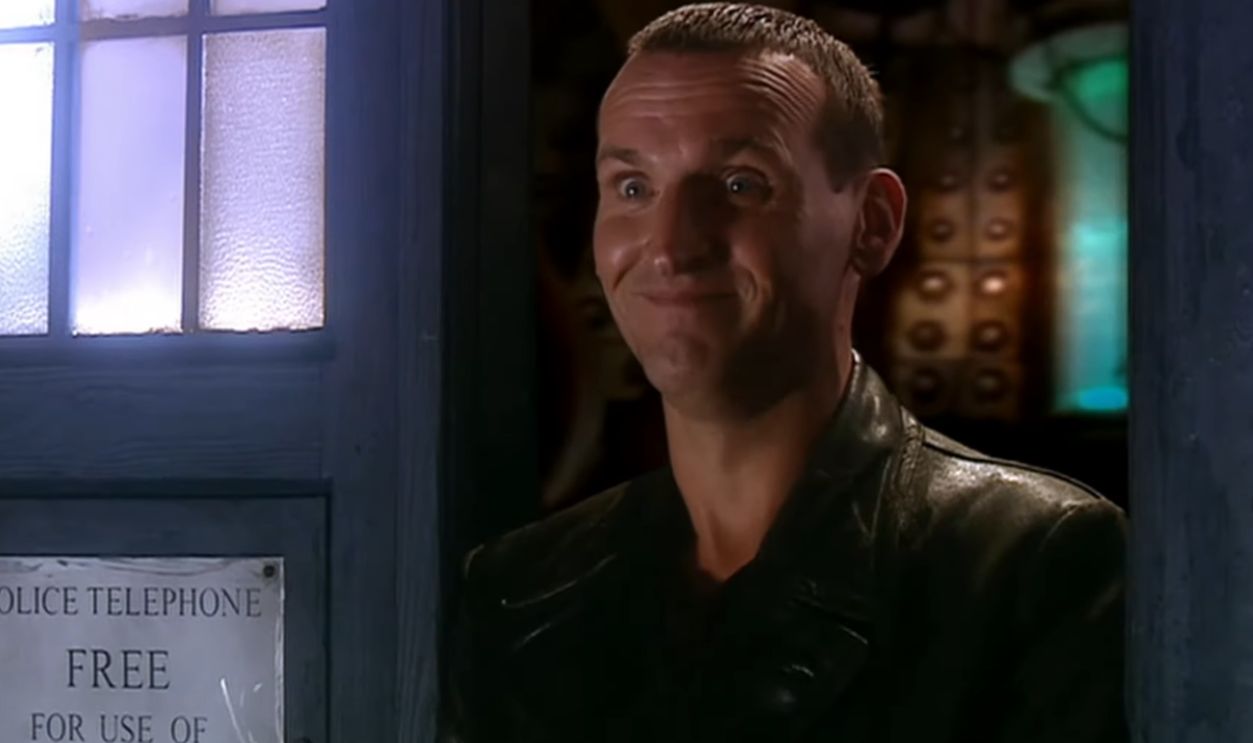 Screenshot from Doctor Who, BBC One (2005–)
Tina Louise — Gilligan’s Island
Tina Louise resented how completely Ginger defined her career. She felt the role overshadowed her ambitions as a serious actress and led to relentless typecasting. Louise often declined reunions and revivals, once saying the show followed her “like a shadow". Her frustration was rooted more in the aftermath than the experience itself.
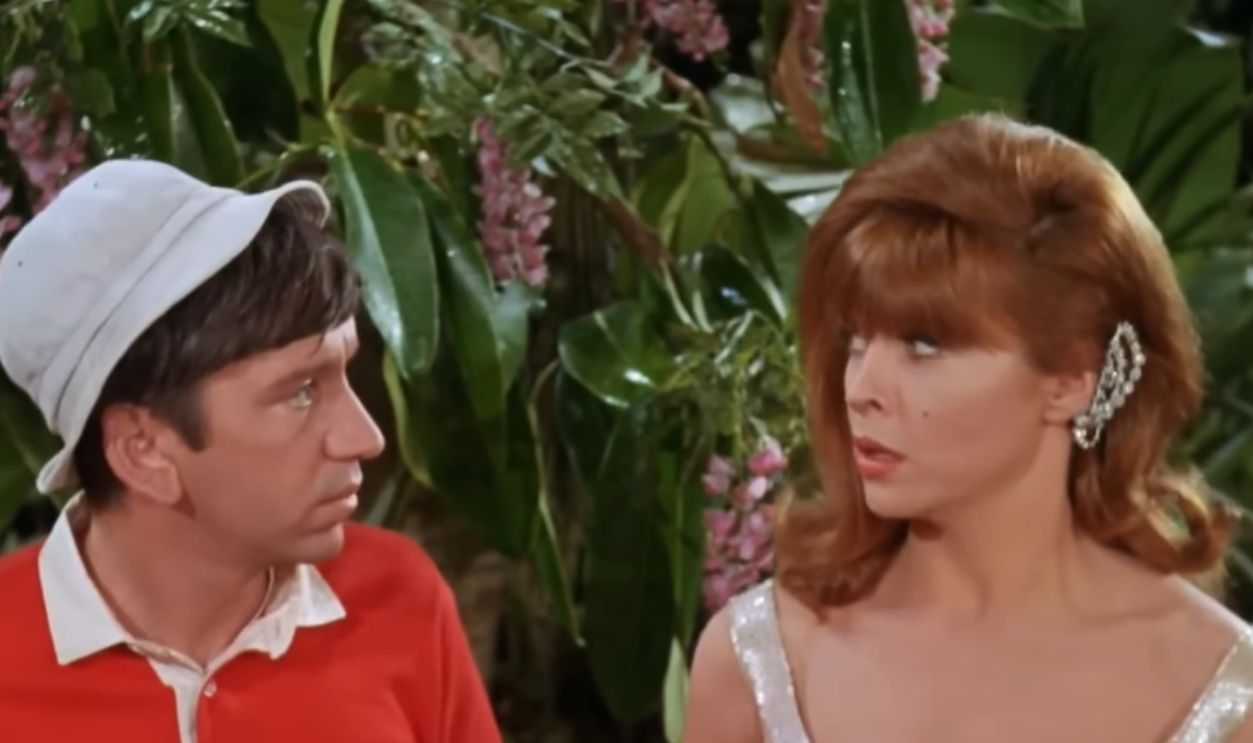 Screenshot from Gilligan’s Island, CBS (1964–1967)
Jessica Biel — 7th Heaven
Biel felt constrained by the show’s squeaky-clean image and strict moral tone. As she matured, she became increasingly uncomfortable being associated with its conservative messaging. Biel later acknowledged that the role didn’t reflect who she was becoming. Distancing herself from the series became a necessary step in her career evolution.
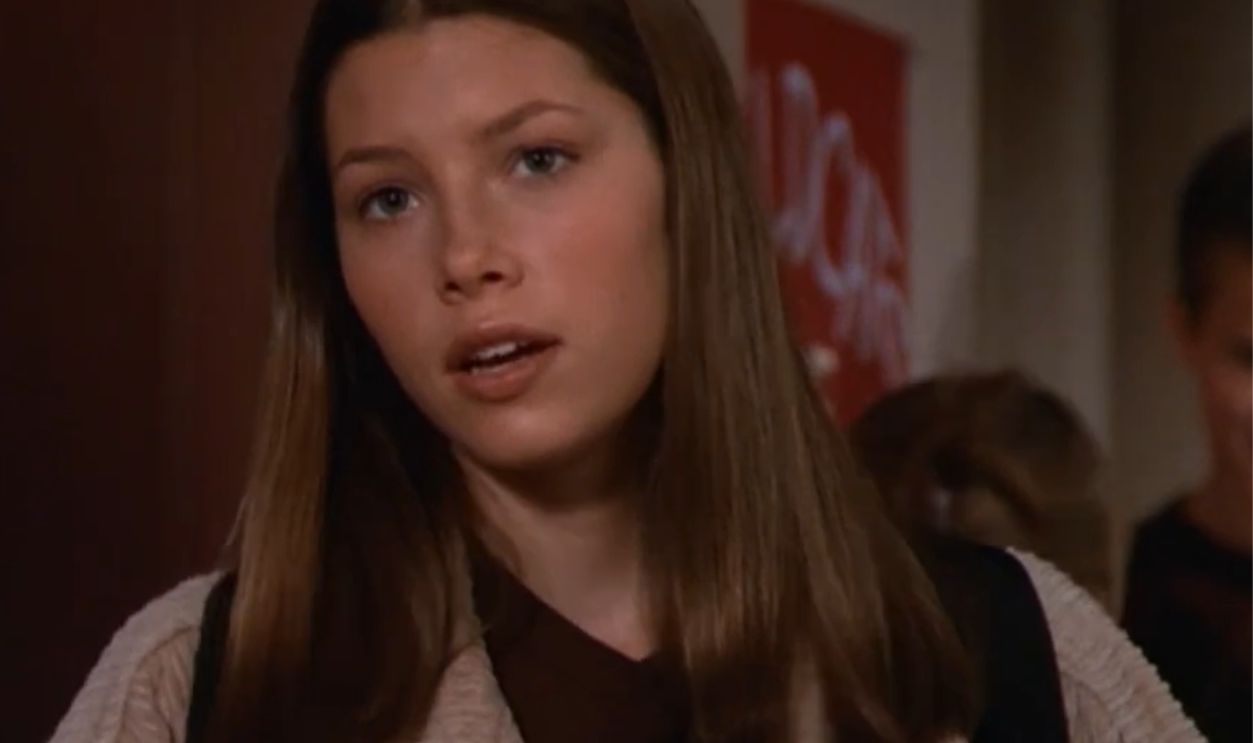 Screenshot from 7th Heaven, The WB (1996–2007)
Chace Crawford And Penn Badgley — Gossip Girl
Both actors later criticized Gossip Girl’s values and storytelling. Penn Badgley was especially vocal, saying the show glamorized wealth, manipulation, and moral emptiness in ways that made him uncomfortable. Crawford admitted he felt creatively stuck, playing the same emotional beats season after season. Their comments reframed the series through a more critical lens.
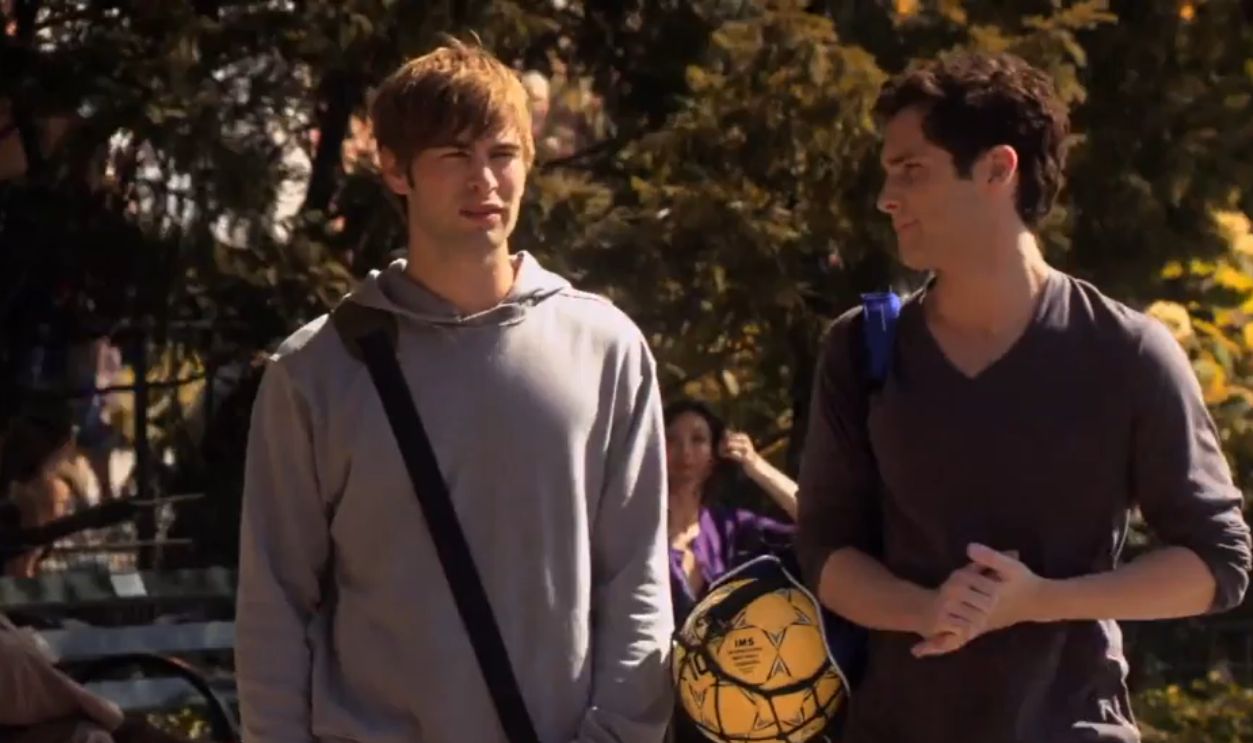 Screenshot from Gossip Girl, The CW (2007–2012)
Shannen Doherty — Charmed
Doherty’s time on Charmed was plagued by behind-the-scenes conflict. She later described the environment as “toxic” and emotionally draining. Creative disagreements and personal tensions made continuing on the show untenable. Her departure became one of the most talked-about cast exits of the era.
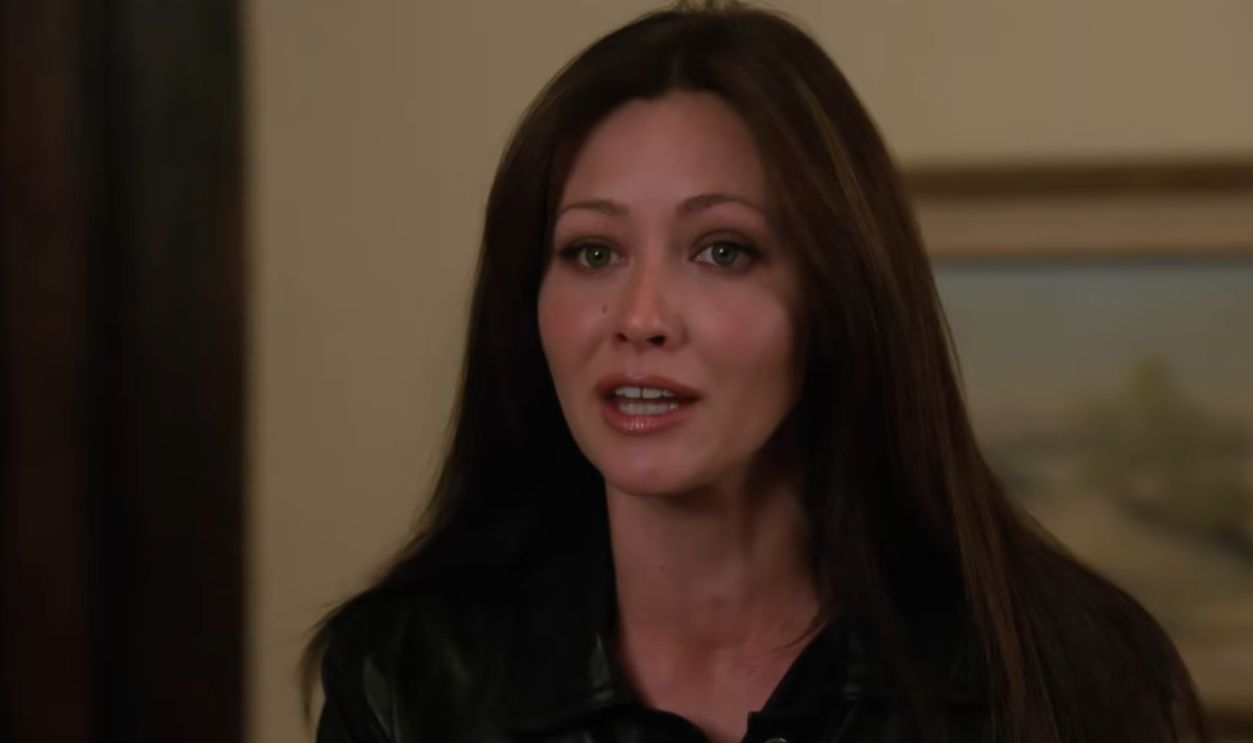 Screenshot from Charmed, The WB (1998–2006)
Amy Jo Johnson — Mighty Morphin Power Rangers
Johnson has spoken openly about being underpaid despite the show’s massive success. She described the physical demands as intense and said cast members received little long-term support. While grateful to fans, she has expressed disappointment in how the production treated its young actors. Her criticism highlighted issues with early ’90s children’s television.
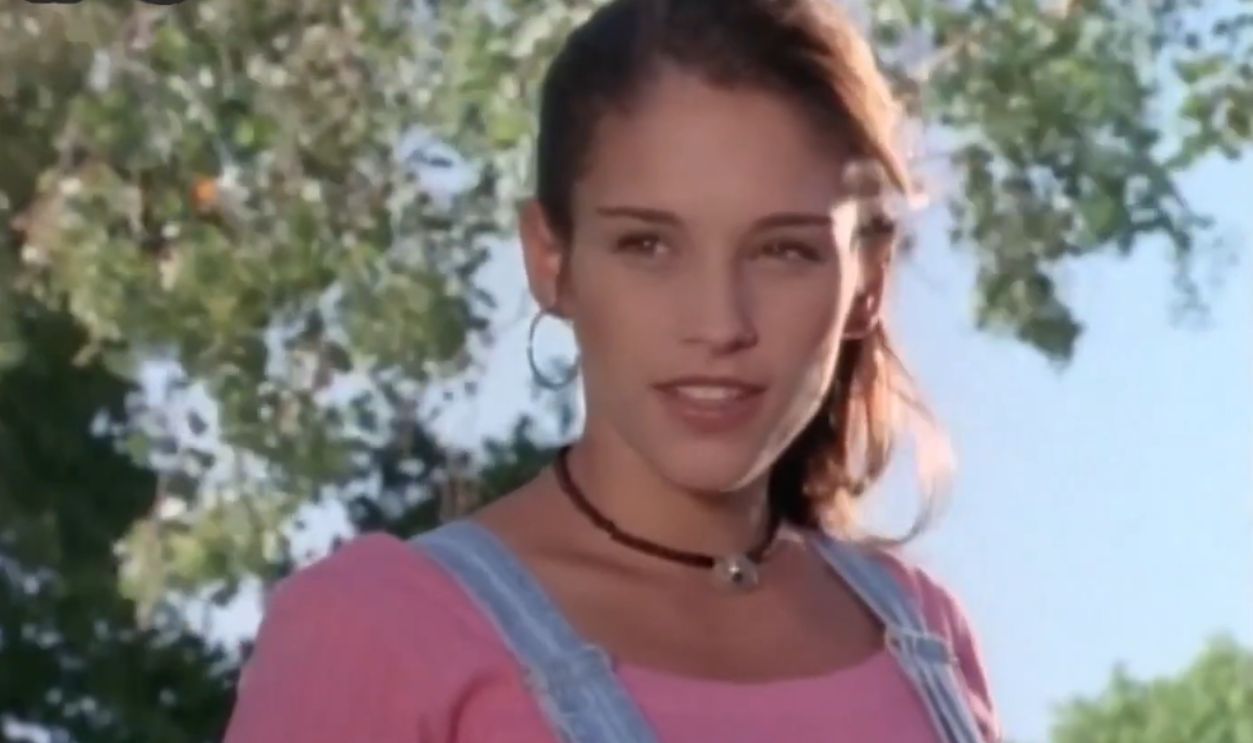 Screenshot from Mighty Morphin Power Rangers, Fox (1993–1999)
Billy Ray Cyrus — Hannah Montana
Cyrus later expressed regret over the impact Hannah Montana had on his family. He said the show accelerated fame too quickly, particularly for Miley, and strained their relationship. While acknowledging the opportunities it created, he has called the experience emotionally damaging. His comments offered a rare, candid look at the cost of child stardom.
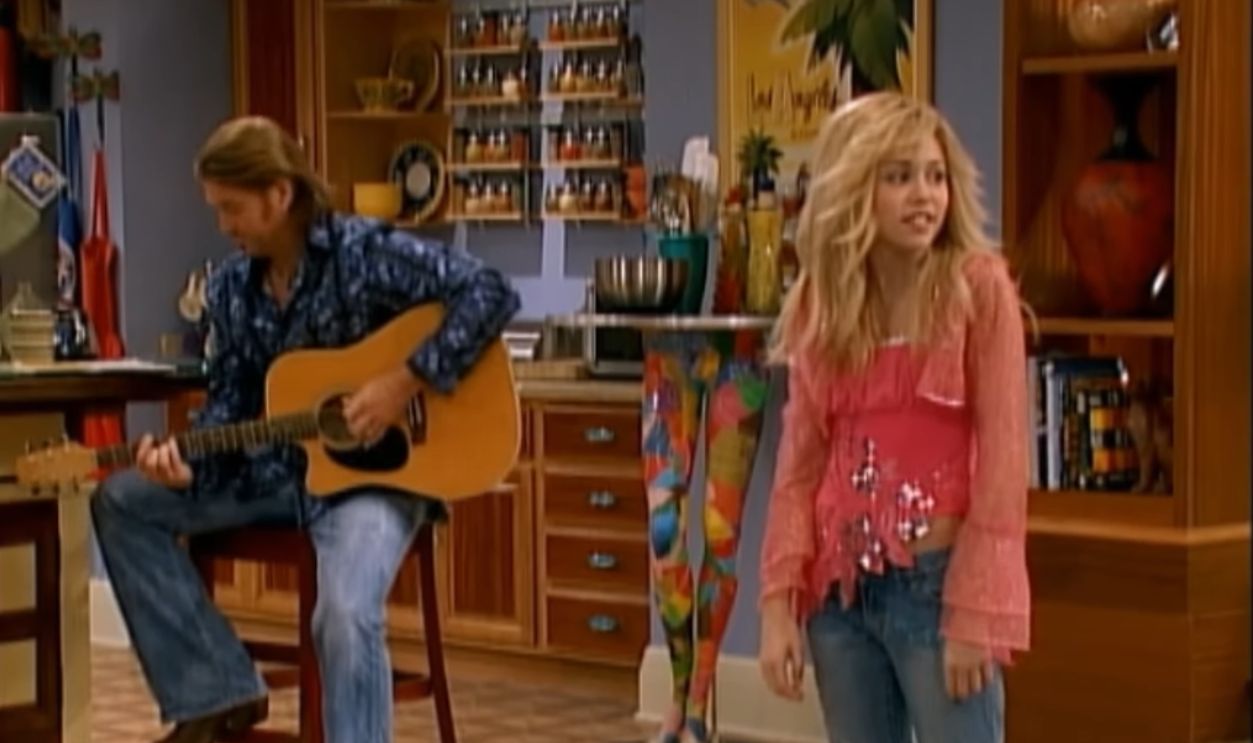 Screenshot from Hannah Montana, Disney Channel (2006–2011)
Evangeline Lilly — Lost
Lilly has been vocal about her frustration with how Lost handled its female characters. She criticized storylines that reduced women to romantic motivations rather than active agents. Lilly said this conflicted with her personal values and made her uncomfortable continuing. Her comments sparked broader conversations about gender in genre television.
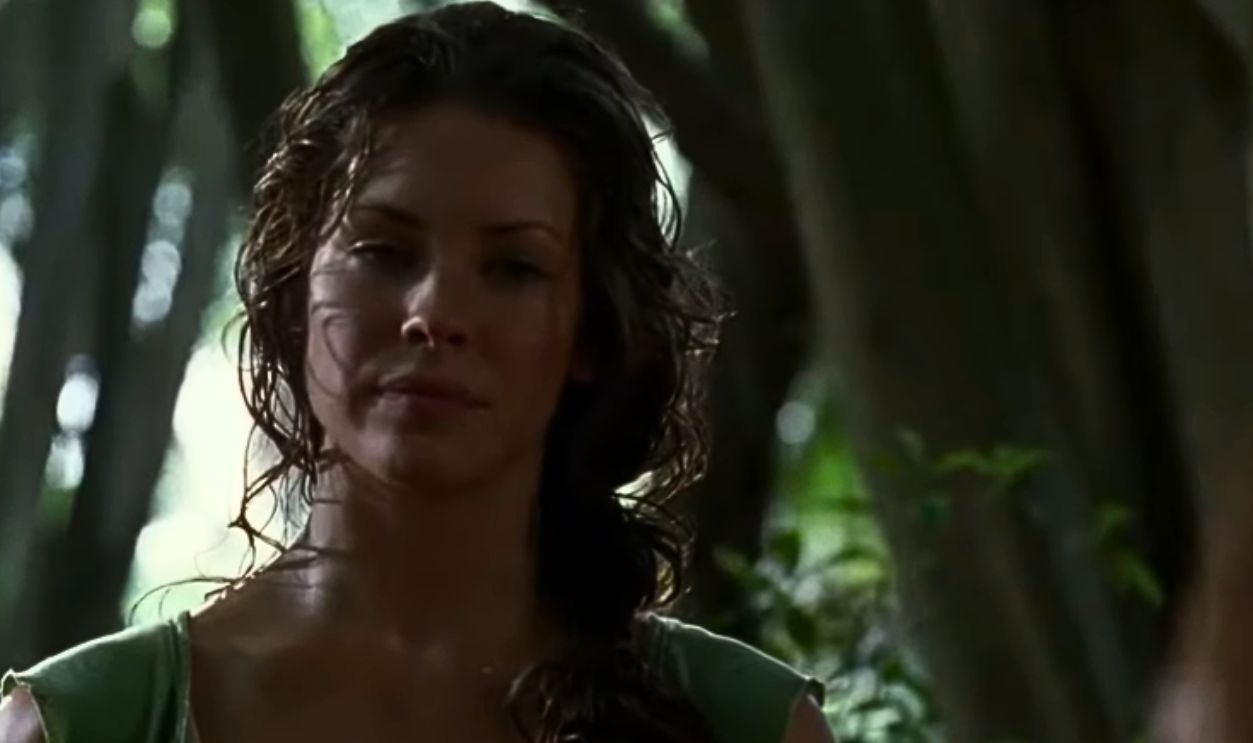 Screenshot from Lost, ABC (2004–2010)
The Jonas Brothers — Jonas
The Jonas Brothers have openly mocked their Disney Channel sitcom. Joe Jonas once said the show felt “forced” and creatively empty. The group has since distanced themselves from the series entirely. In hindsight, they view it as a misstep during their early fame.
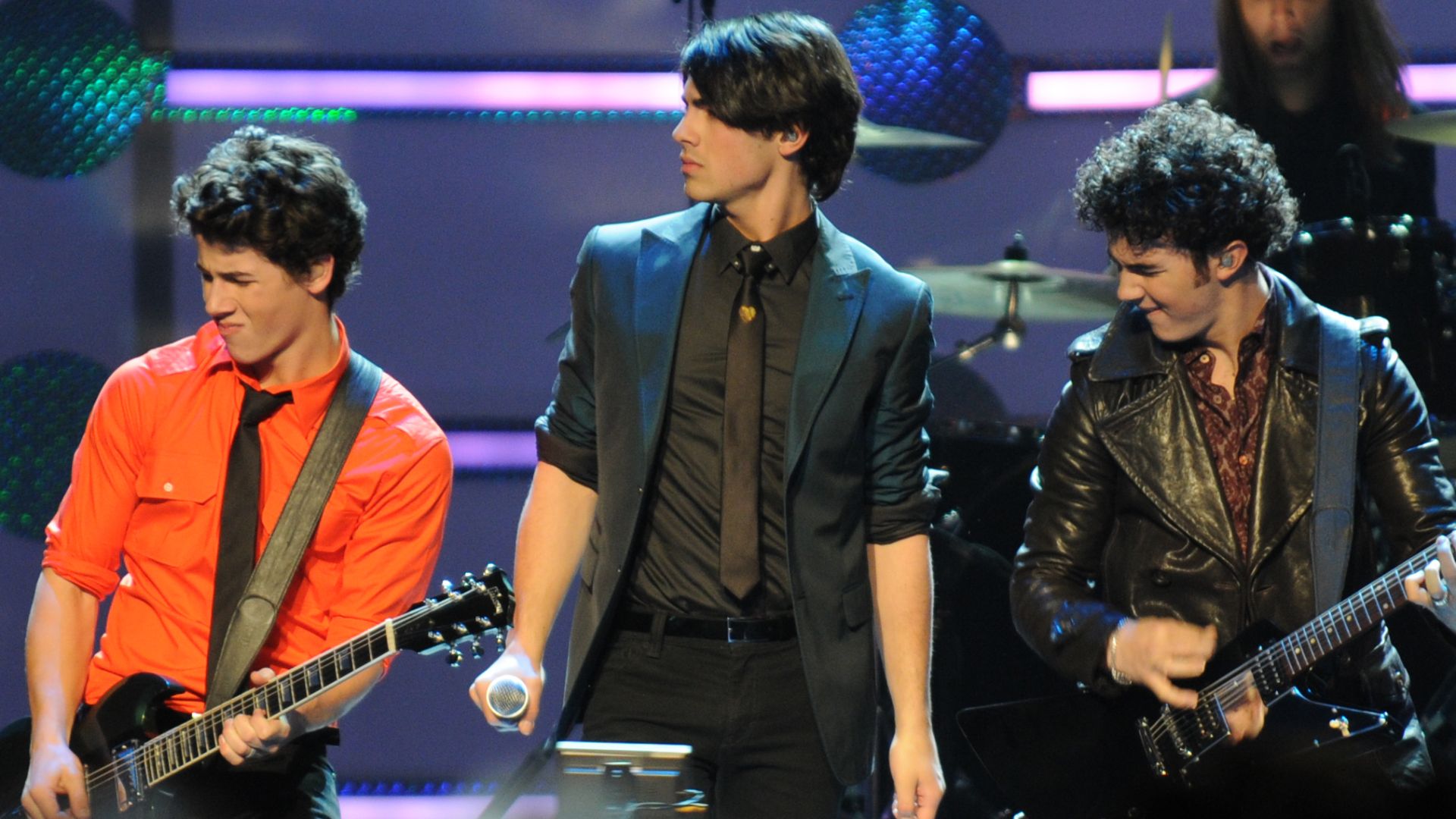 Mass Communication Specialist 1st Class Mark O'Donald, Wikimedia Commons
Angus T Jones — Two And A Half Men
Jones stunned audiences when he publicly condemned the show during a religious testimony, calling it “filth”. He urged viewers to stop watching, despite being one of its stars. Jones later apologized, saying he was misled and overly judgmental. Still, the moment permanently altered his relationship with the series.
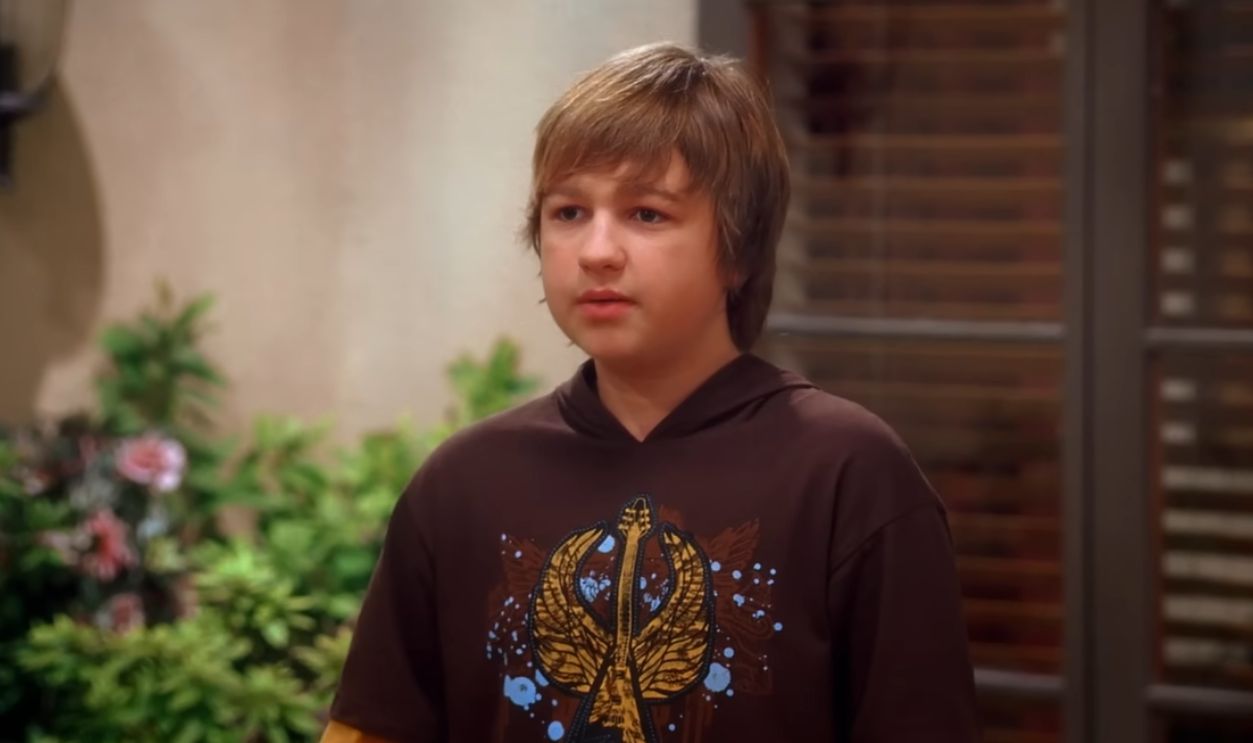 Screenshot from Two and a Half Men, CBS (2003–2015)
Pernell Roberts — Bonanza
Roberts left Bonanza at the height of its popularity because he disliked its simplistic morality. He wanted deeper, more socially relevant storytelling. Despite the financial security, Roberts felt creatively stifled. He chose artistic integrity over continued success.
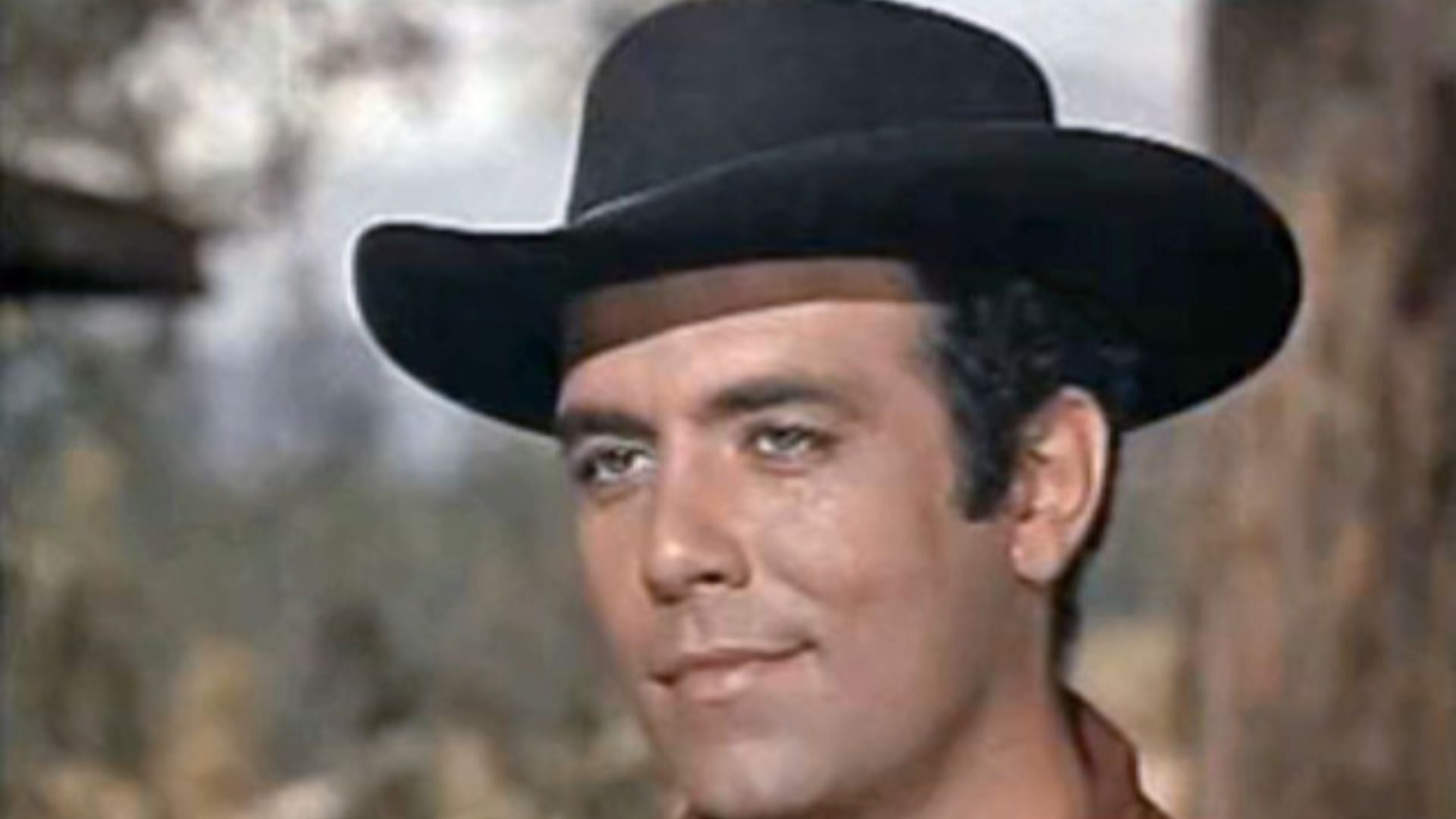 Film screenshot, Wikimedia Commons
Johnny Depp — 21 Jump Street
Johnny Depp grew to resent 21 Jump Street not only for turning him into a teen idol, but also for what he felt was a shallow portrayal of law enforcement. In later interviews, Depp said the show “glorified the police” in a way that made him uncomfortable. He deliberately tried to undermine his heartthrob image by dressing strangely and behaving unpredictably on set. Depp later described the role as creatively suffocating, even though it launched his career.
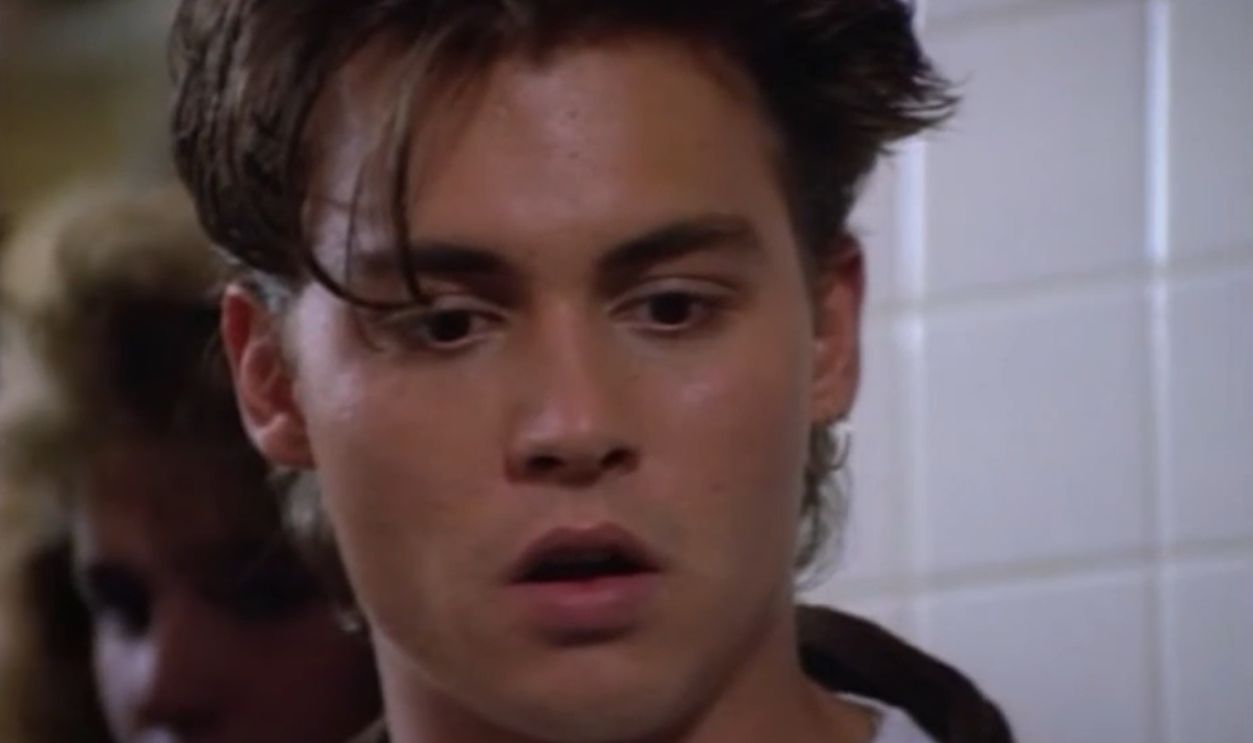 Screenshot from 21 Jump Street, Fox (1987–1991)
You May Also Like:
Famous On-Screen Couples Who Hated Each Other In Real Life
15 Actors Who Hated Their Famous Roles