A Wide Ranging Repertoire
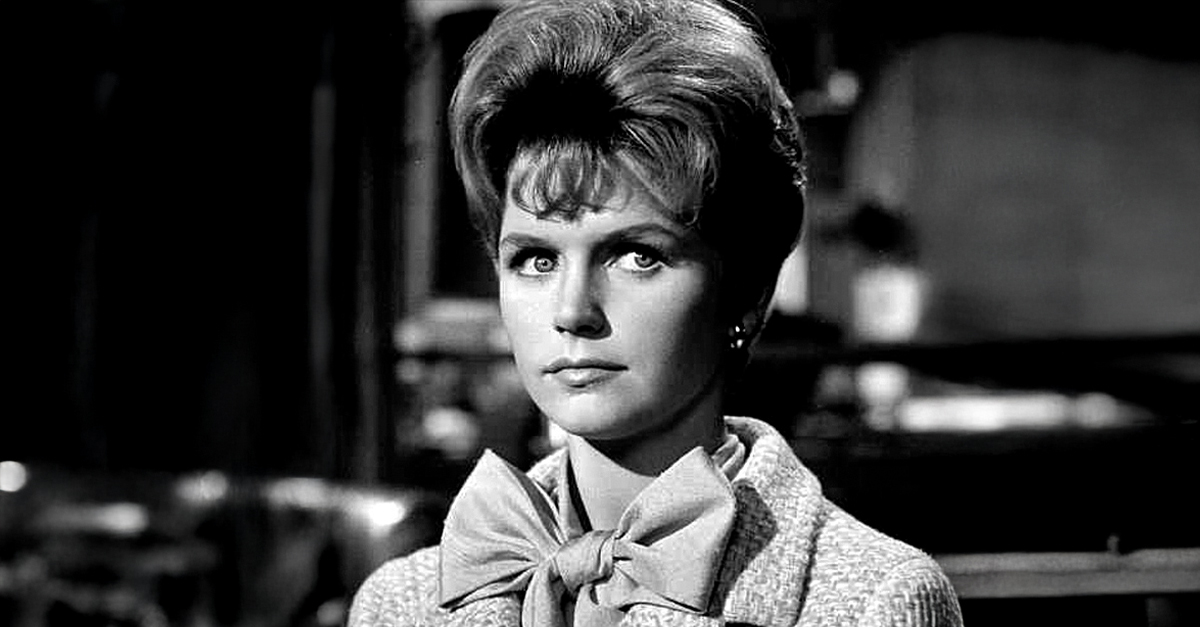
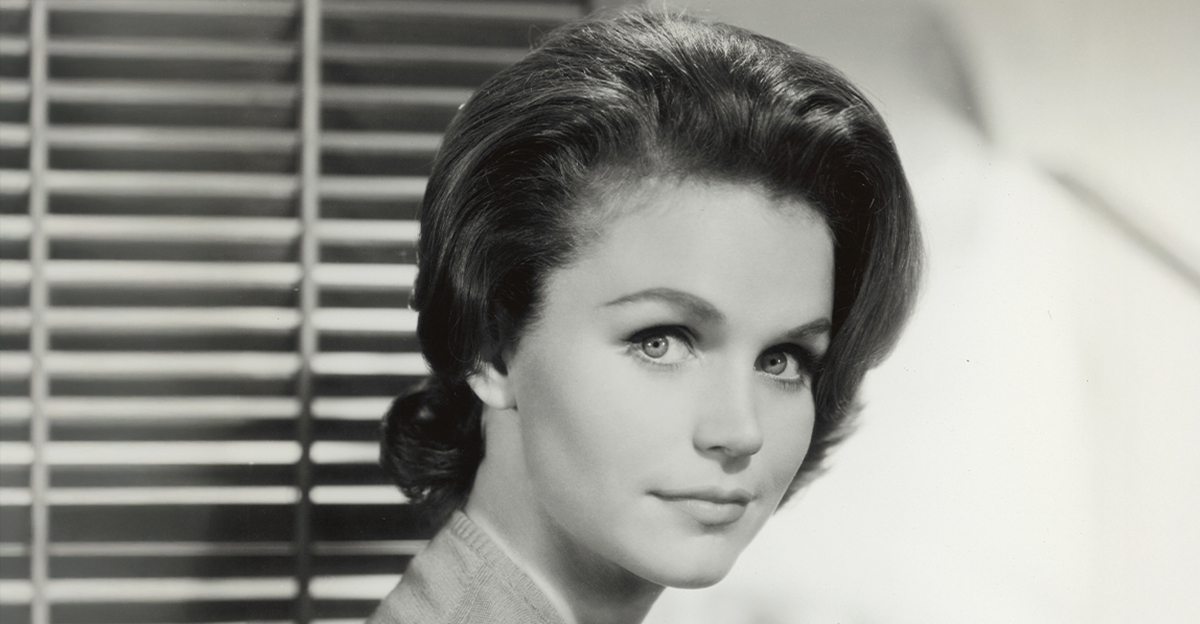
From dramas and psychological thrillers to Broadway musicals and television miniseries, Lee Remick built one of the most versatile careers of her generation. Whether starring opposite Hollywood legends like Paul Newman, Jack Lemmon, Gregory Peck, and Frank Sinatra or working with acclaimed directors such as Elia Kazan and Otto Preminger, Remick became one of the most familiar faces on American movie screens.
 John Springer Collection/CORBIS/Corbis via Getty Images
Early Life
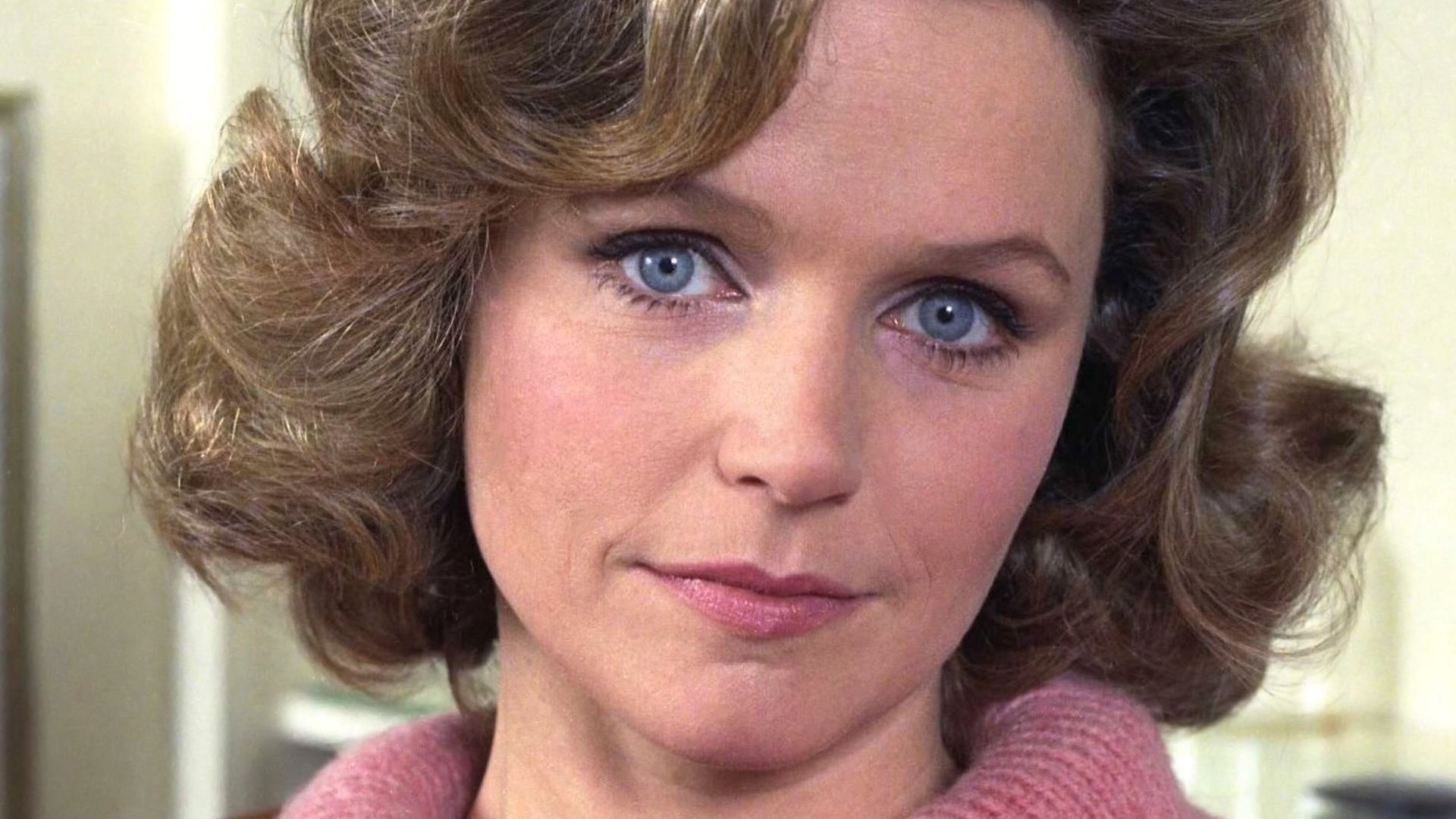
Lee Remick was born in Quincy, Massachusetts, on December 14, 1935, to a family with artistic and intellectual roots. Her mother was an actress and her father operated a department store. After attending boarding schools and moving frequently, Remick decided to put the dream of post-secondary education aside to pursue acting full time.
 Original photograph by Allan Warren, Wikimedia Commons
Early Acting Training
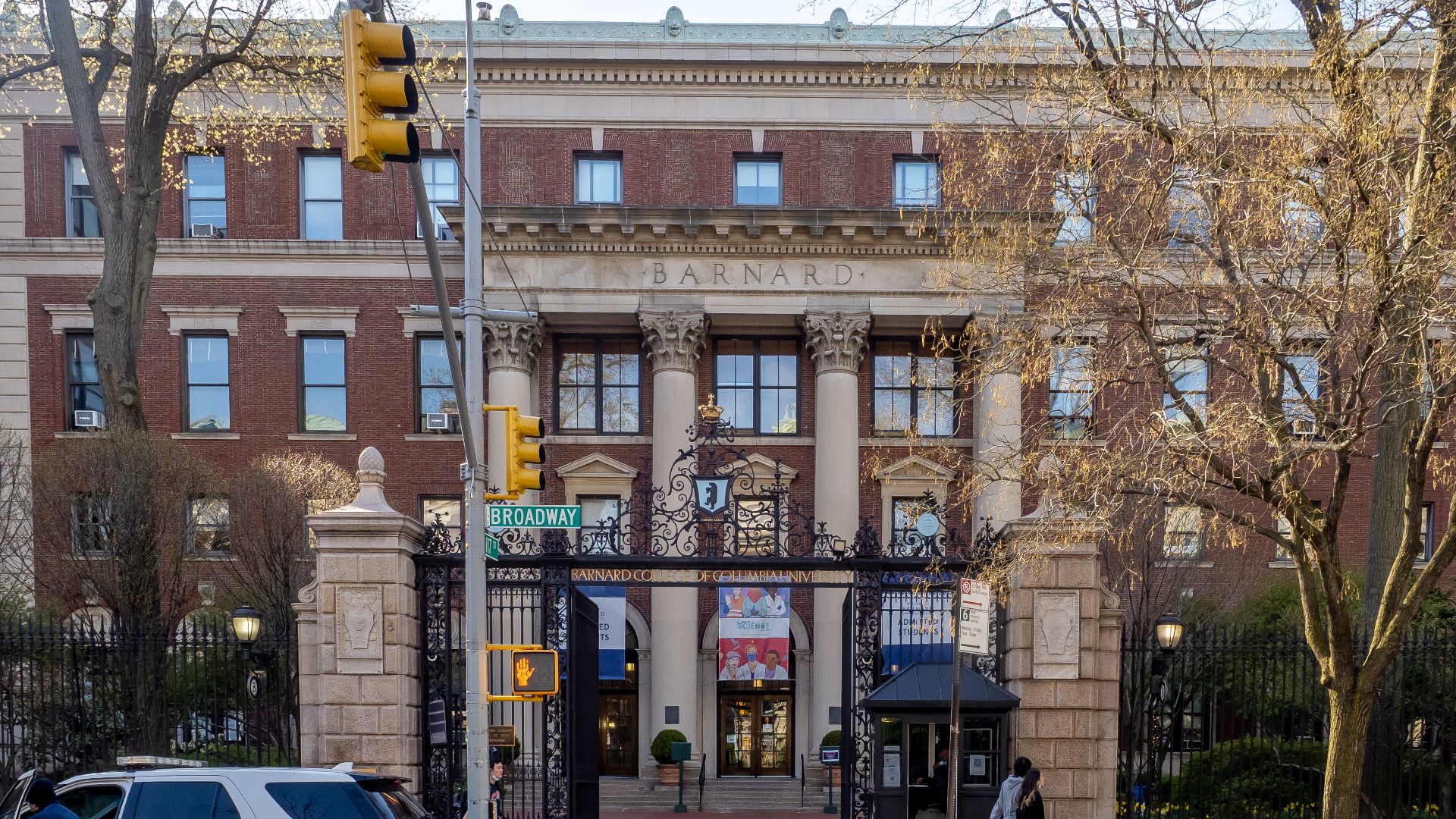
Remick studied acting and dance at the prestigious Actors Studio–adjacent scene in New York, while also attending Barnard College briefly before committing fully to performing. She sharpened her craft on stage and television during the golden age of live drama, a period that prepared her for the sudden opportunities about to arrive.
 ajay_suresh, Wikimedia Commons
First Roles On Broadway And TV
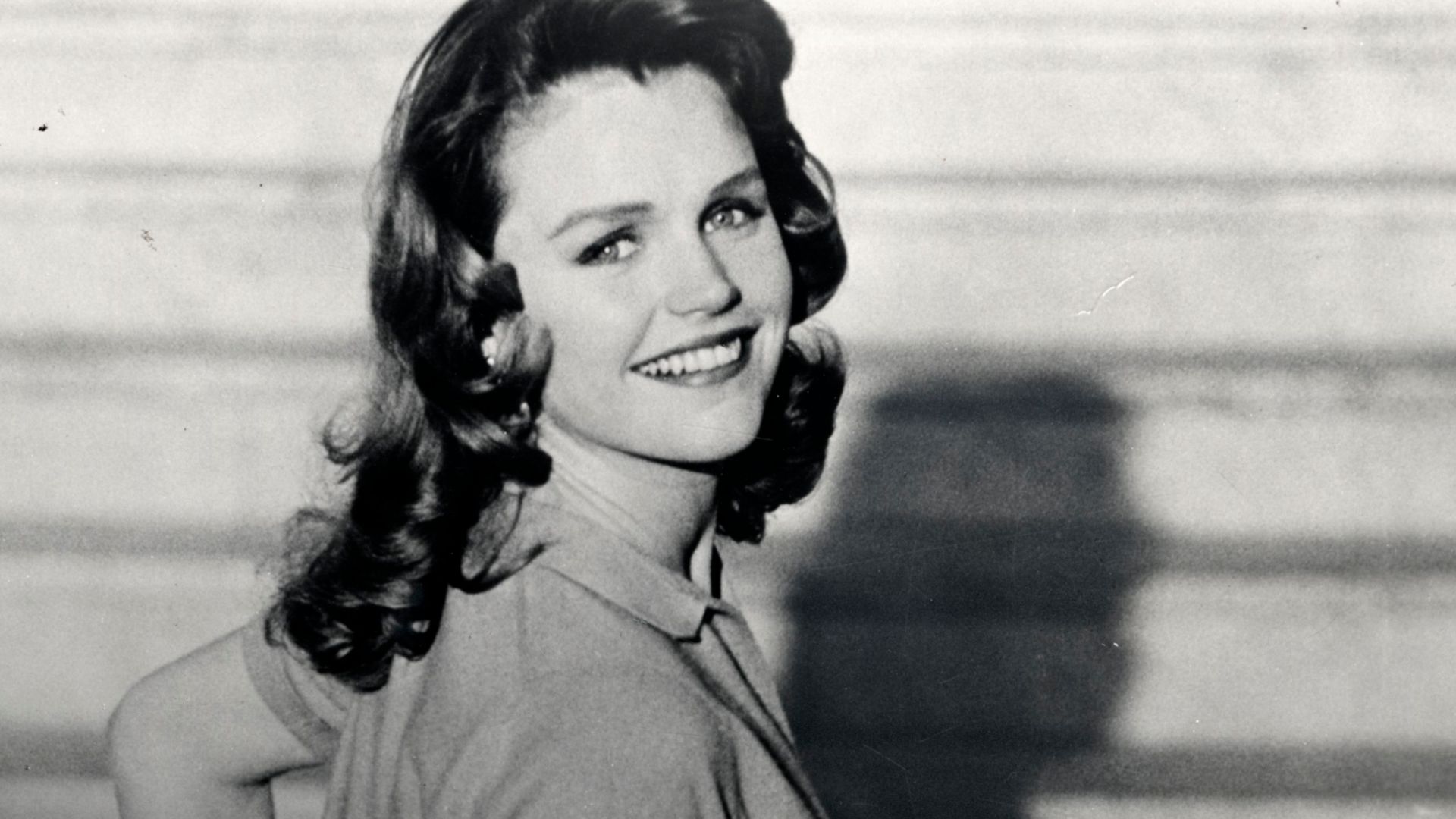
In the mid-1950s, Remick appeared in live television anthologies and Broadway productions, gaining attention for her natural delivery and emotional intelligence. Programs like Kraft Television Theatre and Studio One gave young actors intensive experience under pressure. Those demanding productions soon led Hollywood to take notice of the striking newcomer.
 Unknown author, Wikimedia Commons
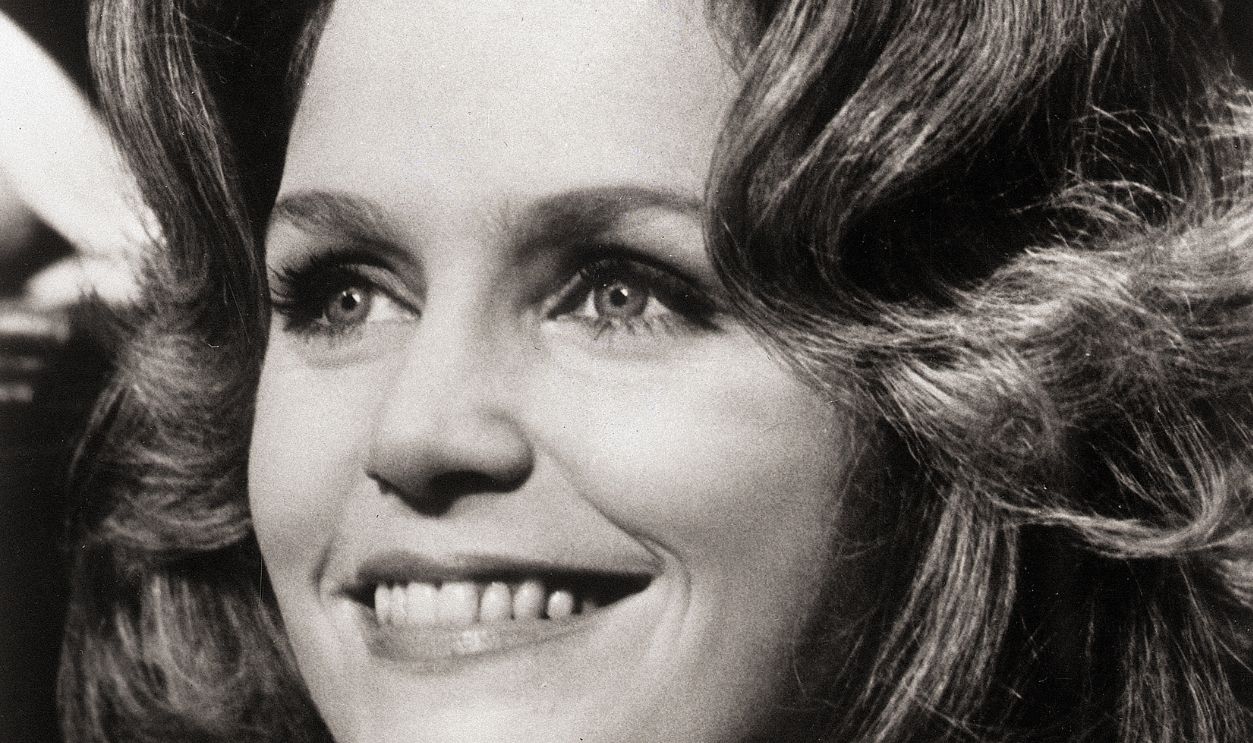
A Breakthrough In A Face In The Crowd (1957)
In Elia Kazan’s A Face in the Crowd (1957), Remick played the twirling baton performer Betty Lou Fleckum, a seductive Southern teenager who becomes involved with Andy Griffith’s manipulative media sensation. Working with Kazan and co-stars Patricia Neal, and Walter Matthau introduced Remick to major Hollywood filmmaking almost immediately after her arrival.
Stardom In The Long, Hot Summer (1958)
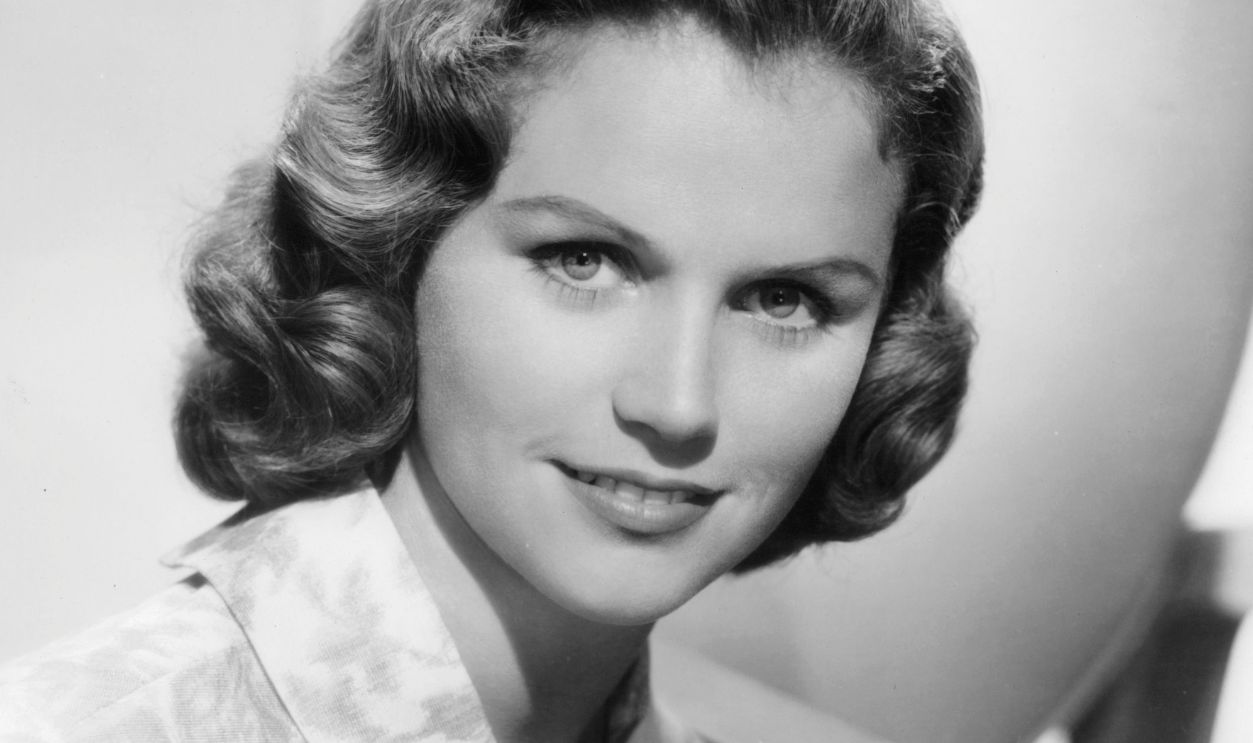
Remick’s role as Eula Varner in Martin Ritt’s The Long, Hot Summer (1958) cemented her rising-star status. Opposite Paul Newman, Orson Welles, and Joanne Woodward, she played an intelligent and emotionally guarded woman resisting Newman’s ambitious drifter. The film’s sensual atmosphere helped establish Remick as one of Hollywood’s most sophisticated young actresses.
Marriage To Bill Colleran And Family Life
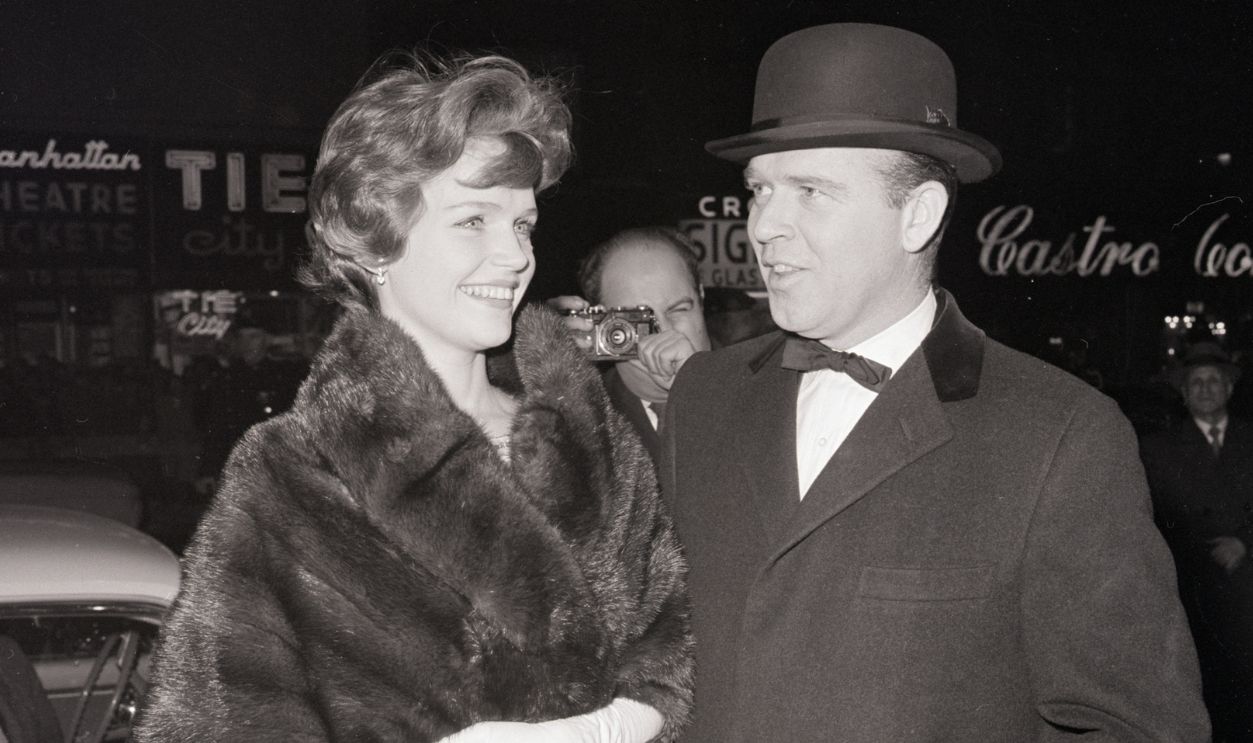
In 1957, Remick married television director Bill Colleran, and the couple eventually had two children. Even as her film career accelerated, she tried balancing domestic life with increasingly demanding productions. The challenge of maintaining family stability while working constantly became a recurring theme throughout her personal and professional life.
Acclaim In Anatomy Of A Murder (1959)
Otto Preminger cast Remick as Laura Manion in Anatomy of a Murder (1959), one of the era’s boldest courtroom dramas. Opposite James Stewart, Ben Gazzara, and George C. Scott, she played the flirtatious wife at the center of a murder case. Her provocative performance drew enormous attention and demonstrated surprising dramatic range.
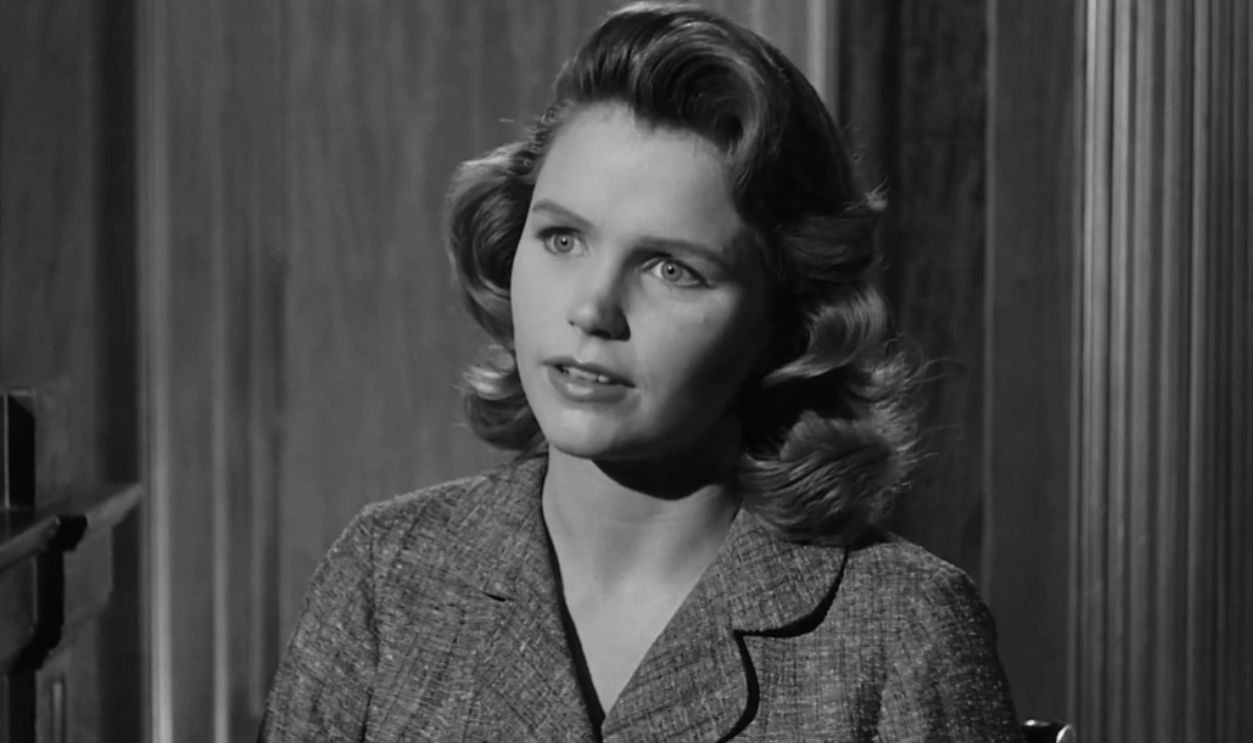 Screenshot from Anatomy of a Murder, Sony Pictures Entertainment (1959)
A Powerful Performance In Wild River (1960)
In Elia Kazan’s Wild River (1960), Remick portrayed Carol Garth, a widowed mother living in Tennessee Valley Authority territory during the New Deal era. Co-starring Montgomery Clift and Jo Van Fleet, she brought warmth and realism to the role. The film revealed her ability to thrive in emotionally grounded, socially conscious dramas.
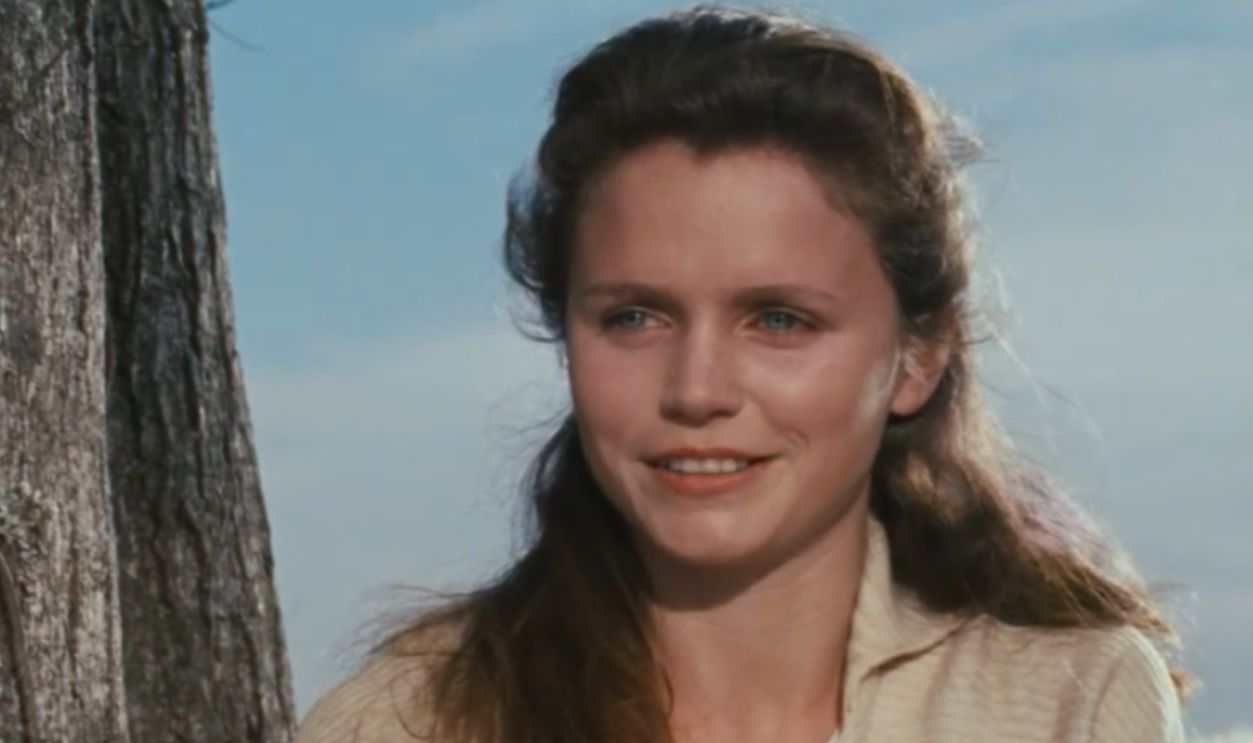 Screenshot from Wild River, The Walt Disney Company (1960)
Shakespeare On TV In The Tempest (1960)
Remick expanded her reputation with the television adaptation of Shakespeare’s The Tempest (1960), where she played Miranda opposite Maurice Evans. Televised productions of classic works were highly prestigious at the time, and her participation demonstrated producers’ confidence in her versatility. Shakespearean material also strengthened her growing credibility as a serious dramatic actress.
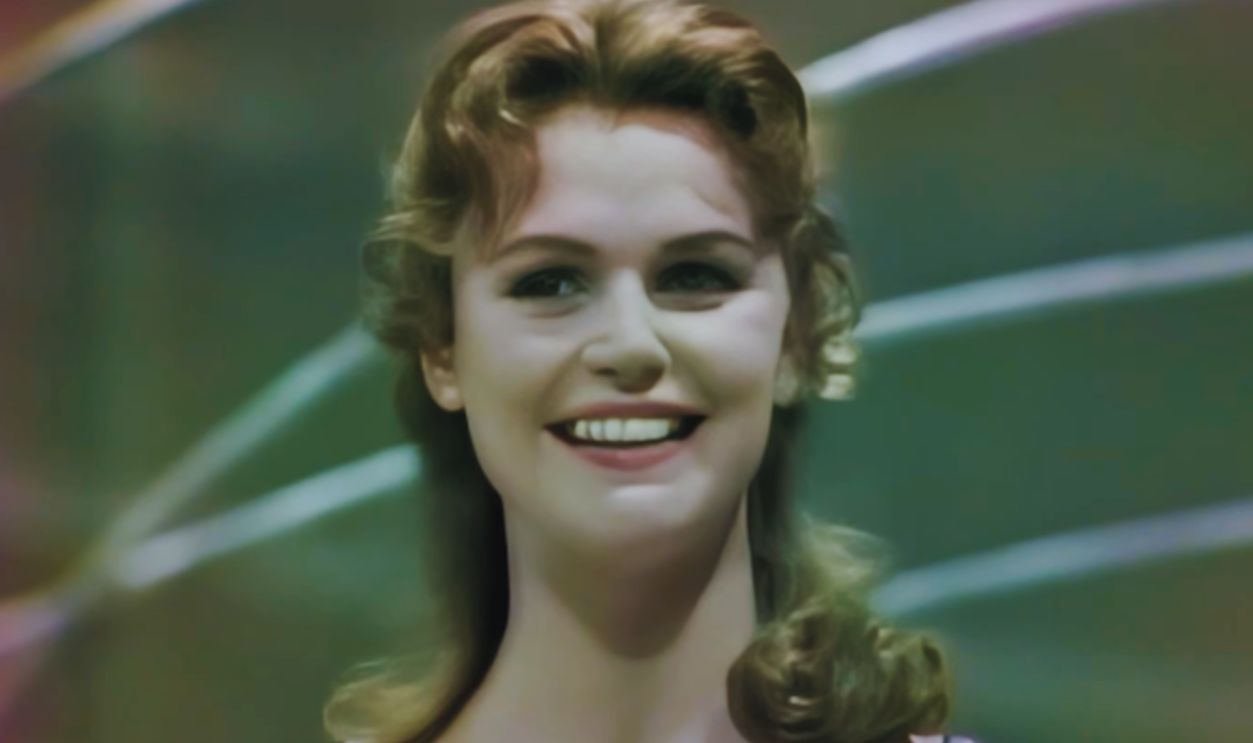 Screenshot from The Tempest, NBCUniversal (1960)
Top Billing In Sanctuary (1961)
In Tony Richardson’s Sanctuary (1961), adapted from William Faulkner’s work, Remick received top billing as Temple Drake. Co-starring Yves Montand and Bradford Dillman, the dark Southern drama demanded emotional intensity and psychological complexity. The challenging role further separated Remick from the lightweight glamour parts often assigned to actresses during that period.
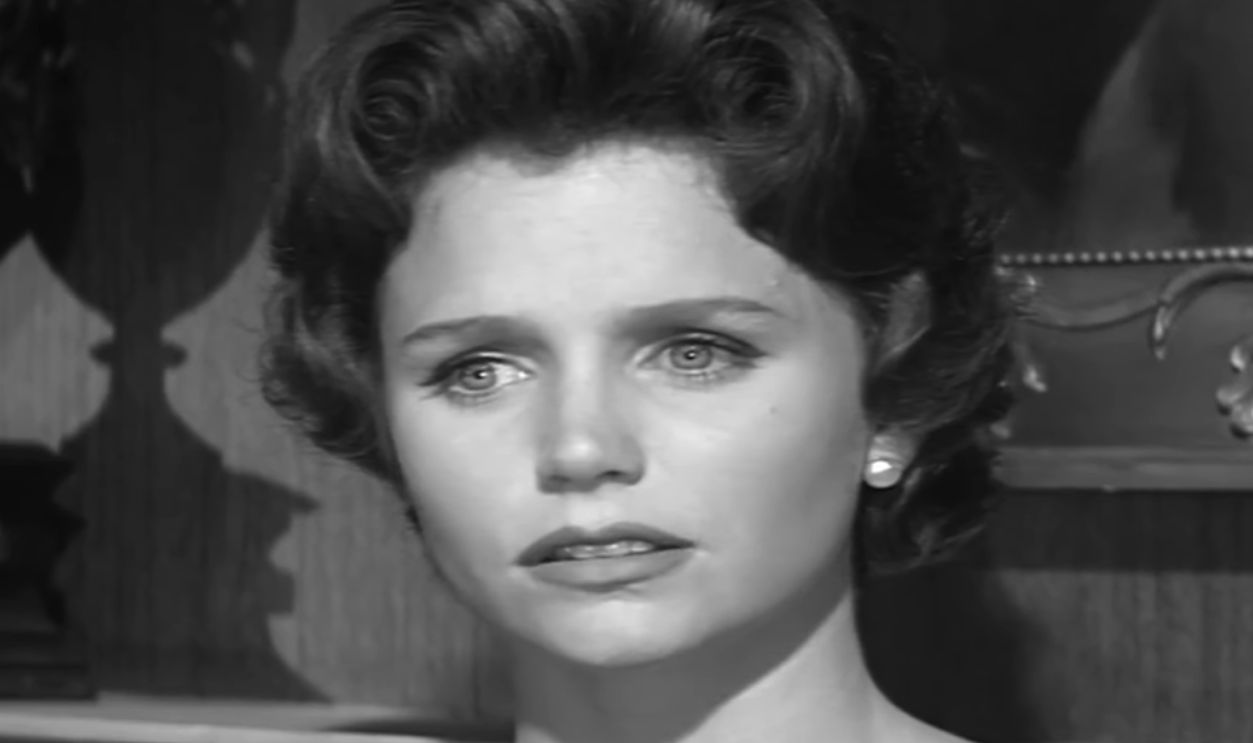 Screenshot from Sanctuary, The Walt Disney Company (1961)
Suspense And Fear In Experiment In Terror (1962)
Director Blake Edwards cast Remick as Kelly Sherwood in the thriller Experiment in Terror (1962). Opposite Glenn Ford and Ross Martin, she played a bank employee terrorized by a criminal mastermind. The film showcased her skill at portraying vulnerability under pressure while maintaining intelligence and emotional credibility throughout the suspenseful story.
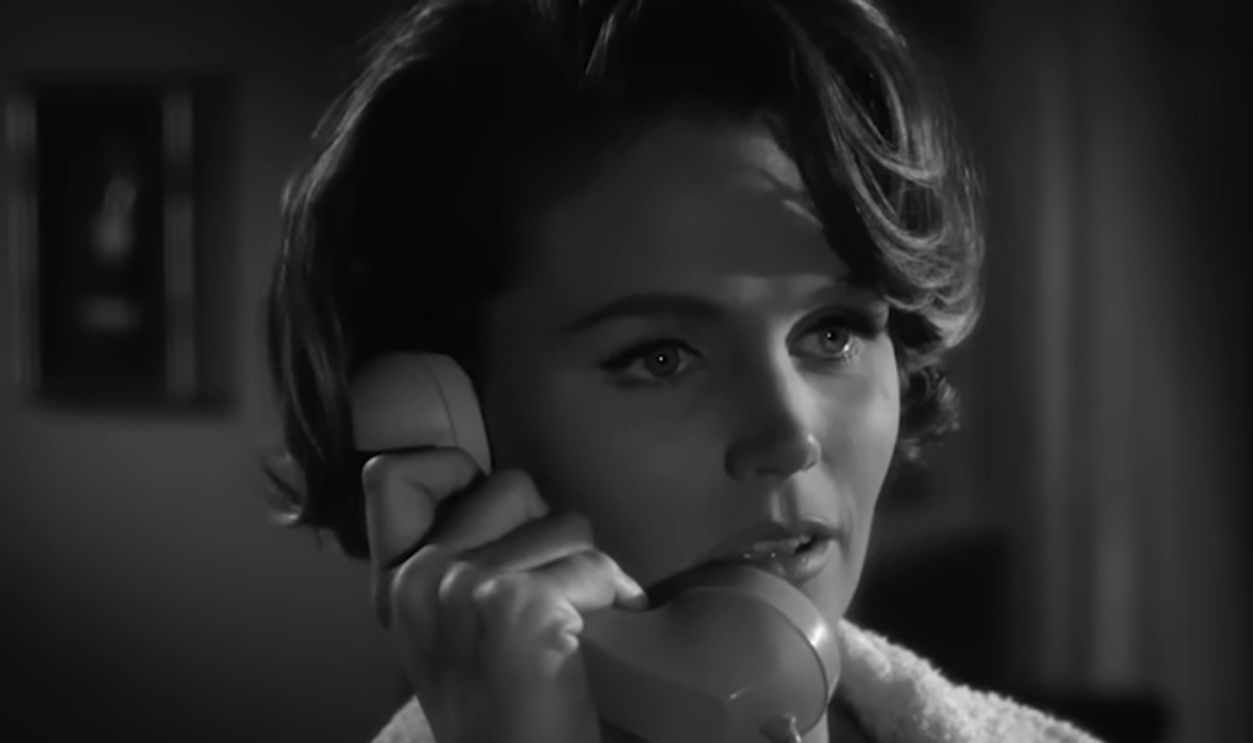 Screenshot from Experiment in Terror, Sony Pictures Entertainment (1962)
Devastation In Days Of Wine And Roses (1962)
Remick earned some of the finest reviews of her career in Blake Edwards’ Days of Wine and Roses (1962). Playing Kirsten Arnesen opposite Jack Lemmon’s Joe Clay, she portrayed a woman descending into alcoholism. The emotionally exhausting film became one of Hollywood’s most respected examinations of addiction and damaged relationships.
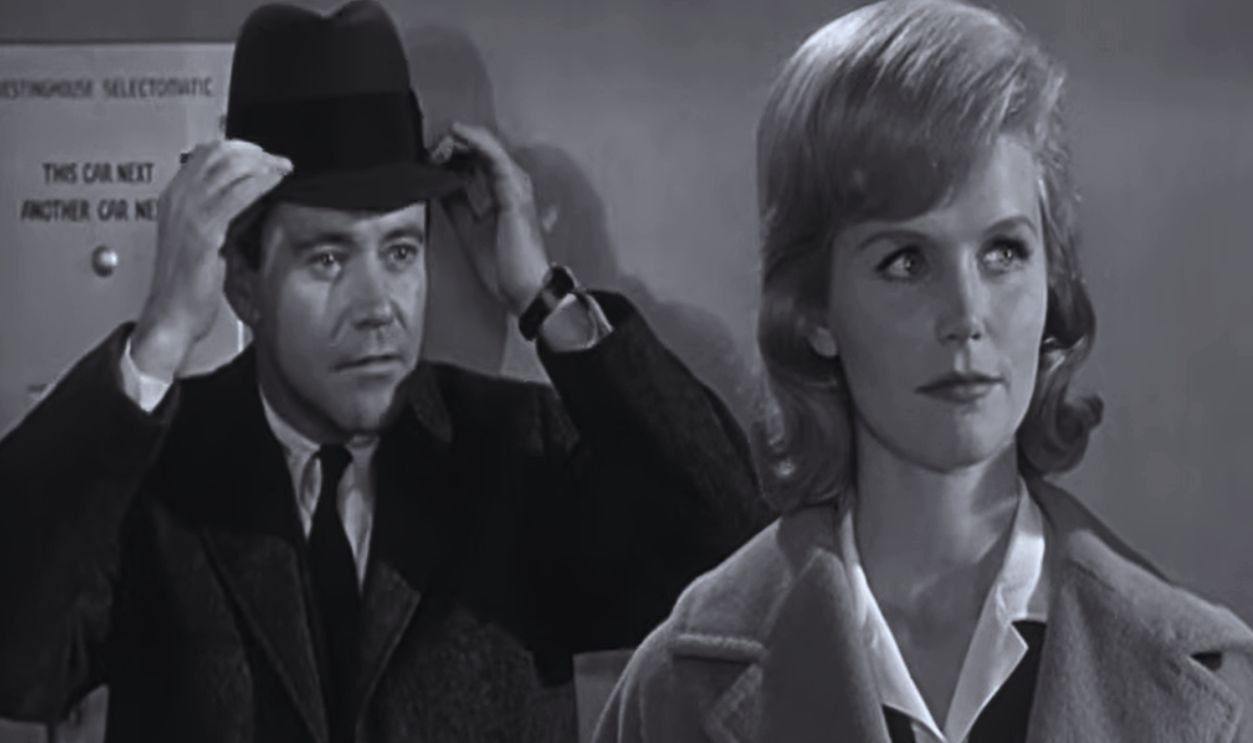 Screenshot from Days Of Wine And Roses, Warner Bros. Discovery (1962)
Academy Award Recognition
Remick’s performance in Days of Wine and Roses (1962) earned her an Academy Award nomination for Best Actress. Competing during one of the strongest years in Oscar history elevated her reputation even further. Critics praised the raw honesty she brought to Kirsten’s deterioration, which contrasted sharply with her earlier glamorous screen image.
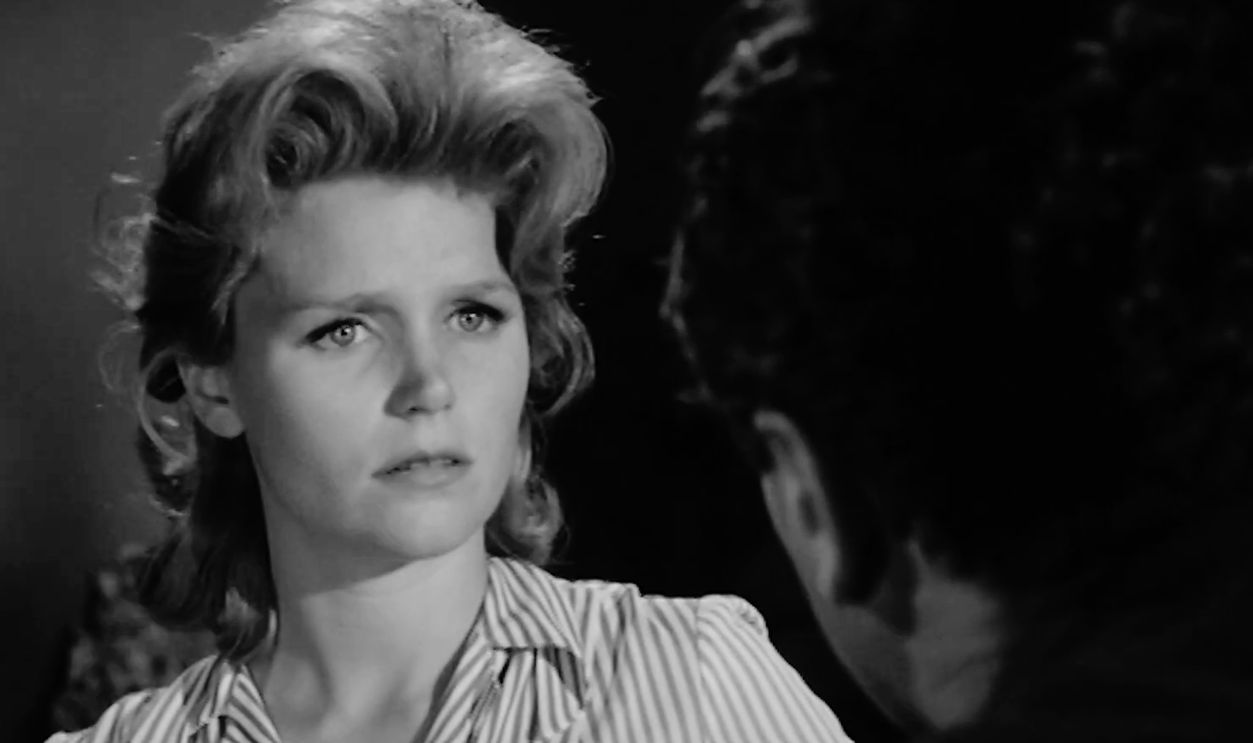 Screenshot from Days Of Wine And Roses, Warner Bros. Discovery (1962)
The Lingering Effects Of Days Of Wine And Roses
The emotional realism of Days of Wine and Roses (1962) affected Remick deeply. According to later accounts, she attended Alcoholics Anonymous meetings for years afterward because the production’s drinking scenes disturbed her so profoundly. The experience reflected her intense commitment to realism, a quality directors consistently valued throughout her career.
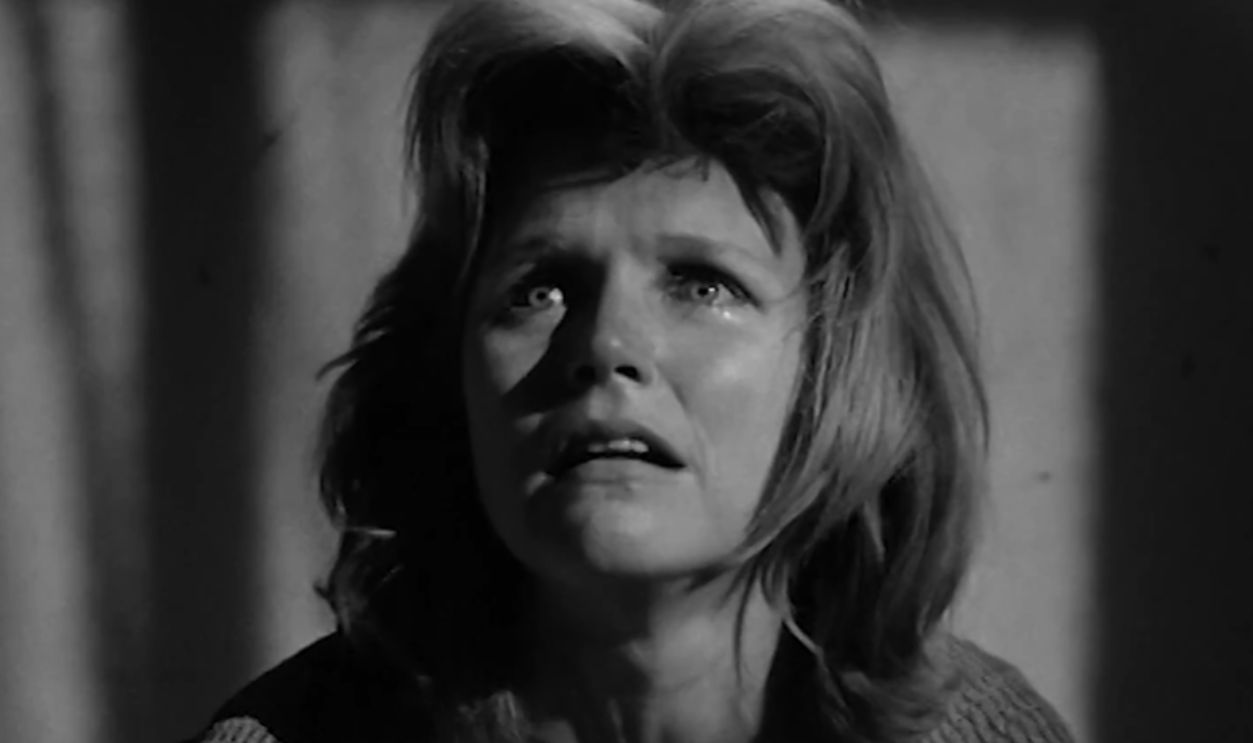 Screenshot from Days Of Wine And Roses, Warner Bros. Discovery (1962)
Nearly Replacing Marilyn Monroe
During the troubled production of George Cukor’s unfinished comedy Something’s Got to Give (1962), Remick was reportedly considered as a replacement for Marilyn Monroe after Monroe’s dismissal. Although the film was never completed in that form, the possibility revealed how highly studios regarded Remick’s box-office potential during the early 1960s.
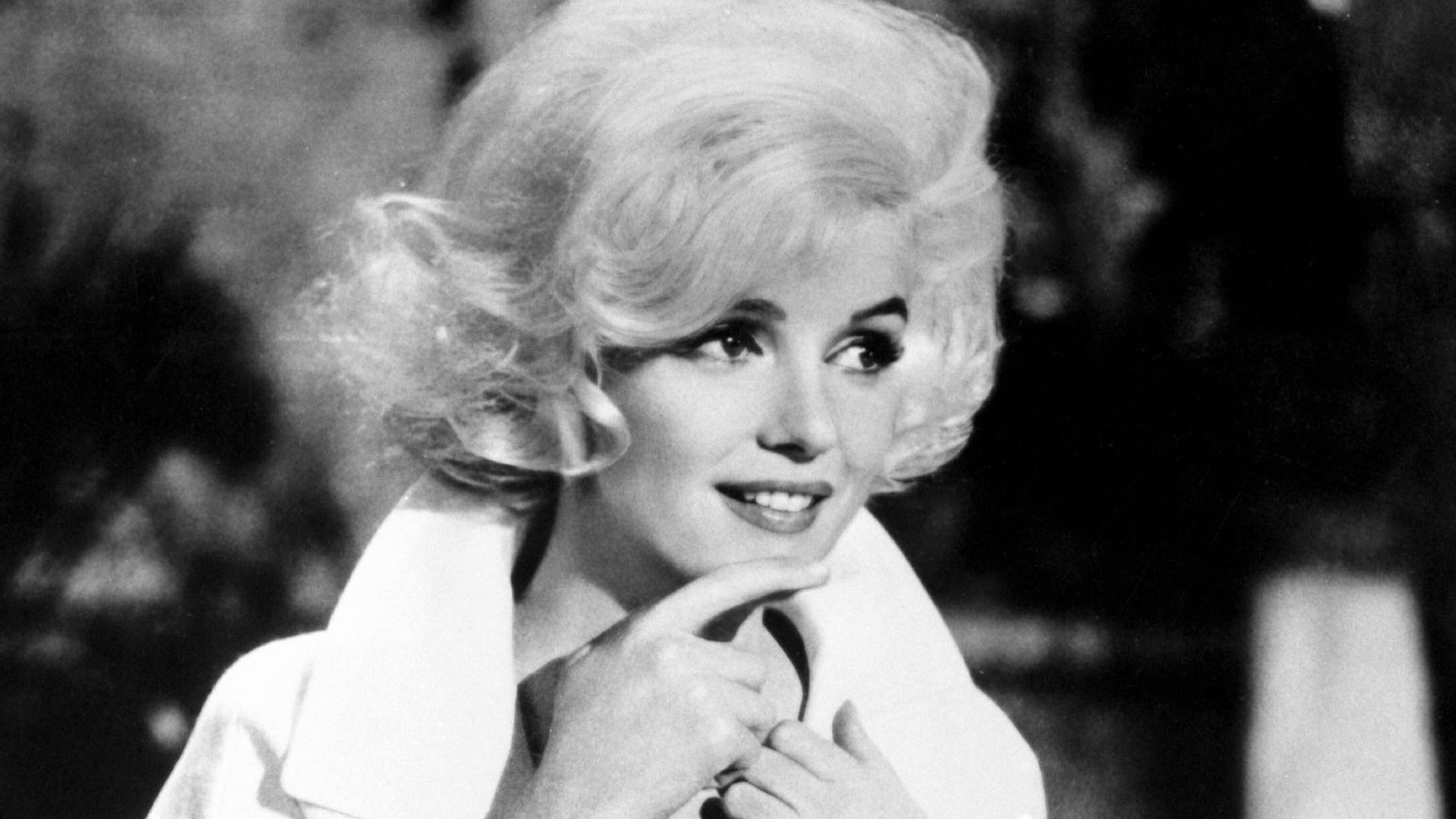 Unknown author, Wikimedia Commons
International Intrigue In The Running Man (1963)
Remick starred opposite Laurence Harvey and Alan Bates in Carol Reed’s The Running Man (1963). Playing Stella Black, she became entangled in a scheme involving insurance fraud and deception. Reed’s stylish direction gave Remick another opportunity to balance glamor, intelligence, and emotional ambiguity in a sophisticated international thriller.
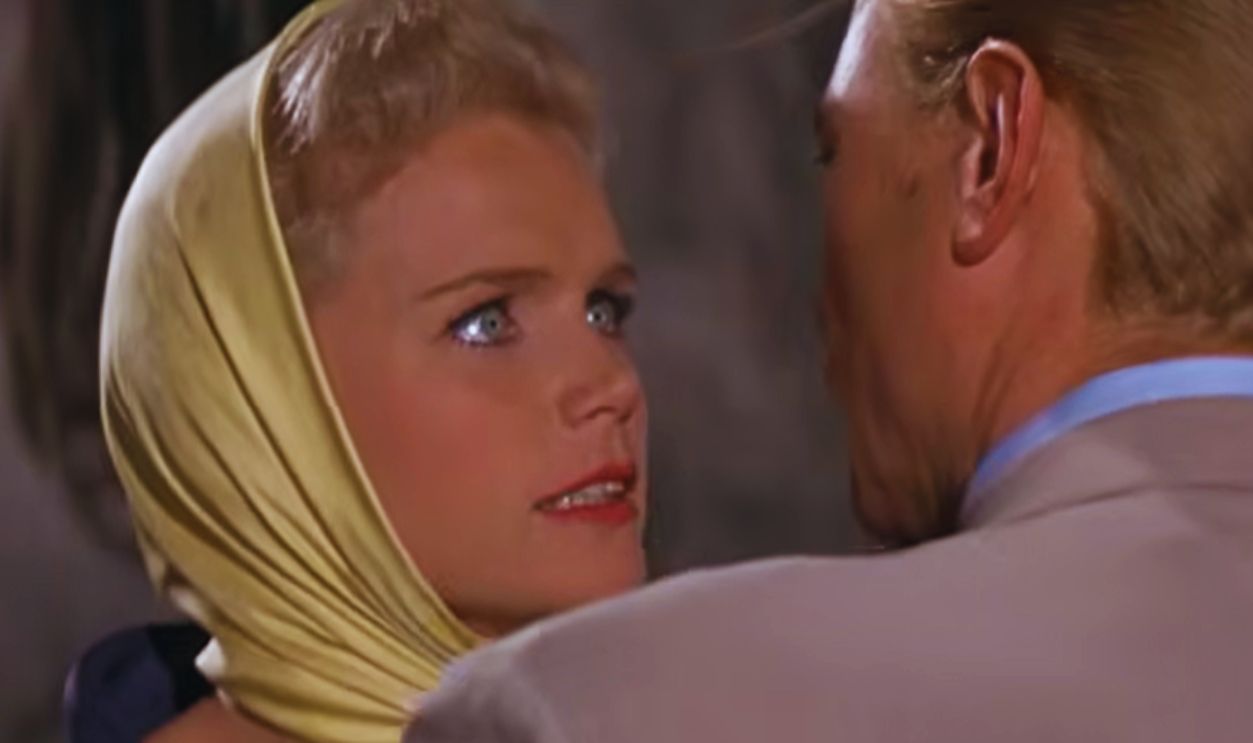 Screenshot from The Running Man, Sony Pictures Entertainment (1963)
Comedy In The Wheeler Dealers (1963)
In Arthur Hiller’s comedy The Wheeler Dealers (1963), Remick played investment analyst Molly Thatcher opposite James Garner’s charming businessman Henry Tyroon. It was a chance for her to demonstrate comic timing and romantic chemistry in a lighter setting. By this point, she had proven capable of handling virtually every major Hollywood genre.
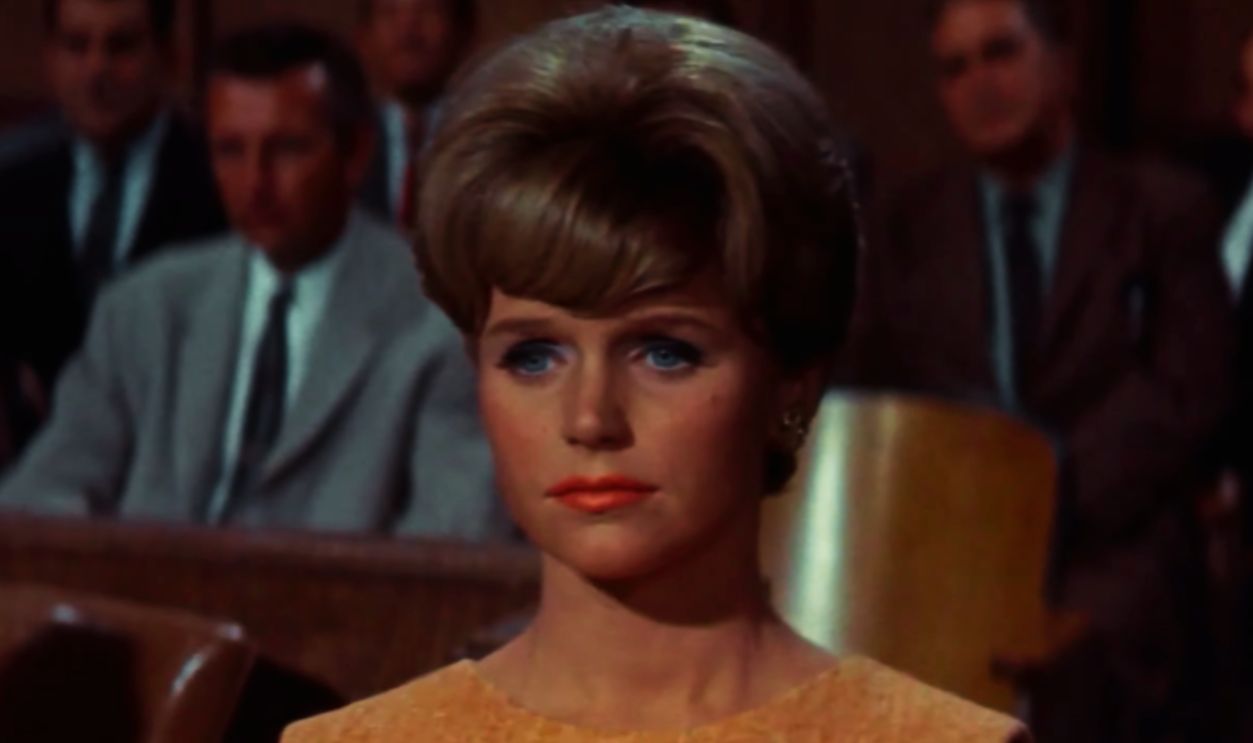 Screenshot from The Wheeler Dealers, Warner Bros. Discovery (1963)
Friendship With Stephen Sondheim
Remick appeared in Stephen Sondheim’s ambitious Broadway musical Anyone Can Whistle (1964), playing Fay Apple alongside Angela Lansbury and Harry Guardino. Although the production struggled commercially, Remick formed a lasting friendship with Stephen Sondheim, who greatly admired her intelligence, wit, and musical abilities.
![Title: Stephen Sondheim [New York]
Creator(s): Gotfryd, Bernard, photographer
Date Created/Published: 1972.
Medium: 1 photograph : color transparency ; 35mm (slide format)
Reproduction Number: LC-DIG-gtfy-03766 (digital file from original)
Rights Advisory](https://www.factinate.com/storage/app/media/theshot/2026/5/20/17792604549b11153a6e8233e3adb708e8e93c4a2c0a56d106.jpg) Gotfryd, Bernard, photographer, Wikimedia Commons
Gotfryd, Bernard, photographer, Wikimedia Commons
Emotional Drama In Baby The Rain Must Fall (1965)
Directed by Robert Mulligan, Baby the Rain Must Fall (1965) paired Remick with Steve McQueen and Don Murray. She played Georgette Thomas, a woman trying to build a stable family life after her husband’s release from prison. The film highlighted her talent for portraying resilient women confronting emotional disappointment and uncertainty.
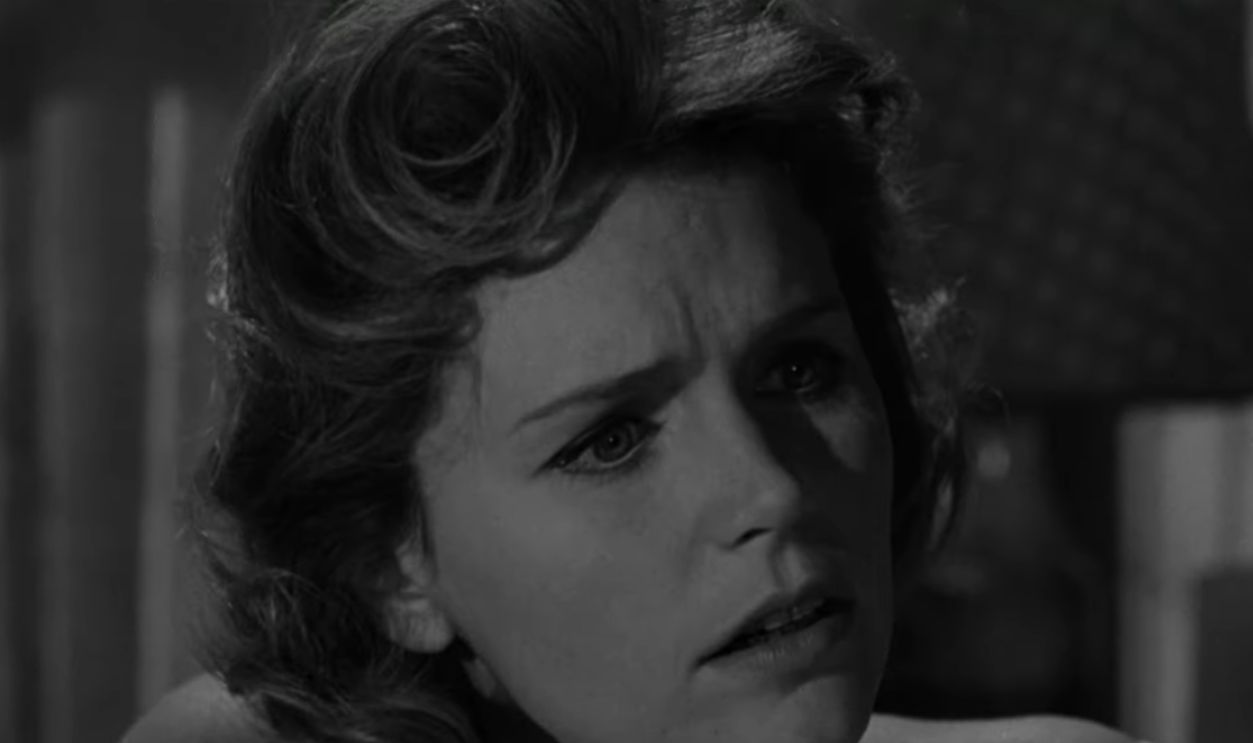 Screenshot from Baby The Rain Must Fall, Sony Pictures Entertainment (1965)
Frontier Comedy In The Hallelujah Trail (1965)
Remick joined Burt Lancaster, Donald Pleasence, Brian Keith, and Martin Landau in John Sturges’ sprawling Western comedy The Hallelujah Trail (1965). Playing Cora Templeton Massingale, she brought sophistication and comic energy to the chaotic frontier adventure. The production demonstrated her ability to hold her own within large ensemble casts.
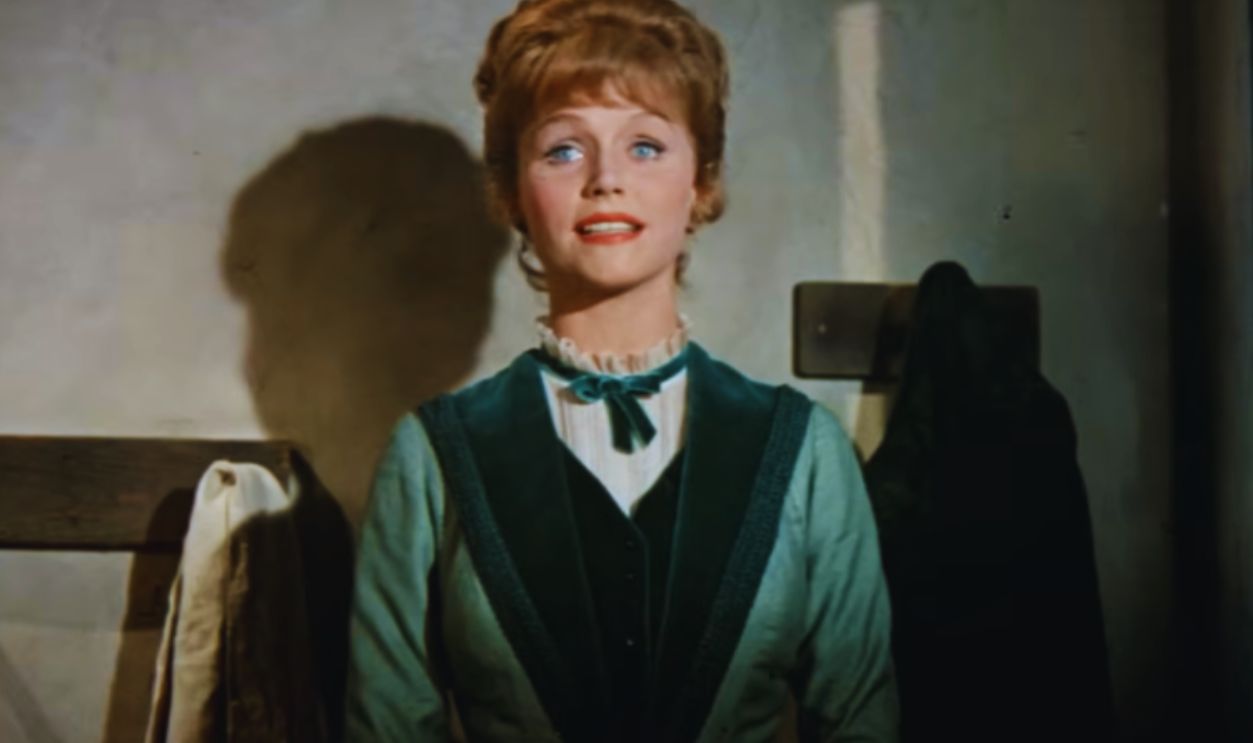 Screenshot from The Hallelujah Trail, Amazon MGM Studios (1965)
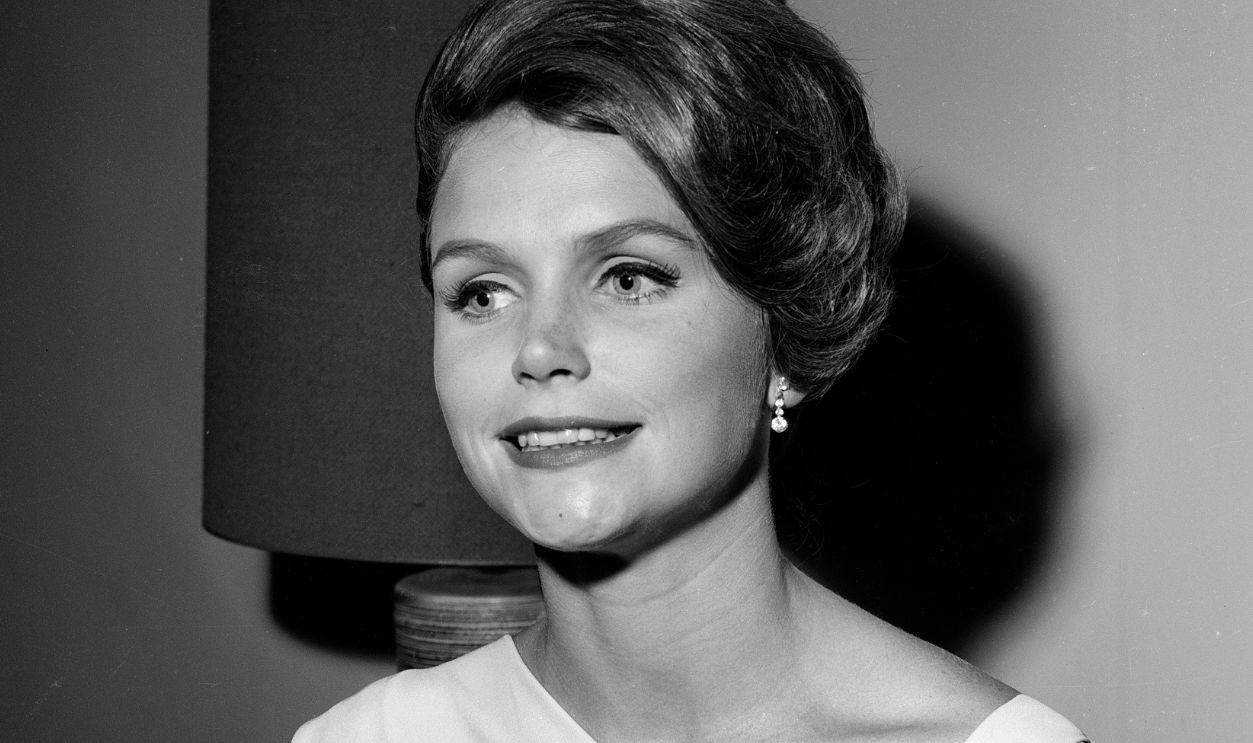
Broadway Success In Wait Until Dark (1966)
Remick returned triumphantly to Broadway co-starring with Robert Duvall in Frederick Knott’s thriller Wait Until Dark (1966), portraying Susy Hendrix, a blind woman terrorized by criminals in her apartment. The tense stage production became a major hit. Her performance earned widespread acclaim and reinforced her standing as a formidable live performer.
 Michael Ochs Archives, Getty Images
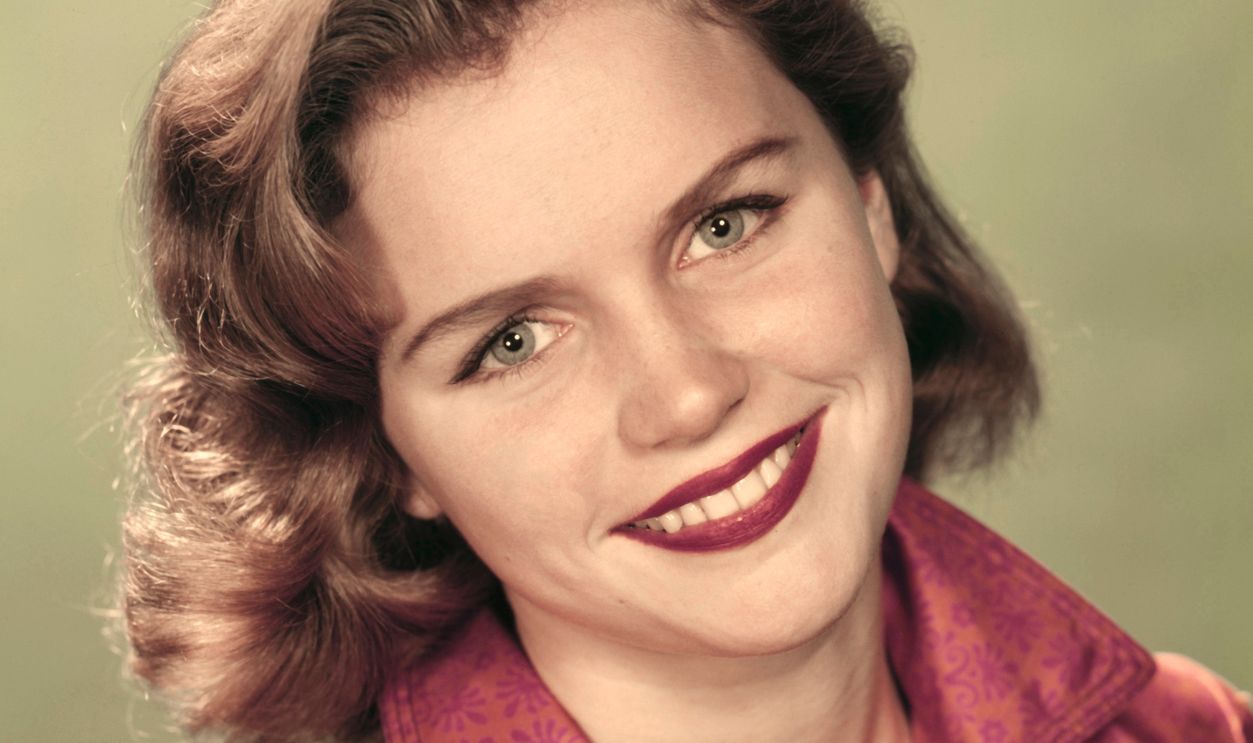
A Tony Award Nomination
Remick received a Tony Award nomination for her work in Wait Until Dark (1966). Theater critics praised the emotional precision and mounting terror she conveyed throughout this demanding role. Her success on Broadway confirmed that she was equally compelling before a live audience as she was on film or television.
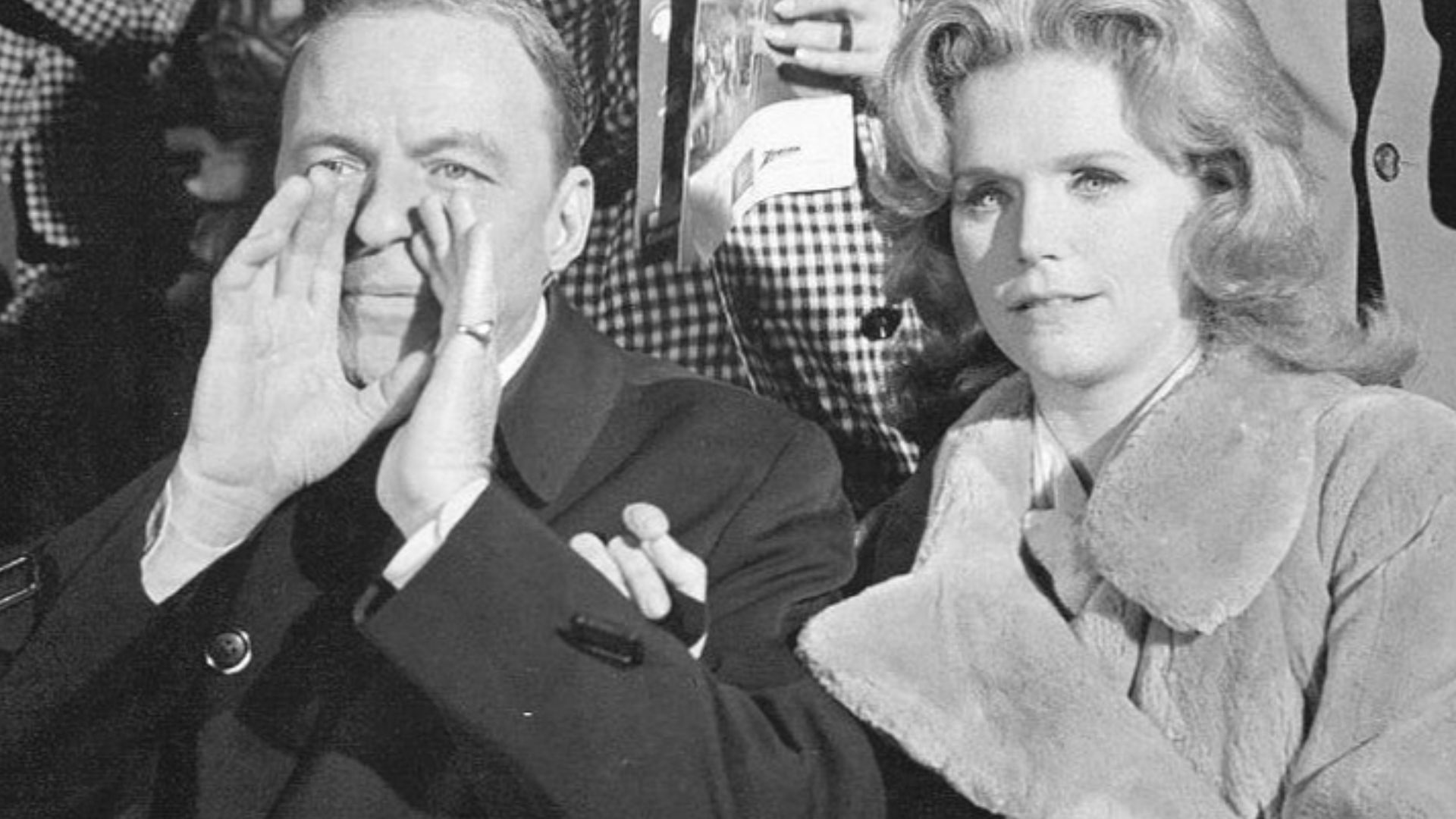
Crime Drama In The Detective (1968)
In Gordon Douglas’ The Detective (1968), Remick starred opposite Frank Sinatra, Ralph Meeker, and Jacqueline Bisset. She played Karen Leland, the troubled wife of Sinatra’s detective Joe Leland. The film explored corruption, sexuality, and moral ambiguity, offering Remick another emotionally layered character during a turbulent cinematic era.
 20th Century Fox, Wikimedia Commons
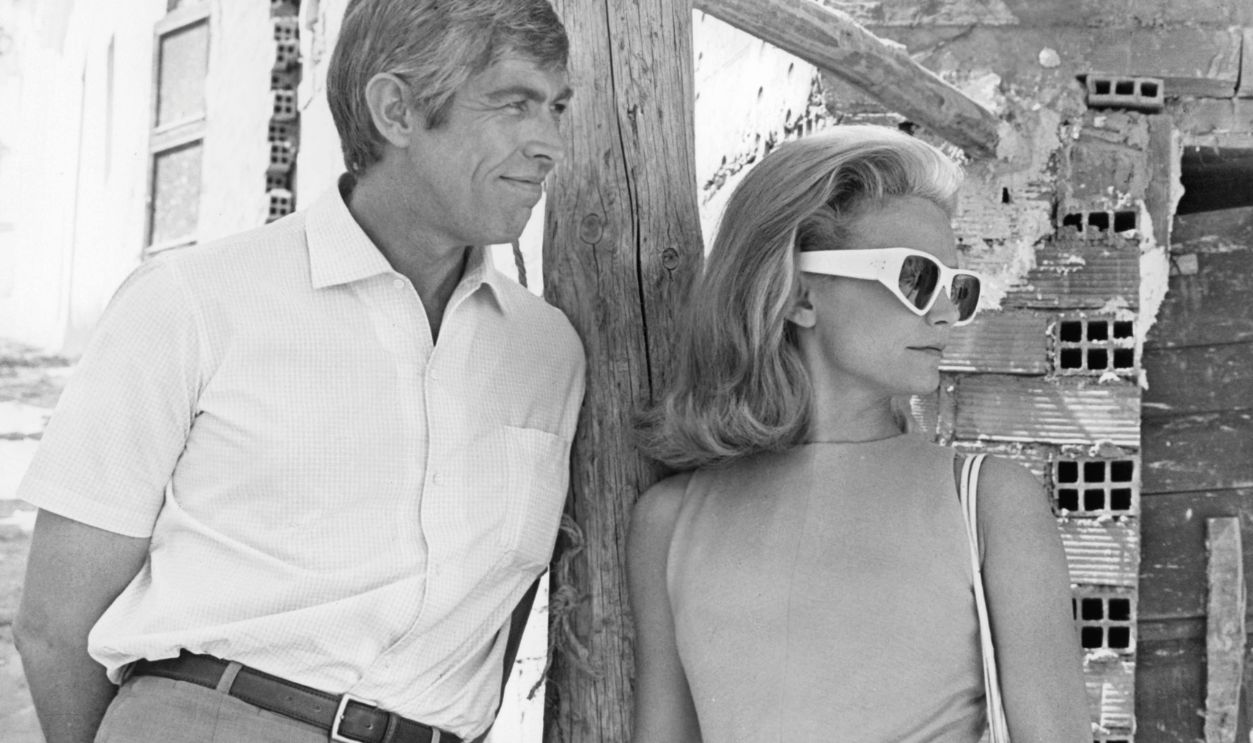
A Dark Turn In Hard Contract (1969)
Remick reunited with James Coburn in S. Lee Pogostin’s Hard Contract (1969), a moody thriller about an assassin questioning his own way of life. Playing Sheila Metcalfe, she added emotional complexity to the existential story. By the end of the decade, Remick had built one of Hollywood’s most eclectic and respected filmographies.
Marriage To Kip Gowans And Life In England
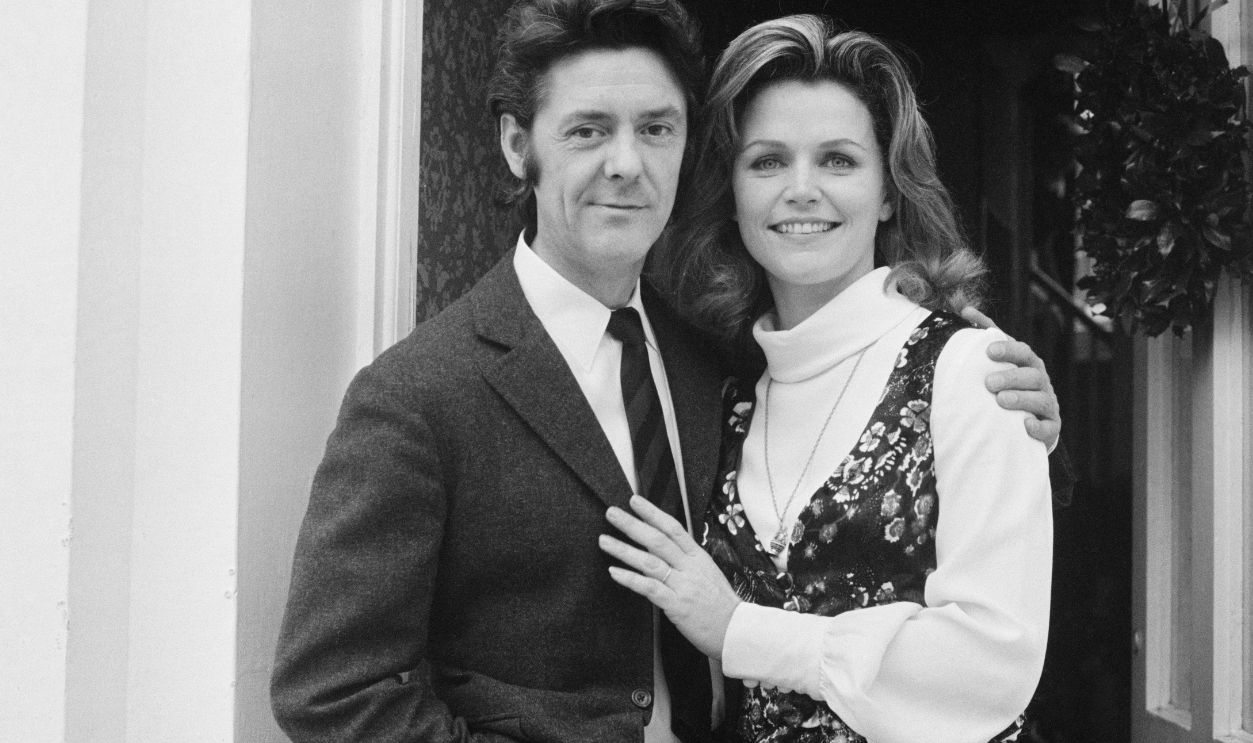
After divorcing Bill Colleran, Remick married British producer William Rory “Kip” Gowans in 1970. The couple relocated to England, where she would spend the remainder of her life. Living abroad gradually shifted her career toward European productions, television films, and stage work while preserving her international profile.
 Hilaria McCarthy, Getty Images
Reunited With Paul Newman (1971)
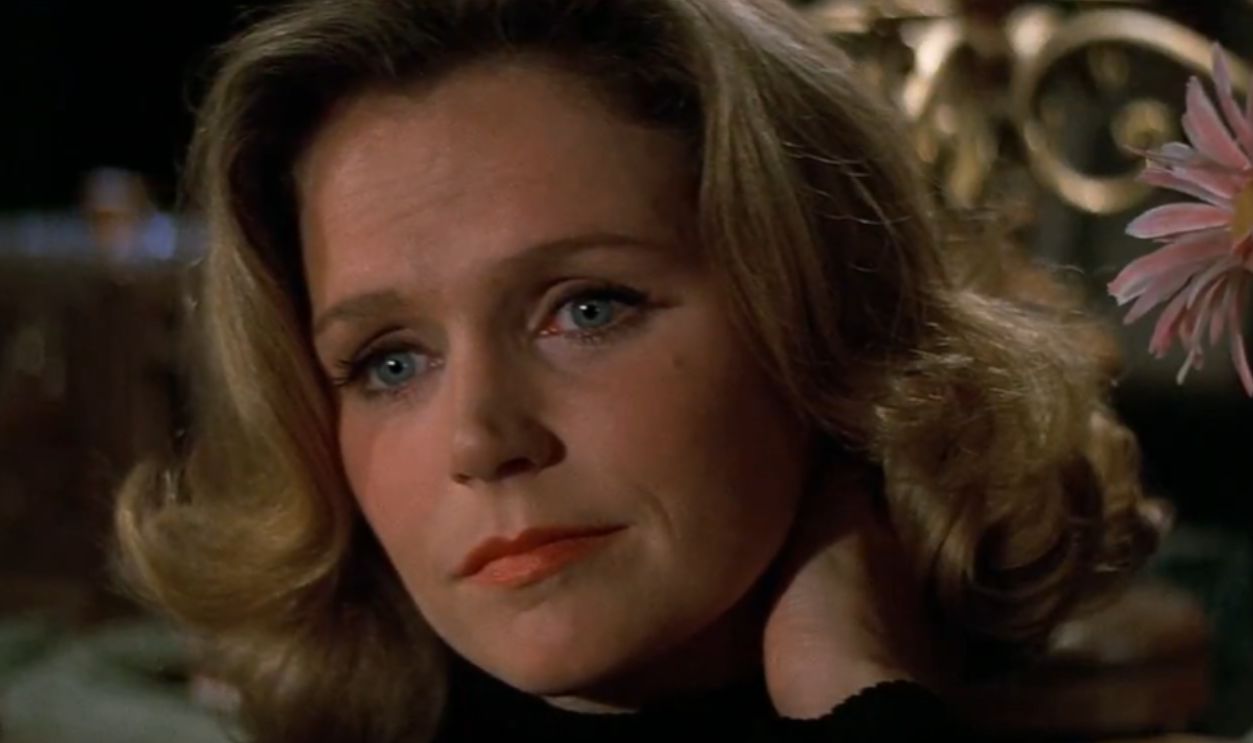
Remick reunited with Paul Newman in Sometimes a Great Notion (1971), the acclaimed drama directed by Newman and adapted from Ken Kesey’s novel of the same name. Playing Viv Stamper opposite Newman, Henry Fonda, Michael Sarrazin, and Richard Jaeckel, she brought emotional warmth and resilience to the rugged Pacific Northwest family story that explored family pride, isolation, and the challenges of masculinity.
 Screenshot from Sometimes a Great Notion, NBCUniversal (1971)
Golden Globe Success With The Blue Knight (1973)
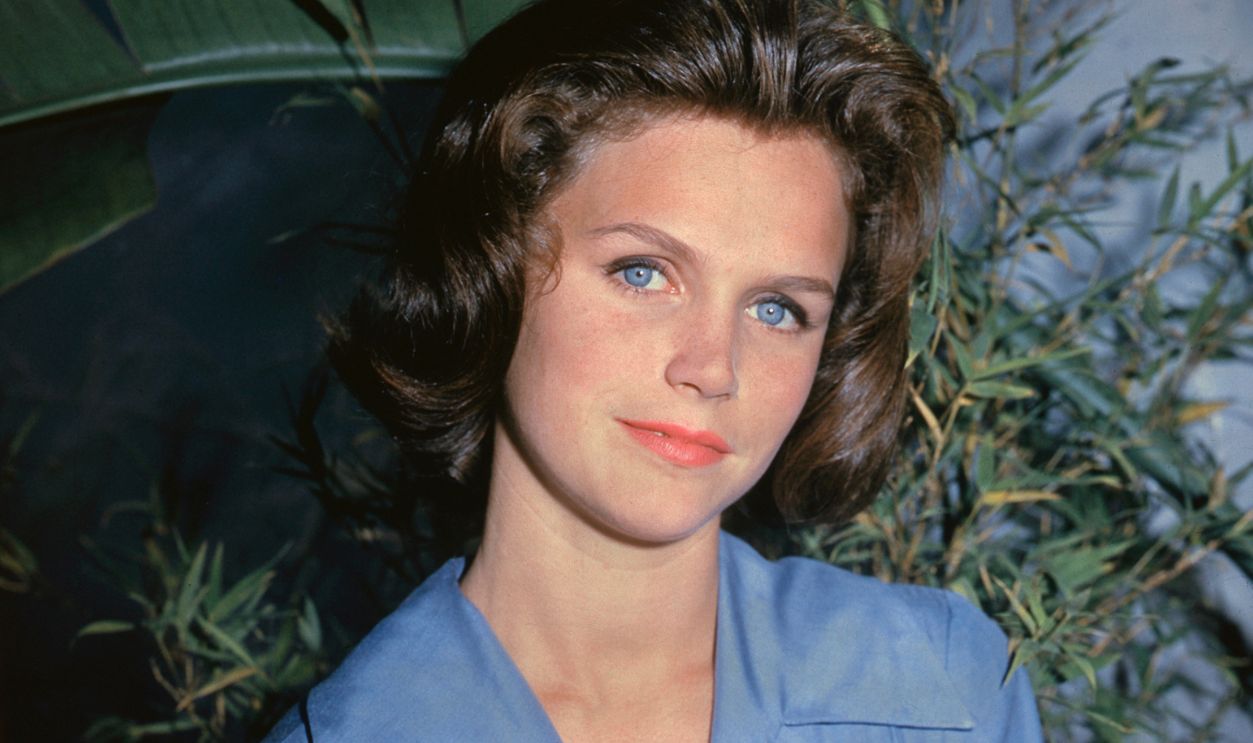
Remick earned major television acclaim for her role as Cassie Walters in The Blue Knight (1973), opposite William Holden in the acclaimed police miniseries directed by Robert Butler. Her performance won the 1974 Golden Globe for Best Actress in a Television Drama, confirming that her talent translated as powerfully to television as it had to film and Broadway.
 Silver Screen Collection, Getty Images
Triumph As Jennie Jerome
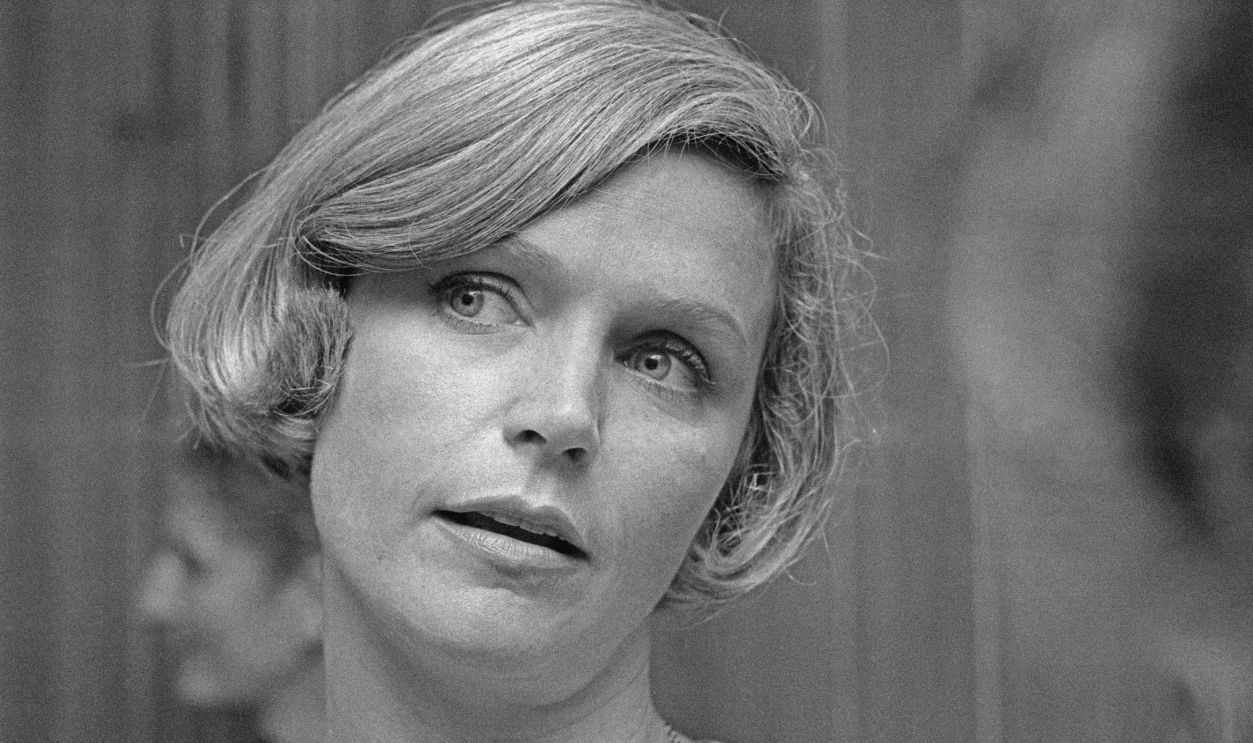
Remick earned some of the greatest acclaim of her later career in the British television serial Jennie: Lady Randolph Churchill (1974), directed by James Cellan Jones. Playing Winston Churchill’s ambitious and charismatic American-born mother, Jennie Jerome, she delivered a sophisticated performance that won both the BAFTA TV Award for Best Actress and the Golden Globe for Best Actress in a Television Drama Series.
 Evening Standard, Getty Images
Horror Classic The Omen (1976)
Remick experienced a major commercial success with Richard Donner’s The Omen (1976). Playing Katherine Thorn opposite Gregory Peck’s diplomat Robert Thorn, she portrayed a mother slowly realizing her adopted son may be evil incarnate. The chilling supernatural horror film became a worldwide hit and introduced Remick to a new generation of viewers.
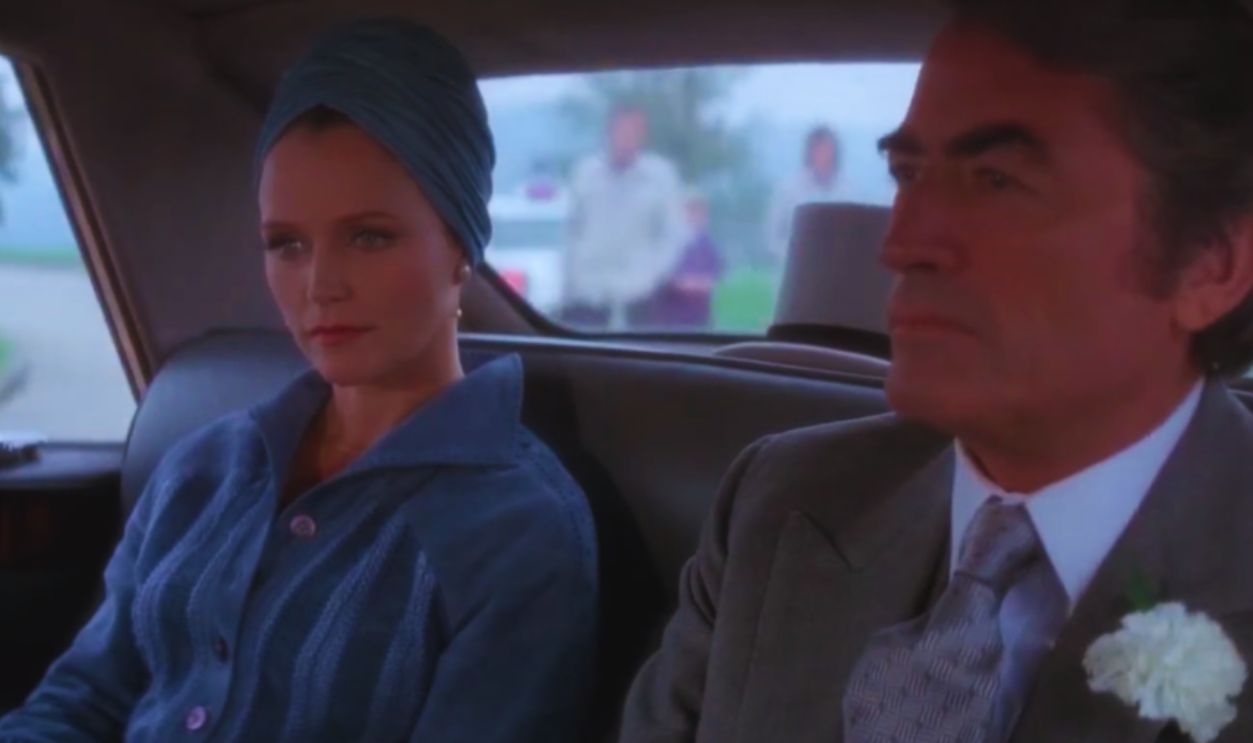 Screenshot from The Omen, The Walt Disney Company (1976)
The Terrifying Monkey Scene
One of the most memorable sequences in The Omen (1976) involved Katherine Thorn being attacked by baboons at a safari park. Reports from the production revealed that Remick’s screams were genuine because the animals became unexpectedly aggressive during filming. The frightening realism helped make the scene one of horror cinema’s enduring moments.
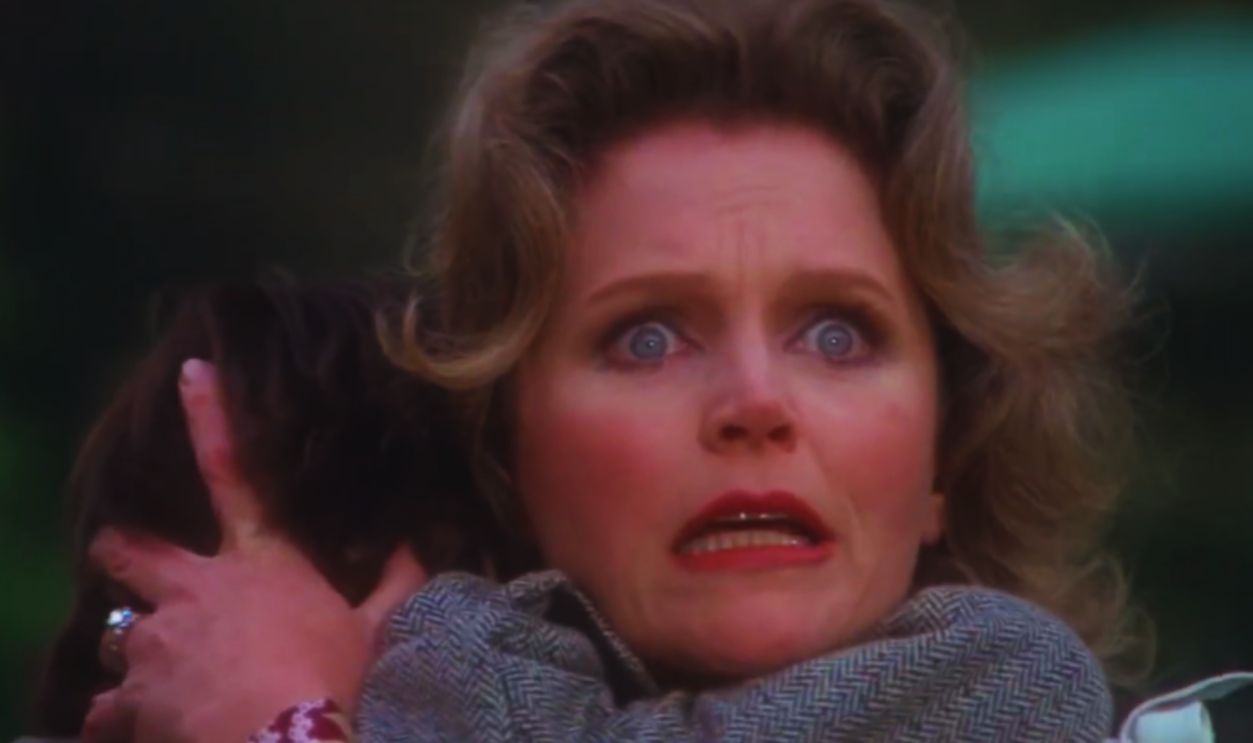 Screenshot from The Omen, The Walt Disney Company (1976)
Suspicion Around Charles Bronson In Telefon (1977)
In Don Siegel’s Cold War thriller Telefon (1977), Remick co-starred with Charles Bronson and Donald Pleasence. She reportedly approached working with Bronson cautiously because of his intimidating screen reputation. Playing KGB agent Barbara opposite Bronson’s weary operative, she once again demonstrated intelligence and restraint within a tense espionage story.
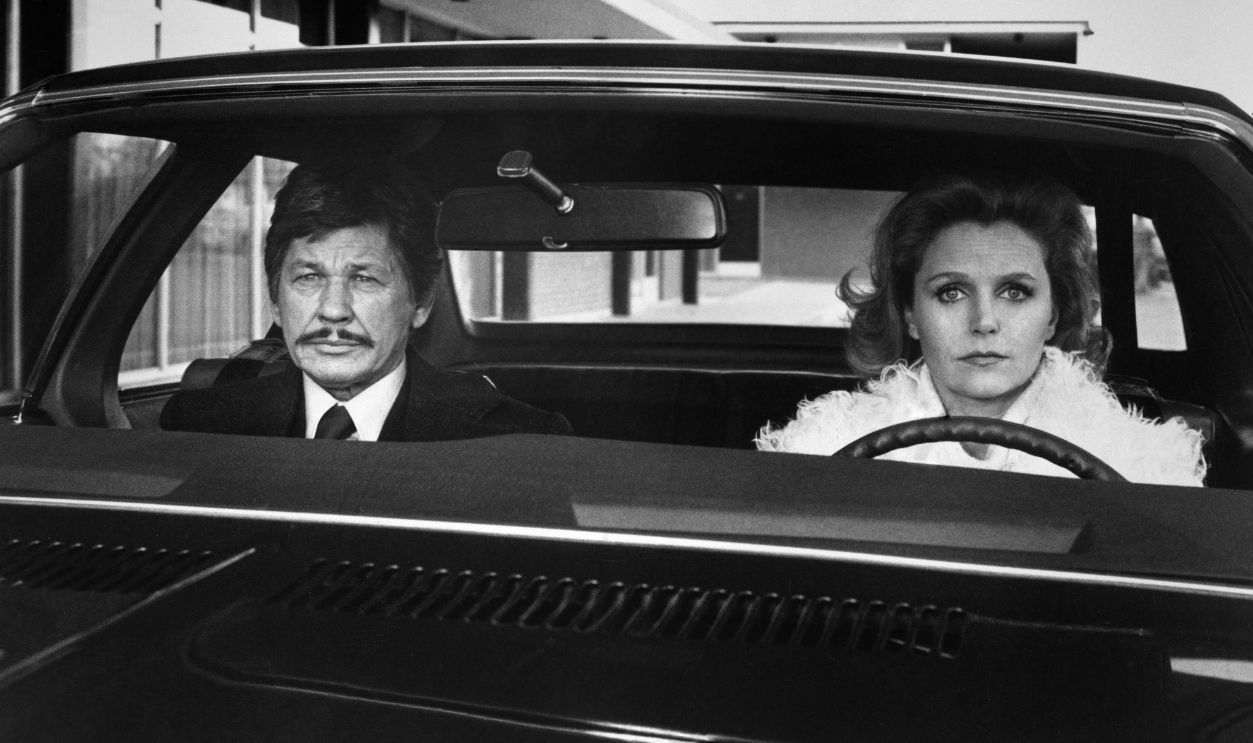 Michael Ochs Archives, Getty Images
Psychological Horror In The Medusa Touch (1978)
Remick appeared with Richard Burton, Lino Ventura, Harry Andrews, Derek Jacobi, and Jeremy Brett in Jack Gold’s The Medusa Touch (1978). She played psychiatrist Dr. Zonfeld, who investigates catastrophic events surrounding Burton’s mysterious writer character. The eerie psychological thriller allowed Remick to shine quietly even amid some fairly apocalyptic material.
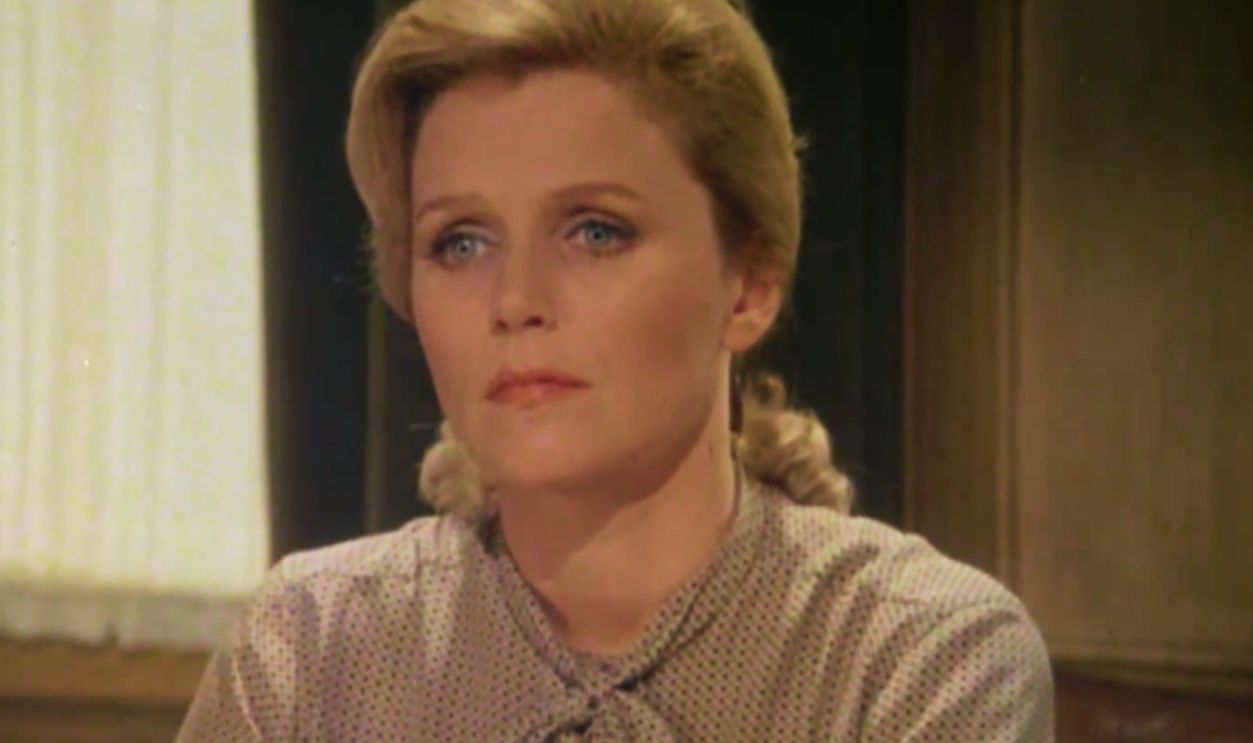 Screenshot from The Medusa Touch, StudioCanal (1978)
Merchant Ivory Elegance In The Europeans (1979)
James Ivory directed Remick in The Europeans (1979), adapted from Henry James. Playing the sophisticated Baroness Eugenia Münster opposite Robin Ellis and Wesley Addy, she fit naturally into Merchant Ivory’s refined literary world. Her elegance and emotional subtlety made her especially effective in period dramas during this later stage of her career.
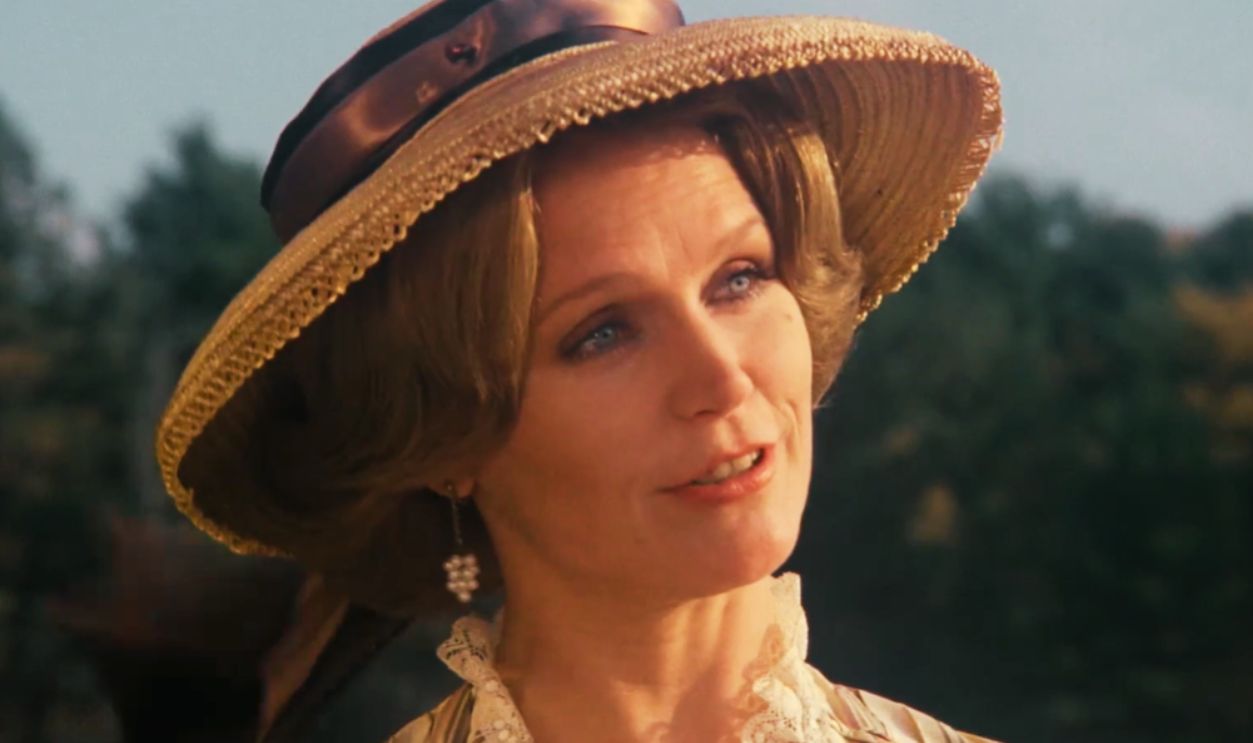 Screenshot from The Europeans, The Criterion Collection (1979)
Emmy Recognition For Haywire (1980)
Remick earned an Emmy nomination for Outstanding Lead Actress in a Limited Series or Special for the miniseries Haywire (1980). Starring alongside Jason Robards and Jack Albertson, she portrayed a woman caught in emotional turmoil and social upheaval. Television increasingly became the major showcase for her acting efforts.
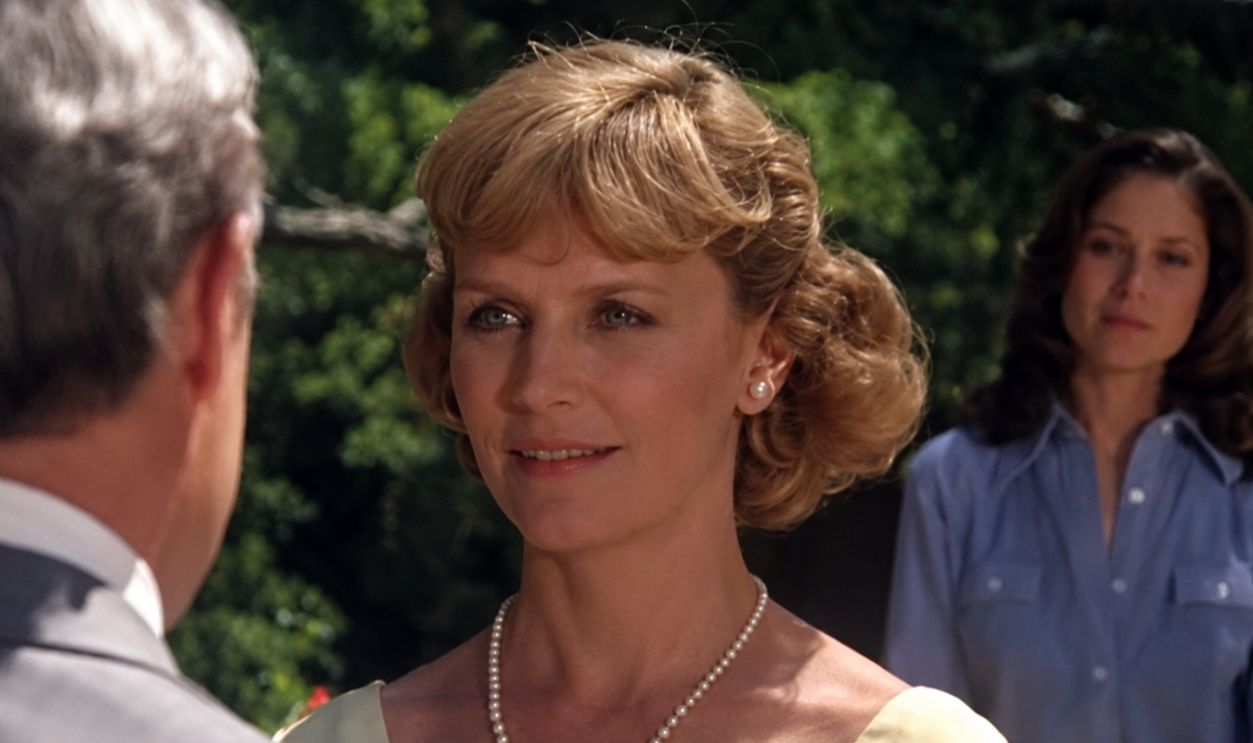 Screenshot from Haywire, Warner Bros. Discovery (1980), enhanced
A Familiar Face In Television Movies
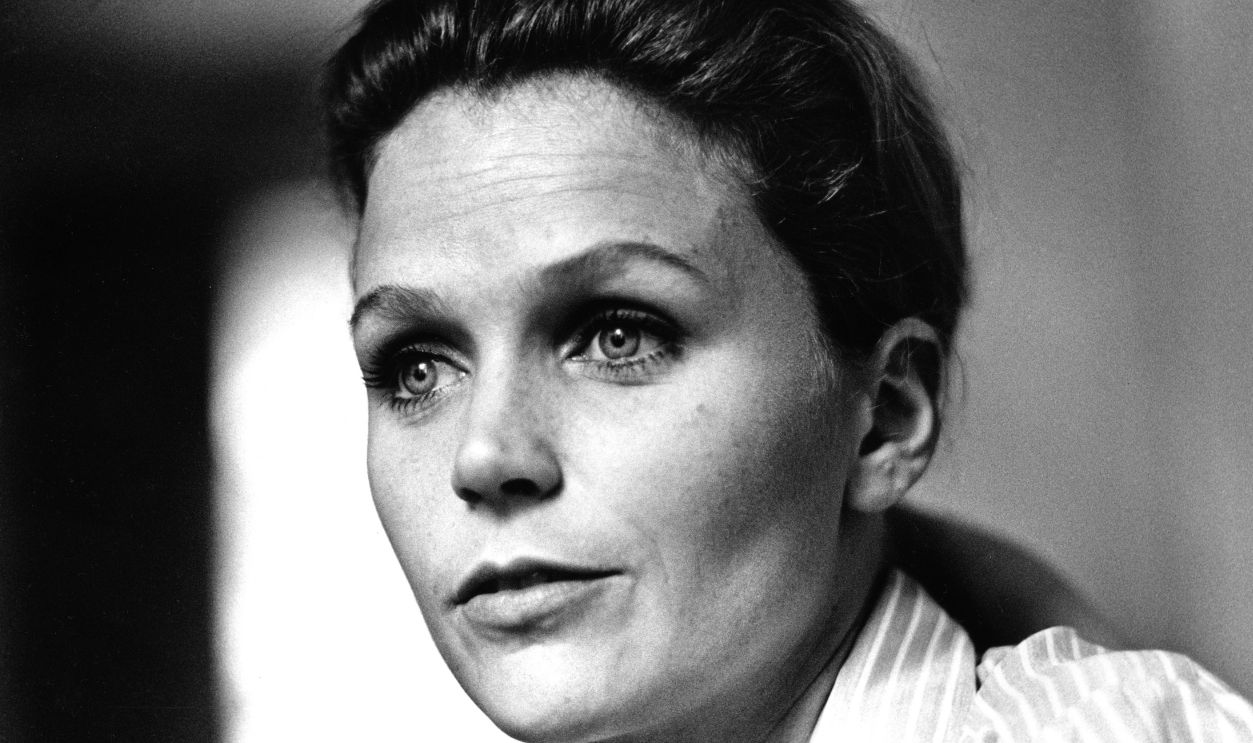
Throughout the late 1970s and 1980s, Remick became one of television’s most respected dramatic actresses. She starred in productions including A Girl Named Sooner (1975), The Ambassadors (1977), Ike: The War Years (1979), and The Letter (1982) which won her another Golden Globe nomination for Best Actress in a Television Film or Miniseries.
Nutcracker: Money, Madness And Murder (1987)
Remick received another Emmy nomination for the miniseries Nutcracker: Money, Madness and Murder (1987), based on the sensational murder case involving wealthy industrialist Franklin Bradshaw. Acting alongside Farrah Fawcett and Pierre Malet, she continued proving that television offered her some of the richest opportunities of her later career.
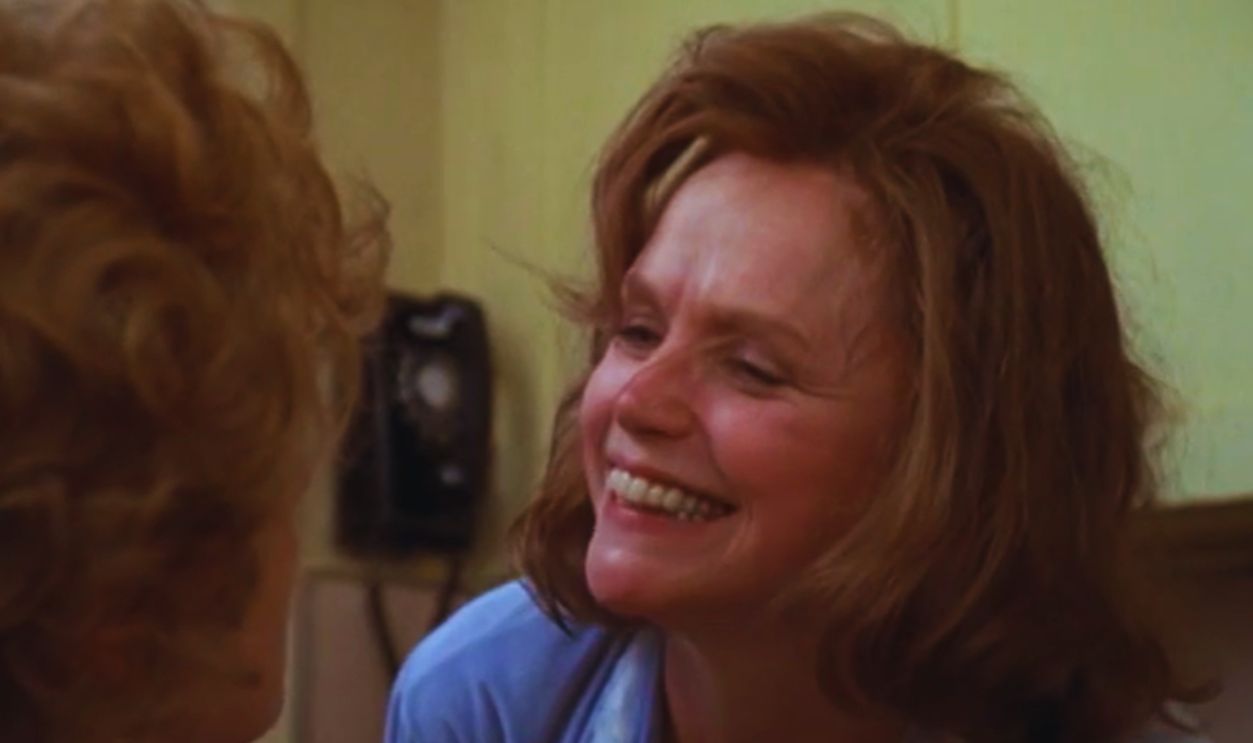 Screenshot from Nutcracker: Money, Madness And Murder, Warner Bros. Discovery (1987)
Final Film Role In Emma’s War (1987)
Remick’s final feature film appearance came in Emma’s War (1987), directed by Clyde Jessup and starring Miranda Otto. Set in Sudan during political conflict, the drama reflected the increasingly international character of her later work. Even near the end of her screen career, Remick remained committed to emotionally serious material.
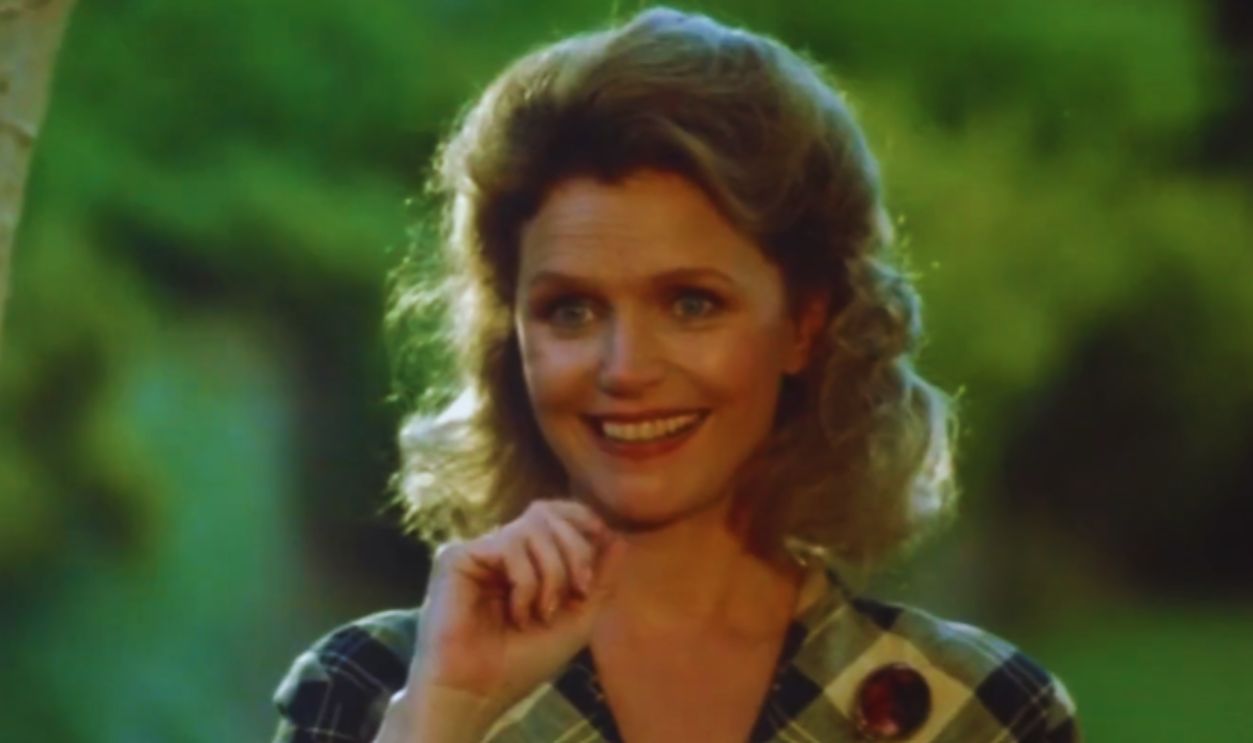 Screenshot from Emma’s War, Umbrella Entertainment (1987)
Illness And Determination
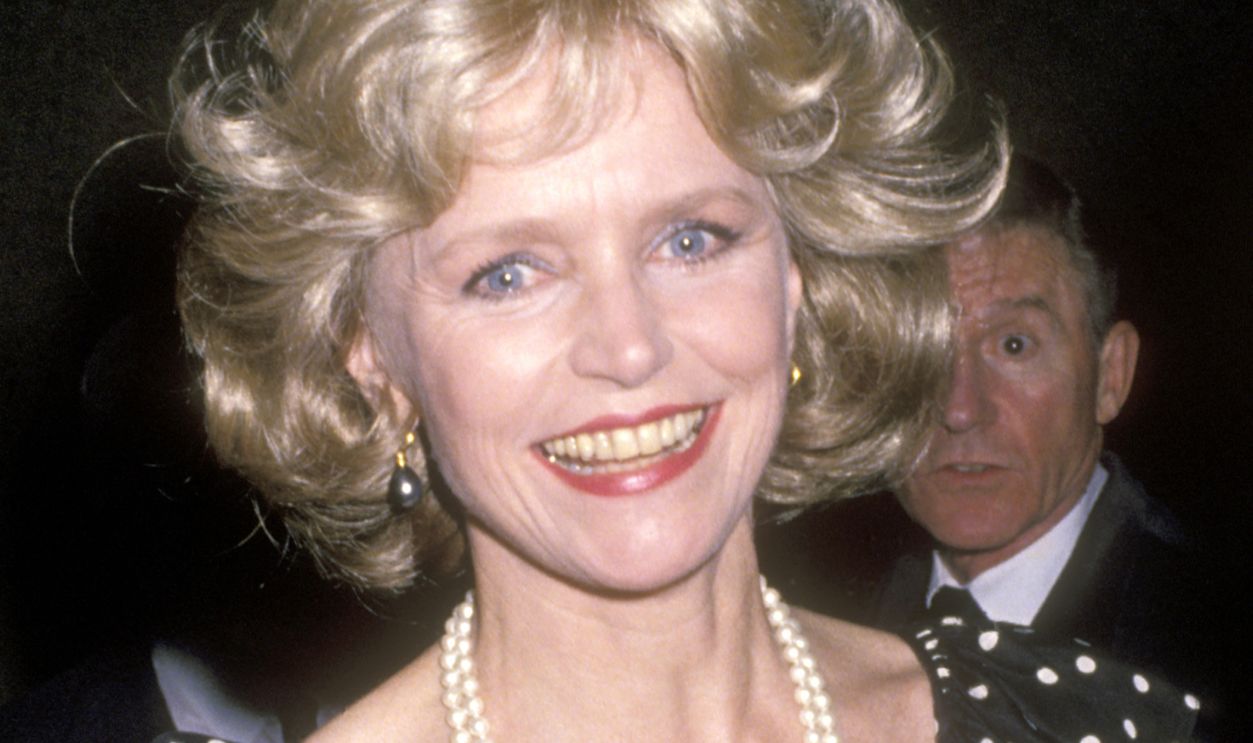
In 1989, Remick was diagnosed with kidney cancer. For a while it seemed that the treatments would be successful as Remick went on living the next closest thing to a normal family life. But by 1991, her condition had taken a noticeable turn for the worst. Her last public appearance was on April 29, 1991 when she attended the ceremony for being awarded her star on the Hollywood Walk of Fame.
Death And Tributes
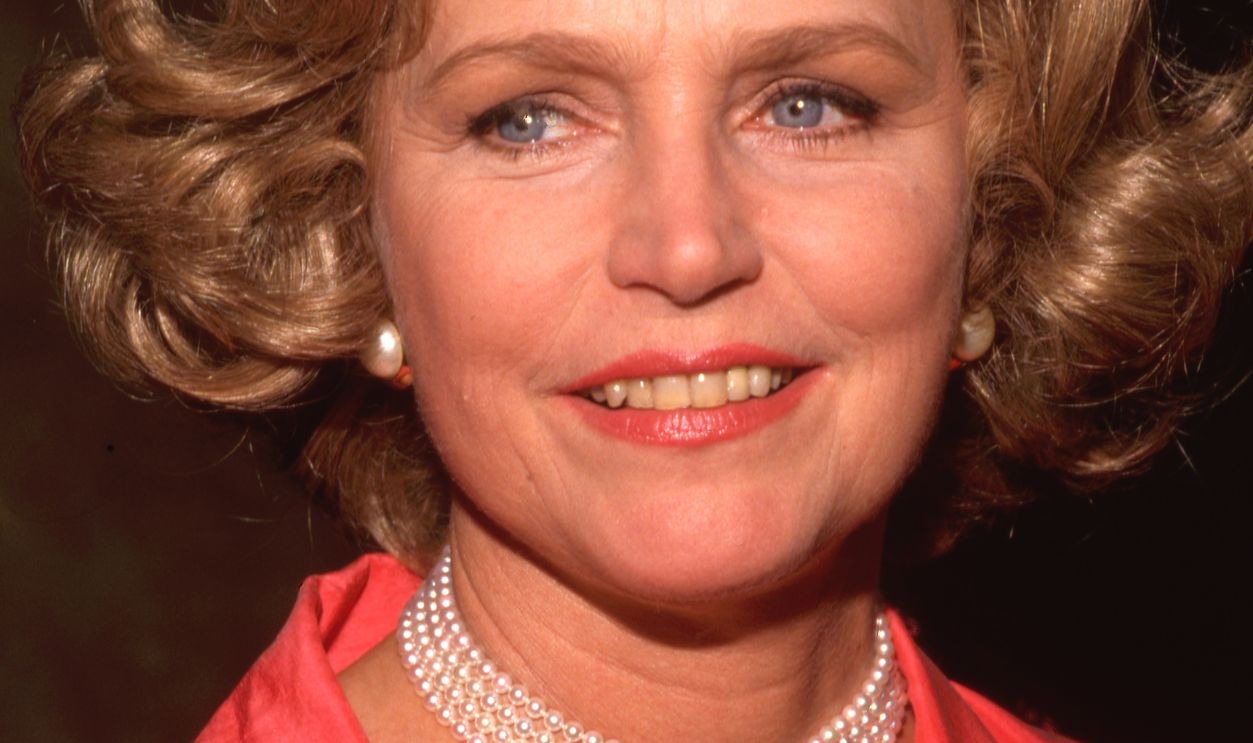
Lee Remick died on July 2, 1991, at the age of 55 in Los Angeles. Obituaries praised her remarkable versatility, intelligence, and emotional honesty. Directors, co-stars, and critics remembered her as an actress capable of combining movie-star good looks with profound vulnerability that few performers ever achieved.
In Filmgoers’ Memories
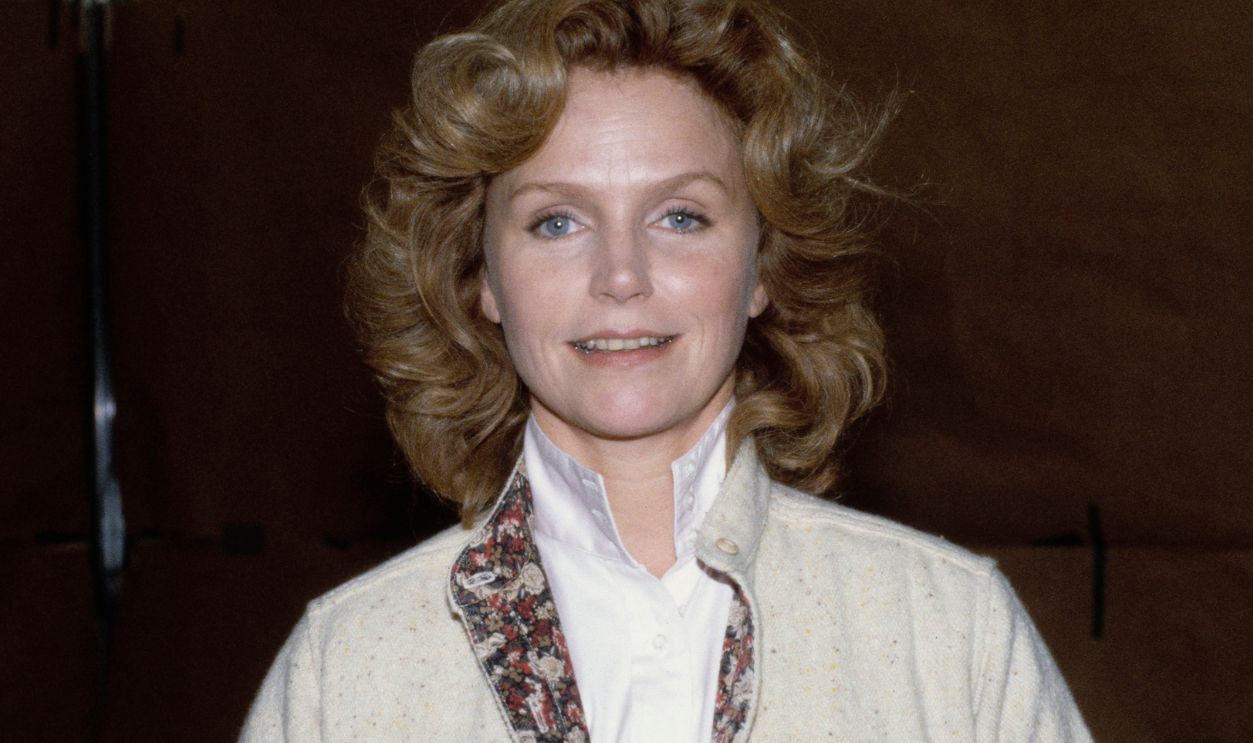
Today, Lee Remick remains admired for the extraordinary breadth of her career, from prestige dramas and thrillers to Broadway musicals and television miniseries. Working with an impressive list of different directors and co-star, she consistently elevated every production through intelligence, range, and emotional truth.
You May Also Like:
Suave Facts About David Niven, Hollywood's Prince Charming
Glamorous Facts About Janet Leigh, The Original Scream Queen