The Nicest People Behind Cinema’s Terrifying Characters
Some performances feel so convincing they blur into reputation, and certain actors built careers playing villains audiences love to hate. Yet off camera, stories tell a very different tale. Despite their cold stares, many of them earn praise for generosity and empathy.
Anthony Hopkins
Hannibal Lecter remains one of film’s most unsettling villains, etched into Anthony Hopkins’ legacy. Online, audiences see a gentler side through playful dancing videos and generous praise for others. Known for humility, he channels calm into painting and reflection.
 User:Towpilot, Wikimedia Commons
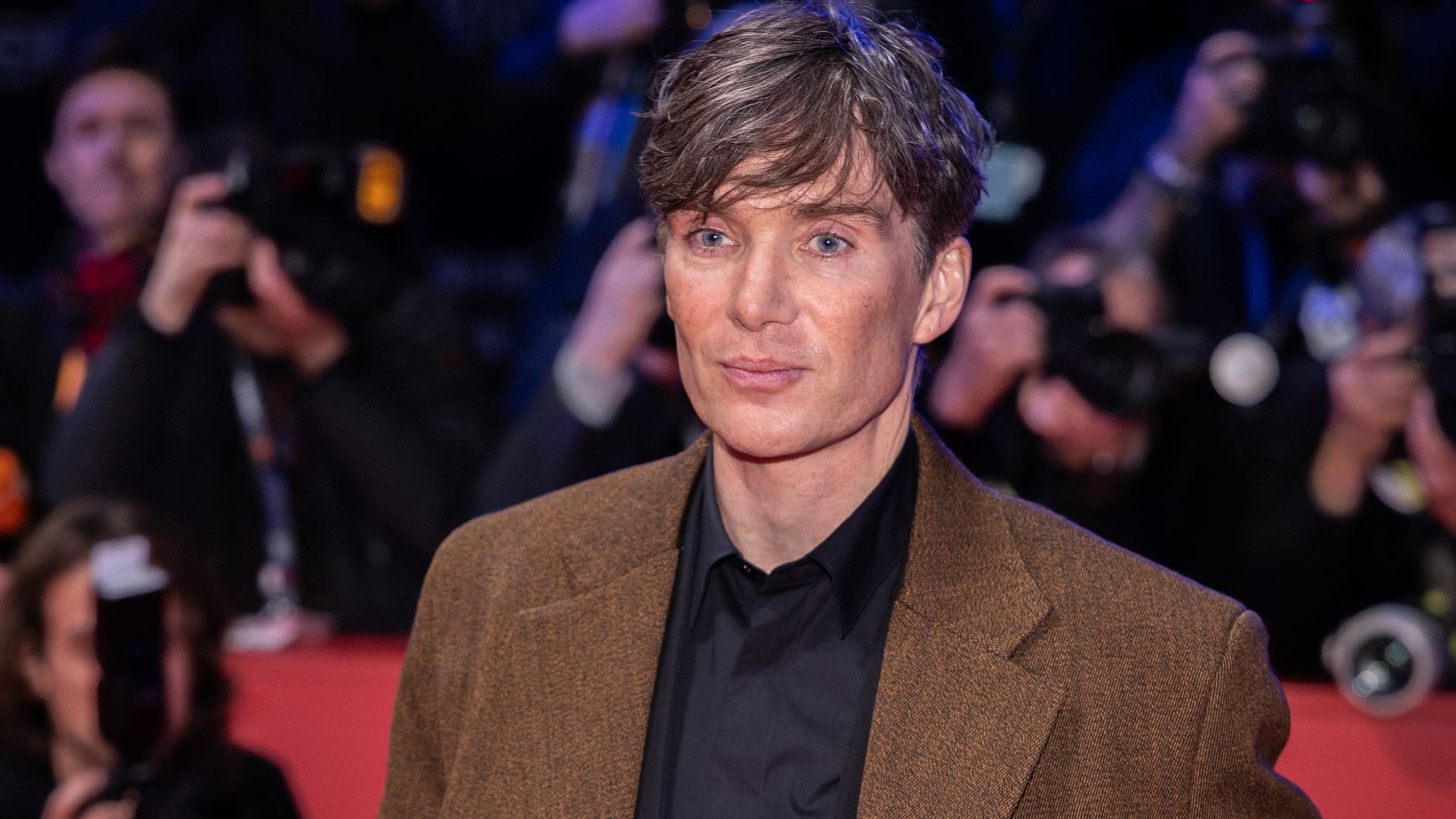
Cillian Murphy
Quiet intensity defines Cillian Murphy’s screen presence, whether as Tommy Shelby or Batman’s Scarecrow. Away from those morally gray roles, directors say he’s relaxed and considerate. Co-stars note humility, zero diva behavior, and a thoughtful nature.
 Harald Krichel, Wikimedia Commons
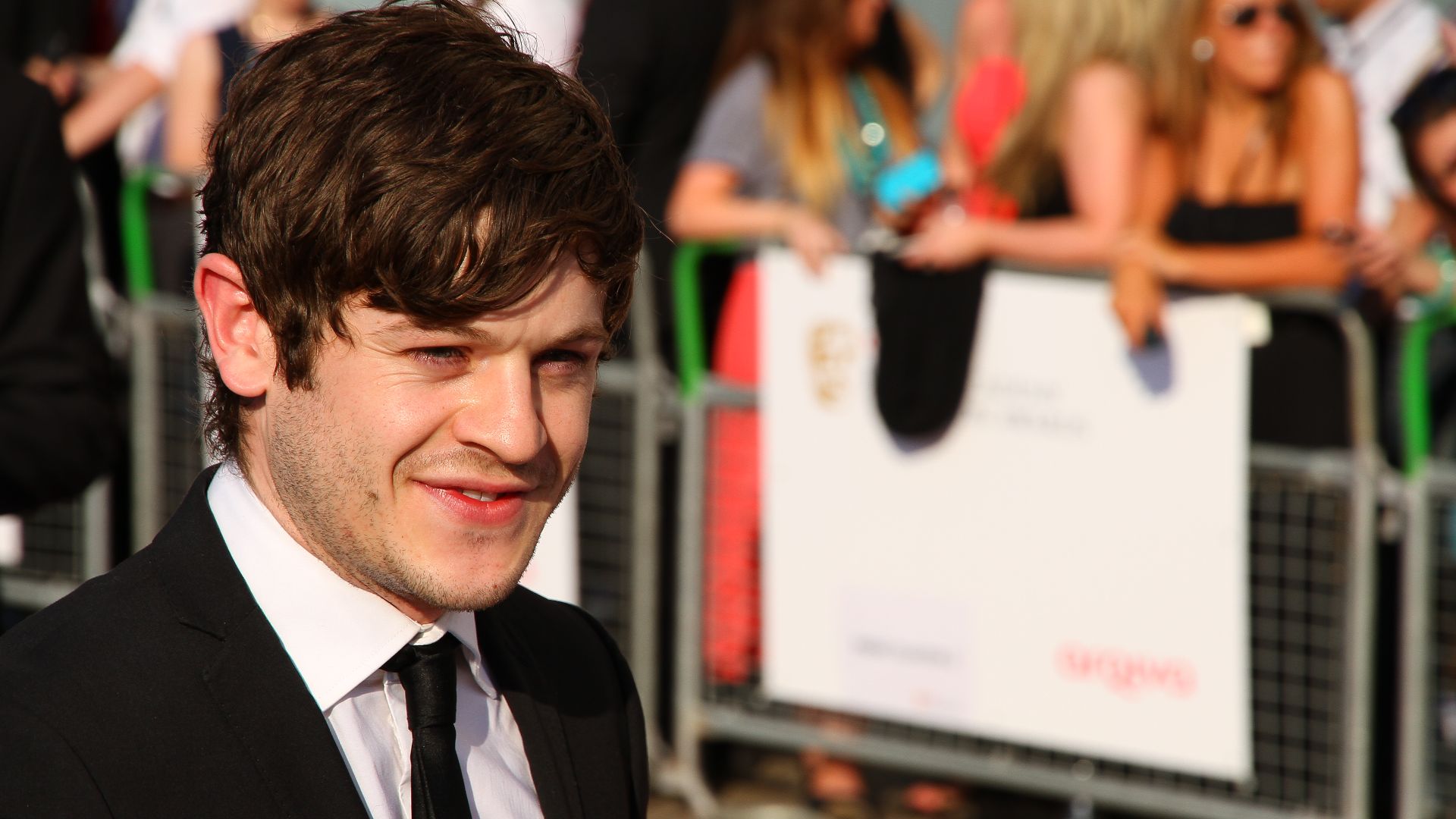
Iwan Rheon
For many viewers, Iwan Rheon remains inseparable from Ramsay Bolton’s ruthlessness. The reality surprises almost everyone. Industry insiders speak of his cheerful, talkative presence, as he even stepped back from acting for philanthropy. Music offers another outlet with his uplifting songwriting.
Timothy Olyphant
That sharp edge Timothy Olyphant brought to Go and Die Hard 4 made him a convincing antagonist. Off-screen, charm and humor dominate. Widely considered a favorite on set, he openly prefers heroic roles, a reflection of his upbeat personality and family-centered life.
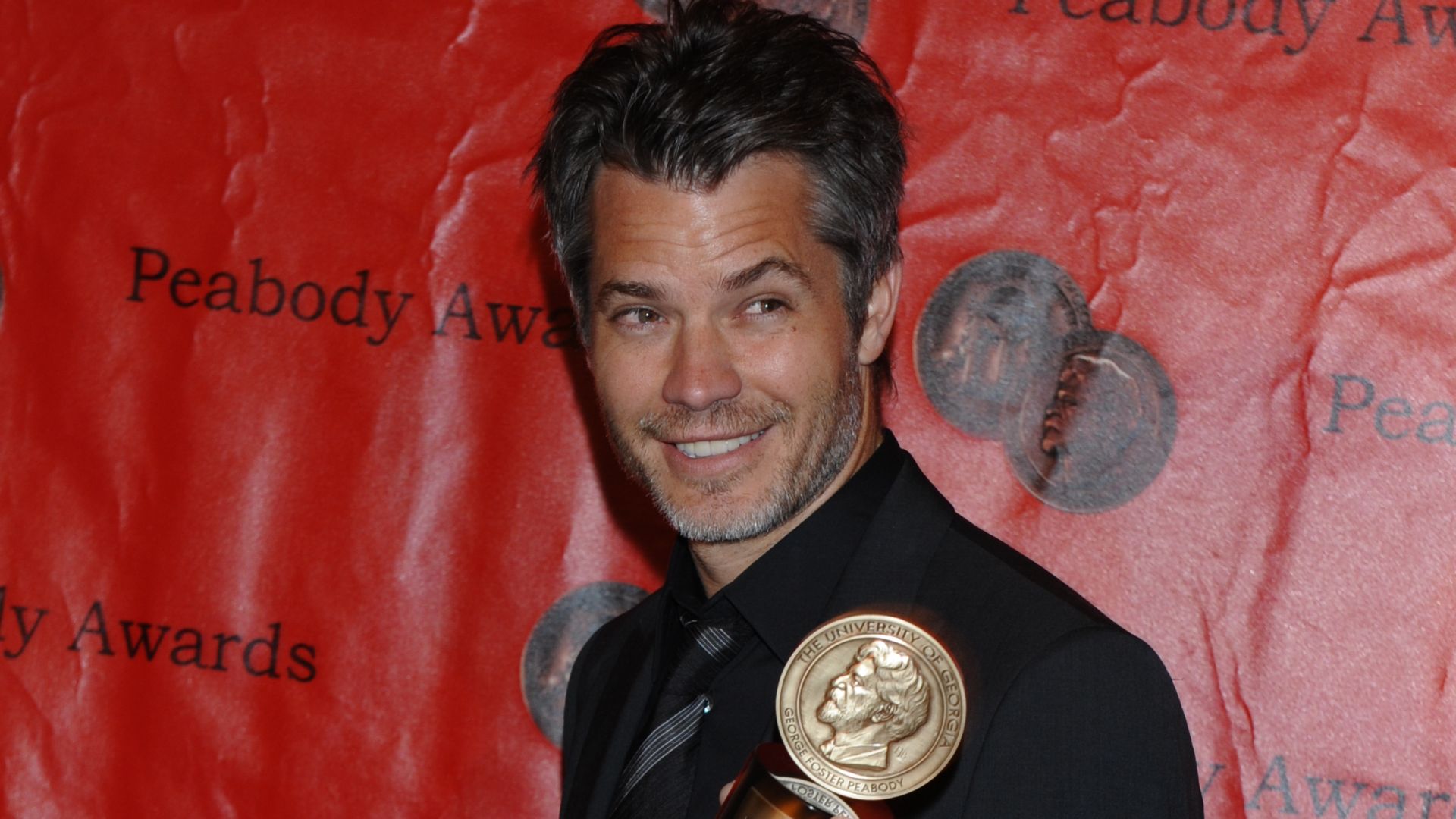 Peabody Awards, Wikimedia Commons
Ben Kingsley
Don Logan’s explosive menace in Sexy Beast remains unforgettable, yet Ben Kingsley’s off-camera presence rarely matches that volatility. Colleagues describe graciousness and a meditative calm. He approaches villains analytically, searching for classic character truths.
 Joella Marano, Wikimedia Commons
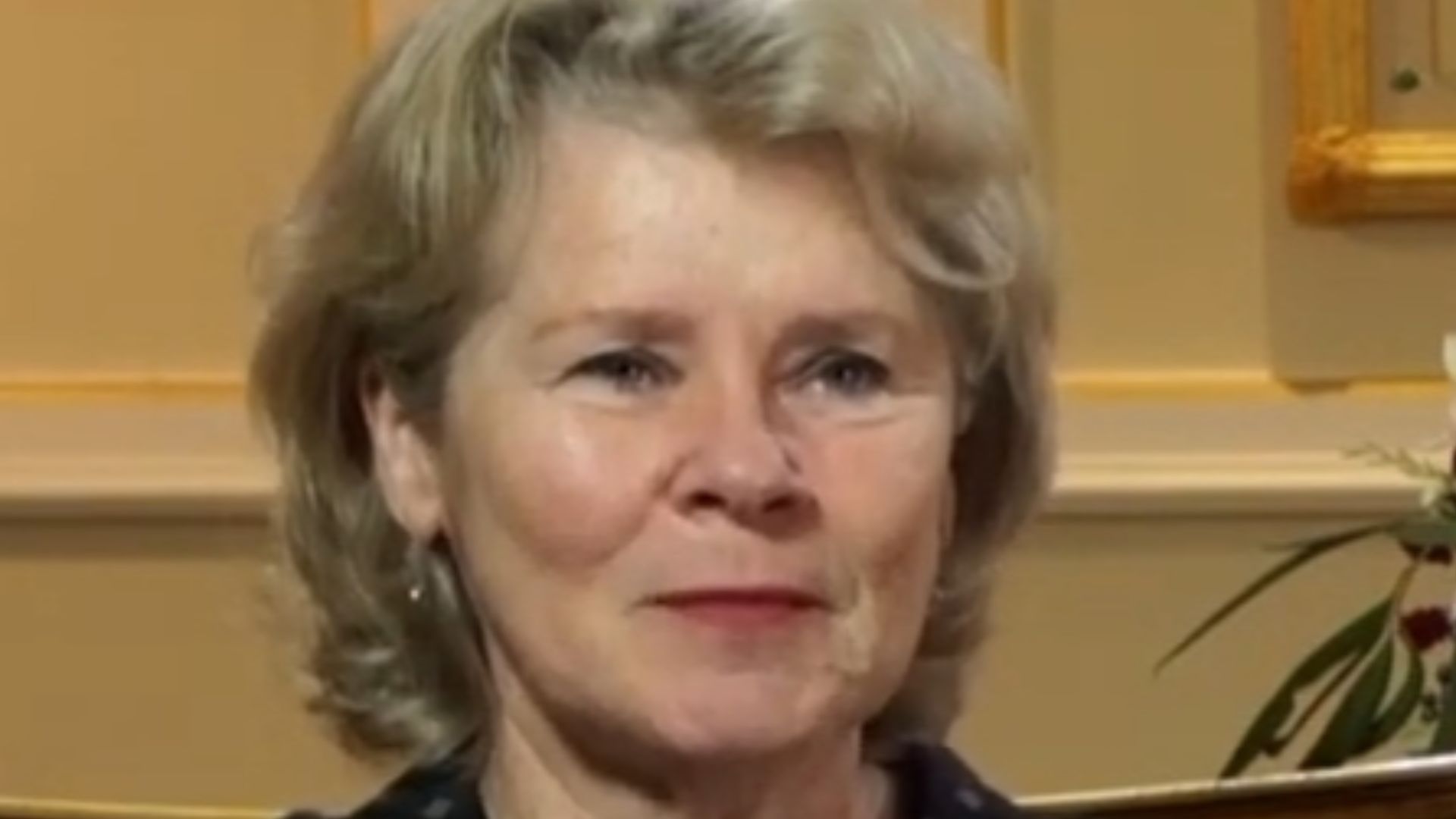
Imelda Staunton
As Dolores Umbridge, Imelda Staunton became one of fantasy cinema’s most despised villains. Known for empathy and warmth, she reportedly struggled emotionally after harsh scenes, while colleagues consistently praise a gentle, supportive personality that makes her beloved.
Hugo Weaving
Hugo Weaving perfected controlled menace as Agent Smith. In person, reporters and collaborators mention humor and kindness, with no trace of ego. These days, he often avoids villain-heavy roles, leaning toward projects aligned with his activist and personal values.
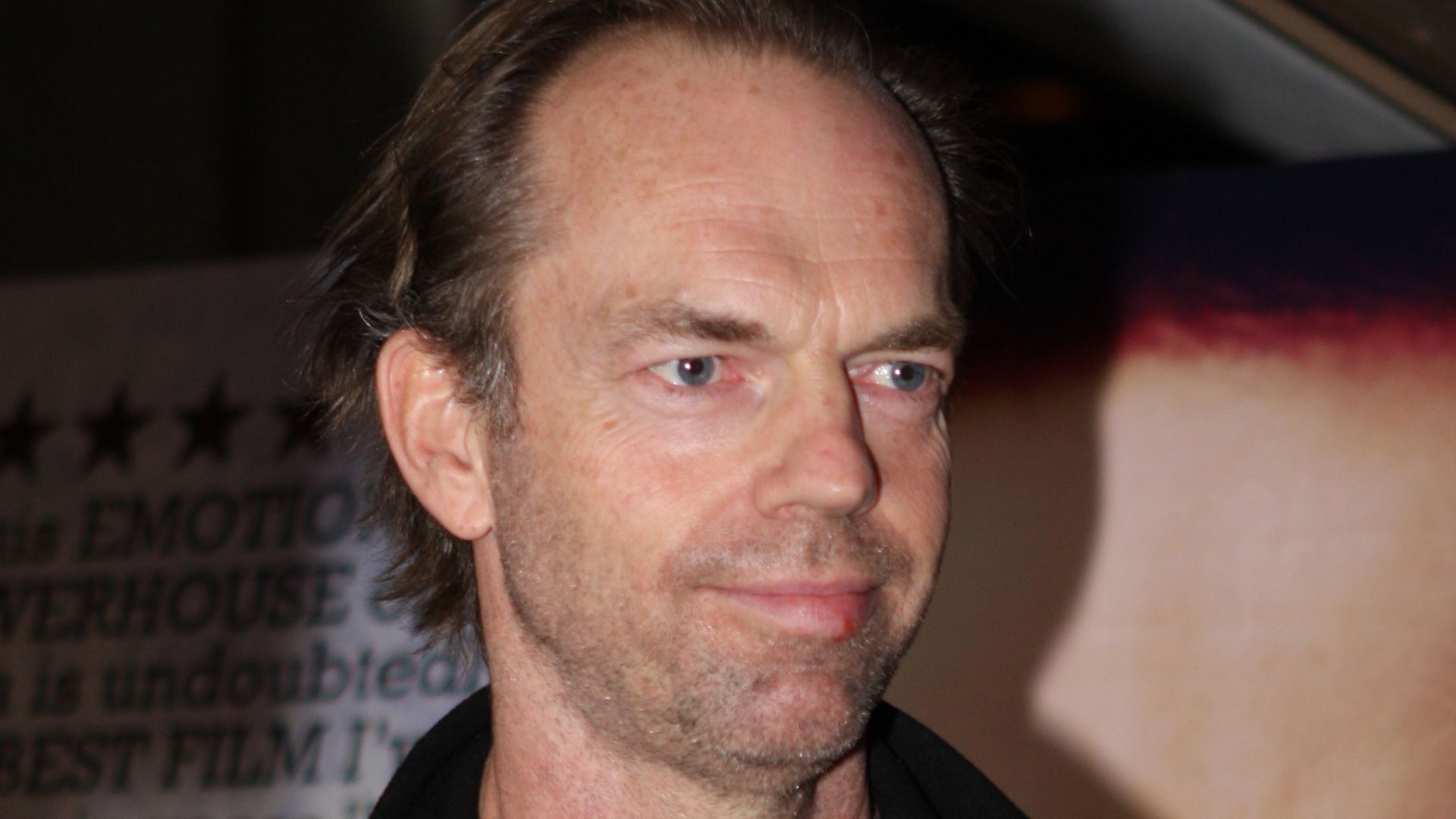 Eva Rinaldi, Wikimedia Commons
Mark Strong
That bald, severe look helped Mark Strong become a go-to antagonist in blockbuster franchises. Profiles paint a very different picture. Open and moderated in demeanor, he’s widely seen as approachable and likable, balancing his enjoyment of villain roles with family life and charitable involvement.
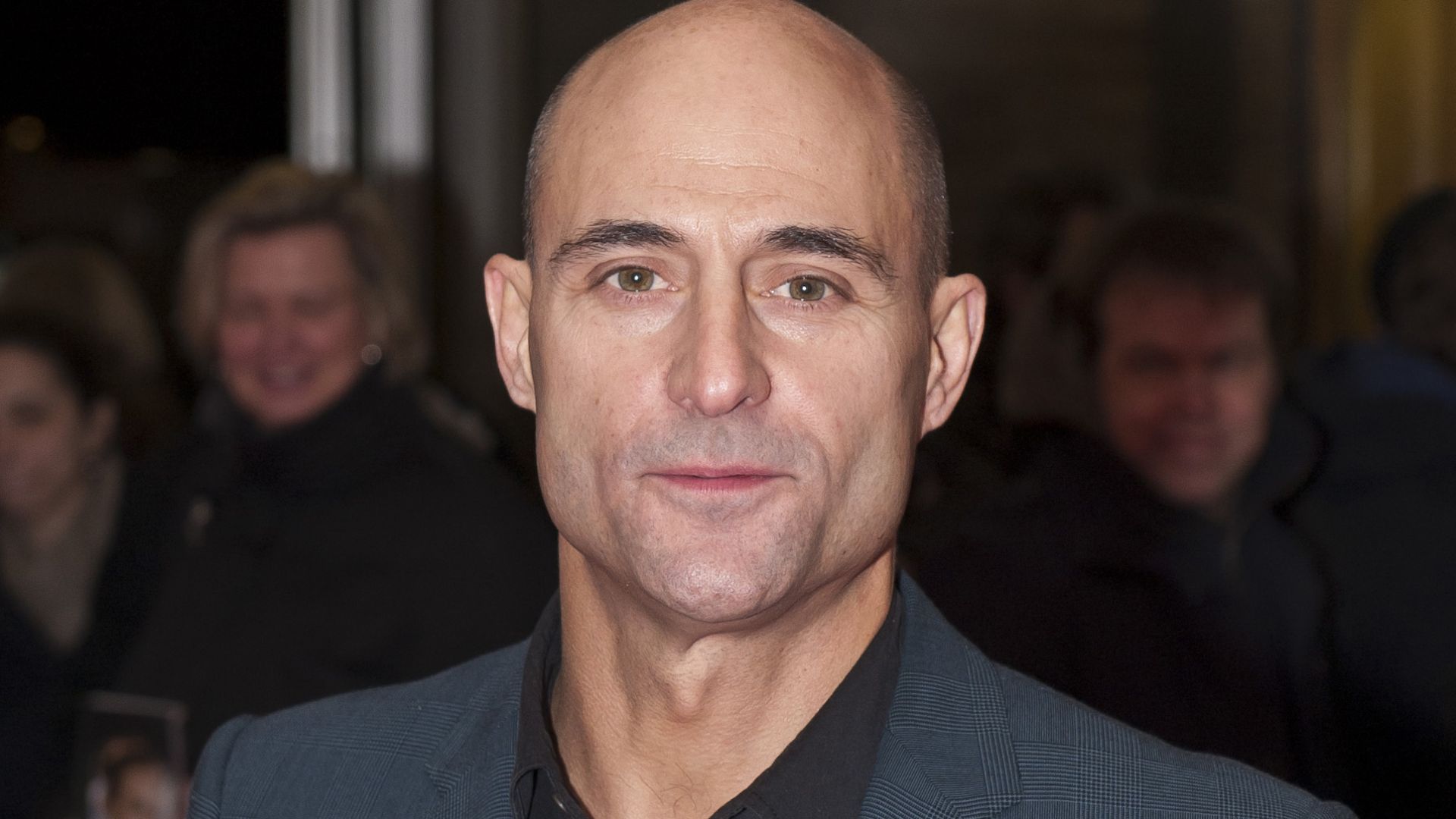
Christoph Waltz
How does someone deliver such chilling performances and still feel instantly warm in conversation? Christoph Waltz earned Oscars playing villains, yet interviews consistently reveal kindness and eloquence. Colleagues report only professionalism, and his love of languages and culture highlights curiosity.
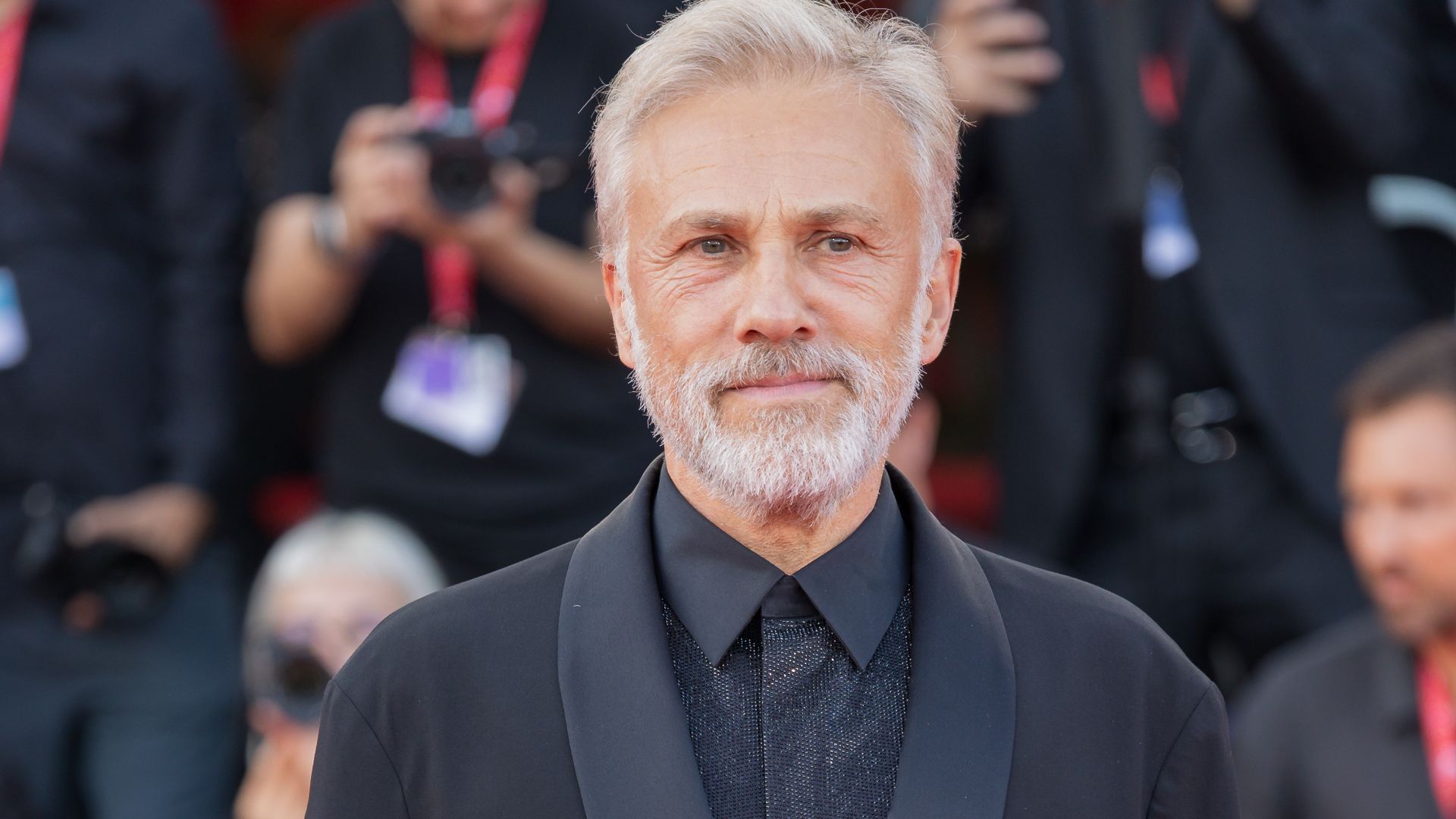 LucaFazPhoto, Wikimedia Commons
Peter Stormare
Menace followed Peter Stormare through films like Fargo and Armageddon. Off-screen, that intensity dissolves into charm. Viewed as jovial and collaborative, he embraces his bad-guy image playfully, even channeling it into music projects.
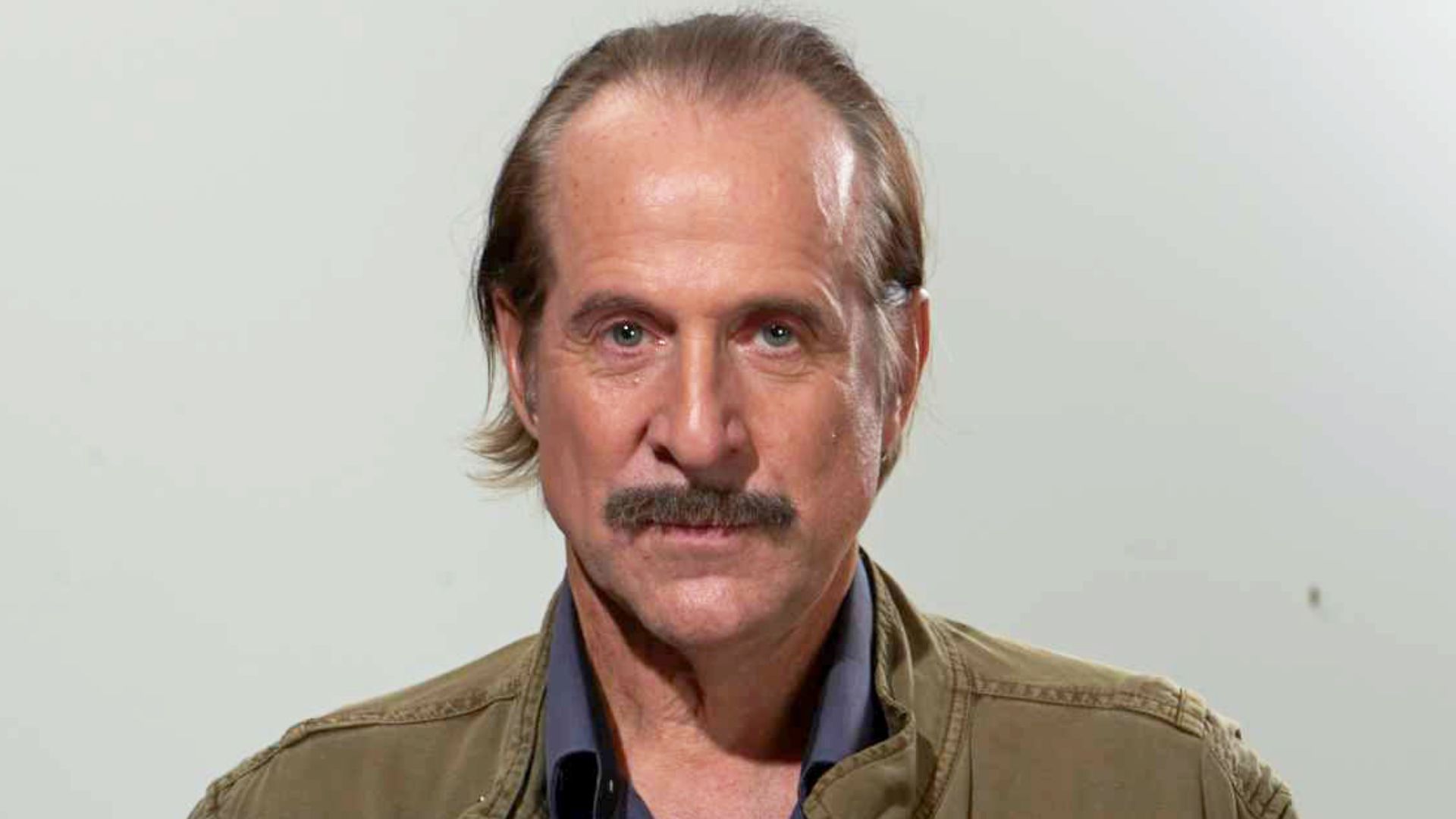 Simon Cederqvist / TV3, Wikimedia Commons
Javier Bardem
Javier Bardem’s portrayals of cinematic psychopaths remain deeply unsettling, earning critical acclaim and awards. Personally, interviews show a thoughtful, grounded actor who dislikes violence and prioritizes family.
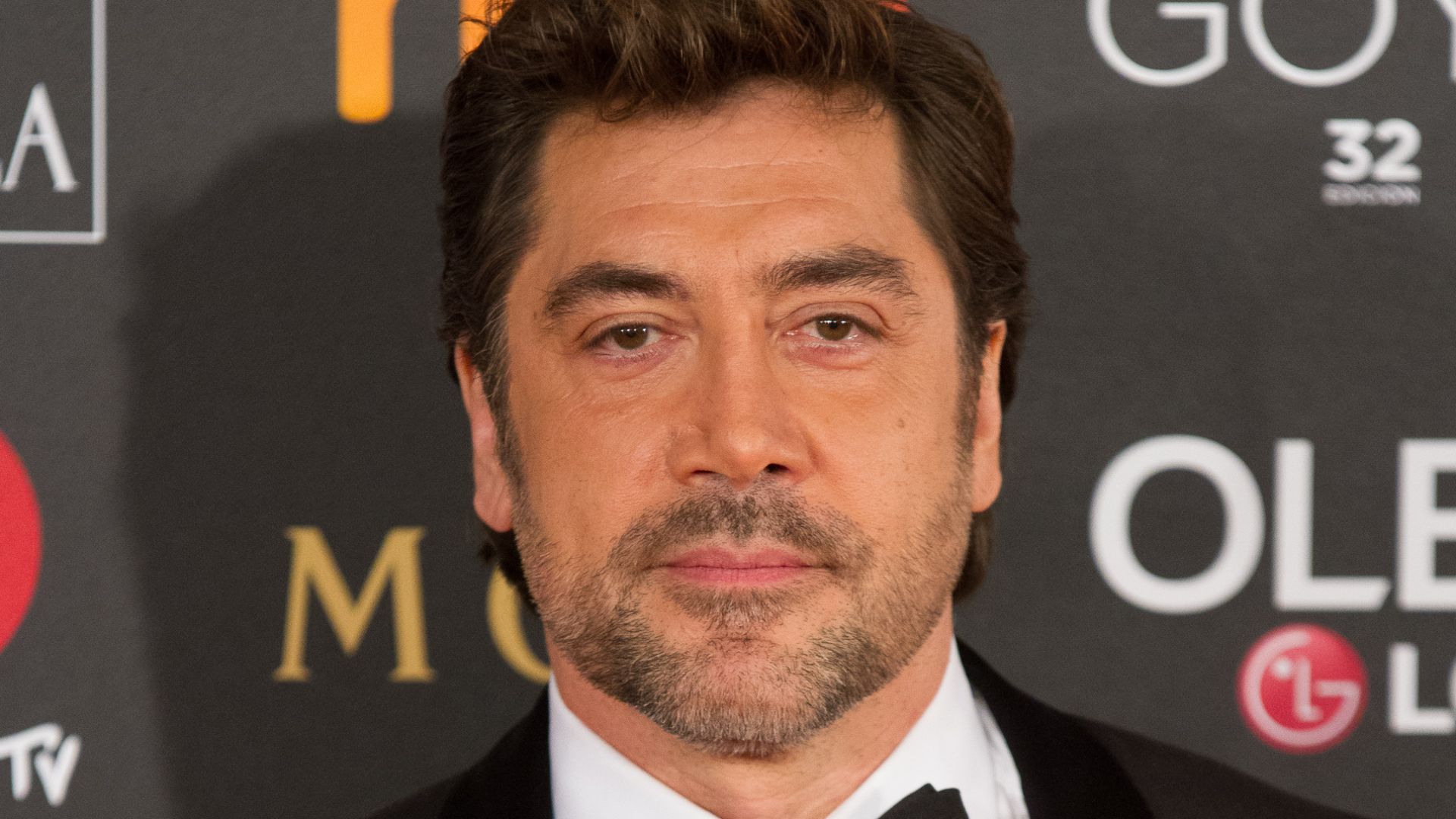 Carlos Delgado, Wikimedia Commons
Tom Hiddleston
For more than a decade, Tom Hiddleston has embodied Loki’s mischief across the Marvel films. That sly villainy contrasts sharply with real life, where stories of generosity follow him everywhere, including personally helping a sick reporter.
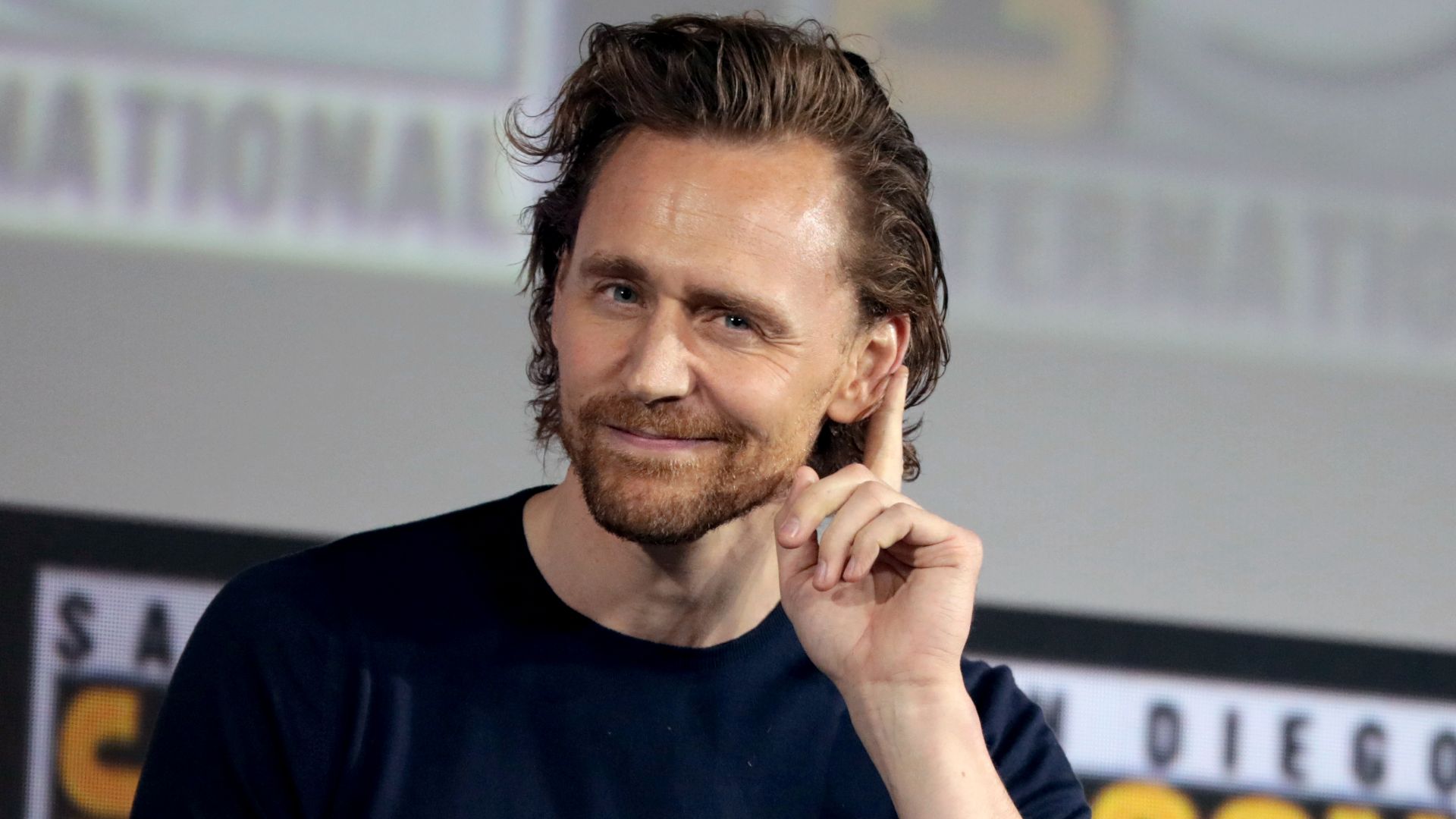 Gage Skidmore from Peoria, AZ, United States of America, Wikimedia Commons
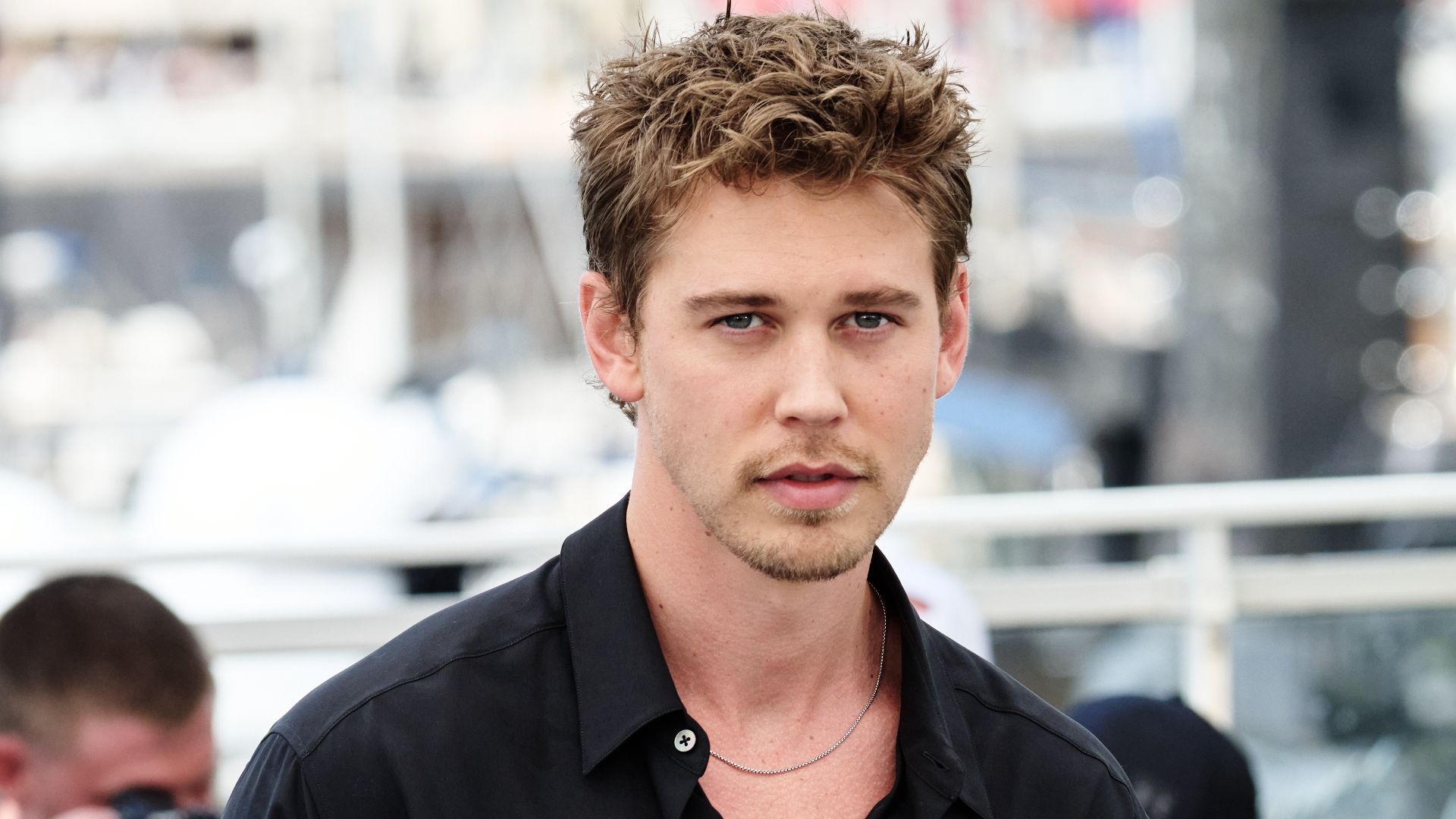
Austin Butler
Feyd-Rautha introduced a darker side of Austin Butler’s screen persona, marked by physical menace and intensity. Early reports from sets highlight politeness and respect toward crew members. Drawn creatively to villains, he focuses on humanizing them.
 Gabriel Hutchinson Photography, Wikimedia Commons
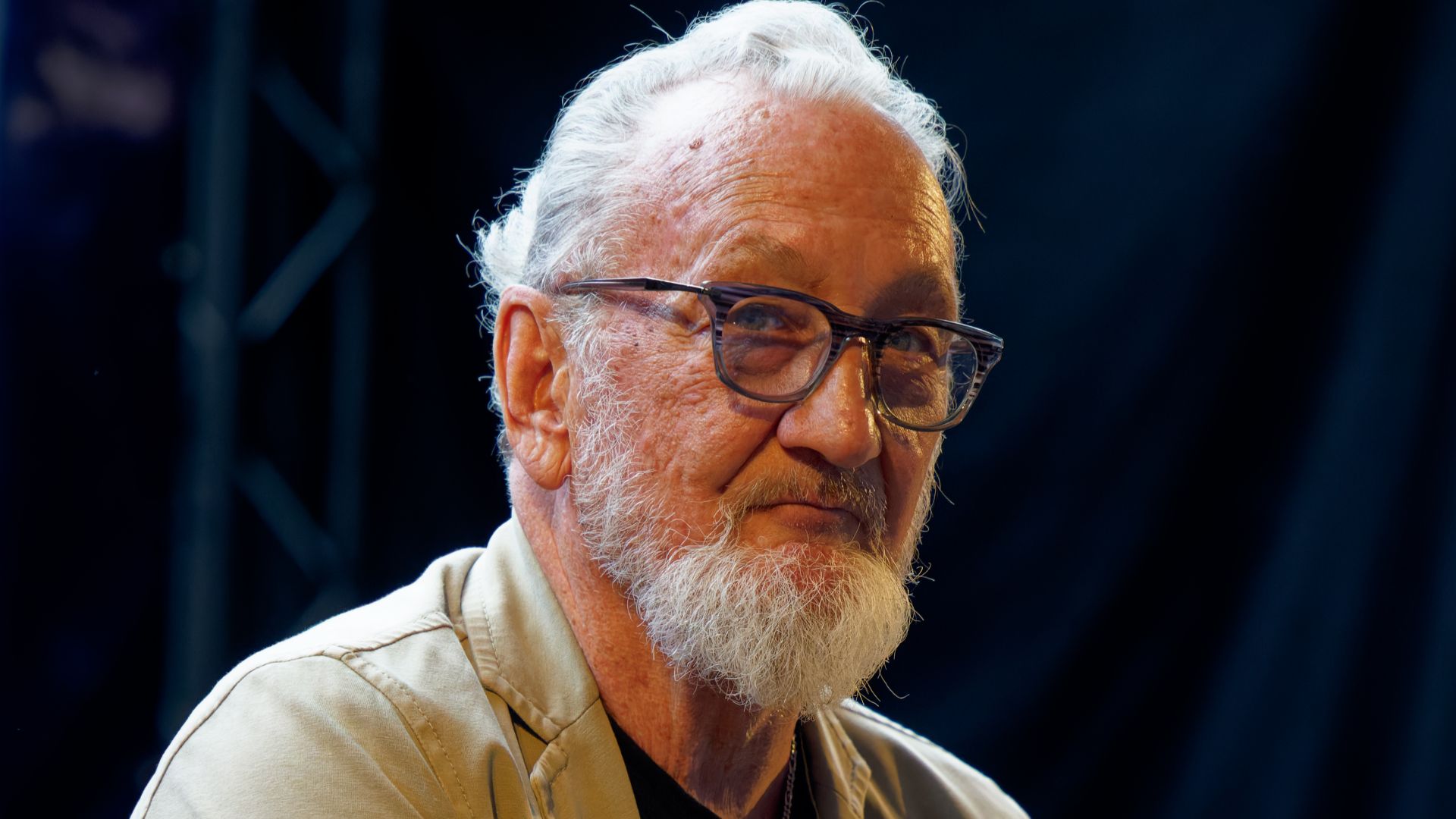
Robert Englund
Horror fans instantly associate Robert Englund with Freddy Krueger’s burned grin. Meeting him flips that image completely. Known for wit and intellect, he often lingers at conventions signing autographs, even missing flights.
 Miguel Discart from Bruxelles, Belgique, Wikimedia Commons
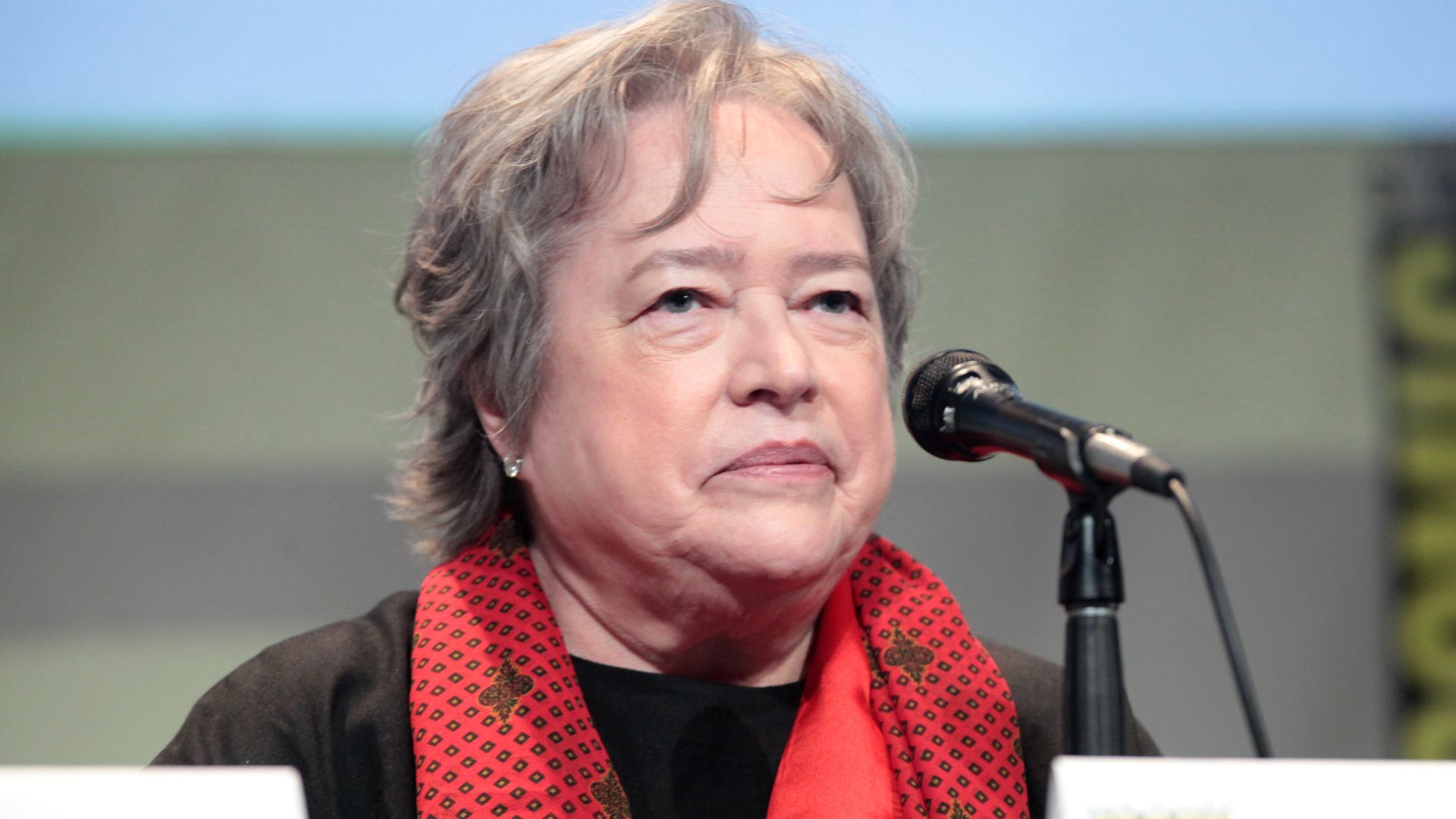
Kathy Bates
Annie Wilkes still ranks among cinema’s most terrifying villains, yet Kathy Bates carries deep sensitivity behind that intensity. She has spoken about crying after violent scenes, unable to detach emotionally. Those who work with her mention maternal warmth and generosity, a steady kindness that contrasts sharply with the cruelty she portrays so convincingly.
 Gage Skidmore from Peoria, AZ, United States of America, Wikimedia Commons
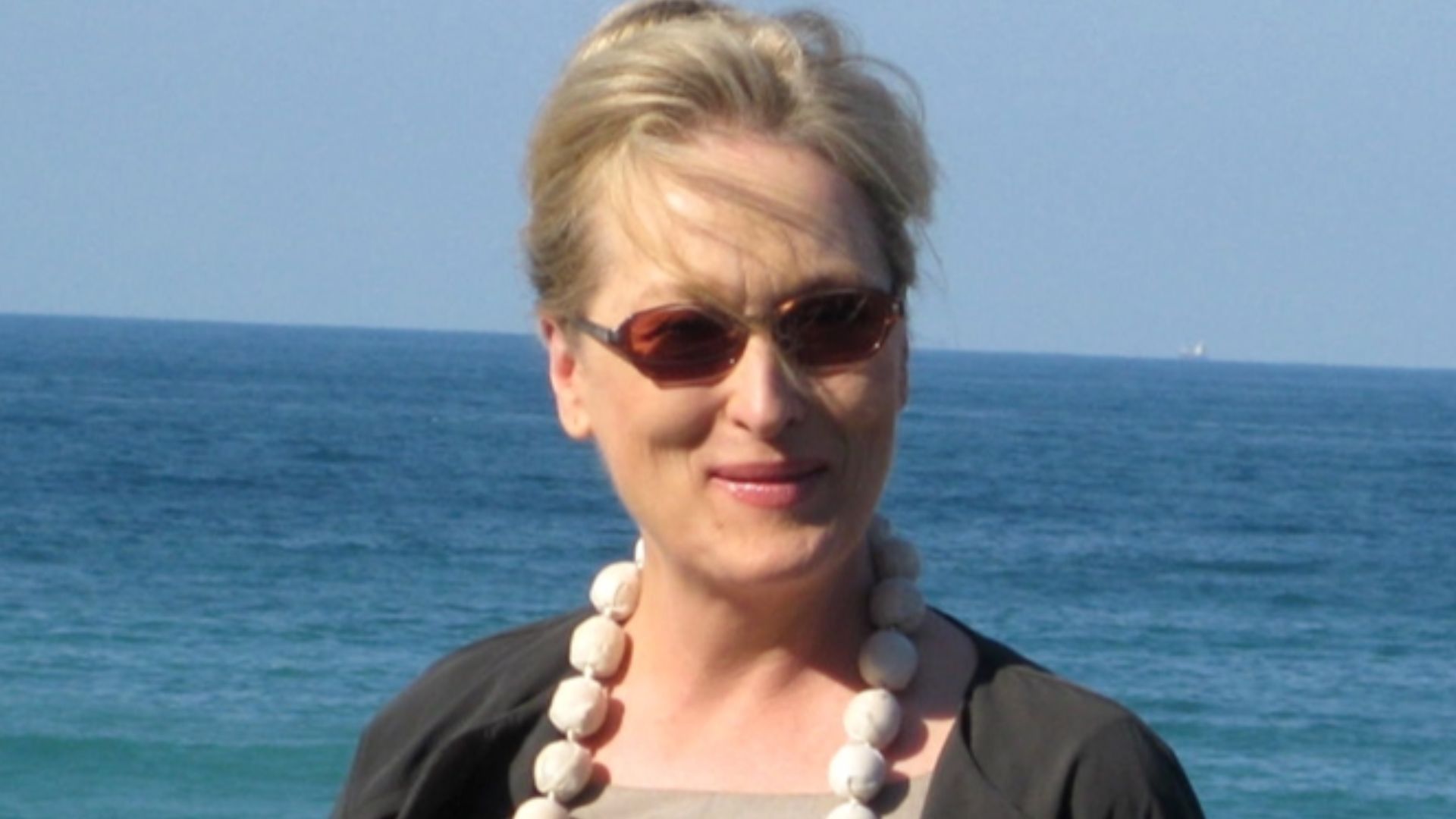
Meryl Streep
With Miranda Priestly, Meryl Streep proved how chilling restraint can feel on screen. However, her reputation runs in the opposite direction. She’s known for hugging co-stars and thanking crews publicly. While she enjoys villain roles as creative challenges, colleagues consistently describe her as humble and genuinely warm.
 Andreas Tai, Wikimedia Commons
Daniel Craig
Long before redefining James Bond, Daniel Craig played volatile figures like a mob heir in Road to Perdition. Interviews consistently show a different energy. He’s witty and notably kind with fans. While his performances emphasize human flaws, his real-life outlook leans anti-establishment and grounded.
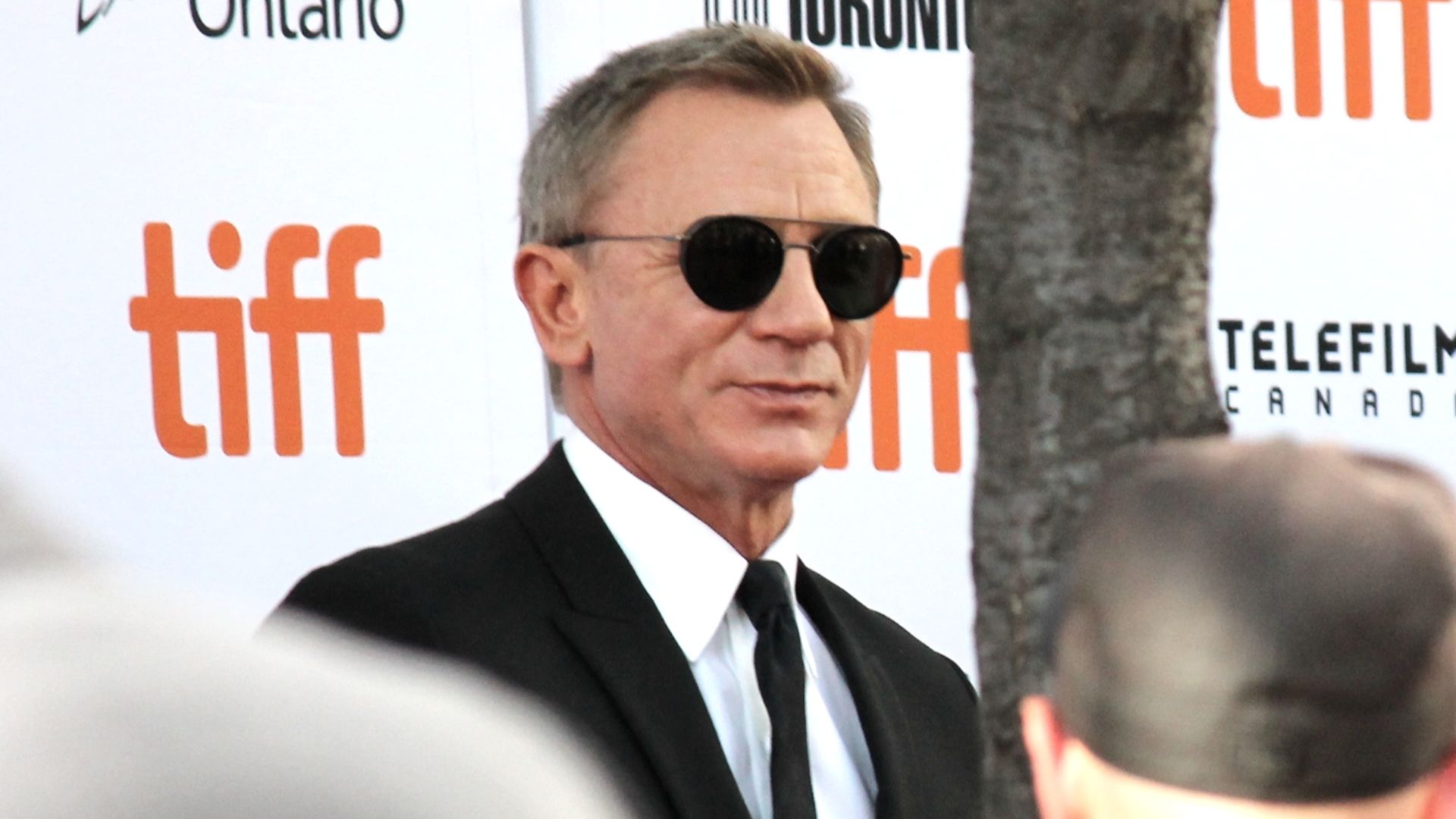 Peter Kudlacz, Wikimedia Commons
Tom Felton
Growing up as Draco Malfoy cemented Tom Felton as a cinematic bully for an entire generation. On set, the mood rarely matched the character. Castmates recall laughter after scenes and constant friendliness, describing him as an easygoing presence whose real-life kindness often surprised fans.
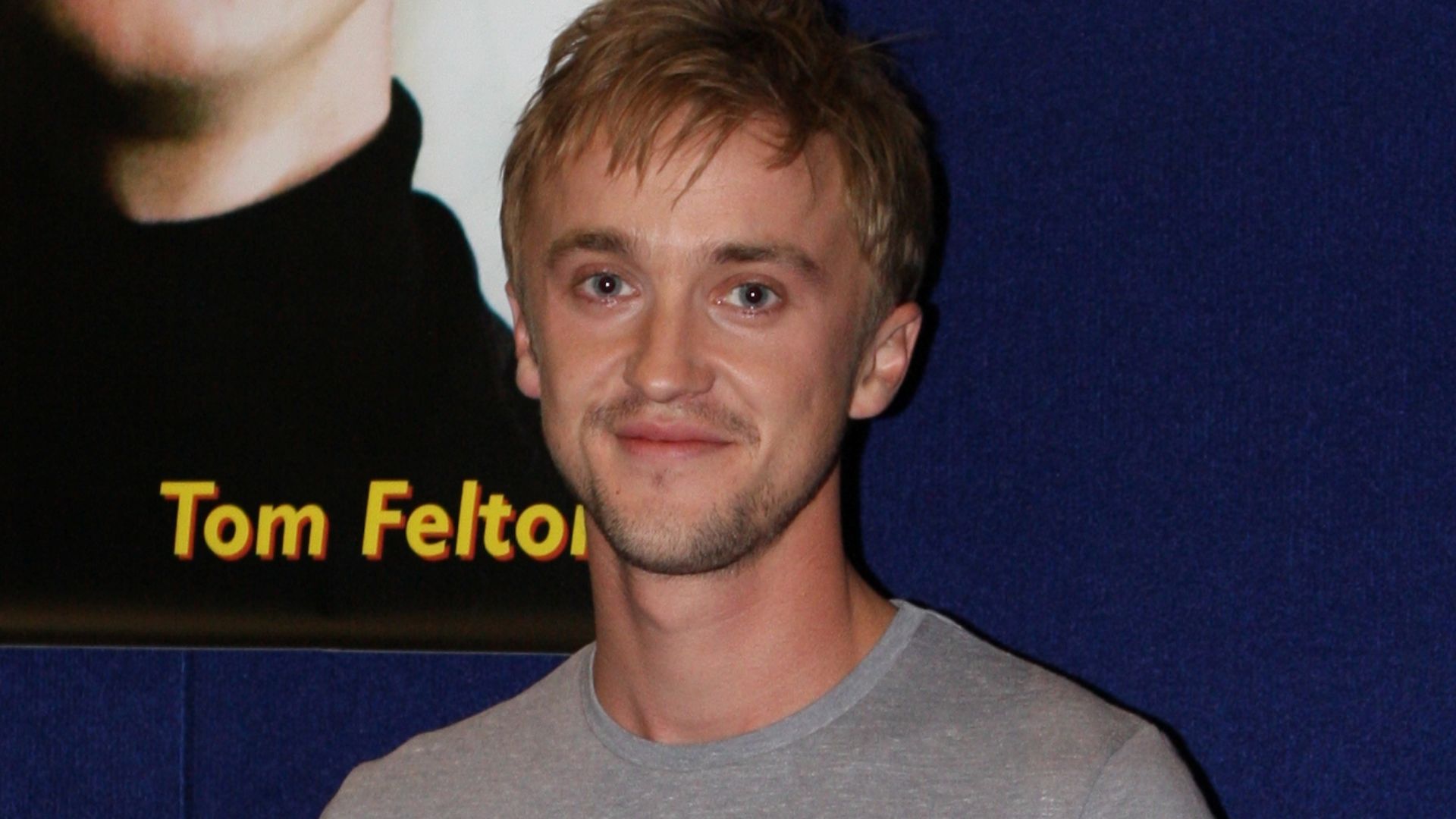 Eva Rinaldi, Wikimedia Commons
Cate Blanchett
Cate Blanchett brought commanding menace to roles like Hela, relishing manipulation and power on screen. Beyond acting, her work as a UNHCR ambassador highlights deep compassion. Interviews reveal a thoughtful, eloquent personality, pairing intellectual curiosity with advocacy.
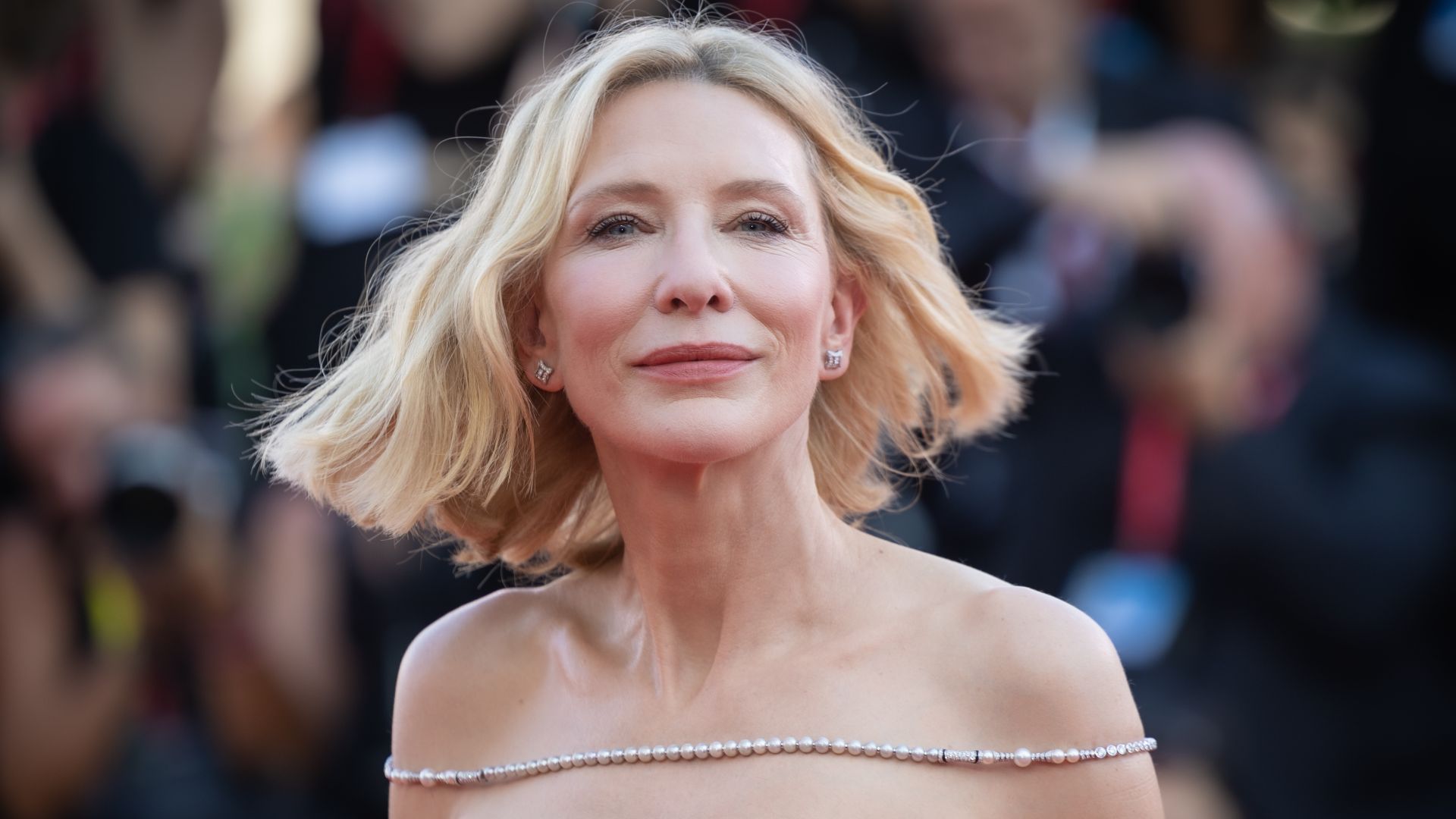 Harald Krichel, Wikimedia Commons
Willem Dafoe
Is there a clearer example of a screen villain who feels nothing like his characters? Willem Dafoe has played antagonists in more than half his major roles, including Green Goblin. Away from cameras, colleagues notice humility and gentle collaboration, especially while working closely with children and first-time actors.
 Harald Krichel, Wikimedia Commons
Mads Mikkelsen
Building a Hollywood reputation through unsettling roles such as Hannibal Lecter and Doctor Strange’s Kaecilius, Mads Mikkelsen’s menace evaporates away from the cameras. Fans and collaborators consistently describe him as approachable and kind, a quality directors say allows him to humanize villains without carrying any darkness into real life.
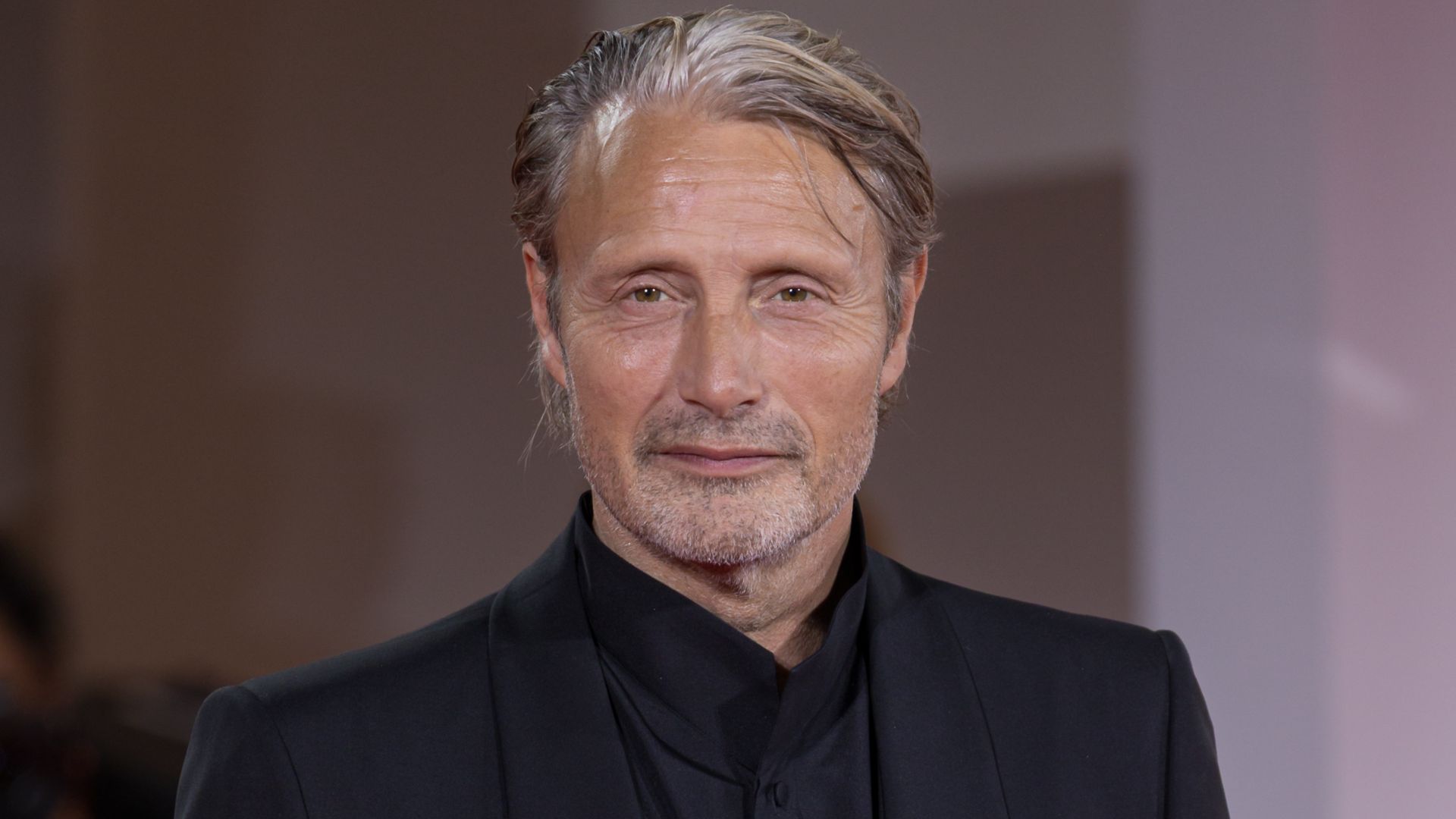 LucaFazPhoto, Wikimedia Commons
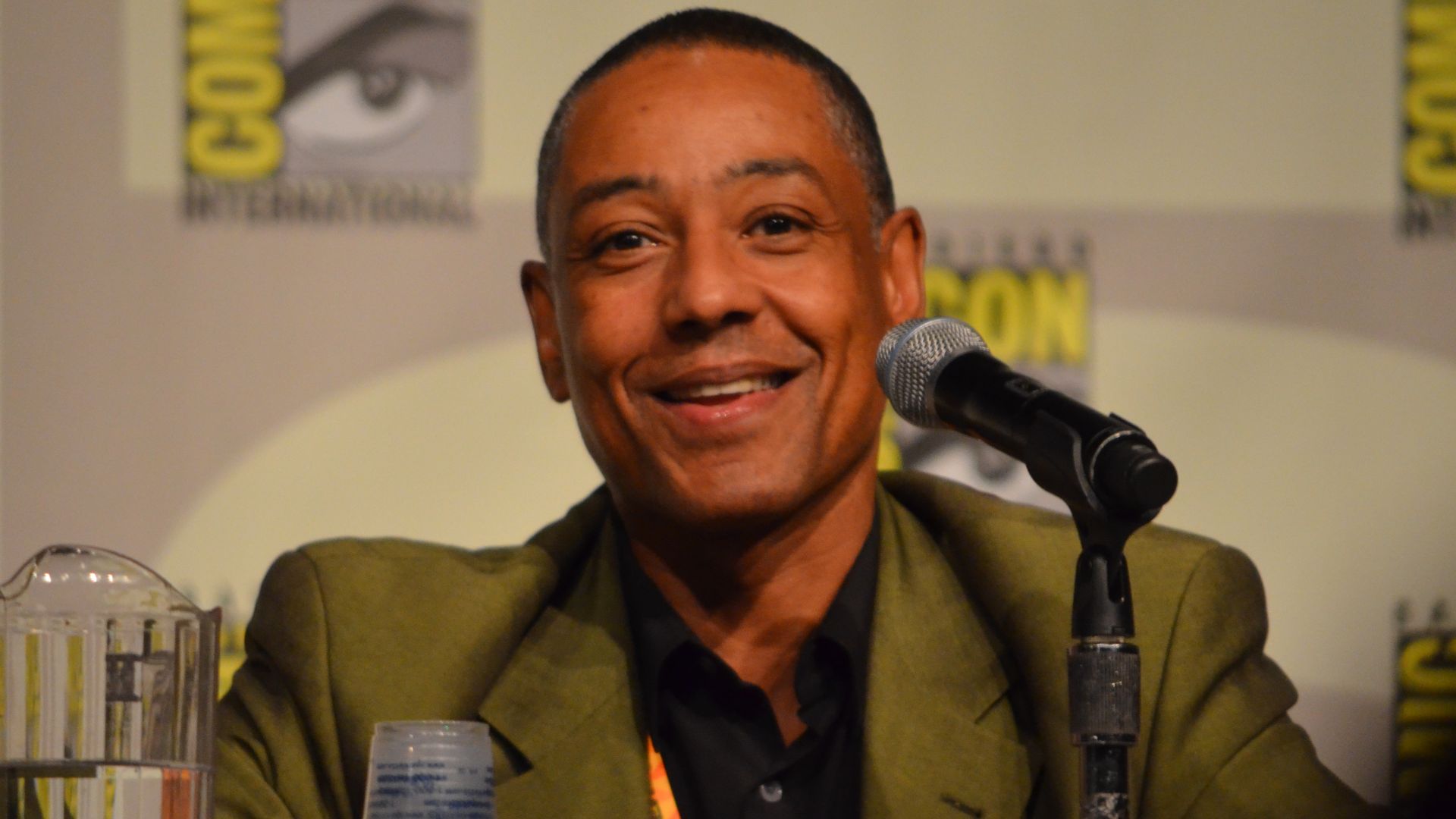
Giancarlo Esposito
Few modern actors dominate villain casting like Giancarlo Esposito, thanks to Gus Fring and Moff Gideon. The contrast off-screen is striking. Creators and castmates highlight relentless positivity and warmth, with praise so consistent that it shows how fully his intimidating presence exists only when the cameras roll.
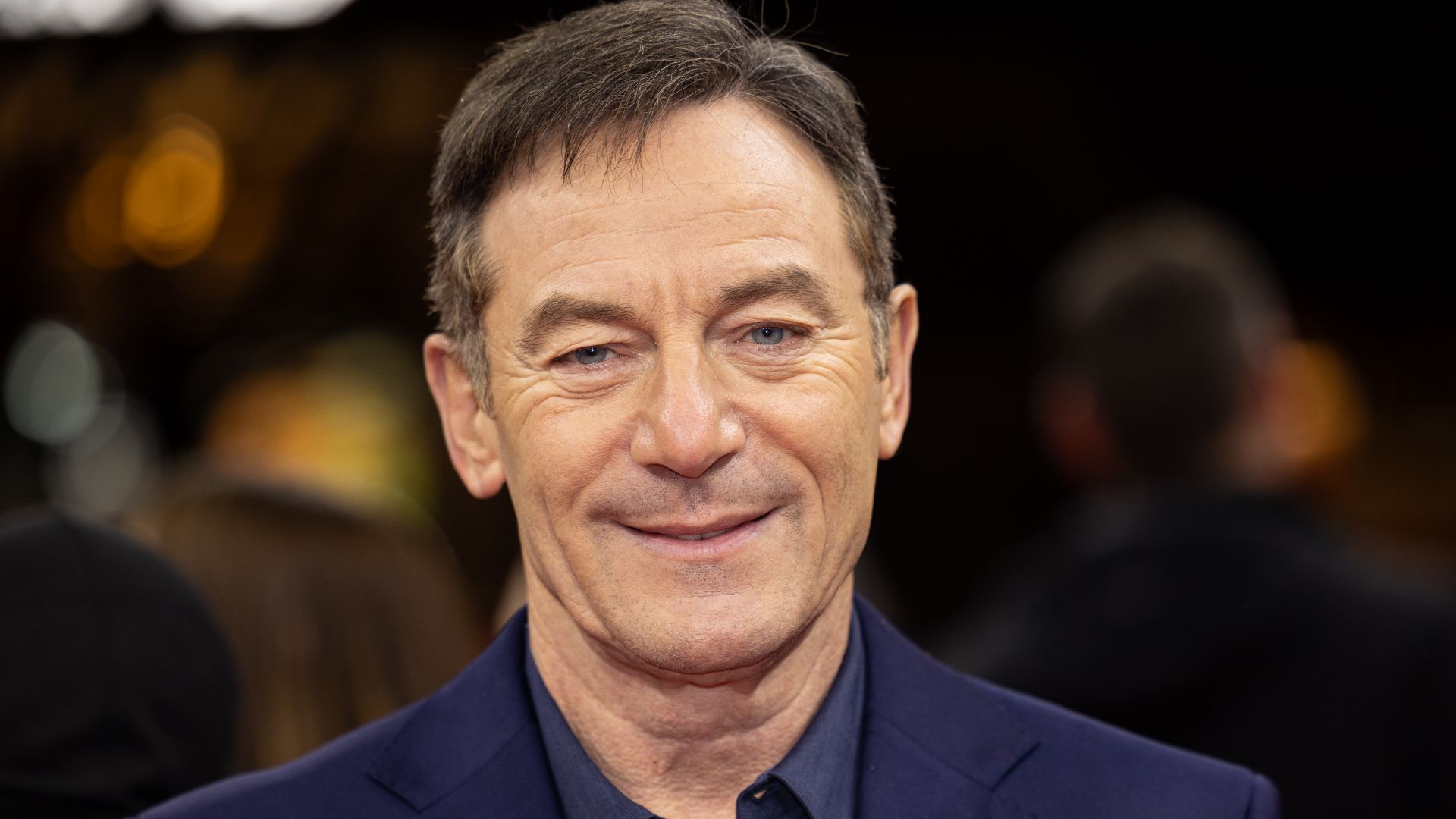
Jason Isaacs
Jason Isaacs made an art of playing cruel authority figures. Behind the scenes, that severity softens quickly, as co-stars recall emotional support and generosity. Many frequently describe him as gracious and eager to turn intimidating fame into a genuine human connection.
 Harald Krichel, Wikimedia Commons
Ralph Fiennes
Although he delivered some of cinema’s most chilling antagonists, including Voldemort and Amon Goth, in everyday interactions, Ralph Fiennes’s tone shifts entirely. Colleagues speak of warmth and approachability, noting thoughtful gestures and personal kindness toward younger performers. This creates an almost unsettling contrast with his famously cold screen presence.
 Steve Disenhof, Wikimedia Commons
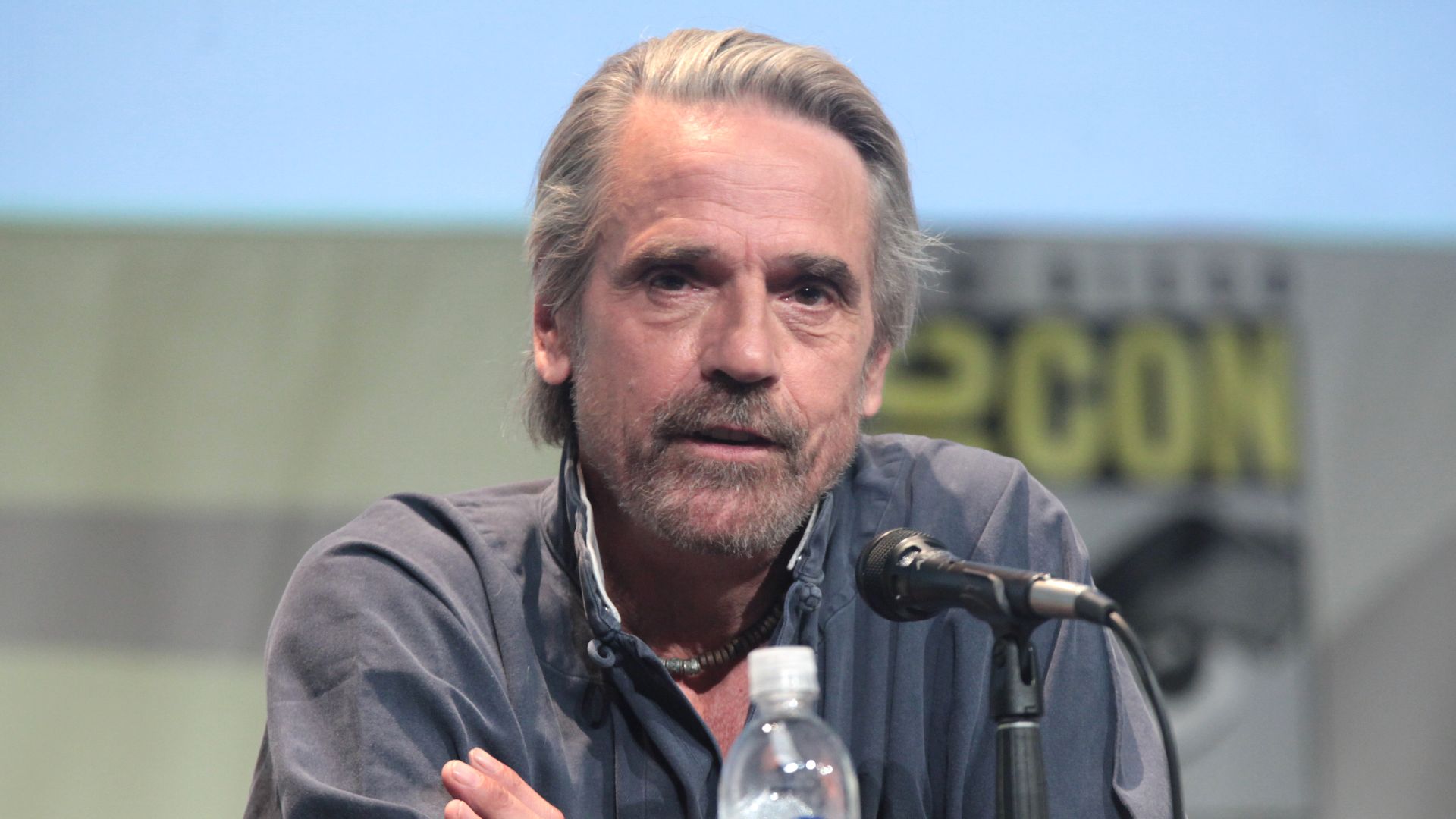
Jeremy Irons
From Scar to calculated action-movie villains, Jeremy Irons often portrays elegant menace. Off camera, journalists and collaborators highlight an absence of ego. He appreciates villain roles for their complexity, yet his real-world passions lean toward nurturing creativity and community involvement.
 Gage Skidmore from Peoria, AZ, United States of America, Wikimedia Commons
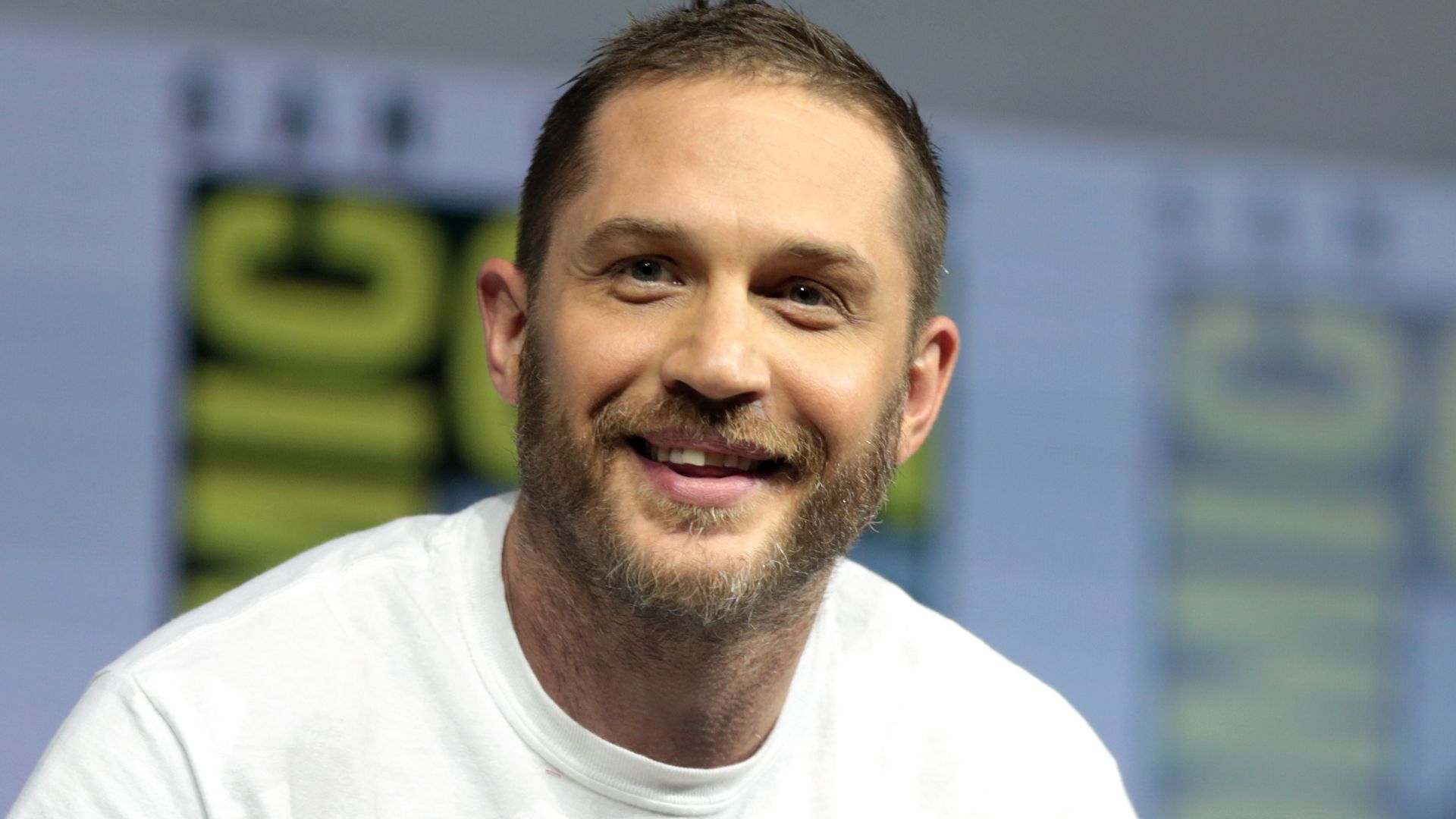
Tom Hardy
Audiences know Tom Hardy for ferocity, from Bane’s physical menace to Venom’s brutality. Away from cinema work, he’s openly charming and funny, shows up with dogs at screenings, and carries no visible ego. Drawing from personal struggles, he now advocates publicly for mental health.
 Gage Skidmore from Peoria, AZ, United States of America, Wikimedia Commons
Charlize Theron
Commanding villain roles helped Charlize Theron dominate franchises, whether as a ruthless queen or a calculating cyberterrorist. Away from those performances, she aligns herself with causes, as she supports LGBTQ+ communities through family Pride appearances and channels long-term energy into outreach work across Africa.
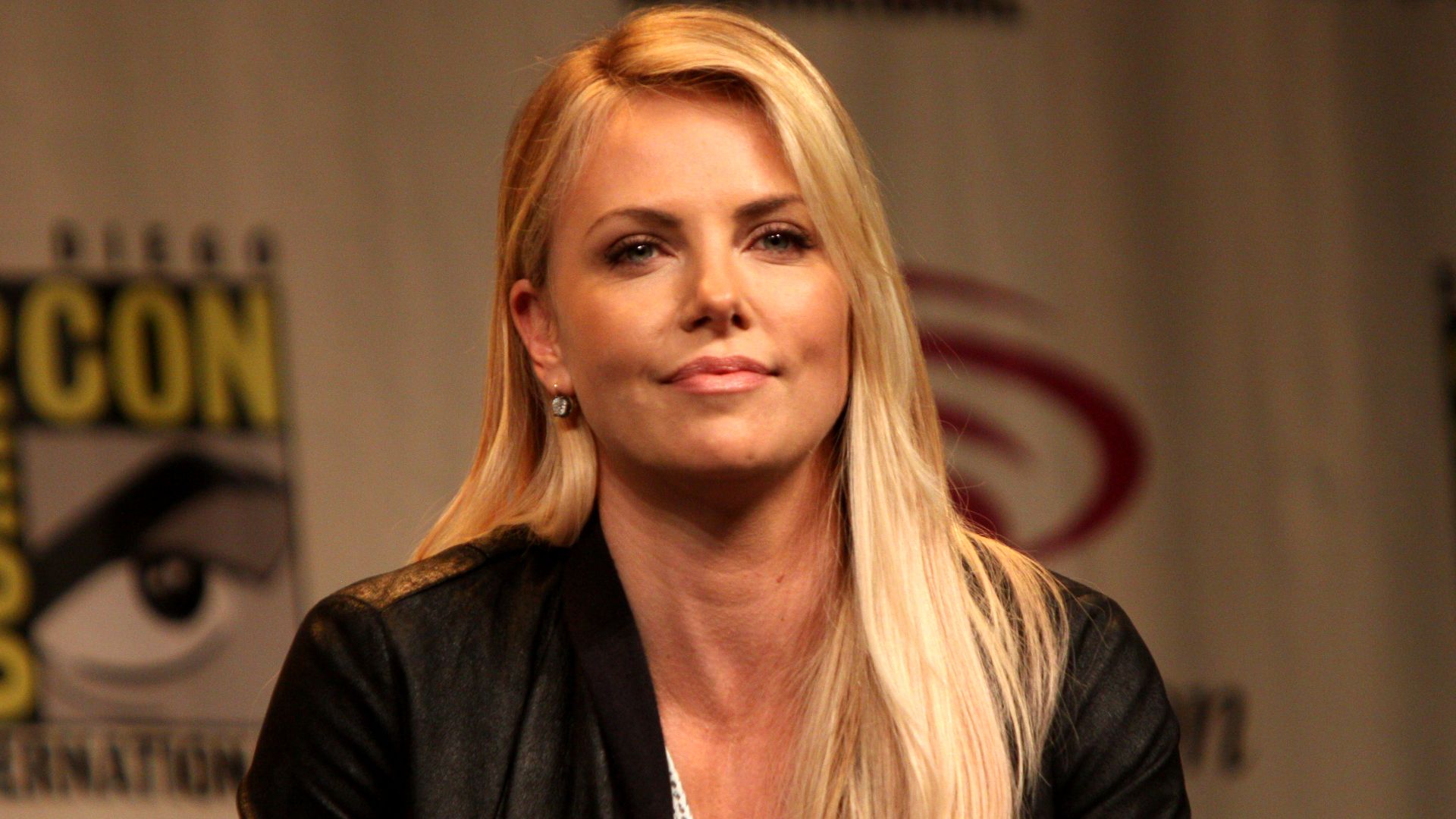 Gage Skidmore from Peoria, AZ, United States of America, Wikimedia Commons
Rachel McAdams
Many still picture Regina George when Rachel McAdams appears on screen, a performance defined by manipulation. Having experienced real-life bullying herself, she’s known for empathy and environmental advocacy. Although she enjoys villain roles creatively, she consistently chooses projects with emotional depth.
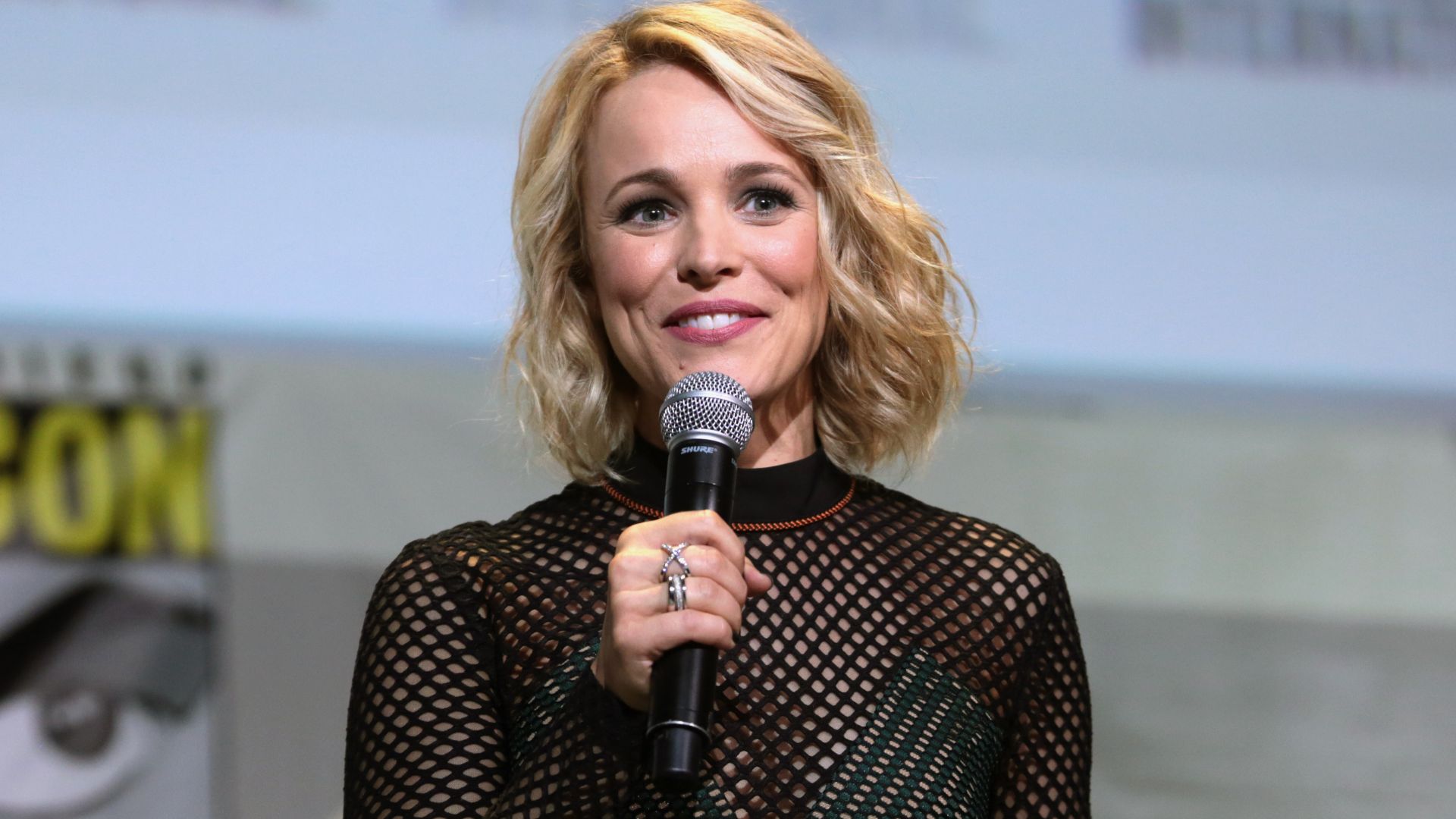 Gage Skidmore from Peoria, AZ, United States of America, Wikimedia Commons
Jack Gleeson
Joffrey Baratheon made Jack Gleeson one of television’s most despised figures. The backlash grew so intense that it reshaped his path. In reality, he’s gentle, fond of animals, and has stepped away from acting for philanthropic work. Today, his focus leans toward theater advocacy rather than screen notoriety.
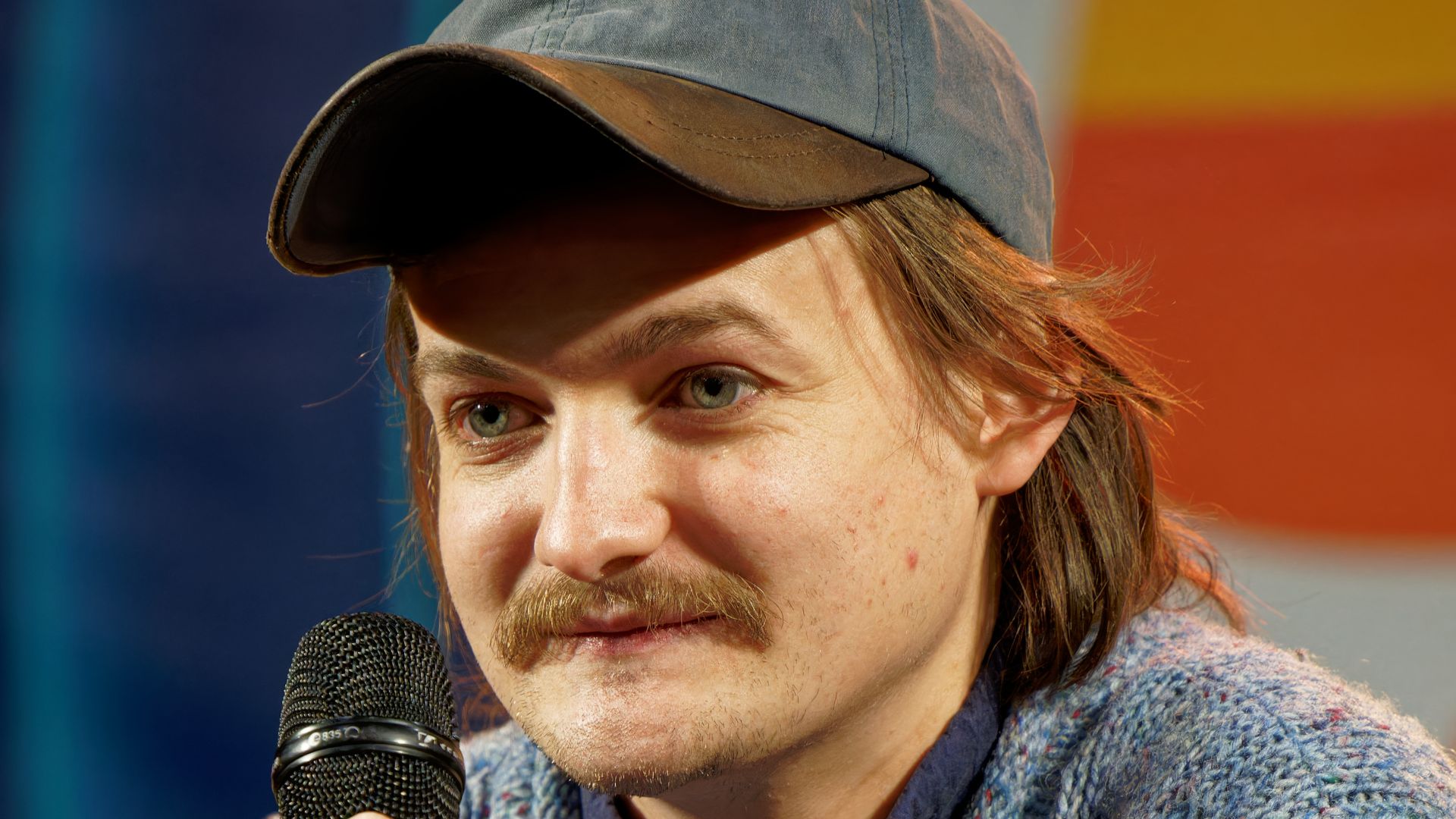 Miguel Discart & Kiri Karma (Photos Vrac), Wikimedia Commons
Danny Trejo
Decades of playing hardened criminals cemented Danny Trejo’s intimidating image. Step into his neighborhood, and many report he’s known for waving to neighbors and mentoring inmates. His contracts often require villains to lose, which reflects a belief in accountability that contrasts with his toughest roles.
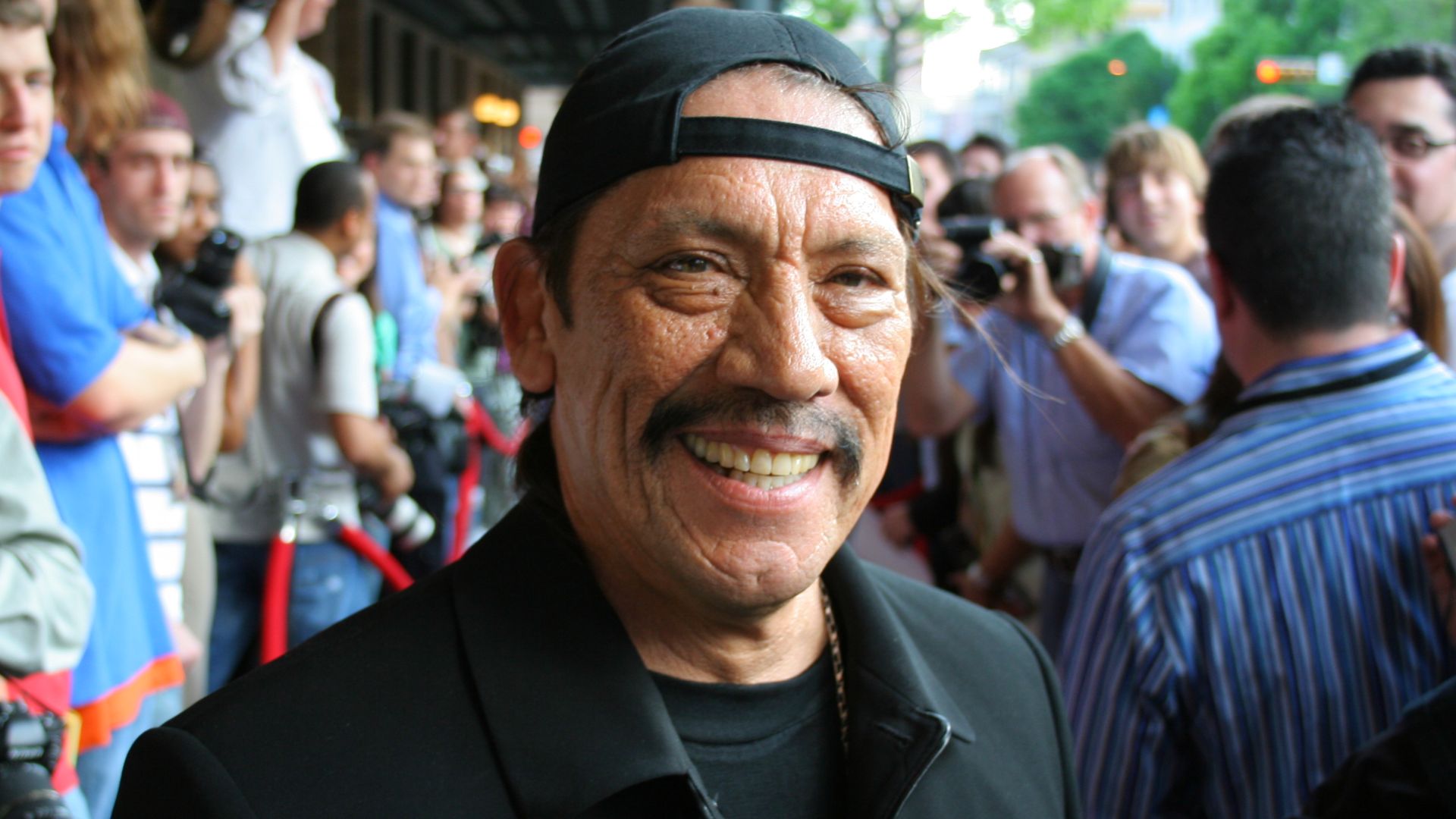 Jason McELweenie, Wikimedia Commons
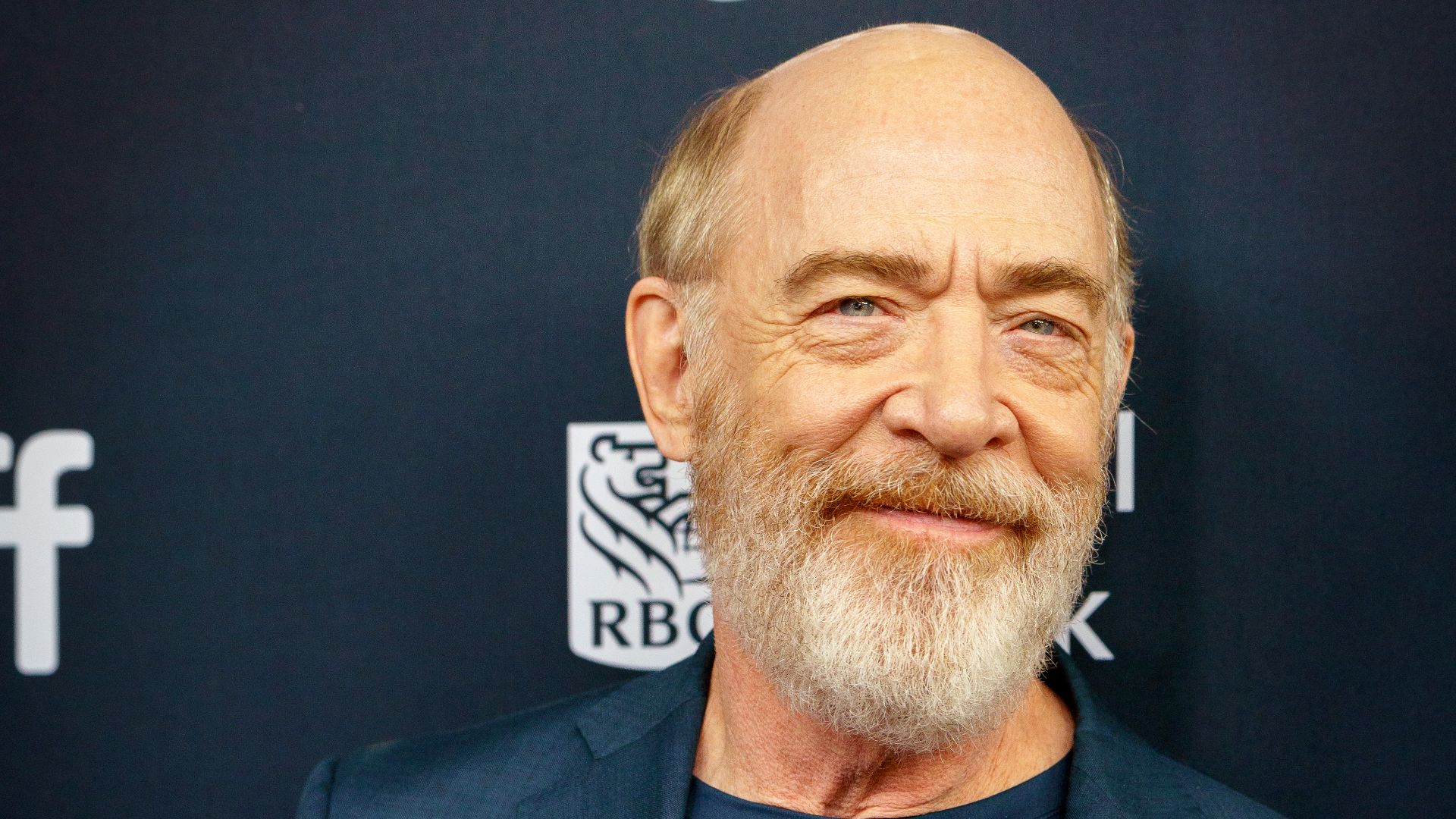
J K Simmons
That explosive authority in Whiplash left audiences rattled, reinforcing J K Simmons’s intimidating screen persona. Colleagues describe a different man entirely. Friendly, approachable, and quietly humorous, he balances intense roles with warmth, even lending his voice to children’s projects.
Clancy Brown
A booming voice and imposing presence made Clancy Brown a natural fit for villains across decades. Inside the industry, his reputation rarely wavers, as he’s frequently considered one of the nicest actors working. He’s admired for warmth, professionalism, and zero negativity, regardless of whether he’s voicing heroes or adversaries.
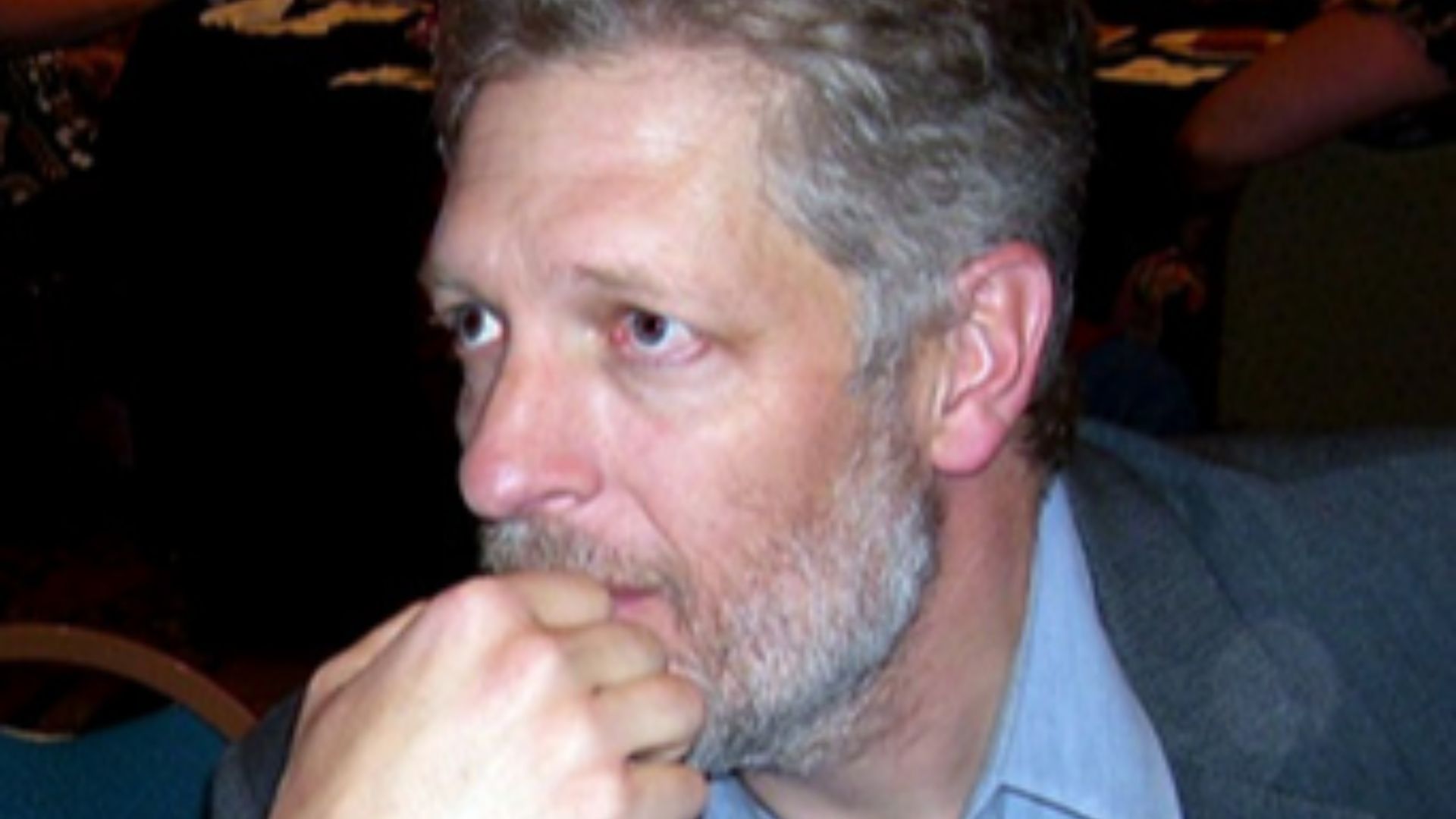 Gateman1997 (talk), Wikimedia Commons
John Lithgow
Playing a serial killer on Dexter and hardened thugs earlier in his career gave John Lithgow an unsettling edge on screen. Off camera, collaborators associate him with upbeat energy and intellectual curiosity. He channels gentleness elsewhere, even writing children’s books alongside his acting work.
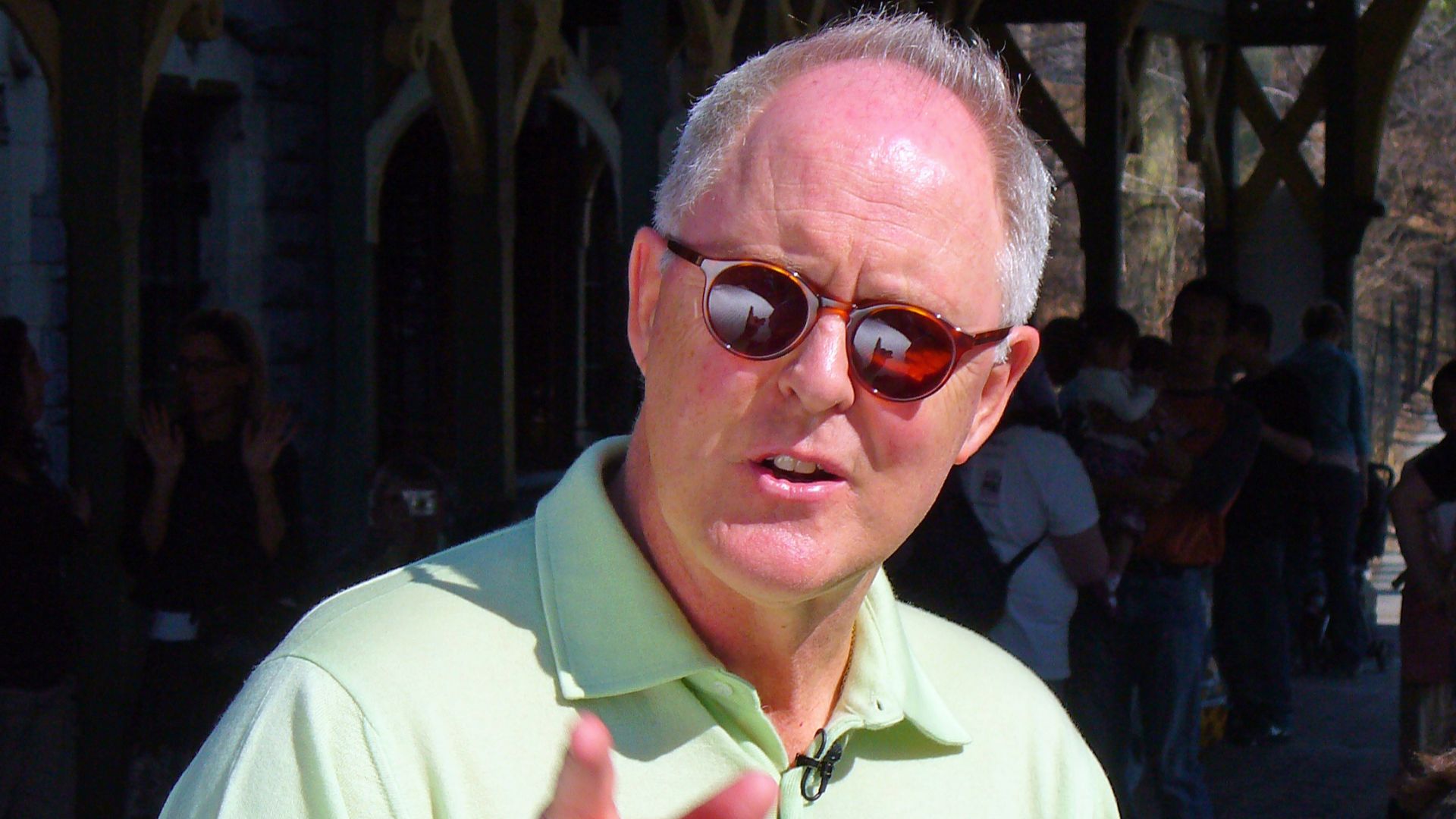 David Shankbone, Wikimedia Commons
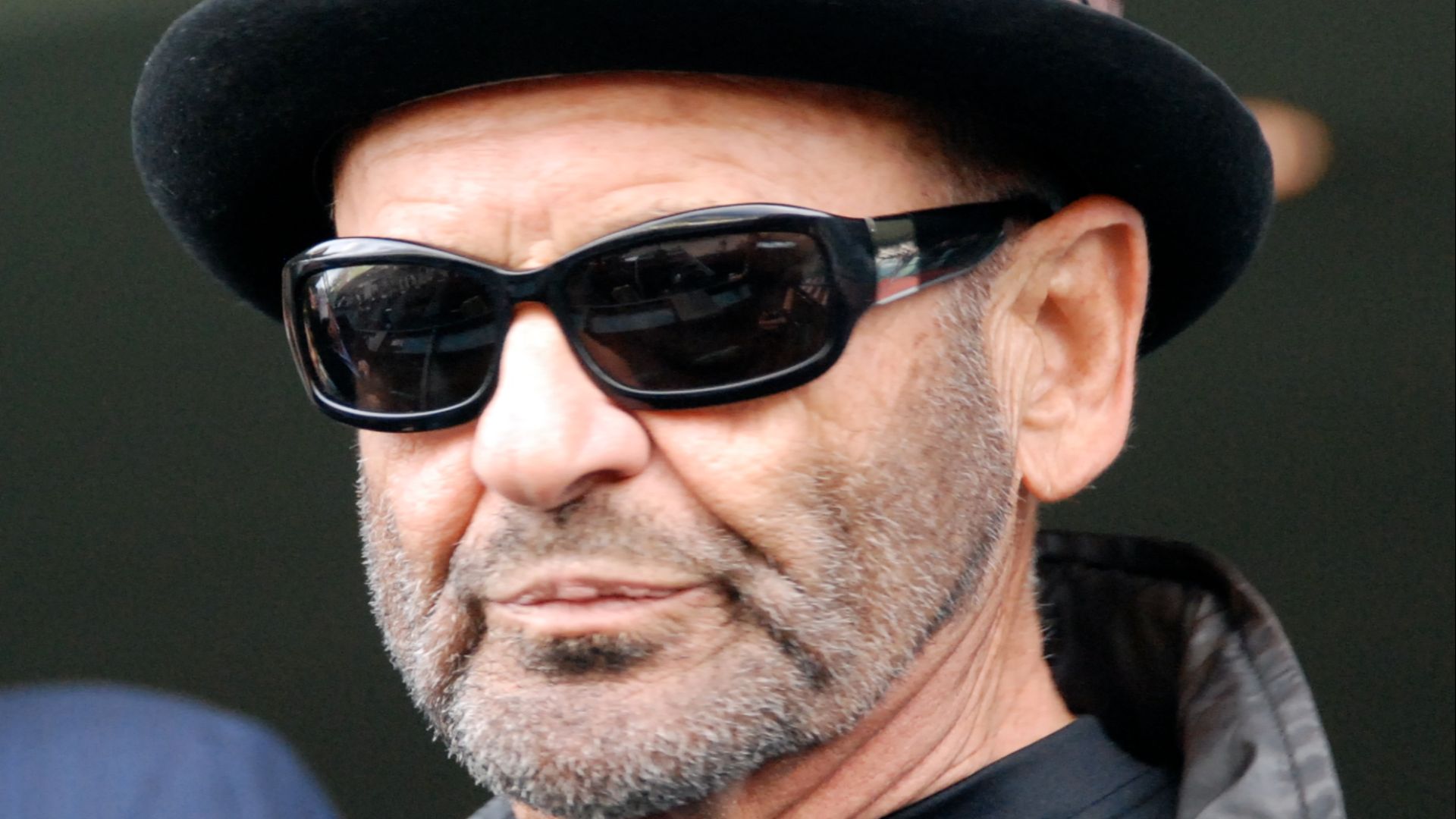
Joe Pesci
Joe Pesci’s volatile mobsters remain some of cinema’s most frightening figures. However, those who know him describe a friendly, grounded, and calm personality, far removed from explosive characters. Long before crime films, his background in music reflected a quieter, more measured creative side.
Gary Oldman
Controlled chaos made Gary Oldman unforgettable in films like Leon and The Fifth Element. But meeting him feels disarmingly different. Often described as having a relaxed, “cool uncle” vibe, he approaches roles analytically and has grown selective by valuing depth over darkness.
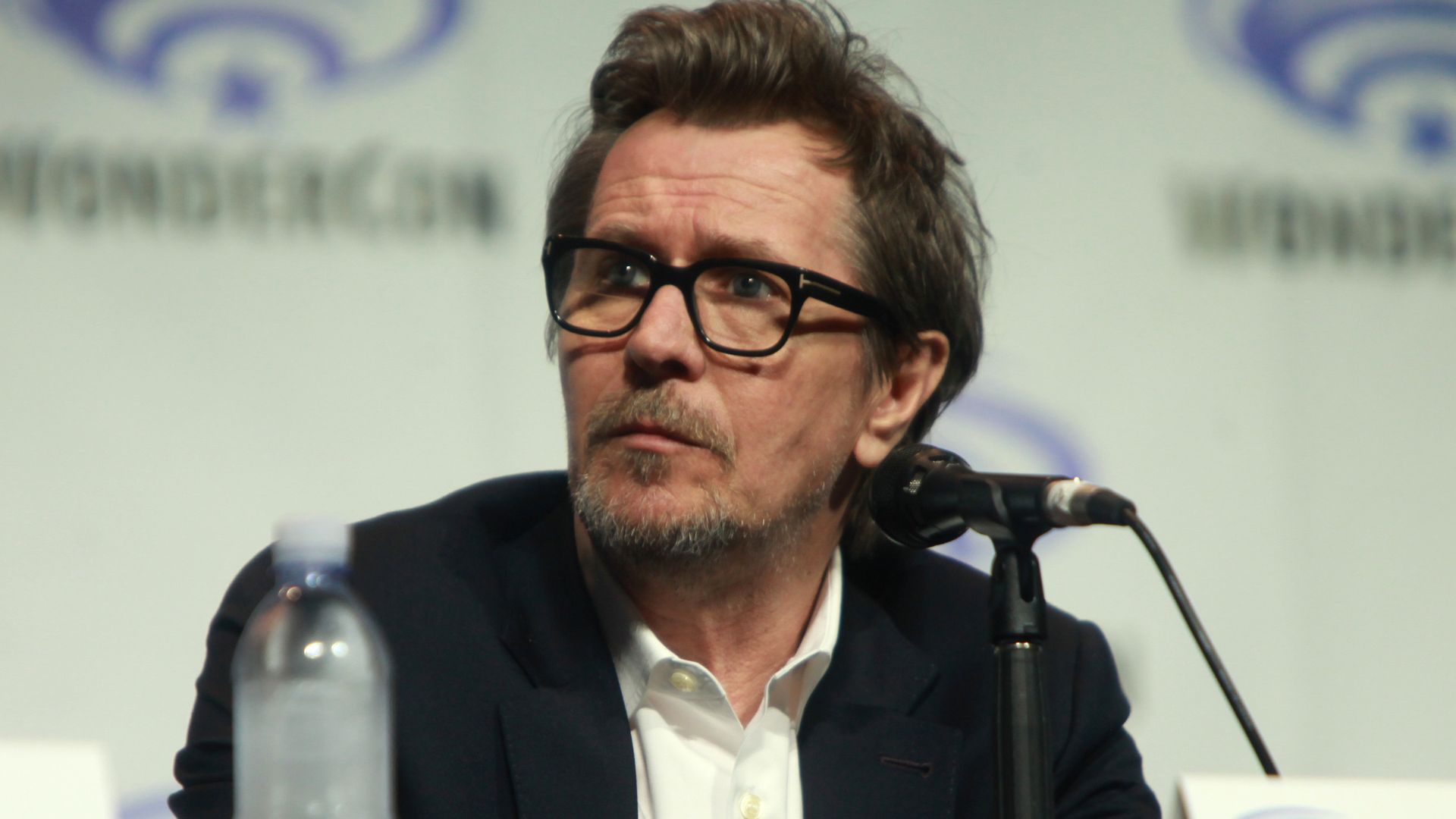 Gage Skidmore from Peoria, AZ, United States of America, Wikimedia Commons
David Tennant
Kilgrave is still one of television’s most disturbing villains, yet David Tennant’s real demeanor rarely matches that menace. Fans consistently notice energy and quiet shyness. Supportive with co-stars, he taps into ruthlessness only for performance, maintaining a warm reputation.
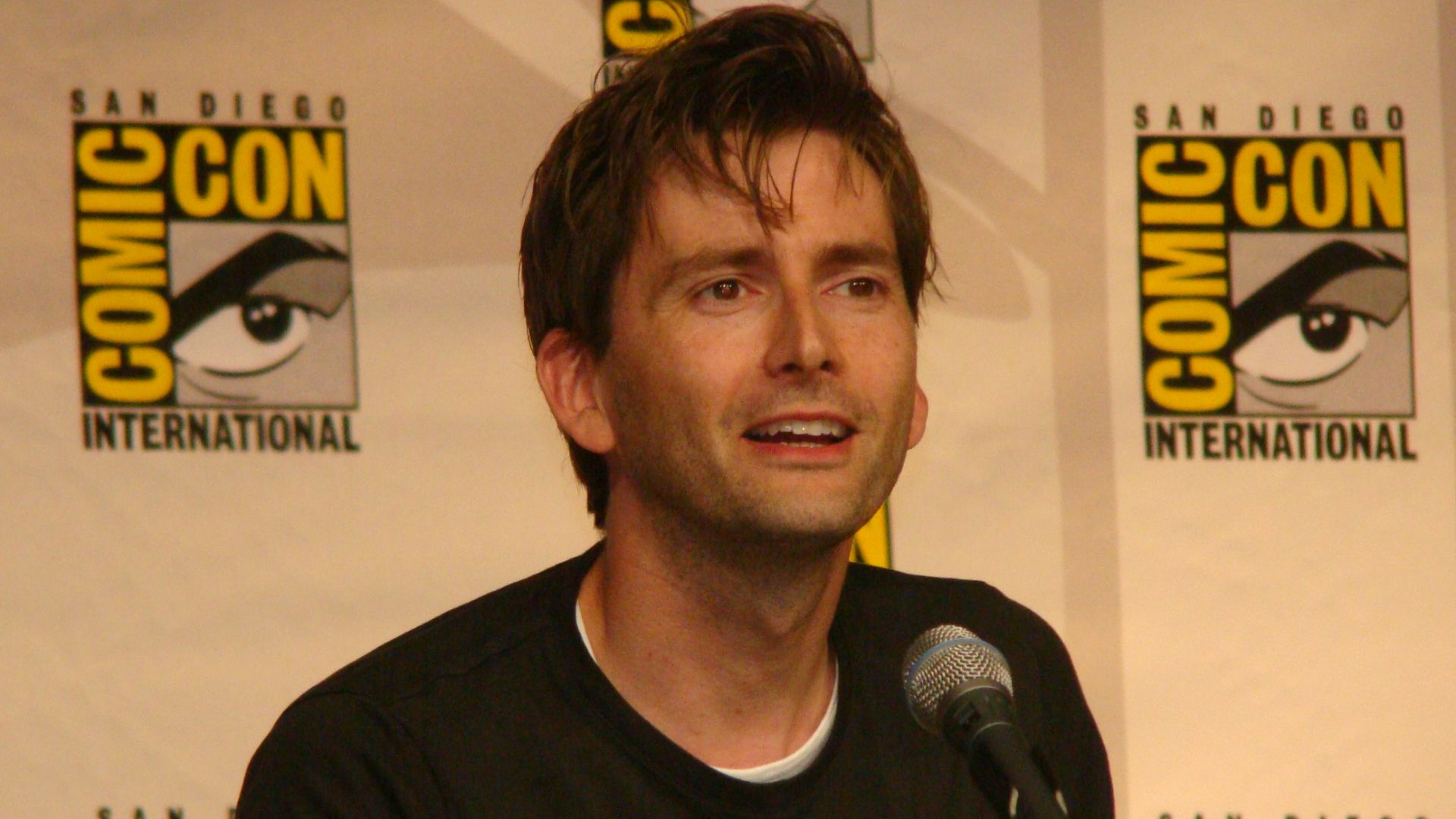 Rach from Tadcaster, York, England, Wikimedia Commons
Pam Ferris
Miss Trunchbull terrified audiences with sheer physical authority, but Pam Ferris couldn’t be further from that image. Off set, she’s known for gentleness and care, adopting harshness only as performance. Her career comfortably balances intimidating roles with warmer projects.
 Quickeditor456, Wikimedia Commons
Rosamund Pike
Unsettling viewers, Amy Dunne cemented Rosamund Pike’s talents in calm deception. In conversation, interviews reveal thoughtfulness and eloquence rather than coldness. She approaches villains by humanizing their motives, yet remains warm and engaging in person.
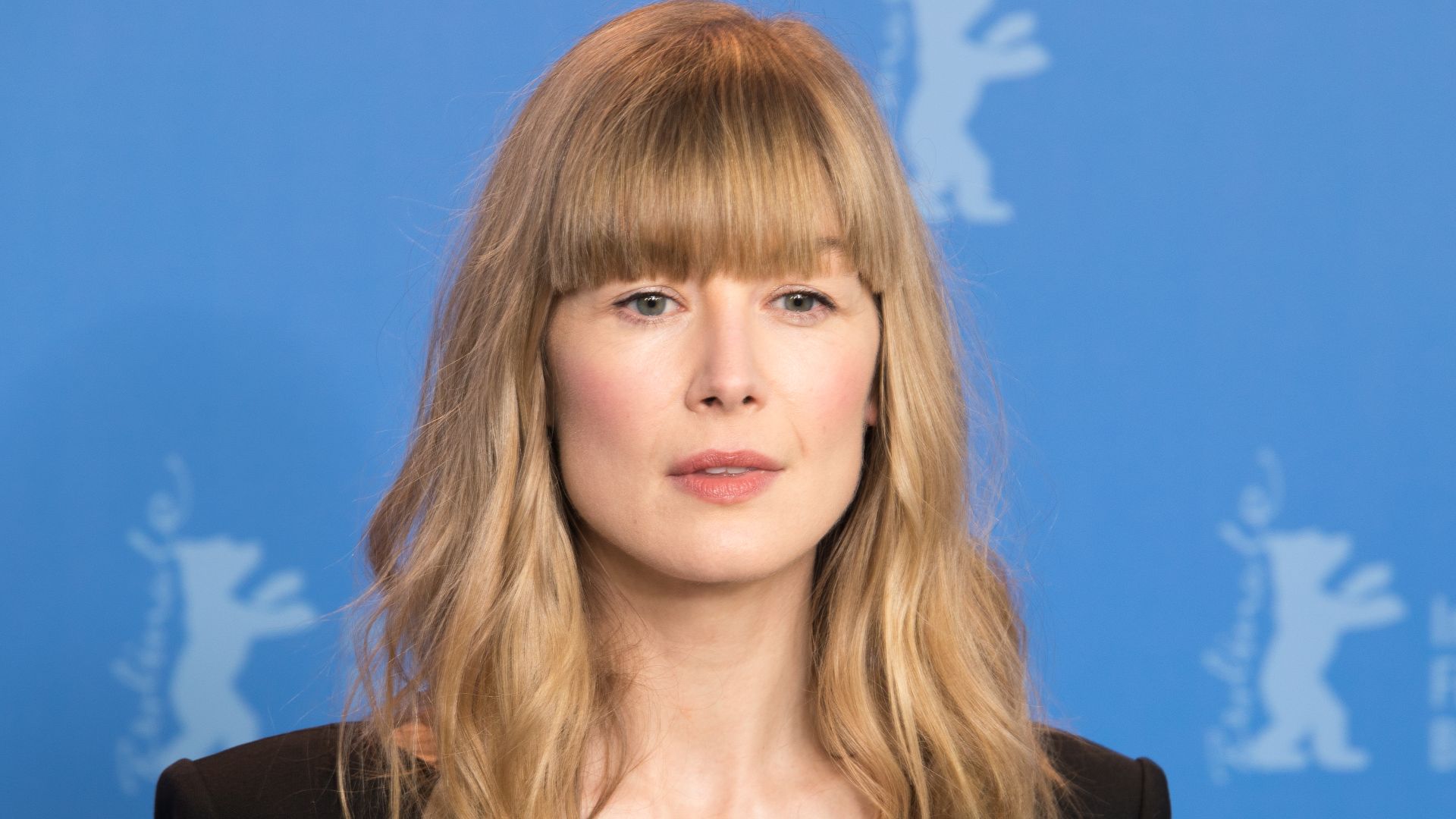 Martin Kraft, Wikimedia Commons
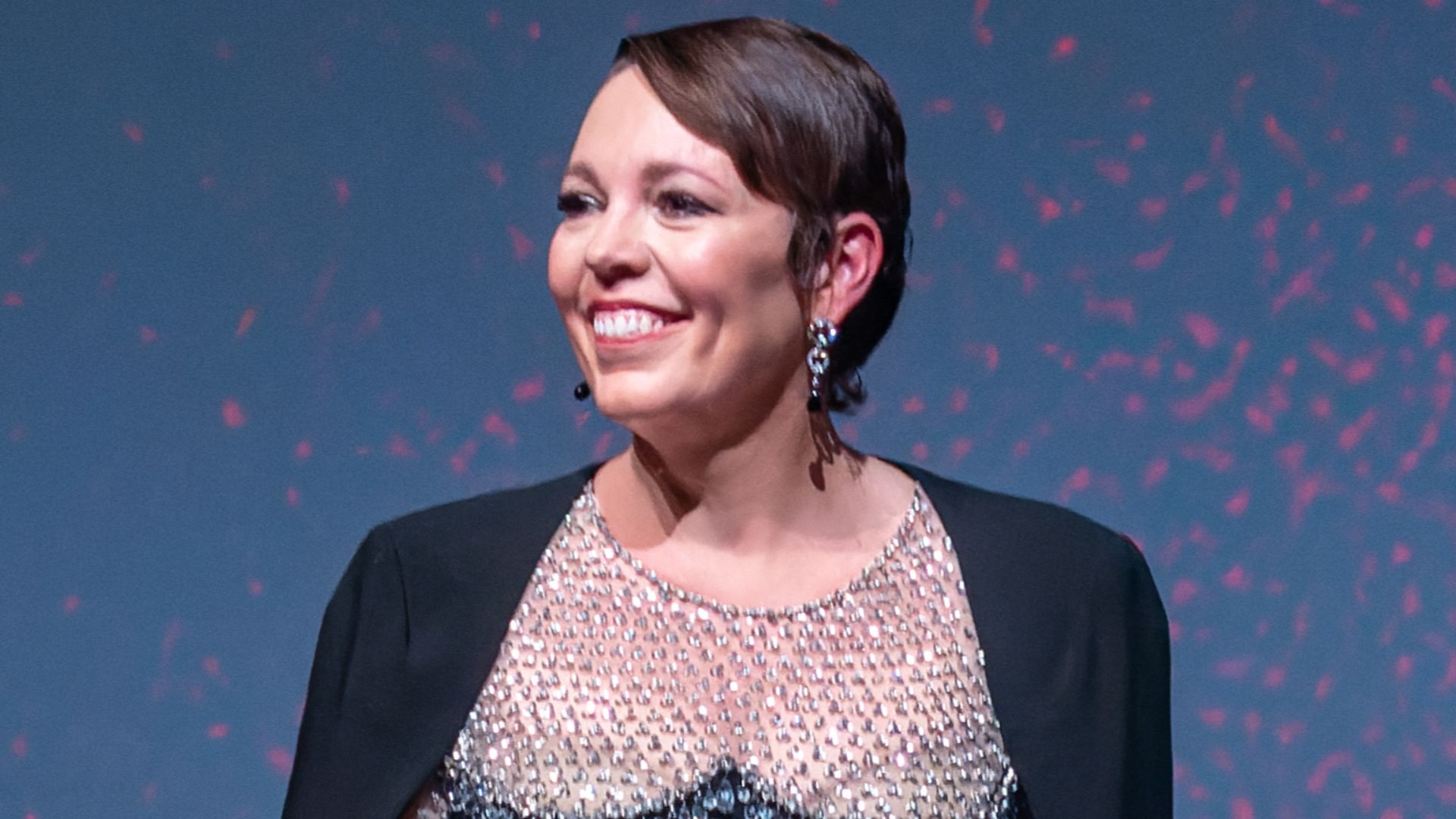
Olivia Colman
Authority and quiet menace defined Olivia Colman’s turn as a ruling antagonist in The Crown. Acceptance speeches and interviews highlight an opposite energy. She radiates humility and gratitude, openly poking fun at herself. Deception might fuel her performances, but kindness and emotional generosity anchor her real-life presence.
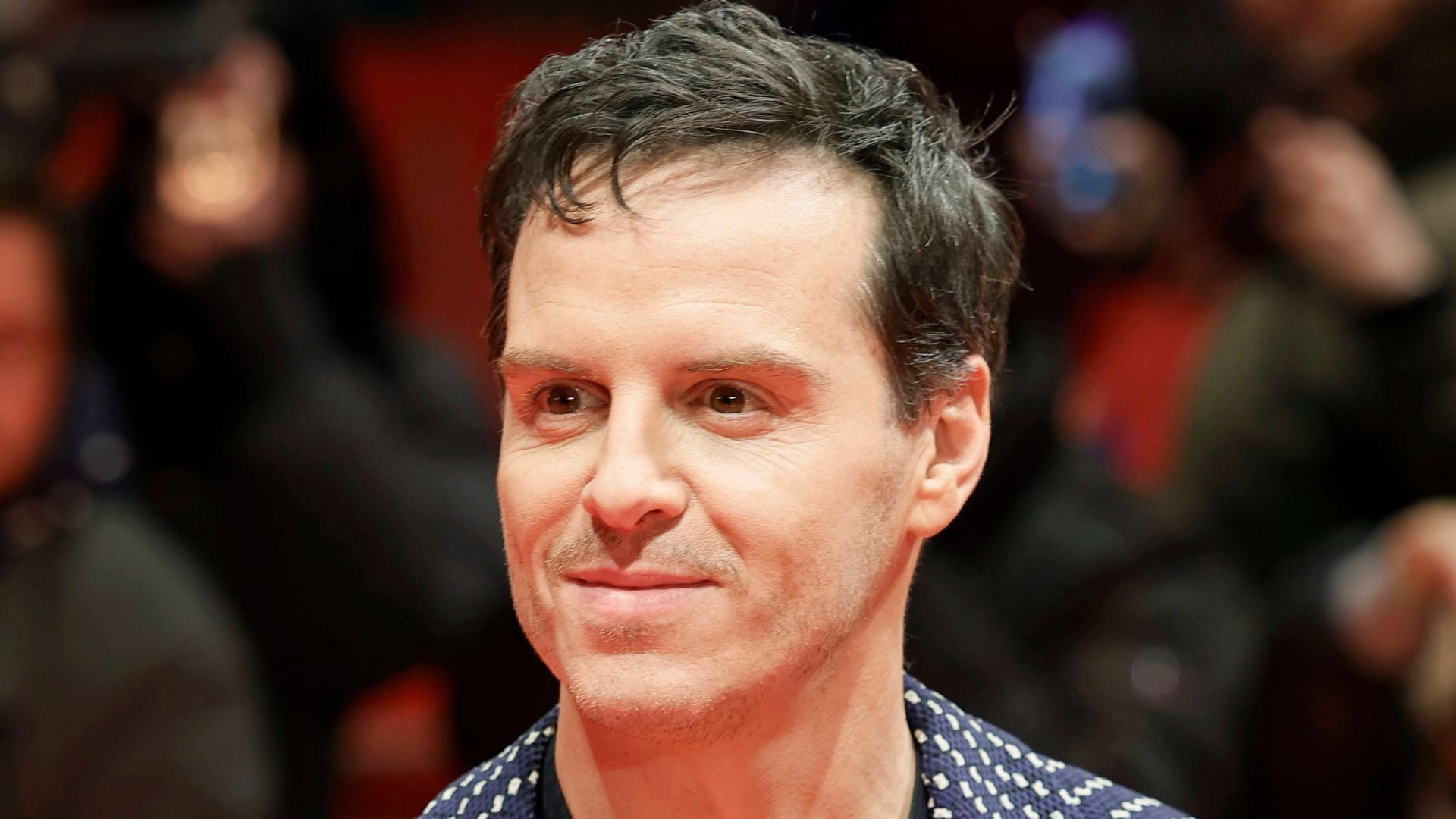
Andrew Scott
Watching Andrew Scott manipulate minds as Moriarty makes his off-screen demeanor feel almost disorienting. Known for shy charm and gentle manners, he comes across as deeply relatable. His performances humanize villains without glamorizing them, enjoying the creative freedom that acting allows.
 Elena Ternovaja, Wikimedia Commons
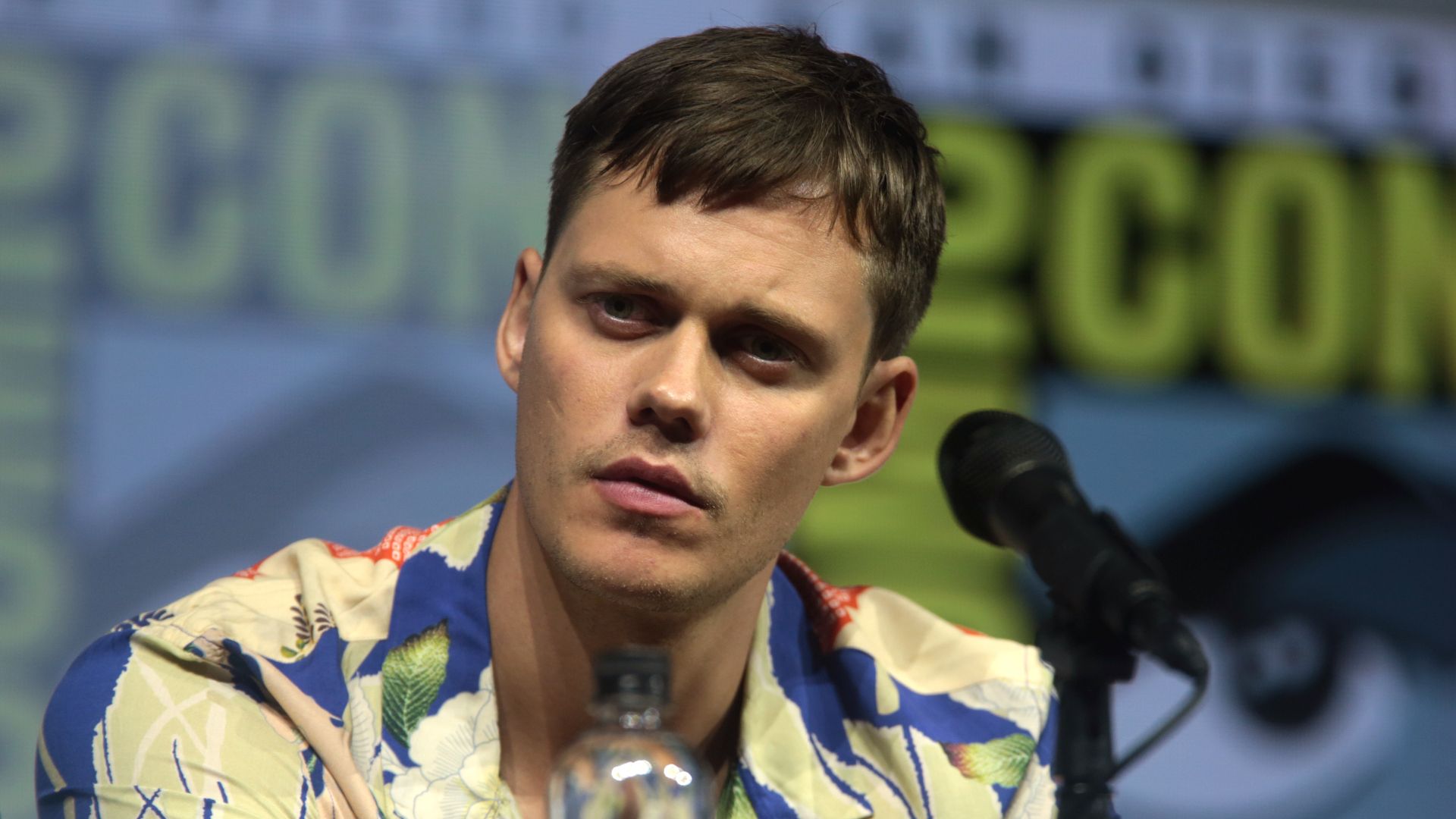
Bill Skarsgard
As a modern horror icon, the darkness rarely follows Bill Skarsgard home. Family members describe a grounded, kind personality. He’s admitted discomfort with grim roles despite excelling in them, preferring darker material professionally while focusing on humor and lightness in everyday life.
 Gage Skidmore from Peoria, AZ, United States of America, Wikimedia Commons
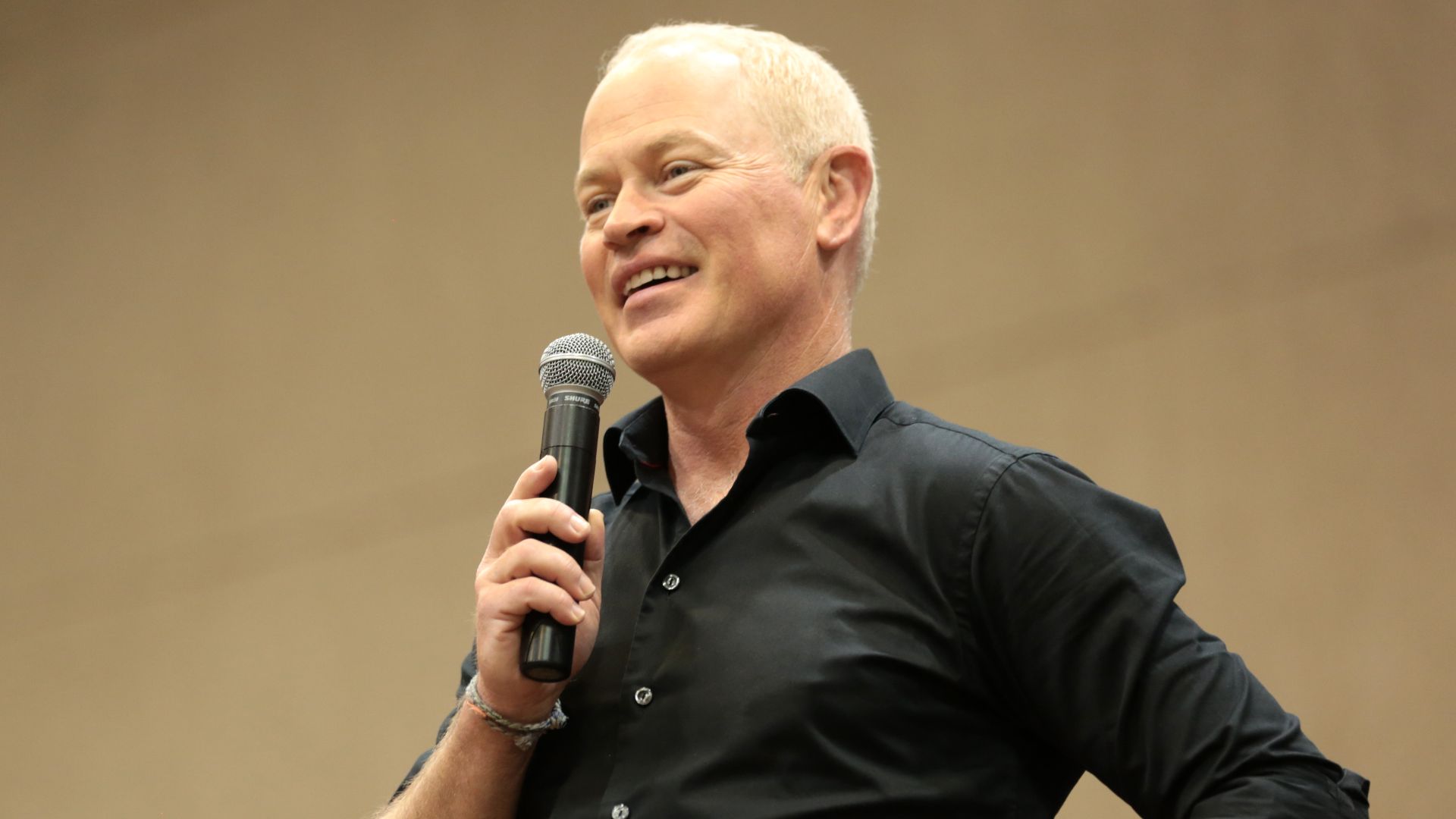
Neal McDonough
Neal McDonough frequently lands antagonist roles across television and film. However, he’s guided by faith-driven values and is known for positivity and kindness in real life. The actor has refused certain parts on principle, choosing instead to mentor others and bring encouragement wherever he works.
 Gage Skidmore from Peoria, AZ, United States of America, Wikimedia Commons
Ann Dowd
Aunt Lydia’s oppressive authority makes Ann Dowd unforgettable, but colleagues consistently describe maternal warmth behind the scenes. She balances chilling performances with generosity and laughter, never hoarding emotional space.
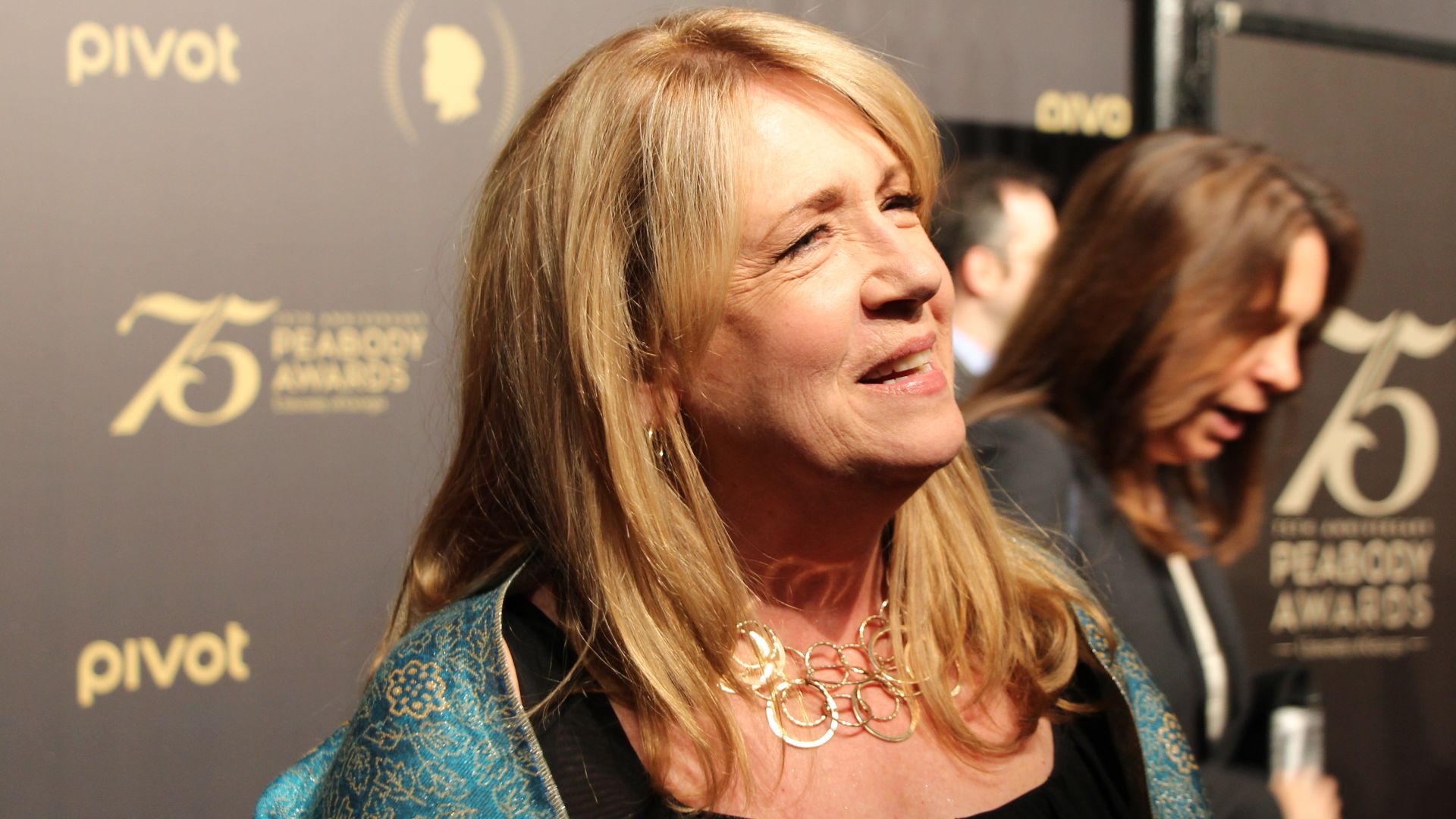 Peabody Awards, Wikimedia Commons
Ian McKellen
Magneto gave Ian McKellen a commanding villain legacy, yet activism and playful humor define his public life. Engaging and generous with fans, he relishes acting while advocating openly for LGBTQ+ causes. Though he enjoys being remembered for formidable roles, his warmth extends far beyond the screen.
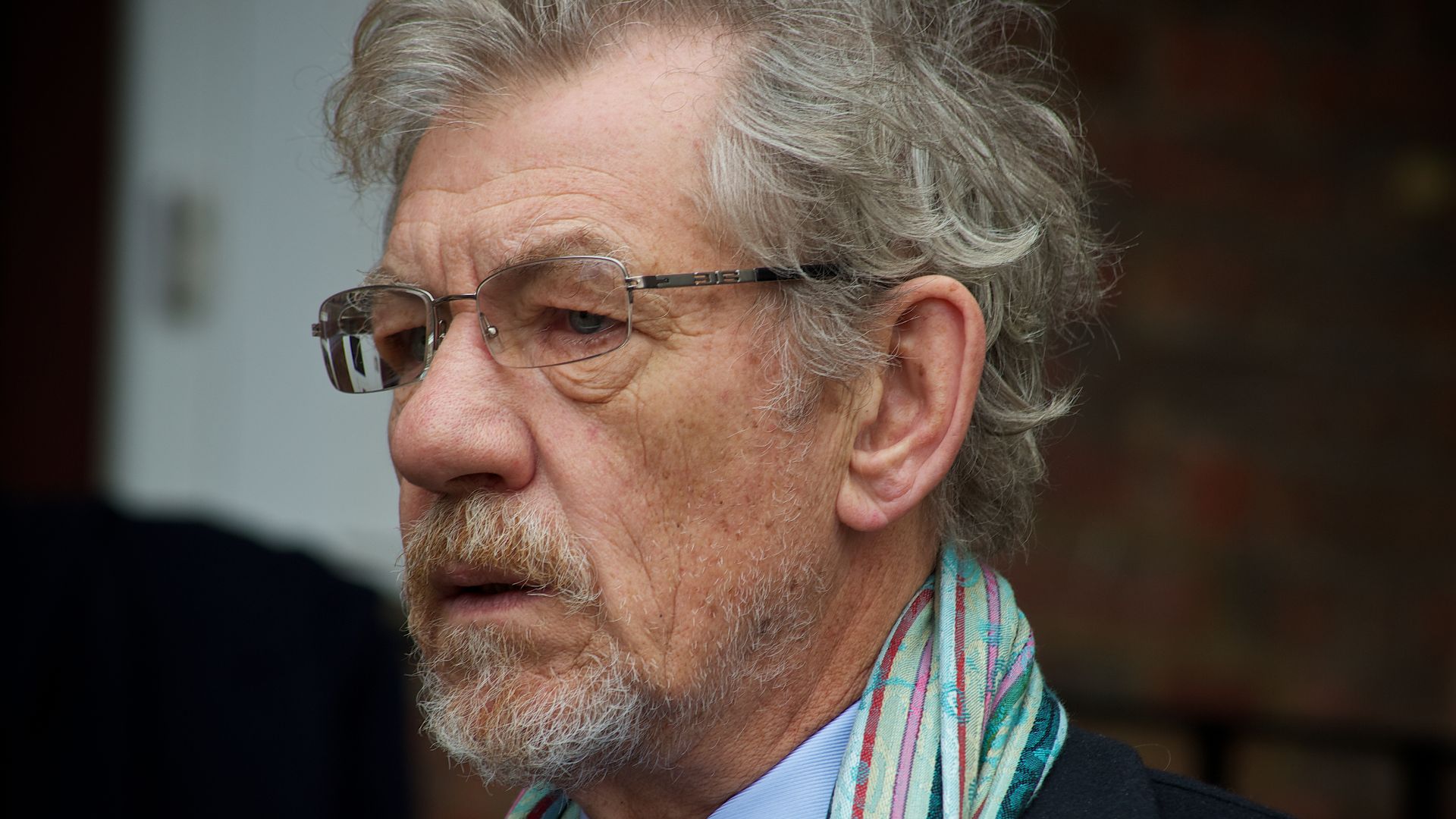 Southbanksteve, Wikimedia Commons