The Fall And Rise Of Ol’ Blue Eyes
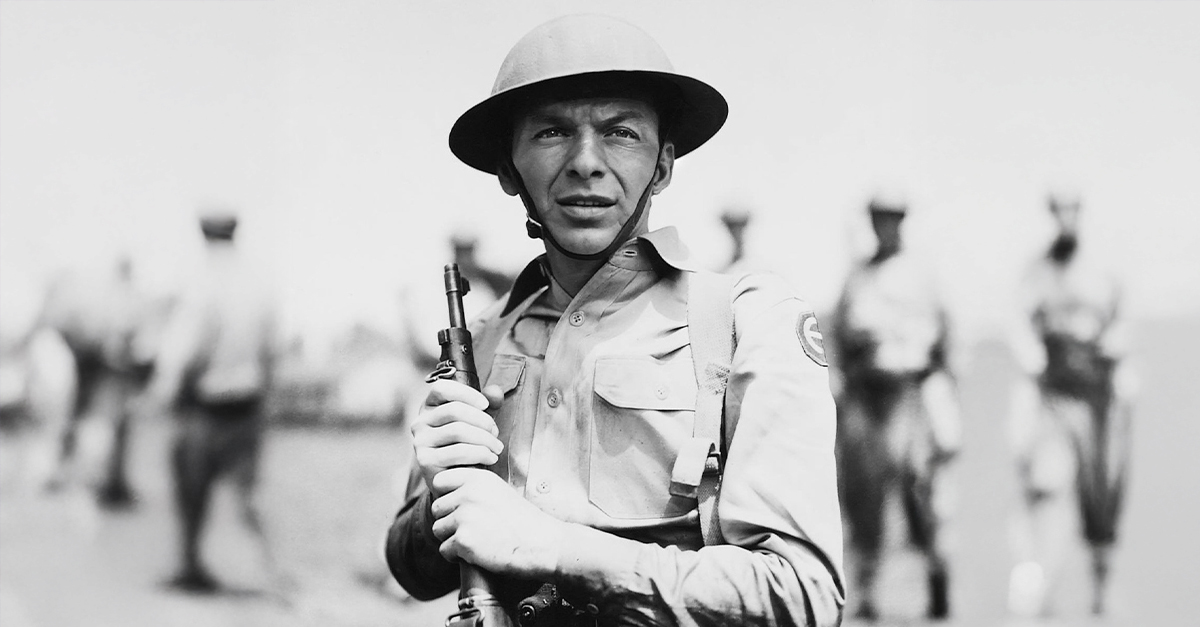
In the 30s and 40s Frank Sinatra was an unstoppable sensation, beloved by teenage fans across America. But by the early 50s, he’d hit a dramatic career downturn: mounting debts, tabloid scandals, empty venues, and even gigs at county fairs. His comeback, fuelled by his acting turn in From Here to Eternity (1953) would change his legacy forever.
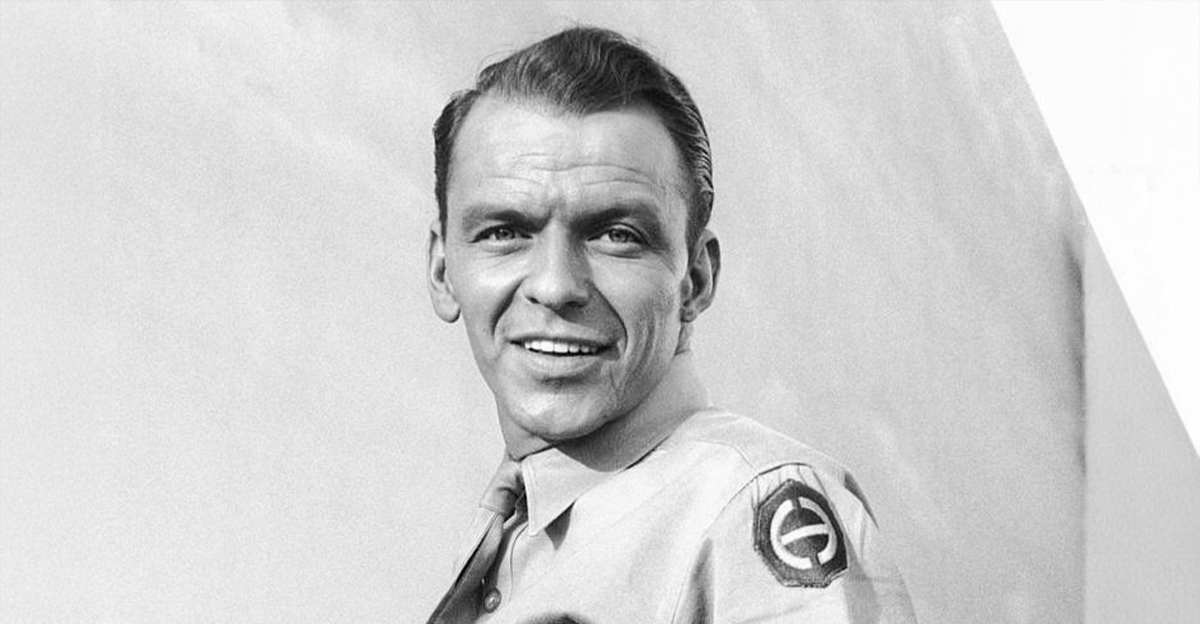
Glory Days Before The Slide
In the mid‑40s, Sinatra dominated popular music: record sales were high, fan clubs were growing, and his signature voice resonated everywhere. His persona was what charisma and cool were about. But behind the scenes, cracks were forming: pressures, politics, and shifting public tastes all threatened his place at the top.
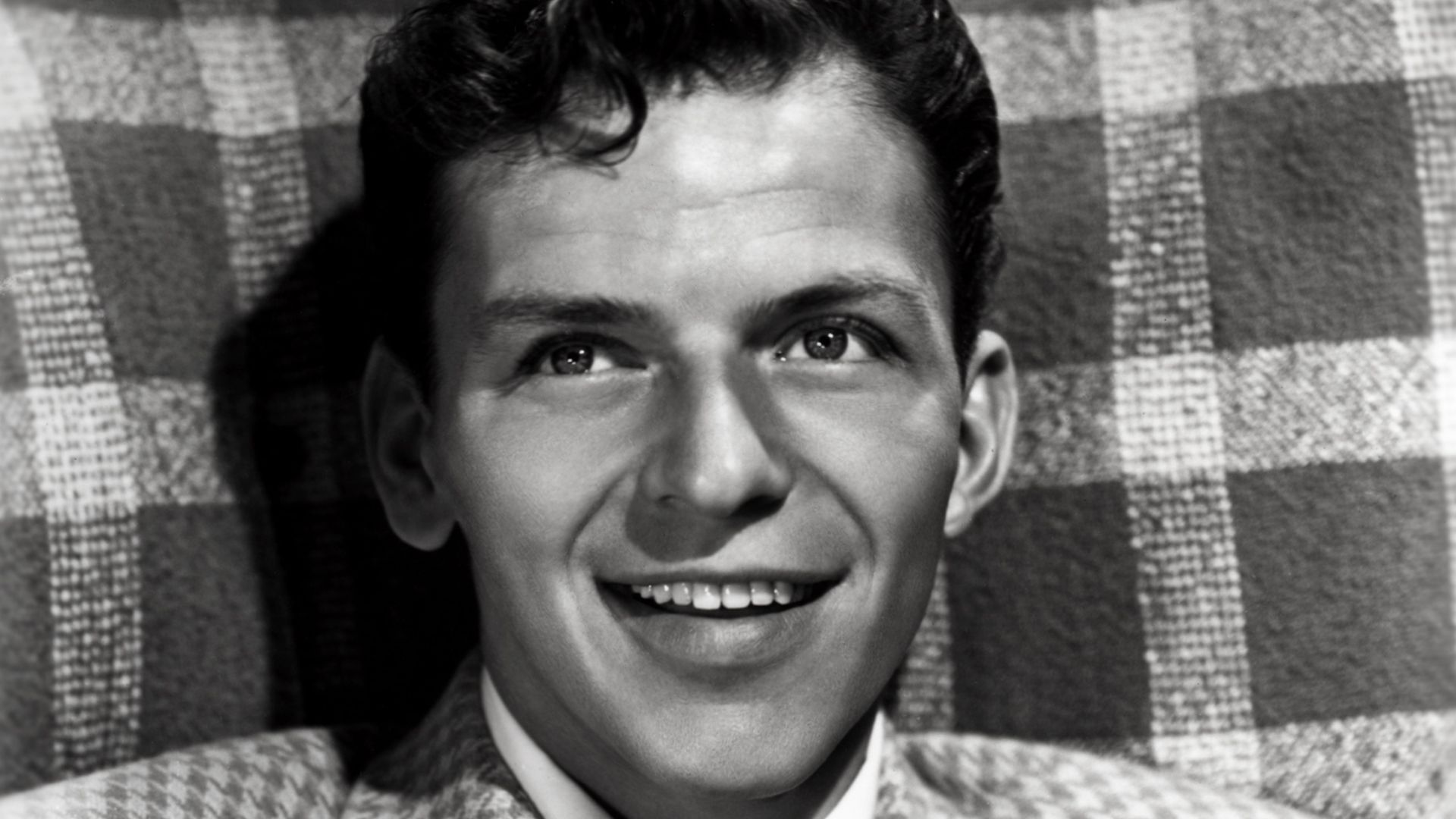 English: "Copyright 1946 Loew's, Inc." Photographer unknown., Wikimedia Commons
Loss Of His Publicist And Champion
In January 1950, Sinatra suffered a devastating professional and personal loss when his longtime publicist George Evans died suddenly of a heart attack at just thirty-nine. Evans had been more than a press agent; he was the architect of Sinatra’s early image, the man who orchestrated the teen “bobby-soxer” hysteria and kept the star in the headlines. It was a tragedy, and it happened at the worst possible time.
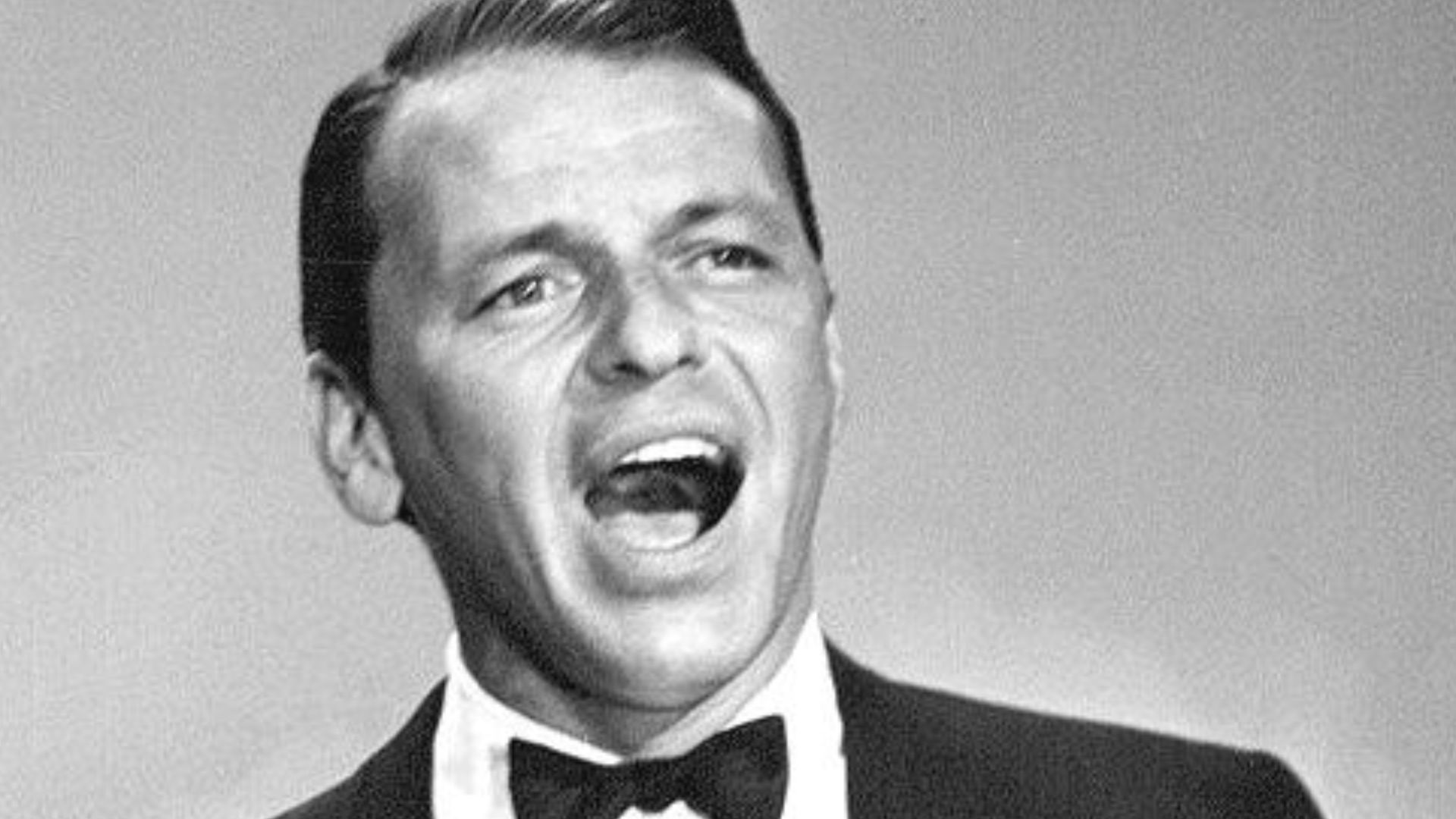 CBS Television, Wikimedia Commons
A Changing Music Business
Without Evans’s steady hand and promotional genius, Sinatra found himself floundering around in the shifting entertainment landscape. The loss left a void that did little to slow his public-relations decline. To make matters worse, the music business was no longer finding as much success with the old wartime crooners and were moving on to greener pastures with the new jazz and post-swing sounds.
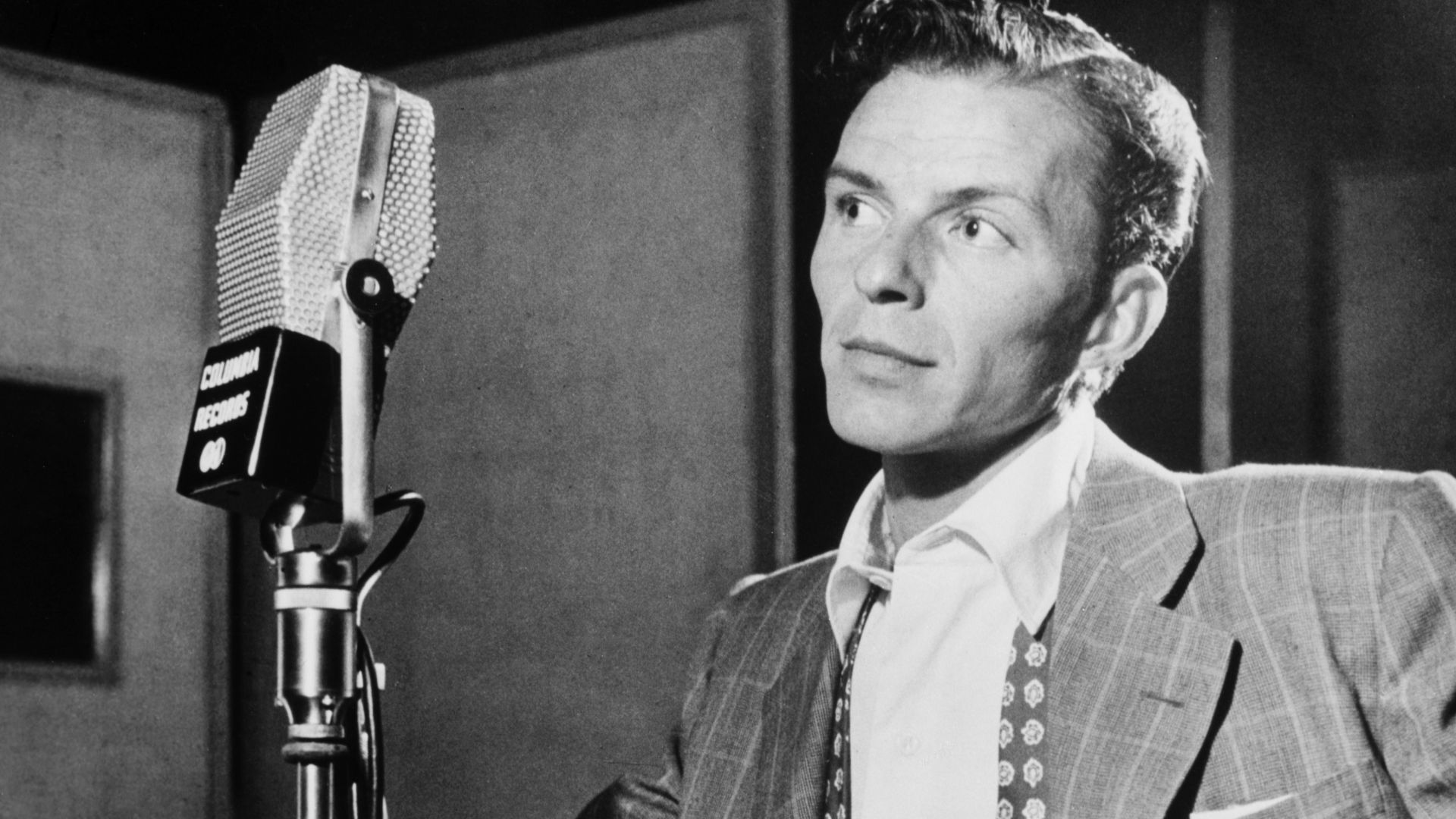 William P. Gottlieb, Wikimedia Commons
When The Audiences Disappeared
By 1951‑52, Sinatra dramatically felt the change: gigs that once packed halls now drew sparse crowds. At the Desert Inn in Las Vegas, he performed to half‑filled houses. At one Chicago club, only 150 people showed up in a 1,200‑seat hall. Those weren’t the only problems he was dealing with.
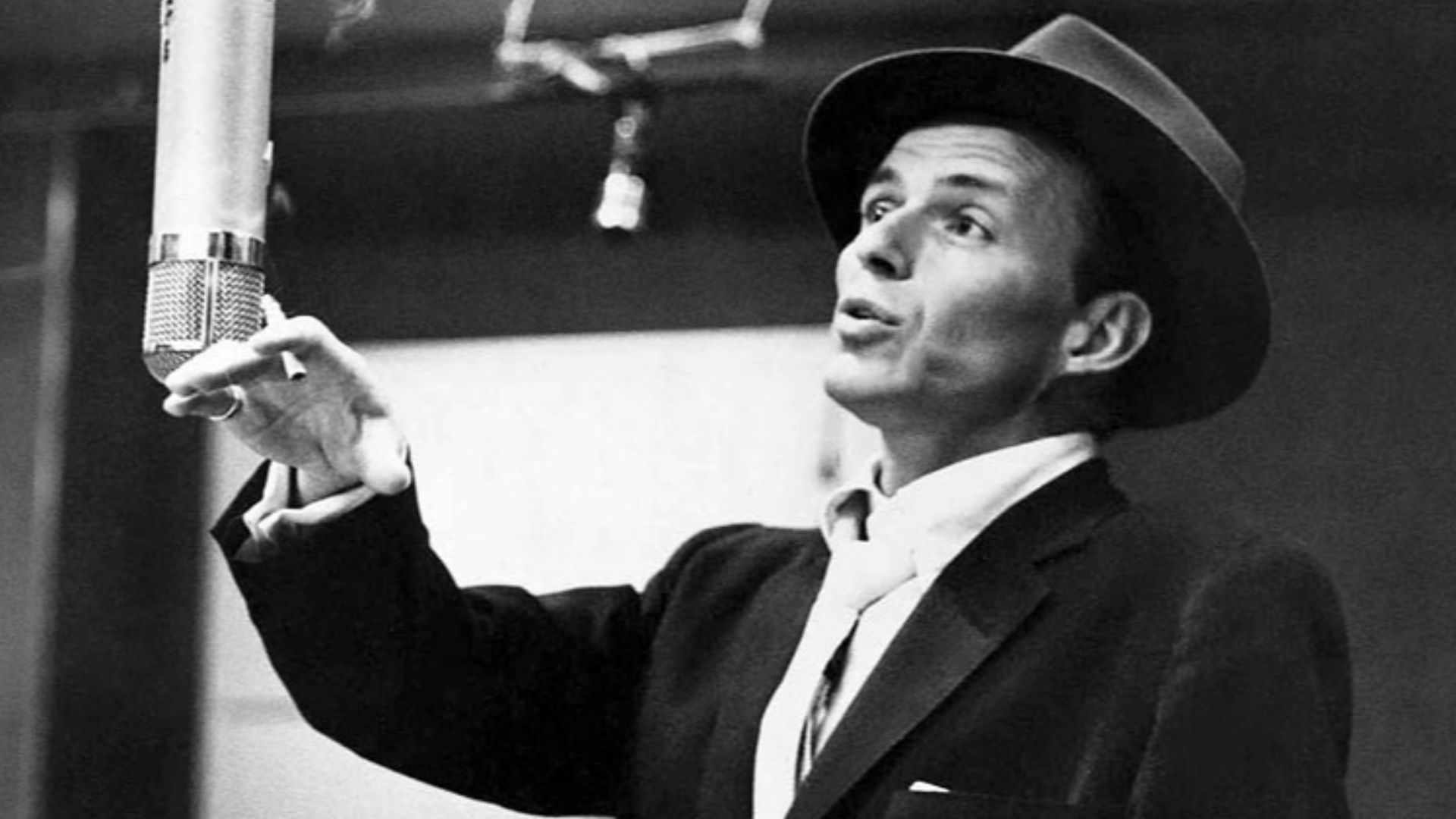
Debt, Drama, And Distress
During this slump in concert attendance Sinatra borrowed heavily to stay afloat. He reportedly borrowed $200,000 from his record label to pay back taxes. His marriage to Nancy Sinatra was falling apart due to his public affair with Ava Gardner that was splashed across the tabloid gossip pages. The singer’s reputation was fading fast.
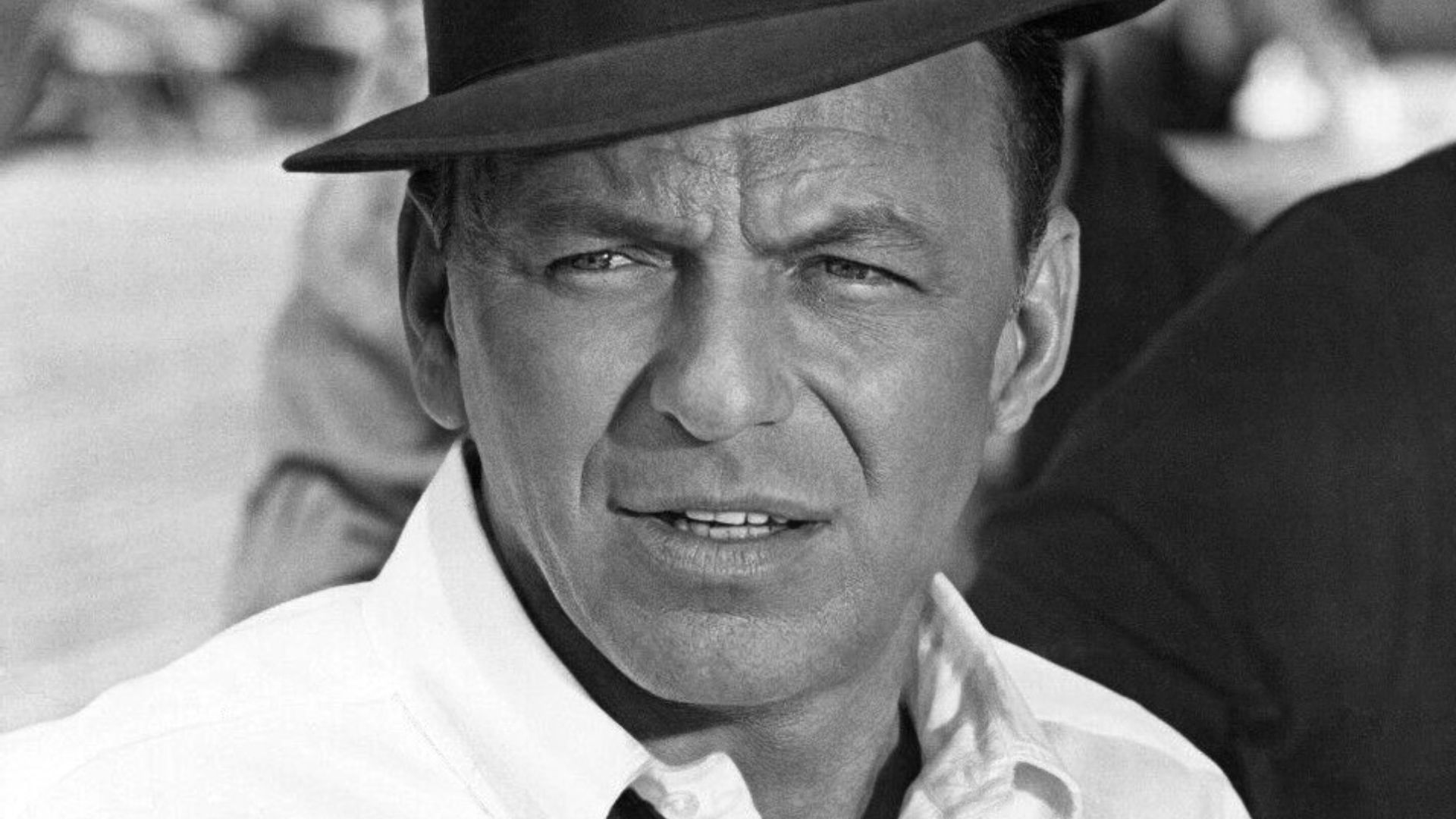 Distributed by 20th Century Fox. Photographer uncredited and unknown., Wikimedia Commons
Vegas in the Early 1950s: A Different Scene From Today
Las Vegas was a much different place in the early 50s. Performing there at that time meant long sets, lounge‑rooms, hotel‑casino showrooms, and little of the mega‑resort glitz we've come to expect now. Acts were modest and the pay was low. Sinatra’s Desert Inn casino appearances were a far cry from today’s superstar residencies.
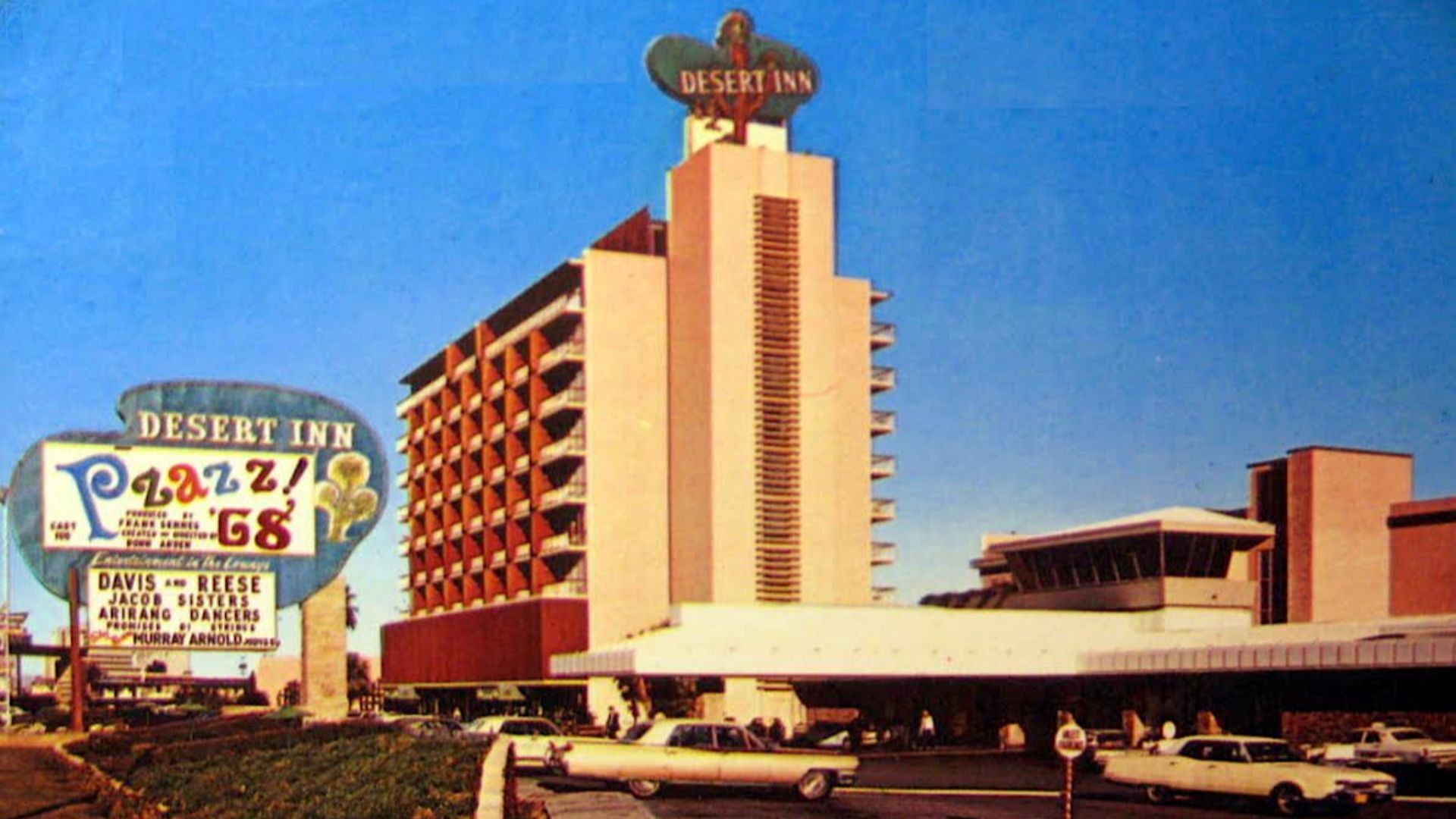 Piasticchrome, Boston, MA-photo by Las Vegas News Agency, Las Vegas., Wikimedia Commons
The Music Industry Turned Cold
Sinatra’s relationship with Columbia Records went downhill: whatever creative control he thought he’d had slipped away; he was asked to sing nonsense novelty tunes like “Mama Will Bark” that alienated his traditional fan base. The teen “bobby‑soxer” audience that once adored him was growing up, and the record business moved on accordingly.
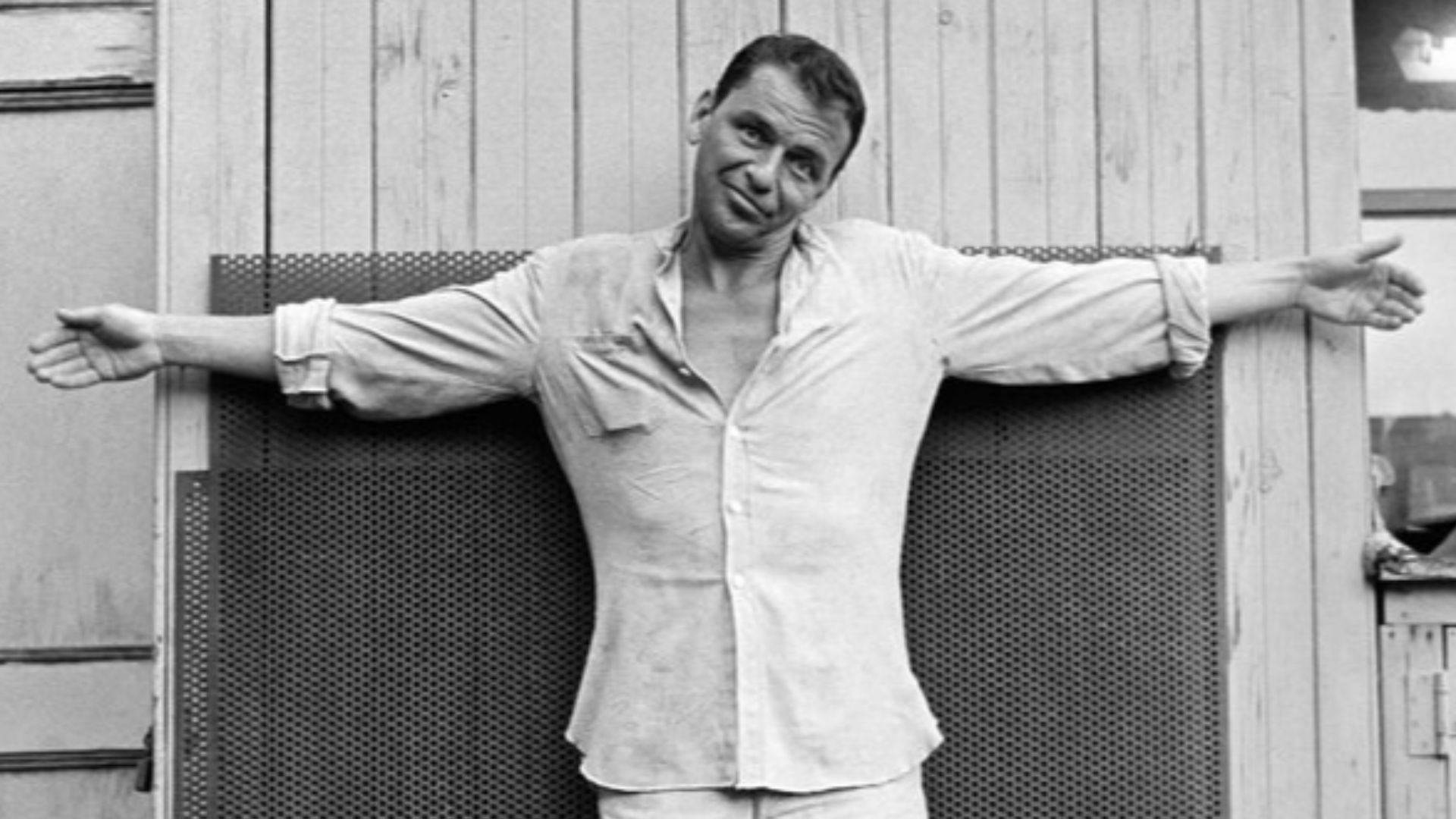 Philippe Halsman, Wikimedia Commons
Affairs, Image And The Celebrity Trap
Sinatra’s high‑profile affair with Ava Gardner, reported threats, and drastic mood swings all fed into a brewing media narrative of instability. Sinatra’s painstakingly honed public image cracked under all this personal turmoil, and audiences sensed it.
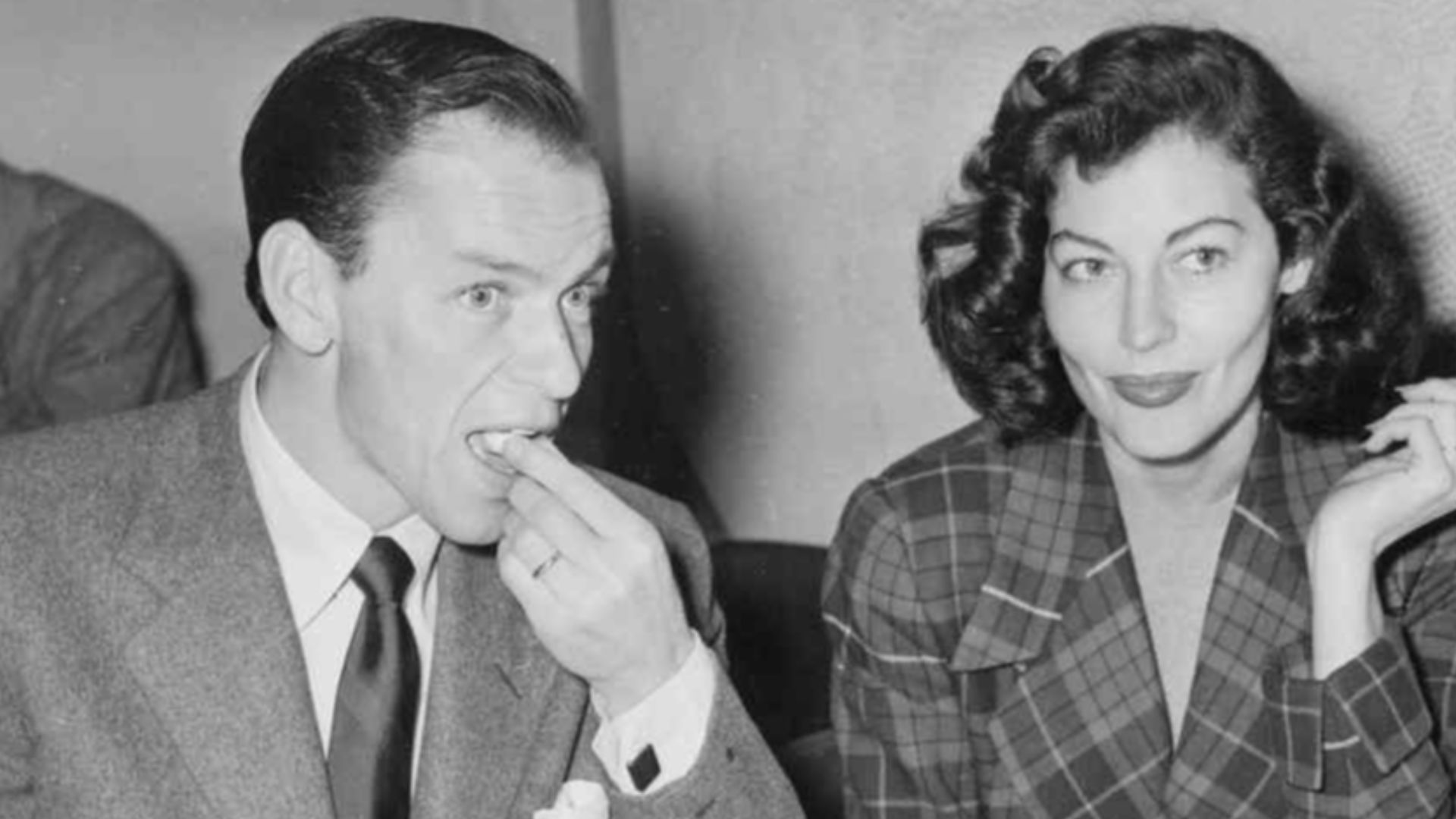
Copa Club Breakdown
In early 1950, Sinatra took a high-profile engagement at the Copacabana Club in New York, a coveted venue that could’ve reignited his flagging career. But he cancelled the final five nights due to a submucosal hemorrhage of the throat, a condition that temporarily robbed him of his voice. Though officially medical, friends later noted that these kinds of voice troubles in Sinatra’s life often mirrored moments of intense emotional turmoil.
 L. Frank Cabrera, Wikimedia Commons
He Stayed The Course
By 1952, things got so bad that Columbia Records executives were complaining that they couldn’t give away a Sinatra record. But Sinatra himself doggedly kept recording and performing gigs, even though fewer and fewer fans were showing up to them. At one point he even performed at the Kauai County Fair in Hawaii. He needed to find a way to turn the tables on his declining fortunes.
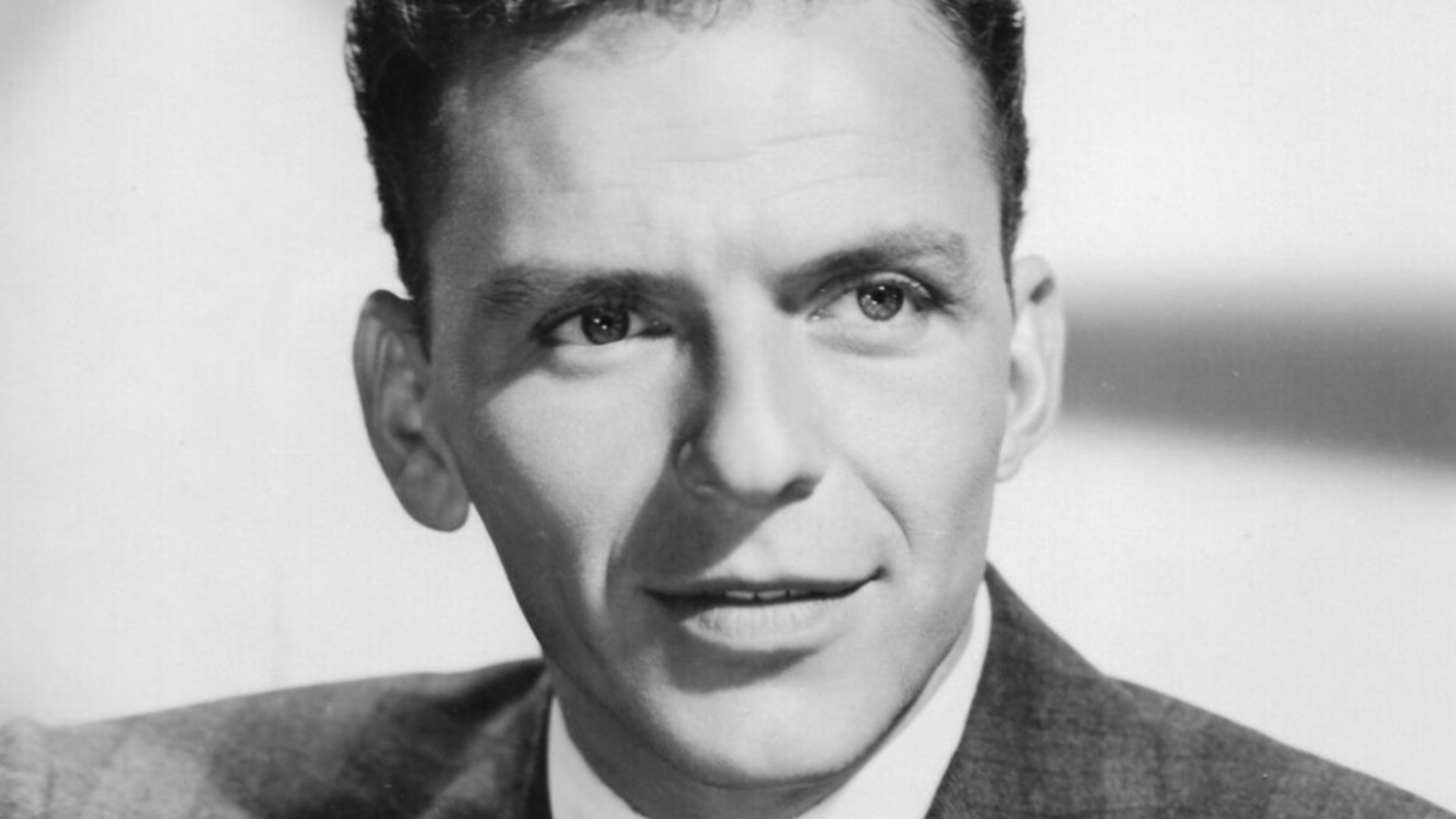 Photograph taken by George Hurrell for Metro-Goldwyn-Mayer (MGM)., Wikimedia Commons
Dramatic Turnaround: From Here to Eternity
In 1953 Sinatra landed the role of Private Maggio in From Here to Eternity. It was for scale pay, but with a cast of co-stars that included Montgomery Clift, Deborah Kerr, Donna Reed, and Burt Lancaster, it brought major prestige. His gritty portrayal earned him the Academy Award for Best Supporting Actor, and it helped relaunch his acting and music career.
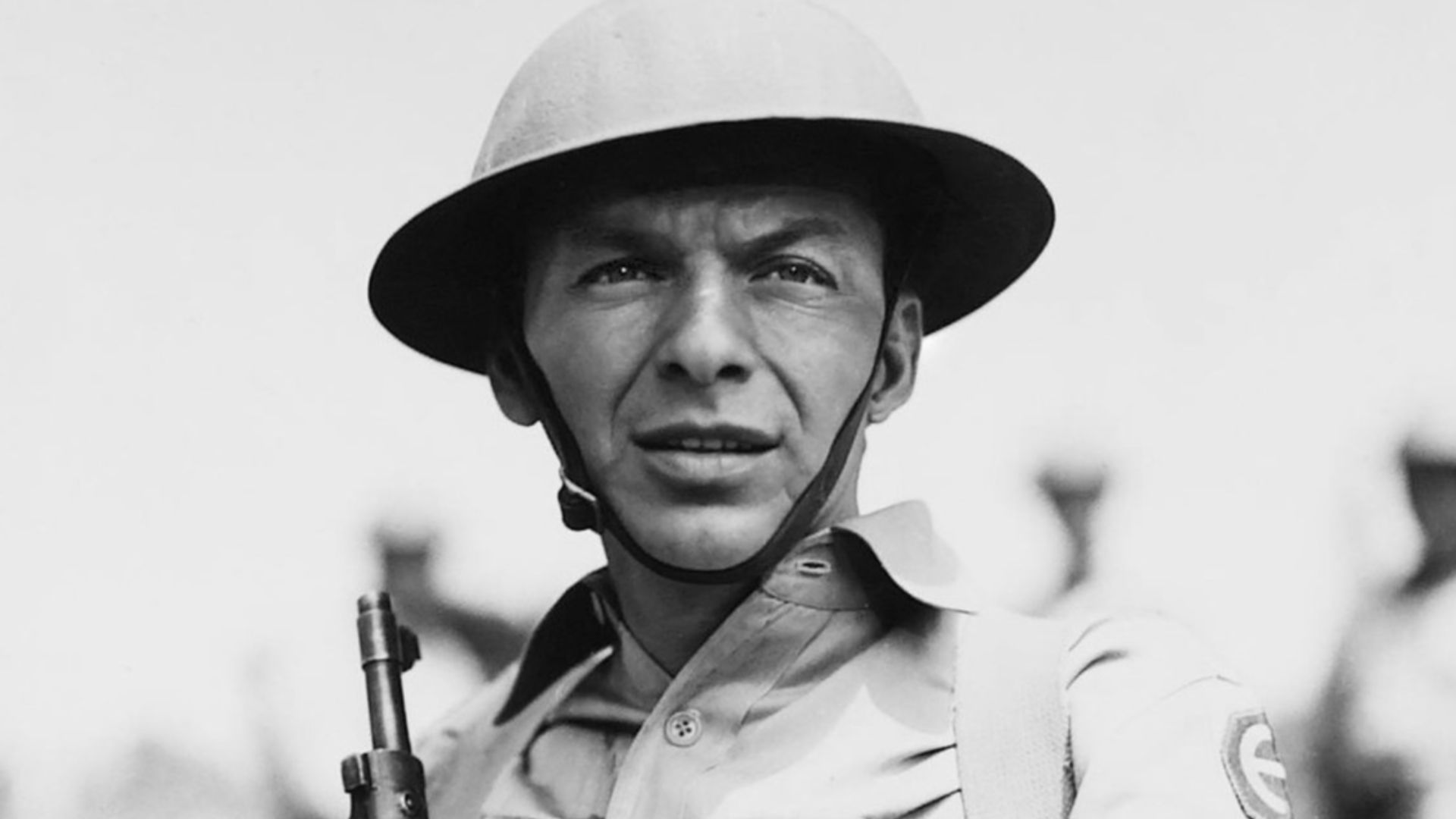 Columbia Pictures, Wikimedia Commons
A Role That Changed Everything
The character, Maggio, allowed Sinatra to show vulnerability, rage, humor and depth. Audiences now could recognize a new side of this complex man, and the critics also responded positively. The film offered Sinatra not just a return, but a major change in image from teen idol to serious performer.
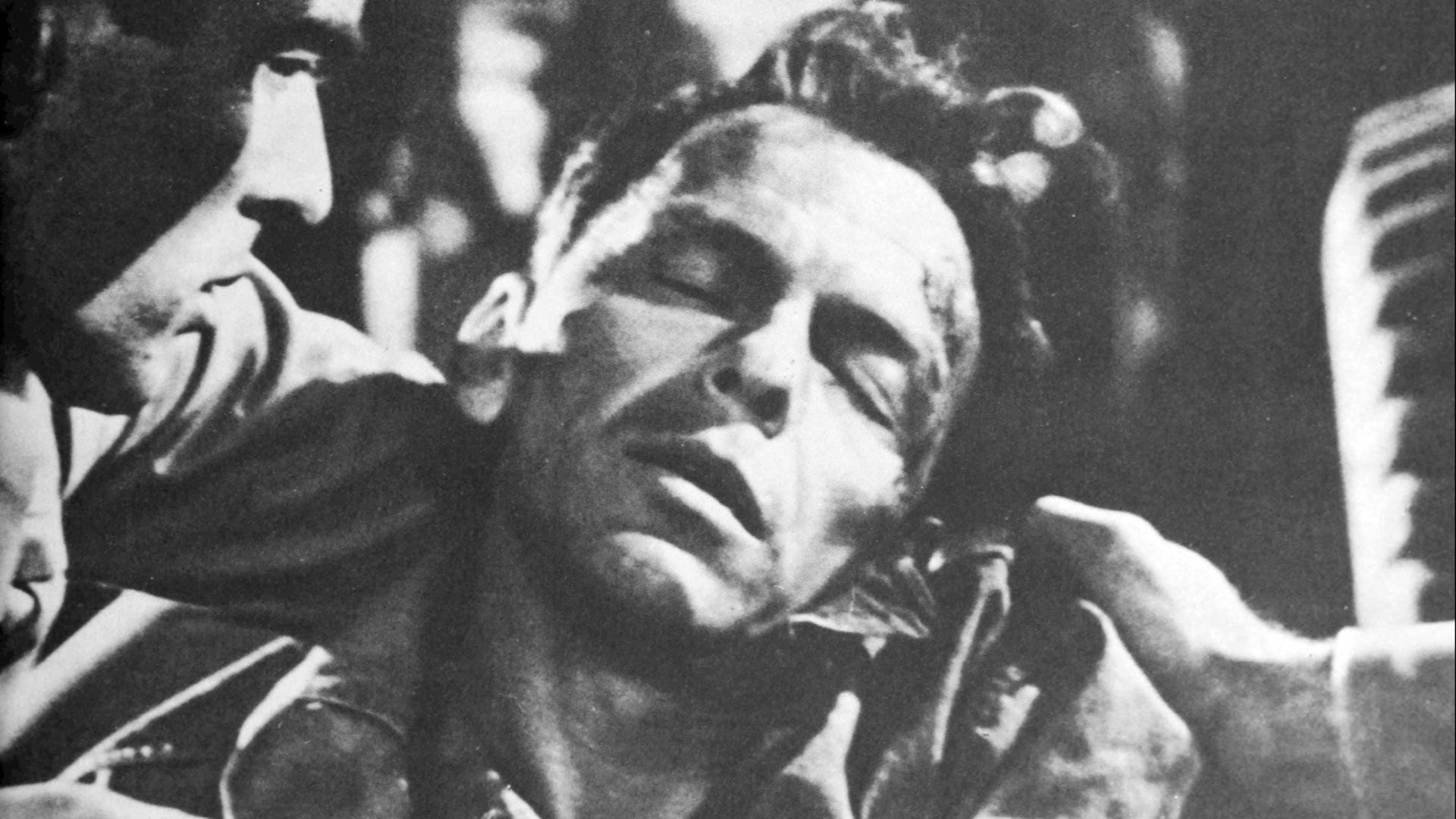 Richard Schickel and Allen Hurlburt Bonanza Books, New York, Wikimedia Commons
A New Sound At Capitol Records
In 1953, fresh off his Oscar win, Sinatra signed a seven-year recording contract with Capitol Records, marking the start of one of the most artistically productive periods of his career. Teaming with young arranger Nelson Riddle, he reinvented his musical style with smoother phrasing, richer orchestrations, and greater emotional depth.
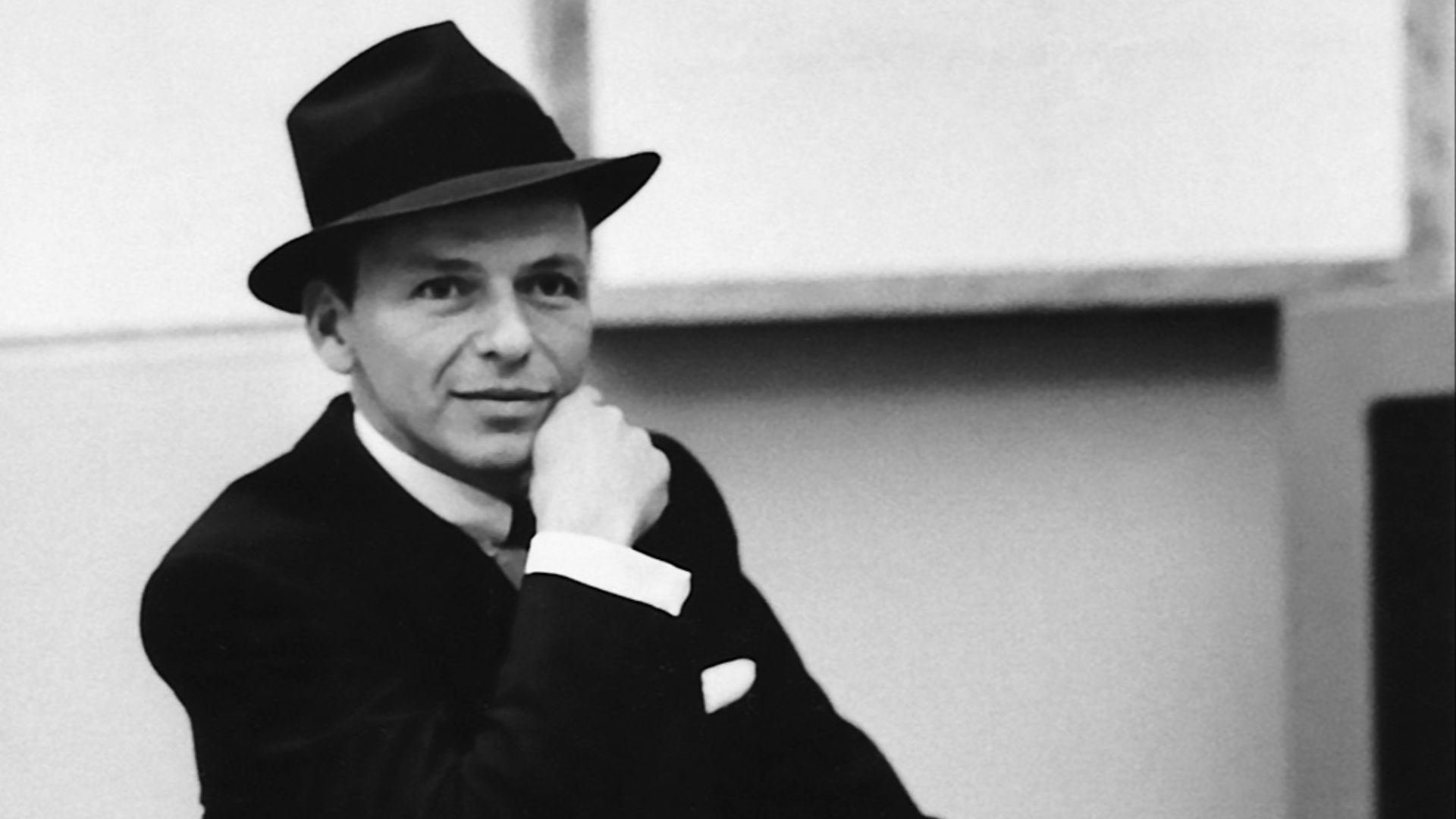 Capitol Records (File No. 3860-25). Photographer unknown., Wikimedia Commons
Back On Top
Albums like Songs for Young Lovers (1954) and Swing Easy! (1954) let the world hear a more mature, introspective Sinatra. The collaboration with Riddle infused his voice with new life and set a different tone for American popular music in the LP era. The whole thing proved that Sinatra’s comeback was no fluke, but a full-scale reinvention.
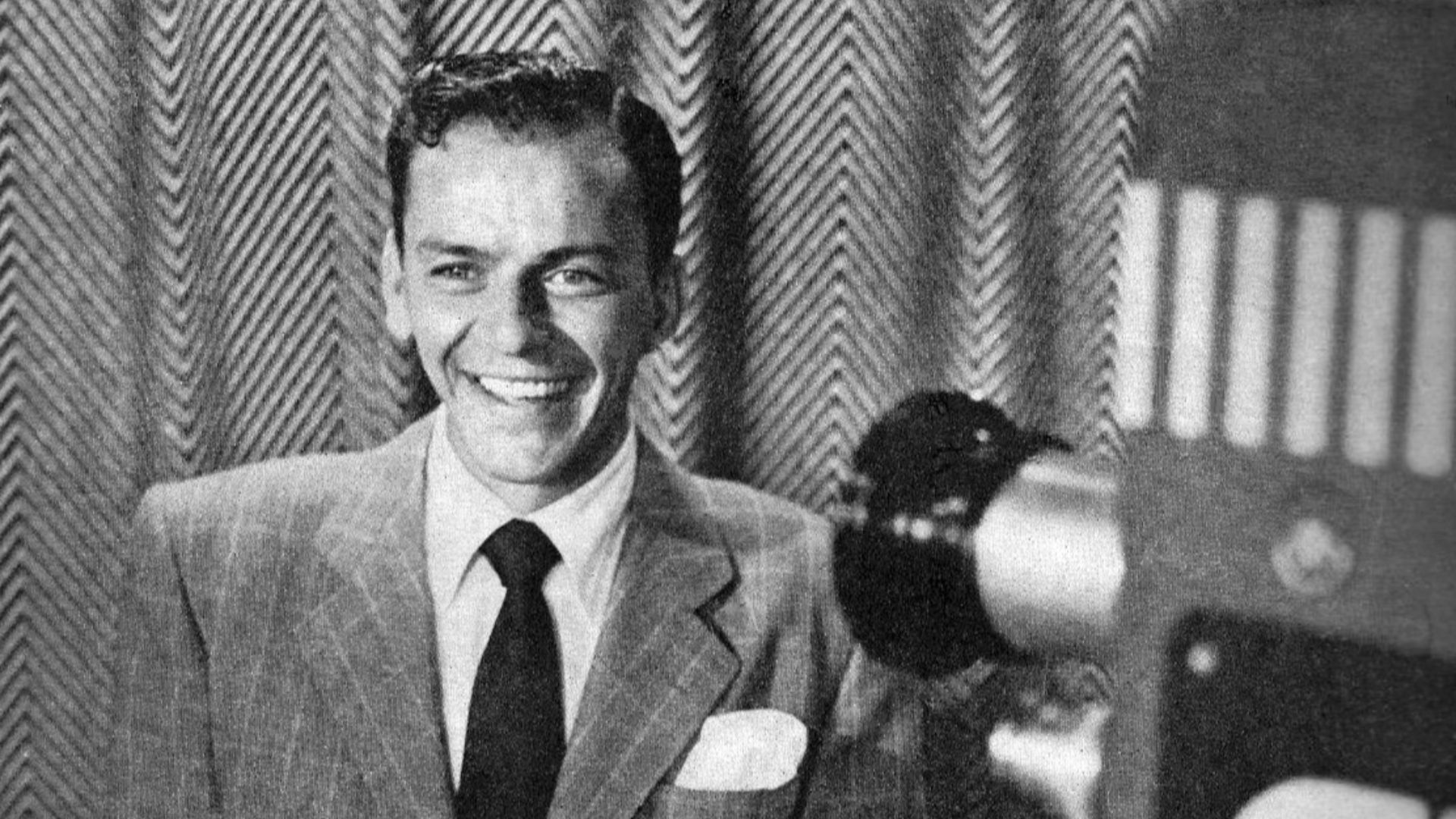 Metronome magazine, Wikimedia Commons
Las Vegas Residency Reborn
With renewed fame, Sinatra returned to Las Vegas, but this time on his own terms. The sedate lounge acts were replaced by show‑bills, big‑band jazz, and top-flight hotel headliners. The Vegas of the mid‑50s was starting its slow inexorable shift toward the glitzy, music‑and‑entertainment‑driven business model we’re familiar with today, and Sinatra was one of those at the helm of that change.
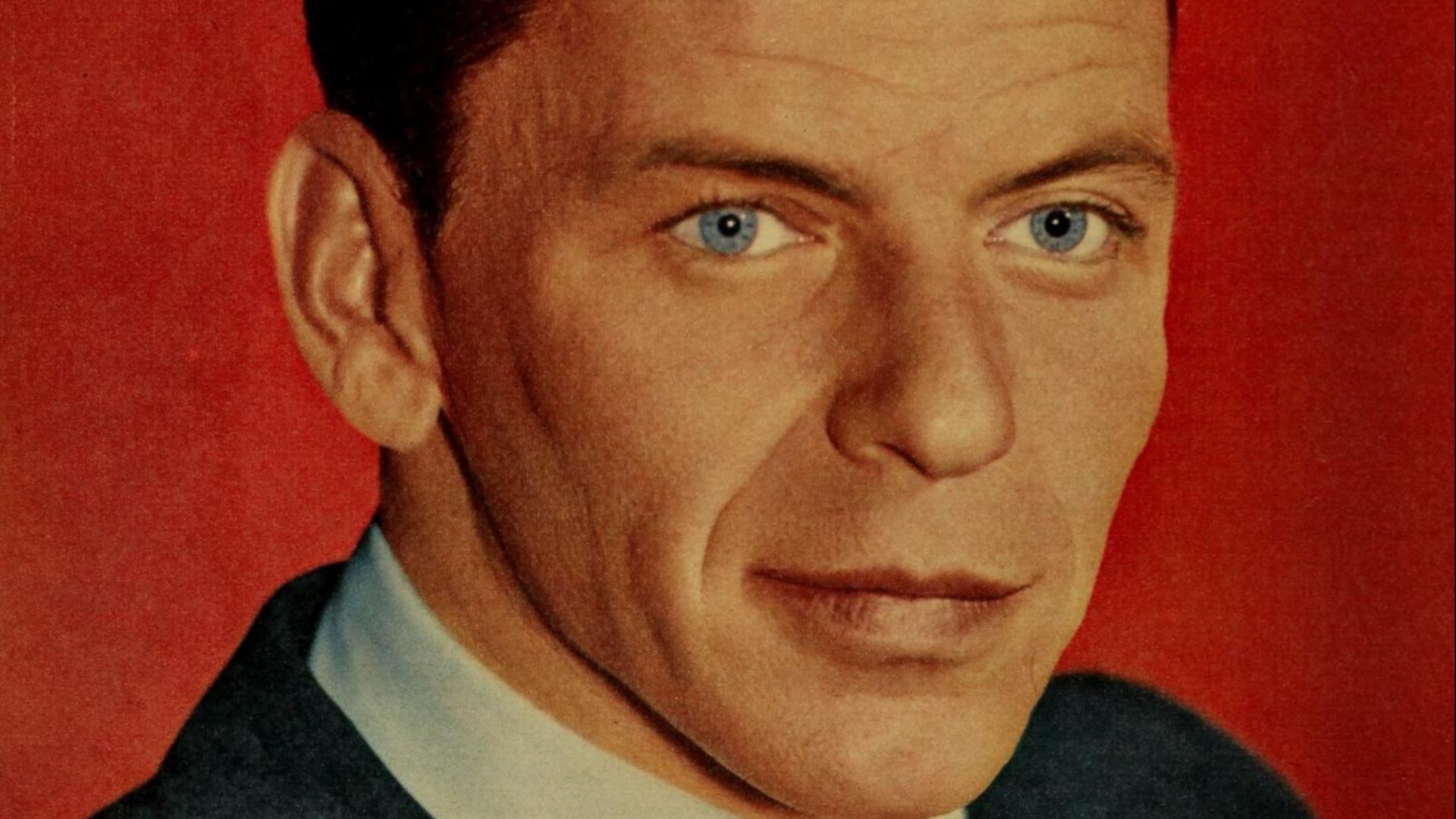 Publisher-Macfadden Publications, New York, Wikimedia Commons
Acting Successes Beyond The Film
After his Oscar win, Sinatra starred in a series of important films: Young at Heart (1954), Suddenly (1954), The Man with the Golden Arm (1955) and others. These roles reinforced his status as a singer and actor, broadening his appeal and totally revamping his career momentum.
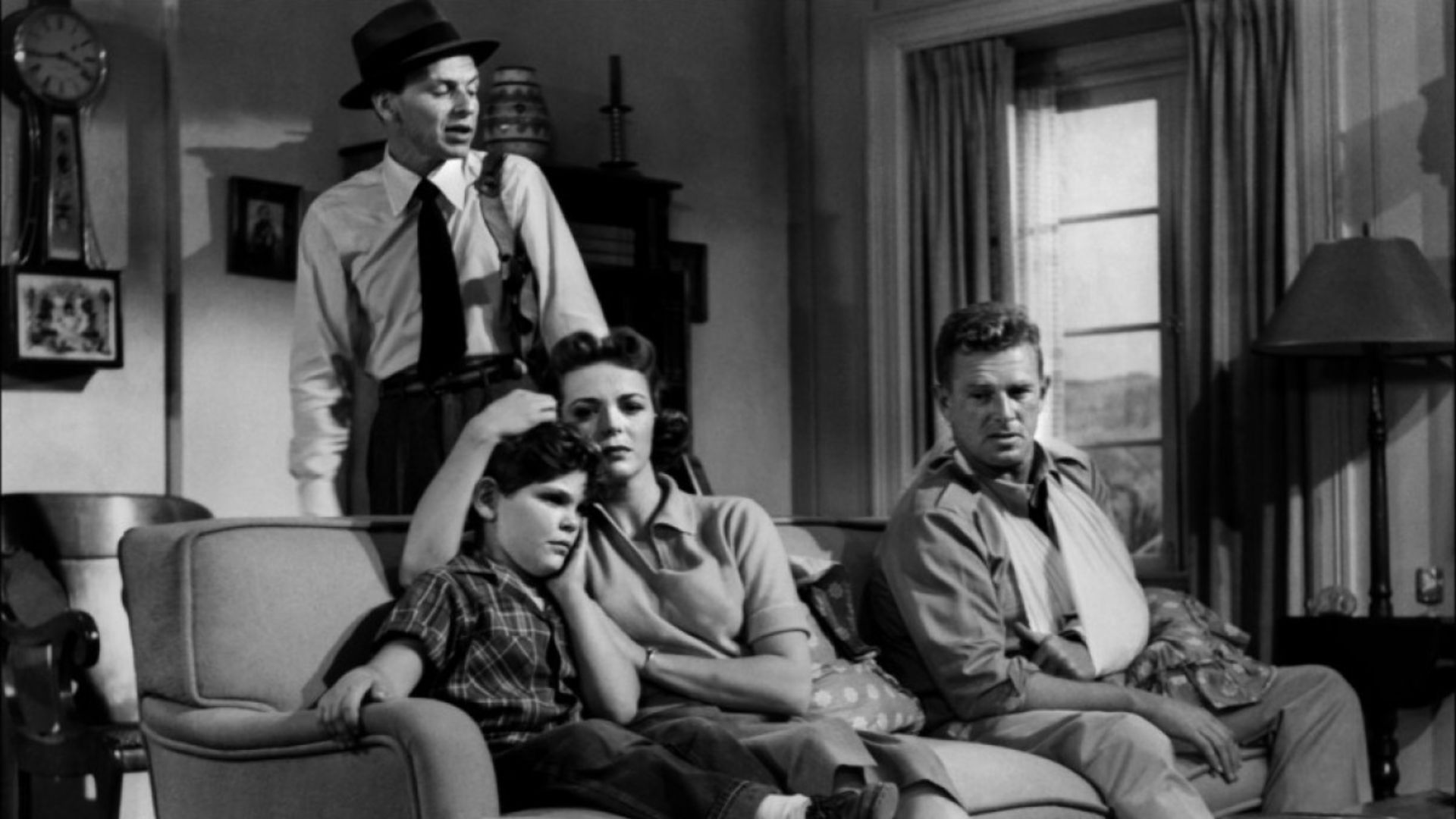 film screenshot, Wikimedia Commons
Building The Rat Pack Era
From this revival now flowed the more famous Rat Pack years: Sinatra alongside Dean Martin, Sammy Davis Jr. and others in Las Vegas, in films, and on stage. Their cool‑cat image, music‑meets‑movie vibe, and big‑city sophistication stood in sharp contrast to the humble casino appearances of his down years in the early 50s.
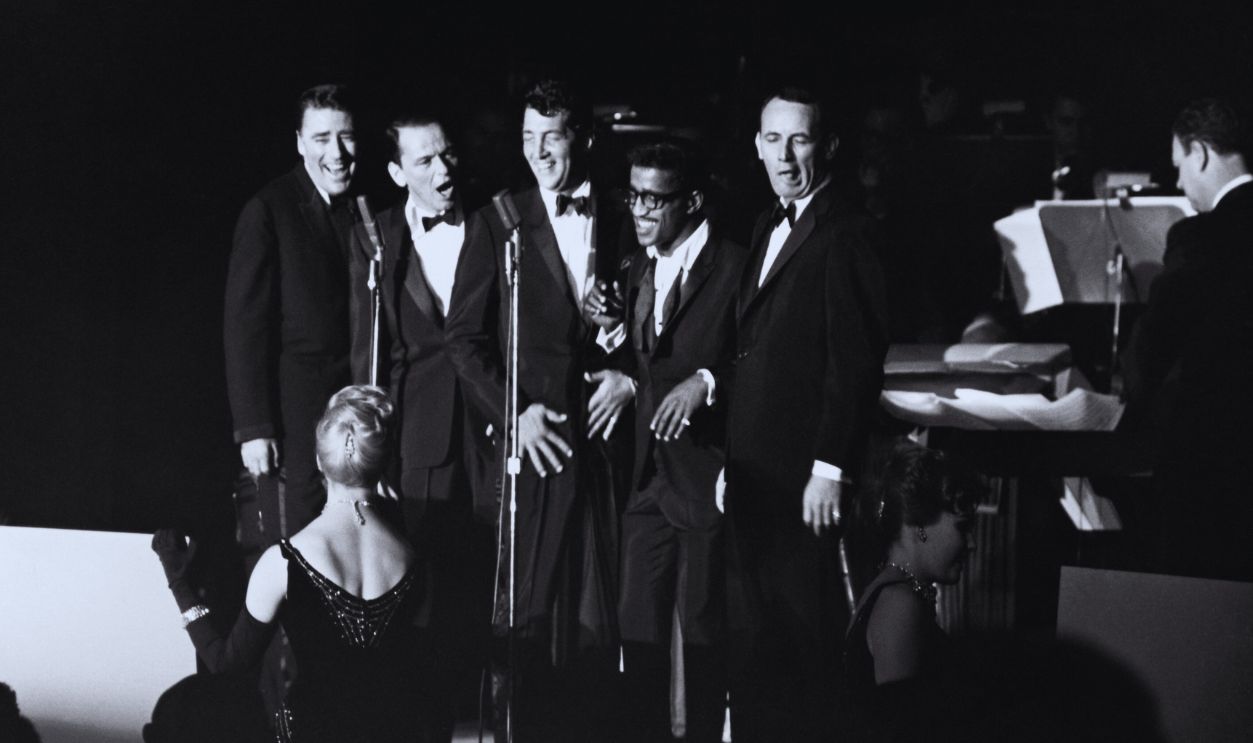 John Springer Collection, Getty Images
Reinventing The Sound And Image
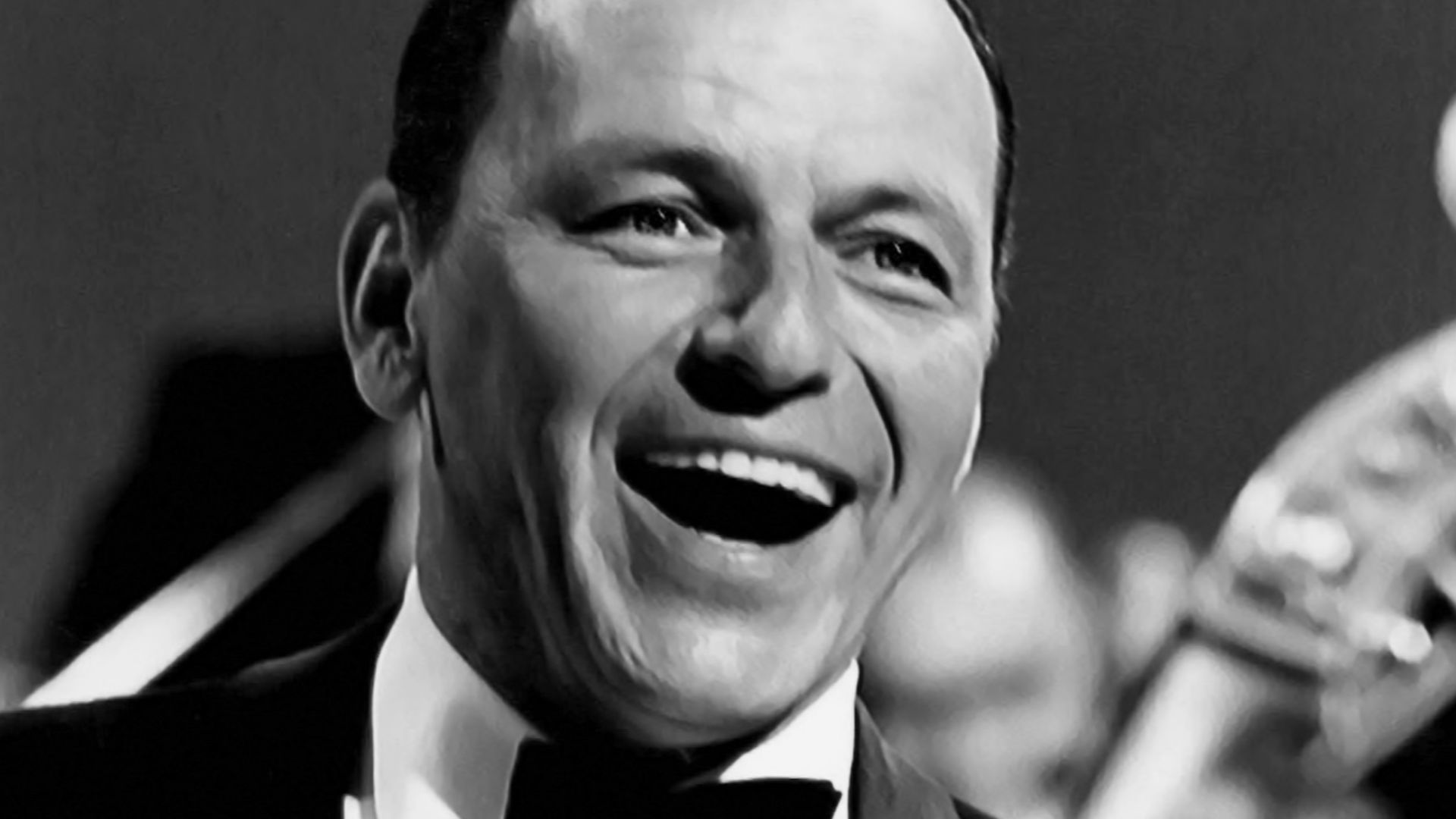
Sinatra’s post‑slump albums and performances represented a major shift in his sound that was more mature, jazz‑inflected, and sophisticated. He embraced night‑club overtones, large orchestras, and ushered in the concept‑album era with records like In the Wee Small Hours (1955). His voice and style evolved along the way, helping him reclaim a different space in American pop culture and the music industry.
Personal Discipline, Business Acumen, And Ownership
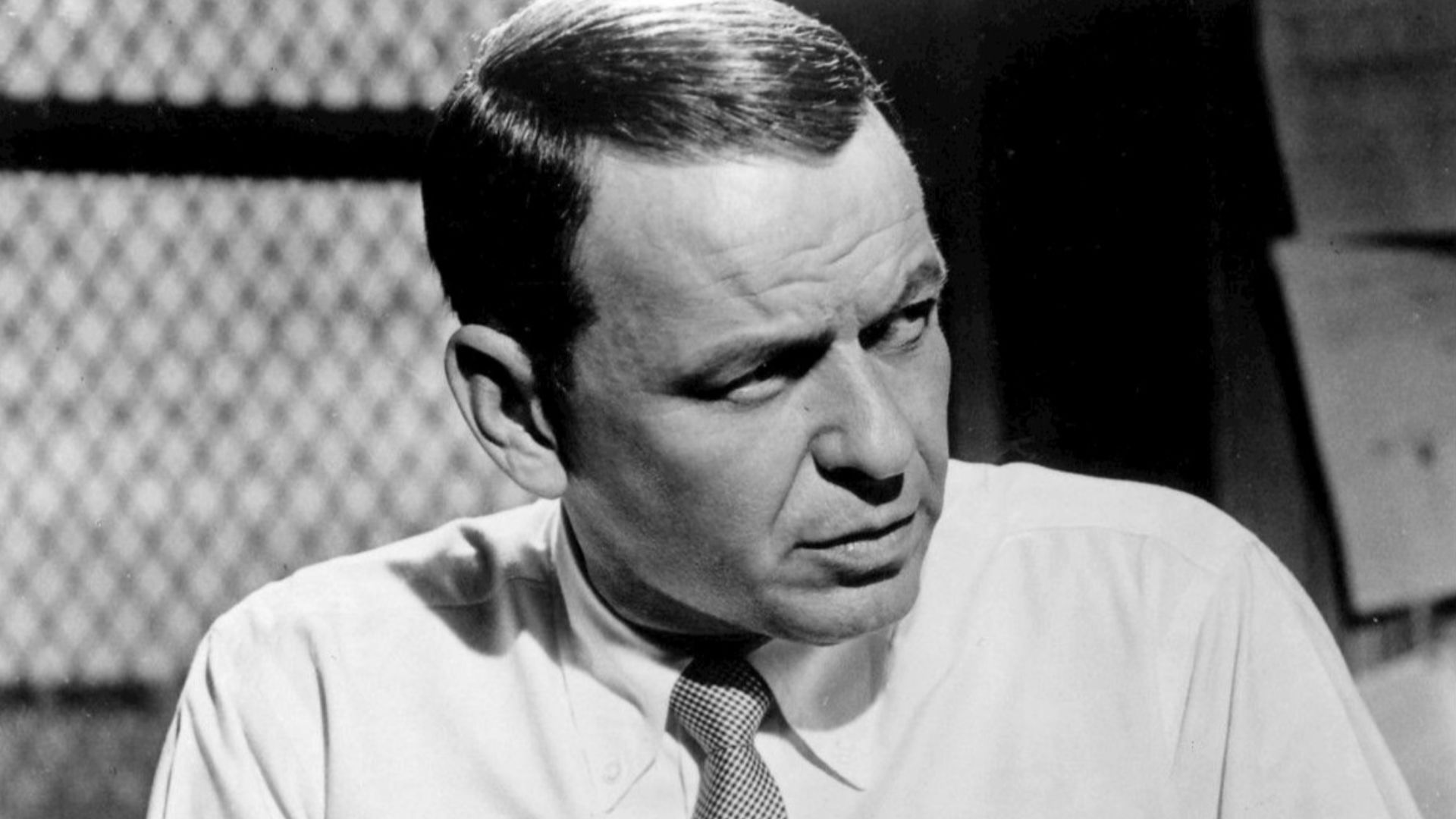
Part of the turnaround came from Sinatra learning the business; he took ownership of his catalog, founded his label (Reprise), and shaped his personal brand. His experience of near career eclipse, then comeback, sharpened his sense of control, intention, and direction. Music and acting were integrated together into a broader career strategy.
 20th Century Fox, Wikimedia Commons
The Low Point That Made The Comeback Stronger
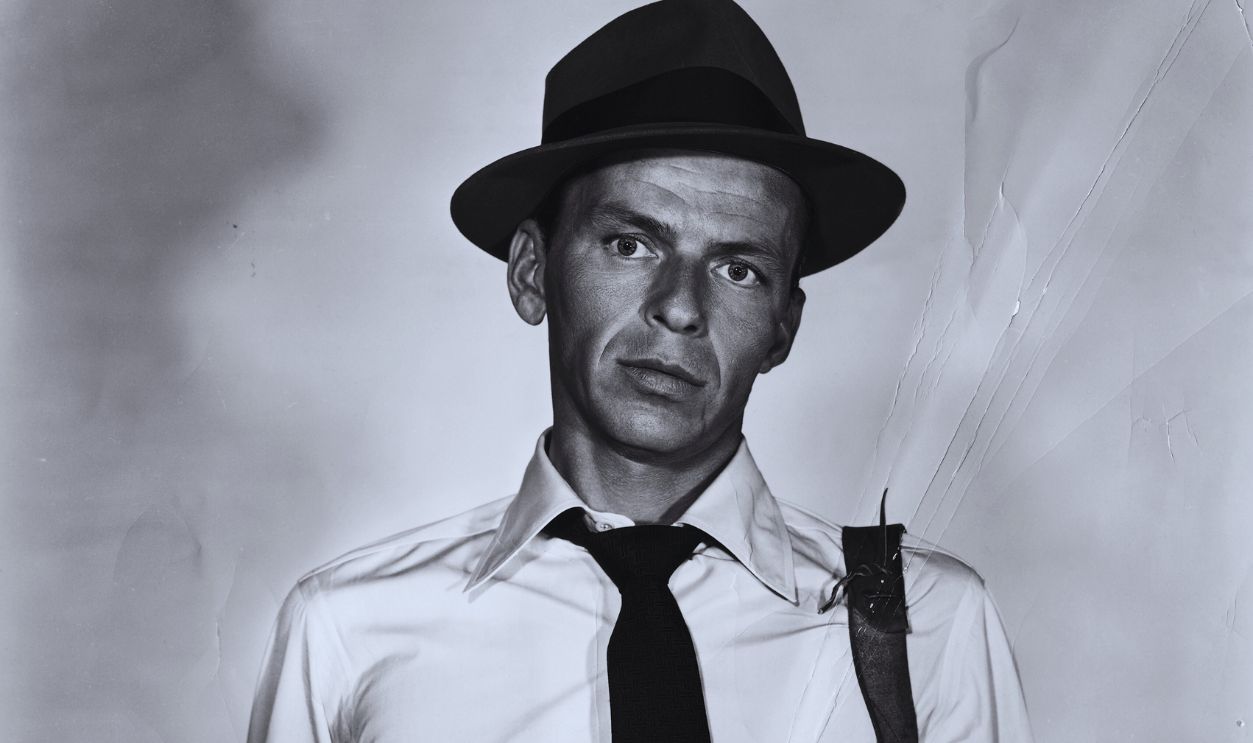
Looking back, the early 50s slump was an essential part of the Sinatra legend: the darker chapter that makes the revival all the more fascinating. He himself acknowledged that those “wilderness years” taught him humility, perseverance and reinvention.
Performing Today Vs Then: A Quick Comparison
In the early 50s era of Vegas, casino gigs meant bare‑bones venues, modest pay, long sets, limited promotion. Today’s performers at Las Vegas residencies command huge contracts, global media coverage, laser‑light productions, and brand partnerships. Sinatra’s journey goes to show how much the business has changed since then.
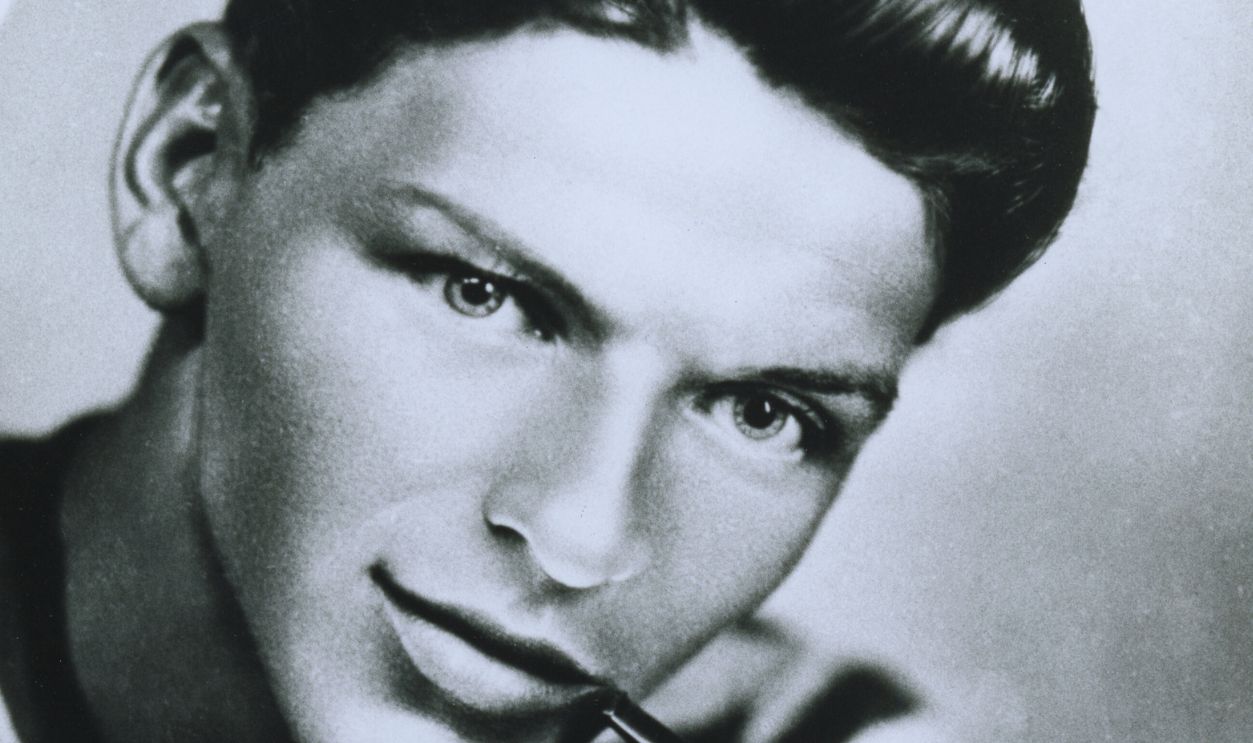
Fans, Legacy, And Cultural Memory
Sinatra’s comeback cemented his status as a cultural icon: singer, actor, entertainer, brand. His struggles and resurgence fed into the myth of the boy from Hoboken, New Jersey who fell, revived, and reigned again. That story resonates with audiences still.
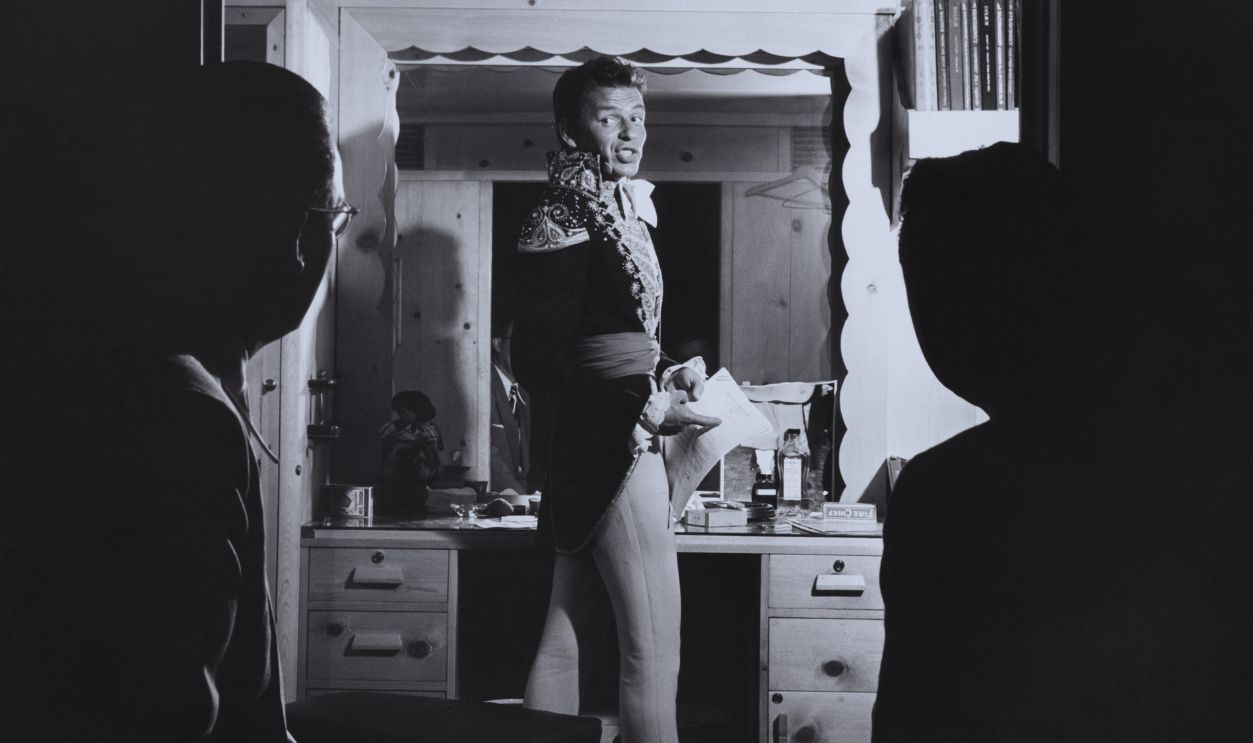 Pictorial Parade, Getty Images
Lessons For Entertainers and Audiences
The Sinatra story offers lesson on the fickle nature of fame. Personal and business missteps can shatter careers to the point where the only road back to redemption is through a complete reinvention. It’s not a blueprint for comeback stories in entertainment, but at least a rough outline.
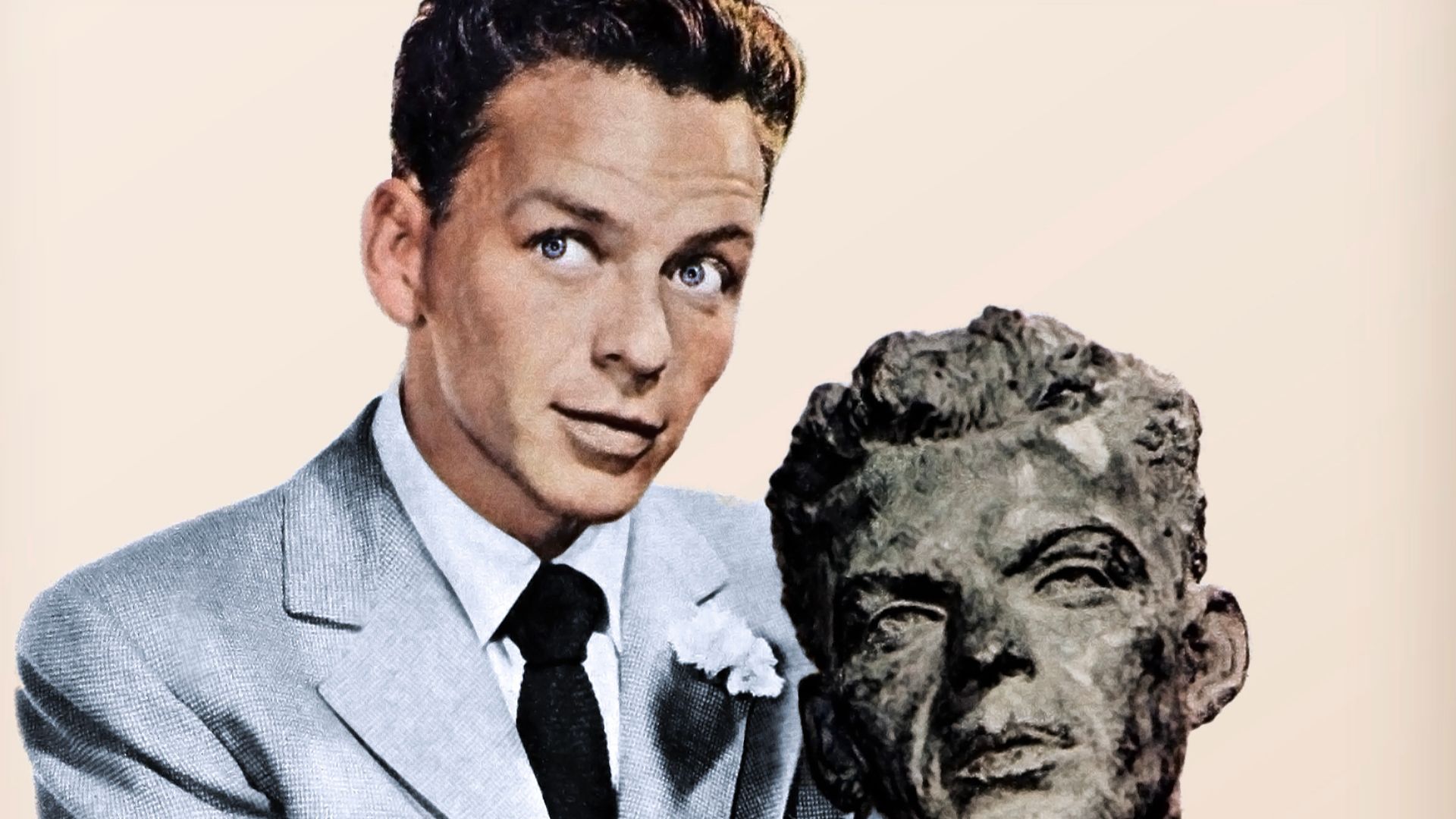 Nickolas Muray / Jo Davidson, Wikimedia Commons
Traveling The Sinatra Trail
For fans visiting Las Vegas, Hollywood, or Hoboken, the Sinatra comeback story adds a layer of poignancy. Sites tied to his Vegas performances, films and musicianship become stops on a cultural pilgrimage where you can trace the fall and rise of a 20th century legend.
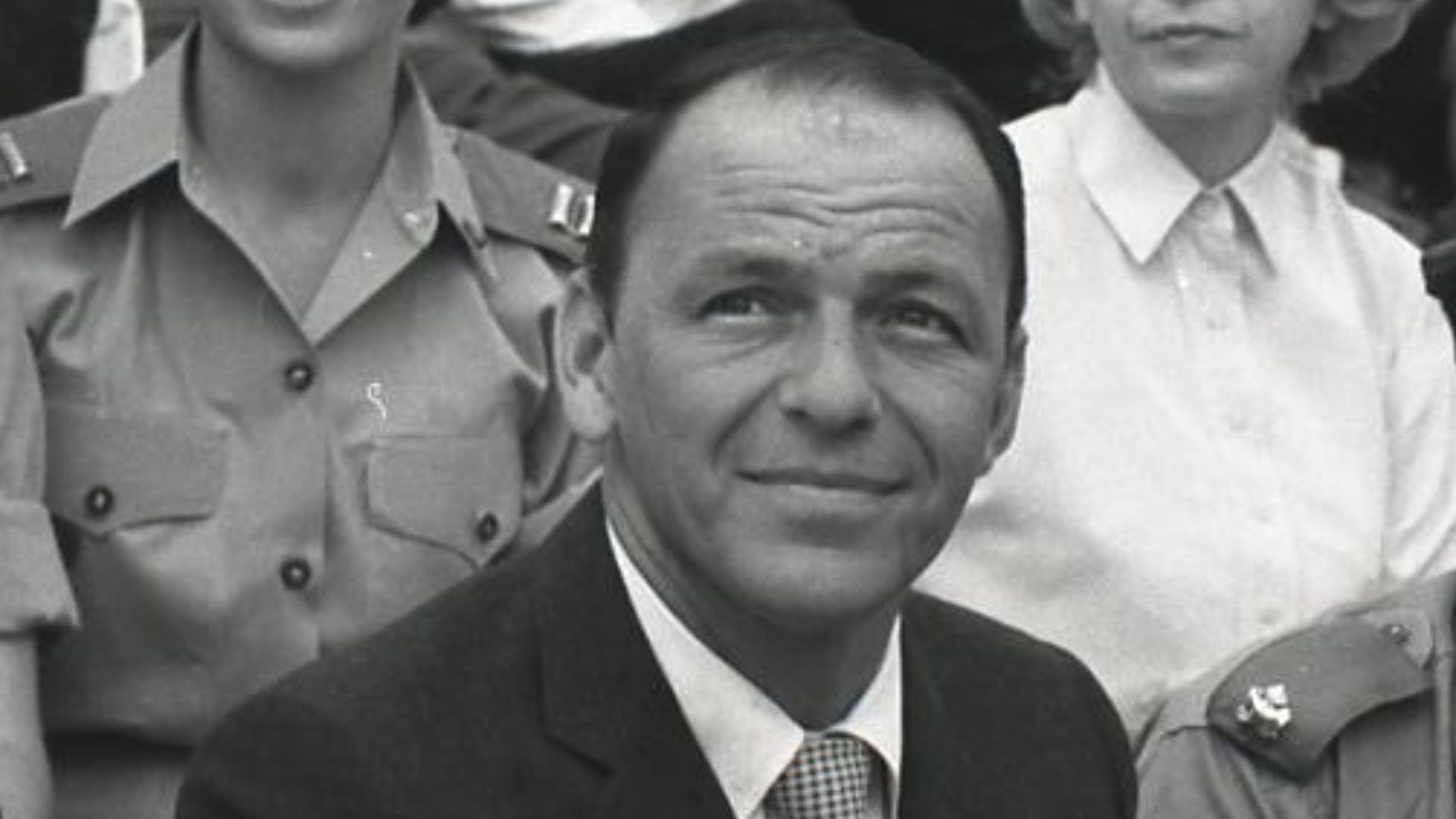 Boris Carmi, Wikimedia Commons
Success That Endures
Frank Sinatra’s early‑fifties slump was marked by lousy concert attendance, financial strain, abysmal record sales, and personal chaos. But it set the stage for one of entertainment’s great comebacks. His acclaimed role in From Here to Eternity reopened doors, transformed his career, and paved the way for the most memorable and successful run of his career. From that point on, there was no looking back!
 NBC Television, Wikimedia Commons
You May Also Like:
Frank Sinatra, Dean Martin, And The Beverly Hills Brawl That Went Too Far
Frank Sinatra Had Blue Eyes, And A Black Heart