
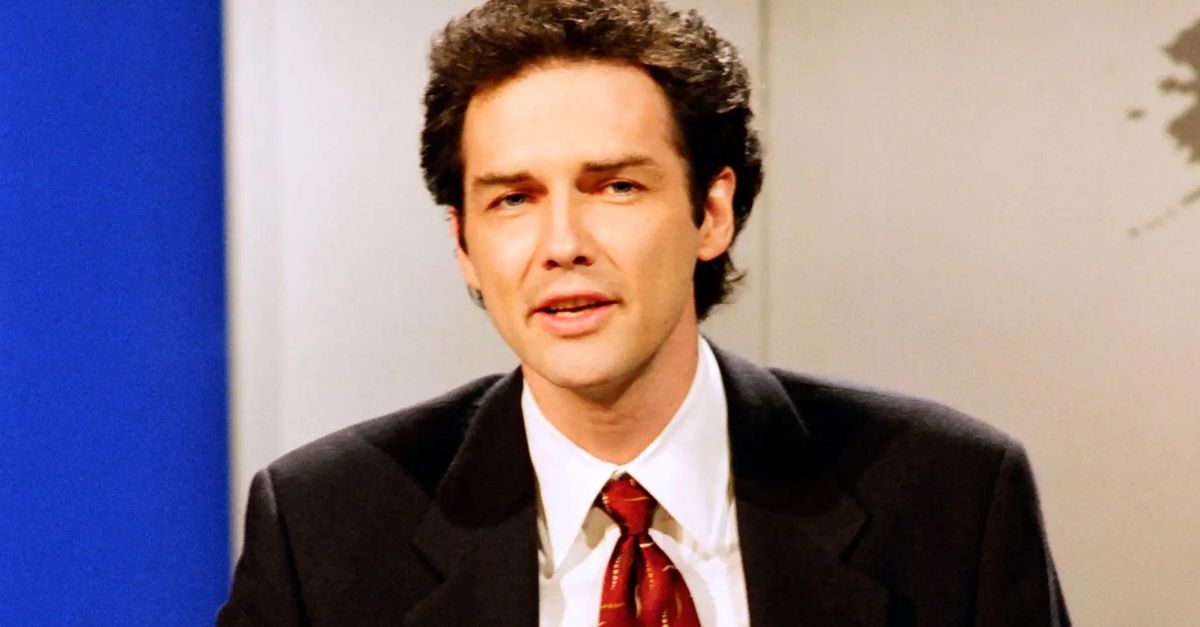
Norm Macdonald’s Hidden Fight
Norm Macdonald built a career on surprise, yet nothing matched the shock that followed his passing. Fans searched for clues they missed, realizing his quiet battle revealed a side of him rarely seen.
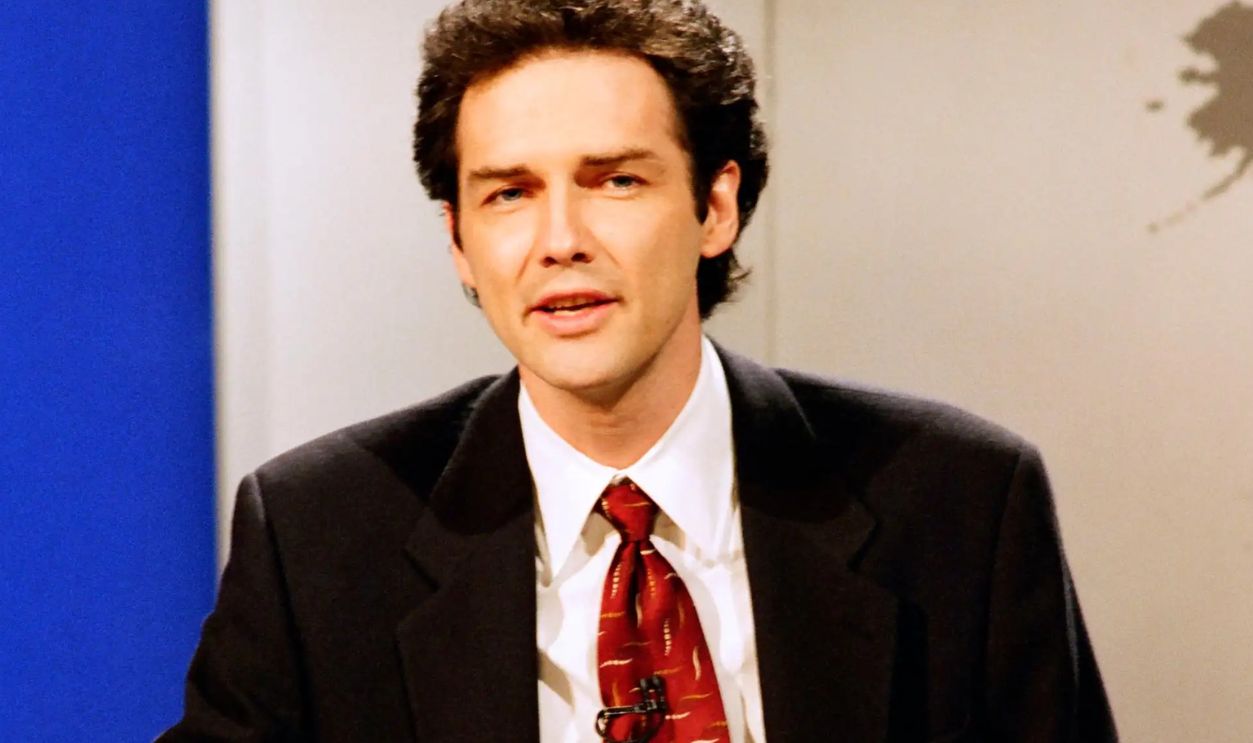
Why The Norm Macdonald’s News Felt So Unexpected
Norm Macdonald’s death stunned audiences because he never shared his leukemia diagnosis publicly. Fans saw him performing, podcasting, and crafting comedy with his usual dry confidence. Nothing hinted at a long illness, so the news left people searching for answers.
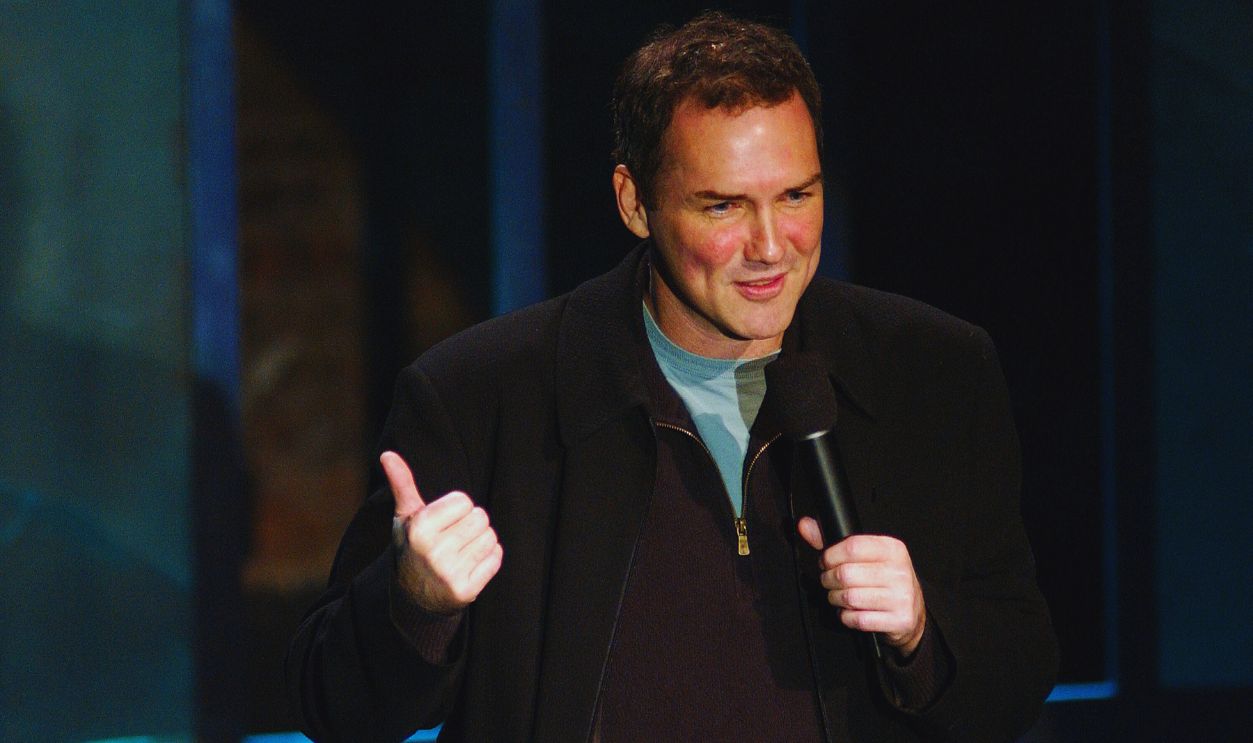
The Diagnosis He Kept Private For Nearly A Decade
The Canadian comedian learned he had leukemia in 2013, a fact he protected fiercely. Only a tiny circle knew, and none discussed it. He continued touring and recording throughout treatment. His ability to keep such a significant struggle hidden highlighted his commitment to privacy and his desire to keep attention on the work.
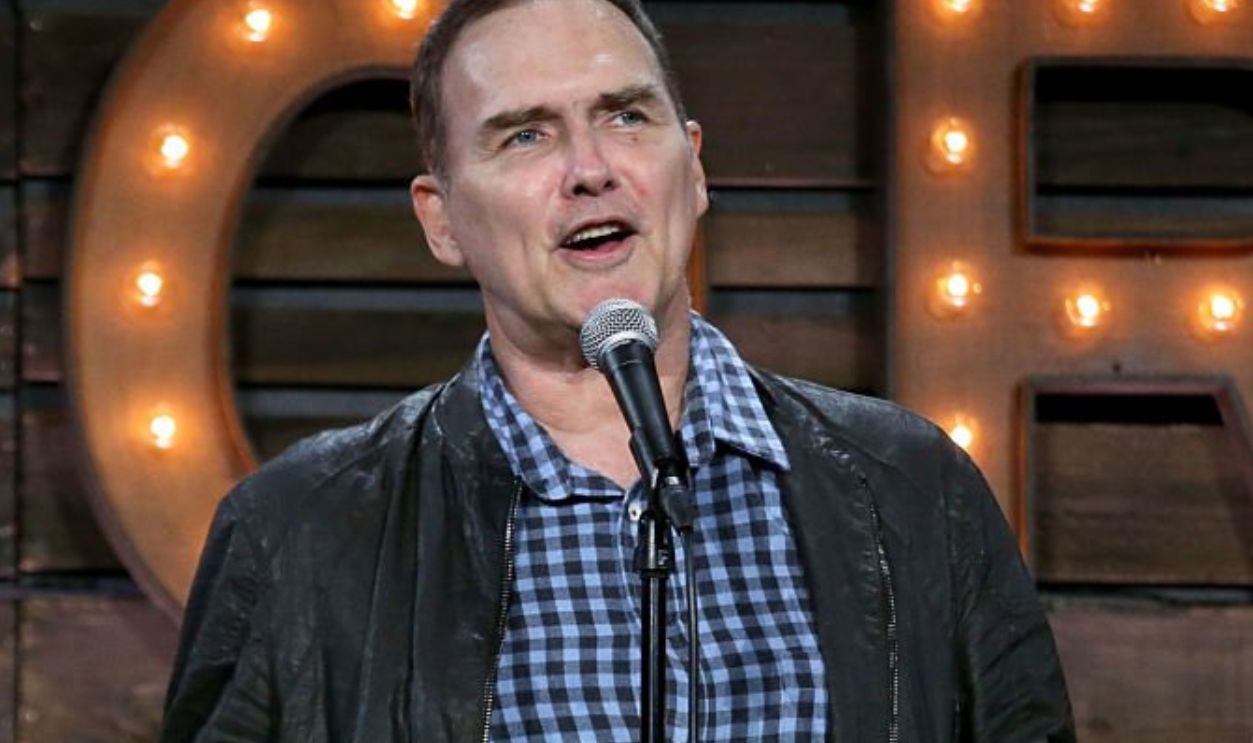
A Kid From Quebec Found His Way To Stand-Up
Born in Quebec City, Macdonald began writing jokes before pursuing comedy professionally. Early performances in Ottawa and Montreal clubs helped him refine timing and develop the dry, observational tone that later defined him. Those formative years provided the foundation for a career built on sharp instincts and unconventional delivery.
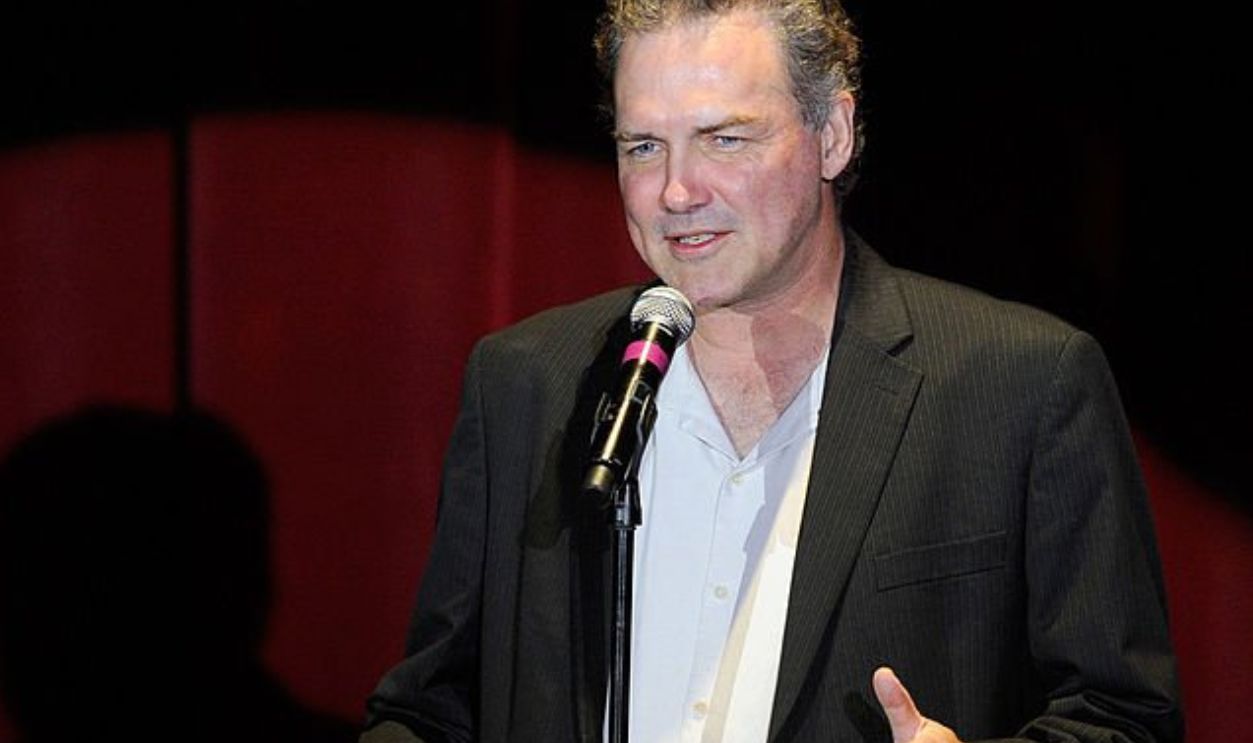
And Early Club Years That Shaped His Voice
Macdonald’s time on the Canadian comedy circuit exposed him to diverse audiences and seasoned performers. He honed a rhythm that favored misdirection and understatement rather than rapid punchlines. Those experiences convinced him that unpredictable humor carried lasting power, guiding the signature style he maintained throughout decades of evolving entertainment.
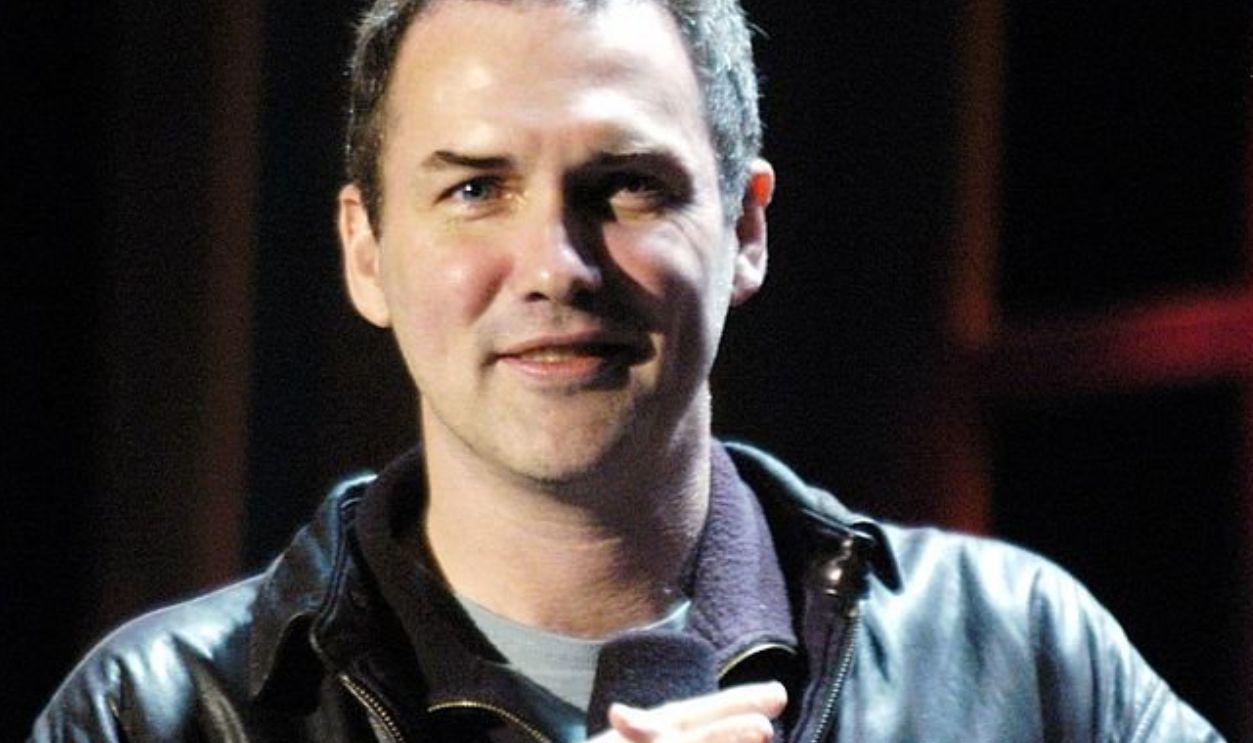
His Breakthrough On Weekend Update
The beloved performer joined Saturday Night Live in 1993 and became the anchor of Weekend Update the following season. His delivery emphasized deadpan understatement and unflinching commentary, which set him apart from previous hosts. The segment sharpened his national profile and gave him a platform where his distinctive style reached millions.
 playerx from laguna hills,ca, US, Wikimedia Commons
Getting Fired From SNL Became Comedy Folklore
Macdonald’s dismissal from Weekend Update in 1998 drew widespread attention. NBC executive Don Ohlmeyer reportedly disliked his ongoing O J Simpson jokes, though Macdonald continued them despite pressure. His departure later became a symbol of artistic independence, reinforcing his reputation as a comedian who prioritized conviction over convenience.
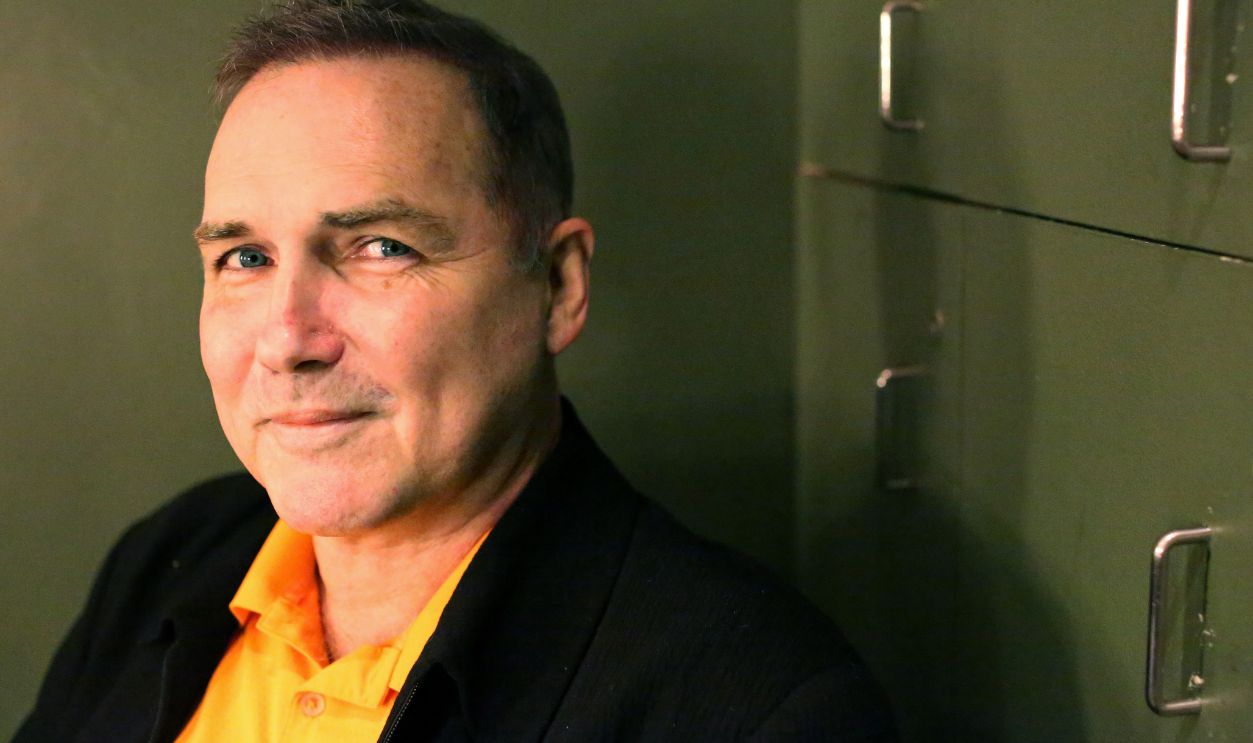 The Washington Post, Getty Images
Late-Night Appearances That Cemented His Cult Following
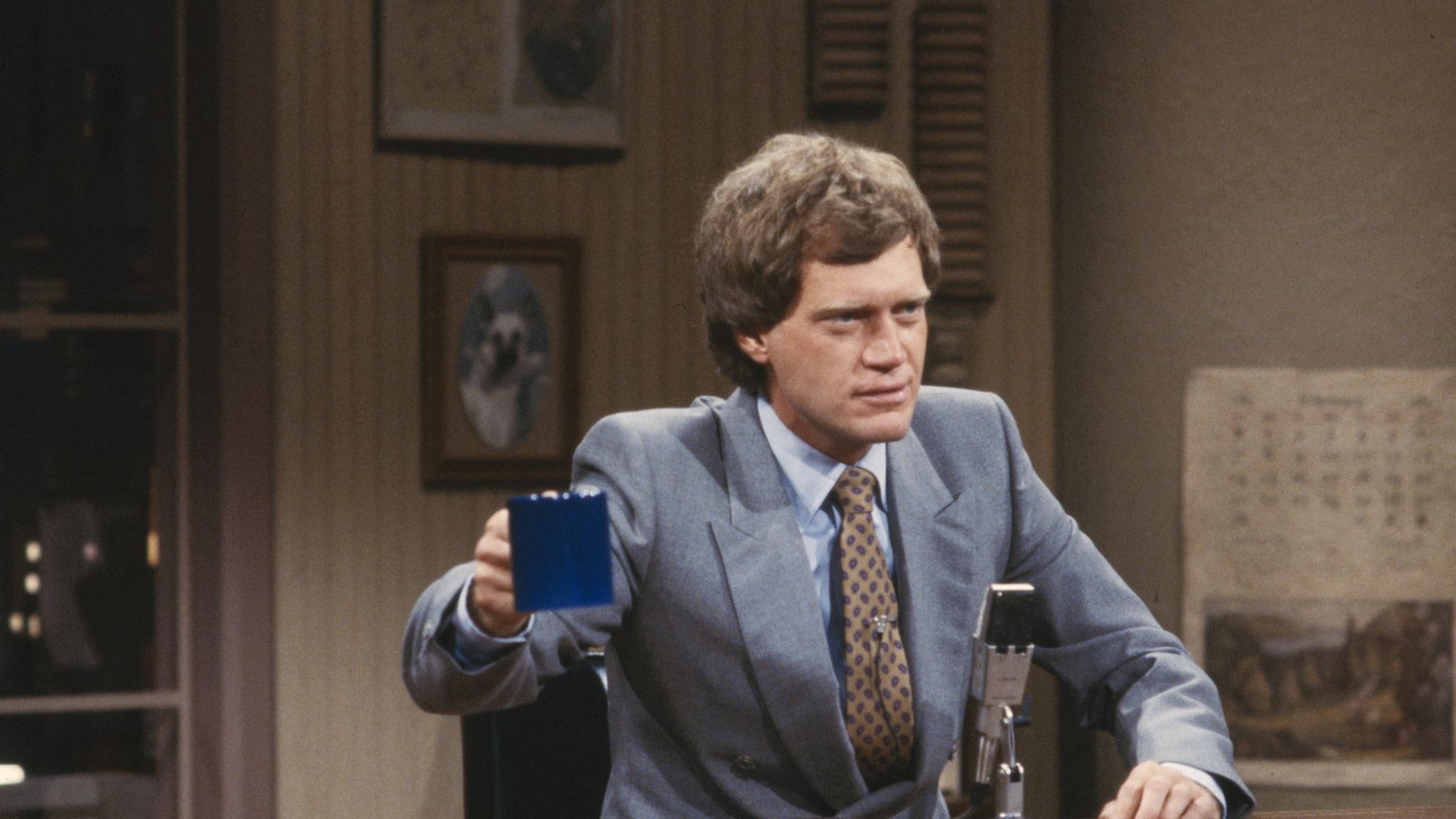
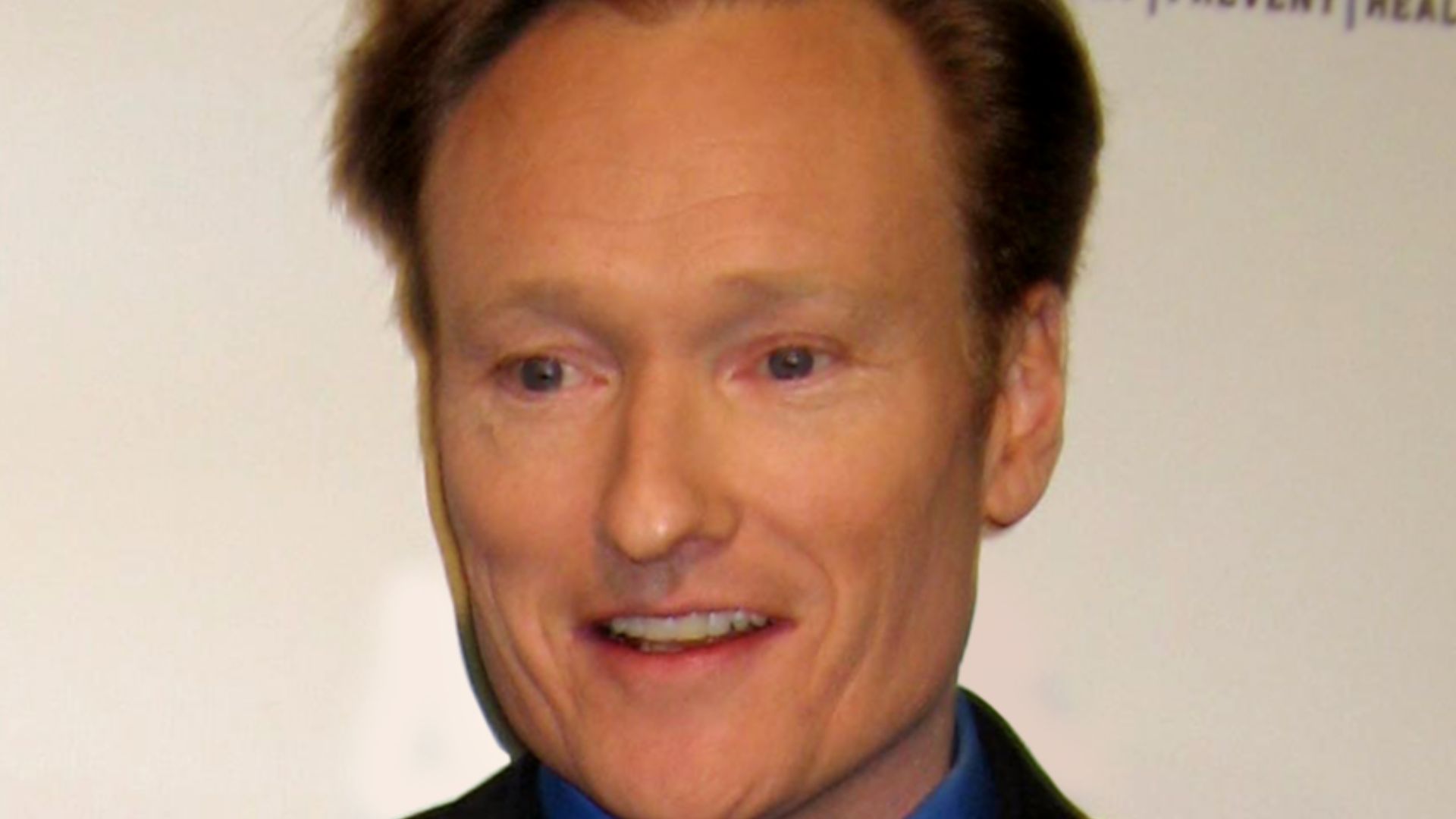
Late-night interviews on shows hosted by David Letterman and Conan O’Brien became legendary. His unpredictable storytelling and clumsy-on-purpose delivery earned admiration from audiences and hosts alike. These appearances revealed how naturally he could command attention, even when the humor appeared to wander before landing with surprising precision.
 Gotfryd, Bernard, photographer, Wikimedia Commons
With Challenges Of Building A Career Outside Network TV
When network television momentum slowed, Macdonald ventured into stand-up tours, voice work, and later digital projects. He created online shows and cultivated a loyal audience through podcasts. Those efforts showed his willingness to adapt without diluting his voice and proved that longevity doesn’t always follow traditional industry paths.
And A Style Of Comedy That Made Norm Untouchable
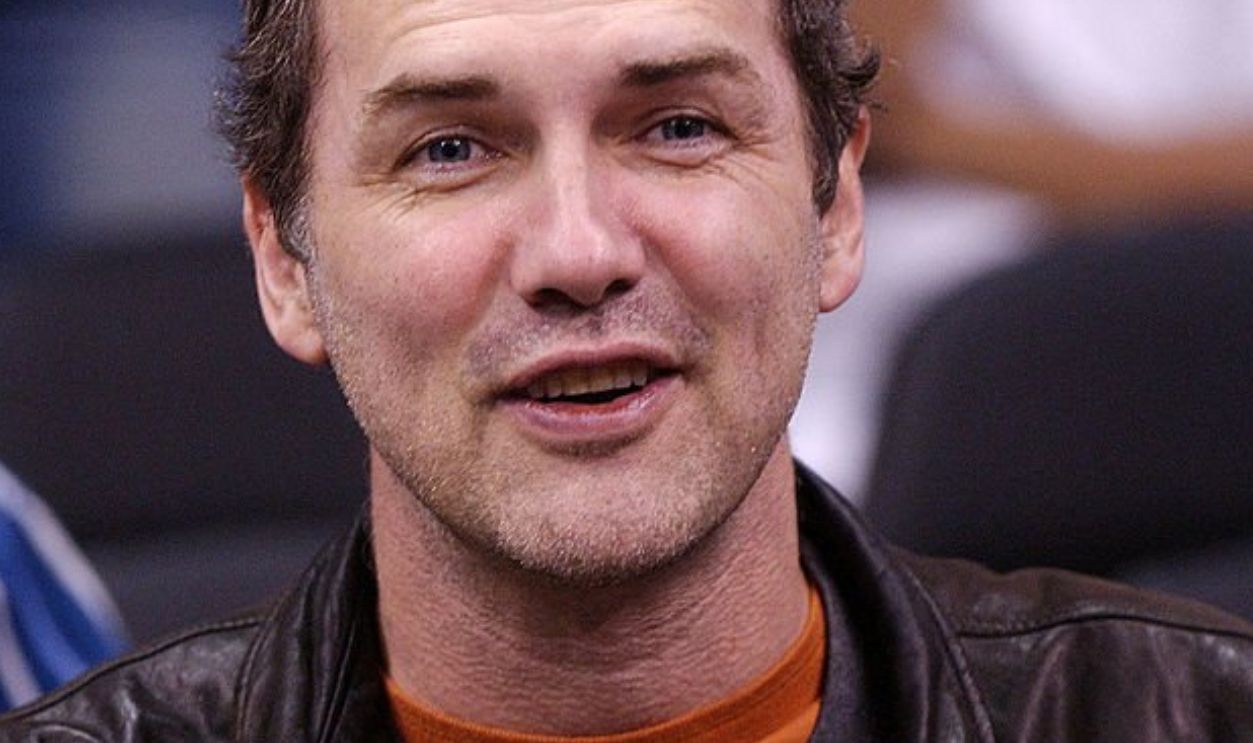
Macdonald’s humor relied on misdirection, slow builds, and an unwavering commitment to the bit. He valued originality and timing above immediate reactions. That devotion shaped routines that aged well, influencing comedians who admired his willingness to pursue a joke’s full potential, regardless of expectations or pressure.
This Is Why He Refused To Publicize His Cancer
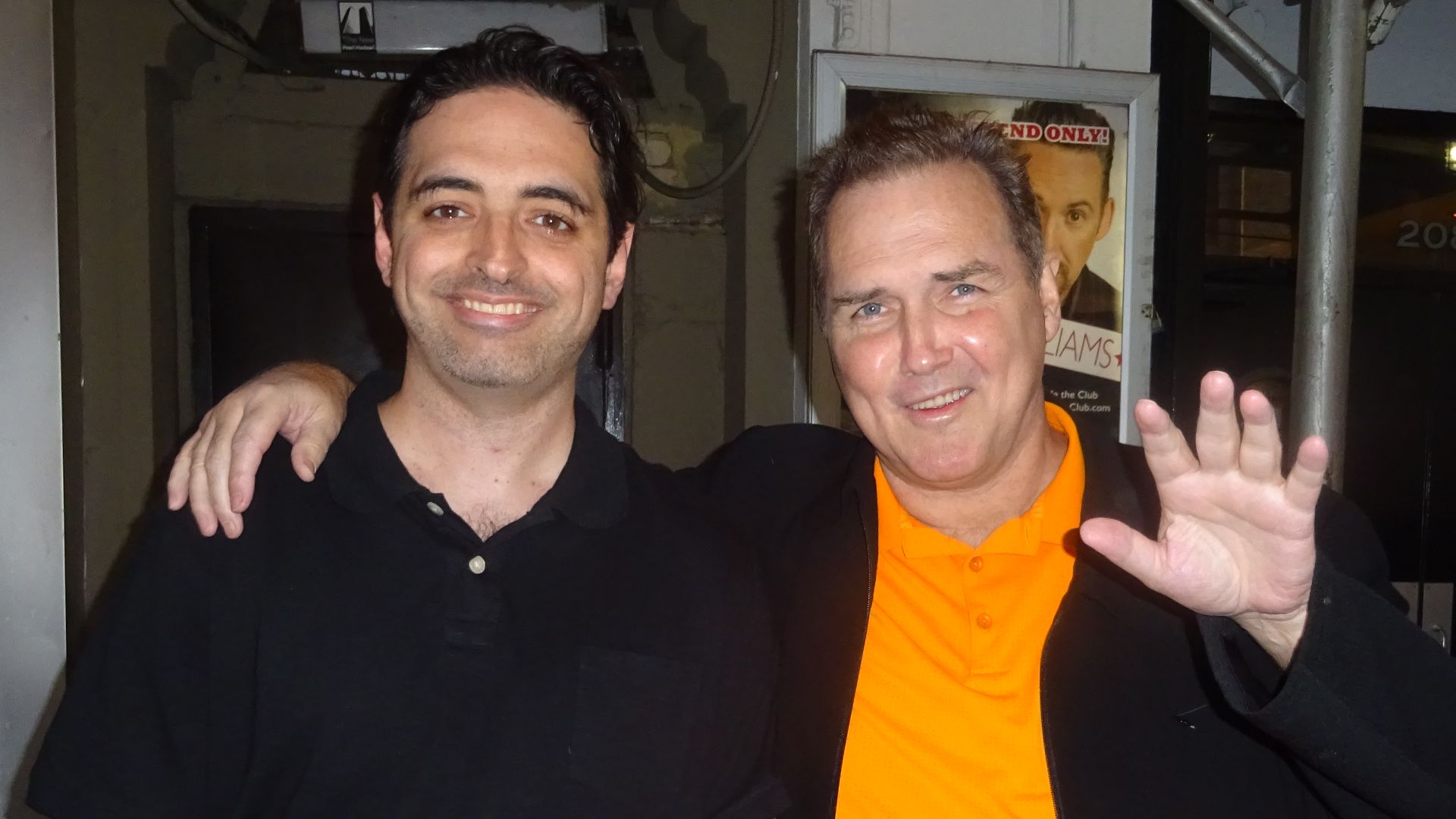
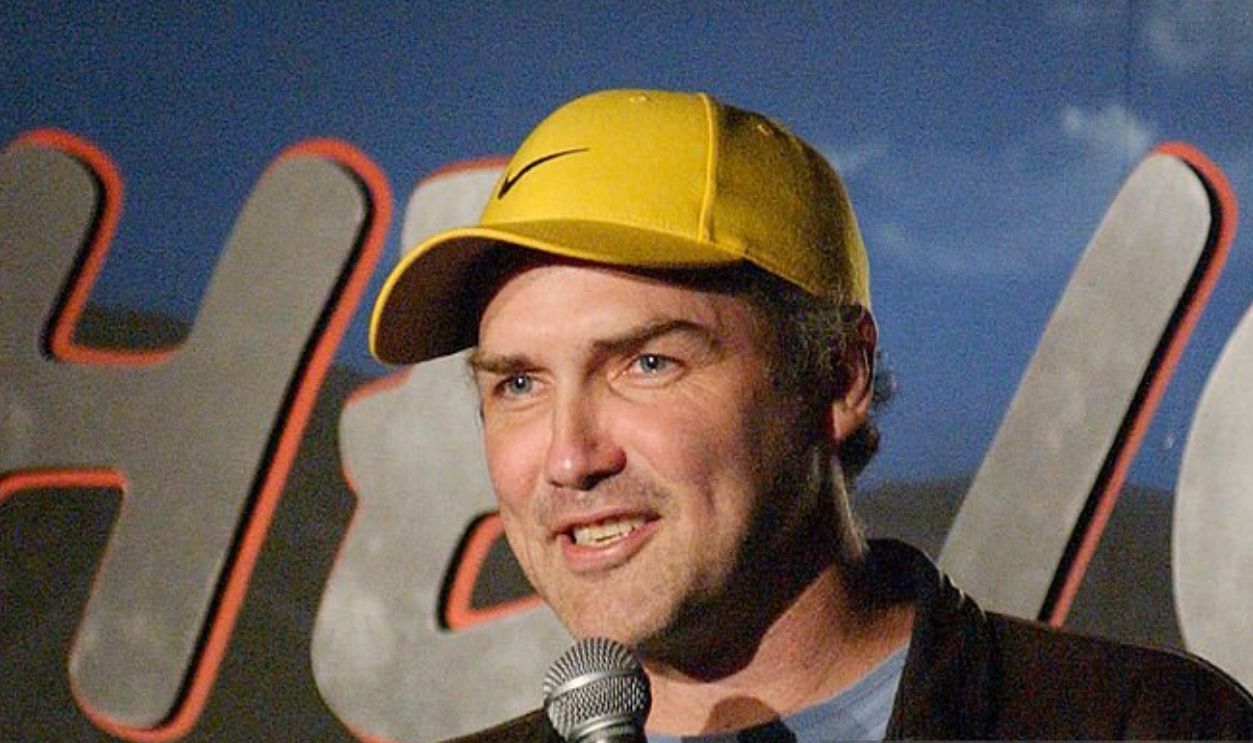
The late comedian believed announcing illness reshaped how people reacted to a performer. He didn’t want audiences weighing each joke against sympathy or worry. For him, public disclosures risked turning a personal challenge into a storyline. He preferred letting people engage with his craft without seeing him through the lens of hardship.
 Michael S. Schwartz, Getty Images
Believing That Suffering Didn’t Belong In Public
He viewed suffering as something inward, not a spectacle. He worried publicizing health battles invited praise or pity he didn’t seek. That mindset aligned with his broader philosophy: comedy should remain separate from personal struggle. He felt audiences deserved authenticity without emotional cues steering their perception.
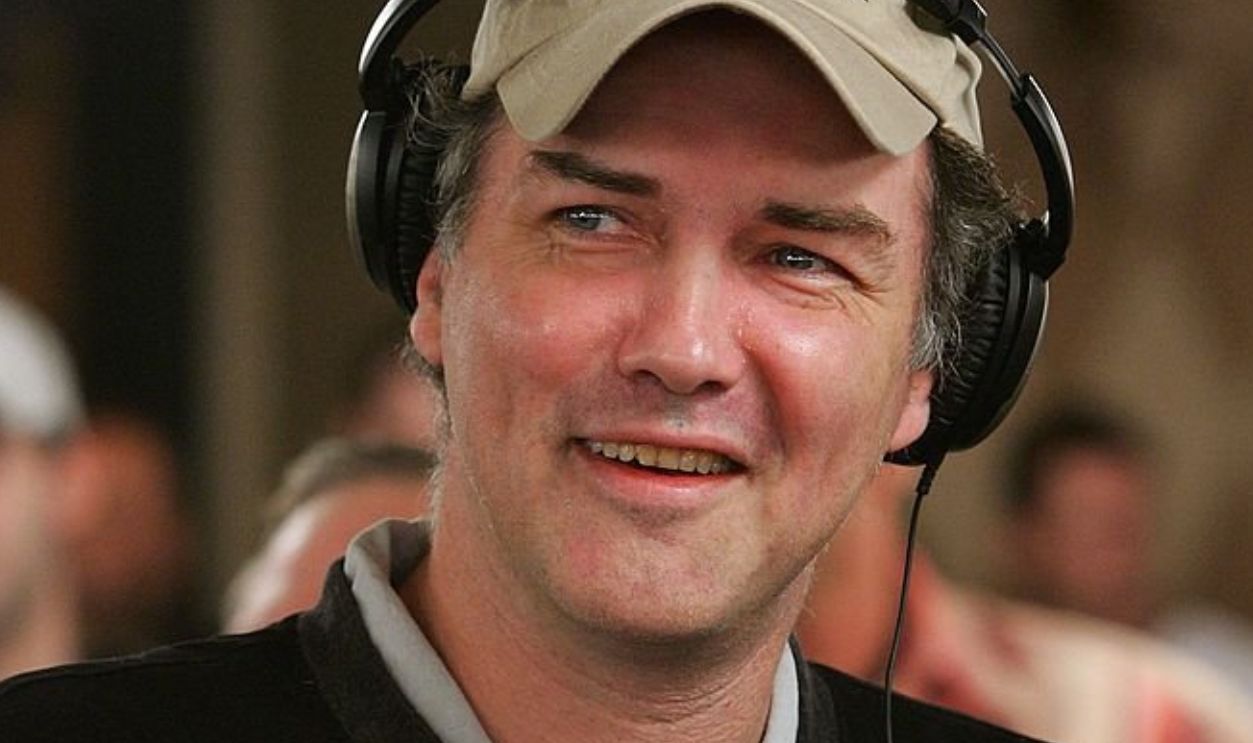
The Meaning Behind “I’m Not A Loser If I Die”
Norm Macdonald challenged the common framing of illness as a “battle” with winners and losers. In his view, death wasn’t defeat; it was part of life. He questioned language that implied failure when someone passed away. That line reflected a deeper belief in dignity, acceptance, and stepping away from competitive metaphors.
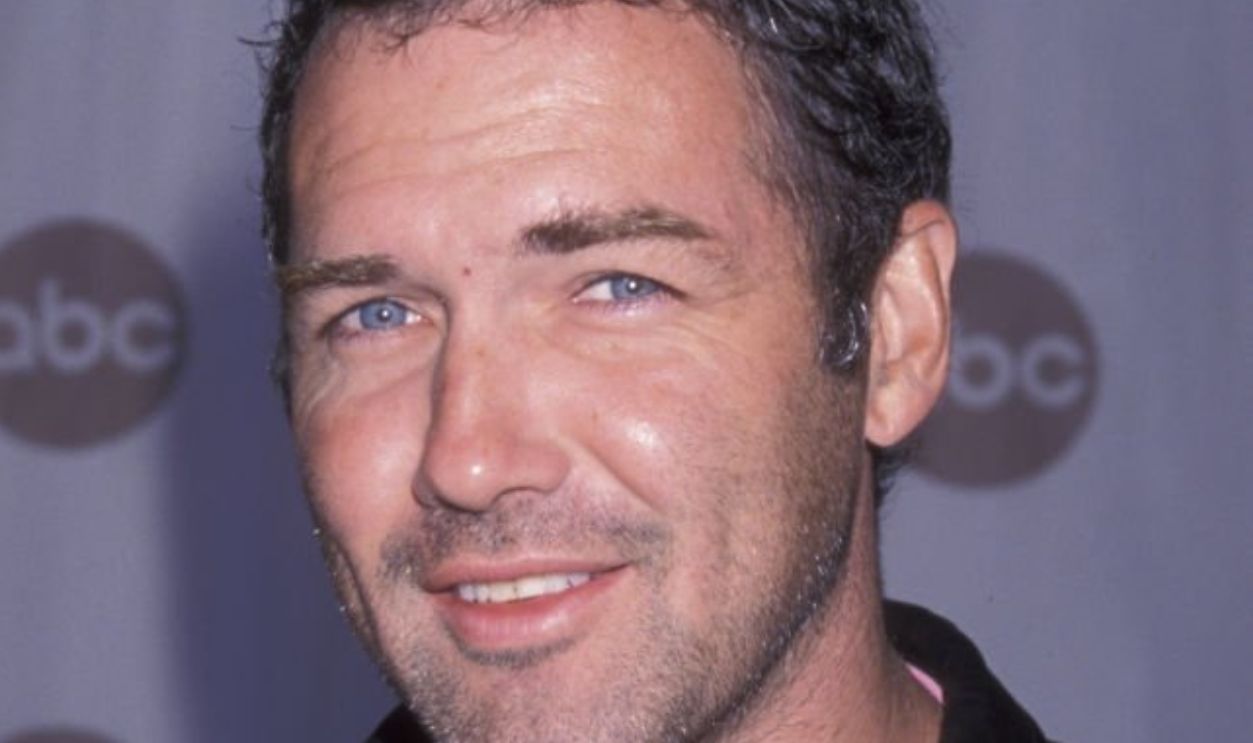 Ron Galella, Ltd, Getty Images
He Guarded Personal Details Even At His Career Peak
Privacy was a steady principle to Macdonald. Even when his profile grew through national television and sold-out tours, he rarely shared stories about family life or personal challenges. He believed audiences connected best with performance, not biography, so he kept a clear border between his career and private world.
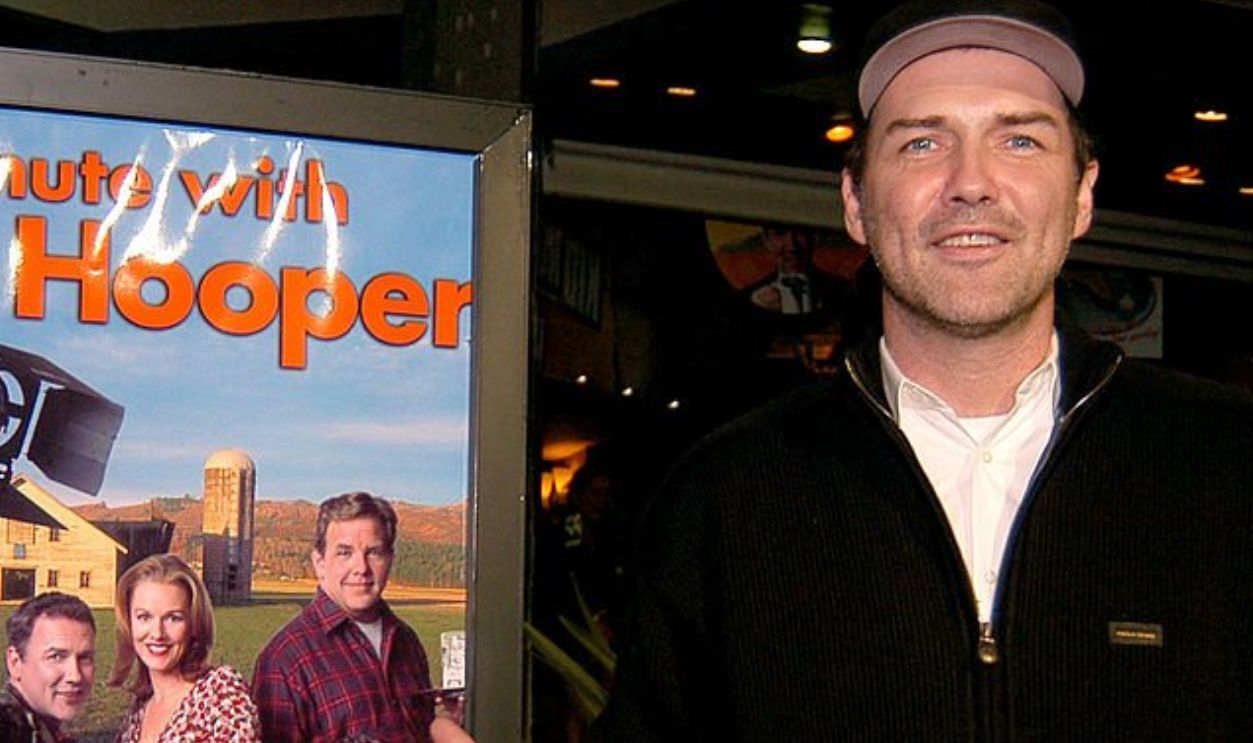
To Him, Sympathy Interfered With Pure Comedy
He believed comedy depends on an even playing field between performer and audience. Sympathy disrupts that balance by shifting attention toward concern. He wanted listeners focused on ideas and misdirection. Keeping his diagnosis private allowed laughter to remain rooted in craft, not compassion.
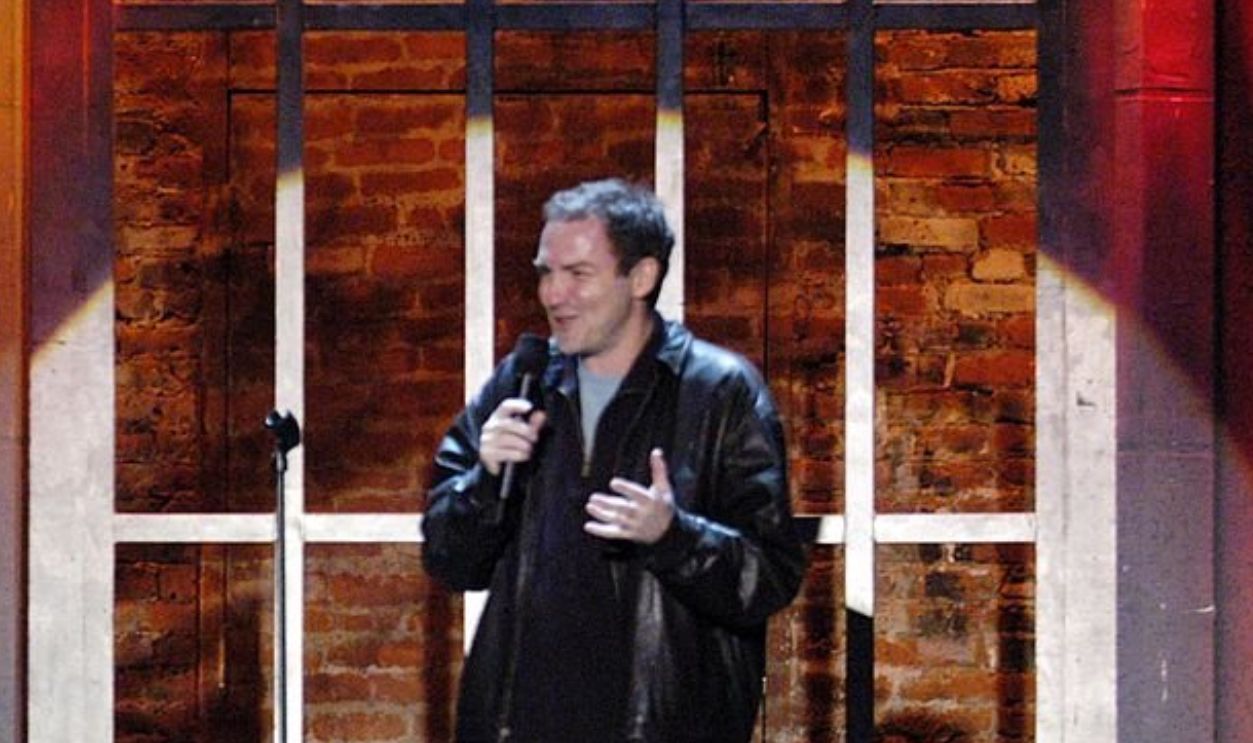
Shifts In His Behavior That Few Recognized At The Time
Looking back, colleagues mentioned subtle changes: shorter appearances, occasional fatigue, and stretches of limited public activity. Nothing pointed clearly to illness, and Macdonald rarely commented on health. Because his style already leaned toward unpredictability, these shifts seemed like creative choices rather than signs of a long, private medical struggle.
Friends Who Learned The Truth Only After He Was Gone
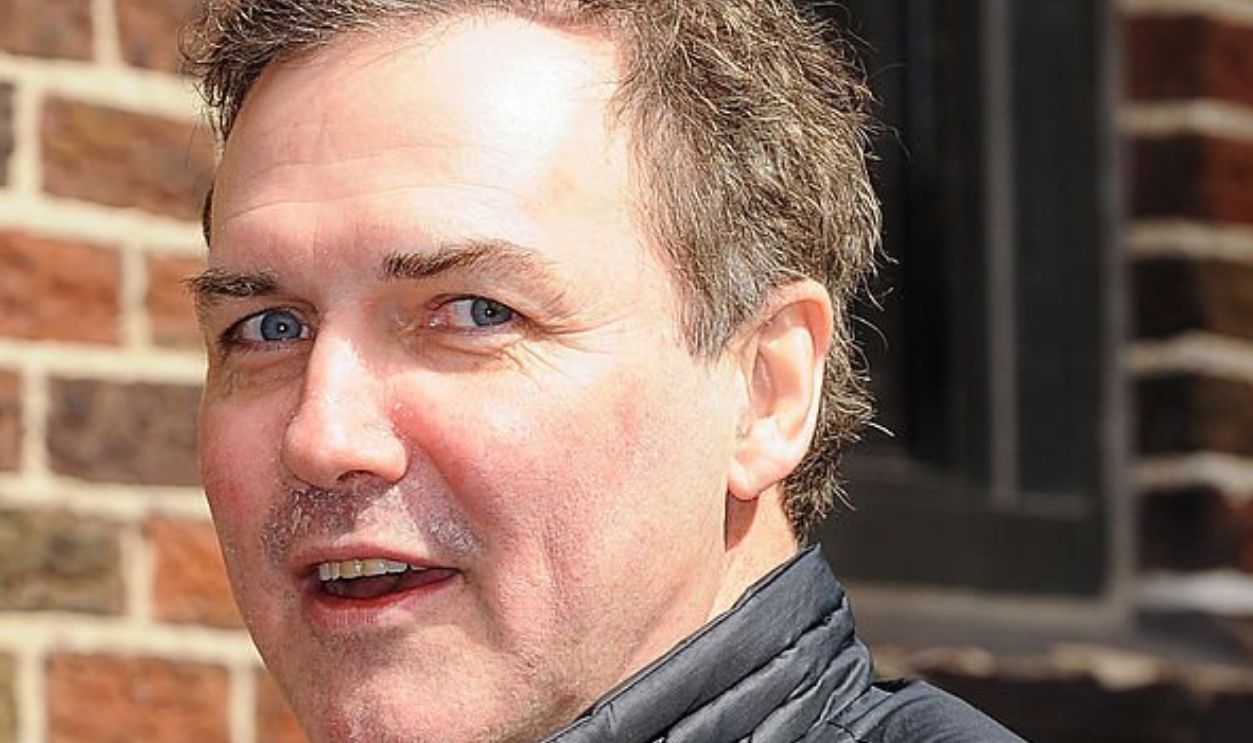
Many close collaborators, including longtime hosts who welcomed him repeatedly, said they discovered his diagnosis at the same moment as the public. That silence surprised them, yet several noted it fit his nature. He valued independence and avoided placing emotional burdens on others, even when facing a serious condition.
 John J. Kruzel/American Forces Press Service, Wikimedia Commons
Subtle Hints In Routines About Courage And Mortality
The famous performer occasionally explored themes of passing and endurance in stand-up, weaving them into reflective bits long before anyone knew he was ill. These moments weren’t confessions but philosophical musings delivered with his trademark detours. After his passing, audiences revisited those lines with fresh insight, seeing depth they previously overlooked.
A Memoir Ending That Now Feels Strangely Prophetic
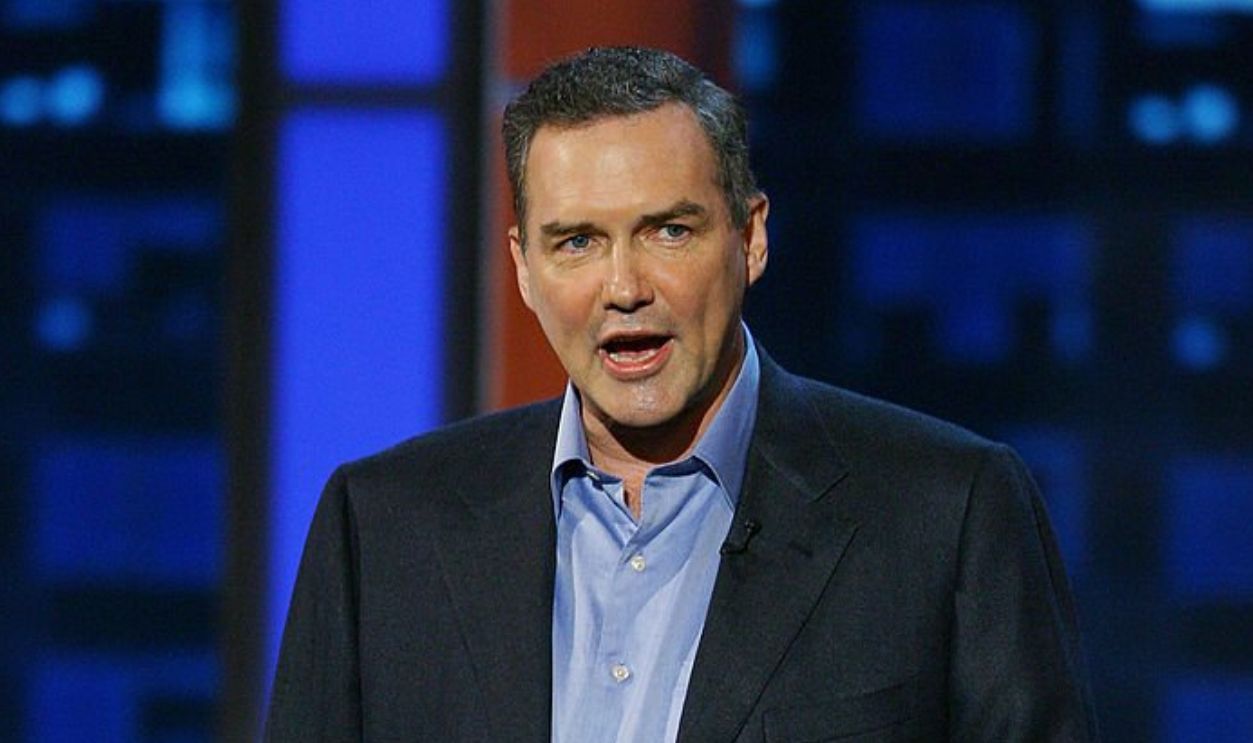
Macdonald’s memoir closed with a fictionalized scene of a performer reflecting on life from a hospital room. Readers initially treated it as imaginative writing. After he was gone, that passage felt more revealing. It captured his belief in finding meaning through humor rather than through dramatic declarations about personal suffering.
Spiritual Curiosity Impacted His View
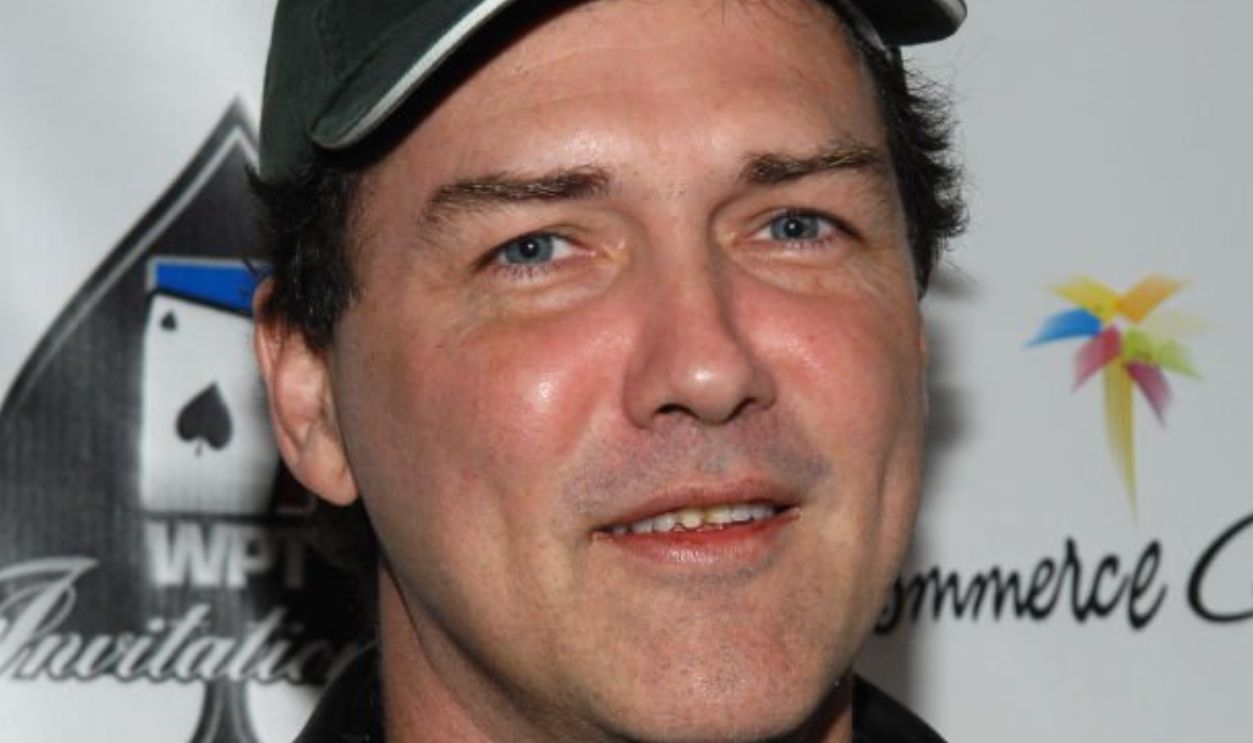
Macdonald read widely on faith, morality, and the nature of existence. He engaged with religious texts and philosophical literature privately, rarely presenting those interests as part of his public persona. That quiet exploration shaped how he considered mortality, emphasizing humility and the idea that life’s mysteries deserve contemplation rather than theatrics.
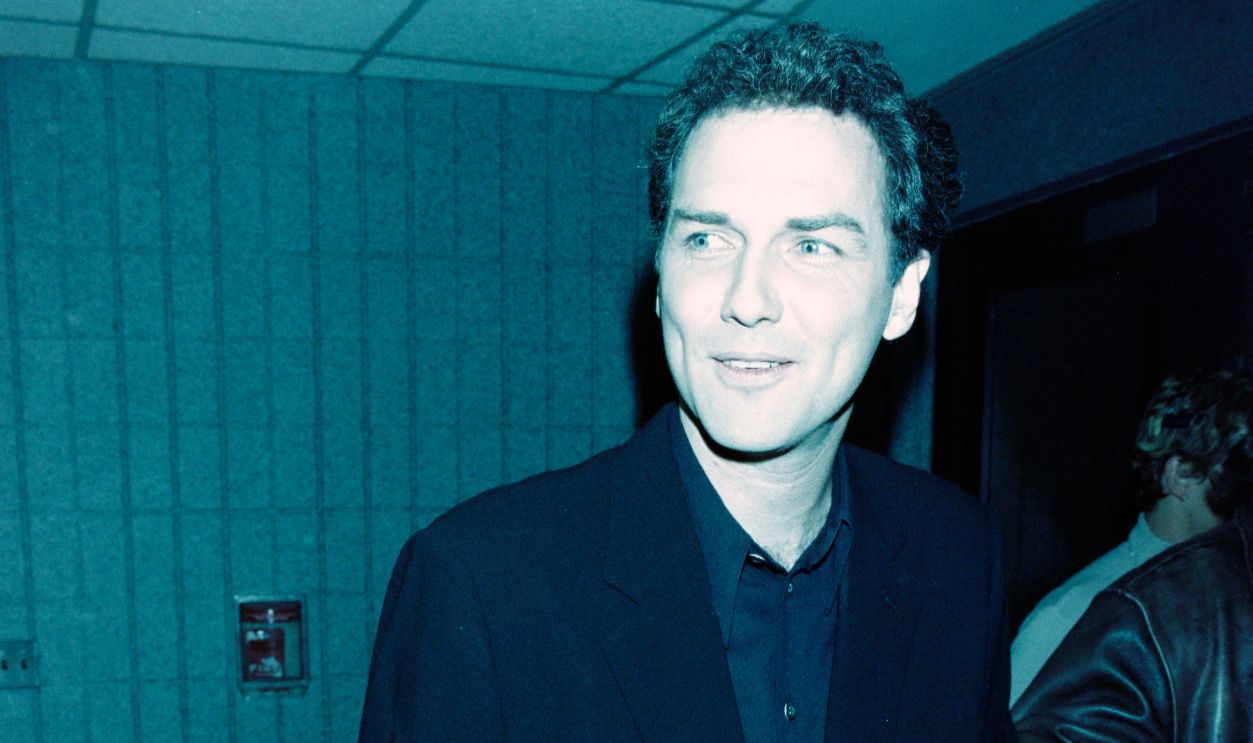
Working Tirelessly Through Treatment Without Anyone Knowing
Throughout years of treatment, Macdonald kept performing and appearing on podcasts and late-night shows. He maintained a steady workload that concealed his condition. Observers later realized how much effort those commitments required, especially given the intensity of chemotherapy.
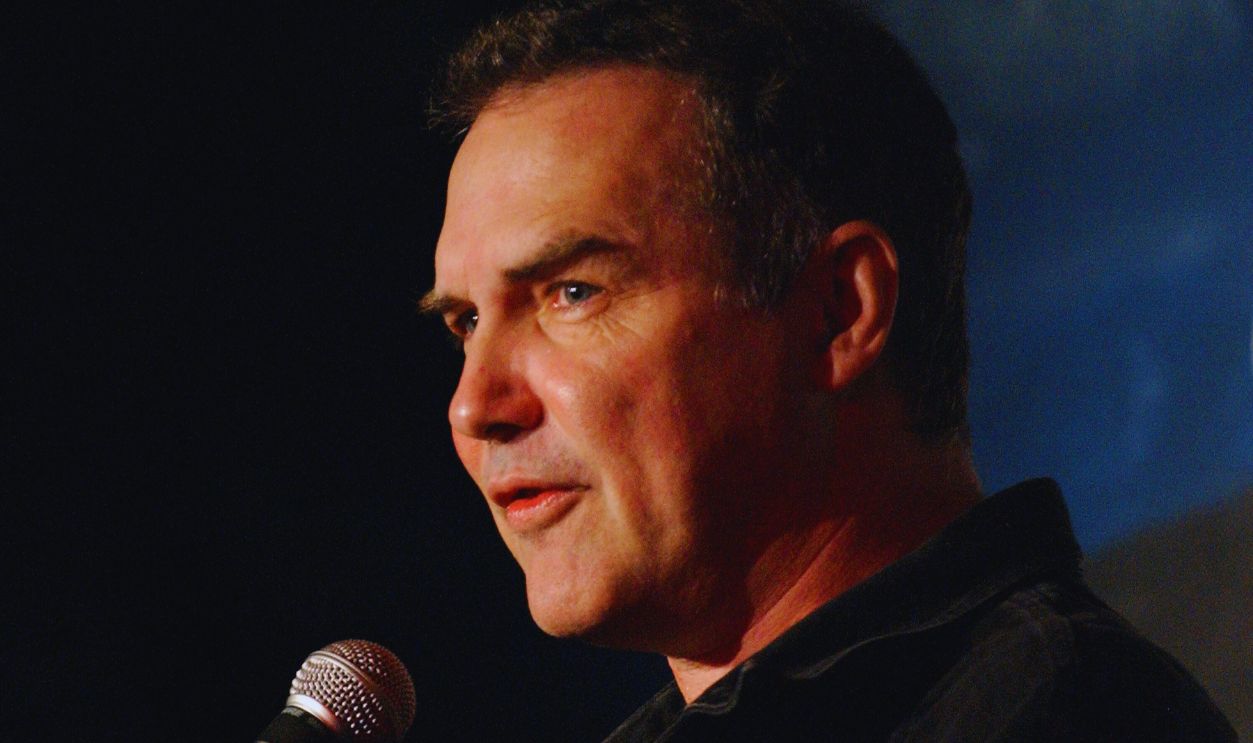 Michael S. Schwartz, Getty Images
The Night He Recorded An Entire Special Alone At Home
In 2020, unsure he’d get another chance to perform publicly, Macdonald recorded a full stand-up hour in his living room. He used a simple setup and completed it in one take. The informal recording captured his voice clearly, free from audience reactions or studio structure, preserving material he valued deeply.
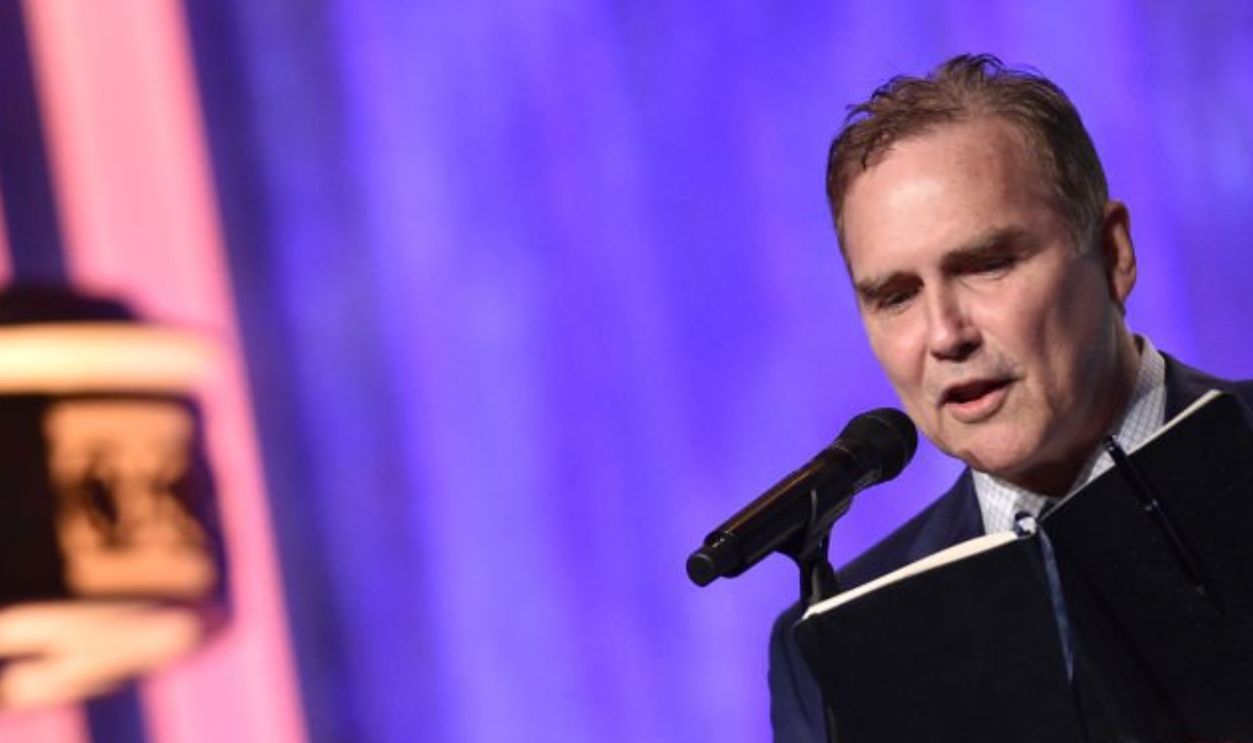
How “Nothing Special” Became His Unplanned Goodbye
Released after his death, “Nothing Special” offered viewers a rare look at Macdonald’s unfiltered perspective. Without a crowd, the emphasis rested entirely on his words and timing. The special felt intimate rather than polished, giving audiences a final opportunity to hear him reflect and shape ideas exactly as he intended.
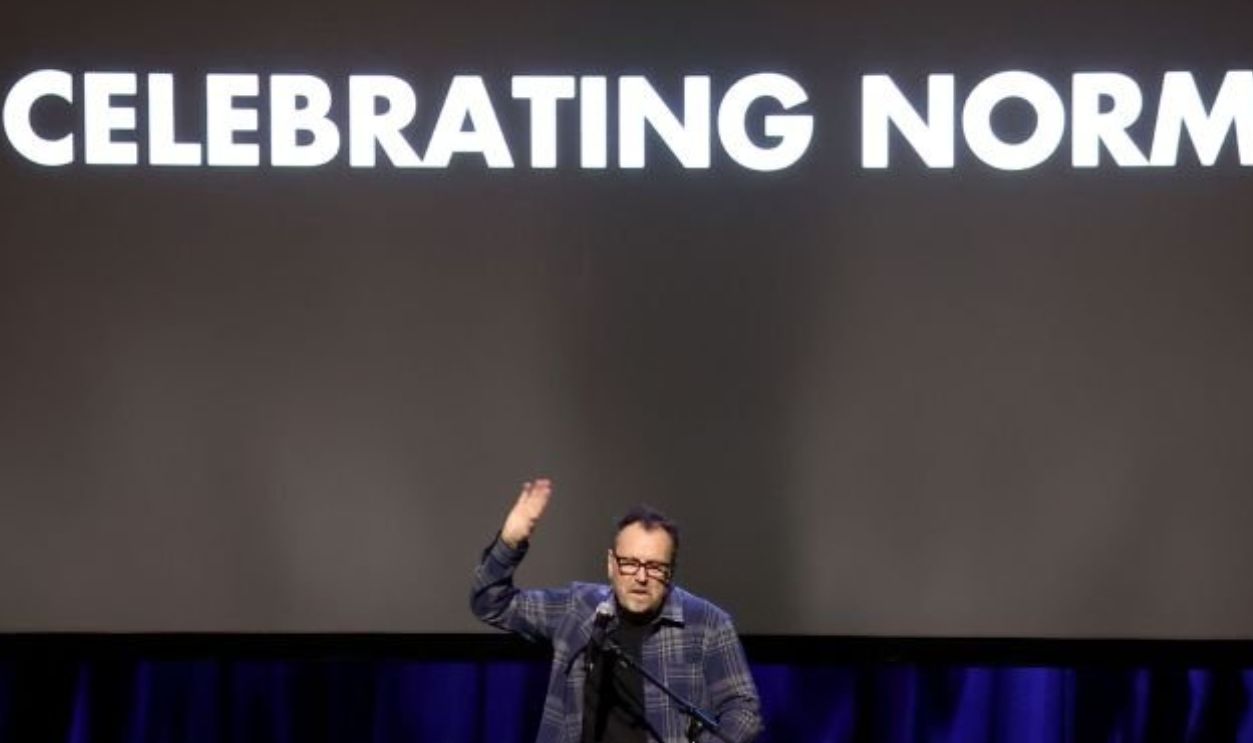
What His Brother Later Clarified About His Silence
Norm’s brother, journalist Neil Macdonald, explained after his passing that Norm valued privacy above public sympathy. Neil emphasized that the choice wasn’t secrecy for shock value but a deliberate decision rooted in dignity. He described his late brother as someone who believed personal hardship shouldn’t become a performance or a request for admiration.
 Alexis Tsipras Prime Minister of Greece, Wikimedia Commons
Other Comedians Saw His Secrecy As An Act Of Integrity
Many comedians praised Macdonald’s decision to keep his diagnosis private. They felt it reflected commitment to the craft, not detachment from the community. By refusing to use illness as narrative fuel, he upheld a principle many admired: comedy should stand on its own, free from emotional leverage or attempts to guide responses.

His Private Battle Ultimately Reshaped His Legacy
Macdonald’s choice to conceal his illness reframed how audiences interpreted his routines, interviews, and late-stage work. Viewers later recognized deeper layers in material once dismissed as abstract musings. His legacy grew around authenticity and the belief that humor remains valuable even when delivered by someone handling profound personal challenges.
.jpg)